
A narrow line of cursive hugging the ribs reads like a hidden note. I remember an afternoon consult where someone wanted a tiny diary-style script along the curve and then froze when I suggested slightly larger spacing so the letters would still read in three years. That small change is why a script can still read crisp after weight shifts and sun exposure. Below are 11 script setups tuned for women's bodies, with real session prep, outfit pairings, and what to expect as the ink heals.
1. Hand-Drawn Cursive on the Ribcage
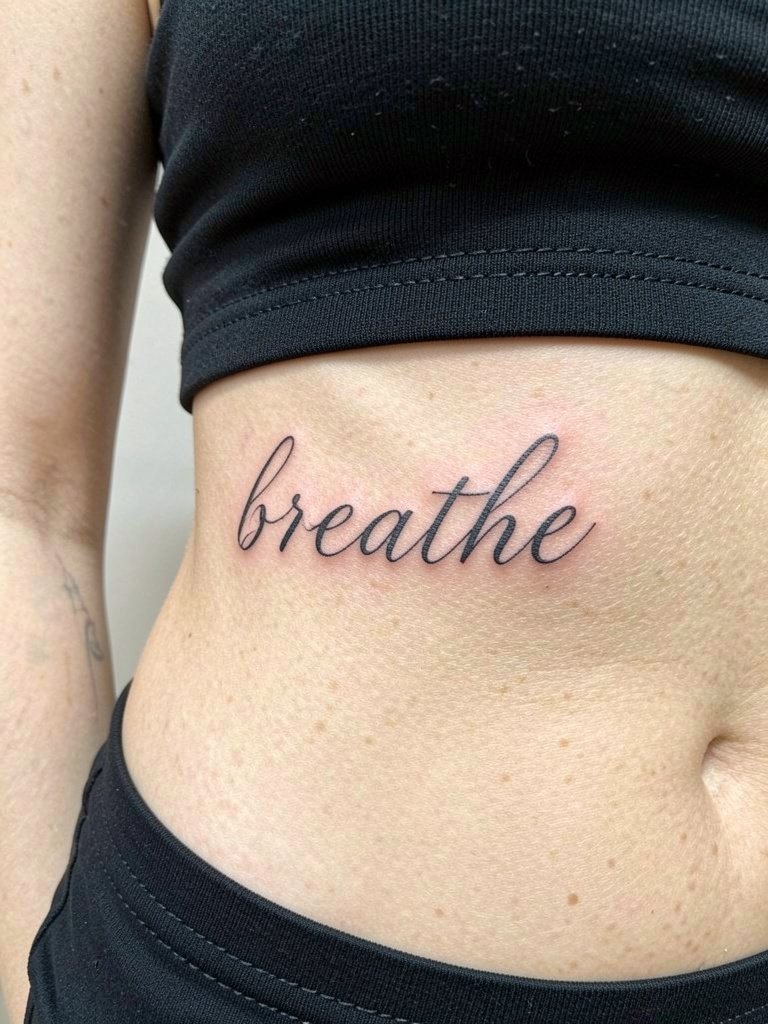
Fine-line cursive on the ribs reads intimate and personal if the spacing is right. One camp warns fine single-needle work blurs on ribs within two to three years because the area moves and stretches a lot. Another camp says that with slightly wider kerning and careful depth the script holds up, and artists often show three-year healed examples to back that up. Expect a higher pain rating for this placement and a single 45–90 minute session depending on length. For the appointment wear a loose button-down or a two-piece set for easy access. Common mistake is insisting on ultra-tiny loops; tell the artist you want the same handwriting but 20 percent larger for legibility and future touch-ups.
2. Minimalist Sans-Serif Phrase on the Inner Forearm

A sans-serif block phrase on the inner forearm ages better than tiny loops because the letters have room to breathe. For best results bring two reference sizes so the artist can mockup how the kerning tracks at two inches and three inches across the palm-up surface. Expect mild pain and a 30–60 minute session for 2–3 words. Styling tip for showing it off: pair with a linen button down shirt rolled at the cuff and a dainty gold stacked bracelet set on the opposite wrist. A common mistake is going smaller than two inches; the inner forearm eats detail, and you will likely want a touch-up around year two.
3. Curated Sketchbook Ankle Doodle
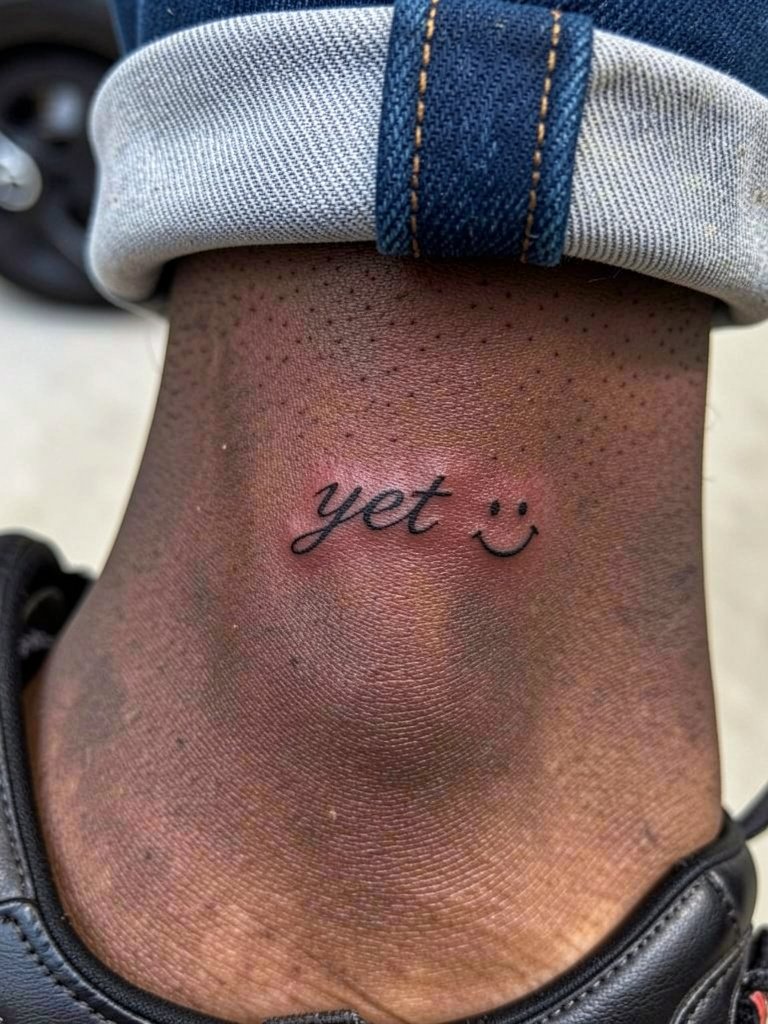
The ankle is perfect for a tiny, collected-word vibe that fits the curated sketchbook trend. Sessions are quick, often under 30 minutes, but friction from socks and shoes raises the risk of premature fading. For the session wear pants you can roll up easily and slip-on shoes. Showing it off works well with ankle-strap sandals, so consider pairing with ankle strap sandals. Common error is asking for sub-millimeter flourishes; keep the symbol and word simple to avoid blowout and early blurring.
4. Gothic Wrist Mantra
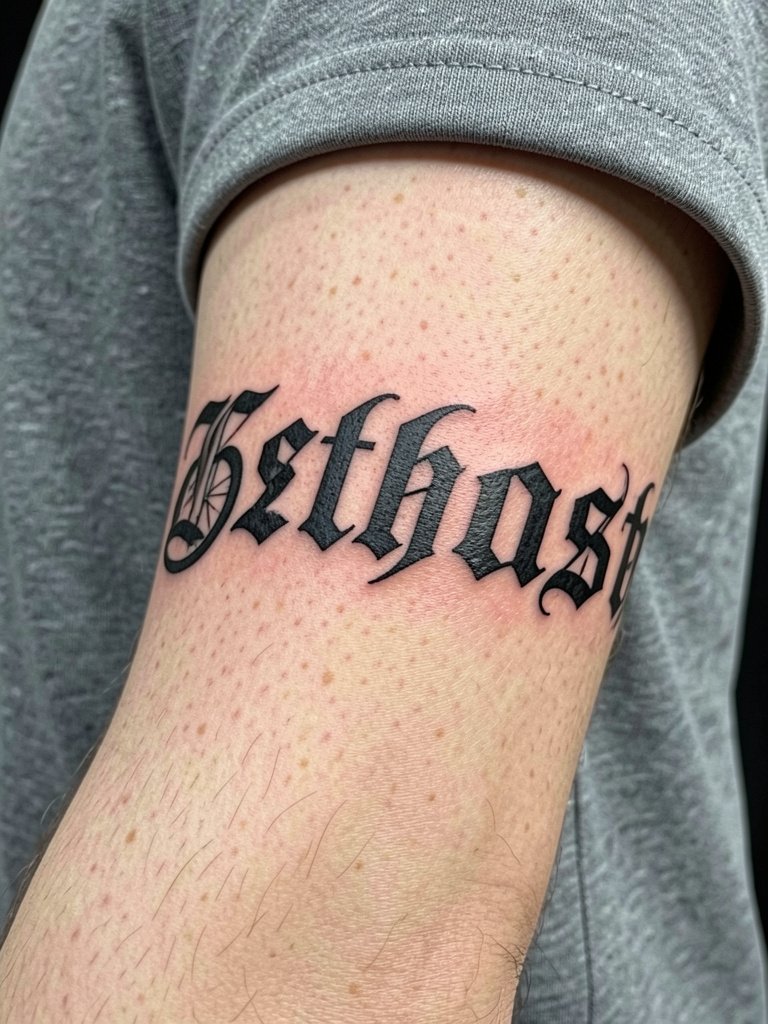
Gothic script on the wrist is polarizing. One camp says heavy blackletter feels too aggressive for most women and can age into a heavy block if the lines lose crispness. The opposing camp argues gothic offers a striking alternative to cursive and that many women choose it specifically for the dark academia look. Plan a slightly thicker line weight than you might for a fine-line wrist piece and allow the artist to space each letter so the counters do not fill over time. Session time is typically 45–60 minutes. For styling, keep the tattoo visible with short sleeves and avoid chunky watches on that wrist.
5. Spine-Flow Vertical Script Down the Vertebrae
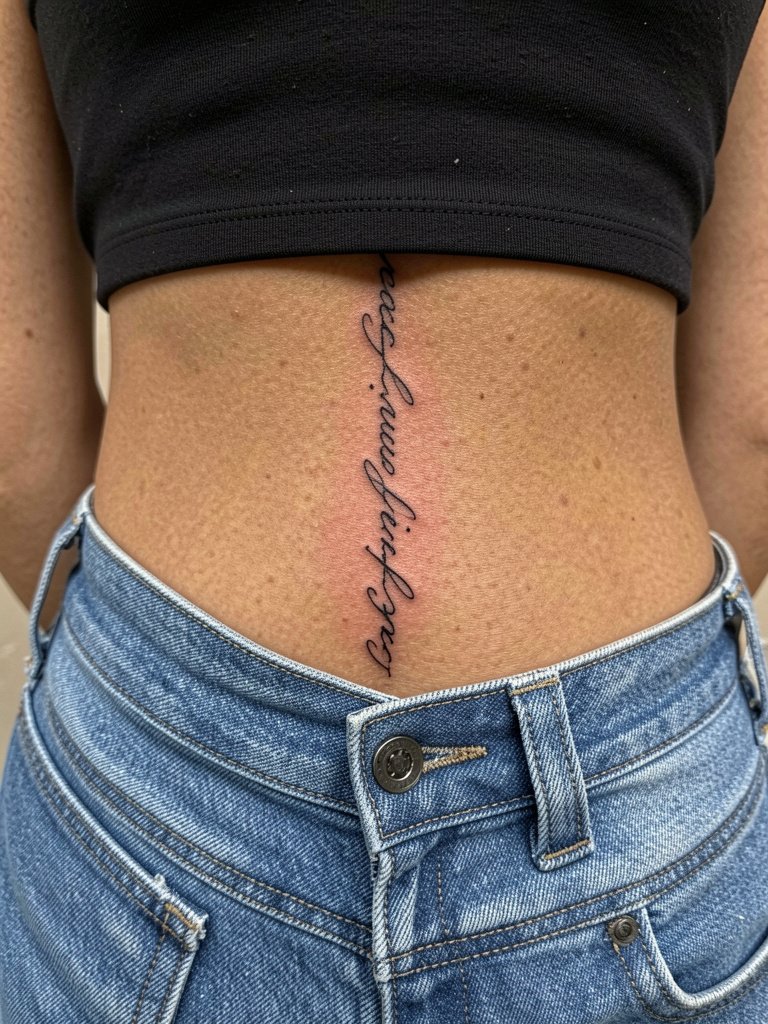
Vertical spine scripts elongate visually and hide well under hair or clothing. Pain is moderate to high near the spine and sessions can run 60–90 minutes for longer phrases. Ask the artist about alignment over the vertebrae and whether the script needs a faint center guide to keep the columns straight. For showing it off, low-back tops or backless dresses create a clean reveal, try a low back top for nights out. Common mistake is off-center placement; verify the midline with a seated and standing mockup before the first pass. Expect touch-ups at the two- to four-year mark for fine-line work.
6. Birth Flower Bouquet with Script Label on Inner Upper Arm
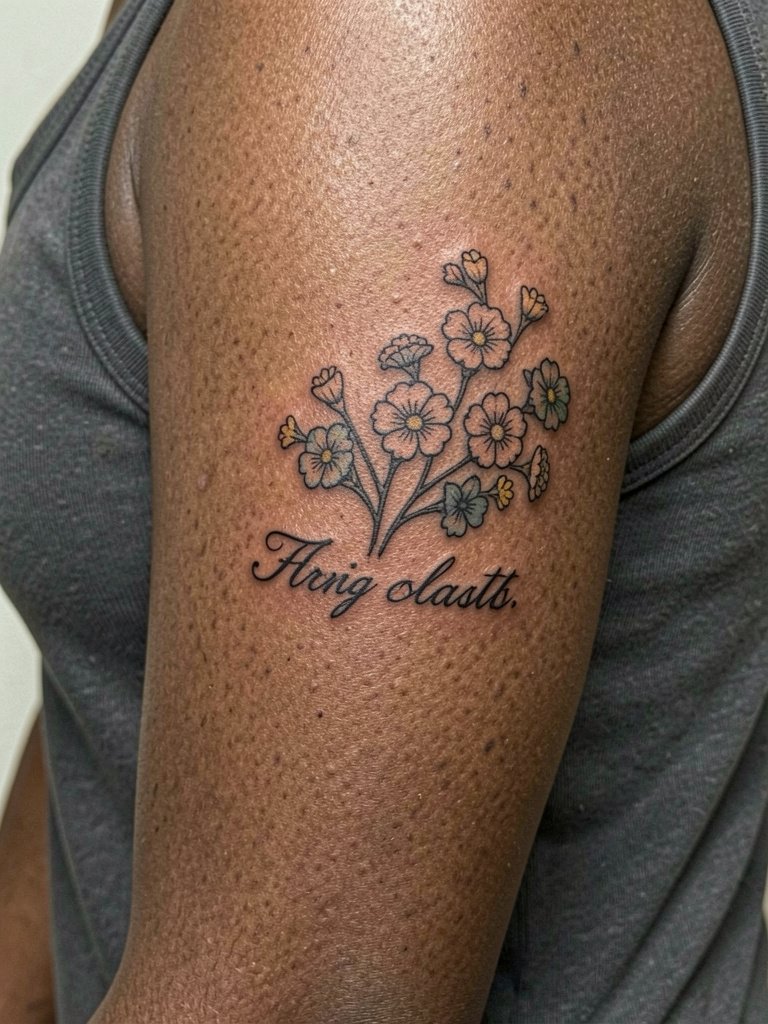
A labeled birth-flower cluster balances imagery with a tiny script line and suits the inner upper arm because that skin is less exposed to sun and friction. Session time is usually 45–75 minutes depending on color accents. During the consultation bring clear photos of the flowers you want and specify whether you want stipple shading or light color wash. Avoid cramming the script under the bouquet; keep at least 4–6 millimeters of clear space so the label remains legible. For the session wear a loose tank top for easy access. Expect a gentle touch-up after one year if you opted for thin script.
Pack Smart
The ribcage pieces and wrist mantras above need slightly different kit in the chair, so these picks smooth the first week and the healing window.
- Hustle Butter Deluxe. A thin, non-greasy balm many artists prefer on fine-line work because it moisturizes without clogging the needle channels during later touch-ups.
- Tattoo Safe Balm. A gentler formula recommended for sensitive ribcage skin to reduce irritation while preserving linework.
- Mandom Aftercare Ointment. A very thin Japanese-style balm artists sometimes use on micro-realism script to avoid heavy saturation.
- Specialty thin tattoo balm. A lighter alternative to standard ointments that helps fine lines settle without excess residue.
- Aquaphor healing ointment. A widely available option for the early skin barrier days, useful for small area coverage on wrist and finger pieces.
7. Negative Space Script on the Collarbone
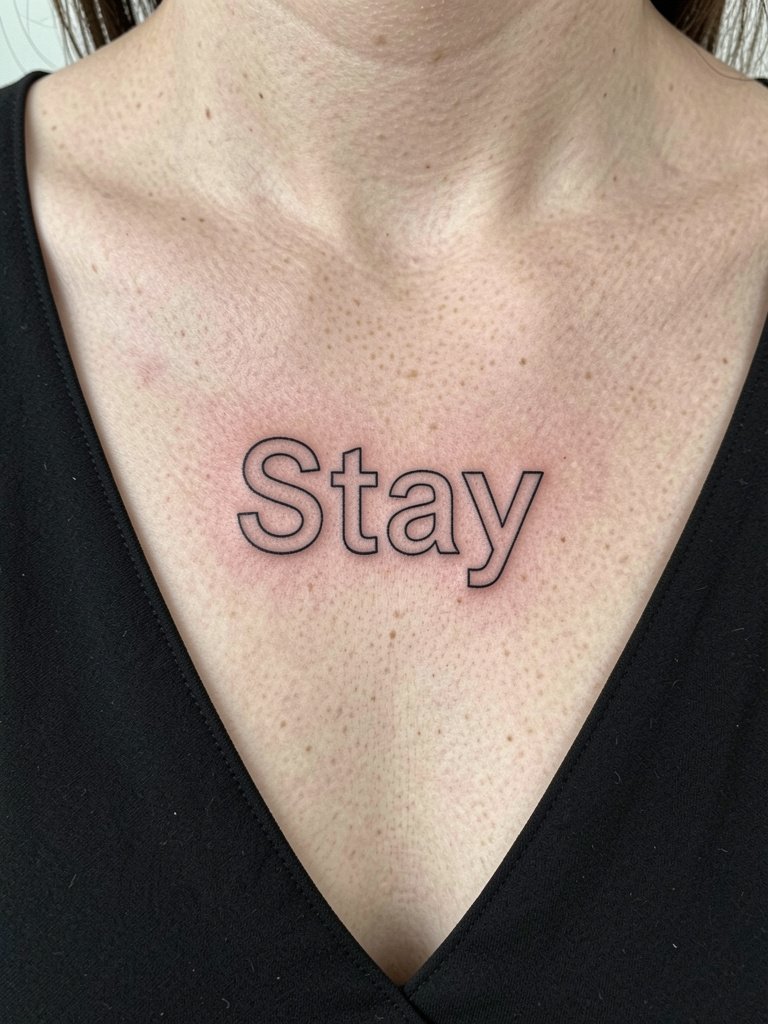
Negative-space lettering uses uninked skin to create the letters and can help the word remain readable as the skin changes. Fine tuning is about contrast and the width of the inked counters around the letters. Pain is mild for collarbone work and sessions are usually 30–60 minutes. For evening outfits this placement pairs well with an V-neck dress or a strappy camisole. Avoid requesting ultra-thin outlines inside the letters; the ink around the counters must be bold enough to preserve the word when healed.
8. Micro-Realism Quote Behind the Ear

Behind-the-ear micro scripts are ultra-discreet and heal fast, but the small scale raises legibility issues over time. Sessions are short, typically under 20 minutes, and the area is sensitive because of thin skin and proximity to cartilage. For the appointment pull hair into a sleek clip to expose the mastoid area. A common mistake is requesting too many characters; keep it to a single word or initials for longevity. Ask for healed photos of the same scale on similar skin tone to set realistic expectations for photography results.
9. Custom Handwriting Translated to Inner Thigh
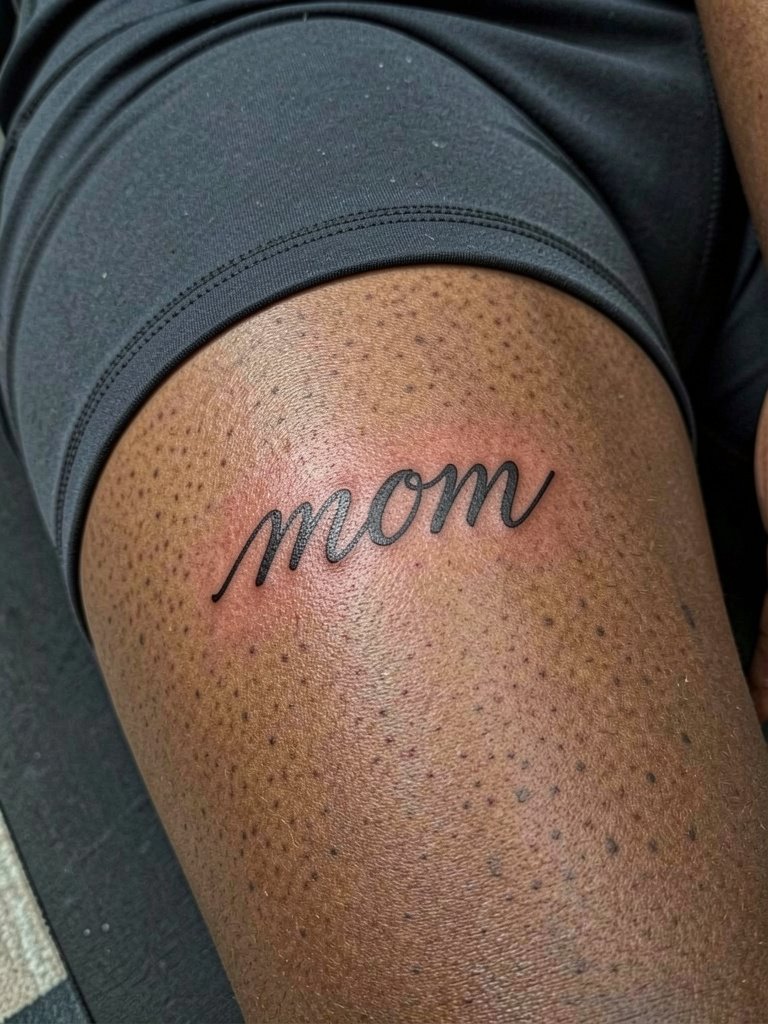
Handwritten translations need a specialist who can translate the flat sample into a fluid piece that follows thigh curvature. One camp favors scanning and tracing a digital font for speed and low cost. The other camp insists on a hand-drawn translation to preserve the quirks of the handwriting and to adapt it to skin movement. During your consult bring the original written sample and ask the artist to sketch a body-flow version on the skin so you can confirm letter spacing and tilt. Session time is 30–60 minutes. Wear loose shorts for the appointment and expect a touch-up window at year two if the line was ultra-fine.
10. Celestial Chart with Script Date on the Upper Thigh
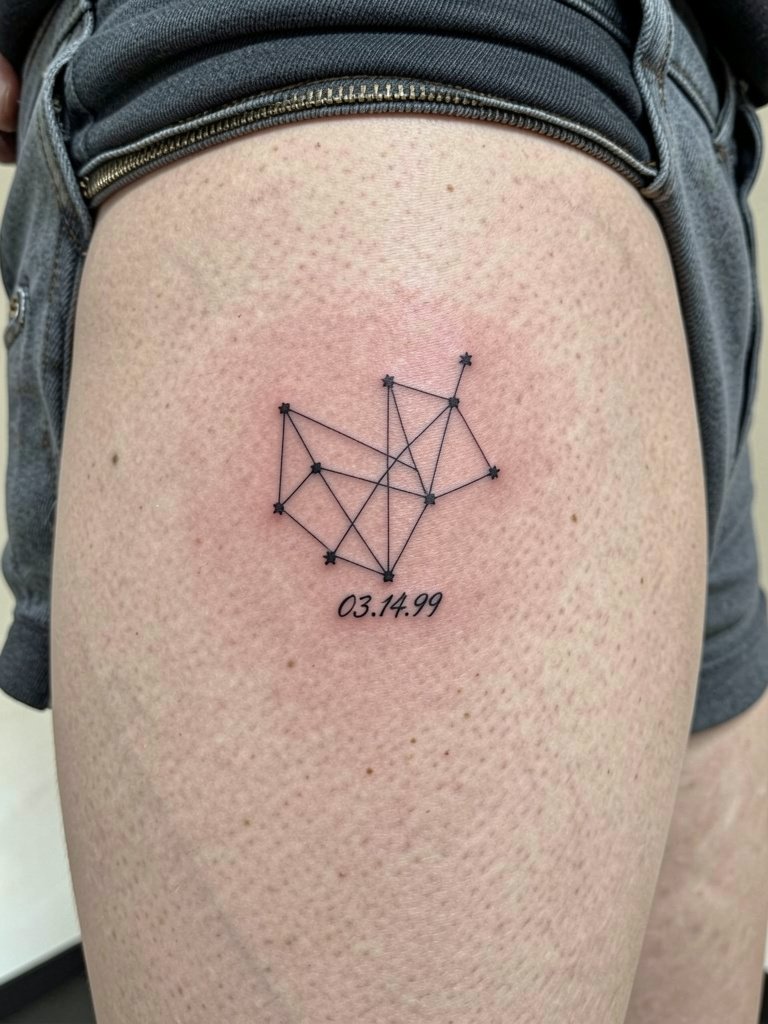
Astrology charts paired with a neat script date make for a subtle statement on the outer thigh. Sessions run 60–90 minutes depending on chart complexity. For showing the piece off, midi skirts or high-waisted shorts frame the area well; try a midi skirt when you want photos. During prep ask the artist to map the geometry at actual scale on your body so the lines do not skew when you move. This placement tolerates micro-detail better than the ankle but still benefits from slightly larger script for longevity.
11. Y2K Groovy Script on the Shoulder Cap
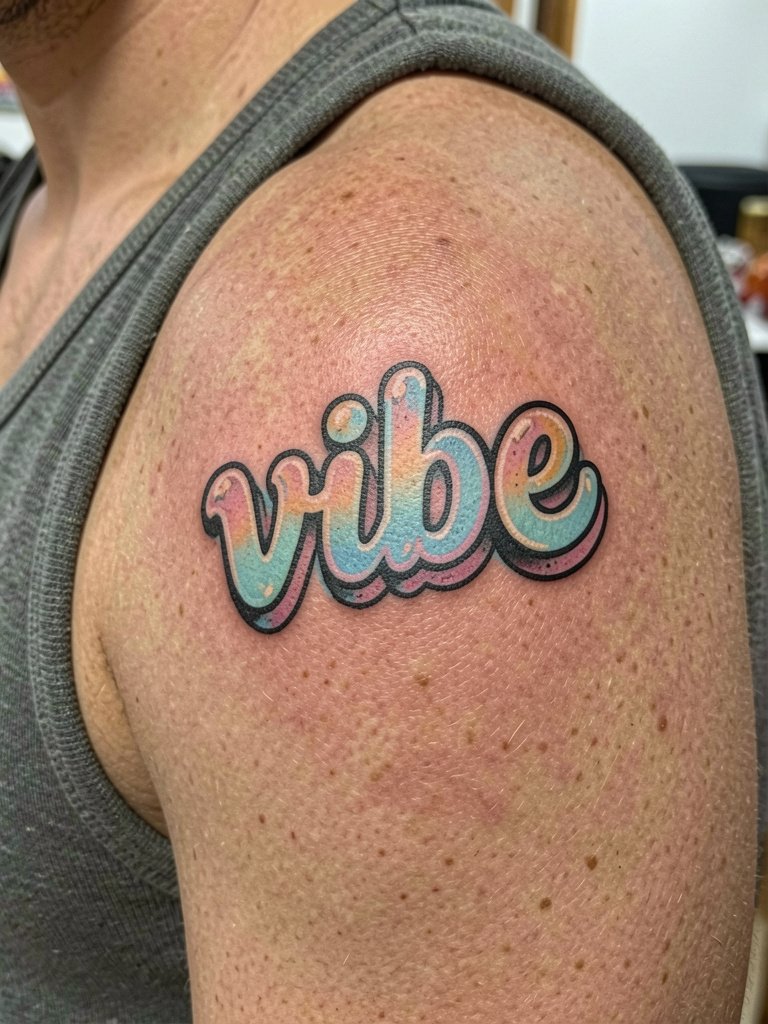
Playful bubble lettering on the shoulder reads youthful and photographs well. Expect around 45–75 minutes depending on color. For session wear a sleeveless top so the artist can work without restriction. When styling for photos pair the shoulder cap with a tank top and bold accessories like a set of chunky earrings to lean into the Y2K vibe. Avoid requesting tiny inner shading that the shoulder will soften quickly; keep outlines bold and colors slightly saturated to hold on photo.
Frequently Asked Questions
Q: Will fine-line script really blur faster on certain placements like ribs and wrists?
A: Yes, some placements move and stretch more, which raises the risk of line softening. One practical approach is to use slightly wider spacing and a hairier line weight when you want the script to stay legible for longer. Expect to budget for a touch-up around two to three years for the tiniest single-needle work.
Q: How do I find artists who post healed script photos across skin tones without naming shops?
A: Search hashtags like #finelinetattoo, #scripttattoo, and #handwrittentattoo on Instagram and TikTok and filter by location. Tattoodo and Inked App let you search by keyword combinations such as "custom script ribcage" and often show healed portfolios. Reddit threads in r/tattoos and r/tattooadvice also surface peer-posted healed shots across skin tones.
Q: I want my mom's handwriting. What should I bring and what exactly do I ask for in the consult?
A: Bring a clear physical sample on paper and a photo of the spot on your body where it will sit. Request a hand-drawn translation that adapts the slant and spacing for the body's curve, and ask the artist to sketch the size on skin before starting. If the writing has tight loops, ask for modestly increased spacing to reduce blur long term.
Q: What should I wear to the session for different placements?
A: For ribs pick a loose button-down or a two-piece set so the artist can access the side torso without you removing everything. For inner forearm roll up a linen button down or wear short sleeves. For thigh work wear loose shorts or split-leg bottoms for easy exposure and modesty. Small styling choices make the session smoother and keep the area uncompressed during application.
Q: How often will script tattoos need touch-ups?
A: Fine single-needle pieces commonly need a touch-up in two to three years, especially on high-motion or high-friction sites. Bolder letters and negative-space treatments often stretch touch-up timelines to three to five years. Plan for a realistic touch-up budget when you schedule, especially for tiny scripts.
