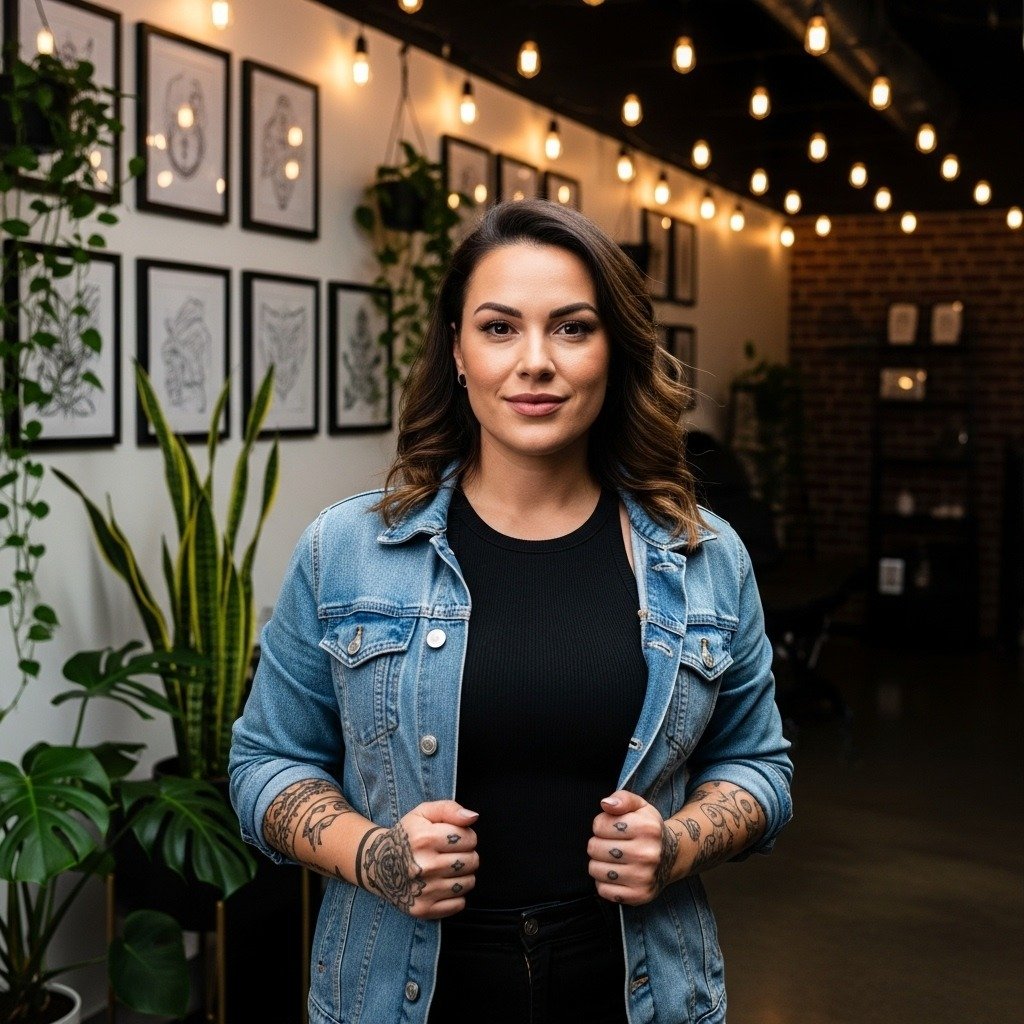
Hand tattoos keep popping up on saved boards, but what looks perfect on a fresh photo often softens in real life. Fine single-needle florals trend on social feeds yet blur fast on high-wash skin. Bold blackwork and deliberate negative space survive more hands and more seasons. Read these practical, style-forward hand ideas with session notes and wardrobe pairings you can actually use when you book.
1. Fine Line Single Flower on the Back of the Hand
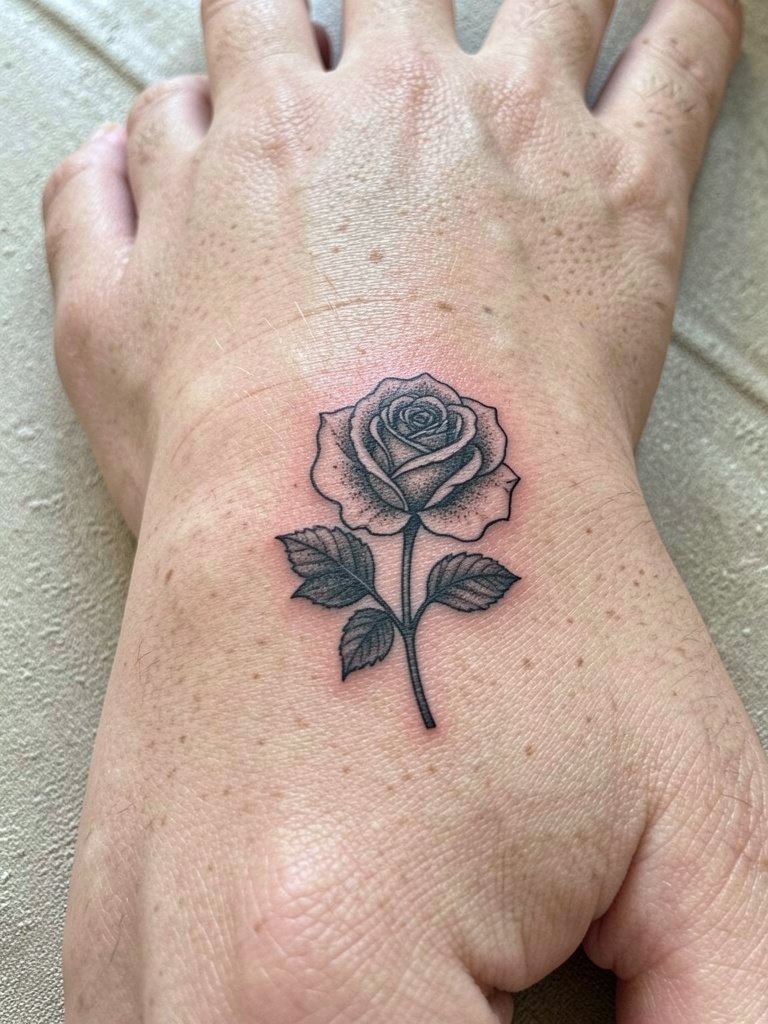
A small single-flower on the back of the hand reads feminine without needing color, and it fits people who want visible art that can still be covered by gloves for work. Expect the session to feel stingy because the dorsal hand sits close to bone, and plan a thirty to forty-five minute slot for linework and light stipple. A common mistake is asking for ultra-thin single-needle lines the size of a thumbnail. Those lines can spread into a blur in under two years on hands that get heavy sun and washing. I recommend slightly heavier line weight at the start and a one-year touch-up in the budget. For showing it off, roll up a linen sleeve and pair the hand with a dainty gold stacked bracelet set that keeps attention on the back of the hand. Note that hand placements need specialists who understand blowout risk and lineup spacing.
2. Circular Mandala Centered on the Dorsal Hand
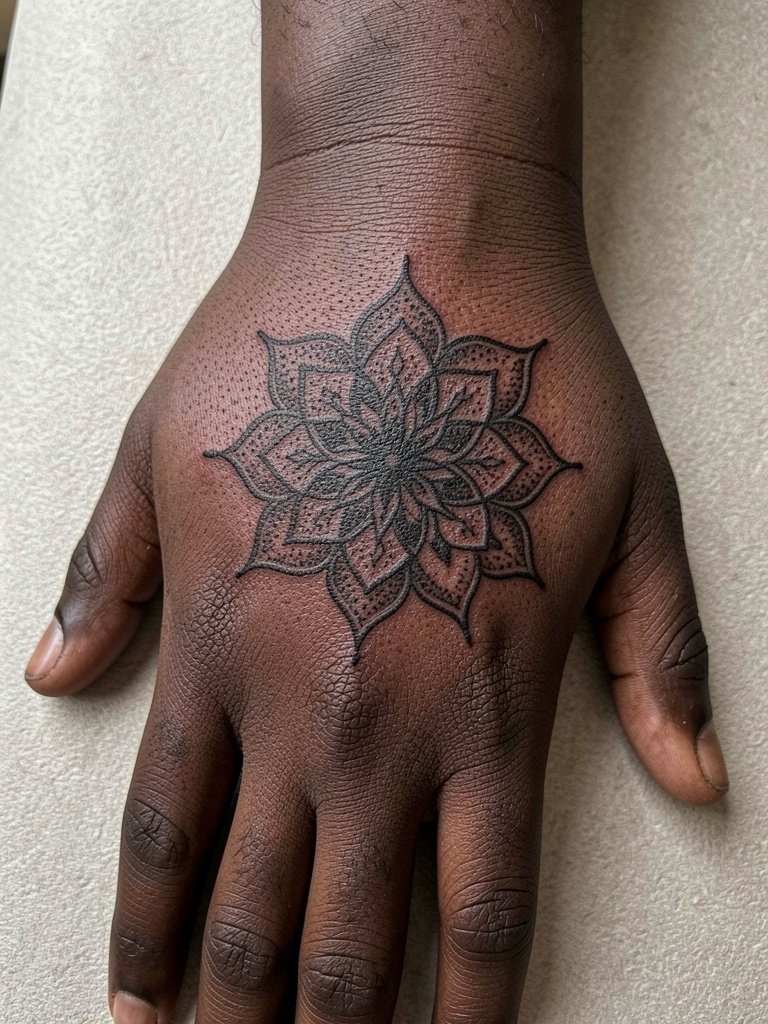
Mandala work matches the hand's round canvas and creates balance between negative space and dense linework. Artists and clients split on how compact to make the pattern. One camp says tiny detailed mandalas lose crispness quickly on hands because the skin moves and the lines sag. The other camp argues a slightly larger scale with controlled spacing and heavier linework will hold well for several years. If you want something that reads from a distance, choose bold outer rings with inner dot work instead of micro filigree. This style can take one to two sessions depending on detail. When wearing it out, a cropped black tee or a black oversized tee sets the contrast so the mandala pops. Respect the design's ornamental roots and avoid borrowing sacred symbology without context.
3. Wrist Cuff Bracelet Style
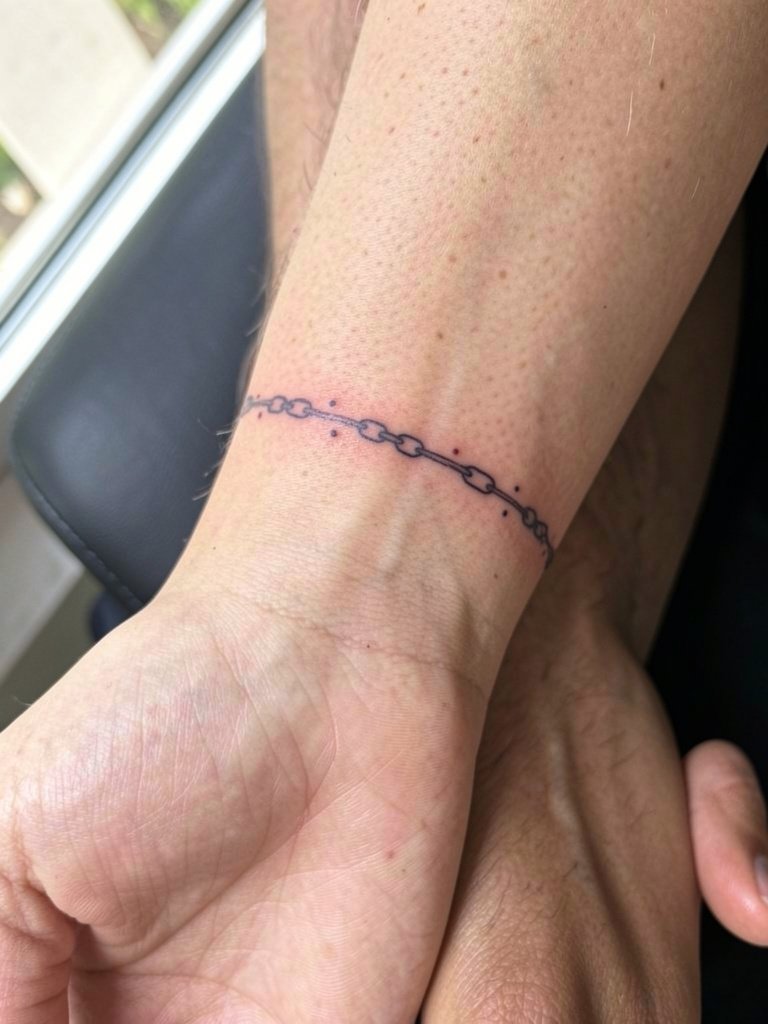
Wrist cuffs mimic jewelry while staying permanent. They are ideal for people who love bracelet aesthetics with less daily maintenance than real metal. The cuff can be one continuous line or segmented pattern that breaks for mobility. The usual error is making the band too thin and too tight. That causes the band to blur into a faint banded shadow within a year. Ask for slightly wider linework and leave a millimeter of breathing room in the pattern so the motif keeps definition. Session time runs about thirty minutes for single-line cuffs. For the appointment, wear short sleeves and bring a minimalist watch on the opposite wrist so the artist can see how the cuff balances with timepieces. A polished, stacked look on the other wrist complements the tattoo without crowding the hand.
4. Knuckle Script Phrase Across the Fingers
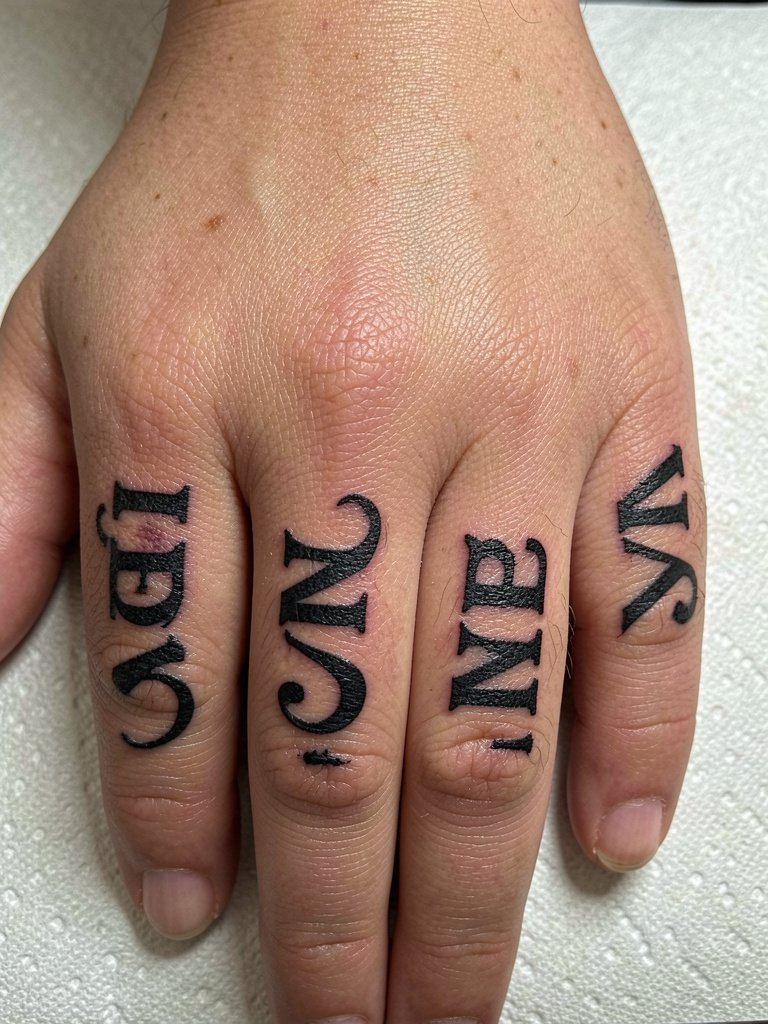
Knuckle script is high-impact and high-pain because the skin sits over bone and moves constantly. Expect a punchy sting and potential light bleeding during and after the session. The common mistake is asking for long phrases across four knuckles. Keep it to short words or single-syllable initials so the letters have room and the ink doesn't feather into the adjacent knuckle when healed. For longevity, bold block forms with tight spacing work better than delicate scripts. Plan for a single-session appointment and a touch-up at twelve months. Style advice for knuckle-focused looks is to keep rings minimal on the other hand and wear an open cuff shirt that frames the hands. Know that knuckle work ages faster than wrist or dorsal hand work.
5. Inner Hand Minimal Symbol
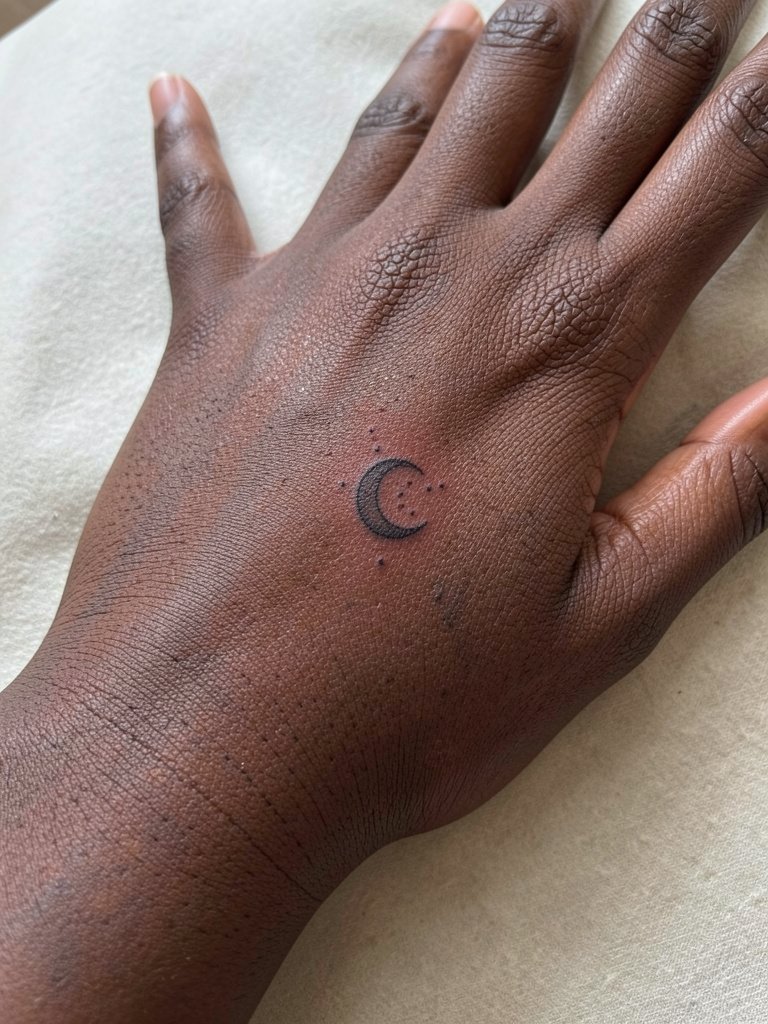
Inner-hand symbols sit on soft, high-contact skin and can be the most fragile hands-on choices for first timers. The inner hand eats fine detail during healing because constant washing and friction make scabs form and peel. A common mistake is requesting micro-dot work right next to the thumb crease. That area moves and blurs faster than the back of the hand. If you want a discreet icon that lasts, keep the symbol simple and slightly larger than the reference image so the tattoo reads after a year. Sessions are short, often under twenty minutes. For showing it off, match the piece with delicate rings on the opposite hand and a delicate ring set women so the focus shifts away from constant handling. Because inner-hand ink sits on a tricky canvas, pick an artist used to hands.
6. Abstract Brushstroke Covering the Dorsal Hand
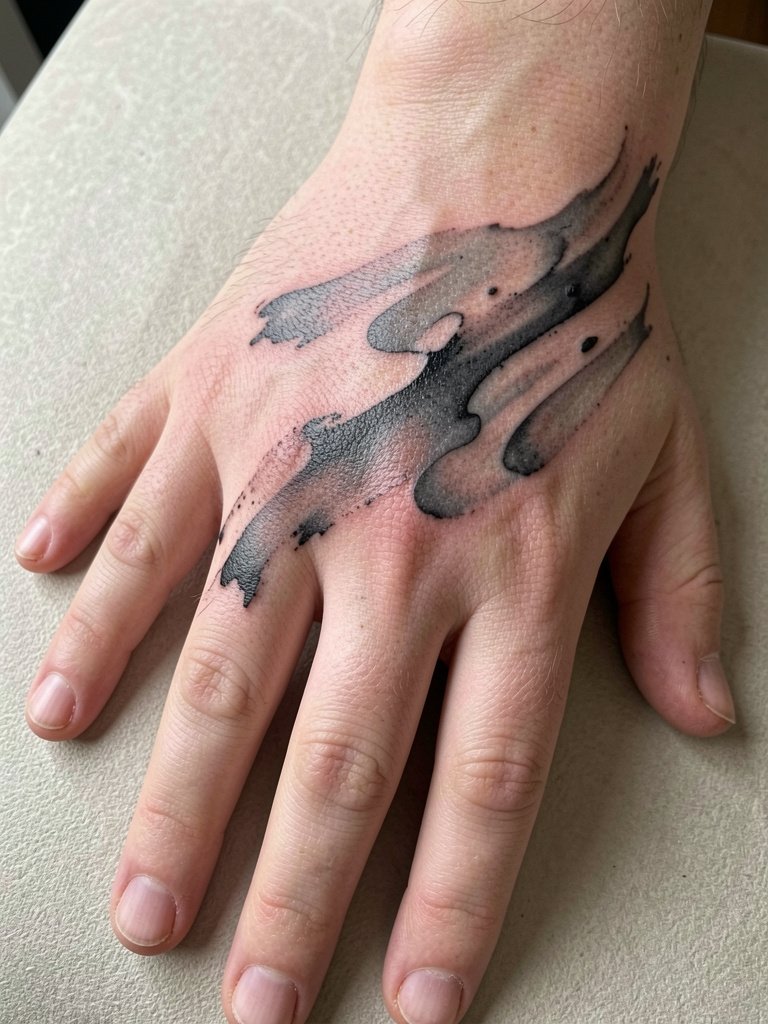
Abstract brushstroke tattoos let the artist use painterly motion to work with the hand's contours and hide early edge wear. The session is tactile and can run longer than a small script, often in one to two passes for saturation and blending. A mistake is asking for watercolor-like soft blends in areas with heavy wash exposure because those blends can fade into patchy shadows. This style ages into a lived patchwork, which some collectors like and others do not. For an elevated look, pair the piece with solid-color tops like a solid color top women that give the art space to breathe. Note that this approach benefits from an artist comfortable with saturation and edge contrast.
Pre-Session Essentials
These first six hand ideas span delicate single-needle work to heavy black coverage, so a few practical items smooth the appointment and the first healing days.
-
Indie tattoo balm alternative. A thinner balm can help fine-line pieces avoid clogged pores during the early healing window without leaving sticky residue.
-
Australian aftercare ointment. Many collectors praise lighter lotions that protect the skin and reduce heavy scabbing on high-wash areas like hands.
-
Non-sticky healing gel. For hands that see constant washing, a gel that sheds less residue keeps daily hygiene simpler while the skin seals.
-
Thin protective film roll. Useful for short-term protection on fingers and knuckles when you expect heavy contact during the first 24 to 48 hours.
-
Aquaphor healing ointment. A familiar option for the initial days that some people still prefer for preventing severe scabbing on denser blackwork.
7. Blackwork Lace or Large Mandala Coverage
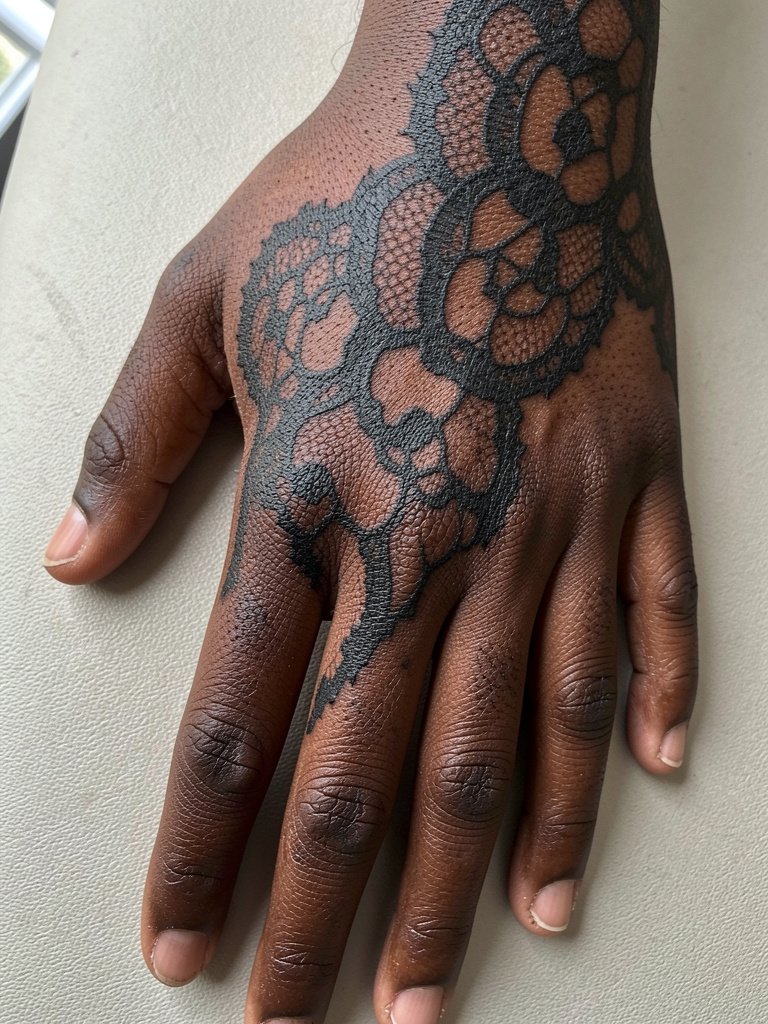
Blackwork lace uses saturated black and negative space to create dramatic contrast that often ages more predictably on hands. Solid fills resist wash fading better than single-needle detail. A mistake is overloading the piece with tiny filigree inside large blacks because those thin cross-hatches can vanish as the skin moves. Expect two sessions for larger dorsal coverage and a touch-up at twelve to twenty-four months for fill refresh. This style benefits from a bold wardrobe pairing. Try a vintage cut jacket or solid neutral top to highlight the contrast. Make sure the artist has experience with saturation on hands to avoid uneven patching.
8. Blackout with Negative Space Shapes
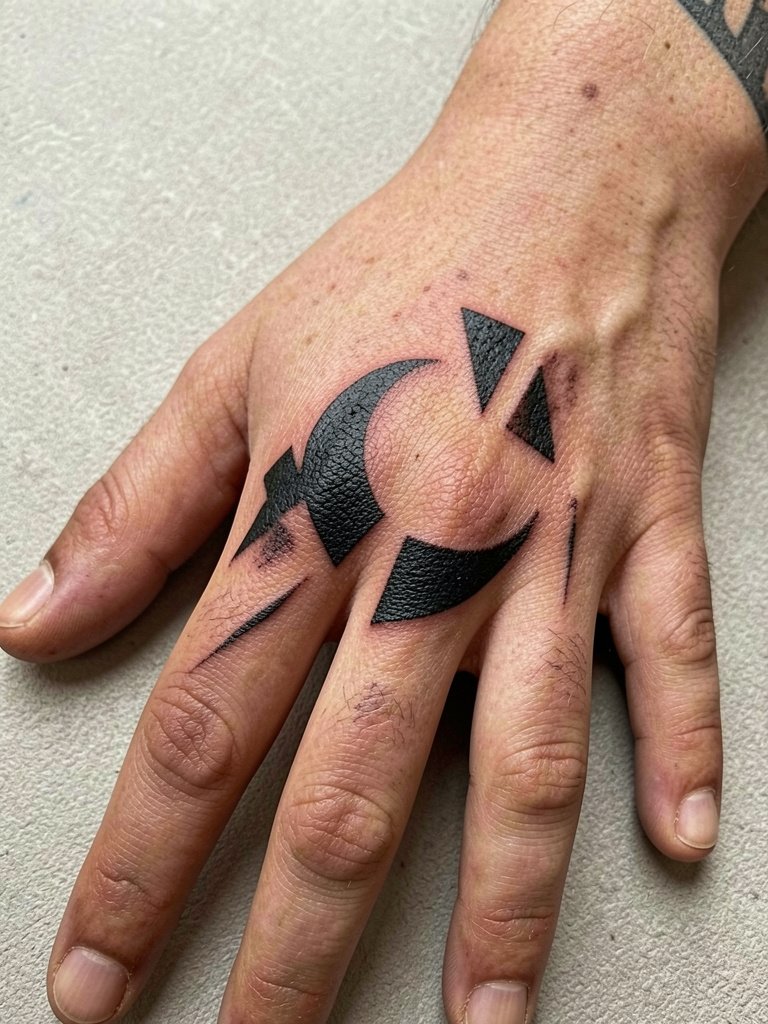
Blackout hand pieces embrace boldness and often outlast delicate options in visual clarity because saturation reads clearly as ink thins. The session load is heavy and will need multiple visits for full coverage and an even black surface. A real-world downside is that large black areas show fading differently, so anticipate touch-ups every couple of years. If you like contrast without full blackout, ask for crisp negative shapes that create readable icons inside the black mass. Style pairing here is naturally bold, so a black oversized tee or solid dark jacket keeps the visual rhythm. Because blackout is intensive, pick a studio that photographs healed results on hands across skin tones.
9. Celestial Motif Cluster
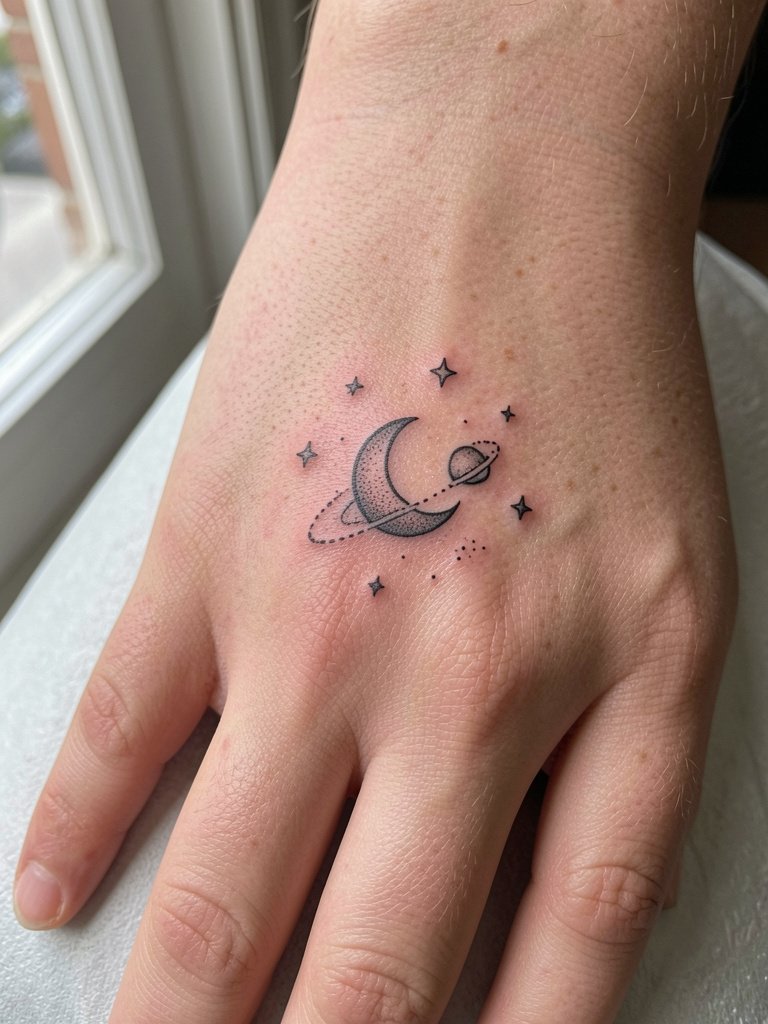
Small celestial clusters are versatile and scale nicely around the wrist or back of the hand. The main failure point is compressing too much micro detail into tiny icons. That detail can soften into a starry smudge if placed over high-motion zones. Go slightly larger than you think and keep dot spacing consistent. These pieces usually finish in a short session and age better in black and grey than in pale pastels. For outfits, a rolled cuff linen shirt in soft neutrals frames the small stars and moon so they read clearly. Mention sun protection during the first month to the artist as part of your aftercare plan.
10. Wildlife Silhouette on the Back of the Hand
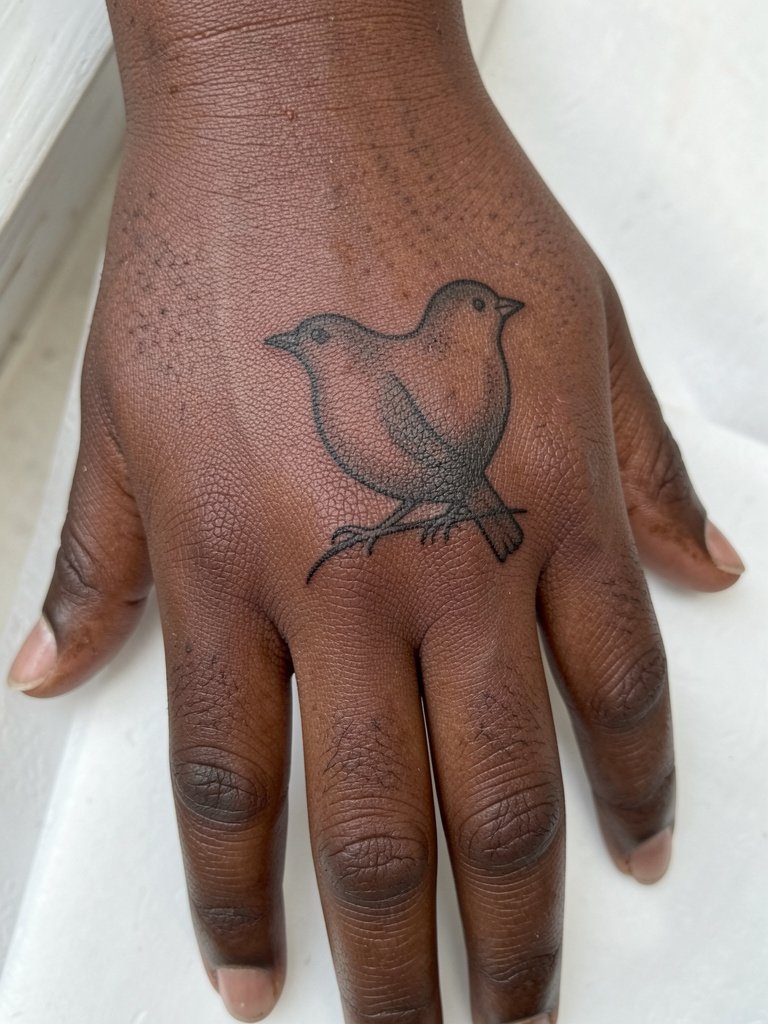
A wildlife silhouette gives a clear subject without demanding hyperrealism that can fail on hands. Choose silhouette scale so the body shape stays readable after a year of wear. People often pick overly fine feather details that blur; instead pick a moderately sized silhouette with a hint of soft shading. The session is typically under an hour for a one-inch silhouette. To highlight the shape, wear neutral-toned tops like a solid color top women so the bird's contour reads. For collectors thinking full realism, discuss staged touch-ups to maintain crisp edges over time.
11. Geometric Pattern with Clean Lines
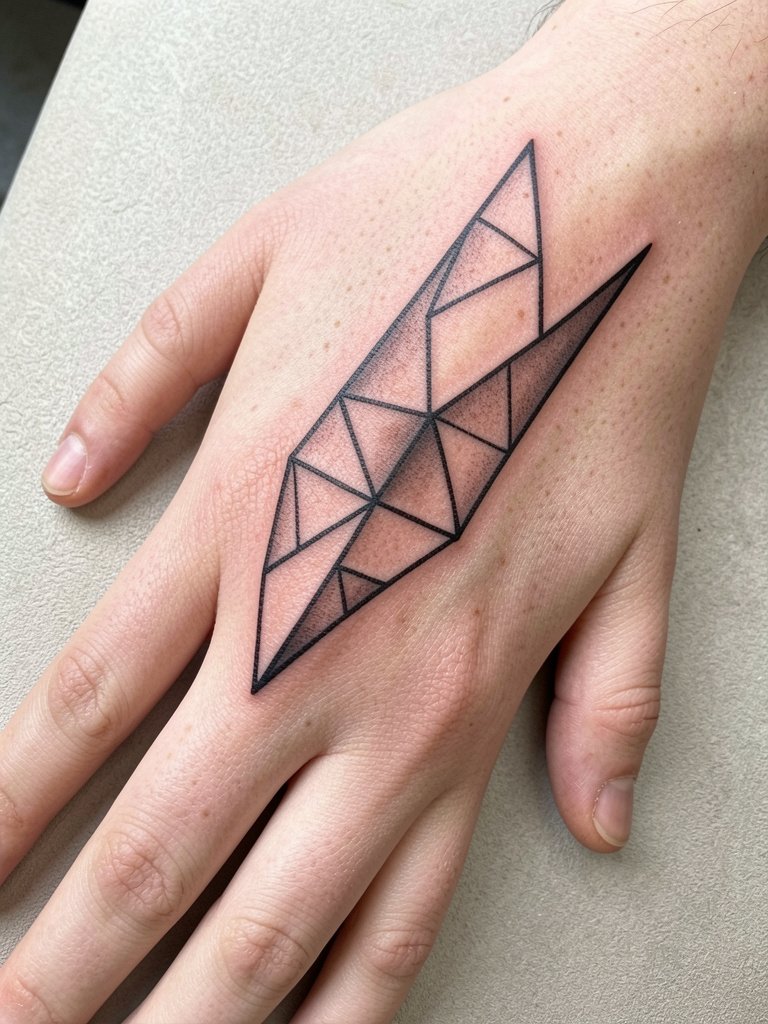
Geometric layouts use precision and spacing to stay legible. The biggest mistake is going too small for the line density. Tiny angles need breathing room or they merge into a single dark mass. For hands, aim for slightly thicker primary lines and allow open negative shapes to keep contrast. Expect one session and a touch-up window at about twelve months. For styling, geometric hands pair well with minimal jewelry and a thin chain bracelet set on the opposite wrist to balance the crisp lines. If you want mirrored geometry across both hands, plan appointments spaced several months apart for the skin to fully recover.
12. Curved Script That Follows the Hand Arch
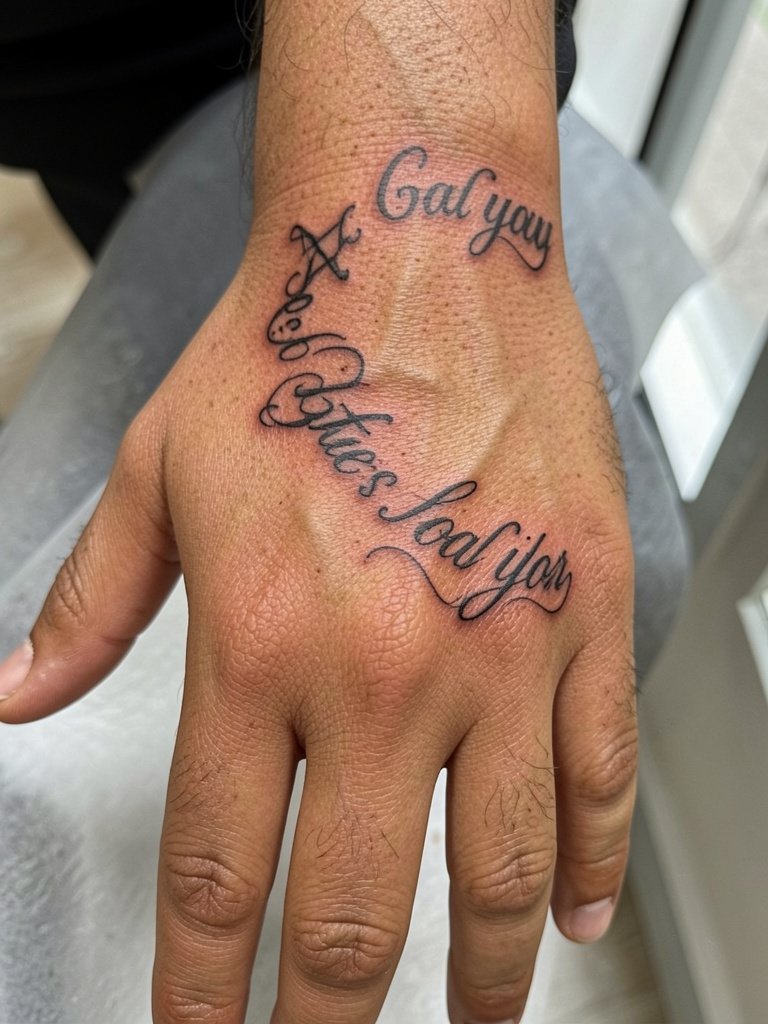
Curved script that follows the hand's natural contour looks elegant when the letter spacing and baseline are mapped correctly. The common error is bringing a flat reference and expecting it to bend without adjustments. Bring two reference photos at different scales so the artist can test the curvature on the hand before inking. Script on the dorsal arch is more forgiving than knuckles but still loses fine tails if letters are too hairline. One session usually covers the work. For wearing it out, choose open-sleeve tops and a dainty gold stacked bracelet set on the opposite wrist so the curl of the script reads. Mention line weight preference and spacing during the stencil check to get the melody of the letters right.
13. Half-and-Half Contrast: Mixed Styles on One Hand
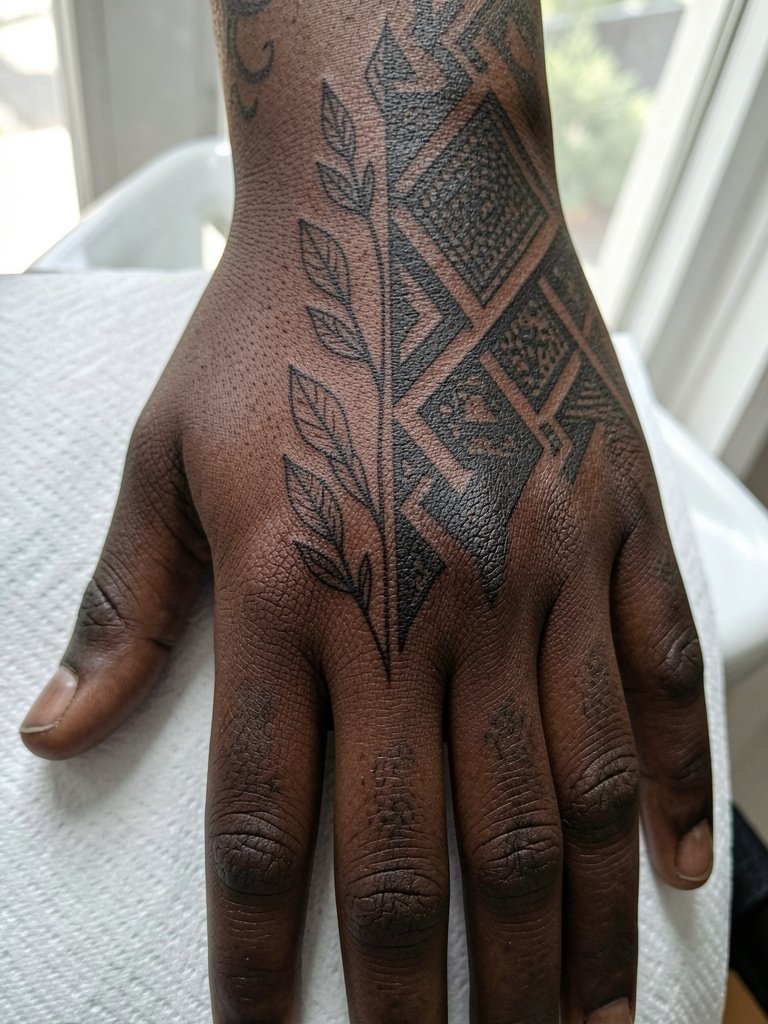
A half-and-half design lets collectors mix two aesthetics and see how they age side by side. Plan this as a multi-session project because each style needs its own approach to line weight and saturation. A predictable mistake is matching single-needle flora next to dense blackwork without adjusting scale, which makes the fine side disappear over time. Artists will usually recommend slightly thicker filament lines for the fine side so it does not lose presence next to the black. Expect two sessions and a coordinated touch-up schedule. For outfits, pair this look with solid-color garments and a black oversized tee so the contrast reads clearly. If mixing cultural motifs, include a short note on origin respect and avoid tokenized symbols.
14. Birth Flower Single Stem Near the Wrist
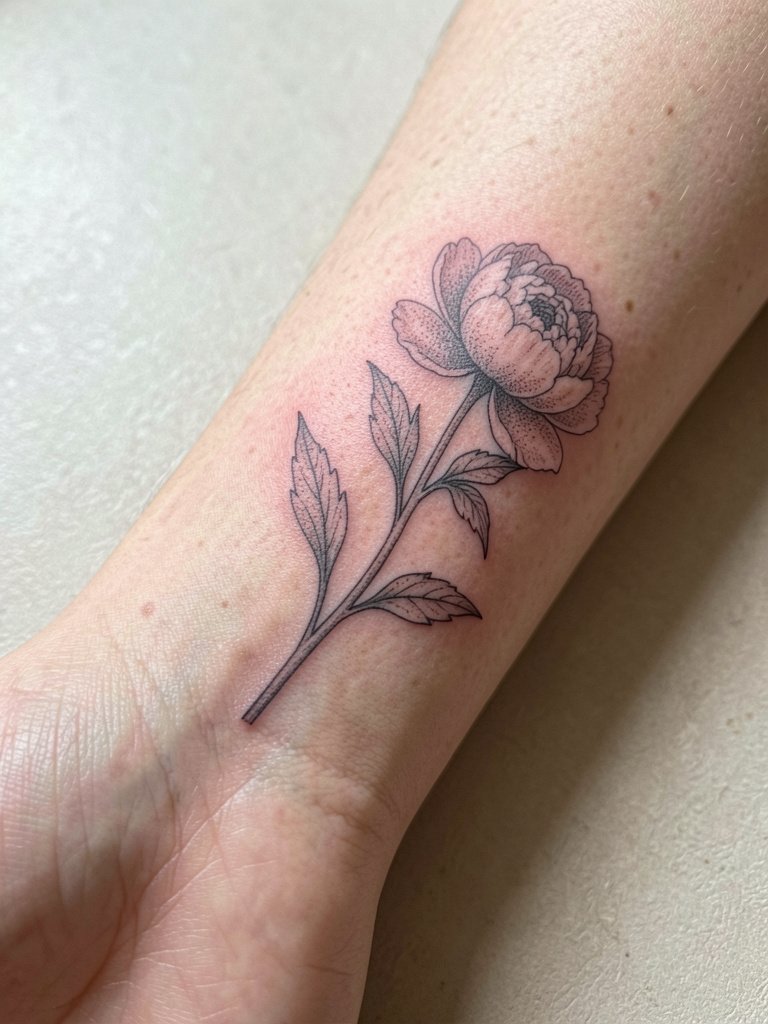
A birth flower near the wrist is intimate and reads as custom when scaled properly. The common error is shrinking the drawing so small that the petals lose separation after healing. For hands, slightly open petal spacing and modest line weight will keep the bloom legible in two years. Sessions are brief, often under thirty minutes for single-stem pieces. Wear a short-sleeve or sleeveless top during the appointment so the artist has clear wrist access and consider pairing the result with a thin chain bracelet set on the opposite wrist to echo the floral curve. Remember that fine-line botanicals require realistic touch-up budgeting for the first two years.
15. Minimal Animal Silhouette on the Side of the Hand
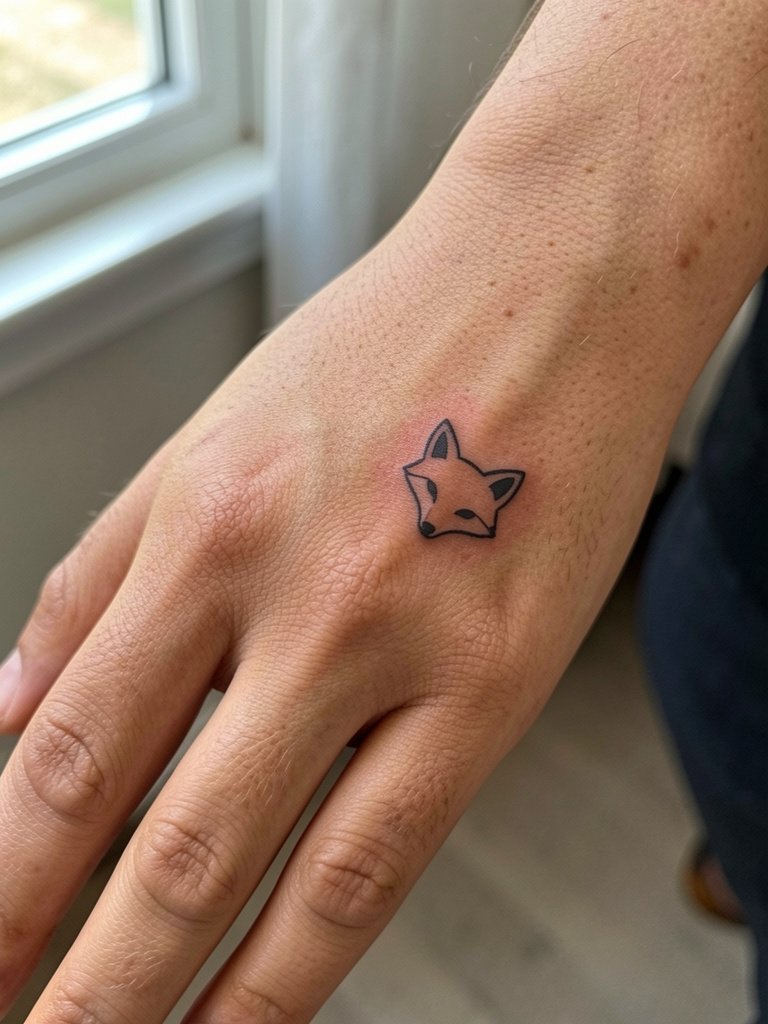
A tiny animal silhouette on the side of the hand stays subtle and often avoids some of the highest-friction zones. The usual mistake is putting too much interior detail in a silhouette this small. Keep it pure contour or very minimal internal shapes so it reads after the initial healing. Session time is short and the pain is moderate. For showing it off, simple neutral tops and a delicate ring set women on the opposite hand keep attention balanced. If you want multiple tiny silhouettes on both hands, stagger appointments so the skin has time to fully heal between sessions.
Frequently Asked Questions
Q: How long do hand tattoos usually take to need a touch-up?
A: In my experience hand tattoos commonly need a touch-up within twelve to twenty-four months, depending on the style and daily wear. Fine single-needle work tends to soften sooner, while saturated blackwork often maintains its visual weight longer. Plan touch-ups into your timeline so the cost and the maintenance are not a surprise.
Q: Are single-needle floral hand tattoos worth it given the aging concerns?
A: Artists and collectors are split on this. One group says single-needle florals on hands blur within a year or two because the skin moves and gets more sun and washing. The other group argues that with slightly heavier line weight and proper spacing, a fine floral can settle and still look refined after two years. If you prefer the look, request a slightly stronger initial line weight and budget a touch-up at year one.
Q: Saniderm versus traditional dry healing, what should I choose for a hand piece?
A: People fall into two camps on this. Some prefer Saniderm because it locks in moisture, reduces scabbing, and protects a hand that sees frequent washing. Others trust traditional dry healing with a thin ointment because they worry film can trap bacteria on high-contact skin. In practice, discuss past client outcomes with the artist and pick the method they have reliable healed photos for.
Q: Where can I find specialist hand portfolios without naming specific artists?
A: Search hashtags like #handtattoo, #finelinetattoo, #blackouttattoo, and #wristcufftattoo on Instagram and TikTok and then filter by your city. Tattoodo and Inked App let you search by keywords such as "fine line rose hand" or "blackwork mandala hand" to see portfolios, and Reddit threads often surface healed shots across skin tones. Use those platforms to compile a short list and ask for healed photos before booking.
Q: What should I wear to a hand-tattoo session?
A: Wear short sleeves or sleeveless tops so the artist has full access to the wrist and dorsal hand. Keep jewelry off the tattooed hand and bring a small soft pouch for rings and bracelets during the session. Practical clothing reduces fidgeting and makes the appointment smoother.