Someone I know spent months scrolling tattoos before realizing the real problem was not the design. It was picking a style that would still read the same after two years, and worrying about uneven fading, tiny-tattoo pricing, and what happens if the friendship shifts. I have seen these exact worries in five shops across Brooklyn and at a weekend convention. Read on for 15 matching ideas that balance meaning with longevity.
1. Simple Lightning Bolts on Wrists for Electric Friendships

Someone I know first saw this on a friend's wrist and called it a must-have. Lightning bolts are tiny, quick to tattoo, and they read well even when scaled down. Tell your artist you want bold single-needle linework with a slightly thicker outline so the bolt keeps crisp edges at year two. A common mistake is asking for ultra-fine, hairline bolts that blur together on the wrist after repeated washing. Pain on the inner wrist is moderate and the session is usually under 30 minutes. Expect a touch-up around 12 months if you want razor-sharp edges. Placement on the inner wrist shows easily but will stretch more than on the outer forearm.
2. Sun and Moon Complementary on Ribs for Balanced Duos

Fair warning. The ribcage is often a high-pain spot for many people, but the payoff is a private placement that can be shown or hidden. Choose complementary sizes instead of identical copies so each piece flatters different bodies. One camp prefers identical matching for symmetry. The other camp favors same-but-different pieces so the tattoos age with the person. Ask your artist to space lines to avoid blowout on the thin skin of the ribs. Watercolor washes here tend to fade like bruises over time, so if you want color, ask for saturated spots with a bold outline to preserve contrast. Sessions are short for tiny sun and moon designs but may need a second pass for color saturation.
3. Puzzle Pieces That Interlock on Forearms

The forearm gives room for interlocking shapes to read clearly from a distance. The biggest mistake is going too small. The negative space between pieces needs breathing room or thin segments will disappear in a few years. Tell your artist you want solid black fills with clean linework and a slight gap where pieces meet to reduce blur risk. Forearm tattoos tend to hurt less and sit well during sunlight exposure, though UV will soften contrast over time. If one friend wants a larger piece and the other a smaller one, keep the motif mirrored visually so they still fit when arms are placed side by side. Expect a touch-up around year two for heavy black fills.
4. Tiny Stars Customized for Same-But-Different Vibes

Tiny star tattoos are an easy entry point for matching ink. I always recommend customizing constellation patterns rather than replicating an identical cluster. Fine line micro-stars can fade faster on textured or darker skin, so request slightly heavier point weights from the start. Behind the ear is a low-visibility spot that hurts mildly and heals cleanly. Keep sessions under 20 minutes for each star. One mistake is placing multiple micro-stars too close together. Give each star room and plan a touch-up at six to twelve months if gaps appear. These work well as complementary marks rather than identical clones.
5. Sushi Foodie Icons for Culinary Best Friends

If food memories are your shared language, playful food motifs make sense. The inner bicep lets you go a little larger with cute details. Tell the artist to lock in high-contrast outlines and small color blocks instead of delicate shading that fades. A common aging issue is delicate watercolor-style fillings on illustrative motifs losing definition. Session time for a 2-inch sushi icon is usually a single visit under an hour. The inner bicep will be tender but not brutal. If one friend prefers a different food, match the style and scale so the pair still looks cohesive when compared.
6. Twin Blossoms on Ankles for Growing Together

Botanical fine line looks beautiful on ankles, yet the style can blur if lines are too hairline. The fine line camp says the subtle aging is elegant. The bold line camp says thicker contours last longer. Name both positions and ask where the artist stands. For longevity, request slightly bolder stems with delicate interior detail. Ankles see a lot of friction from socks and shoes during healing, so keep placement higher on the outer ankle to reduce abrasion. Sessions are short and often single-visit. Expect touch-ups at two to three years if you want the petals to remain crisp.
7. Anchor and Wheel for Friends Who Steer Each Other

There is a reason nautical motifs persist. The ship wheel and anchor read as guidance symbols and they scale well. Traditional American bold outlines and saturated black shading age well compared with ultra-fine detail. If you want matching without identical copies, one friend can take the anchor and the other the wheel so the set still matches thematically. Forearm placement reduces blowout risk because the skin is relatively flat. Tell the artist you want bold outlines and heavy saturation for solid longevity. Sessions for both pieces often need two shorter appointments to get depth right.
8. Wine Glasses Toasting on Ankles for Party Pals

This is one for friends who celebrate milestones together. The ankle gives a playful, low-key spot that is easy to hide. Ask for clean, slightly thicker outlines around the glass stem so the silhouette stays readable over years. A typical mistake is tiny glass filigree that becomes a blur after a year. Sessions are quick and the ankle can be sore from bone proximity. If you plan to show the tattoos while traveling, consider a slightly larger scale so they photograph clearly. Expect a small touch-up after the first year for line crispness.
9. Classic Butterflies on Collarbone for Transformation Themes

There are many butterfly styles. If you want longevity, opt for traditional wings with bold outlines and saturated color rather than micro-realism wings made of tiny dots. Fine line butterfly fans say the subtle aging is part of the charm. Bold line supporters say color and outline preserve the motif. For collarbone placement, bruising and healing can be more sensitive and the area moves with breathing. Sessions for a collarbone butterfly can take longer depending on size. If you work in a profession with dress-code concerns, collarbone exposure is something to think about.
10. Koi Fish Duo on Calves for Weathering Tough Times

Koi carry a cultural lineage tied to Japanese tattooing. If you borrow this motif, be mindful of origin and adapt respectfully rather than copying sacred imagery. The calf gives room for flowing composition and color that lasts with good saturation. Koi need enough scale so scales and flow lines do not smudge together. One mistake is compressing a detailed koi into too small a space. Sessions can span multiple visits for color depth. Ask about how the artist plans color layering so you know when a second session is likely. Matching can be mirrored koi that face one another for a paired visual story.
11. Hearts Intertwined on Fingers or Collarbone for Loyal Pairs

Finger tattoos are popular but they fade and blur faster than forearm pieces because of constant hand use. If you go finger, choose bold simplified hearts with thicker outlines rather than tiny script hearts. A two-sentence note on hands. Hand and finger tattoos still affect hiring in some industries, so think about your career path. Sessions for minimal finger hearts are short but expect touch-ups at year one or two. For collarbone placement, the piece will age differently due to sun exposure and clothing friction, so adjust line weight accordingly during consultation.
12. Palm Trees Pair for Vacation Soulmates on Ribs

Ribcage placements look cinematic but require patience through a tender session. Watercolor washes here can fade into uneven patches if not anchored with solid trunk outlines. One camp embraces pure watercolor for the aesthetic. The other prefers hybrid pieces where color sits within a stronger outline. If you want color longevity, request defined trunks and saturated color nodes. Sessions are often split because the ribs are painful. Plan for at least one touch-up to refresh the washes after the first year. This is an ideal spot for matching holiday memories if you want something private yet meaningful.
13. Twin Flames on Forearms for Ride-or-Die Duos

Flames read strongly in photos and scale well on forearms. Avoid overly intricate internal flame filigree if you want something that lasts. One group prefers identical mirrored flames. Another group opts for complementary flames where each piece has a unique twist. Ask your artist for slightly rounded inner edges so pigment does not feather into hair follicles. Forearm sessions are moderate in pain and usually done in one visit for small three-inch pieces. Expect a touch-up around year two to maintain saturated red tones.
14. Tarot Card Matches for Mystical Best Friends

Tarot motifs let you pick a card that tells a shared story without copying the exact artwork. I recommend matching the card theme and customizing the art so it reflects your friendship rather than using a mass-produced deck image. Sensitive note on origin. If the card design uses cultural or religious iconography, consider adapting elements respectfully. Upper arm placement is forgiving for detail and heals well. Sessions can be single longer visits or two shorter ones depending on color. Tell your artist what parts of the card matter most so they know where to focus contrast and line density.
15. Geometric Mountain Range That Ages Well on Ankles or Forearms

Geometric landscapes work across placements, but the mistake is cramming complex linework into too small an area. For a range that holds up, ask for slightly heavier linework with dot work or stipple shading for texture that tolerates fading. On the ankle, the piece may be subject to friction so place peaks away from shoe rub. Forearm placement helps the geometry stay crisp and visible. Sessions are usually short for minimalist ranges, though stippling can add time. Expect a touch-up on lines after two to three years if you notice softening.
Tattoo Prep and Aftercare Essentials
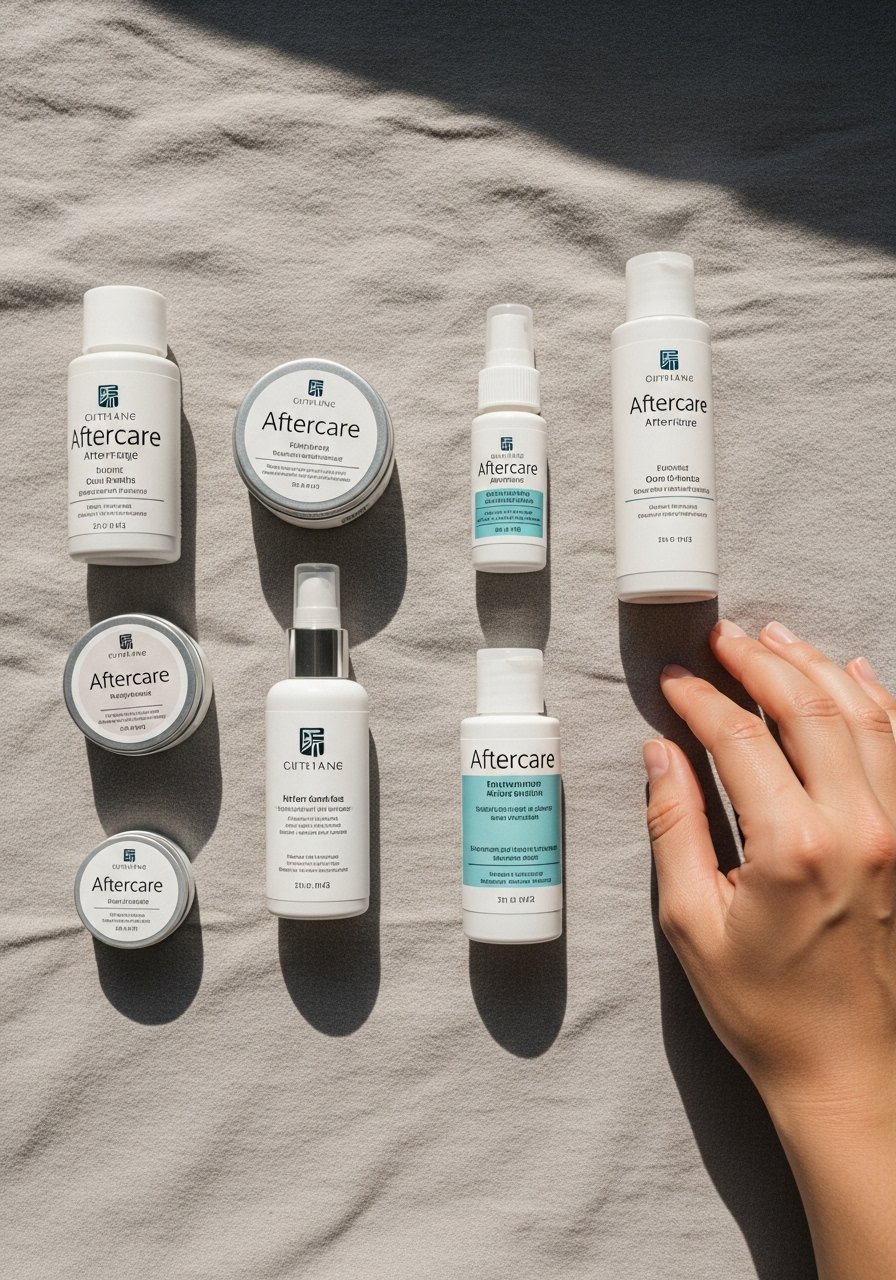
Fragrance-free silicone-based tattoo aftercare balm. Use sparingly during the sealed phase or after the first few days. It locks in moisture without heavy residue and helps color stay vibrant longer.
Gentle antiseptic foam cleanser, fragrance-free. Clean the area twice a day in the early healing window to prevent buildup and irritation.
Medical-grade second-skin bandage, small squares. Great for high-friction spots like ankles or hands during the first 24 to 48 hours.
Breathable cotton aftercare wraps. Useful if you need to cover a healing tattoo while traveling or sleeping.
Lightweight fragrance-free balm for daily moisturization. Apply thin layers after the initial healing phase to maintain skin elasticity and saturation.
UV protective mineral sunscreen for tattoos. Once healed, sunscreen is the best long-term defense against color loss.
Silicone scar sheet strips, small. For raised areas or minor scarring, these can smooth texture after full healing with guidance from a pro.
Cooling gel packs for immediate post-session swelling. Use wrapped in a cloth and only as directed to reduce soreness.
Aquaphor Healing Ointment search results for quick availability. Many people use it in the first 48 hours. If you try it, use a thin layer and move to a lighter balm once the scab phase begins. This is the one widely known product I included.
Every tattoo is different. Always follow your artist's specific aftercare instructions. Consult a dermatologist if you have skin concerns or unusual healing issues.
Frequently Asked Questions
Q: Why did my friend's small wrist tattoo fade unevenly while mine stayed dark?
A: In my experience, placement, daily exposure, and initial line weight matter most. Wrists get frequent washing and sunlight. If one design had ultra-fine lines and the other had slightly thicker outlines, the finer one will often fade faster. Also consider skin type and how each person healed. A touch-up at six to twelve months fixes many of these mismatches.
Q: For fine line blossoms and tiny stars, which is better on darker skin tones?
A: From what I've gathered, slightly bolder linework helps the motif stay readable on darker tones. Fine line fans like the delicate look, but if your goal is longevity visible from a distance, ask for a modest increase in line weight and strong contrast in shading. Request healed photos of the artist's work on similar skin tones during the consult.
Q: Should matching koi fish be identical or mirrored on calves?
A: Both options work. Identical koi give a twin effect. Mirrored koi create a narrative when you stand side by side. I recommend mirrored or complementary compositions so each tattoo flatters the calf's shape. Tell the artist whether you want the koi facing each other or swimming in the same direction so they can plan flow and balance.
Q: Does Saniderm speed healing compared with dry healing, and which camp should we trust for matching tattoos?
A: Artists are split on this. One camp prefers occlusive dressings like Saniderm because they keep the area clean and reduce scabbing. The other camp favors dry healing to allow natural scab formation. My advice is to ask your artist which they use in practice and why. Consistency matters when matching tattoos, so agree on the aftercare method before your sessions.
Q: How often can we expect touch-ups for small matching symbols like lightning bolts or stars?
A: For micro symbols you should budget for a touch-up within one to three years, depending on exposure and the initial line weight. I have seen tiny pieces need a quick session at year one to restore crispness. Heavier outlines can stretch that timeline.
Q: If one friend gains weight and the other does not, will the matching wrist tattoos still look alike?
A: Body changes can alter tattoo proportions. Wrists and fingers are particularly susceptible. If you expect body changes, pick placements with less movement, like the outer forearm, or choose complementary rather than identical designs so the pieces age gracefully even if sizes shift.
Q: What should we bring to the artist consultation to make sure the matching pieces age well?
A: Bring healed photos that show similar placements on a range of skin tones, and ask the artist for healed images from their portfolio. Discuss desired line weight and touch-up timelines. Share any skin sensitivities and your daily routines, such as frequent hand washing or sun exposure, so the artist can recommend a placement and technique that will hold up.