Someone I know spent six months bookmarking tattoo pages, only to realize the real struggle was picking a design that would age the same on both partners. Between skin tone differences, placement choices, and the fine line trends that blur faster than expected, matching decisions get complicated fast. Below are twenty bold ideas that balance symbolism with practical tips for how they heal, how to brief an artist, and the common mistakes to avoid.
1. Infinity with Initials on Inner Wrist
When you want a small symbol that reads personal without shouting, an infinity loop with each partner's initial tucked into a curve keeps the motif compact. Fair warning, the wrist sees a lot of sun and abrasion so fine single-needle infinity loops often need a touch-up by year three. Tell your artist you want slightly thicker linework and a restful negative space around the initials so the script does not bleed. The session is short and the pain is mild. A common mistake is asking for hairline detail that the wrist cannot hold. For best longevity pick black ink and ask for shallow but solid saturation for consistent healed contrast.

2. Two Halves of a Heart Puzzle on Forearm
Someone I know first saw this on a friend and liked how the halves lined up when arms met. The forearm gives room for 2-3 inch halves so the puzzle edges breathe and the negative space holds. During consult, show the exact line weight you want and ask where the seam will align when you hold hands. Expect a one to two session job with moderate discomfort from the forearm bone near the wrist. The common mistake is shrinking the halves too small which causes loss of detail after six months. If you want color, keep it low saturation to avoid mismatch across different skin tones and plan a touch-up at year two.

3. Lock and Key Motifs on Inner Bicep and Ribcage
Fair warning, ribcage work rates higher on the pain scale but it keeps private meanings private. One partner can wear a detailed key on the inner bicep while the other gets a matching lock on the ribcage so the pair reads together without identical placement. Tell your artist to keep the lock slightly smaller and centered around stable skin so stretching does not warp the teeth. Neo-traditional shading looks great here, but the rib interior sees movement and may need a touch-up after weight shifts. The mistake is asking for micro detail on ribs where skin moves the most.

4. Interlocking Puzzle Pieces on Ankle or Collarbone
The ankle and collarbone are low-friction placements that help blackwork retain contrast. Start with a geometric puzzle piece that interlocks visually when you stand side by side. In the consultation, show how you plan to orient the pieces when wearing shoes or jewelry so the art does not get hidden. Pain on the ankle is higher near bone and lower on the collarbone when threaded carefully. A common mistake is putting too many tiny grooves into the pieces. Keep edges bold enough to avoid blowout and ask for a touch-up window at 12 to 18 months.
5. Matching Quotes in Script Along the Ribcage
Most couples who pick line-length quotes want something that reads elegantly when side by side. The ribcage gives a long canvas but is a higher pain area. I recommend splitting a short phrase into two halves so each partner has a single line. Tell your artist you want legible kerning and a single consistent baseline to prevent letters from wandering during healing. The aging issue is fine line script on ribs can fade unevenly if placed over creases, so align text with stable muscle. The frequent mistake is using ornate calligraphy at micro size which blurs into illegible strokes after a year.

6. Tree Trunk and Roots Split Across Shoulders or Back
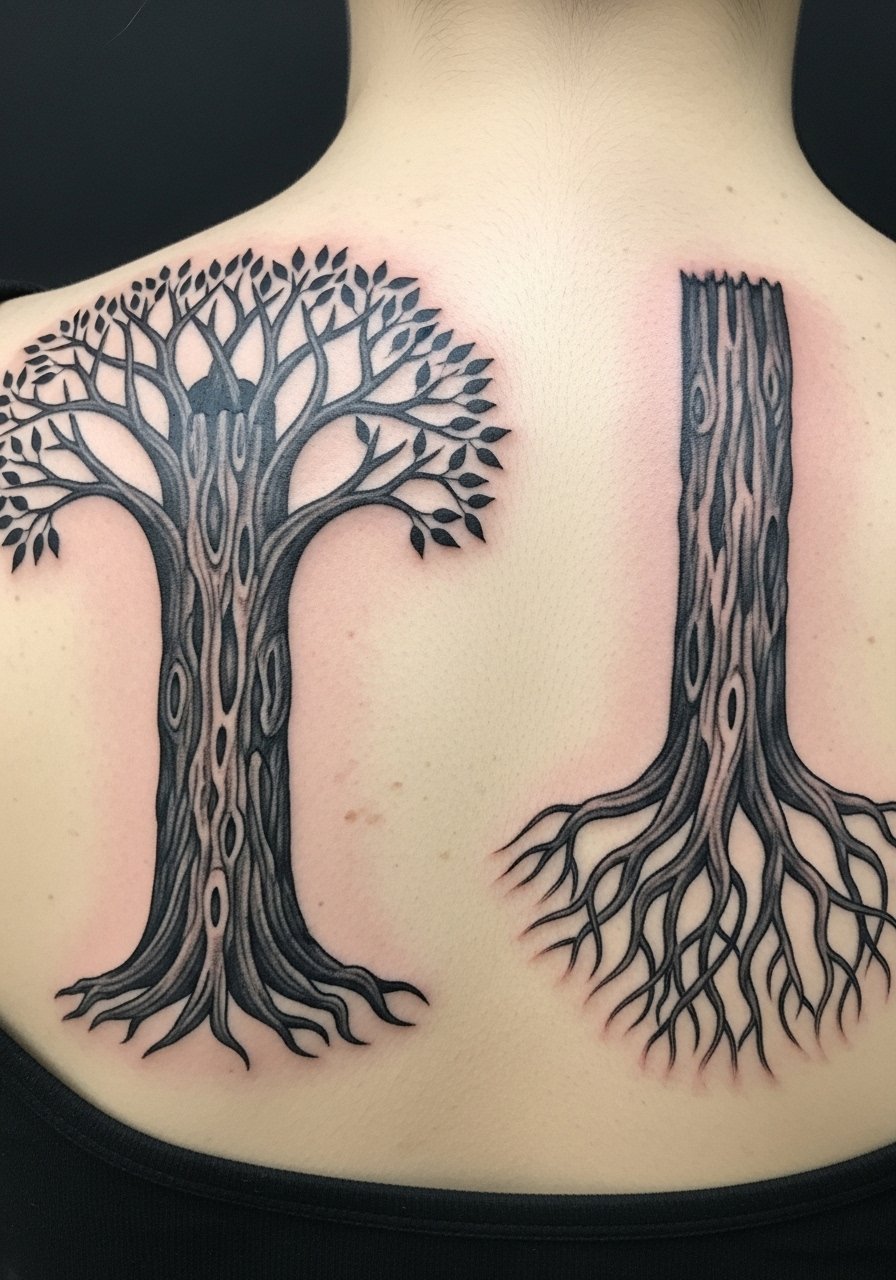
I have seen this work well when one partner takes the trunk and the other takes the roots so a full tree appears when you stand together. Larger shading and stipple shading give the illusion of depth and hold up better than light watercolor here. Tell your artist you want heavier saturation in the trunk so the grayscale reads from a distance. Sessions usually span two to three appointments and the shoulder blade is moderate on pain. Avoid the mistake of asking for near-photoreal detail at small sizes. Expect the shaded areas to soften over time and budget a touch-up at year three for crisp contrast.
7. Heart with Arrow Through on Wrist or Hand
The traditional heart and arrow reads direct and customizable with dates or initials tucked into the shaft. Hands and wrists face more abrasion so linework needs to be bolder than you might first envision. When you consult, ask the artist for a heavier outline and minimal interior shading to reduce early fade. Pain on the hand is significant and the healing timeline is sensitive to sun and soap exposure. A frequent error is choosing too much red or delicate shading which fades differently on darker tones. Plan a touch-up and be ready for slower saturation in the first six months.

8. Complementary Geometric Patterns on Calf or Thigh
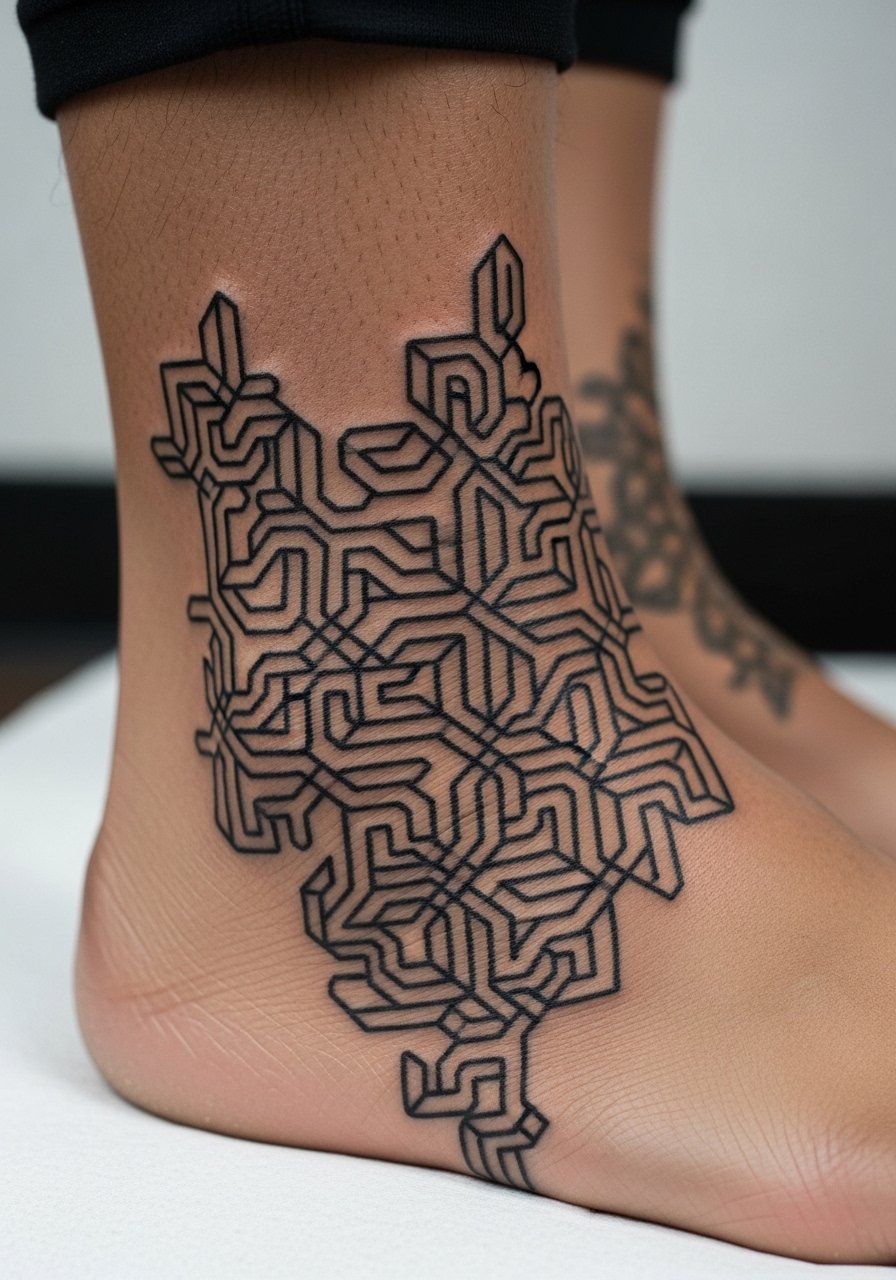
There is real visual power when two geometric panels mirror each other on the calf and thigh. The larger canvas allows for solid blackwork and dot work that stays crisp. During consult, specify whether you want stipple shading or solid fills since each ages differently. The calf sees less stretch than the thigh so choose placement accordingly if you expect shape changes. The mistake people make is compressing too many thin lines into a small area. Sessions are moderate in duration with moderate pain and touch-ups are rarely needed within the first two years if the lines are given room.

9. Watercolor Heart Halves on Upper Arm
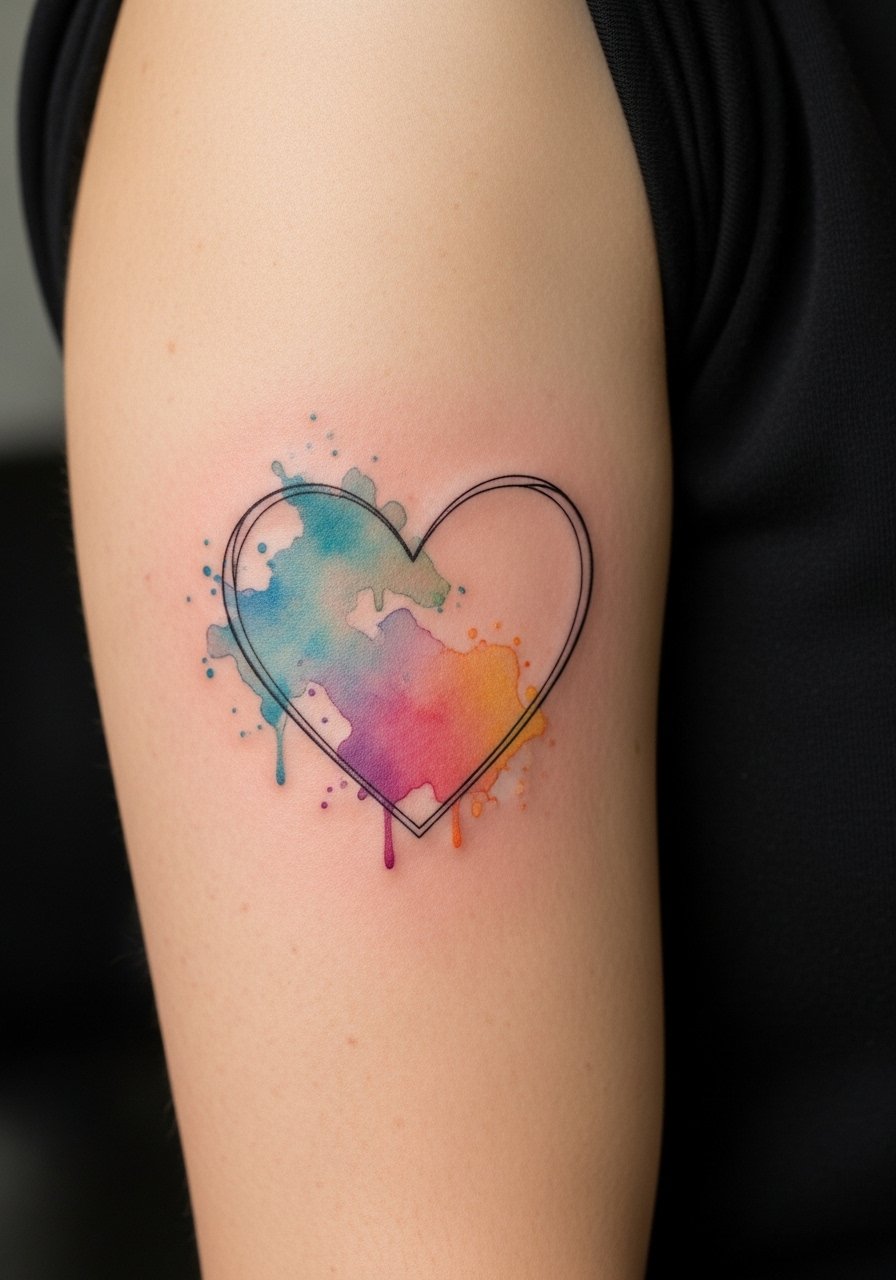
Most watercolor looks soft early but can fade unevenly, especially on darker skin. If you want vivid painterly halves that match when you hug, ask your artist to add a thin black contour around key color areas to protect saturation. There is a real debate about watercolor longevity. One camp says the blended pigments give a softer, artistic finish and they are fine with periodic refreshers. The other camp warns that blended color loses clarity in two to three years. If you choose this route, expect a three-session process and budget for a color touch-up after year two.
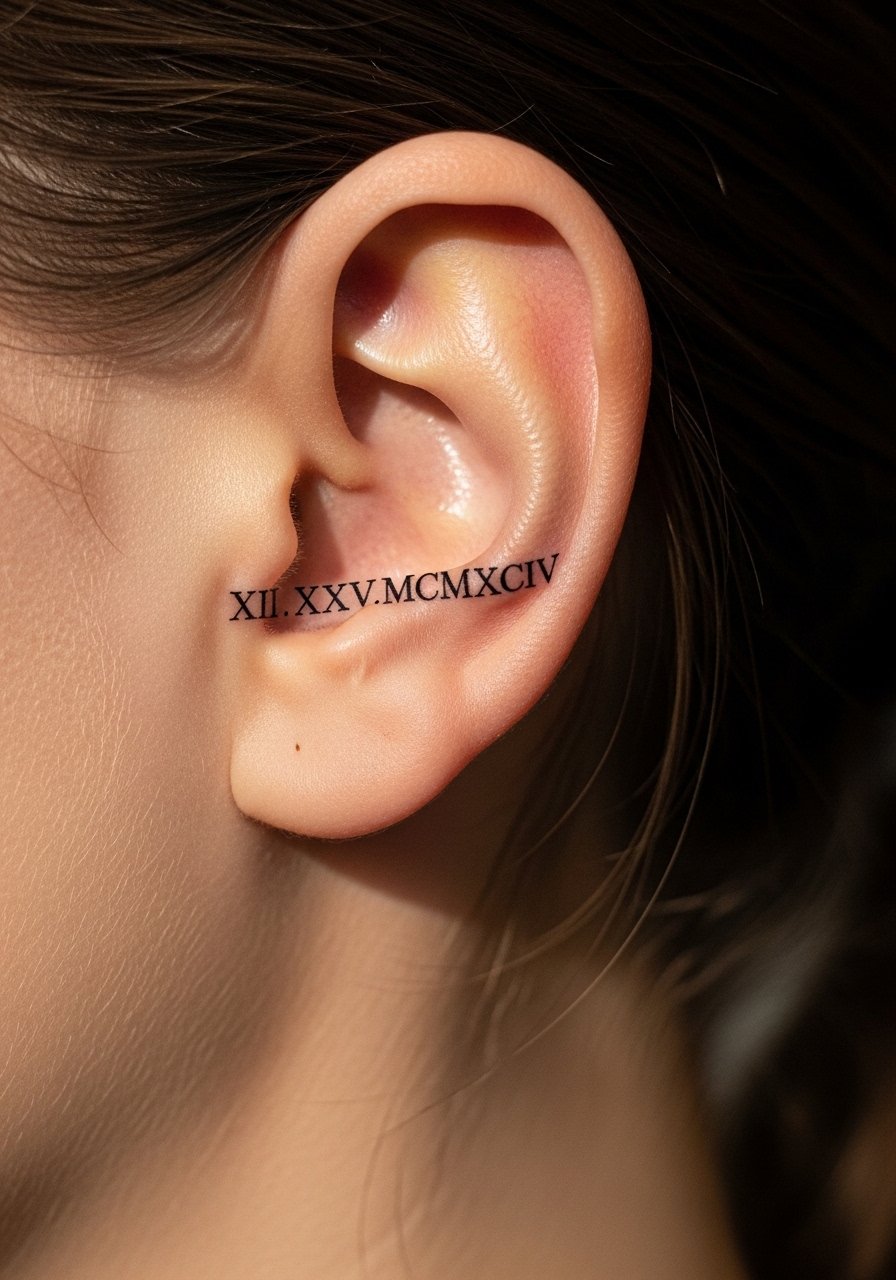
10. Minimalist Roman Numerals Behind Ear or on Finger
Minimalist numerals are discreet and mean a lot when they mark an anniversary. Fingers and behind the ear are high-motion or high-friction zones and fine lines there can blur faster. Tell the artist you want slightly bolder numerals with stable spacing, and ask about a salt and alcohol-free aftercare plan to avoid extra scabbing. The most common mistake is choosing single-needle micro numerals on fingers which almost always require a touch-up. Sessions are short but plan for a touch-up window at six to twelve months.
11. Sun and Moon Pair on Shoulder and Chest
There is a classic balance to a sun and moon where one partner wears a bold sun and the other carries a textured moon. Shoulders and chest let you play with color or black and gray. During consult, decide which one will take color because saturation heals differently by skin tone. Pain on the chest varies with proximity to bone. A common error is asking for tiny facial details in the moon that vanish after healing. Keep linework confident and plan a touch-up for contrast after two years if you used lighter shading.

12. Keyhole and Key Outline on Inner Wrist
The inner wrist reads intimate and simple keys or keyholes work well as linework. When you brief the artist, specify negative space around teeth and the key stem to prevent early blurring. One practical tip is to avoid adding micro dots or tiny filigree around the key that will spread. The wrist is visible and tends to fade faster than low-friction placements so expect a touch-up at year two. A mistake I see is getting overly intricate teeth on the key which becomes indistinct in a short time.

13. Split Mandala on Chest That Aligns When Hugging
I first noticed this idea in a convention sketchbook and it reads like a private lock that opens only in an embrace. Chest placement requires experienced shading for symmetry. Tell your artist you plan to stand chest to chest when aligning the mandalas so they can map the midpoint accurately. There is cultural context in mandala patterns tied to spiritual traditions, so consider adapting motifs rather than copying sacred symbols directly. The chest can shift with weight changes so keep pattern scale large enough to avoid blur. Sessions run two to three appointments and the pain is moderate to high near the sternum.

14. Coordinates in Fine Monospace on Inner Forearm
Coordinates are minimalist and precise and they age predictably when executed in a sturdy monospace font. The inner forearm is a low-friction zone that preserves single-needle work if the spacing is generous. During consult, show the exact coordinates string you want and ask the artist to proof the alignment on your arm. A common mistake is compressing numbers too tight which causes digits to blur together. Expect low pain, a single session, and a touch-up possibility in two to three years if you notice softening.

15. Minimalist Mountain Range on Ankle
The mountain line wants room to breathe so the ankle is a compact and visible spot. Fair warning, bone proximity at the ankle increases pain and the skin there can thin, which affects saturation. Tell the artist you want a single continuous sweep with a slightly thicker apex line so the silhouette reads at a distance. A common mistake is adding tiny stipple shading at micro scale which does not hold. Sessions are short and a touch-up at year two is normal for crisp black silhouettes.

16. Complementary Script Single Words on Ribcage
If you pick single words, the ribcage gives intimacy and scale. One partner might tattoo "steady" while the other uses "anchor" so the words relate without being identical. Because ribs stretch, ask your artist to map the placement on the exact posture you plan to hold when reading the word. The pain is high and healing needs patience. The mistake is choosing ornate flourishes that do not survive rib movement. Ask for moderate letter thickness and schedule a review within a year.

17. Dot Work Crescent and Star Pair on Back of Neck
Neck placements require consideration for visibility in professional settings. The back of the neck is a small canvas perfect for dot work crescents and a tiny star. When you consult, request a denser dot gradient to keep the crescent readable after healing. There is some controversy about fine dot work on thin skin because one camp says the dots coalesce, while another camp points out that with correct spacing the pattern holds. Ask to see healed neck examples in the artist's portfolio. Pain is moderate and touch-ups can be done quickly.

18. Locksmith Symbols in Neo-Traditional on Thigh
Thighs are forgiving for size and hold color well thanks to thicker skin. A neo-traditional locksmith motif with bold outlines and muted color accents ages well here. Tell your artist whether you want whip shading or stipple shading in the background because each creates a different texture. The common mistake is over-detailing at small sizes where the thigh's curvature hides parts of the motif. Sessions are moderate with lower pain and touch-ups are uncommon in the first three years if saturation is solid.

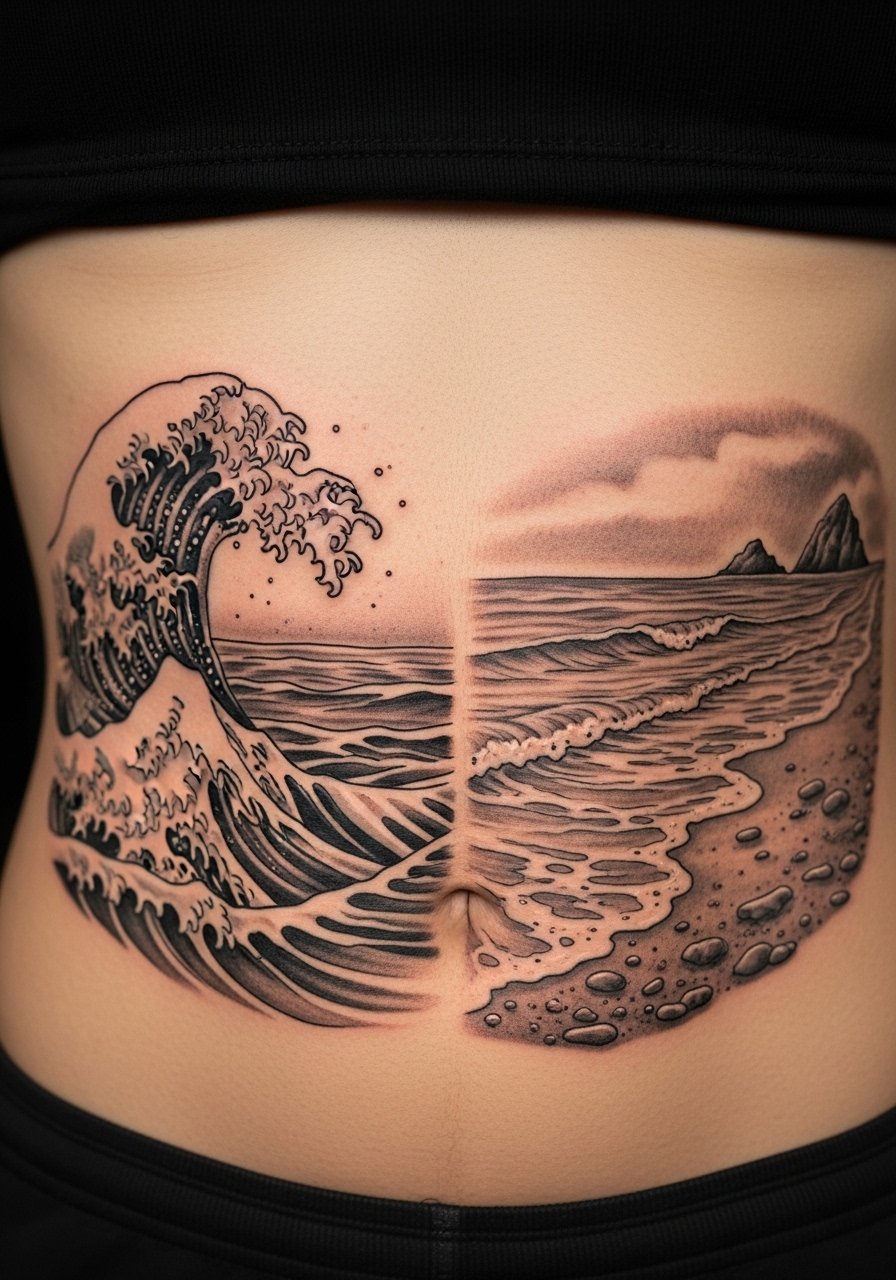
19. Split Wave and Shoreline on Side Torso
I recommend this if both partners love travel and nature. One partner gets a wave crest and the other a shoreline so the pair forms a landscape. The side torso gives a long composition but expect movement with weight changes. Tell your artist to anchor the horizon with a bold line so the read remains stable over time. The mistake is packing the scene with tiny boats or figures that vanish. Sessions can run two appointments and a touch-up after a couple of years keeps contrast.
20. Tiny Zodiac Glyphs on Fingers or Behind Ear
Tiny glyphs are an easy way to nod to personality without matching exactly. Fingers wear fast so behind the ear is safer for longevity if you want micro detail. When you book, tell the artist the exact glyph you want and ask them to stencil it on your chosen spot to check scale. A common error is putting glyphs on finger pads which blur quickly. Pain varies by location and fingers require more frequent touch-ups. If you pick behind-ear placement, consult about hairline growth and styling considerations.

Tattoo Prep and Aftercare Essentials
Tea Tree Tattoo Butter – indie balm with lightweight non-greasy finish. Good for color areas that need moisture without heavy occlusion. Use after the initial scab stage to prevent greasiness that traps lint.
H2Ocean Aftercare Spray – gentle saline-based spray common in the UK. Useful for wrists and hands where light hydration and clean saline spray reduce crusting.
Australian fine-line aftercare oil – lightweight fade-protection oil favored for single-needle work. Apply sparingly to maintain saturation for fine scripts.
Fragrance-free gentle foaming cleanser. Use for daily cleaning during initial healing to avoid irritation.
Medical-grade second skin bandage, 6-inch roll. Helpful for large split designs worn during travel or showering.
Lightweight fragrance-free balm (generic alternative). Use for hands and wrists where thick ointments can trap dirt.
Silicone scar sheet for long-term smoothing. Optional for raised scars after older touch-ups when recommended by a pro.
Aquaphor Healing Ointment, single mainstream mention. Known option for initial moisture control but heavier than some indie balms, so use sparingly on fine line work.
Every tattoo is different. Always follow your artist's specific aftercare instructions. Consult a dermatologist if you have skin concerns or unusual healing issues.
Frequently Asked Questions
Q: Will fine line matching tattoos on wrists blur faster than on forearms?
A: Yes, wrists are higher friction and sun exposure zones which speed fine line softening. In my experience forearms preserve single-needle linework longer. Ask your artist for slightly thicker line weight and schedule a review at 12 to 18 months.
Q: Do watercolor-style couple pieces need a different aftercare routine than blackwork?
A: Watercolor tattoos often use diluted inks that rely on good initial saturation. In practice, keep them out of prolonged sun and use a lightweight aftercare oil rather than heavy occlusives during healing. If you follow the spray plus light balm routine from the shopping list you will help color retention.
Q: What should I mention to an artist when booking split tree or mandala tattoos so they align correctly?
A: Say you will be aligning the pieces when standing chest to chest or arm to arm and ask for a mapping session. Bring reference photos of the exact pose and ask to see healed examples of similar split work in their portfolio.
Q: How do skin tone differences affect matching color tattoos and what can we do about it?
A: Darker tones absorb and reflect pigments differently, which can change perceived saturation. From what I've gathered, many couples pick black and gray for parity or add thin black contouring to watercolor pieces to help colors read similarly across tones.
Q: If an artist cancels twice or a shop seems unreliable, what discovery paths should we use to find a dependable studio?
A: Use local hashtag searches on Instagram, check Tattoodo, filter TikTok location tags, and read recent forum threads on r/tattoos. Booking apps with cancellation policies can also reduce the risk of lost deposits.
Q: How long after a matching couple tattoo should we plan for a touch-up for fine line scripts or numerals?
A: Expect a touch-up window around 12 to 36 months depending on placement and daily abrasion. Fingers and wrists often need earlier touch-ups, while inner forearms usually hold longer.
Q: Is sanitation bandaging like Saniderm better than dry healing for matching tattoos?
A: Artists split on this. One camp says occlusive bandages speed healing and reduce scabbing which protects ink. The other camp argues dry healing helps ink settle and prevents trapped moisture. Choose based on the artist's experience, the placement, and how your skin has healed in past tattoos.