Someone I know spent months scrolling henna photos before booking. The real problem was not choosing a pretty pattern. It was picking a style that will still read as henna-inspired after months of hand washing, sun, and a busy life. Below are ten hand tattoo ideas that borrow mehndi shape language while addressing movement, visibility on different skin tones, and realistic touch-up timelines.
1. Henna-inspired floral mandala on back of hand
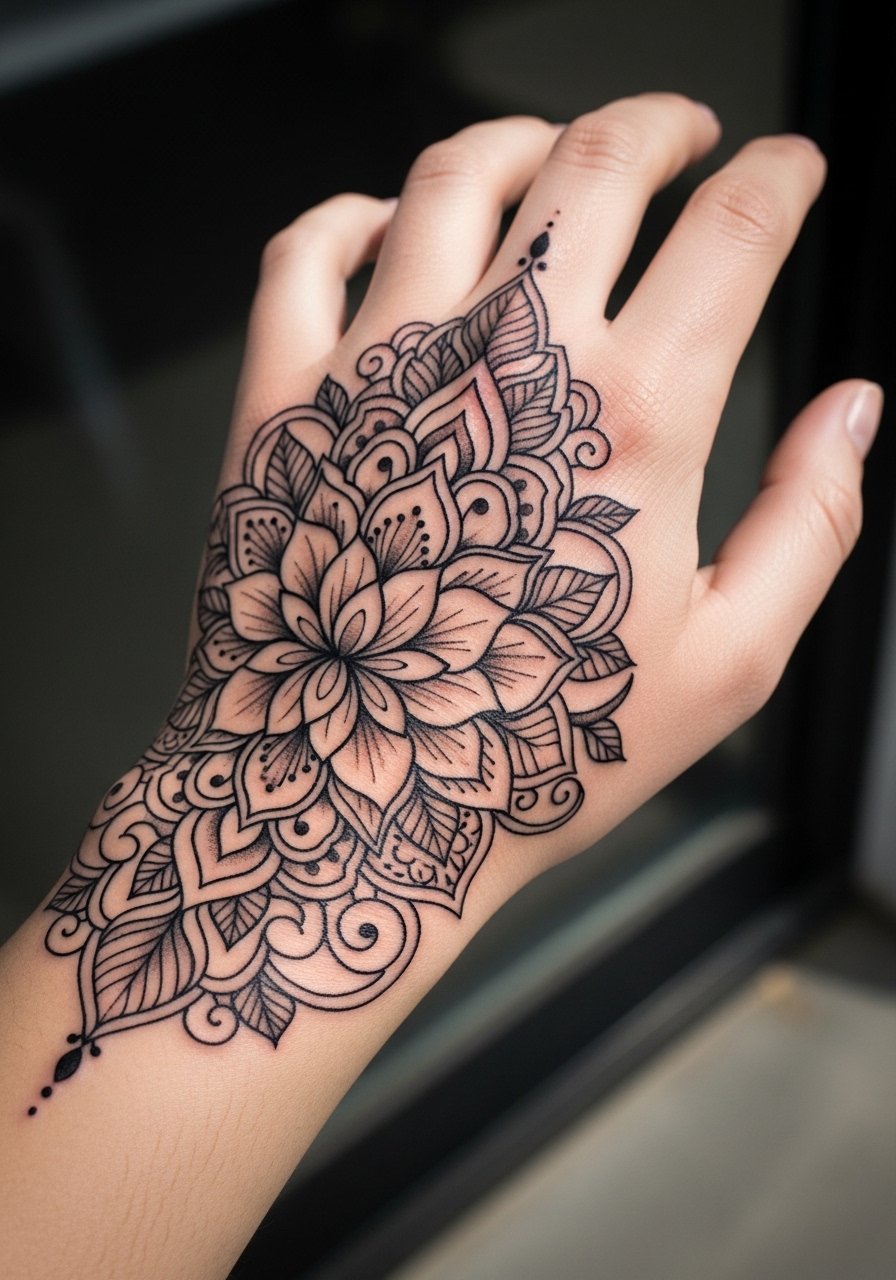
Someone I know first saw this as a temporary mehndi piece and wanted the same symmetry in permanent ink. Tell your artist you want slightly heavier linework toward the outer petals so the pattern keeps its shape as it heals. Expect a moderate pain level and a one to two hour session depending on size. A common mistake is asking for ultra-fine filigree that blurs after two years on the knuckle area. This version ages better because the lines are spaced and there is light stipple shading to preserve contrast. Plan a touch-up around year two for high-detail petals.
2. Fine line mehndi paisley pattern on the palm
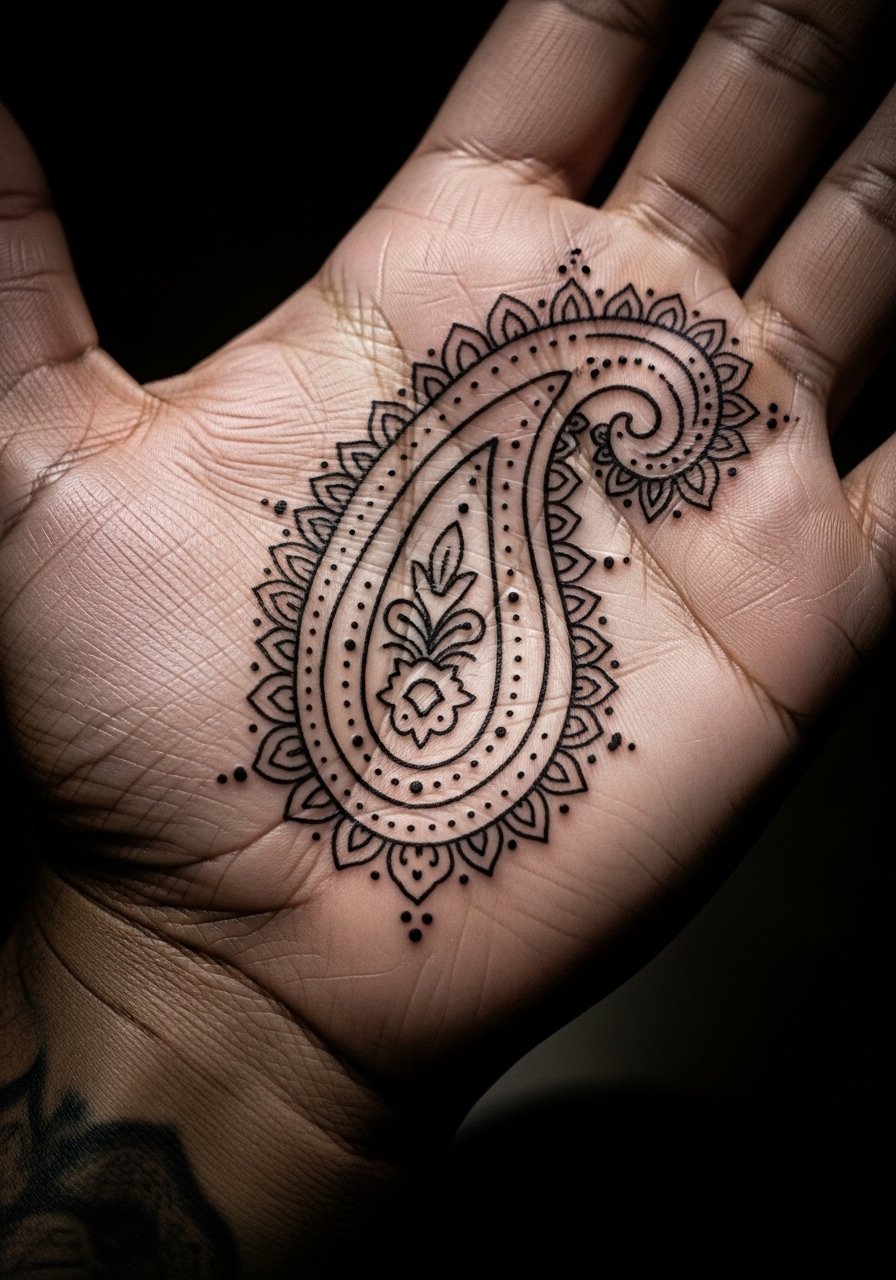
Fair warning about palms. The skin there regenerates quickly and palm tattoos fade faster than those on the back of the hand. I have seen a palm paisley look strong at three months and patchy by nine months when done too fine. When you consult, ask the artist to deepen the linework slightly and avoid hairline details that will disappear. The session is usually under two hours. Expect a higher touch-up frequency than other placements. Keep in mind some artists avoid palms for longevity reasons, so ask where they stand before booking.
3. Blackwork henna vine wrapping fingers

There is real value in bold blackwork on fingers for visibility. I recommend this for anyone who wants henna movement without the constant fading of ultra-fine lines. Tell your artist you want tapered lines that read like vine stems and small open spaces to reduce blowout risk. Pain on fingers is sharper than on the back of the hand but sessions are short, often under an hour for a set. The mistake I see most is packing too much solid fill in tiny areas, which leads to early softening. Expect a one to two year touch-up rhythm depending on use.
4. Minimalist dot-and-spiral motifs on fingertips

When space is limited the dot-and-spiral system wins for subtlety. I recommend this for first hand tattoo clients who worry about visibility and pain. Tell your artist you want consistent dot sizes and to keep negative space around spirals so the design does not bleed into a blob as it heals. Finger tips are sensitive and sessions are quick. A common error is requesting micro text or tiny curls that disappear within six months. Expect this style to need annual refreshes if your hands see a lot of washing or manual work.
5. Ornamental sunburst radiating from wrist to hand

There is something about a sunburst that adapts well to outfit choices and movement. When you sit down with an artist for this, bring references that show exact radius and where you want it to end on the hand. This placement is forgiving of size changes, so larger radius often ages better than a tiny sun. The session can run longer, up to two hours, because of shading. A common mistake is trapping too many thin rays near joints where movement causes blurring. Expect a two to three year touch-up window for the shaded areas.
6. Micro-realism leaf clusters on the side of hand

I have seen collectors choose micro-realism here because the area moves less than the palm and shows detail nicely. For darker skin tones you can ask for slightly bolder stipple shading to preserve contrast. Tell your artist you want leaf veins kept soft so they do not become harsh lines after healing. This spot usually feels less painful and a single session often suffices. The mistake is trying to compress too many leaves into a tight area. Expect graceful aging when spacing and shading are balanced, with touch-ups every three to five years.
7. Neo-traditional henna peony bloom on knuckles

Knuckle pieces read bold and they show quickly in close conversations. If you want a wedding-inspired peony adapted from henna, ask for controlled saturation and leave white space between petals to reduce early muddiness. Knuckles are a high-pain, high-wear area so plan for two sessions if color accents are involved. The biggest mistake is overloading knuckles with heavy color in a single pass. Many artists will advise staged saturation to ensure even healing. Expect more frequent touch-ups on knuckles than on the back of the hand.
8. Fine line henna ring patterns at finger bases
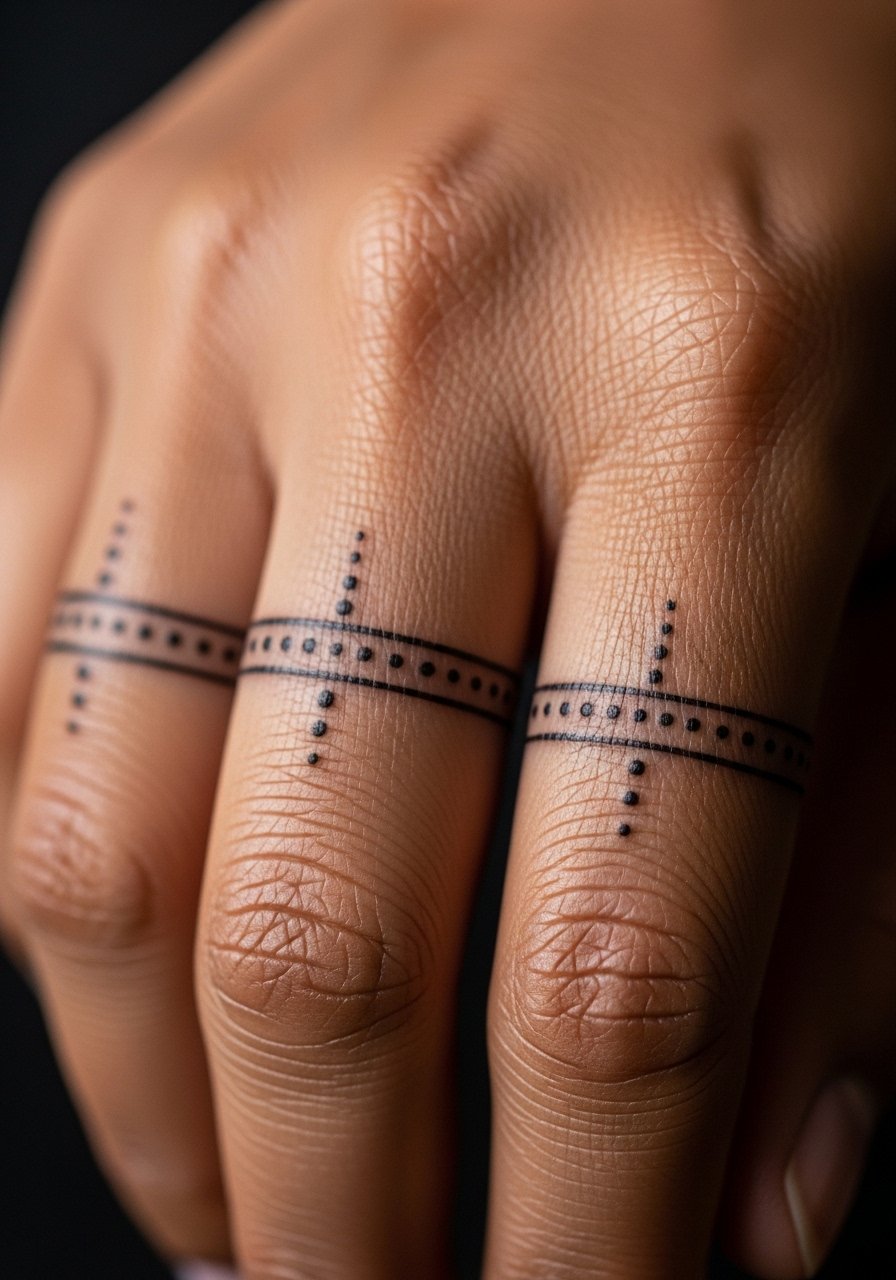
When you want jewelry-like permanence these micro bands are a strong option. Pain is moderate and sessions are usually quick per finger. Ask for slightly larger gaps between lines than in temporary henna so the bands keep definition as they settle. There is an ongoing split in the community about numbing for finger work. One camp sees numbing as a professional tool to steady small areas. The other camp thinks the sensation is part of the process. Decide how you feel and ask your artist about their approach. A common error is asking for ultra-thin stacked bands that merge over time. Expect one to two year touch-ups depending on wear.
9. Blackwork henna mandala filling the palm
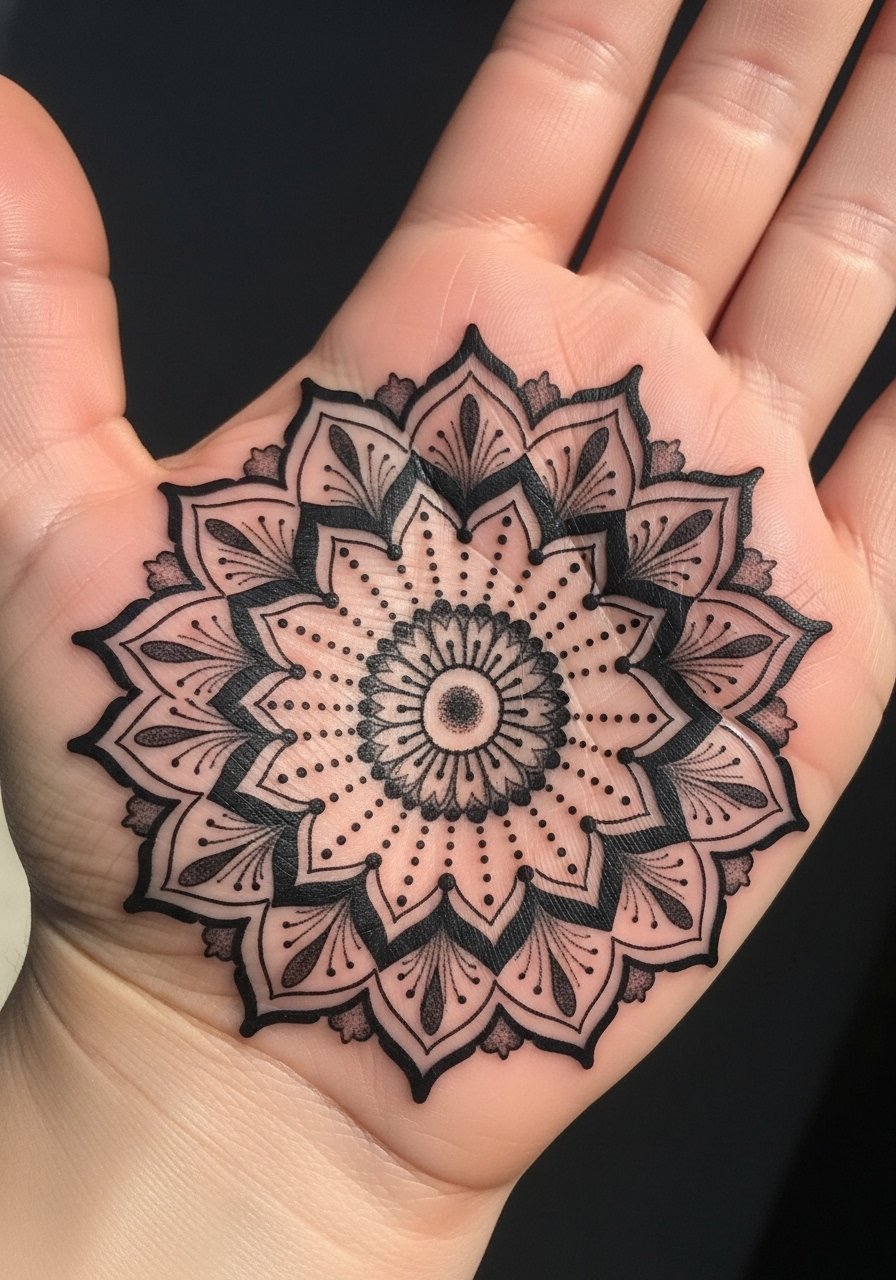
Most hand lovers praise palm mandalas for their meditative symmetry. Keep in mind palms are high turnover, so choose fills and negative space that will still read at six months. In consultation, request thicker outer rings and open interior dots to reduce the chance of patchy fade. The session may be longer and feel more intense because of the palm surface. A real mistake is trying to mimic delicate mehndi lace on the palm with hairline strokes. This blackwork approach trades some delicacy for longevity and it typically needs touch-up work within a year.
10. Watercolor henna moon and stars on back of hand
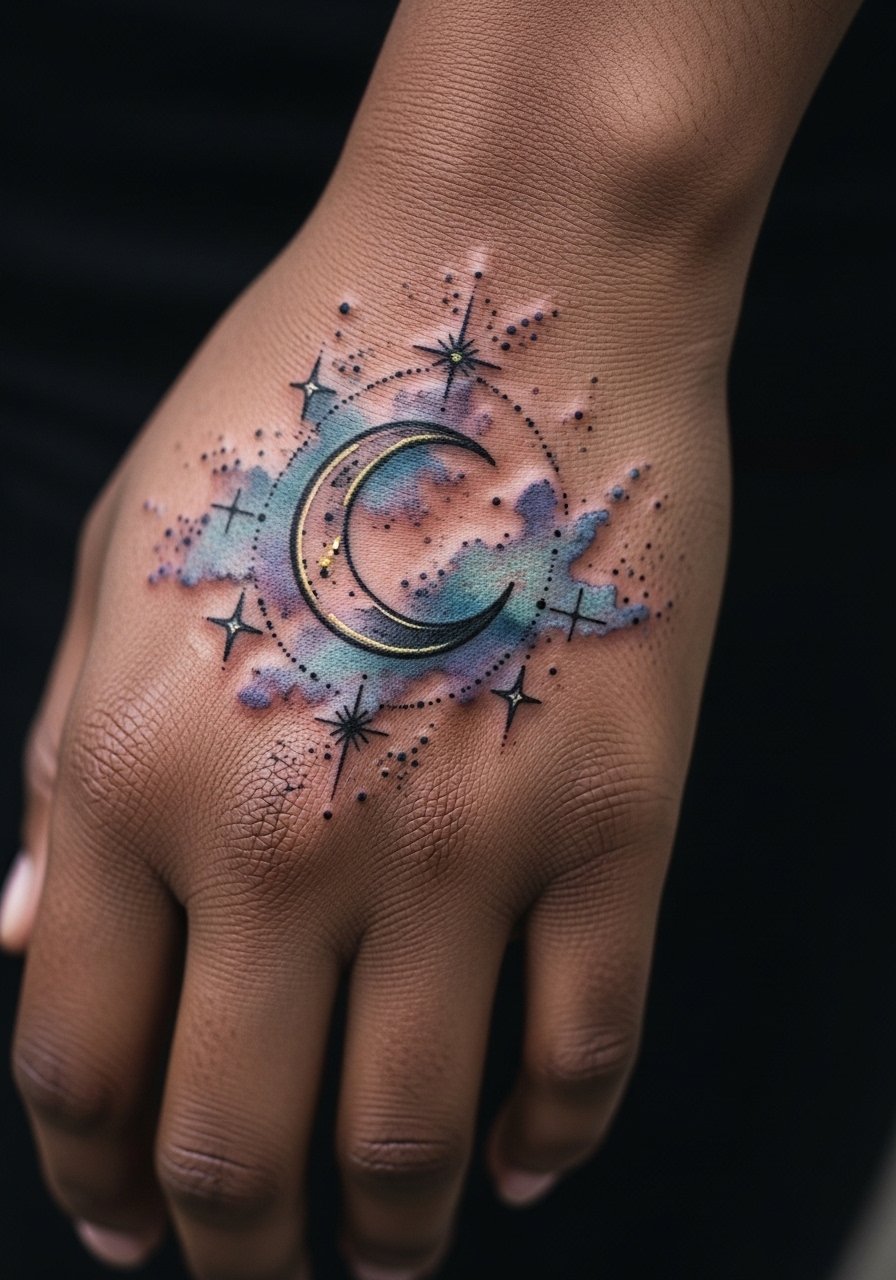
Most watercolor techniques are soft by nature so they require planning on hands. I recommend small washes and anchored black line accents so the motif does not turn into a color blur as it fades. Tell your artist you want color applied like a wash, not as solid blocks, and ask how they manage saturation on your skin tone. Sessions can be one to two hours depending on color layers. Mistakes include asking for heavy color saturation on knuckles or palms where it will fade unevenly. Expect the color to soften noticeably by year two and plan a refresh if you want it vivid.
Tattoo Prep and Aftercare Essentials

I spent time in five shops across Brooklyn and learned there are two big hand healing issues. One is excessive moisture over the first week. The other is scrubbing during daily life. Start prep three days before your appointment by keeping the area moisturized but not greasy. Bring breathable clothing to avoid rubbing while your hand is fresh. The first 48 hours are critical for clotted scab formation. Keep the area clean with a gentle foaming cleanser and avoid abrasive scrubs for at least two weeks. If you sweat a lot, use a medical-grade occlusive for short stretches only and remove it as directed. Below are items I recommend for pre-appointment and first-line healing.
Fragrance-free gentle foaming cleanser for sensitive skin. Use this for the first week to remove sweat and oil without stripping. Clean twice daily during active healing and pat dry with a fresh towel.
Lightweight fragrance-free balm, non-comedogenic. Apply a thin layer once the artist signs off on initial cleaning. It soothes skin and prevents excess scabbing when used sparingly.
Medical-grade second skin bandage, single-use sheets. Useful for covering the hand during heavy activity or travel. Use as artist recommends and change before it traps moisture.
Aquaphor Healing Ointment. If you choose a mainstream ointment, this is the one I see used most. Use a thin film only and remove excess to avoid clogged pores.
Breathable adhesive tattoo wrap for short-term protection. Helpful on the first night after long sessions or if you will be in crowded transit.
Fragrance-free hand sanitizer in pocket size. Use this between washes if you must clean your hands quickly. Avoid rubbing it into a scab.
Broad-spectrum mineral sunscreen SPF 30 plus. Once healed, protect exposed hand tattoos daily to preserve saturation and reduce fading.
Gentle enzyme exfoliant for long-term maintenance. Use sparingly after full healing to remove surface dead skin and revive contrast.
Every tattoo is different. Always follow your artist's specific aftercare instructions. Consult a dermatologist if you have skin concerns or unusual healing issues.
Frequently Asked Questions
Q: Will fine line mehndi on palms blur faster than blackwork versions?
A: From what I have seen, fine line palm work tends to soften and break up sooner. The skin on palms renews quickly so blackwork or slightly heavier line weights usually hold shape longer. If you want delicate detail, accept a higher touch-up frequency and discuss thicker anchor lines with your artist.
Q: How painful are fingertip dot-and-spiral tattoos compared to back-of-hand pieces?
A: Fingertips are sharper on most pain scales because of denser nerves and thinner tissue. Sessions are short though, and many people prefer a brief intense session over longer moderate discomfort. Ask about numbing if you have low tolerance and confirm the artist's experience with finger placements.
Q: Do watercolor-style henna motifs need different aftercare than blackwork pieces?
A: They do in practice. Watercolor relies on softer color blends so avoid extended occlusion that can trap pigment. Use the gentle foaming cleanser and a thin balm only. For long-term color preservation, apply mineral SPF daily once healed. I linked a recommended mineral sunscreen above for convenience.
Q: How often should I plan touch-ups for knuckle peony blooms and finger rings?
A: Knuckles and finger bases see frequent use and will usually need touch-ups within one to three years depending on saturation and daily habits. Plan touch-ups sooner if your work or lifestyle accelerates wear. Discuss realistic timelines during your consultation.
Q: Is it okay to use Aquaphor on a new hand tattoo if I sweat a lot?
A: Aquaphor can help by forming a thin barrier but it can also trap sweat and bacteria if overused. I have seen artists recommend a lightweight balm or medical-grade occlusive for short periods instead. If you decide to use Aquaphor, apply sparingly and change dressing more often to avoid clogged pores.
Q: Where can I find henna-style tattoo references and local shops without naming artists?
A: Search hashtags like #HennaTattoo and #HandHenna on Instagram and explore TikTok videos with location filters. Pinterest boards are good for curated collections. For local studios, use "city + henna style tattoo" in search or check tattoo directories and r/tattoos threads for recent guest spots and shop reviews.