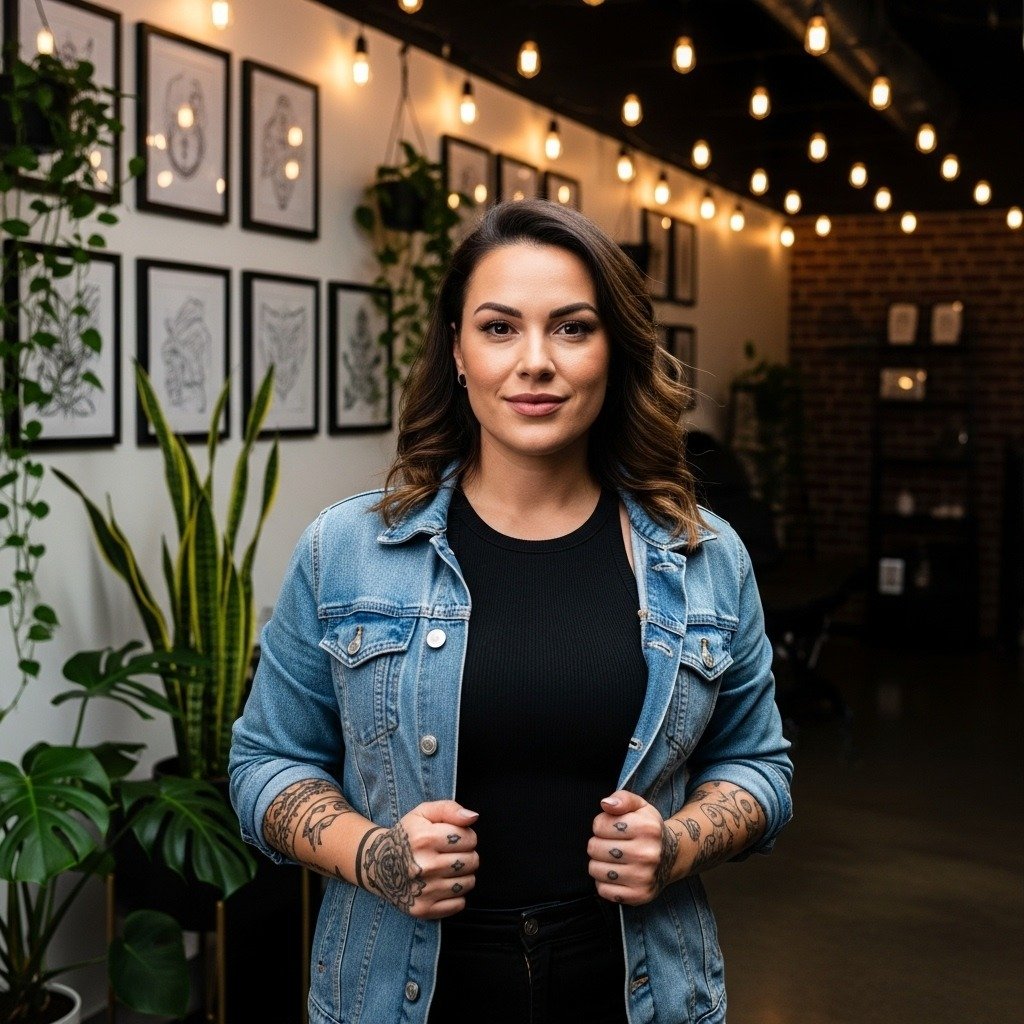
Neon details look incredible in photos, but tiny neon strokes are often the first to blur. High-contrast black frames and strategic negative space keep cyberpunk motifs readable long term, and a shader-heavy anchor can protect delicate color fills. If you want a techy look that still reads at year three, think about where the ink meets motion and friction before you pick the glow.
1. Inner Forearm Circuit Strip
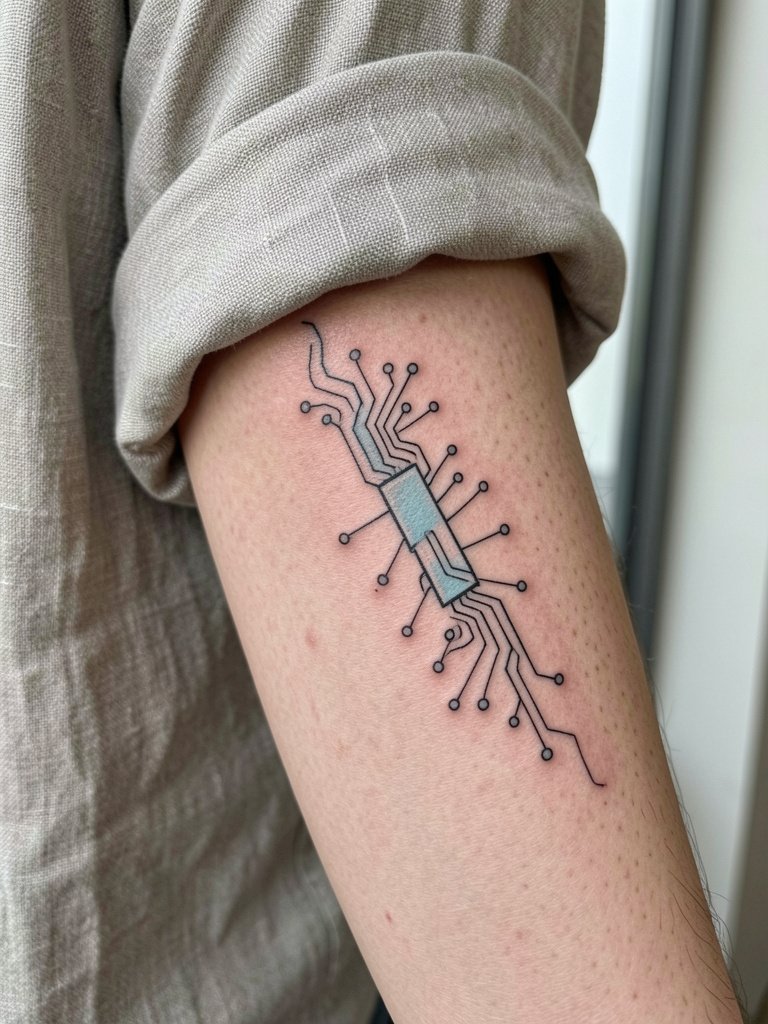
A linear inner forearm circuit reads like wearable tech and stays visible when you roll sleeves. For this placement I recommend slightly heavier single-needle weight than the Pinterest reference, so the connectors do not feather into a blur by year two. Expect low to moderate pain on the inner forearm and a one- to two-hour session depending on length. Common mistake is making the traces too dense, which increases blowout risk. Talk through spacing and where stipple shading should sit so the negative space acts as a buffer. This piece shows best with rolled sleeves, try a linen shirt that sits neatly above the tattoo for nights out.
2. Outer Bicep Holographic Skyline
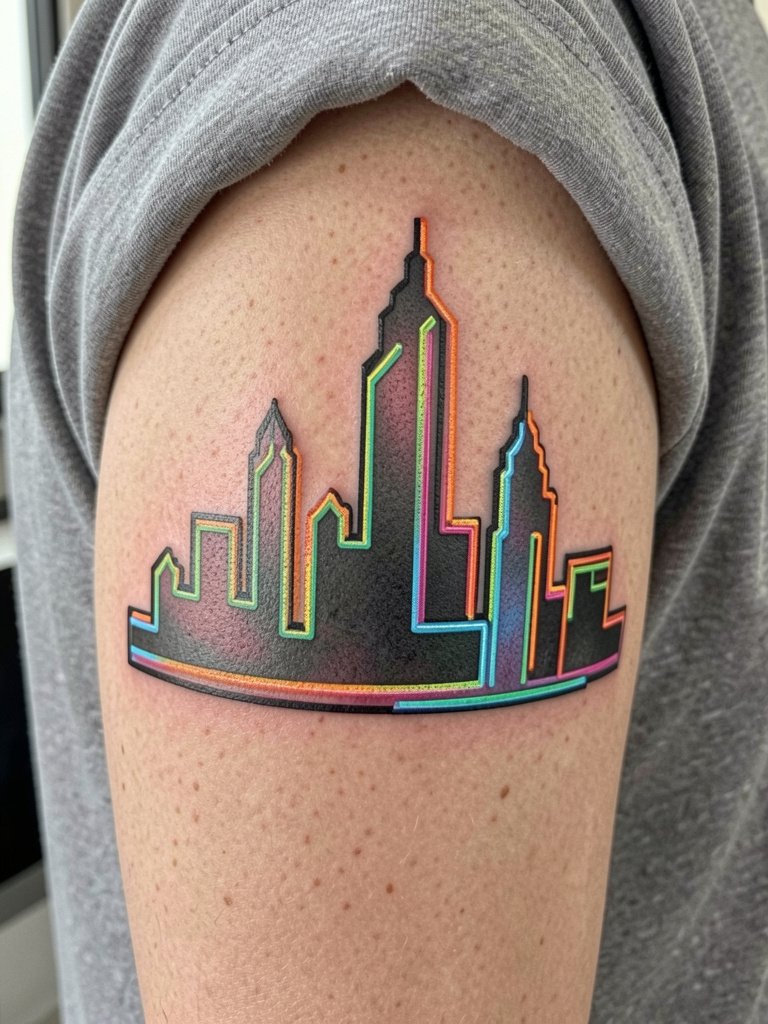
A holographic skyline needs contrast so the neon washes do not disappear into skin tone over time. One camp of artists says neon pigments never keep their brightness and will look patchy by year three. The other camp points out that wrapping the neon in saturated black outlines and leaving breathing room preserves the illusion of glow. For consultation bring two scaled references so the artist can mock how the skyline reads at three inches versus six. Expect moderate pain, a two- to three-hour session, and a likely touch-up at year one if you want the colors to pop.
3. Behind-the-Ear Cyber Implant Node
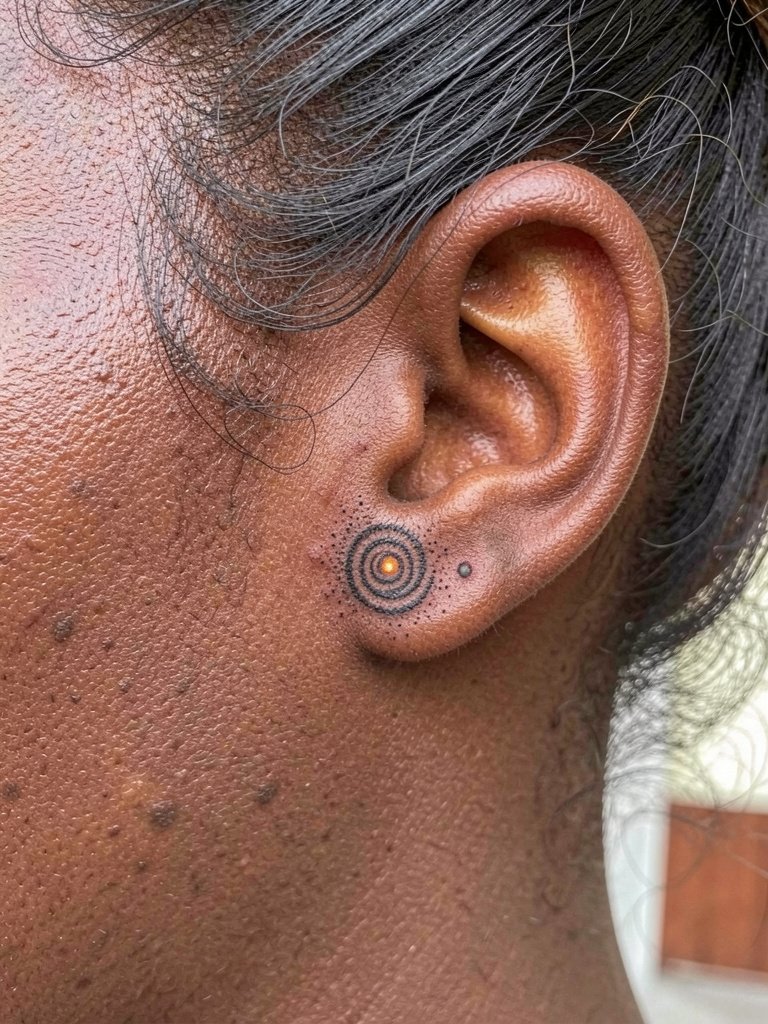
Behind-the-ear micro tattoos can be impossibly crisp in photos and then soften because the skin there moves with hair and collars. Expect higher sensitivity and a short, focused session. One common mistake is requesting ultra-fine concentric rings without accounting for natural texture; the fix is slightly wider spacing and a darker anchor dot. This placement needs an artist who has healed photos of mastoid work, because touch-up timelines vary. A discreet accessory like a small stud earring frames the implant node well, so think about jewelry choices during the consultation. Professional consideration: some shops require a quiet consultation for head-area pieces and may ask for prior healed portfolio shots.
4. Sternum Neon Data Glyph
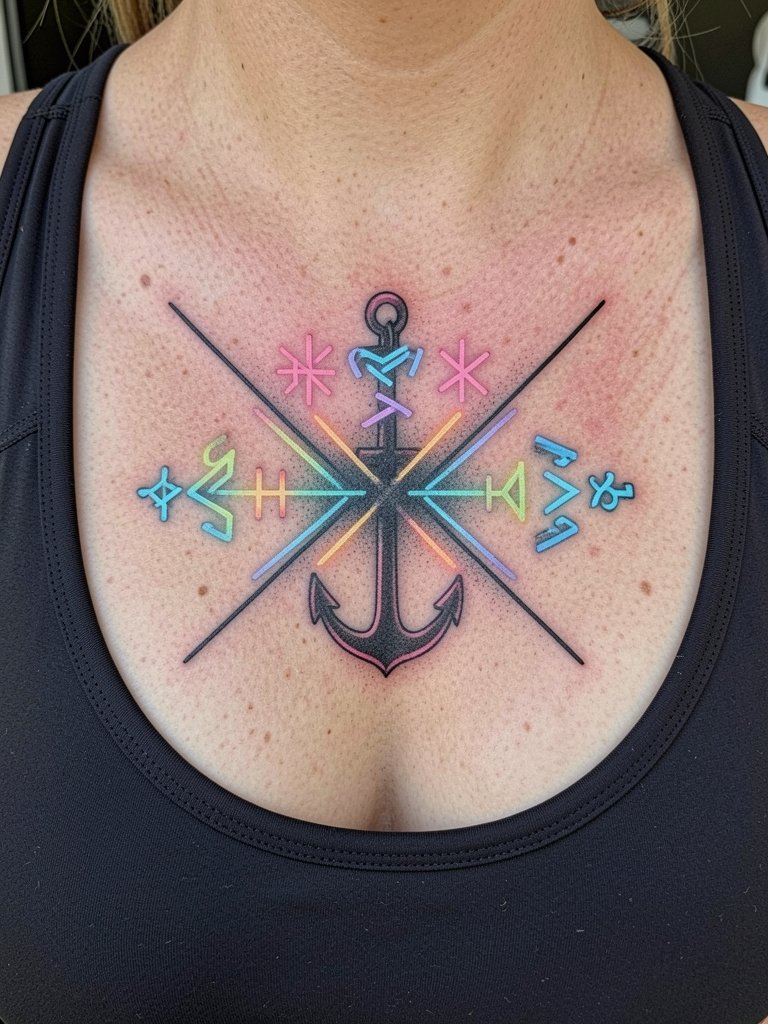
Sternum pieces are sensitive and the skin there shifts with breathing, so plan for longer sessions with breaks. One camp argues fine line detail on the sternum blurs quickly because of stretch and sweat. The other camp says slightly bolder primary lines and measured spacing survive well, showing three-year healed photos during consultations. When you book, request mockups that sit on the sternum in motion so you can see how the glyphs distort. Pain on the sternum ranges high, and a two- to three-hour block with a break works best. If you want the neon look, anchor it in solid black to protect the color fills.
5. Wrist Band Barcode Sequence
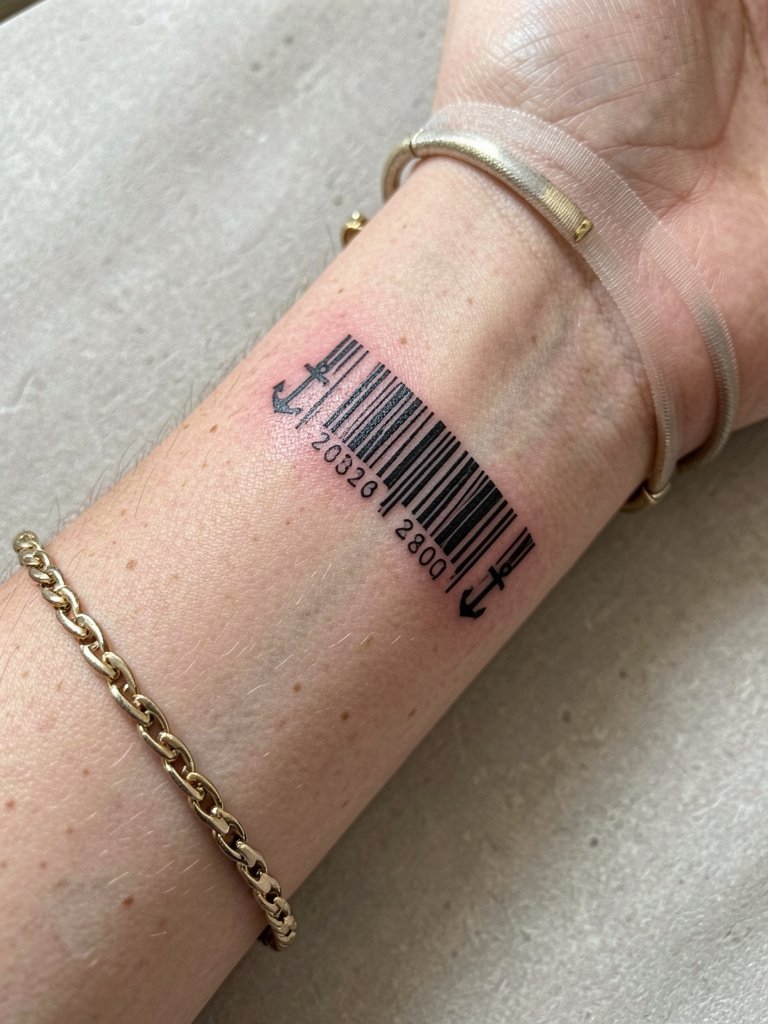
A barcode band on the wrist looks sharp but suffers from constant washing and friction. Recommend bold anchor bars spaced with negative gaps rather than ultra-thin parallel bars for longevity. The common mistake is having micro-detail too close to the wrist crease, which leads to early blurring. Plan for a 45- to 90-minute session and expect a touch-up at six to twelve months for crisp edges. Pairing this with thin metal bracelets highlights the graphic repeat, and a low-profile stainless cuff sits cleanly next to the ink for evenings out.
6. Collarbone Glyphs with Soft Glow
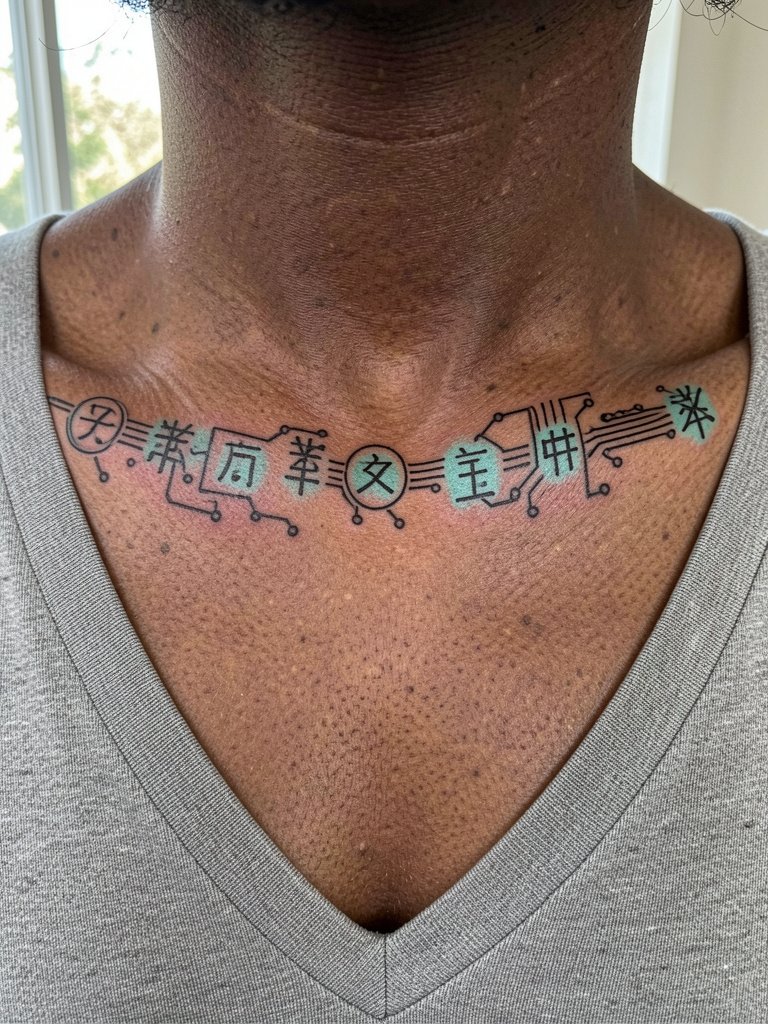
Collarbone glyphs read best when they follow the bone rather than sit above it. A frequent error is keeping the glyphs too small and centered, which causes the composition to drift and blur. Specify spacing and exact word-length during consultation so the artist can proof the curvature over motion. Expect moderate pain and a session of about an hour per side if done symmetrically. For showing off, pair the collarbone with open-neck blouses that frame the line without competing with it.
Session Day Picks
The shoulder, sternum, and wrist pieces above each need different session prep. These five items help smooth the appointment and the first week of healing.
-
Stencil transfer paper kit. Lets you preview linework placement on skin before the needle touches down, especially useful for the collarbone and inner forearm layouts.
-
Topical numbing cream. Applied according to package timing it reduces immediate sensitivity on sternum or ribs without affecting shading consistency.
-
Thin protective film roll. Keeps wrist and hand pieces clean during the first days when friction is highest.
-
Fragrance free gentle body wash. Cleanses the healing area gently without stripping pigment or irritating fresh linework.
-
Aquaphor healing ointment. A well-known emollient that many artists recommend for the first 72 hours to hold moisture in without clogging needle channels.
7. Mechanical Koi on Outer Thigh
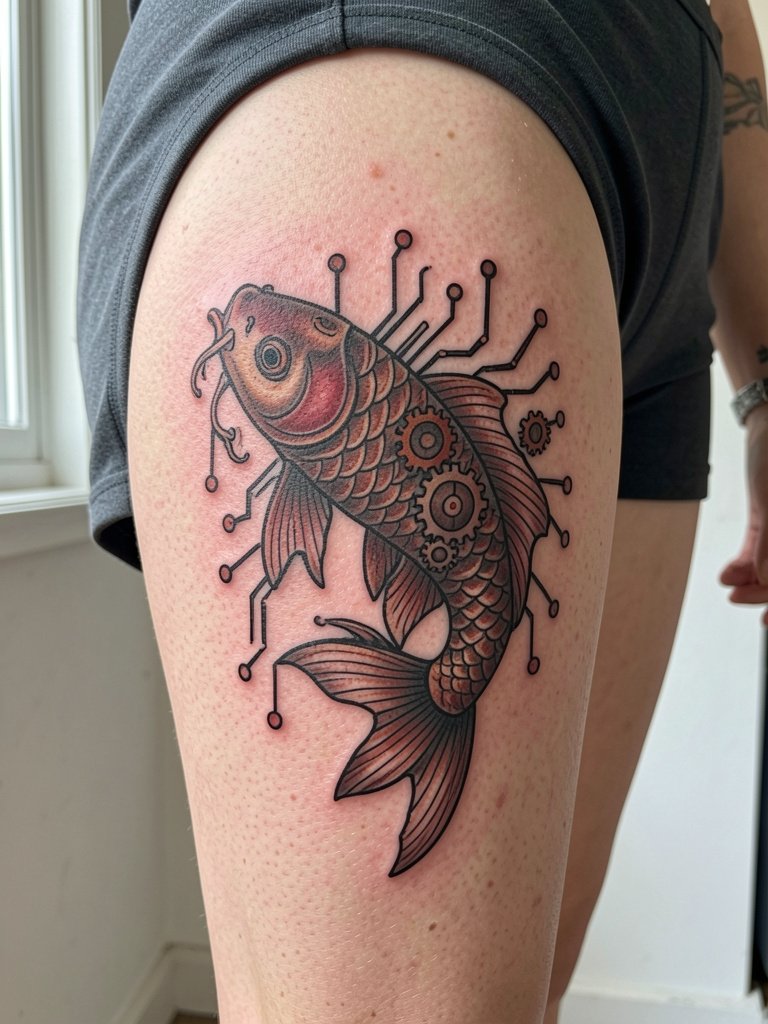
A mechanical koi combines organic curve and hard-edged hardware, which makes placement critical for flow. The outer thigh gives enough real estate to keep scales large and avoid micro detail that will blur. Pain is low to moderate and sessions can run two to three hours for saturation. One mistake is compressing the tonal work into a tiny patch instead of spacing it along the muscle line. For showing off at the beach, high-cut swimwear or bikini bottoms frames the curve and keeps the tattoo visible without exposing intimate areas.
8. Dot-Work Neon Mandala on Shoulder Blade
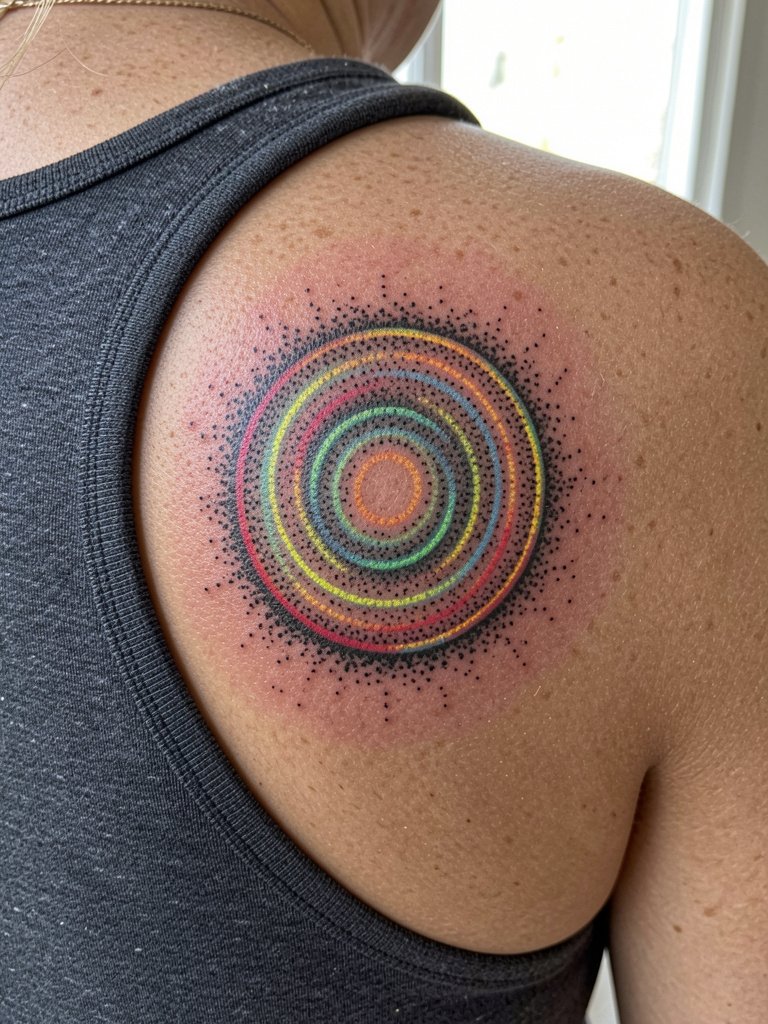
Mandala dot-work stands up well when stippling is spaced correctly and primary anchors are a bit stronger than typical geometric flash. For shoulder blade placement, motion from the scapula can blur ultra-fine dots, so I ask artists to map the largest rings away from the moving center. Cultural origins matter here so be explicit about inspiration and avoid appropriation by using stylistic motifs rather than sacred symbols. Session time is usually two to three hours and a touch-up at six months is common to even out saturation. For nights out, a racerback dress or tank highlights the negative space and keeps focus on the mandala.
9. Inner Thigh Holographic Falcon
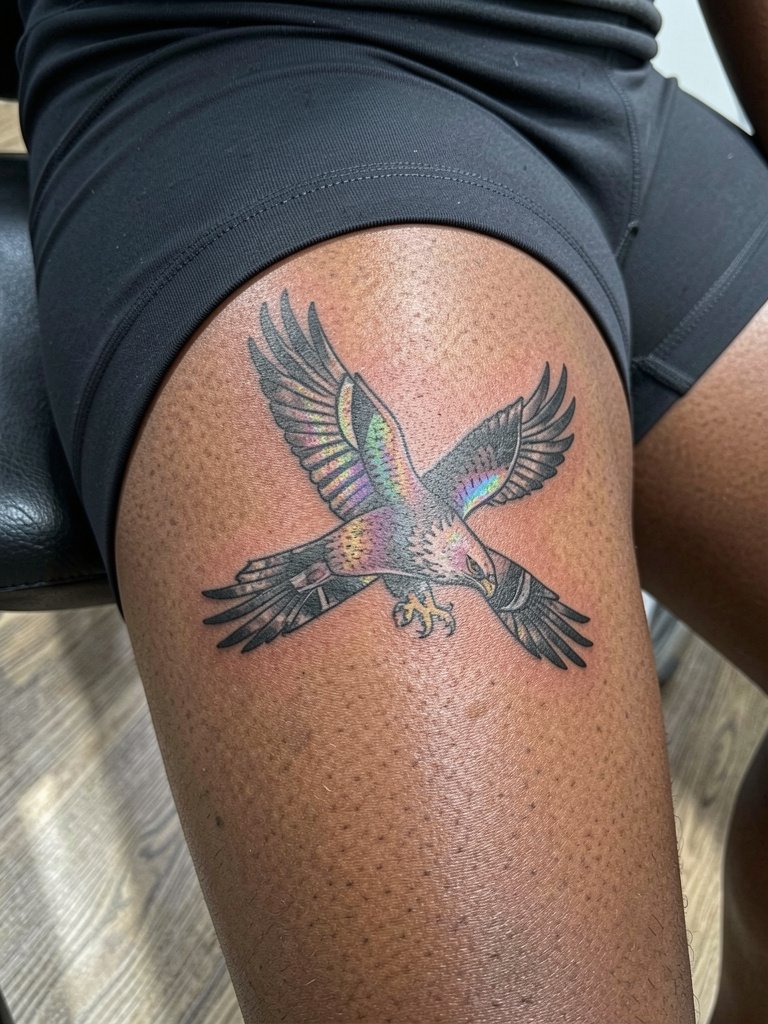
Inner thigh tattoos sit where friction and moisture are factors, so session wear and aftercare matter more than color theory. Expect higher sensitivity and plan for a longer healing window. The common error is over-detailing tiny feathers that won’t hold in that area. For the image to stay crisp, the artist should design with larger feather blocks and negative space. Bring loose bottoms and consider bike shorts for the session so the artist has access without discomfort. This placement is intimate, so some studios require an extra consultation to confirm placement and consent.
10. Cybernetic Finger Glyphs
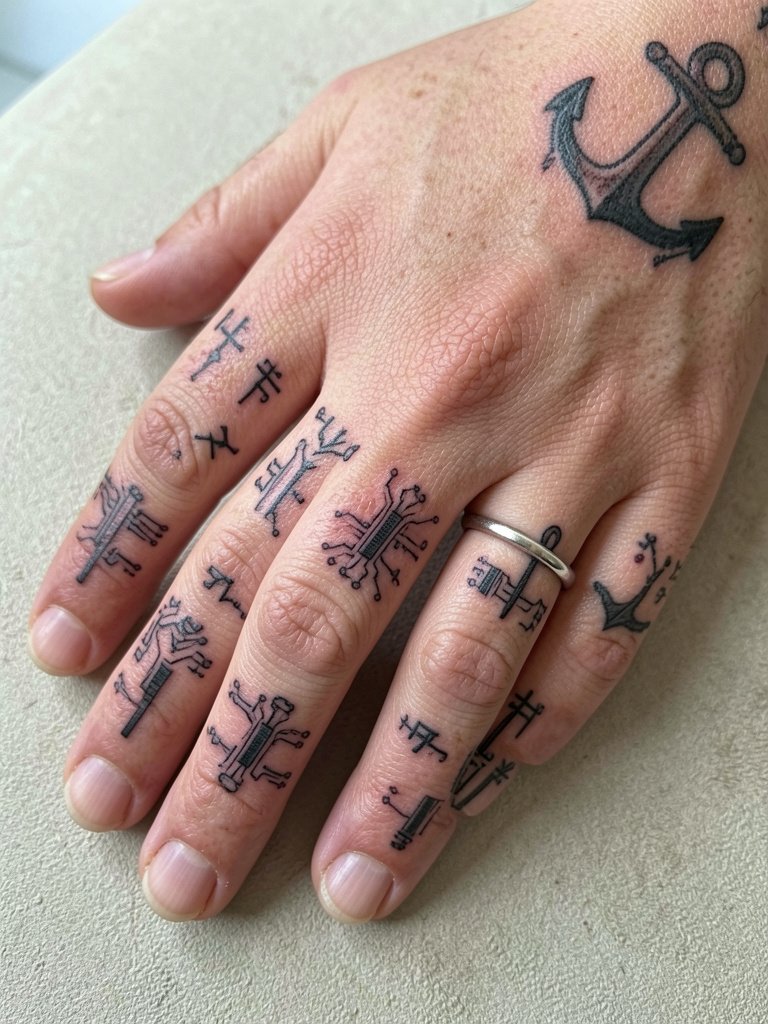
Finger work is the most aggressive test of line retention because of constant washing and flex. One camp recommends avoiding tiny text or micro-glyphs on fingers because blowout and fading are nearly guaranteed. The opposing camp says bold, minimalist marks with thicker linework can look intentional as they age, essentially embracing a softened aesthetic. For finger glyphs pick bolder anchors and accept the probability of annual touch-ups. Sessions are short but can sting due to cartilage and proximity to bone. For show-off styling, thin stackable rings and matte finishes complement the cybernetic bars.
11. Ribcage Data Stream
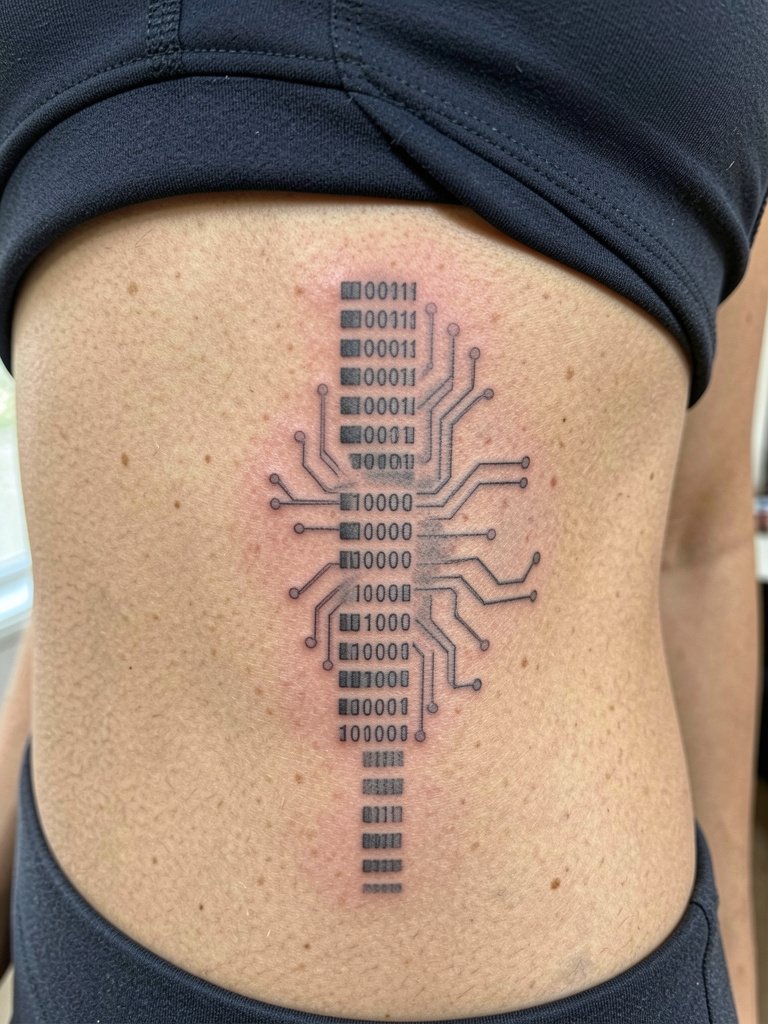
Ribcage pieces age differently because the skin stretches with breathing and weight changes. The frequent mistake is requesting ultra-fine text or too many parallel lines very close together. Instead, ask for slightly more room between elements and a darker primary line to protect thinner fills. Pain here is high and sessions are longer with scheduled breaks. Request mockups for both inhale and exhale positions so you can visualize distortion. Touch-up at one year is not unusual if you want the crisp vertical rhythm preserved.
12. Calf Neural Lace
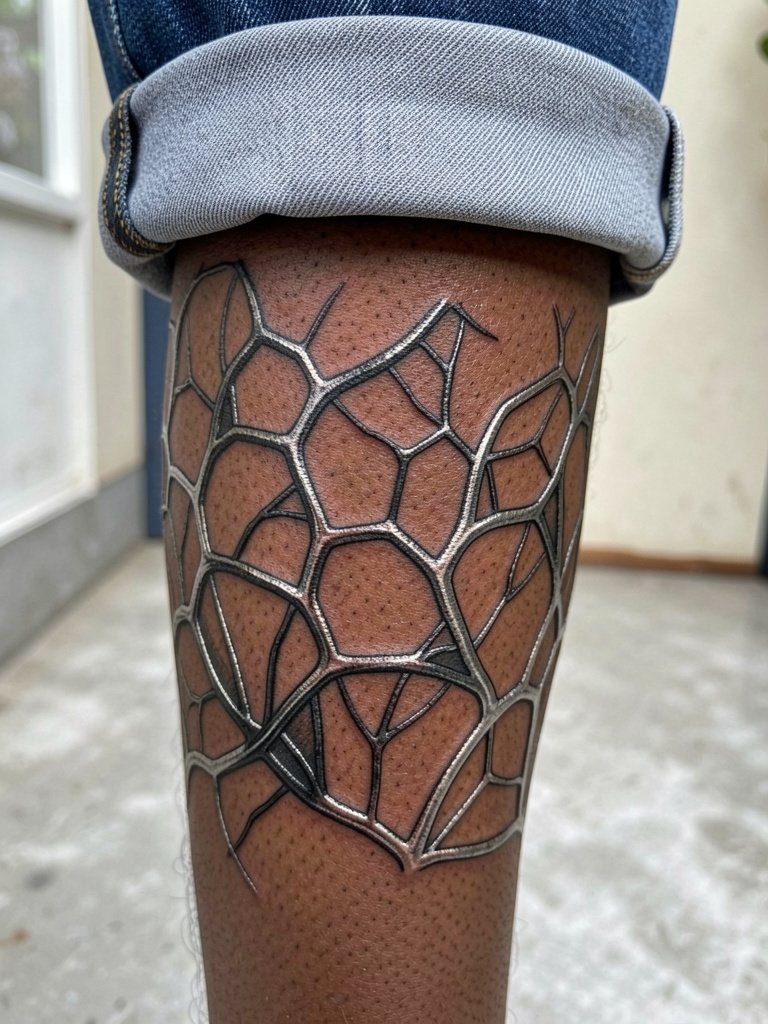
Calf pieces are forgiving because the skin there is stable and friction is low. A neural lace that wraps partially around the leg benefits from larger repeat units to keep motion from breaking the pattern. Common mistake is over-contriving a full wrap when the client actually wants a hint of circuitry. Sessions run two hours for a medium wrap and expect great longevity with minimal touch-up needs. For showing off, pair with cropped jeans or ankle boots that end just above the design to frame the lace.
13. Forearm HUD Window
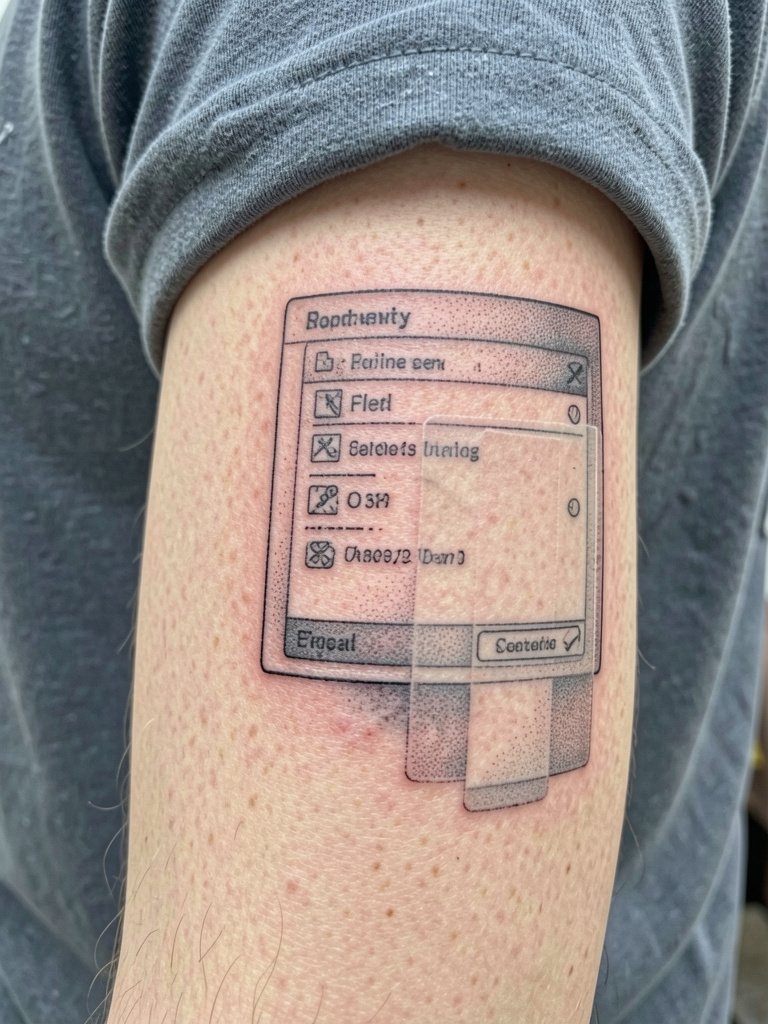
An outer forearm HUD reads well in daily life and is one of the easiest placements for touch-ups. If you want small icons, ask the artist to show them at actual scale because tiny typographic elements can dissolve into dots over time. A two-hour session covers most window layouts and you can plan a one-year touch-up to sharpen any icons that softened. For styling, short sleeves and layered cuffs show or hide the HUD depending on the situation, and a slim leather cuff complements the tech aesthetic.
14. Ankle Micro-Drone
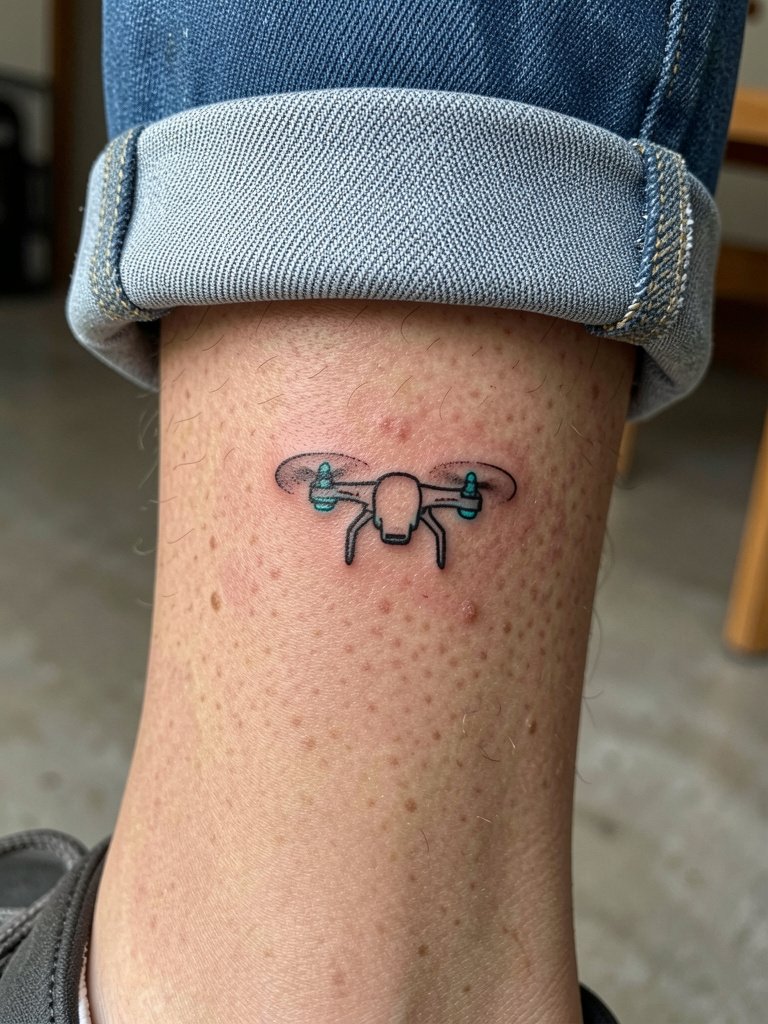
Ankle tattoos face frequent friction from socks and shoes, so solid anchors at the rotor points help prevent early fading. The biggest error is placing too many micro details near the ankle bone where skin is thin. Expect a 30- to 60-minute session and a likely touch-up at six months if you walk a lot. For footwear pairings, rolled jeans and low-cut trainers frame ankle micro work well, try canvas sneakers that keep the ankle visible while protecting the area.
15. Back-of-Neck Data Spine
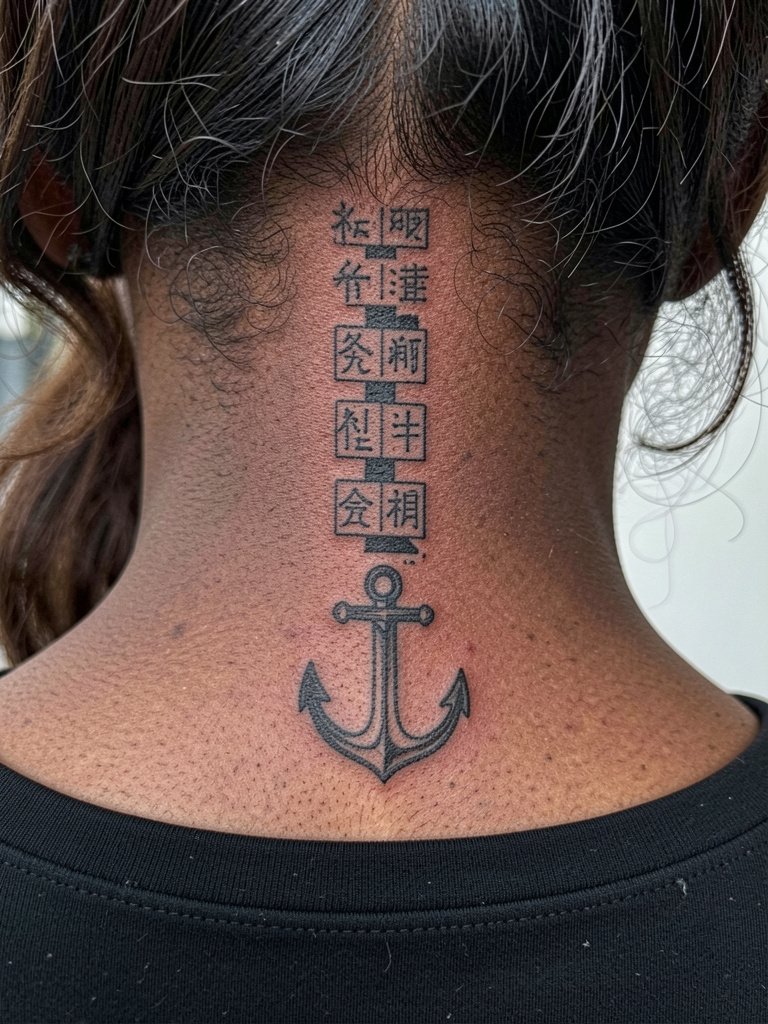
Back-of-neck pieces need precise placement because the hairline and collar interact with the design. A common mistake is setting the top plate too high where hair will soon cover it. Specify the hairline and collarline during consultation and ask for stenciled placement while standing. Session time is typically under two hours for a narrow vertical piece and pain is moderate. For hair-or-hide flexibility, short hair or a swept-up style shows the tattoo on demand and pairs well with narrow necklaces.
Frequently Asked Questions
Q: How do neon or holographic inks hold up compared with blackwork?
A: In my experience neon and holographic inks fade faster than saturated blackwork. Framing neon with strong black outlines and leaving deliberate negative space helps the color read longer and reduces the need for frequent touch-ups.
Q: Where can I find portfolios and healed examples without naming specific artists?
A: Search platform tags like #CyberpunkInk, #NeonTattoo, and #HealedTattooShots on Instagram and TikTok, and use location filters to narrow results for your city. Reddit tattoo communities and curated portfolio sites often have healed galleries organized by placement and skin tone, which is helpful when you need real-world aging examples.
Q: Are single-needle lines okay for ribs and fingers?
A: Single-needle lines can be beautiful, but ribs and fingers challenge single-needle retention because of skin texture and motion. Ask for slightly heavier line weight and mockups at true size so you can see whether the detail will survive two years on those surfaces.
Q: What should I wear to a session for inner thigh or sternum work?
A: For inner thigh wear fitted bike shorts that give the artist access while keeping you comfortable, and for sternum pieces a fitted sports bra or bandeau lets the artist work without constant fabric shifts. If you need a quick option, bring a simple fitted top that exposes only the area being tattooed.
Q: How often do I need touch-ups for small cyberpunk micro work like finger glyphs or wrist bands?
A: Small pieces on high-motion or high-friction areas commonly require touch-ups within 6 to 18 months. Larger or deeper-saturated anchors often stay intact longer, so balancing micro detail with solid anchor lines reduces the frequency of touch-ups.