
Someone I know spent months picking a friendship tattoo, not because the designs were scarce, but because they worried about three things at once: how the lines would age, how painful the placement would be, and whether aftercare would wreck the look. I have spent time in five shops across Brooklyn and watched conversations about blowout, touch-ups, and placement come up again and again. Read on for 25 tiny friendship tattoos for two, with what to ask your artist and what to expect as each piece heals.
1. Micro Heart Halves on Inner Wrist
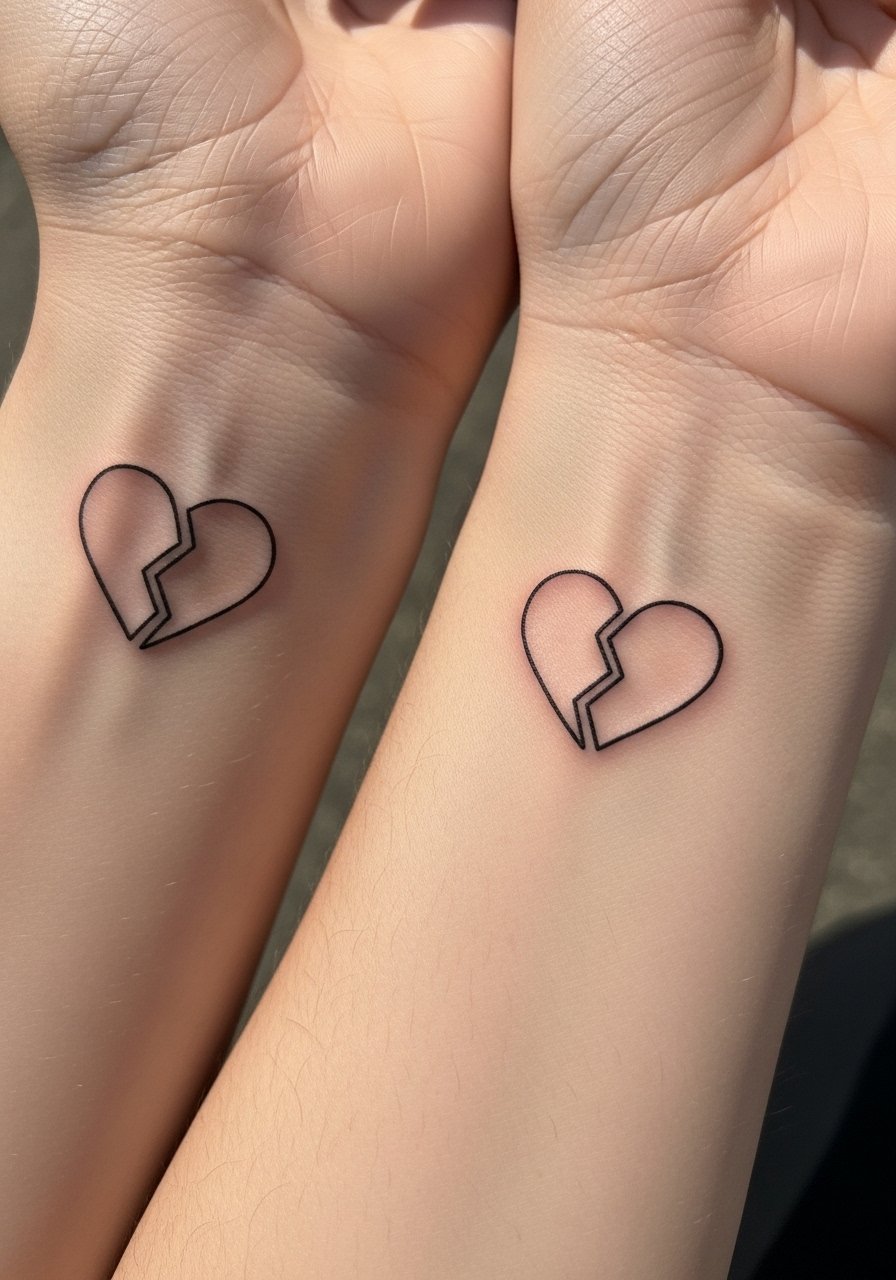
Someone I know first saw this as a quick flash at a convention and loved how it read both alone and together. Tell your artist you want slightly softened corners so the halves align at a casual angle, not a perfect mirror. The inner wrist is a low-to-moderate pain spot and the lines sit well if spaced slightly thicker than an ultra-fine needle. A common mistake is asking for ultra-thin lines that blur into a hairline after a year. Expect touch-ups around year two if you want crisp joins, and avoid tight watches or bracelets while it heals to cut blowout risk.
2. Tiny Lightning Bolts Behind the Ear
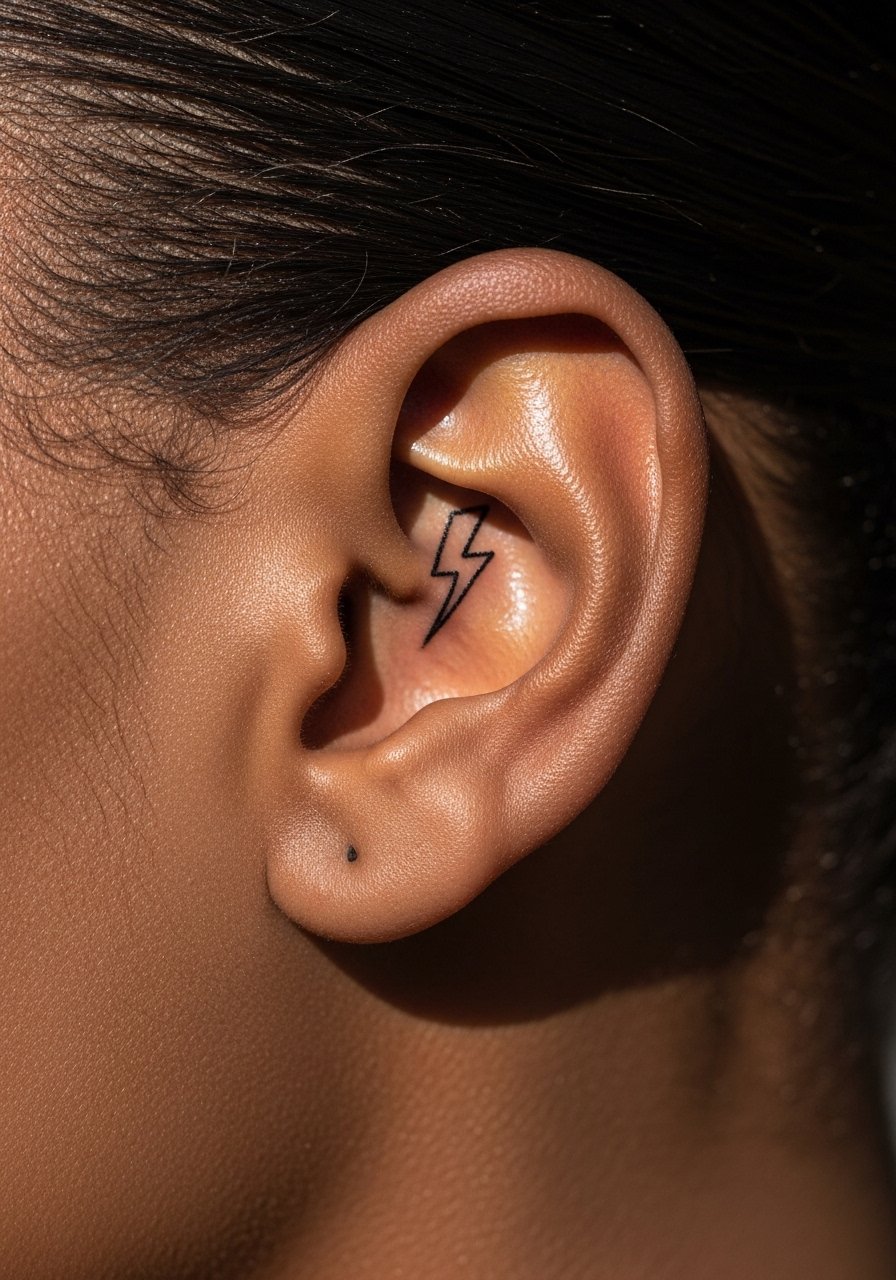
Fair warning, behind the ear can be surprising on pain because the skin is thin and sensitive. These bolts work as a small nod to shared energy without being obvious at work. Ask your artist for deeper contrast near the base to retain shape as it heals. The typical mistake is placing the bolt too small close to bone which invites blowout. After six months, the bolt should still read crisp, though a light touch-up might be needed after two years if you expose the area to friction from collars or long hair.
3. Matching Minimal Wave on Ankle

Most watercolor or soft shading waves lose saturation fastest near ankles. This minimal single-line wave avoids that by relying on confident linework and modest saturation. Tell your artist you want a steady line with a tiny taper at each end so the wave reads from a distance. Ankles are a two to four session pain depending on bone proximity. The usual mistake is asking for heavy color which flakes and fades quickly on anklebones. Expect a touch-up at year three if you want the line to stay bold.
4. Coordinate Dots on Ribcage

There is something about tiny coordinates that reads private and precise when placed on the ribcage. Most ribcage pieces are about placement confidence, not size. When you consult, give the exact numbers and show how they sit on your torso so both pieces match visually. Ribcage pain is high, so plan a short session and expect tender aftercare. Artists split into two camps on ribcage fine line. One camp says thin lines blur with skin stretch in two years. The other camp believes proper depth and spacing keep them clear. Ask where your artist stands before booking.
5. Micro Palm Tree on Ankle Bone
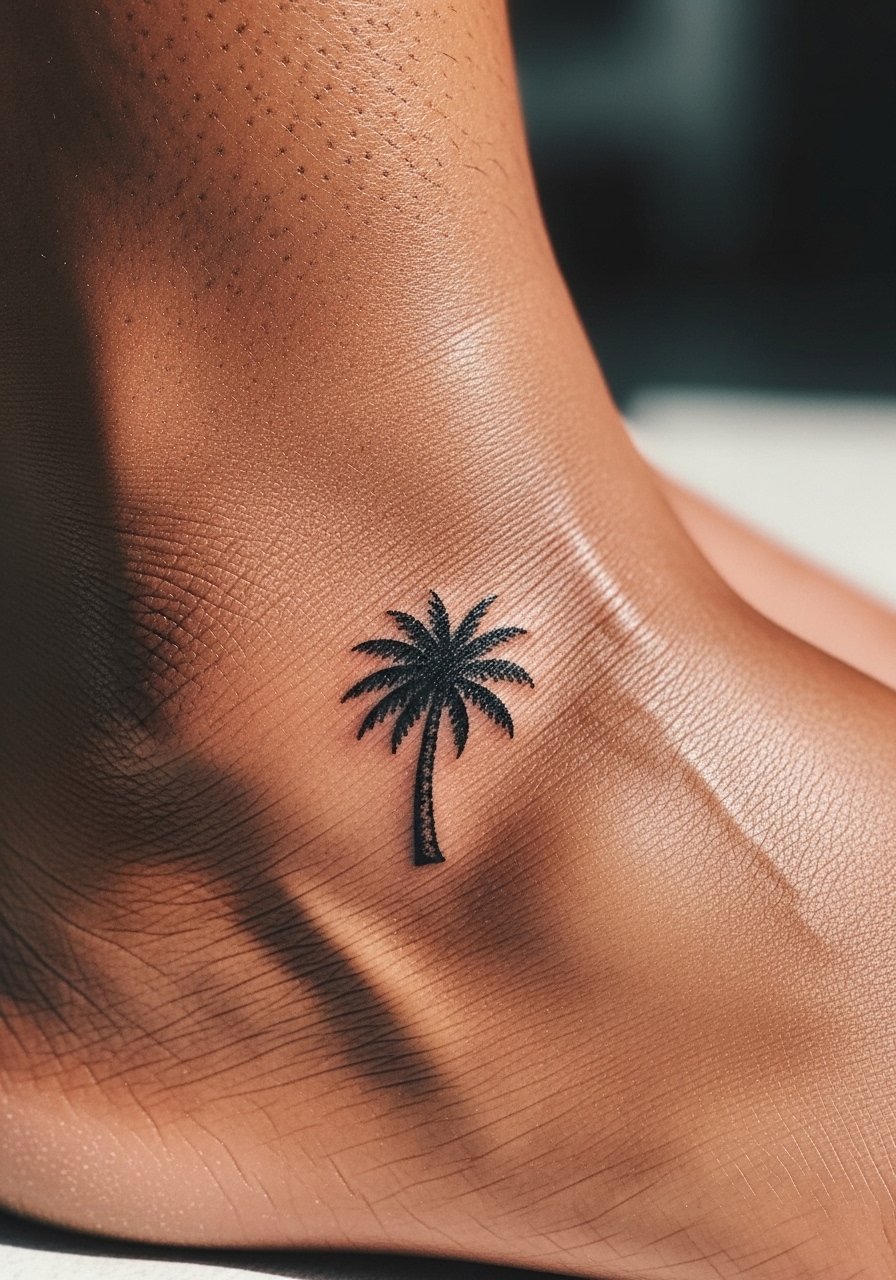
The visual impact of a palm tree at the ankle is that it reads like a private holiday tag for both people. A common mistake is cramming the fronds too close together which turns into a blotchy shape after healing. For this spot, ask for light stipple shading in the trunk instead of solid fill so it ages cleaner. Expect a sharp look at six months and slight softening by year two. Because the ankle sees friction from socks and shoes, skip heavy saturation and plan a touch-up if you want deeper contrast later.
6. Tiny Matching Wine Glasses on Inner Finger
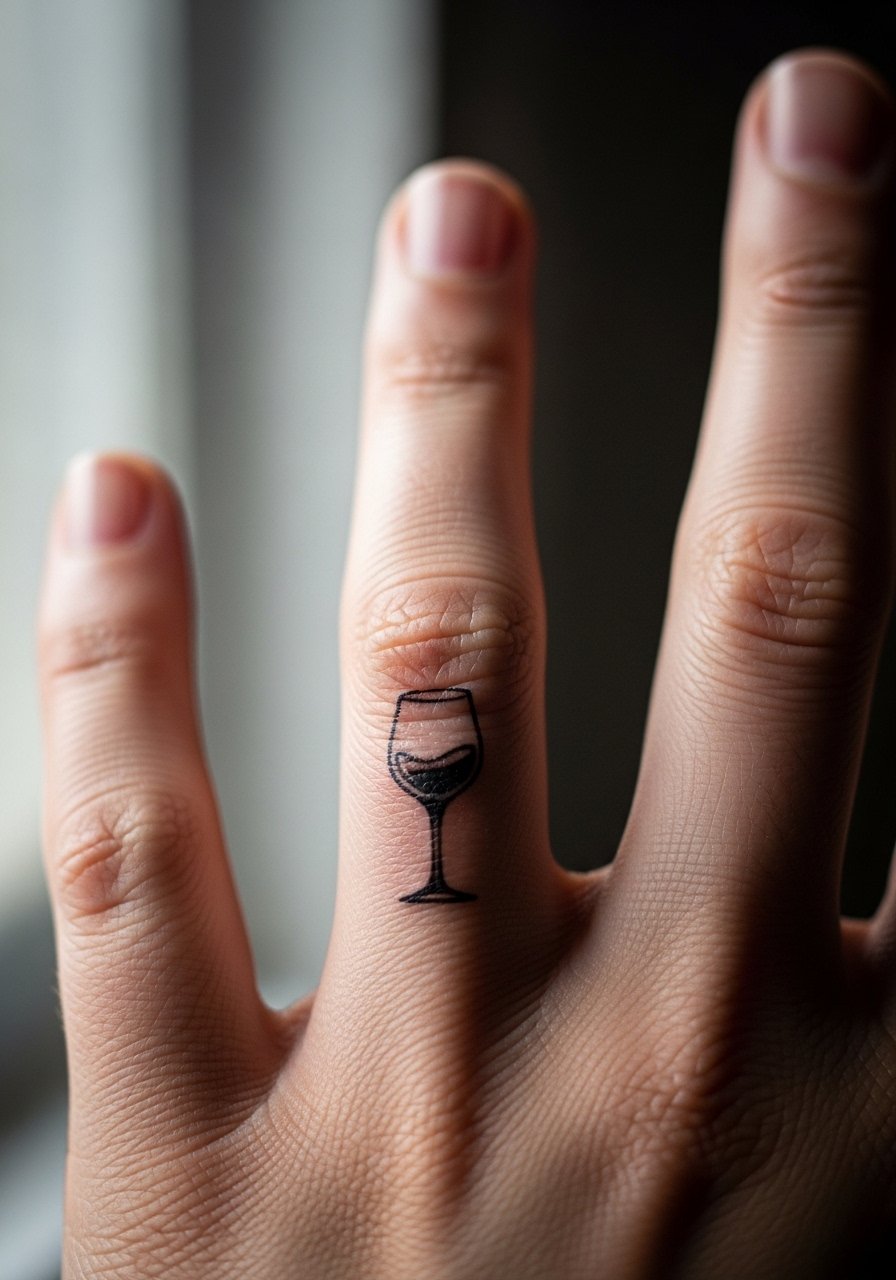
When you sit down with your artist for this one, bring photos that show the exact stem length you want because tiny differences change the whole vibe. Finger tattoos are notorious for fading faster due to washing and sun. A realistic session time is short but expect several small touch-ups in the first two years. The usual mistake is asking for detailed shading on such a small canvas. If you both want longevity, choose a bold outline with limited interior detail. Note that hand and finger placements can affect professional settings, so consider that before booking.
7. Complementary Crescent Moon and Star on Collarbone

Artists split into two camps on collarbone pieces. One camp says delicate fine line holds well if the client avoids sun and heavy clothing straps. The other camp argues the area moves and stretches enough to blur thin lines faster than on forearms. If you keep lines slightly thicker and space elements, the design will age more predictably. For two people, mirror the placement so the motifs face one another. Collarbone sessions are moderate in pain and usually quick. Bring your bra or tank top to consult on final placement.
8. Tiny Matching Mountains on Outer Forearm

I've noticed small mountain ranges feel like a shared story you can point to easily. For forearms, ask for slightly stronger linework near peaks so the silhouette stays readable at distance. The mistake people make is going too fine for a design expected to show in sunlight. Forearm pain is low, and sessions are brief. At two years, expect some softening but not dramatic loss if you maintain sun protection. Decide if you want both pieces identical or mirror images to reflect different perspectives of the same memory.
9. Micro Arrow Pair, One Pointing In, One Pointing Out
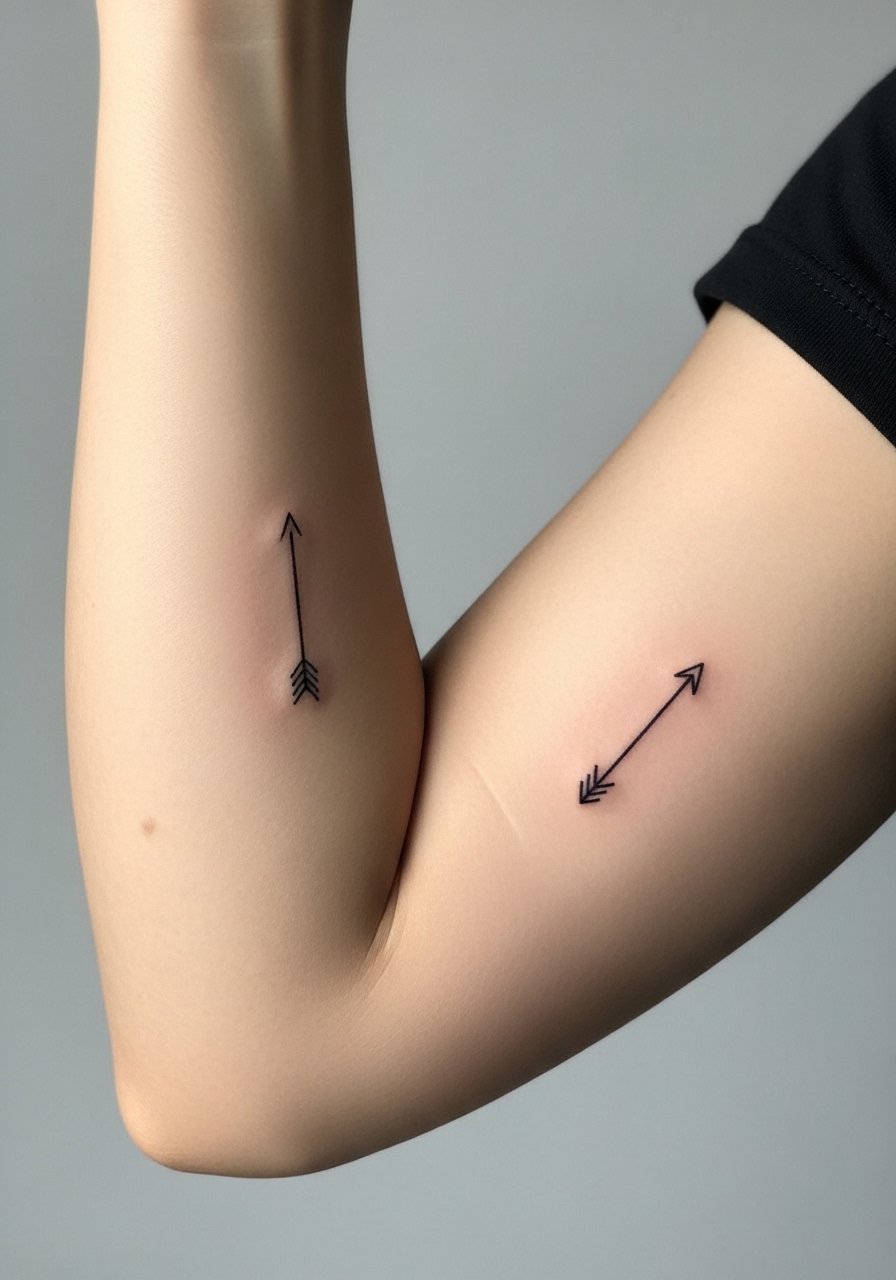
Fair warning, the inner bicep and outer bicep feel different during tattooing. One spot grips more, and the other gives under needle pressure. Arrows work well as a pair when you want one to feel like a push and the other like a return. Tell your artist whether you want the shaft thicker or tapered at the head to avoid early fading. A common mistake is making the arrow too tiny which later smudges into a grey line. Plan for a touch-up at year two if you want the arrowheads to stay crisp.
10. Tiny Script Initials Behind the Ankle

Most script fades fastest when letters sit too close together, so ask your artist to give each initial breathing room. The ankle moves in shoes which increases friction, so keep lettering minimal and avoid heavy fill. Pain is moderate on the ankle and sessions are short. People often request ornate flourishes at this size and then regret the muddle later. For two friends, choose complementary scripts rather than identical ones to reflect both personalities while keeping balance when you stand side by side.
11. Tiny Sun and Moon on Opposite Wrists

There is a visual impact to having a sun and moon that meet only when palms are open together. Wrist placements show quickly but they also take a beating from washing, bracelets, and sun. Ask for slightly bolder rays and a filled crescent to retain contrast over time. The common mistake is asking for extremely thin rays that blur into a halo. Expect a touch-up sooner than on upper arms, often within one to two years. If you work with chemicals or wear bracelets, mention that at consultation.
12. Tiny Botanical Sprig on Side of Finger

The biggest mistake with finger botanicals is trying to fit too many leaves on a narrow plane. For longevity, go simple and vertical so the piece follows your finger anatomy. Fingers endure washing which accelerates fading, so plan on touch-ups and avoid heavy shading. Sessions are fast but healing demands TLC, especially for two people who may wear rings in the same spots. If you want a colored leaf, ask about pigment choices because some colors fade faster on hands than others.
13. Tiny X and O on Inner Forearm

When you sit down with your artist for this playful pairing, show the scale you want since Xs and Os can read very differently depending on spacing. Inner forearm is forgiving for fine line work, but tiny script still softens over time. People often ask for matching size but slightly different line weight to give each a personal touch. Expect low pain and quick touch-up windows. If you both want the same placement, test how the marks align when you put your arms side by side so they read as a set.
14. Mini Mandala Halves on Outer Ankle
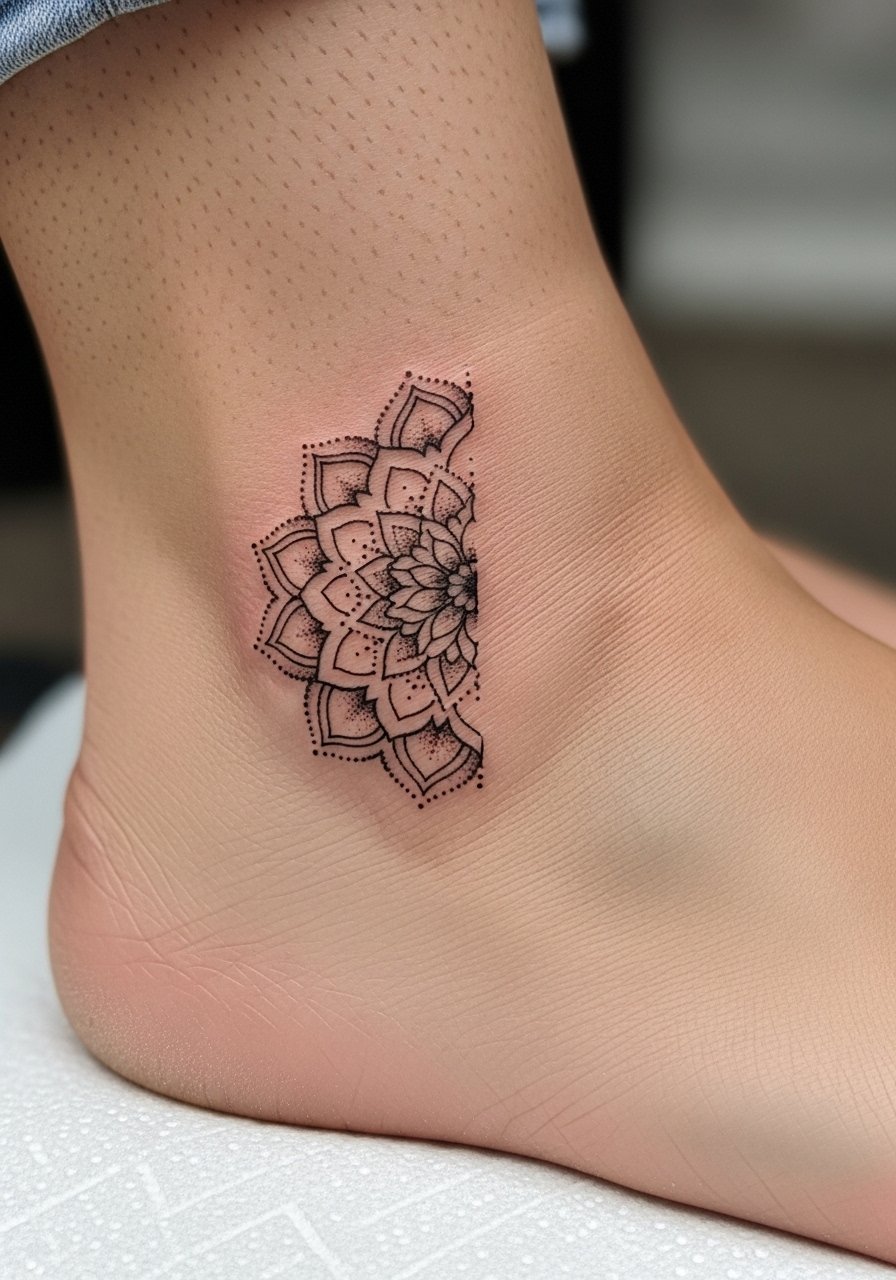
Mandala designs trace back to specific cultural and religious traditions, so some people prefer simplified variations rather than exact replicas. Artists split into two camps on tiny mandalas. One camp says detailed mandalas should be larger to keep pattern integrity. The other camp will meticulously adapt detail into micro dot work that holds. If you choose this, ask for slightly simplified geometry and clear negative space. Ankles see friction, so reduce tiny motifs that can merge as they age. Consider making the halves mirror each other so they form a circle when you stand together.
15. Matching Tiny Anchor on Inner Arm

Someone I know got matching anchors to mark a shared coast visit and liked how discreet they are. Inner arm anchor placements age well if the artist uses clear linework and moderate depth. The common error is adding tiny rope details that blur into texture after healing. Pain at the inner arm is moderate and sessions are short. Ask for a small but resolute outline and minimal interior shading. Anchors read classic at a glance and usually need only one touch-up by year three if you avoid heavy sun exposure.
16. Tiny Paw Prints Along Side of Foot
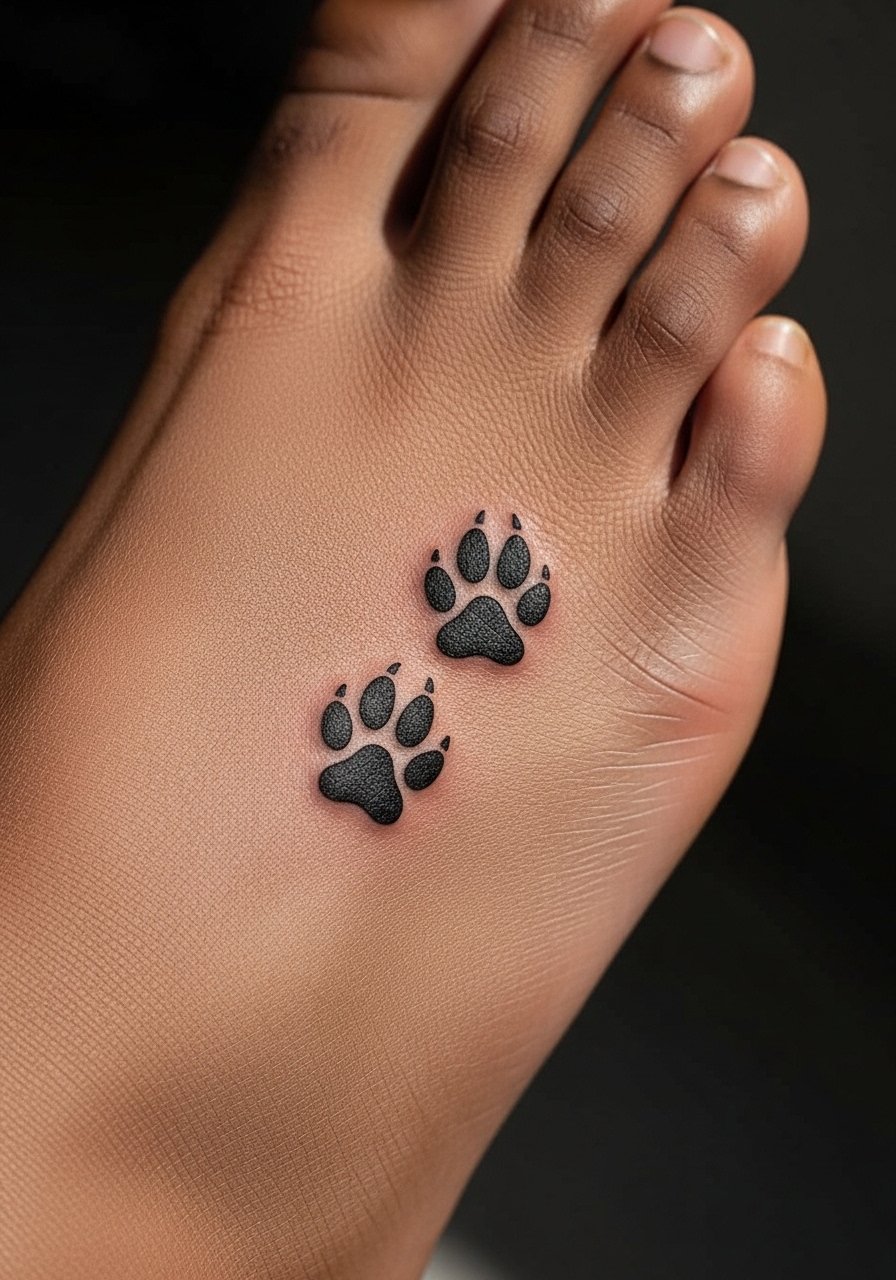
Fair warning, foot tattoos are tough on healing because shoes and socks create constant friction. Paw prints are a great friendship nod for two people who share a pet memory, but expect slower healing and possible extra touch-ups. Ask your artist to place them where shoes do not rub directly, and to use a modest size to keep clarity. The usual mistake is not planning shoe-free time after tattooing. Foot sessions are short but aftercare needs consistent attention for at least two weeks.
17. Tiny Matching Paper Plane on Shoulder Blade
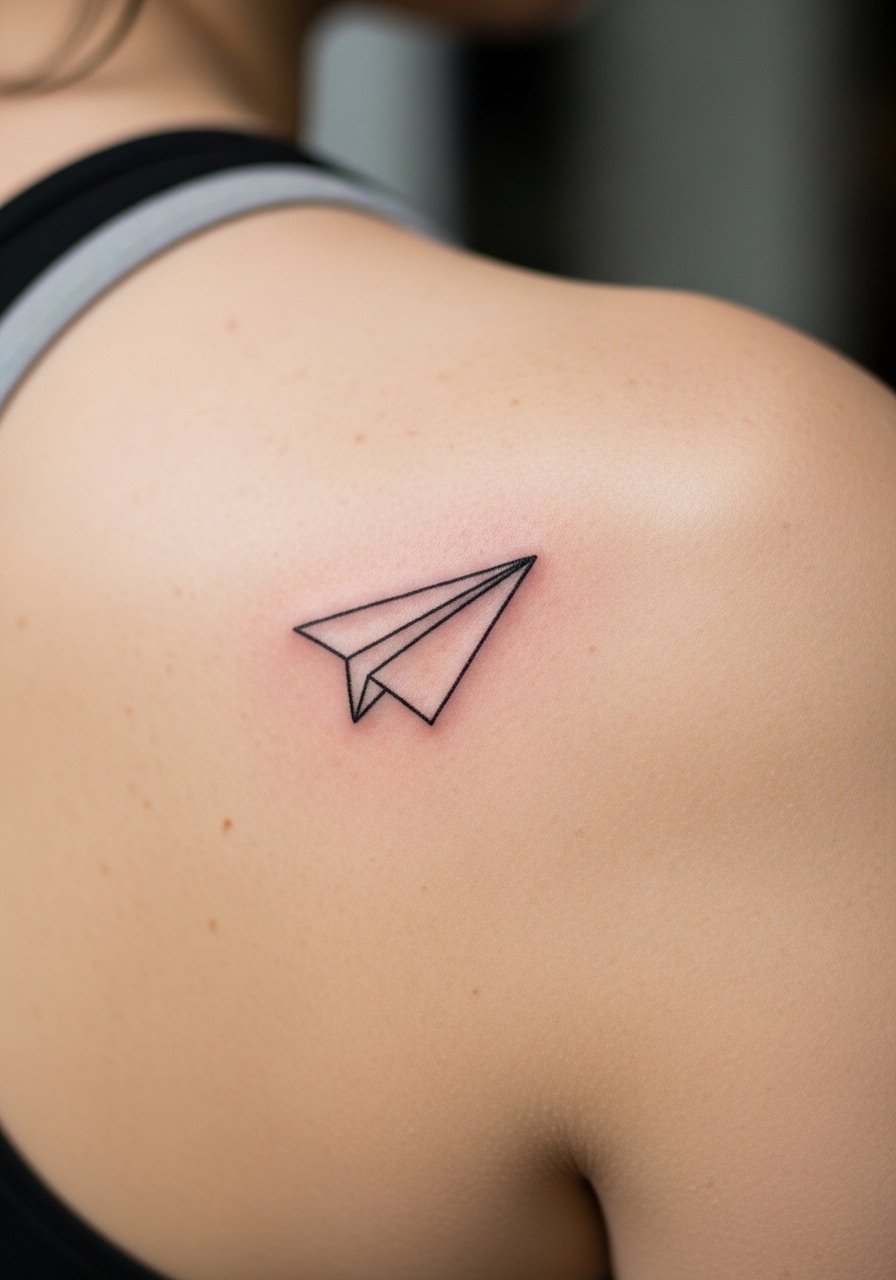
Most watercolor trends fade into blotchy halos so a paper plane in clean linework gives a similar playful feel without color loss. For shoulder blades, tell the artist which angle you want so both pieces read the same when you stand back to back. Sessions are comfortable and short. A common error is asking for tiny internal details that vanish as the skin heals. Expect subtle softening after two years, and plan a touch-up only if you both want the outline to stay stark.
18. Matching Tiny Crescent and Dot Behind Ear

There is a delicate visual impact to a tiny crescent and dot behind the ear that reads like a secret when your hair is up. That spot is sensitive and sometimes painful because of thin skin and proximity to bone. Artists differ on aftercare methods for this area, with some preferring occlusive dressings and others recommending bare-air healing. Expect a crisp look at six months and potential softening by two years. Keep hair and hats away while it heals to avoid unnecessary rubbing.
19. Tiny Geometric Triangle Pair on Calf

The biggest mistake with geometric tattoos is shrinking them to a point where angles look muddy after healing. Calves provide a forgiving canvas and help triangles keep crisp edges. Ask for clear negative space and slightly thicker outlines to stand the test of time. Pain is low and sessions are quick for these sizes. At year three, you might choose a light touch-up if the corners soften. For friendship tattoos for two, mirror the direction so one triangle points toward the other when you stand side by side.
20. Tiny Minimal Smiley and Frown on Inner Wrist

Consultation matters for expressive icons because tiny changes in curve alter the emotion dramatically. Inner wrist is forgiving for simple icons but frequent washing and friction can dull crisp curves. The common mistake is over-detailing the eyes which merges over time. Expect a touch-up sooner than on less exposed skin. If you both pick these, decide whether you want identical line weight or slight variation to reflect each person. These are quick sessions and easy to hide under a watch during initial healing.
21. Tiny Compass Points on Collar of the Hand
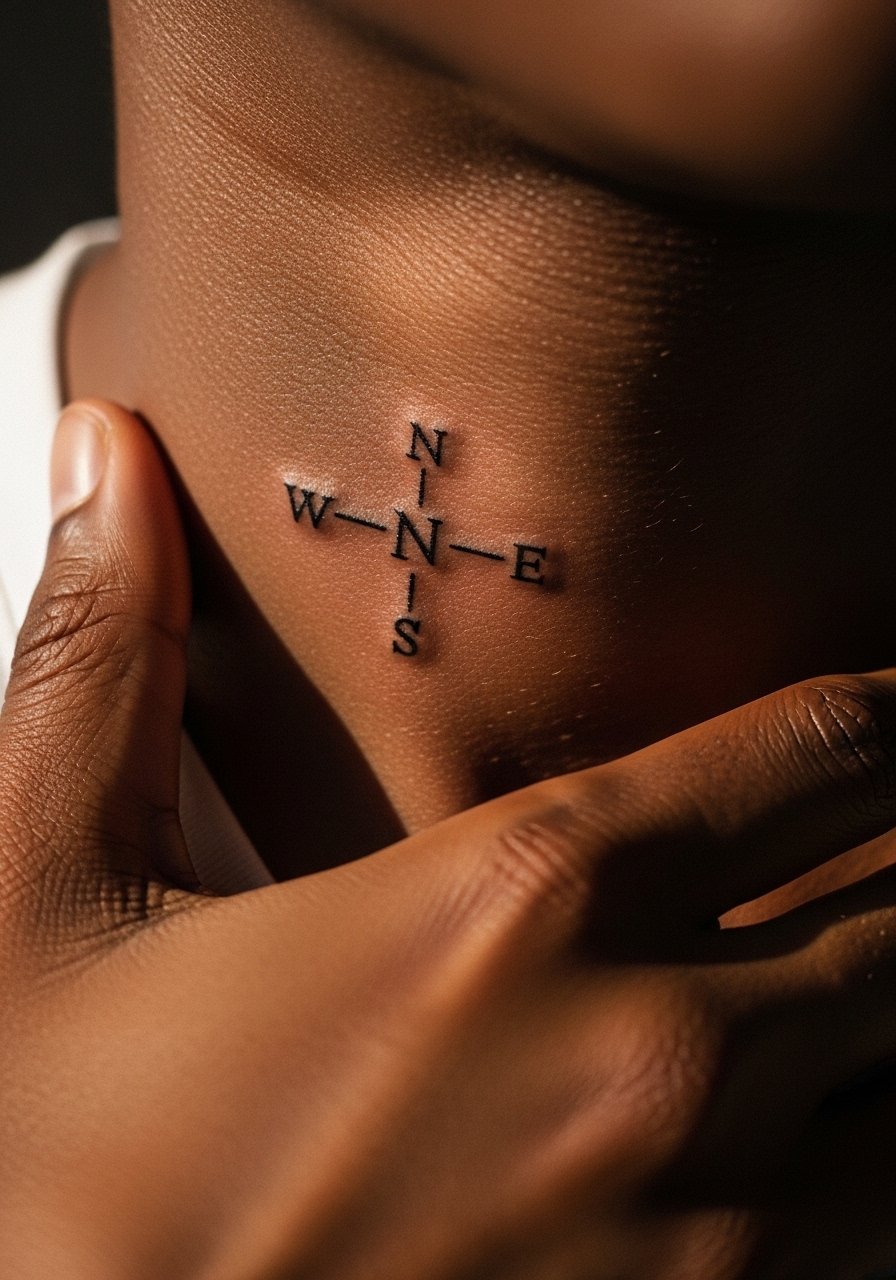
Artists and clients argue about hand tattoos because one camp says hands heal poorly and need frequent touch-ups, while the other camp points to improved techniques that can keep detail for longer. If you go here, choose a simplified compass point instead of full directional markings to limit area exposed to wear. Hand tattoos face high friction and will likely require touch-ups within one to three years. Also note that hand placement can affect hiring perceptions in some fields. If you decide to proceed, plan for maintenance and be ready for occasional refresher sessions.
22. Pair of Tiny Musical Notes on Behind the Ear Lobe

Someone I know chose tiny notes to mark a shared concert memory and found them delightfully private. Behind the earlobe is a small plane that heals reliably but can be sensitive. Ask for a slightly bolder stem so it reads clearly after six months. The common mistake is overcomplicating the note stem and flag which then blurs. Sessions are short and healing is generally straightforward if you avoid sleeping on that side. Two tiny matching notes look cute when you put your heads together.
23. Tiny Matching Anchor Dots on Side Rib
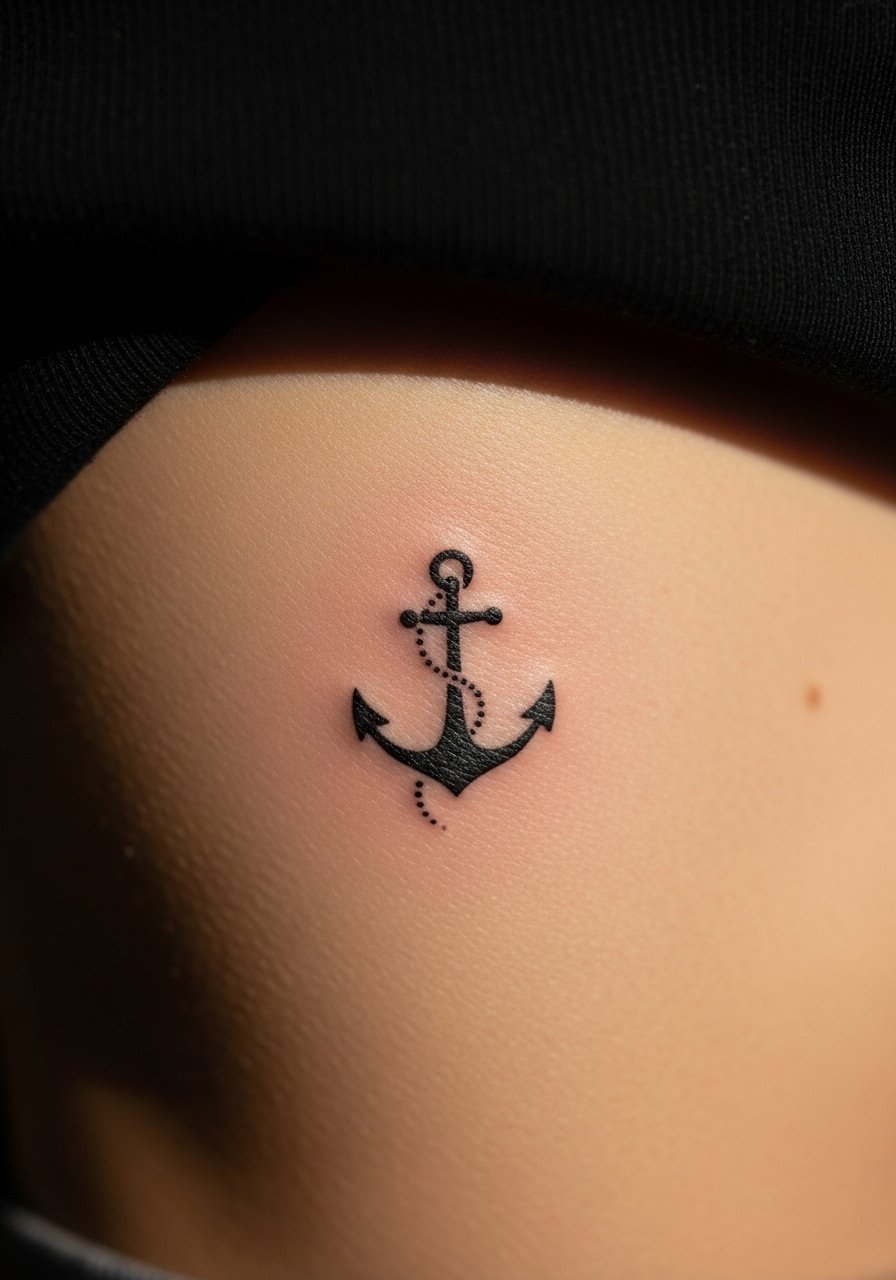
Fair warning, the rib is notorious for high pain, but small dots and anchors reduce session time. Dots age predictably if the artist spaces them correctly, and anchors simplified into dots avoid blurring. A common error is asking for clustered dots that form a blob once healed. Expect tenderness for a few days and a clear look at six months. When both of you choose side ribs, mirror the placement so your pieces line up visually when you stand together.
24. Tiny Botanical Crescent Anklet

Most people pick anklet-style botanicals for a subtle shared accent that peeks out of shoes. Ankles see friction so choose minimal linework and spare dot shading to reduce fading. The biggest mistake is trying to make it too ornate which leads to muddiness after healing. Sessions are quick and pain ranges low to moderate depending on bone proximity. For two people, agree on scale so both anklets sit similarly on your ankles when you stand together.
25. Tiny Matching Paperclip Line on Inner Arm

There is a visual simplicity to a tiny paperclip line that reads modern and slightly secret when paired. Inner upper arm takes ink well, so this spot preserves thin curves longer than fingers or hands. Ask the artist to keep the curve open enough so it does not fill in as the skin stretches. Common mistakes include overcompacting the loops which merges over time. Sessions are comfortable and healing predictable. If you both want the same motif, decide whether to place them at the same height for symmetry or offset for a staggered feel.
Tattoo Prep and Aftercare Essentials
- Fragrance-free gentle foaming cleanser for tattooed skin. Use this to gently cleanse new tattoos twice a day during the first week. Keeps bacteria down without stripping moisture.
- Lightweight fragrance-free balm, travel size. Apply a thin layer after cleansing to prevent cracking and to keep ink from scabbing too deeply.
- Medical-grade second skin bandage, small sheets. Useful for the first 24 to 48 hours when you want sterile protection during travel or strenuous activity.
- Antibacterial soap bar, gentle formula. Bar soaps can be drying so use sparingly and follow with balm.
- Broad-spectrum mineral sunscreen stick for tattoos. Long-term maintenance requires sun protection to preserve saturation and linework.
- Silicone scar and tattoo moisturizer sheet, reusable. For older pieces that need smoothing or for minimizing raised scar tissue.
- Fragrance-free body lotion, pump bottle. Use daily after the first month to maintain skin hydration and saturation.
- Aquaphor Healing Ointment search. Many people keep a small pot for the first few days. This counts as the one mainstream product mentioned sparingly.
Every tattoo is different. Always follow your artist's specific aftercare instructions. Consult a dermatologist if you have skin concerns or unusual healing issues.
Frequently Asked Questions
Q: Will fine line friendship tattoos on wrists blur quickly and need touch-ups?
A: It depends on factors like placement, sun exposure, and how thin the lines are. From what I've seen, wrists face frequent washing and sun, so request slightly thicker fine lines and plan for a possible touch-up around year two. Discuss expected touch-up timelines with your artist during the consult.
Q: Do finger or hand friendship tattoos hold up long term for two people who want identical marks?
A: Hands and fingers take more wear which often means more touch-ups. If matching is important, ask for simplified shapes and bold outlines rather than tiny interior details. Be prepared for maintenance and mention your job or daily hand use when booking.
Q: How should two people coordinate placement so the tattoos visually connect when together?
A: Try the poses you expect to make and mark placement with temporary pens before the session. I recommend standing side by side and lining up reference points like wrist creases or collarbones to ensure the motifs meet as intended. Bring photos to the consult and ask your artist to stenciled test for scale.
Q: Is there a controversy around aftercare methods like occlusive dressings versus air-dry healing?
A: Yes, artists split into two camps on this. One group prefers medical occlusive dressings for the first 24 to 48 hours to reduce infection risk. The other group favors short open-air windows to avoid trapped moisture. Your best move is to ask your artist which approach they use and why, then follow the protocol they know works for their process.
Q: For matching tiny symbols, how long before both people should expect to need a touch-up?
A: Expect a first touch-up within one to three years for exposed spots like wrists, hands, and ankles. Less exposed areas like inner arms and shoulder blades can go longer. Plan touch-ups as part of the shared story rather than a failure of the original work.
Q: Are there cultural considerations for small mandala or indigenous-inspired friendship tattoos?
A: Yes. Mandala patterns and some tribal motifs have specific cultural and spiritual meanings. Some people choose to adapt the design respectfully or pick simpler geometric echoes instead of a direct replica. If you are unsure, ask for context during consultation and consider the origin before committing.