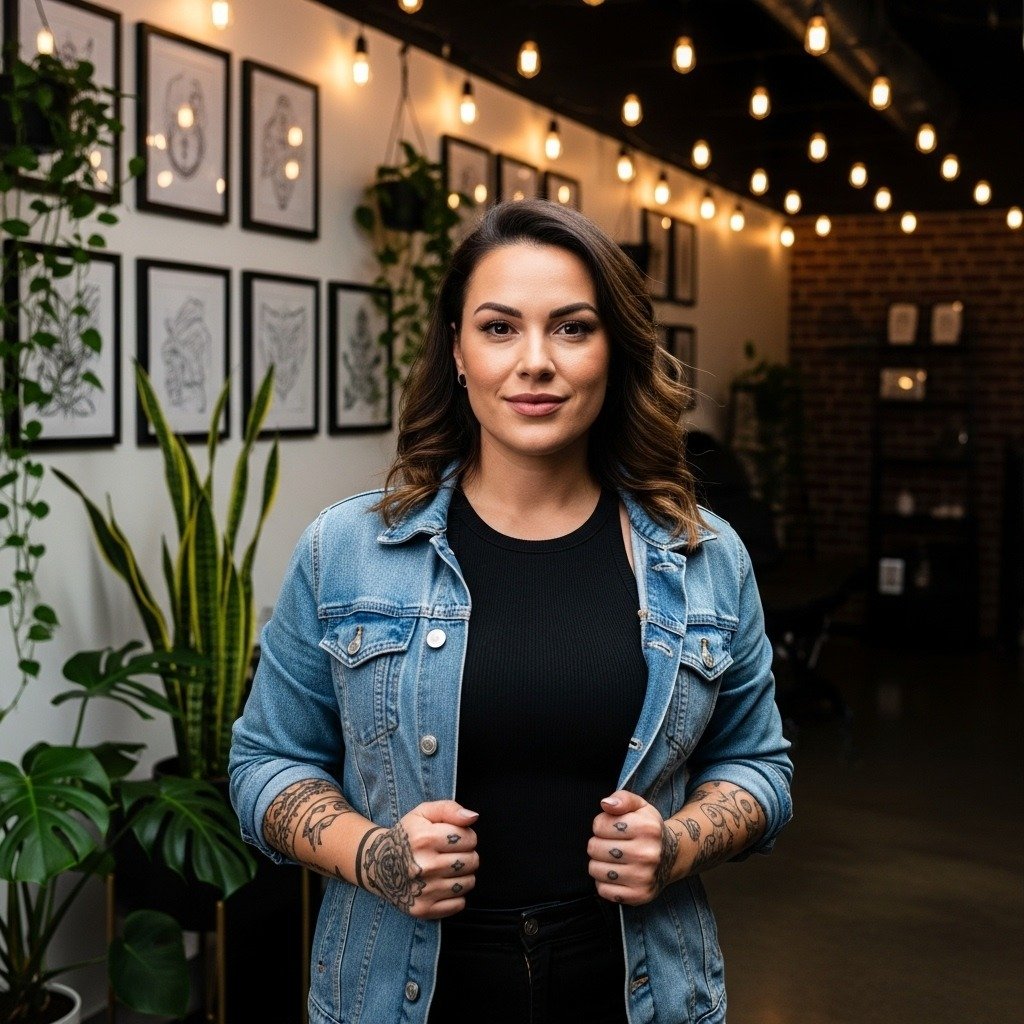
Bold forearm work often wins the longevity test over the wispy pieces everyone pins on mood boards. On the forearm you can choose a piece that follows muscle flow so shading breathes with movement, or keep it small and deliberate so lines stay crisp for years. Below are curated forearm directions that actually age, show how to prep for the session, and what to wear the day of.
1. Realism Roaring Lion, Outer Forearm (Dorsal Surface)

A roaring lion in black and grey reads like a bold portrait when placed along the arm’s curve. Pick a size that lets the whisker and mane detail breathe; too small and the tiny whiskers blur over time. For the session expect moderate pain on the dorsal forearm and a multi-session plan if you want deep contrast. For the appointment wear a charcoal fitted men shirt so the dark fabric gives the same contrast you want in the final photos. A common mistake is demanding extreme micro-detail in a single sitting. Instead, split into two sessions so the artist can layer contrast without overworking the skin.
2. Tiger Eye Detail, Inner Forearm (Palm-Up Surface)
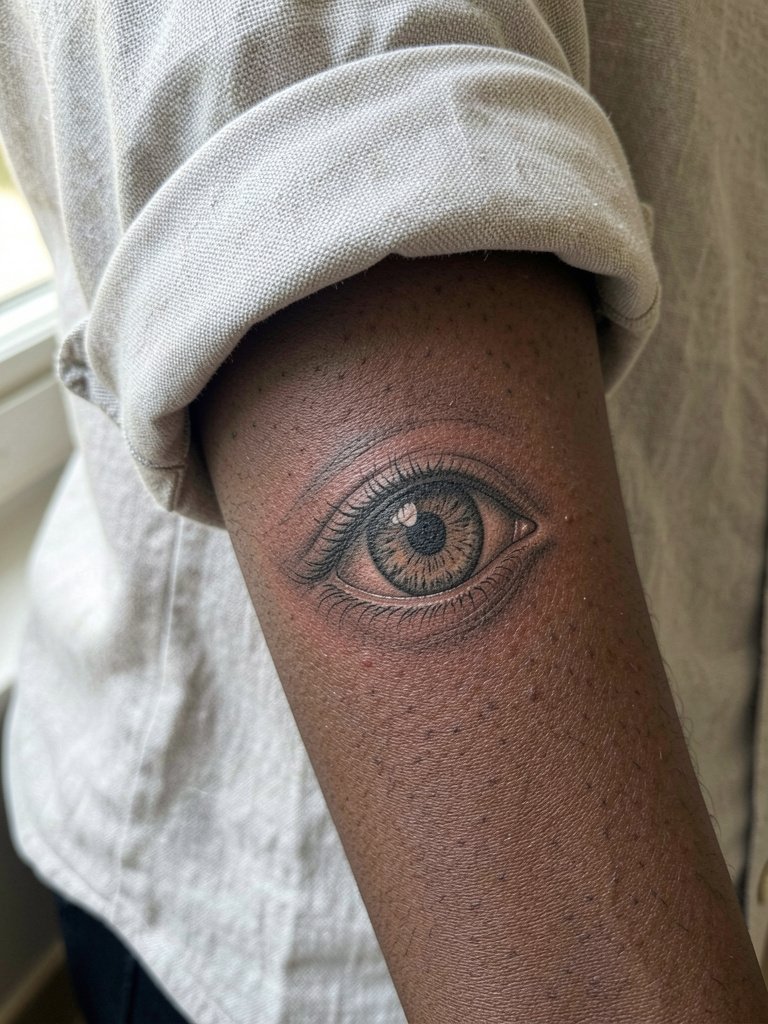
Micro-realism on the inner forearm shows off precise linework but requires attention to spacing. Artists split on fine line longevity. One camp says very thin single-needle lines on the forearm blur within two to three years because the palm-up skin creases with gripping and daily motion. The other camp counters that with correct needle depth and slightly wider spacing the design can show three-plus year retention and still read crisp. If you want the look but longer life, ask for a slightly heavier single-needle line and plan a touch-up window at year two. For the session wear a linen button down shirt with sleeves that roll naturally so the artist gets full palm-up access.
3. Mechanical Gear Wrap, Full Forearm Wrap
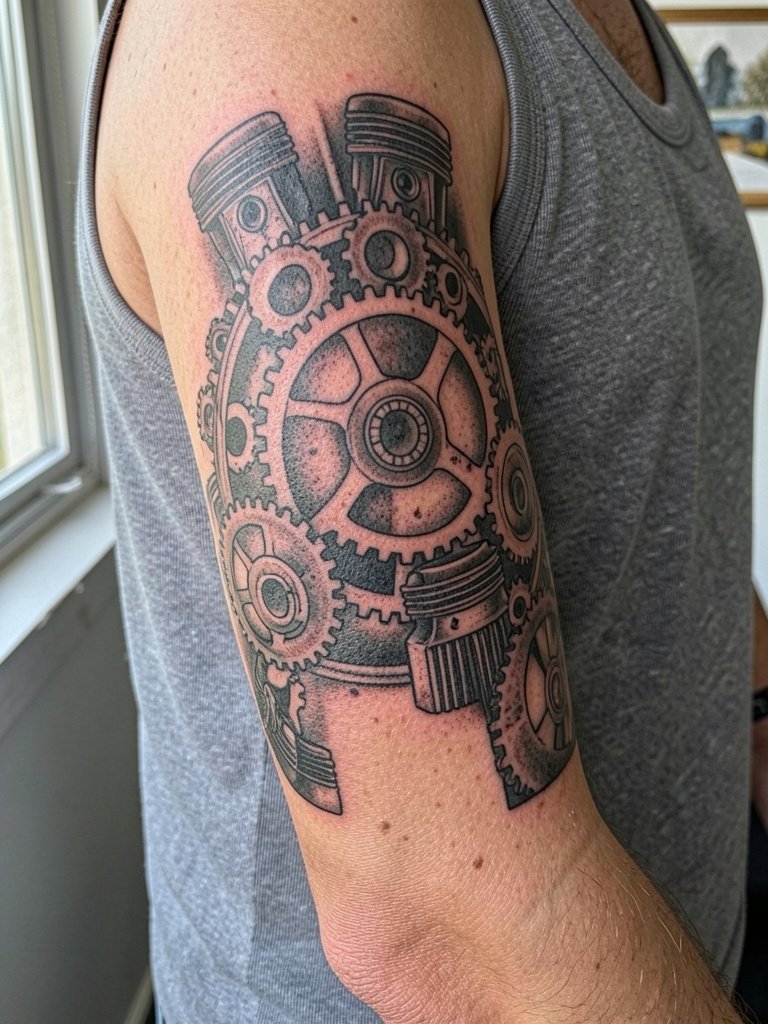
A wrap that runs both surfaces needs symmetry and negative-space breathing room. Expect 2–3 sessions and precise linework to avoid a noisy final read. For the session wear a sleeveless men top so the artist can rotate your arm without sleeve pressure. A typical mistake is asking for tiny interlocking gears; scale them up so black fills and negative space remain distinct after a few years. Blowout risk increases at joint folds, so keep the gears off the crease line where the wrist bends.
4. Geometric Mandala, Outer Forearm (Dorsal Surface)
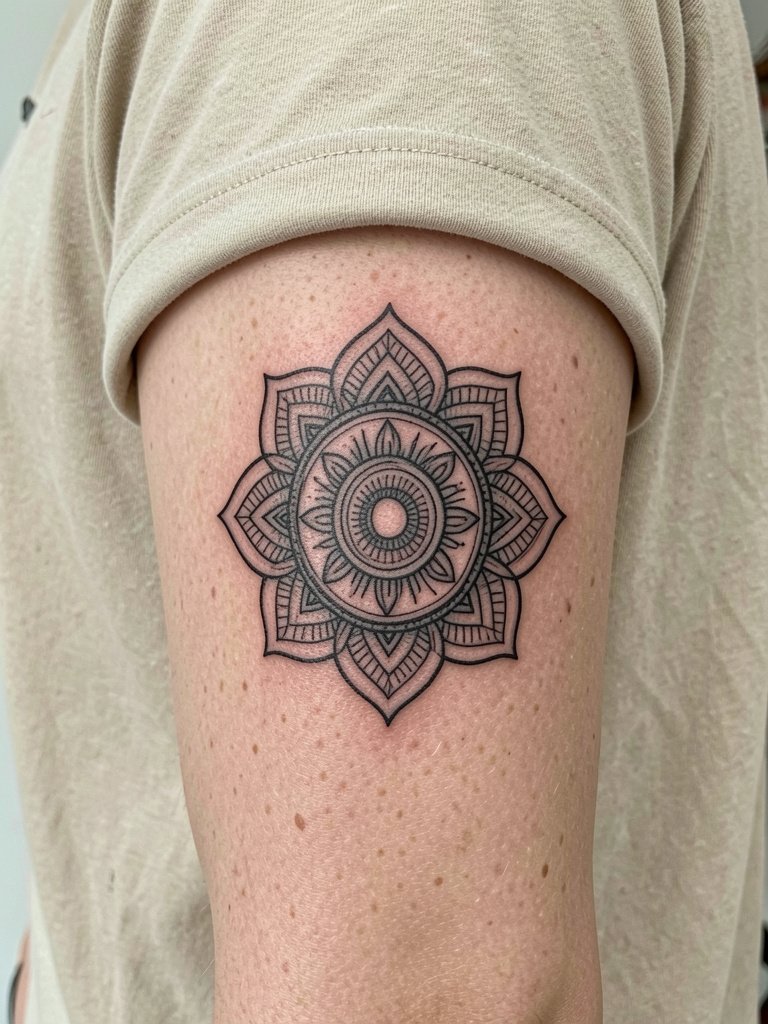
Symmetry is the job here. When the pattern follows muscle flow it looks like it belongs to the arm, not pasted onto it. The biggest mistake is going too small. Give the mandala room so stipple shading and radial lines do not merge. For the appointment wear a 3/4 sleeve men shirt that exposes the dorsal forearm naturally without tight cuffs. Touch-ups are common at two to three years for thin radial lines, so factor that into the timeline when you plan the piece.
5. Minimalist Single-Line Nature, Inner Forearm (Palm-Up Surface)
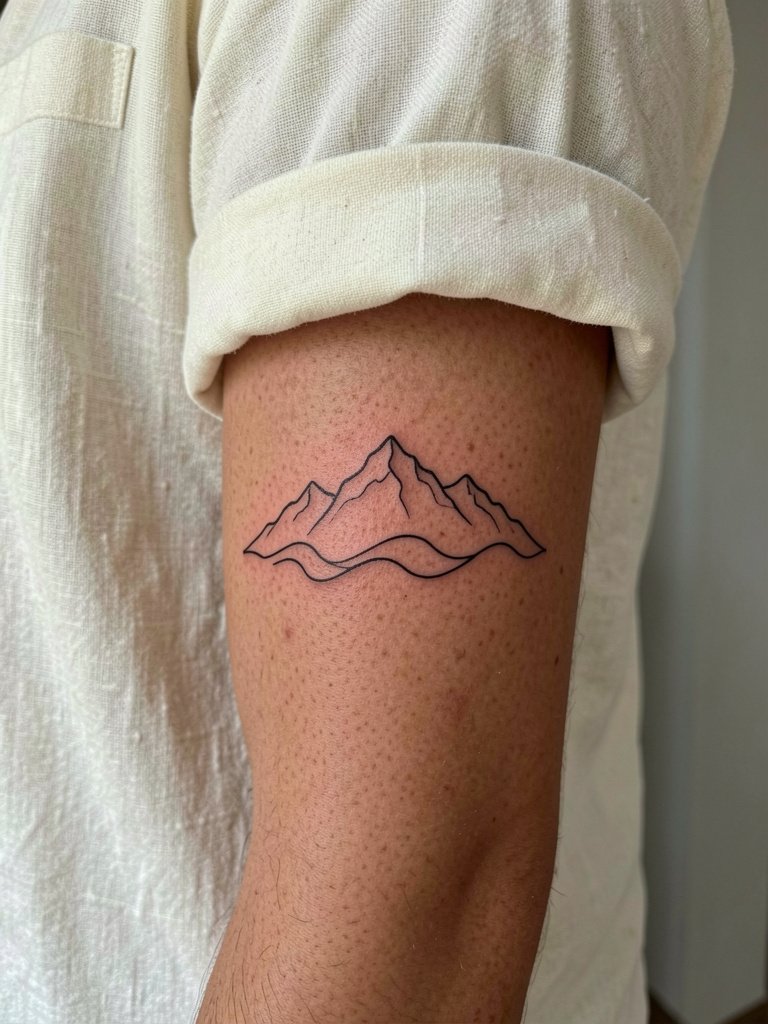
Single-line work is easy to show off and easy to botch by going too thin. On the inner forearm I recommend slightly bolder single-needle spacing so the line heals with space between ink channels. Linework on palm-up skin tends to be gentler on pain, and sessions are short. For the session wear a rolled cuff linen shirt so the neutral palette keeps attention on the linework. Expect a light touch-up around year two for the thinnest strokes.
6. American Traditional Eagle or Lion, Outer Forearm (Dorsal Surface)
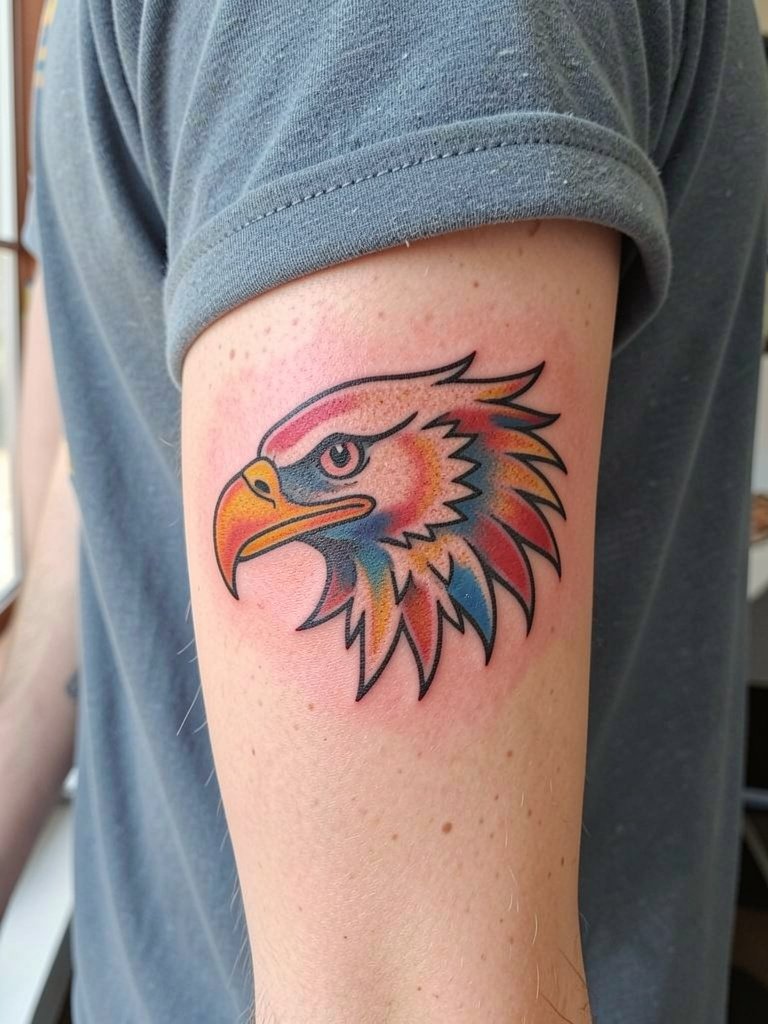
Bold outlines and saturated fills are the reliability play for long-term clarity on the forearm. Session time varies, but plan two sessions for saturation and a final check. Wear a black crew neck t-shirt on the day so the bold colors have the same contrast you want to photograph later. A common error is asking for small, ultra-detailed traditional work; keep the shapes classic and scale them so color blocks do the reading work over time.
Session Day Picks
The first six ideas above include both highly detailed single-needle work and bold color blocks, so a couple of small items smooth the day and the first week.
- Japanese Aftercare Balm Tattoo Balance search. A lighter balm option can reduce pore clogging on forearm skin while keeping color vibrant after the initial peel.
- Ink Soak sea salt soak search. A gentle sea salt soak can cut swelling for small forearm pieces during the first few days.
- Tattoo Goo overnight balm search. Thicker overnight care helps prevent flaky patches on larger saturation pieces.
- Hustle Butter Deluxe. Useful for long-term moisturization to keep black and grey richness after healing.
- Saniderm second skin bandage search. Protective film reduces sun exposure and friction during the first week on an exposed forearm.
7. Japanese Traditional Flow Piece, Outer Forearm Wrapping to Upper Arm
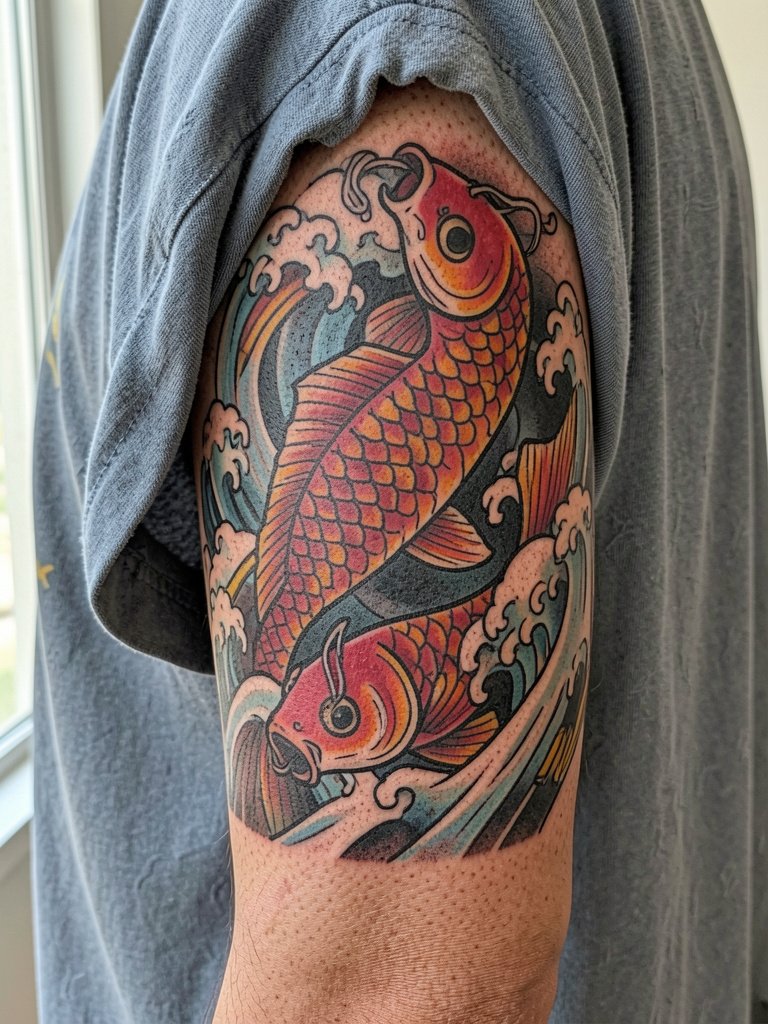
Irezumi-style flow pieces are about movement more than individual motifs. Plan multiple sessions and prioritize wind bars that follow muscles so the design reads when you flex. There is cultural origin to acknowledge. Seek artists respectful of Japanese tradition and discuss motif placement in the consult. For the session wear a sleeveless men top so the artist has full rotation access. Expect saturation work to need a follow-up pass once healed to lock in color where skin texture varies.
8. Black and Gray Realism Skull, Outer Forearm (Dorsal Surface)
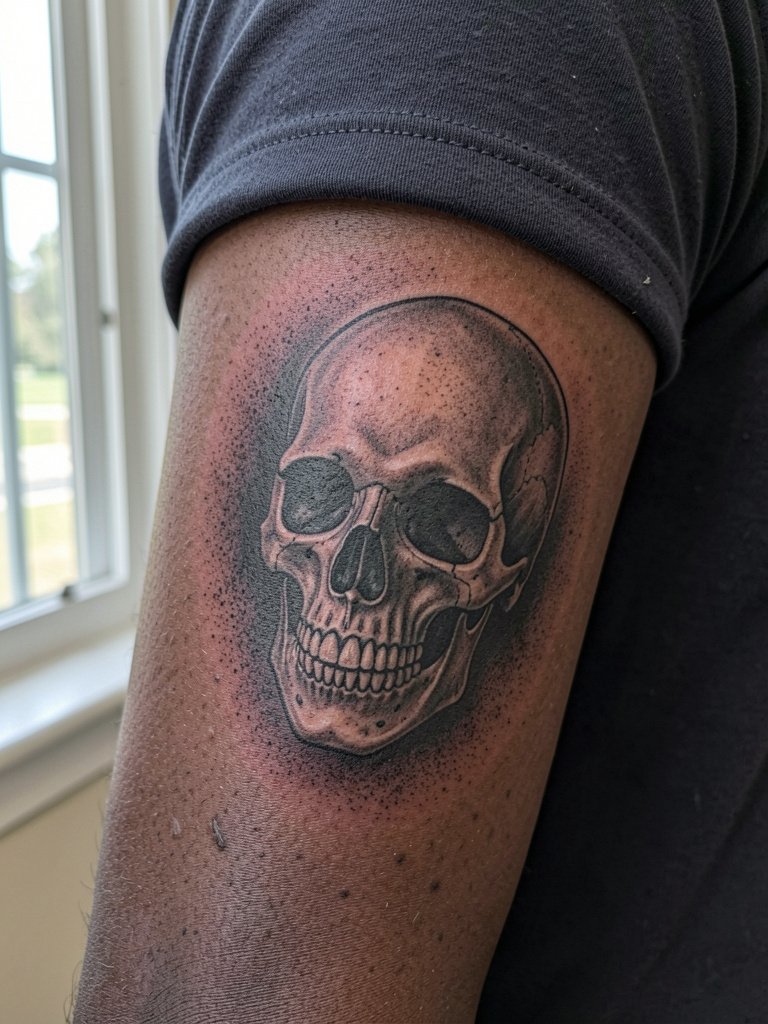
Skull realism is contrast dependent. On darker skin choose higher-contrast highlights and heavier saturation so form reads in photos. Session pain on the dorsal forearm is usually moderate. A common mistake is asking for too much tiny highlight detail; those fade first and create muddy patches. Plan for a scheduled touch-up six to twelve months after healing to correct any flattening of midtones.
9. Compass or Navigation Symbol, Inner Forearm (Palm-Up Surface)

A compass reads as clean graphic work and ages predictably when lines have breathing room. For session wear a white button down men shirt with rolled sleeves so the artist can see the palm-up surface clearly. Keep the needle tips slightly heavier than reference if you want the compass to remain legible after two to three years. Avoid tiny ornate flourishes that obliterate the simple geometry over time.
10. Lotus Flower, Inner Forearm (Palm-Up Surface)
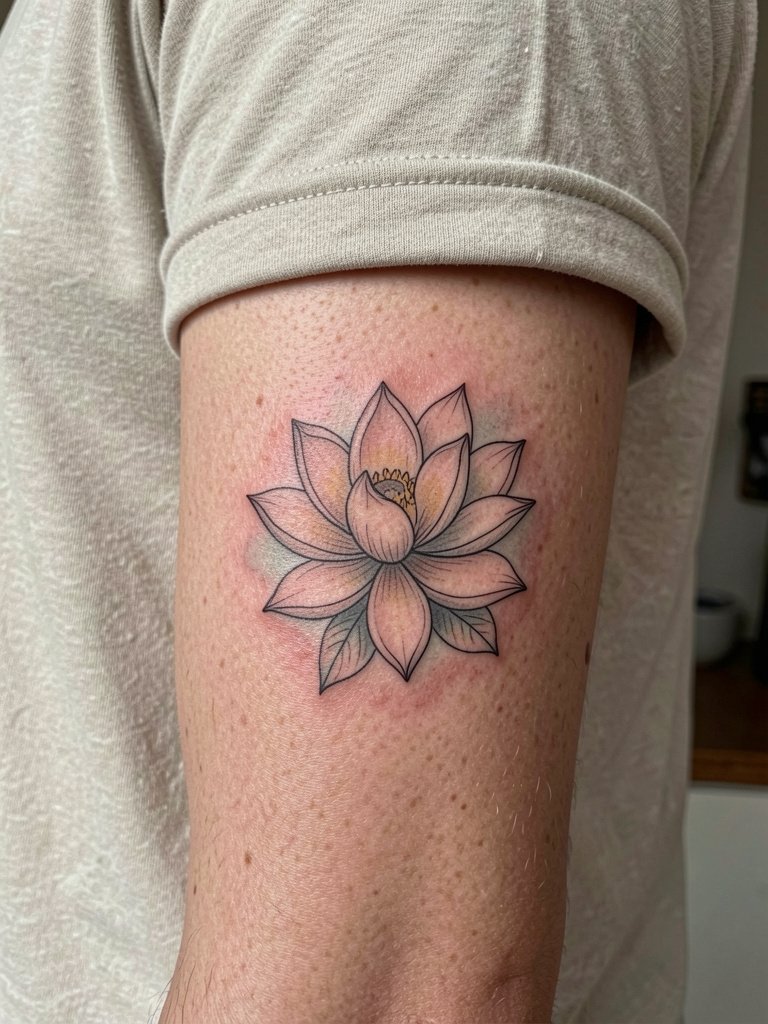
Watercolor accents look beautiful but carry longevity questions on exposed areas. One camp argues watercolor fades quickly on the forearm because sun exposure and thin ink channels lose saturation within one to two years. The opposing camp says modern watercolor techniques plus high-quality inks and sealing can persist past five years and remain visually rewarding. If you want color, consider subtle watercolor accents over a solid black outline so the silhouette stays readable; wear a rolled cuff linen shirt in sand or olive to show how neutral palettes flatter the softened color.
11. Coordinate or Script Quote, Inner Forearm (Palm-Up Surface)
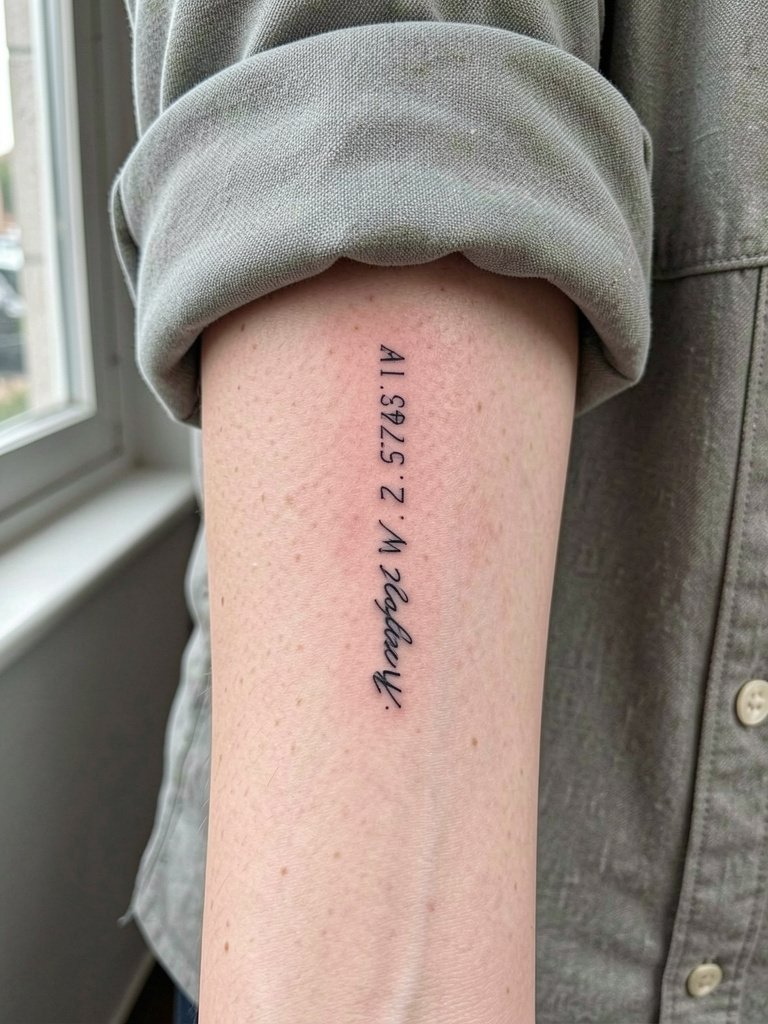
Script and coordinates are clean on the inner forearm but demand exact spacing. Choose a font that holds weight at the size you want and ask for a scale mockup at three and five inches so you know how it reads from arm distance. For the day, a white button down men shirt with sleeves rolled showcases vertical script without competing patterns. Keep in mind fine single-needle scripts often need a touch-up at two years if you want sharp counters.
12. Polynesian / Tribal Pattern Wrap, Full Forearm Wrap
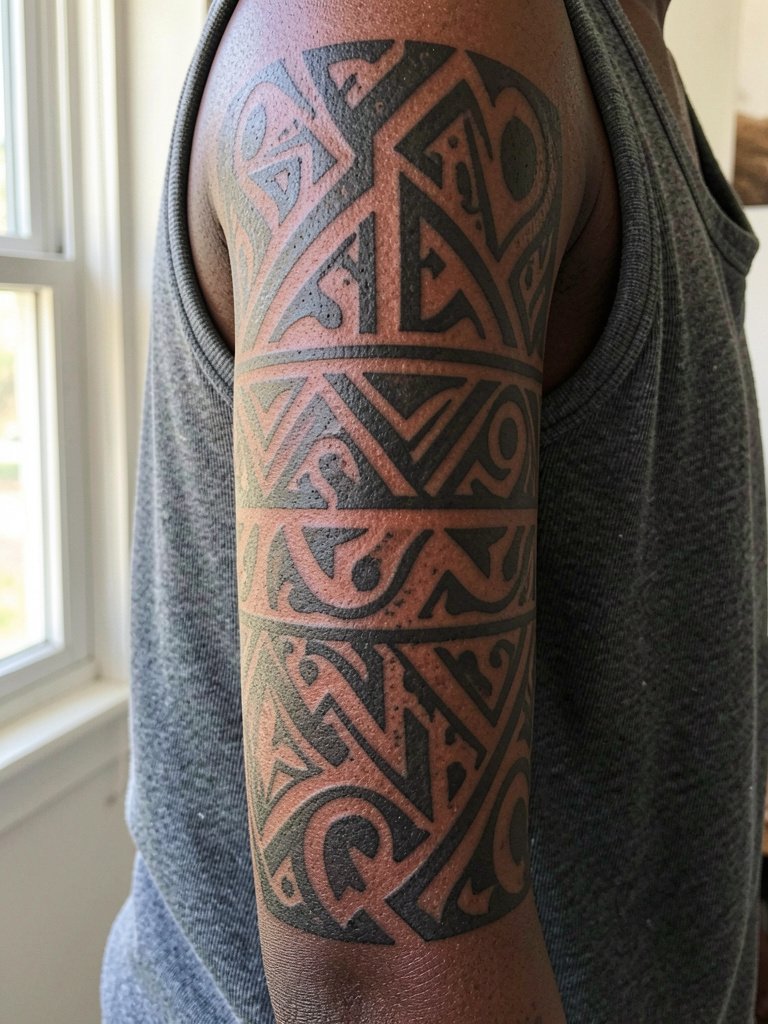
Tribal wraps need cultural respect and proportional spacing. Thick lines lend longevity so the motif reads on darker tones. Session wear should be a sleeveless men top so the artist can work both surfaces without cuff interference. If you plan a full wrap, schedule 2–3 sessions so the skin has recovery time between saturation passes and to avoid overworking the same area.
13. Rose or Floral with Sharp Edges, Outer Forearm (Dorsal Surface)
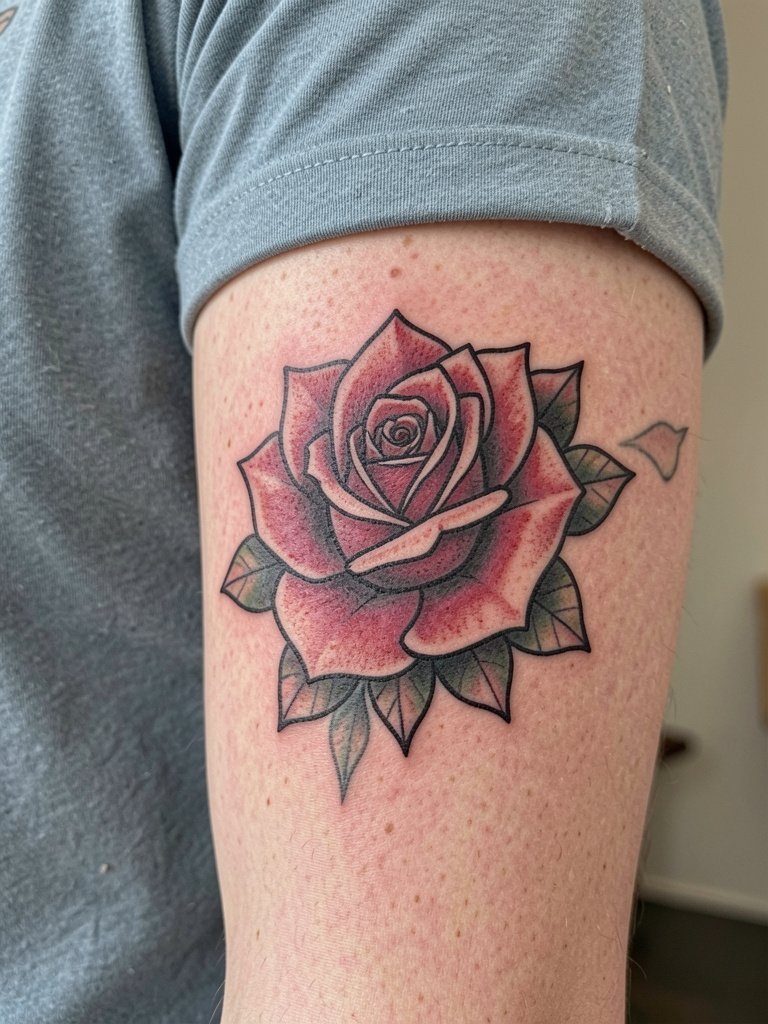
A floral with sharper angles reads more masculine and holds up because the petals become solid shapes rather than tiny leaf veins. Session pain on the dorsal forearm is moderate. For the session wear a black crew neck t-shirt so the saturated reds and dark outlines contrast the fabric. Avoid finely stippled petals that rely solely on soft shading; they fade faster than bold edge work.
14. Sun and Moon Balance, Outer Forearm (Dorsal Surface)

A celestial pair is a compact idea that balances light and dark. Keep the orb contrast high so both elements read in low-light photos. Session time is usually a single moderate appointment. A common mistake is crowding both symbols into a small patch; scale to keep the negative space intact. No special session clothing is needed beyond a short-sleeve shirt that exposes the dorsal forearm.
15. Patchwork Sleeve Elements, Outer and Inner Forearm (Building Over Time)
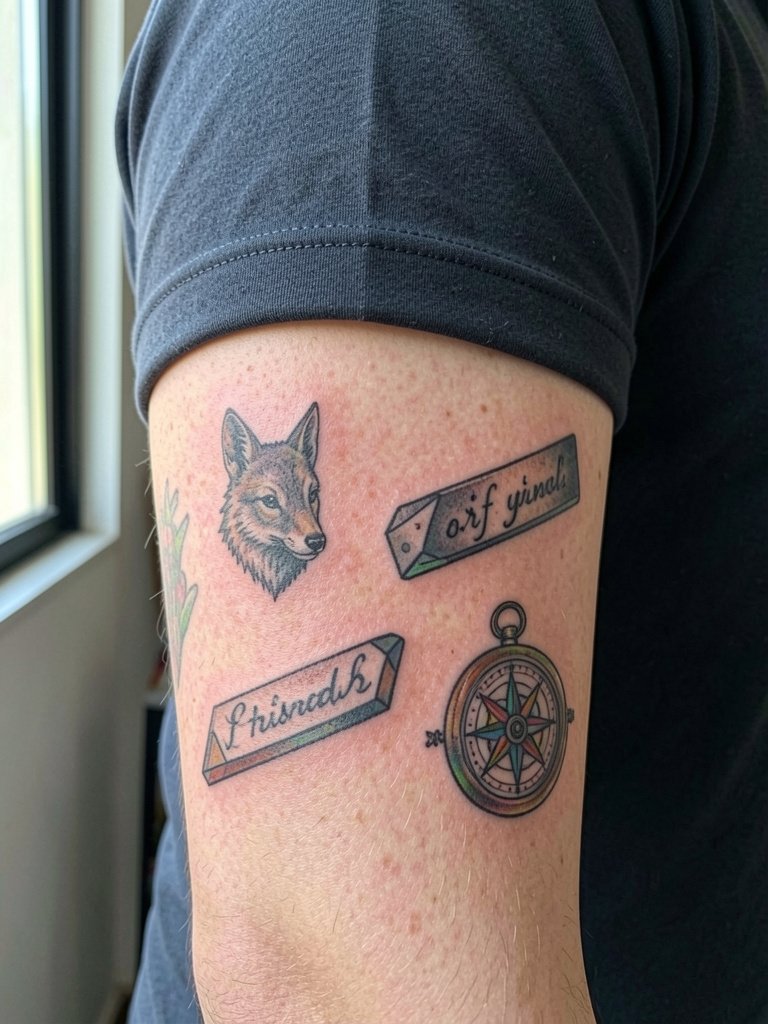
Patchwork builds over years and is forgiving because each element can be sized for longevity. Start with anchor pieces in bold outline and add finer motifs later. For session wear a navy short sleeve tee so the early anchor pieces read clearly in photos. A practical mistake is mixing micro-realism and ultra-thin scripts at the same time; plan a visual hierarchy so each element keeps its identity as the sleeve grows.
Frequently Asked Questions
Q: What is the pain level for forearm tattoos and does inner vs outer change much?
A: The forearm is generally moderate on most pain scales. The inner forearm (palm-up surface) feels softer and often registers as less sharp during the session, while the outer dorsal surface can be a touch tougher when you hit bony edges near the wrist. Numbing is rarely needed for small pieces, but for extended realism or wrap sessions plan breaks and schedule consecutive sessions with 4–6 weeks between to let the skin recover.
Q: How much does a forearm tattoo cost as a range for first-time buyers?
A: Small forearm pieces usually fall in the lower range around $150-$400. Medium detailed work runs approximately $500-$1,500 and half-sleeve or full wrap projects commonly sit in the $2,000-$5,000 range depending on sessions and saturation. Budget for studio minimums and possible touch-ups a couple of years out.
Q: Where can I find artist portfolios and healed examples without naming specific artists?
A: Search hashtags like #forearmtattoomen, #mensforearmtattoo, and #forearmtattooideas on Instagram and TikTok and then filter by location tags. Use Tattoodo and the Inked App to query style keywords such as "realism lion forearm" or "fine line script inner arm" and look for healed portfolio shots. Reddit communities like r/tattoos and r/tattooadvice also surface peer photos across skin tones and real healed timelines.
Q: Does skin tone change the palette or style I should choose?
A: Yes. On darker skin tones higher-contrast black and grey or saturated color holds better in photos. I advise showing your artist reference photos of healed tattoos on matching skin tones and asking them specifically which pigments read best after healing. Lighting in photos also helps; matte powder and direct natural light tend to bring out subtle color on darker skin.
Q: How should I dress for the session and for showing off an outer forearm piece?
A: For the session wear loose short sleeves or a sleeveless top to give the artist unobstructed access without tight cuffs. To show off outer forearm pieces later, short-sleeve solid-color shirts in black, navy, or white frame bold lines well. If you like inner forearm scripts, rolled-cuff linen shirts in cream or olive keep the focus on delicate linework and pair well with stacked bracelets.
Q: When should I expect to need a touch-up for fine line versus bold blackwork?
A: Fine line work commonly shows the first need for a touch-up around two years after healing because thin channels lose density faster on moving skin. Bold blackwork and saturated traditional pieces often hold longer before needing reinforcement. Plan a touch-up window at year two for fine work and keep a separate budget for refreshes if longevity matters to you.