
Someone I know spent six months saved up and booked a collarbone piece only to find the fine line blurred into a thin gray smudge after a year. That reality pushed me to map designs that actually hold up across skin tones, placements, and life changes. Below are ten dark-leaning feminine tattoo ideas that balance mood with longevity, plus what to ask your artist and how to avoid the usual mistakes.
1. Fine Line Serpent Wrapping a Crescent Moon on Collarbone
When someone I know first saw this on a friend it read as delicate empowerment. Fair warning, collarbone linework is unforgiving because of movement and thin skin. Tell your artist you want slightly bolder primary linework with a single-needle texture in the scales so the serpent keeps shape after a year. The common mistake is asking for ultra-thin single-needle lines across the whole design. That approach looks ethereal day one and blurry later on. Expect one short session and a possible touch-up at six months. The blowout risk is low if the artist spaces the lines for the collarbone curve.

2. Blackwork Lotus with Thorny Vines on the Ribcage
Fair warning, the ribcage is a seven out of ten on pain scales. The payoff is a hidden piece that reads as a statement when you want it to. For darker ink longevity choose saturated black blocks and negative space petals rather than thin filigree. People often go too small on ribs, which makes stipple shading vanish after a year. Tell your artist you want solid fills and clean edges, and plan for two short sessions. If you expect weight changes, place the vines where skin stretches least. For aftercare, some clients swear by occlusive dressings during heavy sweating periods.

3. Minimalist Triple Moon Phases on Inner Wrist
Most trend-driven wrist moons from viral feeds fade or feel dated fast. Make this version durable by spacing the phases slightly and asking for a heavier contour on the outer crescents. The wrist takes daily abrasion so tiny single-needle dots tend to blur into a line over two years. A common mistake is shrinking the moons to coin size then wondering why they vanished. Expect a single short session, gentle aftercare for two weeks, and a potential touch-up at six to twelve months if you want crisp moons. If you wear watches or bracelets, tell your artist so they can shift placement to an area that avoids constant rubbing.

4. Neo-Traditional Raven with Dripping Ink on Thigh
There is something about bold outlines and selective color that reads from across the room. On the outer thigh the piece gets room to breathe, which helps saturation and prevents color migration. Ask for strong linework with whip shading in the wings and a selective red accent in the eye or beak for contrast. A common mistake is cramming too much fine detail into a compact raven. That leads to muddiness as it heals. Expect two sessions and stronger aftercare through the first swim season. Guest spots for neo-trad ravens are surging, so plan around shop scheduling if you want a specific artist style.

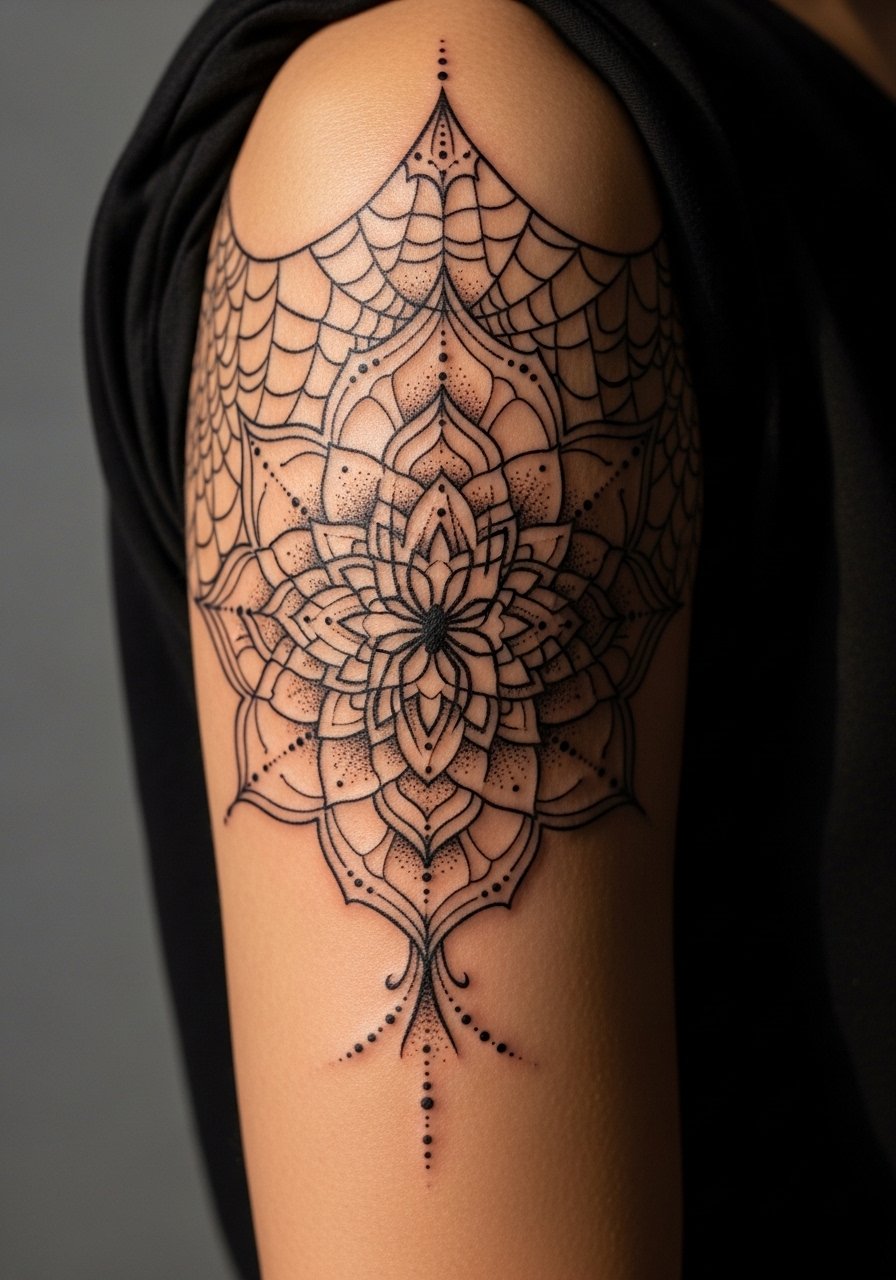
5. Ornamental Spiderweb Mandala on Upper Arm
This pattern traces back to mandala geometry, so be mindful about using direct religious symbols. The upper arm gives stencil stability and lower blowout risk. For better aging pick a design that uses bold black segments with fine dot work breathing out into negative space. The usual error is making the web too intricate for a six-inch canvas, which loses crispness after one year. Expect three short sessions for a complex piece and schedule a touch-up at the six-month mark if any line edges soften. If you want movement, ask for whip shading to keep the mandala from looking flat on round musculature.
6. Micro-Realism Witch Silhouette on Ankle
Small, hyper-detailed silhouettes are easy to hide and surprisingly resilient when done with contrast in mind. The ankle is lower on the pain scale for some people but expect tenderness while healing. For longevity, ask for a tiny block of darker tone behind the silhouette to protect edge clarity as it ages. The common mistake is asking for hair-fine interior detail that disappears after a year. One session is usually enough, and Saniderm or a breathable second skin can protect against summer sweat. If you wear ankle jewelry often, place the piece where rings will not rub it constantly.

7. Ignorant Style Venomous Rose Bouquet on Forearm
The raw, thick-line ignorant style holds up because it embraces bold linework over delicate shading. It ages like a traditional tattoo but with a grittier edge. When you describe this to your artist, say you want confident, slightly uneven contour and no fine shading that will soften. A common mistake is adding thin stems and tiny leaves that vanish into blotchy healing. Expect two sessions and a touch-up at a year if you want the black to stay dense. Forearm placement benefits from higher saturation to resist sun exposure and wear.

8. Watercolor Venom Drip with Black Outline on Shoulder Blade
Watercolor elements can look ethereal but tend to migrate and fade. This version pairs black outline with deeper purple and black washes so the color reads darker as it heals. A common mistake is asking for blown-out watercolor washes without a strong outline. That often becomes a faded bruise feel after two years. One to two sessions will do it. Shoulder blade placement offers wide canvas and lower daily abrasion. Ask your artist for layered washes that leave pockets of skin for contrast so the piece does not collapse into one tone once healed.

9. Blackwork Hourglass with Snake on Lower Back
The lower back gives horizontal space for symbolism and holds blackwork saturation well. This composition reads sensual and graphic, and geometric fills age predictably. When you consult, ask for a mix of solid fills and tight dot work so the hourglass keeps a clean silhouette over time. The common mistake is putting tiny geometrics where the skin shifts with movement. That can warp after weight changes. Expect two sessions and stronger aftercare if you sit for long periods in tight clothing. Plan a touch-up after any significant body changes.

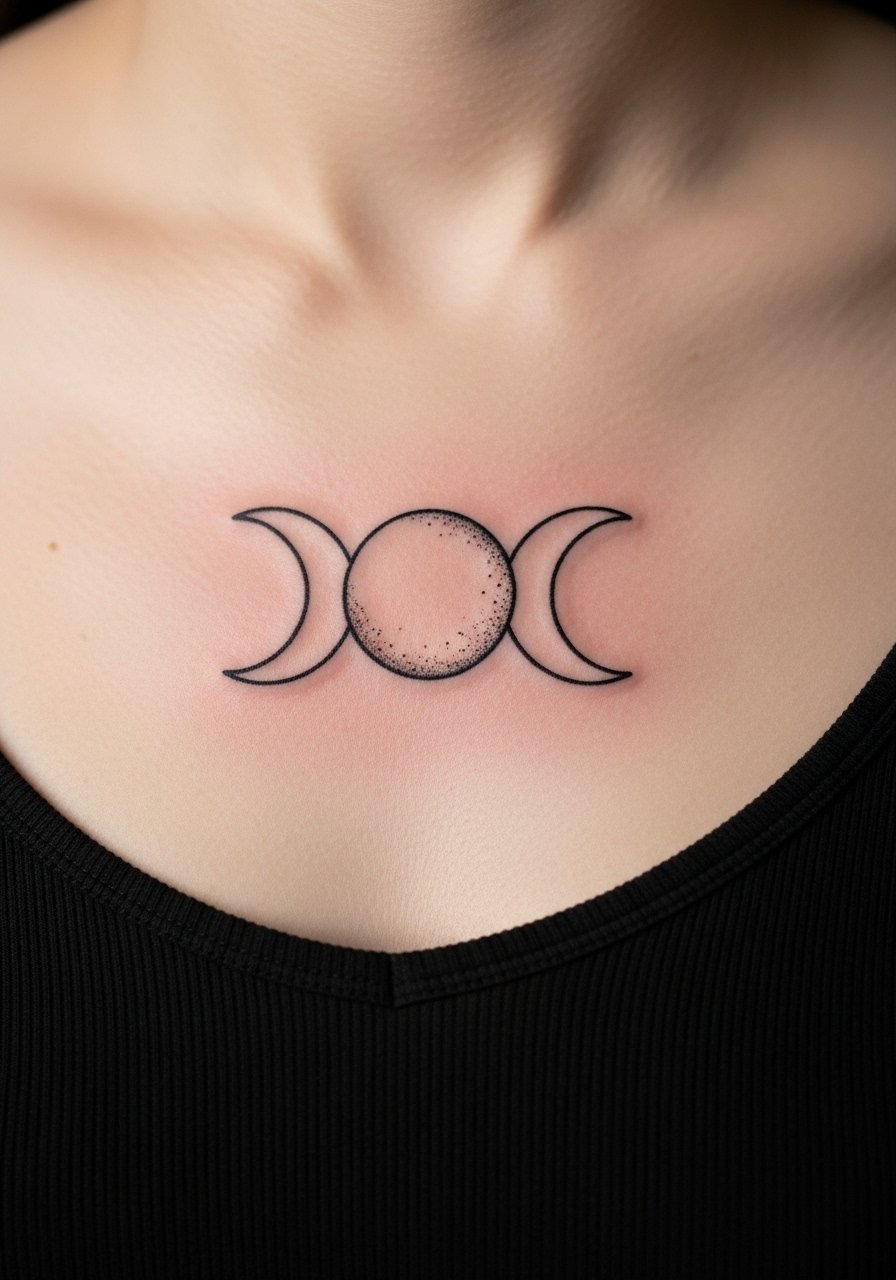
10. Fine Line Triple Goddess Symbol on Sternum
Sternum pieces are intimate and sharp in visual impact. Pain and sensitivity are higher, so numbing cream is a common choice. Artists split on whether single-needle sternum work holds equally across skin tones. One camp says the delicate approach blurs too fast. The other camp argues that with accurate needle depth and spacing the design can stay crisp. Name that debate when you book and ask how the artist textures the negative space. Keep the symbol a bit larger than you think you need. One session is typical and a touch-up at six months is reasonable.
Tattoo Prep and Aftercare Essentials
I've spent time in five shops across Brooklyn and read countless forum threads on aftercare arguments. The biggest split communities mention is Saniderm versus dry healing. One camp prefers Saniderm for fewer messes and faster sealing. The other camp says dry healing makes better scab formation and less ink loss. My approach is pragmatic. If you're active in hot weather, an occlusive dressing for the first 24 to 48 hours can cut down on sweat-related issues. After that, a light non-greasy balm keeps saturation without clogging pores. Below are practical items that clients have found useful.
Healing and aftercare essentials
- Tattoo Goo Indie Balm. A non-greasy balm many forum users recommend for preventing blowouts on fine line work. Use thinly after the first three days to keep the skin supple without clogging.
- Green Sheep Aftercare Lotion. Lighter than heavier ointments and good for dry winter healing on darker skin tones. Apply after the initial hygiene phase when scabs start to form.
- Australian BV Balm. Fast-absorbing balm noted in community threads for pieces with venom drip or heavy blackwork. Avoid if you have nut allergies and test on a small patch first.
- Plain Unscented Bag Balm. Budget friendly and debated, but two forum threads praised its occlusive properties for dense blackwork.
- Fragrance-free gentle foaming cleanser. Use for daily cleansing through the first week. Avoid scrubbing, pat dry instead.
Pre-appointment prep - Medical-grade second skin bandage, single sheet size. Use when you expect heavy sweating or friction during the initial 24 hours.
Long-term maintenance - Lightweight fragrance-free balm. Keep a small tin for daily moisturizing after the first month.
- Hustle Butter Deluxe. One mainstream option that many artists say absorbs faster than heavier ointments and may prevent clogged pores in humid months.
Every tattoo is different. Always follow your artist's specific aftercare instructions. Consult a dermatologist if you have skin concerns or unusual healing issues.
Frequently Asked Questions
Q: Will fine line collarbone and sternum work blur faster on darker skin tones?
A: It depends on the line weight and the artist's technique. From what I've seen, ultra-thin single-needle work is more likely to soften over time on higher-contrast skin. Ask for slightly bolder primary contours and request healed photos from the artist that match your skin tone before booking.
Q: For a ribcage blackwork lotus, should I expect touch-ups after weight changes?
A: Yes, ribs and torso shift with weight gain or loss. Plan touch-ups at six months and again after any major body change. If you want flexibility, place thorny vines where skin stretches least and request solid black fills rather than delicate stipple in stretch-prone areas.
Q: Do watercolor washes need different aftercare than blackwork or neo-traditional pieces?
A: They do. Watercolor-style washes rely on softer saturation, so they can fade faster. Keep them out of direct sun long term and moisturize with a lightweight fragrance-free balm once the scabs settle. If you travel often or swim, consider waiting until cooler months for the session.
Q: How should I ask an artist about Saniderm versus dry healing without sounding like I do not trust them?
A: Be direct and specific. Say you have seen both approaches and ask which method they use for your chosen placement and why. Mention if you sweat a lot or work out regularly. That gives the artist context and helps you decide if their approach matches your lifestyle. Trust your artist will be based on clear answers and healed portfolio examples.
Q: Are ankle micro-realism pieces safe if I wear boots and anklets daily?
A: Repeated rubbing can soften edges and speed fading. Place the piece where jewelry sits a little lower or higher than the tattoo. If boots rub the area, tighten lacing less during the first month and expect a touch-up in year one for crispness.