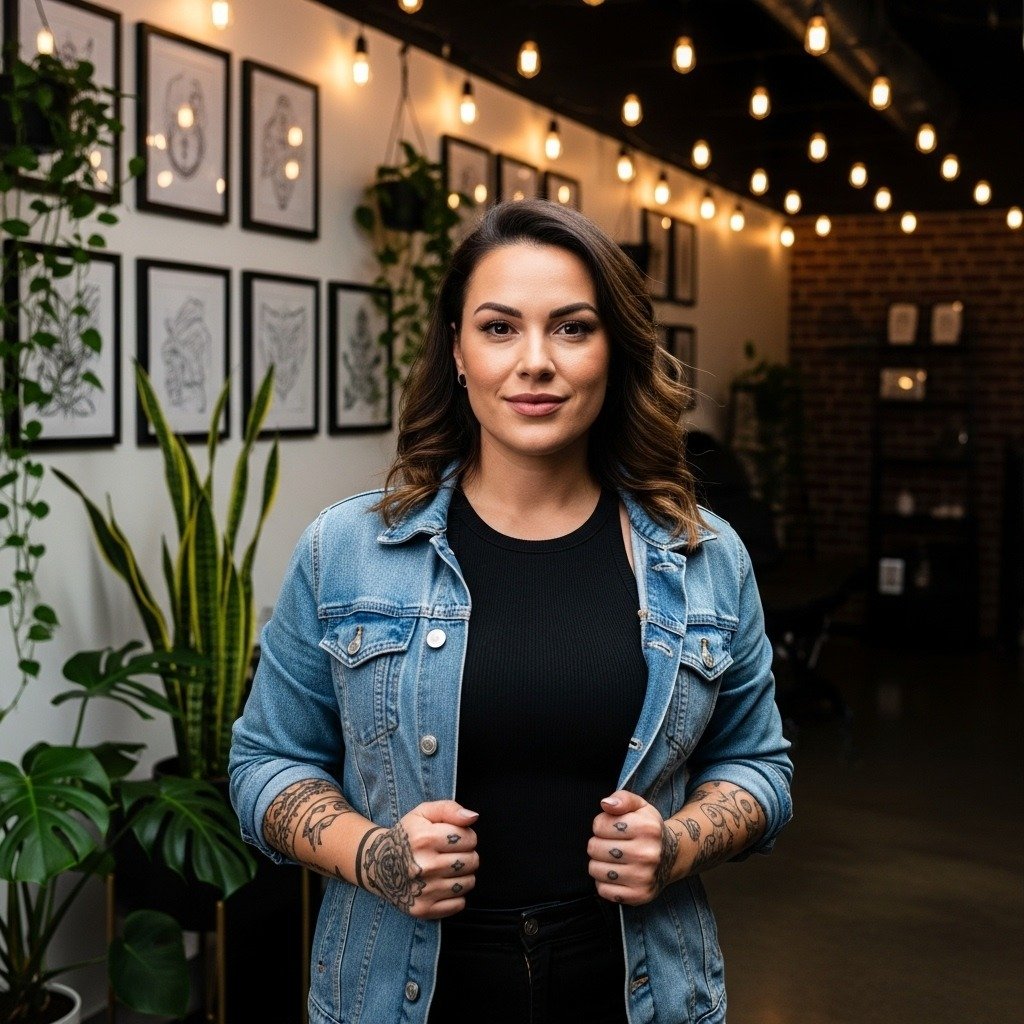
A lot of cyberpunk forearm tattoos look amazing fresh and then blur into a muted patch by year two. Trends push single-needle glitch scripts and neon washes because they photograph well. If you want a forearm piece that still reads crisp after a few summers, choose line weight, spacing, and pigments with longevity in mind. Below the skin-level choices are the practical details that make a cyber-tech forearm age well and feel right in the chair.
1. Neon Circuitry Lines on Inner Forearm

Neon circuitry reads best on the inner forearm when the linework is planned for healing. I recommend slightly heavier lineweight than a single-needle reference so the traces do not merge by year two. Discuss exact trace spacing and where the artist should leave negative-space pads during your consultation, not just "keep it thin." A common mistake is requesting full micro-circuit detail at postcard size; that version blurs into a patch at 18 months. Expect a 60 to 90 minute session for a small strip. The inner forearm is moderate for pain and lower risk for blowout than the wrist. For showing it off, wear a rolled cuff linen shirt paired with dainty bracelets that do not cover the tattoo.
2. Glitch Art Script Down the Outer Forearm
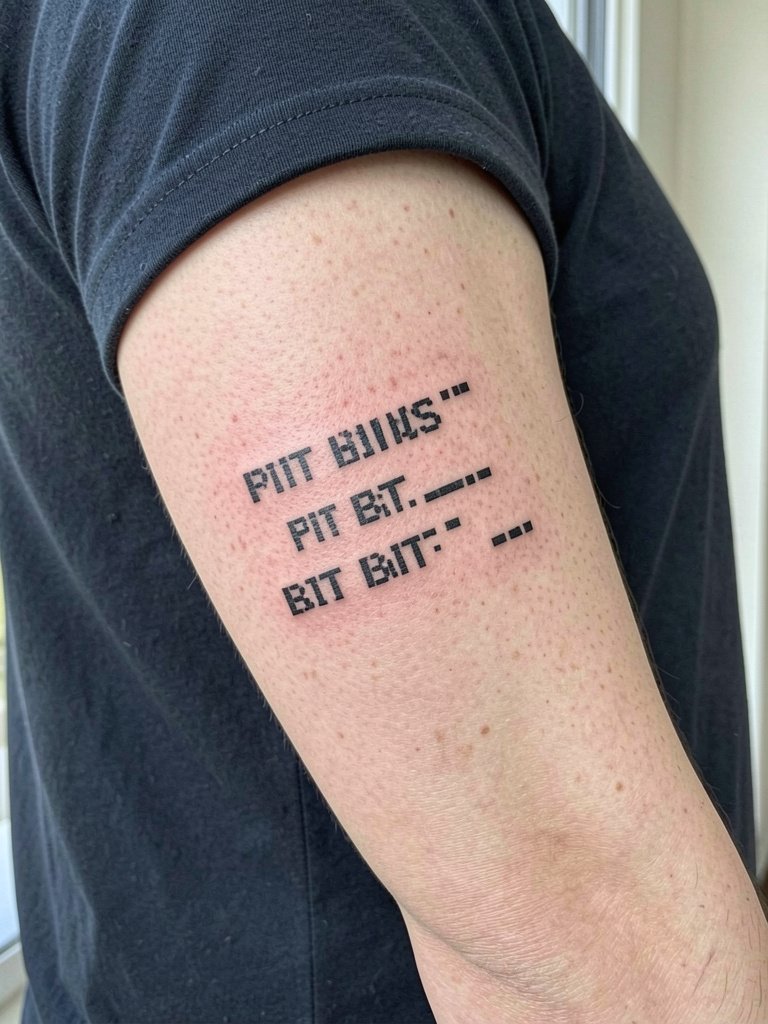
There is an active debate about fine-line glitch script and longevity. One camp says fine line script looks authentic and detailed for months and that the fractured edges are part of the aesthetic. The other camp warns that tiny gaps and pixel fragments on the outer forearm blur into unreadable smudges within two years. Both positions matter. If you choose glitch script, request at least 2.5 to 3 millimeters of letter height and ask the artist to widen internal counters slightly. The outer forearm sits flatter which helps legibility, but stray movement while healing can soften the bits. Session time for a short column is usually under an hour. Pair with a black slim fit t-shirt to make the contrast pop when you want to show it off.
3. Chrome Skin Half-Face on Outer Forearm
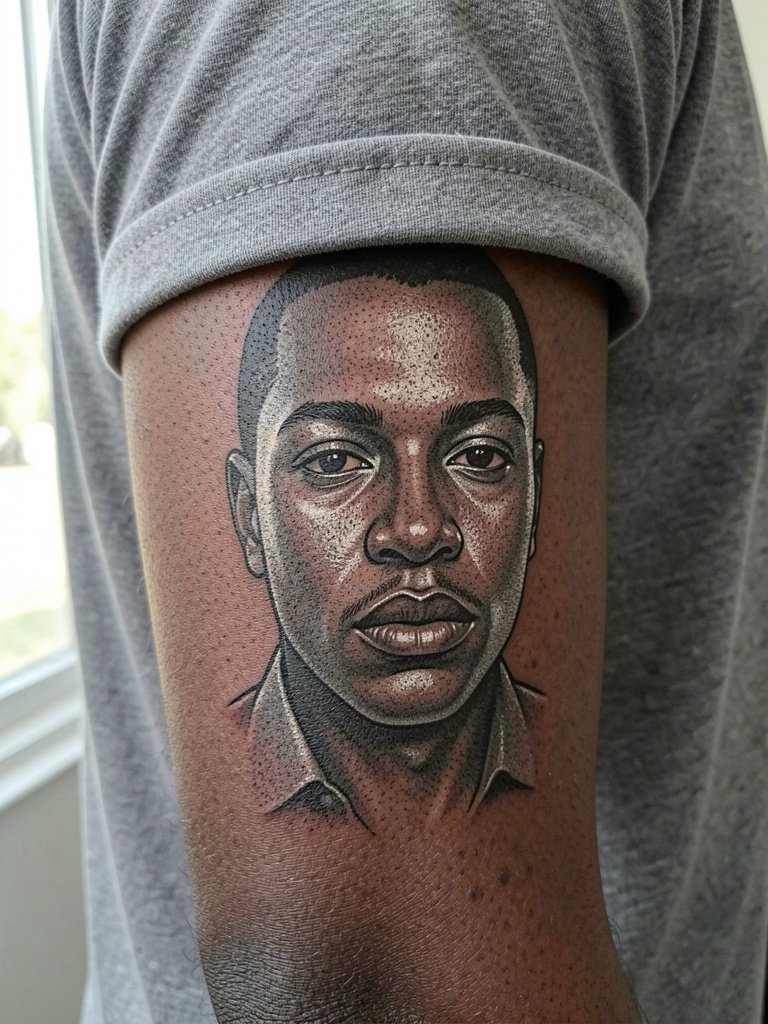
A chrome half-face plays with reflective planes and looks dramatic as a mid-sized outer forearm piece. Ask the artist to show healed micro-realism swatches because metallic greys depend on saturation and stipple shading. The common version that ages poorly uses too many soft white highlights that fade into the skin, leaving a muddy patch. Plan for at least two sessions if you want deep saturation and sharp contrast. Touch-up is often needed after six months if highlights are important. Pain is moderate and most people find the outer forearm tolerable. For evening outfits, a slim silver watch across the opposite wrist sets the tech tone and keeps the focus on the tattoo.
4. Holographic Rose on Inner Forearm
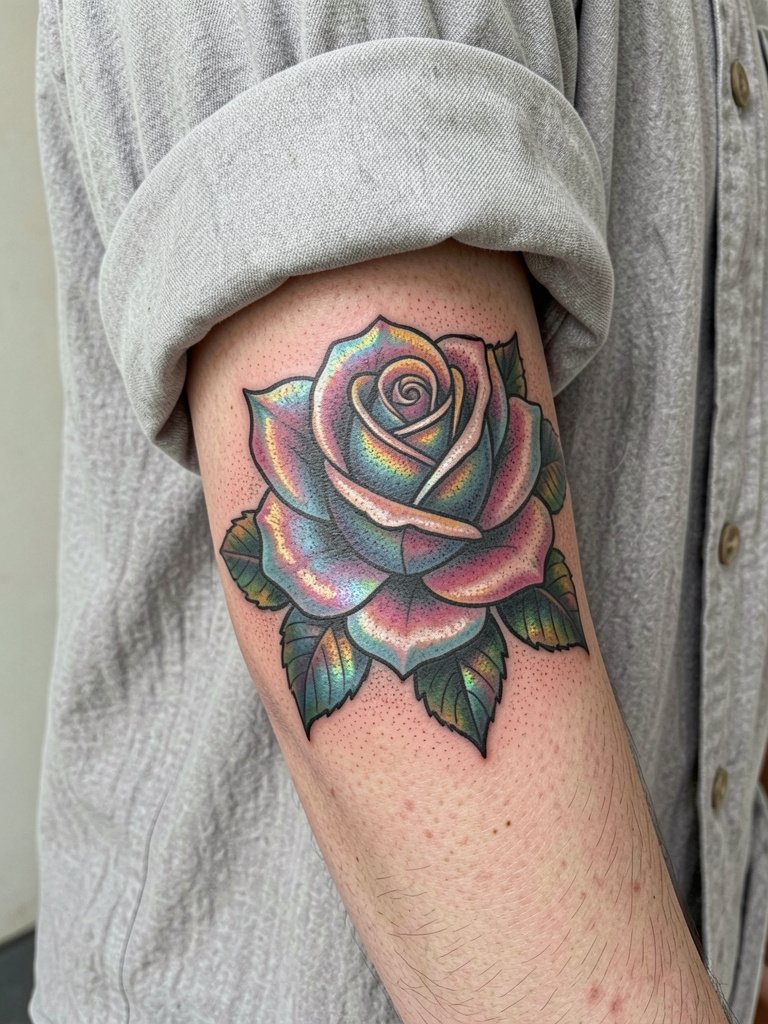
A holographic rose is a bold compromise between old-school florals and neon futurism. The version that looks like a sticker usually has thin outlines and overlaid white highlights that separate during healing. To avoid that, ask for bold black anchors and layered fills so the iridescent areas sit inside strong edges. Discuss where white highlights will sit and whether they will be replaced by pale tints that hold longer. A single-session medium rose takes 60 to 120 minutes. Inner forearm keeps the bloom visible and protected from sun when you wear long sleeves occasionally. Show it off with dainty gold stacked bracelets on the opposite wrist for editorial balance.
5. Circuit Board Heart Over the Forearm Vein
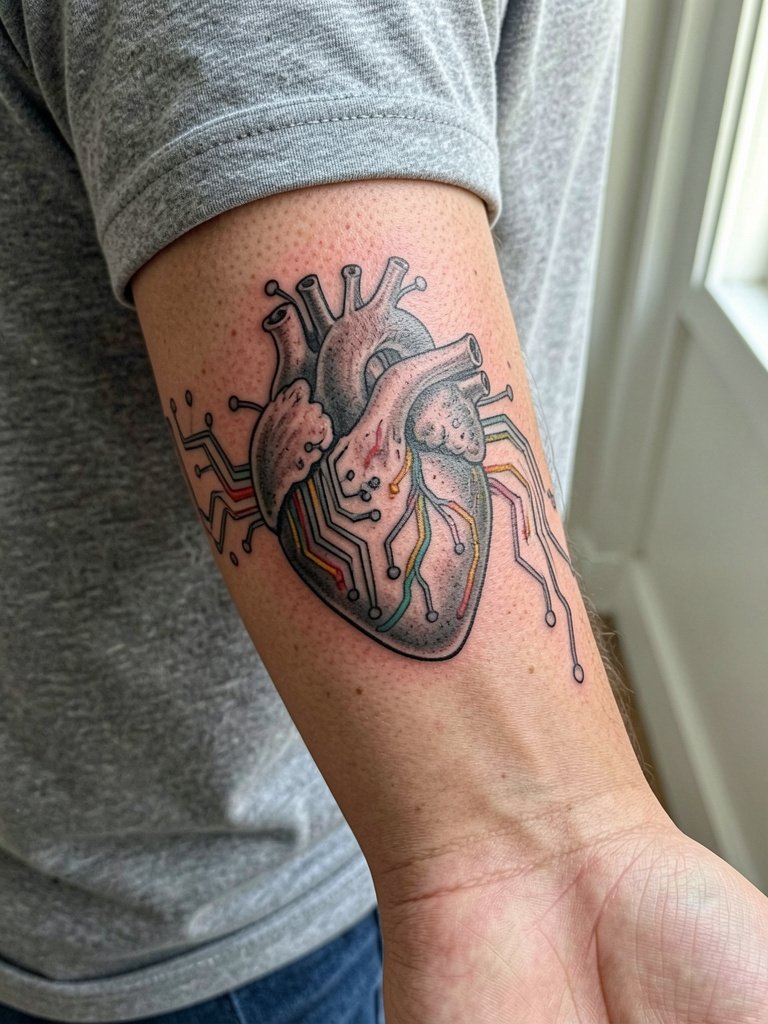
This heart design works when the trace lines follow natural anatomy rather than fighting it. I prefer placing circuit traces along the visible veins to create flow. A mistake I see is over-detailing the internal heart chambers at too small a scale so they fade into a blob. During the consult, ask for simplified chamber shapes and where the artist will stop micro-detail to keep the silhouette readable at two years. Healing at six months the contrast looks good. By year three you will want a touch-up in high-contrast areas. For the session wear a loose button-down so the artist can roll the sleeve up and avoid cuff pressure.
6. Vertical Data Stream on Inner Forearm
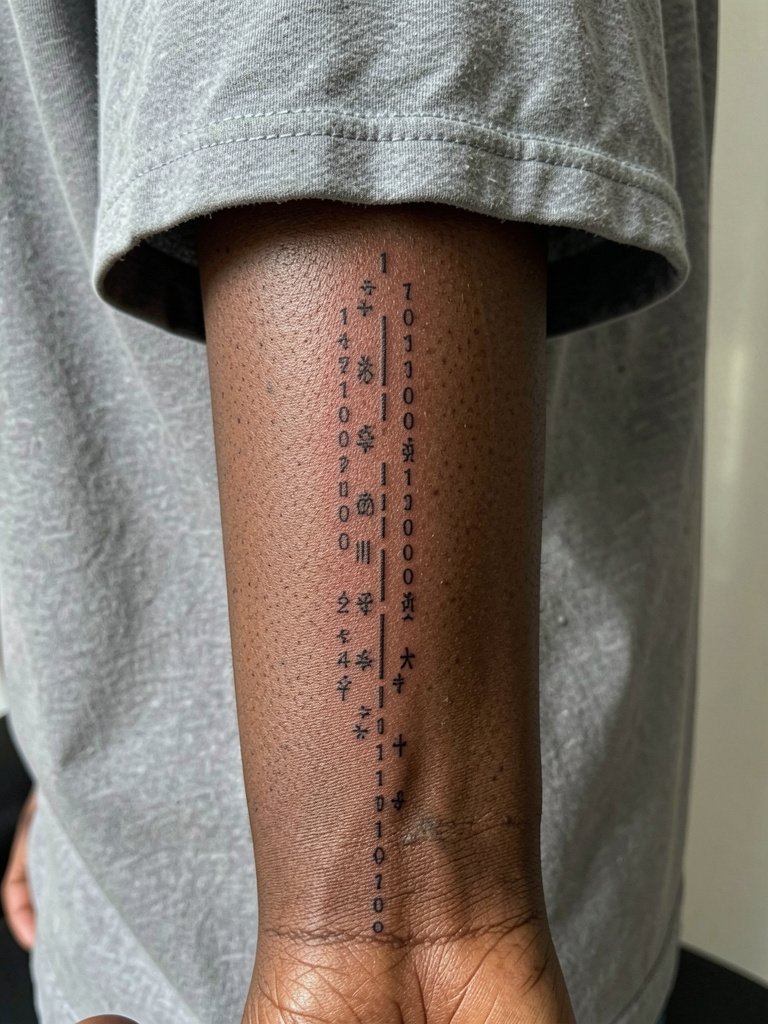
A vertical data stream reads stealthy when you want a minimalist tech mark. The common error is choosing single-needle thickness for every character which blurs into a solid column. Instead request variable stroke weight with generous spacing and a plan for minimum glyph size. I advise a minimum character height of two to three millimeters and to avoid tiny serifs. Expect 30 to 60 minutes for a short column. The inner forearm protects the piece from constant sun. For appointment day, wear a loose button-down shirt so the artist can roll the sleeve up cleanly.
Session Day Picks
The first six designs lean into fine detail and color accents, so a few session items smooth the appointment and early healing window.
- Tattoo Ink Guard. A spray that seals neon colors during the first 24 hours, useful for the neon circuitry and holographic rose pieces above that have delicate tints.
- Cyber Balm. A balm formulated for blackwork saturation, it helps the heavy black outlines settle during the first week for pieces like the circuit board heart.
- Glitch Soap. A gentle cleanser that avoids stripping bright pigments, handy after the data stream and glitch script sessions.
- Neon Fix. A topical color booster for fading neon during the early months, ideal for neon grid and holographic treatments.
- Aquaphor Healing Ointment. Thin layers in the first three days lock in moisture for delicate linework without clogging the needle channels.
7. Neon Grid Mini-Landscape on Outer Forearm
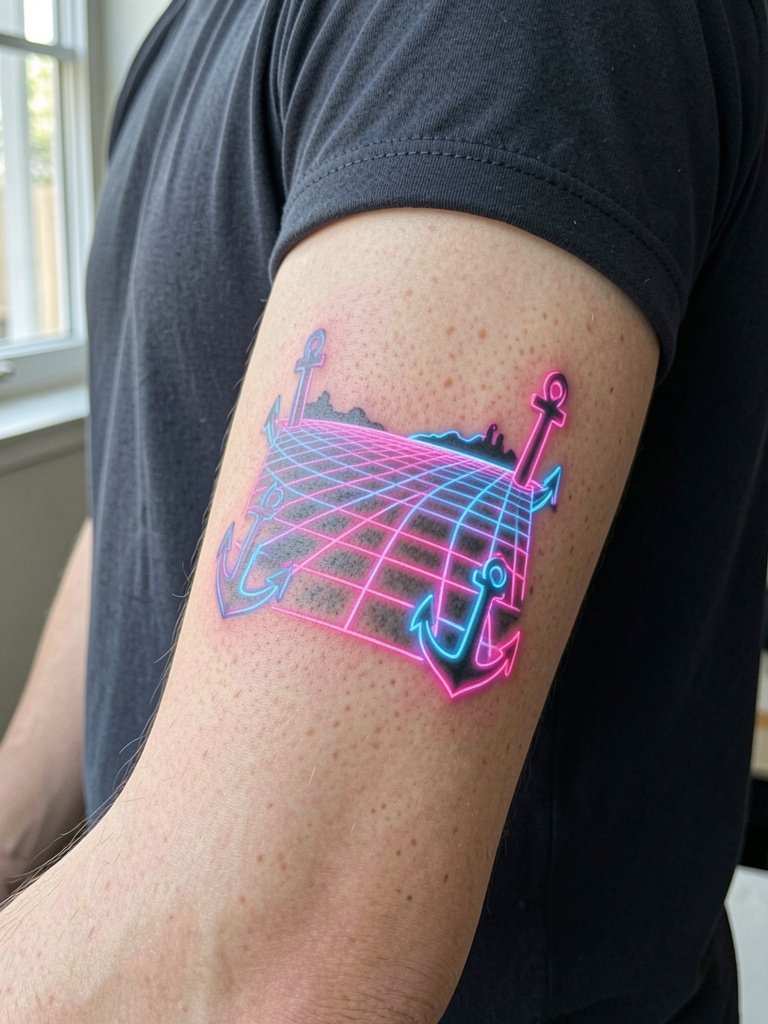
The neon grid reads best with strong edge anchors so the perspective survives a touch-up cycle. Ask the artist which lines will be outlines and which will be color fills. A frequent mistake is relying on thin neon strokes alone. If the neon lines are framed by thin black anchors they remain readable after sun exposure. A compact grid takes around 90 minutes and ages two ways: at six months it looks vivid, at three years the neon will need a color top-up unless it had robust black framing. Pair this with a silver minimalist watch to keep the tech aesthetic.
8. Mechanical Eye with Gear Iris on Inner Forearm
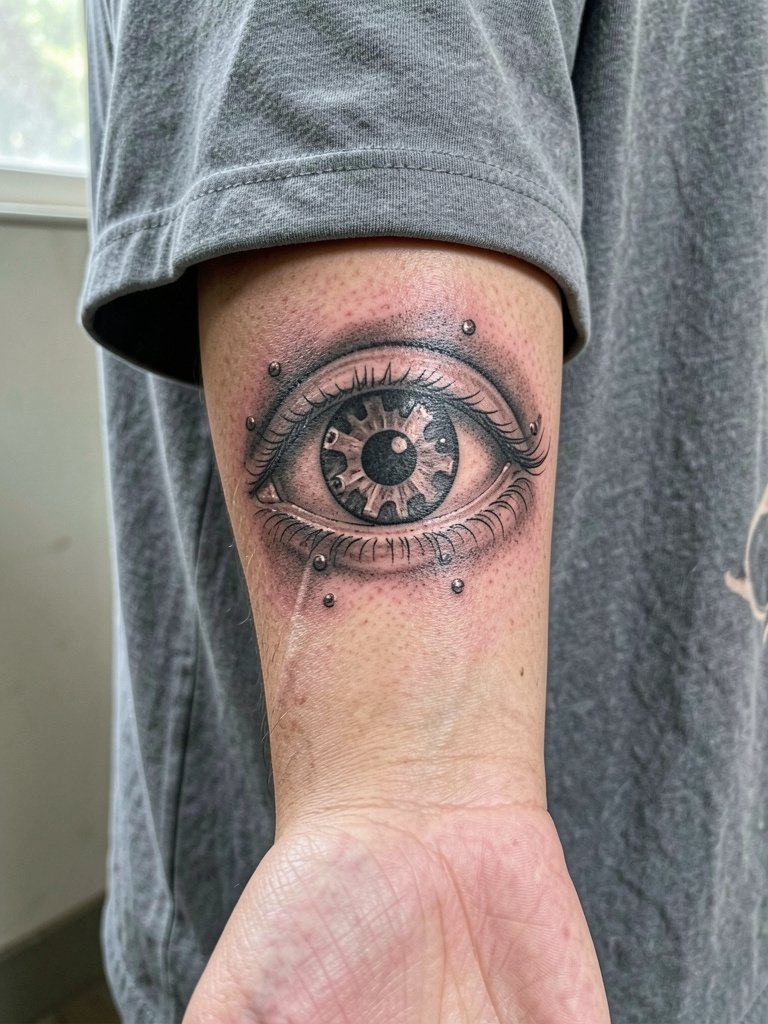
A mechanical eye is a detail-heavy piece that benefits from a single strong focal pupil and simplified outer rims. Ask the artist which highlights are real white ink and which are pale grey fills so you know what will fade. The main mistake is expecting photo-real metallic finishes to maintain their crisp white highlights after healing. Count on a touch-up within a year for the tiny reflective specs. The inner forearm placement keeps the eye visible without constant sun. A short session of 60 to 120 minutes covers most versions.
9. Digital Flame Wrapping the Forearm Side
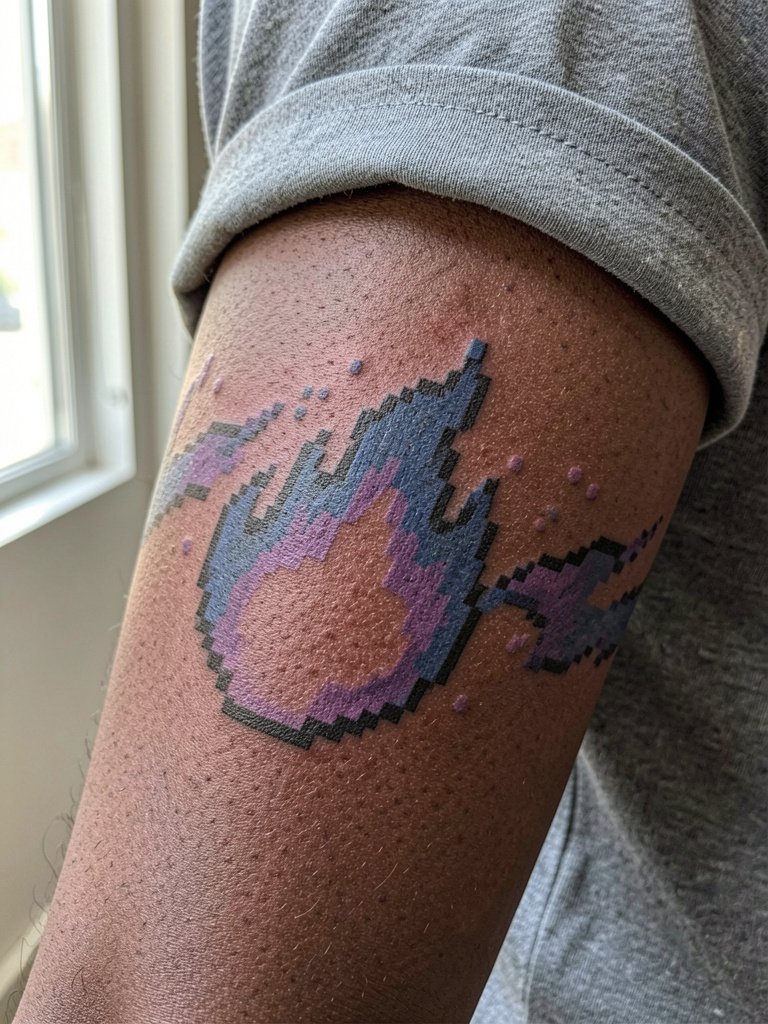
Pixelated flames are a fun retro-cyber look but they need scale to keep the block edges readable. The error I see is requesting tiny pixel blocks that smooth into a texture. Request block sizes sized to how far you want the piece to be legible across the years. The lateral forearm wrap adds motion and helps readability at a distance. Touch-ups for color vibrancy are common at the 18 month mark. For outfits, a dark navy tee keeps the blues and purples popping.
10. Wired Skull with Exposed Circuit Bone on Inner Forearm
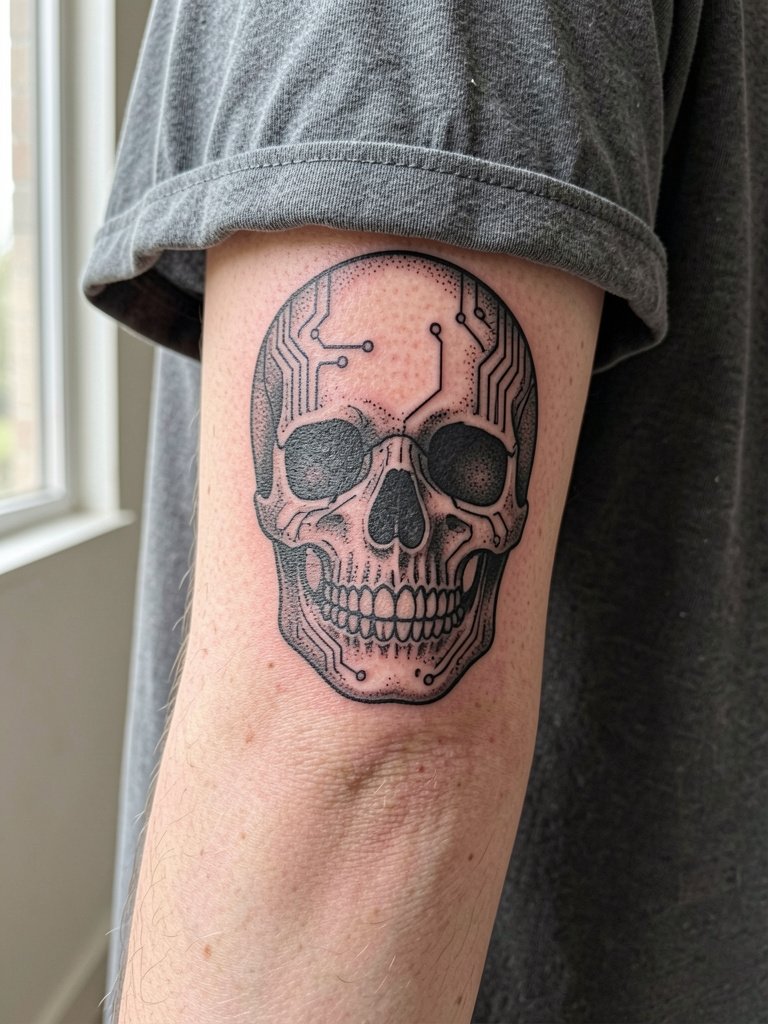
The wired skull is classic cyberpunk and holds up well when done in dense black with measured fine traces for circuitry. The most common fade issue is overreliance on ultra-fine trace lines that disappear. Ask the artist to balance heavy silhouette anchors with internal trace work kept slightly bolder. This piece tends to need a touch-up in three to five years if you spend a lot of time in the sun. The inner forearm location lowers blowout risk compared with the hand. For session comfort wear a loose short-sleeve tee so the sleeve does not press against the fresh ink.
11. Abstract Data Blob with Glitch Splatter
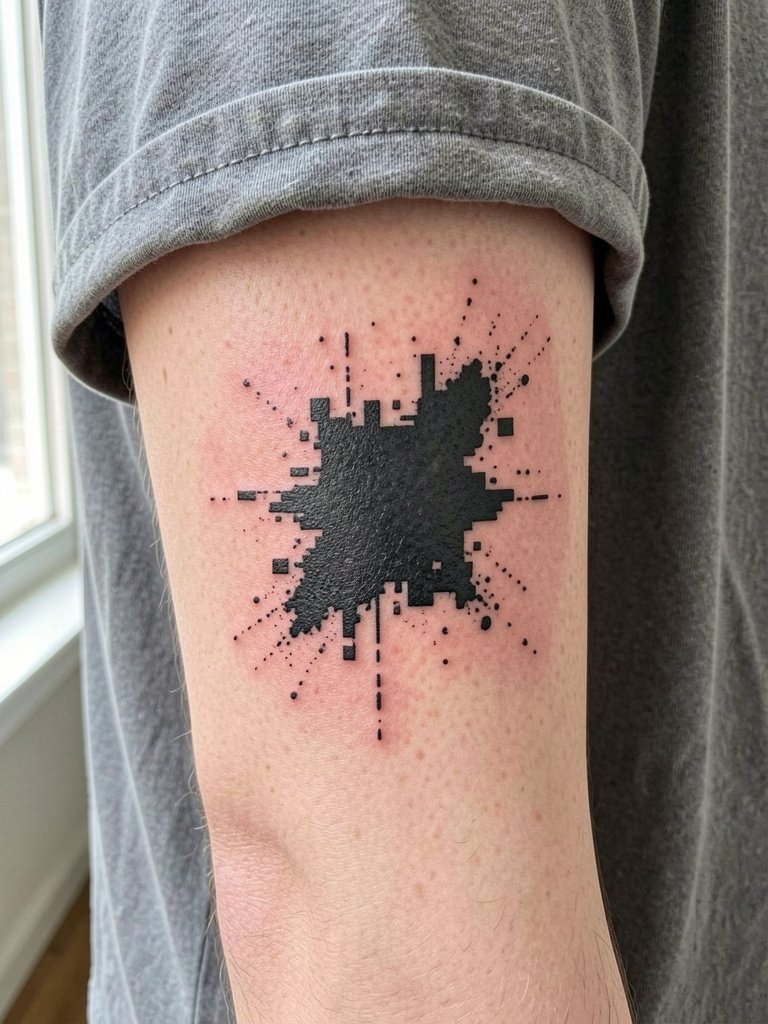
Abstract blobs are forgiving because they do not rely on tiny readable details. They are a good choice if you want a tech feel without strict legibility requirements. A mistake is asking for a precise "pixel" look at a small scale. Instead choose larger fragmentation and splatter so the piece keeps texture after the first year. One session usually suffices. For a wearable outfit, a rolled cuff linen shirt keeps the tattoo visible in daylight with a neutral backdrop.
12. Robotic Arm Segment Illusion on Outer Forearm
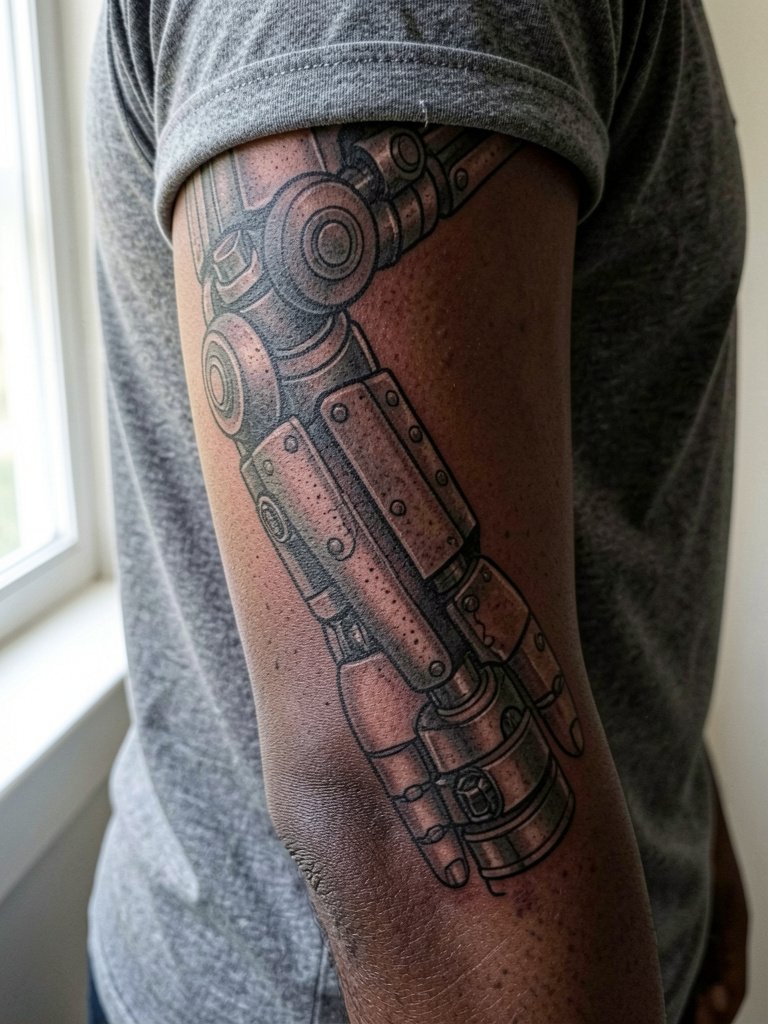
A robotic arm segment that follows the bone structure sells the illusion better than a random overlay. Tell the artist which anatomical landmarks you want the plates to respect so they do not fight muscle movement. The typical regret is a piece that ignores the elbow crease and warps when the arm bends. This design usually needs multiple sessions for depth and highlights. Because of the layered shading it ages fairly predictably if you keep the outlines bold. For the session wear something with easy sleeve removal like a sleeveless tee.
13. Neon Kanji Column on Inner Forearm
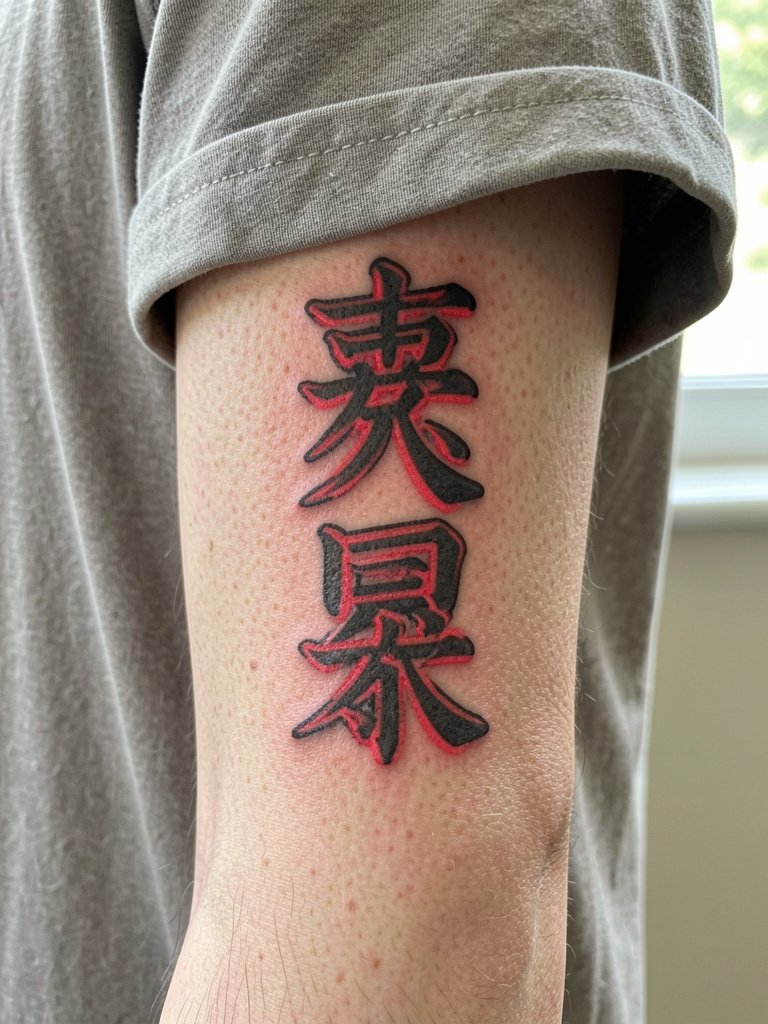
Text in another script needs more spacing than Latin letters because small counters vanish as skin shifts. A big debate exists about neon Kanji longevity. One camp says neon fills fade on forearms in three to five years unless boxed by thick black outlines. The other camp argues neon held inside bold outlines with saturated pigments can retain color for much longer. You should ask the artist how they balance outline thickness against the desired glow. For this placement wear a loose button-down to the session so the artist can roll a sleeve without pressure.
14. Pixelated Heart Near the Wrist
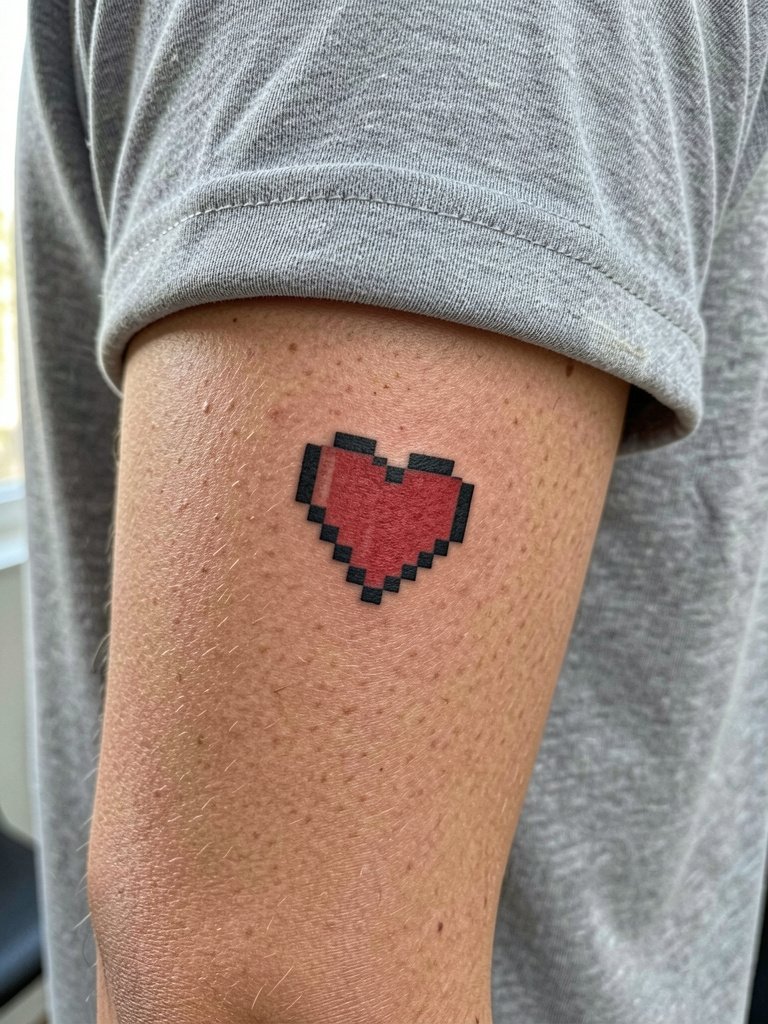
A pixel heart is a classic starter cyber mark but scale matters. The common issue is choosing a tiny pattern that turns into an indistinct block. Aim for a minimum three-quarter inch grid so the block edges remain defined after healing. The wrist area faces extra wear from washing and bracelets so plan a touch-up at one year. Session time is short. For showing off a small heart, a dainty bracelet set worn on the opposite wrist frames the piece without rubbing it.
15. Circuit Vein Mapping Along Inner Forearm
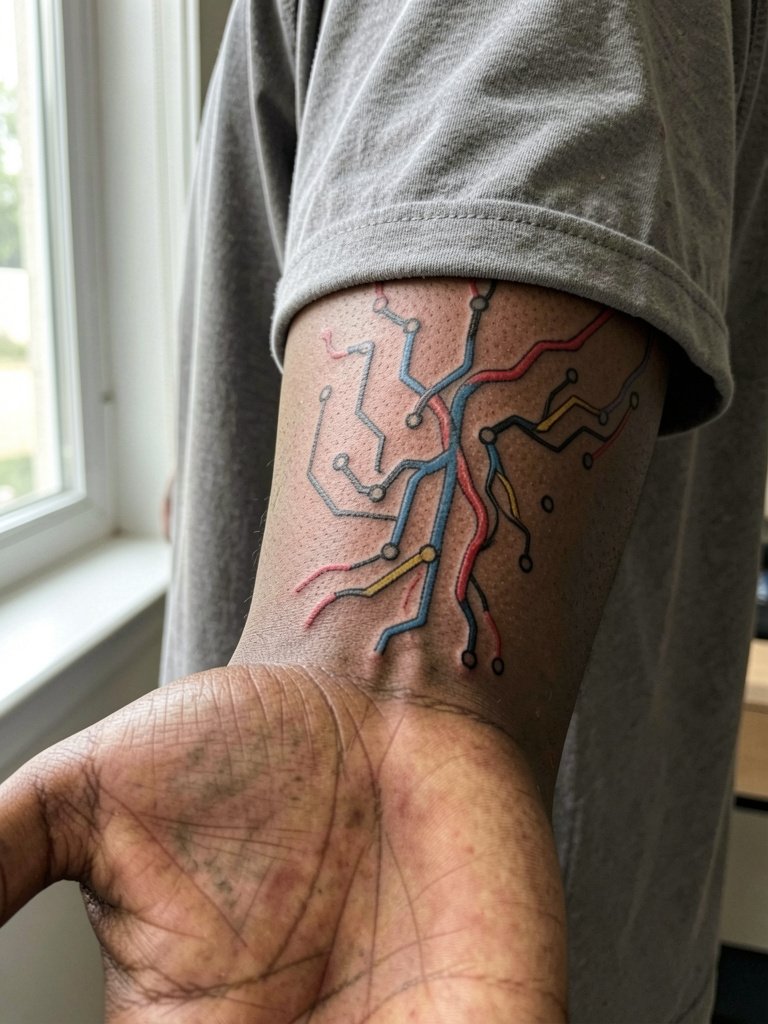
Circuit vein mapping looks convincing when the artist treats the traces like anatomical lines. A mistake is making the circuit traces too thin along bend zones which leads to softening. During the consult, request a mockup showing how lines sit when your arm is flexed and relaxed. Expect a 90 minute session depending on length. This is a great piece to stagger across sessions if you want a full sleeve later. For outfits, a rolled cuff linen shirt keeps the detailed lines visible and unobstructed.
16. Micro-Realism Robot Chip on the Inner Wrist
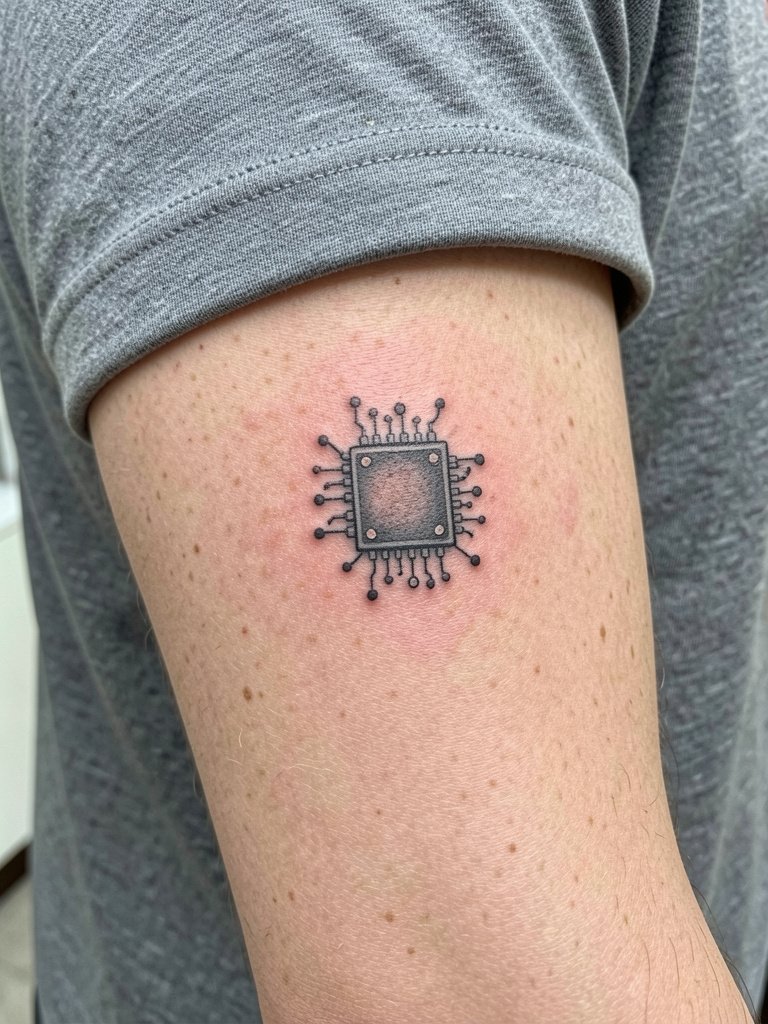
Micro-realism near the wrist is high-visibility but high-risk for blurring because of small-scale detail plus constant movement. Limit extremely fine elements and ask your artist to show healed micro examples on wrist anatomy. The common regret is choosing an ultra-tiny chip that becomes a smudge. Plan a touch-up at six to twelve months. If you want something subtle that still reads, pick a slightly larger chip and keep the micro-details as suggestion rather than pin-sharp lines. For the appointment wear a loose short-sleeve tee so sleeve seams do not press on a fresh wrist tattoo.
17. Whip-Shaded Chrome Coil on Outer Forearm
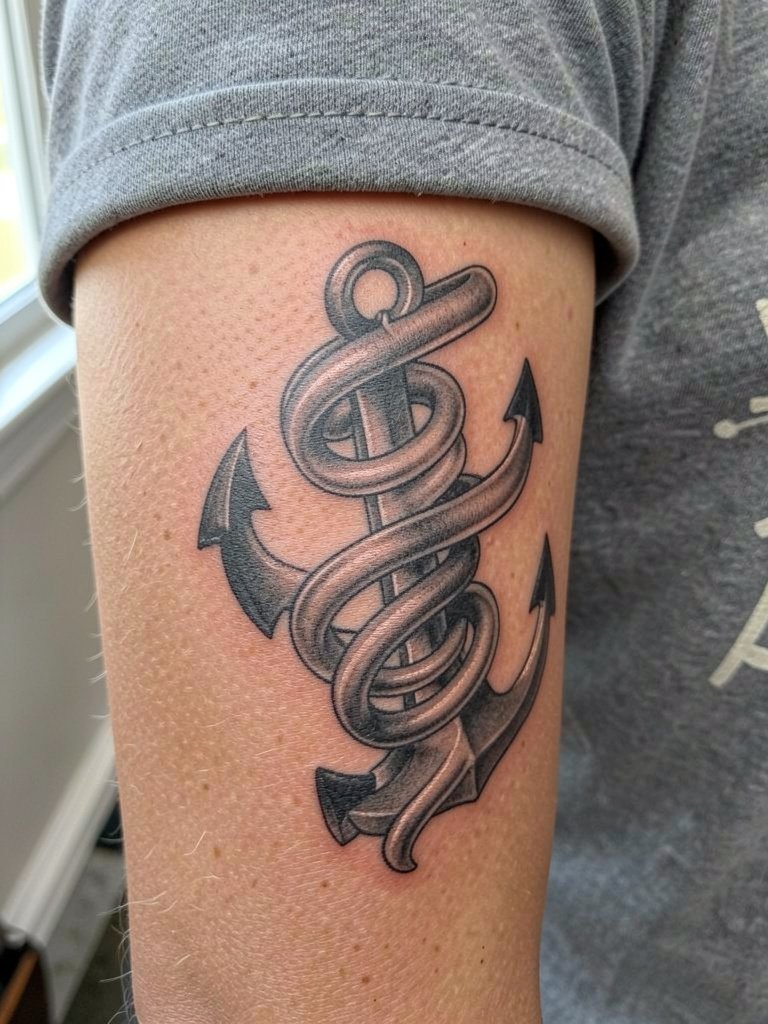
Whip shading is a go-to technique for chrome effects. The mistake is overusing white highlights that will not hold as skin ages. Ask the artist which areas are pure white ink and which are light greys so you can plan for future touch-ups. Blowout risk is low on the outer forearm but expect the curved sections to need a second pass for saturation. A single session of one to two hours usually does the coil. For styling, a black slim fit tee keeps the metallic illusion prominent.
18. Stipple-Shaded Tiny Gear Cluster Near Elbow
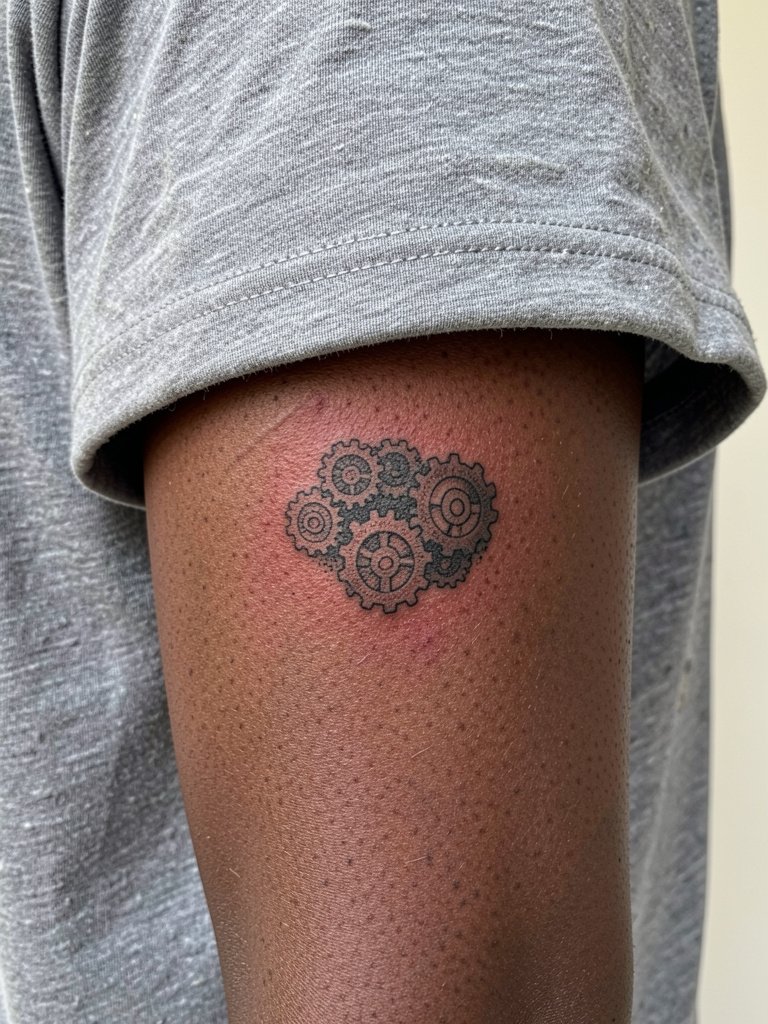
Stipple shading creates texture that survives aging when done with correct needle spacing. Placing such a cluster too close to the elbow crease invites distortion. Ask the artist to position it at least two finger widths away from the crease and to show a placement photo when your arm is flexed. Dot work is time consuming but tends to hold patterning well. Session time is brief but may require patience for the stipple passes. For casual wear a short sleeve tee keeps it visible without rubbing.
19. Glitchy Barcode Band Around the Forearm
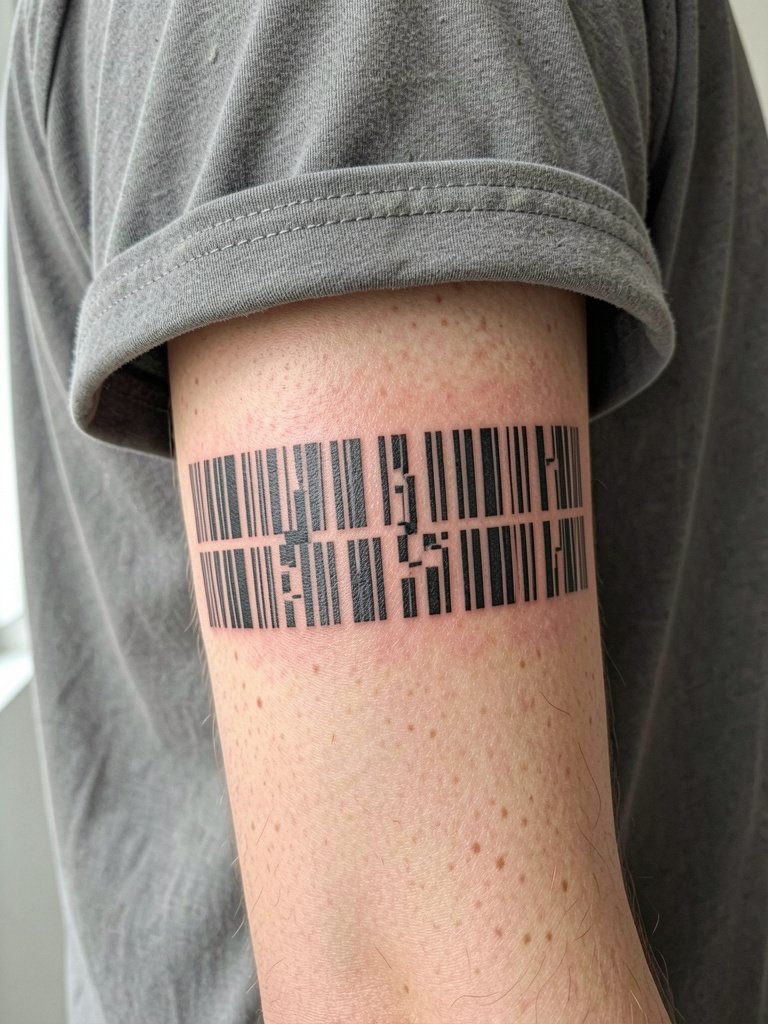
A barcode band is graphic and wearable when the bars have purposeful breathing room. One camp prefers very tight bar spacing for the "technical" look. Another camp points out that tight bars merge over time on the forearm. You should review healed band photos and pick the spacing that matches your tolerance for future touch-ups. This kind of band usually takes under two hours. For styling, a slim watch on the opposite wrist balances the band without covering it.
20. Liquid Metal Ribbon Along the Outer Forearm
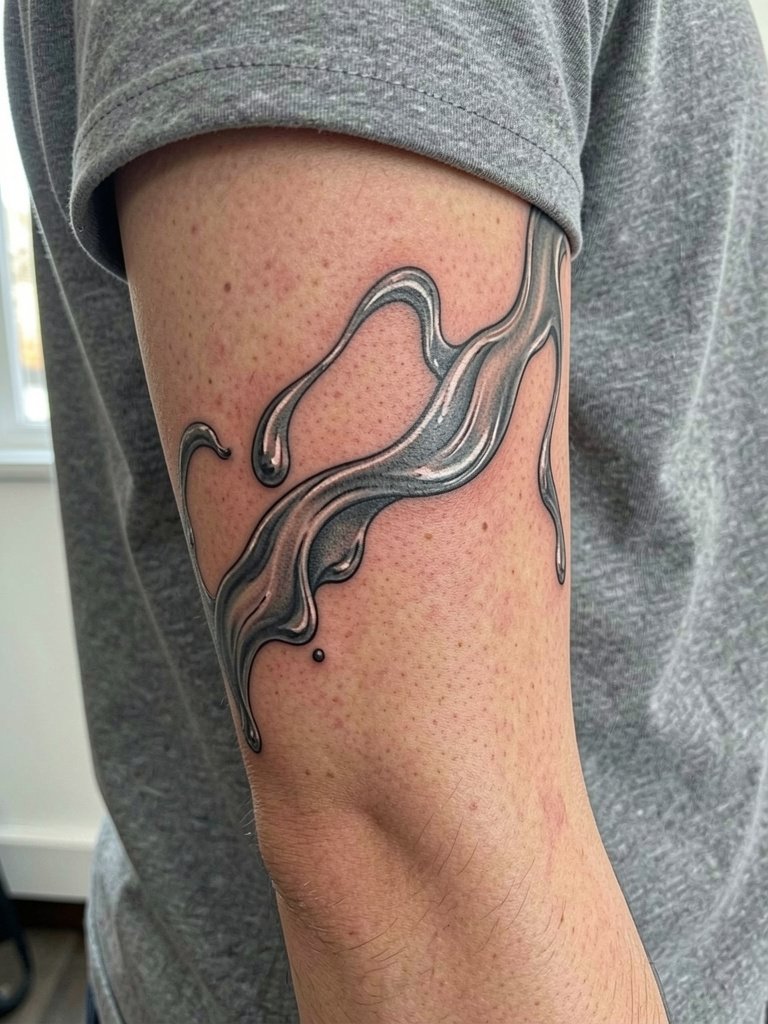
Liquid metal ribbons look elegant when the highlights are kept as subtle grey gradients rather than pure white. Ask the artist to map highlights to where your arm naturally catches light. A common error is requesting too many tiny highlights which vanish and leave uneven sheen. This piece is medium complexity and often done in one longer session. A silver minimalist watch complements the ribbon in daily wear.
21. Neo-Traditional Tech Totem Stacked on the Forearm
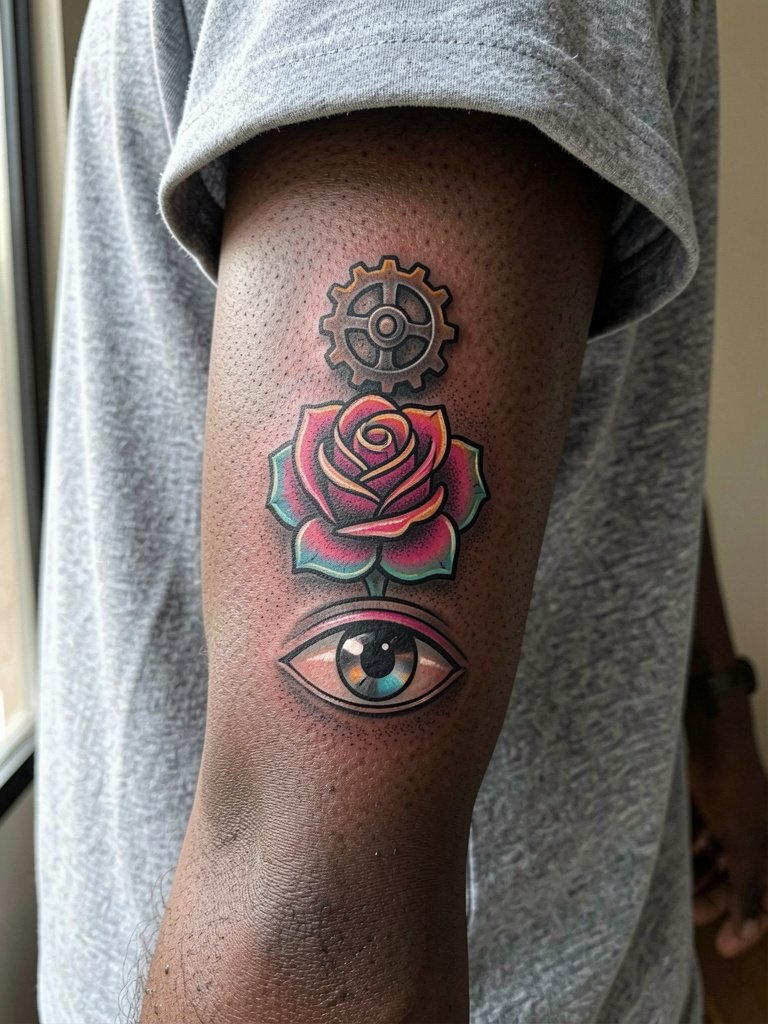
Stacked totems let you combine several cyber elements into a single readable column. The usual mistake is over-cramming details between symbols. When you plan this, ask the artist to show the negative space strategy so each emblem keeps room to breathe at three inches. This approach is great for building toward a sleeve across multiple sessions. Sessions vary by how many emblems you include. For reveal outfits, a dark navy tee makes neon or chrome accents stand out.
Frequently Asked Questions
Frequently Asked Questions
Q: How much should I budget for a forearm cyberpunk tattoo?
A: Prices vary by size and style. Small fine-line pieces often fall in the 150-400 range. Mid-sized neo-traditional or micro-realism designs commonly run 350-1,200. Full forearm sleeves or multi-session robotic segments frequently fall into the 800-2,500 range. These are ranges to help planning and not fixed quotes. Your artist will give an exact estimate after a consult.
Q: How do I find artists who actually understand cyberpunk aesthetics without naming individuals?
A: Search platform tags like #cyberpunktattoo, #technoart, and #neontattoo and filter by location. Browse portfolio keywords such as "glitch art forearm," "circuit blackwork," and "neo-traditional neon" on tattoo directories. Reddit threads in r/tattoos and r/TattooDesigns often link to healed examples across skin tones. Use location filters on Instagram and TikTok to narrow down nearby portfolios.
Q: Will neon colors work on darker skin tones?
A: Neon pigments behave differently on darker skin and often need higher saturation and strategic black framing to read vibrantly. Some artists prefer using saturated jewel tones instead of pure neon for longer-lasting contrast. When you book, ask for healed photos on similar skin tones and a plan for touch-ups in the first year.
Q: What are the common healing timelines and touch-up expectations for these styles?
A: Basic surface healing is two to three weeks. Color stability and true settling can take three to six months for neon and layered fills. Fine-line details often require a touch-up within one to three years depending on sun exposure and placement. Plan a follow-up within six to twelve months for pieces with highlighted white or delicate accents.
Q: What should I wear to my appointment for a forearm piece?
A: Comfortable clothing that gives clear access to the inner or outer forearm is best. Loose short-sleeve tees, sleeveless tops, or a button-down you can roll up are practical choices. For inner forearm work a linen button down shirt works well because it rolls without tight cuffs. For outer forearm pieces a black slim fit t-shirt keeps pigments from rubbing during travel home.
Q: How do I avoid the common problem of fine lines blurring on the forearm?
A: The main fixes are slightly heavier baseline line weight, generous spacing, and negative-space pads inside dense clusters. Bring two reference photos at different scales so the artist can show how the design reads at three inches versus five. If you already have fine-line ink, ask about a strategic touch-up plan to restore lost definition.
Q: Are there any stylistic choices that date faster than others?
A: Holographic, heavily trendy glitch fills can feel dated if they are purely aesthetic and not tied to a clear form. Abstract circuit patterns and mechanized anatomy tend to age better visually because they read as structural elements rather than trend effects.