Someone I know spent months chasing screenshots before realizing the real problem was picking a style that holds up. Fine line circuits that looked crisp at first blurred on high-movement spots, neon faded fast in sunlight, and finding non-generic cyberpunk work felt impossible. Below I walk through 15 easy-to-wear cyberpunk tattoo ideas that solve those issues while explaining where each one ages, what to ask your artist, and when touch-ups usually happen.
1. Neon Circuit Grid Armband
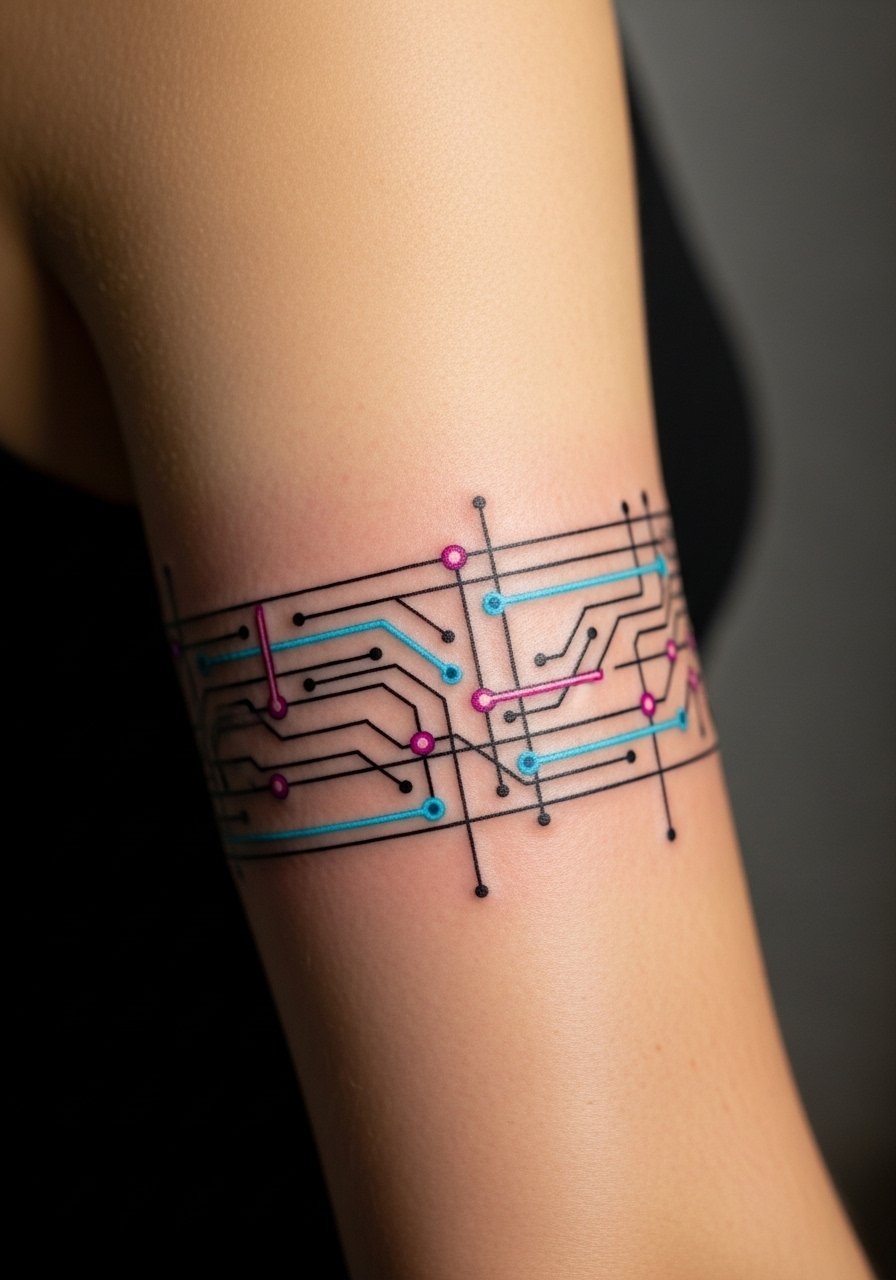
Someone I know first saw this on a forearm and booked the same day. It reads clean from a distance because the core grid uses solid black linework with thin neon highlights layered on top. Tell your artist you want a black base and neon accents so the color sits on top of saturated ink rather than relying on hairline neon alone. The armband placement is forgiving for a single-session medium piece and the pain is moderate. Common mistake is making the grid too tight, which risks blur and blowout after two years. Expect a touch-up around year two if you wear sun-exposed sleeves a lot.
2. Biomechanical Cybernetic Forearm Piece
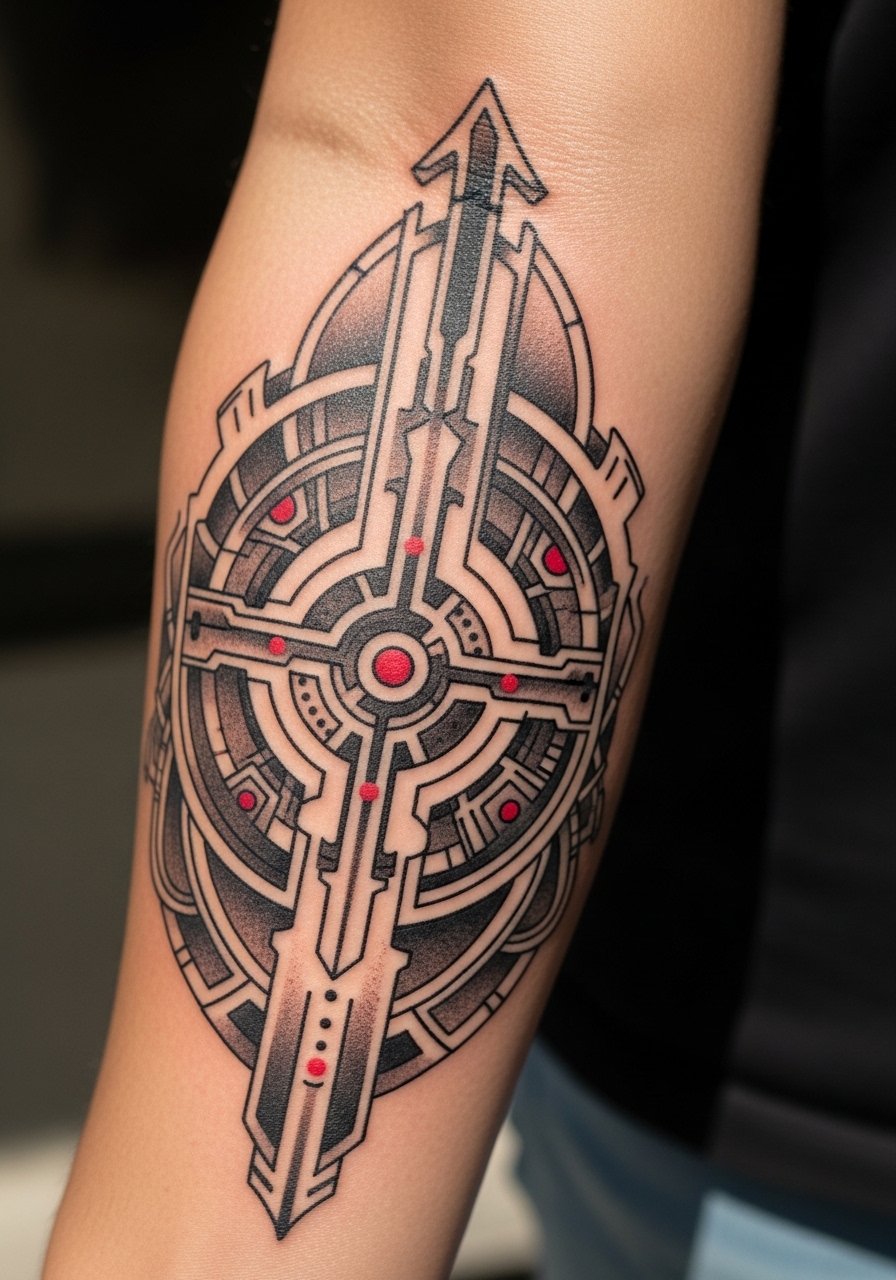
Fair warning: forearm work can feel like a long session but usually tolerable. This style blends neo-traditional shading with layered mechanical parts that tuck under the skin visually. When you consult, bring references that show depth and stipple shading rather than flat clip art. Artists split on how much red to use because bright red can migrate, so ask about saturation and touch-up plans. The piece heals well when built over two to three sessions and the outer forearm placement helps with longevity versus high-friction sites. Expect the first touch-up within 12 to 18 months if you spend a lot of time outdoors.
3. Dystopian Cityscape Sleeve
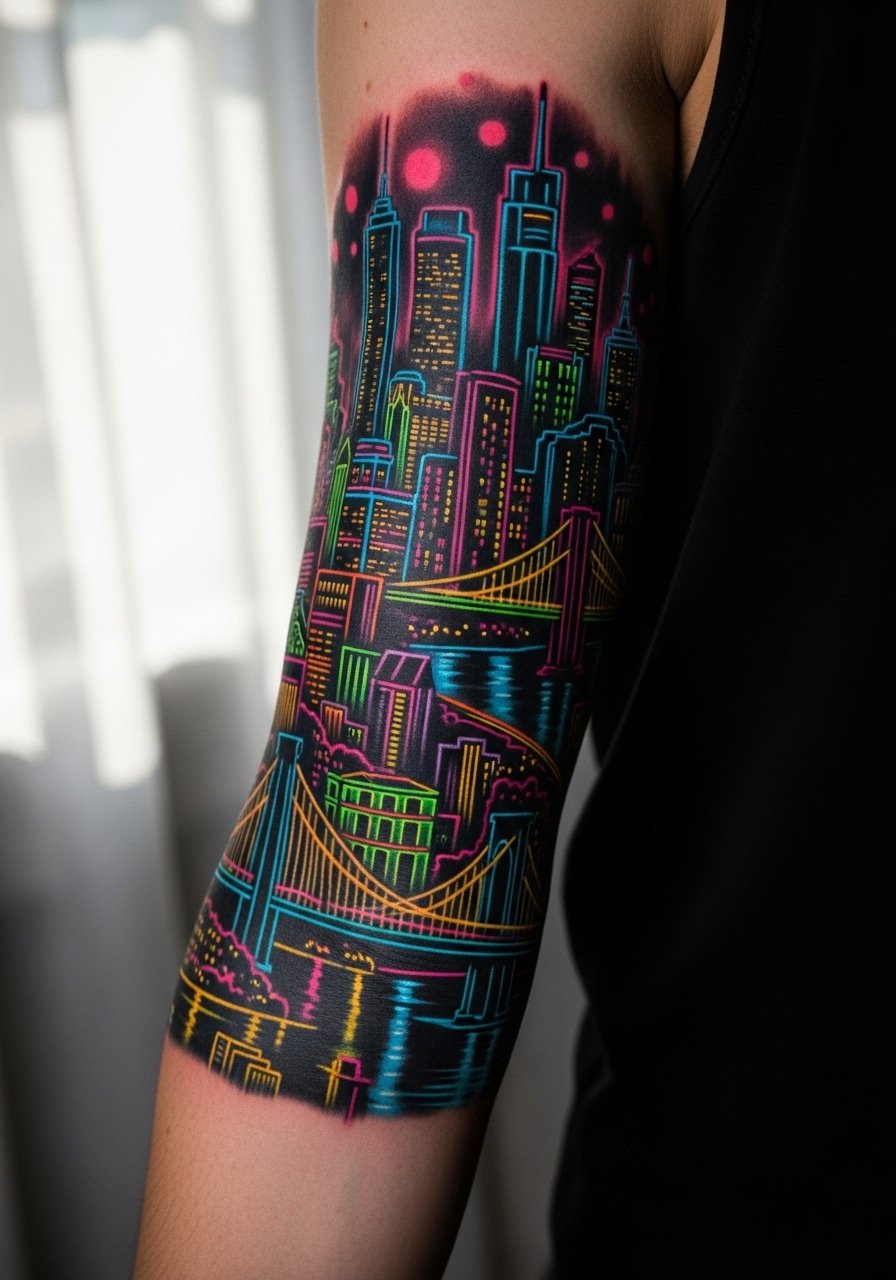
Most large watercolor-style city sleeves from several years ago have softened into muddy washes. This version keeps bold black anchors around color blocks so the skyline stays legible long term. For a sleeve plan on multi-session work over months. In conversation with your artist, describe which landmarks or architectural angles you want emphasized rather than handing over a full collage. The biggest mistake is asking for too many tiny neon details. Those fade and blur faster than larger color blocks, and they often need touch-ups after year two to retain their glow.
4. Cyber Sigilism Glitch Wrist Tattoo
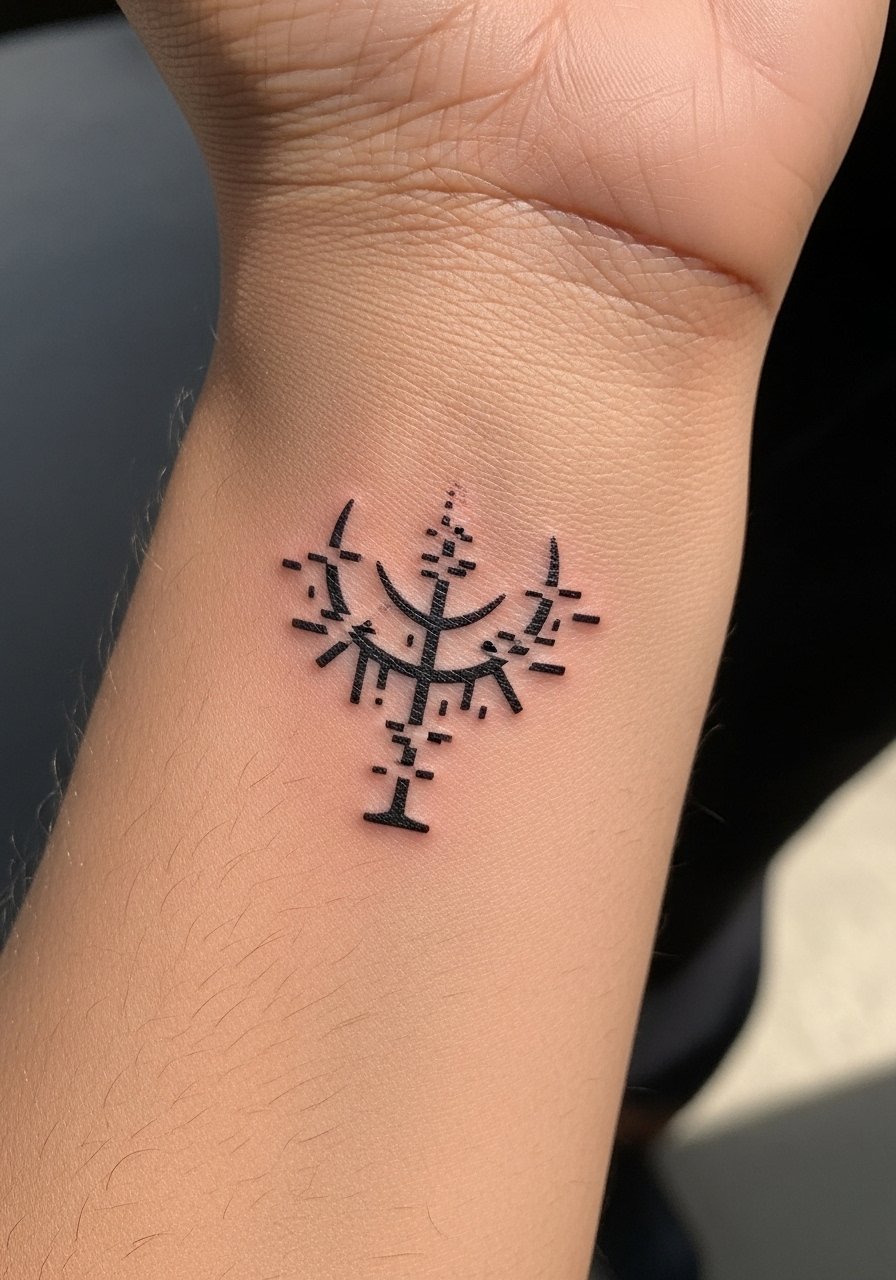
When you sit down with your artist for a sigil, show single-line references and note the exact areas where you want glitch breaks. Wrist tattoos are low-session small works but they face lots of friction. There is a debate among artists about fine line on wrist pieces. One camp says wrists take fine line poorly and blur within a year. The other camp says precise needle depth and spacing let fine sigils hold up. Ask where your artist stands and request slightly bolder contour linework if they lean conservative. Expect a touch-up sooner than a chest piece.
5. Futuristic Barcode Hand Design
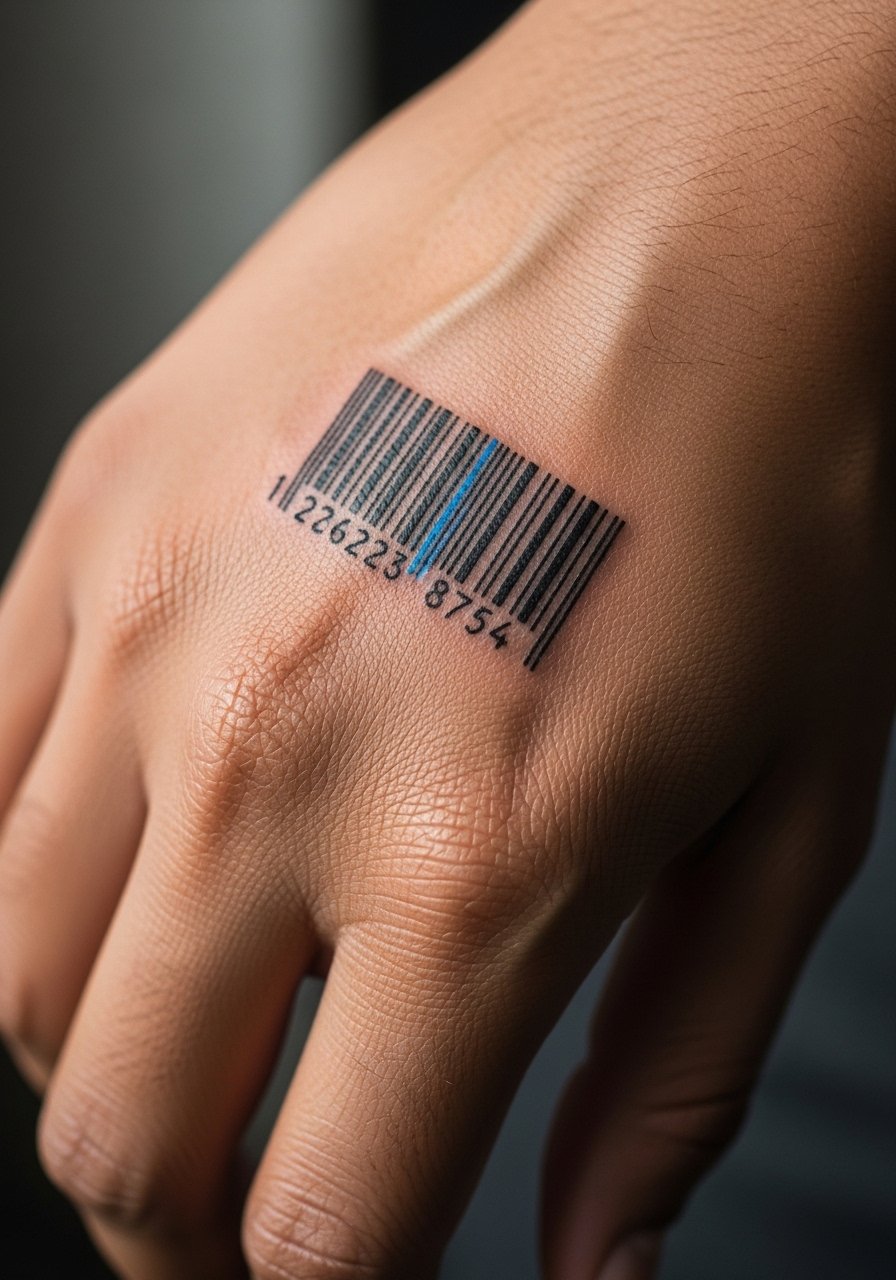
Hands are high-motion and abrasive, so pick thicker line weights and limit tiny neon. The hand placement is a statement and it affects job conversations in some fields, so consider placement carefully. Tell your artist you want wider bars and a strong black base that can survive fade from washing. The usual mistake is asking for microbars that blur within months. Healing is faster than a sleeve but touch-ups are common at year one for hand pieces.
6. Geometric Death Orb Mandala on Thigh
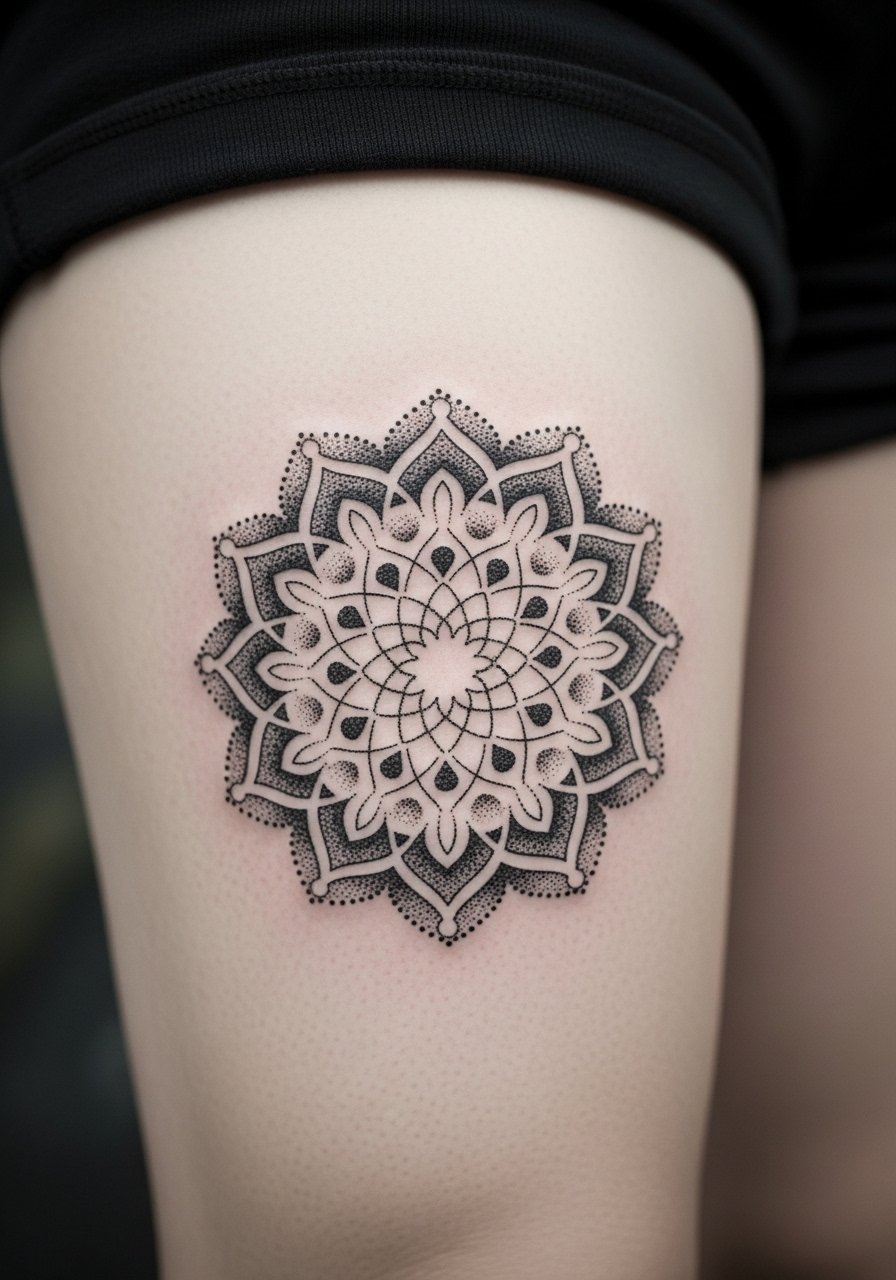
There is cultural history behind mandala-like patterns, so some people choose slight stylistic variations rather than direct traditional forms. The outer thigh is forgiving for size, which lets linework breathe and keeps blowout risk low. Ask for a mix of stipple shading and crisp linework and mention you want the circles to scale with movement so the pattern does not warp with weight changes. Thigh pieces age predictably well and usually need a touch-up around year three if you want perfect symmetry retained.
7. Neon Blue Human-Tech Fusion Back Panel
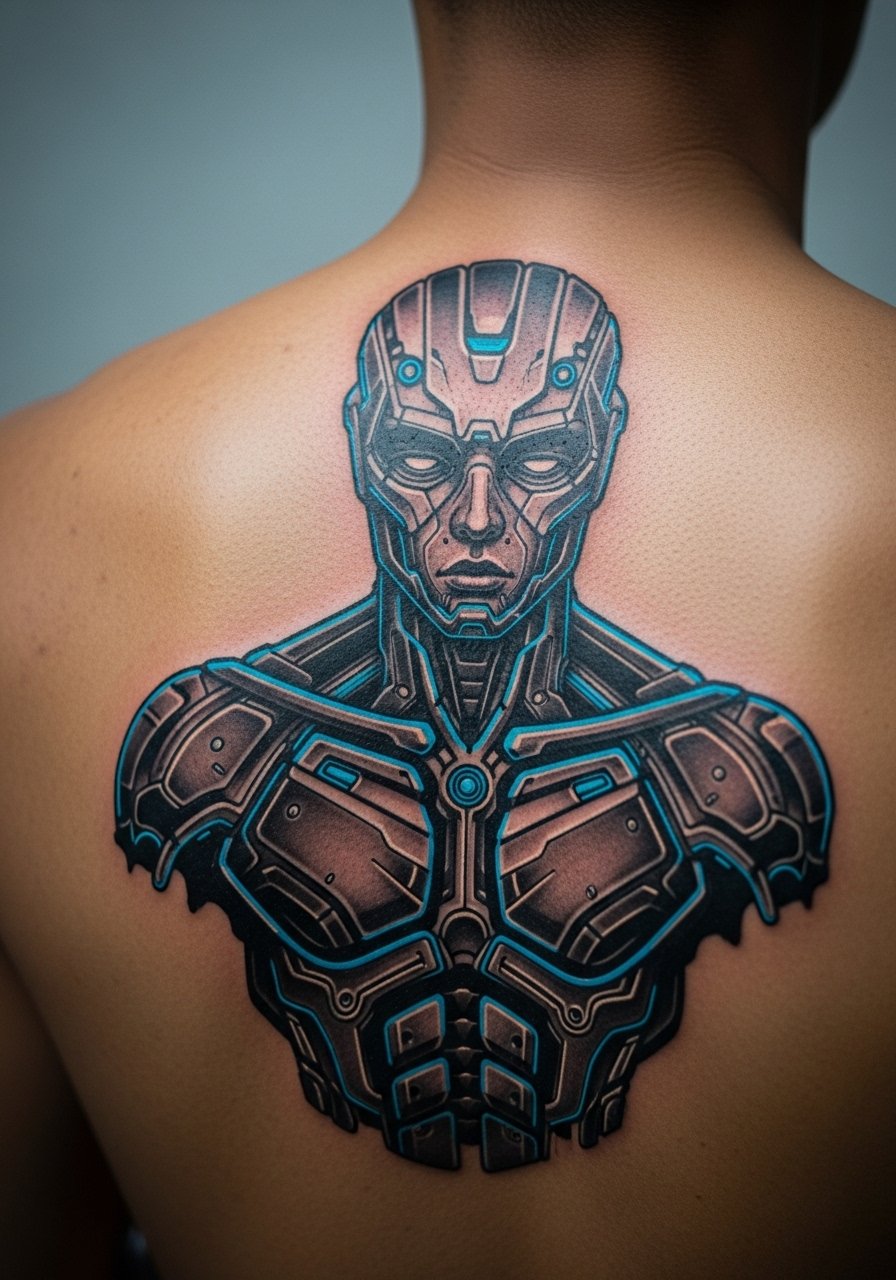
There is a reason large back panels get built over multiple sessions. They let the artist layer black anchors first and add neon on later visits to protect saturation. When you describe this to your artist, say you want a strong black base with neon-blue accents so the color pops on darker tones. Large back placements tolerate bold approaches and the pain is spread out across visits. UV exposure is the enemy of neon, so plan long-term sun protection if you want that blue to stay vivid.
8. Circuit Pattern Chest Piece with Icon
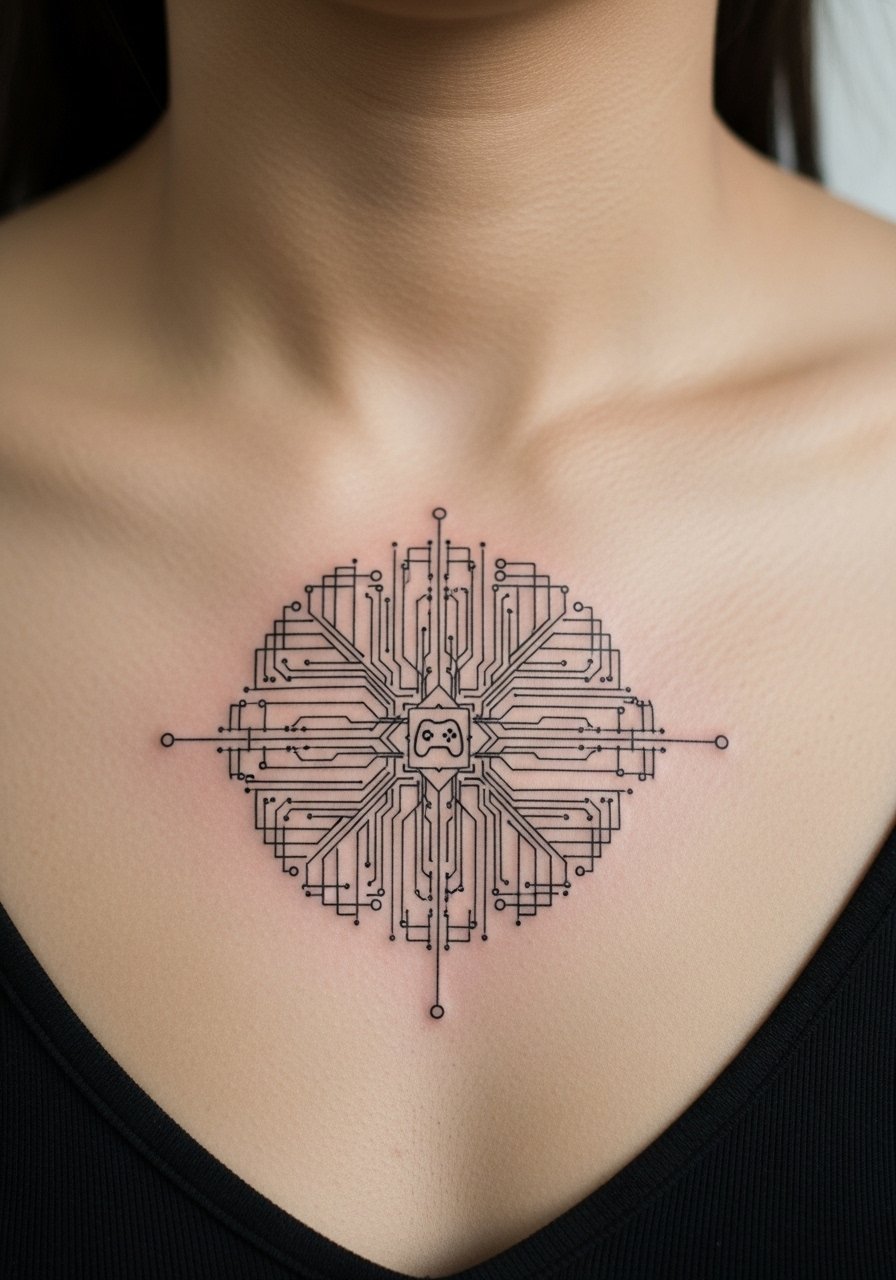
When you request chest circuitry, clarify how dense you want the pattern and which elements should remain focal. Sternum work can be higher on a pain chart and it needs a confident artist who understands spacing to avoid lines flowing into each other. A common error is crowding the design too close to the collarbones, which increases blowout risk. For fans of game icons, adding a small black glyph in the center reads well and avoids heavy neon that could wash out on some skin tones.
9. Graffiti-Inspired Anime Cityscape Calf Tattoo
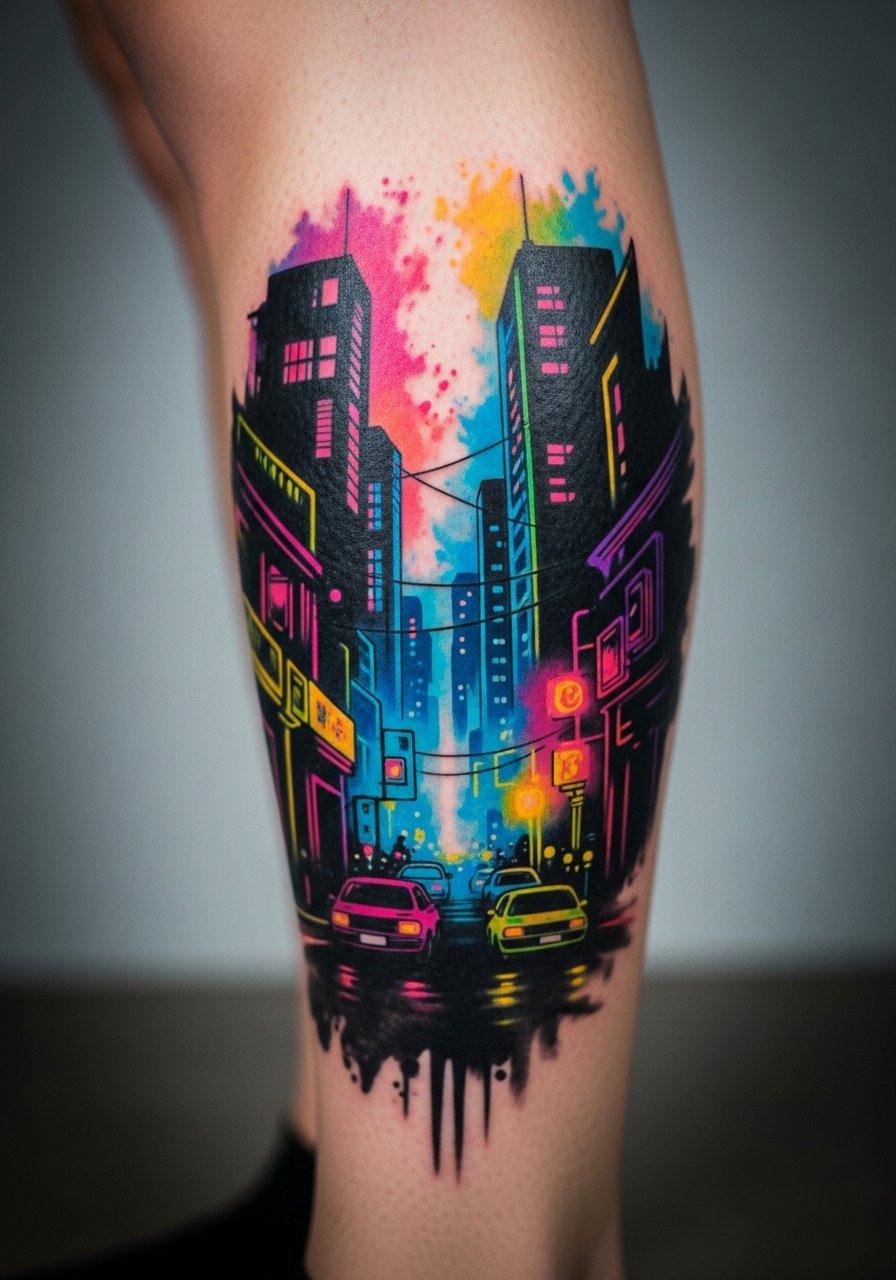
If you want street-art energy, the calf gives you a canvas that hides under pants and shows well in sandals. Ask for saturated color blocks anchored by black silhouettes so the graffiti fades gracefully. The frequent mistake is asking for thin watercolor washes without a dark base. Those tend to lose definition in two years. The calf is less exposed to friction than hands and forearms, so color retention is usually better with proper sun care.
10. Robot Outline with Neon Accents on Ankle
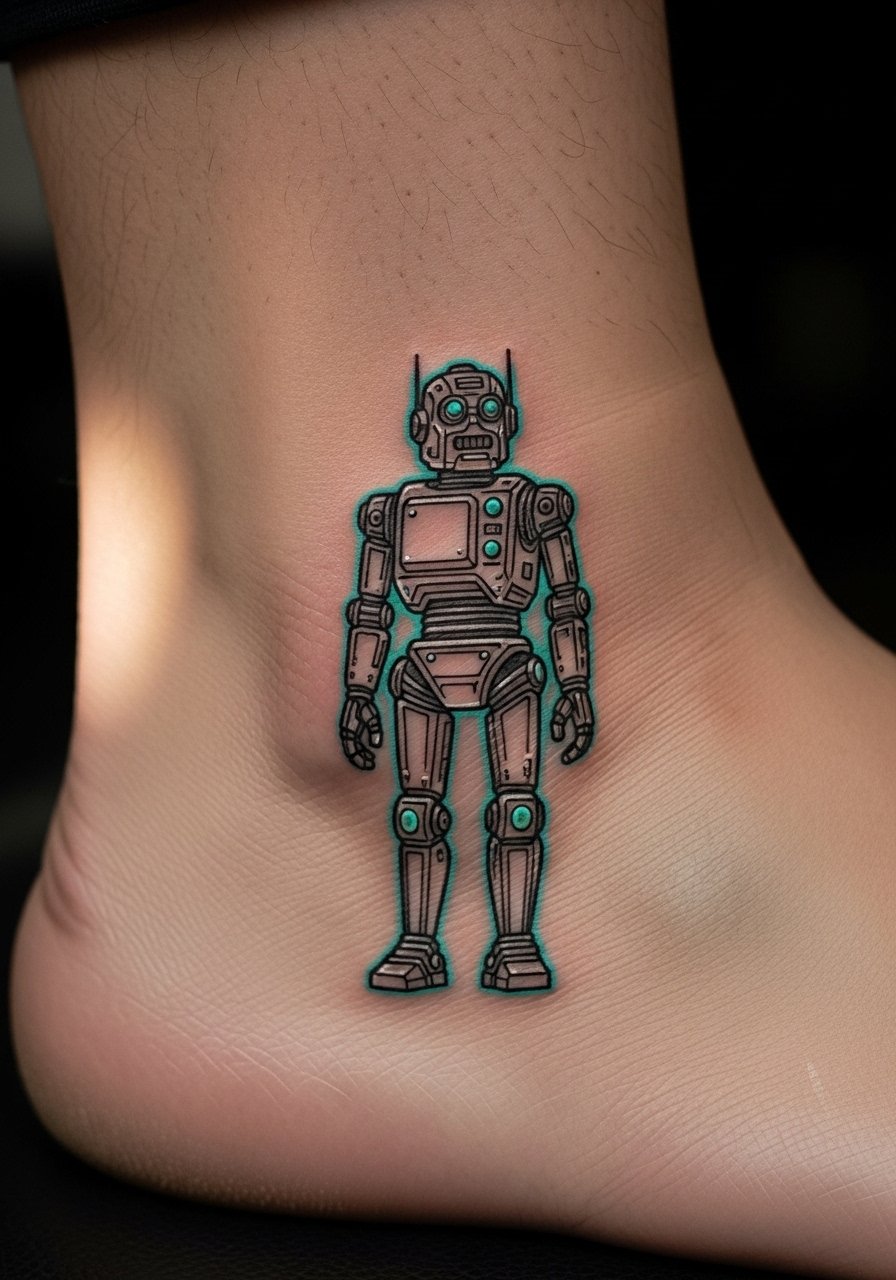
Ankles are small-session friendly and good for a first cyberpunk tattoo. Tell your artist you want a strong outline and modest neon spots rather than broad neon fills. The ankle area sees shoe friction, so thicker linework helps prevent early blurring. Sessions are short and pain is sharp but brief. A common mistake is asking for too much micro-realism in such a tiny area, which compresses detail and demands touch-ups within a year.
11. Patchwork Biomech Elements on Ribcage
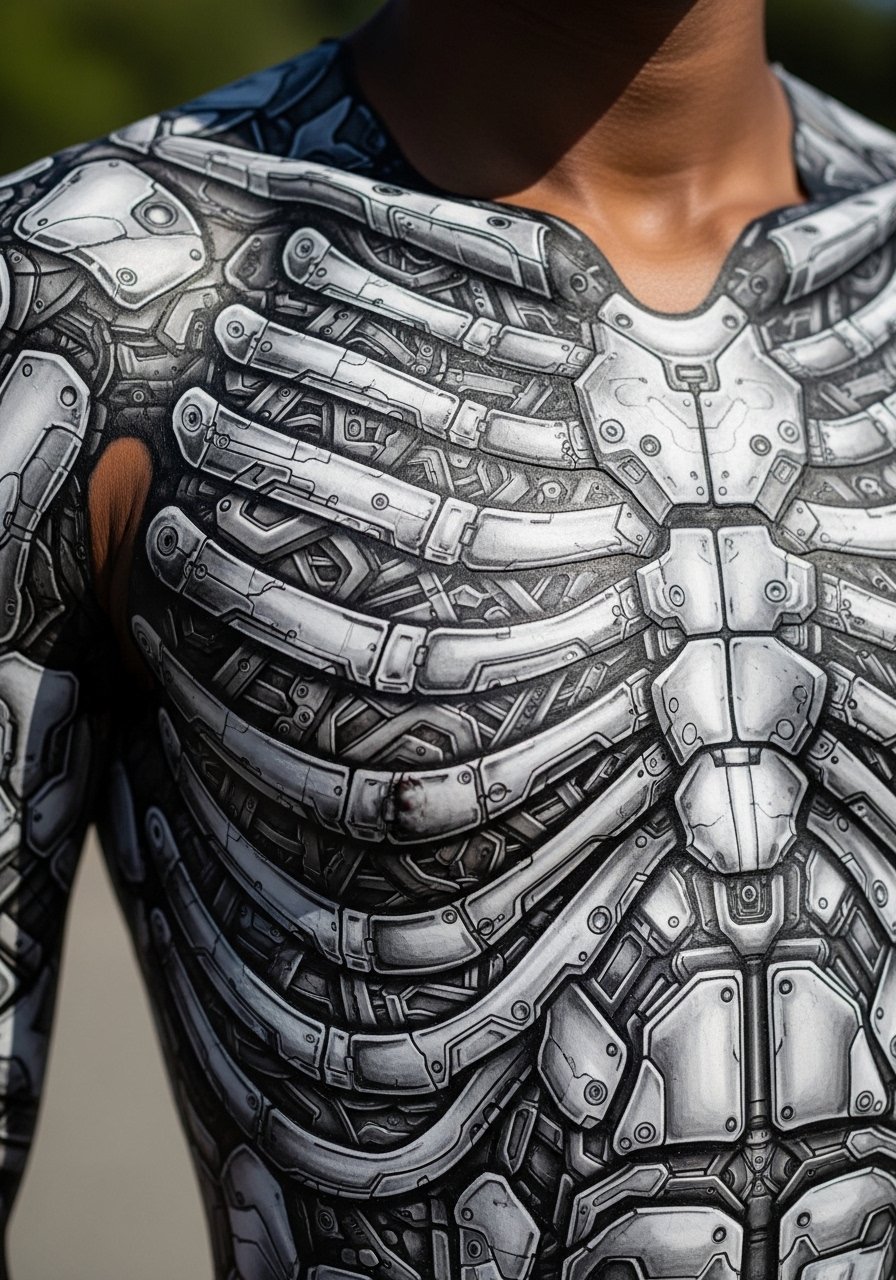
Artists are split on fine work on ribs. One side argues ribs move too much and fine lines blur quickly. The other side says with correct needle depth and spacing, fine detail can settle nicely. Ribs are a high-pain area and most people build patchwork over multiple visits to let skin recover between sessions. The advantage of patchwork is that you can add updates over years. A common error is asking for continuous fine-detail across a large rib area in one session. Plan staged sessions and expect touch-ups as you expand the patchwork.
12. Vibrant Night City Forearm Half-Sleeve
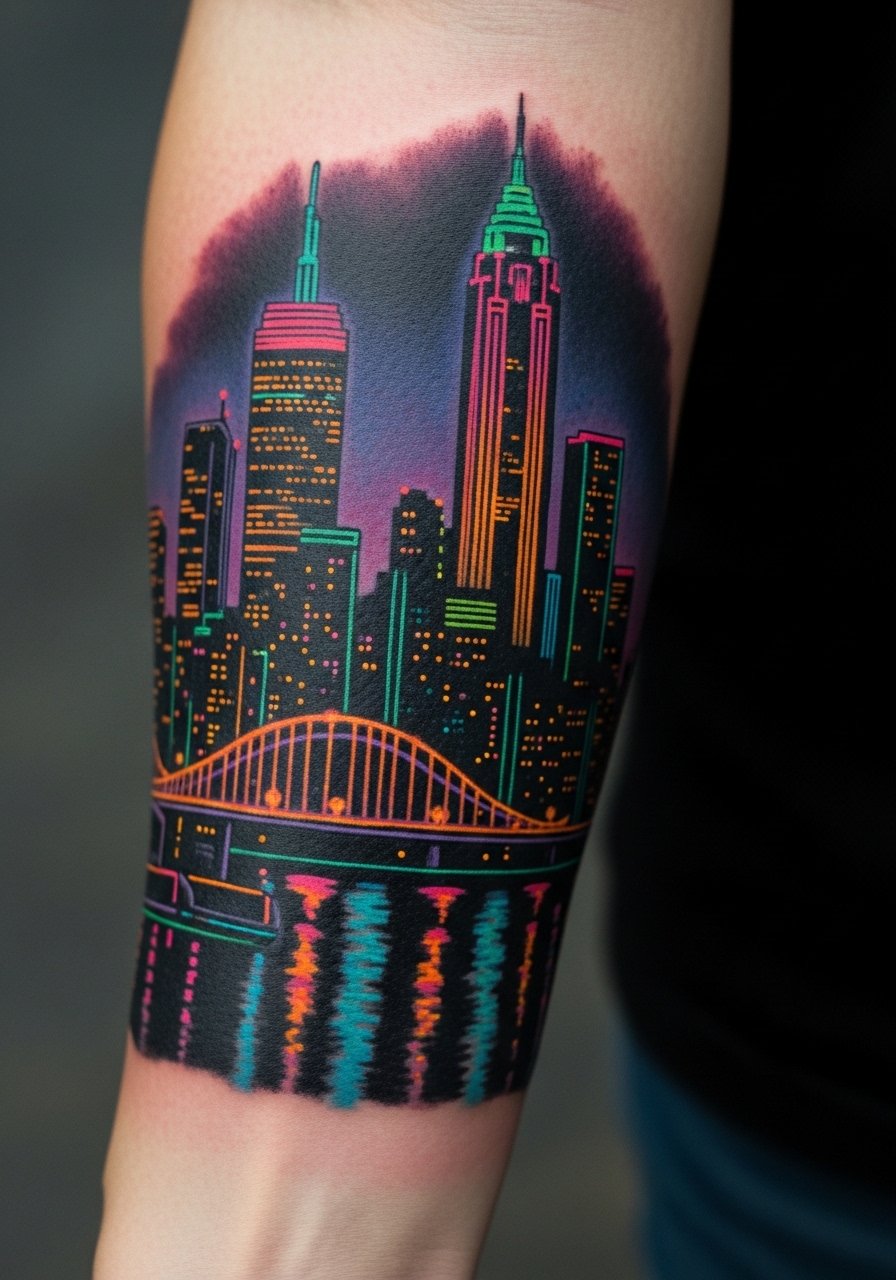
There is an edge to forearm half-sleeves because they are visible and easy to show. Ask your artist to anchor color zones with thick black silhouettes to prevent color wash. The daily sun exposure on forearms makes UV protection essential if you want neon to last. A typical mistake is packing too many tiny neon elements. Those fade faster than broader color fields and need touch-ups at year two or three depending on exposure.
13. Alien-Tech Shoulder Patch
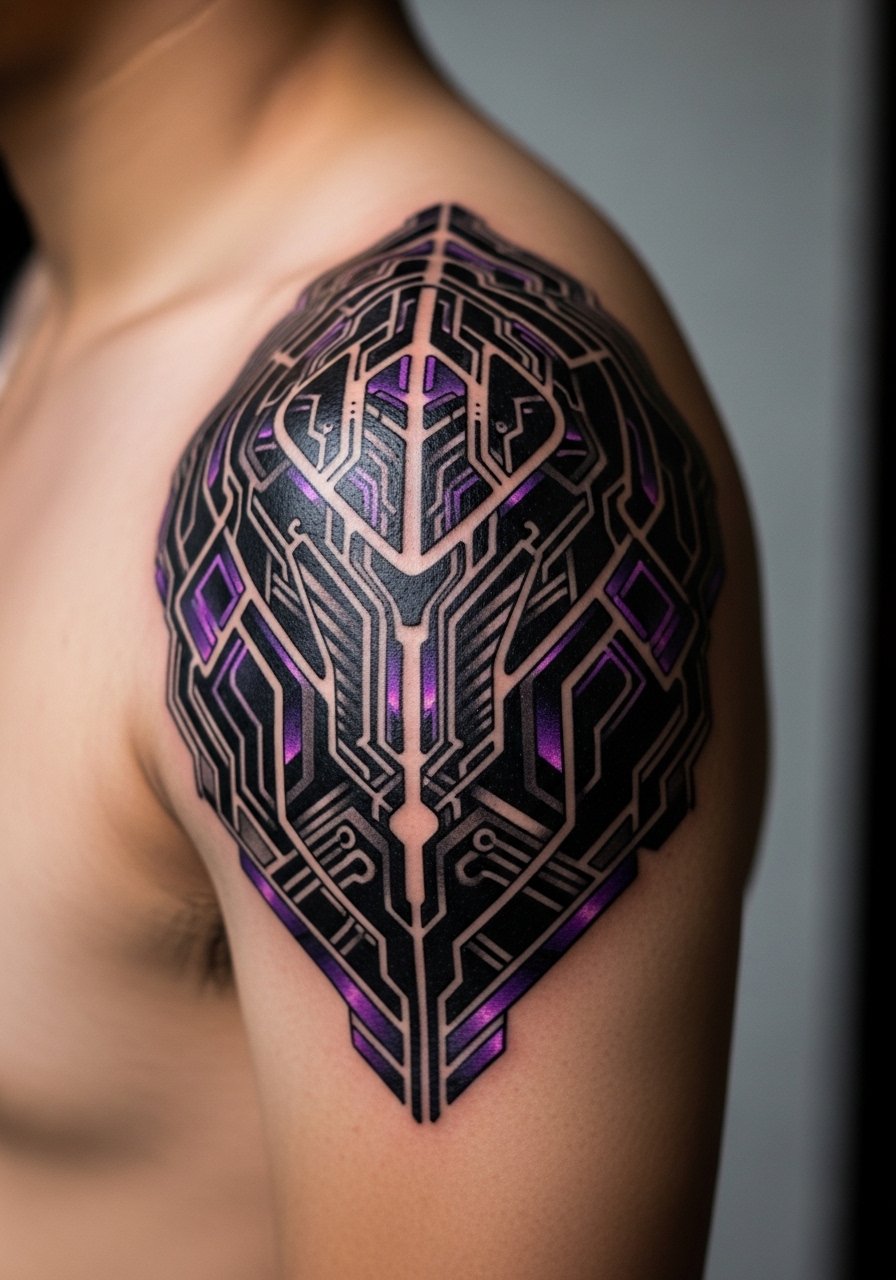
Pairing alien motifs with cyberpunk elements gives a fresh narrative. Shoulders are forgiving for growth and movement so the design keeps proportion better than the inner arm. During consultation, describe the alien motifs you like and ask the artist to integrate them with mechanical plates so the piece reads as hybrid anatomy rather than a collage. The main mistake is mixing too many styles without a unifying anchor. Expect a moderate healing timeline and a possible touch-up after the initial six months.
14. Microchip Behind-the-Ear Detail
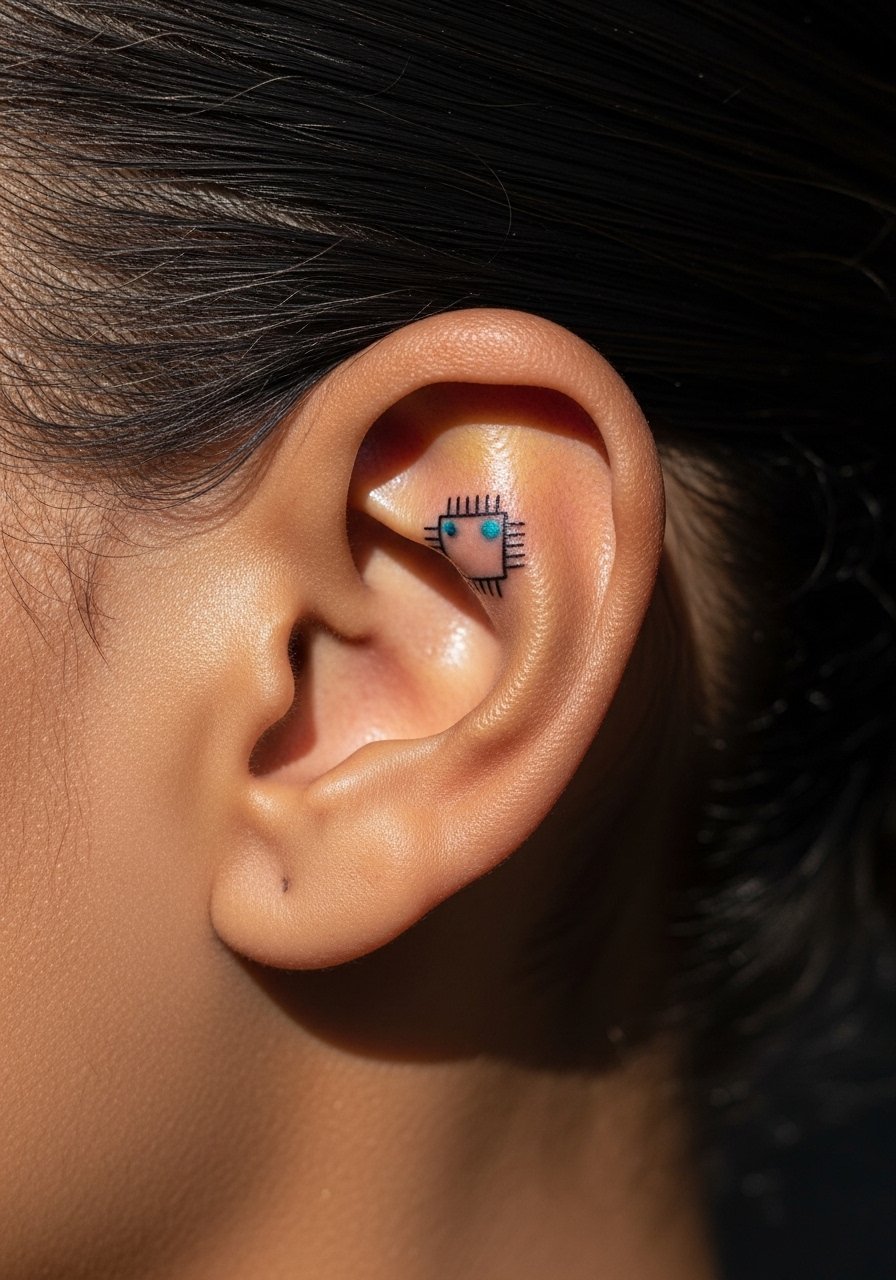
Small locations behind the ear are discreet and can be a first cyberpunk piece. The area is sensitive and not every artist will take walk-ins for such a spot, so plan accordingly. Ask for slightly bolder contour lines to help micro detail survive skin movement. The common mistake is requesting ultra-fine circuitry that disappears as the skin heals. Healing is quick and touch-ups are common at year one.
15. Geometric Sigil Collarbone Accent
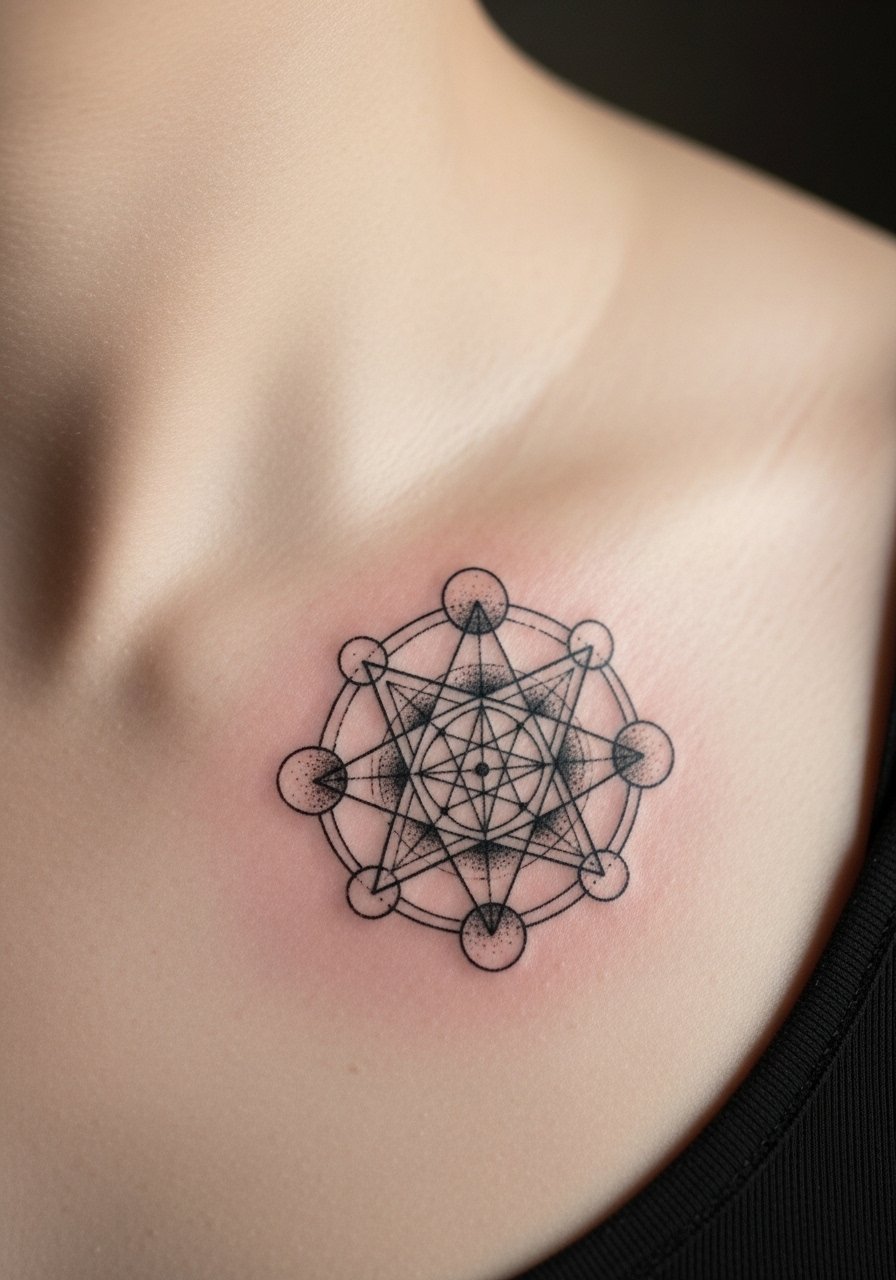
Collarbones offer a flat display area that photographs well and hides under clothing. Tell your artist if you want the sigil to flow with collarbone bones or sit offset for balance. Blowout risk is moderate if lines are too thin near the bone, so wider linework helps. The collarbone holds detail well with proper spacing and usually needs only occasional touch-ups depending on sun exposure.
Tattoo Prep and Aftercare Essentials
Fragrance-free moisturizing balm for tattoos. Lightweight, non-greasy balms help keep neon highlights from scabbing over. Use sparingly after the initial scab phase and swap to thin layers to avoid clogged pores.
Medical-grade second skin bandage, 6-inch roll. Good for the first 24 to 72 hours on larger panels if your artist supports occlusive healing. It protects color and reduces scabbing friction.
Gentle hydrating cleanser, fragrance-free. A soft foam or lotion cleanser rinses ink sweat without stripping saturation.
Silicone scar sheets for long-term texture care. Use later in healing only if raised scarring appears around heavy blackwork.
Lightweight fragrance-free balm in travel tin. Handy for touch-ups while traveling and keeps fresh ink moisturized without heavy residue.
SPF 50 mineral sunscreen stick. Protect neon and color layers from UV fade during daily wear.
CeraVe hydrating cleanser. A gentle mainstream option for early cleaning when you prefer a trusted, non-irritating formula.
Soft, breathable tattoo cover sleeve for workouts. Use during gym sessions to reduce friction on fresh ink that sits under clothing.
Every tattoo is different. Always follow your artist's specific aftercare instructions. Consult a dermatologist if you have skin concerns or unusual healing issues.
Frequently Asked Questions
Q: Will fine line circuits blur into each other if I get a full sleeve?
A: It depends on spacing and the skin area you choose. Fine line works best with breathing room between lines and with bold anchors to prevent merging. If you plan a sleeve, ask your artist to design wider negative space between micro-circuits and schedule touch-ups every couple of years.
Q: Do neon-style tattoos need different aftercare than black-and-gray pieces?
A: Yes. Neon highlights often sit on top of a black base for longevity, and they need careful sun protection. Use a gentle cleanser, then a thin layer of fragrance-free balm and consistent SPF after healing. The item links above can help when you are packing a healing kit.
Q: Why do geometric mandalas fade faster on ribcages than on forearms?
A: Ribs move with breathing and the skin stretches in a way that can soften crisp linework. The forearm keeps pattern tension more stable. If you want ribs, request slightly wider linework and staged sessions to let tissue settle.
Q: How often should I plan touch-ups for neon accents on dark skin tones?
A: From what I have seen, neon needs less frequent but targeted touch-ups when layered over a strong black base. Expect a touch-up around year two or three depending on sun exposure and how much friction the area gets.
Q: Are hand barcodes worth it if I want subtle cyberpunk style?
A: Hand barcodes are bold but they live in a high-wear zone. If you want subtlety, choose thicker bars with a single colored accent rather than micro lines. Be prepared for a likely touch-up within the first year.
Q: Where can I find artists who specialize in cyberpunk linework without generic flash?
A: Search tags like #cyberpunk tattoo and #cyberpunktattoos on Instagram, browse Tattoodo filters, and check TikTok guest-spot videos under #cyberpunkink. Also look at convention guest lists to find traveling specialists and compare healed photos in portfolios.