Someone I know spent months scrolling portfolios and still felt stuck. The real problem was not finding a cool design. It was knowing which anime motifs survive heavy use, sun exposure, and the occasional gym scrape. I visited five shops across Brooklyn and talked with an artist who focuses on fine line work. These twenty picks cut through trends and show how to ask for a version that heals well and holds meaning.
1. Colossal Titan Blackwork Back Outline
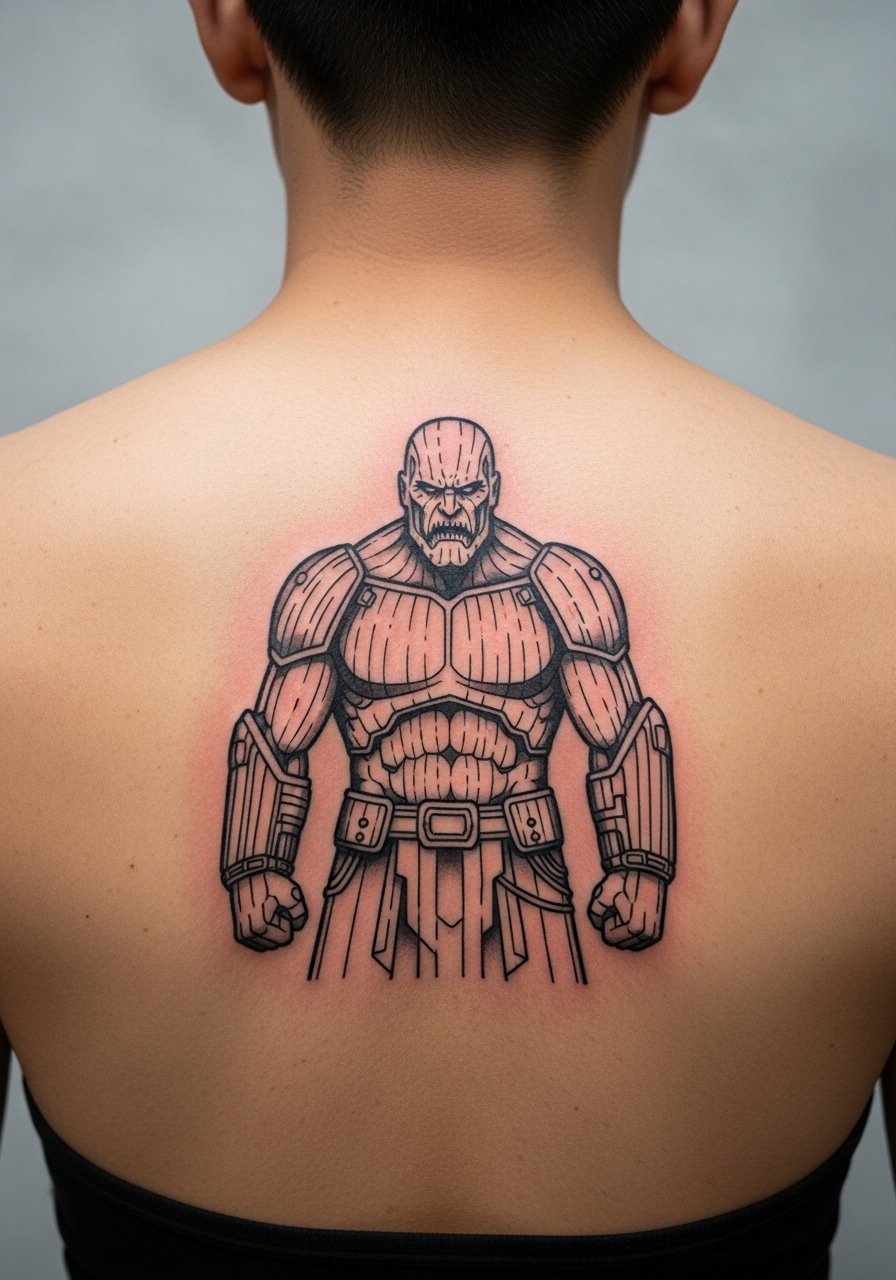
There is something about huge black silhouettes that reads as intent from a distance. For a Colossal Titan full-back outline, tell your artist you want heavy linework with room for future steam shading rather than cramped detail. Plan for a long single session or two shorter ones. Expect the first six months to look very crisp and the first touch-up window around year two if you spend a lot of time in the sun. A common mistake is asking for tiny facial detail at full scale. Keep the face suggestive and let the silhouette carry the intimidation factor. Back placement is lower pain but takes longer to sit through.
2. Denji Transformation Full-Color Forearm Portrait
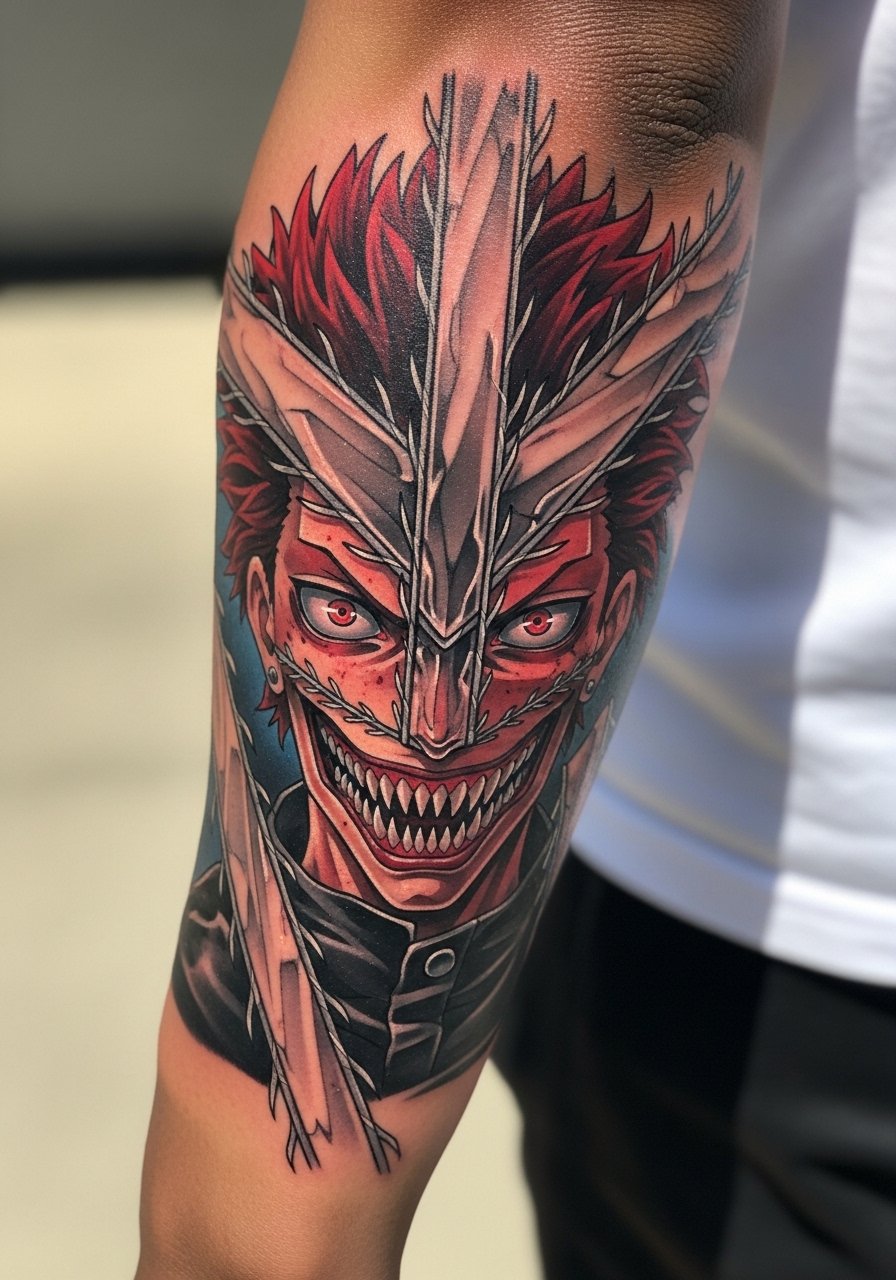
Fair warning: the forearm is one of the easiest places to show color, but the skin there still sees sun and abrasion. For Denji in full color, ask for saturated reds and high-contrast blacks with dense saturation near outlines. Expect two sessions and a lot of color layering. People often make the mistake of compressing too many blood-splatter details into a small forearm piece. If you want that gritty look to age well, size it up slightly and prioritize contrast over micro-detail. Touch-ups for reds usually come earlier than for black. The forearm is moderate pain and shows well in casual sleeves.
3. Portgas D. Ace Pirate Silhouette on Bicep
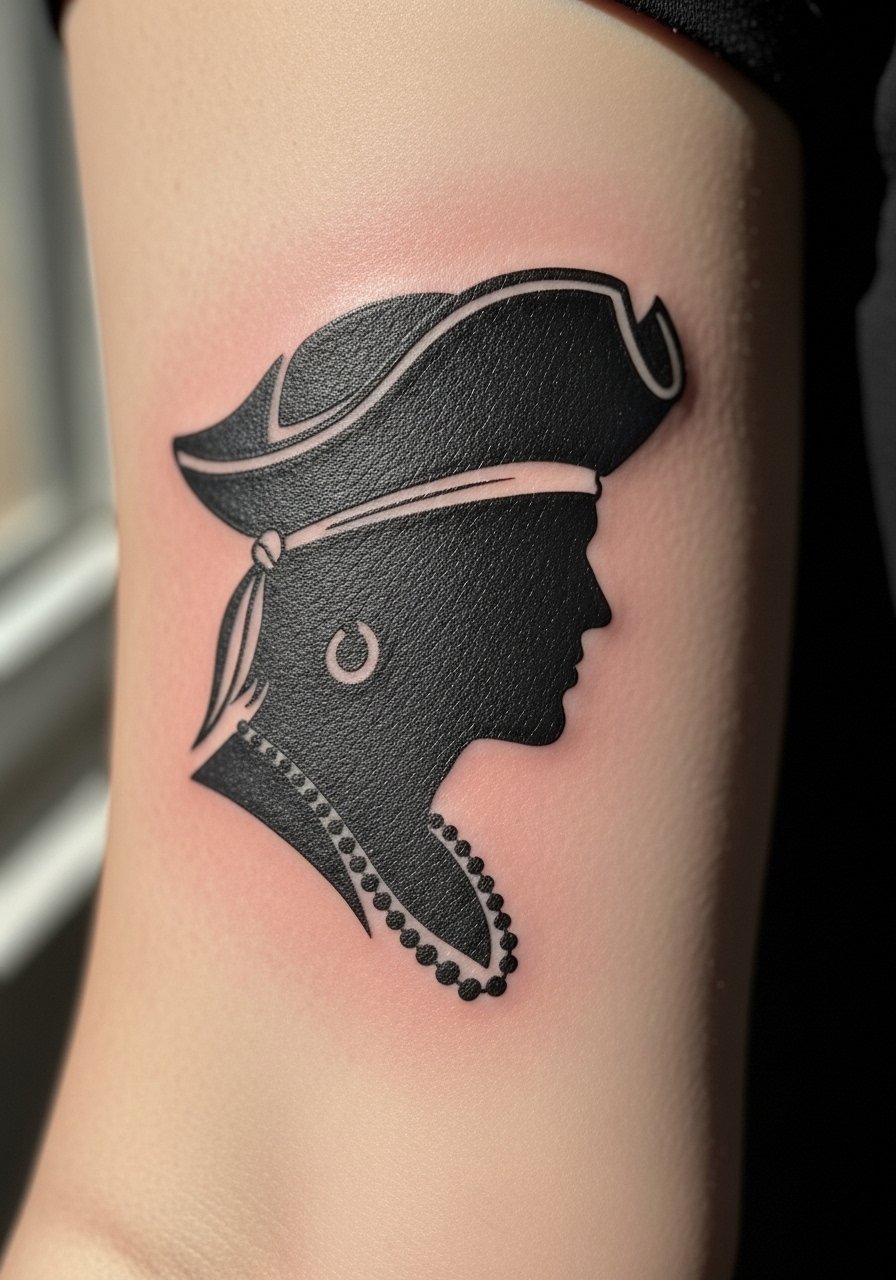
Someone I know chose Ace because the silhouette reads as brotherhood without needing classically detailed faces. For an upper-arm silhouette, ask your artist for a dense black fill with a hard edge and a negative-space flame suggestion. That approach resists fading and looks intentional even as the ink softens. A common error is adding too many thin interior lines inside the silhouette. Those lines blur faster than a solid fill. Session time is short and pain is low, which makes this a good first medium piece.
4. Alphonse Elric Neo-Traditional Shoulder Armor
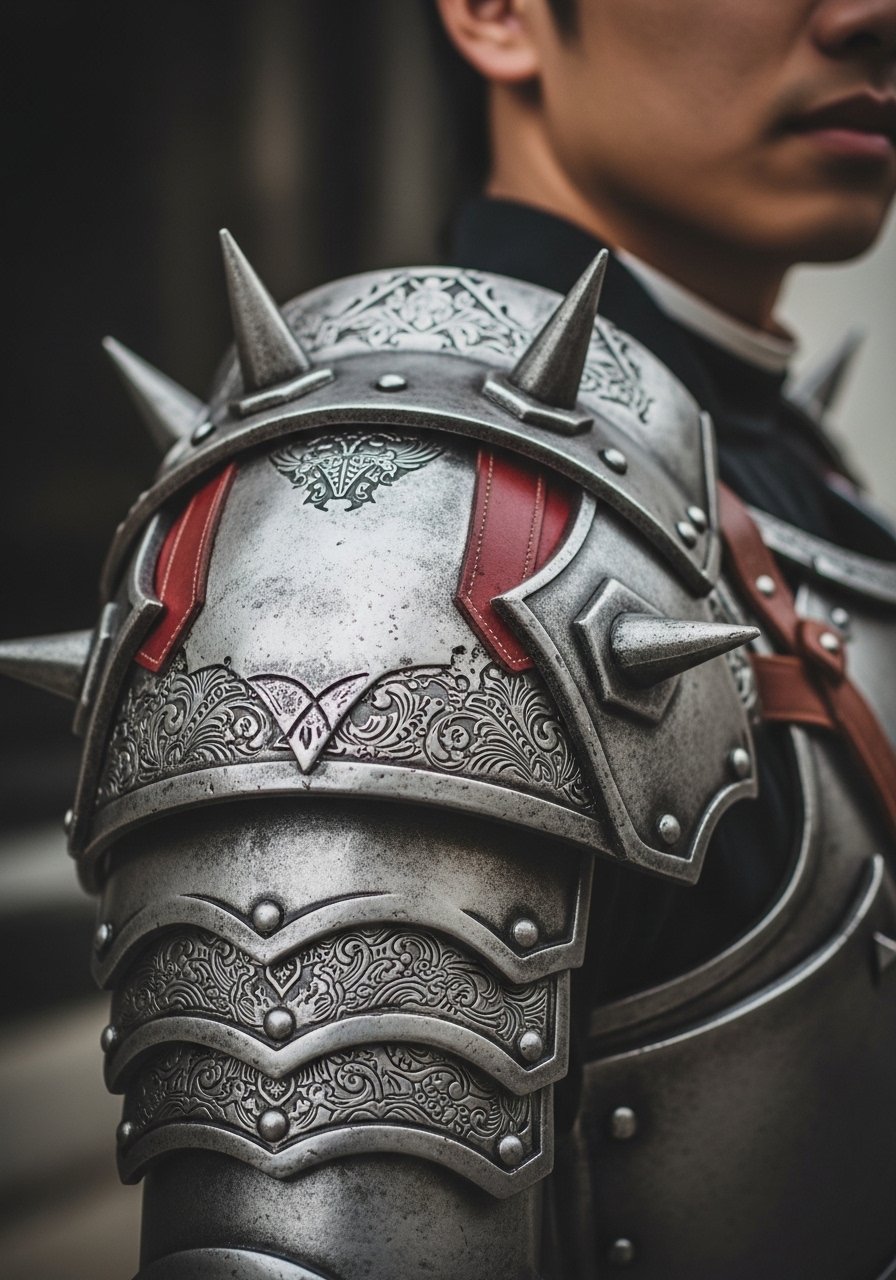
When you want the emotional weight of Fullmetal Alchemist without a photoreal portrait, an armored Alphonse in neo-traditional tones hits the mark. Tell your artist to focus on broad planes of gray for metal reflection and to reserve red for small accents. Neo-traditional shading ages better than overly detailed realism because the shapes stay readable as saturation fades. Expect two to three sessions. The shoulder carries medium pain and behaves well for larger expanses of shading. Avoid squaring the armor into tiny panels if you want it to look cleaner in five years.
5. Blood Seal Minimalist Wrist or Neck Mark
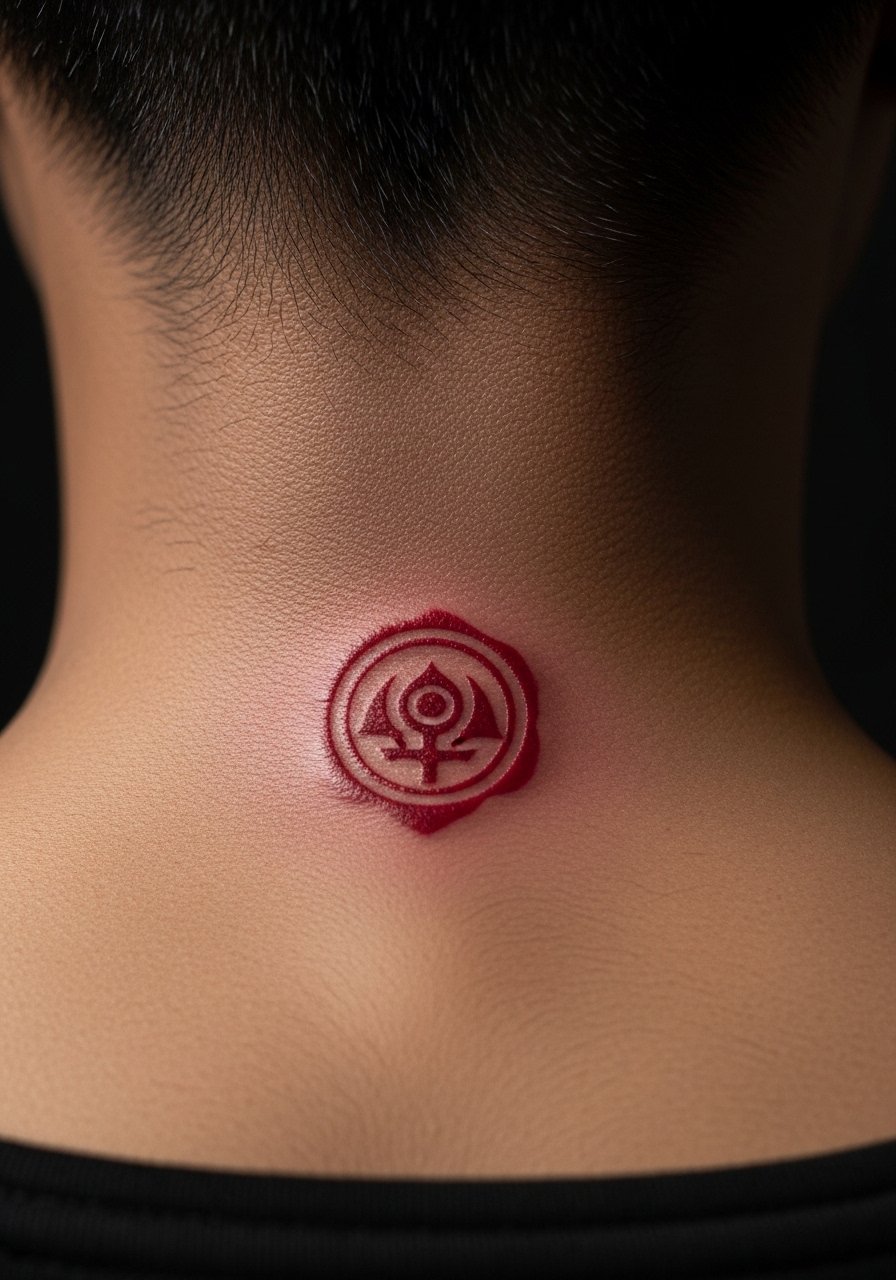
Most people choose the blood seal as a discreet nod rather than a full chest piece. If you want a small seal, specify exact red saturation and minimal dot work so the symbol reads clearly from a short distance. Small red ink can fade faster, so plan a touch-up at the two-year mark. A mistake I see often is requesting the seal too small on an area that flexes, like the wrist. On the neck or inner wrist, motion and constant friction can reduce clarity. For subtle fandom, small and bold beats intricate and tiny.
6. Naruto Sage Mode Fine-Line Chest Portrait
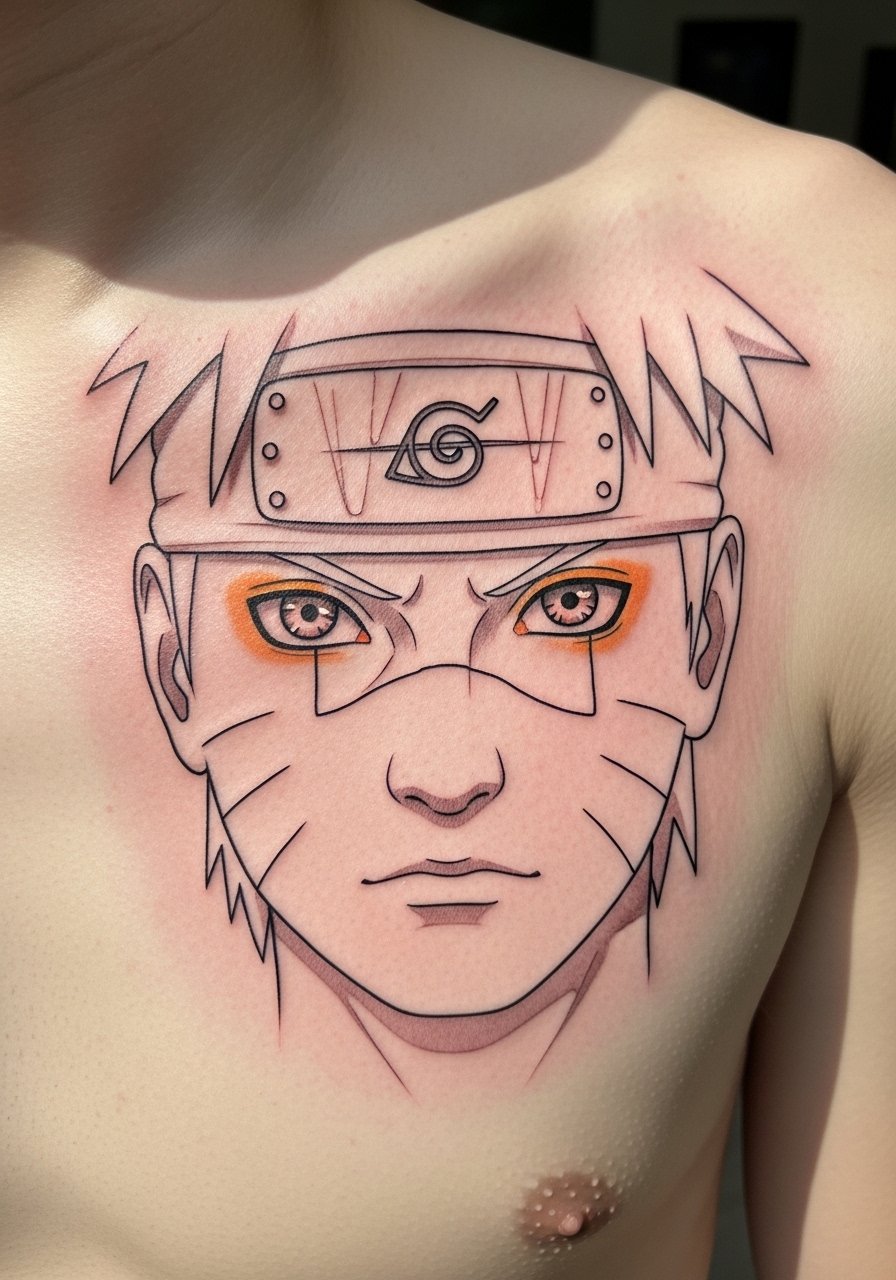
Fine line on the chest splits artists into two camps. One camp says chest skin shifts too much and fine lines blur within a couple of years. The other camp says that with slightly heavier depth and careful spacing, fine line can settle well. When booking this, ask where your artist stands and to show healed chest examples. Pain on the chest is high for many people, so expect two sessions and breaks. A common mistake is to demand the same ultra-thin line you see on wrist work. For chest pieces, ask for a slightly bolder line weight to survive stretching and sun exposure.
7. Nine-Tails Seal Swirl on Sternum or Abdomen
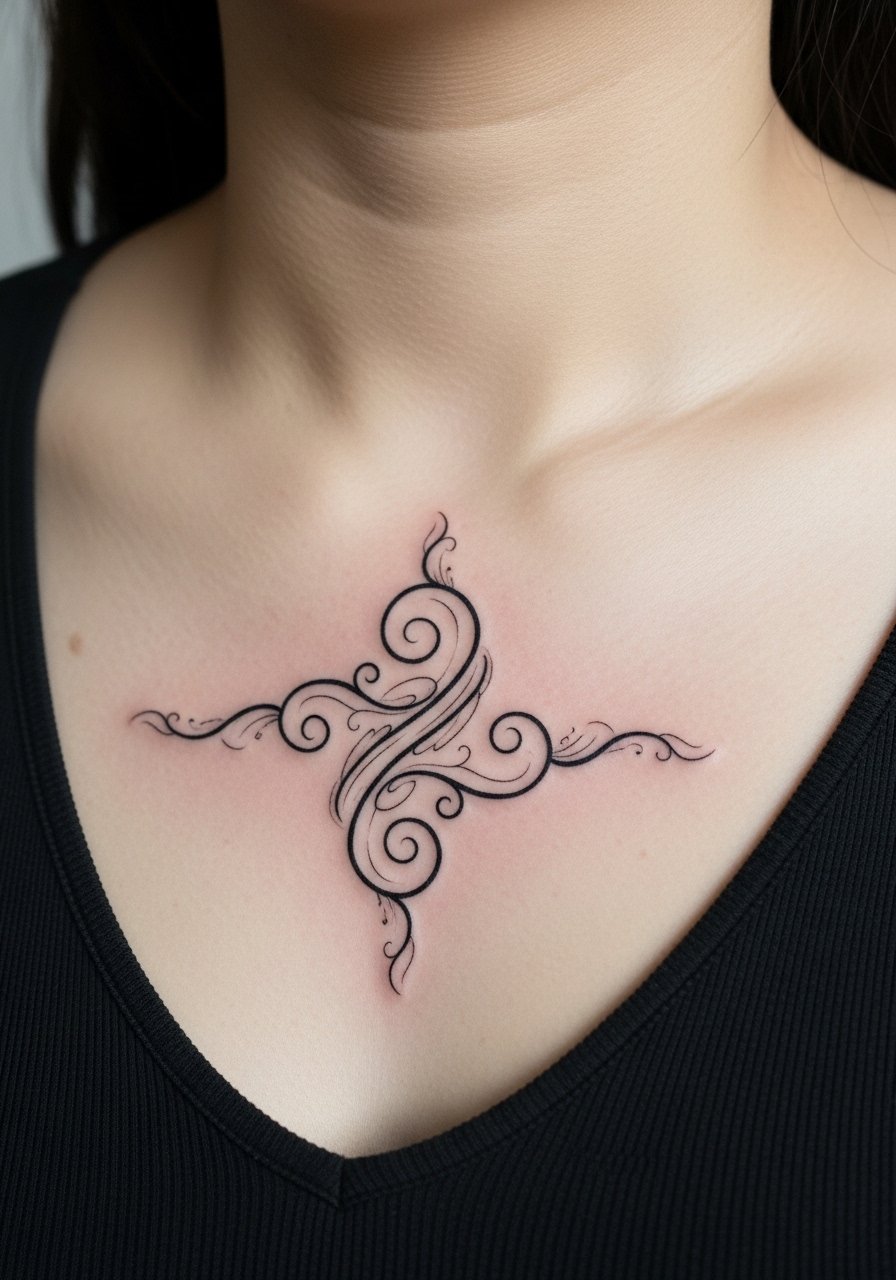
Most ornamental seals need breathing room. For a Nine-Tails swirl, recommend spacing between swirls and consistent linework that avoids hairline gaps. Placement on the sternum gives strong visual symmetry but expect higher pain. The aging story differs by placement. On the abdomen, movement and occasional weight change can soften thin lines faster. A real mistake is trying to compress a complex swirl into a palm-sized tattoo. Give the design space and plan a touch-up at year two if you spend a lot of time sunning.
8. Ryomen Sukuna Markings for Sleeve Integration
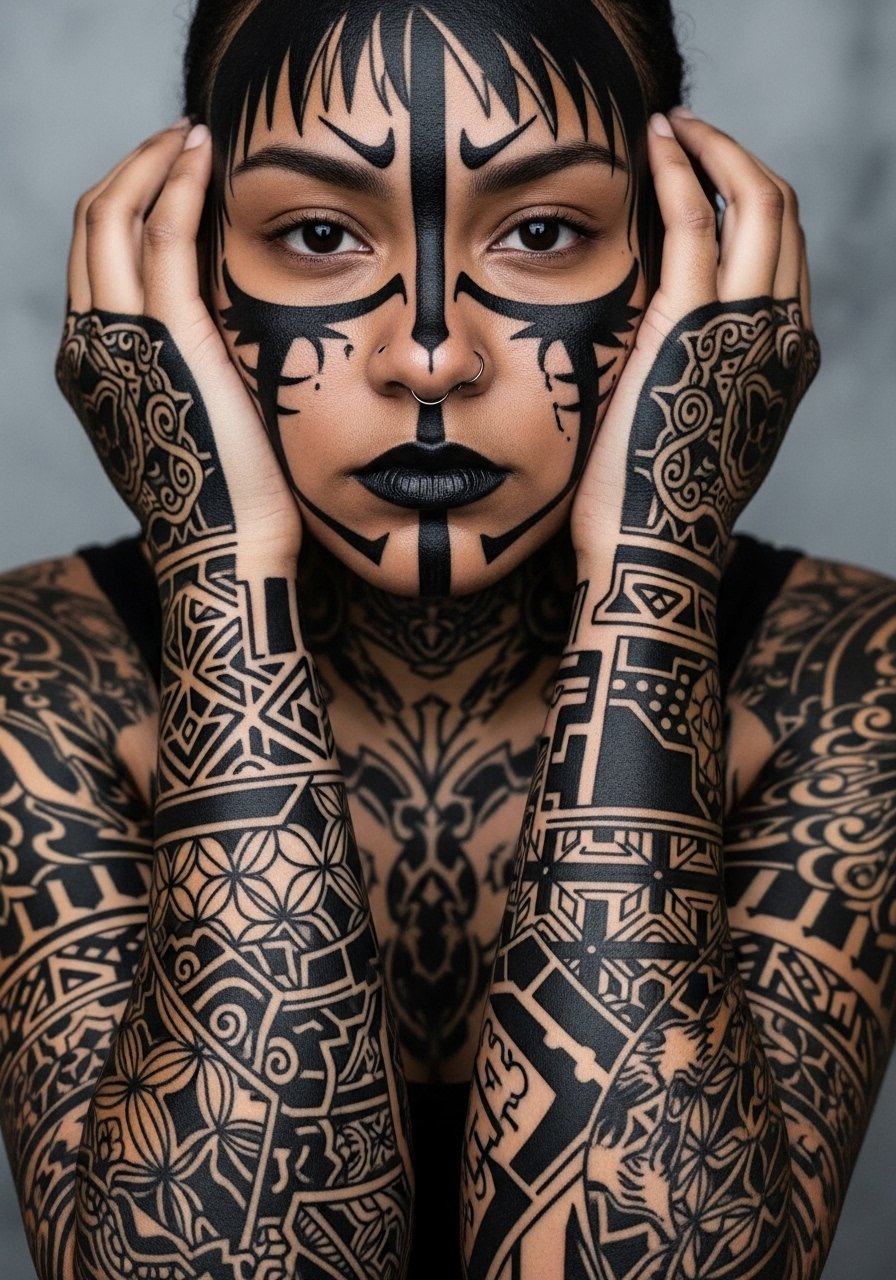
Consultation matters here. If you want Sukuna markings that read across a sleeve, ask your artist to integrate the markings into existing flash with consistent line weight and negative-space breaks. Face placements and face-like markings carry a social trade-off. One side of the debate embraces character immersion even for face markings. The other side warns that visible character motifs can complicate professional settings. For sleeve builds, the arm hides more than the face and avoids that debate while keeping the aesthetic. Expect moderate pain on the arm and a touch-up after a couple of years if lines soften.
9. Mangekyo Sharingan Single Eye on Forearm
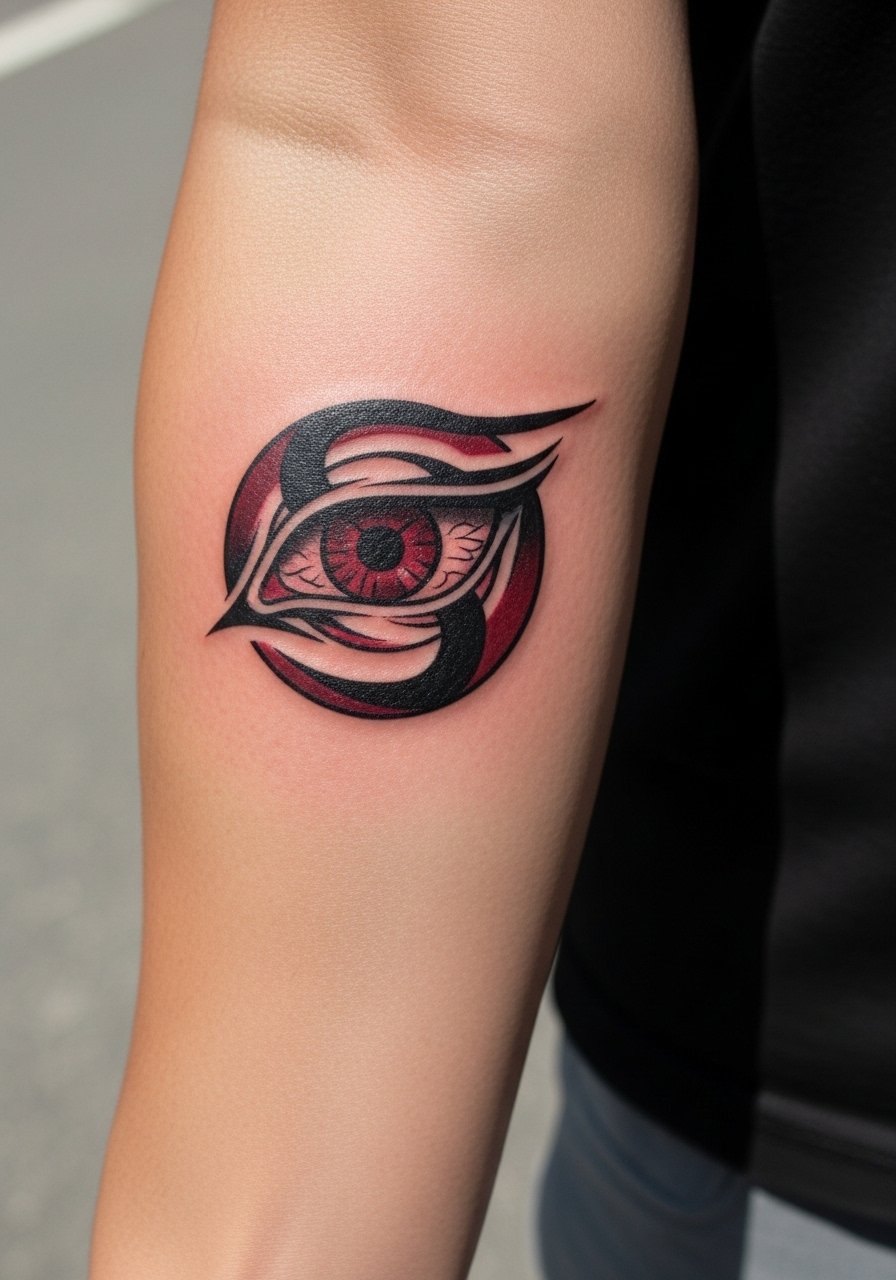
Visual impact leads with a clean eye. A single Mangekyo on the inner forearm works well when done bold and slightly larger than many fans imagine. Tell your artist to emphasize a strong pupil contrast and avoid intricate micro-patterning that blurs. The forearm heals predictably but gets sun, so expect touch-ups for red elements sooner than black. People also err by compressing multiple ocular designs into one small area. One clear eye at a readable size carries symbolic weight and stays clearer over time.
10. Goku Energy Portrait with Aura on Calf
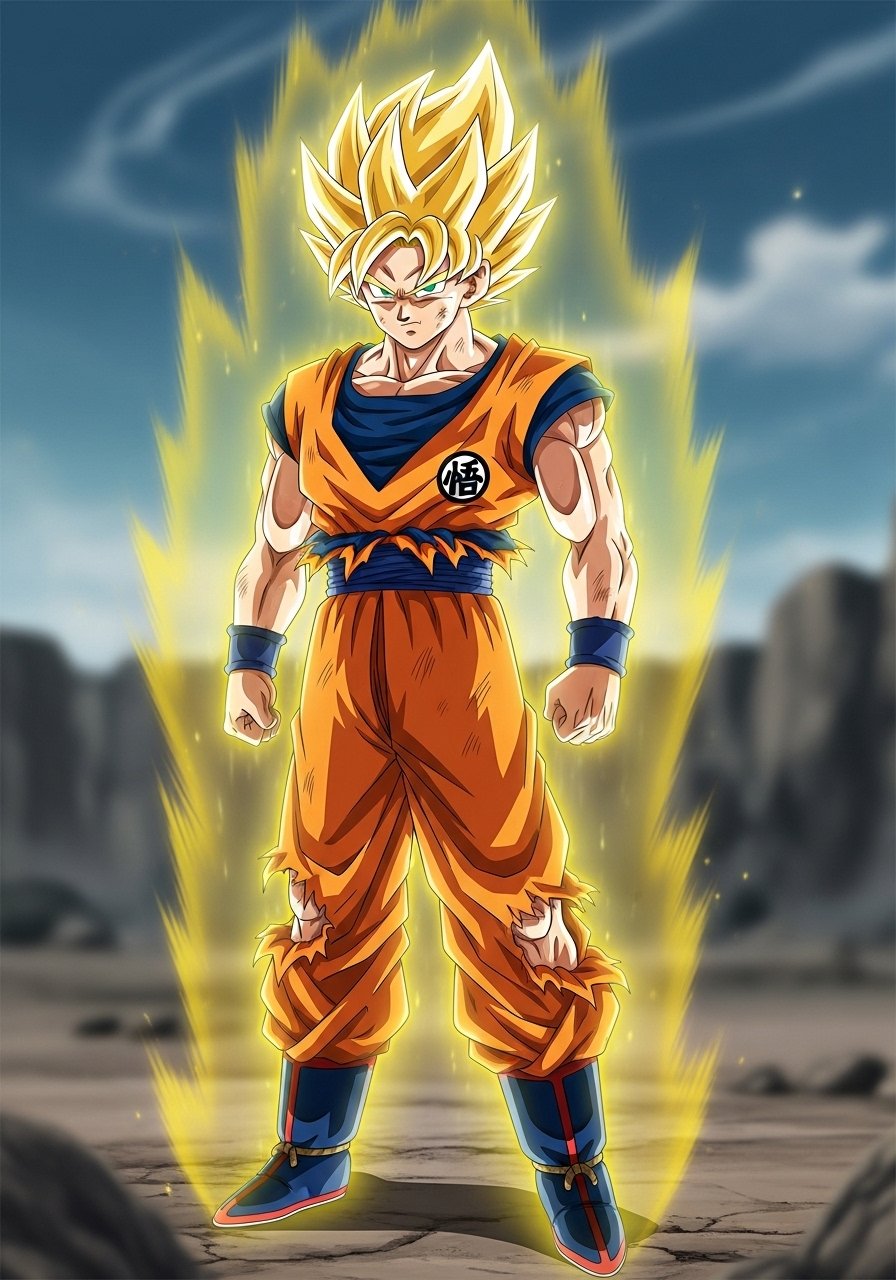
There is a visual energy to Saiyan auras that benefits from larger canvases. The calf provides a flatter surface for layered color and glow effects. Ask for saturated mid-tones and a high-contrast rim to keep the aura readable as colors fade. Expect two sessions with multiple color passes. A common mistake is requesting tiny glow sparks that dissolve after a year. For long-term clarity, prioritize broad color blocks over fine speckled highlights. Calf pain is moderate and sessions are comfortable sitting down.
11. Straw Hat and Compass Linework on Upper Arm
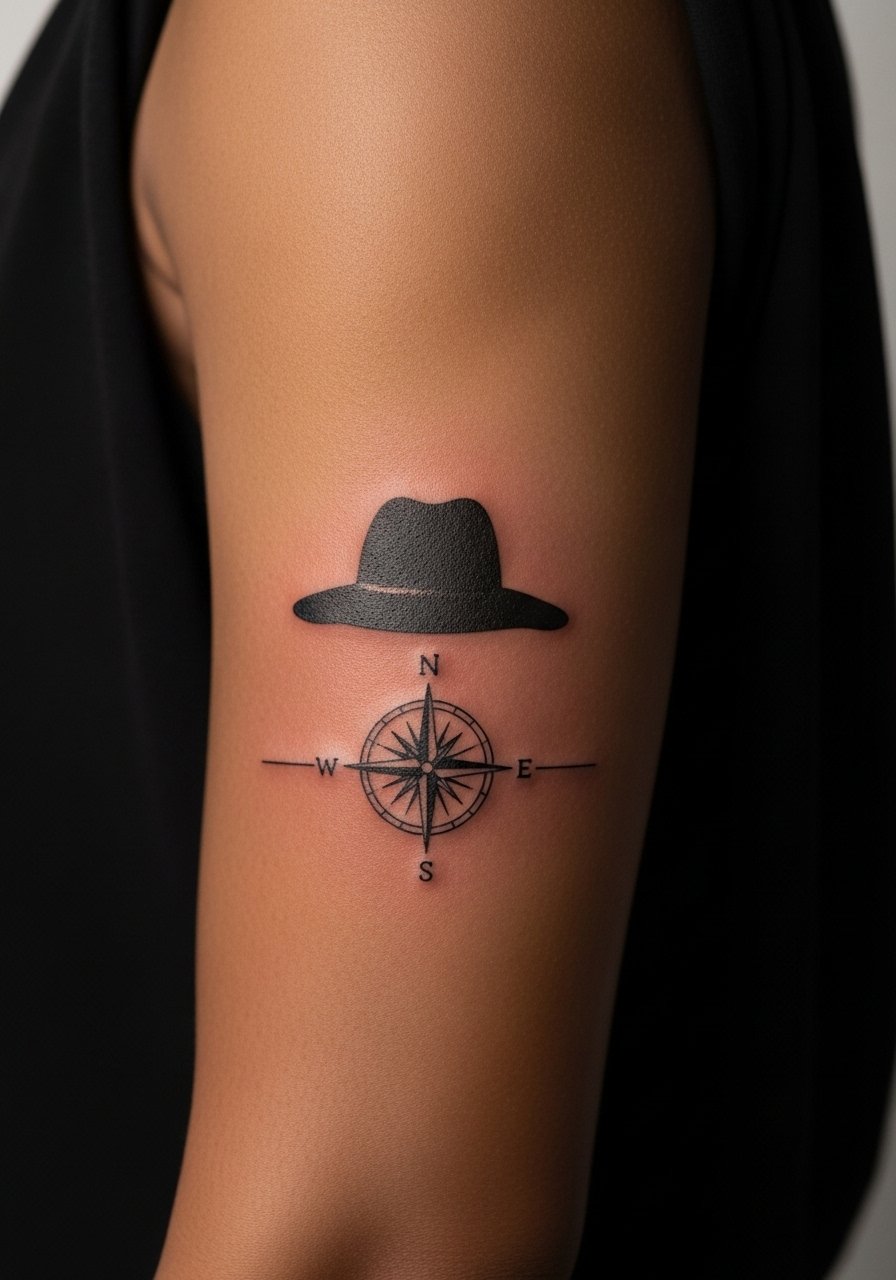
People who love the themes of voyage and loyalty choose this pared-back approach. For a Straw Hat plus compass, ask for clean negative space between the two motifs so each element reads. The upper arm is forgiving and shows detail well. An error I see is asking for overly thin compass lines that look fragile after a year. Keep the compass lines slightly thicker and the hat silhouette bold. Session time is short and pain is low. This combination works well as part of a larger arm story later.
12. Three-Sword Motion Scene on Outer Forearm
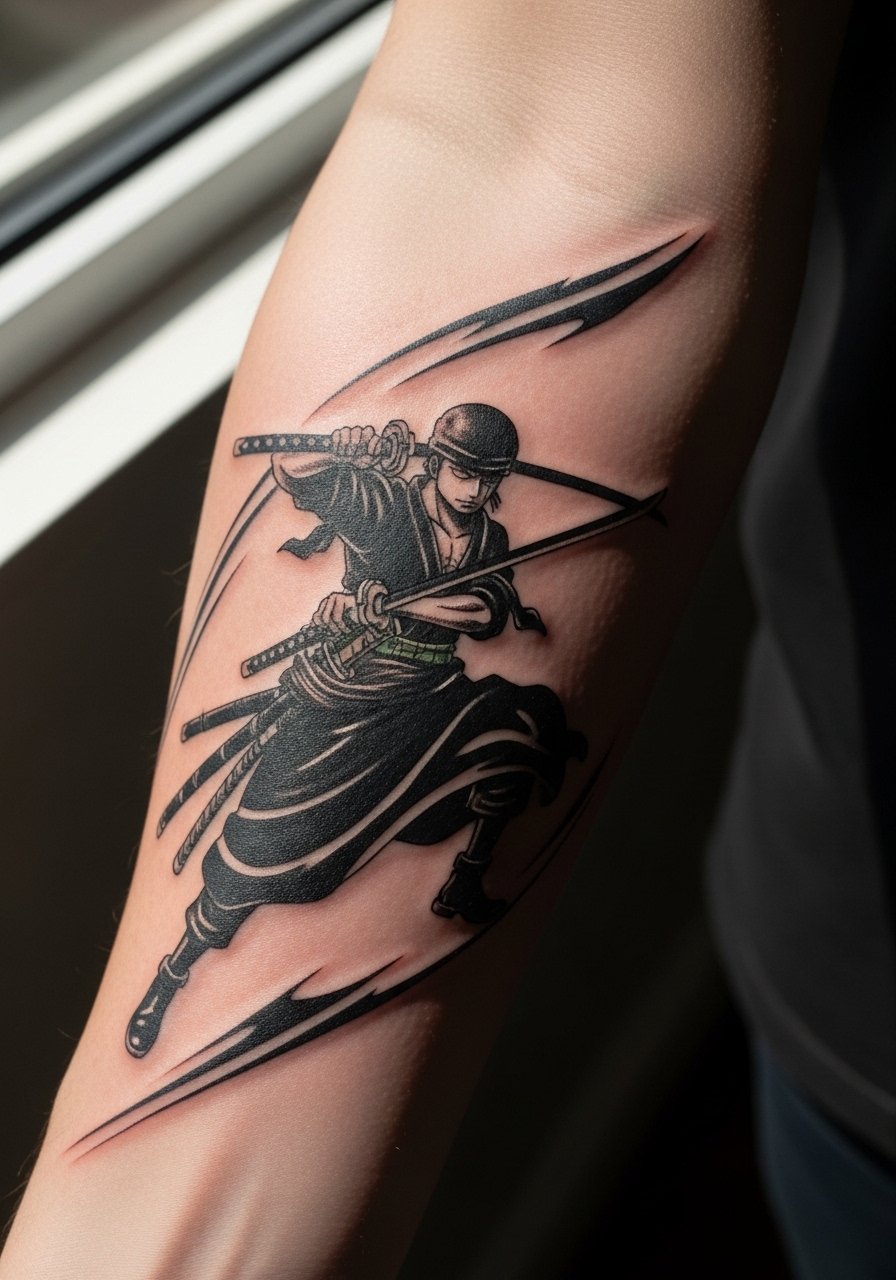
Visual motion can read as storytelling. For Zoro, request motion lines that are intentionally bold and not too many internal details. That approach keeps the action readable even as saturation softens. Forearm is a forgiving placement but avoid packing detail into the wrist area. A common mistake is trying to show facial detail in a motion pose at a small scale. Session time is medium and the pain level is moderate. Expect a possible touch-up if the motion lines develop soft edges over time.
13. Levi Ackerman Gear Silhouette on Inner Bicep
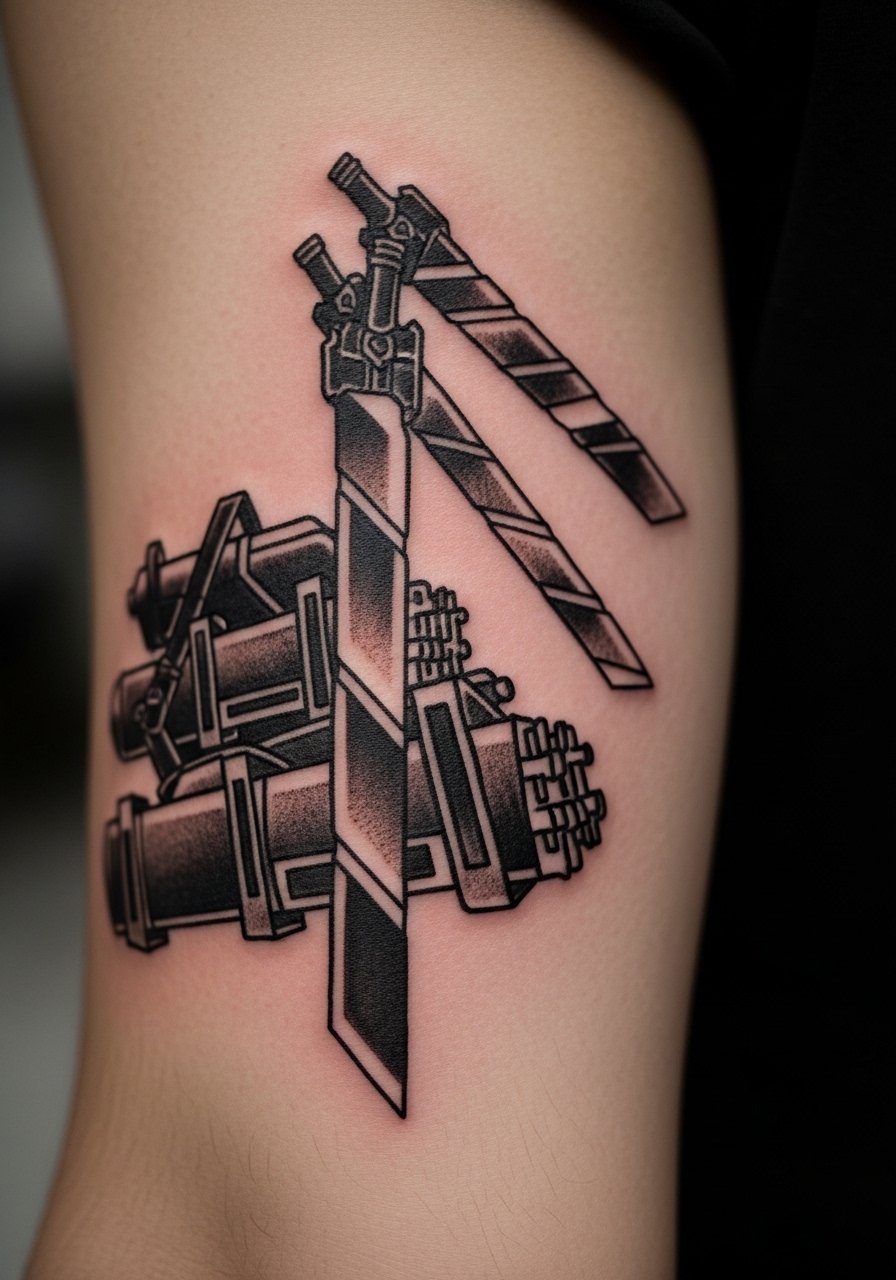
When you want a piece that reads in close conversation, an inner bicep silhouette does the job. Tell the artist you want heavy black silhouettes and a small negative-space highlight for blade edges. The inner bicep is a tender area so pain can be higher than outer arm. Small interior detail tends to blur sooner on this soft skin, so avoid micro-lines. Expect one session with breaks and a likely touch-up window around year two if you favor darker clothing that rubs the area.
14. Evangelion Unit-01 Head in Purple Blackwork on Shin
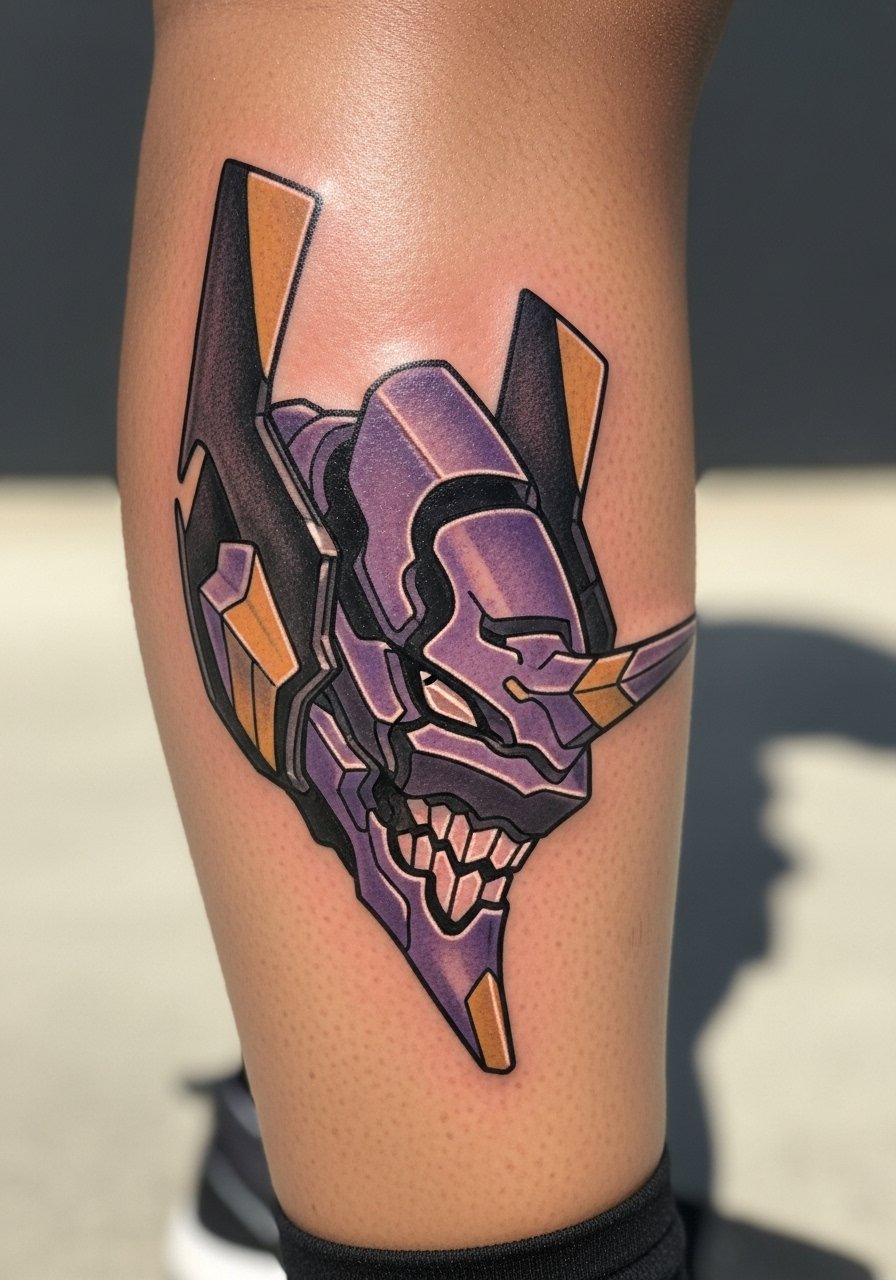
There is a cult appeal to bold mecha heads when rendered in stylized blackwork with a color wash. For Unit-01, ask for dense black outlines and a muted purple wash rather than full-on neon. The shin takes single-session time and can be painful for many. A mistake is asking for tiny panel lines that disappear as the skin heals. The design ages better if you emphasize silhouette shapes and a restrained palette. Expect occasional touch-ups on colored washes after a few years.
15. No-Face Minimal Mask on Collarbone
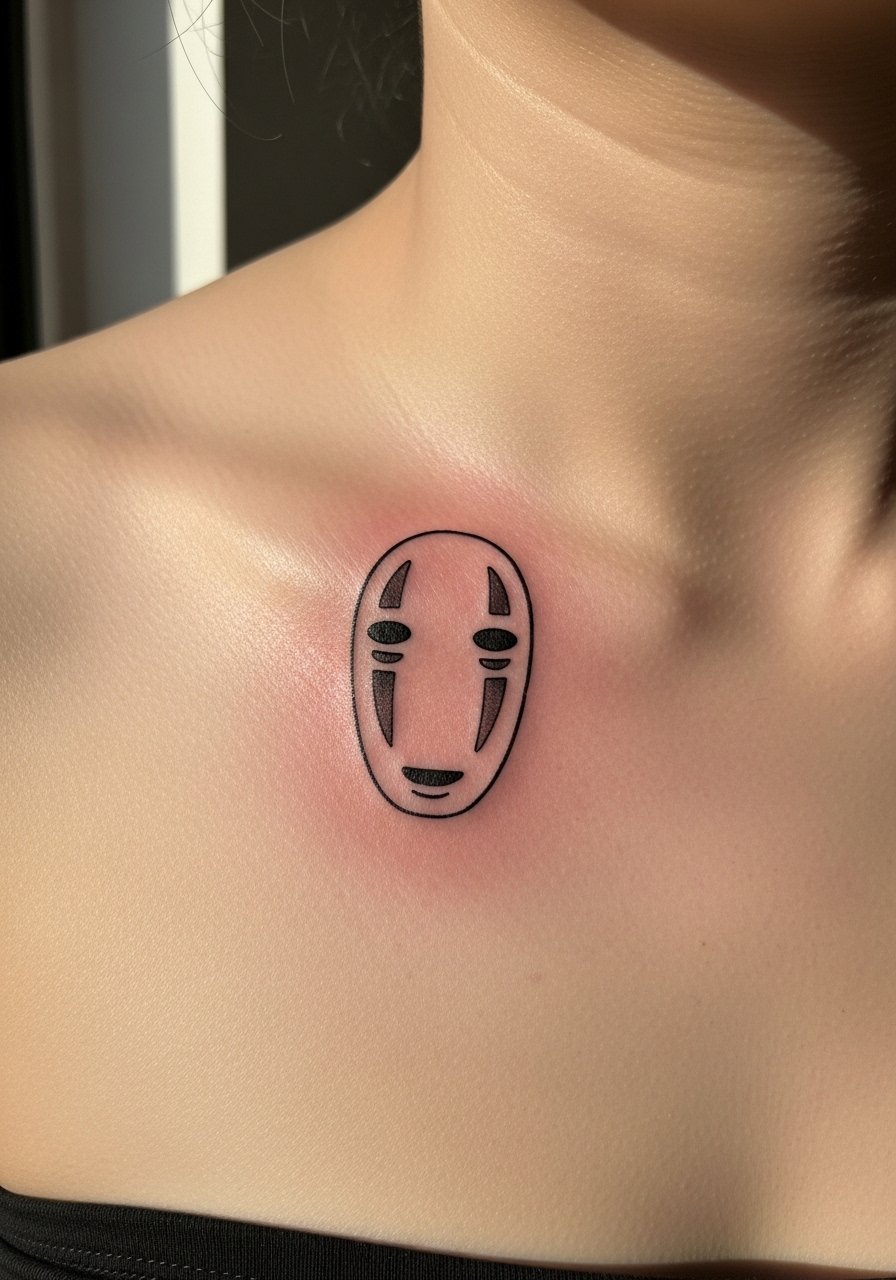
A collarbone mask reads as subtle and slightly uncanny. For No-Face, request clean, slightly bold lines so the mask stays visible as the collarbone moves. Collarbones are sensitive and hurt more than outer arm placements. A common mistake is asking for the mask too thin. Slightly thicker contour lines make all the difference in the first five years. Consider how shirts and necklaces interact with the placement. If your career requires discretion, collarbone pieces are easier to cover than face or hand work.
16. Plus Ultra Emblem on Upper Chest
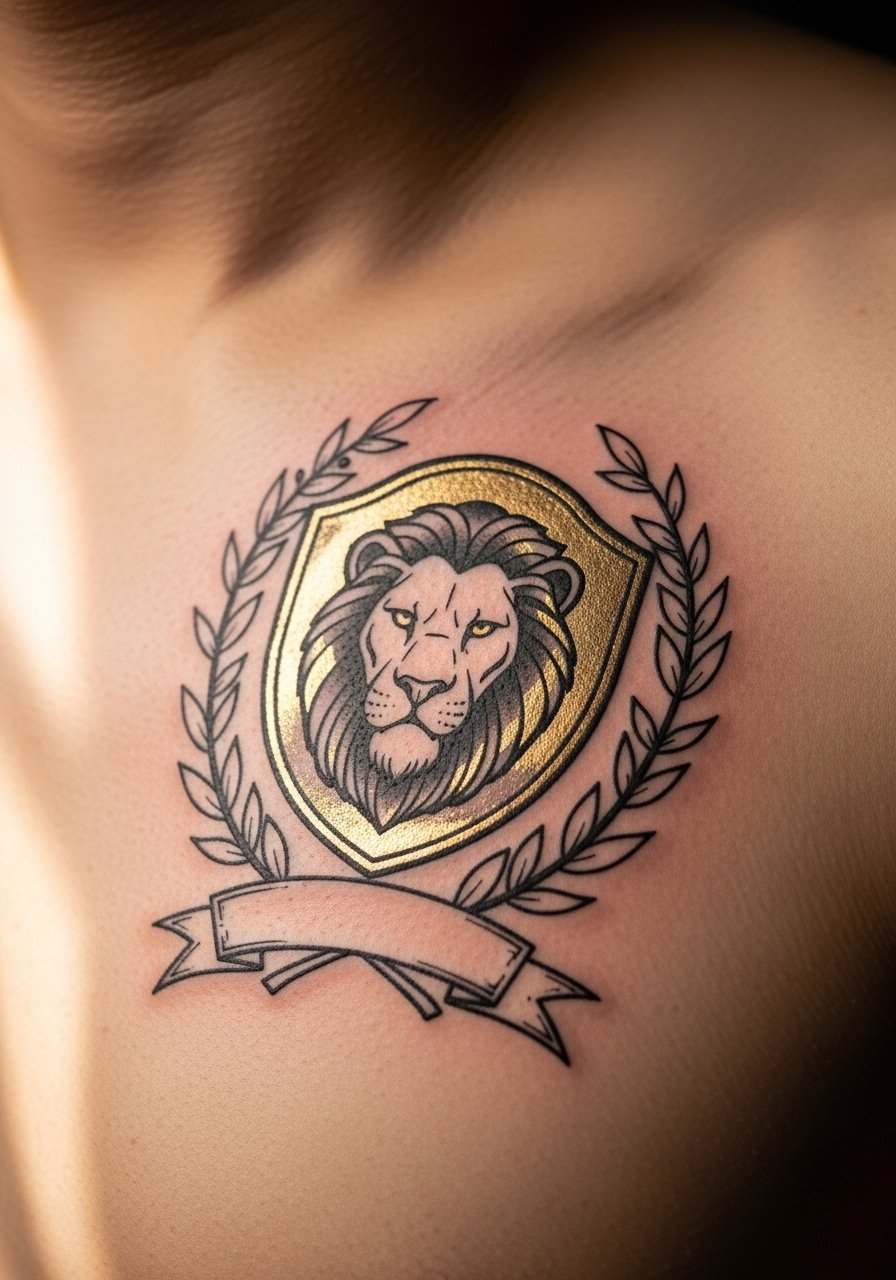
When you want symbol over portrait, a simple emblem gives a broad meaning of perseverance. Ask for a balanced emblem with slightly bolder outer lines and a restrained gold wash to avoid early patchiness. The upper chest carries medium to high pain depending on rib proximity and it reacts to sweating and shirts during healing. A typical mistake is over-texturing small interior areas. Keep the emblem roomy and plan for a touch-up in two to three years if color shifts.
17. Stardust Birthmark on Wrist or Behind Ear
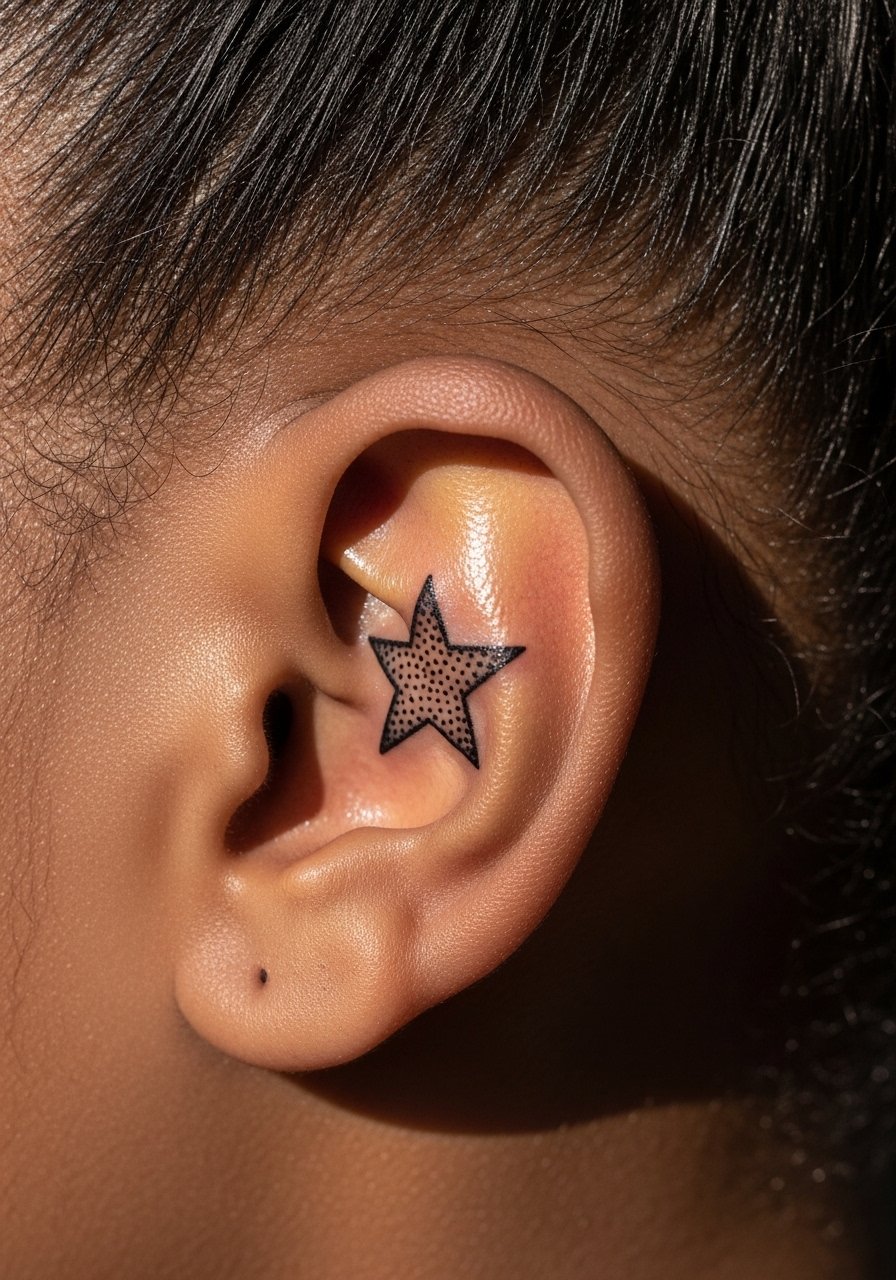
Some symbols are best kept small and personal. A JoJo birthmark behind the ear or on the wrist reads as an insider detail. For small spots, request stipple shading and a solid outline to prevent blotchiness. Behind the ear and wrist both move a lot, so thin lines can fade faster. A common mistake is requesting a tiny, delicate star with no outline. Add slight outline weight and expect touch-ups at year two if it starts to soften.
18. Kaneki Half-Mask Black-and-Gray Chest Strip
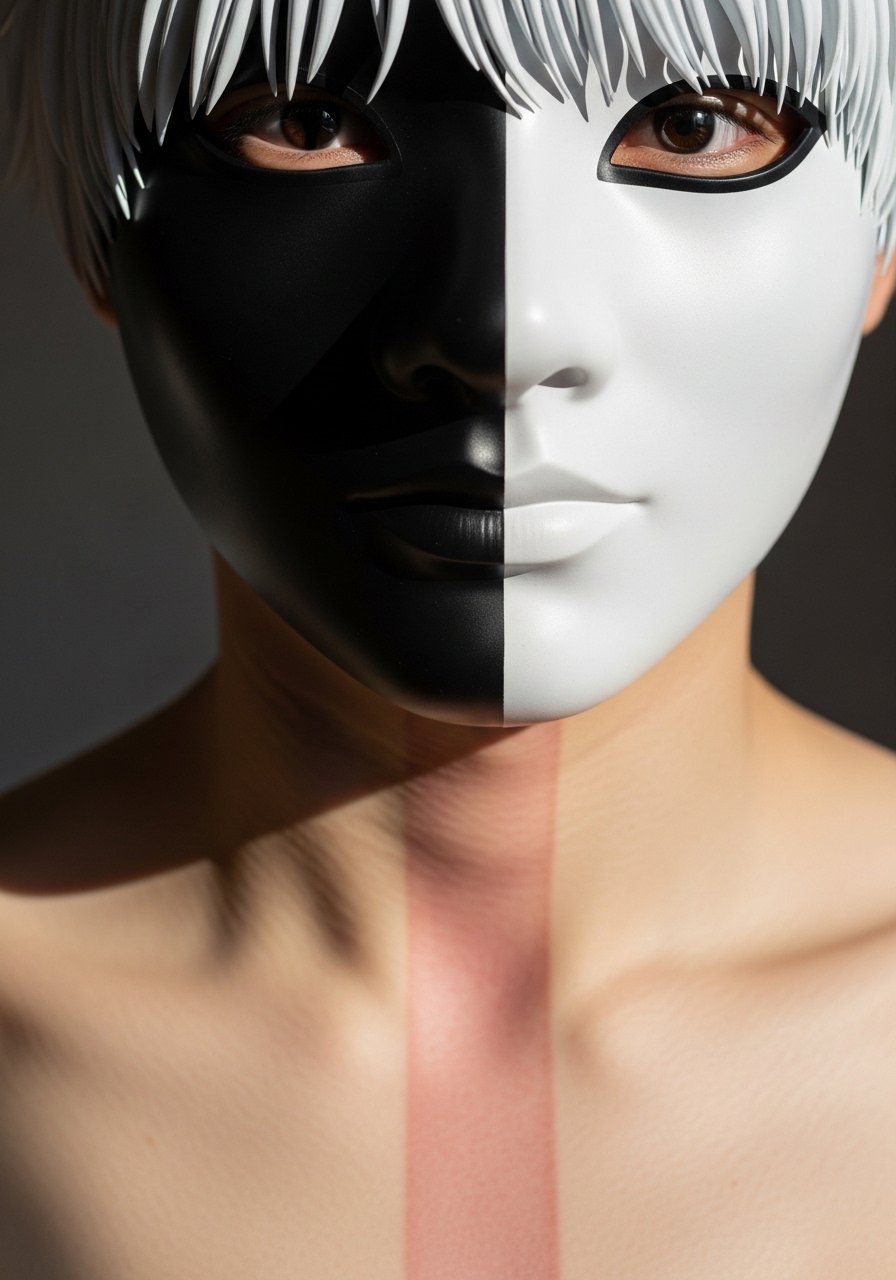
There is an edge to half-mask chest pieces that works for those who like darker motifs. Tell your artist you want heavy black contrast and gradual gray wash for masks and teeth. Chest skin can move and expand, so avoid tiny teeth details. The pain is higher and sessions can be long. A typical mistake is asking for photoreal tooth texture at small scale. Larger shapes and bold contrasts keep the mask readable as it ages. Plan for a touch-up around year two.
19. Yoshi and Shy Guy Retro Duo on Thigh
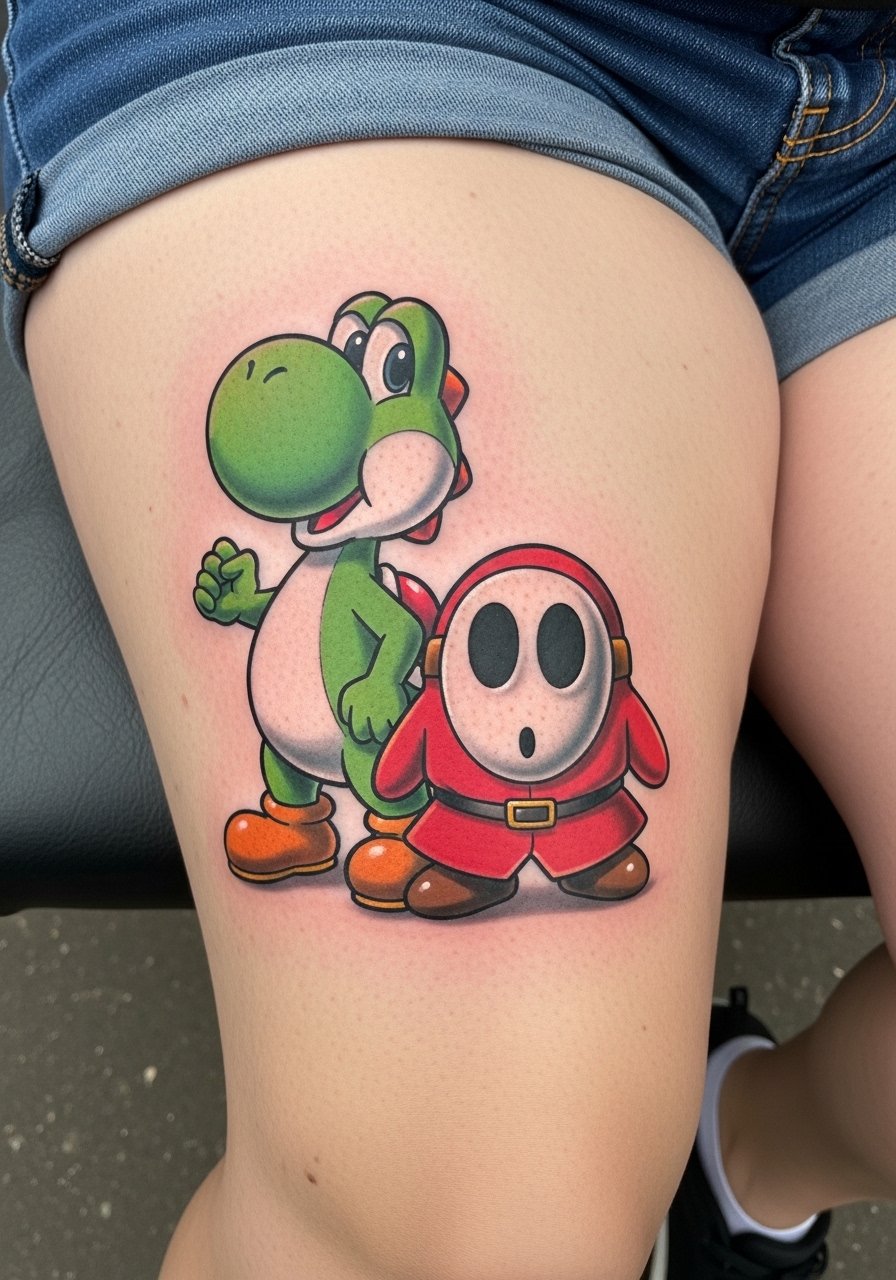
Nostalgia tattoos benefit from playful scale and bright color. For a Yoshi and Shy Guy duo, ask the artist to prioritize large color blocks and bold outlines so the scene survives over time. The thigh is forgiving for sessions and for color layering. A frequent mistake is making the figures too small and detailed. Thigh placement also hides well if needed. Expect one to two sessions depending on size and a likely color touch-up after three to five years for the brightest pigments.
20. Ichigo Hollow Mask Half-Face on Forearm
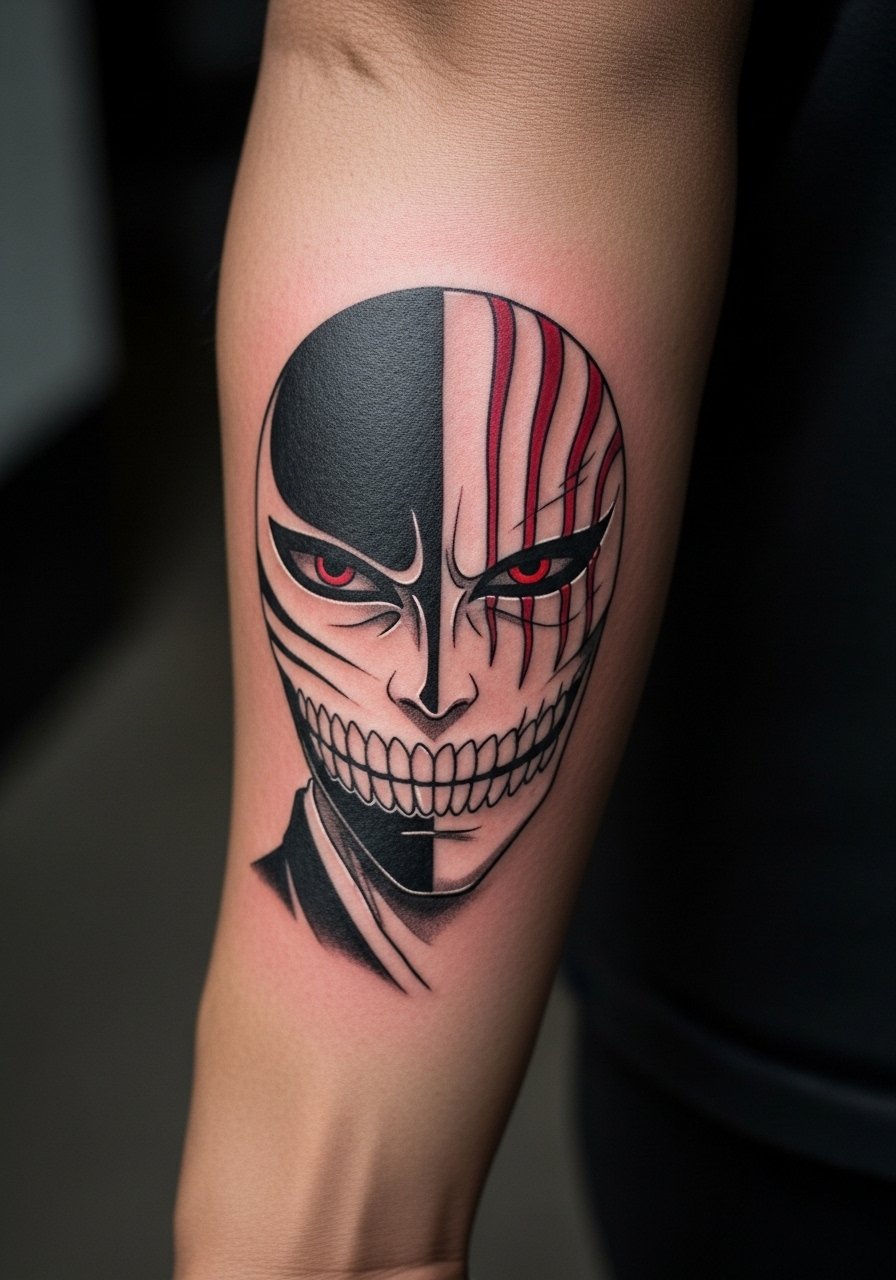
There is a dramatic clarity to a half-mask that sits on a flat plane like the forearm. Ask for bold blacks and clean negative space to separate the mask from skin tones. The forearm is moderate pain and great for showcasing high-contrast pieces. The real mistake is requesting too much tiny texture in the mask. Keep details bold and readable. Plan for a touch-up at two to three years if contrast drops. Forearm placement makes the piece easy to show and easy to cover when needed.
Tattoo Prep and Aftercare Essentials
Fragrance-free lightweight tattoo balm for first-week use. Use sparingly in the thin layer your artist recommends during the first week to prevent crusting and to keep edges supple.
Medical-grade second skin bandage, single-use sheets. Useful for the first 24 to 48 hours if your artist approves a covered approach.
Gentle, pH-balanced foaming cleanser, fragrance-free. A mild cleanser cleans without stripping saturation while you gently pat the area.
Lightweight silicone scar sheet for long-term smoothing. Can help with raised healing on some spots after the standard healing phase.
Cooling gel pack wrap, reusable. Helpful immediately after sessions to manage swelling and keep you comfortable.
Hypoallergenic moisturizing lotion, fragrance-free. Use long-term maintenance to keep skin hydrated and to slow color fade.
Aquaphor Healing Ointment, small tube. A widely known option for the first few days if your artist recommends an occlusive. Use it briefly and switch to a lighter balm once the scab phase starts.
Breathable bandage tape, paper-based. Keeps dressings secure without overly trapping moisture during active healing.
Every tattoo is different. Always follow your artist's specific aftercare instructions. Consult a dermatologist if you have skin concerns or unusual healing issues.
Frequently Asked Questions
Q: Will a fine-line chest portrait like Naruto blur faster than a blackwork silhouette like Ace?
A: It depends on line weight and placement. Fine-line chest work faces more movement and potential stretch, so ask for slightly heavier fine lines for the chest. Solid black silhouettes tolerate time and sun better and usually need fewer early touch-ups.
Q: For full-color pieces such as the Denji portrait or Goku aura, when should I expect a color touch-up?
A: From what I have seen, vibrant reds and yellows often need refreshing within two to five years depending on sun exposure and skin tone. Planning for a touch-up in the first three years keeps colors lively. Keeping the piece covered in high-UV situations helps delay that.
Q: Are facial markings like Sukuna appropriate if I want to keep options open for work?
A: Artists and clients split on face markings. Some embrace full immersion and accept the professional consequences. Others avoid face work for career flexibility. If you want the aesthetic without the social trade-off, consider placing the markings on a sleeve or chest where they can be covered.
Q: How much does placement affect pain for these designs, for example the sternum Nine-Tails seal versus the thigh Yoshi scene?
A: Placement dictates pain more than design. Sternum and ribs rank higher on most scales and can make even minimalist designs feel intense. Thigh and outer arm tend to be more comfortable. Expect to pace sessions on tender zones and plan breaks.
Q: What should I bring to a consultation to make sure an artist understands the aging concerns for an anime portrait?
A: Bring healed examples in similar placements and specific notes about line weight and saturation you prefer. Ask to see healed work on skin tones like yours. Say if you want future sleeve integration so the artist can plan negative space. If they can show healed photos from year two or later, that is a strong indicator of how their work settles.
Q: Do dark skin tones affect style choices for blackwork versus watercolor anime pieces?
A: Darker skin tones handle bold blackwork and strong silhouette work extremely well. Watercolor and pale pastel washes read differently and may need higher contrast or bolder outlines to stay visible over time. Ask your artist how they adapt color palettes for your skin tone and to show healed examples for reference.