
Someone I know spent months narrowing down a cross design, only to realize the real choice was about scale, linework, and how it ages on their skin. Cross tattoos keep showing up in conversations at the shops I visit, but some versions that read clean at first do not hold up after a few years. Read on for 15 cross ideas that balance style, placement, and realistic upkeep so you know what to ask for at your consult.
1. Delicate Fine Line Cross on Inner Forearm
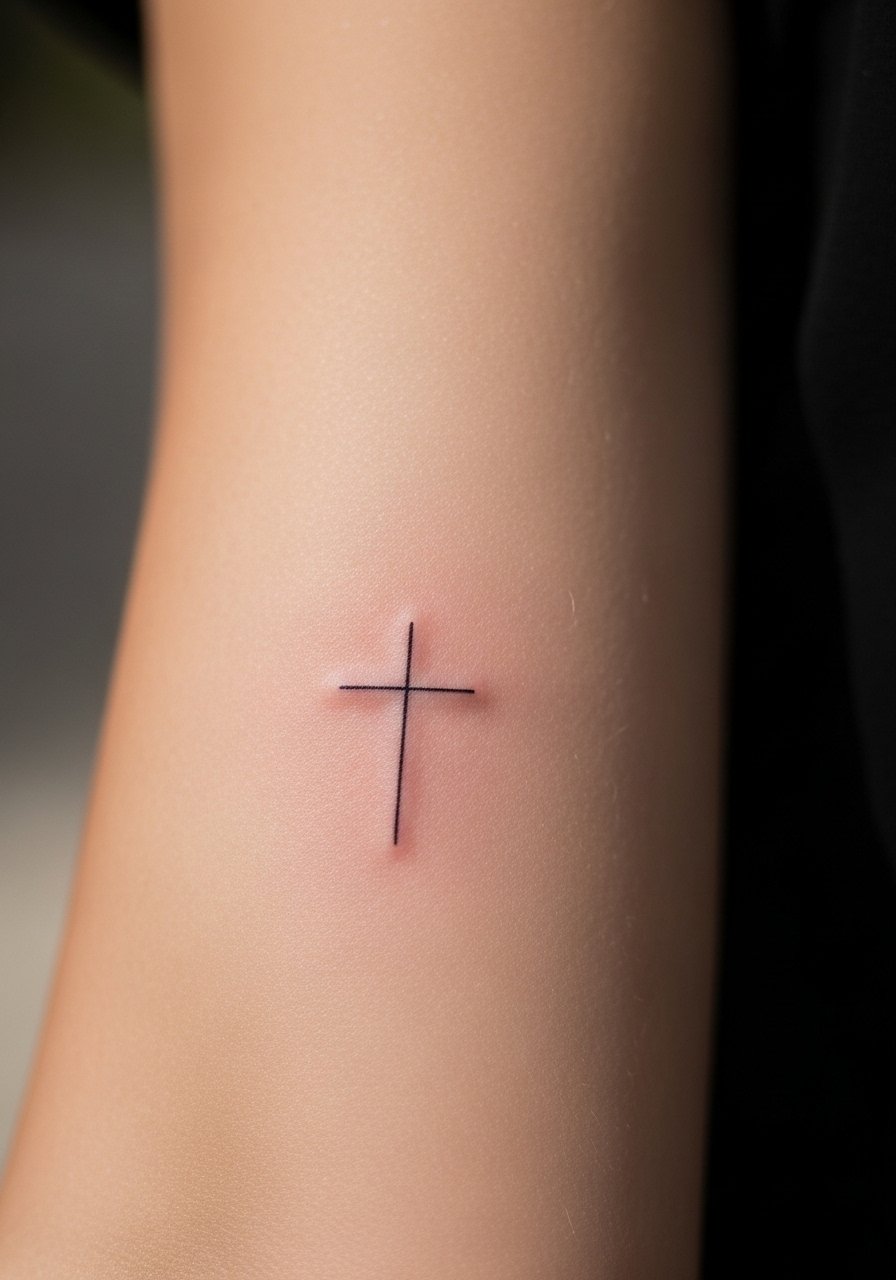
Someone I know first saw this style on a friend and booked it because the linework read like jewelry. Inner forearm pain is moderate, and a single short session usually does the job. Tell your artist you want hairline consistency and slight spacing between intersecting lines to reduce blowout risk. The common mistake is asking for lines too close together, which often blurs by year two. Healed at six months it looks crisp, at two years you may need a light touch-up to restore the thin intersection. Best for people who want a discreet, daytime-visible piece that layers well with bracelets.
2. Micro-Realism Cross with Floral Accent Behind the Ear
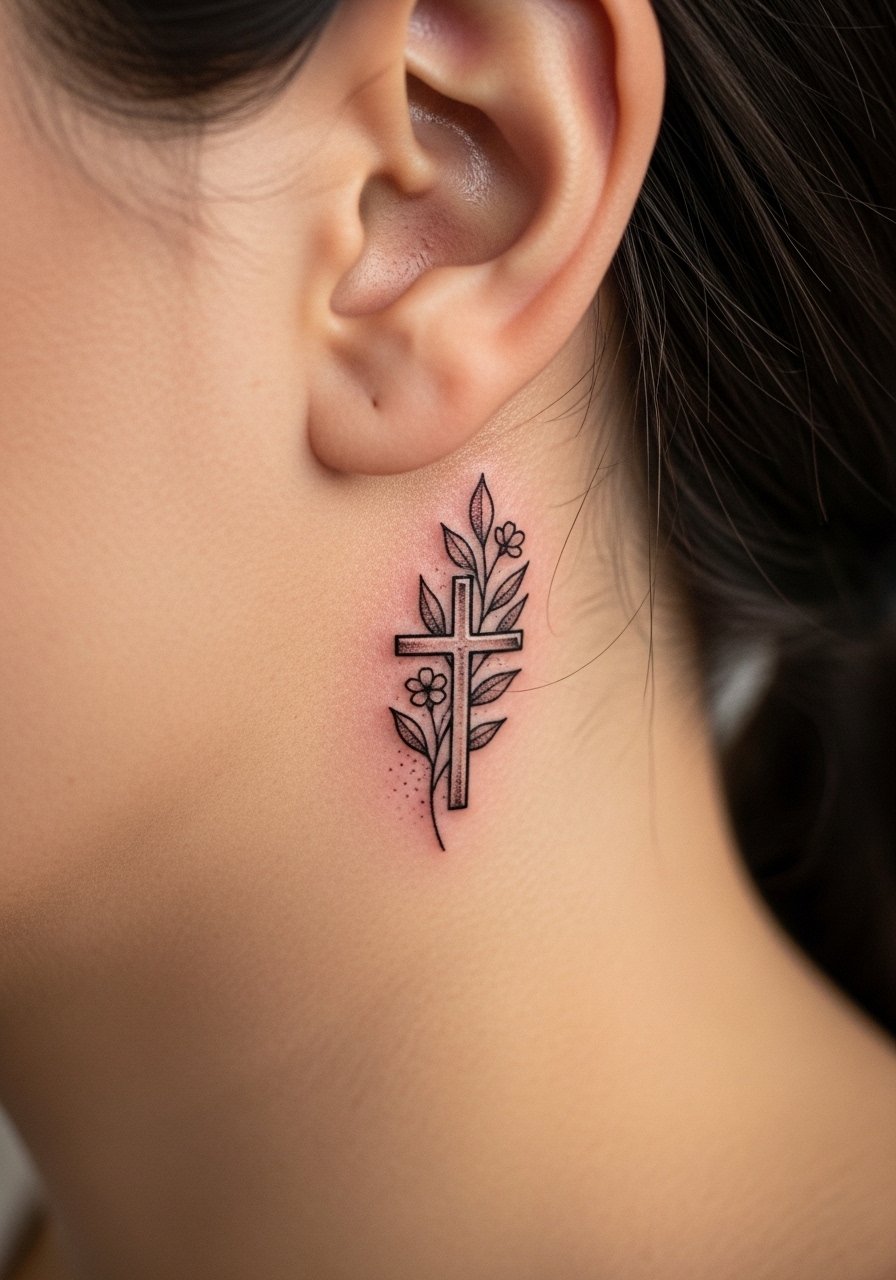
Fair warning, behind the ear is a sensitive spot and sessions can feel sharp but short. This placement suits someone after a secret, delicate accent that peeks out with hair up. Ask your artist for stipple shading and avoid saturated fills because color there fades fast. One real mistake is over-detailing the flowers at a tiny scale. At six months stipple gives soft texture, and at two years the cross outline may need a touch-up if you get a lot of sun. If you work in conservative settings, note placement choices quietly before booking.
3. Tiny Cross on the Side of a Finger
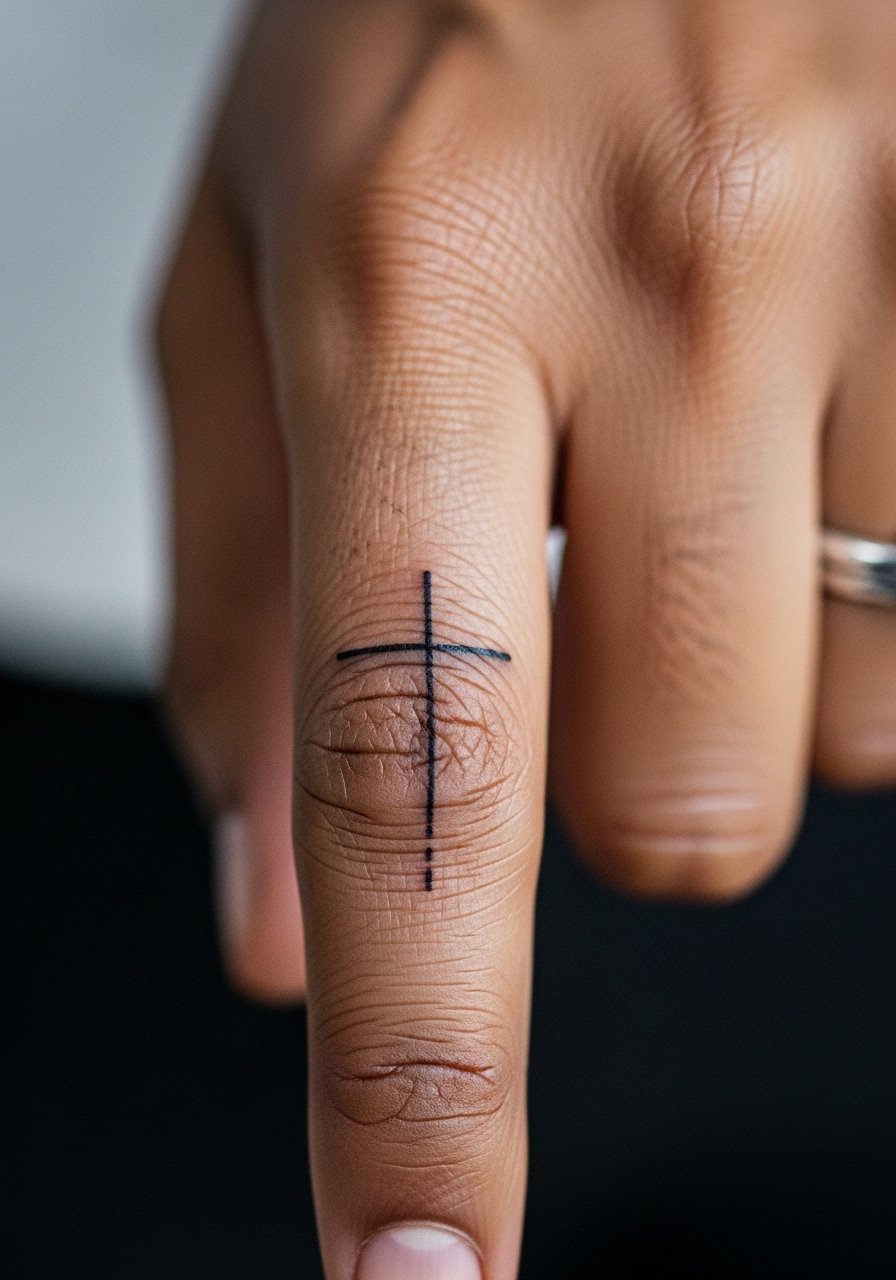
Most hand and finger tattoos age differently than ones on the torso because of constant movement and washing. Expect short touch-up cycles and a session that feels more intense for such a small area. In consultation, specify single-needle linework and ask for slightly thicker lines than you think you want. One camp argues finger crosses are a quick personal statement that will stay readable with yearly touch-ups. Another camp says the skin there will migrate ink and the piece fades into a fuzzy mark within a few years. Choose this only if you accept probable maintenance.
4. Horizontal Cross at the Collarbone with Whip Shading
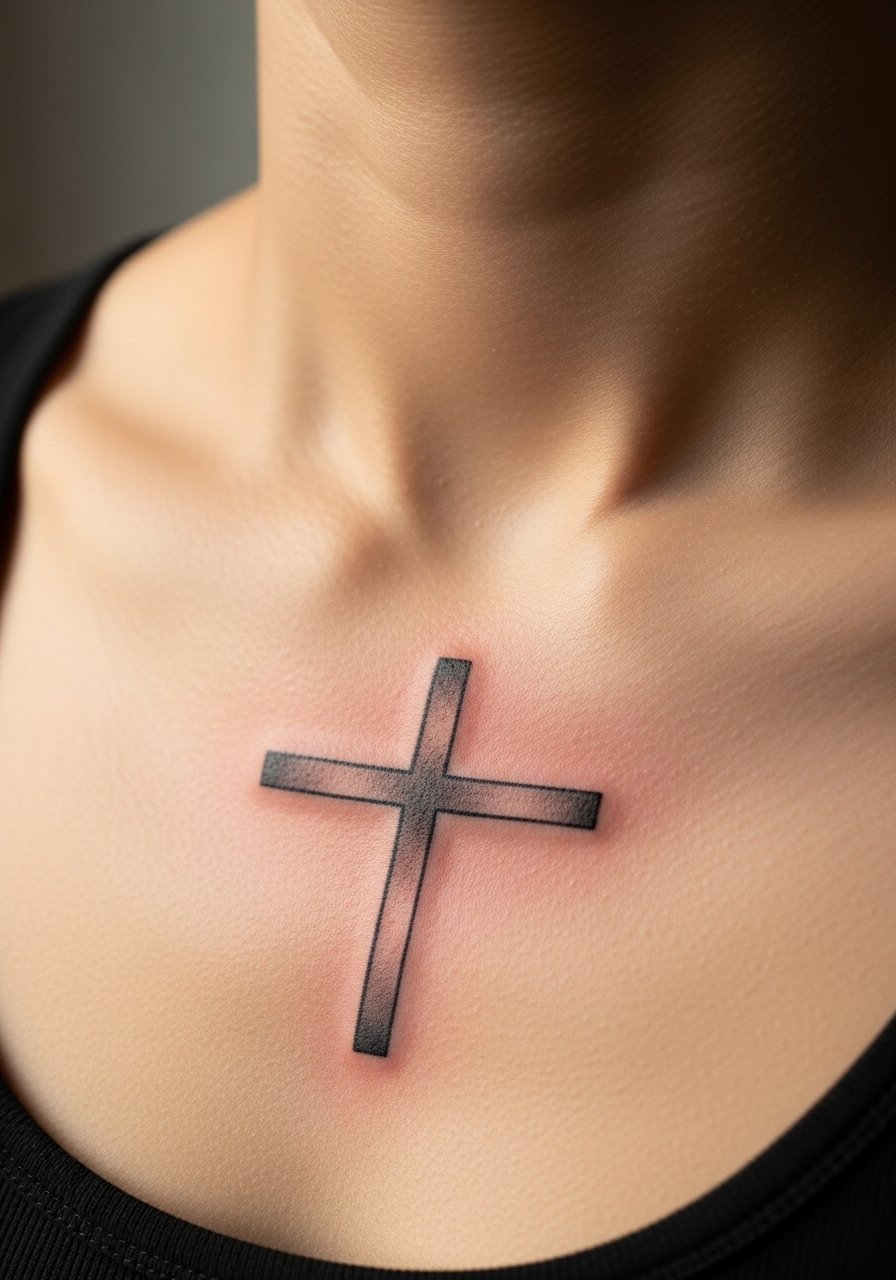
The collarbone reads like a built-in frame, and a horizontal cross feels modern and wearable with open necklines. Session time is short, but the area can be bony and sting. Tell your artist you want slightly open intersections so the lines do not pack too much ink. The mistake is requesting extreme thinness against moving skin, which blurs. At six months the whip shading softens edges attractively. If you plan to sunbathe frequently, expect more fading over time and factor that into the ink depth conversation.
5. Stipple-Shaded Cross on the Sternum
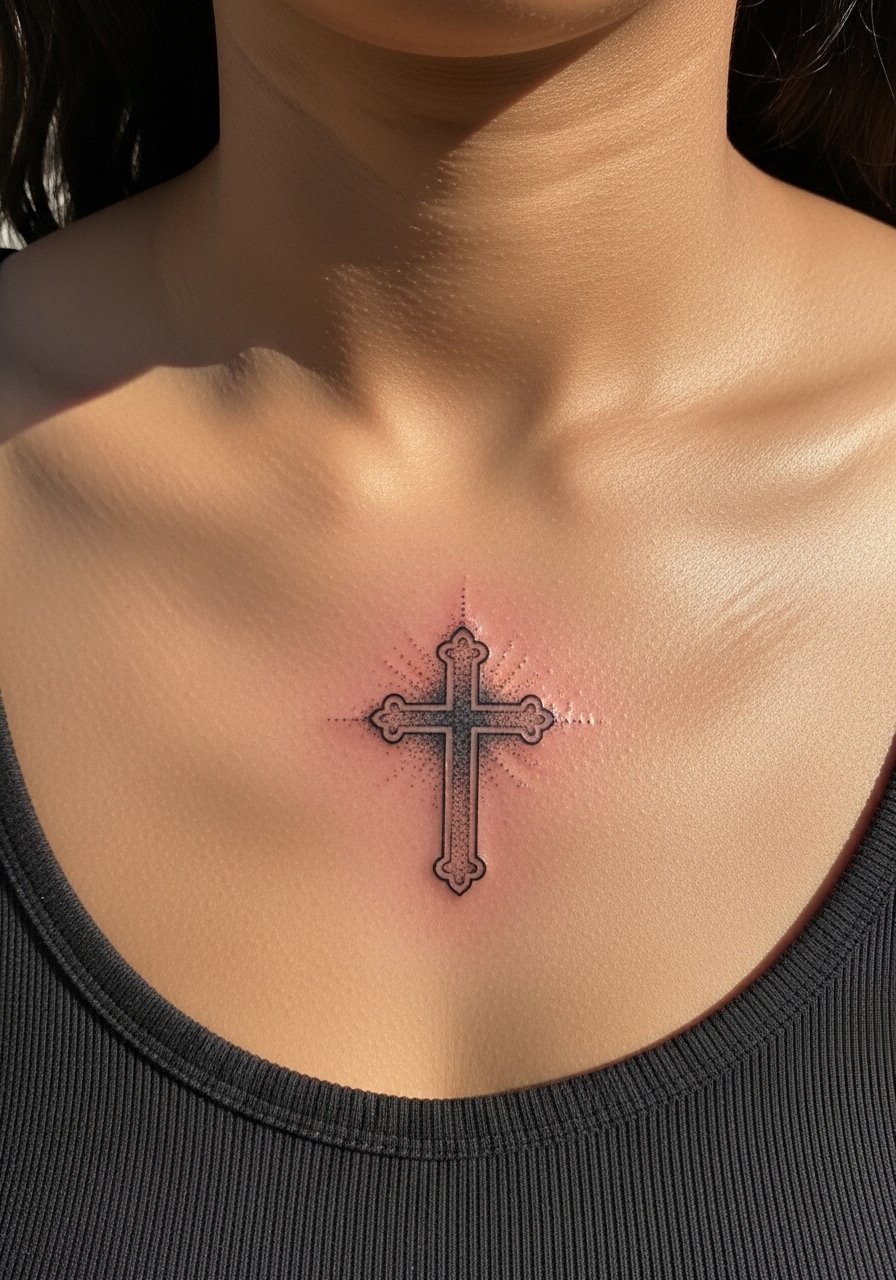
The sternum is a sensitive placement and requires an artist comfortable with central chest work. Stipple shading gives texture that ages more gracefully than solid fills in this spot. A realistic consultation note is to request spaced dot work rather than packed black, because dense saturation there can feel heavy and may scar. One common mistake is asking for a large, intricate cross when the motion of the chest will distort details. Expect the session to be longer and healing to take a bit more attention because of friction from clothing.
6. Micro Latin Cross Behind the Ear with Script Date
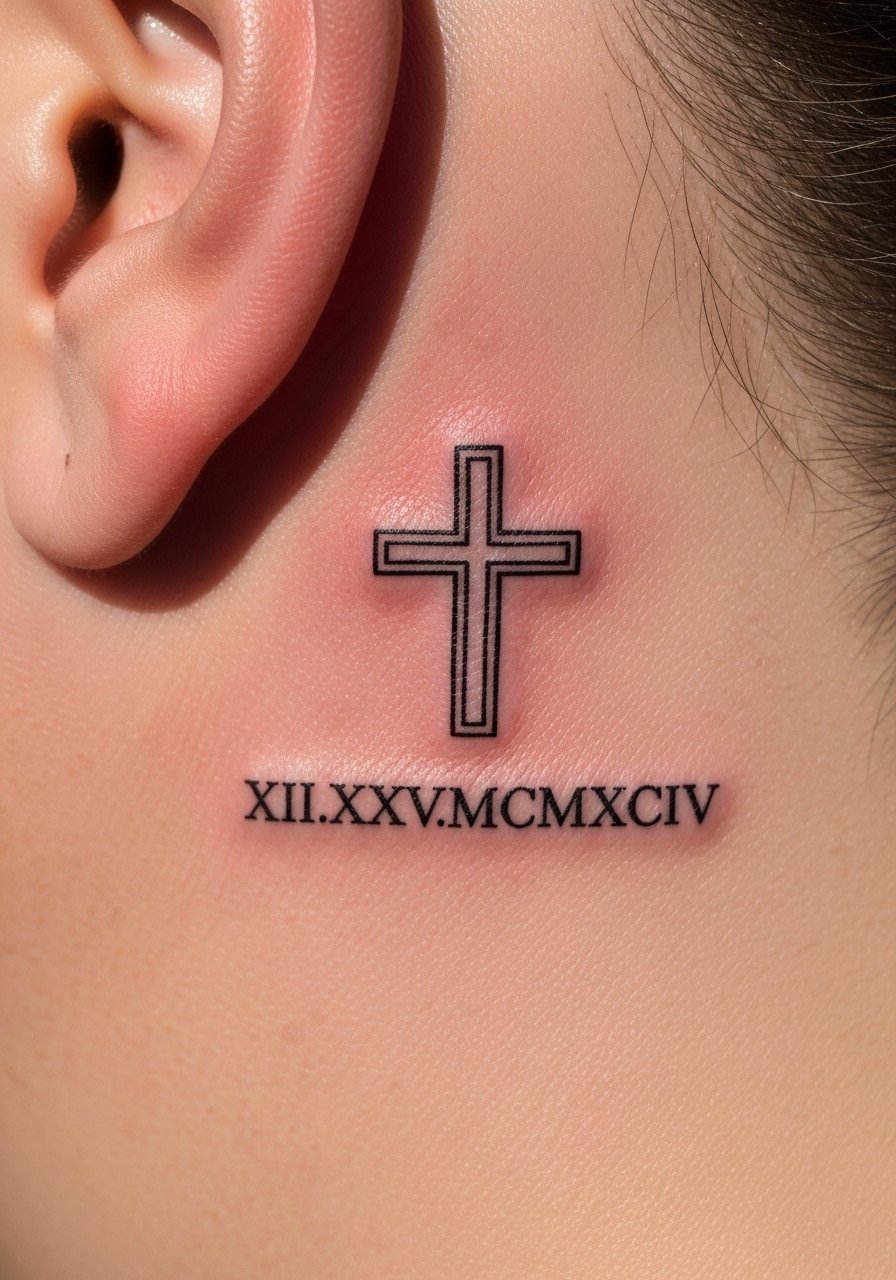
When visible text is part of the design, specify exact characters during booking to avoid errors. This micro placement calls for delicate linework and precise spacing. The pain is brief but concentrated. People often request tiny script that ends up illegible later because the letters were placed too close. Plan for a slightly larger character size than you think. Healed at one year the date should still read clearly if placed correctly, but expect to revisit for a touch-up at year two or three.
7. Geometric Cross with Negative Space on the Outer Thigh
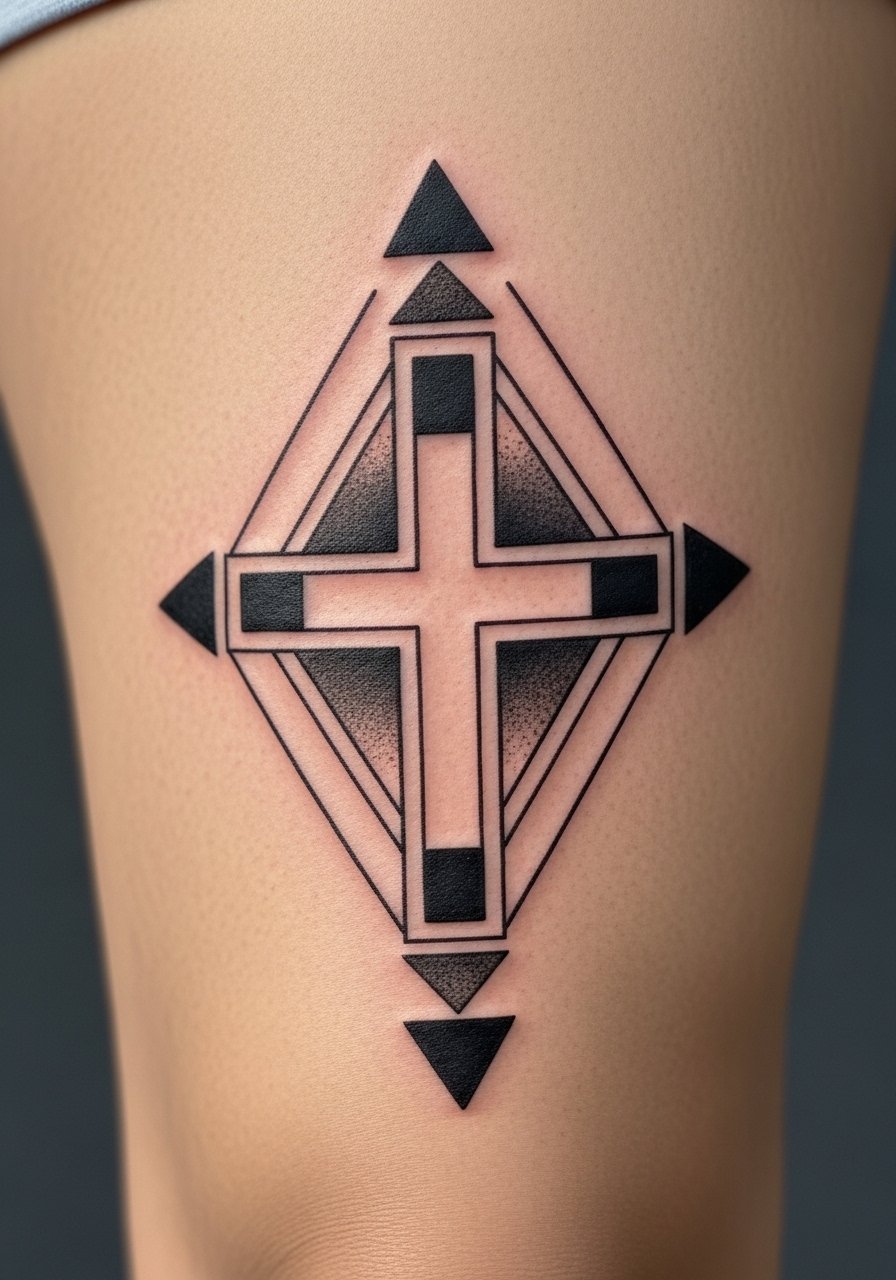
There is something about geometric structure that reads strong across clothing. Outer thigh is a lower-pain area and holds saturation well. In the consult say you want negative space rather than filled black to keep the piece from feeling heavy. Common mistakes include cramming too many geometric elements into a small area. At six months the clean edges look sharp, and at five years the negative space approach helps the design avoid looking like a faded blob. This suits someone who wants scale without too many touch-ups.
8. Tiny Byzantine Cross on the Back of the Neck
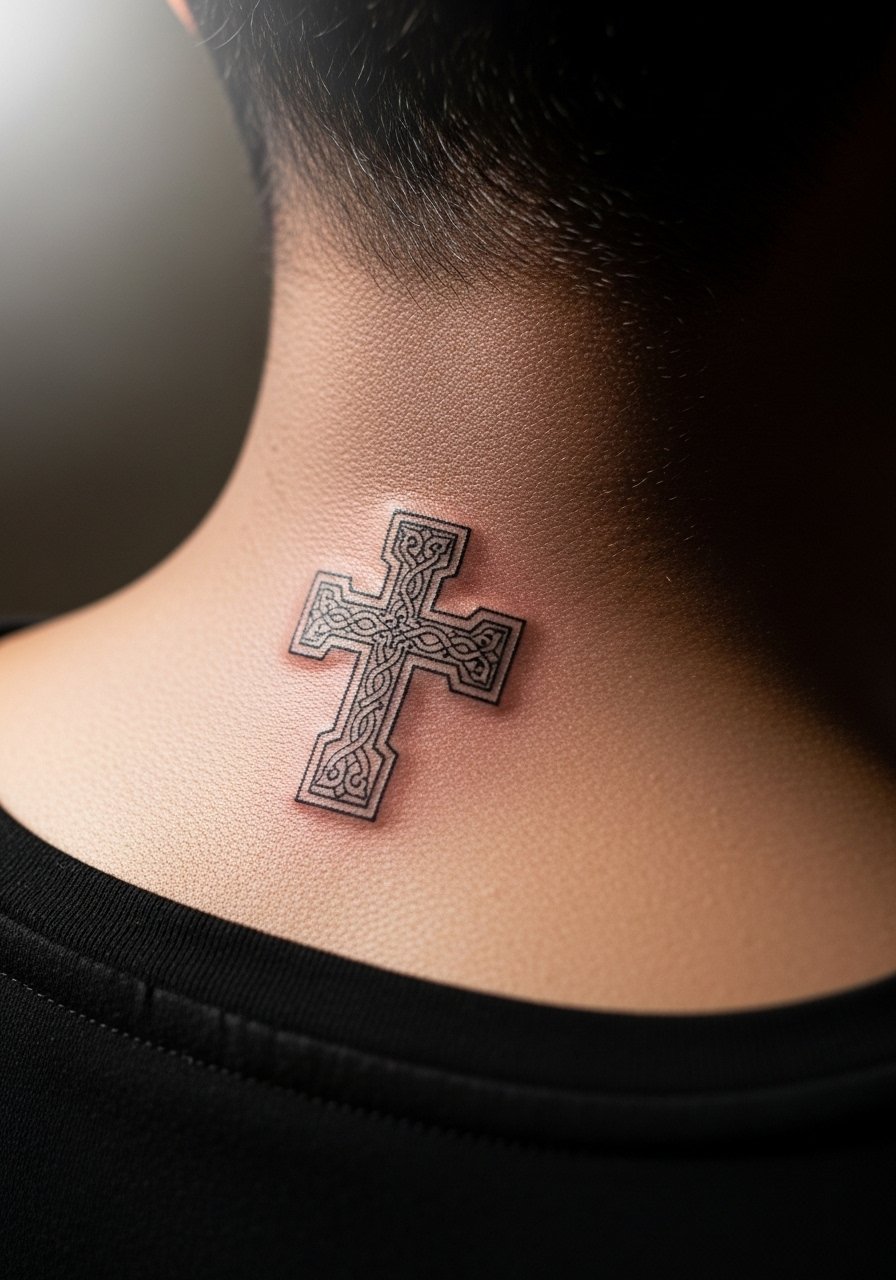
When a design references religious or cultural styles, mention origin respect and consider slight variation rather than direct replication. The back of the neck is a middle-range pain zone and hides well under hair. Tell your artist which elements of the Byzantine motif you value most so they can simplify for scale. A frequent mistake is asking for full ornate detail at a micro size. Healed texture at six months keeps the ornament visible, but fine filigree may soften by year three and require a touch-up.
9. Single-Stroke Cross over the Ribcage
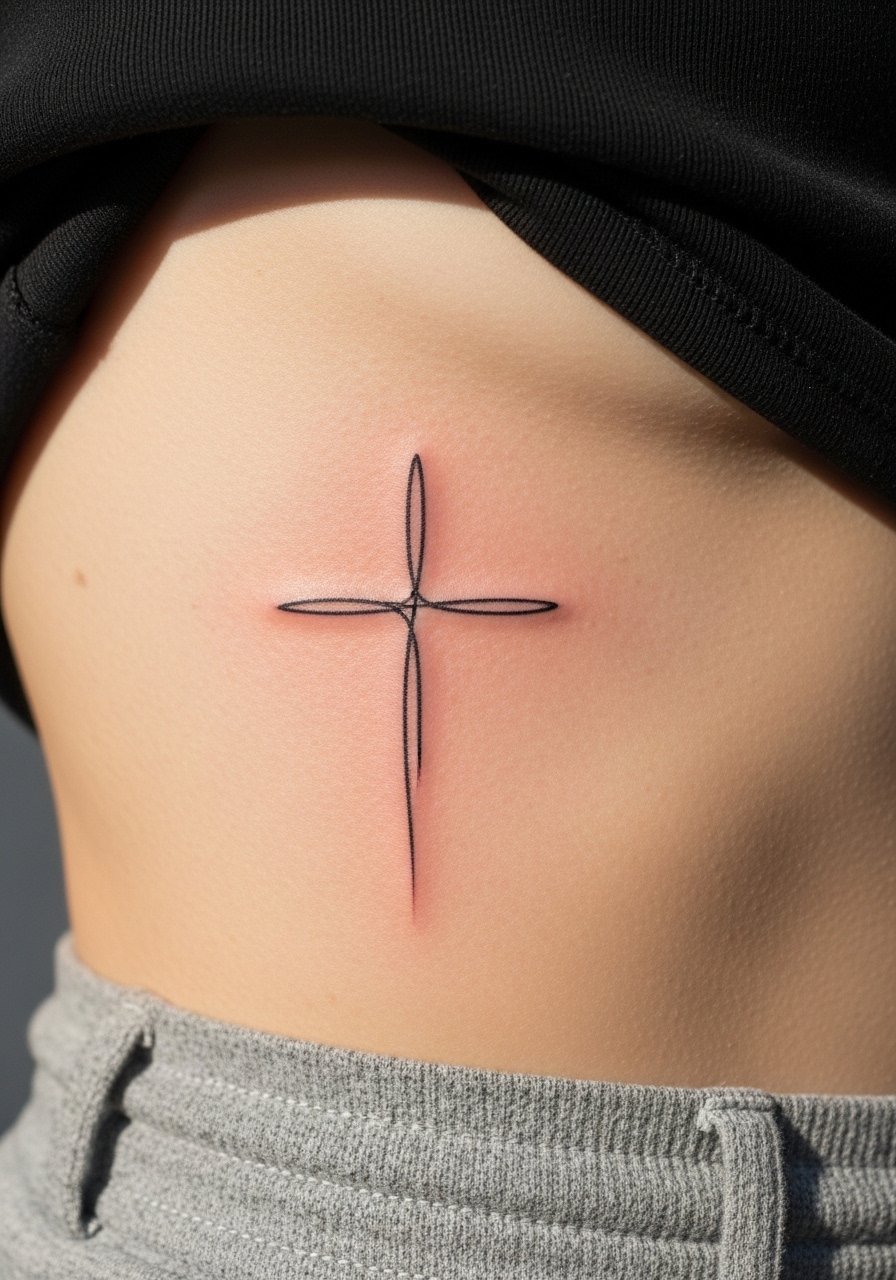
Fair warning, the ribcage is higher on the pain scale and conversation about needle depth matters. Artists split into two camps on ribs. One camp says thin single-stroke work blurs fast due to skin stretch and motion. The other camp says proper needle depth and spacing will let single-stroke pieces hold up. Name both camps during your consult and ask the artist which side they stand on. If you proceed, expect a longer session and plan clothing to avoid rubbing while it heals.
10. Cross with Subtle Watercolor Wash on the Lower Back
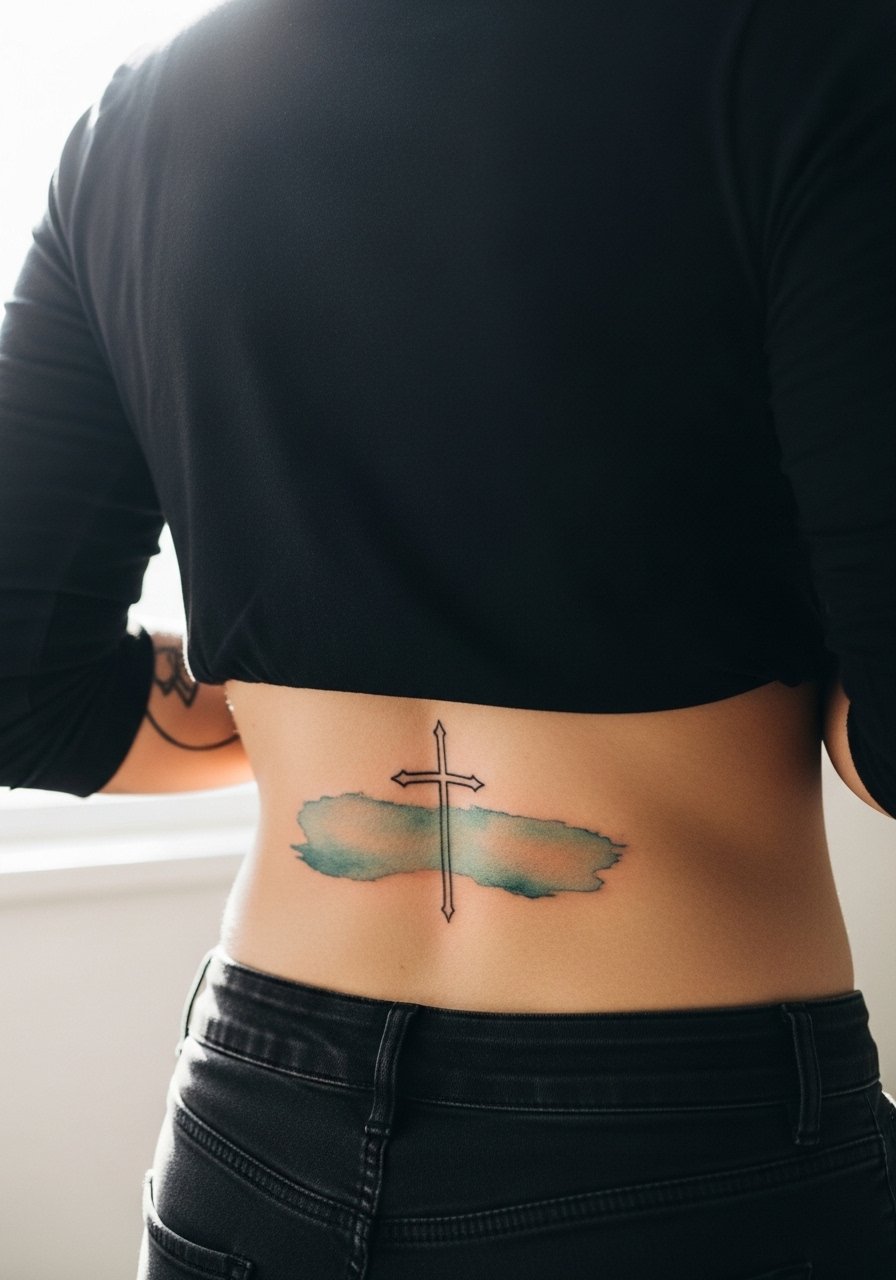
Watercolor accents look fresh at first but require careful saturation choices to age well. Lower back is forgiving in terms of blowout risk and holds color differently than limbs. During your consult request color washes that sit around the lines rather than overload them. The common mistake is heavy, blended watercolor that loses definition quickly. Expect the color to soften by year two and consider a light touch-up if you want the wash to stay visible. If you are mindful of sun exposure, this placement can maintain a soft look for longer.
11. Traditional Bold Cross on the Upper Arm
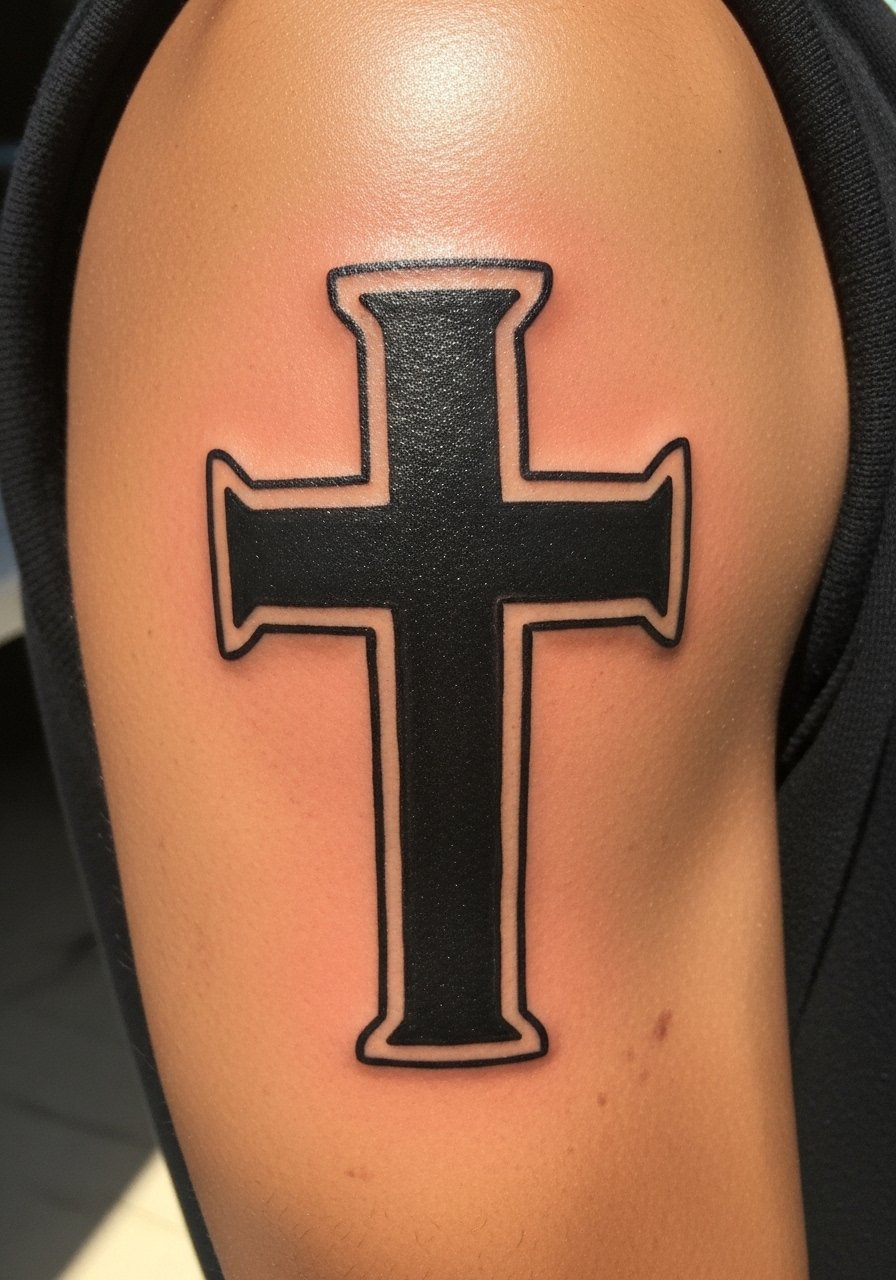
There is visual impact in bold blackwork that reads clearly from a distance and often ages with fewer touch-ups. Upper arm sessions are comfortable and quick for this scale. Ask for slightly larger lineweight than you think because bold lines hold better over time. A mistake is requesting tiny traditional features that lose identity as the skin changes. At two years the saturated black will mellow but the silhouette will remain strong. This is good for someone who prefers low-maintenance pieces.
12. Cross with Vine Wrap on the Wrist
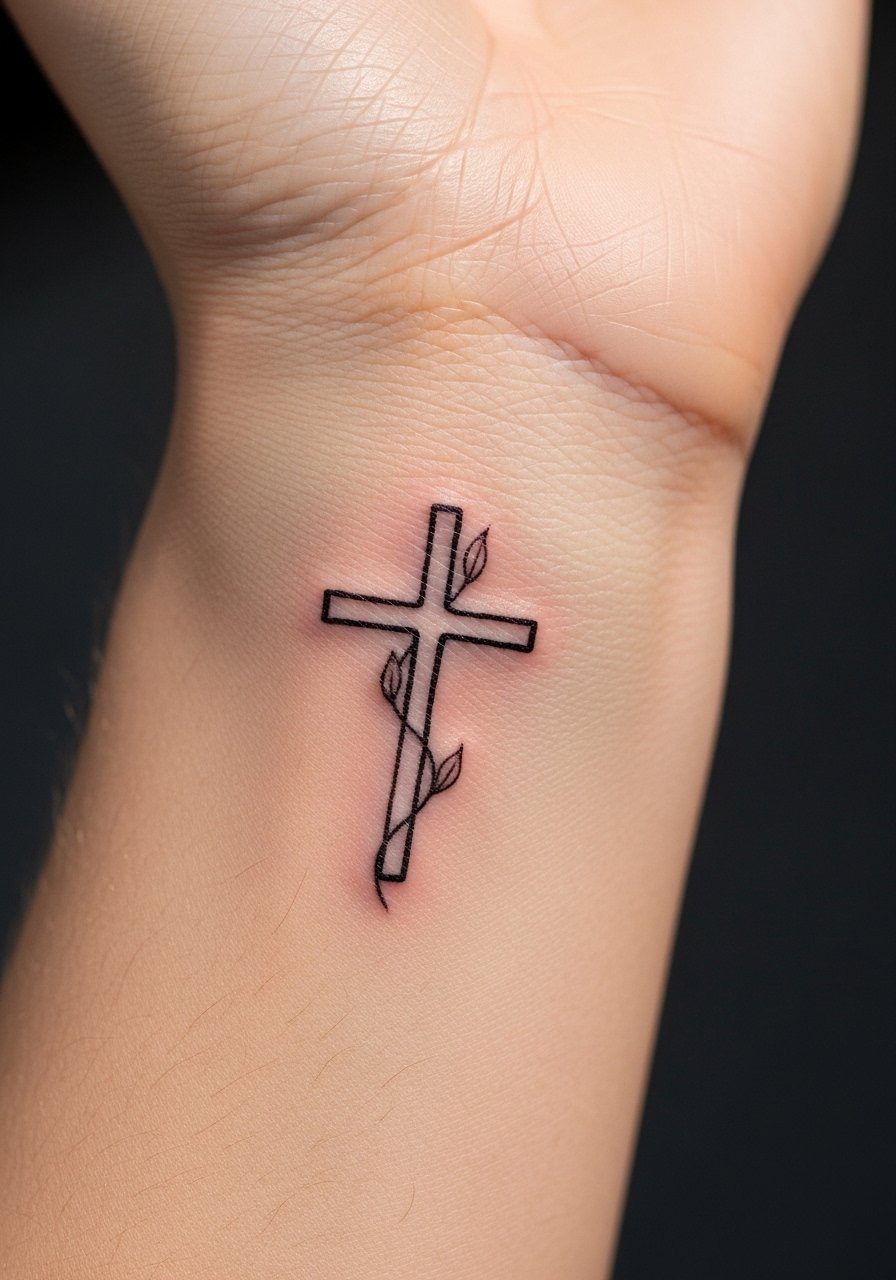
Wrist tattoos are highly visible and subject to sun and washwear. The session is brief but the area can sting more. When you consult, show references for how much vine detail you want so the artist can scale elements for longevity. A common error is too many tiny leaves that fuse into a smudge over time. Healed at six months the vine adds motion, and at three years expect subtle softening that may benefit from a touch-up if you want crisp leaf edges. For career concerns, wrist visibility matters, so think through placement.
13. Celtic Knot Cross on the Upper Back with Dot Work
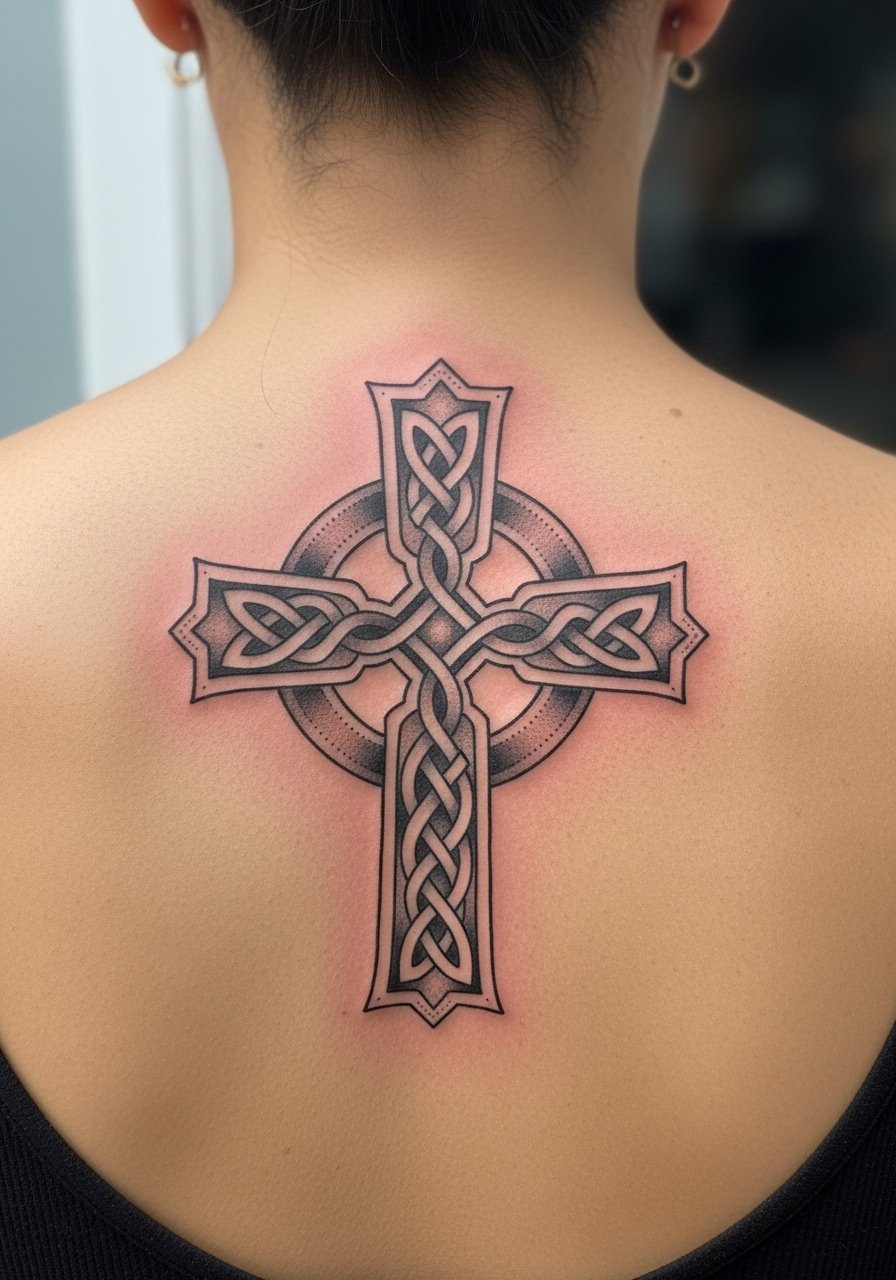
Celtic knotwork carries cultural meaning, so honor origin by adapting motifs rather than copying sacred symbolism blindly. Upper back allows for larger scale, which helps knotwork read clearly. Ask your artist to simplify knot intersections slightly for better healing. The mistake is trying to compress a dense knot into too small a space. Dot work shading supports texture without overloading lines. Expect the piece to age predictably with occasional touch-ups to restore high-contrast edges.
14. Minimal Cross Ankle Tattoo Behind the Heel
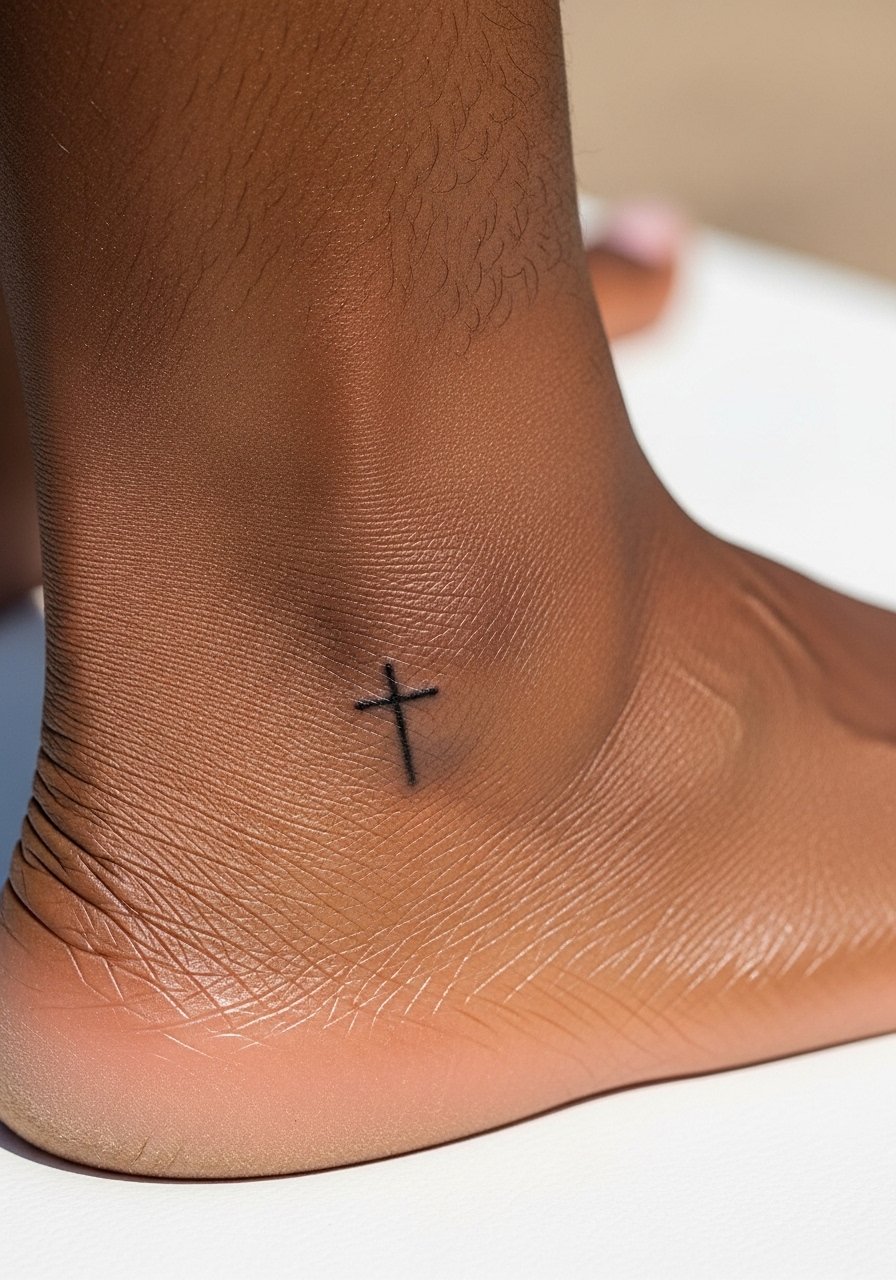
Ankle placements see friction from shoes and socks that can affect healing. The session is short and the pain is manageable. Tell your artist you will wear loose footwear while it heals and ask for slightly stronger linework to compensate for friction. A common mistake is choosing ultra-thin lines in a spot that gets battered daily. At six months the design reads clean, and at two years you may notice softening where footwear rubs. If you do a lot of walking or run, plan for maintenance.
15. Cross Finger Ring That Wraps Across Two Digits
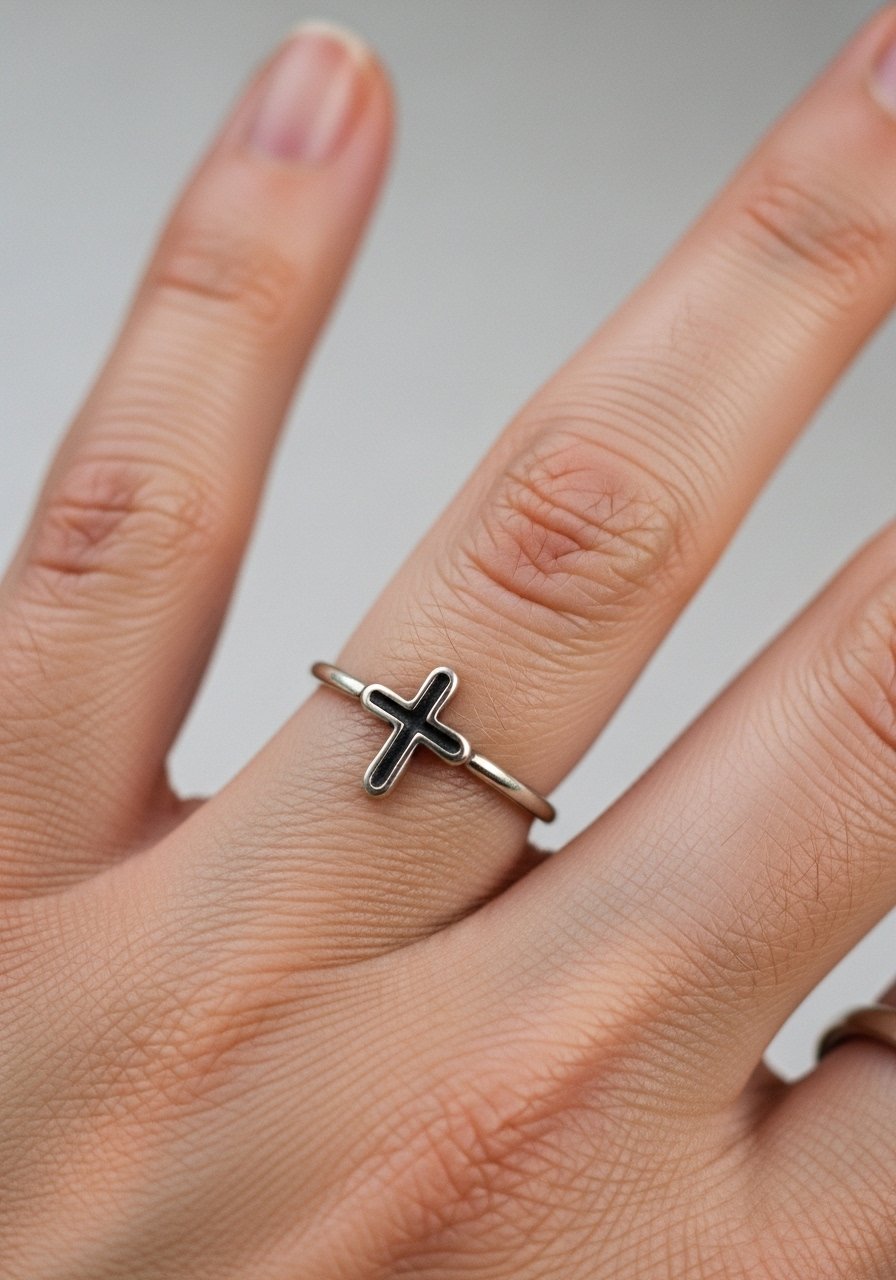
This one feels like jewelry and functions like it at photo-ready moments. Fingers are high-maintenance and require touch-ups more frequently than other placements. In consultation, ask for slightly bolder intersections and discuss healing with an artist experienced in hand work. There is debate among artists about durability. One camp accepts frequent touch-ups as part of the design. The other camp recommends avoiding fingers unless you want to commit to yearly refreshes. If you take this route, accept maintenance as part of the aesthetic.
Tattoo Prep and Aftercare Essentials
Fragrance-free gentle foaming cleanser for sensitive skin. Use for the first few days to remove ointment and surface debris without stripping moisture. Clean twice a day gently with your palm, not a washcloth.
Lightweight fragrance-free balm for tattoo healing. A non-greasy balm keeps the skin flexible while scabs form and reduces the urge to pick.
Medical-grade second skin bandage, single-use sheets. Useful for the first 24 to 48 hours if your artist recommends occlusion to prevent rubbing from clothing.
Breathable latex-free wrap for activity days. Handy if you need to protect a fresh tattoo during workouts or travel.
Aftercare balm brand with light absorption. Pick one that absorbs faster than thick petroleum so your clothes do not stick while still protecting the ink.
Aquaphor Healing Ointment. Use this as your single mainstream reference if your artist suggests an occlusive for short-term sealing during the first night.
SPF 50 mineral sunscreen stick. Keep healed tattoos protected from UV which is the fastest way pigment fades.
Silk or soft cotton travel pillowcase and loose clothing. Reducing friction during sleep helps early healing and lowers the risk of scabbing in high-movement areas.
Every tattoo is different. Always follow your artist's specific aftercare instructions. Consult a dermatologist if you have skin concerns or unusual healing issues.
Frequently Asked Questions
Q: Will a fine line cross on the ribs blur faster than a bold cross on the arm?
A: In my experience, fine line on the ribs tends to need touch-ups sooner because the skin stretches and moves more there. Bold work on the arm usually holds contrast longer. It depends on your skin type and how deep the ink is placed, so ask the artist about their ribcage success cases.
Q: How often should I expect to touch up a finger or hand cross compared with an upper arm piece?
A: Fingers and hands commonly need refreshes every one to two years because of constant use and washing. Upper arm pieces often go longer between touch-ups, sometimes three to five years, depending on sun exposure and how much saturation was used.
Q: Do watercolor-style washes behind a cross need different aftercare than a plain black cross?
A: Aftercare steps are mostly the same, but if you have color washes, avoid heavy ointments that can trapping pigment and reduce brightness. Use a lighter balm and prioritize sunscreen once healed to slow color fade.
Q: If I want a cultural knot or Byzantine cross, how do I approach the conversation with an artist?
A: Say you respect the origin and ask about slight adaptations that keep meaning while avoiding exact sacred replicas. Ask to see similar works in their portfolio and discuss scale so the knotwork reads clearly over time.
Q: Can I get a tiny cross behind the ear and expect it to stay crisp without touch-ups?
A: Tiny placements like that look great at first but may lose micro detail over two to three years. If you want long-term crispness, request slightly bolder linework and plan for a potential touch-up after the first year.