
A friend of mine spent eight months scrolling tattoos before realizing the real problem was knowing which tiny design would still look crisp in two years. After visits to five shops across Brooklyn and a long conversation with an artist who focuses on fine line, she narrowed it down to pieces that age predictably. These are 12 minimalist tattoos for women that I keep recommending because they balance restraint with longevity.
1. Fine Line Arrow on Inner Forearm
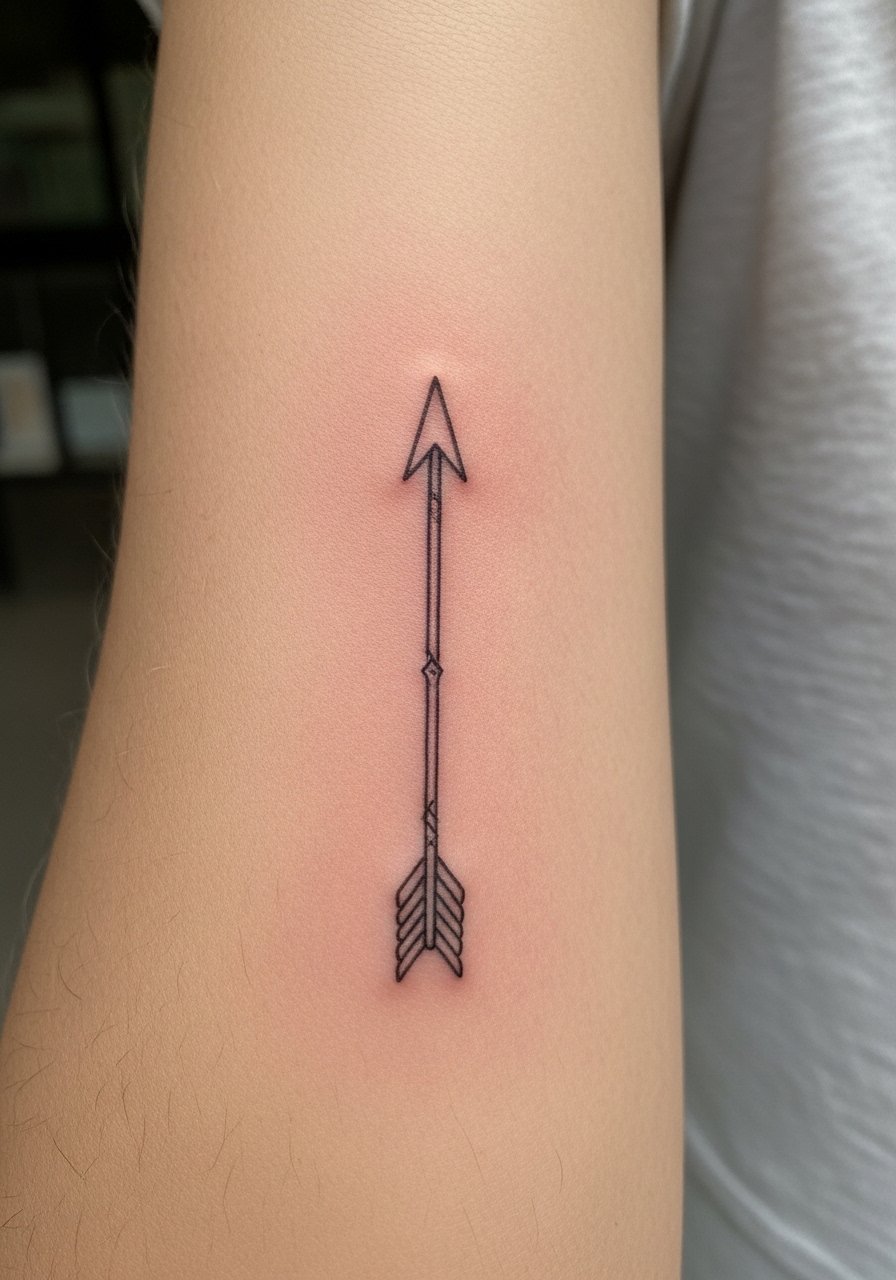
Someone I know first saw this on a friend and booked the same placement the next week. Inner forearm is a low-pain spot and usually a one-session job for a thin arrow. Tell your artist you want a shallow but continuous linework profile so the needle does not sit too deep. The biggest mistake is asking for hairline-thin arrows and expecting no blur after two years. Expect subtle softening at year two and a likely touch-up around year three if you want crisp edges. Blowout risk is low here, but keep the arrow at least a few millimeters long so the end does not feather.
2. Tiny Botanical Wrist Sprig

Fair warning, the wrist is more sensitive than the forearm and sessions feel sharper near bone. I suggest a sprig with tiny leaves spaced, not clustered, so the linework breathes. Ask for slightly heavier lineweight on the stems and stipple shading on the leaves rather than fill. A common version that ages poorly packs leaves together and blurs into a smudge after a couple of years. This version ages well because the negative space helps each leaf retain definition. Expect a 30 to 45 minute session. If you wear bracelets, let the area fully heal before regular rubbing to avoid early fading.
3. Micro-Realism Crescent Moon on Collarbone

Most micro-realism photos online are on very light skin, but tiny moons can read beautifully across tones when the artist manages saturation and contrast carefully. Tell your artist you want dot work and soft stipple shading, not solid black. The collarbone can be tingly during the session because the skin is thin and sits over bone. Aging looks like slightly lower saturation by year two and softer edges by year five, so expect a touch-up if you want the original contrast. A real mistake is asking for filled black with no texture. Ask for dots and tiny highlights instead so the piece holds character as it heals.
4. Minimalist Mountain Range on Ribcage

Fine line on ribs splits artists into two camps. One group says the skin stretch there makes lines blur within two years. The other group argues that with the right needle depth and spacing, fine line can hold up on ribs. If you favor the second camp, ask about spacing between peaks and that the artist avoid hairline single needles for long sections. The rib is a high-pain placement, but it reads beautifully under clothing. For longevity, pick a slightly bolder single-pass line and expect touch-ups around year three if you want razor edges. Avoid asking for ultra-fine continuous loops that invite blowout.
5. Micro Dot Star Behind the Ear
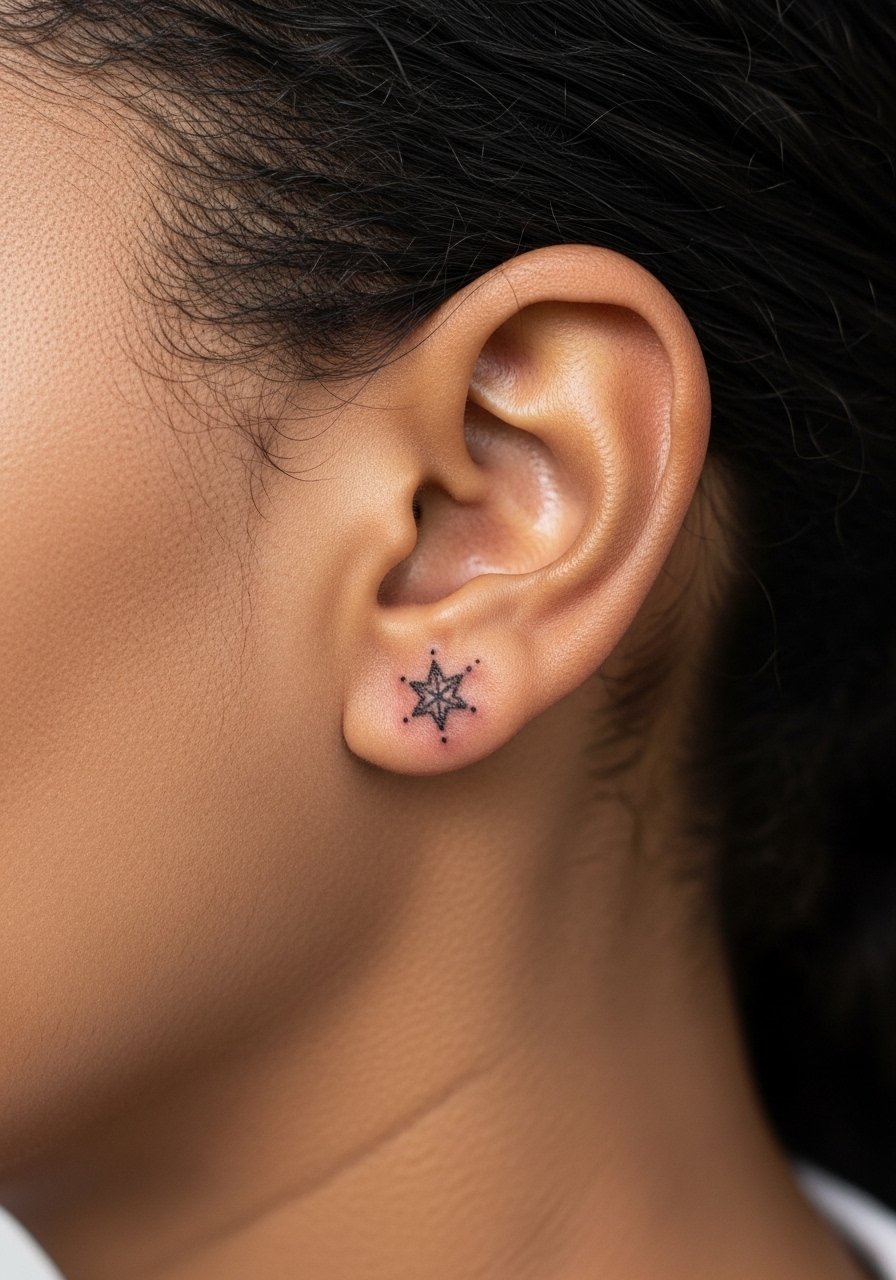
The behind-the-ear area is delicate and counts as a face-adjacent placement, so professional considerations matter more. Sessions are short and feel sharp because the area is thin. I recommend dot work or a single tiny star rather than anything high-detail. Tell the artist you want a single-needle dot cluster with wide spacing to reduce the risk of spreading. A common mistake is squeezing multiple tiny points into an area that does not have room, which blurs after healing. Expect about a 15-minute touch-up window if one dot settles unevenly. Keep in mind some workplaces still scrutinize visible placements.
6. Geometric Mandala Ankle Band

When you sit down for this, bring reference showing exact line weights and negative space you like. This pattern traces to a spiritual tradition, so many people opt for simplified geometry rather than direct religious symbols. The ankle takes short sessions but feels tender when you put weight on it. The biggest mistake is making the band too thin so lines blur into one another. Ask for small breaks in the pattern to prevent color convergence. At six months the design usually holds nicely, and by year three a light touch-up may be needed if you frequently wear rubbing footwear.
7. Thin Blackwork Band on Finger

Fair warning, finger tattoos are high wear and often need maintenance. The skin on fingers sheds and regenerates faster, so expect faster fade. If you want a ring, ask for a slightly thicker band and discuss how dense you want the saturation. The session is quick but can feel intense because the area is bony. A common mistake is asking for a hairline ring expecting it to last multiple years untouched. Realistically, budget for a touch-up within one to three years. Consider placement on the outer finger or palm side for different wear patterns, and keep in mind hand visibility can affect job situations.
8. Roman Numeral Date on Sternum

Sternum work is intimate and demands an artist experienced with chest contouring. Note that this is a sensitive placement for both pain and healing, so plan a longer session and allow a week or two of gentler movement. Tell your artist the exact numerals you want in a reference image so spacing is precise. People often misjudge how curved chest skin affects linear type and end up with distorted numerals after healing. A common fix is to pre-mark and check alignment while sitting and lying down. Expect touch-ups if the skin shifts with weight change or natural movement.
9. Minimal Wave on Outer Ankle
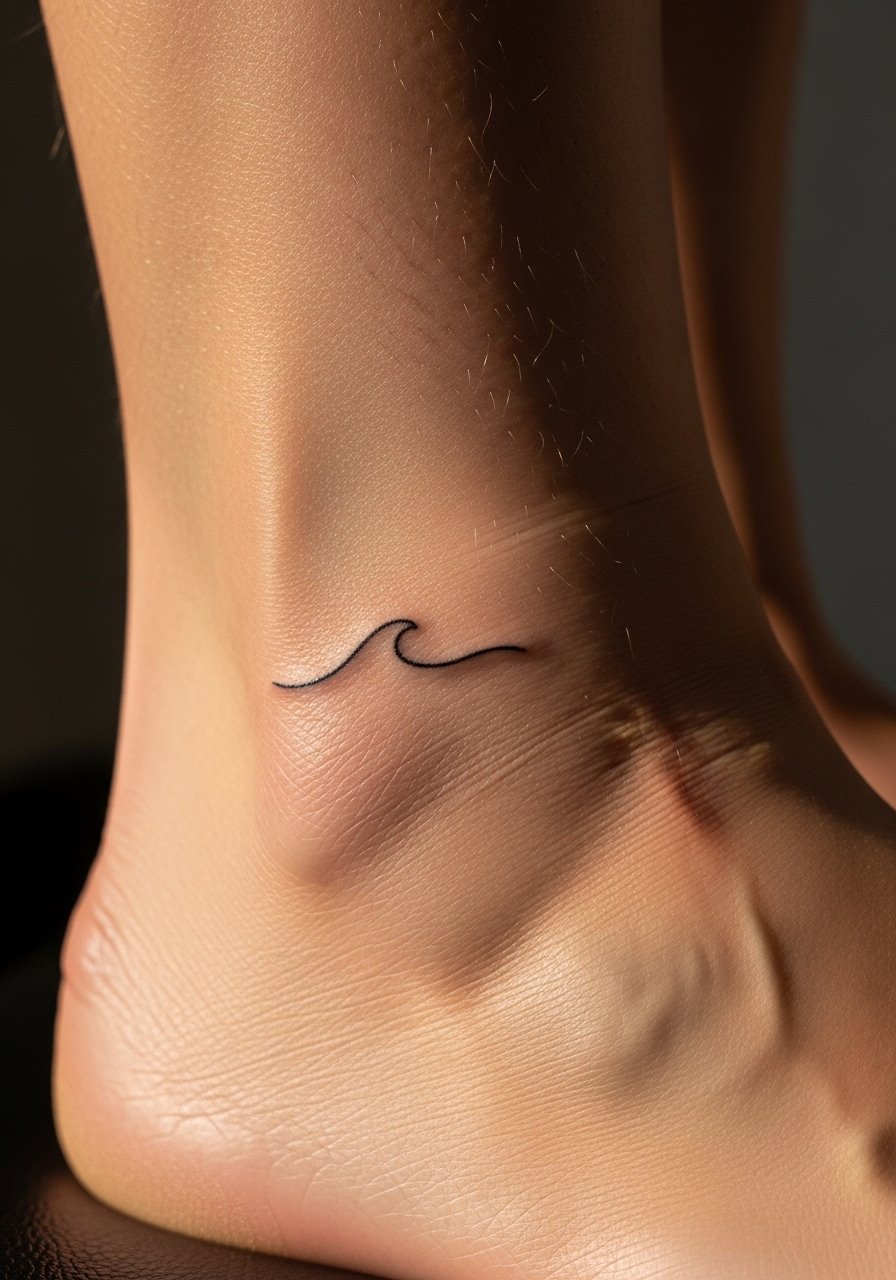
There is something about a small wave at the ankle that reads as personal and unobtrusive. For this spot, ask for a single, confident sweep in the linework rather than a sketchy scribble. The ankle sees friction from shoes and socks, so healing requires keeping it uncovered when safe. A real mistake is too many overlapping curves in a tiny area. Expect the line to soften by year two and plan for a small touch-up if you want the original thinness restored. Session time is usually 20 to 30 minutes and pain is mild to moderate.
10. Stipple-Shaded Tiny Planet on Upper Arm

When you ask for stipple shading, specify dot density so the artist knows how fine you want the texture. The upper arm is forgiving and low-pain, which helps stipple detail settle nicely. A mistake is asking for heavy fill instead of stippling, which loses the airy feeling and can age into a flat shape. At six months the stippling usually looks crisp, and by year three contrast drops. If you expect darker saturation, tell the artist to lay extra passes in one session rather than asking for solid black. Expect a 45 to 60 minute session depending on detail.
11. Crescent Neck Tattoo Behind the Ear Lobe
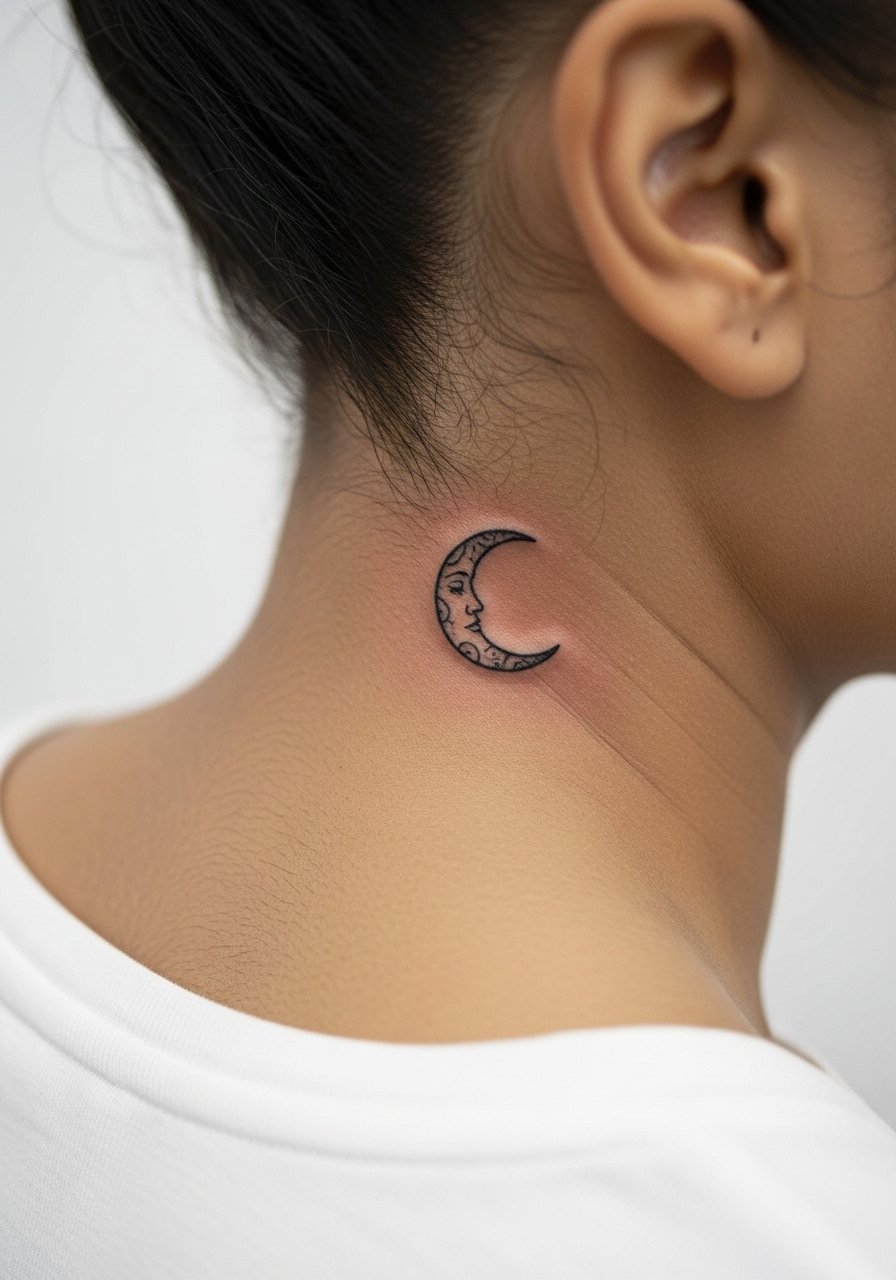
The neck is a high-visibility placement and a sensitive one to tattoo. If you consider this spot, remember some industries still judge neck tattoos. Ask about healing with longer hair or scarves and plan to avoid direct sun while it settles. A common mistake is placing a densely detailed motif where skin moves constantly, which causes blur. This placement tends to need touch-ups earlier than torso pieces because of friction and sun exposure. Sessions are relatively quick, but expect more soreness and aftercare attention.
12. Tiny Constellation on Shoulder Blade

When you book this, show the exact star pattern and orientation so the artist maps it to the curvature of your shoulder blade. The area is medium pain and takes 20 to 40 minutes. A common mistake is asking for stars too close together, which can merge into blobs as the body heals. Tell the artist you want small single dots with spaced lines, and consider stipple haloing for depth rather than solid fill. Over time the constellation softens slightly but reads well because of the negative space between stars. Touch-ups are straightforward if one dot migrates.
Tattoo Prep and Aftercare Essentials
fragrance-free gentle foaming cleanser. Use this during the first week for twice-daily cleansing. A mild cleanser removes blood and plasma without stripping natural oils that help healing.
lightweight fragrance-free balm. Apply a thin layer after cleansing for the first five to seven days to keep the area supple without clogging pores.
medical-grade second skin bandage 6-inch roll. Ideal for larger minimalist pieces to protect against rubbing while you sleep.
breathable tattoo aftercare ointment. Use as a lighter option once the initial scab phase passes to avoid over-moisturizing.
low-lint disposable razors pack. Use the day before an appointment to remove hair cleanly and avoid irritation.
gentle body exfoliant cloth. Useful for prepping larger areas a few days ahead so the skin is smooth.
SPF 50 mineral sunscreen. After healing, daily mineral sunscreen prevents UV-driven fading and preserves saturation.
silicone-based scar and fade-reducing gel. For long-term maintenance, a silicone gel can help flatten raised spots and protect ink contrast.
Aquaphor Healing Ointment. Use sparingly in the first 48 hours if your artist recommends an occlusive. This counts as the one mainstream option I include.
Every tattoo is different. Always follow your artist's specific aftercare instructions. Consult a dermatologist if you have skin concerns or unusual healing issues.
Frequently Asked Questions
Q: Will fine line tattoos blur faster on ribs and require more touch-ups than on forearms?
A: It depends on factors like skin stretch, placement, and how the artist spaces lines. Ribs do tend to move more and can soften lines sooner. If you want fine line there, discuss spacing and ask about touch-up timelines. Many artists recommend a slightly bolder single pass on ribs to delay a touch-up.
Q: Do stipple or dot-shaded designs need different aftercare than tiny single-line tattoos?
A: Not dramatically different, but stipple pieces rely on preserved contrast so avoid over-moisturizing in the early scab phase. Clean gently, apply a light balm, and protect from friction. If the dots sit near joints, expect slight loss of density and plan for a touch-up sooner.
Q: How should I phrase a request for a minimalist botanical so it ages well?
A: Bring clear references showing leaf spacing and ask for negative space between elements. Tell your artist you want stems with stipple leaf texture rather than solid fill. That phrasing signals preservation of definition as the tattoo heals and ages.
Q: Are ankle and finger tattoos worth it if I want low maintenance?
A: These placements are high wear. Fingers and ankles rub against clothing and footwear, which accelerates fade. They are better if you accept periodic touch-ups as part of ownership. If you want less maintenance, pick inner forearm or upper arm instead.
Q: Can I get tattooed over a scar or stretch mark with minimalist work?
A: Small, flat scars can take ink, but raised or very recent scars are unpredictable. Talk to an artist experienced with scar work and allow a year for scars to fully mature. A test dot or consultation is a good idea before committing to a full piece.
Q: Which long-term product from the shopping list matters most for keeping small blackwork crisp?
A: Daily SPF 50 mineral sunscreen makes the biggest difference for blackwork longevity. Sun exposure is the main cause of early fading, so consistent mineral SPF use on exposed tattoos preserves saturation and delays touch-ups.