
That tattoo felt like a great idea at 2 a.m.
Until it didn’t.
Tattoo regret is more common than people admit. Studies suggest around 10–20% of tattooed individuals regret at least one piece. And most of that regret doesn’t come from the needle — it comes from rushed decisions, trends, or poor planning.
The good news? Tattoo regret is almost entirely preventable.

Let’s walk through exactly how to avoid tattoo regret — completely.
Step 1: Slow Down (Seriously)
Impulse is the #1 regret trigger.
Breakups. Birthdays. Vacations. Trendy memes. Emotional highs and lows.
Instead of booking immediately, try this:
- Wait 30 days before committing.
- Revisit the design weekly.
- Ask yourself: Would I still want this in five years?
If it’s still meaningful after a month, that’s a strong sign.
Bonus rule:
Never get tattooed under the influence of alcohol or during emotional turbulence. Big emotions fade. Ink doesn’t.
Step 2: Choose Meaning Over Trend
Trends expire. Meaning evolves.
Think about how many “YOLO” or viral meme tattoos people wish they could undo. Political slogans and internet jokes often age poorly.
Instead, focus on:
- Symbols tied to personal growth
- Cultural or spiritual significance (that you deeply understand)
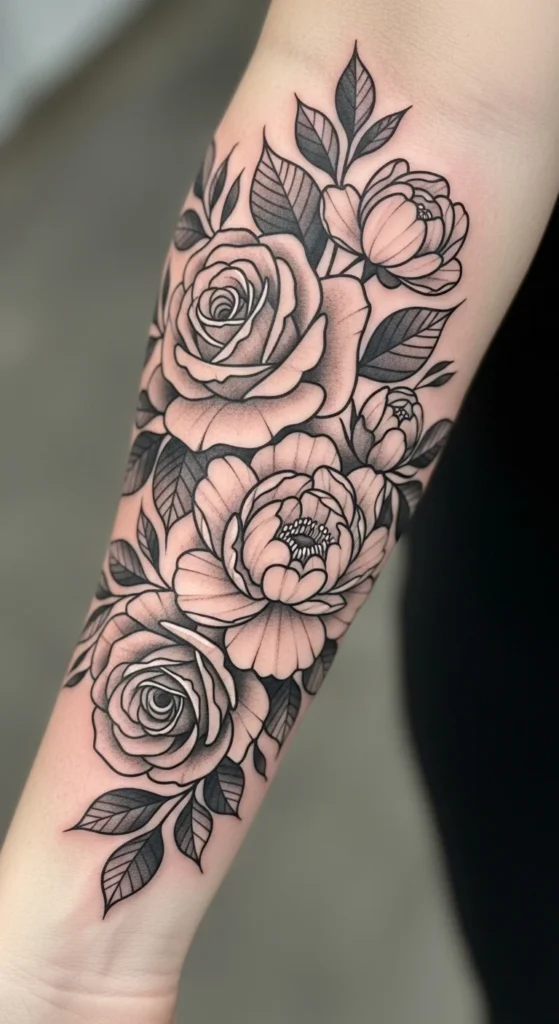
- Timeless imagery (nature, florals, classic traditional motifs)
Ask yourself:
- Does this represent a core part of who I am?
- Would this still matter if no one else saw it?
If the answer is yes — you’re on safer ground.
Step 3: Research Your Artist Like It’s a Job Interview
A huge percentage of regret comes from poor artist choice.
Don’t just scroll Instagram. Look deeper.
Here’s your checklist:
- Review healed photos, not just fresh ink.
- Look for consistent line quality.
- Examine symmetry and shading.
- Read client reviews.
- Confirm specialization (don’t hire a realism artist for fine-line micro script).
Think of it this way:
You’re choosing someone to permanently mark your skin. Vet them carefully.
Step 4: Start Small (Especially for Your First Tattoo)
If it’s your first piece, don’t begin with a full sleeve.
Start with something:
- Under 3 inches
- Placed somewhere easy to conceal
- Simple in design
Why?
Because the experience itself teaches you a lot:
- How your body heals
- How you feel seeing ink daily
- How you handle permanence
You can always go bigger later.
Step 5: Be Careful With Placement
Visible tattoos (face, hands, neck) rank high in regret statistics.
Ask yourself:
- Can I comfortably live with this professionally?
- Will this limit future opportunities?
- Am I okay with strangers commenting on it daily?
Also consider aging and skin changes. Some areas fade faster or blur over time — especially micro-realism with extreme detail.
Placement matters as much as design.
Step 6: Test Before You Commit
This is one of the smartest modern solutions.
Use:
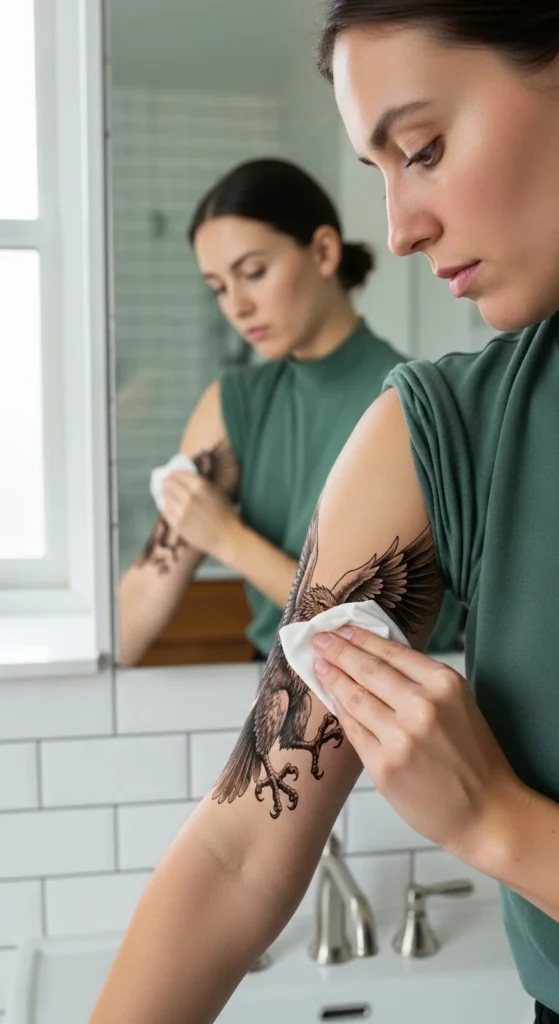
- Temporary tattoos
- Henna mockups
- 3D virtual try-on tools like Tatspark
Seeing the design on your body for a week can completely change your perspective.
It helps you evaluate:
- Size accuracy
- Proportions
- Placement comfort
- Emotional reaction
If you get tired of it in seven days — that’s valuable data.
Step 7: Avoid Risky Design Choices
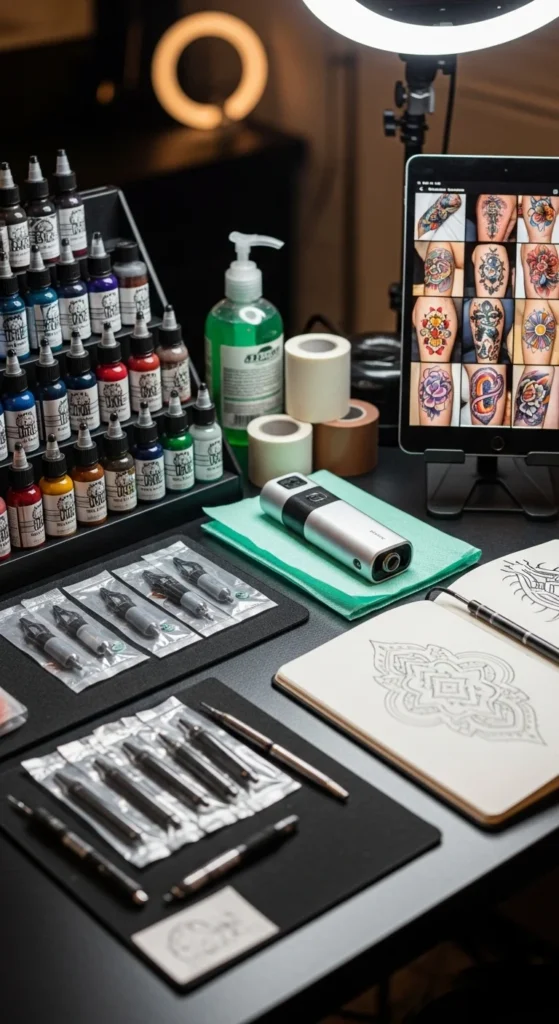
Certain designs statistically age poorly:
- Trendy slogans
- Lover names
- Foreign scripts you don’t fully understand
- Ultra-fine micro-realism
- Political extremes
- Red-heavy ink (fades faster for some skin types)
Foreign language tattoos are especially risky. A mistranslation can lead to lifelong embarrassment.
When in doubt, keep it simple and timeless.
Step 8: Understand Healing Before Judging
Post-tattoo panic is real.
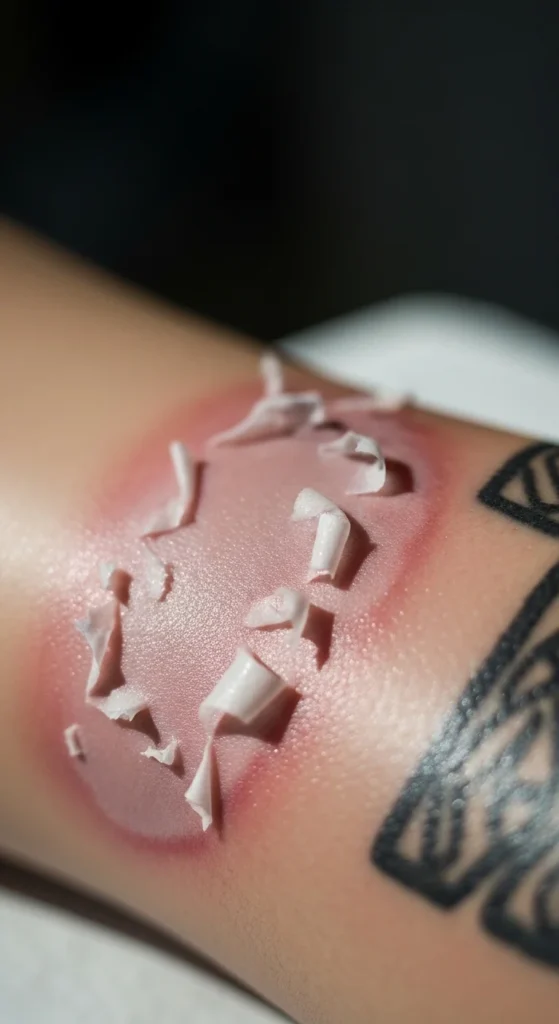
Fresh tattoos:
- Swell
- Peel
- Appear overly dark
- Look slightly distorted
Give it 6–8 weeks before forming strong opinions.
Many people regret tattoos during the healing stage — only to love them later once they settle.
Patience protects you from unnecessary stress.
Step 9: Budget for Quality
Cheap tattoos are often the most expensive in the long run.
Laser removal and cover-ups cost far more than paying a skilled artist upfront.
If budget is tight:
- Wait.
- Save.
- Book when ready.
Never rush into permanent art because of a discount.
Step 10: Accept That You Will Evolve
Here’s the truth most people don’t talk about:
You will change.
But that doesn’t automatically mean regret.
A tattoo can represent who you were at a specific life stage. And that’s okay. Growth doesn’t erase meaning.
The goal isn’t to predict your future perfectly.
The goal is to make thoughtful, sober, informed decisions today.
What If You Already Regret One?
You still have options:
- Cover-up designs
- Blast-over techniques
- Laser removal consultations
Regret isn’t the end — it’s just a correction path.
But prevention is always easier than repair.
Final Takeaway
Tattoo regret rarely happens because tattoos are bad.
It happens because decisions were rushed, emotional, or trend-driven.
If you:
- Slow down
- Choose meaning over hype
- Research your artist deeply
- Test before committing
- Start small
- Think long-term
You dramatically reduce your risk.
Tattoos should feel intentional — not impulsive.
If this guide helped you think more clearly about your next piece, save it for later and share it with someone planning their first tattoo. Your future self might thank you.