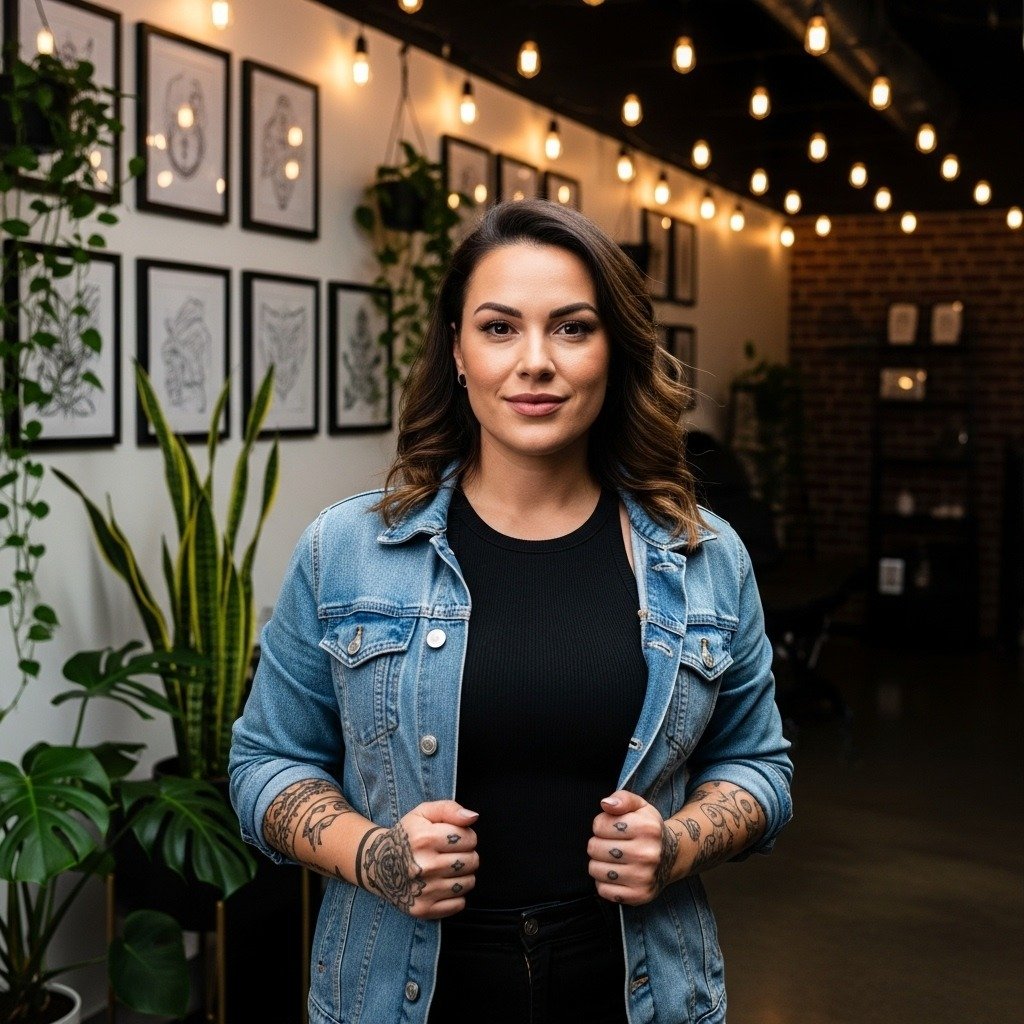
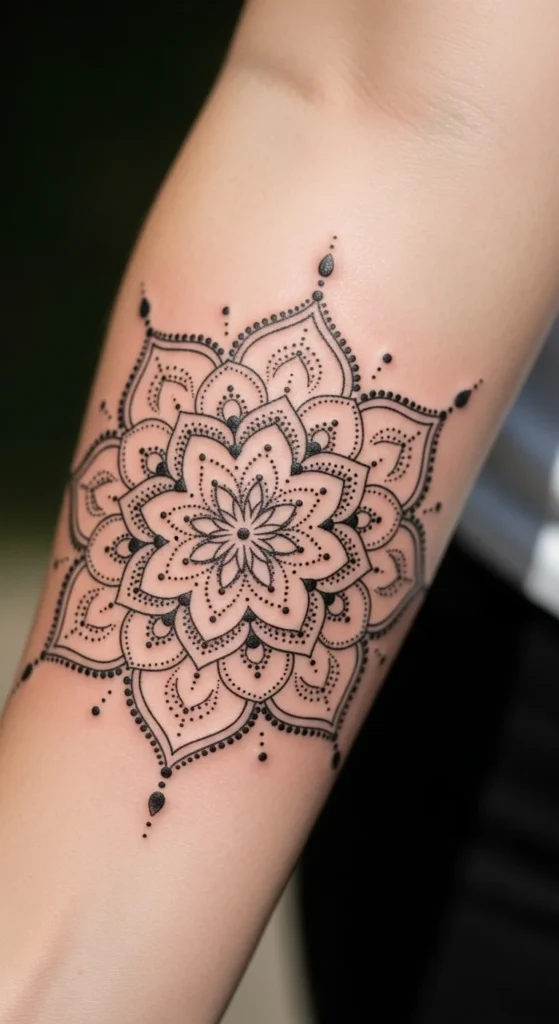
Mandala tattoos speak to people who want calmness, balance, and a design that quietly reflects who they are. They come from ancient patterns tied to reflection and inner order, yet they fit easily into modern styles. Whether someone prefers fine lines, bold contrast, or floral shapes, these designs offer endless ways to express inner steadiness. Below, you’ll find ideas that feel personal, peaceful, and surprisingly simple to make your own.
1. Sun-Core Mandala Glow
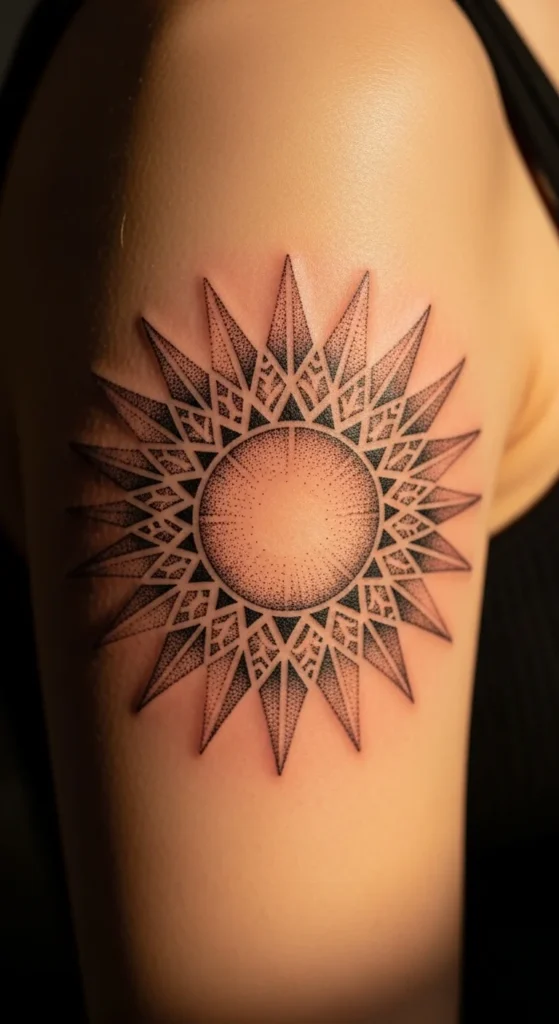
A sun-core mandala works well if you want a design that feels centered. Its round shape naturally sits well on shoulders, arms, or the upper chest. Keep the middle small and clean, then extend the outer rays with simple linework. If you want to try a budget-friendly approach before committing, use temporary tattoo paper to test placement on different areas. Add a light shading ring around the outer edges for depth while keeping the look clear and calm.
2. Lotus Mandala Rebirth
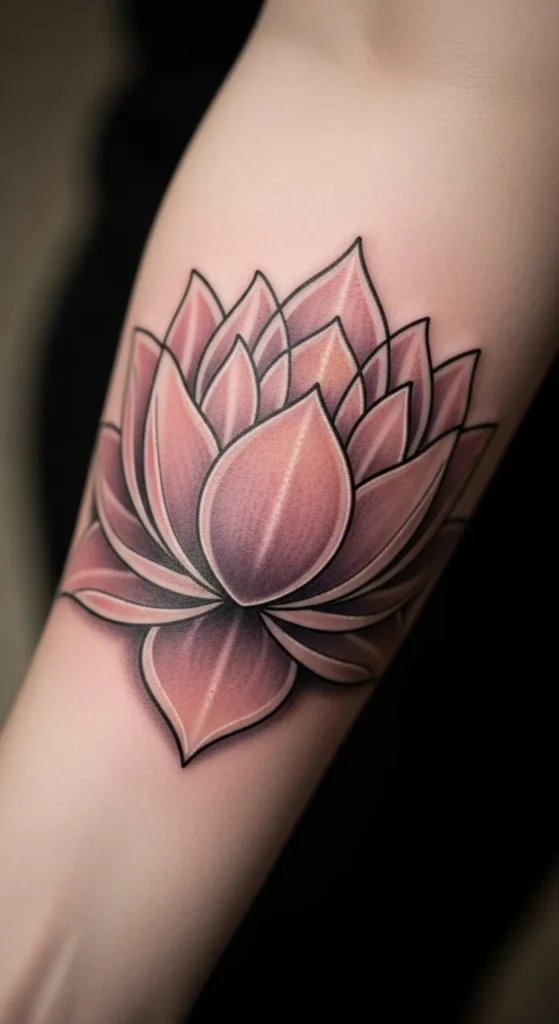
A lotus mandala works nicely if you want to express a personal restart. Its layered petals create a natural frame around a small center circle. Keep the petals simple if you prefer a lighter look, or add dot shading for more texture. A helpful trick is to outline the main lotus shape first, then fill in geometry around it. Try sketching a draft using a cheap fineliner pen on tracing paper to explore different petal arrangements before getting inked.
3. Dotwork Balance Pattern
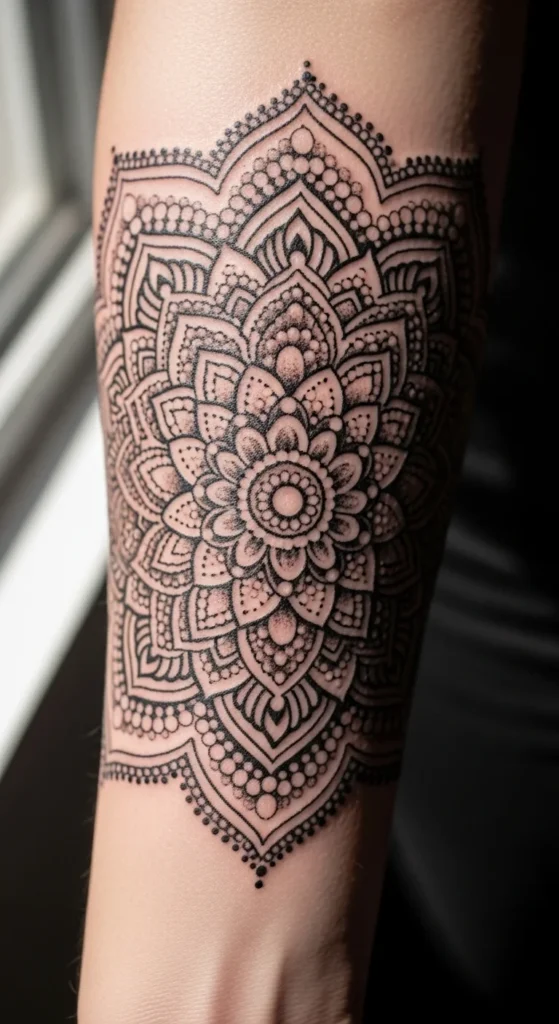
Dotwork adds texture without heavy lines. Start with a small circle and work outward using dots at different distances. Closer dots create darker zones. Spread-out dots soften the look. If you’re trying this style in a test sketch, use a stippling pen on smooth paper to practice gradients. You can also combine dotwork with one or two thick outer rings for contrast. This approach helps the pattern stay readable from a distance.
4. Geometric Precision Wheel
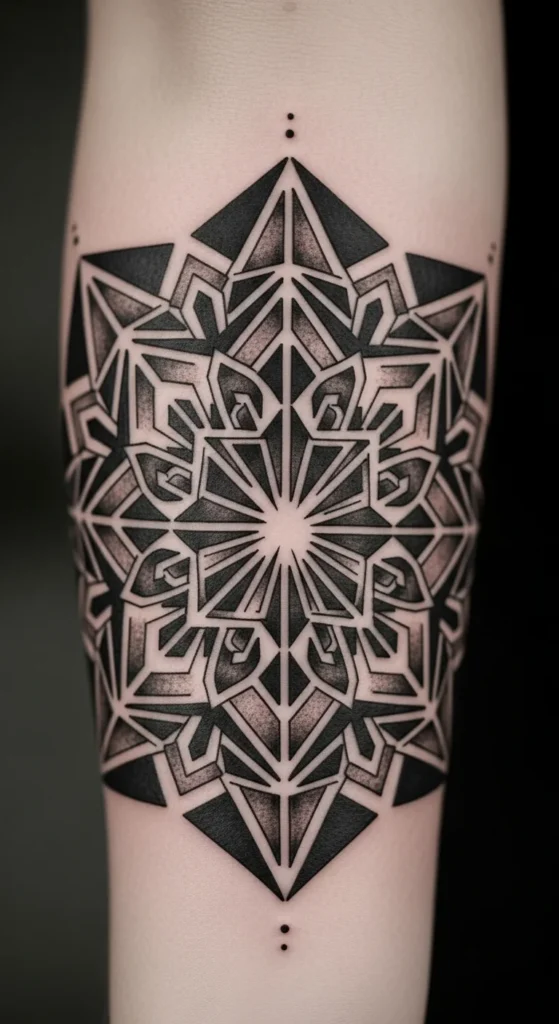
A geometric mandala feels clean and organized. Straight lines and repeated shapes help create a calm rhythm. Use triangles, diamonds, or hexagons as repeating units. If you want a minimalist look, keep the interior simple and make the outer rings bold. To explore this style at home, use a compass and ruler to draft shapes on printer paper. This helps you see how different angles fit together before bringing your idea to an artist.
5. Forearm Symmetry Strip
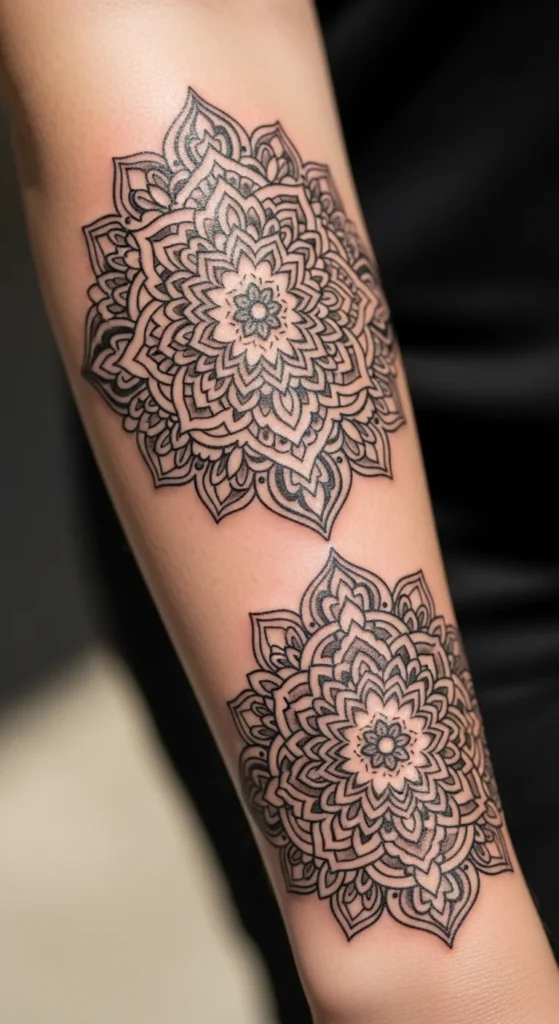
A long strip fits perfectly on the forearm because the shape naturally follows the arm line. Keep the center narrow, then build repeating circles outward. It’s helpful to measure the arm’s width first so the pattern doesn’t look too small or too wide. For a budget test, print a strip-shaped temporary design and place it on your arm. This lets you see how the design fits around natural curves.
6. Honeycomb Hexa-Mandala
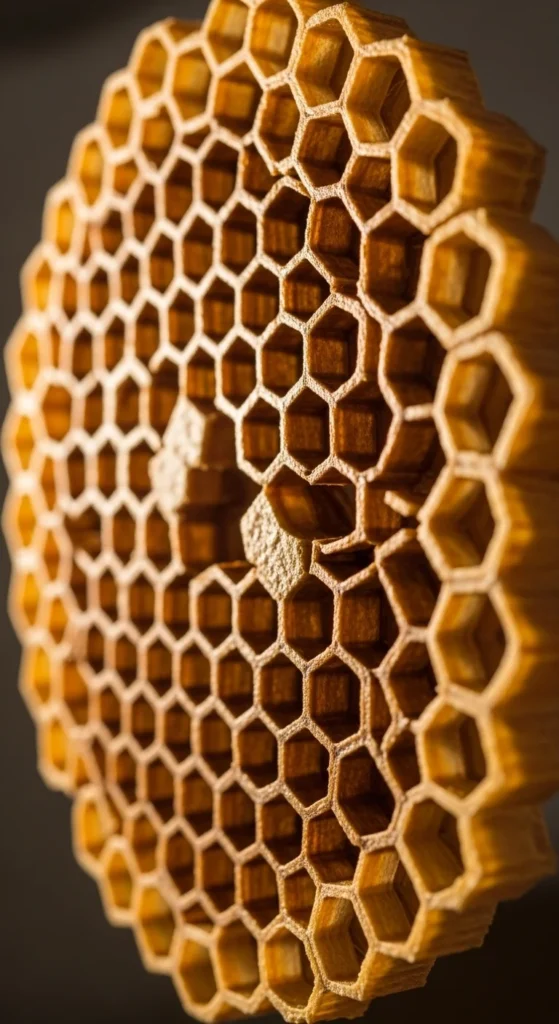
Honeycomb shapes give the mandala a natural, structured feel. Use small hexagons in the center, then expand with larger hexagons or dot shading. This style works well on arms or legs because it flows with the body. Try cutting small hexagon shapes out of paper to experiment with different arrangements. This simple practice helps you understand how repeating shapes create movement.
7. Floral Fusion Mandala
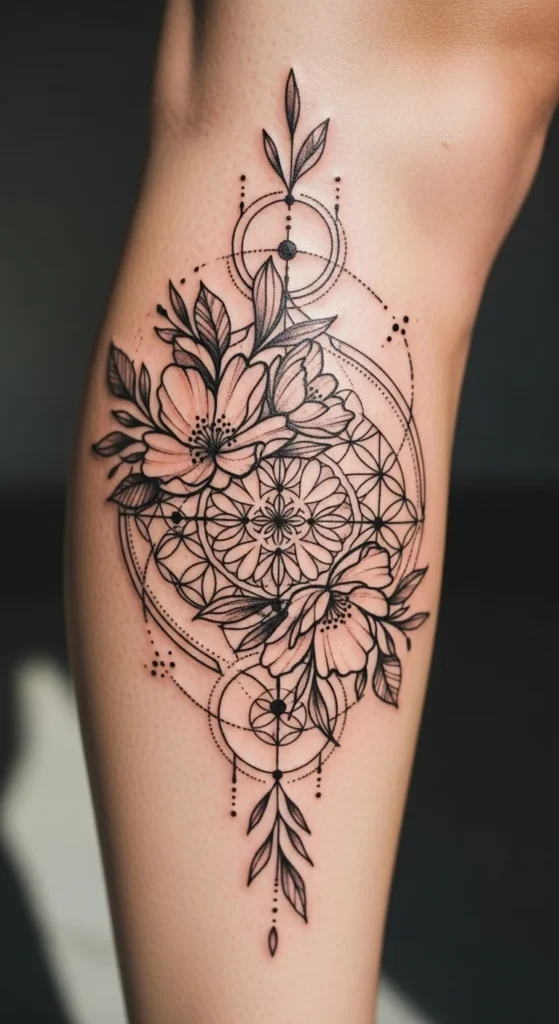
A floral fusion mandala blends soft petals with geometric order. If you prefer a gentler look, keep the floral lines light and smooth. Add circular rings to create structure around the petals. For a simple DIY exploration, draw a flower outline first, then overlay circles to see how geometry supports your floral elements. This helps you find a style that feels balanced.
8. Underboob Curve Mandala
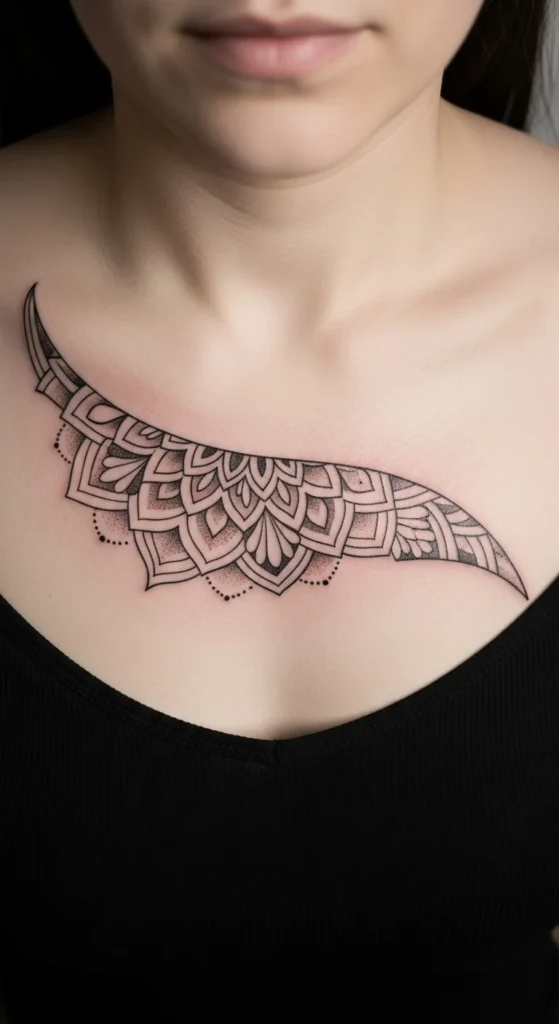
Curved mandalas look natural under the chest because they follow the body’s shape. Start with a half-circle and add outward petals or triangles. Lines should taper gently to match the curve. If you want to test placement, cut a half-circle stencil out of paper and check how the shape aligns with your natural angles. This helps the final tattoo feel smooth and intentional.
9. Backpiece Universe Mandala
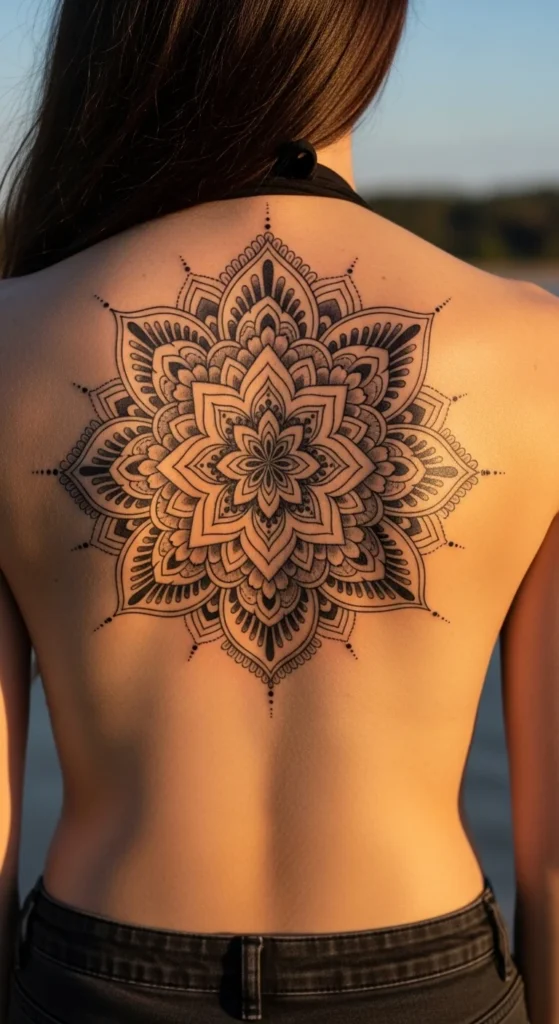
A full back mandala offers space for bigger shapes. Start with a large center and build multiple rings outward. Mix dot shading, petals, and shapes for variety. If you’re unsure about the size, tape a printed circle behind your shoulders and take a mirror photo. This gives you a clear sense of scale. Bigger patterns often look calmer because the details have room to breathe.
10. Shoulder Cap Mandala
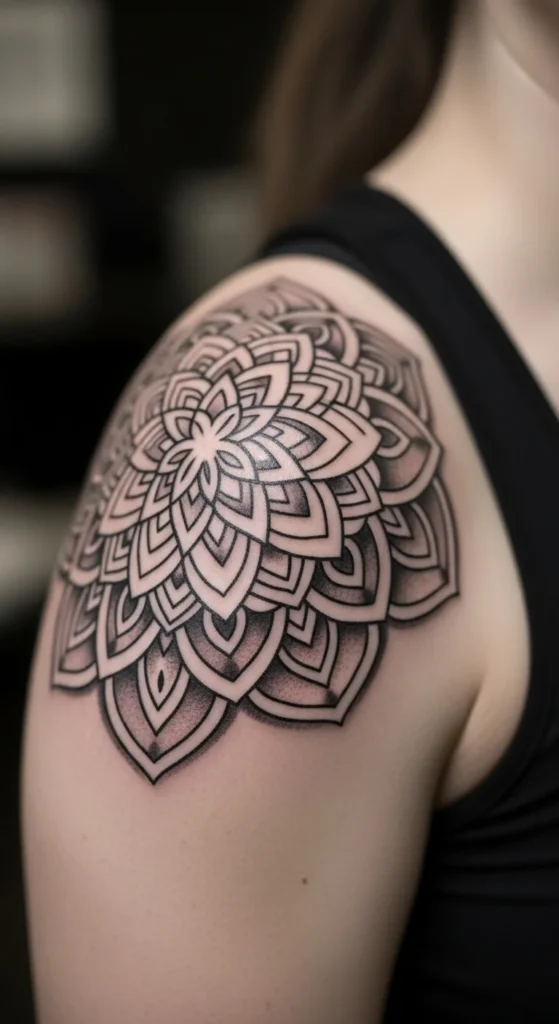
The shoulder is shaped like a natural dome, so a circular mandala fits beautifully. Keep the center small so the outer rings wrap nicely over the curve. If you’d like to preview the look, draw a circle on a sticky note, place it on your shoulder, and rotate it slightly until you see a direction you like. This helps you decide the perfect angle before your appointment.
11. Cosmic Star Mandala

A cosmic mandala brings a dreamy feel. Add small star shapes, orbit lines, or tiny dots around the outer rings. Keep the core geometric so the stars don’t overwhelm the pattern. Test different star sizes with pencil sketches to find the level of detail you prefer. Smaller accents often feel more peaceful and easier to maintain over time.
12. Negative Space Blackout Mandala
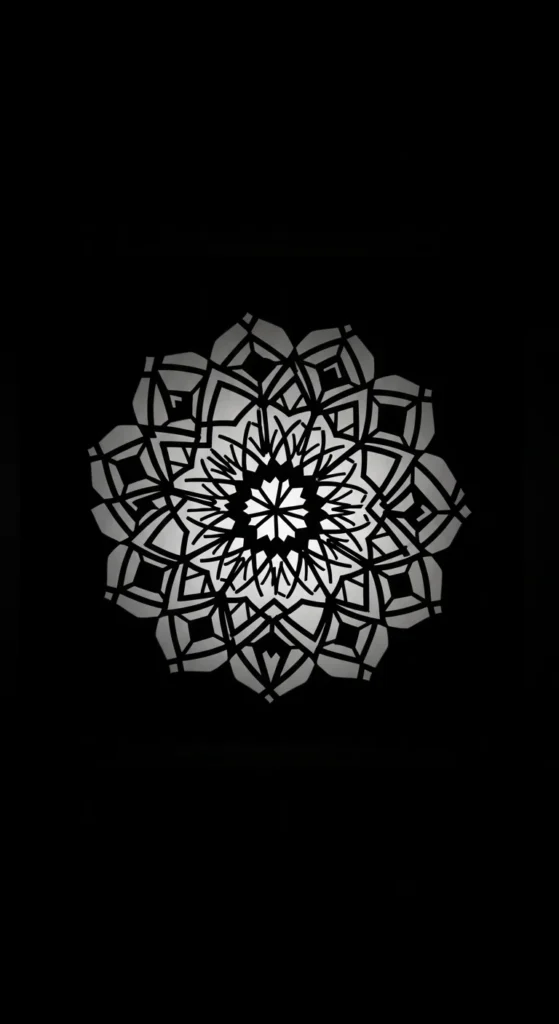
Negative space stands out without using heavy detail. The idea is simple: fill a large area with solid ink, then carve the mandala shapes by leaving blank skin. If you want to test the look, use a thick marker on tracing paper to block out dark areas, then draw blank shapes inside. This helps you see contrast before committing to bold ink.
13. Minimal Fine-Line Mandala
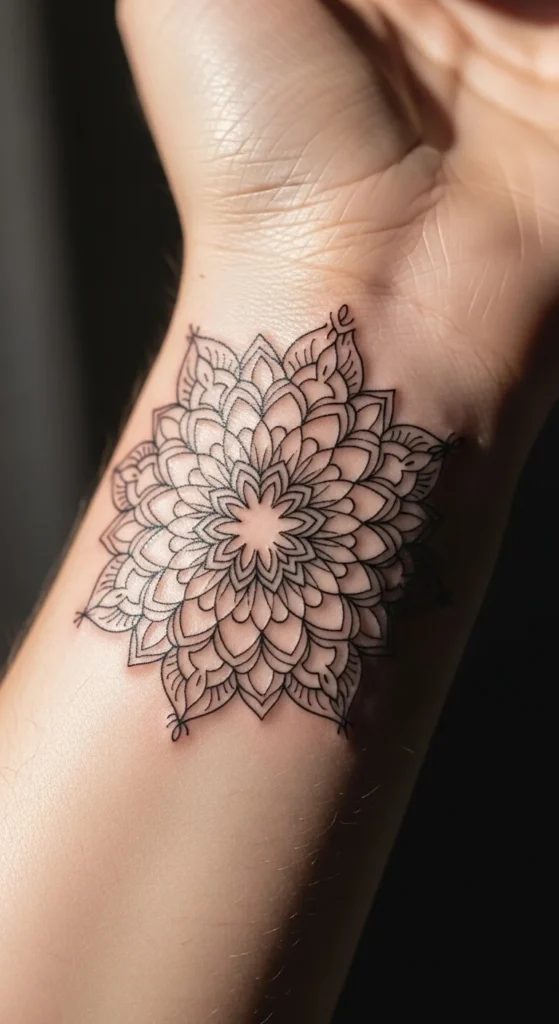
Fine lines look clean and light. Keep the pattern small, with a few thin rings and simple petals. This style works well for tiny tattoos or first-timers. If you prefer a subtle look, skip shading and stick to outlines. To practice at home, use a thin-tip pen to sketch simple circles and petals. You’ll notice how small adjustments can change the entire mood.
14. Spiral Flow Sleeve Mandala
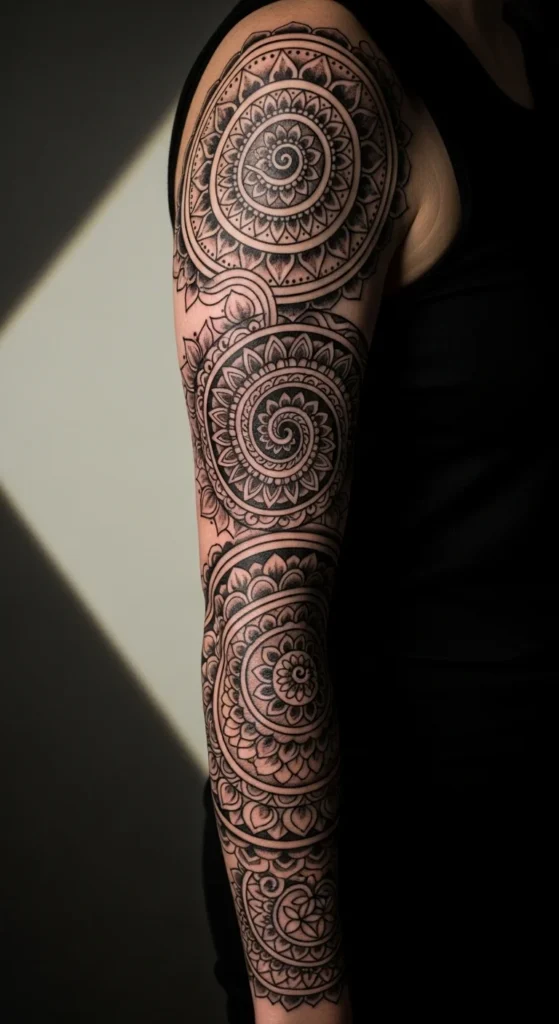
A spiral sleeve gives motion to the mandala. Begin with several small circles placed along the arm, then connect them with curved lines. This creates a flowing pathway. A helpful trick is to mark your arm with small sticker dots to map out where each circle could go. Move the dots around until the flow feels natural before committing to a full sleeve plan.
15. Thigh Sanctuary Mandala
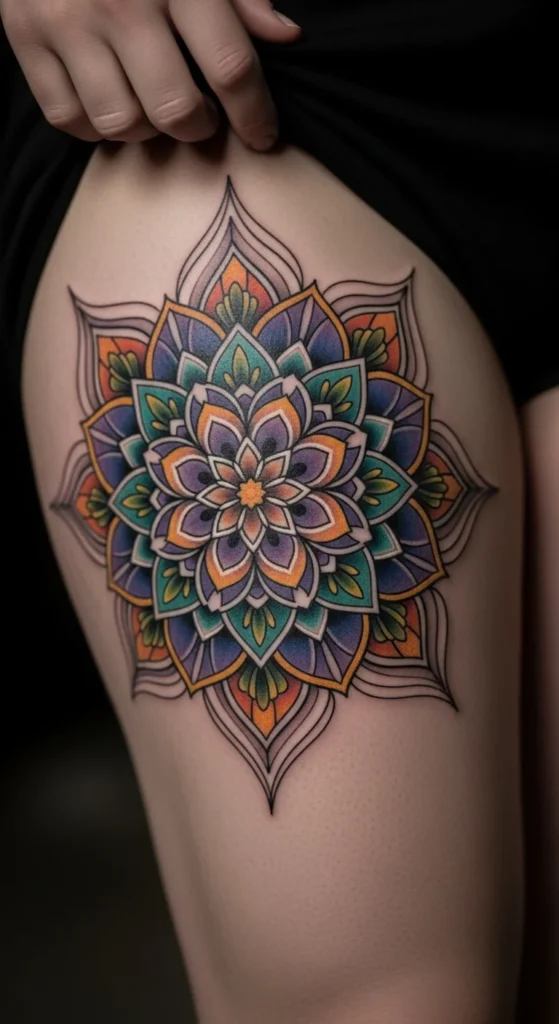
The thigh offers space for wide, soft patterns. Use large petals, rings, or dot shading. Thigh tattoos also allow quiet personal placement. To try different sizes, make a paper cutout of your design and tape it to the thigh. Sit and stand to see how the shape shifts with movement. This helps the final design stay readable from every angle.
16. Temple Crown Mandala
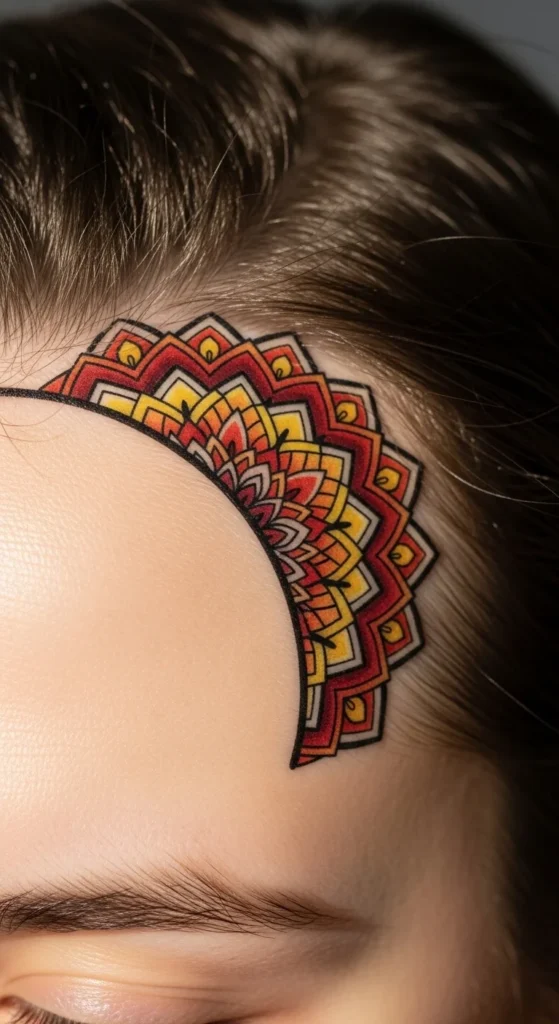
A headpiece mandala looks like a crown. Keep the shape shallow so it follows the natural curve of the forehead or hairline. Use light dotwork if you prefer subtle shading. Try drawing a curved line on transparent film and place it against the forehead in the mirror to test how the arc flows. This simple test lets you find a shape that feels personal.
17. Magnolia Petal Mandala
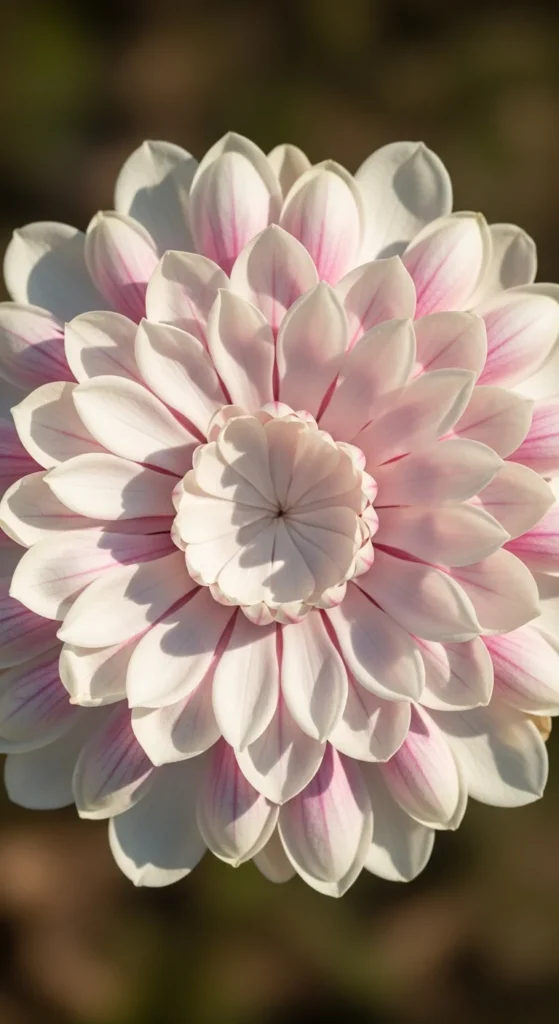
Magnolia petals create a gentle frame for the center circle. Combine large petals with small inner geometry. This keeps the pattern soft but still structured. If you want to preview the look, draw petal outlines first and then add small triangle or diamond accents around them. This combination feels calm and earthy.
18. Baroque Scroll Mandala
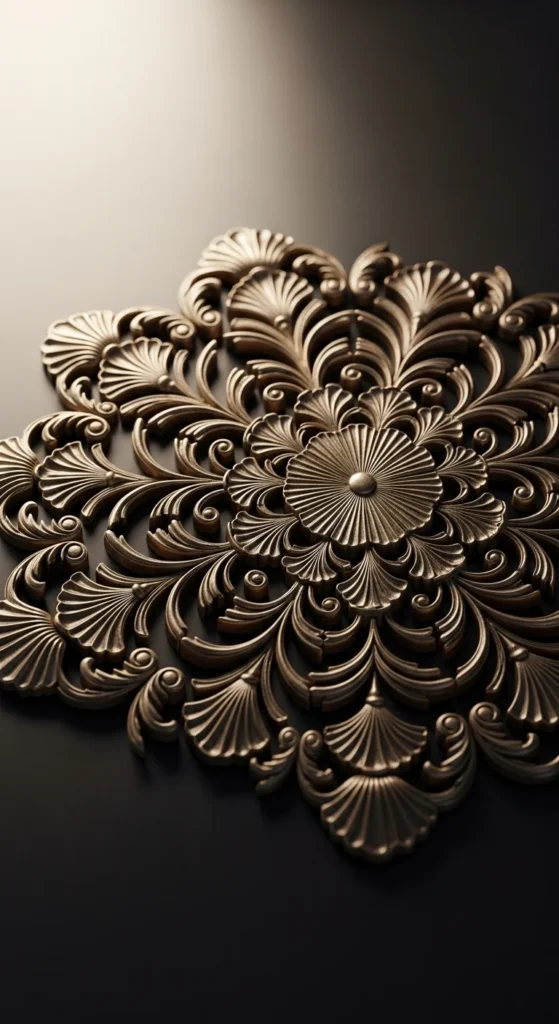
Baroque curls add softness to the mandala. Use curved lines instead of hard angles. This style works well on upper arms or the back. To explore this idea, sketch loose swirling shapes first. Then place circles inside the curls to create harmony. Even small curls can bring a sense of gentle movement into the design.
19. Protective Talisman Mandala
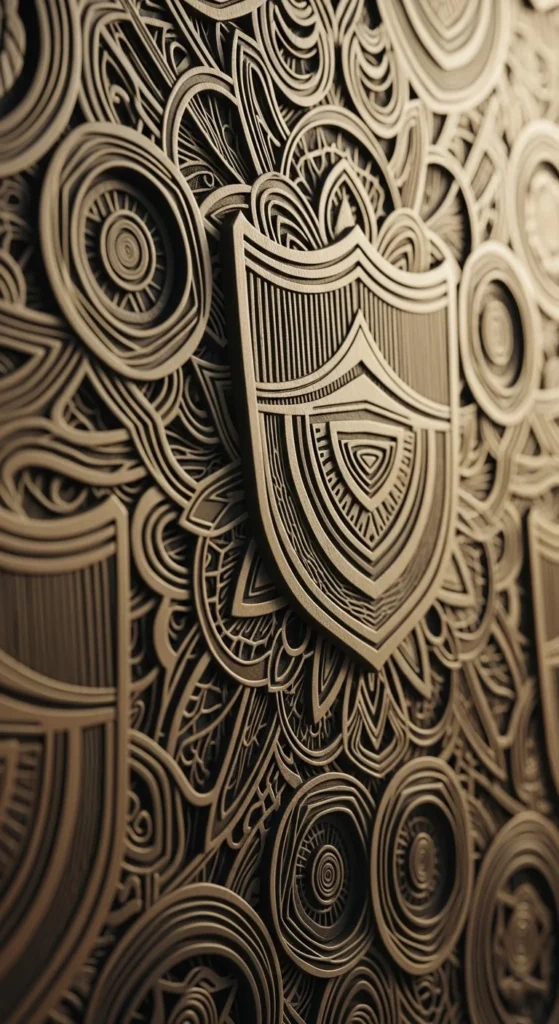
This design focuses on simple rings and shield shapes that feel personal. If you like meaningful pieces, keep the center tight and build outward with repeated shapes. A simple rings-first approach works well. To test size, draw a small circle on your forearm, then expand it gradually until the proportion feels right.
20. Layered Path Mandala
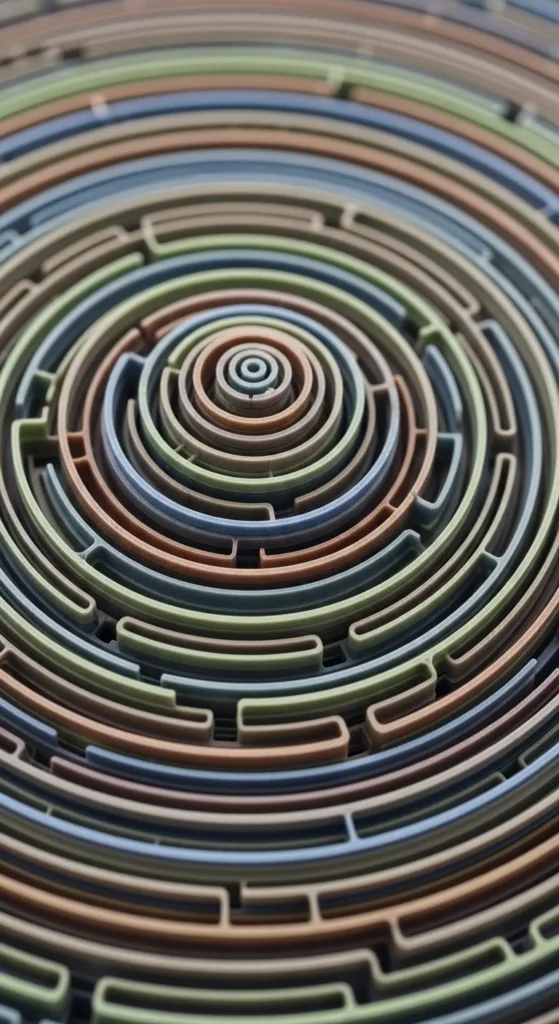
Layered mandalas feel reflective. Build two or three concentric layers, each with a slightly different shape. Keep the inner rings light, then add bolder shapes outward. If you want a quiet design, use thin lines throughout. To try this at home, draw circles of different sizes using a cup or round household item. Then add rings and see how each layer stacks on the next.
21. Watercolor Soft-Edge Mandala
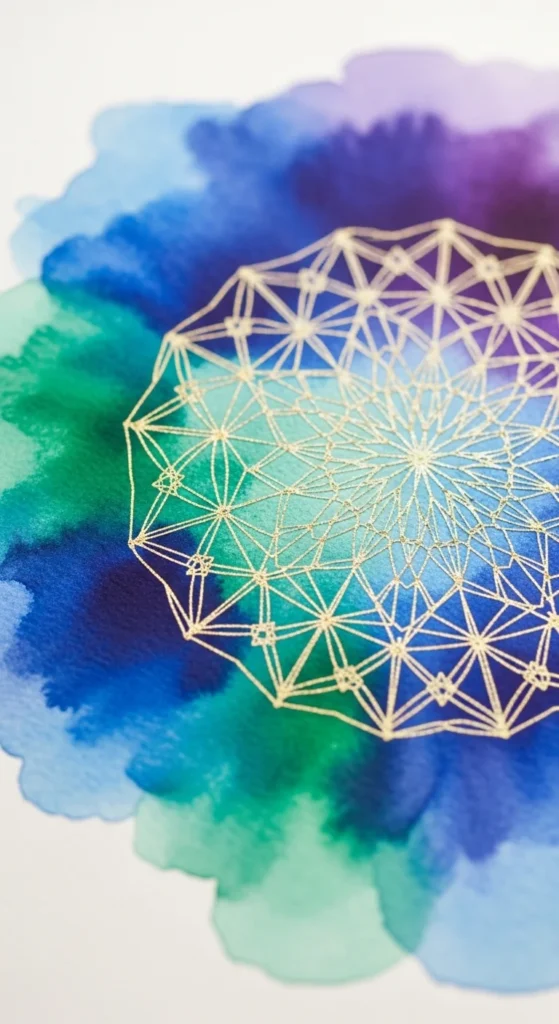
Adding watercolor strokes creates softness around the mandala. Keep the geometry inside crisp, then place gentle color splashes outside the rings. If testing at home, try watercolor pencils on paper to blend soft tones like teal, pink, or gold. This gives you a feel for how colors flow without overpowering the structure.
22. Tribal Heritage Mandala
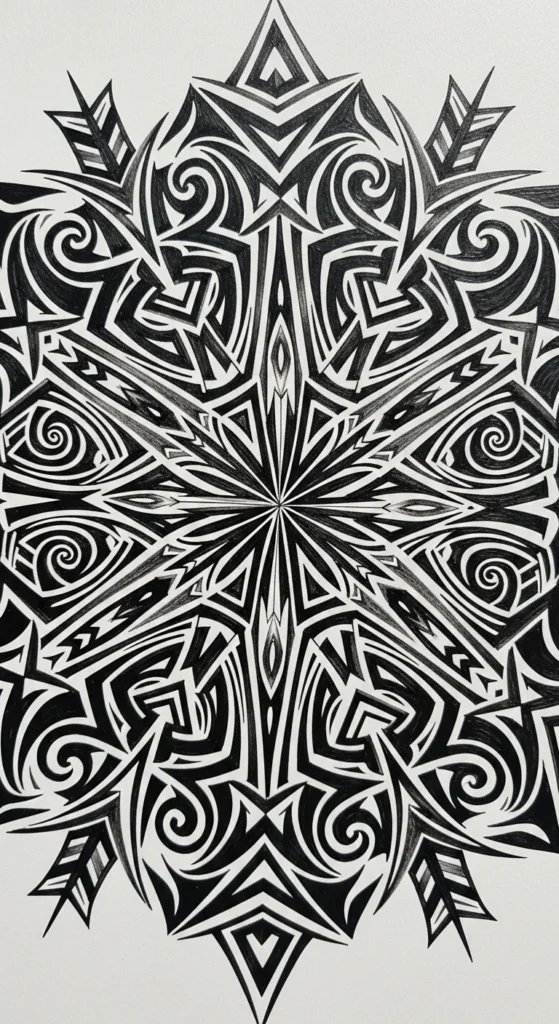
This style blends strong strokes with circular geometry. Start with thick lines in the center, then add thinner details around them. If experimenting at home, use a thick marker to block the main shapes, then outline smaller accents around them. This helps you see how the contrast works before selecting final placement.
23. Minimal Wrist Circle Mandala
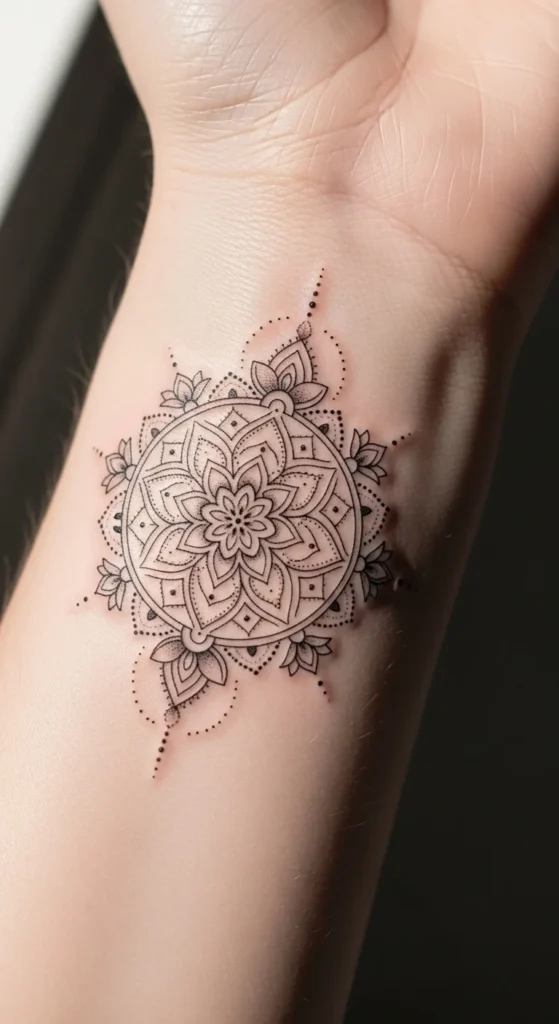
A small wrist mandala stays simple but meaningful. Keep the design tiny, no bigger than a coin. Use only two or three rings with light petals. If you like delicate ink, keep spacing wide so the lines stay readable. To test the placement, draw a circle on your wrist with a fine-tip pen and see how it feels throughout the day.
24. Collarbone Arc Mandala
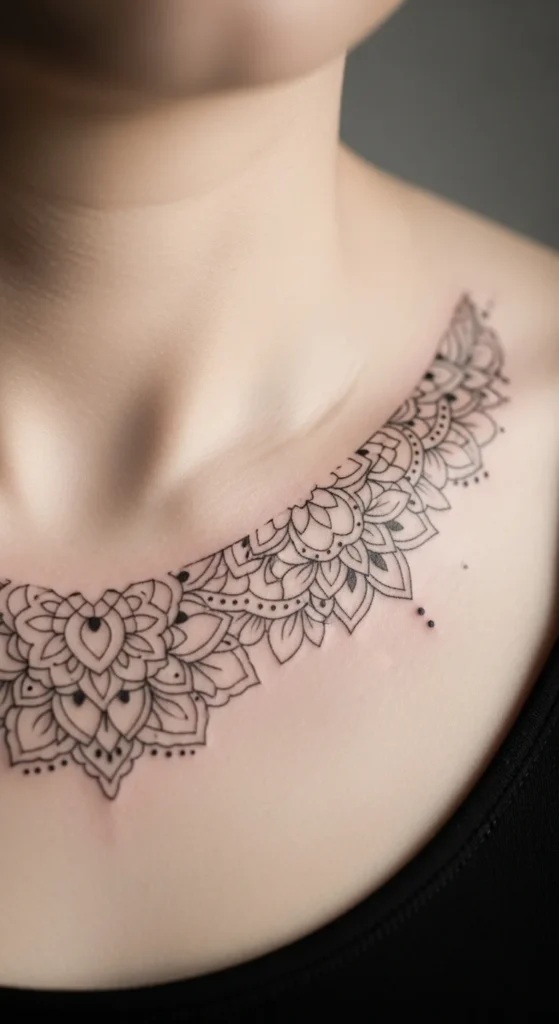
The collarbone curve gives a natural path. Use a half-circle mandala with gentle lines that follow the bone. A simple way to test this at home is to cut a curved paper strip and place it along your collarbone. Adjust the angle until the shape feels balanced. This placement is great for delicate styles.
25. Calm Chest-Center Mandala
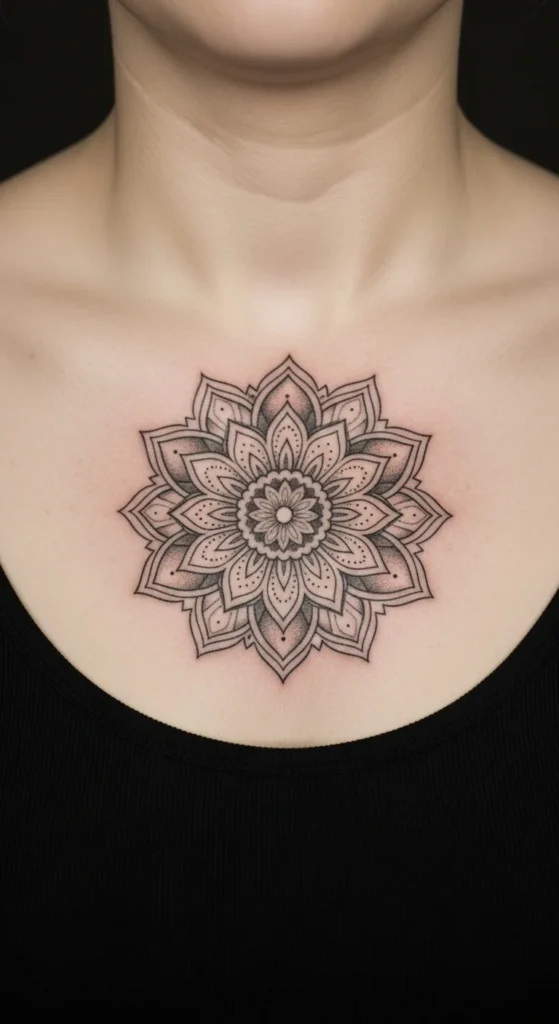
A chest-center mandala creates a grounded look. Keep the core tight, then add outer rings that taper gently. For simple home testing, draw a circle on paper, tape it to your chest, and check the mirror. Adjust size until it feels comfortable when standing and sitting. This helps the tattoo remain balanced from every angle.
Conclusion
Mandala tattoos offer patterns that feel peaceful, personal, and easy to adapt. Each idea above gives you a starting point to shape something that fits your style, size, and comfort level. Simple tests like paper cutouts, tracing paper, and temporary prints make the process easier and cheaper. Let these ideas guide you toward a design that feels steady and meaningful in your daily life.