
You can pick the prettiest tattoo design in the world… and still feel “meh” about it years later if the placement fights your body, your lifestyle, or how skin naturally changes. The good news? Long-term placement choices aren’t about perfection—they’re about smart alignment: movement, sun, friction, and the way your body carries the art over time.

Start With the “Future You” Check (Before You Pick a Spot)
Before you fall in love with a placement, run it through a quick reality filter. Ask yourself:
- Will this still fit my style in 5–10 years?
- Do I want to see it every day—or prefer a “peek” tattoo?
- Does my job or family situation need easy coverage?
- Am I okay with touch-ups if it fades faster here?
A great long-term placement isn’t just about how it looks on day one—it’s how it blends into your life and your body over time.
Quick tip: If you’re torn between two areas, pick the one that matches your daily routine (sun exposure, clothing, movement) rather than the one that’s trending online.
Understand How Skin Changes (And Why That Matters)
Skin isn’t static. Some areas hold crisp lines longer because they experience less stretching, friction, and sun.
Placements that tend to age more predictably:
- Outer upper arm
- Forearm (especially outer forearm)
- Calf
- Upper back / shoulder blade
- Thigh (front/outer)
Placements that often show aging sooner (not “bad,” just higher-maintenance):
- Hands and fingers (constant washing + friction)
- Feet and ankles (shoes + rubbing)
- Inner bicep (soft skin + friction)
- Ribs/side body (breathing + stretching)
- Neck and behind the ear (sun exposure + fine skin)
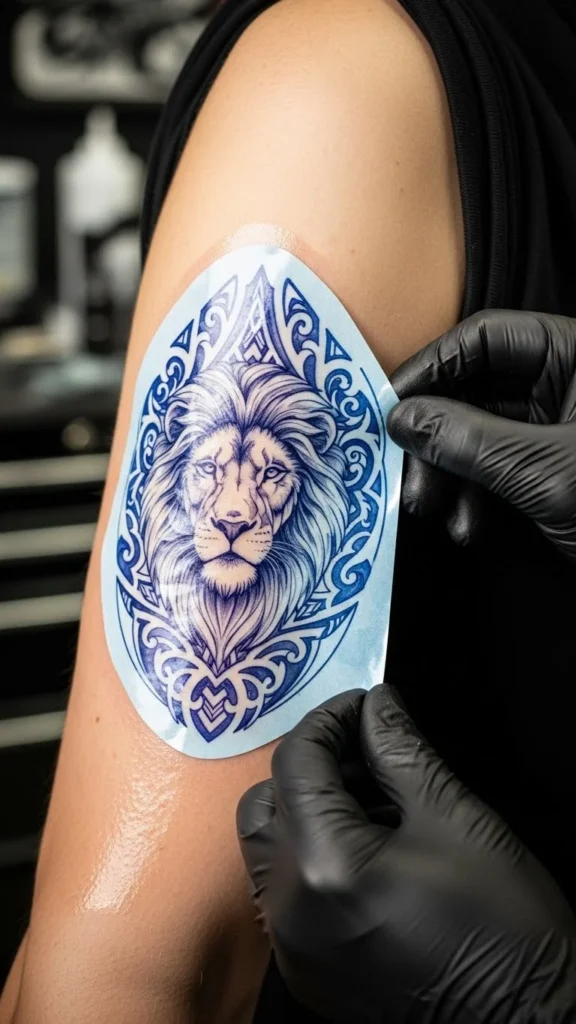
Pro move: Think of your body like a moving canvas. Areas that bend, rub, or stretch a lot can soften details faster—so those spots usually do best with bolder designs.
Match the Design to the “Movement Map” of Your Body
Placement isn’t just where—it’s how the tattoo sits on your body. The same design can look totally different depending on alignment.
A simple rule:
- Flow with the body (muscle curves, bone lines, natural shapes)
- Avoid placing key details where skin folds or creases heavily
Try these pairing ideas:
- Long designs (snakes, florals, quotes): forearm, spine, shin, outer thigh
- Round designs (mandalas, moons, simple symbols): shoulder cap, upper arm, calf
- Wrap designs (bands, vines): upper arm, forearm, thigh
Stencil test you’ll thank yourself for:
Move like you normally do—lift arms, sit down, twist, bend. If the design warps in a way you hate, adjust the placement before ink day.
Factor in Sun, Friction, and Clothing (The Sneaky Fade Accelerators)
Even a perfectly done tattoo can fade faster if it lives in a “high-wear” zone.
Sun-heavy areas:
- shoulders, forearms, chest, neck
Friction-heavy areas:
- waistband/hip, under bra line, inner thighs, ankles, feet
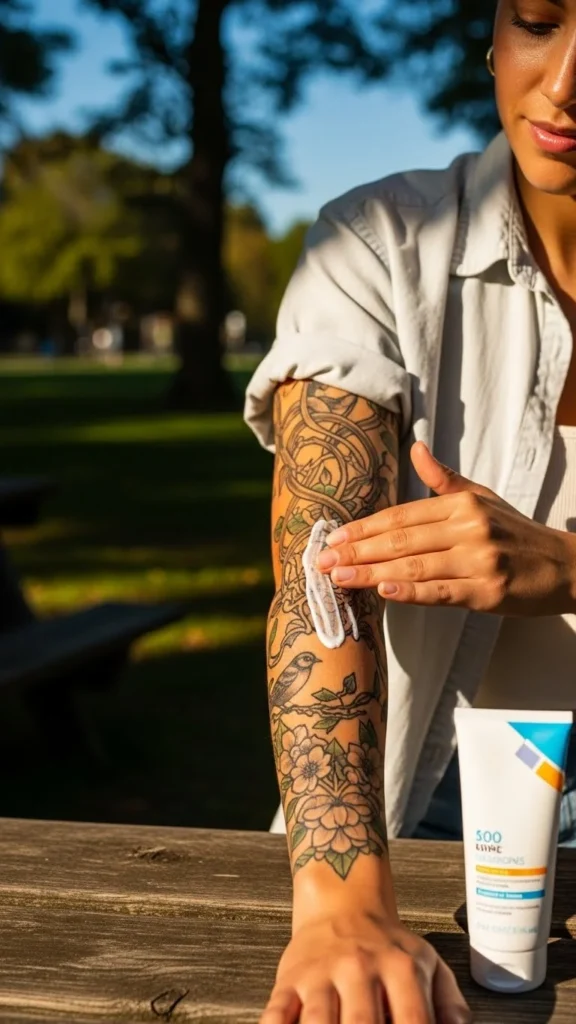
If you love a high-wear placement anyway, do this:
- Choose bolder lines and slightly larger size
- Skip ultra-fine micro details that rely on crisp edges
- Plan for touch-ups as normal maintenance, not failure
[Image Prompt] A lifestyle photo of someone applying sunscreen to a healed forearm tattoo outdoors, with soft sunlight, a casual outfit, and the tattoo visible without any text in the image.
Pick Visibility With Intention (Not Pressure)
Visibility can feel exciting now… but long-term satisfaction usually comes from intentional visibility.
Try these “visibility levels”:
- Easy to hide: upper arm, ribs, back, upper thigh
- Sometimes visible: forearm, calf, shoulder
- Always visible: hands, neck, lower arms (depending on clothes)
If you’re a first-timer or prone to overthinking, a “sometimes visible” spot is often the sweet spot. You get to enjoy it, but you’re not forced into it on every single day.
Quick trick: Take photos of your stencil in a mirror wearing your usual outfits. That’s the real preview.
Think About Body Changes Without Fear
Bodies change. That’s normal—and tattoos can still look amazing through it.
Some areas tend to fluctuate more with weight change or muscle gain:
- stomach, hips, inner arms, chest
That doesn’t mean “avoid forever.” It just means:
- Choose designs that forgive movement (florals, organic shapes, bold traditional)
- Avoid super geometric pieces that need perfect symmetry if you’re placing them on high-change areas
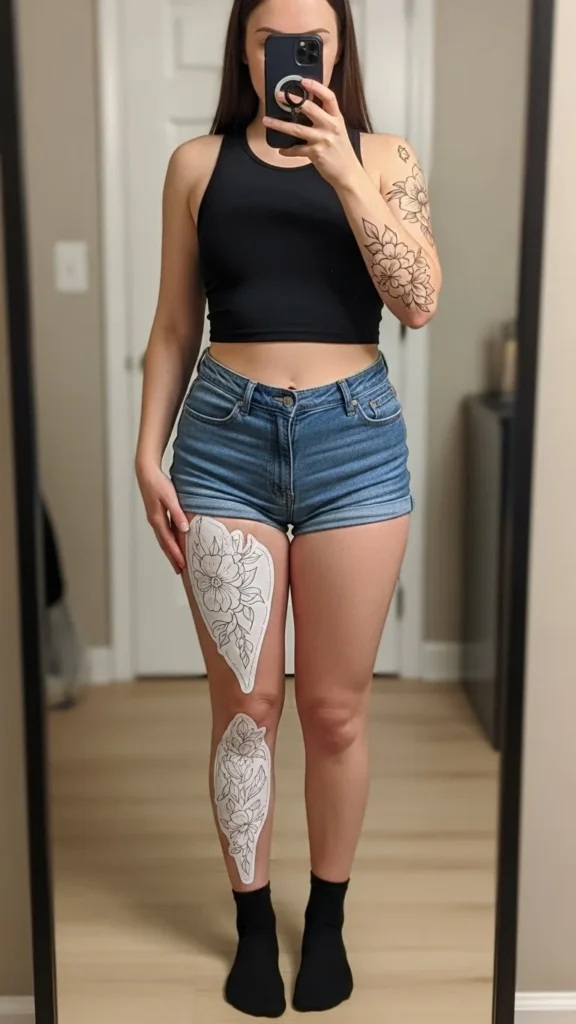
Best advice: Don’t place a design where you’ll constantly inspect it like a microscope. Put it where it can simply live on you.
Bring It All Together: A Quick Placement Checklist
Before you commit, run through this mini checklist:
- Does it flow with my body in motion?
- Will it be exposed to lots of sun?
- Will it rub against clothing daily?
- Is the design bold enough for this spot?
- Can I live with the visibility level long term?
- If it fades faster here, am I okay with touch-ups?
If you can say “yes” to most of these, you’re probably choosing a placement you’ll love for years.
Final Takeaway
The best long-term tattoo placement is the one that matches your body’s movement, your lifestyle, and the design’s needs—not just what looks cool today. Take your time with stencils, test it in motion, and choose a spot that will still make you smile years from now.