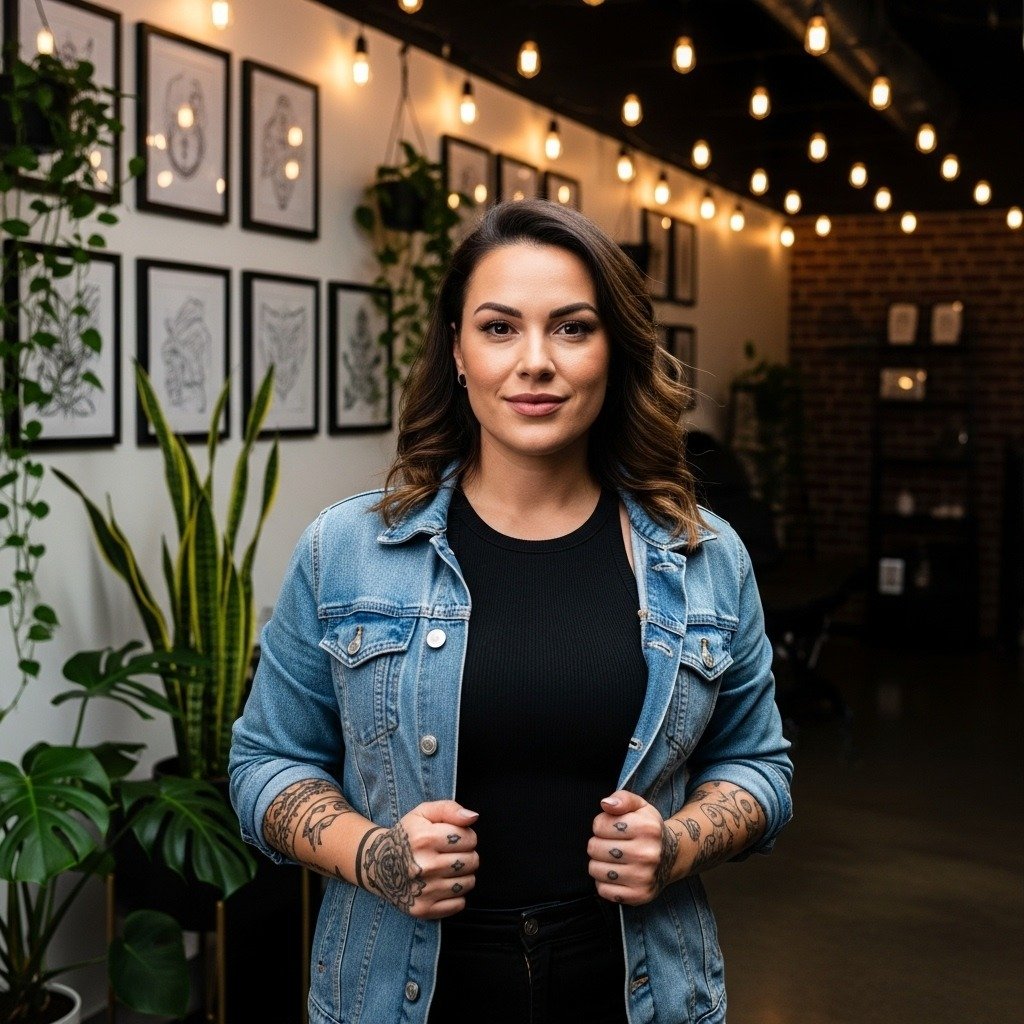
Fine line wolves look gorgeous fresh, but a lot of forearm wolf pieces lose their crispness sooner than people expect, watercolor splashes can muddy into a bruise, and the inner forearm can surprise first-timers with unexpected pain near the wrist. Read through these real forearm-friendly options so you can pick a style that reads well today and still looks intentional after a few years.
1. Fine Line Delicate Wolf Portrait
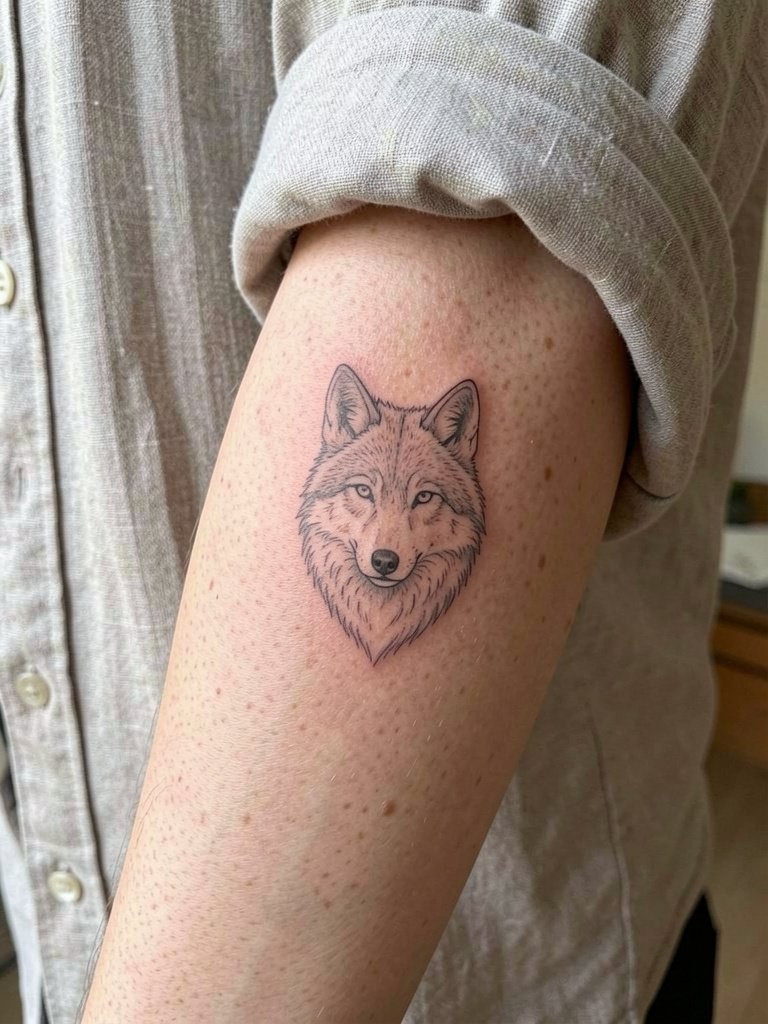
Fine line wolves read intimate and tidy on the inner forearm, especially if you want a softer, pet-like portrait. Artists split on whether this holds long term. One camp says fine line on the inner forearm blurs within two to three years because the skin there is thin and the area flexes a lot. The opposing camp says fine line settles well when the artist uses slightly wider spacing and correct depth, and they point to healed examples that hold up at five years. If you like the fine line look, plan on a touch-up timeline at year two, ask for slightly more spacing between hairs, and show the artist a healed portfolio of similar single-needle portraits. For showing it off, a rolled-cuff linen shirt in cream or olive keeps the arm editorial without covering the linework, try this linen button down shirt for photos.
2. Sketch Style with Overlapping Lines
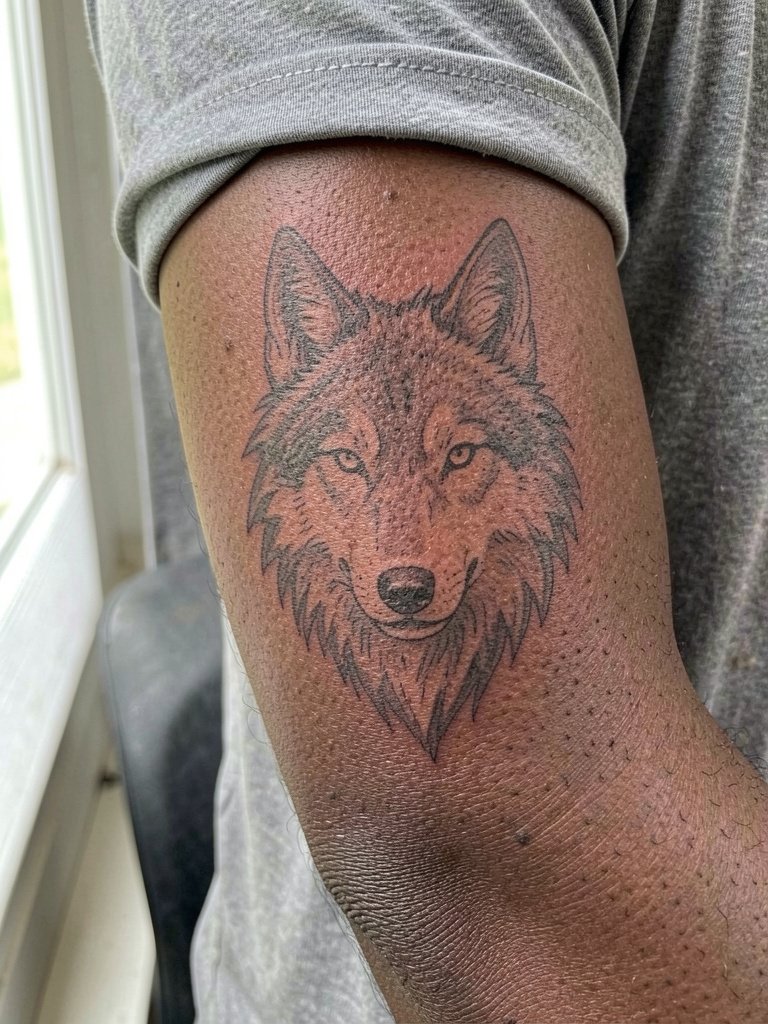
The sketch look keeps motion and imperfection central to the design, so when tiny details soften they read as part of the piece rather than a flaw. This style is forgiving on the outer forearm since the thicker canvas masks small softening. Common mistakes include asking for every stroke to be ultra-thin, which removes the breathing room the sketch needs. During consultation bring two reference sketches at different scales so the artist can show how the overlapping strokes read at three inches and at five inches. Session time is often a single hour for a medium sketch wolf, and pain on the outer forearm is usually mild. If you want a raw, artsy vibe, pair it with a vintage-cut denim jacket for contrast, try this vintage denim jacket to frame the look.
3. Realism Black and Gray Wolf
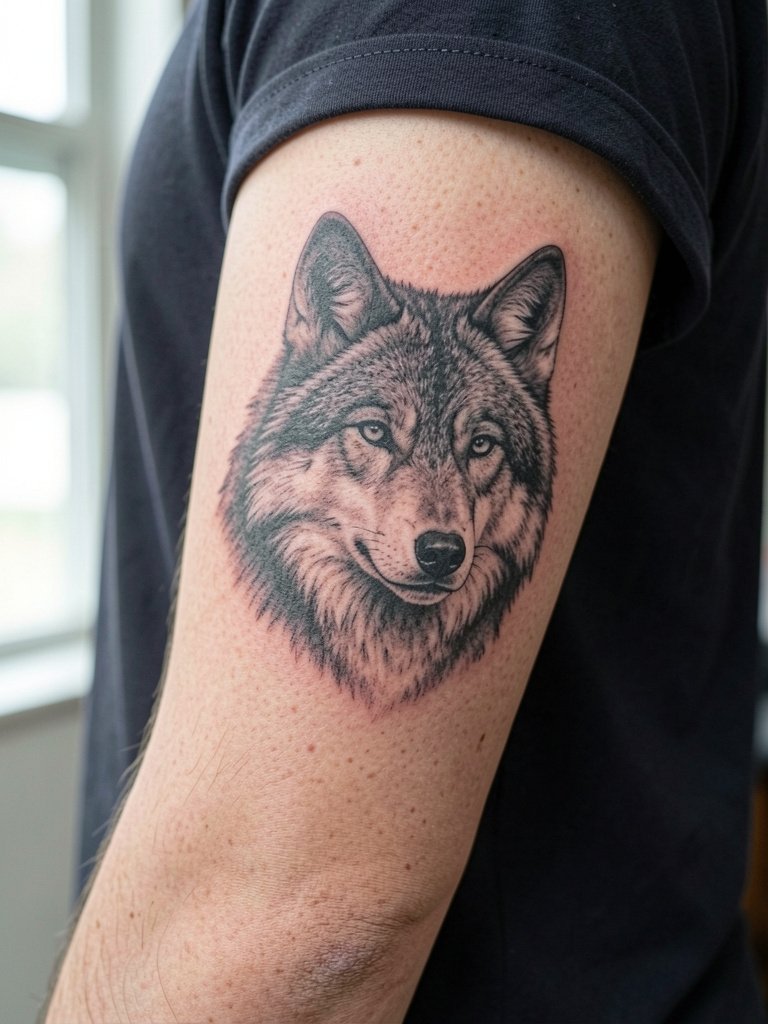
Black and gray realism gives the forearm a majestic presence, but it needs space to breathe. For realism, scale matters. Small portraits packed with fur detail often merge after healing. Ask the artist to map the eyes and major fur planes on your arm during the consultation so you both agree on scale. Realism sessions often run longer, and many realism pieces finish in one to two sessions. On darker skin tones ask the artist to prioritize contrast and punch in the highlights to avoid a flat look. For everyday wear a dark solid-colored tee makes grey shading pop, use this dark solid t-shirt to complement the piece.
4. Geometric Wolf with Symmetry
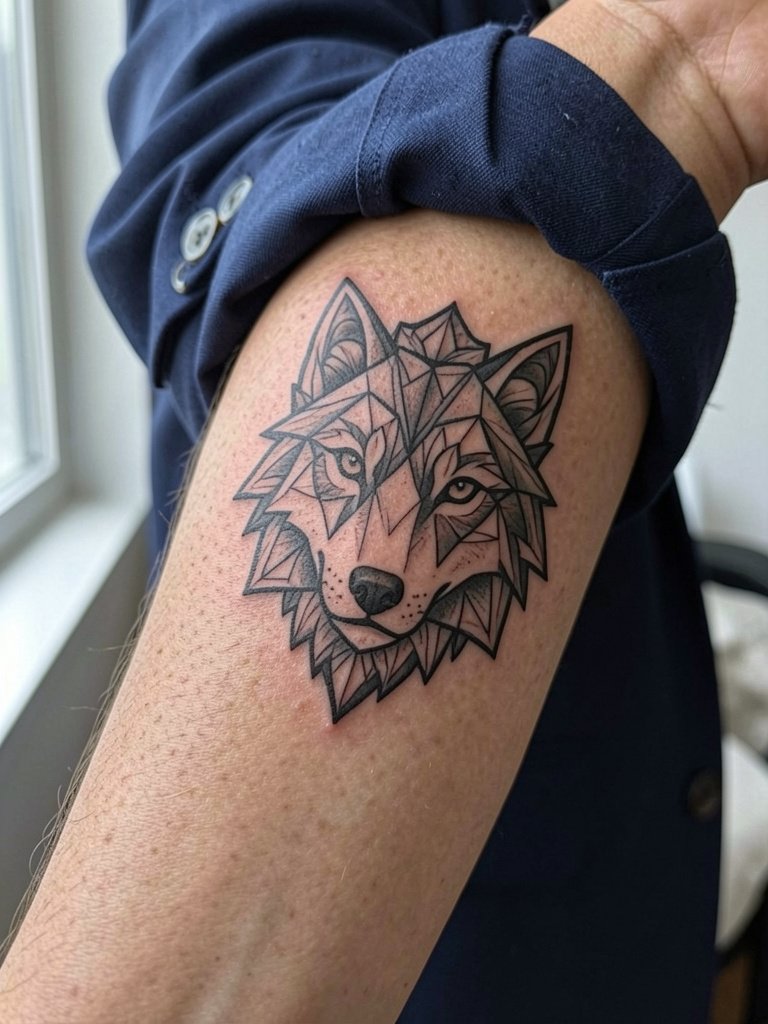
A geometric wolf reads smart and architectural on the inner forearm. The main mistake is going too small. Symmetry demands breathing room, and lines that are too close will blur together. When you meet the artist, ask them to mock the exact line thickness on your skin so you can confirm the pattern reads at arm scale. Geometric work ages predictably if you leave spacing between parallel lines, and touch-ups are rarely needed before year three. For a refined look wear structured blazers in navy or black when you want the tattoo to read like intentional tailoring, try this structured navy blazer for evenings out.
5. Split-Faced Half Geometric, Half Realistic
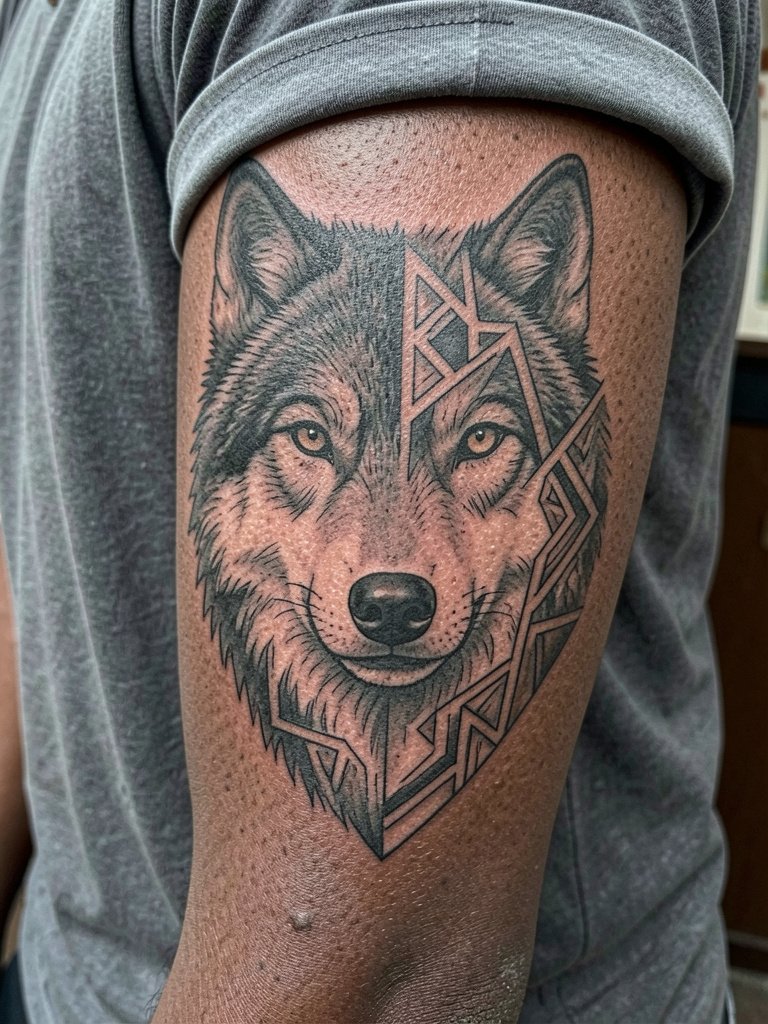
Split-faced designs make a bold visual argument on the outer forearm, with realism anchoring one half and geometry providing visual punctuation on the other. A common aging issue is letting the geometric side be too tight to the realistic side, which causes visual crowding when ink spreads slightly. During the consultation request a centerline guide so the halves meet cleanly. This hybrid usually fits a single long session for medium sizes, and it suits people who want a single forearm piece that balances organic texture and graphic structure. Wear neutral sleeves or a leather cuff on the opposite wrist so the split face remains the focal point.
6. Tribal Bold Black Wolf
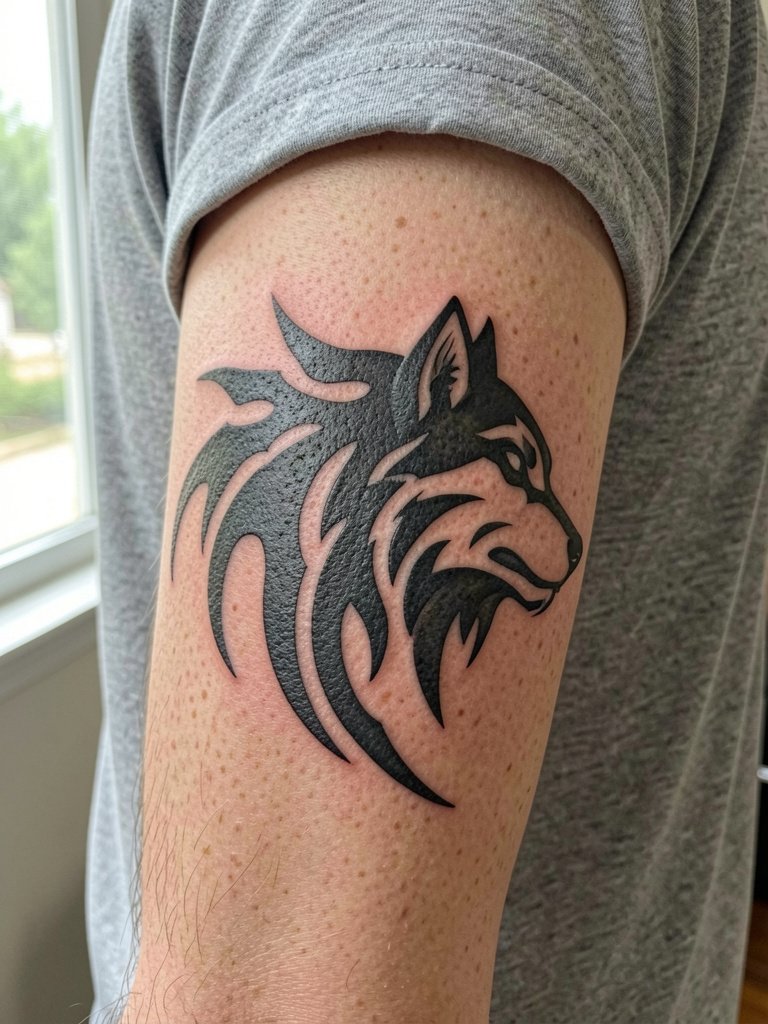
Tribal blackwork reads boldly for years when packed correctly. The main risk is over-packing, which can cause blowout and an indistinct blob. Ask the artist to use flow or stipple techniques for large fills rather than only heavy packing. This style is usually completed in one session and is forgiving of some healing changes. For a rugged, masculine pairing wear a leather wristband or a chunky watch on the opposite arm to frame the bold silhouette. Try this leather wristband to add contrast.
Session Day Picks
The inner and outer forearm pieces above need different session wear and a few care basics to keep linework crisp during the first week.
- Tattoo Graphe balm. A forum-favorite indie balm for reducing itch and preserving fine line clarity while healing.
- Tattoo Tree oil. Deep moisturizer that helps with scar prevention on large black fills and textured shading.
- Japanese tattoo care gel. Thin, non-clogging gel that suits single-needle and fine line work during the moisturizing phase.
- Ink Shield spray. A light protective spray that can feel less sticky than some balms during warm-weather heals.
- Saniderm second skin. Useful for keeping forearm pieces clean and moist for the first few days, especially where friction from sleeves is a concern.
7. Watercolor Splash Wolf
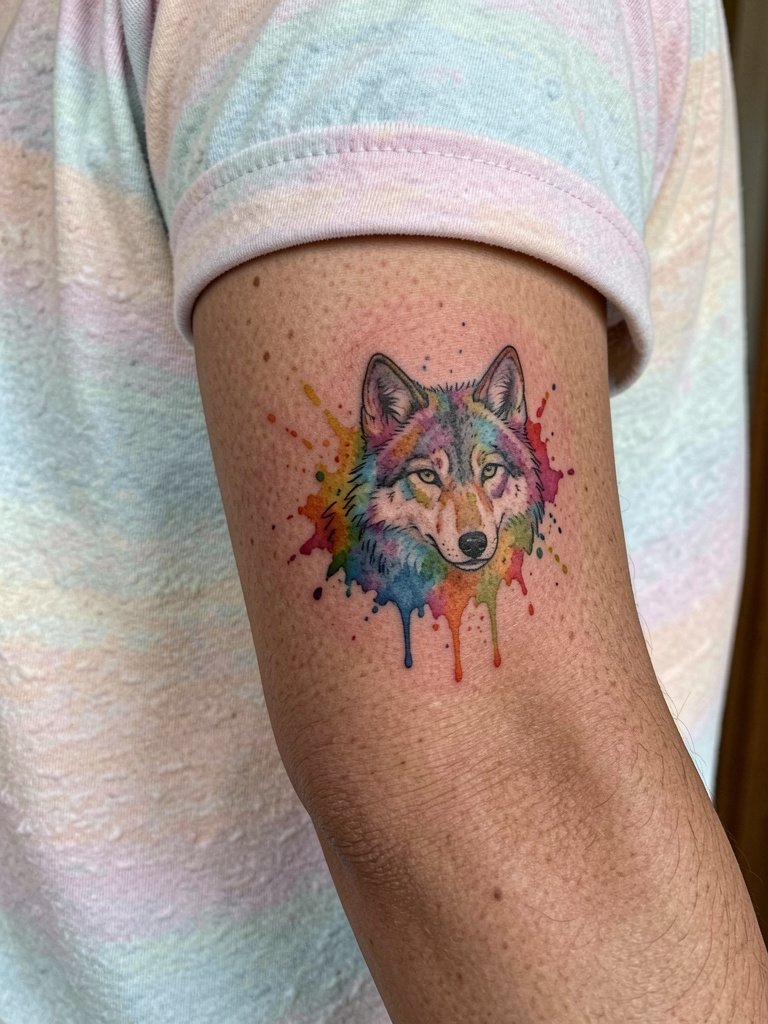
Watercolor wolves are vivid and painterly, but they split opinion on longevity. One camp argues watercolor fades quickly because the ink sits more shallowly and lacks heavy black outlines that hold the shape. The other camp says watercolor can last if the artist saturates color properly and uses modern pigments, and they will point to healed color work that retains pop past three years. If you choose watercolor, ask for slightly denser saturation in the color fields so they survive a couple of seasons of sun exposure. For show-off outfits choose light pastels or teal shirts that echo the palette, try this pastel t-shirt to coordinate.
8. Howling Wolf with Moon and Forest
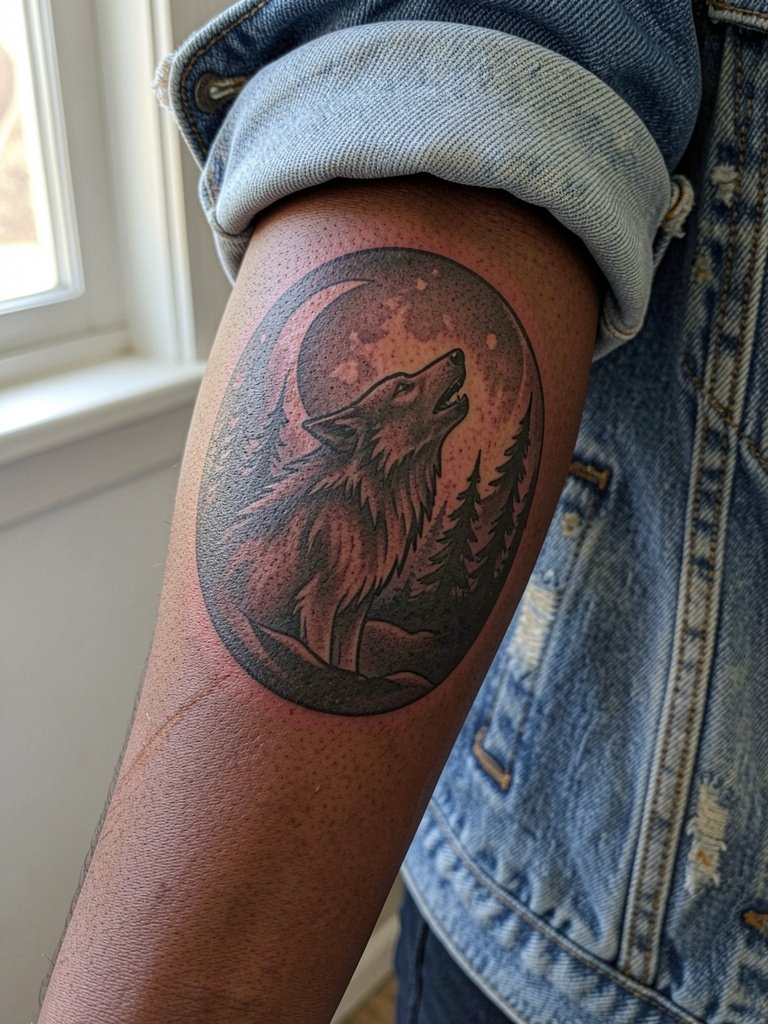
A howling wolf with a moon and forest reads cinematic across the outer forearm, and the background gives the eyes and snout breathing room. The common error is crowding the background with too many tiny trees, which muddies after healing. Request a silhouette-first mock so the negative space around the howl stays strong. This design often runs one to two sessions depending on how much background you want. For wardrobe pairings, a vintage denim jacket sets off the illustrative shading and makes the moon contrast, try this vintage denim jacket.
9. Double Exposure Wolf Silhouette
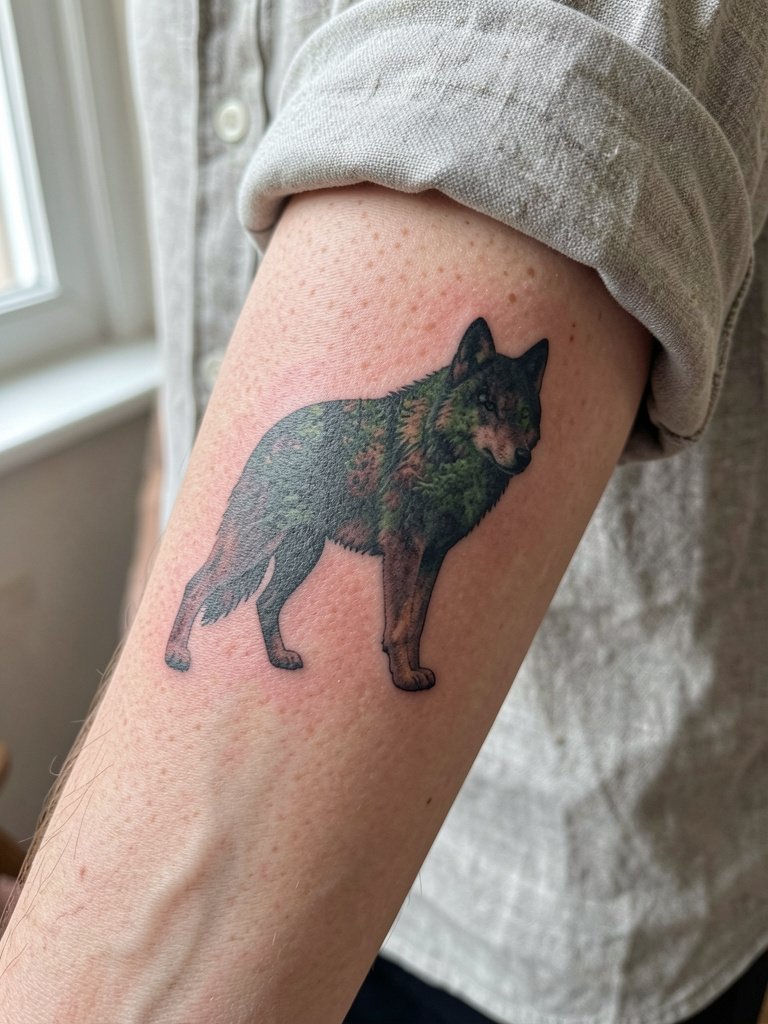
Double exposure wolves feel poetic on the inner forearm when the silhouette is clear and the interior landscape is restrained. A frequent mistake is packing too much detail into the interior, which turns into a muddy gray after a year. Ask the artist for a consultation sketch that shows how tree lines and negative space layer inside the wolf. This piece typically heals well when the silhouette edge is bold and the inside has simplified shapes. For casual wear choose rolled cuffs and neutral linen tones to keep the layered image readable in photos.
10. Dual Color Realism Wolf
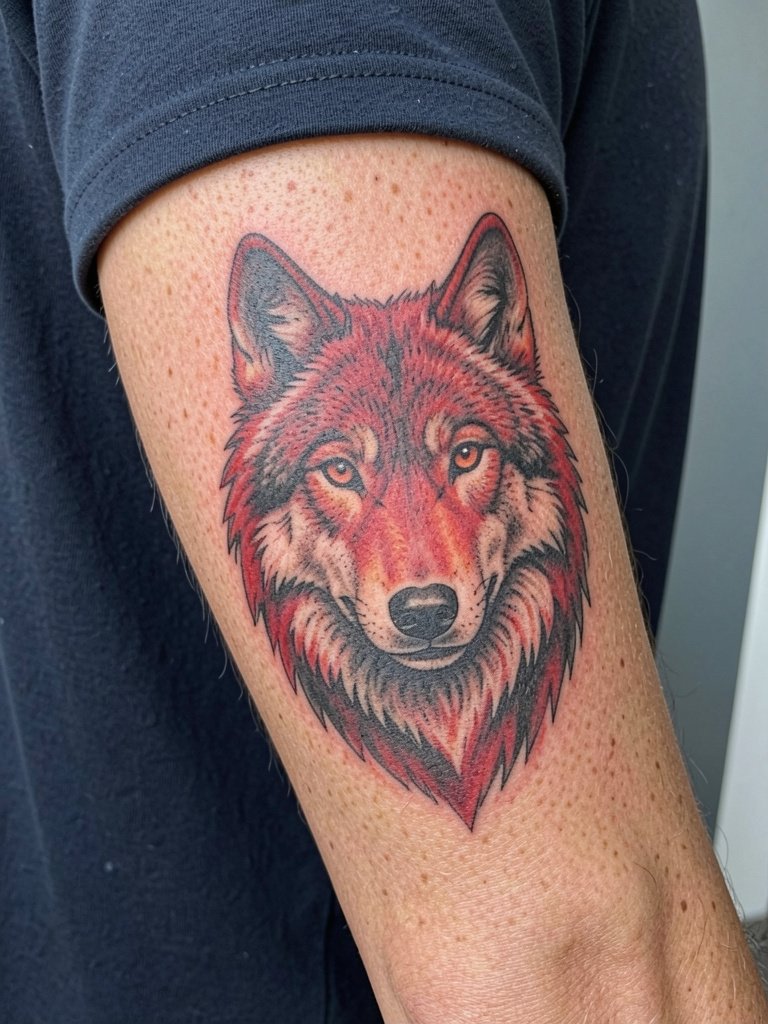
Two-color realism pushes contrast and symbolism, and it reads especially well on the outer forearm where the camera sees the shading clearly. The top mistake is letting the accent color compete with midtone grayscale instead of serving as a pop. During the consult specify which areas get color and ask for healed examples of dual-color work at similar scale. Expect one to two sessions and plan to avoid heavy sun on the color for the first year. For showing off the contrast wear dark solid tees that make the red and black sing, try this dark solid t-shirt.
11. Cyber Sigilism Wolf
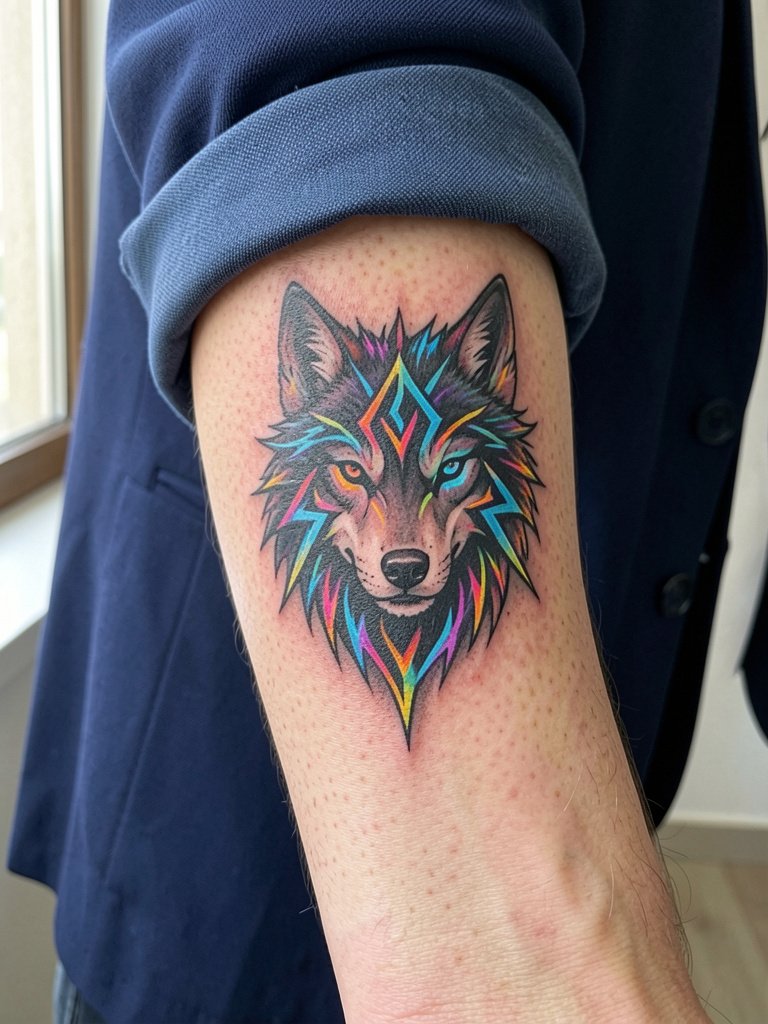
Cyber sigilism blends futuristic glyphs with wolf iconography and works well on the inner forearm when lines are crisp. The main mistake is adding too many thin neon strokes that will blur into noise. Be specific about which highlights are intended as color accents so the artist can place them where skin movement is minimal. This style often finishes in one session for a medium piece and is ideal for someone who wants an edgier forearm statement. Pair it with minimalist tailored layers to complete the tech look, try this structured navy blazer.
Frequently Asked Questions
Q: Will a fine line wolf on my inner forearm blur quickly, and what can I do to prevent it?
A: Some fine line pieces soften faster on the inner forearm because the underside flexes and shows pulse movement. One approach is to scale the design slightly larger and increase spacing between hair strokes so the lines have room to age. Schedule a touch-up at year two if you want the eyes and tiny details to remain crisp.
Q: Which forearm placement hurts less for a first tattoo, inner or outer?
A: The outer forearm is usually less sensitive because it has more tissue and does not sit directly over the pulse and wrist tendons. If you are nervous about pain, book the outer forearm for your first session and plan short breaks if the piece runs long. Wear a short-sleeve or sleeveless top for easy access, and consider numbing if you have low tolerance.
Q: How should I dress for the session and for showing off my new forearm wolf?
A: For session wear pick clothing that gives the artist full access without tight cuffs, for example a loose short-sleeve tee or a sleeveless top. For showing off inner forearm linework, rolled cuffs and neutral linen shades photograph well. If you want the piece to pop against your outfit, use a dark solid tee for black and gray realism, try this dark solid t-shirt.
Q: Where can I find healed portfolio examples and artists who specialize in these wolf styles?
A: Search hashtags like #wolftattoo, #forearmwolf, and #finelinewolf on Instagram and TikTok and filter by location to find nearby portfolios. Tattoodo and booking platforms show portfolios filtered by keywords such as "realism wolf forearm" or "geometric wolf." Reddit threads on r/tattoos and r/TattooDesigns are useful for peer-shared healed shots across skin tones.
Q: Do watercolor wolf tattoos fade faster than black and gray?
A: Watercolor can fade more noticeably because it relies on softer, less outlined color. Some artists use deeper saturation and modern pigments to extend retention, but if longevity is your priority black and gray or bold blackwork will generally hold up better. If you pick watercolor, plan for annual photo checks and a possible color refresh in a few years.
Q: What are the red flags when choosing an artist for double exposure or high-detail realism?
A: Avoid artists who only show fresh photos with heavy redness and no healed shots, because healed portfolios reveal how their shading and layering hold up. Ask for healed comparisons at similar scale and skin tones, and request a consultation sketch so you can see how they plan negative space and layering for double exposure.