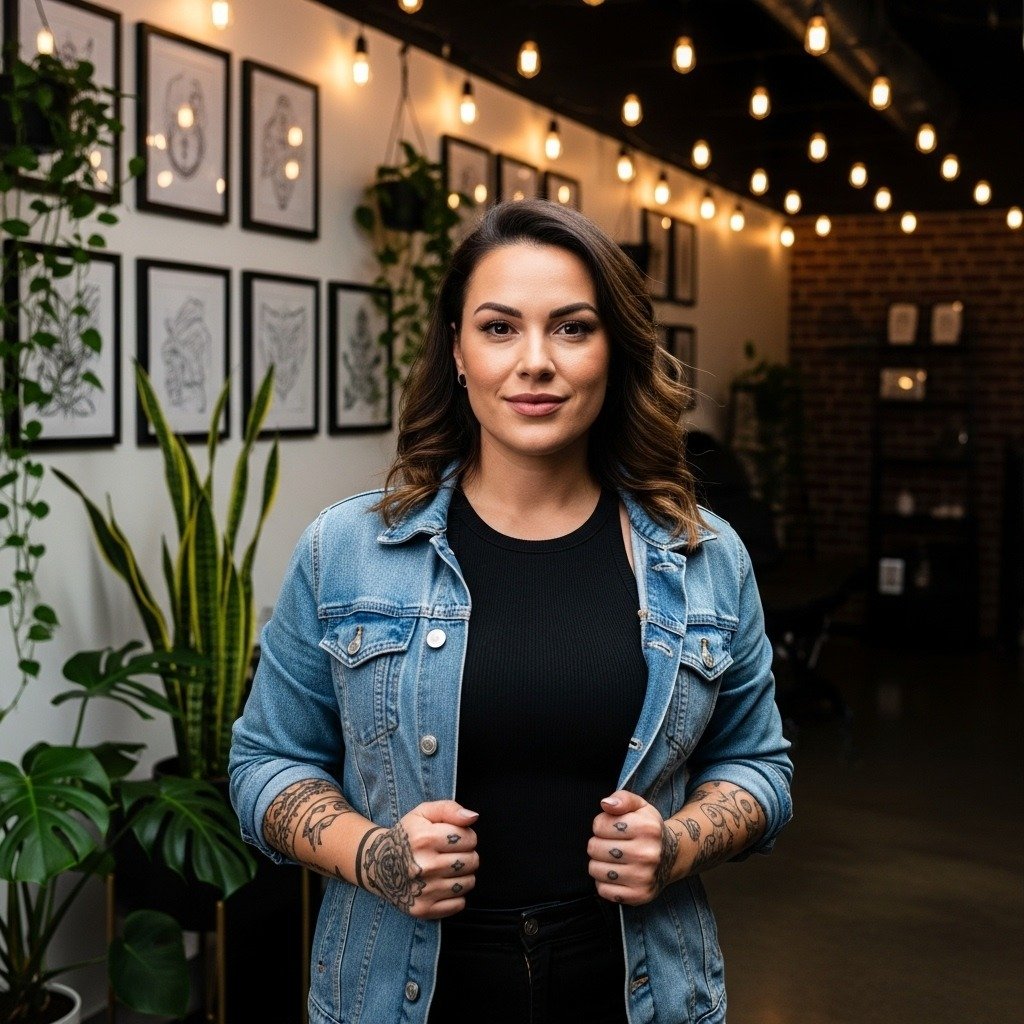
White ink minimalist pieces promise a low-key finish, but their real win is how they interact with skin over time. They read like tiny marks in certain lights, and that quality is what draws people who want a private accent rather than a billboard. The ideas below focus on micro scale, placement that helps white ink hold, and realistic tips so the faint lines still look intentional after a few years.
1. Fine Line Arrow on Inner Forearm
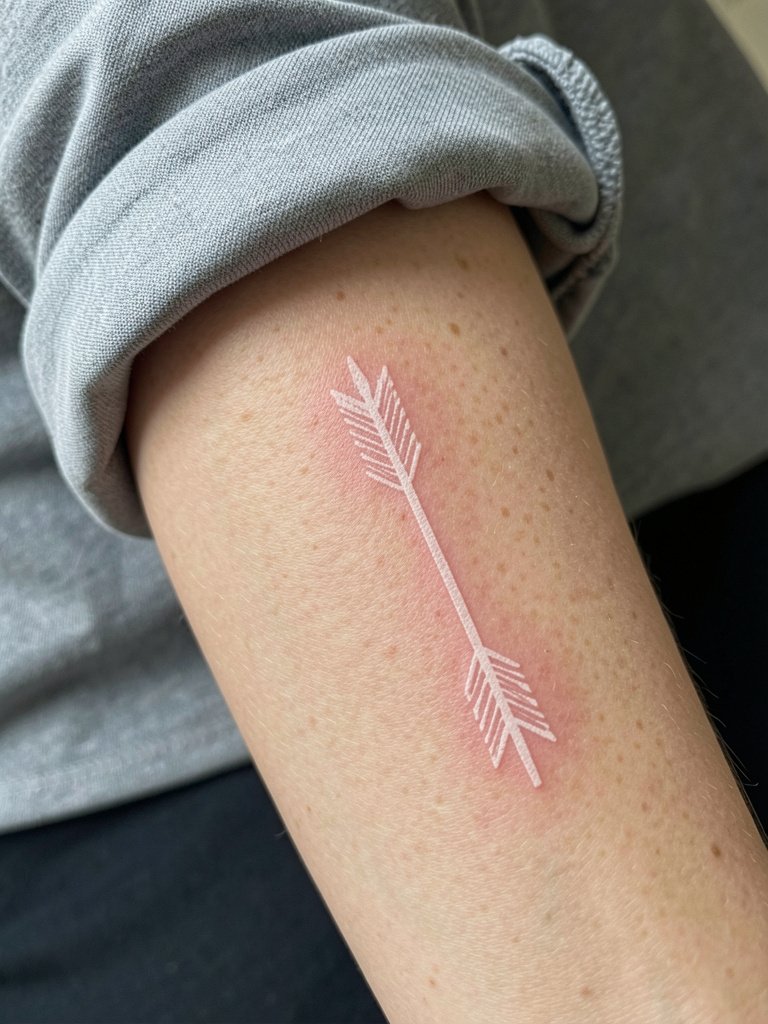
A narrow white arrow on the inner forearm reads like a faint scar in everyday light and glows when the arm turns. Recommend this over a black arrow when someone wants low contrast and plans for regular touch-ups. Specify to the artist that line weight be slightly heavier than a standard single-needle reference, because the palm-up forearm surface tends to soften micro lines by year two. Expect low pain and a 20–40 minute session for a 2–3 centimeter piece. For the appointment wear a loose button-down so the artist can roll the sleeve easily. For showing it off, pair with a rolled cuff linen shirt in a neutral tone.
2. Micro Crescent Behind the Ear
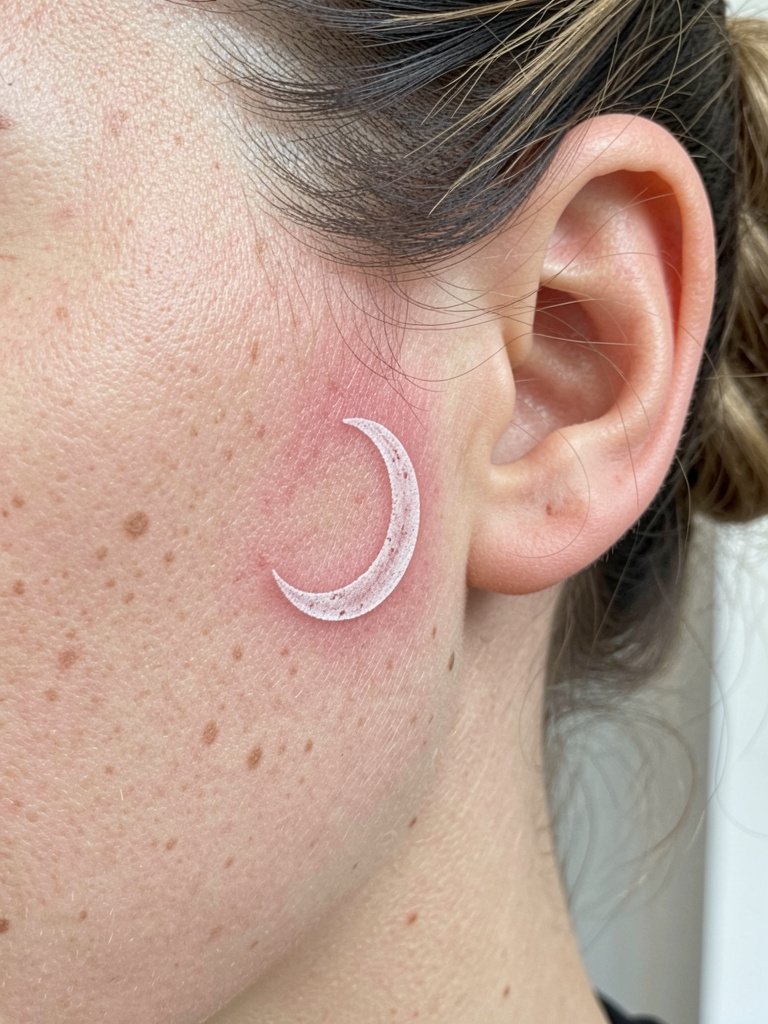
A behind-the-ear crescent is a classic stealth placement. It heals looking like a faint curve that appears only at certain angles, so choose slightly wider spacing than a pure single-needle stroke for longevity. Tell the artist to place the arc on the mastoid area rather than too close to hairline so the healed white sits on stable neck skin. The session is quick and the pain is minimal because the area is small, but the skin there can have uneven texture so expect a touch-up around the six to twelve month mark. Wear hair up on appointment day and consider an ear cuff to frame the crescent when you want it visible.
3. Tiny Floral Sprig on Inner Wrist
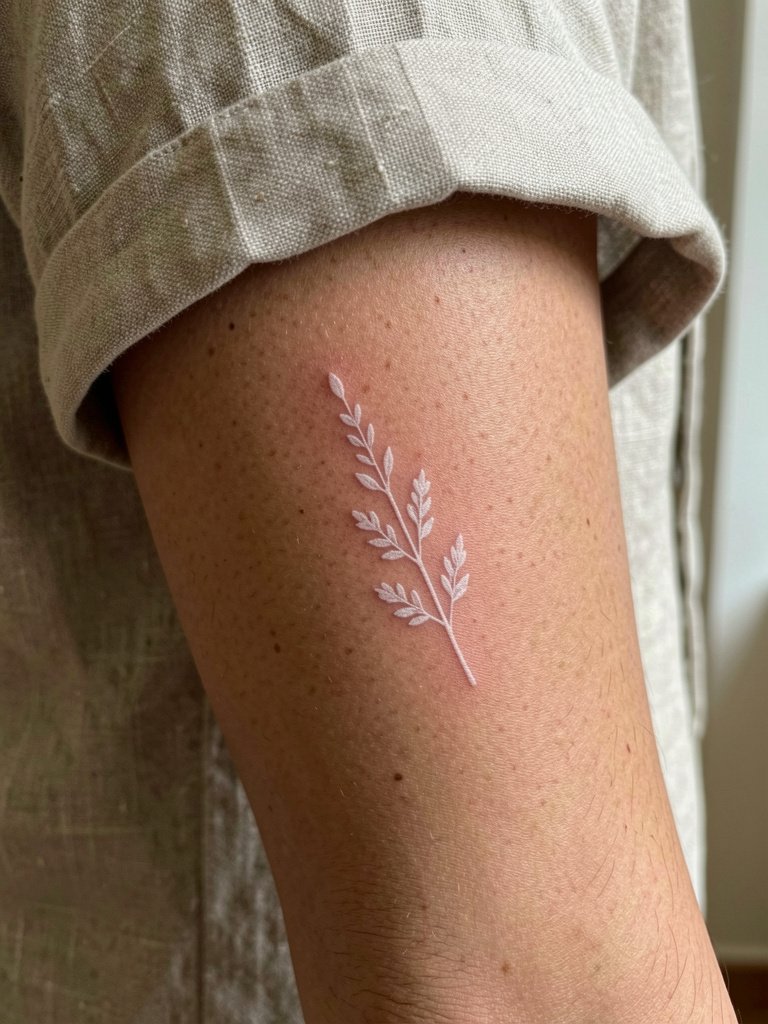
A single-stem sprig reads like a faint vein when healed, which is the point for many clients. For the inner wrist choose a vertical stem rather than a horizontal flourish because wrist motion and washing erode horizontal fine detail faster. Ask the artist to leave negative space between leaves instead of tiny connected detail so the shapes age separately and avoid patchy healing. The session is short and the pain level is low to moderate. For the session wear a short-sleeve or sleeveless top for access, and style it later with thin bracelets on the opposite wrist to balance the faint design. Try a dainty gold bracelet when you want the sprig to read like jewelry.
4. Minimalist Geometric Collarbone Line
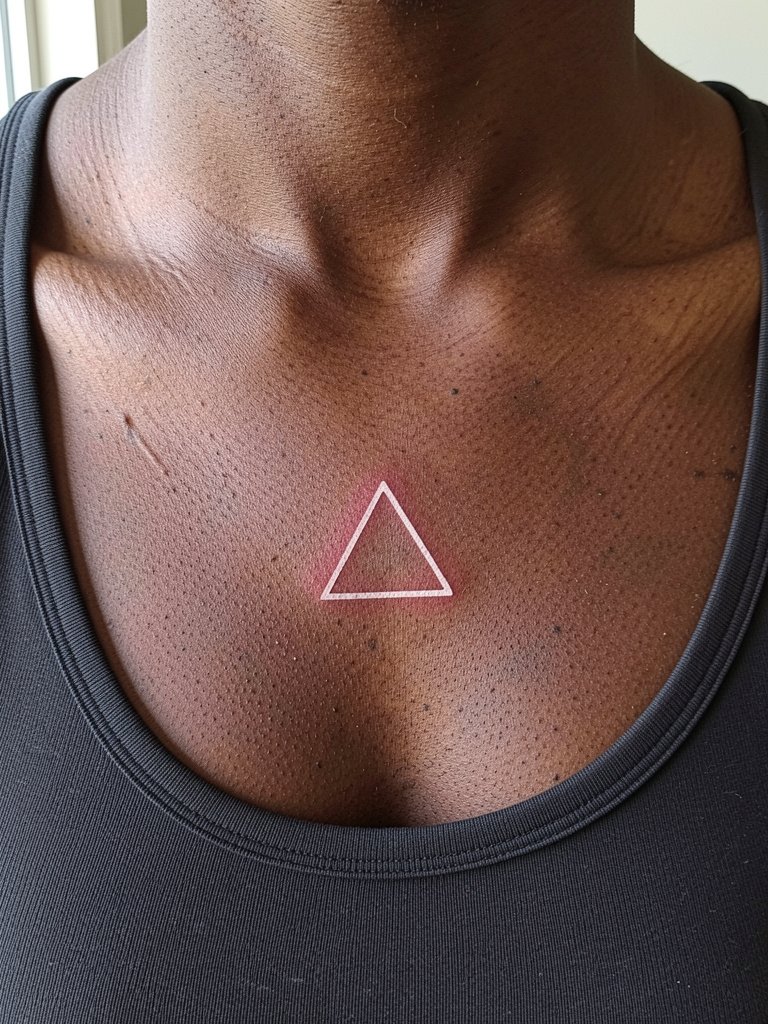
A geometric line on the collarbone looks like a faint architectural scar when done in white. For this shallow placement, ask for slightly broader strokes so the triangle still reads after settling. The collarbone is a low to moderate pain zone and a single small shape will usually be finished in under 45 minutes. A common mistake is pushing for ultra-thin lines that blur into the texture of the skin by year two. If you want this visible on darker skin, plan for a subtle gray wash outline to act as a guide layer so the white keeps contrast rather than disappearing.
5. Tiny Star at the Ankle
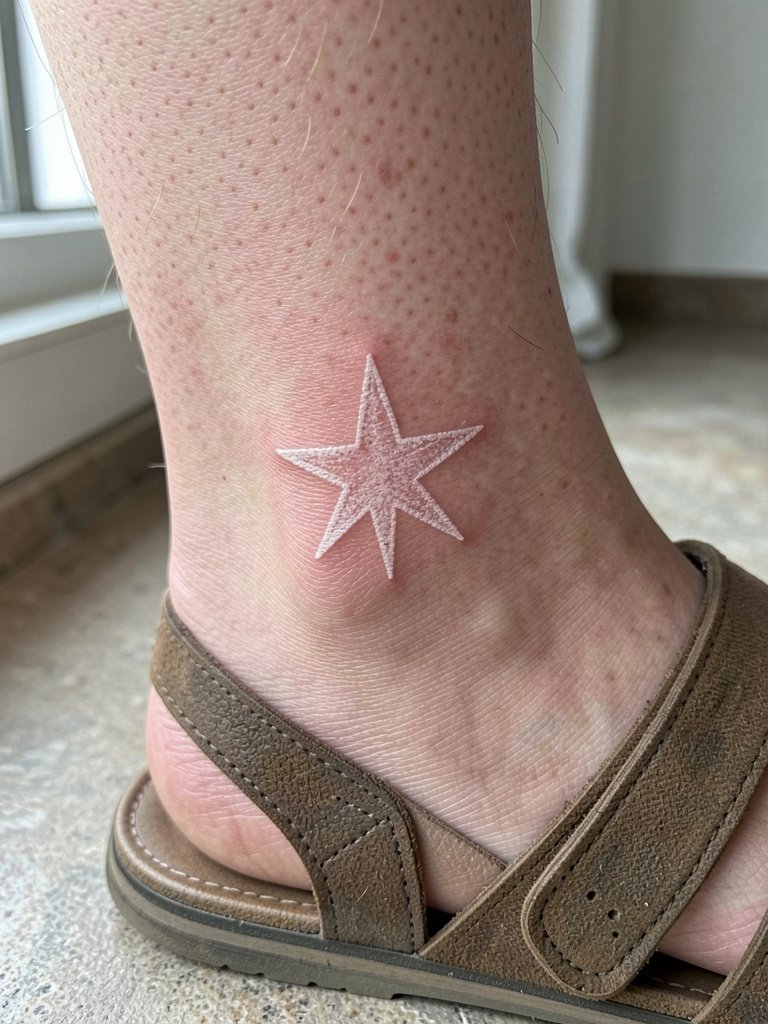
An ankle star fares worse when placed where socks and shoes rub it, so pick the lateral ankle bone rather than the front of the ankle. The best version leaves a little space around points so the skin can settle without blending the tips. Expect a low pain session that runs 15 to 30 minutes. Watch for friction in the first two weeks and keep footwear loose during healing. For showing the piece off, open-toe sandals work well with a thin ankle bracelet on the opposite ankle. Consider open toe sandals that keep the ankle visible.
6. Dot Cluster on Inner Forearm
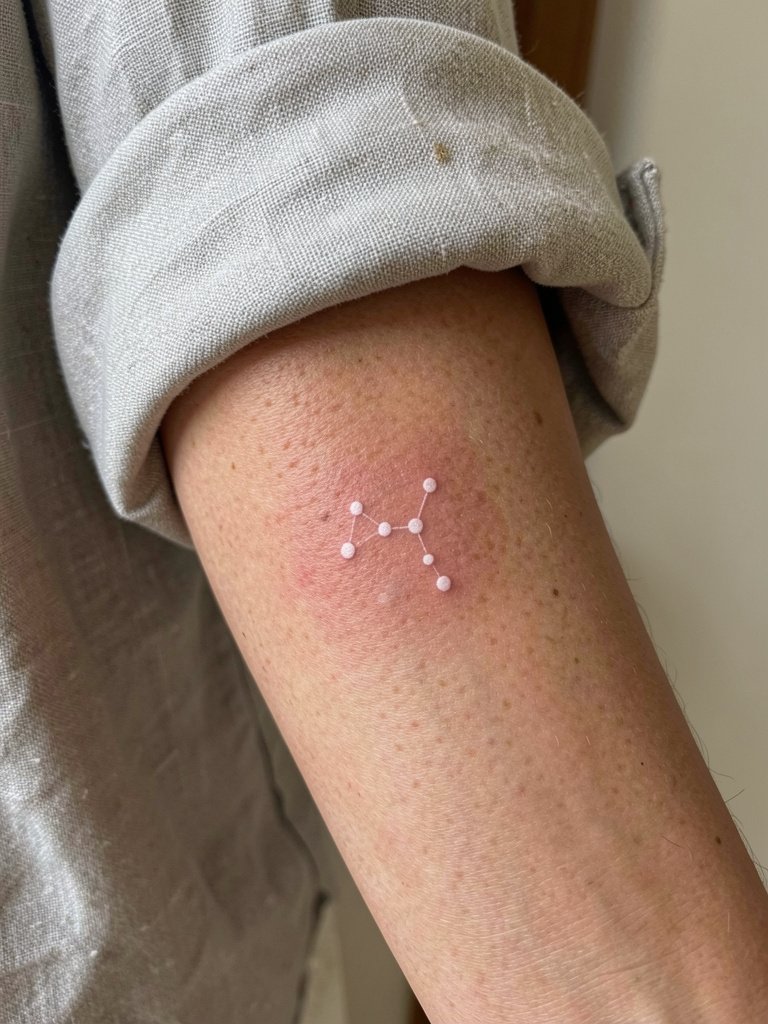
A small cluster of white dots reads like soft freckles when healed. This design works better on flatter forearm skin because it avoids the stretching that smudges tiny points. Specify that dots be spaced at least 3 to 4 millimeters apart so they do not merge by year two. The session is quick and usually low pain. A common mistake is making the dots too tiny; those can vanish at the first wash. For the appointment wear a short-sleeve with a rolled cuff so the artist has clear access and the fabric does not rub the fresh ink.
Heal Smart
The pieces above include wrist, ankle, and forearm spots that all face daily friction and sun exposure, so a few targeted products make the first two weeks smoother.
- Kurei White Tattoo Ink. A Japanese-formulated white ink can avoid early yellowing for some skin tones and gives the "scratch" look that many micro pieces aim for.
- Tattoo Seal Protective Spray. A clear sealant used briefly after the initial heal can reduce early abrasion for ankle and finger work.
- Gold Accent Tattoo Ink. Use for tiny metallic dots that pair with white ink for a jewel-like highlight on collarbone or wrist pieces.
- White Ink Top Coat. For clients worried about yellowing a thin, breathable top coat applied by an experienced pro can extend vibrancy.
- Hustle Butter Fragrance Free. A gentle, fragrance-free moisturizer that keeps fine line work supple during the critical first month.
7. Ribbon Line on Collarbone
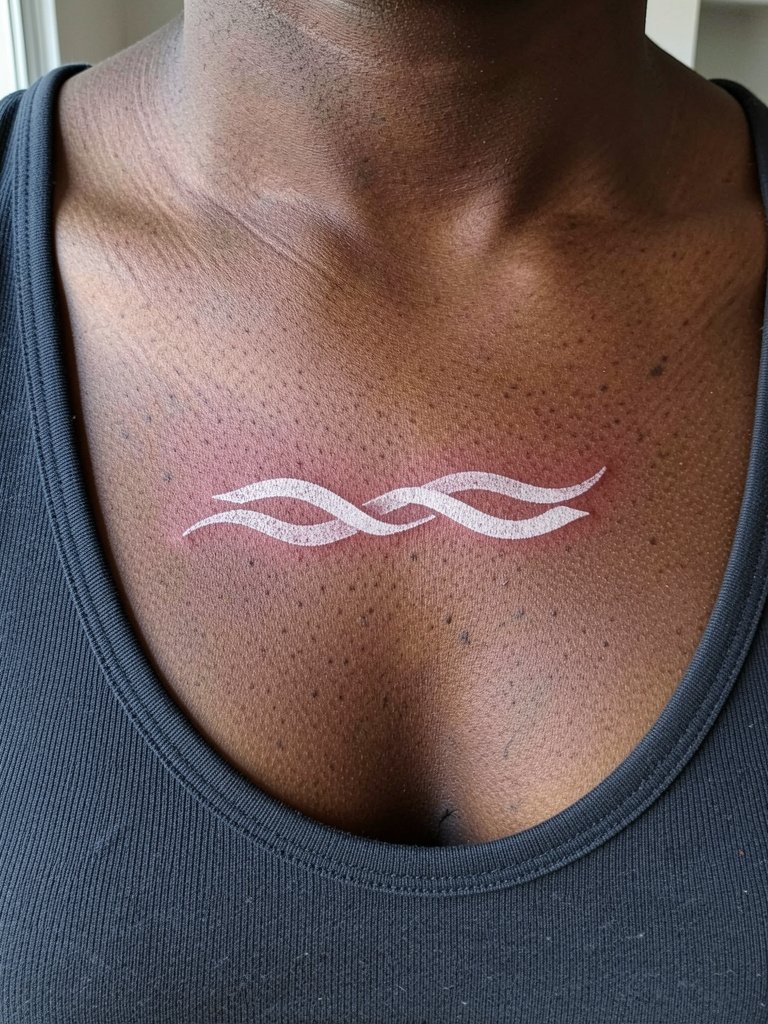
A ribbon-style white ribbon reads like a faint highlight on the collarbone when viewed with low contrast clothing. Choose slightly wider line weight and a soft curve to avoid the "broken" look that tiny shaky lines can develop. The collarbone skin shows motion from breathing so expect a small chance of patching during healing. Session time is typically 30 to 50 minutes. For outfit pairing, a low-cut tank or camisole in cream or white frames the line well. Try a low cut tank top to reveal the piece on warm days.
8. Infinity Loop on Collarbone
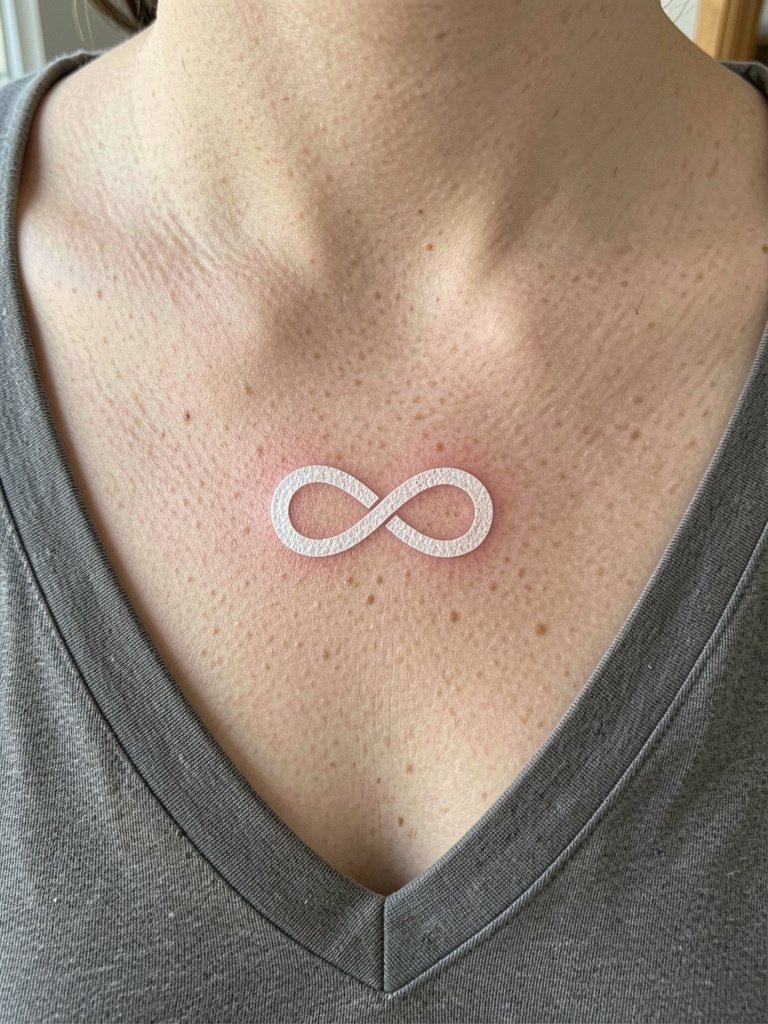
An infinity loop in white is a micro symbol that reads like a faint accent on the collarbone. The main risk is making the loops too tight. Ask for a slightly looser curve and a hair heavier line so the central crossing does not blur over time. Healing takes a few weeks to settle and a touch-up at six to twelve months is common. The collarbone flatness makes it a low-pain spot for small shapes. Pair it with a delicate pendant on the opposite side to balance negative space.
9. Abstract Wave on Inner Forearm
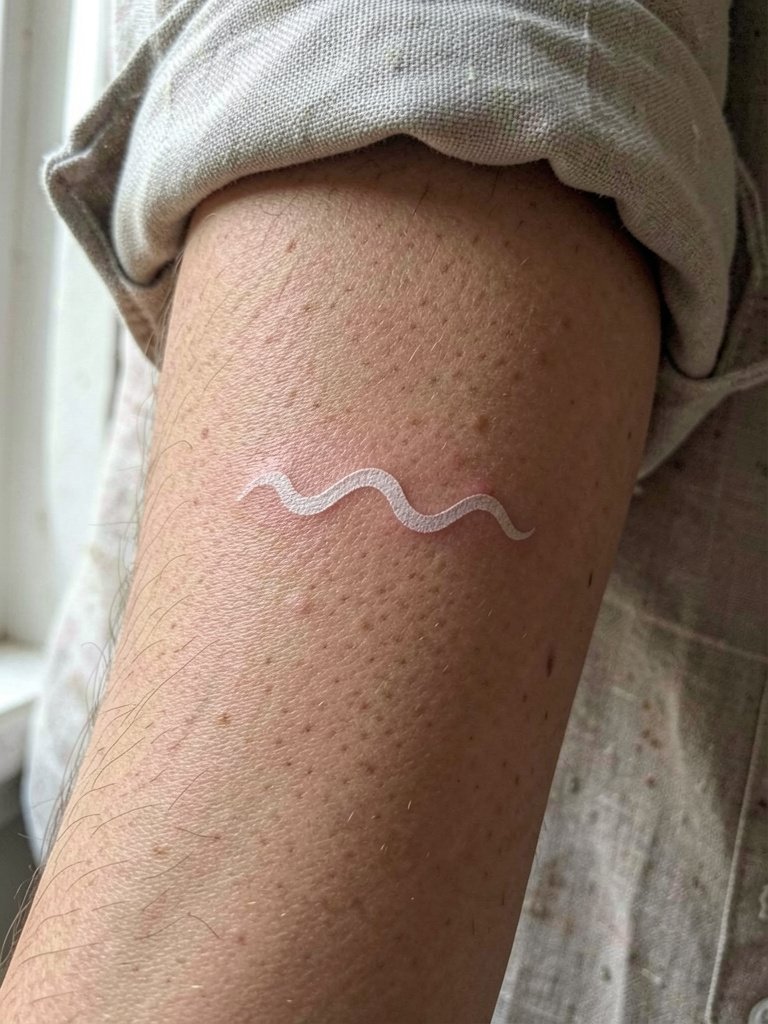
A flowing white wave suits the inner forearm because the natural movement of the arm matches the design. Recommend a gentle S-curve with a slightly wider line than the pure sketch reference so it reads at two years. The forearm is forgiving for touch-ups, and a 20 to 40 minute session will cover a 3 to 4 centimeter motif. Avoid tiny, tightly packed loops that risk looking patchy after healing. For showing it off, rolled-up linen shirts frame the forearm and let the wave catch light. Try a linen button down for a relaxed look.
10. Micro Heart on Inner Wrist
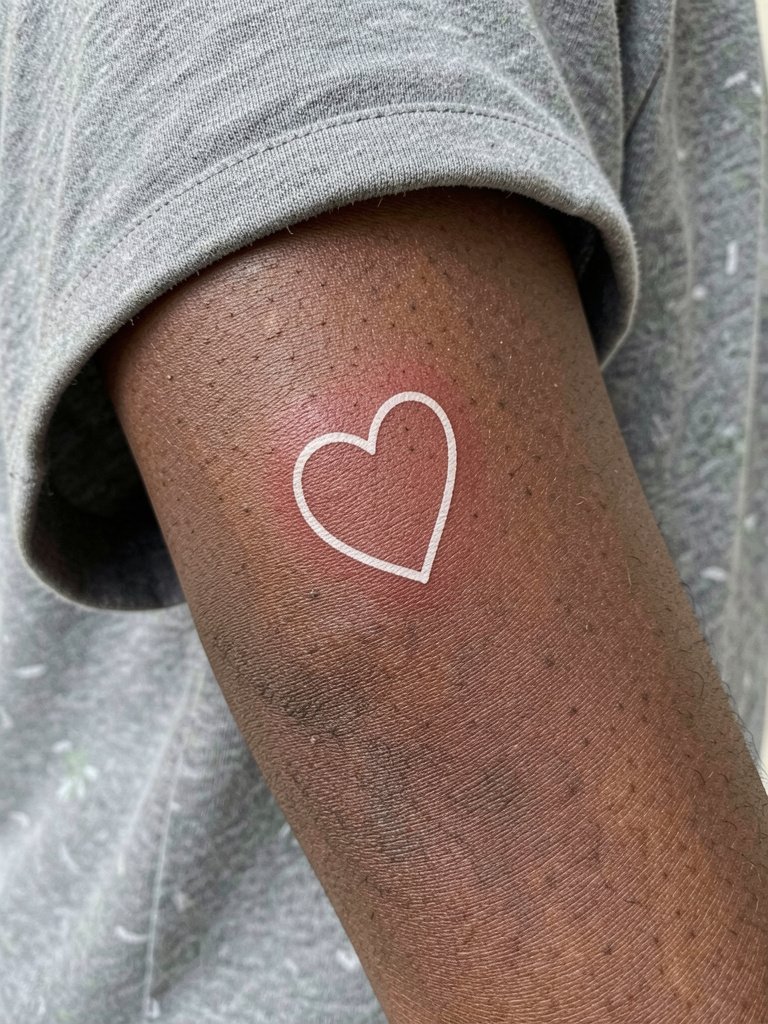
A tiny white heart on the inner wrist is a classic stealth pick. Because this spot sees frequent washing, insist on slightly thicker contour lines and leave interior space empty instead of filled details. The wrist can flatten micro work, so expect a touch-up in the first year. Sessions are brief and discomfort is low. Styling-wise, a thin silver or gold bracelet on the opposite wrist gives editorial balance. For the appointment avoid watches or tight bracelets on the tattoo wrist.
11. Minimalist Butterfly on Inner Wrist
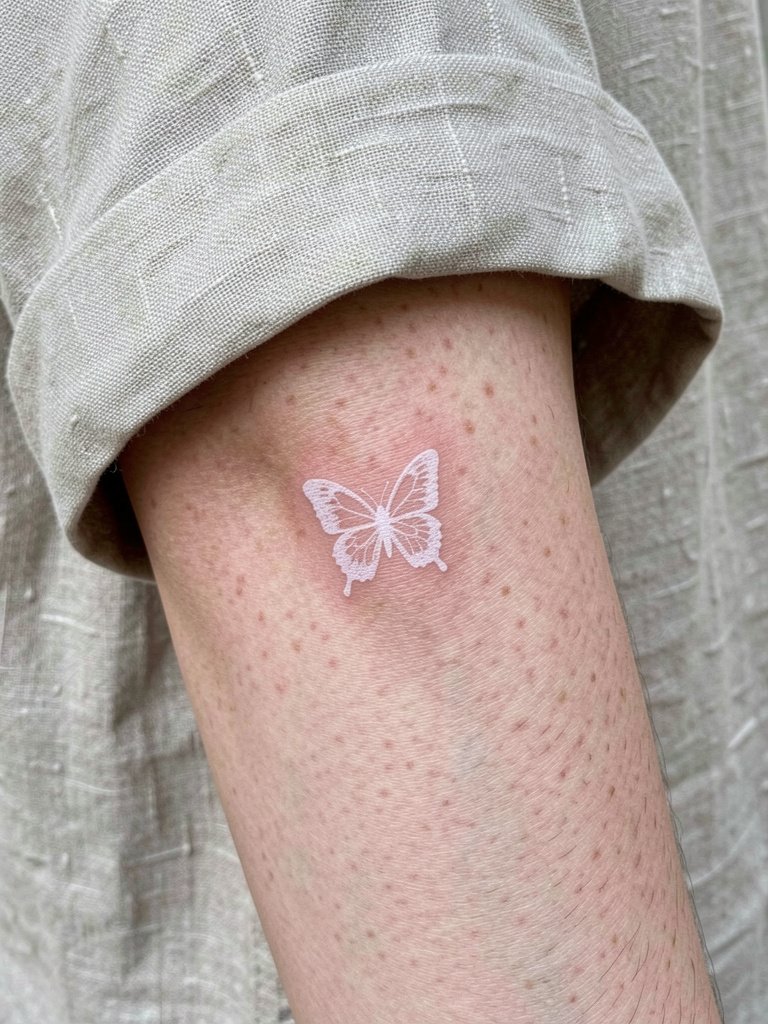
A micro butterfly in white can look like a faint catch of light on the wrist. Avoid adding tiny internal lines because they will blur. Instead focus on silhouette and a small negative space gap between wings so the shape keeps clarity. Healing is straightforward if you avoid rubbing and keep the area lightly moisturized. The session is quick and low pain, but expect a touch-up if you want crisp wing tips after a year. Pair it with a thin silver bracelet stack when dressing up.
12. Single Leaf on Inner Forearm
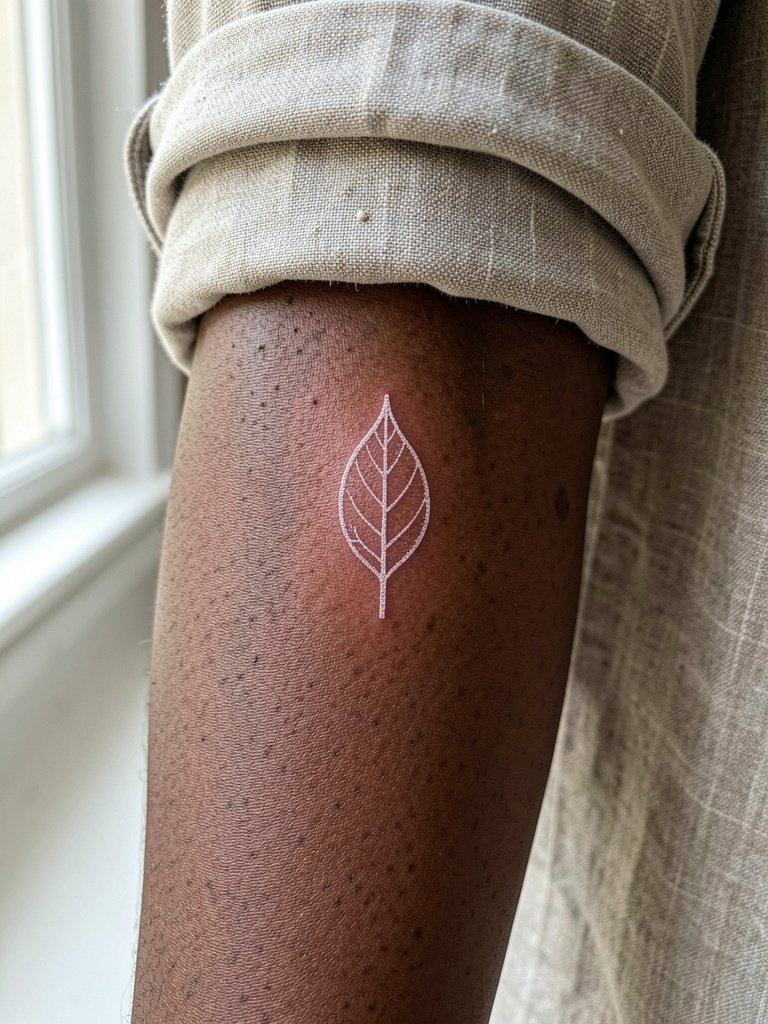
A single leaf works well on the forearm because the shapes age separately and the negative space shows. Specify to the artist that the leaf tip remains open rather than tightly connected to the stem to avoid merging lines. The forearm gives room for a slightly larger scale than wrist pieces, which helps white ink hold. Expect low pain and a session under 30 minutes. For the session wear a button-down you can roll up easily. When styling, rolled linen sleeves in neutral tones make the leaf read as an intentional accent.
13. Tiny Spiral Behind the Ear
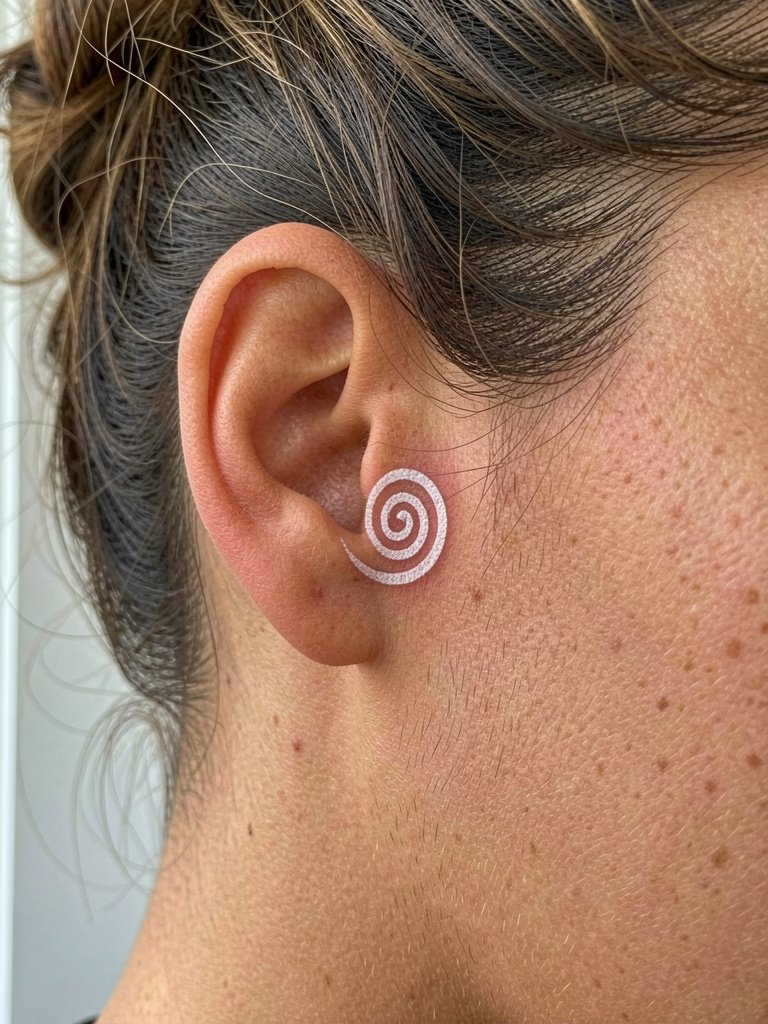
A tiny spiral behind the ear reads almost like a pearl of light. That mastoid skin can be textured, so ask for a slightly broader amount of ink to prevent the spiral from disappearing into pores. The session is very quick and low pain. A common error is packing too much tiny detail into a small spiral, which looks messy after healing. For showing it off pin your hair up naturally or wear a small ear cuff for contrast.
14. Minimalist Cross on Inner Wrist
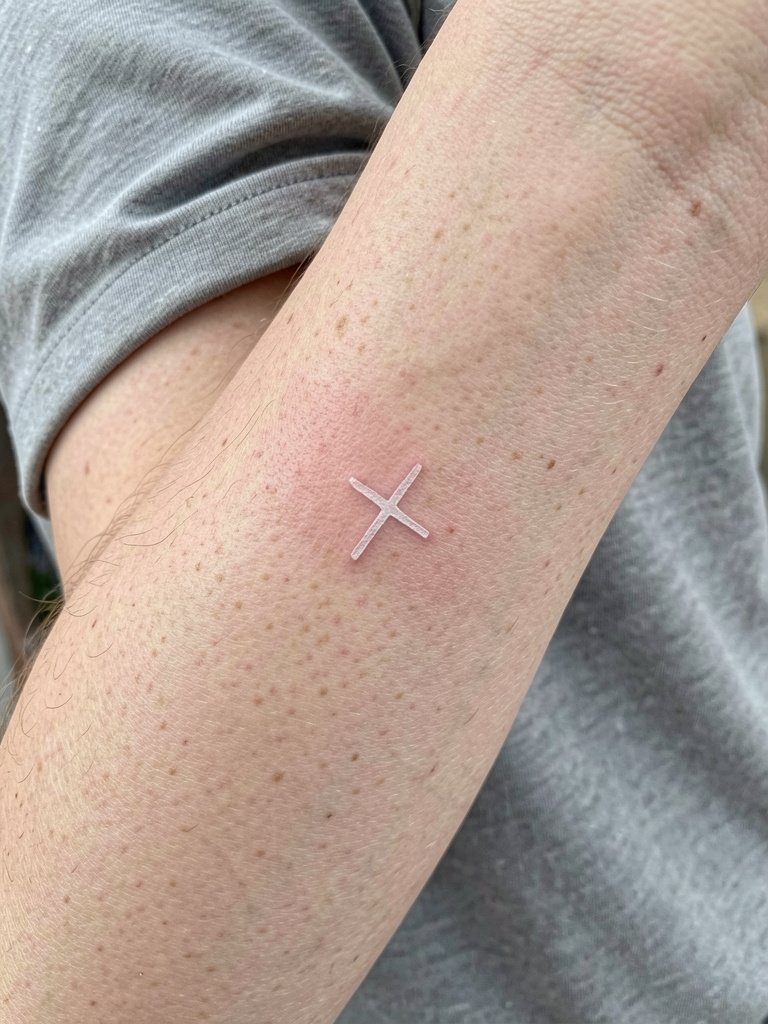
A small cross in white is flexible in meaning and reads like a faint marking on the wrist. For durability pick a thin but steady line weight and avoid micro serifs or little flares. The wrist's regular motion contributes to slight softening by year two, so expect a one-year touch-up for many clients. The session is brief and tolerable. For outfit pairing a thin dainty pendant necklace keeps neck and wrist visuals balanced.
15. Micro Arrow on Finger Side
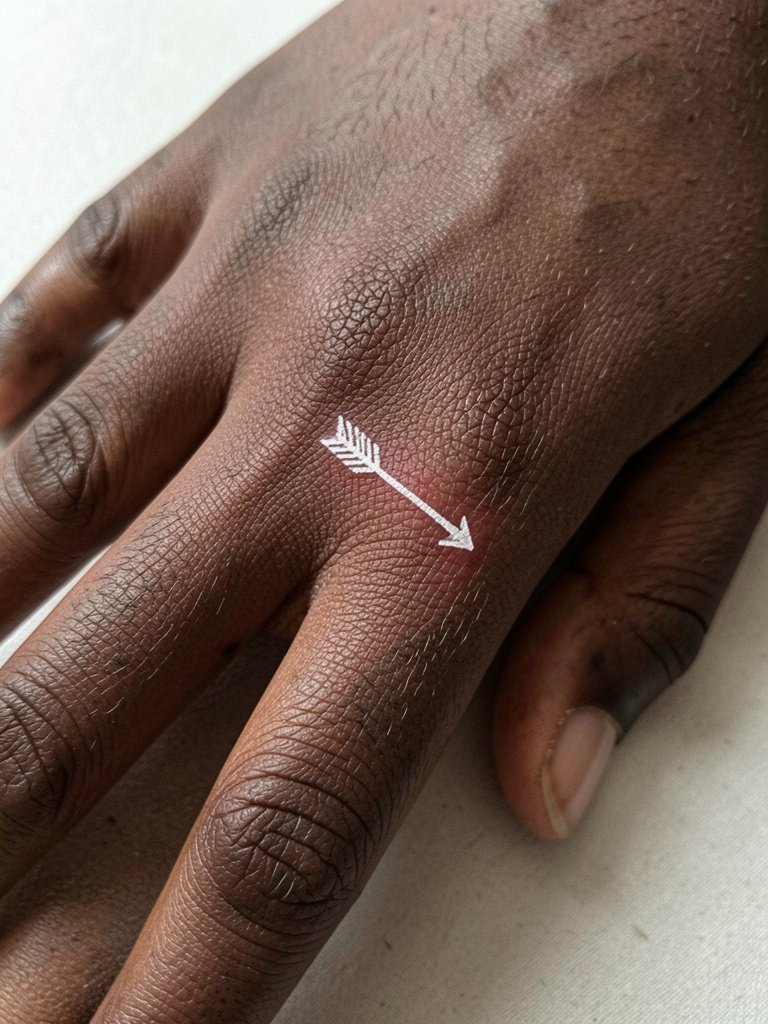
Finger and side-of-finger white ink is at high risk from daily washing and friction, so plan for more frequent touch-ups. Recommend slightly larger scale than a micro dot so the shape does not vanish into skin texture within months. The session can sting more than wrist work because the skin is thin. Many people accept this area as semi-permanent and budget a touch-up every 6 to 12 months. During the first week keep handwork light and avoid tight rings on that finger.
16. Minimalist Mountain Range on Upper Arm
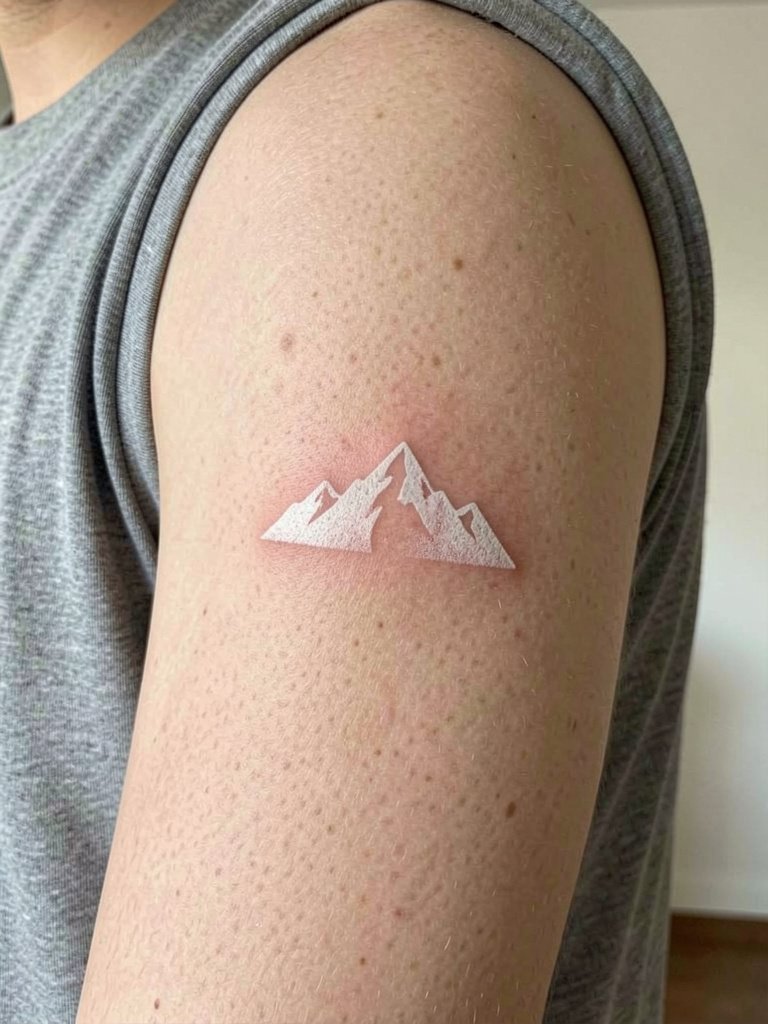
A small mountain range on the upper arm reads clearly because the lateral arm skin holds white ink better than highly mobile areas. Choose a simplified skyline with 2 to 4 peaks and avoid tiny interior shading. This placement is low pain and the area tolerates slightly larger scale, which helps longevity. Expect a single session under an hour. For showing it off sleeveless tees or open-sleeve shirts work best and keep the piece from being repeatedly rubbed by straps.
17. Minimalist Chain Wrist Band
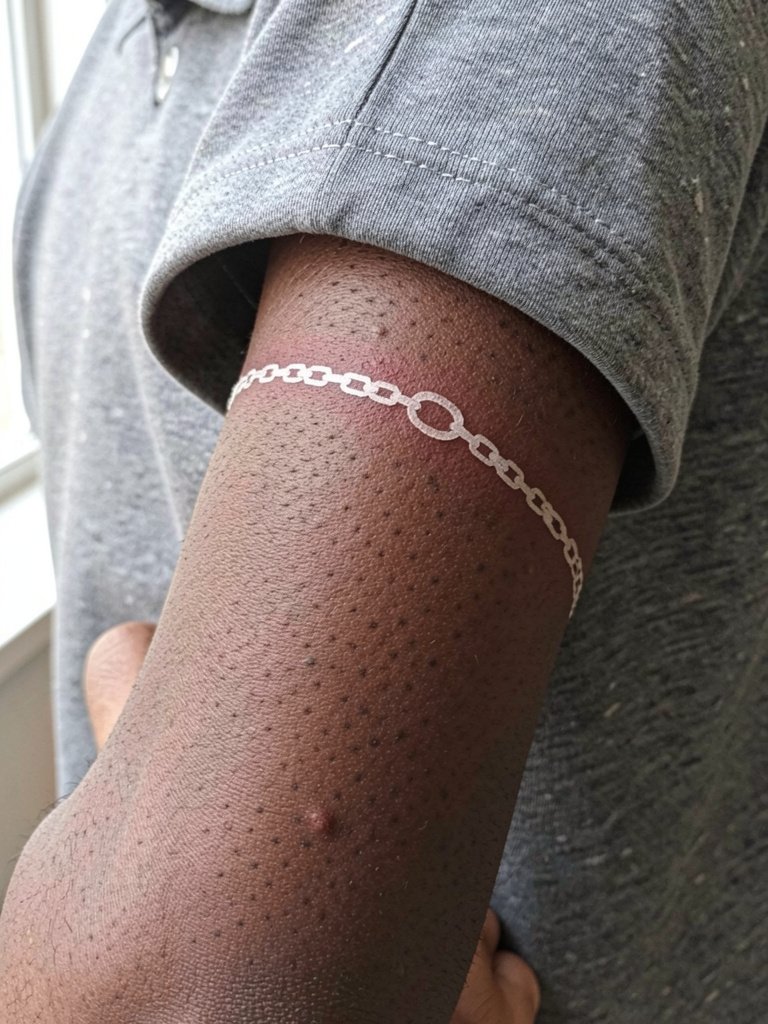
A white ink chain band mimics jewelry and benefits from slightly increased spacing between links so the pattern does not blur into a continuous white bar. The wrist sees lots of motion so build in the expectation of a touch-up around year one. The session is moderate in length depending on ring complexity. For style pairing this functions like a bracelet and looks intentional with an open-back midi dress or simple short-sleeve knits. Consider a dainty gold chain necklace as a complementary piece.
18. Tiny Spiral at the Nape
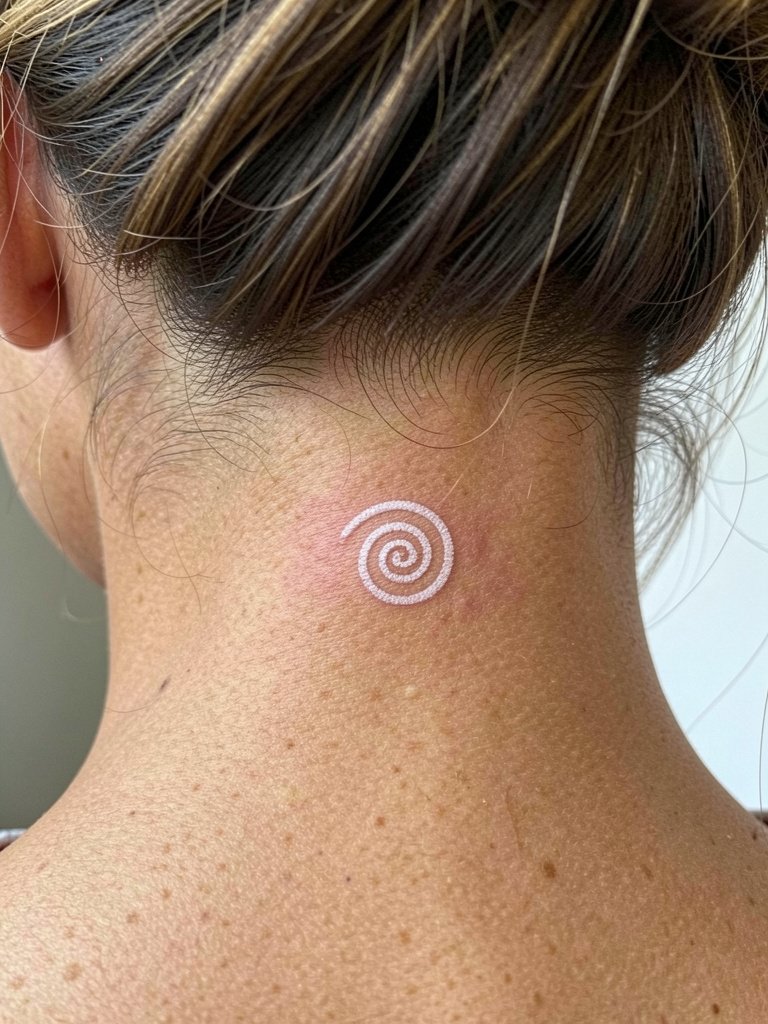
A nape spiral is a quiet reveal when hair is up. That area is low friction under clothing but it can get sunlight when hair is short, so plan sunscreen use after healing. Ask the artist for a slightly broader center so the spiral remains visible after settling. The session is short and pain is low to moderate. For showing it off pin your hair up naturally and consider a small hair accessory on the other side for asymmetry.
19. Minimalist Ribbon on Side Rib (Subtle)
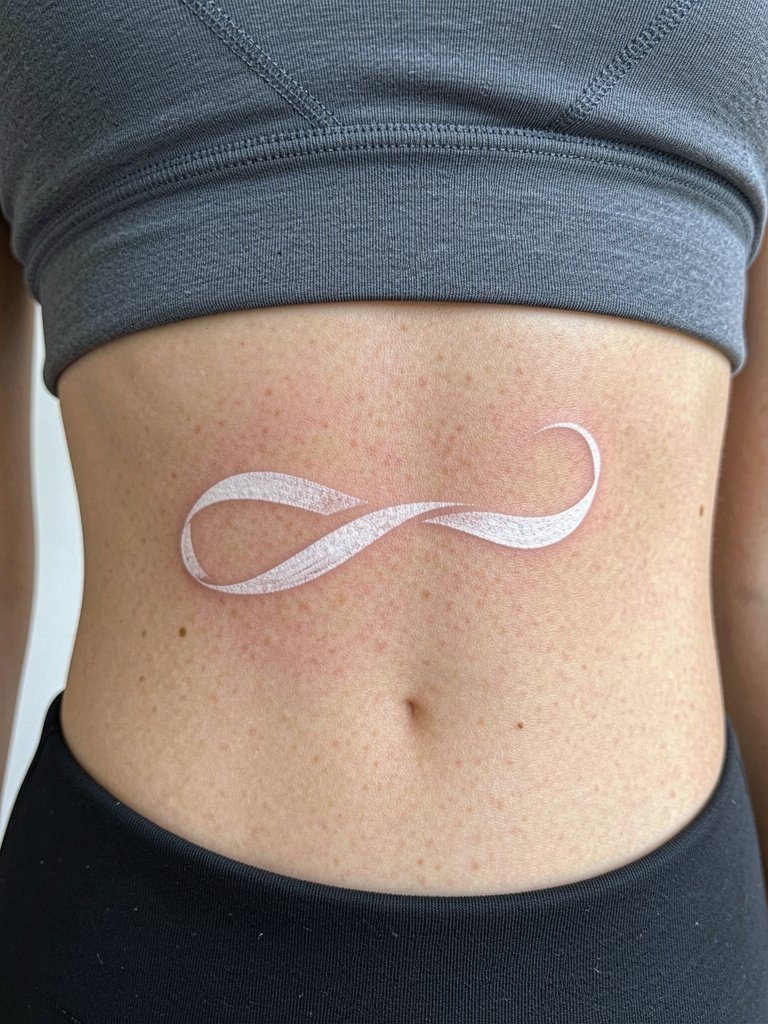
Fine work on ribs divides artists into two camps. One camp says the skin there stretches and blurs fine lines within two years, especially where breathing and movement shift the surface. The other camp argues that with correct needle depth and slightly wider spacing the same area can settle cleanly and will still look intentional at three years. If you lean toward ribs, pick a slightly bolder single-line ribbon and plan for a touch-up after the six to twelve month settling window. Expect moderate pain and a slightly longer session than wrist pieces.
20. Tiny Crescent on Sternum
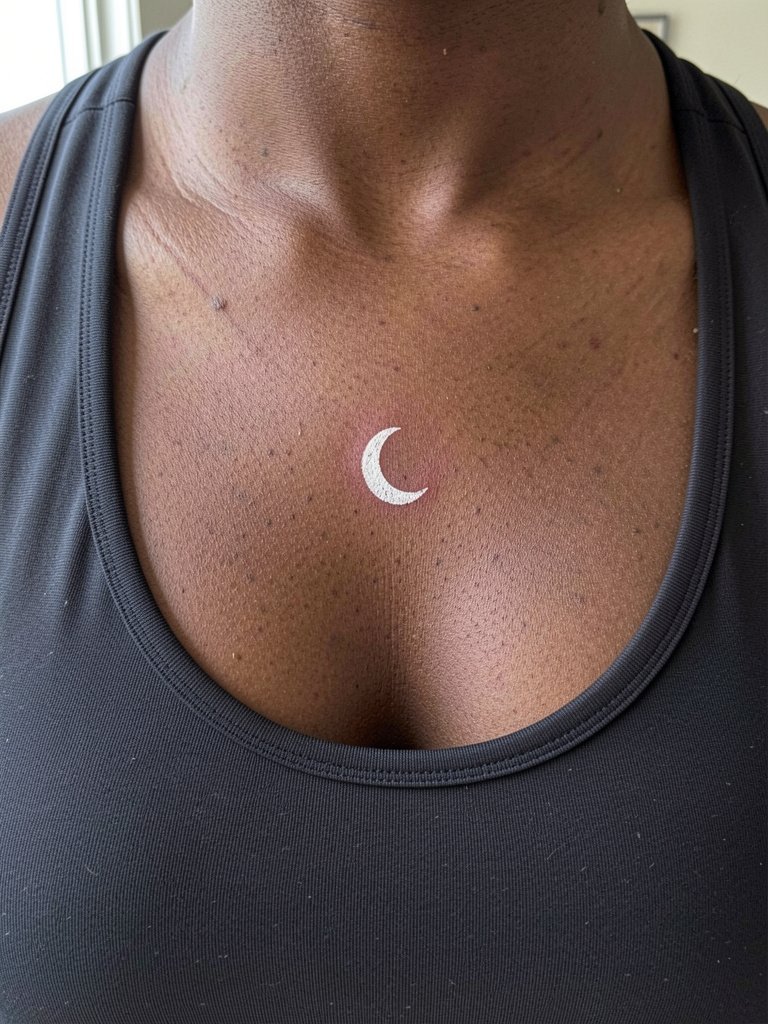
Sternum placements can look especially like jewelry when done in white. The main issue is movement and moisture under clothing during healing, so wear a fitted sports bra that breathes well and avoid tight straps. The skin in this zone sometimes heals unevenly so ask for slightly stronger outlines and a short touch-up plan at six months if needed. Pain is moderate to high for chest work, and sessions take longer than micro wrist pieces. For evenings out a camisole or low-cut top frames the crescent nicely.
21. Minimalist Freckle Dot on Cheekbone Edge
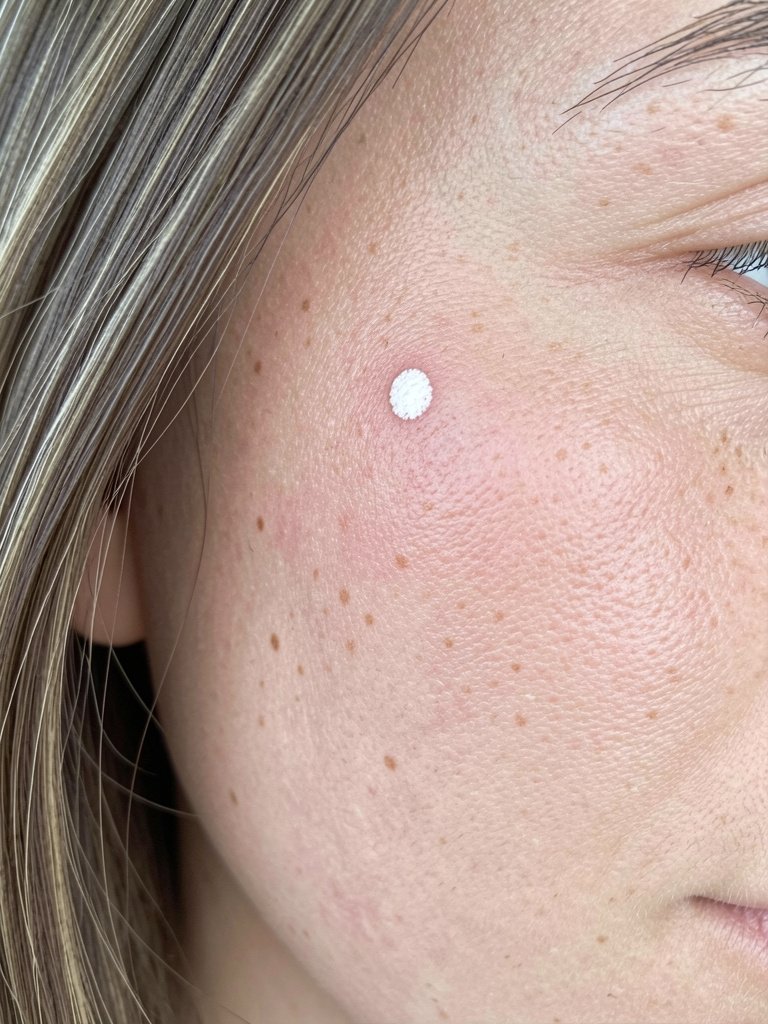
Micro white dots near the cheekbone can read like natural highlights, but facial skin holds ink differently. This is a sensitive placement that requires a studio comfortable with facial micro work. One camp of practitioners recommends avoiding white-only facial dots because they can yellow; another camp uses tiny white accents on top of a faint gray guide so the mark stays visible. If you choose this, insist on a conservative scale and discuss a one-month follow-up. Healing and sun protection matter here, and small makeup use should be delayed during the first two weeks.
22. Minimalist Leaf on Outer Thigh
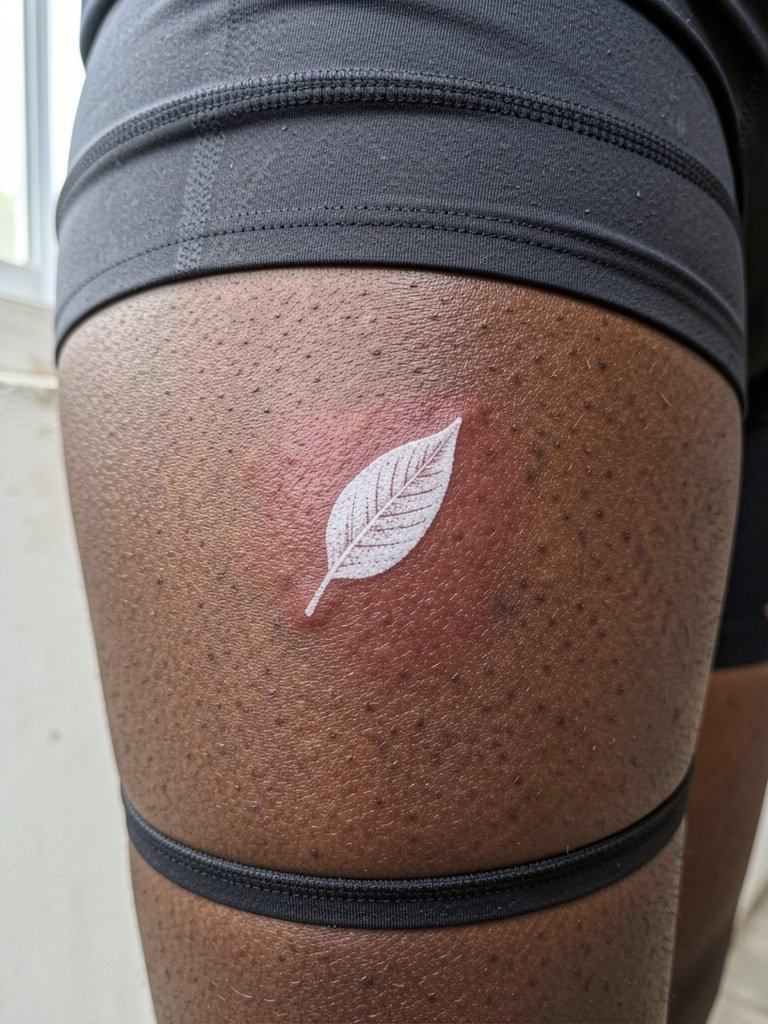
The outer thigh gives room to scale up a white leaf so it reads like a faint tattoo rather than a mere mark. Thigh skin is generally stable, which reduces blowout risk, but friction from tight shorts can irritate fresh ink. Ask the artist for a slightly larger leaf outline so the veins remain visible over time. Sessions are low to moderate discomfort and typically under an hour. For the appointment wear loose shorts or bike shorts that expose the area without bunching. A simple cropped tee keeps the look modern when you style the piece.
23. Minimalist Jewelry Ring on Ankle
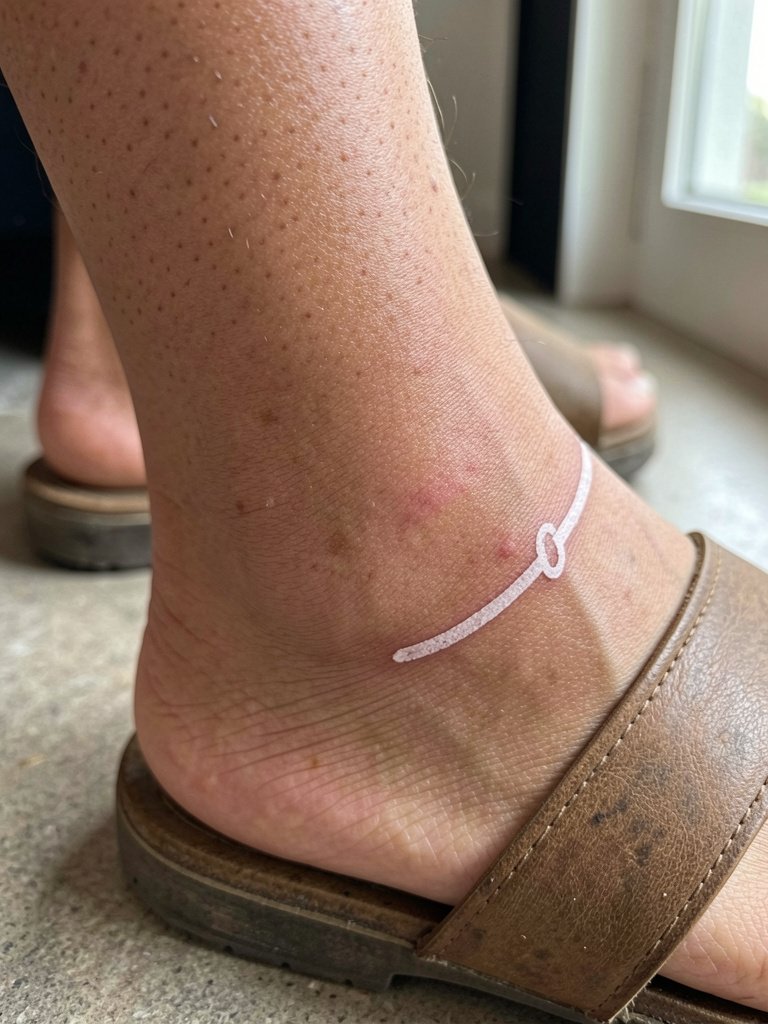
An ankle ring in white mimics delicate jewelry and benefits from leaving narrow negative gaps between links so the band does not merge into one blurry line. The ankle sees shoe friction, so expect a touch-up sooner than for wrist or forearm pieces. The session is short and discomfort is low. Pair with slip-on sandals or thin ankle bracelets on the opposite leg when you want to emphasize the ring. For the appointment wear rolled-up pants or shorts so the artist can work without fabric interference. Try a thin ankle bracelet to complement the ink.
Frequently Asked Questions
Q: Do white ink minimalist tattoos last as long as black ones?
A: White-only work tends to fade faster than black ink on most skin types. One camp argues white ink often fades or yellows within two to three years, while the other camp says that careful needle depth and an occasional top coat can keep white visible for five years or more. Expect touch-ups every one to two years and treat white ink as a style that will evolve.
Q: Can I get white ink on darker skin tones?
A: Some people with darker skin choose white ink as an accent rather than a full design because contrast is more reliable that way. One group advises avoiding full white designs on dark skin because they can appear faint or yellow. The other group uses white on top of a light gray outline or black accent so the white registers as a glow. If you are considering this, ask for healed examples on similar skin tones and plan for conservative scaling.
Q: How should I prepare for a white ink session on the collarbone or wrist?
A: Wear clothing that gives the artist direct access. For collarbone pieces bring a low-cut tank or camisole so the neckline does not need adjusting. For wrist work wear short sleeves or a rollable button-down. Bring two reference photos at different scales so the artist can show how line weight reads at three centimeters versus five centimeters.
Q: Where can I find artists who do healed white ink photos and local portfolios?
A: Search hashtags like #whiteinktattoo, #minimalistwhiteink, and #stealthtattoo on Instagram and TikTok and filter by location to find nearby portfolios. Tattoodo and Inked App have keyword search filters for "white ink minimalist" that sometimes show healed shots. Reddit threads in r/tattoos can also surface peer photos from various skin tones.
Q: What aftercare helps white ink keep its color longer?
A: During the first month keep the area lightly moisturized with a fragrance-free balm and avoid heavy rubbing. After the initial healing window use daily SPF 50 plus on any exposed white ink for the first six months because sun exposure accelerates fading. If you see uneven settling at six months a single touch-up often restores clarity.
Q: Are there special products that help white ink avoid yellowing?
A: Some people have had better results using Japanese-formulated white inks and a thin breathable top coat during the earliest healing weeks. A fragrance-free moisturizer also helps reduce irritation. None of these are a guarantee, but using a gentle routine and consistent sunscreen makes a measurable difference.