Wrist wave tattoos look effortless in photos, but the reality is more specific. Tiny single-line crests can fade into a smudge if line weight and placement are wrong. Some wrist band waves behave like jewelry and hold up well, while watercolor washes on the same spot often lose their edge. Read these ideas with an eye for how they age, how they sit with your wardrobe, and what to ask for in the consult.
1. Minimalist Single-Line Wave
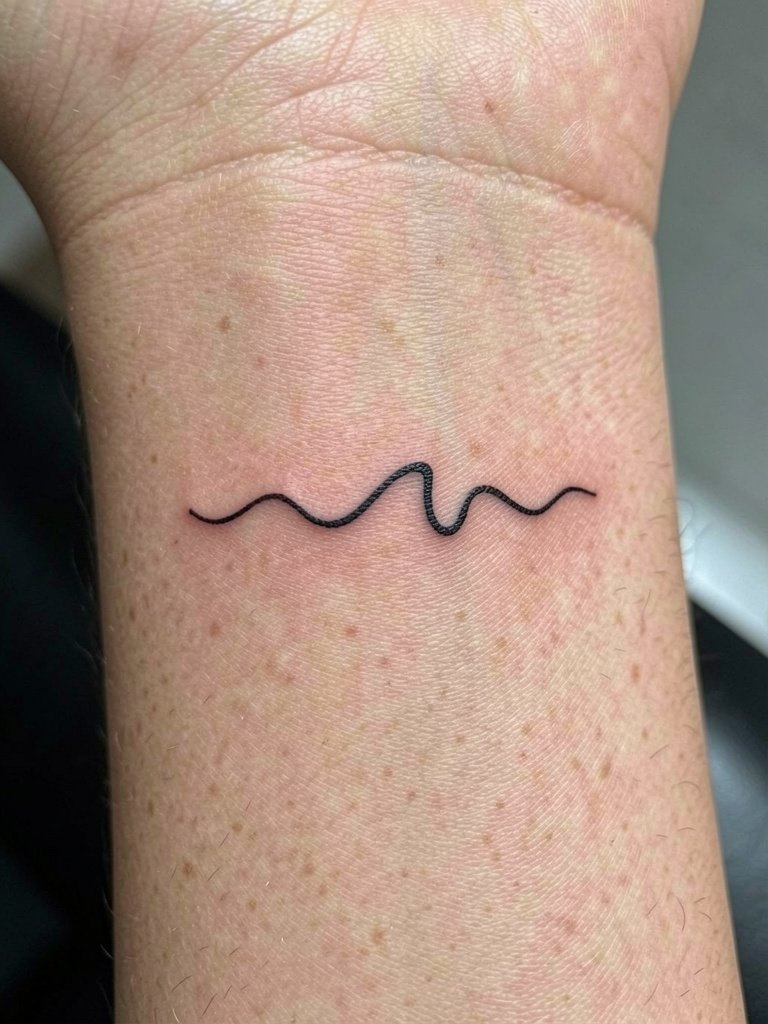
This is the go-to if you want a low-visual footprint that still reads as a deliberate design. I recommend asking for a slightly heavier single-needle line than the thinnest option so the crest keeps definition after a year. A common mistake is requesting the Pinterest-thinnest version and then needing a touch-up at six months. Expect a 10–20 minute session for placement checks and linework. Pair it with a thin chain bracelet set on the opposite wrist to give the wave space visually during day-to-day wear.
Fine line longevity splits artists into two camps. One camp says ultra-thin single-needle waves on wrists blur into dots inside two years because the skin there stretches and the area gets so much motion. The other camp argues that with correct depth and slightly wider spacing fine lines can hold for three years or more and will point to healed examples to show that.
2. Delicate Outlined Wave, Palm-Up
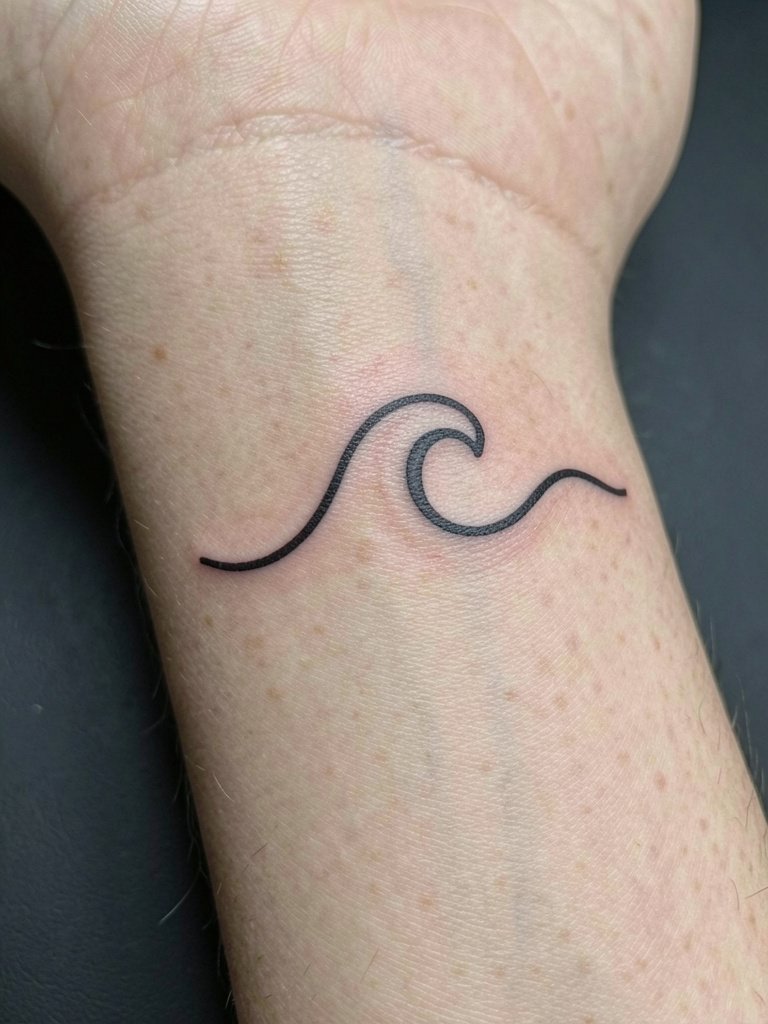
This outlined version reads airy while keeping a defined silhouette. It ages better than the thinnest filled lines because the hollow interior reduces the chance the whole thing pools into a blotch. If you get this, bring two reference scales so the artist can show you how the hollow area will read at 1.5 inches versus 2.5 inches. Session feel is mild to moderate since the inner wrist is thinner skin. For showing off, roll up linen sleeves paired with a linen button down shirt on the opposite arm so the thin outline gets editorial framing.
3. Japanese-Style Cresting Wave Band
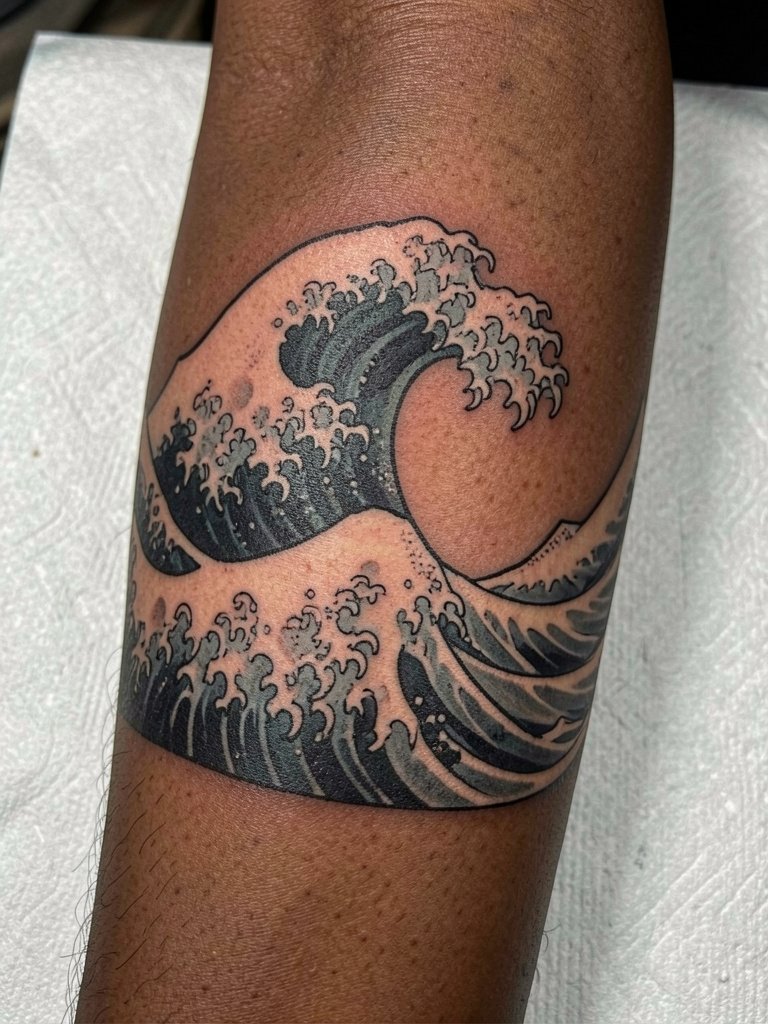
A wrap or band reads like jewelry and hides motion distortion better than a straight horizontal line. This style benefits from stronger outlines and grey wash so the crest keeps shape while you move. A common error is compressing too many details into a 1-inch band. Tell the artist to simplify the crest so each curl has room to age. Expect a 45–90 minute session, a bit more if white highlights are used. For public wear, pair it with a leather or fabric wristband on the opposite hand rather than wide metal bracelets that crowd the look.
4. Tiny Bracelet Band Wave
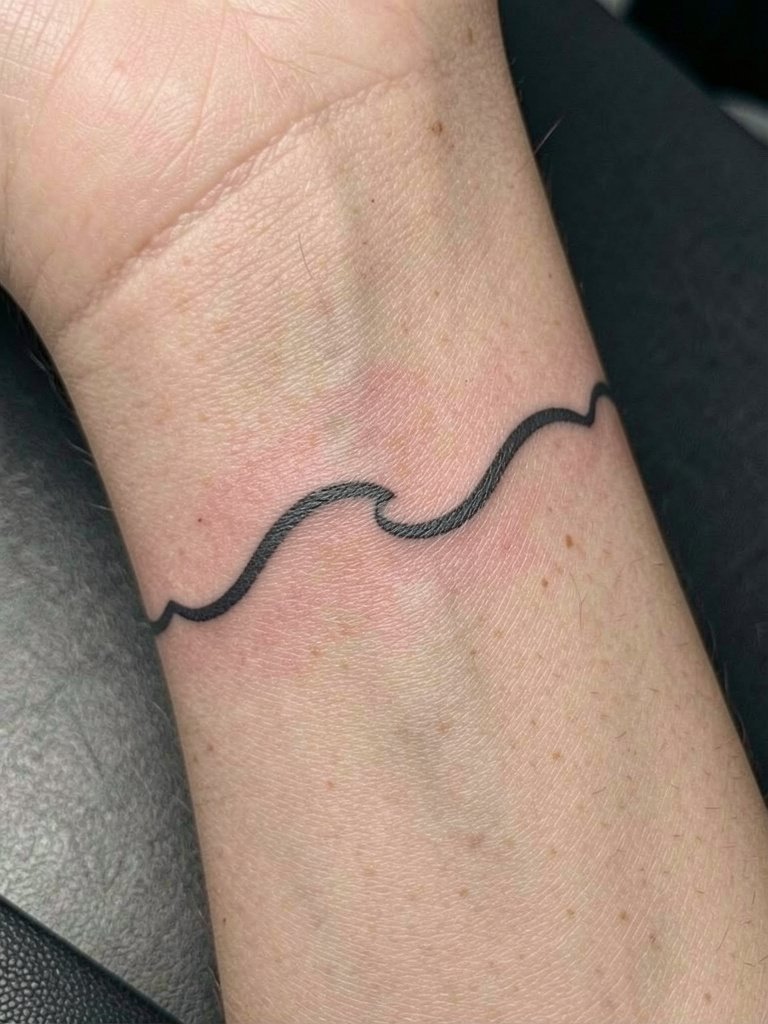
This low-profile band is a practical pick if you want a discreet accent that shows from most angles. The key is to avoid squeezing complex shading into the tiny width. A mistake people make is expecting intricate detail in a bracelet band the same size as a chain. During your consult, request mockups at full scale and at the actual wrist circumference so you can see how much negative space is needed. Wear a minimalist watch on the opposite wrist to balance the jewelry vibe.
5. Geometric Angular Wave
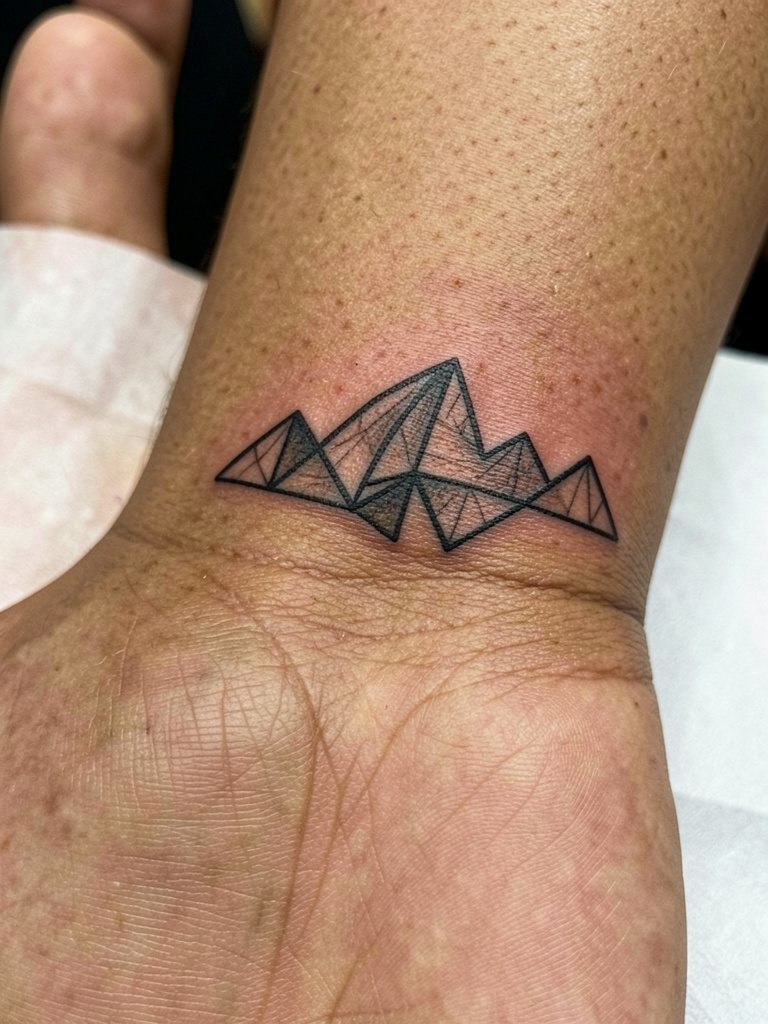
This modern take swaps curves for architecture so the wave reads like a small emblem. It holds up well because negative space and solid forms age into recognizable geometry rather than softening into a blob. If you want this on dark skin, request higher contrast and slightly thicker linework. For the session, wear a loose button-down so the artist can roll the sleeve without pressing on fresh ink. For styling, pair it with dainty gold stacks on the opposite arm rather than chunky pieces that would visually compete.
6. Watercolor Wash Accent
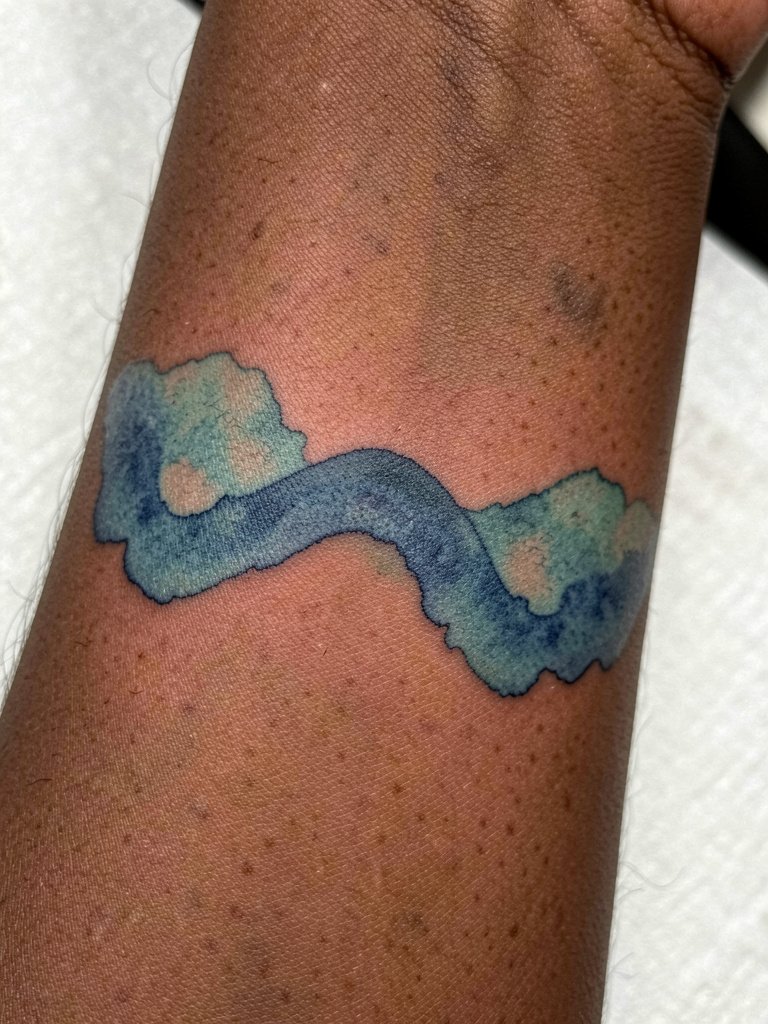
Watercolor waves photograph beautifully fresh but can fade faster on the wrist because of thin skin and sunlight exposure. Choose this only if you accept scheduled color refreshes as part of long-term upkeep. A design tweak that helps is adding faint grey anchors near the edges so the composition keeps shape as color softens. For session-day wear, short sleeves and sunscreen-free skin are best. Show it off with a rolled-cuff linen look and a dainty gold stacked bracelet set.
Pre-Session Essentials
The small-wrist ideas above heal under different stresses than larger pieces, so a few products make the first week less fussy.
- Tattooed Soul Healing Balm. A thin non-clogging balm many collectors use during the later healing phase when lighter hydration is needed and scabbing is minimal.
- Hustle Butter Deluxe. A smoother, jojoba-rich option for sensitive skin that readers report avoids the pore-clogging feel of heavier ointments.
- Dr. Bronner’s Unscented Hemp Oil. Used by some for the final moisturizing stage once scabs are gone, it soothes without added fragrance.
- Korean Aftercare Gel. Thin and breathable, useful for people who reacted poorly to thick ointments in the past.
- Aquaphor Healing Ointment. A familiar industry standby for the very first 48–72 hours when you want a heavy barrier, used selectively depending on skin reaction.
7. Double-Layer Echo Wave
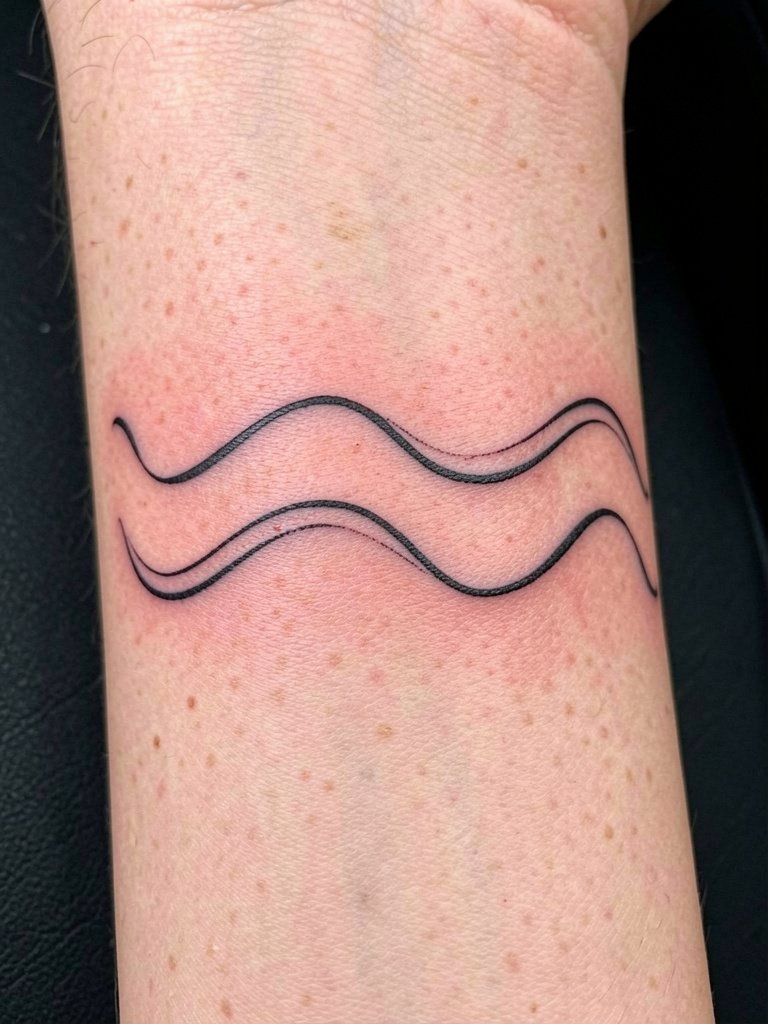
The echo wave adds depth without increasing area. It is a smart choice if you like the minimalist look but want the design to remain legible over several years. Specify slightly wider spacing between the two lines so the pair does not merge as the ink blurs. Expect a 15–25 minute session and low bleeding risk. Wear short sleeves for easy access and show it off with a minimalist watch on the opposite wrist for a considered contrast.
8. Sun or Moon Accent Behind the Crest
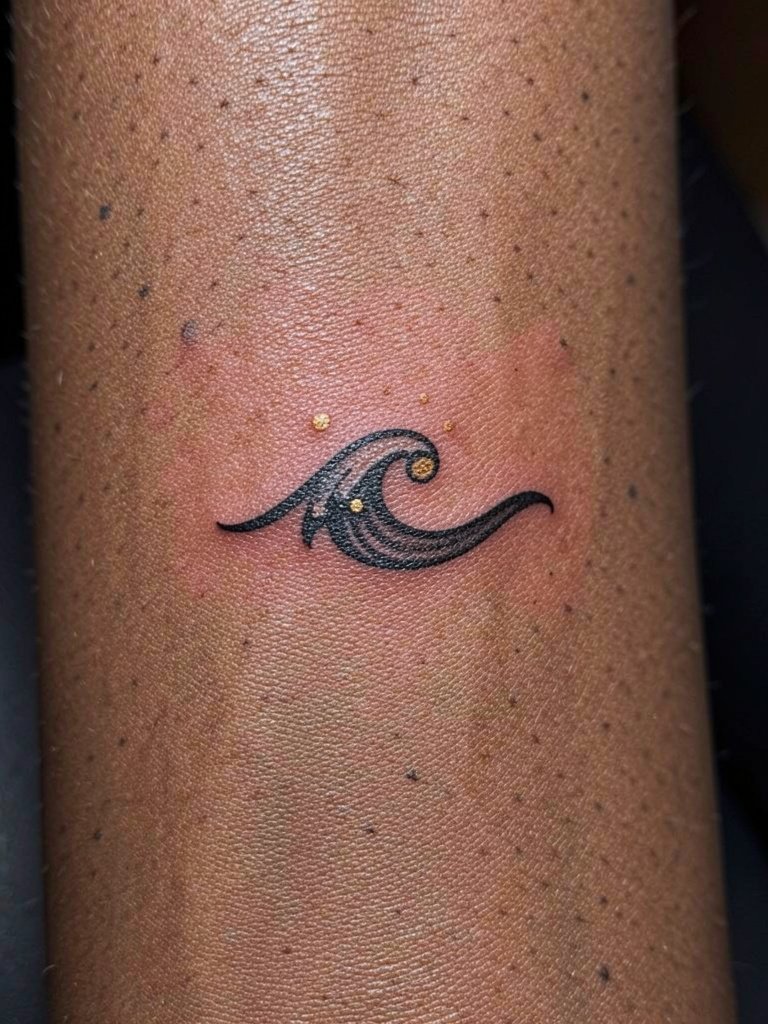
Adding a simple solar or lunar disk gives the wave a narrative anchor without complicating the linework. Decide whether you want the disk filled or hollow because filled color on the wrist can be more prone to early fading. A common mistake is making the disk too small to hold color. For daytime looks, pair this with a thin chain bracelet or fabric wristband on the opposite hand so the tiny accent can read separately.
9. Curved Flow That Wraps Toward the Heart
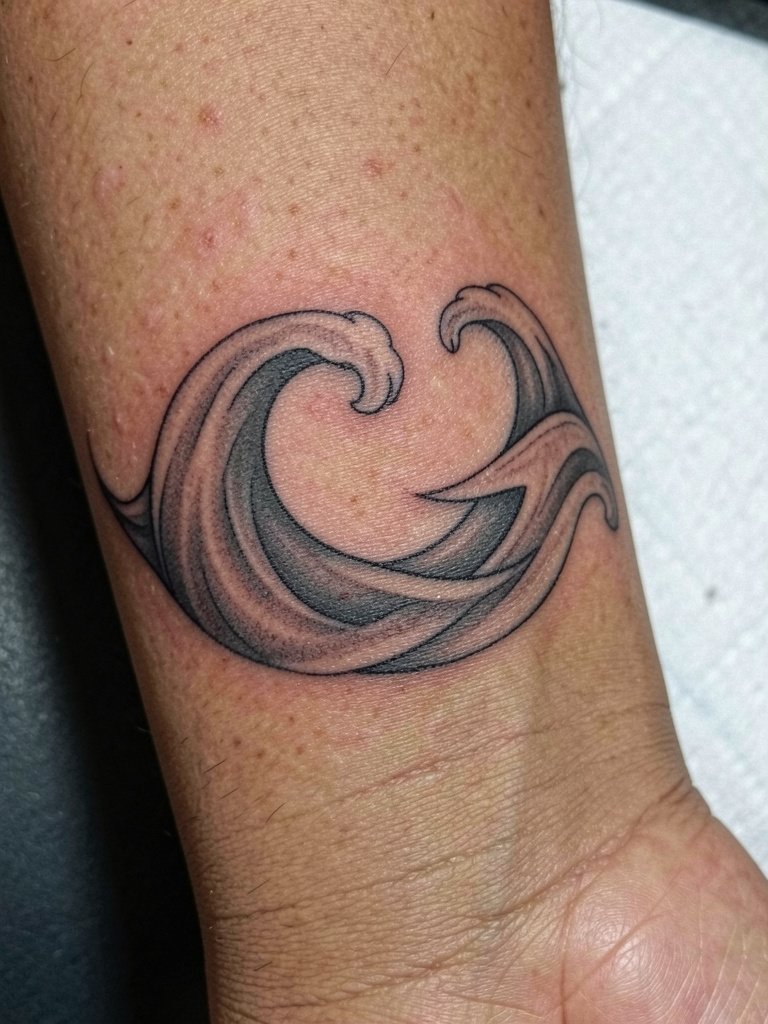
This option borrows a small cultural detail some collectors like: orienting the wave toward the heart for symbolic protection. That directional choice also helps the design age more gracefully because it follows natural body curves instead of sitting flat across a joint. Tell the artist you want the crest to flow inward so they can lay out the curvature before inking. Session time is 20–40 minutes depending on shading. For clothing, off-the-shoulder tops that reveal the inner forearm work well when you want the curve visible.
10. Abstract Broken or Dashed Wave
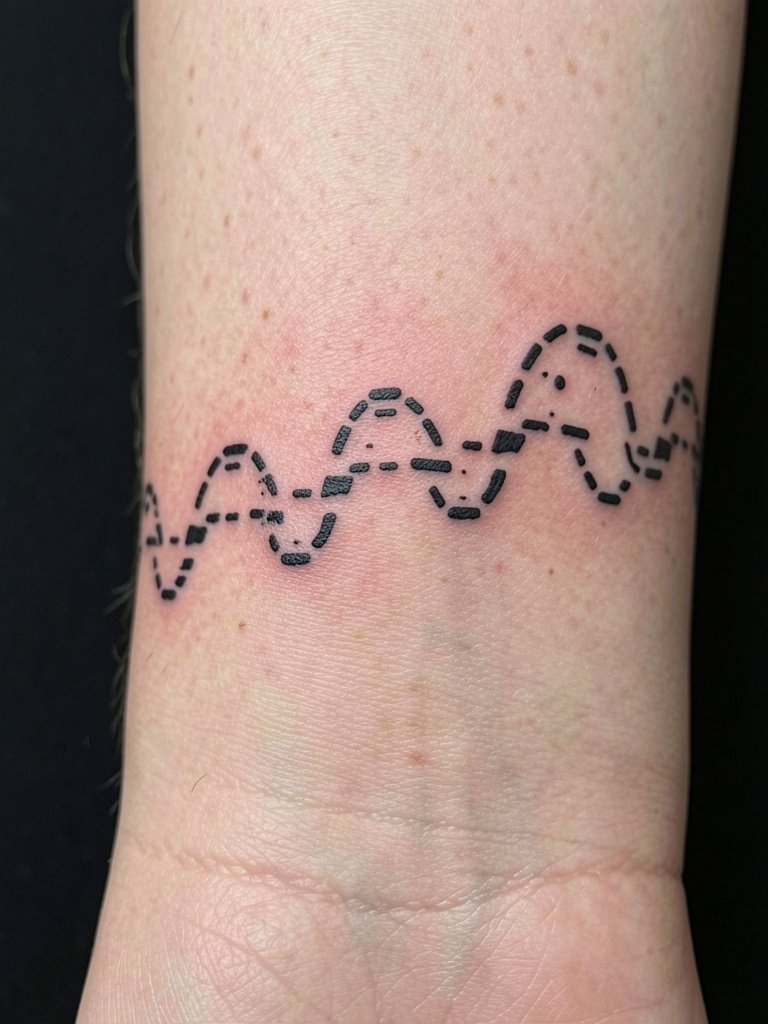
The broken-line wave embraces visual imperfection so blur becomes part of the concept rather than damage. It ages well because the gaps prevent a continuous smear. A real mistake is putting the dashes too close together. Ask for spacing mockups at the consult so the rhythm of dashes reads at arm's length. This design is lower-pain and quick. Show it off with rolled cuffs and small silver stacks on the opposite wrist for a modern, asymmetrical look.
11. Script-Integrated Wave
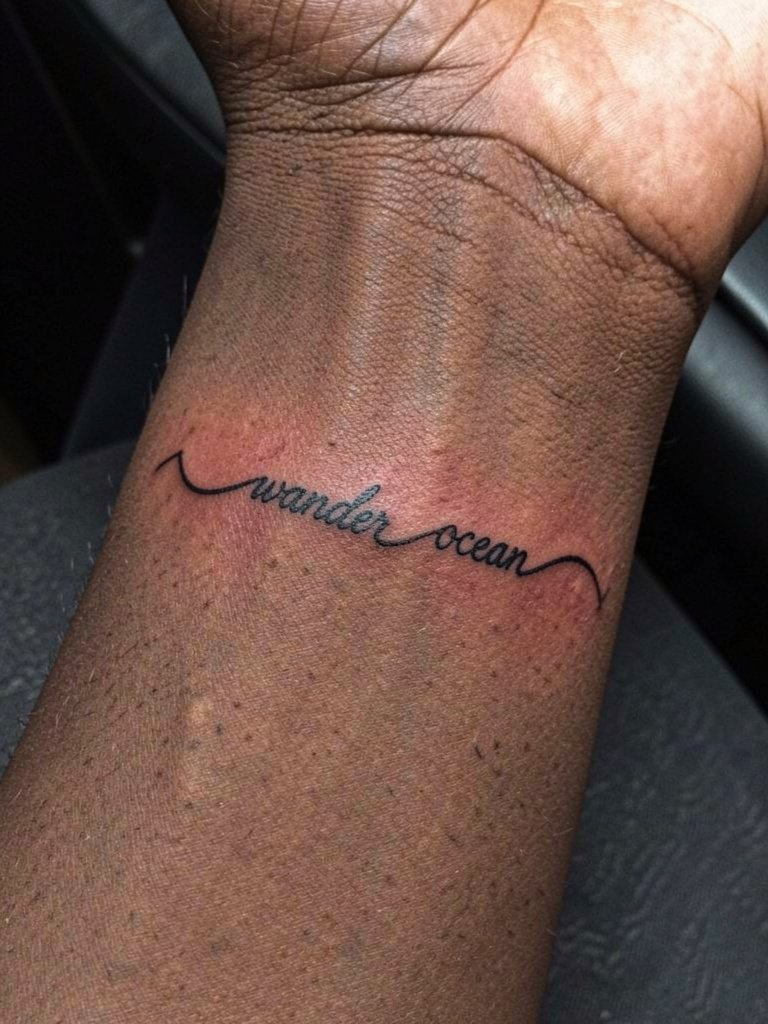
Combining script with the crest makes the symbol explicit. Keep the word very short and avoid ornate calligraphy that collapses into illegibility as the piece heals. A common error is choosing a long phrase that forces tiny letters. For better longevity, choose a single word and ask for slightly bolder letterforms than the reference. Expect 20–30 minutes of work. For evenings out, pair with a simple open-back dress or a layered necklace so the wrist detail has context but does not compete.
12. Grey-Wash Volume Wave
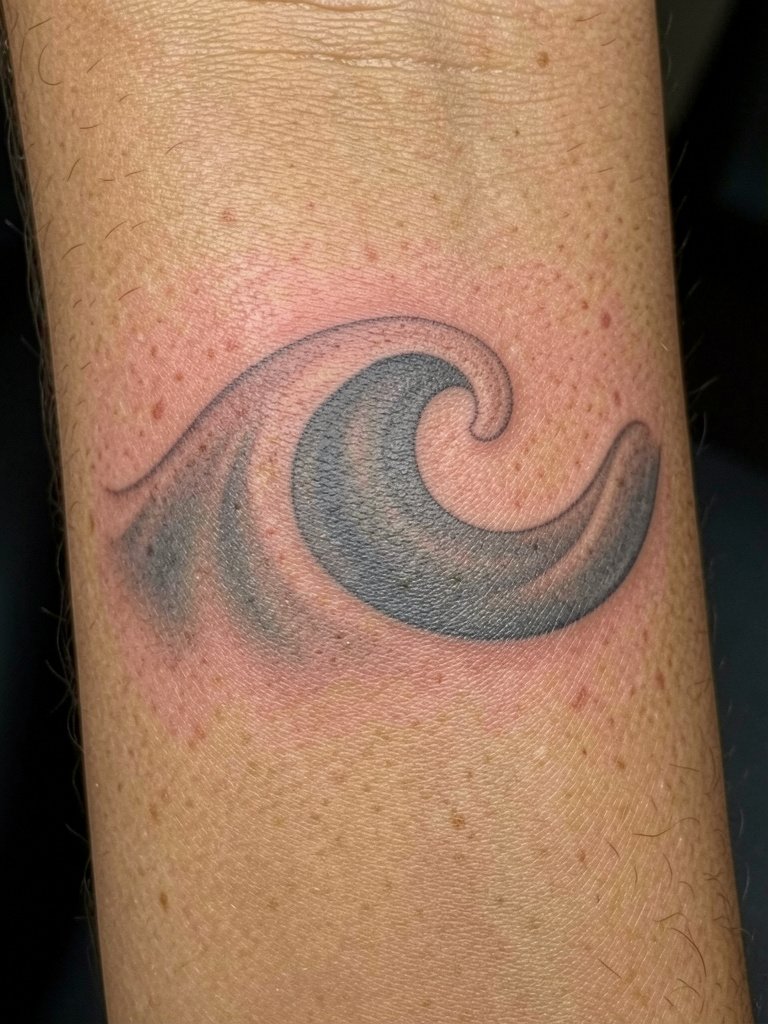
If you want the illusion of depth minus saturated color, grey wash is a reliable choice. It retains contrast longer than watercolor while avoiding heavy outlines. Tell your artist you prefer soft stipple or whip shading to create volume rather than dense black fill. This approach can need a touch-up at the 12-month mark depending on exposure. For looks, switch to rolled linen sleeves in neutral tones that let the grey gradients read clearly and consider a dainty anklet set for seasonal balance.
13. Hidden Critter Within the Curl
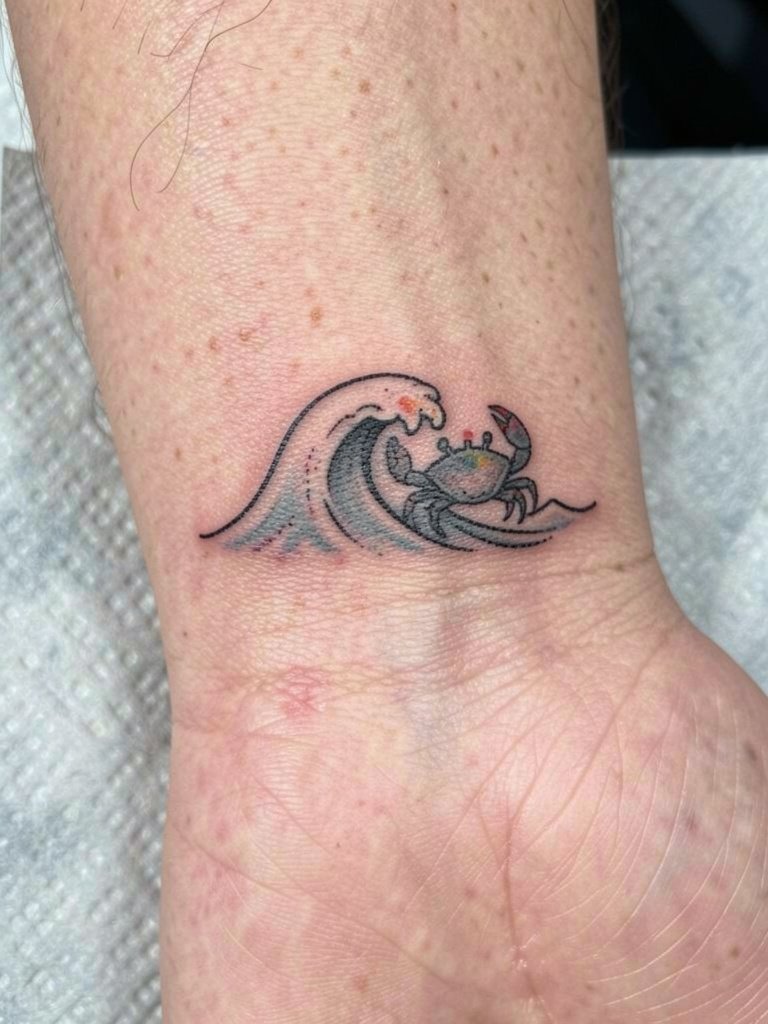
A tiny creature hidden in the curve personalizes the motif without changing the scale much. Keep the animal simplified so details stay legible as the piece ages. If you want color for the critter, accept that it will need touch-ups sooner than black line. One practical tip is to position the critter on the lateral wrist where clothing friction is lower. Session time varies with color but often sits in the 30–45 minute range.
Frequently Asked Questions
Q: How painful is a wrist wave compared with other placements?
A: The wrist ranks higher on many people's pain charts because skin is thin and bone is close. Most sessions for small wrist waves are short enough that the pain is tolerable, but plan for breaks and hydrate beforehand. A short snack or a calm breathing technique usually makes a big difference.
Q: Will a fine-line wave blur and when should I plan a touch-up?
A: Fine line on wrists can soften faster than on thicker skin. One practical approach is to plan a check at six to twelve months to see if a touch-up is needed. If you want longer initial retention, specify slightly heavier line weight and ask for healed photos from similar placements during the consult.
Q: Are there disagreements about numbing cream, and what do the camps say?
A: Yes. One group of people says numbing cream is a legitimate tool that helps first-timers get through a painful wrist session and that, when applied correctly, it does not noticeably alter healing. Another group argues numbing cream can make skin temporarily rubbery and affect ink absorption, increasing the risk of uneven healing and blowouts.
Q: Where should I search to find artists and healed examples without naming specific shops?
A: Search hashtags like #wavetattoo, #finelinetattoo, and #minimalistwave on Instagram and TikTok and filter results by location. Use portfolio sites and directories that let keyword searches such as "fine line wave wrist" and read Reddit threads for peer-shared healed photos across skin tones.
Q: What should I wear to my appointment and what should I wear to show the tattoo off?
A: For wrist work, short sleeves or sleeveless tops give the artist clear access and avoid cuffs rubbing fresh ink. To show the finished piece, consider a minimalist watch or thin chain bracelets on the opposite wrist and neutral rolled cuffs that frame the linework without covering it.