
Watercolor on the forearm reads differently in real life than on a phone screen. Lighter pigments can disappear faster than people expect, and a perfectly packed layer of color now helps your piece keep its shape years from now. Read these forearm-specific watercolor approaches so you can pick a composition that looks great at six months and still reads at year five.
1. Watercolor Floral Burst, Inner Forearm
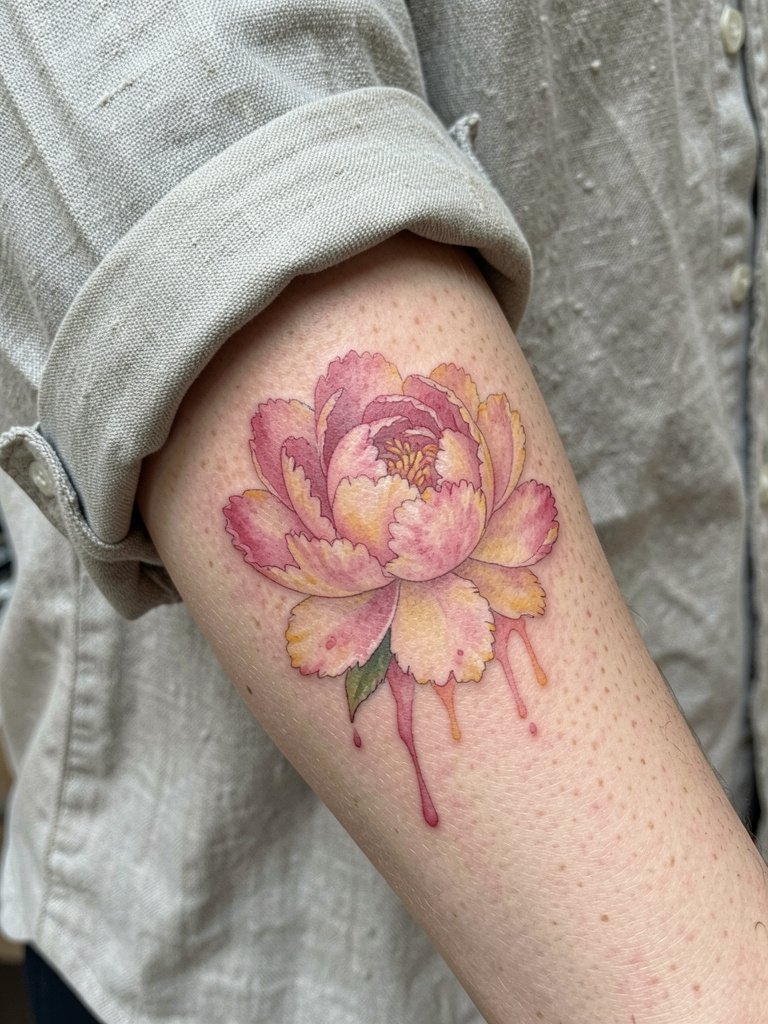
A single large bloom in watercolor style is a forearm classic because it reads across the curved surface. I recommend this over multiple tiny flowers when you want lasting clarity, because a single composition gives the artist room to pack contrast under pale petals. In the consultation bring a close-up photo showing the exact petal edge you like and ask for slightly higher saturation under the lightest tones so yellows do not vanish at the six month mark. Common mistake is asking for whisper-thin petal detail that the inner forearm eats over time. Expect one session of two to three hours for a four to six inch piece and a likely touch-up between year one and year two.
2. Sticker Patchwork, Outer Forearm
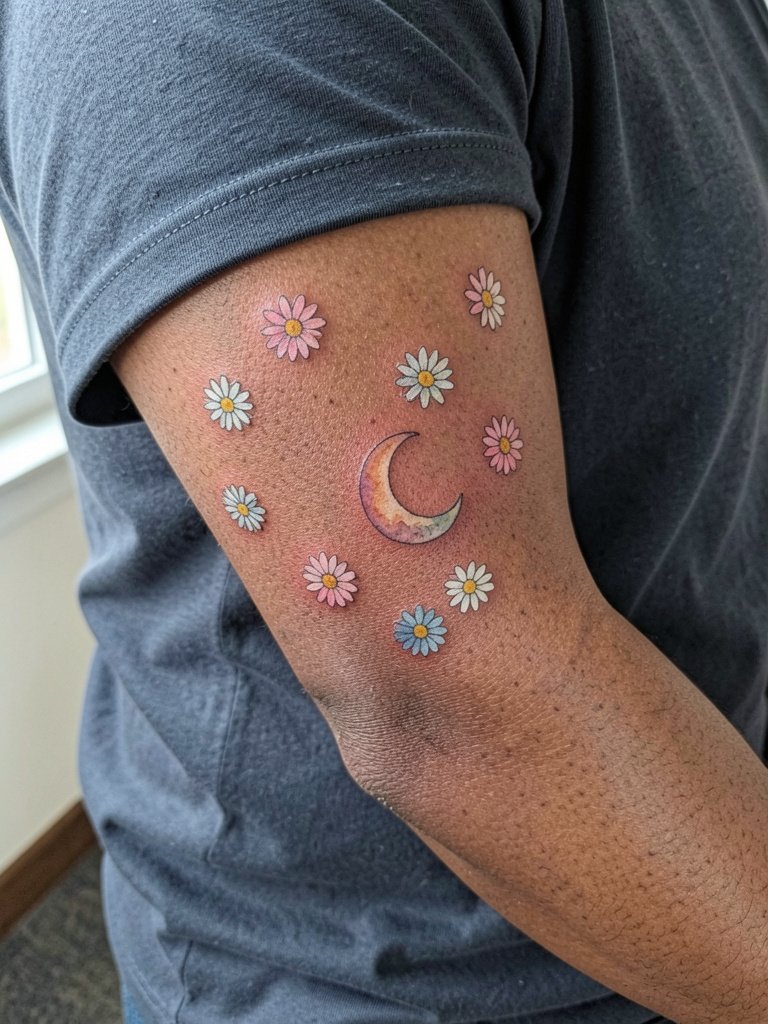
Scattered sticker-style pieces let you build a personal gallery without a sleeve commitment. I recommend spacing each patch at least two finger-widths apart so each element breathes as the skin ages. For appointment day wear a short-sleeve graphic tee so the artist has full outer-forearm access. One common error is requesting hairline outlines around pastel fills; on the outer forearm those thin lines blur into the color field inside two years. Small patchwork usually takes 30 to 90 minutes per piece and touch-ups are common after a year if you use lots of pale pinks.
3. Cloud Dancer Pastel Wash, Inner Forearm
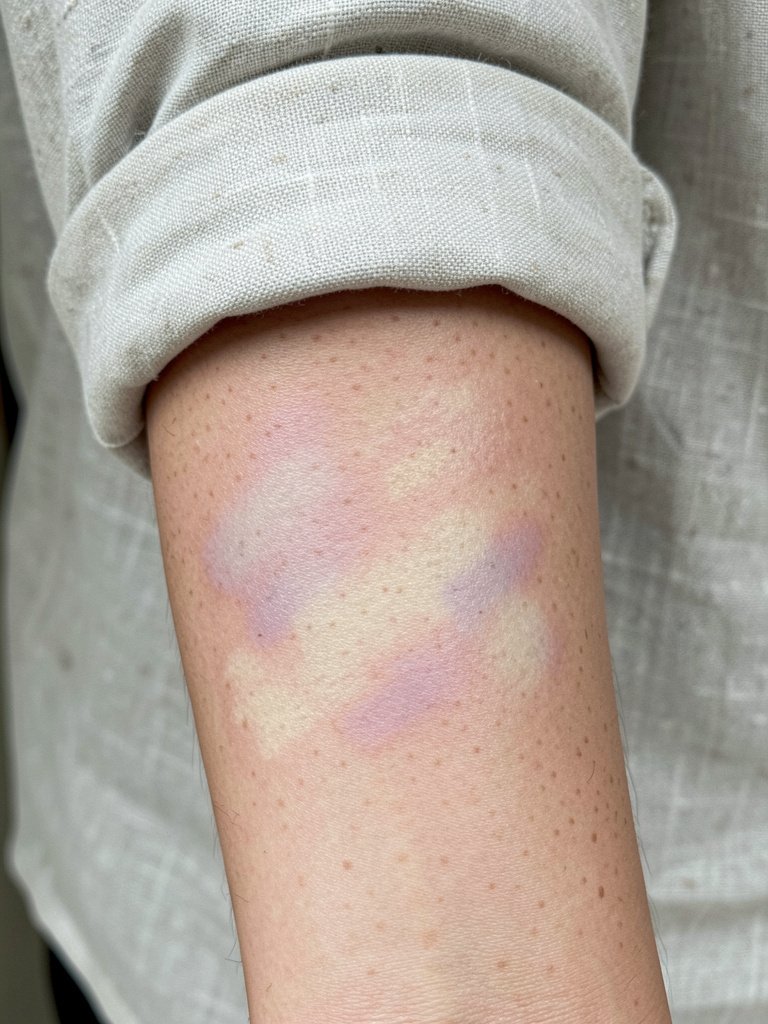
The Cloud Dancer palette trades bold contrast for an off-white, fashion-forward look. I would pick this if you want a subtle forearm statement that pairs with neutral linen and delicate jewelry. Discuss exact off-white tones with your artist and request healed examples at six months to understand how creams read on your skin tone. The downside is that low-saturation palettes need more careful saturation and a likely touch-up at year two to keep the edges from softening into a wash. Session time is usually one two-hour block because careful layering matters.
4. Botanical Illustration with Watercolor Wash, Inner Forearm
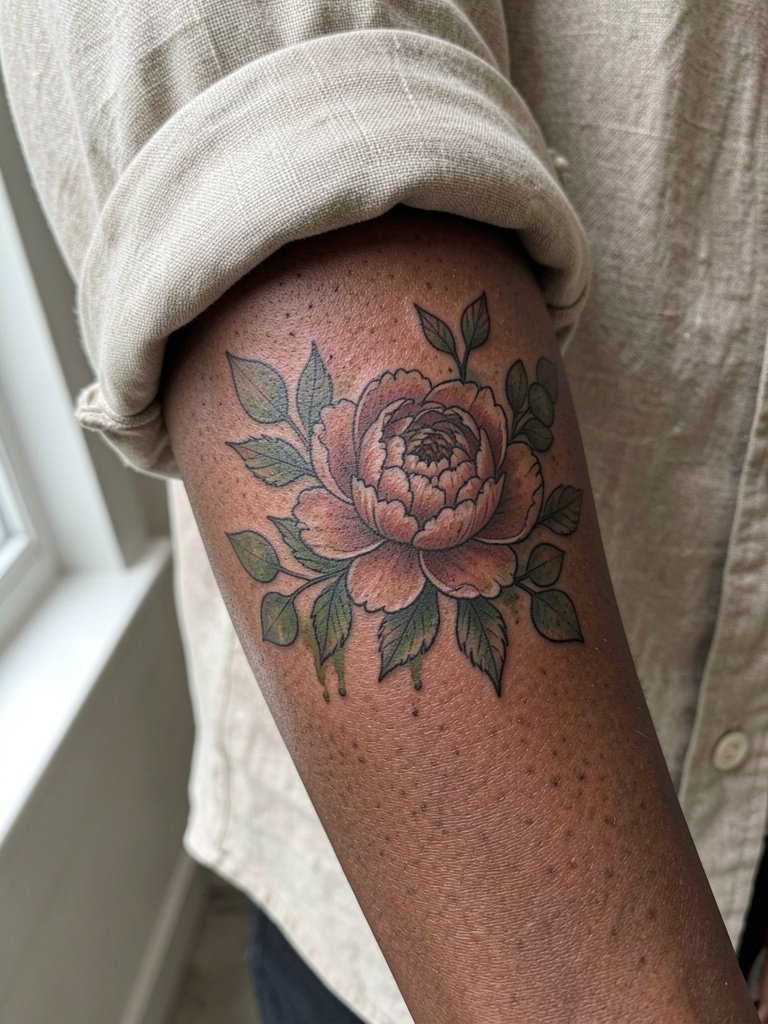
Mixing precise botanical linework with watercolor washes brings the best of illustration and painterly color. Choose this over full watercolor when you want readable detail at a distance. During the consult show the artist a botanical plate and ask for vintage line weight with stipple shading under color areas so that the form still reads as pigments soften. A common aging issue is too-tight linework inside color fields which can blur into the wash. Plan for a one to two hour session and expect a touch-up window around year two for the pale greens.
5. Celestial Night-Wash, Outer Forearm
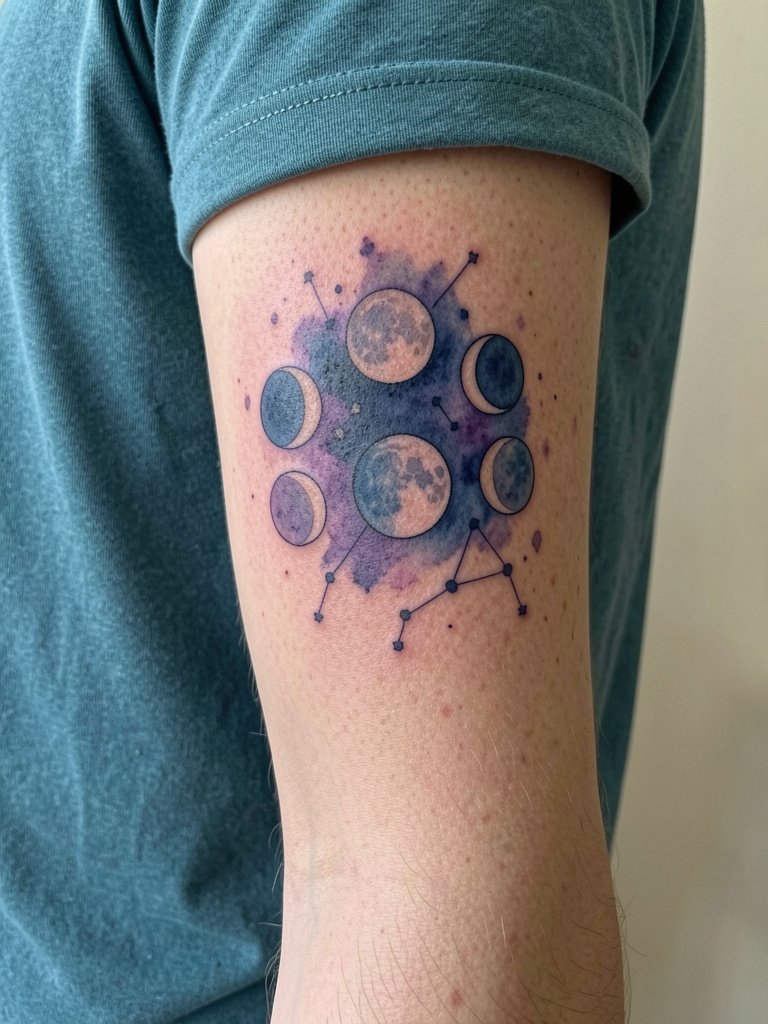
Celestial washes use deep base tones with light speckling for stars. I recommend a darker underlayer behind any pale highlights so the moons keep shape over time. If you want to show it off on weekend evenings, pair the piece with short-sleeve tees in solid black or white and a thin chain bracelet on the opposite wrist. The outer forearm tolerates saturation well, but neon-leaning pigments can shift hue faster. This design is typically a single session of one to two hours and may need a shallow touch-up after two to three years depending on sun exposure.
6. Abstract Swirl Gradient, Inner Forearm
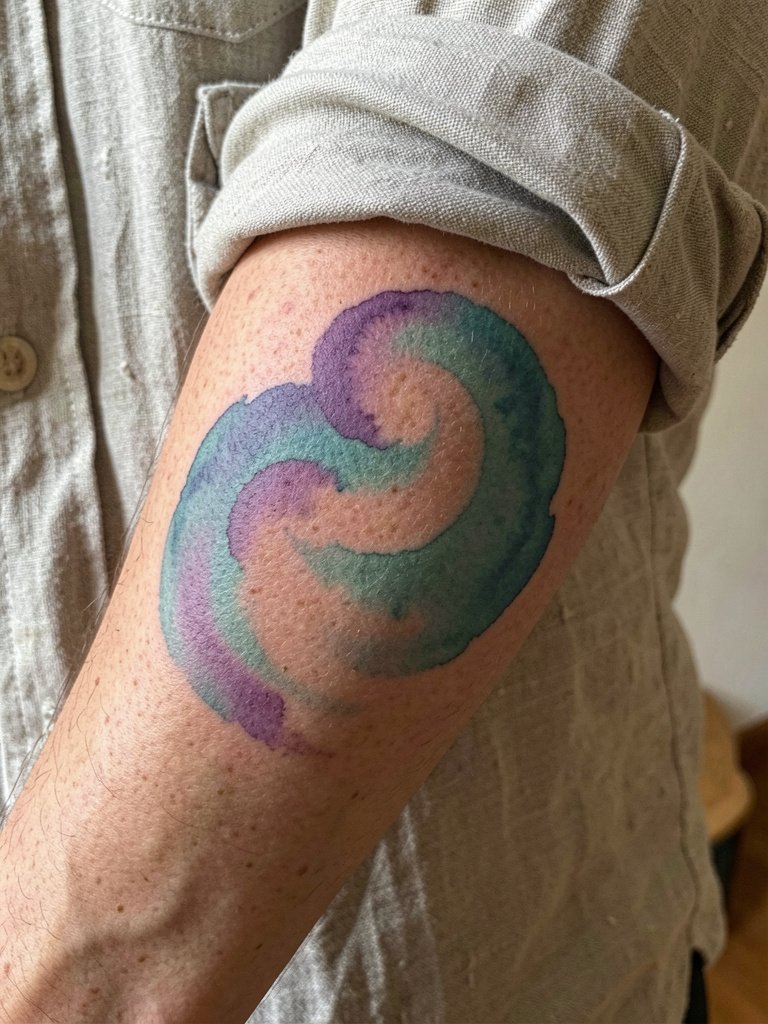
Abstract watercolor gradients are a great choice when you do not want a defined subject. I recommend this over busy illustrative work if you prioritize color flow across the forearm. Tell the artist you want visible transitions at three inches of width so the gradient holds its form at arm scale. The main mistake is going too narrow; narrow gradients collapse into blotches as pigments spread. Expect a two to three hour session and a likely touch-up between year one and year three to maintain the smoothness of the transitions.
Pre-Session Essentials
These first six forearm styles benefit from a few small items to smooth the session and early healing process.
- Stencil transfer paper kit. Helps you preview placement on the arm at home so you can confirm scale for blooms, moons, or patchwork before the chair.
- Topical numbing cream. Applied 30 to 45 minutes before most forearm sessions it eases the sting on inner forearm areas without changing how ink packs.
- Thin protective film roll. Useful for protecting outer-forearm pieces during the first few days of showering and movement.
- Fragrance free body wash. Gentle cleansing protects delicate watercolor pigments while the skin re-epithelializes.
- Aquaphor healing ointment. Thin layers in the first 48 to 72 hours help keep fine areas from scabbing too heavily and losing pigment.
7. Fine-Line Fusion Inside Watercolor, Inner Forearm
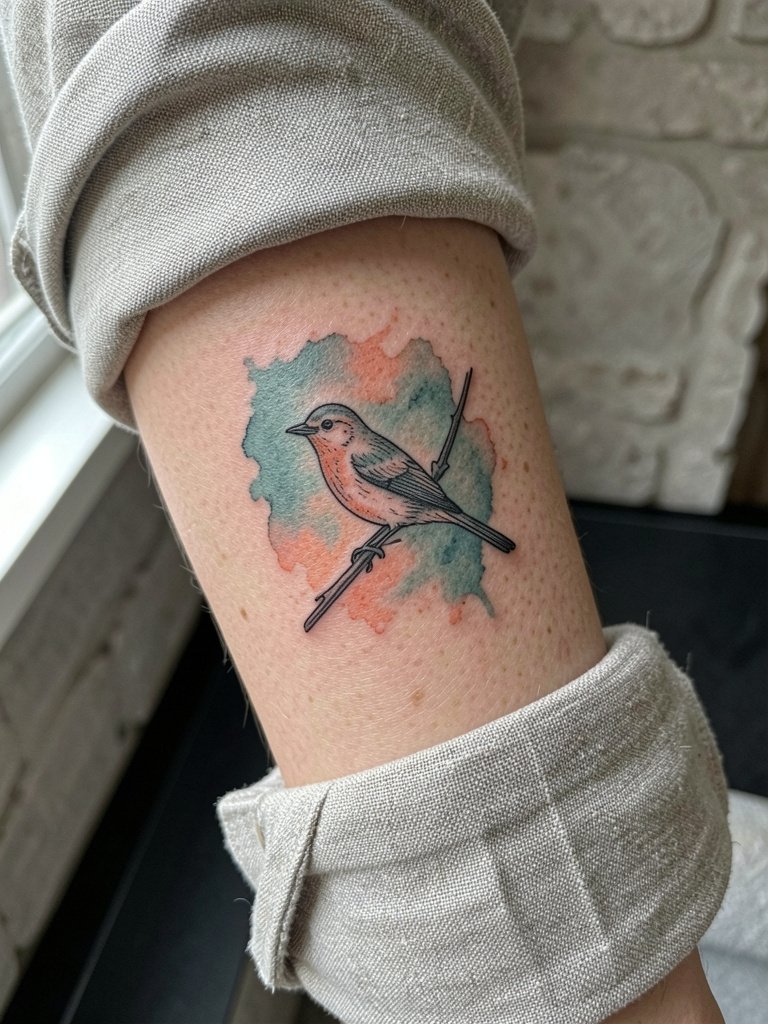
Pairing single-needle linework with watercolor gives you readable detail inside an airy wash. I recommend asking for the line weight to be a hair heavier than reference images because the inner forearm tends to soften the thinnest strokes over time. Also request the artist to pack slightly more saturation beneath pale areas so small highlights stay visible. Mistakes include having intricate dot work too close to wash edges, which can blur into the color. Expect a two hour session and a touch-up window at year two for the palest tones.
8. Y2K Nostalgia Butterflies, Outer Forearm
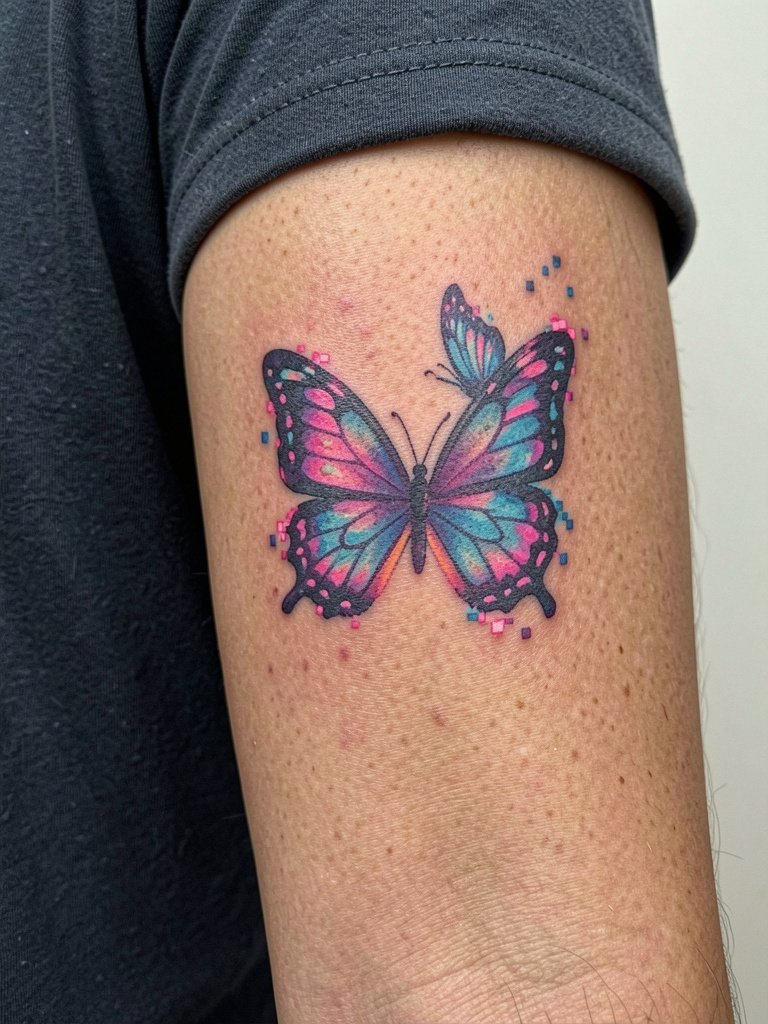
Y2K flourishes in watercolor soften digital nostalgia into wearable color studies on the forearm. If you want that early-2000s edge choose slightly muted neon values so the pigments do not shift oddly under UV. For show-off pairing, wear short-sleeve tees in solid black or white that keep attention on the neon accents, and add a thin chain bracelet on the opposite wrist. The outer forearm takes neon saturation well, but pale neon highlights may need a touch-up by year two.
9. Birth Flower Bouquet, Inner Forearm
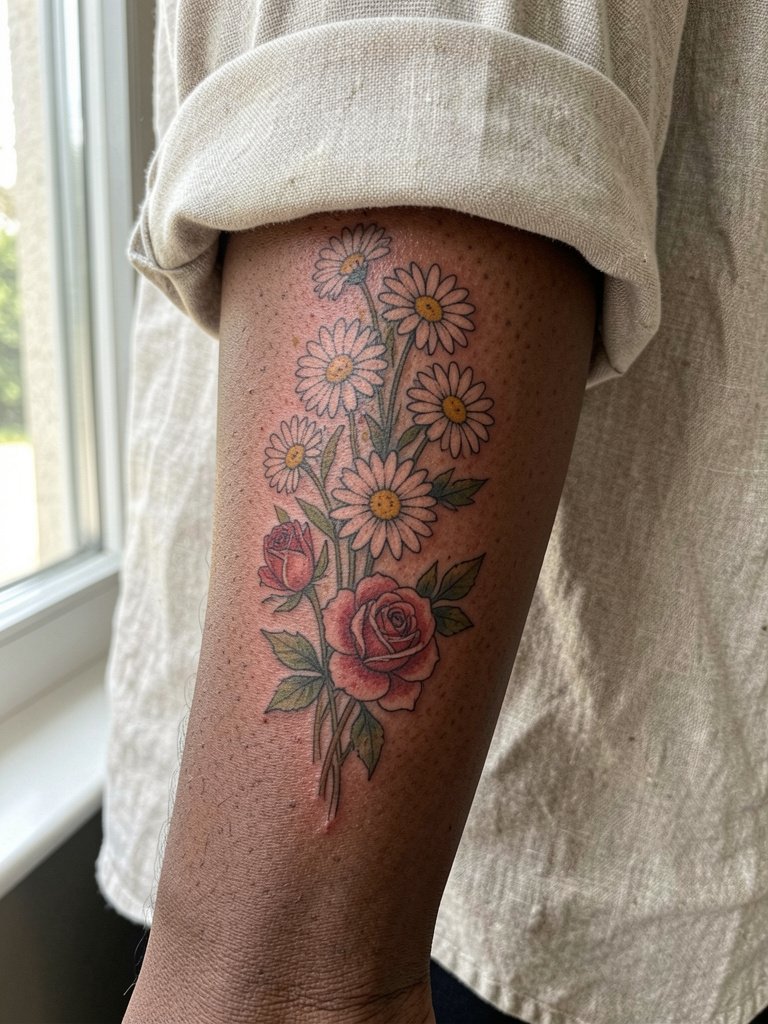
Personalized birth flower bouquets read beautifully on the inner forearm because they follow the limb's vertical flow. Bring exact reference photos of each species and ask the artist to space the blooms so each flower has breathing room. A common error is compressing multiple small blooms into a tight cluster which merges with age. Session length is usually one to two hours and expect a touch-up for the very pale yellows around year two.
10. Perfect Imperfection Wash, Inner Forearm
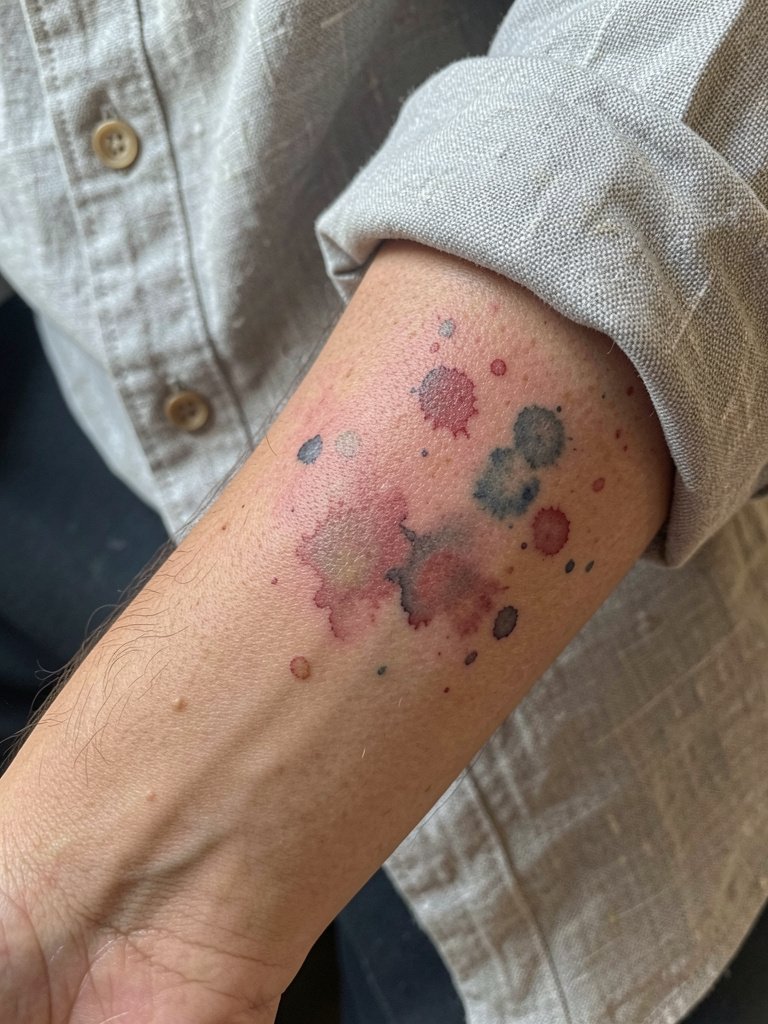
The "perfect imperfection" aesthetic intentionally leaves edges feathered and a little raw so the piece reads as hand-painted. I recommend this when you want an organic look that will still be forgiving as it ages. Tell the artist you want deliberate splotches at specific anchor points so the composition does not flatten with time. A common mistake is asking for random smudges without planned composition which can look like poor execution when healed. One session of around two hours usually gives you the right balance.
11. Animal Silhouette with Splash, Outer Forearm
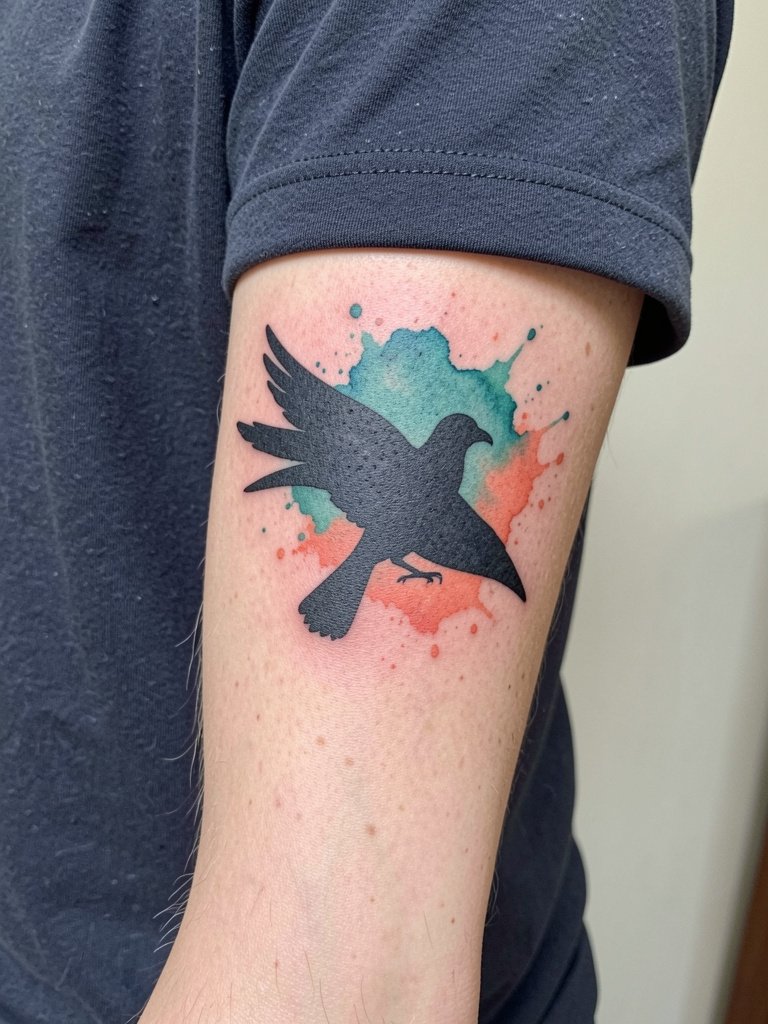
High-contrast silhouettes paired with watercolor backs read clearly when the silhouette is solid and the wash sits visually behind it. I recommend a dark silhouette when you want the animal to remain readable at distance. Discuss the exact silhouette scale with the artist so you do not lose detail in the beak or tail by year three. Typical session time is one to two hours and you may need a touch-up if the splash contains pale pigments.
12. Gradient Partial Sleeve, Full Forearm Wrap
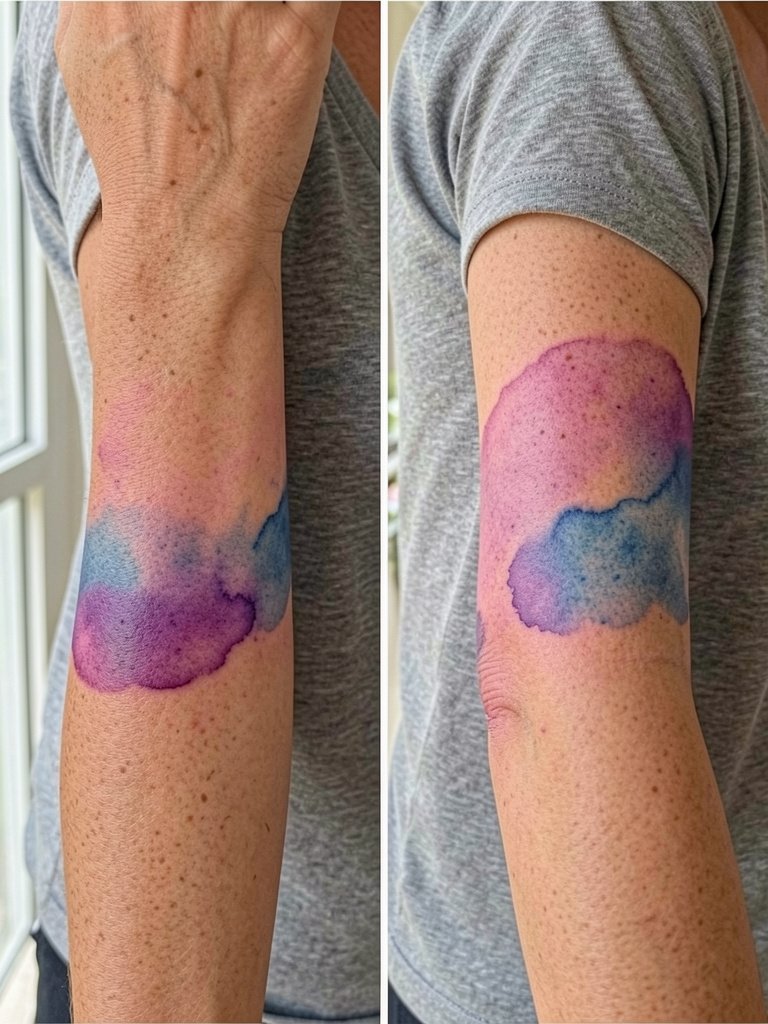
Partial forearm sleeves need rhythm to avoid color blotching. I recommend gradual transitions and larger panels of color rather than many tiny fades so the eye moves smoothly along the arm. For session wear choose a V-neck or open-collar shirt so the artist can roll sleeves easily and check both sides. These require longer appointments, often multiple sessions, and touch-ups are typical around year two to maintain even saturation.
13. Barely-There Pastel, Inner Forearm
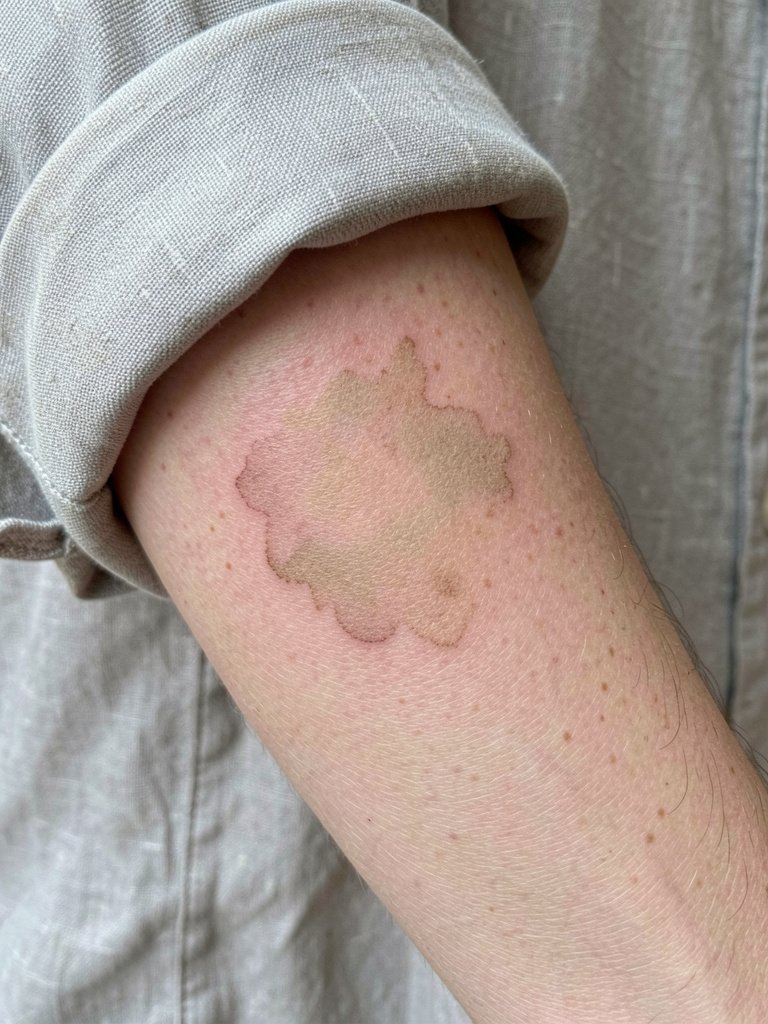
Subtle pastels make for discreet forearm placement, but they demand commitment to aftercare because light pigments fade faster. I suggest pairing a pastel wash with a slightly deeper anchor tone so the composition keeps shape. On session day wear a loose button-down so the cuff does not rub the fresh skin. Plan for a touch-up within a year to refresh the palest tones and budget SPF use to prolong color.
14. Cyber-Glitch Pixel Tear, Outer Forearm
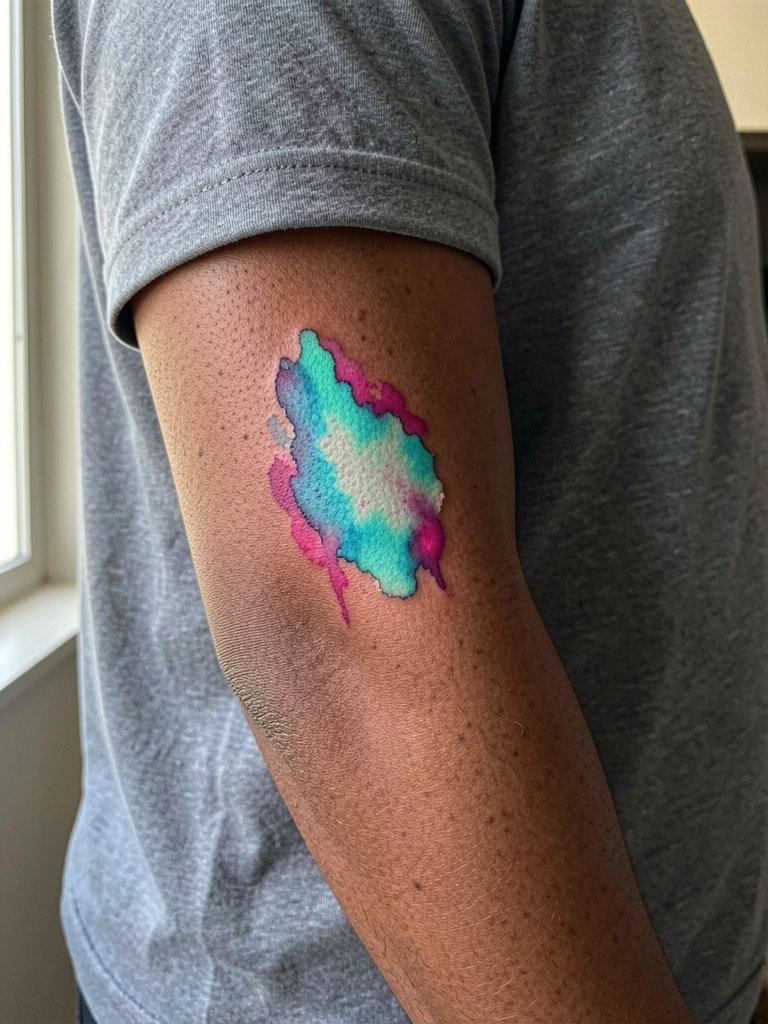
Cyber-glitch watercolor mixes pixel geometry with bleed. Choose a higher-contrast base so neon accents do not become muddy with time. A common mistake is cramming pixel detail into a narrow band which becomes indistinct after healing. Sessions are usually under two hours for a single outer-forearm panel and you may want a yearly refresh if you include neon hues.
15. Moon Phase Cluster, Inner Forearm
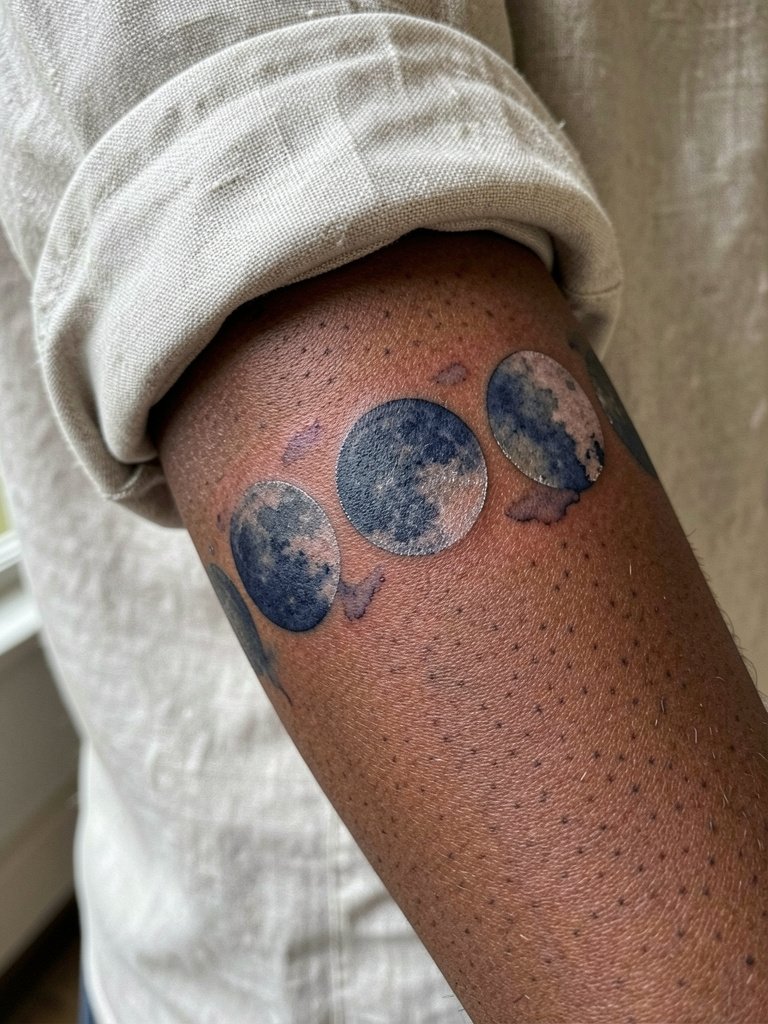
Moon phase clusters work vertically on the inner forearm and read well at small scales if the phases have clear negative-space separation. Tell the artist you want distinct gaps between phases because cramped moons blur into one shape over a few years. For session comfort wear a loose button-down so the cuff does not press on fresh skin. Expect a one hour session for a tidy chain of moons and a touch-up window at year two if the pale highlights start to fade.
16. Geometric Overlay with Watercolor Backdrop, Outer Forearm
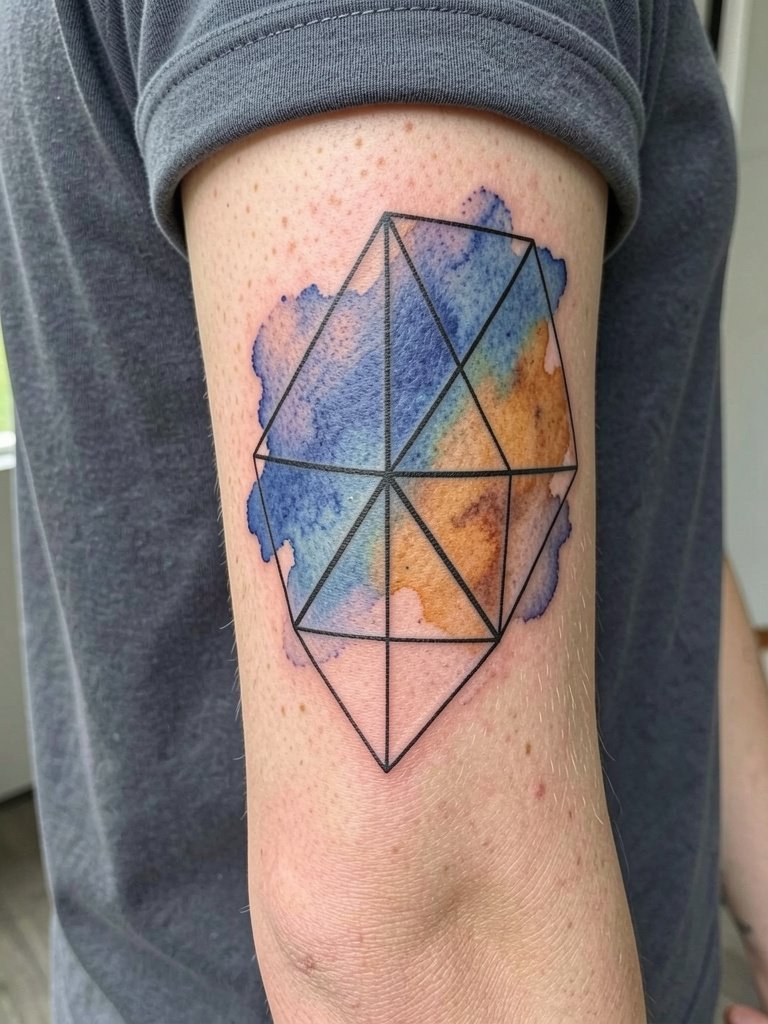
Combining crisp geometry with watercolor blur gives structure and motion. Ask the artist to overdraw the black geometry slightly bolder than your reference so the lines remain crisp as the wash settles. A mistake is pairing very fine geometry with a heavy wash which causes the shapes to read fuzzy in healed photos. Sessions run one to two hours and touch-ups on the black linework are less frequent than on pale watercolor fills.
17. Script with Watercolor Bleed, Inner Forearm
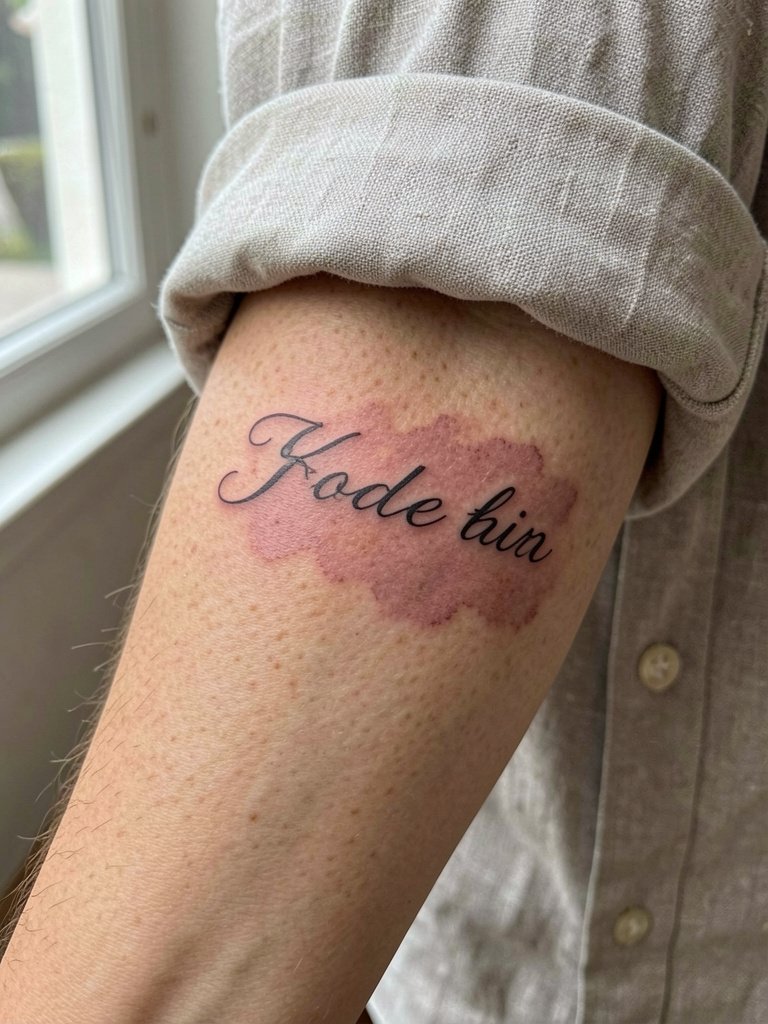
Script on the inner forearm can be elegant, but fine single-needle cursive often fades into a soft blur if too thin. Define the exact word and ask for a hair thicker line weight than the reference so legibility holds to year three. Avoid placing script inside the thickest areas of a wash where contrast is low. Sessions are short, usually under an hour, but expect a touch-up if the script loses crispness.
18. Stippled Botanical with Faint Wash, Outer Forearm
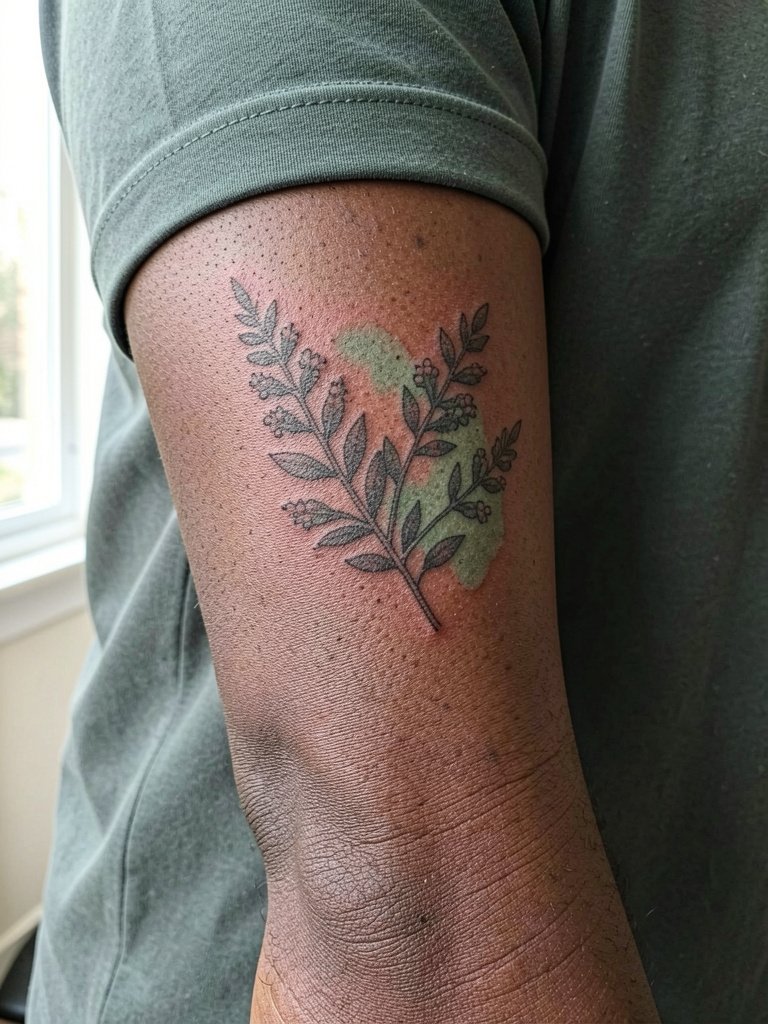
Stipple shading pairs naturally with soft washes because the dot work maintains texture as pigments shift. Request the stipple density scale in the consult so the artist does not overconcentrate dots near the wash edge. A mistake is asking for uniform stippling across all tones which can flatten the composition. Sessions can be longer due to the detailed dot work and touch-ups typically focus on the wash rather than the stipple.
19. Minimalist Mountain Range with Watercolor Sky, Inner Forearm
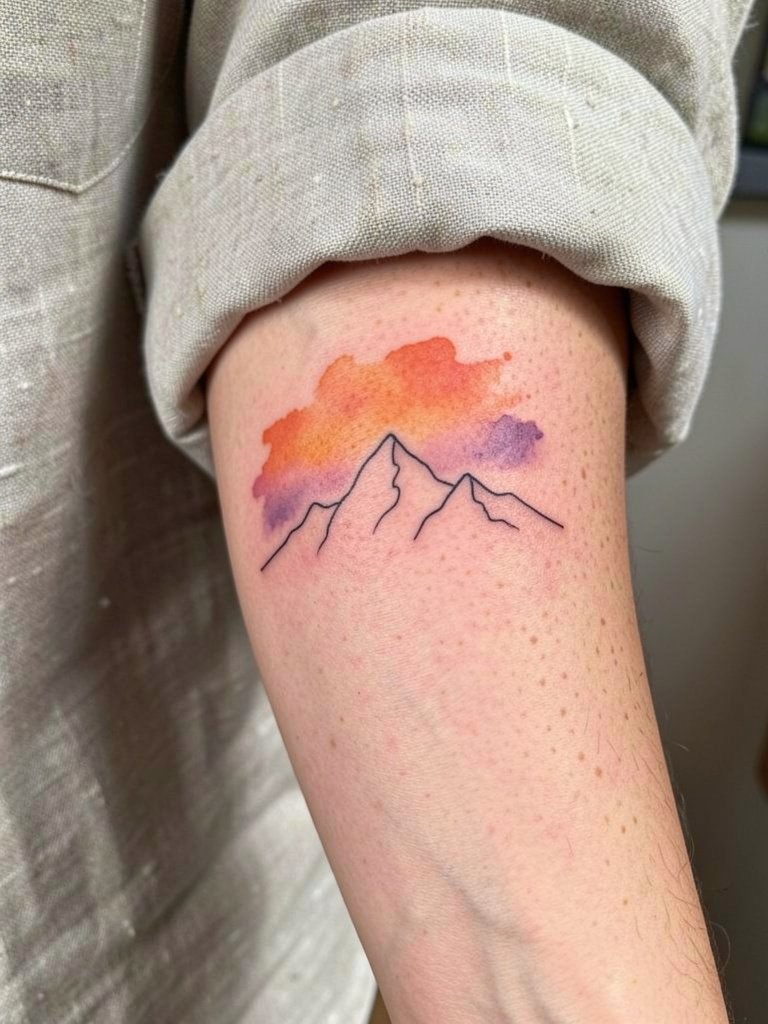
For a pared-back landscape pick slightly bolder contour lines and ask for the wash to sit above the horizon line so the mountains keep silhouette. A common misstep is tiny peaks with extremely thin lines that disappear around the one to two year mark. Session time is usually under ninety minutes and touch-ups for the sky wash may be needed at year two depending on sun exposure.
20. Watercolor Compass with Fine-Line Detail, Outer Forearm
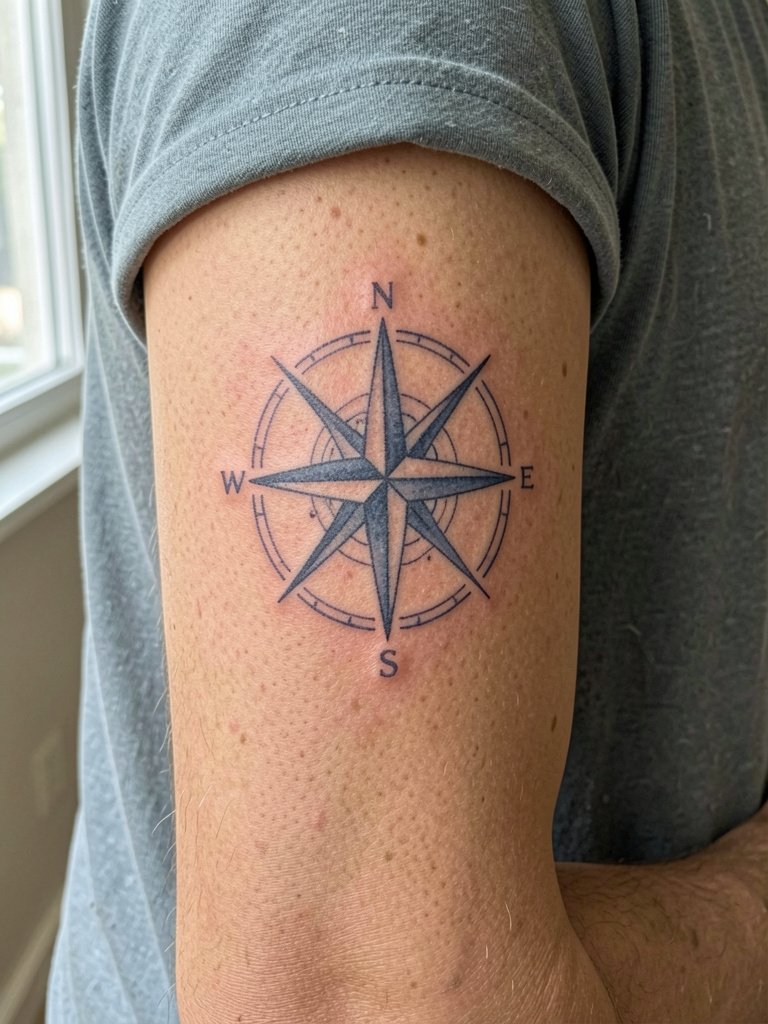
Compasses read well when the directional lines are slightly stronger than single-needle hairlines. Ask for a tested line weight so the points do not merge into the watercolor halo by year three. Outer forearm is forgiving with saturation but keep pale metallic highlights to a minimum unless you plan regular top-ups. Expect a one to two hour session and plan for a touch-up in the second or third year.
21. Ribboned Script with Watercolor Accent, Inner Forearm
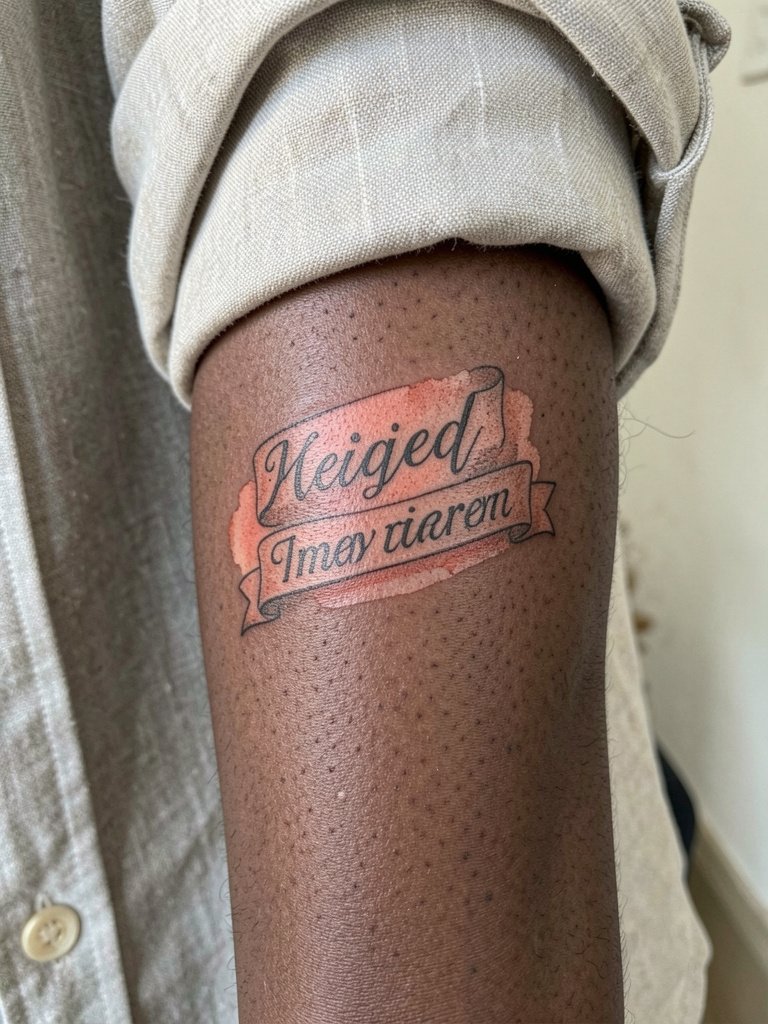
When pairing script and block forms with a wash, stronger letterforms keep legibility over time. Be specific about kerning and the visual gap you want between letters and wash so the composition stays readable at arm scale. Mistakes include placing thin serifs inside a wash with similar tones. Sessions are usually under ninety minutes and touch-ups focus on faded accent areas.
22. Abstract Color Blocks, Outer Forearm
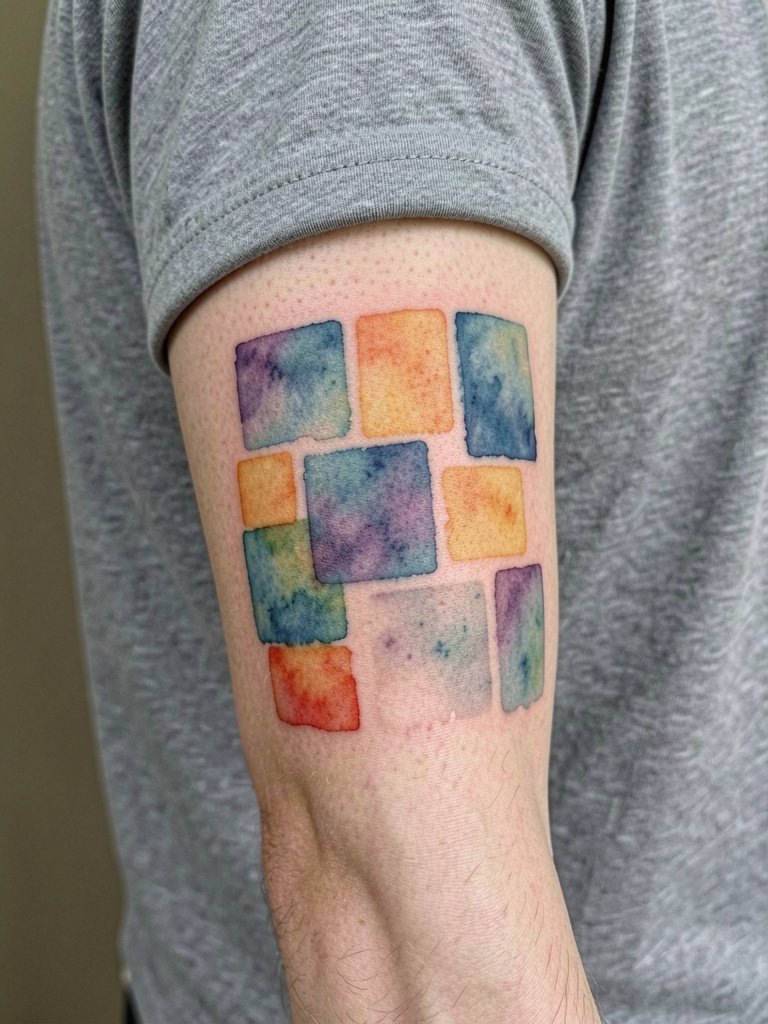
Abstract color blocks give you a modern forearm composition that scales well. Ask for crisp negative space between blocks because adjacent saturated panels can bleed into one another over time. For wardrobe, short-sleeve solid tees keep the blocks visible while you wear them. Sessions usually take two hours for a multi-block layout and touch-ups are common after two to three years if colors include pale pigments.
23. Floral Sleeve Band with Watercolor Fill, Full Forearm
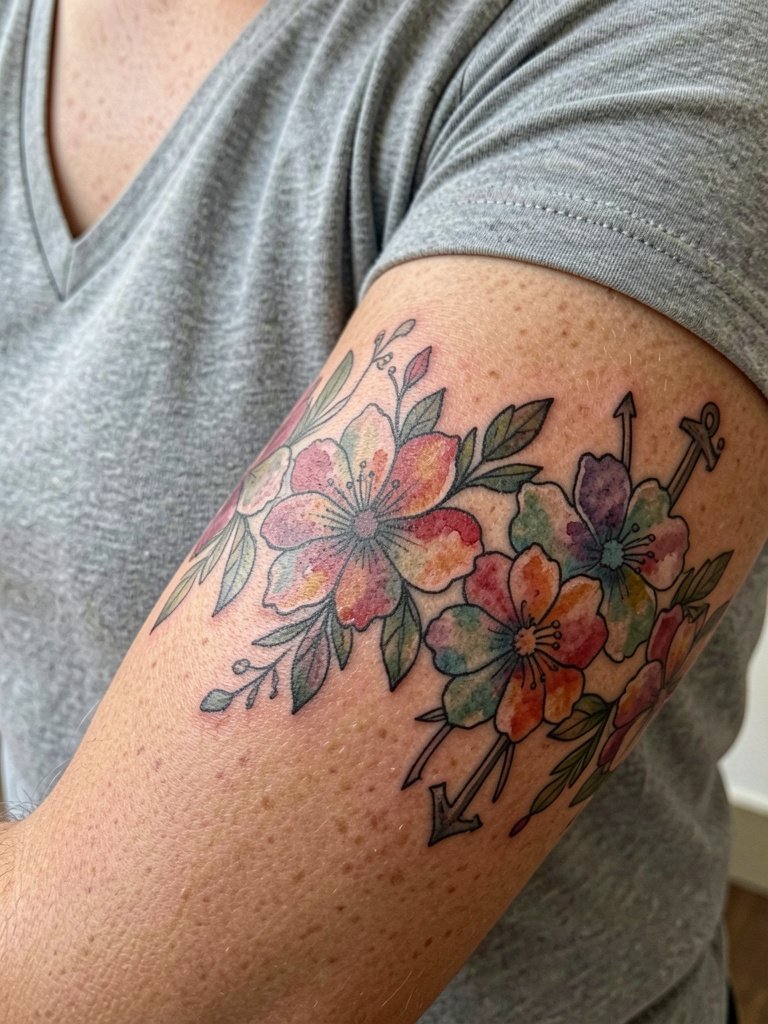
A floral band that wraps the forearm balances detail and color flow. I recommend wider petal spacing and stronger line anchors at key points so the band does not blur as it ages. Avoid tiny internal filigree inside petals which the skin can soften into a muddy mass. These are multi-hour sessions and touch-ups are usually needed for the pale fill areas after year two.
24. Painted Portrait Silhouette with Background Wash, Outer Forearm
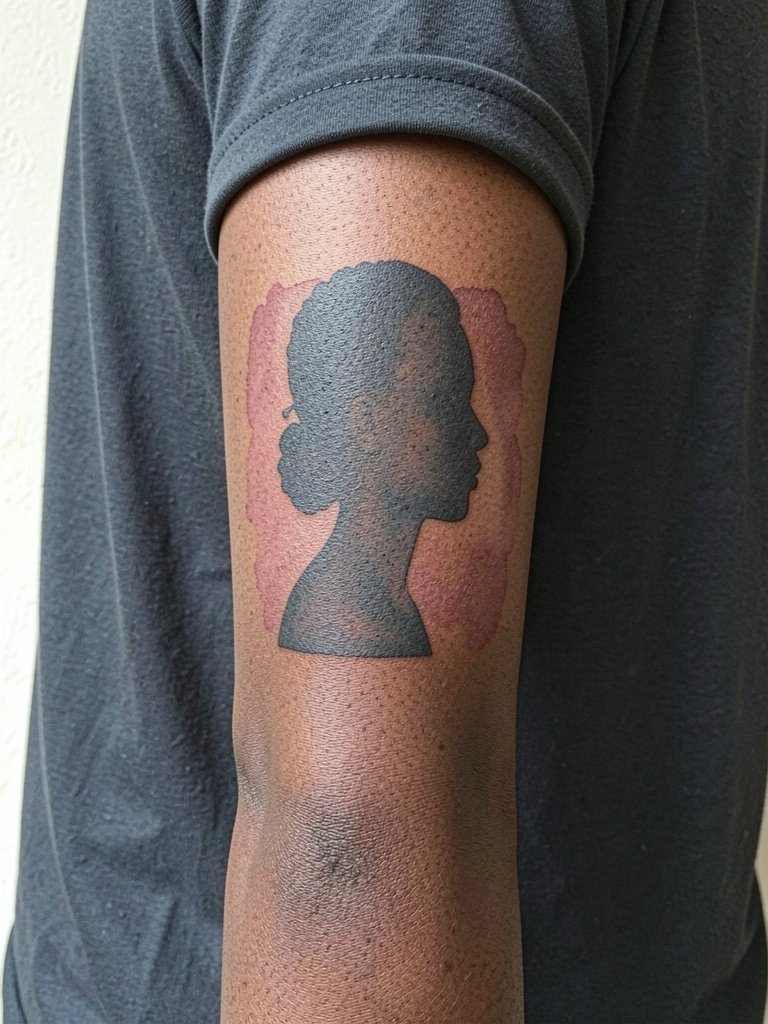
Silhouetted portraits over watercolor make for clean forearm visuals that age predictably when the silhouette is strong. In the consult be explicit about how much facial detail you want in the silhouette since tiny facial features rarely survive lighter pigment washes. These pieces usually take one to two hours and may need refreshing if the wash contains pale pigments.
25. Freeform Brushstroke Wrap, Inner Forearm
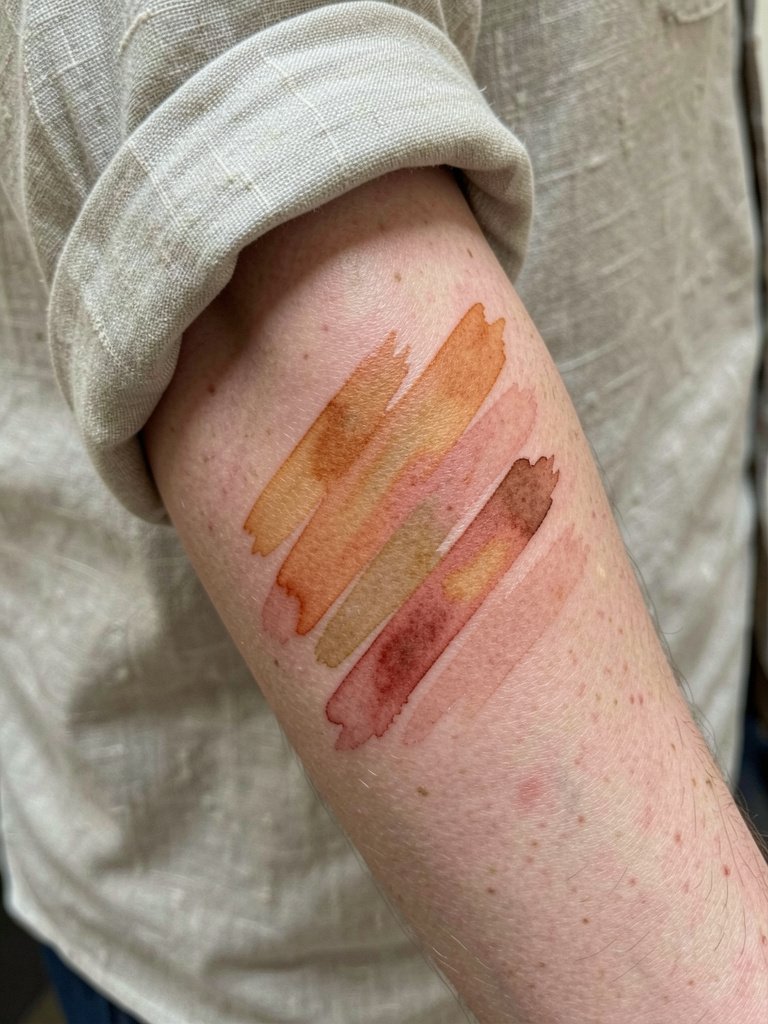
A single brushstroke wrap reads like a wrist cuff and keeps an elegant movement along the inner forearm. Ask the artist to map the stroke at full scale so you can see how it bends with the arm. A common mistake is requesting multiple overlapping thin strokes which can blend into an indistinct patch once healed. Sessions are short but precise, and touch-ups may be required depending on pigment choice.
Frequently Asked Questions
Q: Do watercolor forearm tattoos fade faster than traditional tattoos?
A: There is a debate. One camp argues watercolor fades faster because lighter pigments and blurred transitions naturally lose definition and can look like a smudge by year two. The other camp says that with controlled layering and strategic saturation watercolor can hold remarkably well if you commit to disciplined aftercare and periodic touch-ups. In practice plan for at least one touch-up in the first two years and keep sun protection consistent.
Q: What should I wear to my appointment for an inner forearm watercolor piece?
A: Wear a loose button-down or a rolled-cuff linen shirt so the cuff does not press on fresh skin and the artist can roll the sleeve easily. For outer forearm pieces a short-sleeve tee in a solid color gives the artist full access. Comfortable clothing that is easy to remove without touching the tattoo makes the session smoother.
Q: How do I find artists who show healed watercolor work without naming specific artists?
A: Search hashtags like #watercolortattoo and #watercolortattooforearm on Instagram and TikTok and filter by location to find local portfolios. Tattoodo, the Inked App, and Booksy let you search by keywords such as "watercolor floral forearm" and often show healed shots. Reddit communities like r/tattoos and r/watercolortattoos also share peer recommendations and healed examples across skin tones.
Q: Which forearm side holds color longer, inner or outer?
A: The outer forearm generally tolerates more saturation and keeps pigment longer because it sees less direct friction from daily surfaces. The inner forearm can hold color nicely too but watch for placement near the wrist where washing and friction accelerate fading. Plan your design and contrast ratios accordingly.
Q: How often will I need a touch-up for a watercolor forearm piece?
A: It depends on pigment choices and sun exposure but expect a realistic touch-up window of one to three years for lighter pigments. Heavier saturated anchors often last longer. Keep hydrated skin and daily SPF use to stretch the interval.
Q: Are there design choices that consistently age poorly on forearms?
A: Yes. One frequent mistake is asking for ultra-fine single-needle detail with pale fills and expecting it to read the same in three years. Another is crowding many tiny elements without space between them. Give elements breathing room and confirm line weight so the composition endures.
Q: Can clothing choices help show watercolor forearm tattoos?
A: Absolutely. For inner-forearm floral washes a rolled cuff linen button-down in cream or sand frames the art without competing. For outer-forearm sticker-style pieces a solid short sleeve tee keeps the palette readable. These pieces look best when the wardrobe complements the tonal range rather than clashes with it.
