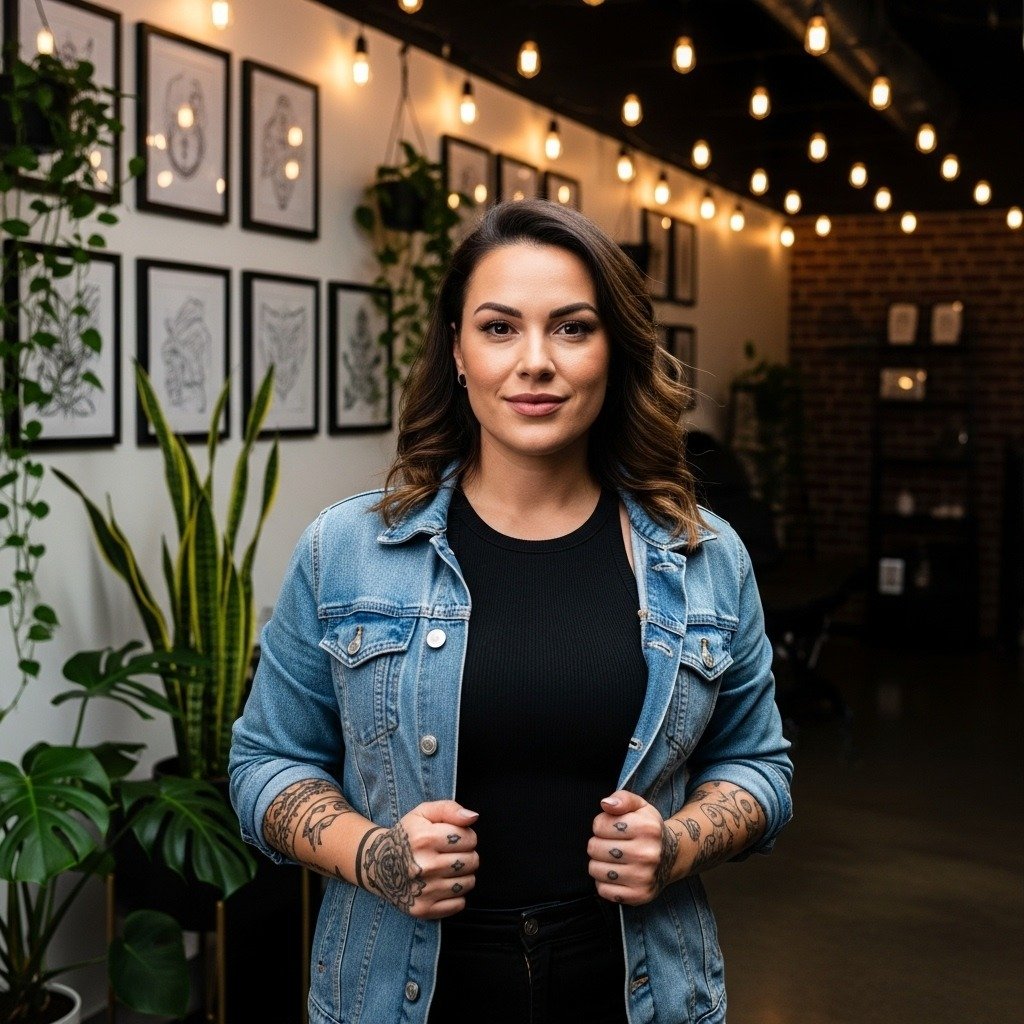
The watercolor bloom everyone pins for its soft edges often looks gorgeous fresh and thin after a session. The reality is that painterly washes and zero outlines can shift, especially on high-friction or sun-exposed spots. Read this set of floral-ready concepts with practical tweaks you can show your artist so the design still reads after a few seasons of life and sun.
1. Fine-Line Wildflower Cluster on Inner Forearm
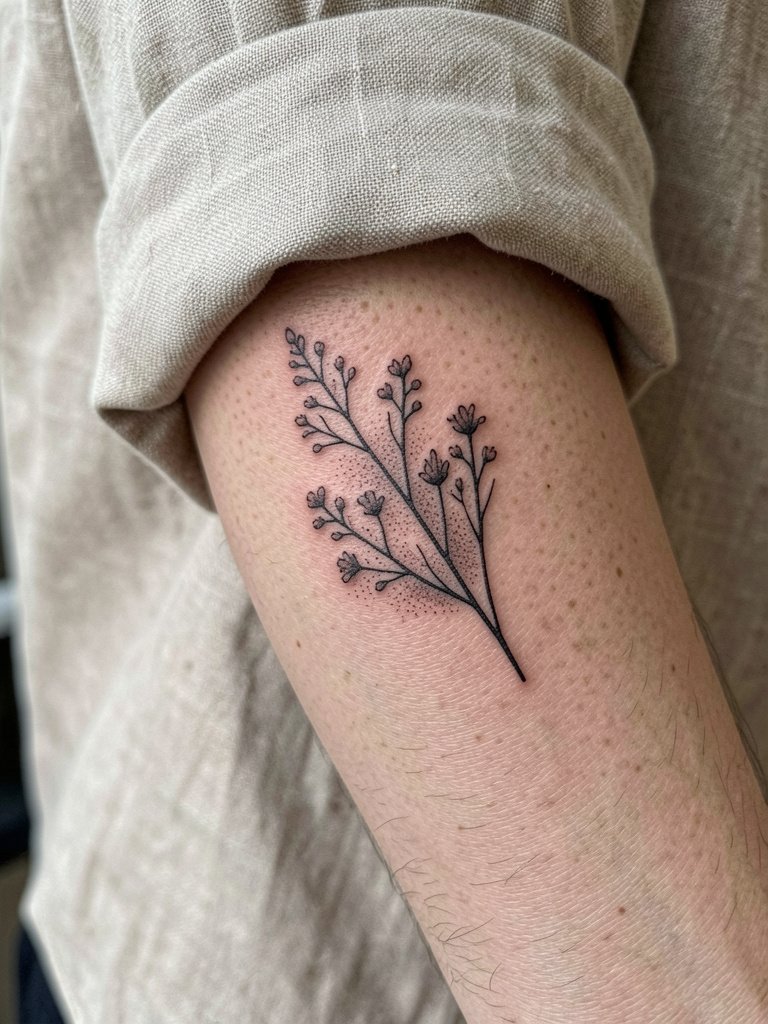
I recommend this when you want delicate detail without losing shape over time. Ask for a hairline single-needle outline with slightly heavier anchor points at stem bases so the design keeps its silhouette as pigment settles. Common mistake is going too small for the wrist portion. At six months the stems read crisp, at two years the watercolor accents soften and a small touch-up may be needed. For showing it off, pair with rolled cuff linen shirts in cream or olive so the forearm reads like a page from a field guide.
2. Herbarium-Style Pressed Botanic on Inner Thigh
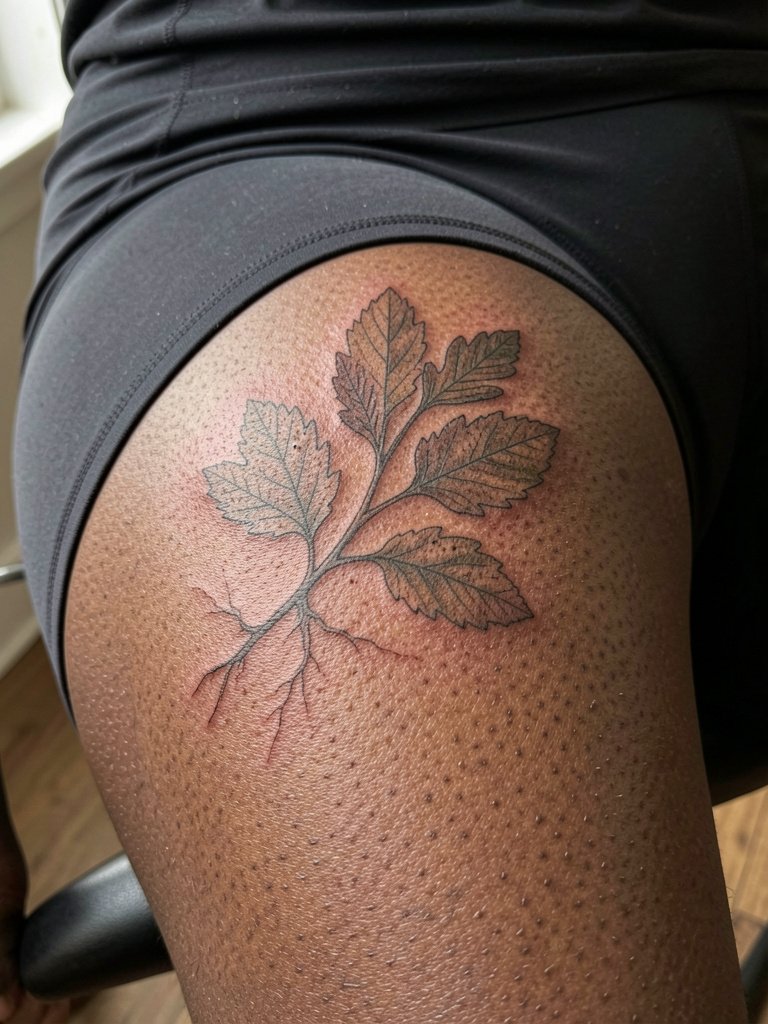
Pick this if you want botanical accuracy that still feels organic. Bring an actual pressed specimen or a high-resolution photo so the artist can match vein patterns. A frequent error is asking for full-color washes on inner thigh without accounting for friction from clothing. At six months it will look very crisp. At two years expect slight softening in the palest blends. Wear fitted bike shorts to sessions so the artist has clean access and the fabric does not rub the area while healing.
3. Sticker-Style Birth Flower on Lateral Hip
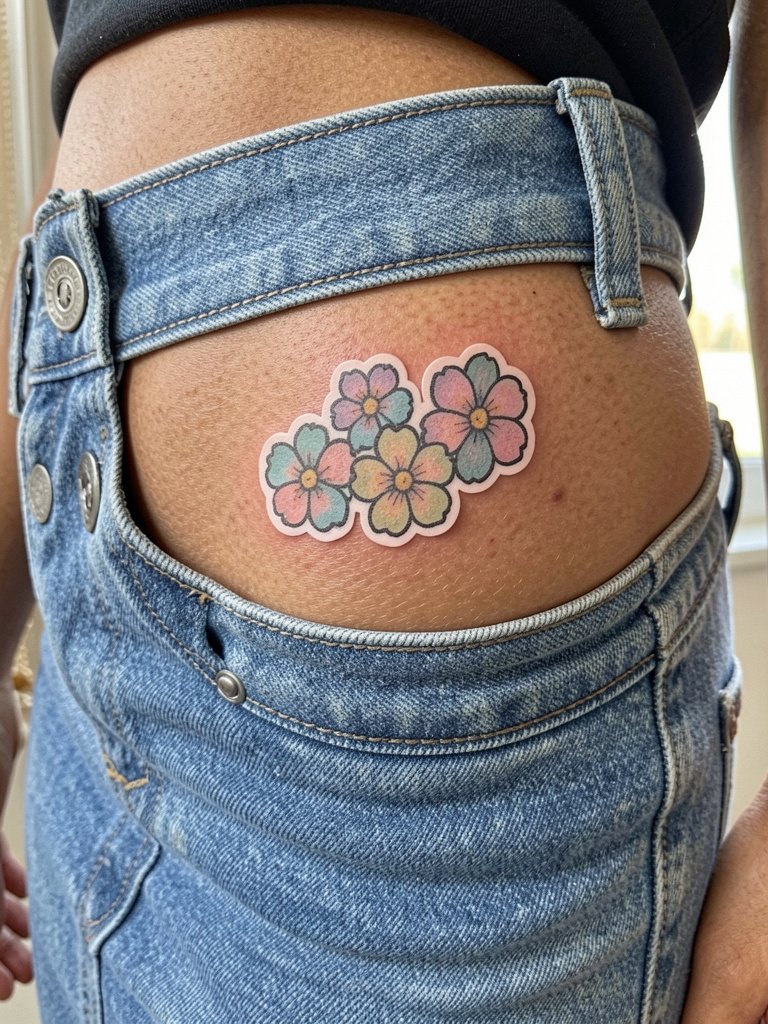
This patchwork approach works for personalized clusters where each bloom stands alone. During consultation, bring birth flower references at two scales so the artist can plan spacing without merging borders. The common mistake is crowding blooms too tightly. Expect this to sit well for years if outlines are kept confident. Show it off with high-waisted linen shorts or cropped sundresses in sage for a summer reveal.
4. Watercolor Peony Tail Along the Ribcage
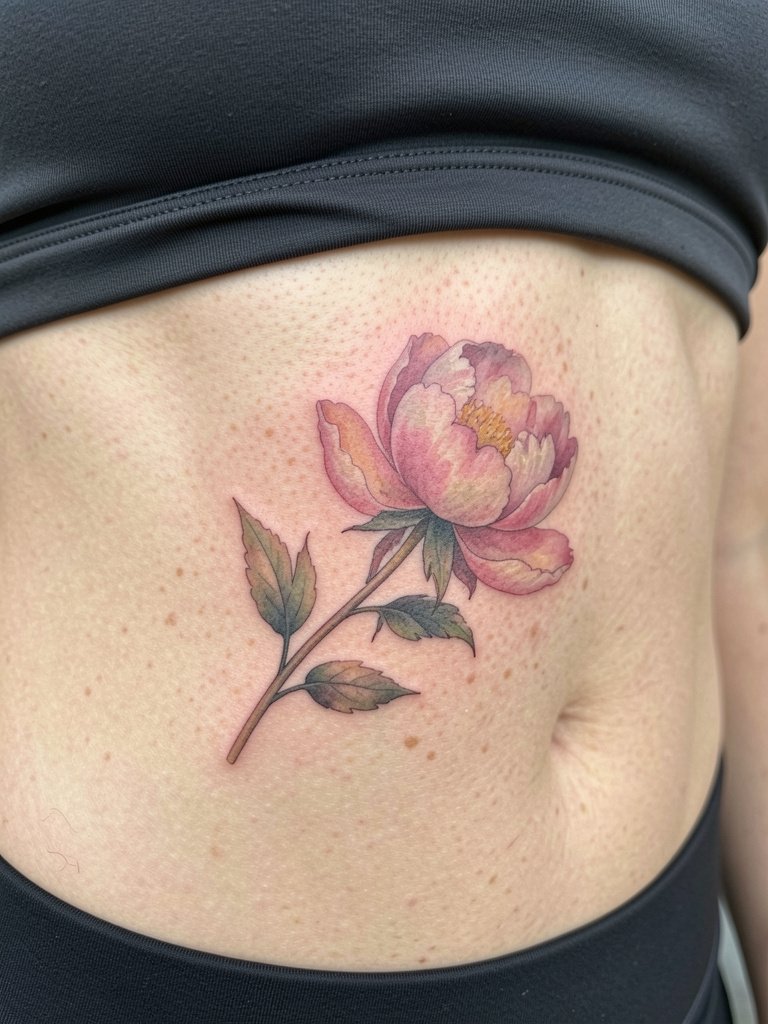
Artists split on ribs. One camp warns that skin stretch and compression blur fine washes within two years. The other camp says layered saturation and correct needle depth let watercolor last, and they show healed examples to prove it. If you favor the watercolor wash, ask for stronger anchor points under petals and plan a touch-up window at two years. Pain is higher here and sessions feel long. For the studio visit, wear a fitted cropped top so the artist can access the side ribs without fabric interference.
5. Botanical Ankle Garland
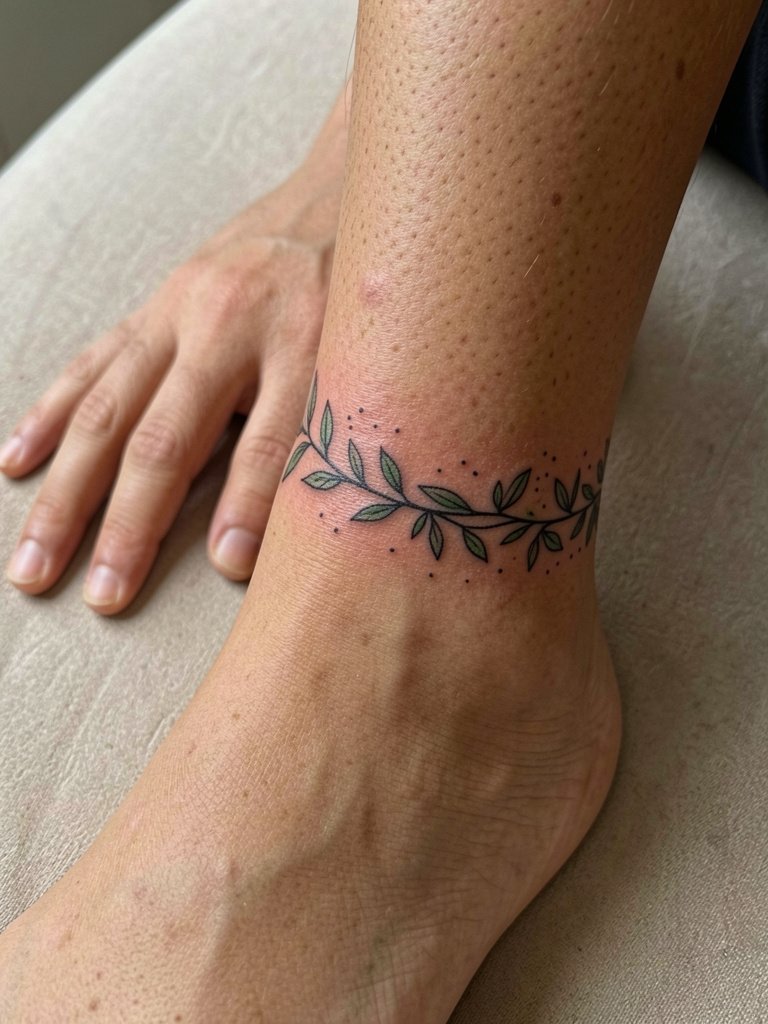
Ankle florals read well when scaled for movement. Ask for slightly heavier stem anchors so the leaf shapes do not merge after months of shoes and socks. A typical misstep is rendering ultra-thin leaves that disappear under friction. Session time is short but expect light swelling for a week. Pair the healed garland with cropped jeans or rolled cuff denim to let the motif peek through.
6. Single-Needle Birth Flower on Collarbone
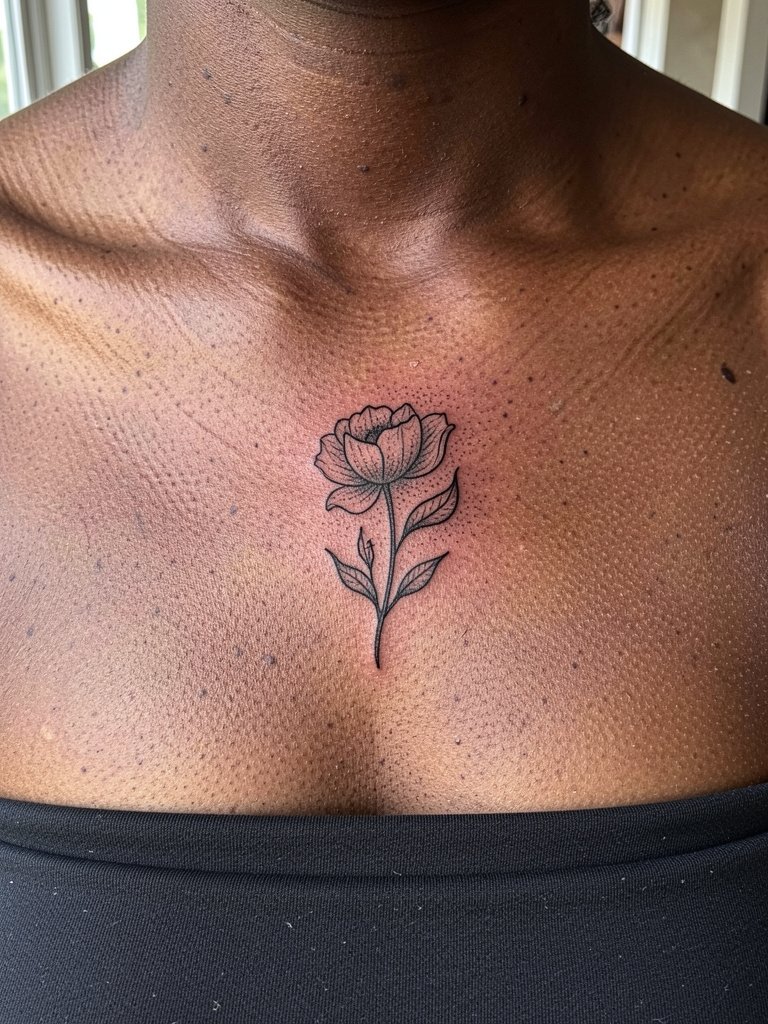
This is a classic spot for a discreet bloom. Ask the artist to plan spacing so the stem does not run into the clavicle crease as it settles. Many people choose too-fine script or stems that blur into jewelry lines at year two. Session feels quick but the collarbone area is bony and can sting. For evenings out, the piece looks best with strapless or wide-neck tops and a minimalist pendant necklace that sits below the tattoo.
Heal Smart
These six small placements have different rubbing and sun exposures, so a few focused items make the first week easier.
-
Japanese aftercare mist (search). Light hydration mist keeps fine-line and watercolor areas from drying into thick scabs, which helps preserve soft washes on collarbone and forearm.
-
Australian TattooGlow balm (search). Non-petroleum balms reduce pore clogging while keeping muted pigments from dulling, useful for herbarium-style pieces.
-
UV-protection tattoo sleeves (search). Thin sleeves protect ankle and hip tattoos during summer healing and lower short-term sun exposure that fades watercolor.
-
Matte finish tattoo sealant (search). A matte barrier helps recent watercolor washes look true while the outer epidermis repairs.
-
Thin non-clogging tattoo balm (search). A light layer prevents drying without the heavy residue that can muddy delicate color fields.
7. Mini Floral Finger Ring
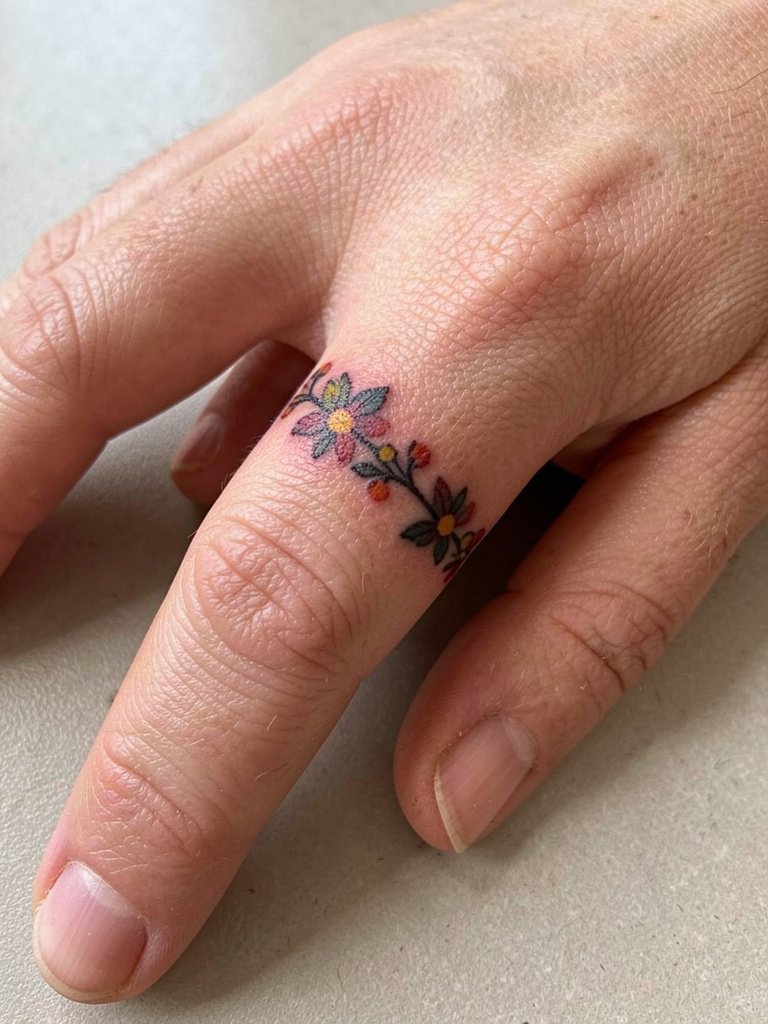
Finger work needs room to breathe. Request slightly bolder anchors where the band meets joints or the design will fragment. A common mistake is expecting the same detail level as forearm work. Healing feels different because hands get wet a lot. Expect touch-ups sooner than other spots. If you plan jewelry, match metals to the tattoo palette and try thin stacking rings that do not press on the ink during healing.
8. Sable Rose on Upper Arm Outer Bicep
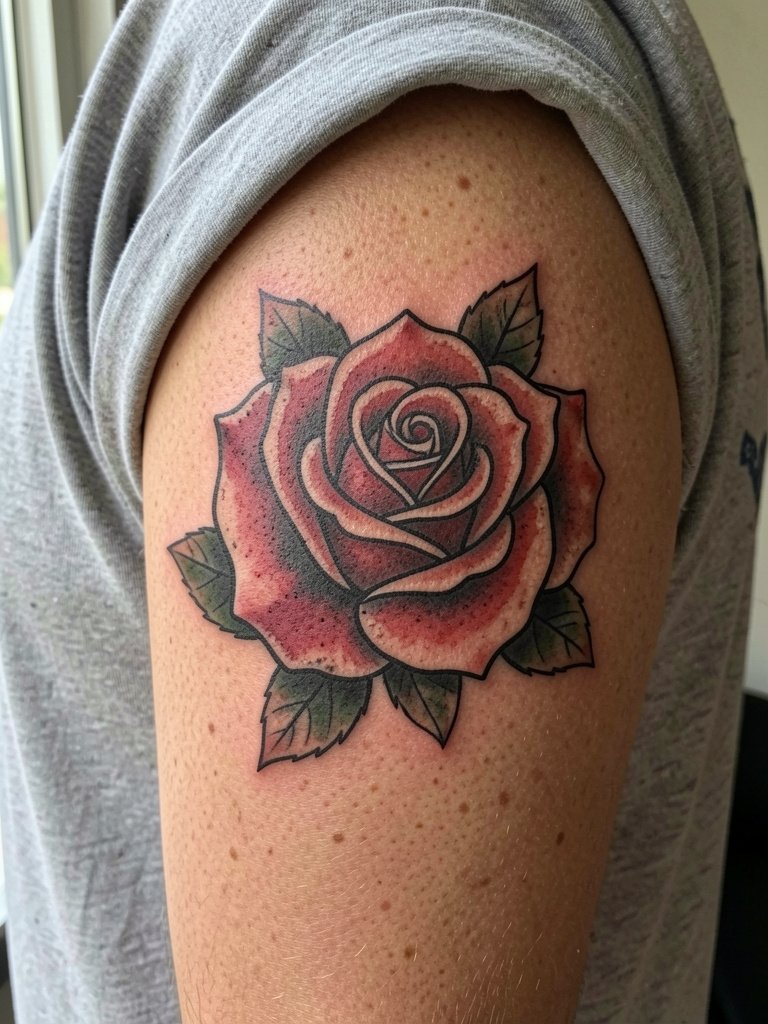
This hybrid approach pairs outline and wash for longevity. Ask for a confident outline with internal soft transitions so the rose keeps form as the wash fades. The outer bicep tolerates saturation well and ages better than ribs. Sessions are comfortable here. For showing it off, short sleeves and mid-length dresses frame the motif without competing.
9. Negative-Space Daisy Line Along Collarbone
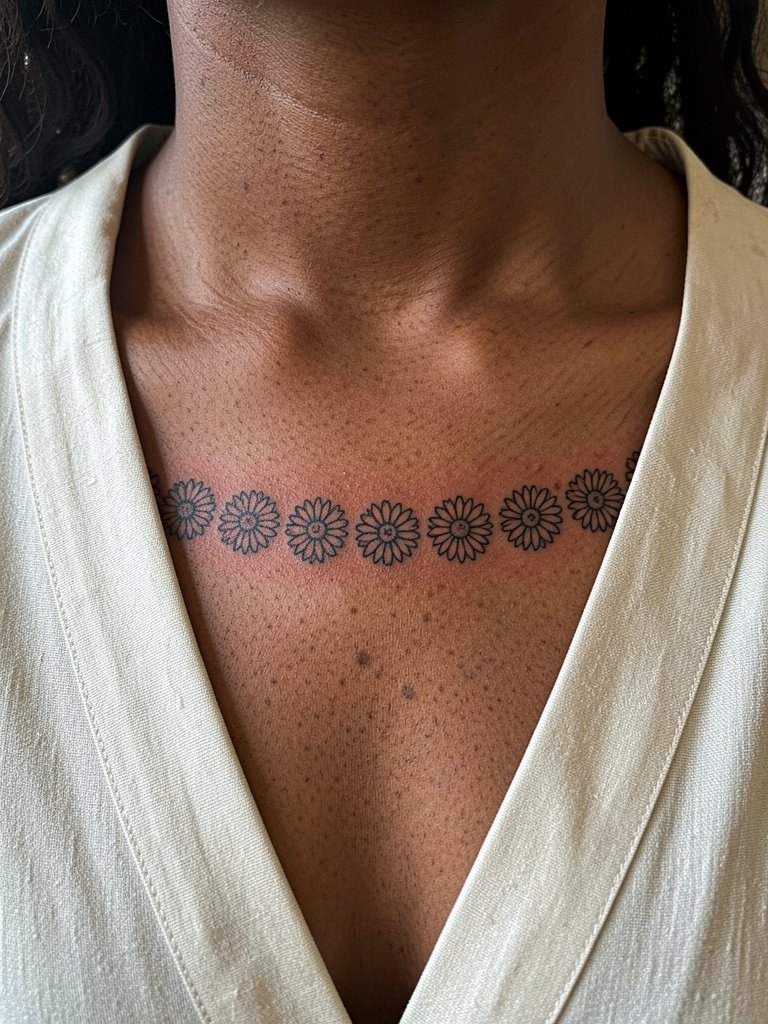
Negative space preserves contrast on darker skin by letting bare skin define petals. During consultation bring references showing negative-space examples at multiple scales so the artist plans spacing. Mistakes happen when negative areas are too small and later merge. For outfits, strapless or scoop-neck choices make the daisies read clearly and delicate layered necklaces can sit below the line. Add a wide neck blouse search to your wardrobe for reveal nights.
10. Watercolor Lupine Sleeve Accent
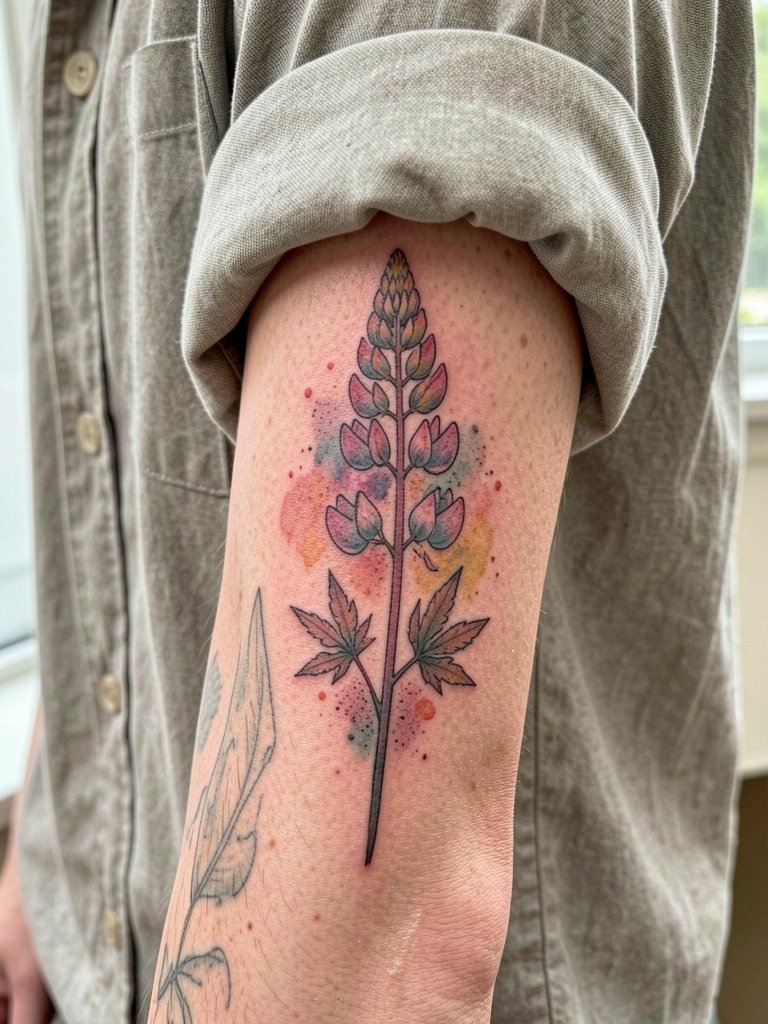
Use this as an accent inside a larger composition. Ask the artist to anchor the lupine with darker stem points so the vertical reads from a distance. A common error is too much pale wash and not enough structure. Sessions are longer if it blends into a sleeve. For session comfort, wear a loose button-down so the artist can roll and access the forearm without fabric drag. Pair the healed piece with layered bracelets on the opposite wrist.
11. tiny Poppy Behind the Ear
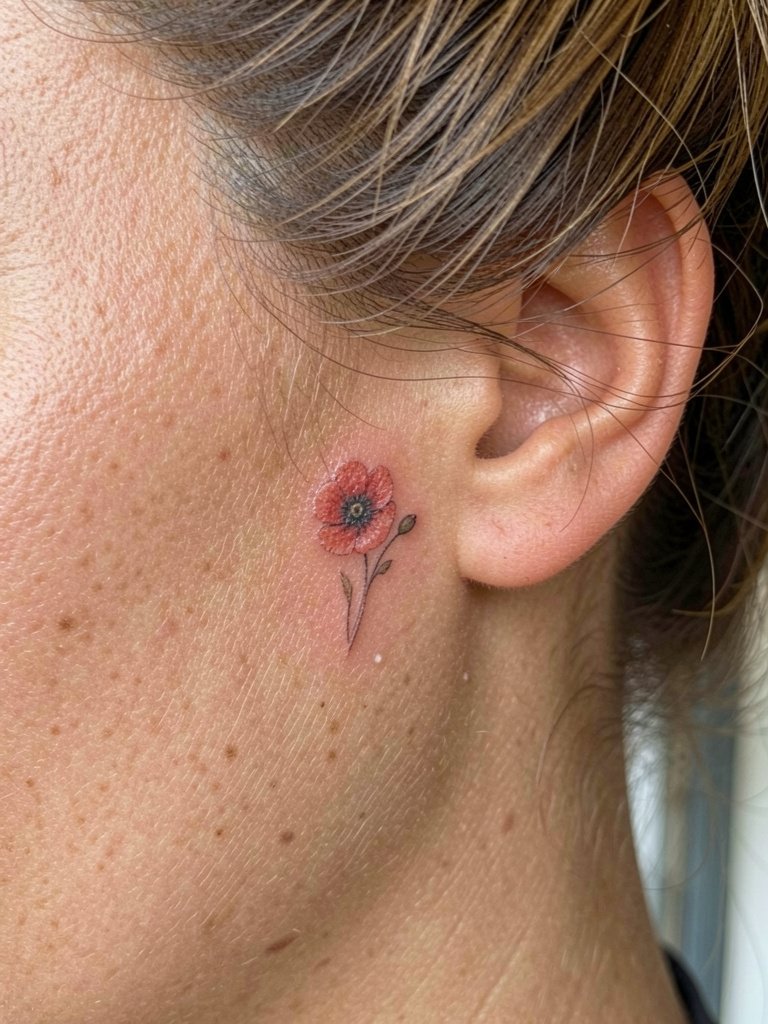
This is a low-visibility spot that still reads as personal. Ask the artist to keep the color blocks minimal so the small area does not become a muddy patch. The area heals quickly but requires careful aftercare because hair oils can coat the site. For daily wear, styles that pull hair back show the piece without exposing it constantly. No accessory link here to keep the reveal intimate.
12. Layered Anemone Over Sternum
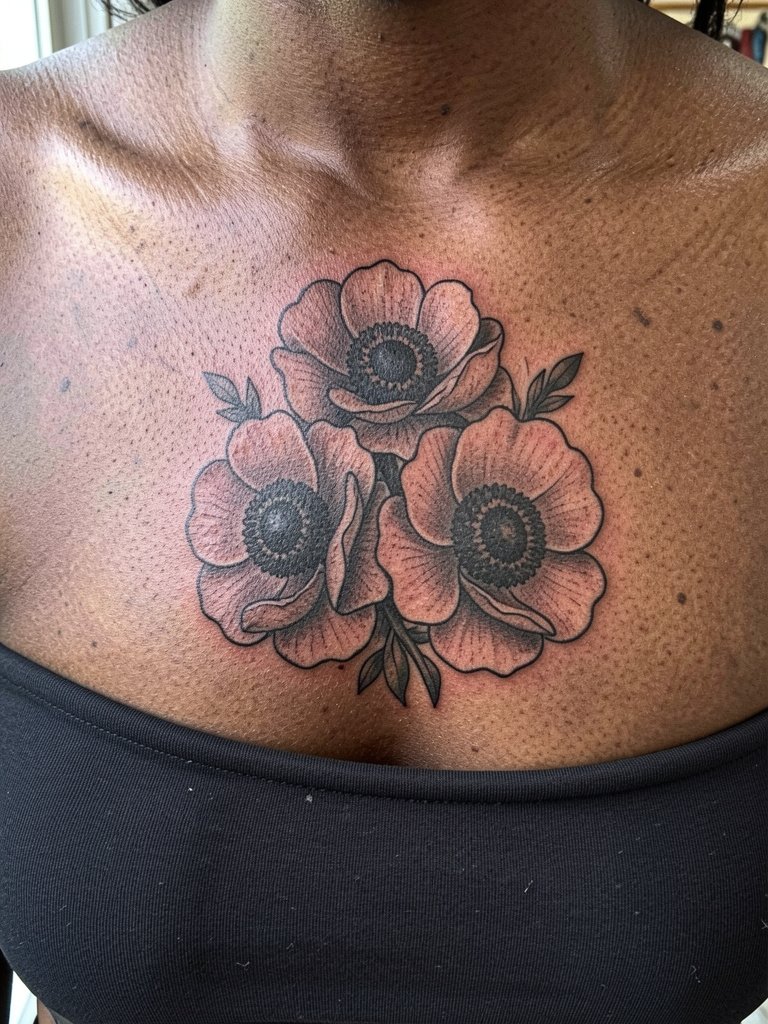
Sternum pieces need planning for curvature and movement. Bring photos of healed sternum examples so placement accounts for breast movement and bra lines. Over-saturation in one pass is a mistake because the area swells easily. Sessions can be long and sensitive. A fitted bandeau keeps the area accessible for the artist and prevents fabric rubbing while healing.
13. Tiny Bouquet on Upper Back Shoulder Blade
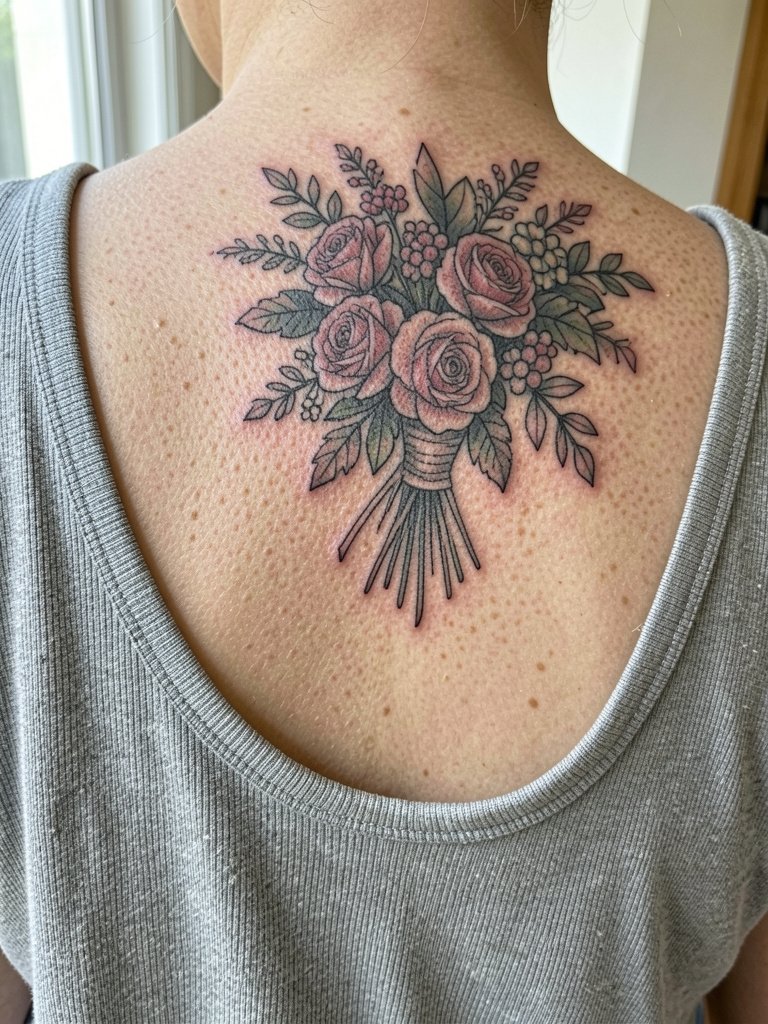
Shoulder blades are forgiving for slightly larger watercolor areas. Ask for a light structural outline behind the washes so the bouquet keeps its silhouette as pigment migrates. A frequent mistake is placing pieces too close to the spine where movement blurs edges. Session is comfortable with the client lying prone. For outfits, open-back tops and sundresses show the bouquet best and a wide-back tank search will help plan reveals.
14. Single Stem Marigold on Calf
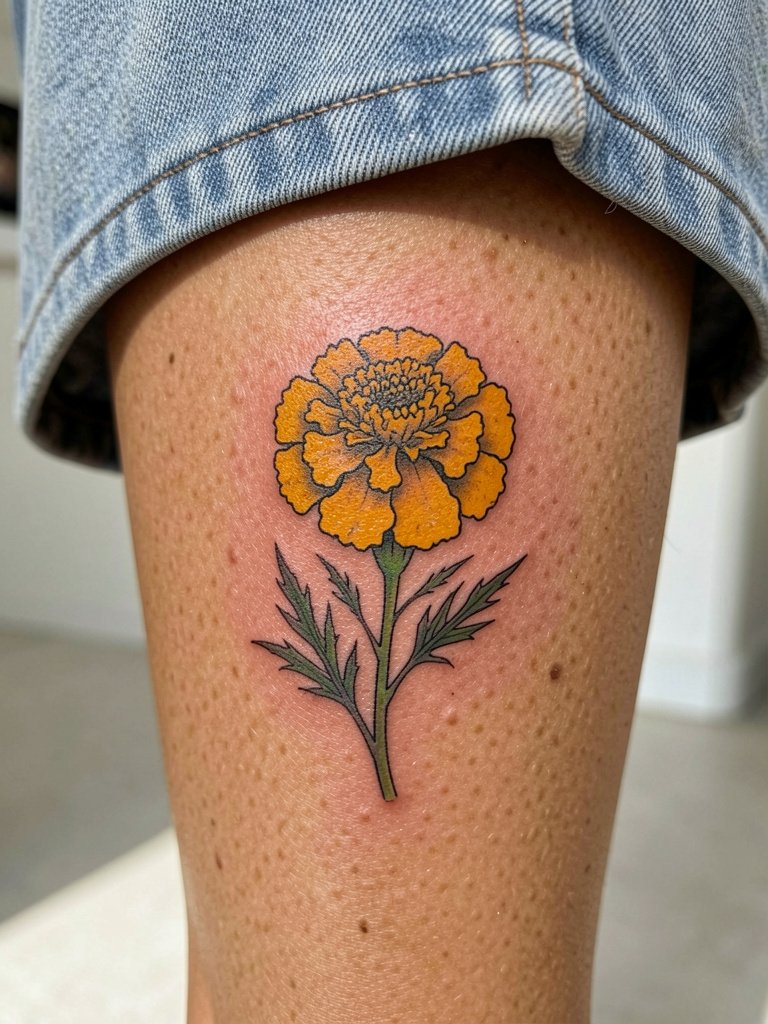
Calves handle saturation well and show color longer than wrists or fingers. Ask for denser saturation at center petals so the flower maintains contrast as washes fade. Mistakes include placing too near creased areas that get rubbed by pant seams. Sessions feel manageable for most people. Style with mid-length skirts or cropped pants for a casual reveal.
15. Minimalist Tulip on Inner Wrist
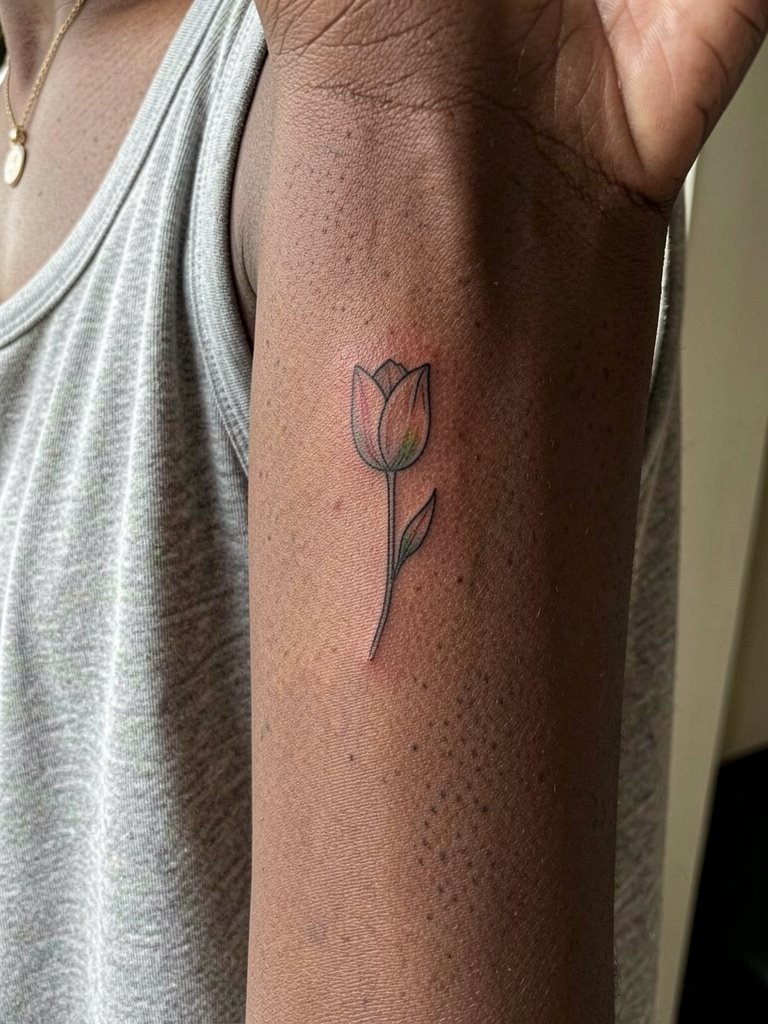
If you want a small floral that still looks intentional, request slightly heavier line anchors near the wrist crease so the tulip holds shape as the skin moves. The wrist eats fine detail, so asking for micro-stems without anchors is the usual mistake. Touch-ups often come sooner here. Wear a dainty gold stacked bracelet on the opposite hand to balance attention without rubbing the fresh tattoo.
16. Watercolor Forget-Me-Not on Behind-the-Knee
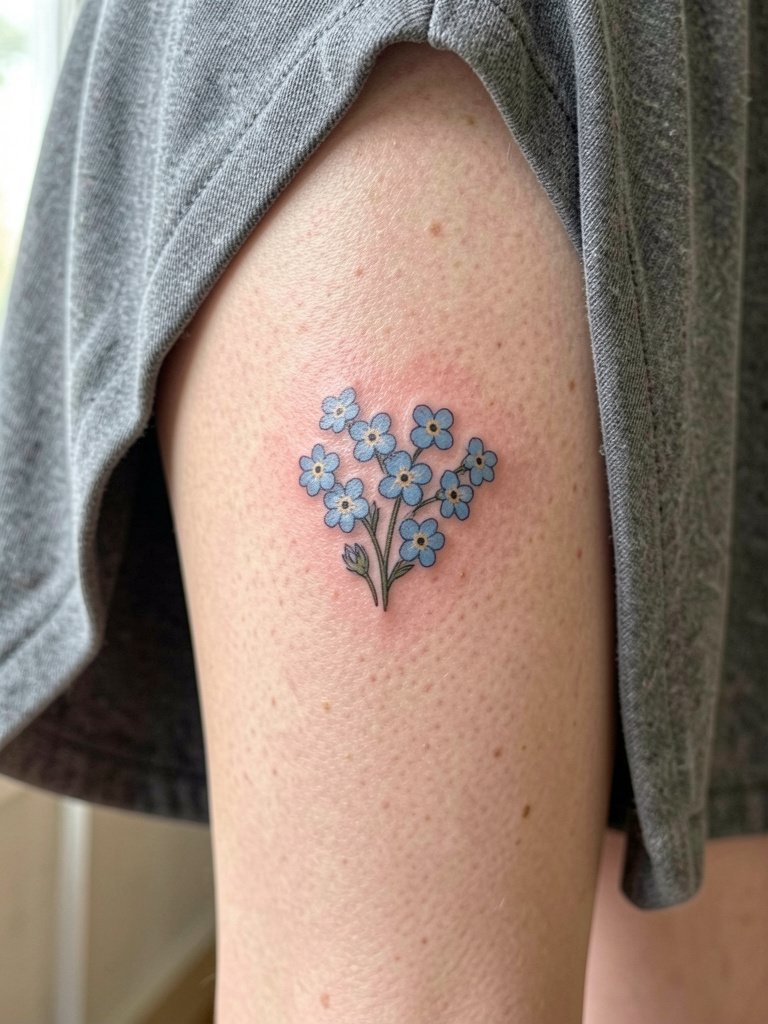
Behind-the-knee tattoos face constant movement and flex. Plan for slightly bolder anchors along petiole junctions so the wash does not blur into a patch. A common mistake is using broad watercolor there without accounting for contraction. Sessions can be tricky because the area is sensitive when bent. For dressing, choose skirts or loose shorts that do not press on the creased area while healing.
17. Cascading Clematis Along Sternum and Upper Abdomen
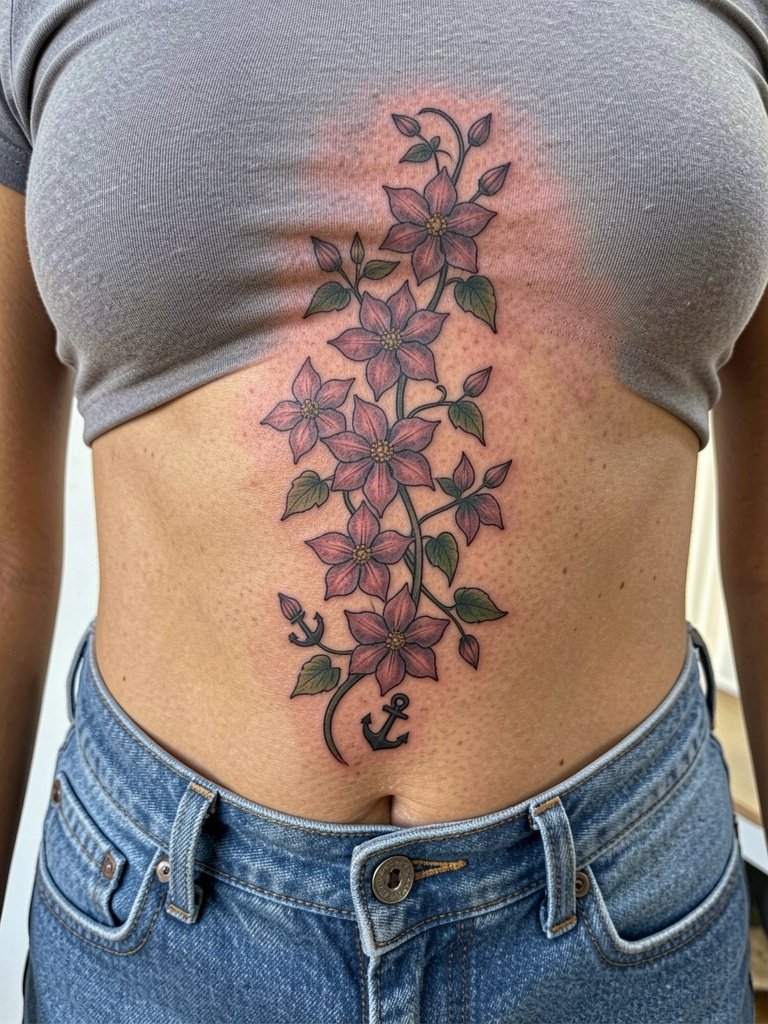
This vertical composition needs planning for clothing lines. Bring outfit photos to the consult so the artist positions vines where waistbands or bra edges will not cut through the design. A mistake is starting the cascade too low where jeans sit. Sessions span multiple passes if saturation is desired. For session wear, a fitted cropped tee keeps the area accessible and minimizes fabric drag.
18. Micro-Realism Violet on Finger Side
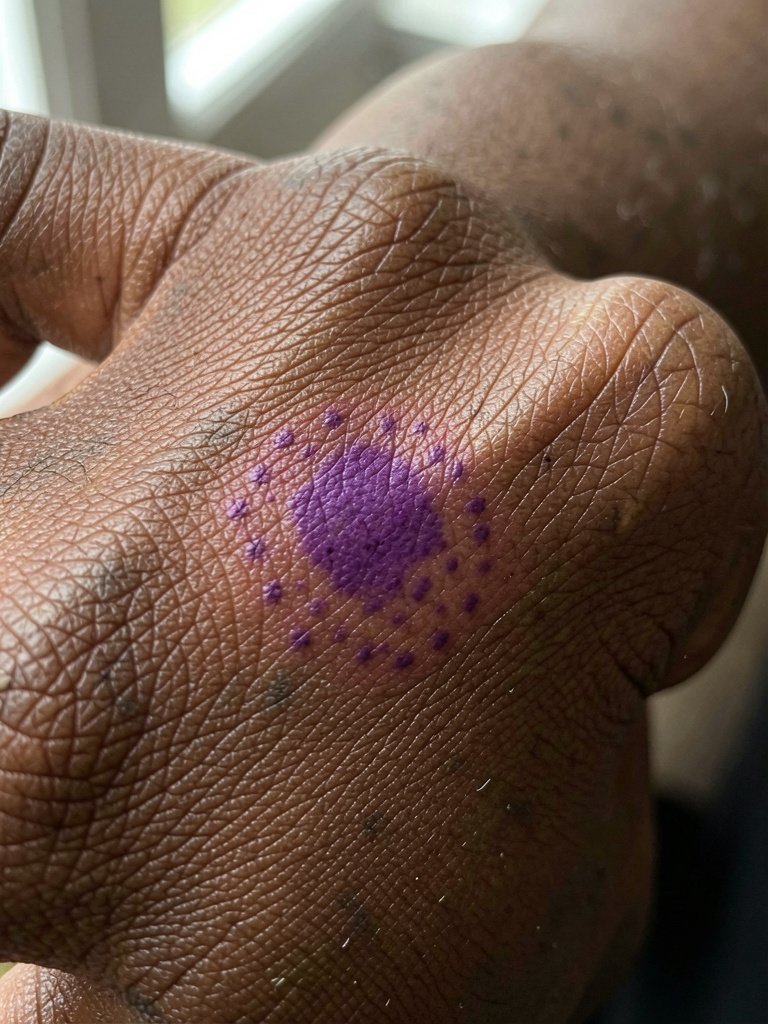
Finger-side placements require the artist to plan for frequent hand washing and movement. Ask for micro-realism with slightly stronger contrast at the base so the violet keeps its shape. Expect touch-ups in under two years. Session is quick but healing time is active. Consider thin protective measures for the first week and avoid friction from rings.
19. Negative Space Peony Half-Sleeve Accent
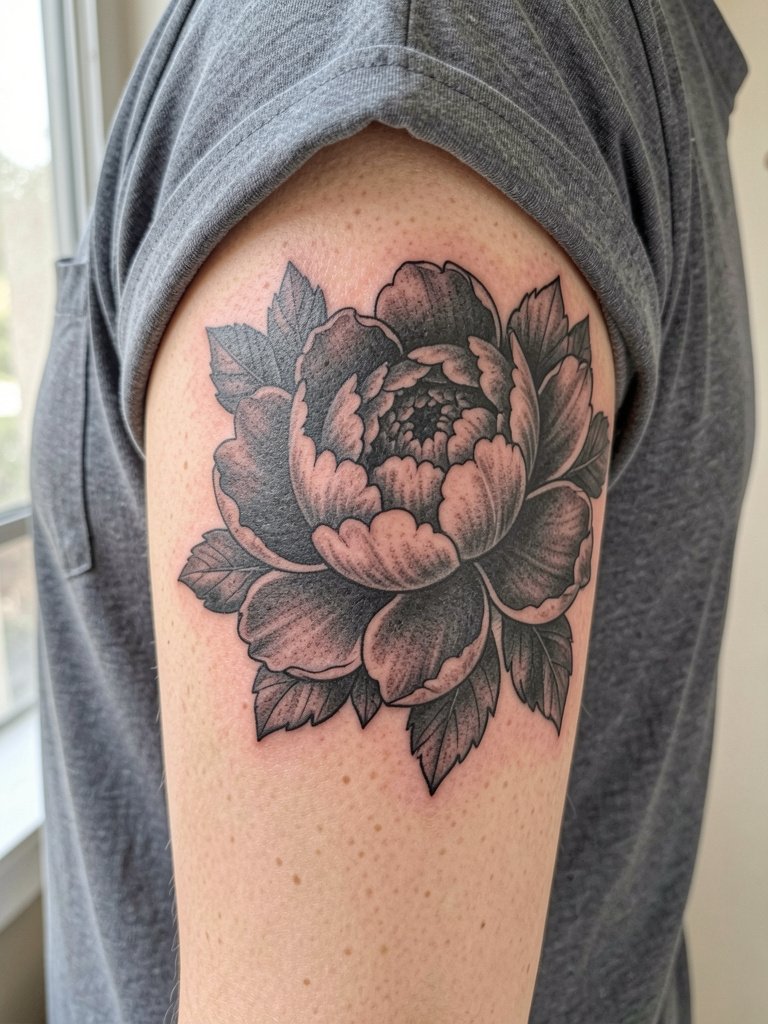
Negative space can make large compositions readable at distance. During the consult, show scale references so the negative shapes are big enough to survive pigment spread. The common error is detailing negative areas too finely. Sessions are longer as the sleeve fills. For wardrobe, short sleeves or tank tops reveal the half-sleeve without exposing the entire arm.
20. Whip-Shaded Lavender on Thigh
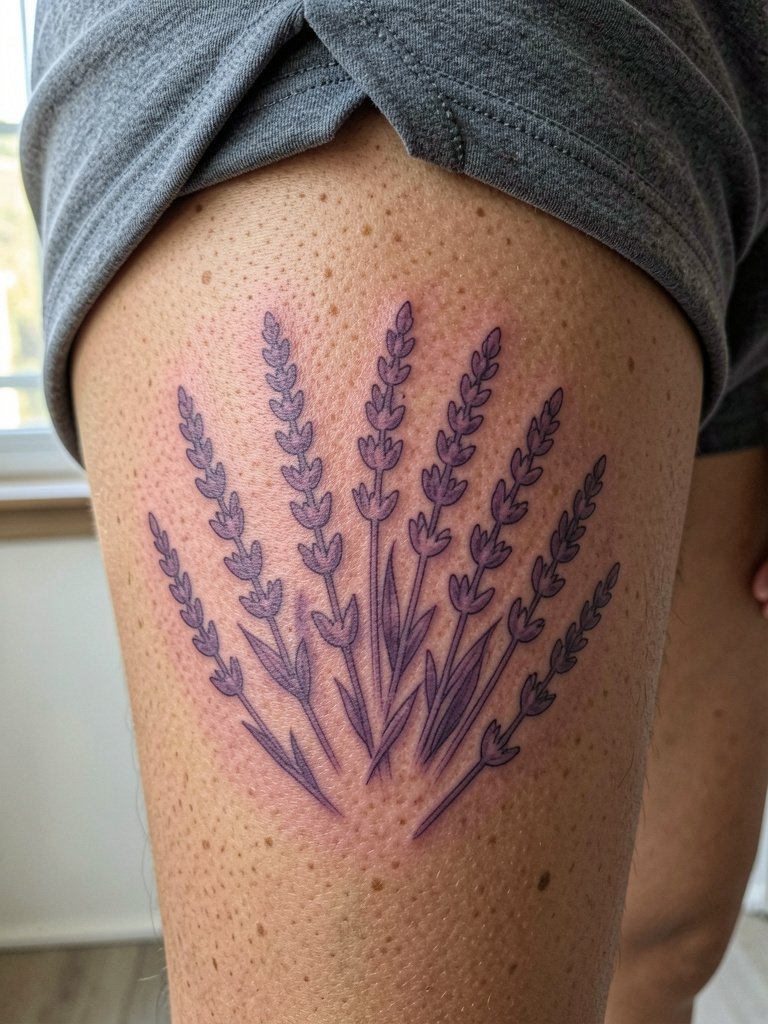
The thigh tolerates larger watercolor areas well. Ask for whip shading instead of broad puddled color so the lavender keeps petal definition over time. A mistake is pushing for full saturation in one pass. Sessions are comfortable seated. For reveal outfits, high-waisted skirts and drawstring linen pants avoid rubbing the area while still showing the motif.
21. Stipple-Shaded Zinnia on Back of Hand
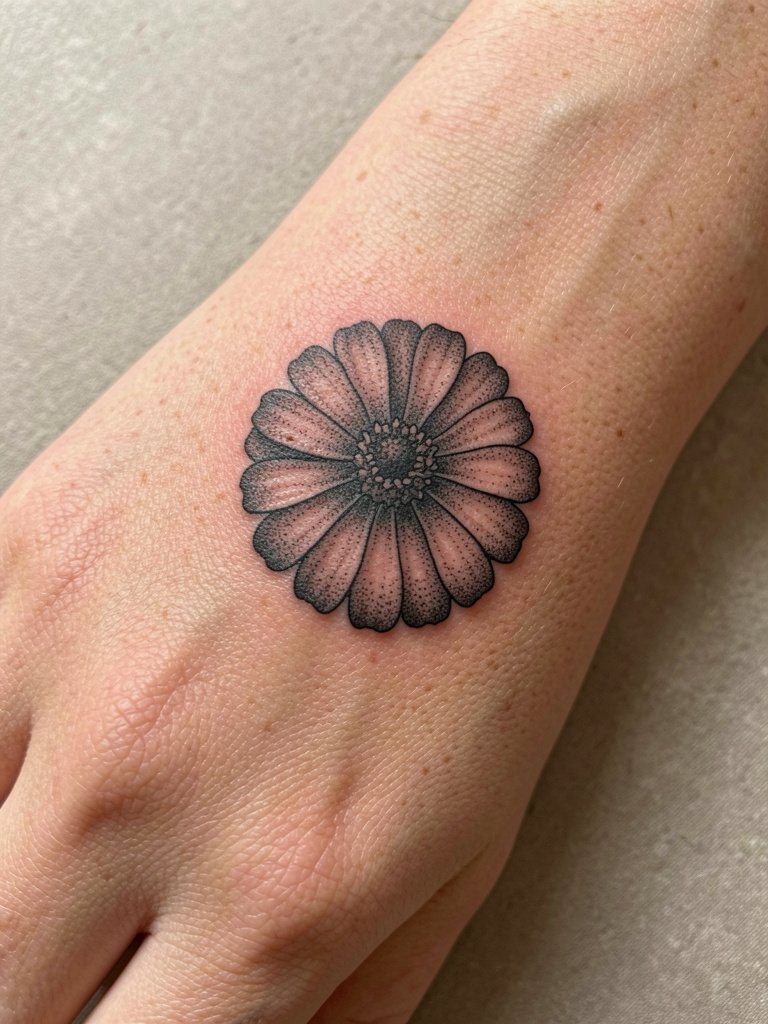
Hand tattoos age quickly because of constant use and washing. For a zinnia there should be heavier outer petals and reduced tiny internal detail so the main silhouette holds. A common mistake is over-detailing the center. Sessions are short but healing needs protection. For everyday style, minimalist rings and open-finger gloves can balance the visual weight without covering the work.
22. Botanical Chain Along Spine
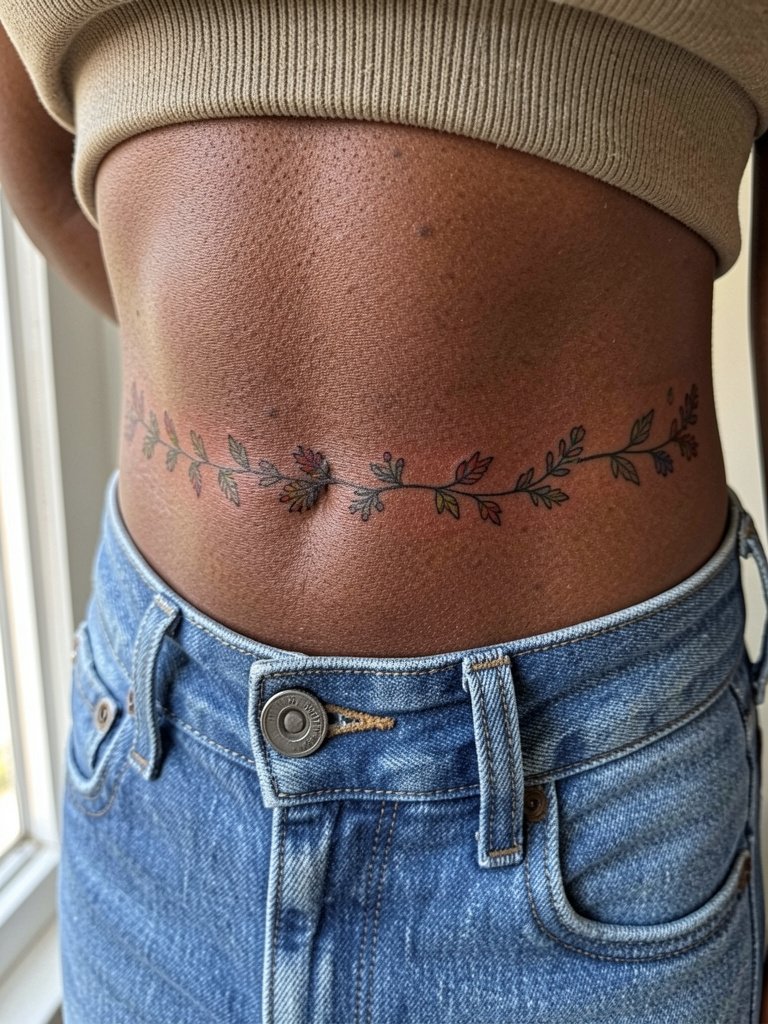
Spinal chains read elegantly when spacing is planned around the vertebrae. Ask the artist to map the chain on your back while standing so gravity and posture are accounted for. Too tight spacing or tiny details near the waistband often get lost. Sessions can be longer if the chain is extended. Low-rise jeans and cropped tops help reveal and protect the area while it heals.
23. Botanical Mandala Centered on Throat
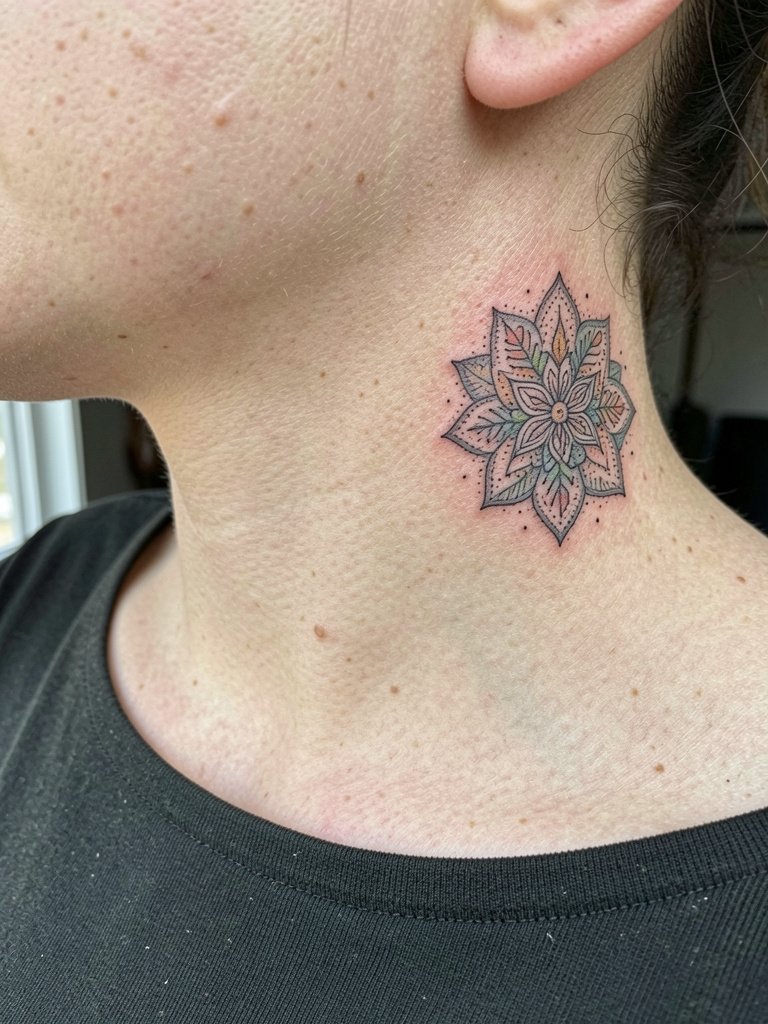
Neck pieces require an artist comfortable with visibility and healing. Request slightly bolder outer rings so the mandala keeps its geometry as soft edges settle. The common mistake is making inner ring details too small. Session discomfort is moderate and aftercare needs sun avoidance. For showing, scoop-neck tops and delicate chokers that do not press on the tattoo complement the design. Consider a wide-neck top search for wardrobe pairing.
24. Single-Needle Cosmos on Rib Flank
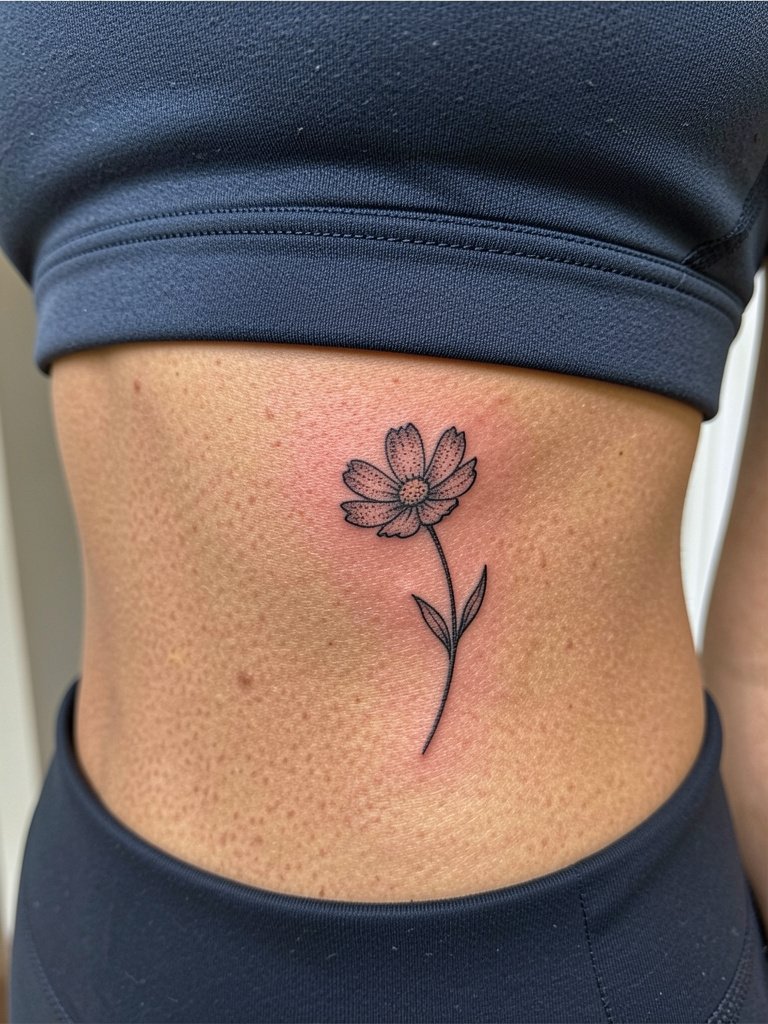
Rib flank pieces need planning for contour. Ask the artist how the stem and petals will sit when you breathe and when you bend. Too-fine stems without anchors blur faster. Sessions are sensitive and may need breaks with numbing prep if necessary. A fitted cropped top on session day gives access and prevents accidental fabric drag while healing.
25. Watercolor Orchid on Hip Crease
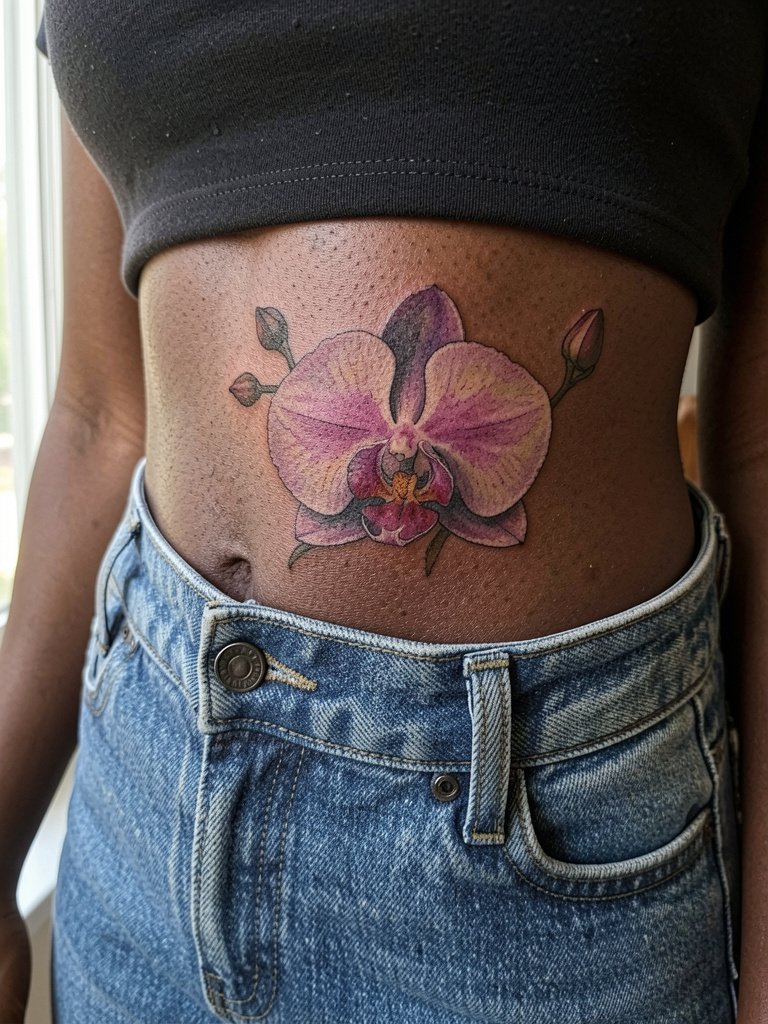
For hip creases, pigment-matching matters so colors do not go muddy on deeper tones. Request specific pigment choices and ask for healed examples on similar skin. Watercolor here looks gorgeous fresh but needs anchor points to last. Sessions are relaxed if you wear low-rise pants that avoid pressure on the area. For showing off, choose high-waisted skirts or shorts that sit below the piece.
26. Micro Floral Constellation Across Sternum
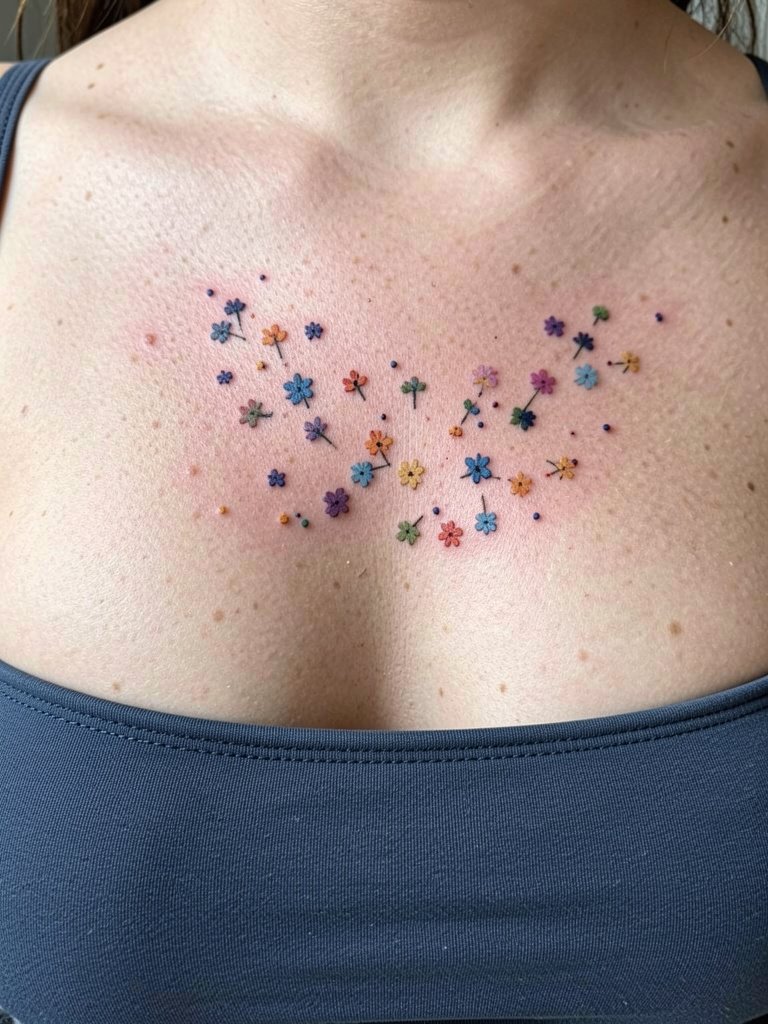
This scatter approach gives a delicate, airy feel while being easy to extend later. Ask the artist to vary dot sizes to keep the constellation readable as the skin ages. A mistake is clustering too tightly. Sessions are relatively short but sensitive. For evenings out, bandeaus or open necklines highlight the placement.
27. Stippled Fern Along Scapula Edge
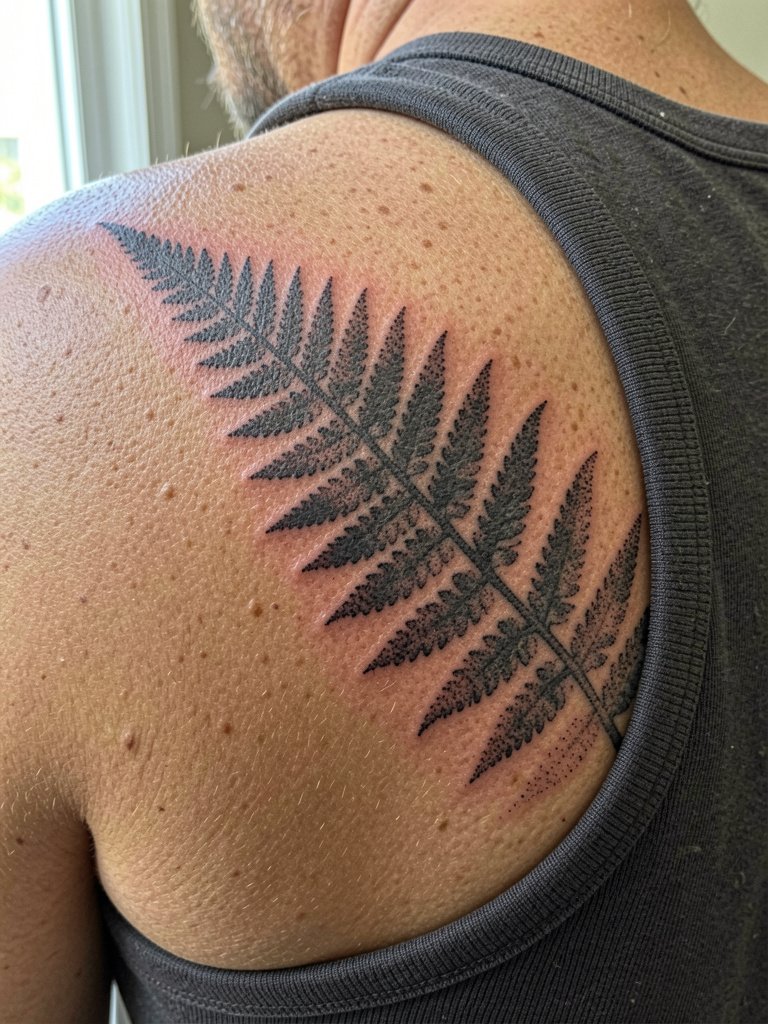
Scapula edges hold detail well if the frond spacing is generous. Ask for a test mapping while standing so the frond follows muscle contours. Overly tiny stipple patterns are the usual mistake. Session comfort is high with the client prone. Open-back tops reveal the frond elegantly and a wide-back tank search keeps the line unobstructed.
28. Petite Camellia on Throat Lobe
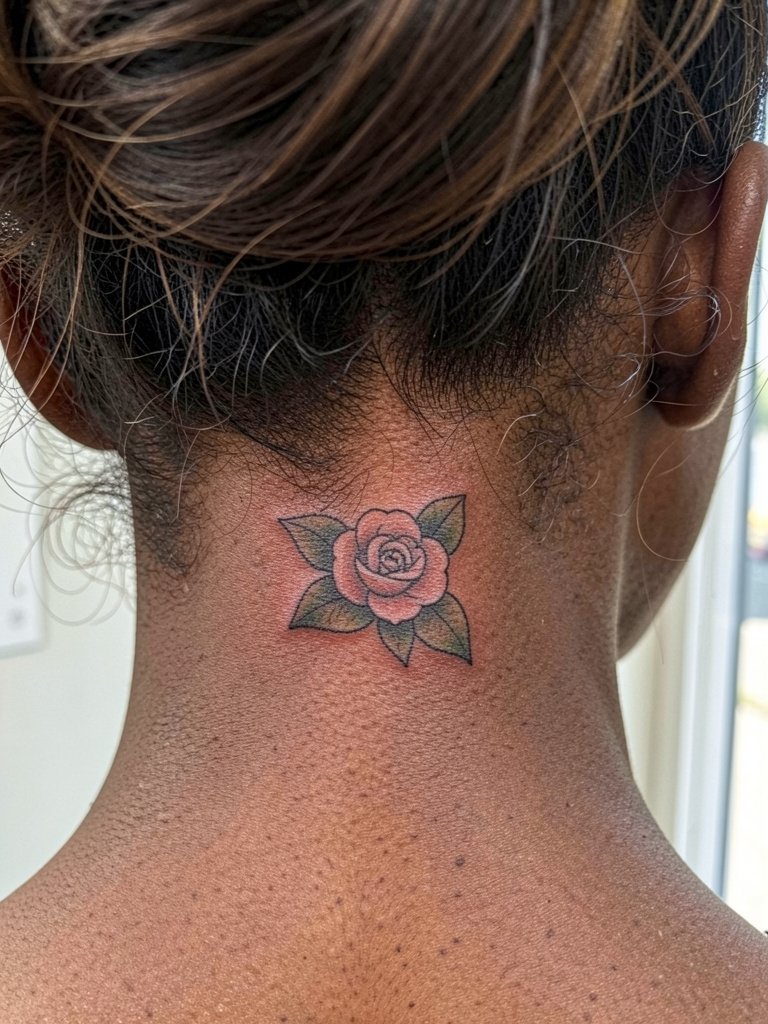
Nape placements need planning for hair coverage during healing. Ask whether the piece will be exposed to hair products or pulled under a collar. A common mistake is neglecting how shampoo and conditioner will affect the site. Sessions are quick. Hair-up styles show the camellia while loose hair hides it as needed.
29. Hyperrealistic Botanical Wrist Panel
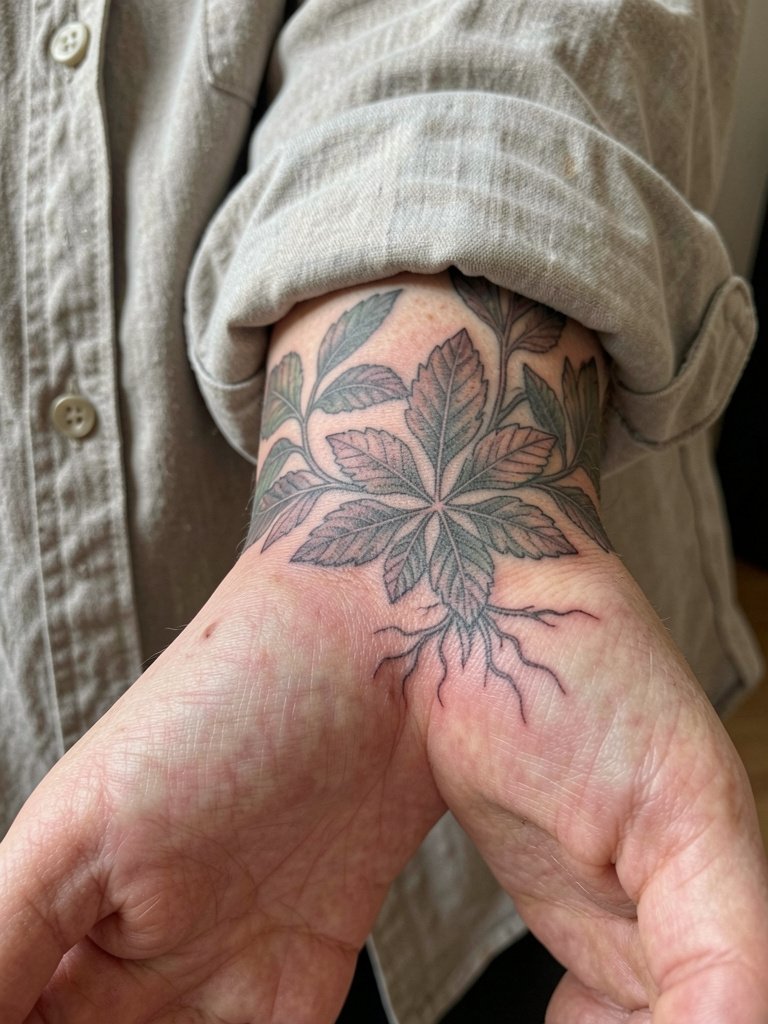
Use this when you want a botanical that reads like a pressed specimen. Bring high-resolution plant photos and request layered pigment to mimic depth rather than flat washes. A typical mistake is relying on light washes only, which fade into indistinct smudges. Session time is moderate and careful bandaging helps. Pair the healed panel with rolled-up linen shirts and dainty bracelets for editorial contrast.
Frequently Asked Questions
Q: How do watercolor floral tattoos age compared with fine-line florals?
A: I have seen both age paths. One camp warns that watercolor fades and blurs in two years because the lack of clear outlines lets ink migrate under the skin. The other camp points to layered saturation and careful depth control as ways watercolor can hold longer, with healed examples at three years that still read well. A practical middle ground is to ask for subtle anchors or micro outlines where form is essential, then keep a touch-up budget.
Q: Where can I find healed portfolios and local artists who show long-term results?
A: Search hashtags like #finelinetattoo, #abstractfloraltattoo, and #hyperrealisticbotanical on Instagram and TikTok and filter by location. Tattoodo and Booksy let you search by keywords such as "birth flower" or "herbarium botanical" and often include healed shots. Reddit threads on r/tattoos and r/finelinetattoos are good for peer-verified healed images across skin tones.
Q: What should I bring to a consultation to avoid common floral mistakes?
A: Bring two to three reference photos at different scales, a note about the exact placement, and one healed example you want the artist to reference. Ask the artist to map how the design will sit on your contours and request a plan for touch-ups at the two-year mark if the work uses soft washes.
Q: How should I dress for a session depending on placement?
A: Wear loose or fitted clothing so the artist can access the area without creating pressure on the fresh tattoo. For inner forearm and wrist, a loose button-down works. For collarbone and sternum, bring strapless or wide-neck options. A helpful item for hip or thigh sessions is low-rise pants that stay fastened and avoid rubbing the site during healing. Add a rolled cuff linen shirt search to your session-day wardrobe options.
Q: Are there special pigment or technique choices for darker skin tones?
A: Yes. On deeper skin tones, pigment-matched formulations and stronger anchor points often prevent color muddiness. When considering watercolor washes, ask to see healed examples on similar skin. Specific iron-oxide-based pigments or richer saturation in small areas can help maintain contrast without creating heavy-looking patches.
Q: How often do watercolor florals need touch-ups?
A: It depends on placement and sun exposure. Low-friction areas with planned anchors can go three years or longer before a small refresher. High-friction spots like hands, fingers, and ankles typically need touch-ups within one to two years. Build a realistic expectation and budget for a touch-up session if you choose soft washes.