Someone I know spent months scrolling and realized the real problem was not finding designs. It was picking a tribal piece that would age well, respect origins, and actually read on darker skin. I talked with artists at five shops across Brooklyn and spent time at two conventions, and these tiny tribal ideas keep coming up this year. Try these compact options, and use the notes to talk through fit and longevity with your artist.
1. Micro Polynesian Armband on Inner Forearm
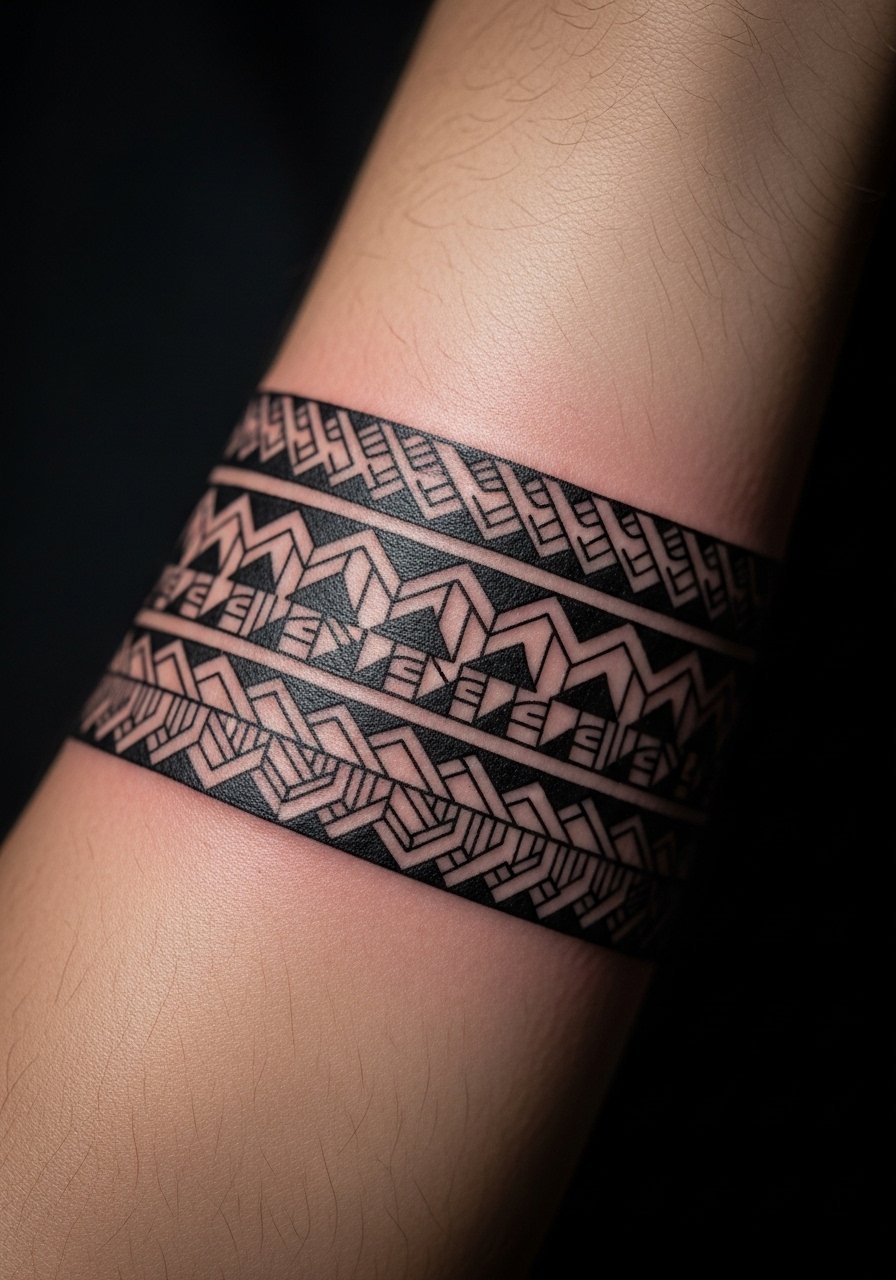
Someone I know first saw this as part of a larger sleeve and asked the artist to shrink the motifs down. Pick bold motifs and slightly wider spacing so the linework keeps crisp as it heals. Pain is moderate for the inner forearm and a single short session usually suffices. A common mistake is asking for ultra-fine detail inside a one-inch band. That fine detail tends to blur or need touch-ups by year two. Ask your artist to show healed patches from similar spacing, and specify you want saturated black, not hairline dots. Cultural origin matters here, so say where the motifs come from in your consult and ask about respectful adaptation.
2. Mini Maori Koru Medallion for Upper Chest
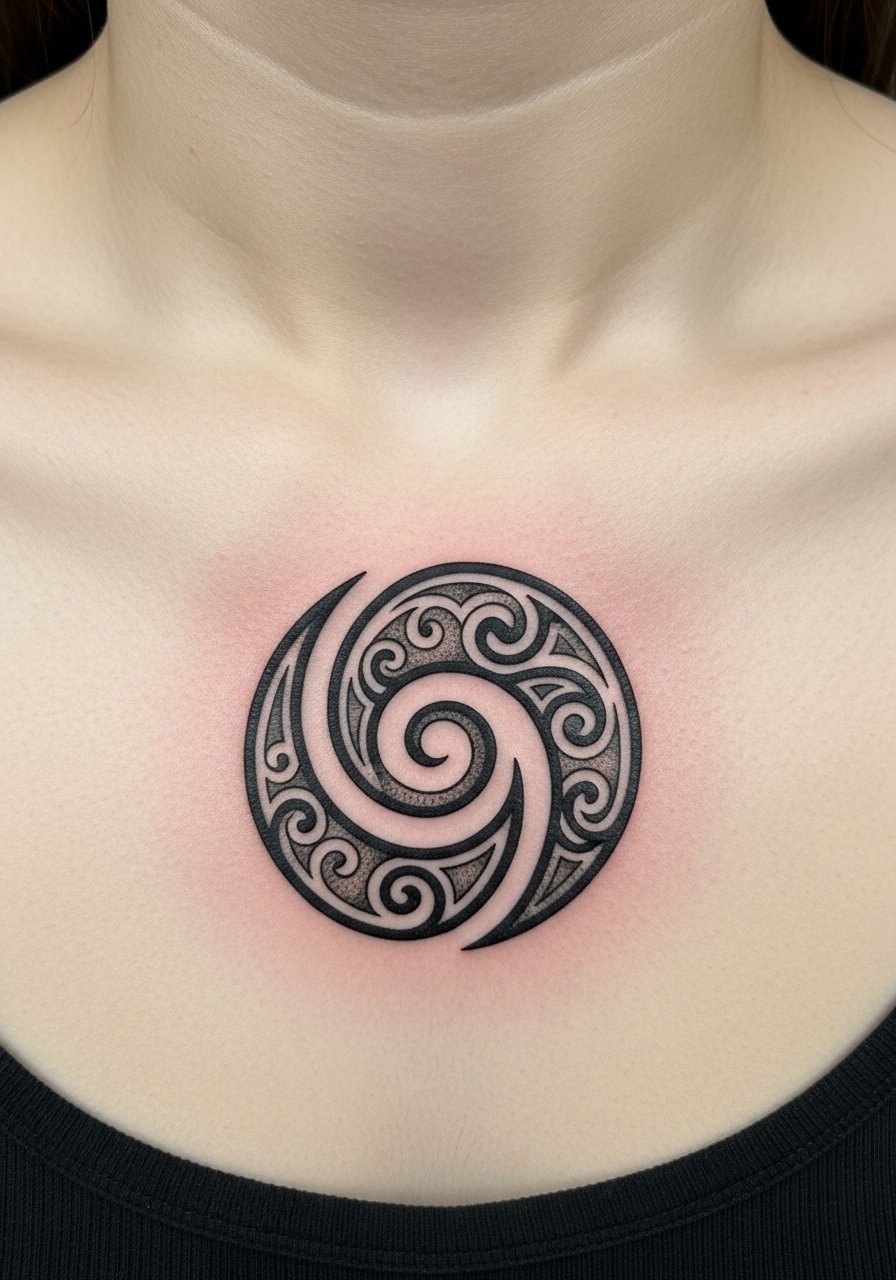
When you sit down for this one, bring references that show exact koru curl scale. Artists split on fine line versus bold line for Maori curves. One camp says fine line loses definition on chests, especially with movement. The other camp argues that with the right needle depth and spacing, a refined koru holds for years. Tell your artist which camp they align with and ask to see healed koru pieces on similar skin. Expect moderate pain on the chest and plan a two-session approach if you want gray shading. The biggest mistake is shrinking a koru so small that its spiral collapses into a blob after healing.
3. Tiny Samoan Wrist Band
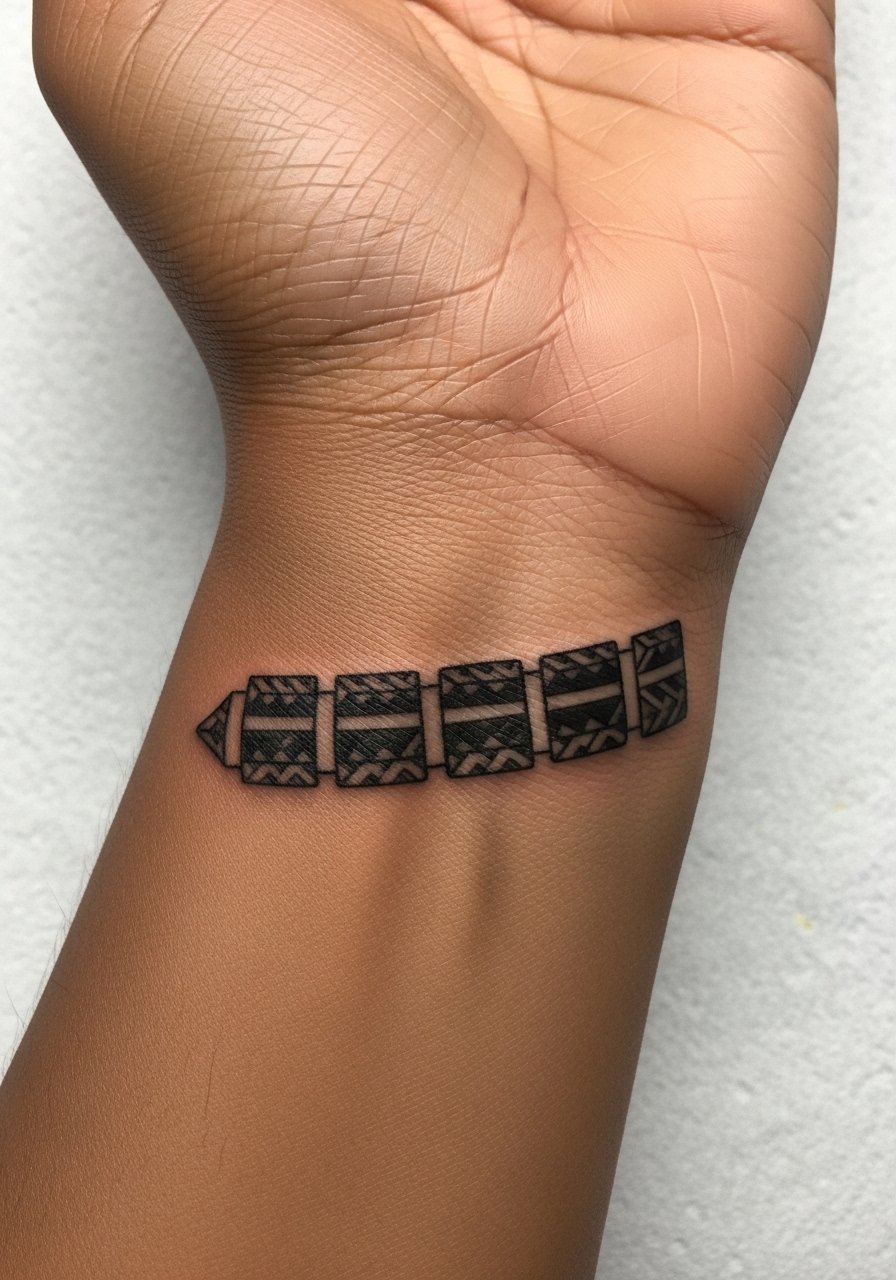
Fair warning, wrist skin moves a lot and can make thin motifs blur. For this band, pick broader geometric blocks and avoid hairline connectors. This placement is one of the more painful small spots, but a session usually finishes under an hour. It ages better than tiny detail bands because the saturation and spacing retain contrast on darker skin. A typical error is asking for a continuous thin chain of triangles. That pattern needs room. Ask for a mock wrap so you can confirm flow around veins and tendons, and budget a touch-up at year two if you wear the band exposed.
4. Compact Celtic Knot on Shoulder Cap
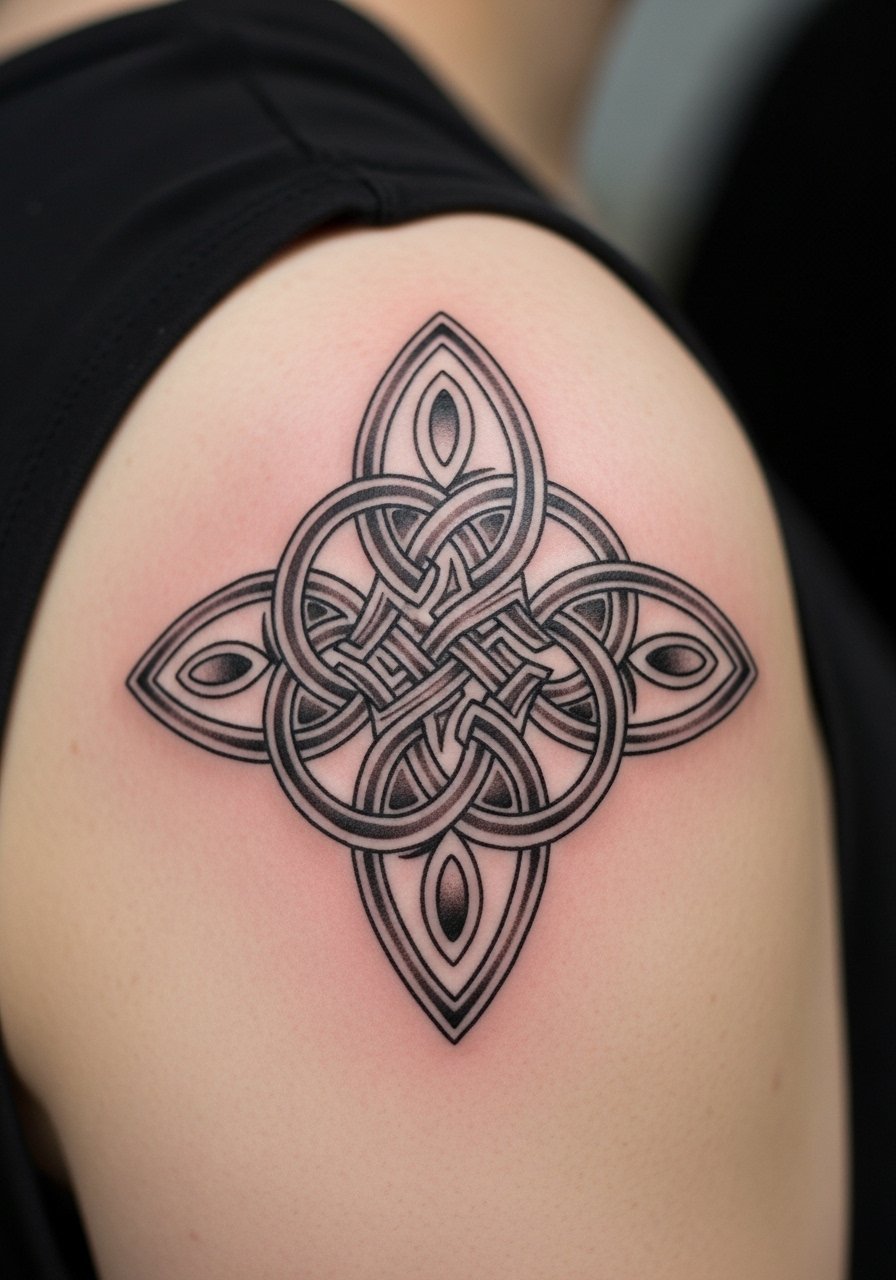
There's something about continuous knotwork that suits the shoulder contour. Pain is low to moderate here and an experienced artist can do a small knot in one session. Tell your artist you want negative space to read from a distance, not tiny filigree. A mistake I see often is shrinking knot gaps too small. That makes the knot lose its weave after healing. When placed on the rounded shoulder, the knot keeps shape better than on the inner arm. Expect a touch-up window around year three if you spend a lot of time in the sun.
5. Mini Taino Turtle on Ankle
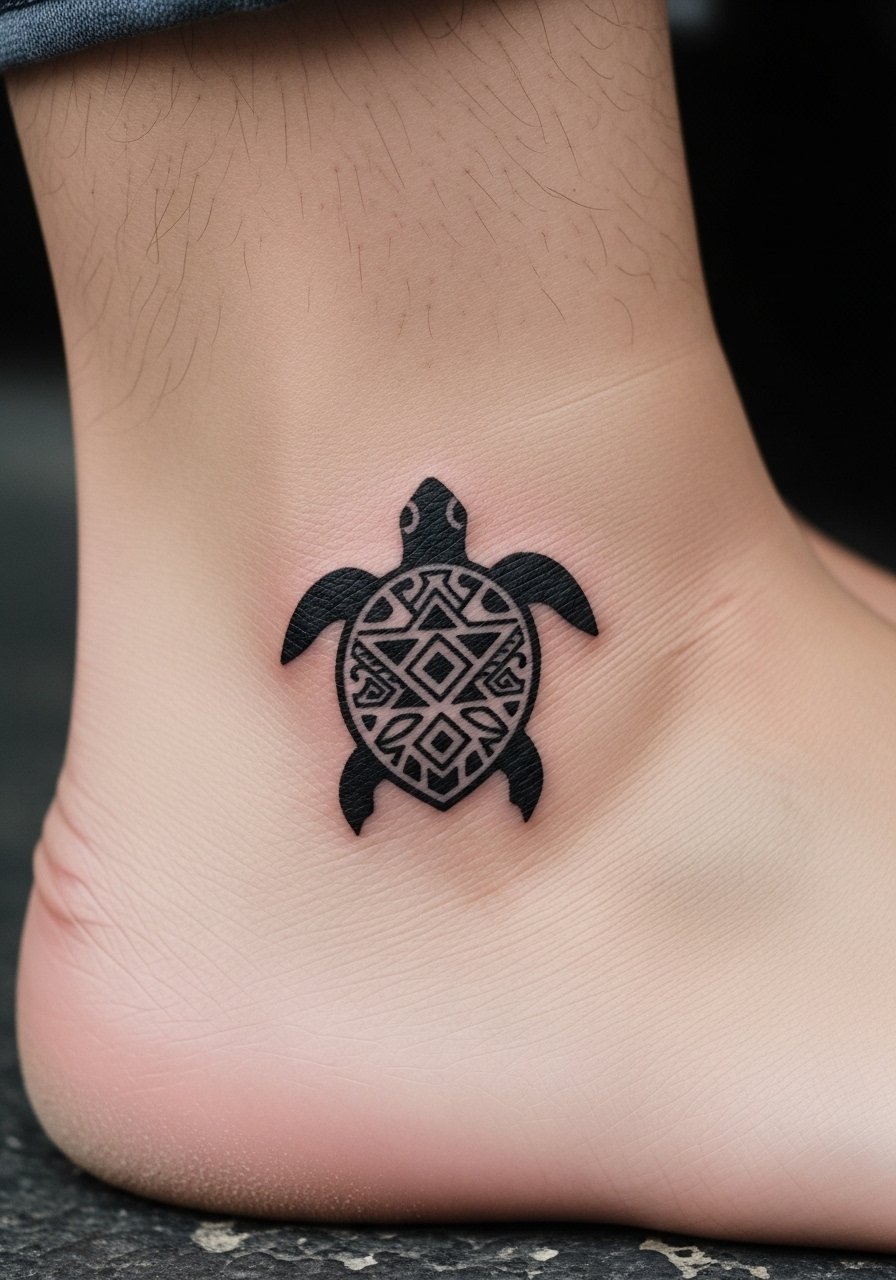
I recommend this if you want island motifs in a compact package. The ankle can be sensitive and the skin there is thin, so pain is moderate. Ask for bold internal motifs and a solid silhouette to prevent lines from diffusing. A common version that ages poorly uses tiny dot shadings that disappear on ankles over time. This compact turtle keeps form at six months and still reads at five years with routine sunscreen and yearly touch-ups if needed. Note that Taino imagery has cultural roots, so mention origin in consult and plan a respectful adaptation rather than a copied panel.
6. Viking Rune Strip on Outer Thigh
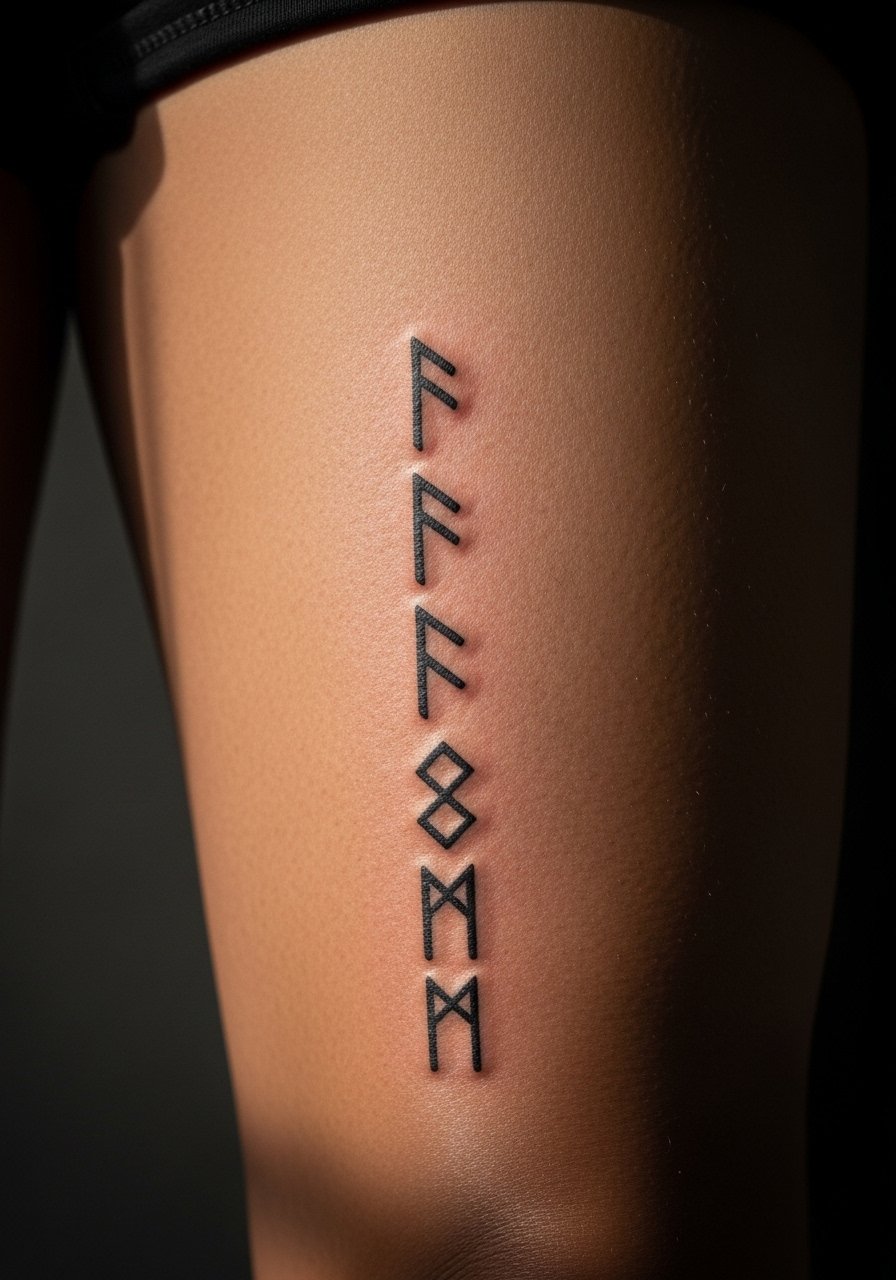
Most people pick this for mythic lettering in a low-visibility spot. The outer thigh is forgiving to body changes, so the piece resists stretching if you gain or lose weight. Pain is lower than ribs and a tidy rune strip can be done in one session. Avoid tiny, dense runes stacked too close together. They tend to blur into one another over a couple of years. During consult, tell your artist the exact rune spacing you want and whether you want the runes translated or decorative. The strip looks crisper when the runes have small breathing room between them.
7. Hawaiian Sun Micro on Inner Forearm
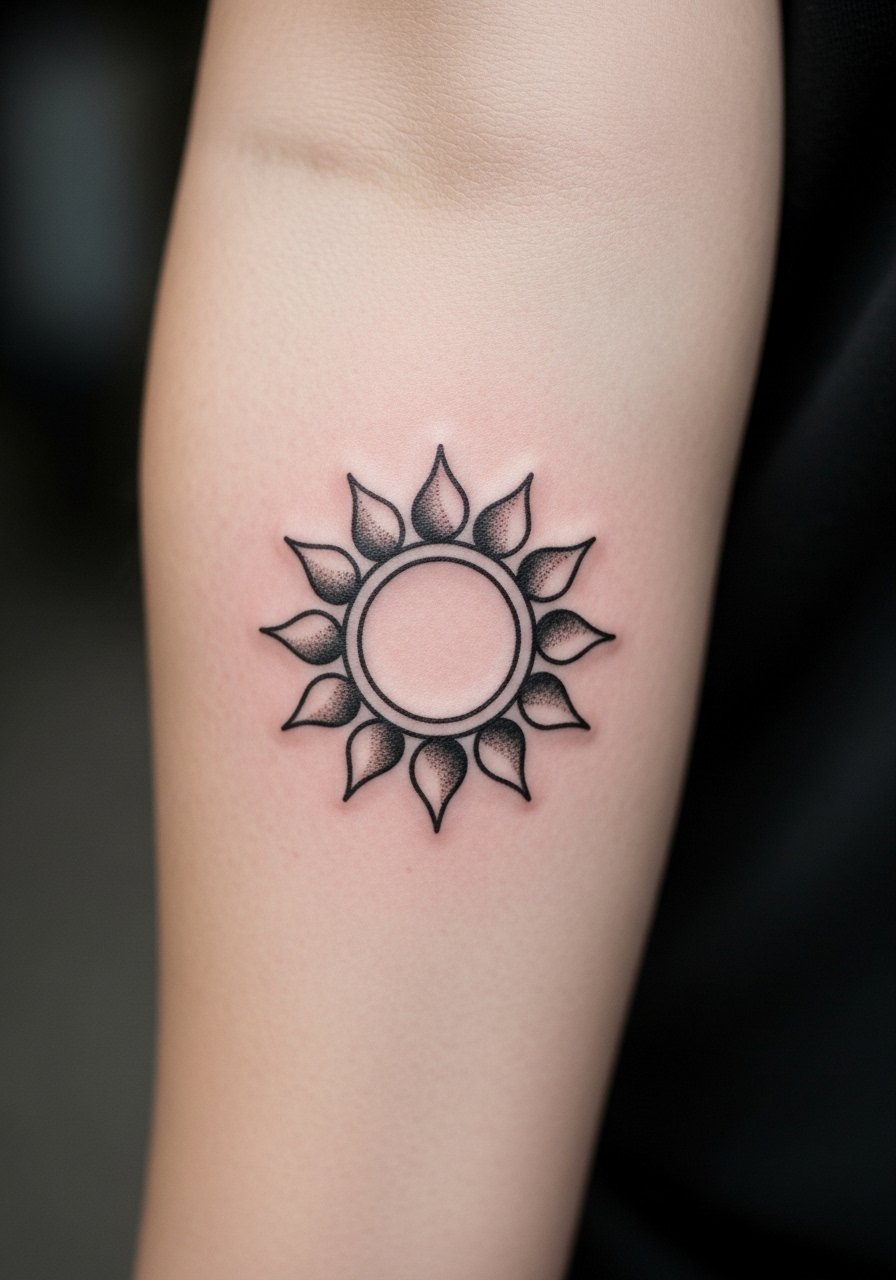
Most first-timers like this because it heals quickly and reads clearly. Expect moderate pain and a short single session. The trick is a bold outer ring with spaced rays so the sun stays legible as the skin settles. A common mistake is cramming too many thin rays into a small circle. That creates a faded halo after a year. For heat-prone summers, inner forearm placement keeps sun exposure lower. Ask your artist for a healed-photo example of a similar diameter to confirm linework density.
8. Bornean Geometric Calf Wrap, Mini Version
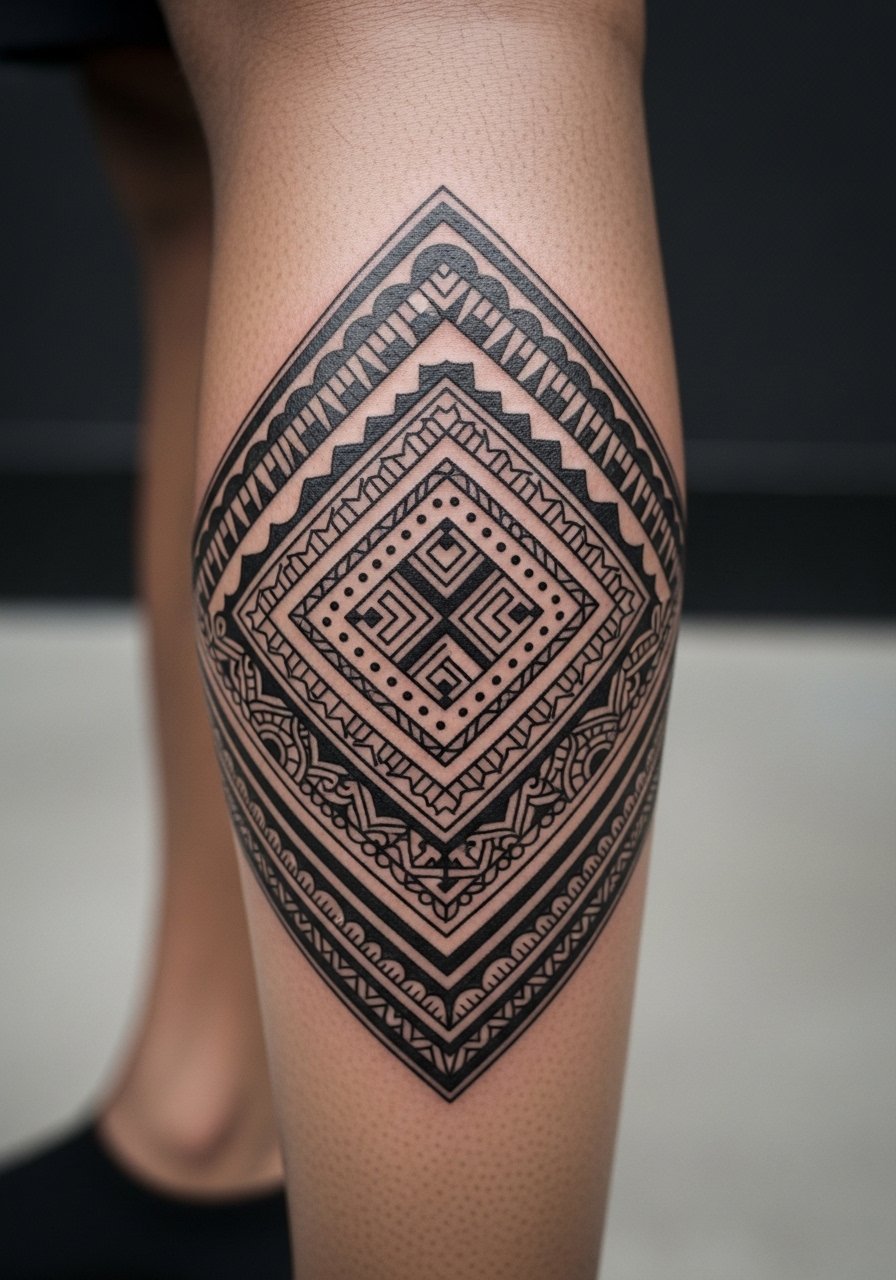
Calves tolerate saturated work well and the skin there keeps crisp linework. Most sessions for a compact calf wrap are under two hours. The important detail is repeating motif symmetry. Avoid asking for mirrored halves that do not align across muscle changes. A mistake is making the wrap too narrow so it looks like isolated bands when you stand. If you run or cycle a lot, the calf is a smart choice because it sees less sun and stretches less than the bicep. Plan a touch-up at year three if you train outdoors without frequent sunscreen.
9. Tiny Tribal Tiger Stripe Accent on Bicep
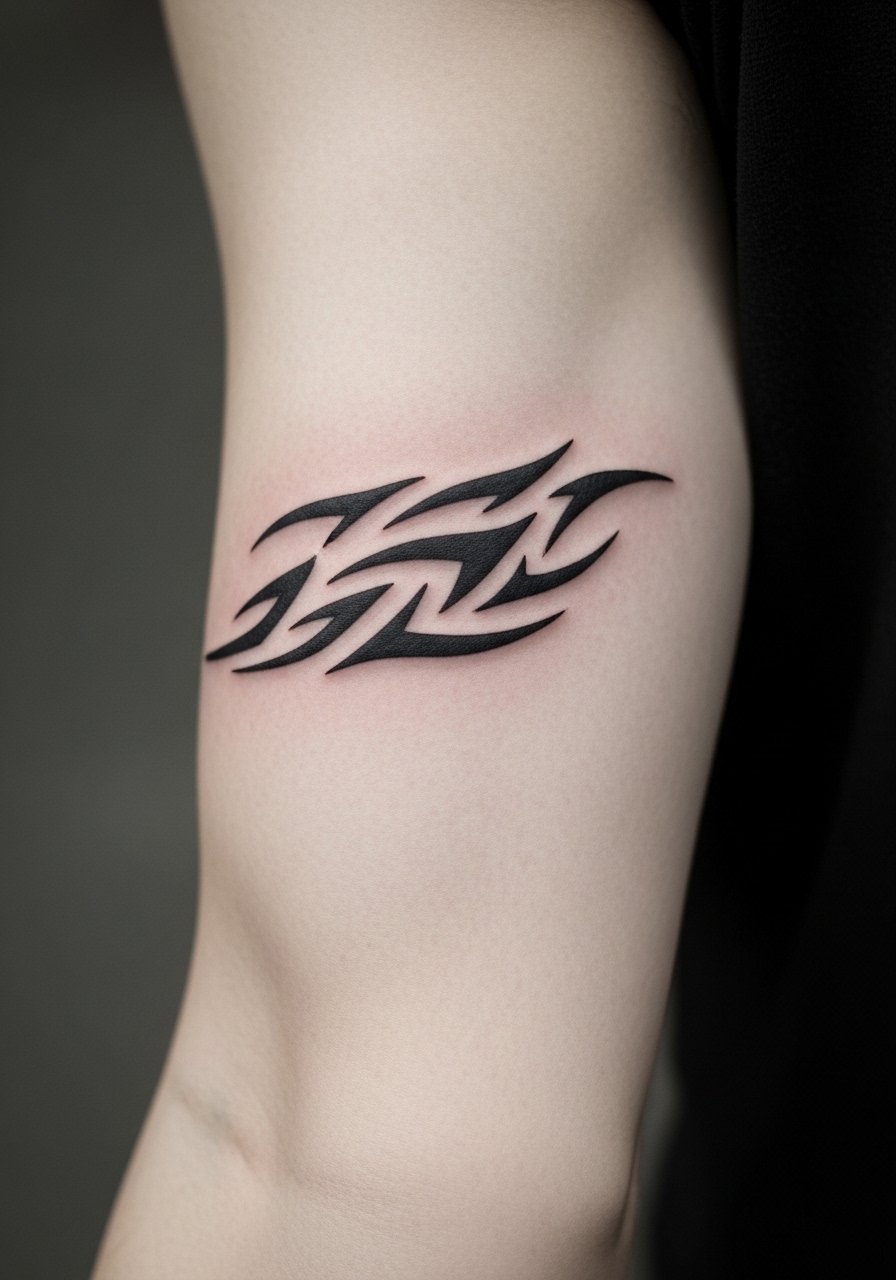
I saw this scaled down from full sleeve work and the effect is compact but graphical. Tell your artist you want stripes that flow with the muscle peak so the design reads as motion. Pain is moderate and you can finish a mini accent in one session. A version that ages poorly adds too many thin inner lines. Those thin accents smear faster than the thick bands. If you plan to bulk up, place the stripes where the muscle shape is stable to avoid future distortion. Expect less blowout risk on the bicep than on the inner arm.
10. Micro Eagle Feather Along Clavicle
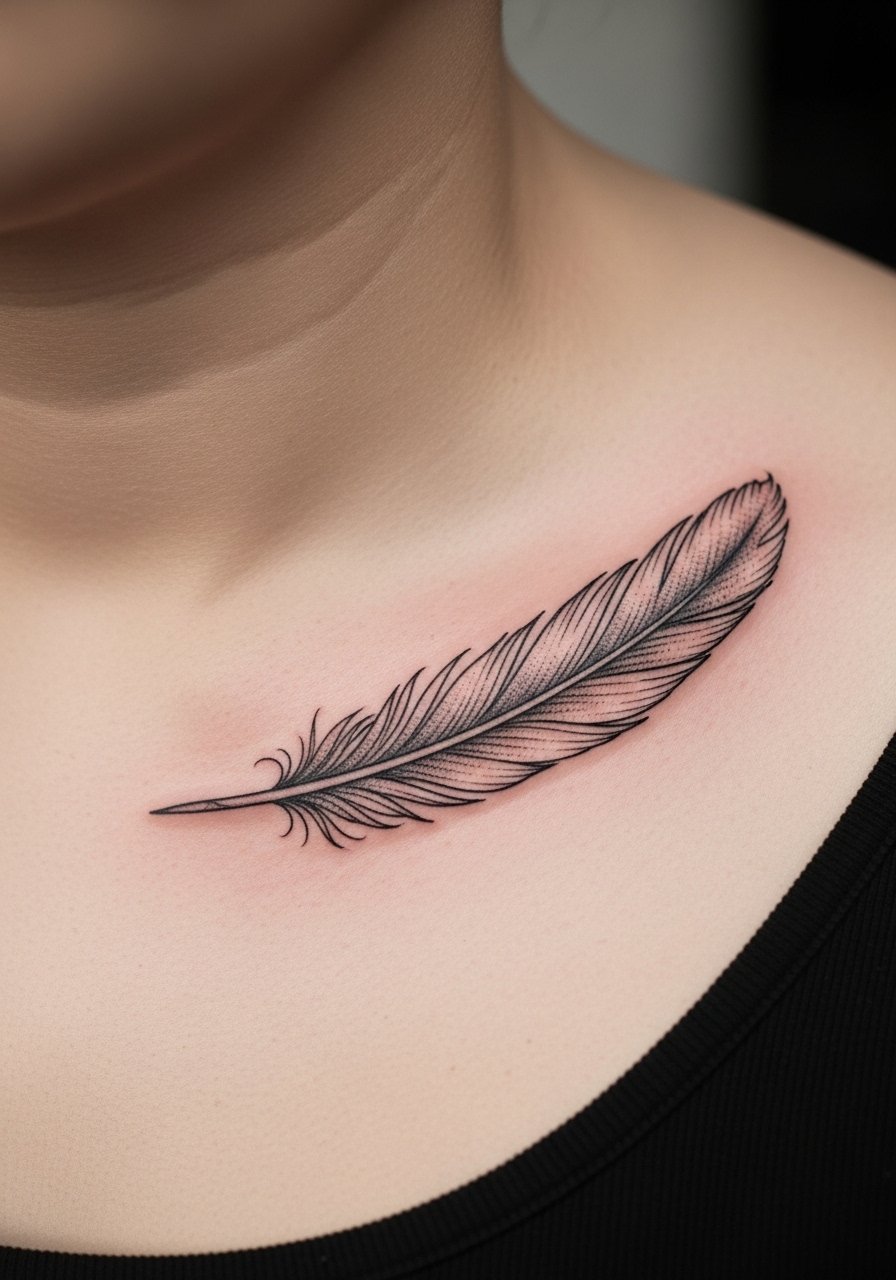
When you book this one, ask whether you want stipple shading or smooth gray wash. Clavicle skin can be sensitive so plan for a short but sharp session. Fine quill detail looks excellent on light to medium tones if spaced properly. A common mistake is overdoing thin feather barbs. They can fade into a fuzzy edge after a year. This placement shows well under shirts and heals into a subtle statement that often only needs a touch-up around year two if you sunbathe frequently.
11. Mini Ornamental Mandala On Upper Back
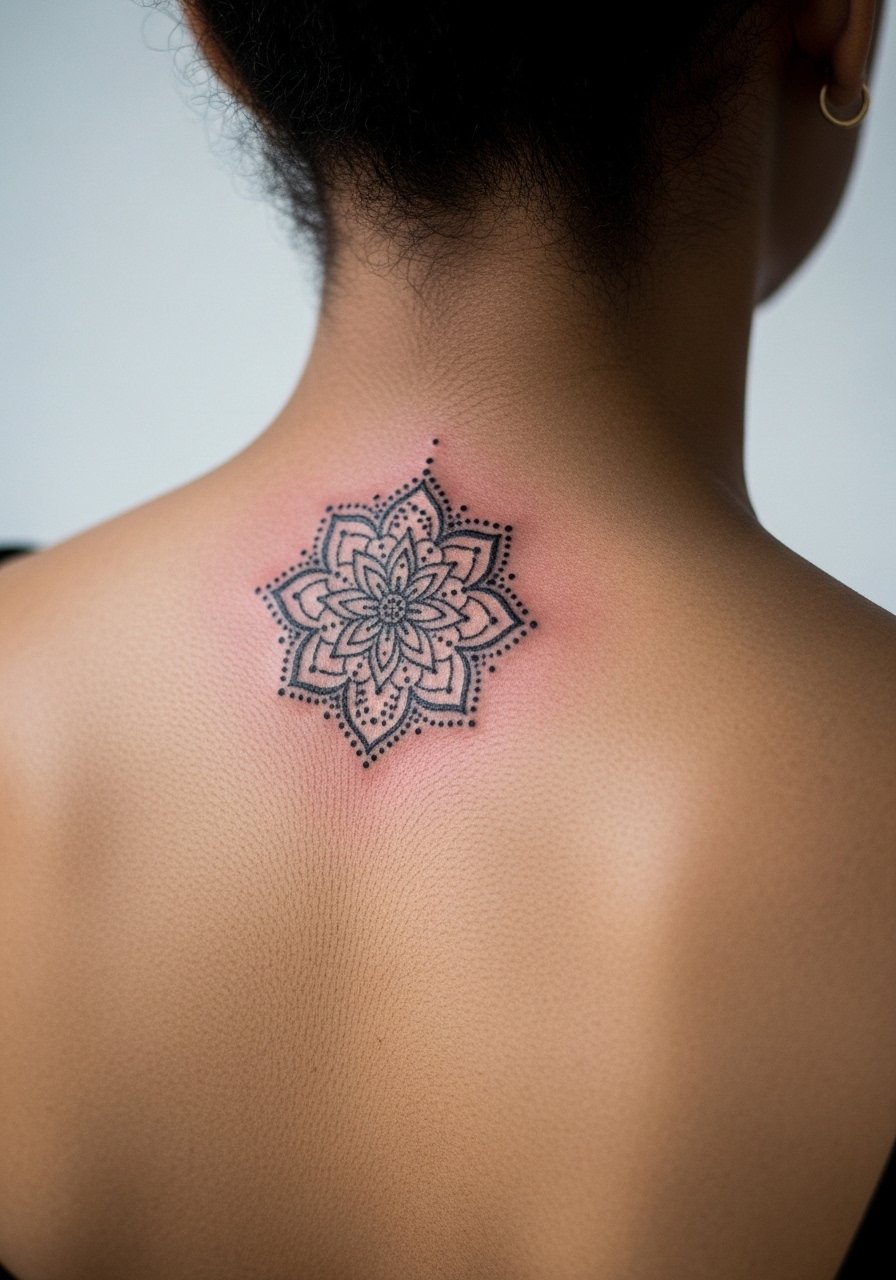
Most mandalas people pick are either too dense or too sparse. For a compact upper-back mandala, ask for a mix of dot work and strong outer linework so it keeps presence at distance. Upper back skin takes ink well and pain is moderate. A frequent error is trying to reproduce large intricate floral mandalas at tiny scale. Those tend to lose their radial rhythm after healing. This smaller version looks good at six months and still reads at five years with occasional touch-ups for outer ring saturation.
12. Scaled Finger Tribal Suns for Micro Commitment
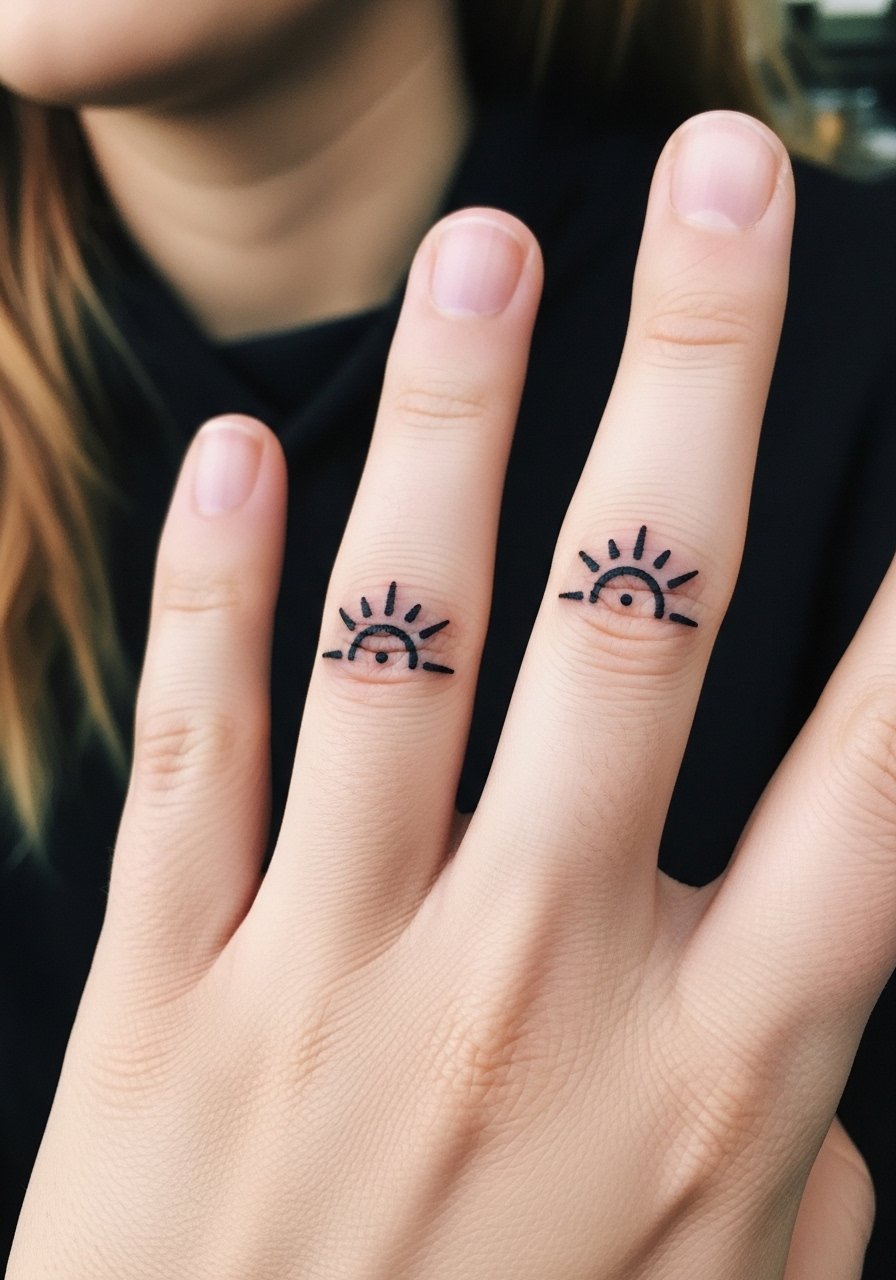
Fine print here, finger tattoos age differently than arm work. Expect faster fading and potential softening of edges because of constant washing and skin turnover. For fingers, pick very simple shapes and accept a yearly touch-up rhythm. The common mistake is packing detail into a space that needs negative space. Also note that finger tattoos can affect job options in some fields, so consider placement carefully. Sessions are quick but expect to return for touch-ups. If you want low commitment micro ink, these are a straightforward route.
13. Micro Tribal Skull Accent on Tricep
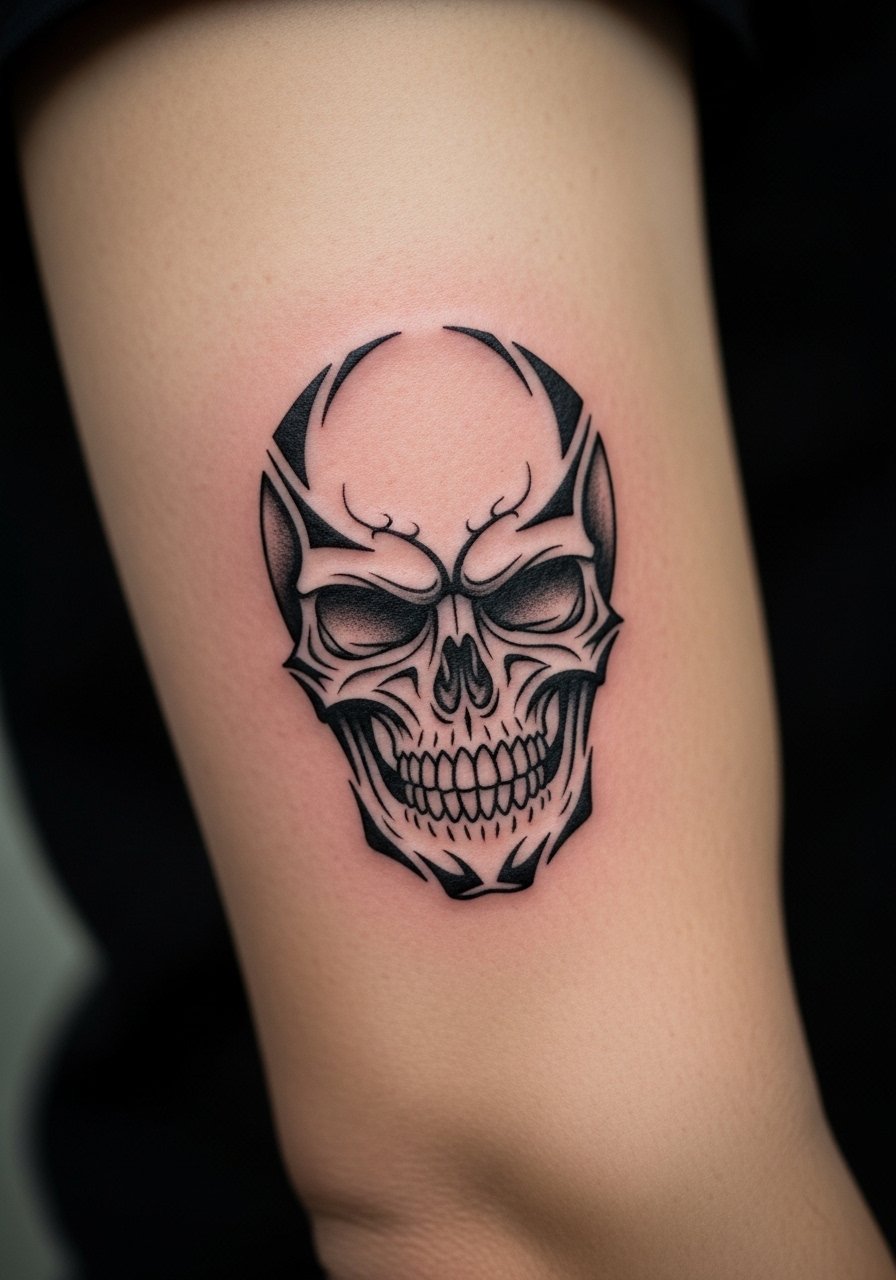
When placed on the tricep, skull accents follow the arm's silhouette and keep a clean look as you move. Pain is moderate and the area allows for slightly more detail without blowout. A mistake is asking for thin interior cracks inside the skull. Those can fill in and soften after a year. Tell your artist whether you want a stark black silhouette or a tiny gray wash for depth. The tricep placement often shows less early fade than the inner arm, and touch-ups at year three are common if you keep the area unprotected from sun.
14. Minimalist Geometric Tribal on Side of Neck
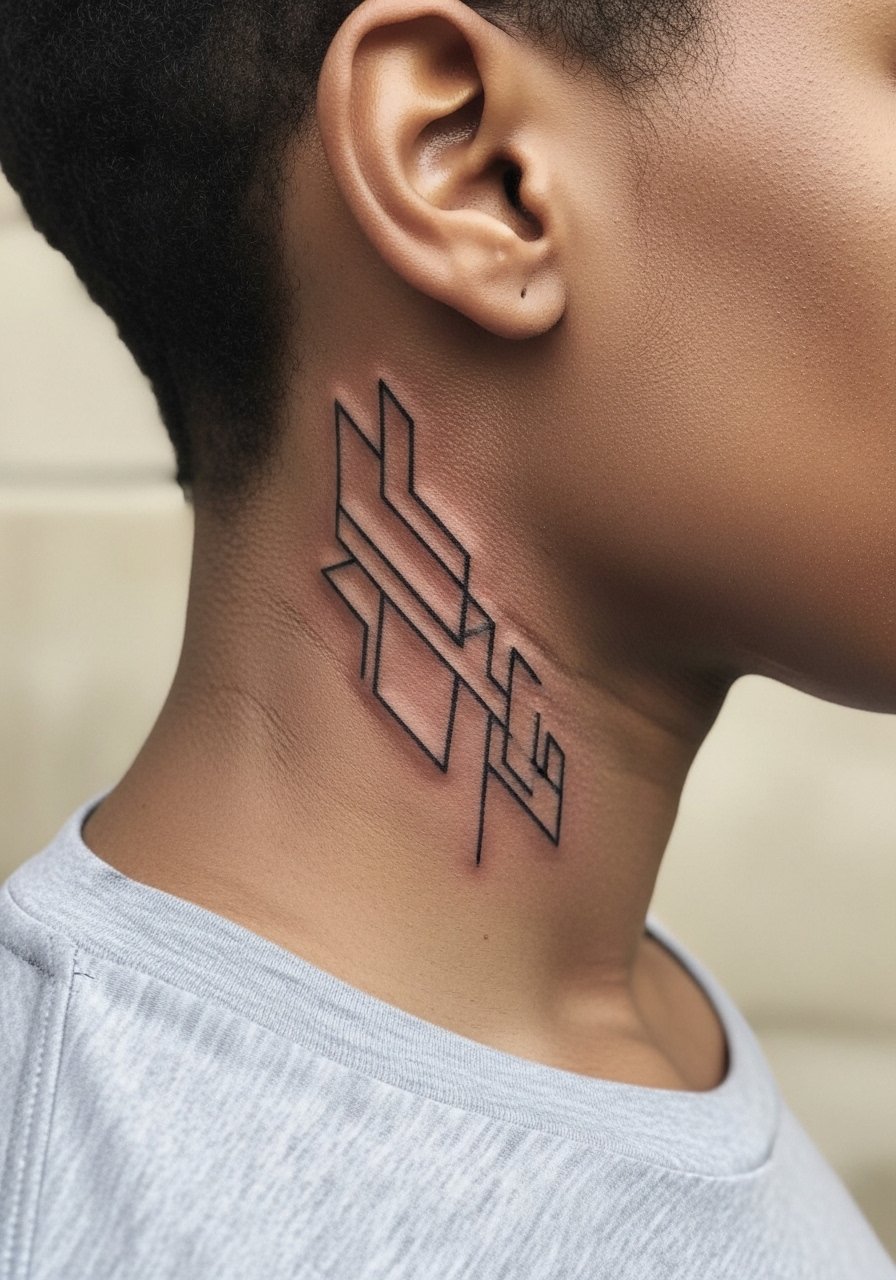
Neck placement requires a short conversation about visibility and professional considerations. The area is sensitive and pain can be high for small pieces. For longevity, stick to bold linework with clear spacing, because thin lines on the neck can blur quickly. One camp accepts neck work as a personal statement. Another cautions about career impacts and healing exposure. If you go for it, book an artist experienced with neck skin and accept that a touch-up may be needed at year two. Keep the scale slightly larger than you think to maintain clarity.
15. Micro Polynesian Sun Over Pec
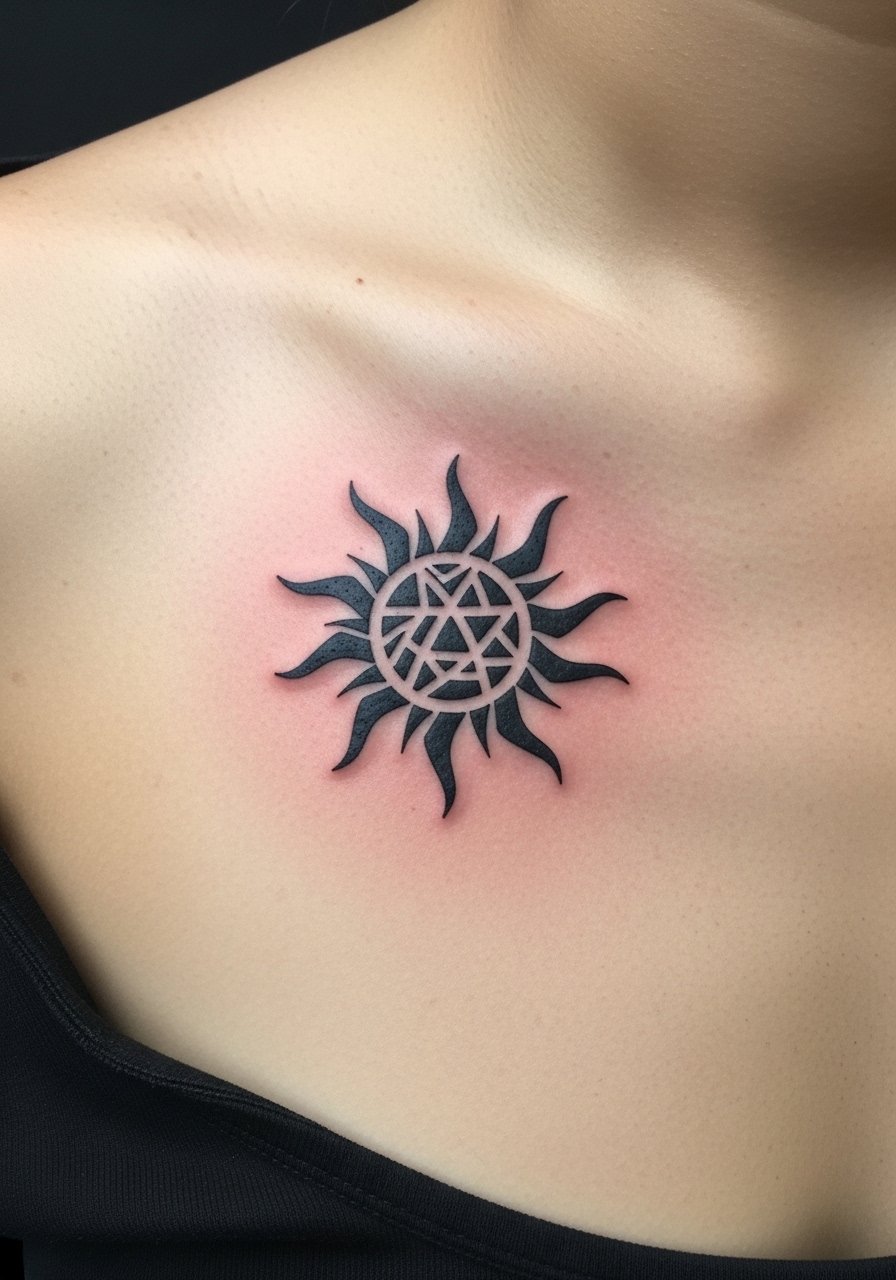
Most people like this tucked close to the chest so it peeks from a shirt. The sternum area is sensitive so expect a sharper session. For a tiny sun, pick fewer internal motifs with stronger outlines so shading does not wash out. A common mistake is over-detailing the center disc. That tends to flatten after healing. Because this borrows Polynesian visual language, note origin in your consult and ask for slight personal adaptation rather than a direct cultural panel.
16. Tiny Bornean Dot-Work Calf Accent
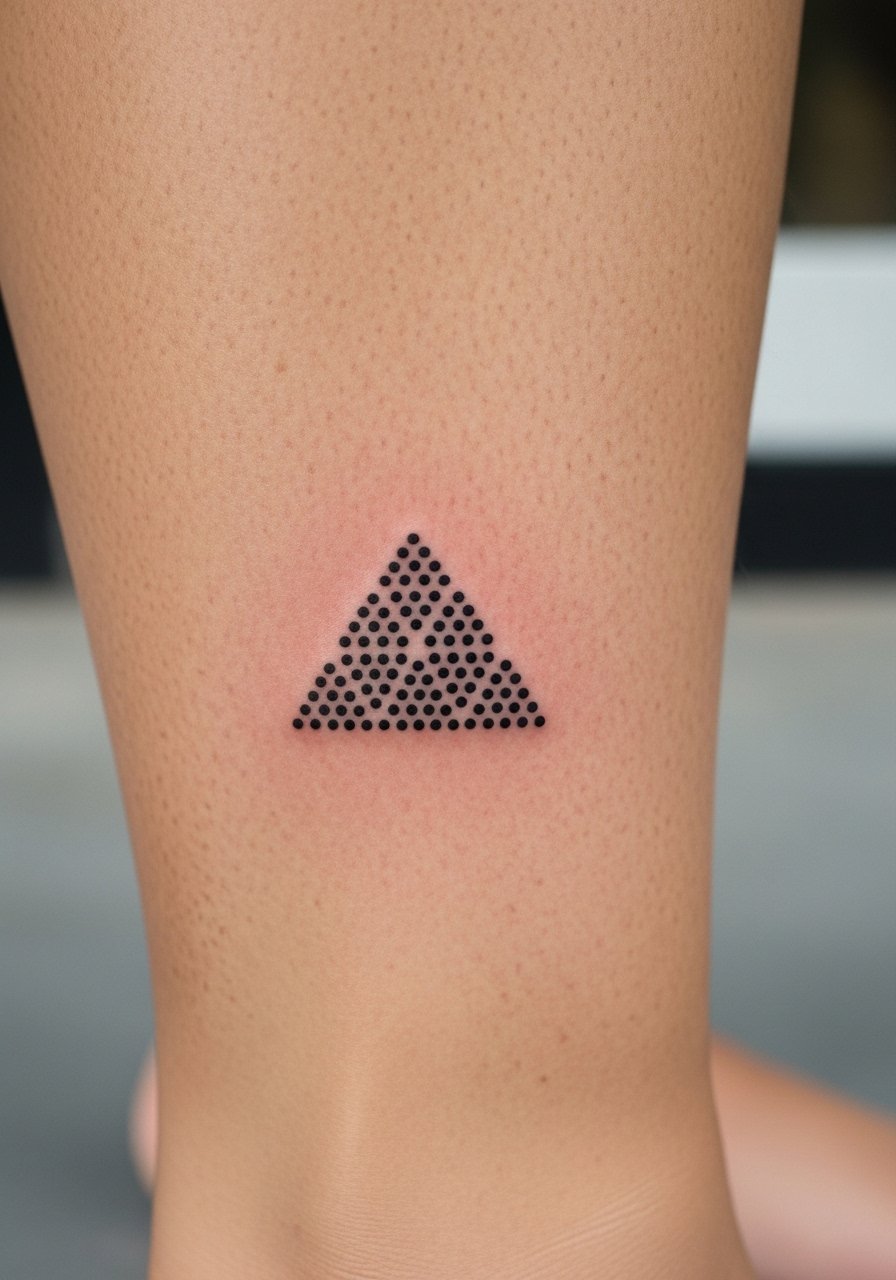
Most runners I know picked calf accents to avoid sun exposure and keep ink sharp. Dot work reads well on calves if the dots are spaced to allow skin texture. Pain is low and a session is brief. A mistake is asking for dot clusters too dense for a small area. Those dots can blur into a gray patch. Ask your artist for spacing recommendations based on your skin texture. Calf skin ages favorably for blackwork and often needs fewer touch-ups than hands or fingers.
17. Tiny Hybrid Rune-Polynesian Medallion on Upper Arm
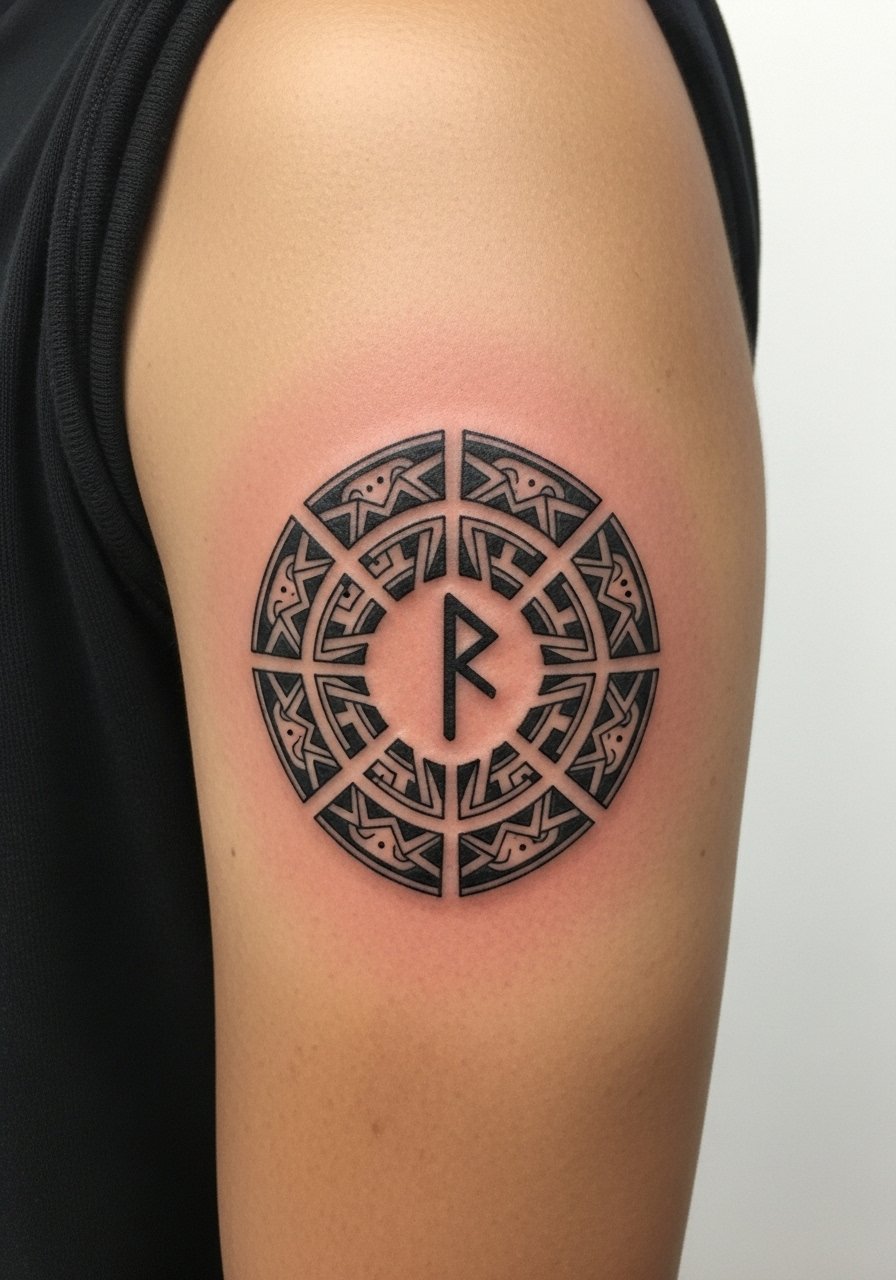
Unique idea alert. This blends a personal rune into Polynesian motifs while keeping scale small. When you propose a hybrid, explain the personal meaning and ask the artist to weave the rune subtly into the geometry. Outer upper arm pain is moderate and a compact medallion usually fits in one session. Avoid placing a foreign tribe's sacred symbol without adaptation. One approach is to integrate personal runes as accents rather than central icons. Expect a touch-up at year three if the rune lines are very thin.
18. Tiny Celtic Spiral at Wrist Crease
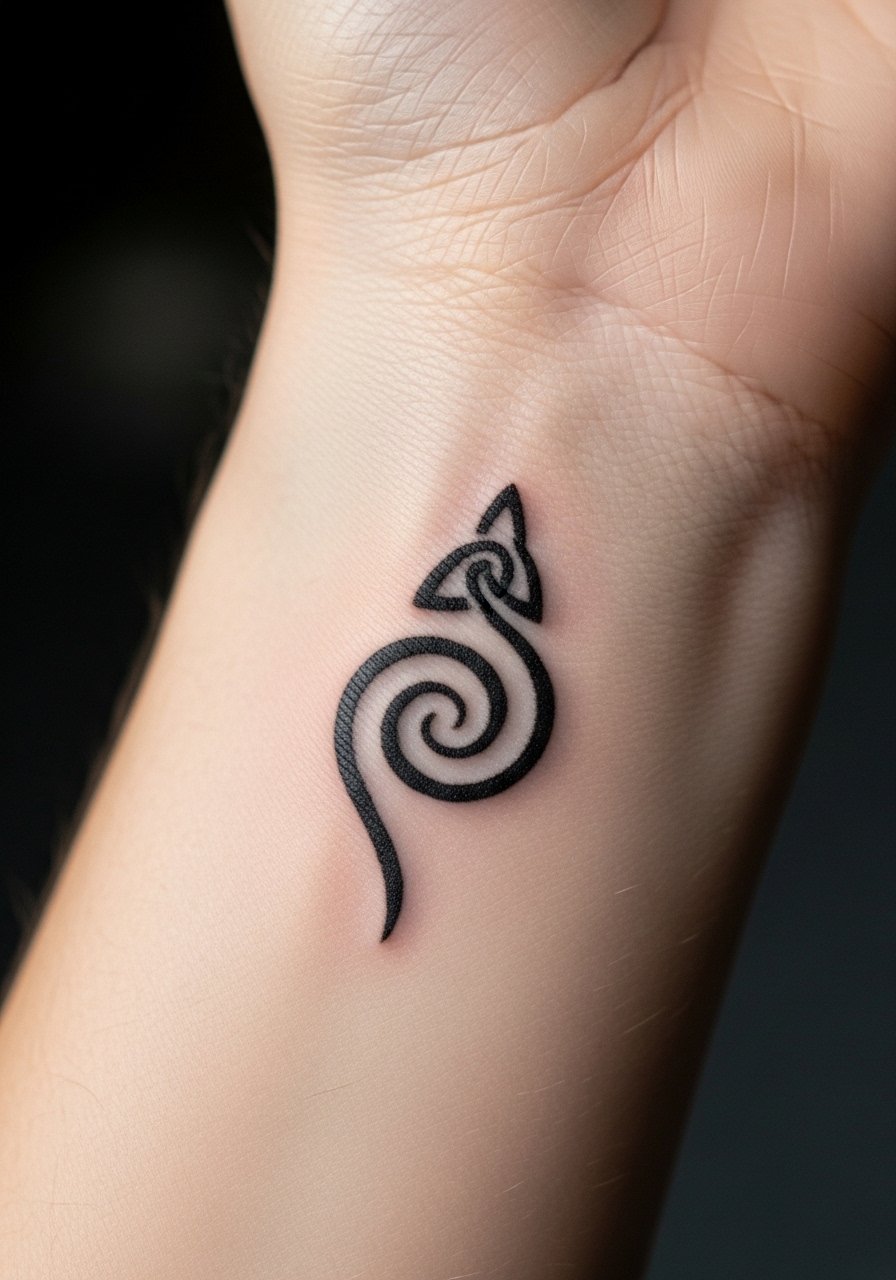
The wrist crease is a small but visible place that requires boldness for longevity. Fine spirals that sit too close to the crease can blur because of skin folding. Pain is moderate and healing is quick if you keep motion limited for a week. A common error is making the spiral diameter below an inch. That often loses the center detail after six months. Tell your artist to map the spiral with your wrist movement so it sits in a stable zone and remains legible.
19. Calf Wrap Variant Focused on Gray Shading Depth
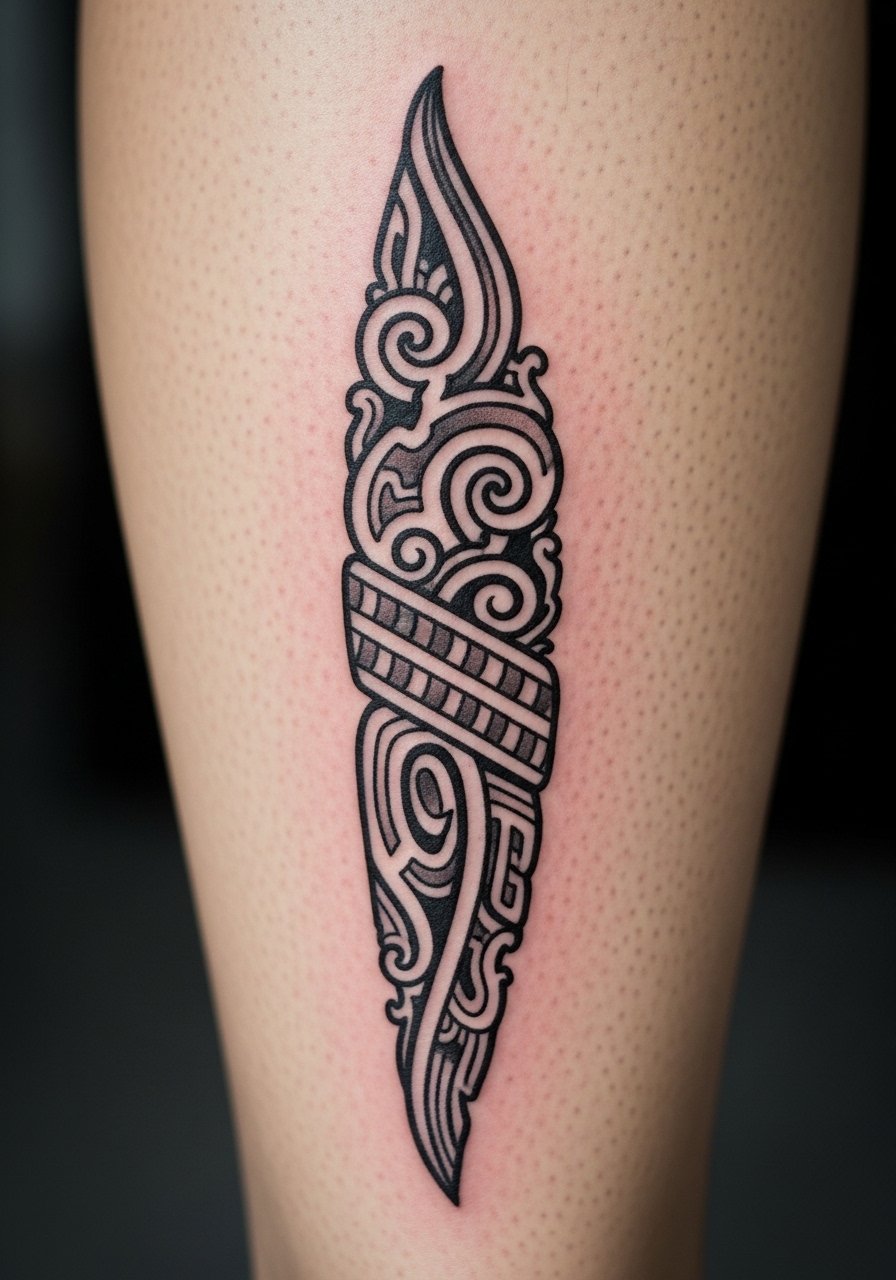
From what I have seen, adding gray shading to Bornean geometry gives a 3D feel without color. This is a smart choice if you want subtle depth in a compact band. Calf skin keeps gray well and pain is low. The mistake to avoid is asking for feathered gray inside tiny compartments. That can go patchy. Ask your artist for stipple shading examples on similar skin. Expect healed contrast to soften by year three, at which point a satin touch-up can restore midtones.
20. Micro Tribal Sun Finger Accent Near Knuckle
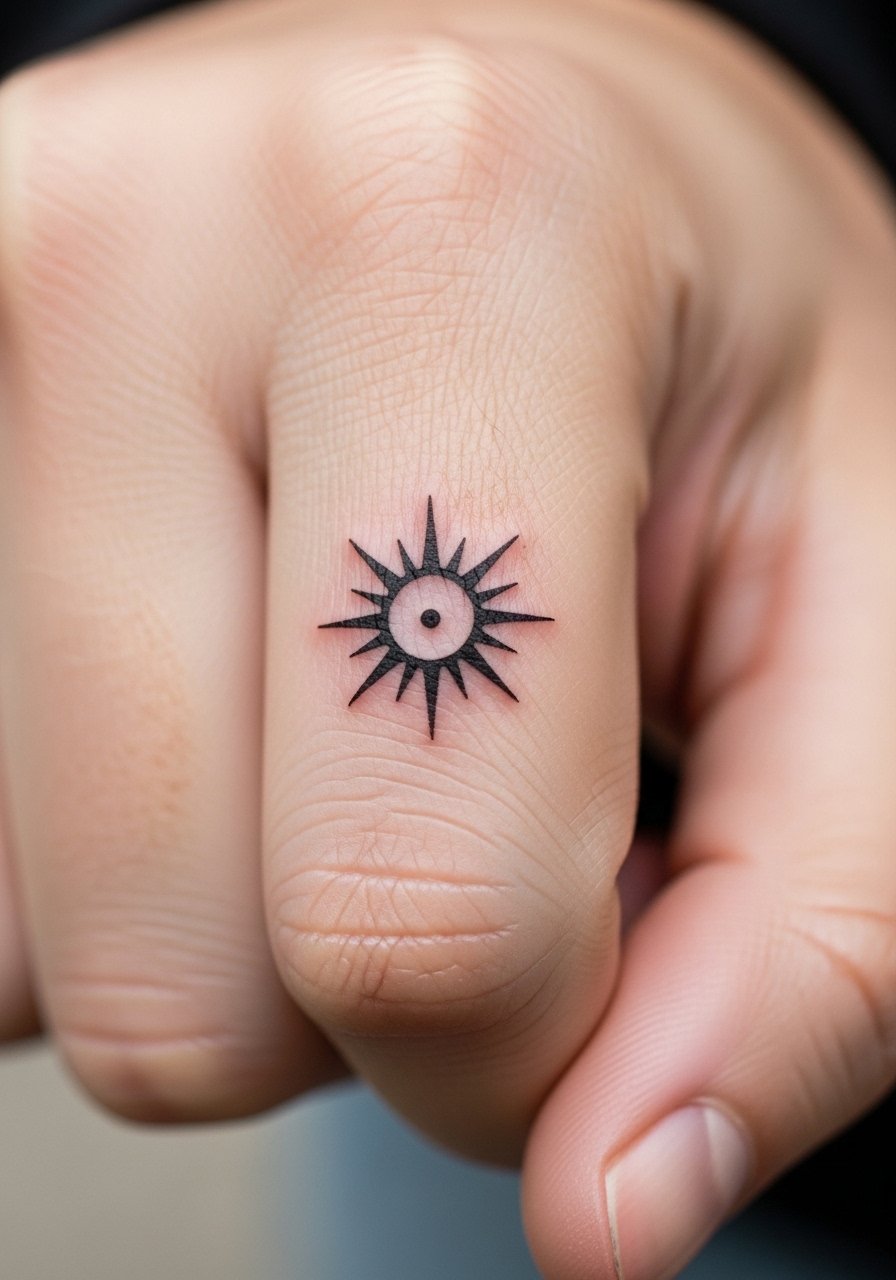
Finger knuckles are compact and hostile for long-term saturation. I recommend this only if you accept likely annual touch-ups. The knuckle sees abrasion and frequent washing and that accelerates fade. Keep the sun as simple as possible and ask for slightly thicker rays so the silhouette survives. The session is quick but expect some discomfort. Also consider career visibility, as hand tattoos still affect some job searches. If you proceed, plan to return every 12 to 18 months for maintenance.
Tattoo Prep and Aftercare Essentials
Fragrance-free gentle foaming cleanser for new tattoos.. Use during the first week to clean twice daily. Gentle foaming removes excess ink and debris without stripping skin oils so scabs come off on their own.
Medical-grade second skin bandage, 6-inch roll.. Use for the first 24 to 48 hours on larger micro pieces or areas that rub clothing. It reduces scabbing and lowers infection risk for active people.
Lightweight fragrance-free balm for tattoo healing.. Apply a thin layer after washing to keep the surface supple. Pick an option marketed for tattoos to avoid pore-clogging ingredients.
Aquaphor Healing Ointment.. This mainstream ointment is useful for the first 48 hours if you prefer an occlusive layer. Use sparingly and switch to a lighter balm after initial sealing.
Disposable razor pack for clean prep of body hair.. If your artist asks you to trim the area, use a fresh disposable razor the day of your appointment to avoid irritation.
Fragrance-free moisturizing lotion for long-term care.. Use after healing to maintain skin hydration and help saturation hold up over years.
Mineral SPF 50 sunscreen stick.. Apply to exposed small tattoos after the 30-day healing window. UV protection is the single most useful step for keeping blackwork crisp.
Soft microfiber travel towel for gentle pat-dry.. Use a clean, dedicated towel during the first two weeks to pat the area dry gently after cleaning.
Every tattoo is different. Always follow your artist's specific aftercare instructions. Consult a dermatologist if you have skin concerns or unusual healing issues.
Frequently Asked Questions
Q: Will fine line tribal blur on darker skin tones faster than bold blackwork?
A: From what I have seen, fine line tends to soften quicker on darker skin because line contrast relies on less visible negative space. Bold blackwork with slightly wider spacing usually holds its edges longer. If you prefer fine line, ask for a slightly thicker line weight and review healed photos from the artist on similar skin.
Q: How much should I budget in session ranges for building a small half sleeve or compact arm wrap?
A: Expect session ranges of roughly 200 to 1,500 for a half sleeve depending on complexity and city rates. Compact arm wraps often fit into short sessions toward the lower end of that range. Talk to local shops and ask about hourly rates and how many visits they expect.
Q: How do I find Polynesian or Maori style artists without disrespecting origins?
A: Use style-specific discovery pathways like hashtag searches and local studio filters. Search tags such as #PolynesianTattoo plus your city or check tattoo directories that let you filter by style. When you contact a shop, ask about the artist's portfolio with that specific tradition and how they approach respectful adaptation.
Q: Do tiny finger or knuckle sun accents need different aftercare than forearm pieces?
A: Yes, hands and fingers face more washing, abrasion, and sun exposure. Clean them gently but expect faster fading. Avoid heavy ointments that trap water when washing frequently. Plan for more frequent touch-ups and apply mineral sunscreen after the healing window when possible.
Q: What is a realistic touch-up timeline for these tiny tribal pieces?
A: Realistically, compact bold blackwork often needs a touch-up around year two to three if exposed to sun. Fingers and knuckles typically need attention every 12 to 18 months. Areas like the calf or upper arm can go longer between touch-ups. Ask the artist for their healed timelines based on your lifestyle.
Q: Are there placements that handle future body changes, like weight gain, better than others for tiny tribal designs?
A: Yes, stable surfaces like the forearm, calf, and outer thigh tend to preserve line integrity better through weight changes. Areas that stretch a lot like the abdomen or inner bicep can distort more. If you anticipate big body changes, favor stable placements and slightly larger scale for durability.