
The parade of tiny shamrocks on your feed can make you want to book a walk-in right away, but not every St Patrick's Day flash idea ages the same. Some pieces hold crisp linework for years, others blur into a green wash if they start too fine. Below are smart, camera-ready flash concepts you can show your artist that consider placement, how they heal, and what to wear on chair day.
1. Single Mini Shamrock on the Inner Wrist
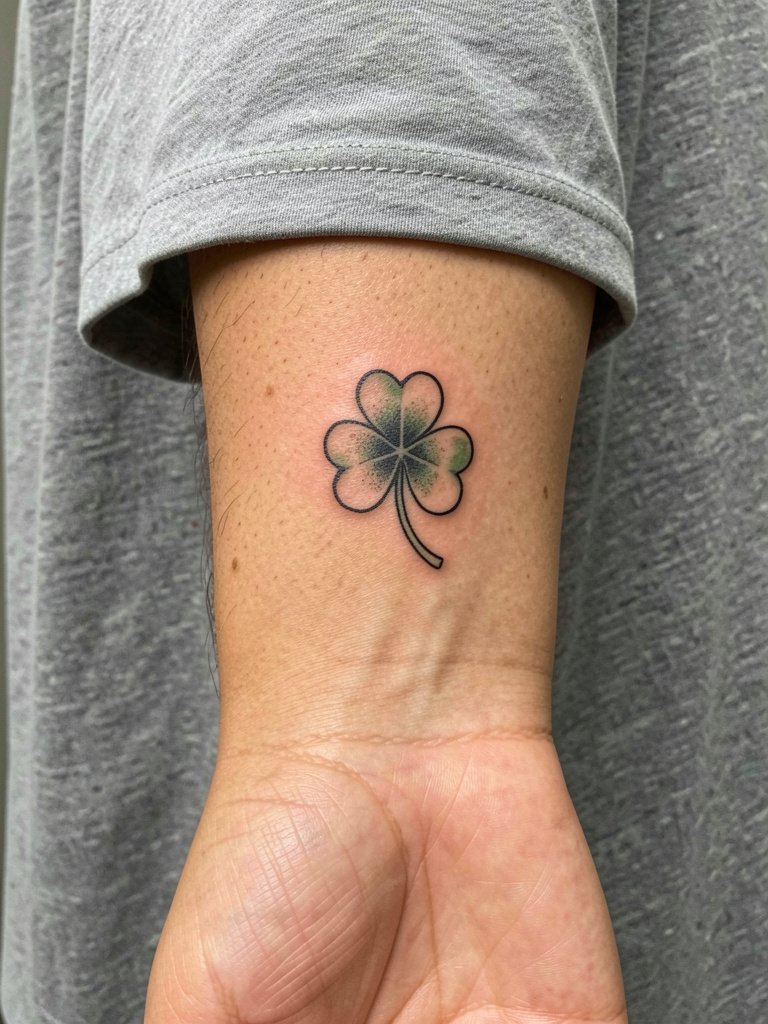
This tiny wrist clover is an easy flash for a single-session walk-in and reads fresh for the first year if the linework is set slightly heavier than a delicate script. I suggest asking for a hairline outline with a touch more weight so the leaves do not feather into the wrist creases by year two. The session time is short, usually under 30 minutes, and pain is low on the inner wrist unless you hit veins. For showing it off pair it with a rolled-cuff linen shirt and a slim gold chain bracelet that frames the wrist without covering the tattoo.
2. Micro Dotwork Four-Leaf Cluster on the Ankle
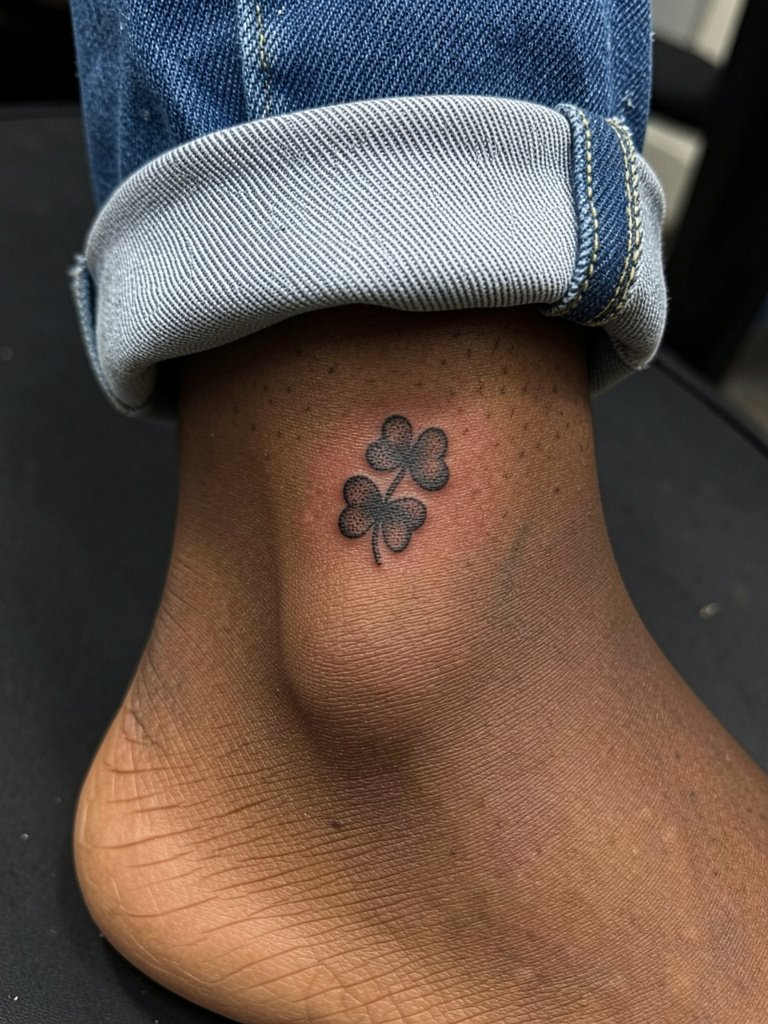
Dotwork clovers are great if you want subtle texture without solid color saturation. The common mistake is requesting the dots too close together. That increases blowout risk on the thin skin of the ankle. For longevity ask the artist to space dots for airy shading and to keep the piece sized at least two inches across. Expect a 45- to 75-minute session and a touch-up around the one-year mark for any faded dots. Pair this ankle placement with cropped denim or leather sandals when you want it visible.
3. Celtic Knot Micro Band on the Finger
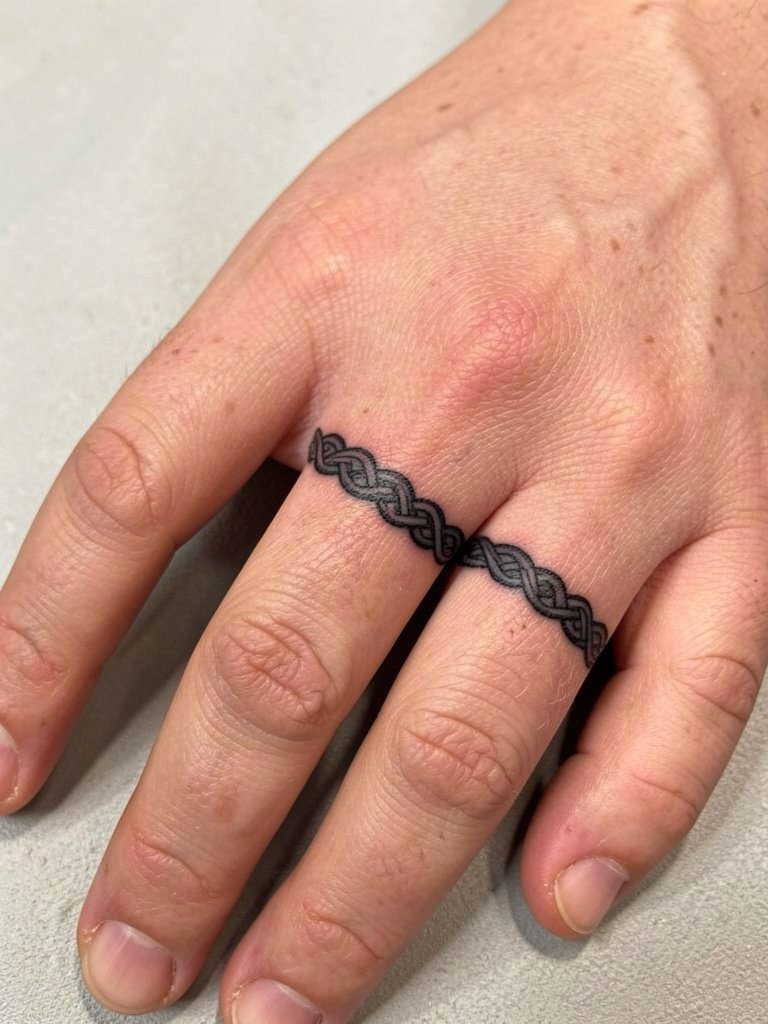
Finger bands are a bold choice for symbolic St Patrick's Day flash, but the finger skin moves and washes constantly. One camp of artists says finger bands blur fast and advises wider, bolder linework. The other camp designs ultra-clean single-line knots with heavier saturation and accepts the likelihood of annual touch-ups to maintain crisp knot edges. If you go for it, size the knot slightly larger than your reference and be ready for frequent touch-ups. For showing it off choose thin stacked rings and a delicate ring tray to keep jewelry from rubbing the fresh ink.
4. Mini Pot of Gold on the Outer Forearm
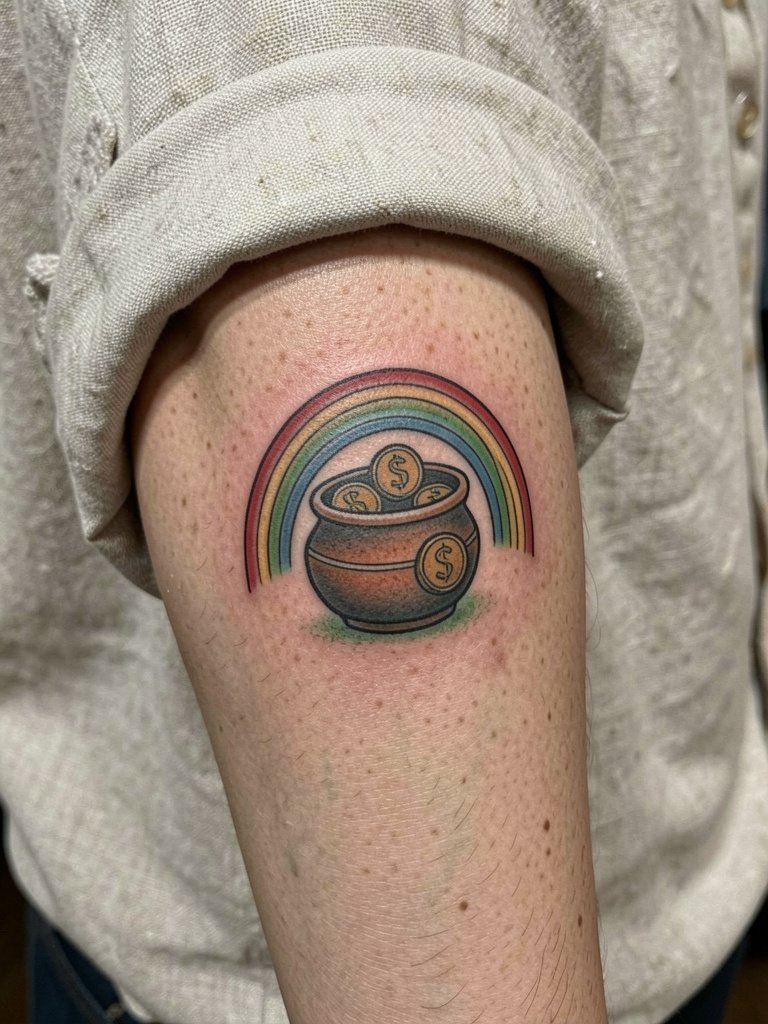
A forearm pot-of-gold reads well from a distance because the bold outline and saturated coin spots provide visual anchor points. The typical mistake is instructing an artist to copy a tiny Instagram flash with faint color. That version fades into the skin and loses the coin highlights. Request solid small color fills and give the rainbow room between colors to avoid muddying during healing. A 60- to 90-minute session is common and touch-ups might be needed at two years. Pair with short-sleeve cotton shirts when you want the piece visible.
5. Stipple Shamrock Chain Along the Collarbone
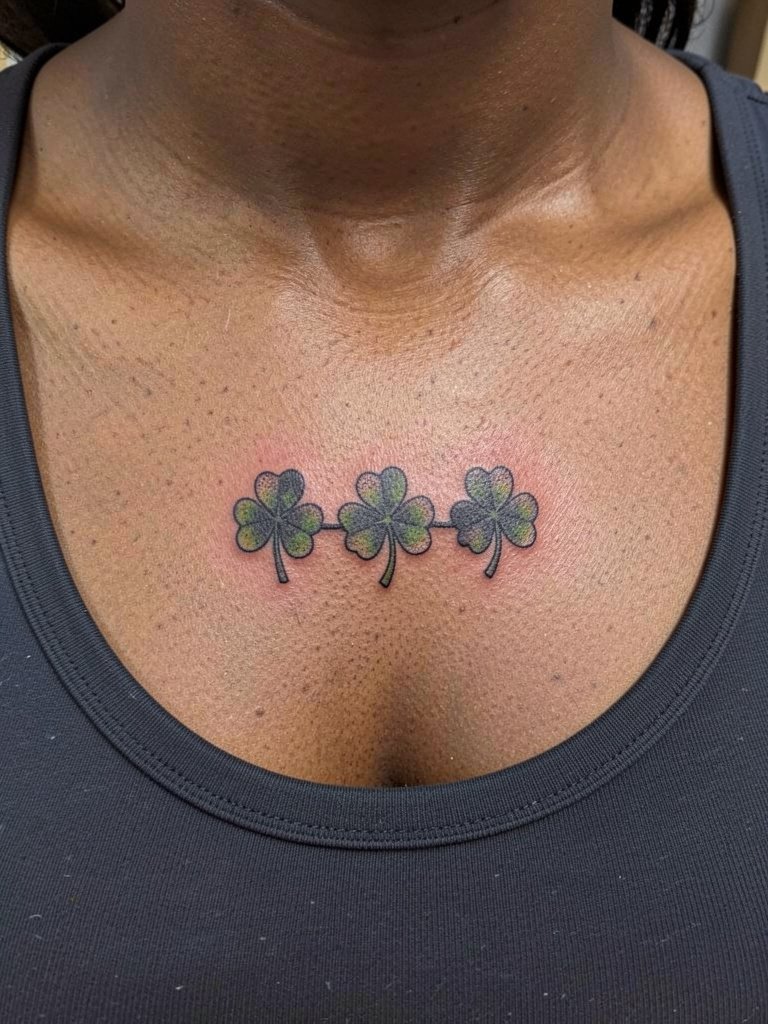
A collarbone chain is showy and photographs well. The collarbone area is bony so expect sharp linework pain. The common aging mistake is too-fine link lines. Opt for slightly heavier connectors so the chain reads clean at six months and beyond. The session may take 45 to 90 minutes depending on size. For the session, wear a wide-neck top that provides easy access. To highlight the healed piece in outfits pair it with open-back midi dresses or scoop-neck tops that keep the collarbone visible.
6. Geometric Shamrock Mandala on the Upper Thigh
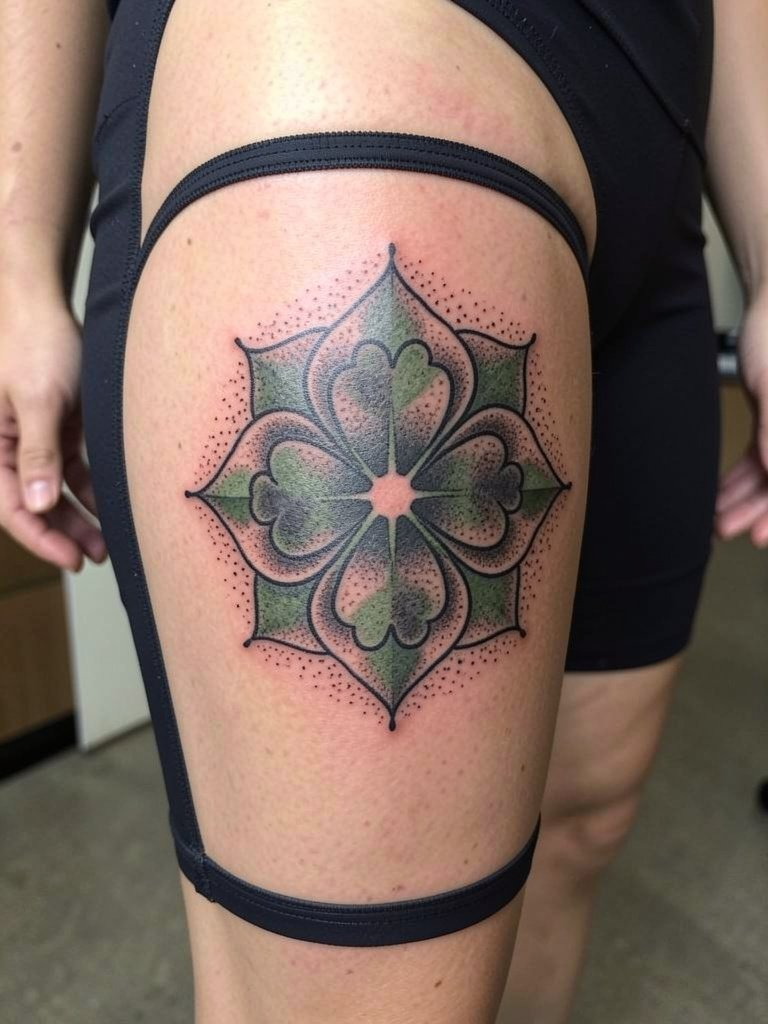
Thigh pieces handle fine detail better than wrists and fingers because the skin stretches less and receives less daily abrasion. A frequent mistake is shrinking a mandala down too small. Keep this design three to five inches across to preserve symmetry and dot-work negative space. Sessions run 90 to 180 minutes depending on detail and may require a touch-up after a year if you sit for a lot of outdoor activities. For the appointment wear loose shorts so the artist can work without fabric rubbing the area. When you want to show the piece, a mid-thigh slip dress keeps it framed.
Pre-Session Essentials
These first six placements vary a lot in abrasion and visibility, so a few session-day items smooth the experience and early healing.
-
Silicone stencil transfer paper kit. Lets you preview the linework on skin before the tattooing starts, which is especially helpful for the finger knot and collarbone chain.
-
Medical-grade fingertip protectors. Useful for cleanup and for clients getting hand or finger pieces to avoid smudging fresh outlines in the first hour.
-
Disposable arm rest pillow. Keeps the forearm or thigh steady during longer sessions and reduces muscle tensing.
-
Breathable cotton session socks. For ankle and foot tattoos where you need to keep feet clean while moving through the studio.
-
Aquaphor healing ointment. Fine for the initial thin-layer protection many artists recommend during the first 48 hours for small linework pieces.
7. Tiny Harp Behind the Ear
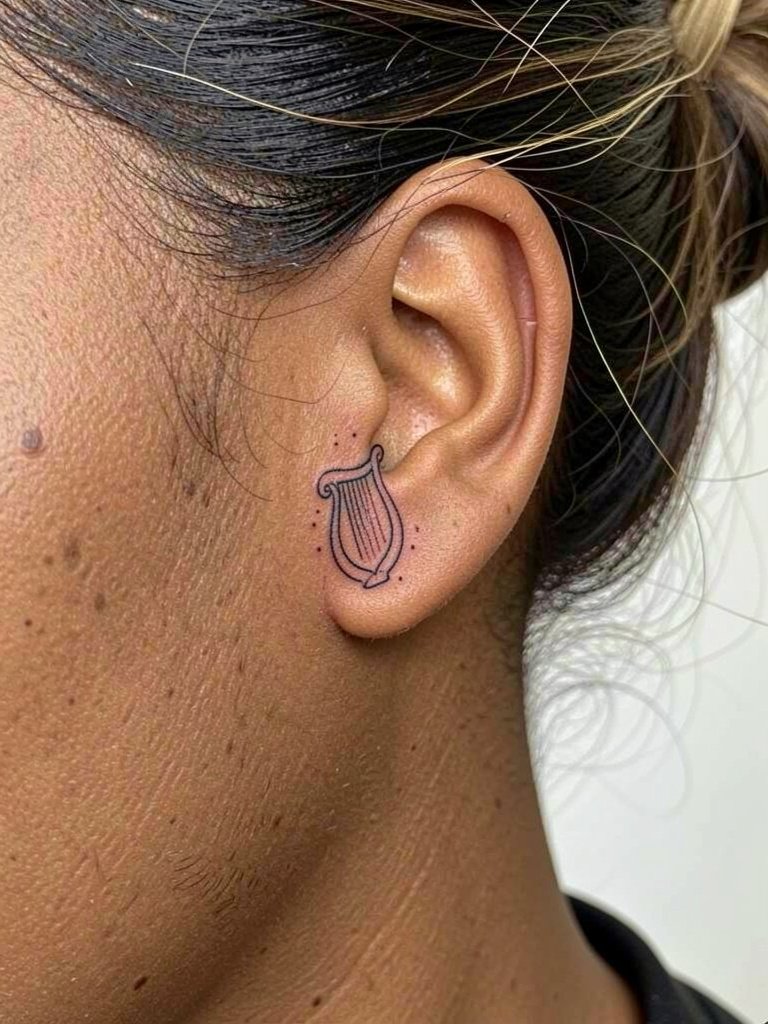
Behind-the-ear tattoos are discreet and can be a neat nod to Irish music motifs. The skin there is thin and the area heals differently than the neck. A common mistake is expecting dense shading to survive without feathering. Keep it primarily linework and small dots, and plan for a touch-up at six to twelve months if you want solid saturation. The session is quick and the pain is moderate. For healing, keep hair away with a soft scrunchie and when showing it off try a loose updo paired with simple hoop earrings.
8. Green Watercolor Clover Splash on the Forearm
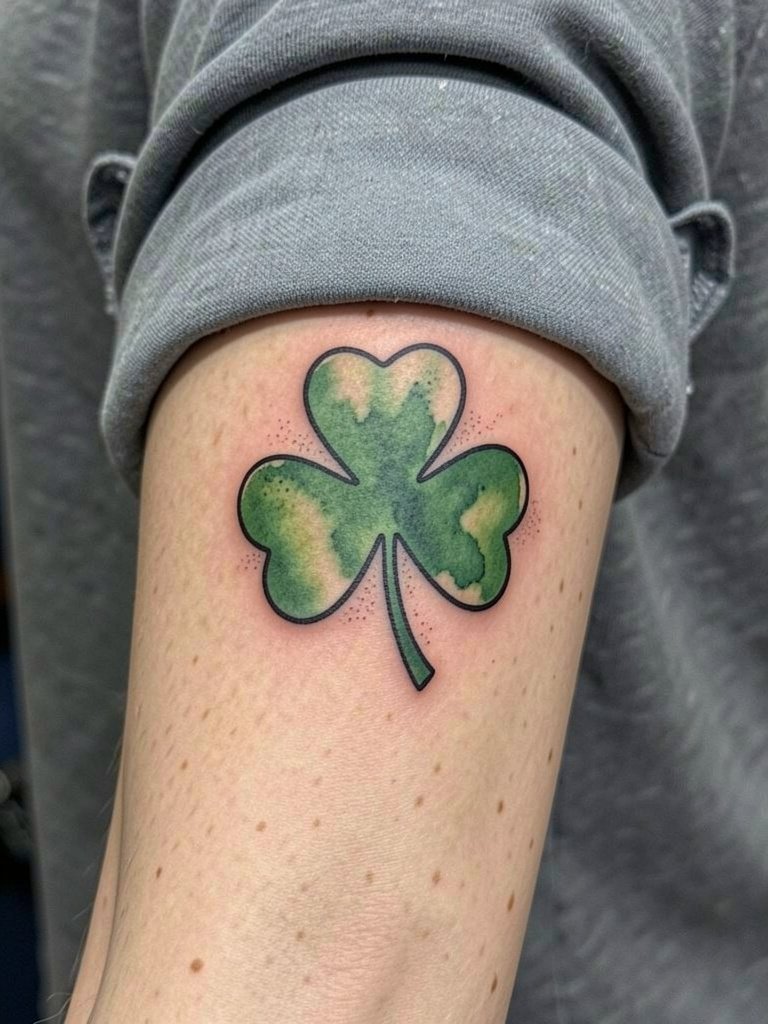
Watercolor washes look lively on the forearm but require a careful balance between loose pigment and defined edges. The mistake is asking for a full watercolor effect with single-needle outlines. That look often fades into a muddy patch after repeated sun exposure. Ask for saturated edges and strategic negative space that keeps the shamrock shape readable as the color softens over years. Expect a 60- to 120-minute session and possible touch-ups at two years. Show it off with rolled sleeves to keep the arm visible and avoid constant sun.
9. Celtic Cross Micro on the Upper Back
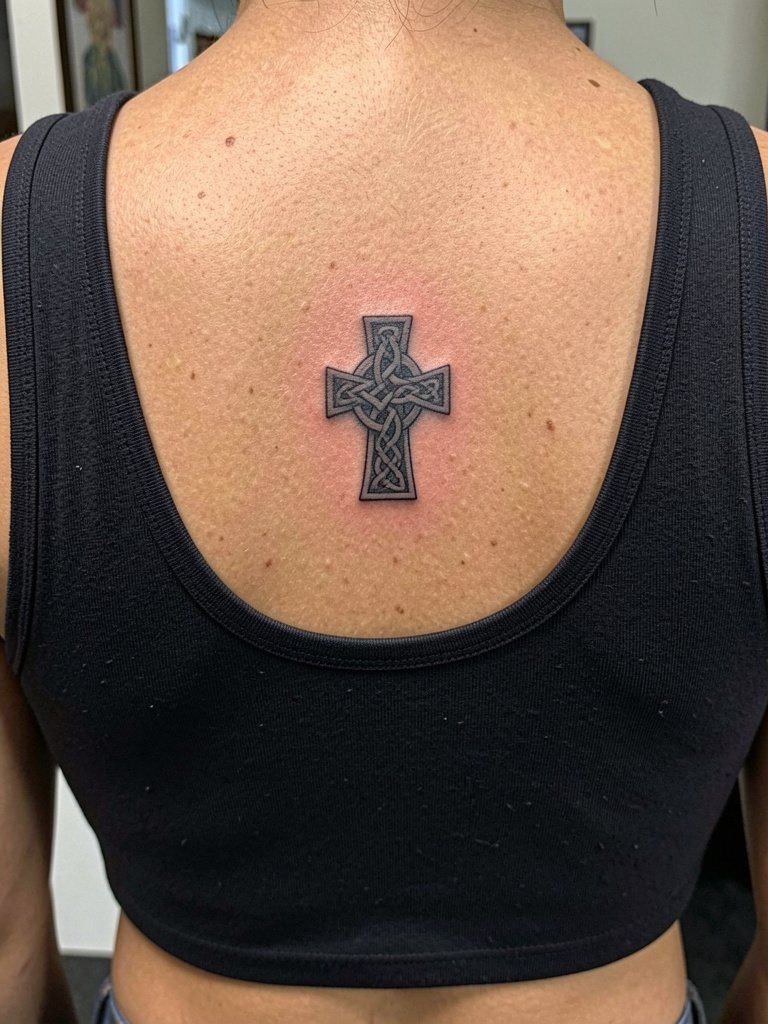
Celtic crosses are loaded with cultural and religious origins so proceed with respect and context. For many this symbol carries spiritual meaning, and for others it represents heritage. Artists and clients differ on how ornate to go. One camp argues that dense knotwork looks best and ages well if sized correctly. The other camp warns that too much small knot detail blurs on the back unless the piece is scaled larger. If you choose a micro cross, keep the knotwork simplified and plan for a longer session if you want detail.
10. Claddagh Mini on the Side Finger
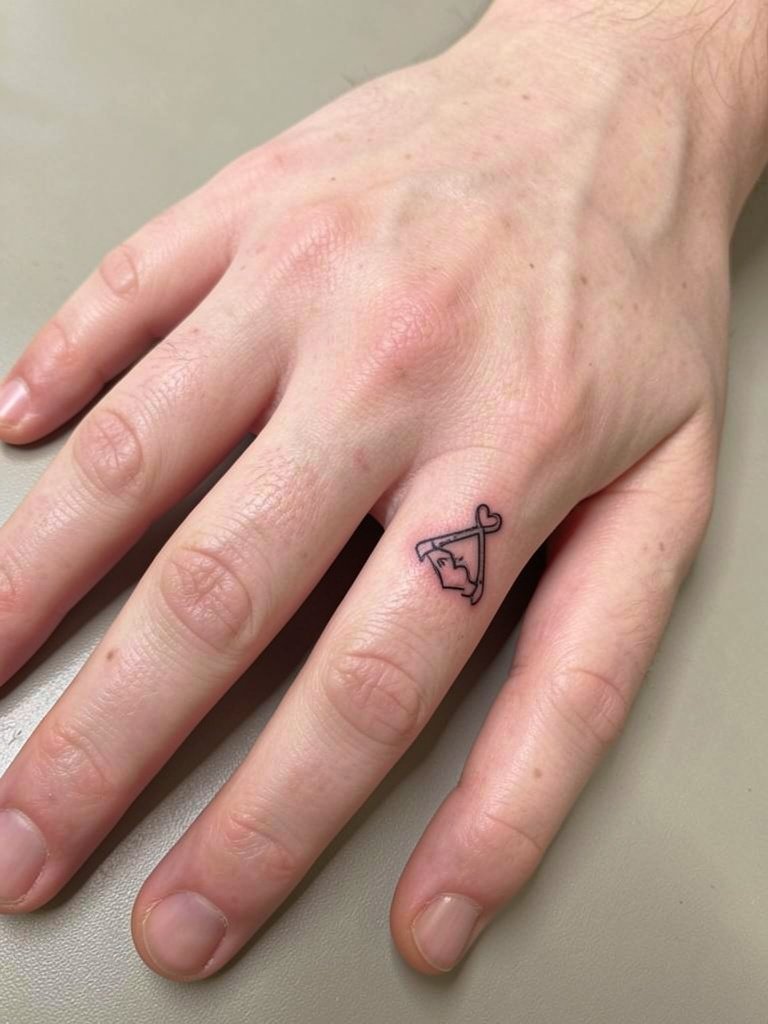
The Claddagh is a classic Irish motif representing love and loyalty, so consider the cultural meaning before taking it as flash. Side-finger placement is intimate and sees a lot of abrasion. Avoid super-thin outlines. Ask for slightly bolder single-pass linework and expect a touch-up within a year if you use your hands frequently. The session is under an hour and pain is moderate. When showing it off wear short-sleeve shirts and minimal hand jewelry so the symbol remains the focal point.
11. Horseshoe in Dot Outline on the Calf
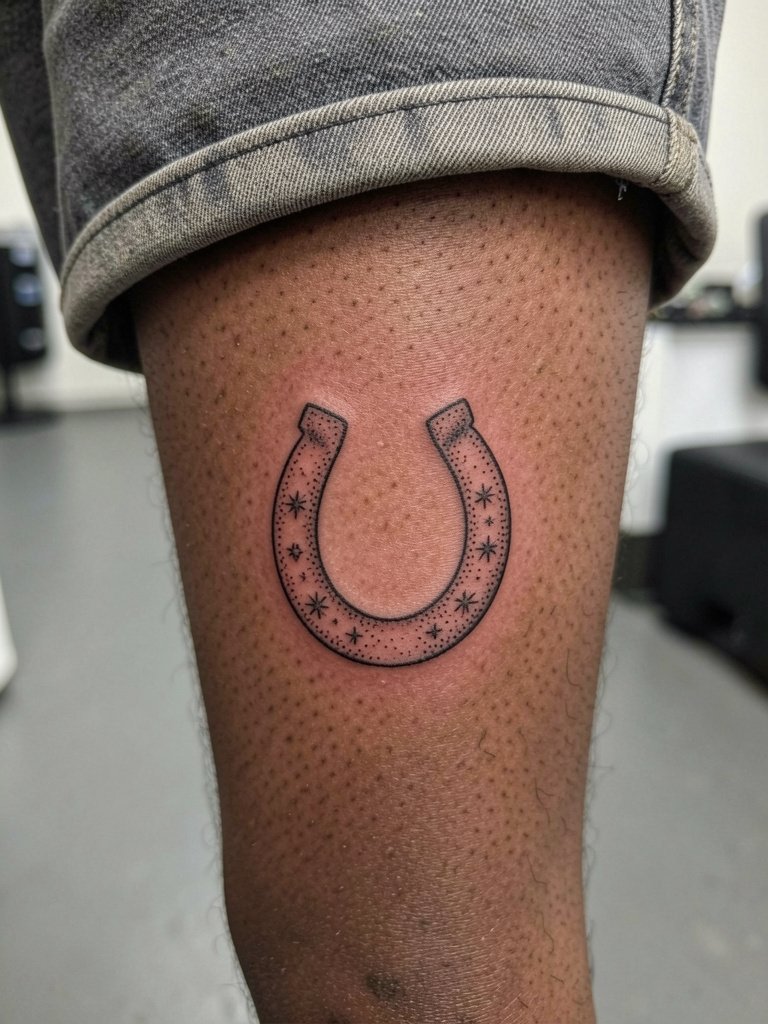
Calf pieces tolerate dotwork nicely and age with less distortion than hands or feet. The common mistake is bunching dots too close, which can read as a blur on some skin tones. Keep spacing intentional and plan for a longer session if you want density. Sessions vary from 60 to 120 minutes. For comfort wear loose athletic shorts to the appointment so the artist can position your leg without fabric bunching. This placement photographs well in casual looks and sandals.
12. Gaelic Script Line Across the Ribcage
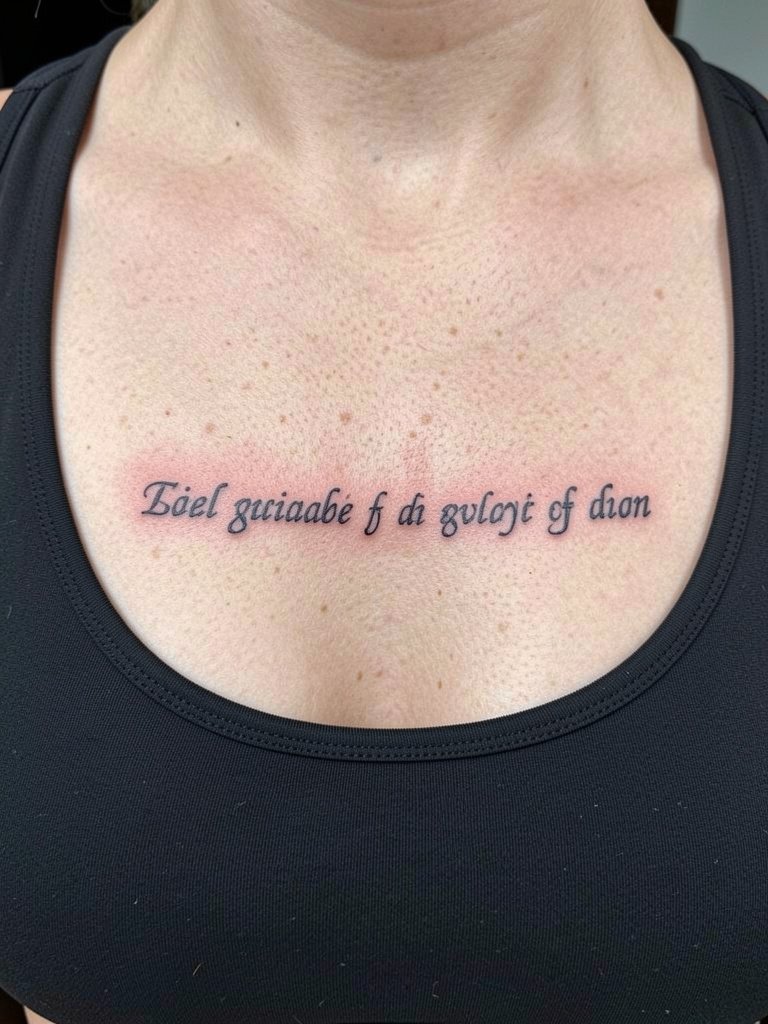
Ribcage scripts can look beautiful but are a common source of debate. One camp warns that fine line on ribs blurs within two years because the skin stretches and shifts with breath. The opposing camp insists that with proper needle depth and slightly wider spacing the script settles well, and they will point to their healed portfolios as evidence. If you want this area, increase letter spacing slightly and expect the session to be more painful than forearm work. Plan for a touch-up at one year depending on how your skin settles. For the appointment wear a fitted sports bra so the artist has unobstructed access.
13. Pocket-Sized Rainbow Arc on the Wrist
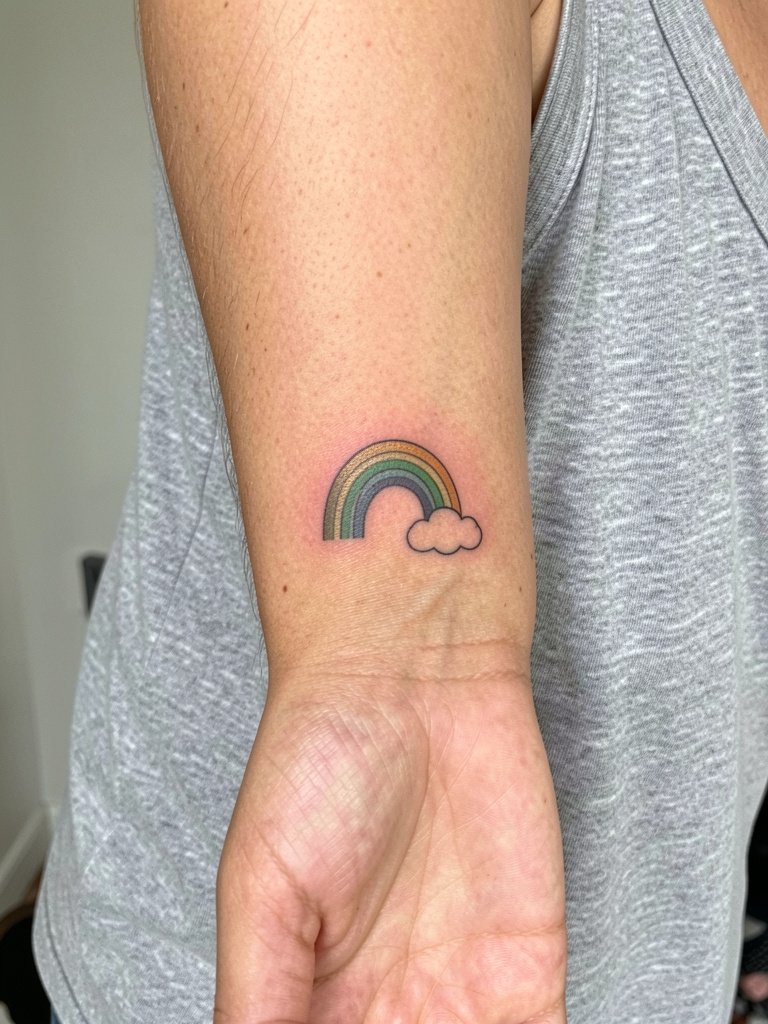
Wrist rainbows are fun but watch the color choice. Bright greens can lose saturation faster than black outlines. A common mistake is squeezing too many colors into a half-inch arc. Keep the palette to three to five muted bands and ask the artist to pack saturation into the outermost bands to preserve contrast. The session is short, around 30 to 60 minutes, and you may want a color touch-up at one to two years. When you want to show it off pair with a slim leather watch strap that leaves the rainbow visible.
14. Lucky Penny Micro Realism on the Thumb
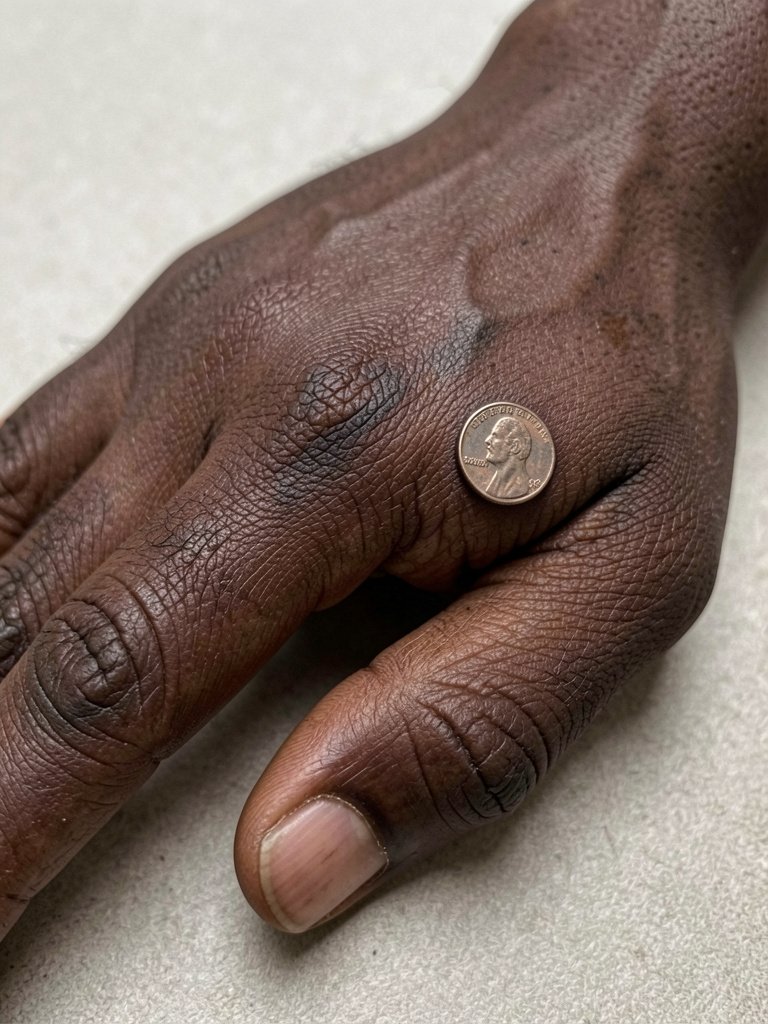
Micro-realism on thumbs demands crisp micro-linework and consistent saturation. The thumb receives constant friction, which makes small realism details fade faster than on flatter areas. Size it slightly larger than your reference to keep the stamped year legible over time. The session may be quick but expect higher touch-up frequency. For showing it off consider minimal hand creams and a thin cotton glove liner while doing heavy chores in the first week to reduce rubbing.
15. Botanical Irish Flora Sleeve Accent
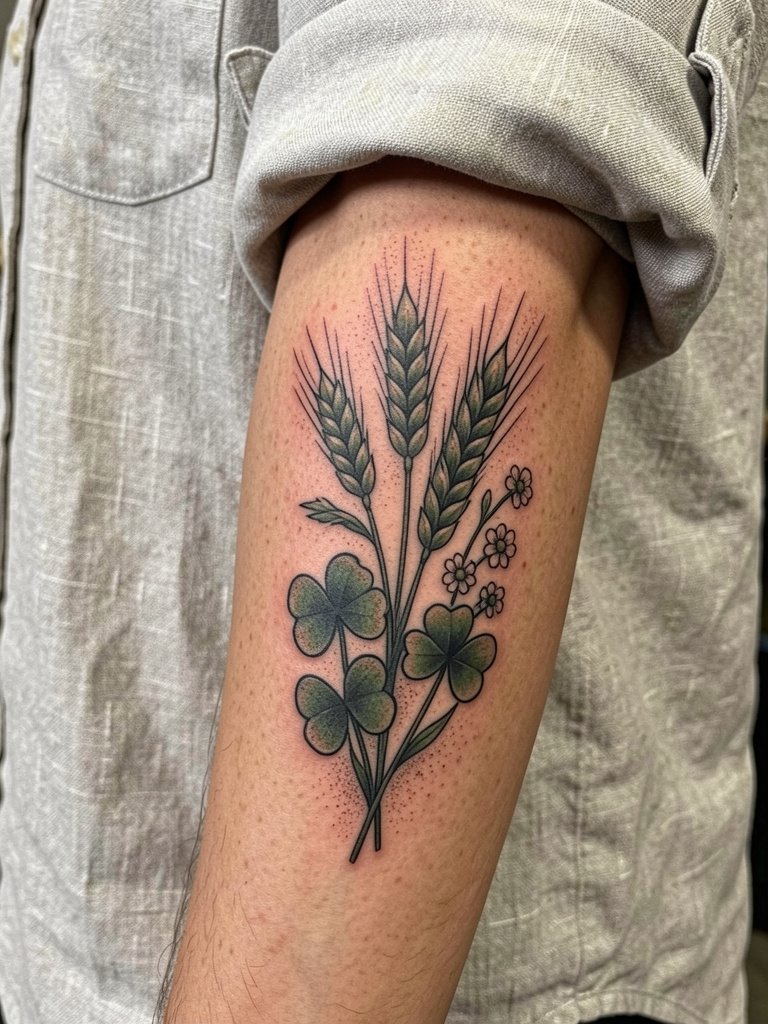
Floral accents that nod to Irish flora make a sleeve more personal than a flash-only shamrock motif. The mistake is trying to cram full sleeve density into a single session. Plan this as staged sessions so saturation remains controlled and healing is smooth. Expect each session to be two to four hours with touch-ups after the set is complete. For wardrobe that complements a developing sleeve, choose rolled linen sleeves that frame the work without covering it. If your design borrows from Gaelic patterns acknowledge origins respectfully with simplified knotwork rather than direct cultural replication.
16. Minimalist Coordinate Tattoo to Ireland
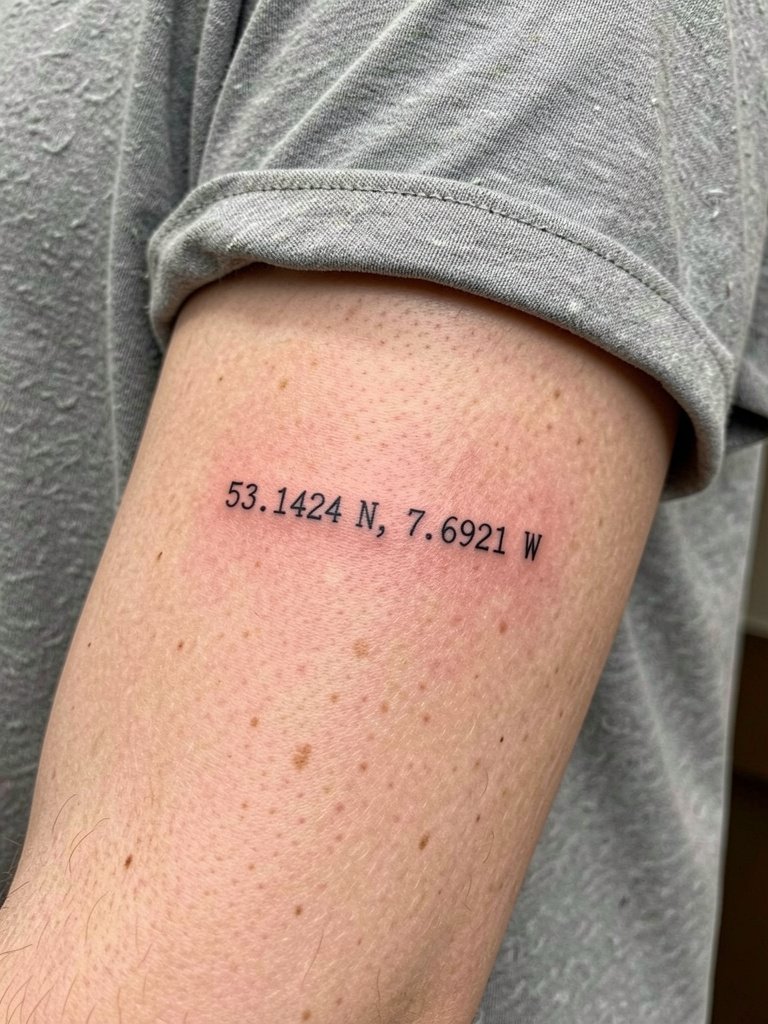
Coordinates are a clean way to reference a place tied to Irish heritage. Keep the font simple and increase size slightly compared with digital reference so the numerals remain readable as the skin moves. The inner forearm is forgiving for single-line text and heals predictably. Sessions are short and touch-ups rare if you avoid sun exposure. For showing the coordinates, pair with a thin cuff bracelet that does not rub the ink.
17. Traditional Leprechaun Hat Neo-Traditional on the Bicep
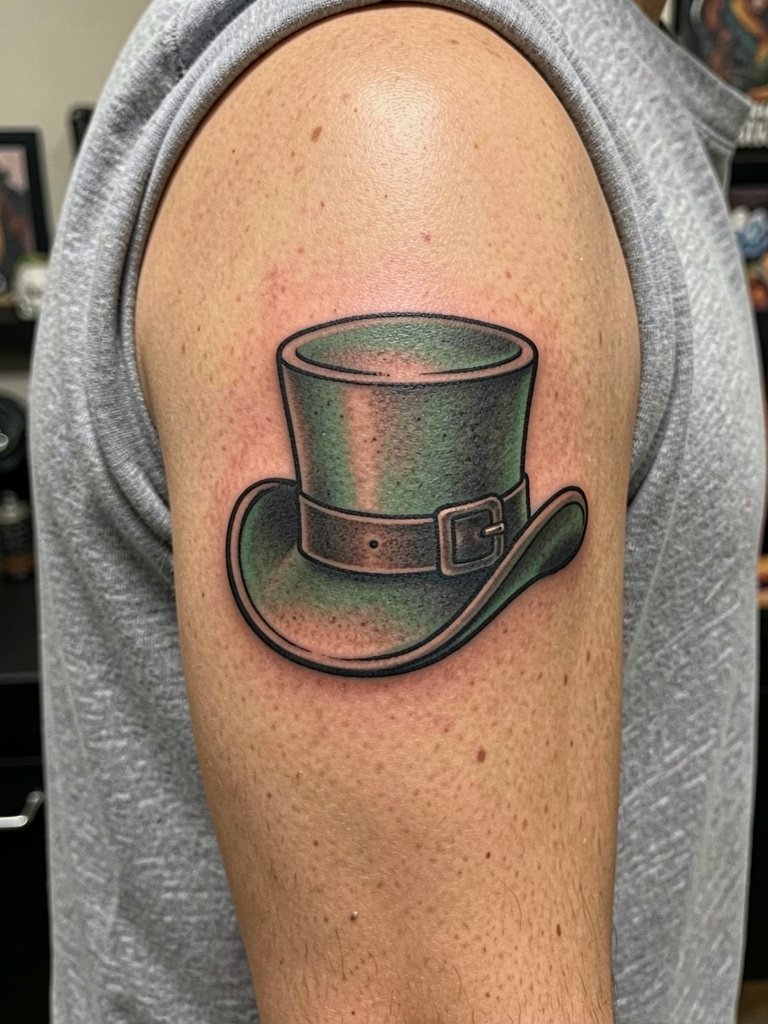
A neo-traditional hat reads strongly on the bicep because the muscle gives the shape presence. The common mistake is insisting on tiny ornate buckle detail that disappears as skin settles. Opt for bold fills and a simplified buckle to age well. Sessions range from 60 to 120 minutes. For the session wear a sleeveless top so the artist can work without fabric interference. When you want the piece visible, short sleeves and a cotton tank top work well.
18. Compass with Irish Rose on the Shoulder Blade
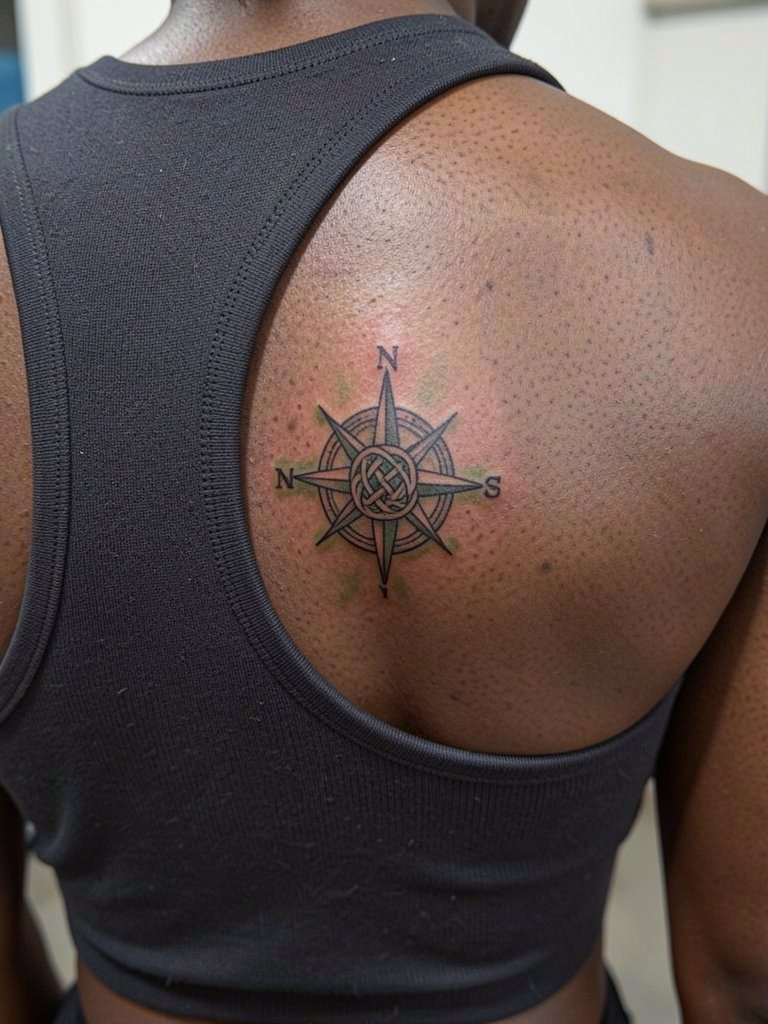
Shoulder-blade compasses sit on a flat canvas and maintain linework well. The risk is attempting tiny inner knot detail that blurs over time. If you want knotwork in the center, make it larger than the reference. Sessions take 60 to 150 minutes depending on detail. For the appointment wear a fitted cropped tank so the artist can access the placement easily. For evening looks a strappy slip dress keeps the shoulder blade visible and frames the compass.
19. Lucky Charm Stack on the Collarbone
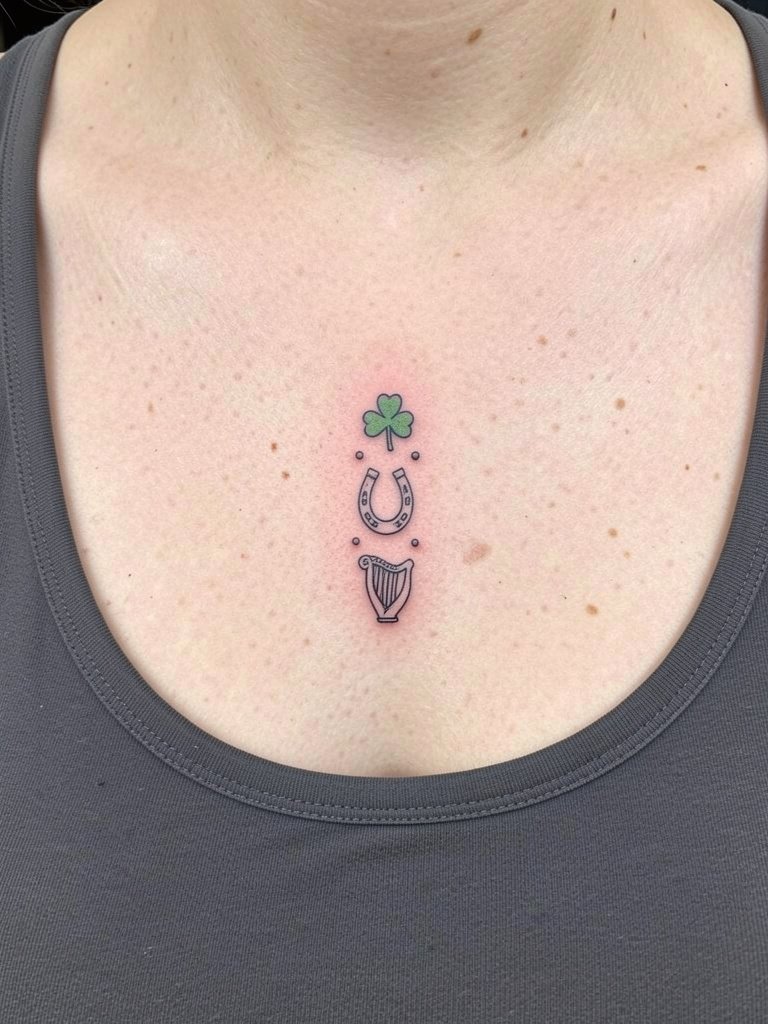
Charm stacks are versatile and photograph well along the collarbone. A frequent error is packing the symbols too tightly which makes spacing unreadable on healing. Keep negative space between each charm and ask for slightly heavier anchors for longevity. Session time is typically 45 to 90 minutes. For showing it off choose low-neck tops or layered delicate chains and a simple pendent necklace.
20. Barley Sheaf Linear Work on the Ribcage Side
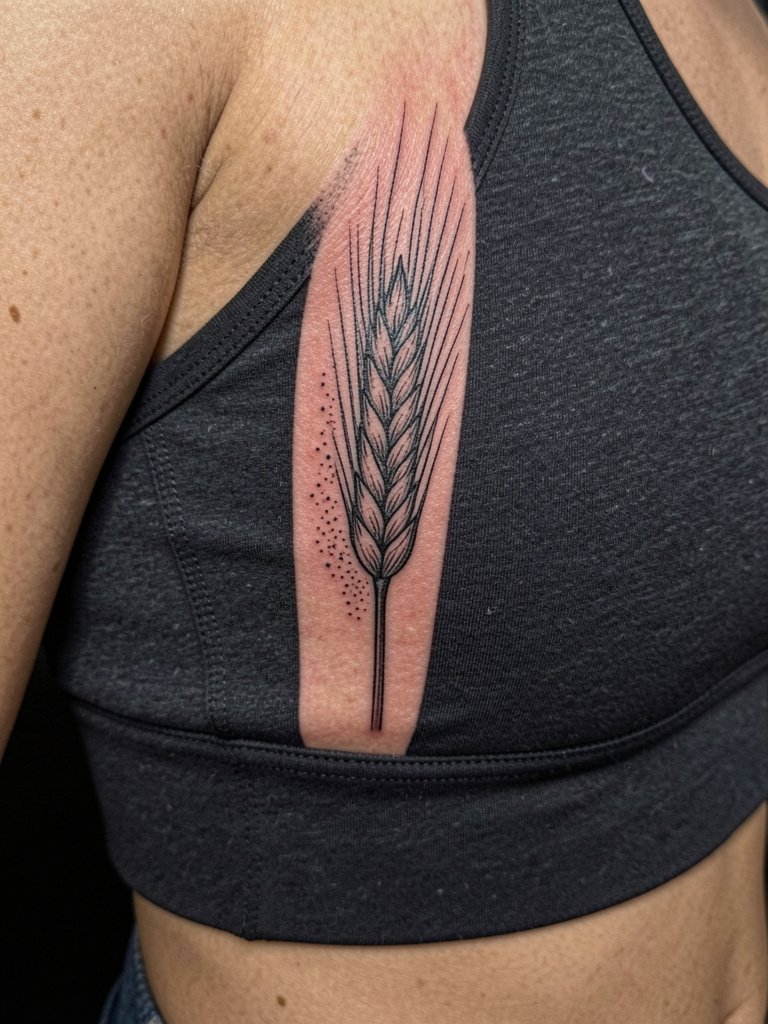
Ribcage pieces like a barley stalk can be elegant but come with pain and stretching concerns. One camp sees linear ribcage work as prone to movement-related distortion. The other camp notes that with slightly bolder line weight and careful spacing, the design remains readable for years. If you choose this area, expect higher pain and schedule shorter sessions to manage discomfort. For the appointment wear a fitted cropped top so the artist has unobstructed access.
21. Pocket Shamrock Inside the Wrist
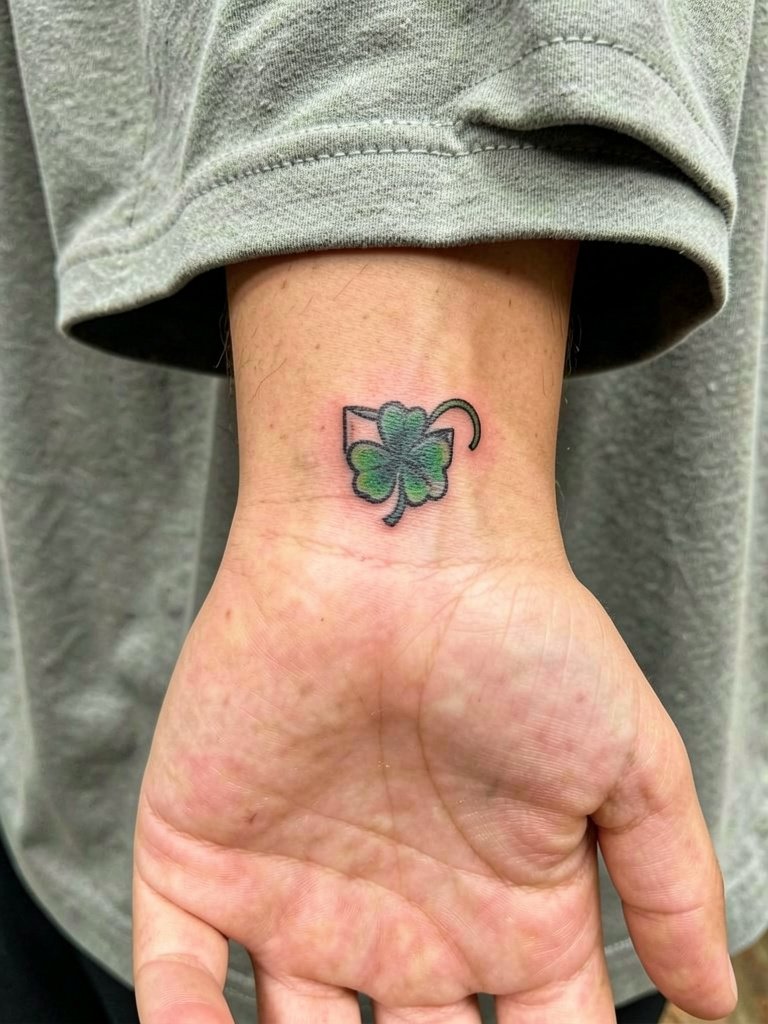
The inside-wrist pocket shamrock is intimate and often photographed in ring shots, so keep proportions in mind. Avoid asking for micro-detail inside such a small silhouette. Slightly heavier outline preserves shape and prevents the green wash from spreading into the crease. Sessions are quick and pain moderate. For showing it off pair with a thin braided wrist cuff that does not rub the fresh ink.
22. Emerald Gem Dotwork on the Nape
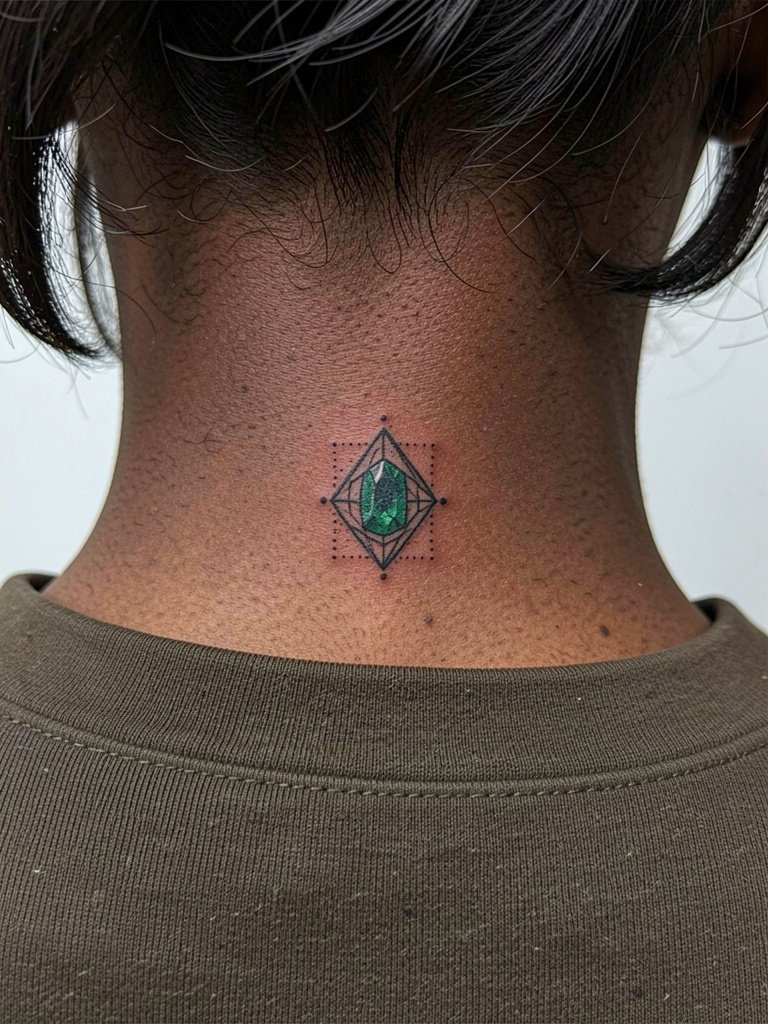
Nape tattoos are discreet but visible with many updo hairstyles. The small gem design benefits from dotwork for dimension rather than heavy black fills which can look blocky on the nape. The session is short and healing is usually straightforward. For the appointment pull hair into a natural updo and for showing it off choose hair clips or a high ponytail and a simple hair claw that does not press on the tattoo.
23. Emerald Ring Flash on the Palm of the Hand
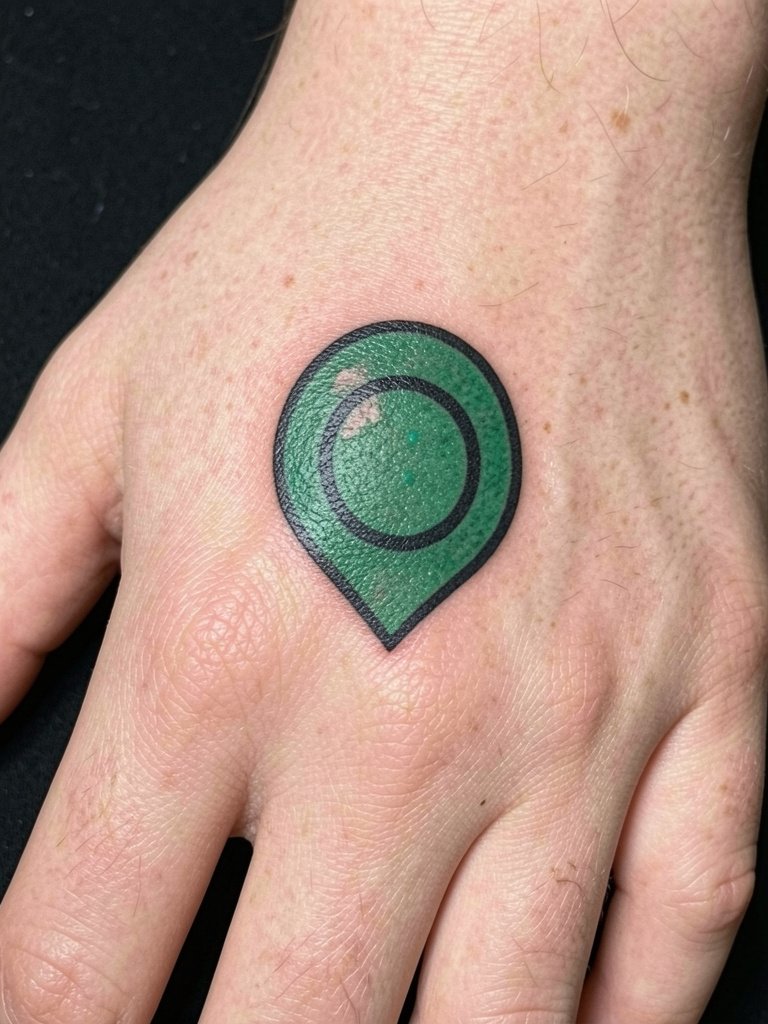
Palm tattoos are high-maintenance and prone to rapid fading because the skin regenerates faster there. One group of artists avoids palm placements for detailed work and suggests alternative visible placements. Another group will tattoo the palm but warns the client about short-lived saturation and the expectation of frequent touch-ups. If you choose a palm flash, keep the design simple and bold and accept regular maintenance. The session is quick but may require follow-up visits within months. For healing avoid heavy hand tools and choose soft fabric gloves when doing chores in the first week.
Frequently Asked Questions
Q: How do I find healed St Patrick's Day flash photos for my artist without naming individual artists?
A: Search platform tags and keywords like "St Patrick's Day tattoo healed," "Irish flash healed," and "Celtic flash healed" on social apps and portfolio sites. Use location filters to see nearby shops and scan Reddit tattoo threads for healed photos across different skin tones.
Q: Which placements need touch-ups most often from this list?
A: Fingers, palms, and high-friction ankles usually require the most frequent touch-ups because of skin movement and washing. Collarbones, forearms, and upper back tend to hold linework longer. Expect at least one touch-up in the first year on hand and finger pieces.
Q: I want Gaelic script on my ribcage. What should I tell the artist about sizing and spacing?
A: Specify increased letter spacing and request a slightly larger baseline so each character retains clarity as the skin settles. Bring examples at actual printed scale so the artist can show how the text reads at three inches versus five.
Q: Are there wardrobe items that help show off collarbone and forearm pieces while protecting fresh ink?
A: Yes. For collarbone work choose wide-neck tops and open-back dresses that do not rub the healing area. For forearms, rolled sleeves and breathable linen shirts keep the skin visible and reduce sweat buildup. Consider a silk scarf to protect the area from sun when outdoors briefly.
Q: Is cultural sensitivity necessary for Celtic knot or Claddagh designs?
A: Yes. These symbols have historical and cultural meaning for many people. If you choose them, avoid direct appropriation by learning the origins and opting for simplified or personalized versions that acknowledge respect rather than copying sacred imagery.