
Fine line shamrocks and minuscule leprechaun hats are all over feeds this week, but tiny St Patrick's Day pieces that still read clearly after a few years are not always the ones getting the most saves. What holds up is spacing, contrast, and placement that avoids constant friction. Below are small, wearable ideas that keep their charm without fading into a blur, starting with pieces that work best on exposed skin.
1. Tiny Shamrock on the Ankle
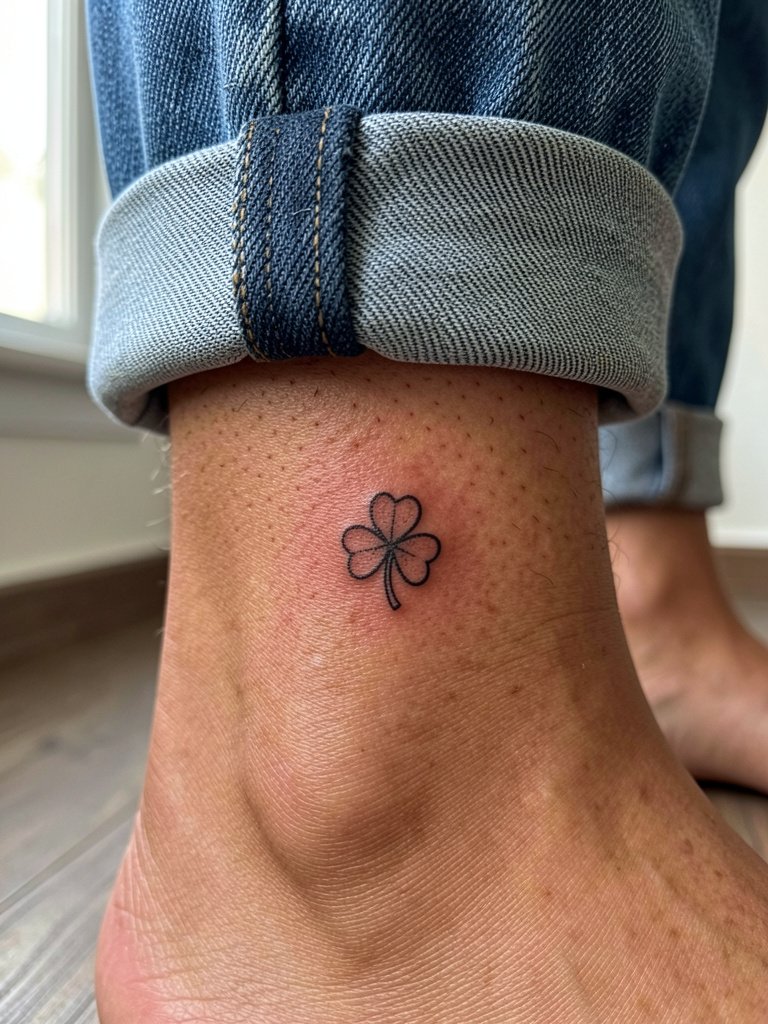
Ankle pieces face daily friction from socks and shoe collars, so a compact silhouette outperforms tiny filigree here. Expect light settling at six months and slight softening by year two, especially if you wear tight boots. Session time is short, usually under 30 minutes, with low pain for most people. A common mistake is asking for single-needle filigree at one centimeter wide, which blurs quickly. For the session wear a pair of cuffed jeans or ankle-length linen pants so the artist can access the area without tugging the fabric.
2. Fine-Line Lucky Script on the Inner Wrist
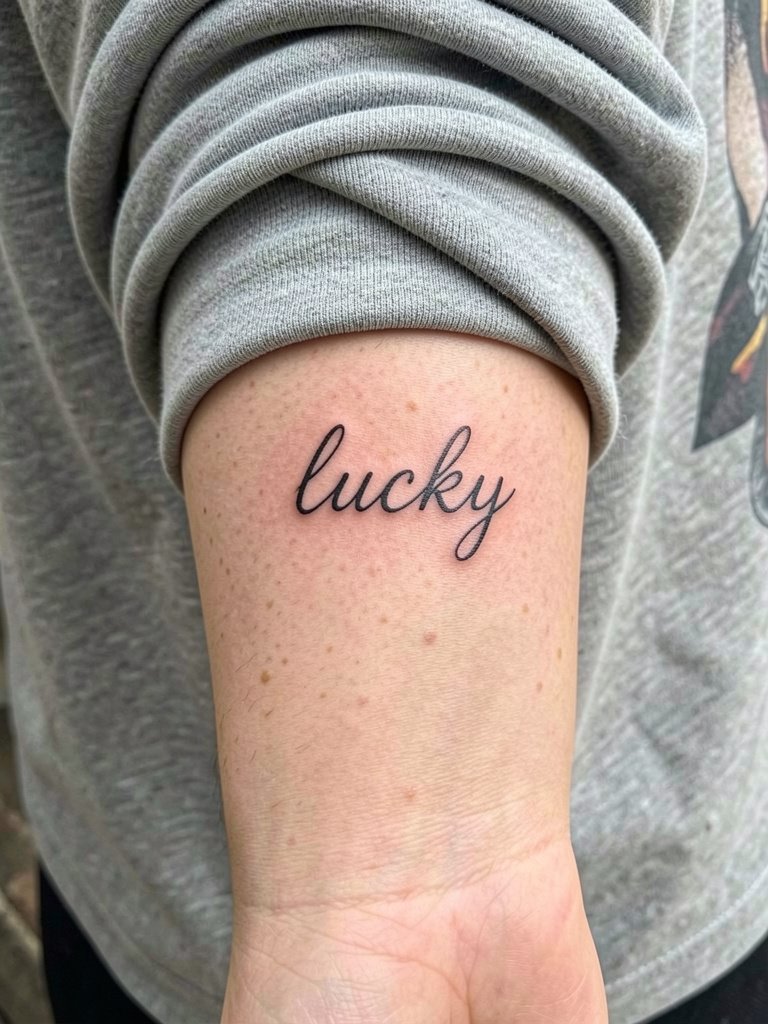
A wrist script reads intimate up close and lends itself to quick sessions under 45 minutes. The wrist eats very fine detail over time, so request slightly heavier single-needle strokes than the reference image so the letters do not vanish by year three. Discuss line weight and spacing clearly, bringing two reference scales so the artist can show how the word reads at three versus five centimeters. For showing it off, delicate bracelets pair well, try a thin gold cuff like this delicate wrist cuff that frames the script without covering it.
3. Micro Celtic Knot Behind the Ear
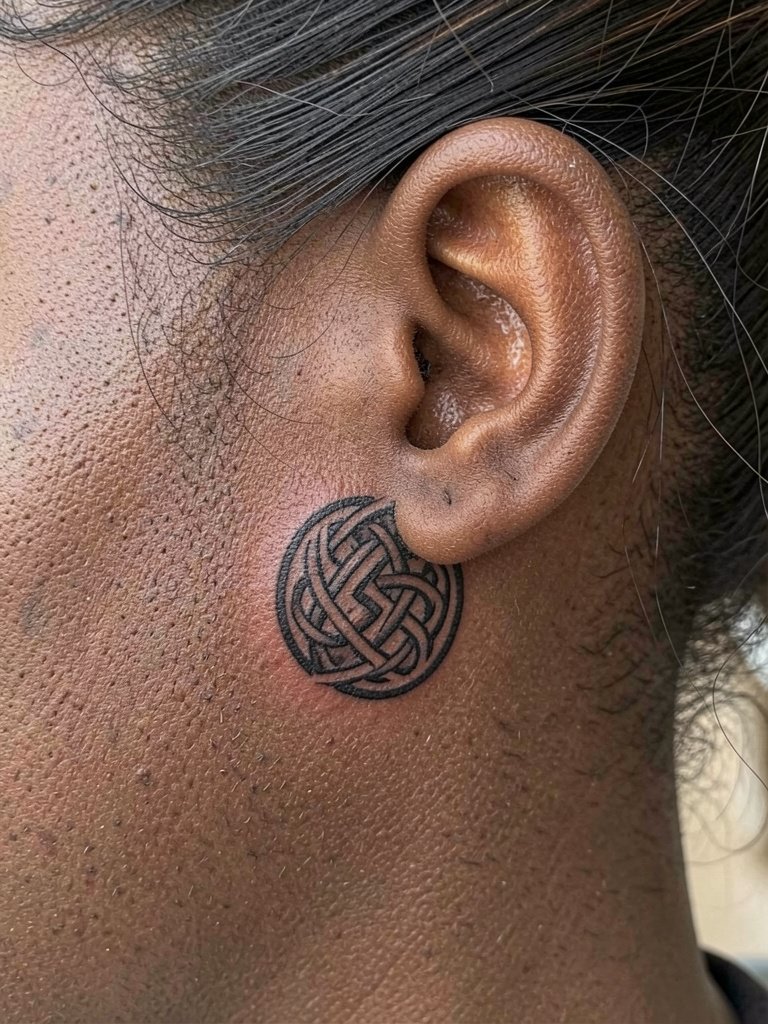
Behind-the-ear pieces are delicate and visible only in short hairstyles or updos. Pain is low but expect a slightly sharper sting due to thin skin. Because Celtic knotwork has cultural roots, consider a respectful design that references the geometry without copying sacred motifs. A common mistake is requesting an overcomplicated knot at one inch, which loses definition as it heals. If hair is kept long, wear a simple topknot to check how the piece shows with different hairstyles.
4. Mini Clover Ring on the Side Finger
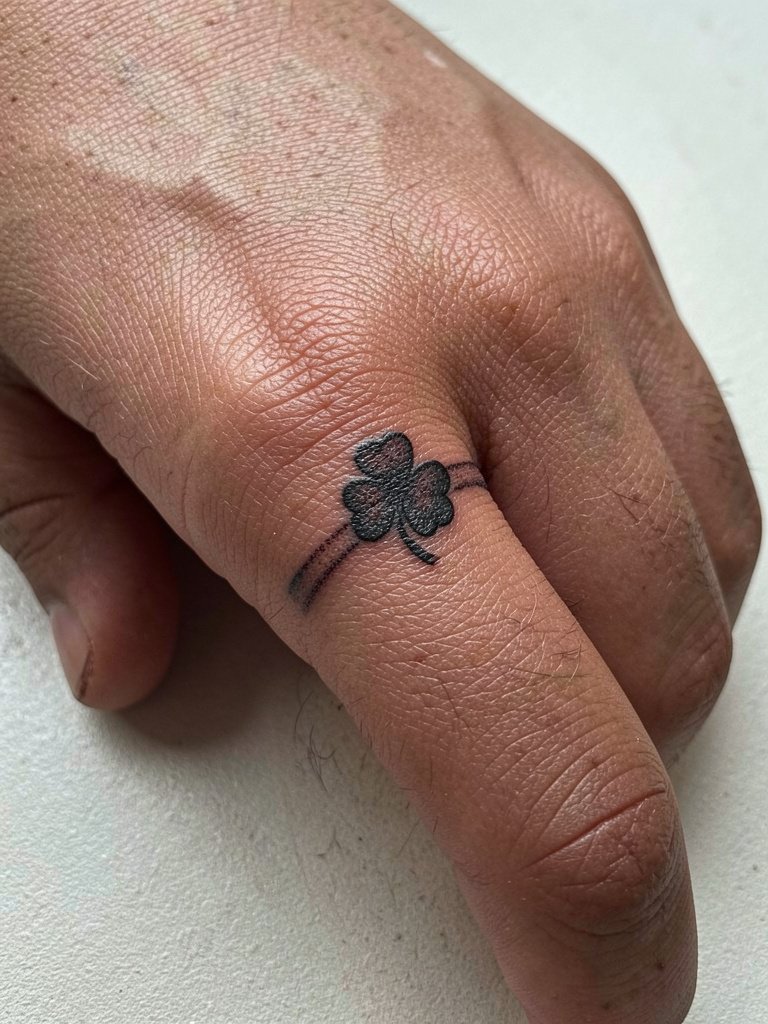
Finger-side work is charming but prone to fast fading from washing and friction. Expect touch-ups within 6 to 18 months for crisp edges. The session is quick but slightly more painful than the outer hand. Ask for a tiny increase in line weight and a shallow placement to reduce early blowout. Wearing a slim stack ring that sits next to but does not rub the tattoo helps highlight it, for example this thin stacking band. Keep expectations realistic about longevity.
5. Micro Whiskey Glass Outline on the Inner Forearm
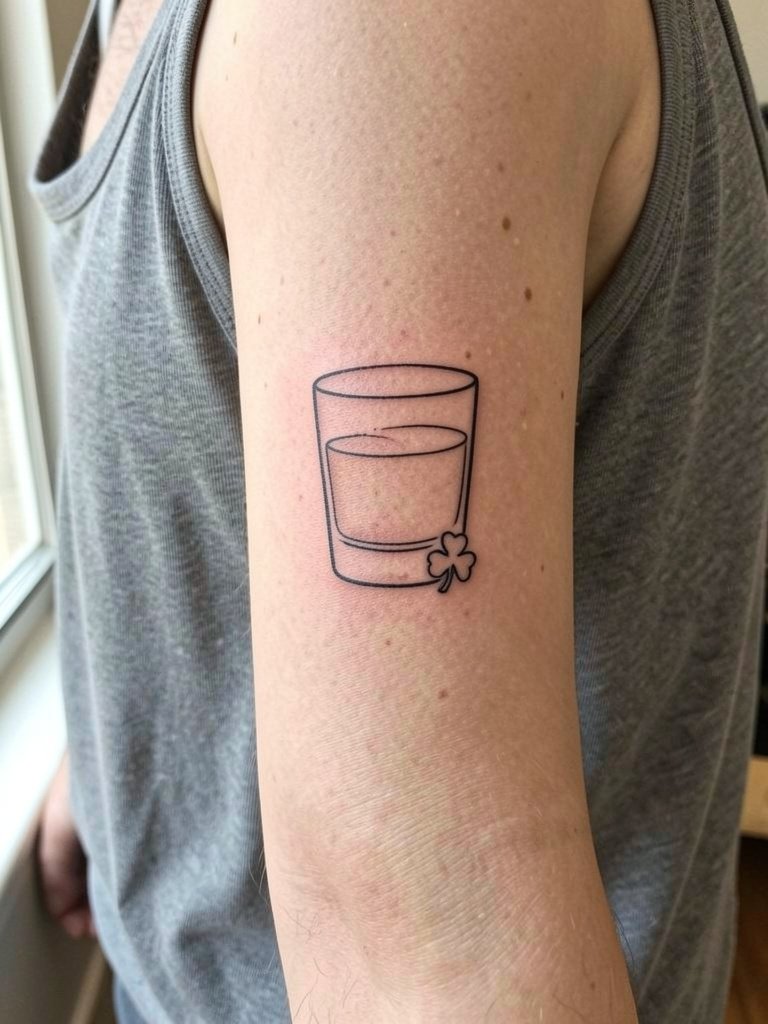
Inner forearm pieces show well and age predictably when the linework is not too fine. Visual contrast remains at two and five years if you allow a little extra space inside the outline. A frequent mistake is insisting on the hairline-thin outline copied from a photo, which softens into a soft gray line by year three. For the session, expect 30 to 60 minutes and mild to moderate discomfort. Pair this design with a rolled-sleeve linen shirt and a visible watch, such as this minimal leather watch strap, so the glass sits nicely in the frame of everyday wear.
6. Tiny Horseshoe Near the Collarbone
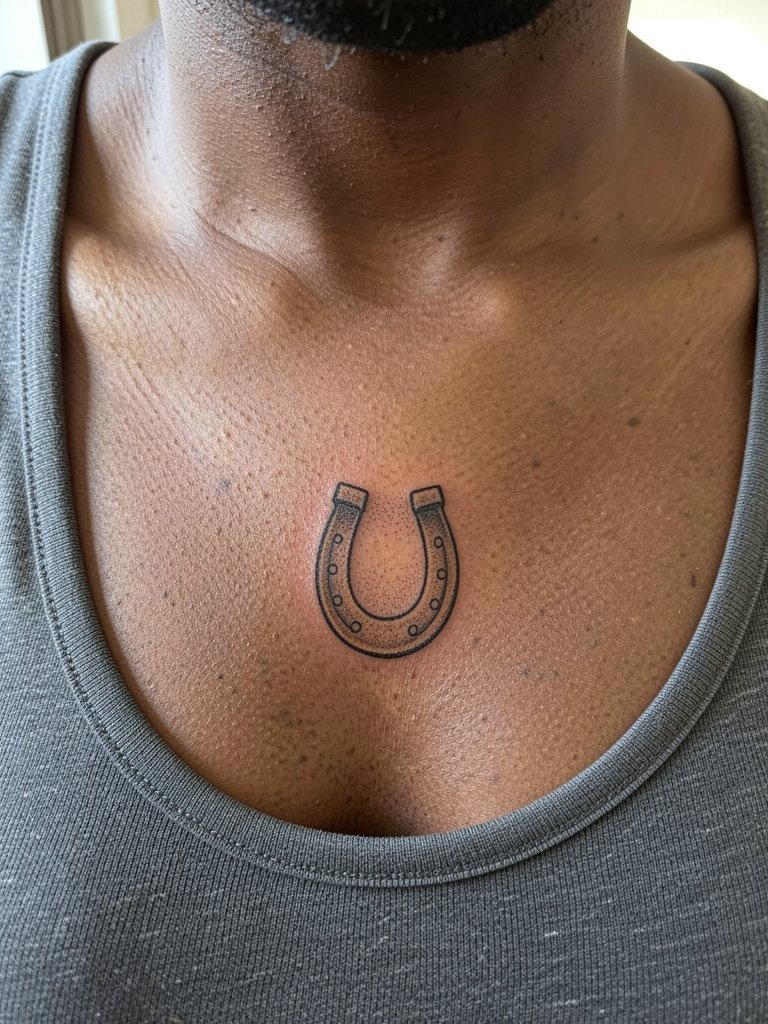
Collarbone placements are visible and photograph beautifully, but the skin is thin so lines must be planned. Pain ranges from moderate to high for some people. Ask the artist to space the nail dots and use light stipple shading rather than full saturation if you want subtlety that holds. For show-off outfits, open-neck blouses and v-neck slip tops let this piece sit cleanly at the neckline. Expect a single short session and a possible touch-up at the six to nine month mark.
Studio Day Picks
These items smooth short-session logistics for small pieces on hands, wrists, and ankles.
- Stencil transfer paper kit. Helps preview linework on skin before inking, useful for wrist and collarbone placements above.
- Plant-based topical numbing cream. Applied per instructions before a quick finger or rib touch-up eases the sting without over-numbing the surface.
- Thin medical-grade protective film roll. Keeps small ankle and finger tattoos clean during the first days of heavy movement.
- Gentle unscented cleansing wash. Mild cleansing for daily showers that avoids irritating delicate linework on the hand and wrist.
- Aquaphor healing ointment. Trusted mainstream ointment for the earliest healing window, thin applications protect micro linework without clogging.
7. Petite Leprechaun Hat on the Outer Arm
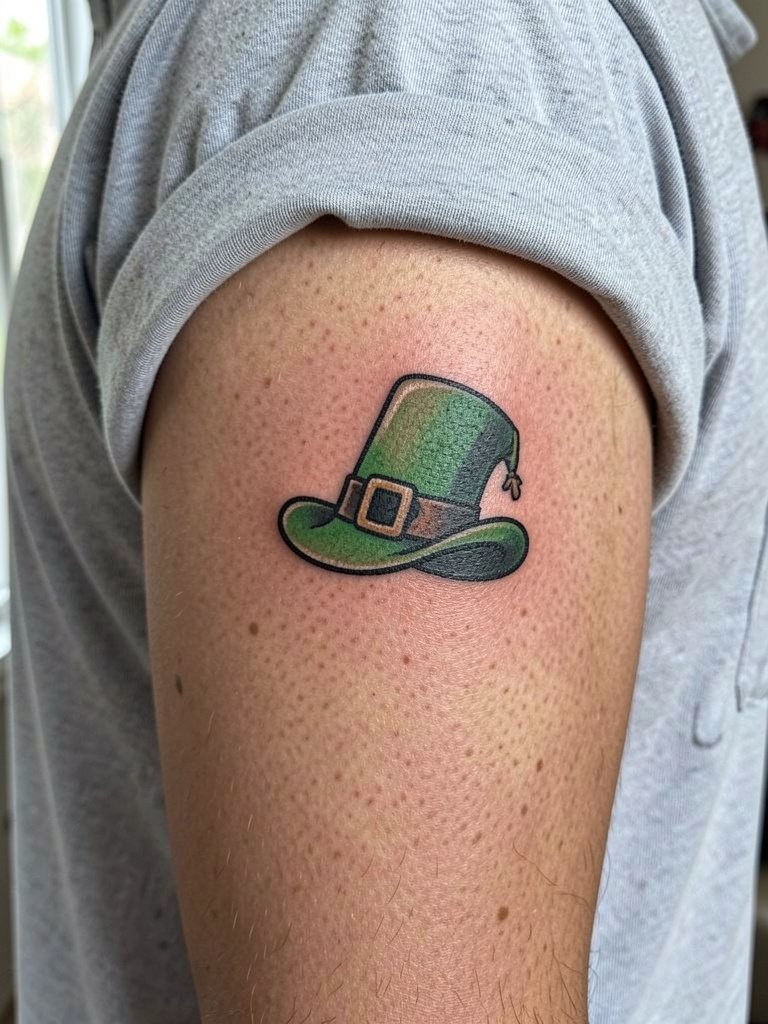
Outer arm pieces tolerate slightly heavier line weight, so bold neo-traditional outlines keep color saturated longer. This design reads well from a distance and ages evenly because the lateral upper arm sees less constant abrasion. A typical session runs 45 to 75 minutes depending on color. A mistake is requesting multiple micro-colors at one centimeter, which muddles as pigment migrates. For show-off wear choose short sleeves or sleeveless tops and consider a casual short-sleeve linen shirt that frames the arm without hiding the hat.
8. Tiny Rainbow Arc on the Wrist
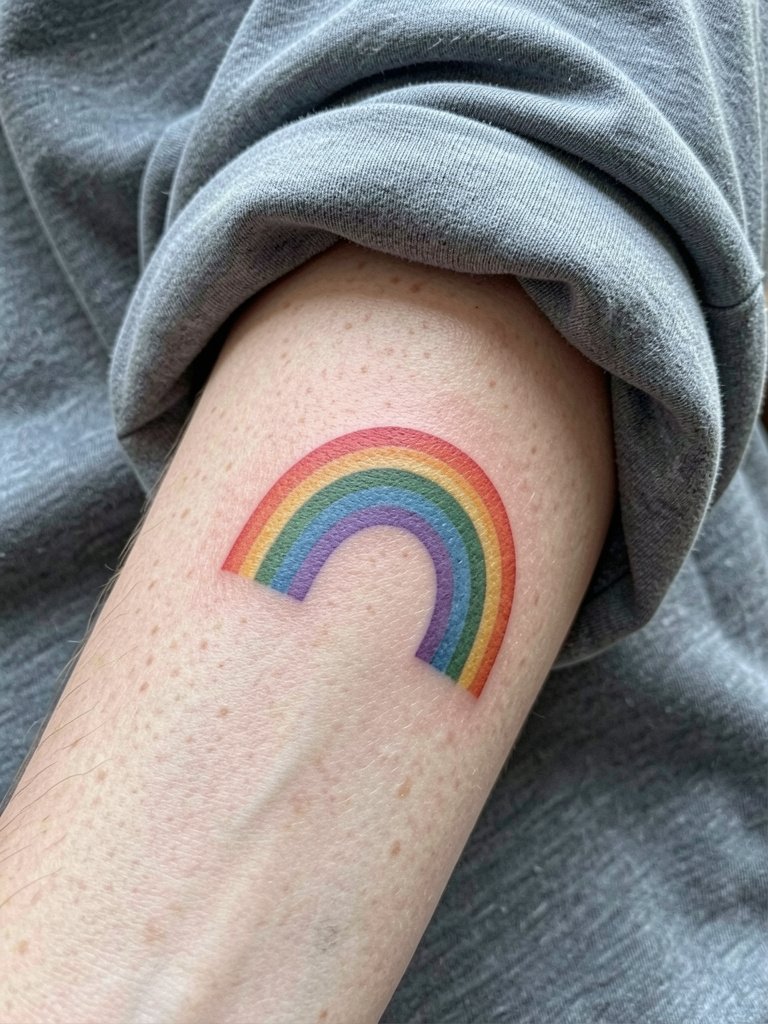
Micro color needs room to breathe, so allow 3 to 4 millimeters between bands to avoid early blending. The wrist's exposure to sun and washing fades colored bands faster than black lines. Ask for saturated pigment with slightly wider bands than your original photo to maintain visibility at two years. Session time is short, and the pain is tolerable for most. Pair this with stackable bracelets or a neutral watch strap like this minimal leather watch strap to frame the arc.
9. Micro Horseshoe on the Finger Knuckle
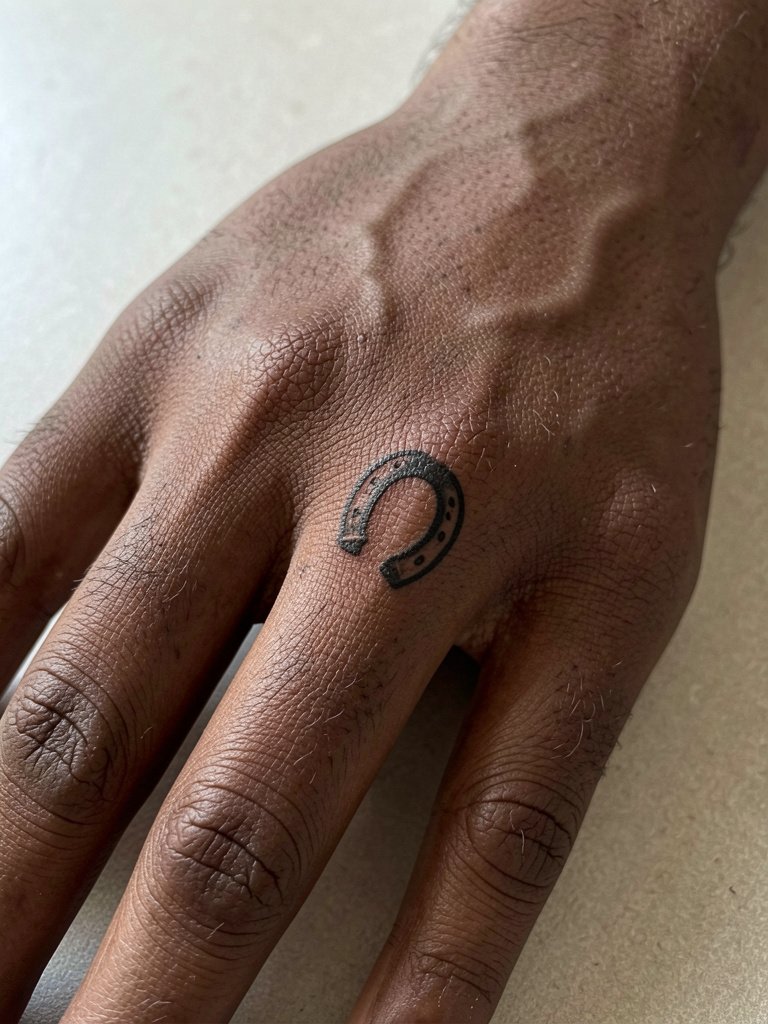
Knuckle work fades fastest of all placements because of skin renewal and constant movement. Expect the first touch-up within six months. For longevity go for a bold filled shape rather than micro lines. The session is brief but the area is more painful. Consider rings that sit above the knuckle so the tattoo itself remains visible. If longevity is a priority, a tiny horseshoe on the side finger will hold color and require fewer touch-ups.
10. Mini Celtic Cross on the Upper Thigh
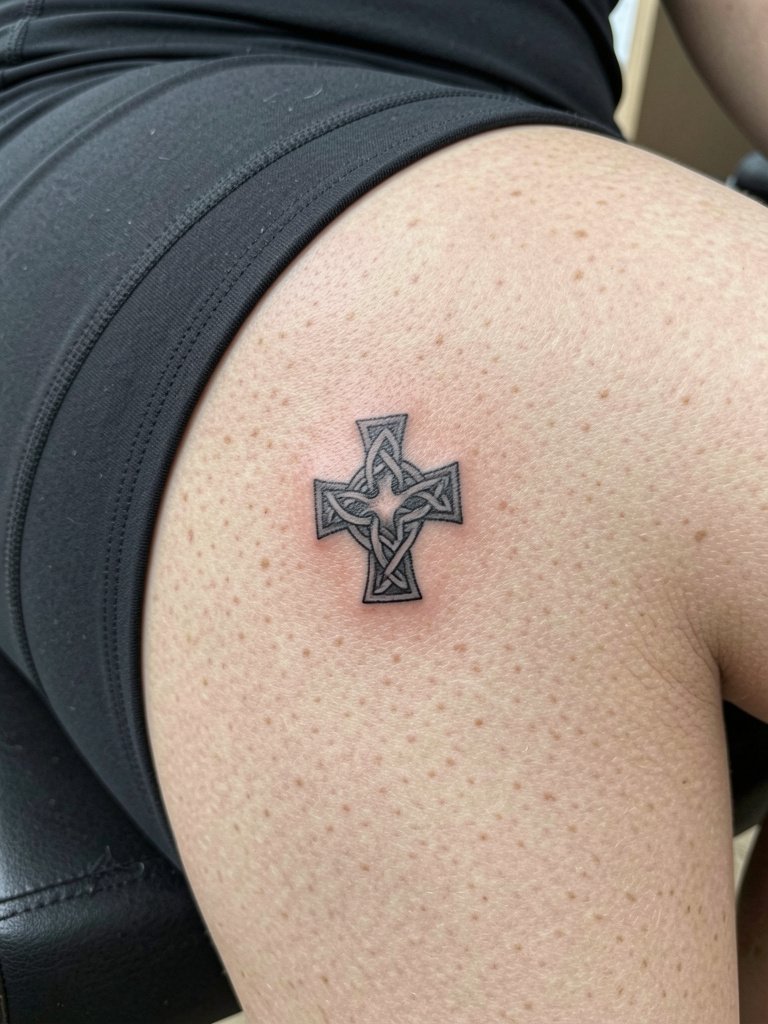
Upper-thigh pieces are intimate and hideable, so you can choose slightly finer detail than with hands or feet. Pain ranges from mild to moderate and sessions can be 30 to 60 minutes. A common misstep is making the knotwork too intricate for a small scale, which loses its definition. Because this design references cultural iconography, treat the pattern respectfully and avoid sacred variations. For session comfort wear loose shorts or high-waisted bike shorts so the artist can roll the hem up without tugging the area.
11. Micro Horseshoe Chain at the Ankle
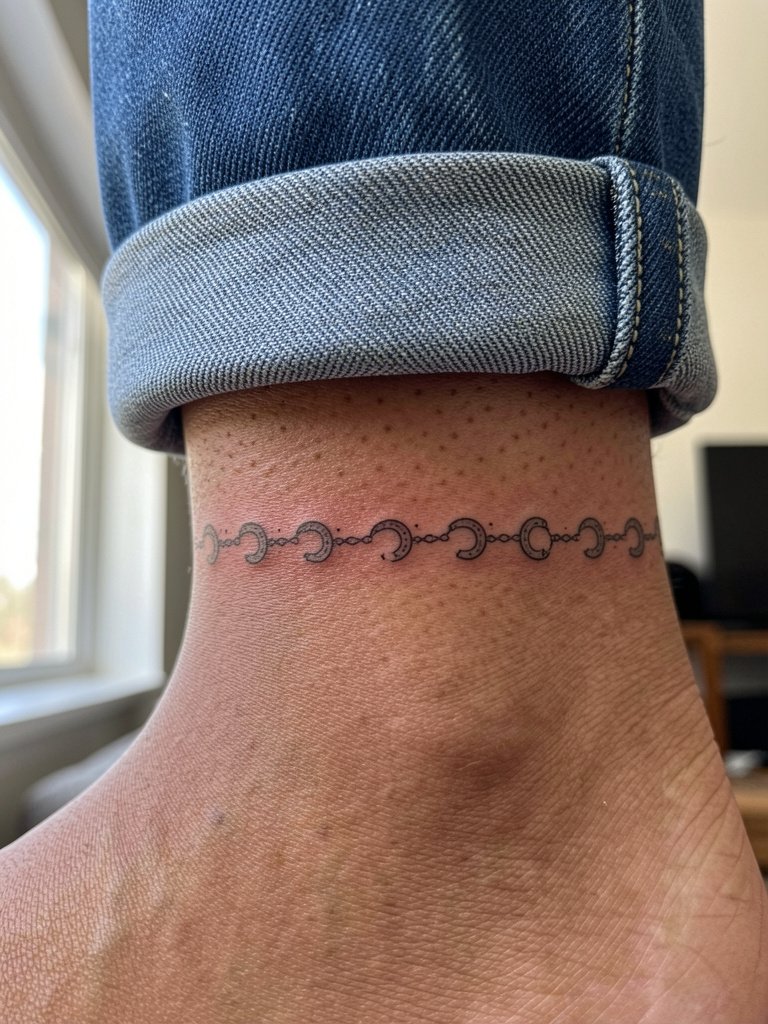
Ankle chainwork reads elegantly when spacing is consistent. Because the ankle rubs against shoe collars, ask for slightly thicker outlines and allow small gaps between elements to prevent early merging. Session time is under an hour and the area is low to moderate on the pain scale. For styling, cuffed denim or cropped trousers highlight the chain, try these cropped denim jeans that naturally reveal the ankle.
12. Mini Harp on the Ribcage
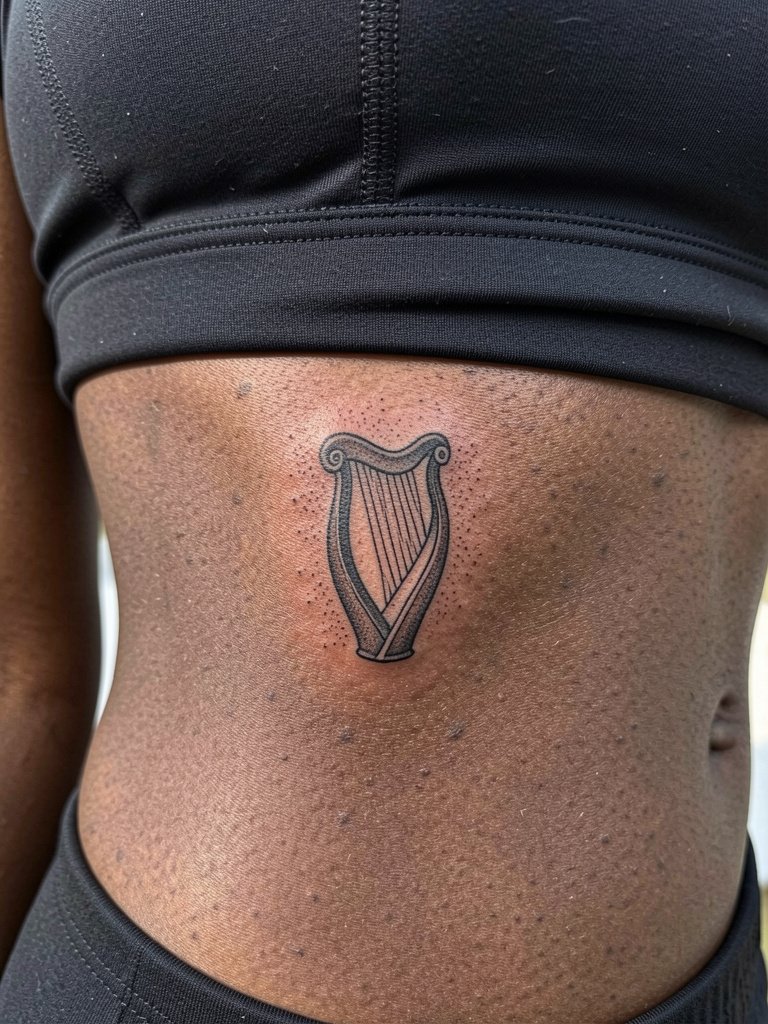
Ribcage placements are famous for sensitivity and for how they age on stretchy skin. Fine line here splits opinion. One camp argues small fine work blurs quickly because of constant stretching and movement. The other camp says slightly wider line weight and careful spacing will settle well, pointing to healed examples at three years. If you choose ribs, schedule a two-part session with short breaks and plan for a possible touch-up at the one-year mark. During the session wear a cropped top that rests naturally so the artist can access the area without fabric movement.
13. Tiny Coin Luck Symbol on the Calf
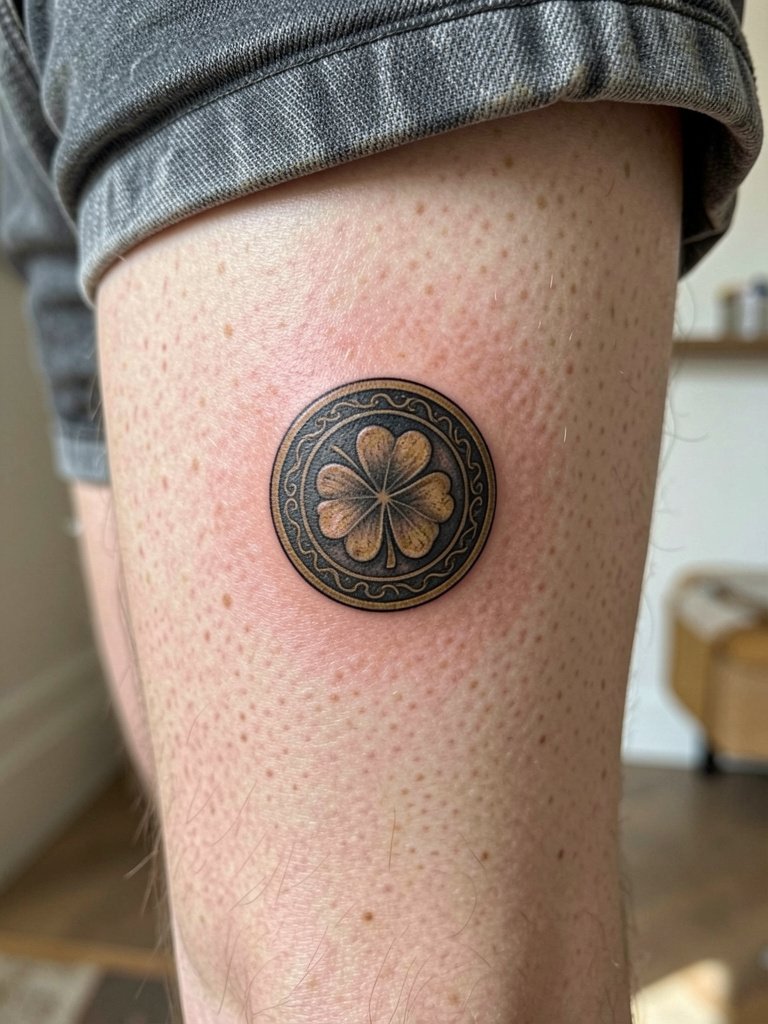
Calf placements show well and are forgiving for small circular motifs because the skin is thicker. A 30 to 60 minute session yields a piece that photographs easily. A common mistake is shrinking a coin to the size of a dime; that scale loses the inner engraving. For evening outfits a cropped skirt or mid-calf boot will highlight the motif, try pairing with mid-calf boots for a balanced look.
14. Micro Horseshoe Under the Collarbone
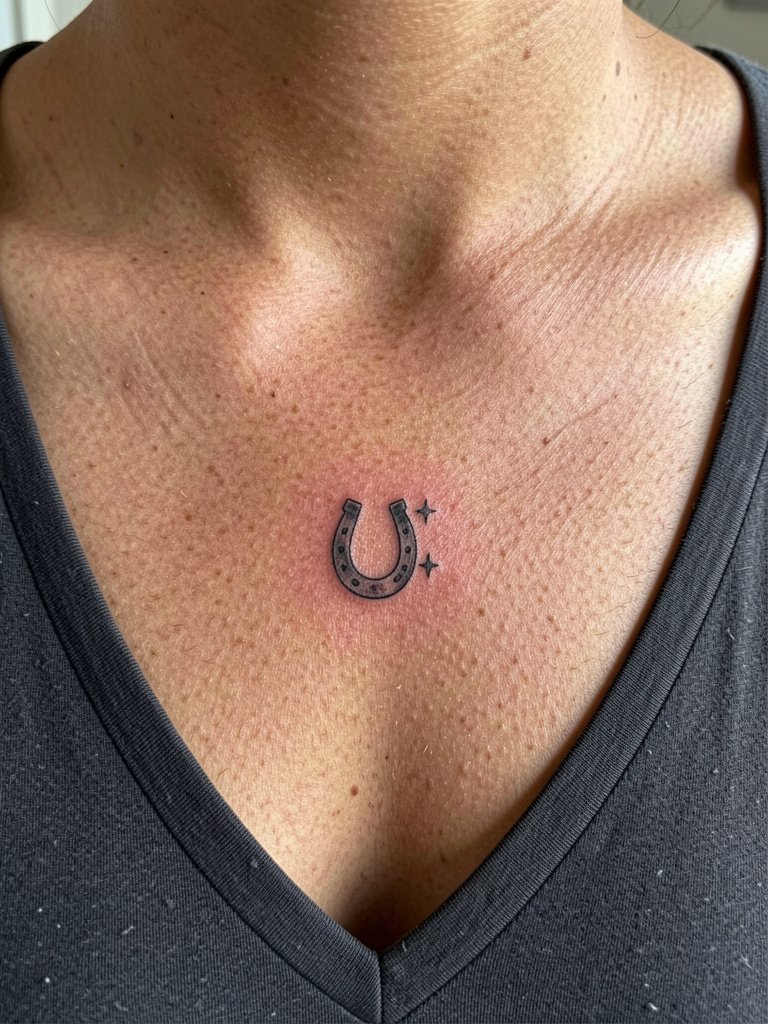
This placement photographs beautifully and the clavicle area offers a flat enough canvas for tiny dark shapes. Pain can be moderate where bone is close to skin. Avoid micro-dot stipple that is too dense at small scale, which can look splotchy later. Session time is short and many people appreciate pairing it with delicate necklaces. A low-cut blouse or an open-collar shirt like this open-collar linen blouse will show it off.
15. Mini Pot of Gold on the Inner Wrist
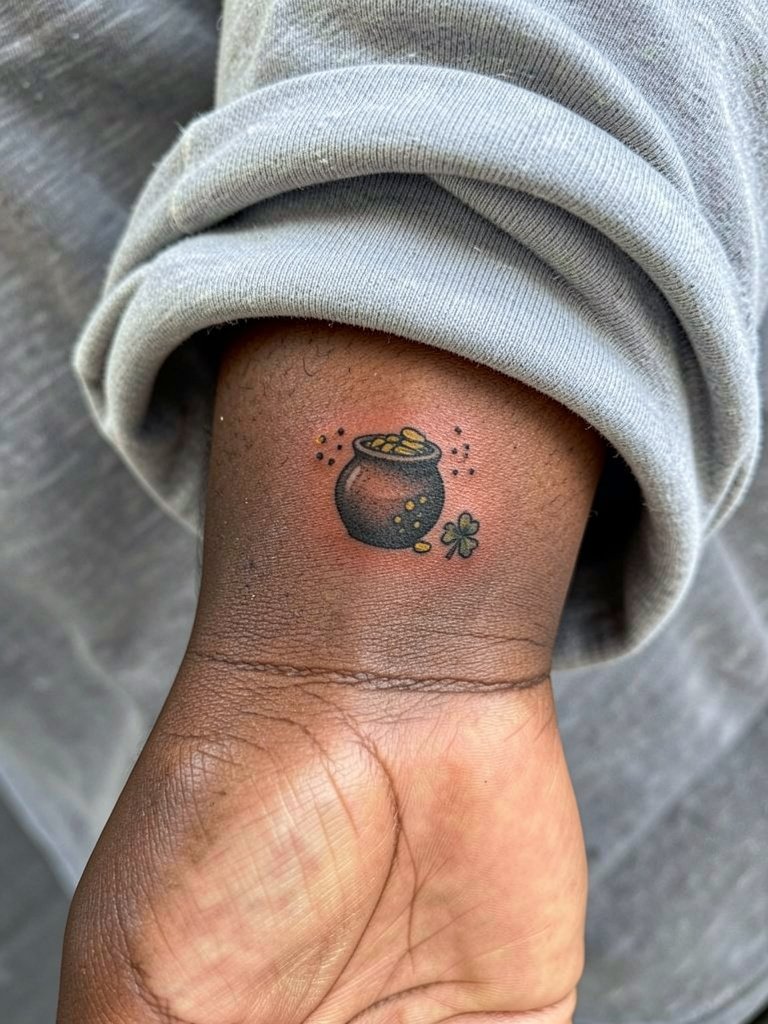
Inner wrist pieces are highly visible daily so plan for slightly heavier outlines and modest color saturation to avoid rapid fading. A common mistake is expecting saturated gold tones to last as long as black lines at that scale. Session runs 30 to 60 minutes with mild discomfort. Style it with thin bracelets or a leather strap like this thin leather wrap bracelet that complements the tiny pot without covering the tattoo.
16. Tiny Shamrock Cluster on the Shoulder Blade
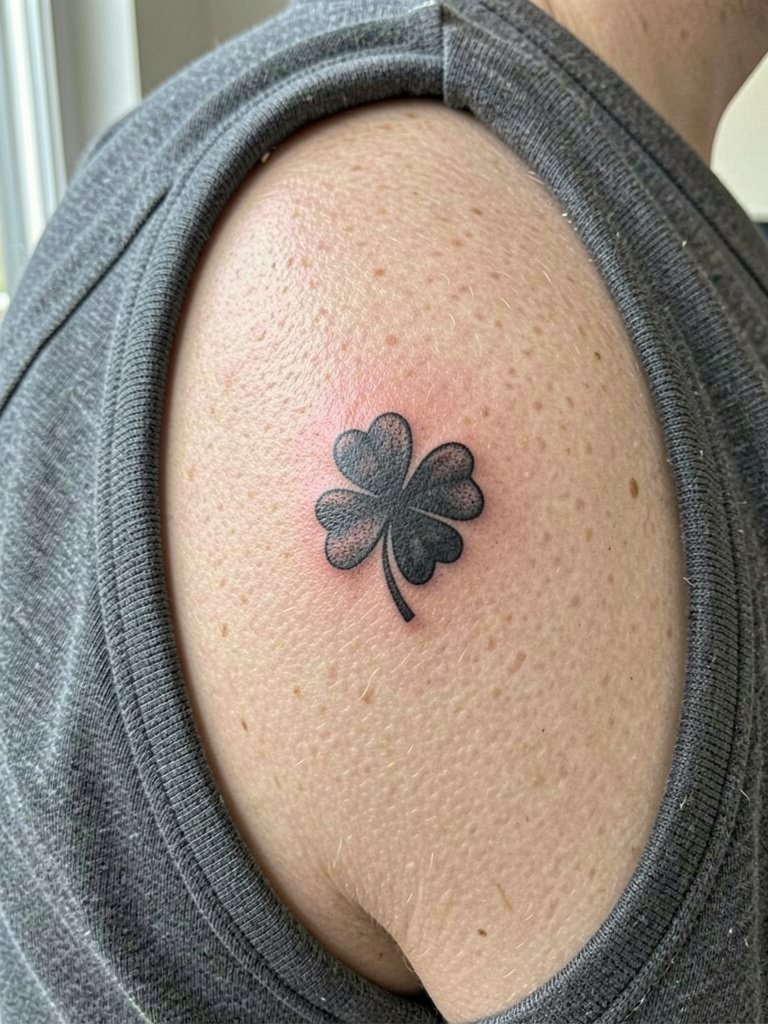
Shoulder blade skin moves less and can hold microclusters well. Placement is comfortable to tattoo and pain is usually moderate. A common mistake is clustering the leaves too tightly at a tiny scale, which blends as the tattoo ages. For show-off outfits, open-back tops and halter dresses highlight this area, try an open-back midi dress that frames the shoulder blade elegantly.
17. Micro Knot Bracelet on the Wrist
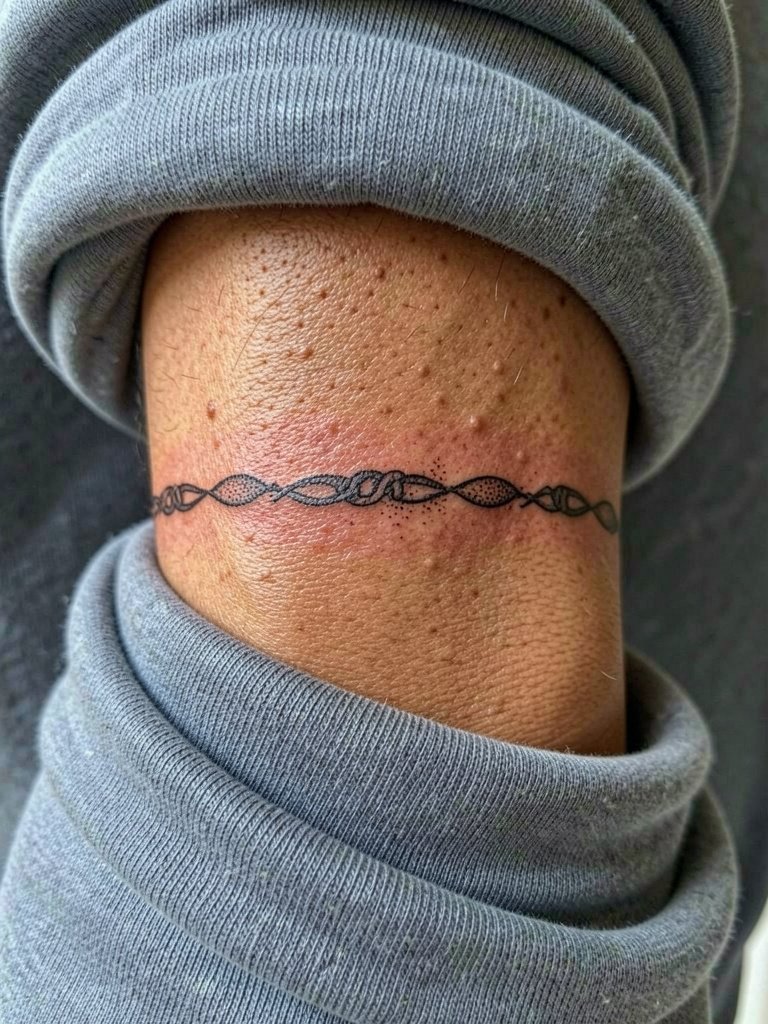
A knot bracelet functions like jewelry and photographs well. Keep the lines bold enough to handle the wrist's motion and washing. A mistake is planning for hairline detail that disappears after a year. Sessions are brief, and the area is low to moderate on the pain scale. Pair with thin metal bangles or a delicate chain bracelet for a curated layered look.
18. Mini Shamrock Behind the Knee
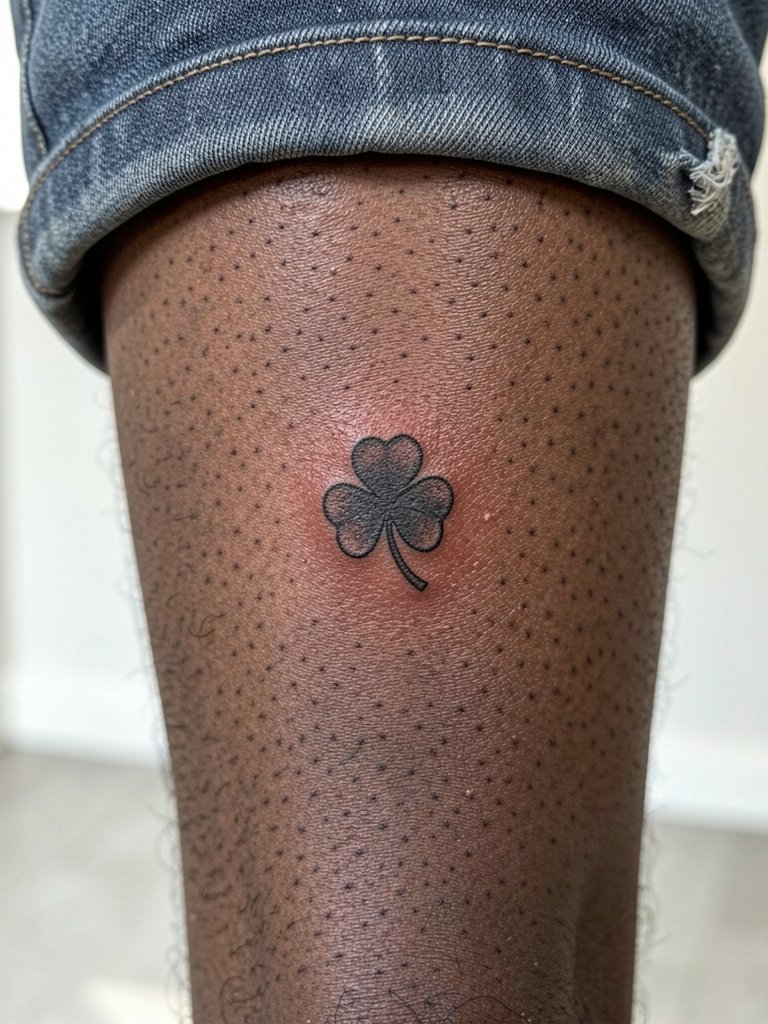
Behind-knee placements are unusual and sit in a high-movement zone, so expect some fading and possible touch-ups. This area can sting more because of thin skin in the crease. Choose a slightly bold outline and ask the artist to avoid micro shading that can pool in the fold. Wear shorts or skirts during the session for easy access and pair the healed piece with sandals or cropped trousers like these casual sandals that reveal the back of the leg.
19. Tiny Horseshoe on the Hip
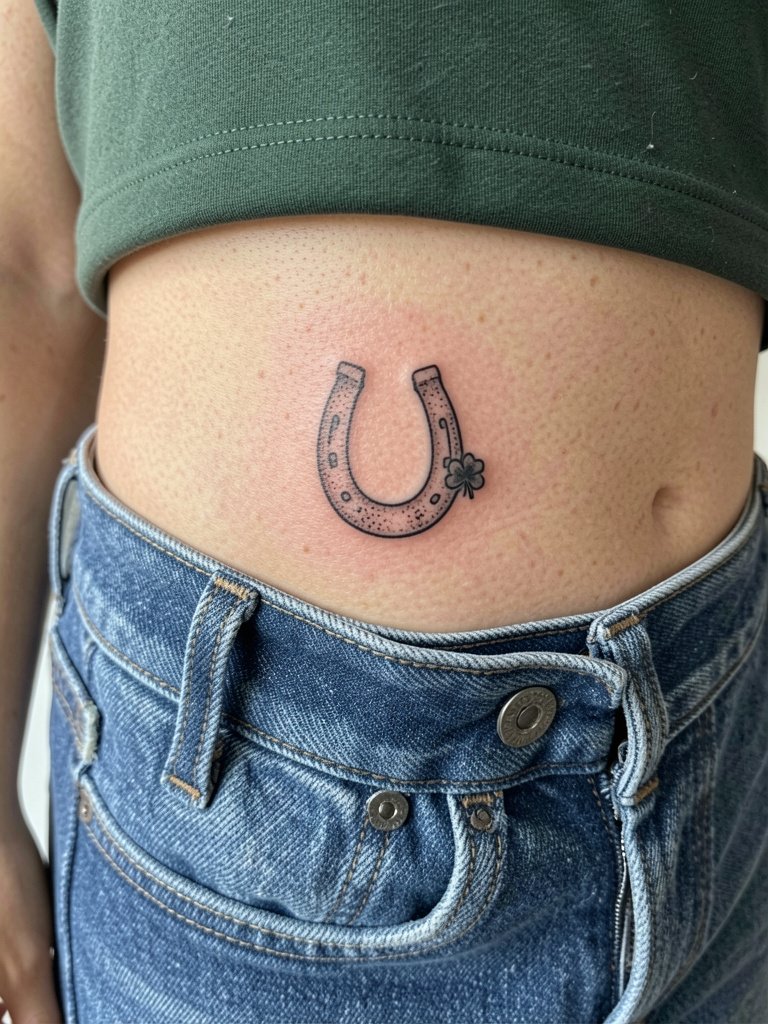
Hip placements are private and tolerant of detail. Pain is usually moderate and sessions are short. A common mistake is placing the motif too close to the waistband where friction shortens crispness. For session day, wear low-rise jeans or high-waisted shorts that give the artist access without tugging, such as these low-rise jeans. For longevity, expect touch-ups at the one to two year mark depending on sun exposure.
20. Micro Shamrock at the Base of the Thumb
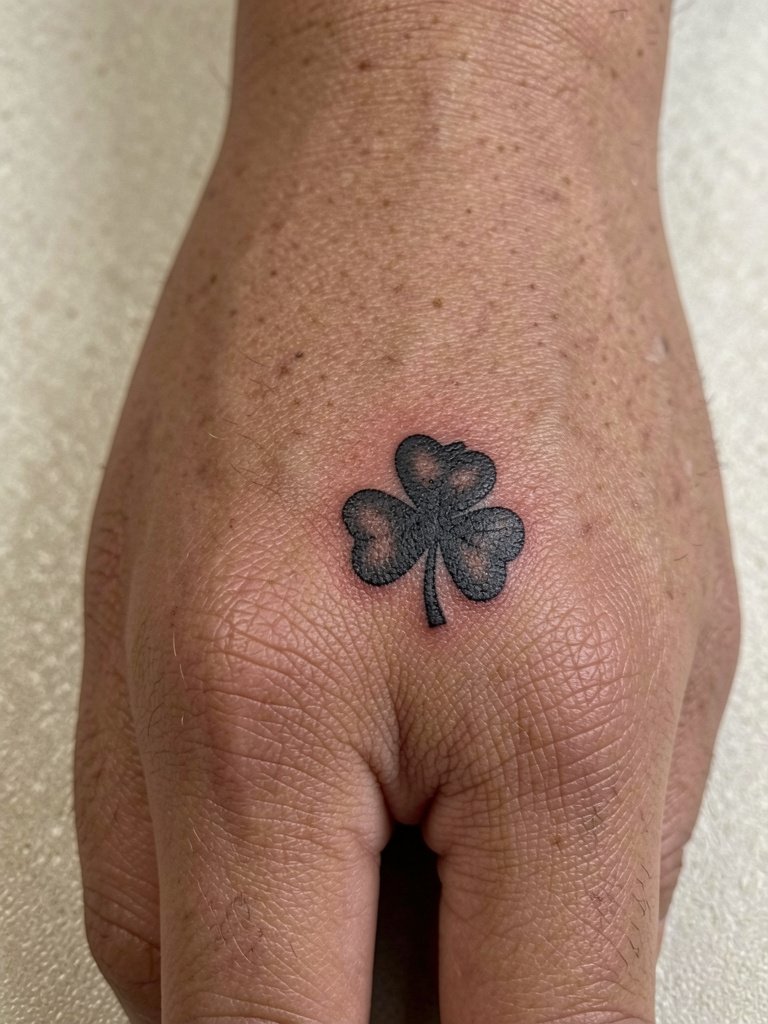
This spot is highly visible and subjected to constant washing and use, so expect faster fading. Make lines bold and minimal. The session is short but the area can be sensitive. A frequent error is asking for micro leaf veins that disappear. For daily life, a thin ring or bracelet will not interfere, and wearing gloves during heavy cleaning protects early healing.
21. Mini Shamrock Ring on the Toe
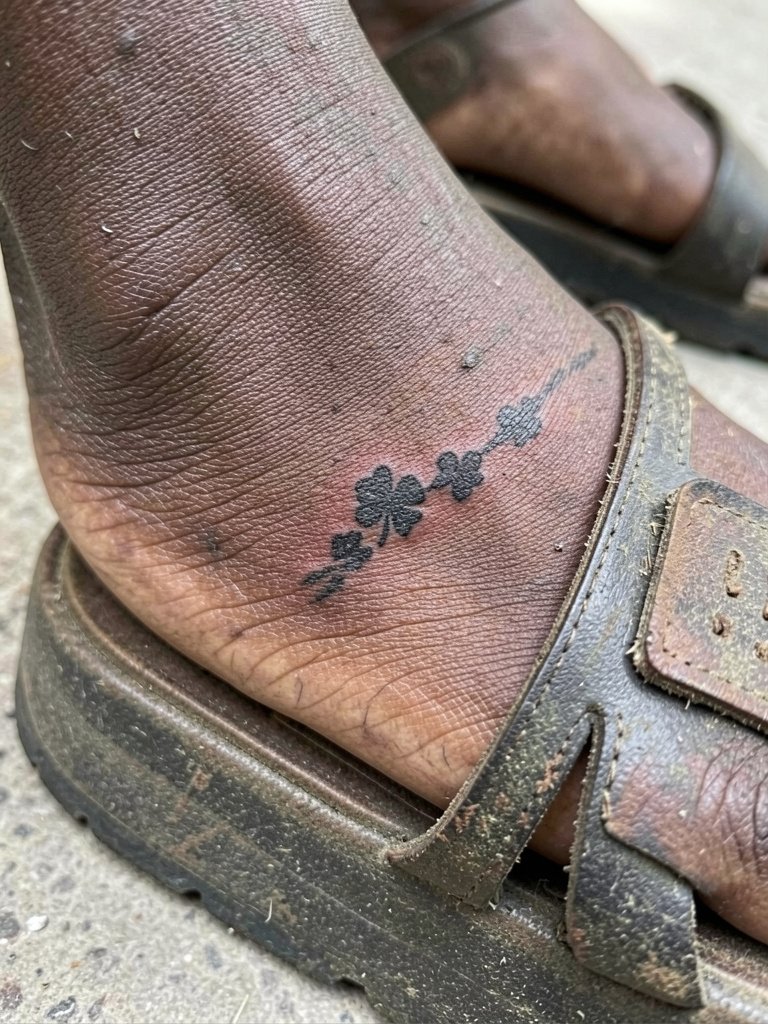
Toe tattoos fade and blur faster than most placements due to water exposure and friction. Expect touch-ups within a year. Keep the design bold and simple. The session is short and the area can be more painful than ankle work. For summer showing, sandals or open-toe shoes like these flat sandals make the ring visible without rubbing the healing skin.
22. Micro Shamrock on the Sternum
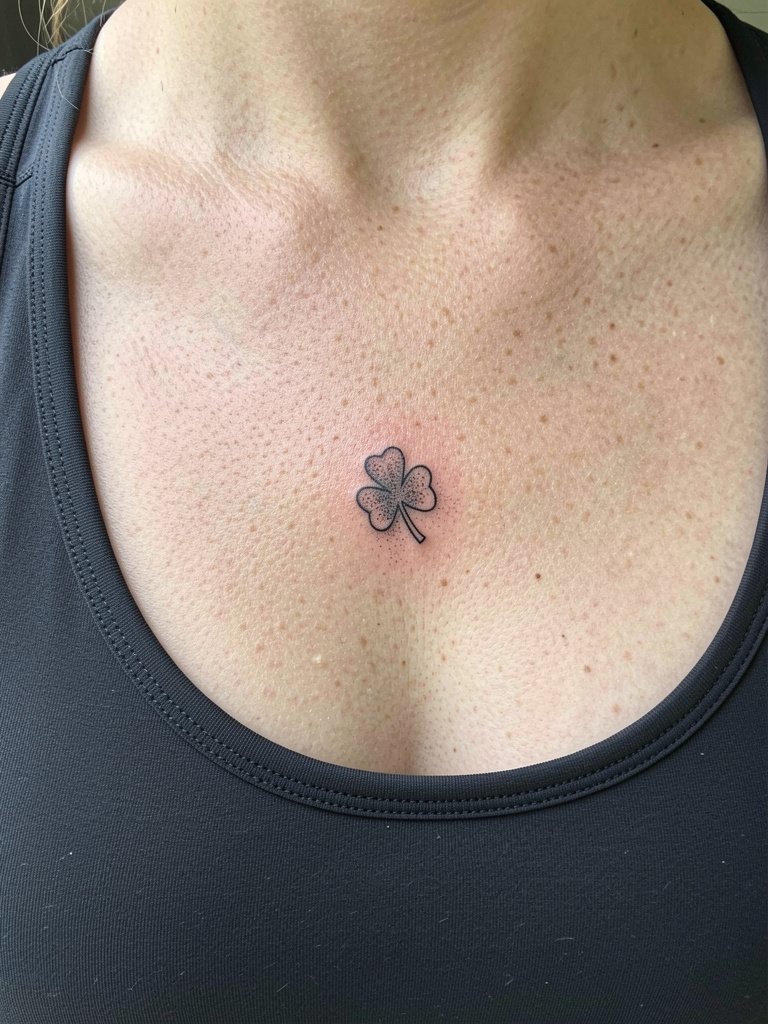
Sternum work sits on delicate skin and can be painful. For this sensitive placement choose slightly bolder outlines to ensure the tiny shamrock keeps its shape. A common mistake is asking for faint single-needle detail that pools and loses clarity. Plan for a longer break-filled session and wear a fitted sports bra so the artist can work without fabric moving.
23. Mini Shamrock Cluster Along the Spine
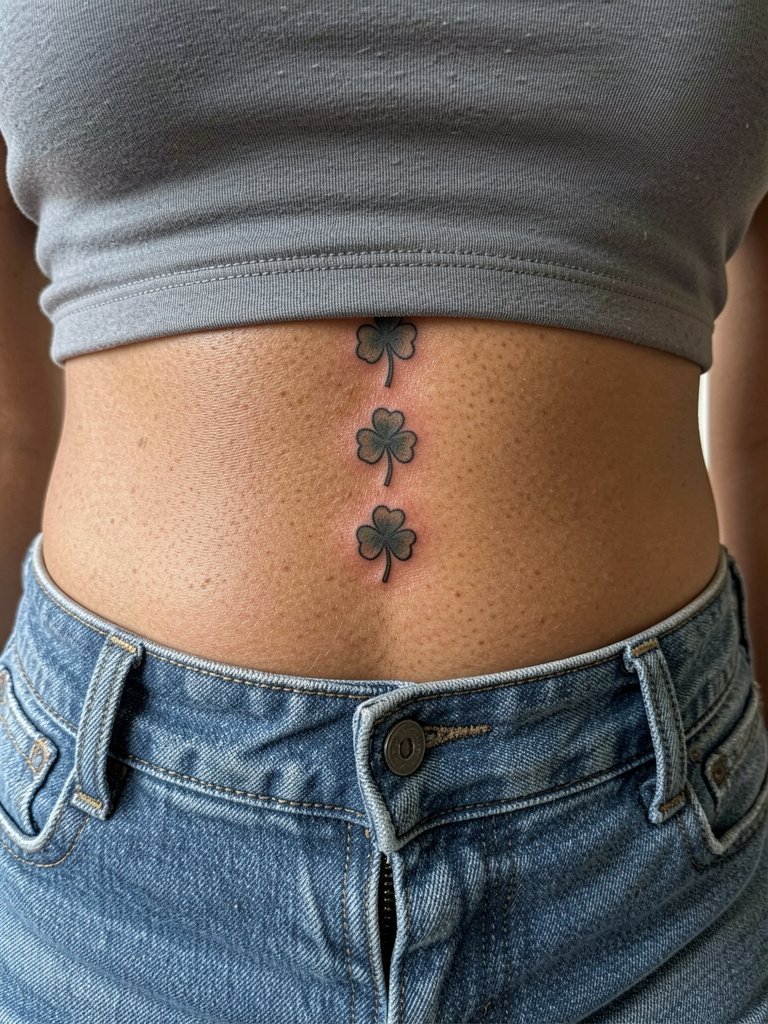
Spine placements are dramatic when photographed and forgiving for small clusters because the linework sits on flat skin. Pain varies by individual and can be higher near the bone. Ask for slightly increased spacing to prevent merging of the leaves over time. For showing the piece wear open-back tops or low-rise jeans with a cropped tank like this open-back crop top that frames the sequence.
24. Micro Clover on the Upper Ear Concha
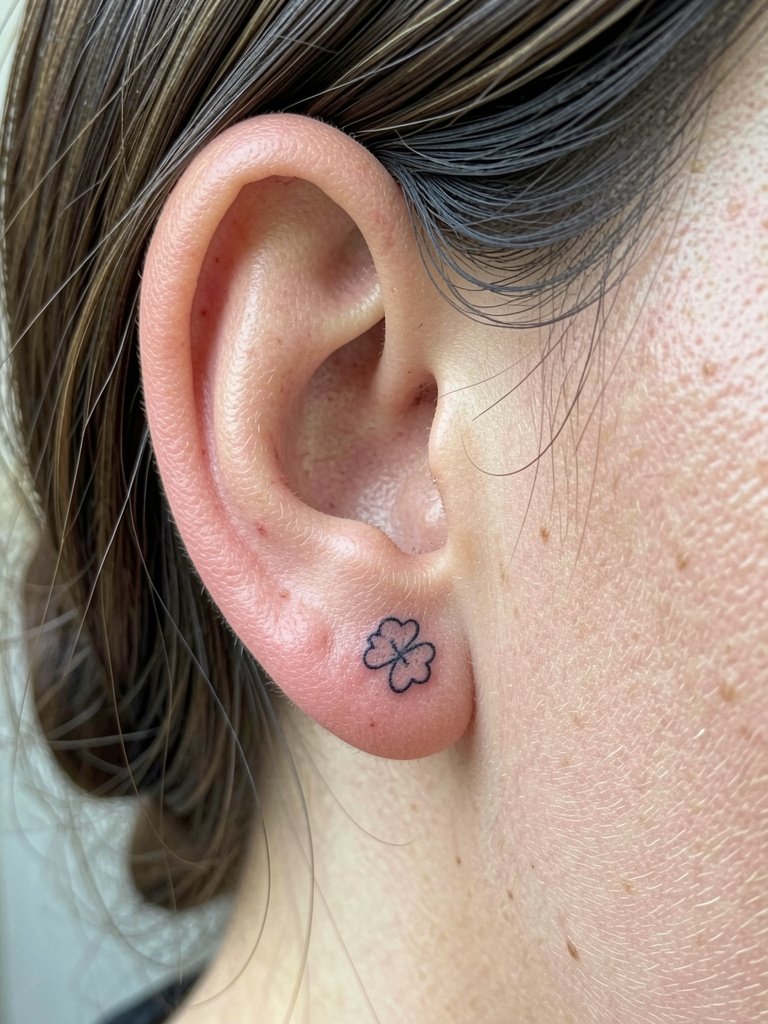
Ear tattoos require specialist experience because the skin curves and the area is sensitive. Expect a sharper sting and a short session. The main mistake is choosing complex shading on a tiny curved surface. If you have pierced ears or other ear work, consult a practitioner skilled with conchal placements. Styling-wise short hair or tucked-back styles highlight this detail.
25. Tiny Shamrock on the Collarbone End
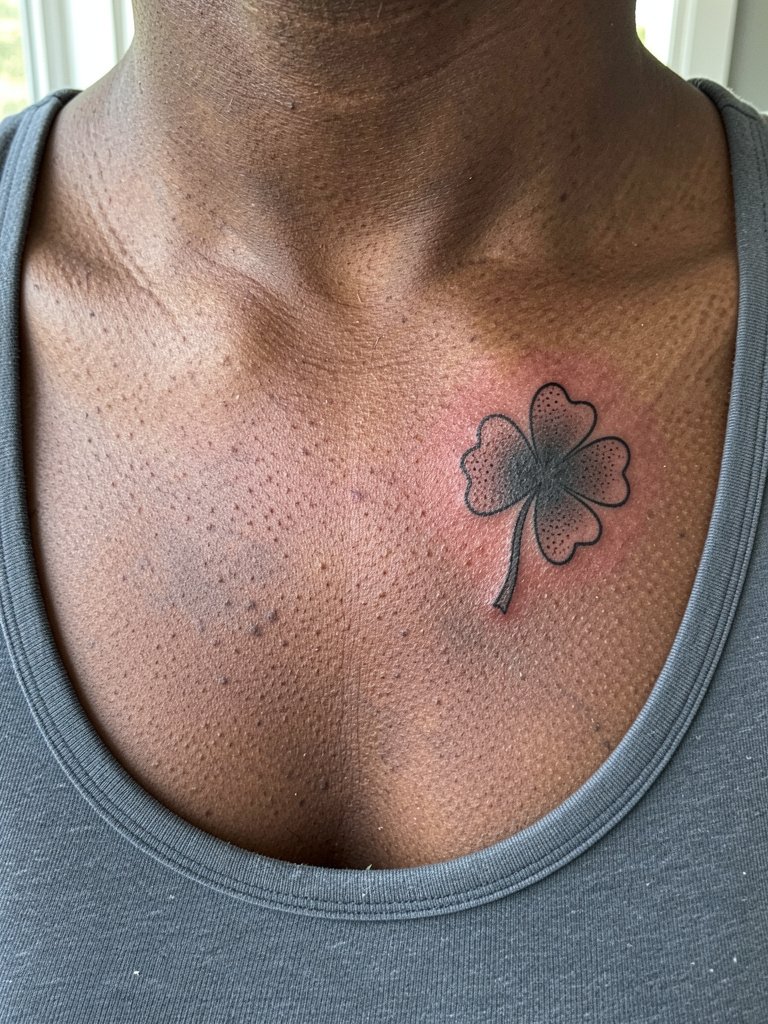
The collarbone end is excellent for tiny motifs because it sits on a relatively flat plane and photographs well. Pain can be moderate where the bone is close. Avoid micro-dot clusters that can look patchy on this area. For outfits, open-neck tops and delicate necklaces complement the placement. Consider a fine chain necklace to frame the shamrock.
26. Micro Shamrock on the Back of the Neck
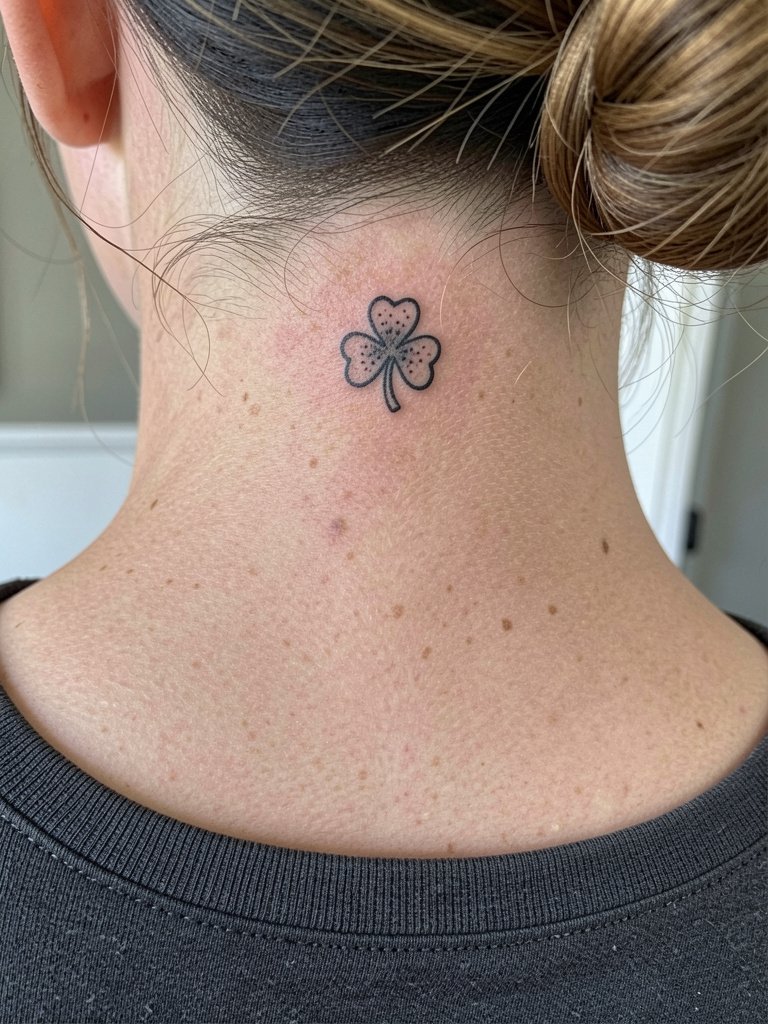
Back-of-neck pieces are discreet when hair is down and visible in updos. Expect moderate pain for nape work and plan for a short session. A common error is fine single-needle filigree at tiny scale, which may blur with hairline skin movement. For showing the healed tattoo, simple updo styles and collared shirts work well, try a wide-neck top that reveals the nape.
27. Micro Clover on the Palma Surface of the Thumb
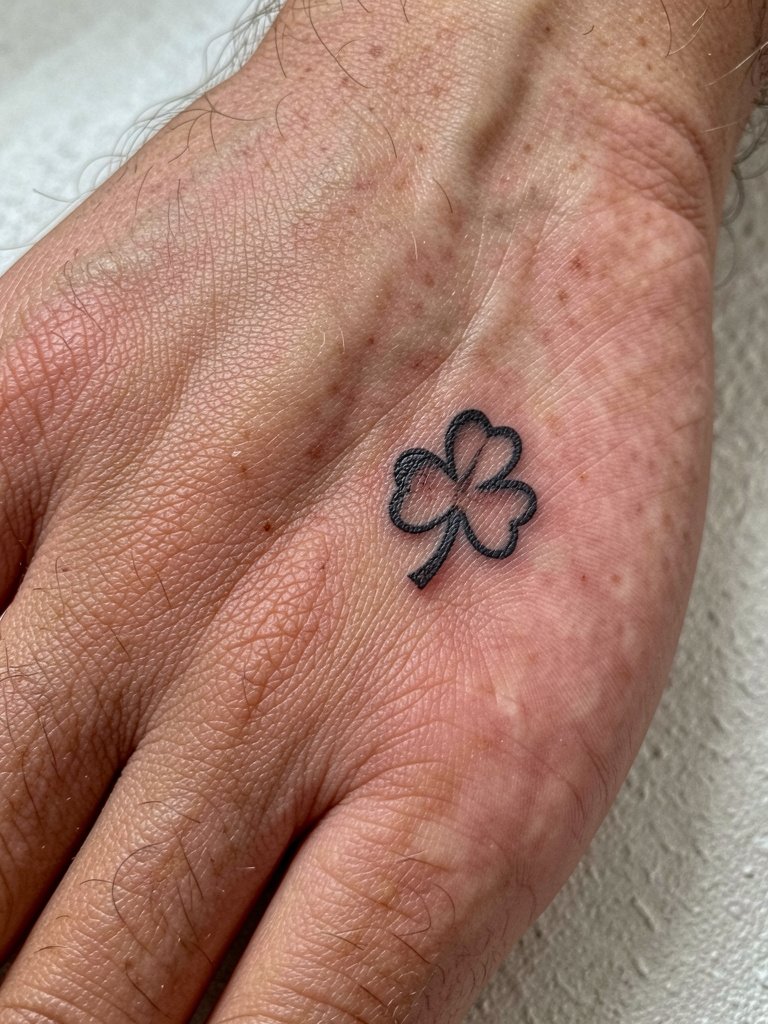
Palm tattoos face the highest wear because of constant use and thick skin that sheds more often. Expect significant fading and frequent touch-ups. If you want a palm piece, plan for bolder shapes and accept a maintenance schedule. The session can be more painful and may require multiple short passes. Avoid fine internal detail at this placement.
Frequently Asked Questions
Q: How painful are these mini St Patrick's Day tattoos overall?
A: Pain varies by placement. Fingers, ribs, and the sternum tend to be more painful because skin is thin or close to bone. Outer arm, calf, and upper thigh are usually less intense. For short micro pieces most sessions are under an hour, and numbing options applied per instructions can help for sensitive zones.
Q: How long before a micro shamrock or tiny script needs a touch-up?
A: It depends on placement and lifestyle. High-friction areas like palms and fingers often need touch-ups within six to twelve months. Wrists, ankles, and outer limbs may hold crispness for two years or longer if the line weight was planned conservatively. Expect at least one touch-up in the first two years for most micro work.
Q: Where can I find healed examples and portfolios without naming artists directly?
A: Search platform tags for healed photos and use location filters on social platforms. Try searching hashtags and keywords that combine placement and style, like "micro shamrock healed" or "tiny script healed examples." Reddit tattoo threads and portfolio aggregators are also useful for browsing healed work in different skin tones.
Q: Are tiny Celtic-inspired pieces cultural appropriation?
A: There are two perspectives. One camp argues that using sacred or traditional motifs without context can feel disrespectful, especially when a design is taken from living cultural practices. The other camp believes simplified, respectfully rendered motifs can be worn as homage when done with understanding and proper credit. If you choose Celtic-inspired imagery, ask for a simplified design that avoids sacred knot variants and be explicit about wanting a respectful interpretation.
Q: What should I wear to my appointment for these placements?
A: Wear clothing that gives clear access without being adjusted during the session. For collarbone pieces choose a scoop or V-neck top. For hip or thigh work wear low-rise jeans or shorts that remain fastened. For ankle and wrist pieces bring cuffable pants and a loose top. A good session-wear option is a simple fitted tank or loose linen tank that the artist can work around without fabric movement.