
Fine-line clover tattoos look like a secret until sunlight and time tell the real story. Many people assume the tiniest single-needle shamrock will read forever, but on high-motion spots the lines can soften fast. Pick placements and line weight with longevity in mind, and you get that delicate St. Patrick’s Day vibe without annual touch-ups.
1. Mini Three-Leaf Clover on Inner Forearm
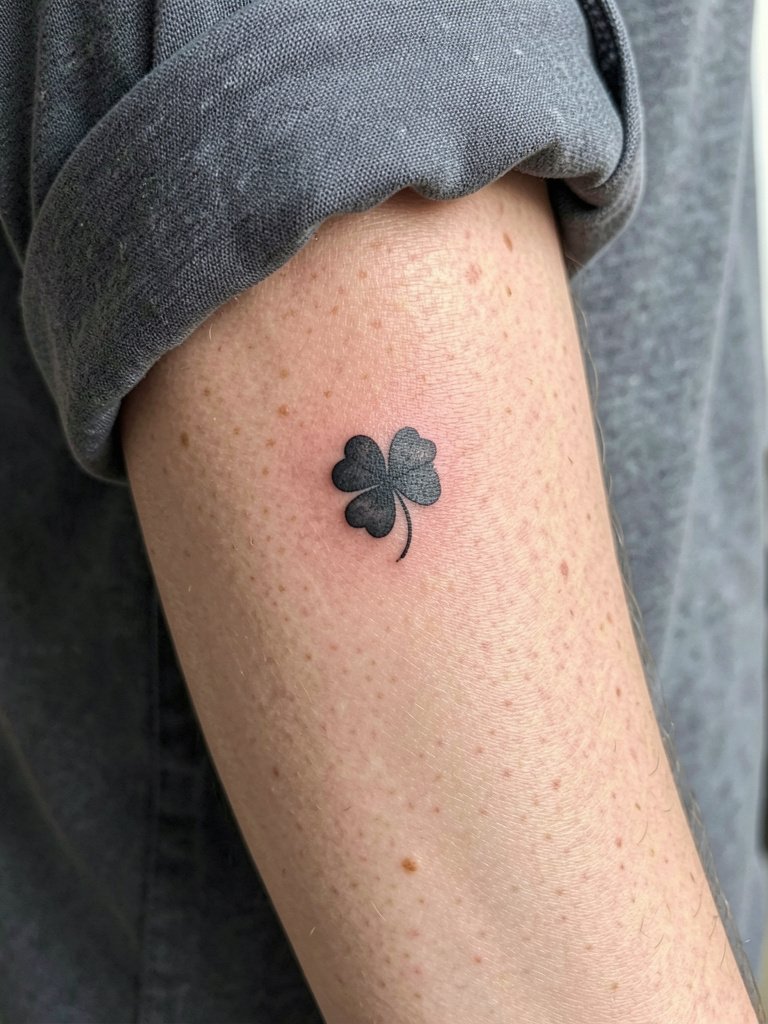
This classic tiny clover works when you want a visible holiday nod that still reads like everyday jewelry. Recommend a hair thicker lineweight than the reference image, because the inner forearm moves and very fine single-needle work tends to lose crispness by year two. Session time is usually a quick 20 to 40 minutes and pain is low for most people. For showing it off, roll sleeves and try a rolled linen shirt in cream or olive, the neutral fabric lets delicate linework stand out. Common mistake is asking for a three-point micro clover that ends up a blur; give the artist room to space the leaves for longevity.
2. Tiny Shamrock Behind the Ear
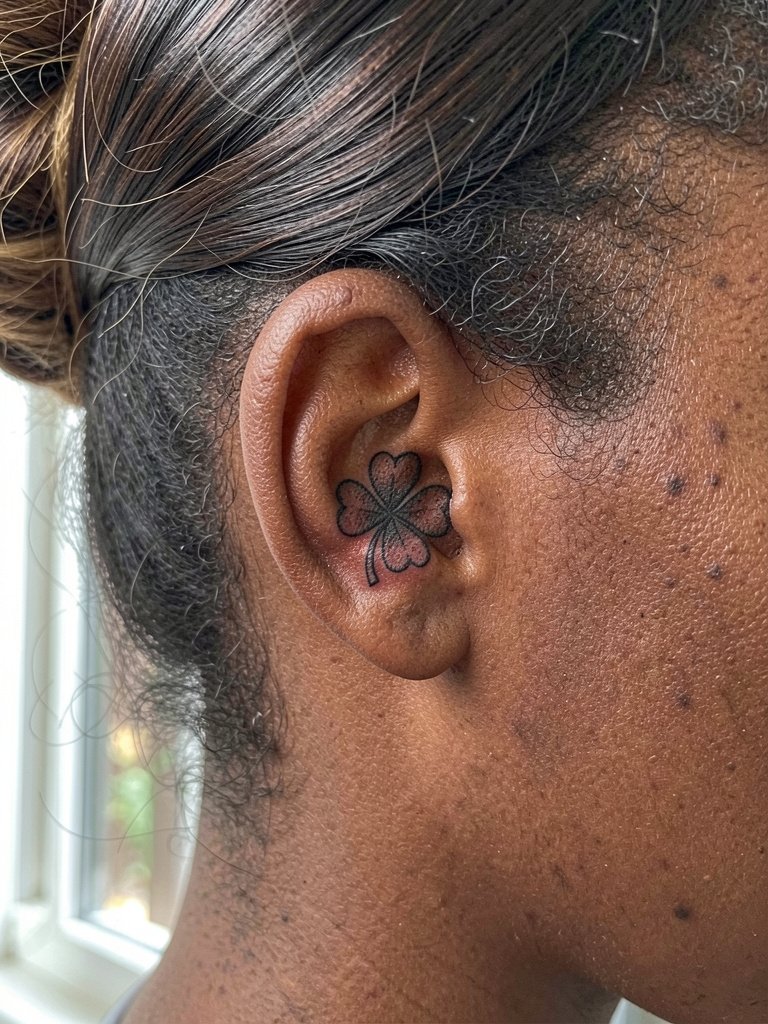
Small behind-the-ear clovers read as discreet accents when placed precisely. The mastoid skin is thin, so artists usually nudge lineweight a touch heavier than a standard single-needle to avoid early feathering. Expect 15 to 30 minutes and mild sensitivity. One mistake is asking for hairline script next to the shamrock, which competes with the tiny symbol and ages worse. If you like a pierced jewelry vibe, pair it with a simple stud and a delicate gold ear cuff to echo the holiday tones.
3. Micro Clover on the Ring Finger
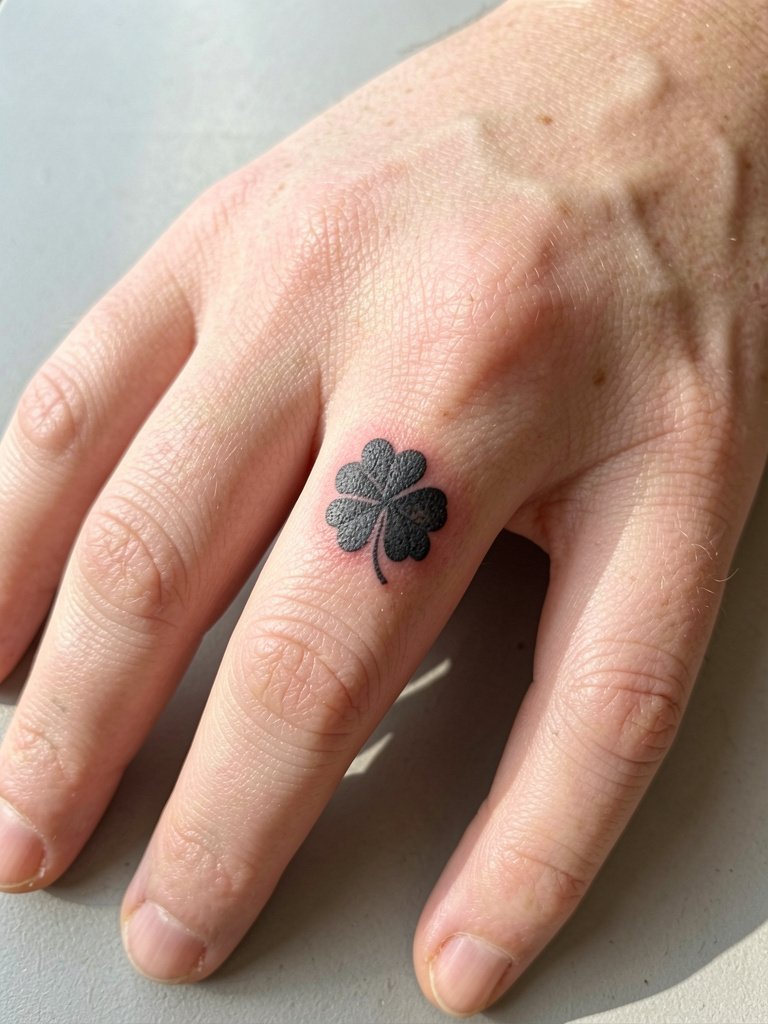
Finger tattoos are charming for a St. Patrick’s Day accent, but they sit in a high-wash, high-friction zone so touch-ups are common. Recommend a slightly bolder outline and acceptance that a touch-up at 6 to 12 months may be needed. The session is brief and the pain is higher than a forearm because of thin tissue. A real mistake is asking for super-fine detail on a finger because blowout and fading erase it. Style-wise, thin stackable bands and minimalist rings frame a micro clover, try a set of stacking midi rings that echo the tattoo without covering it.
4. Single-Line Continuous Shamrock on Ankle
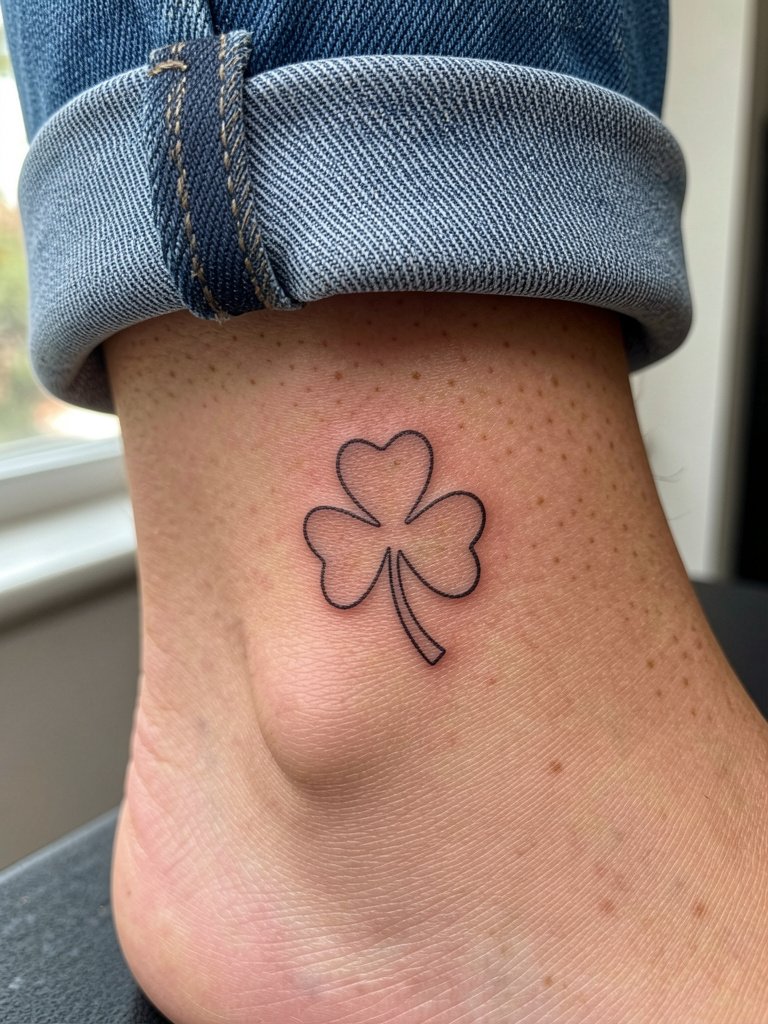
A single-line shamrock has modern movement and looks clean on the ankle where curves add motion to the design. Ankle skin takes friction from socks and shoes, so the design should be slightly larger than the smallest reference to avoid blurring. Expect mild to moderate pain and a 30 to 45 minute session. Mistakes include compressing loops too tightly, which becomes a smudge over time. Show it off with cropped jeans or a slip dress and a pair of ankle-wrap sandals to keep attention on the area.
5. Tiny Celtic Knot at the Collarbone
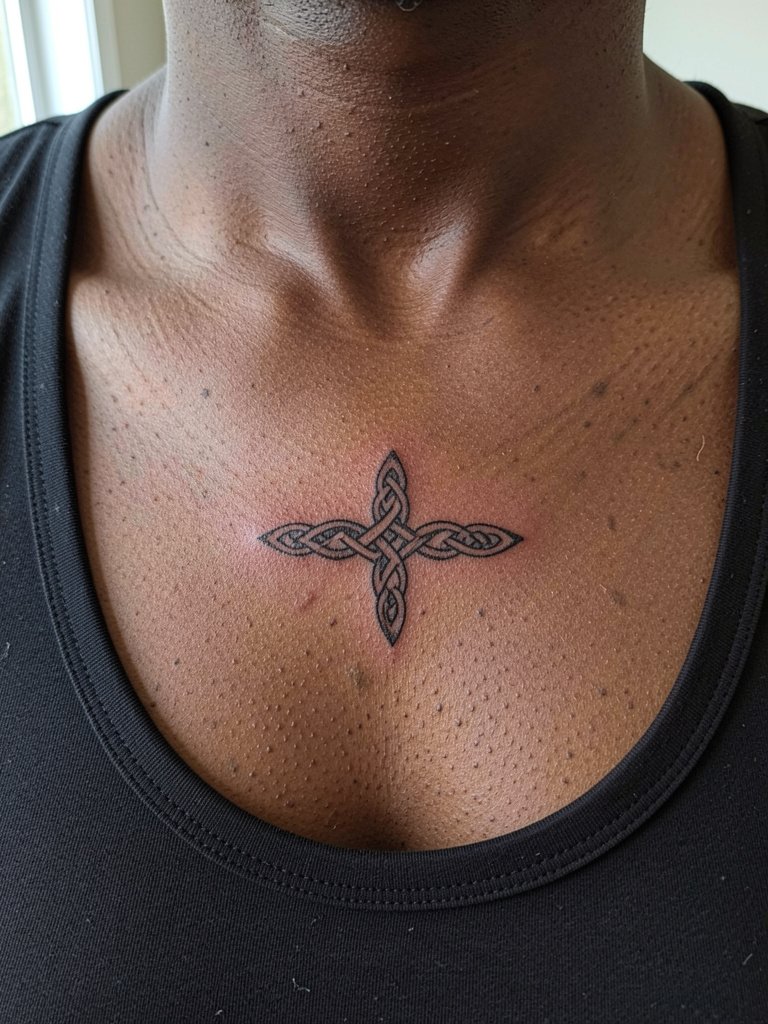
A tiny knot near the collarbone reads elegant and stays visible with most tops. The collarbone moves with breathing, so choose slightly broader linework than the ultra-fine sample. Sessions can run 30 to 60 minutes depending on shading like stipple work. A frequent mistake is squeezing a heavy knot too small which merges over time. For outfits, pair it with a wide V-neck blouse that frames the area without covering it.
6. Fine-Line Clover Chain Around the Wrist
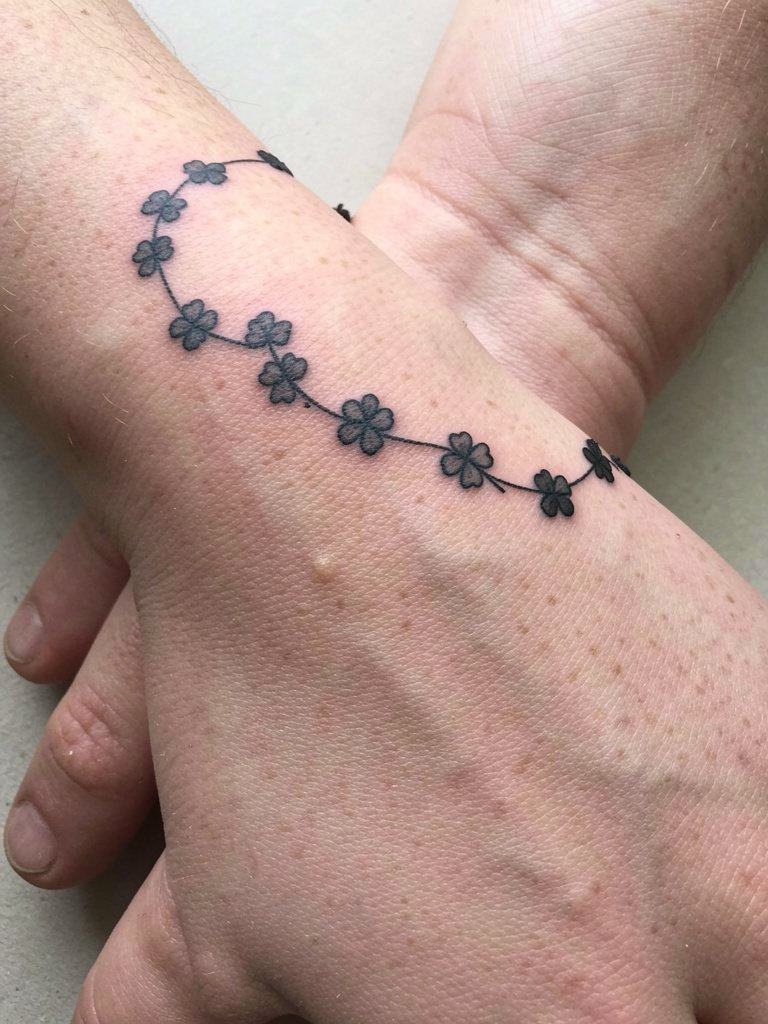
A wrist clover chain gives the look of a delicate bracelet. The dorsal wrist sees frequent sun and washing, so ask for a touch more line weight between links so the chain keeps separation after healing. Session time is 30 to 50 minutes and pain is low to moderate. A common error is making links too tight, which causes the chain to lose definition in months. For show-off looks, choose a cuff or layered bracelets, such as a thin leather wrap bracelet that complements the ink.
Heal Smart
The wrist and collarbone pieces above face different healing realities than larger work, so a few targeted items make the first week smoother.
- Stencil transfer paper kit. Lets you preview the linework placement on skin for the clover chain and collarbone knot before ink goes down.
- Topical numbing cream. Applied per directions eases the edge for wrist and ankle sessions so you can sit through fine-line breaks.
- Thin protective film roll. A breathable film keeps the wrist and finger pieces protected from constant hand washing and rubbing.
- Fragrance-free gentle body wash. Cleanses without stripping the healing linework, helpful for collarbone and forearm tattoos.
- Aquaphor healing ointment. A thin layer in the first days locks in moisture for single-needle work without clogging channels.
7. Minimal Pot of Gold Dotwork on Calf
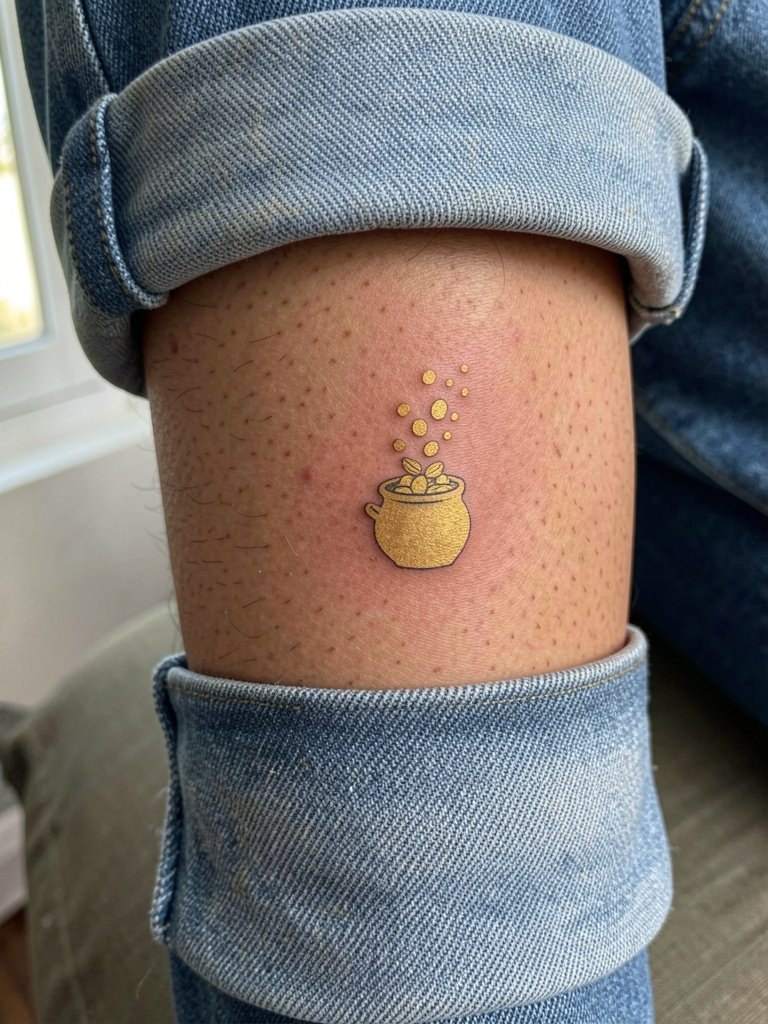
A calf placement suits slightly larger fine-line pieces that still keep a dainty feel. Dotwork coins add texture and age gracefully because stipple shading tends to soften rather than blur. Expect moderate pain and a 45 to 75 minute session. Mistakes include compacting the dots too tightly, which loses the airy look. Pair with mid-length skirts or cropped denim and an open-back midi dress for summertime show-offs.
8. Micro Harp on the Rib Cage
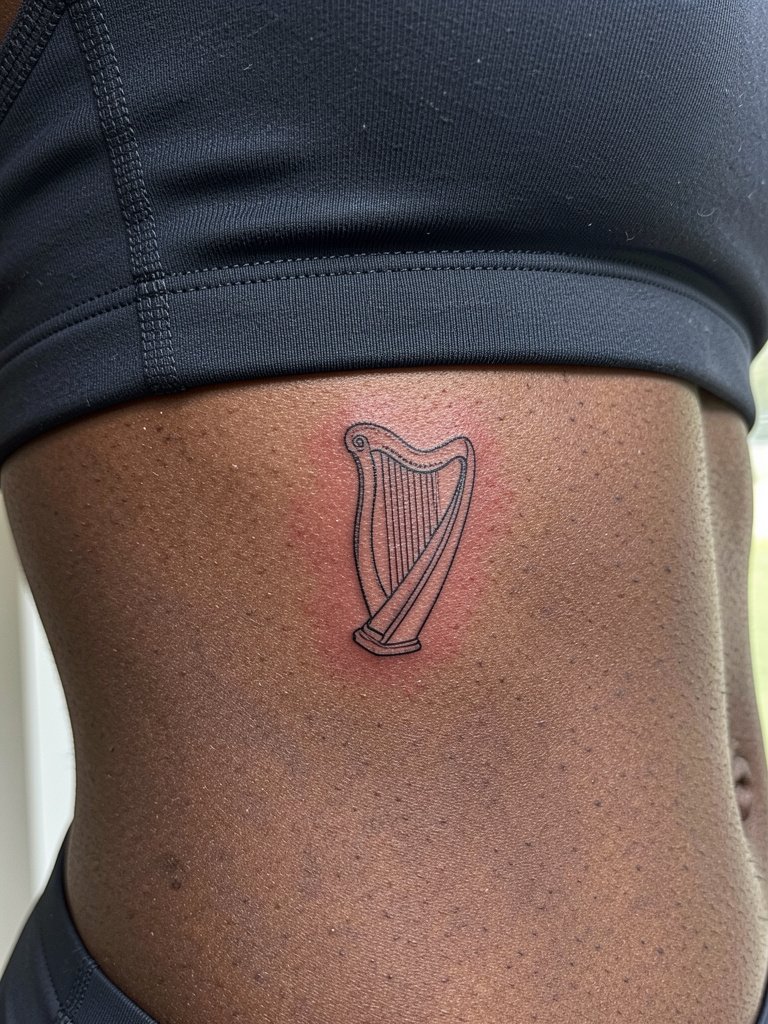
Ribcage tattoos are sensitive and require planning. One camp of artists warns that fine line on ribs blurs within a couple of years because the skin stretches and breathes. The other camp says slightly wider spacing and precise depth allow fine line to settle well. Expect higher pain and a longer session with breaks. Ask for spacing adjustments and realistic touched-up expectations. For dressing on session day, wear a loose button-down so the artist can access the side without fabric tugging.
9. Tiny Four-Leaf on the Back of the Neck
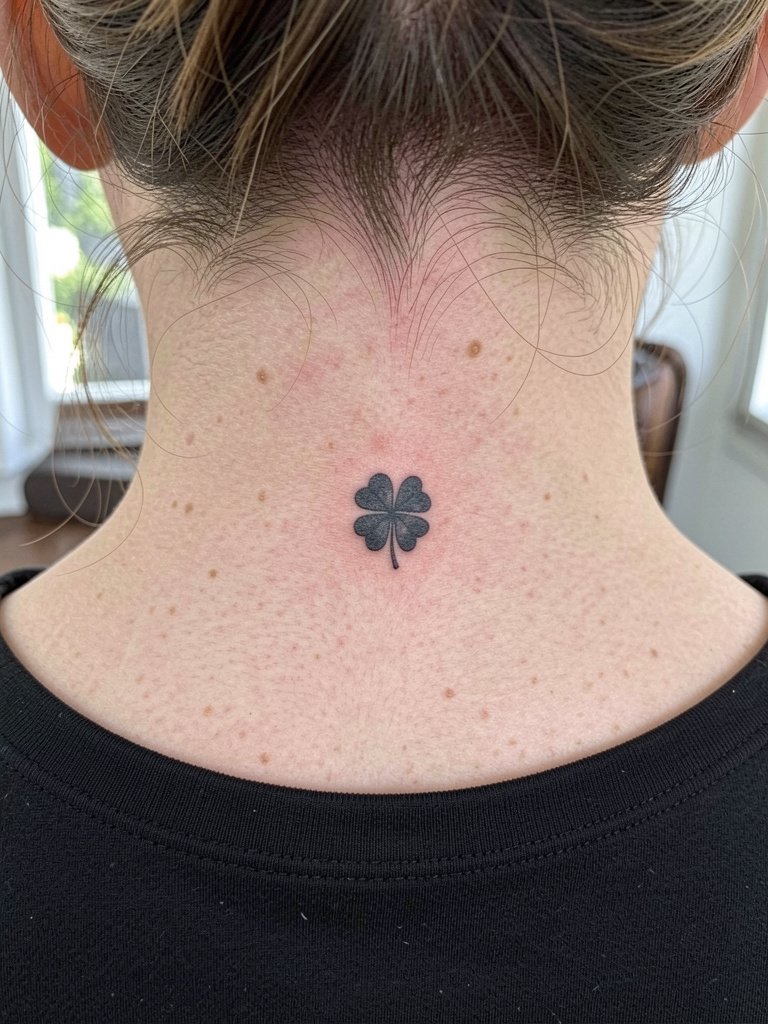
A nape clover reads playful and is easy to hide or show depending on hair. The skin here takes light friction from hair, so expect marginal softening of ultra-fine stems by year three. Sessions are quick and pain is moderate. A common error is packing too much interior detail into a tiny four-leaf. For accessorizing, small pendant necklaces or high collars work well, and a delicate chain necklace can frame the area without covering it.
10. Negative-Space Clover on the Sternum
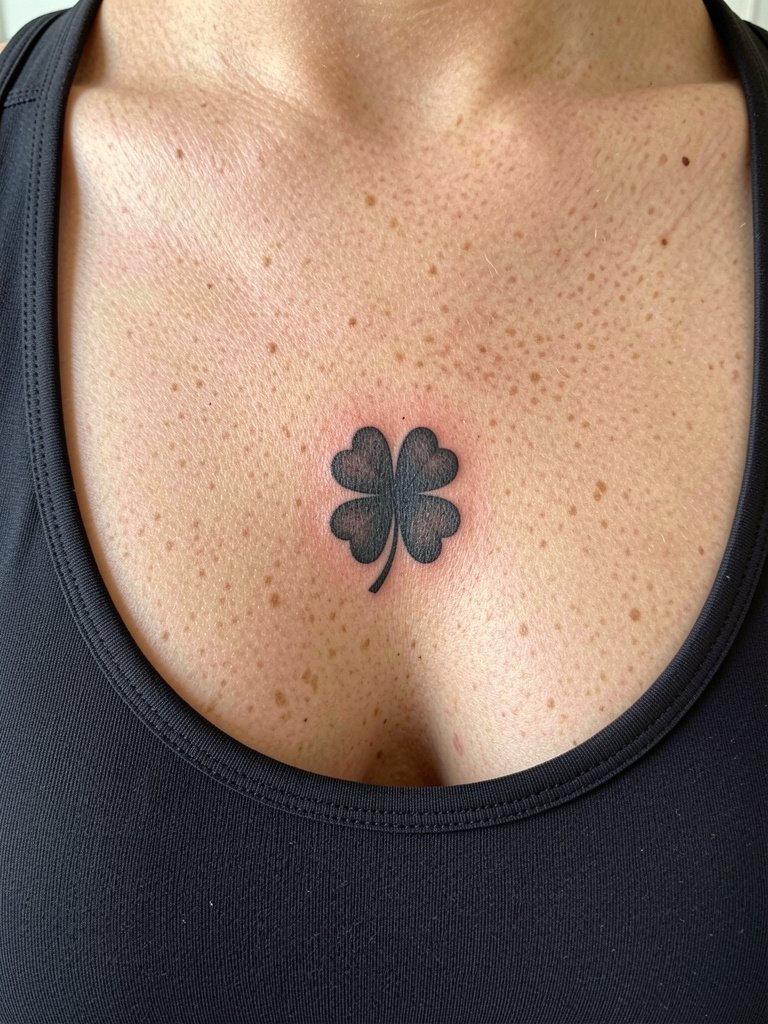
Negative-space clovers use surrounding shading to form the shape and can age well because there is less tiny linework to blur. The sternum is intimate and may need a specialist who does dense black work and smooth shading. Sessions can be longer and sensitivity is high. The mistake is expecting ultra-fine white-ink fills to stay bright; negative-space relies on surrounding saturation, not white ink. For evening looks, open-back tops and a plunge neckline dress can reveal the design thoughtfully.
11. Stipple Shamrock on the Upper Thigh
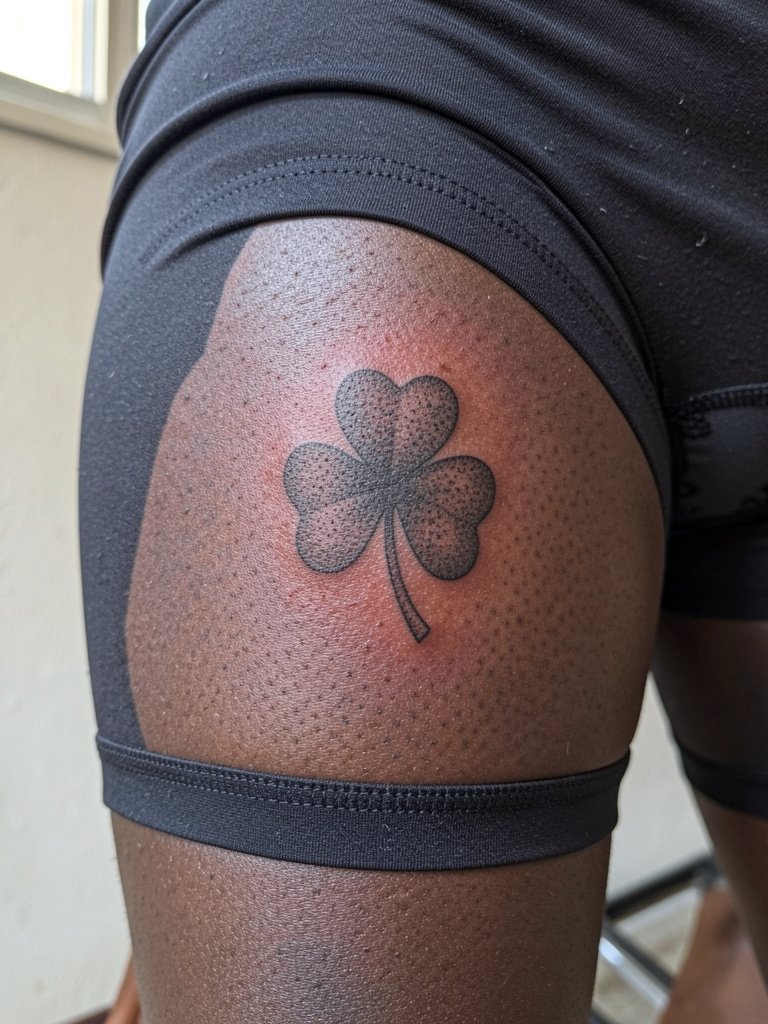
Upper-thigh stippling gives depth and ages softly because dot work wears evenly. Pain is moderate and sessions can last an hour. Avoid trying to cram filigree into a small thigh piece. For session wear, bring loose shorts that can be rolled without tugging at the area. When showing it off, midi skirts and high-slit styles pair well with thigh placements and a flowy midi skirt keeps the look flirty without exposing too much.
12. Tiny Shamrock Constellation on the Shoulder Blade
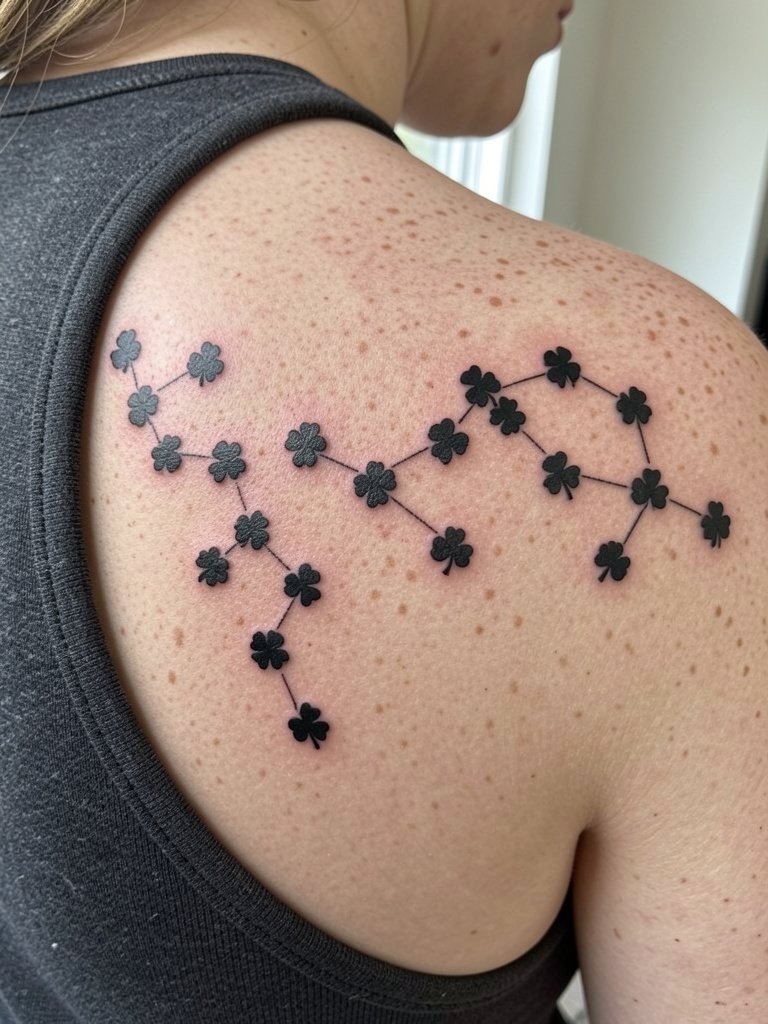
Shoulder blade placements allow for slightly larger spacing between motifs, which helps fine-line clusters hold over years. The scapular skin sees less daily abrasion so minimal touch-ups are expected compared with hands and fingers. A common error is crowding the constellation too close, which merges after healing. For wardrobe, try an open-back top or camisole and a slip cami top to reveal the placement.
13. Tiny Roman Numeral with a Clover Accent on the Wrist
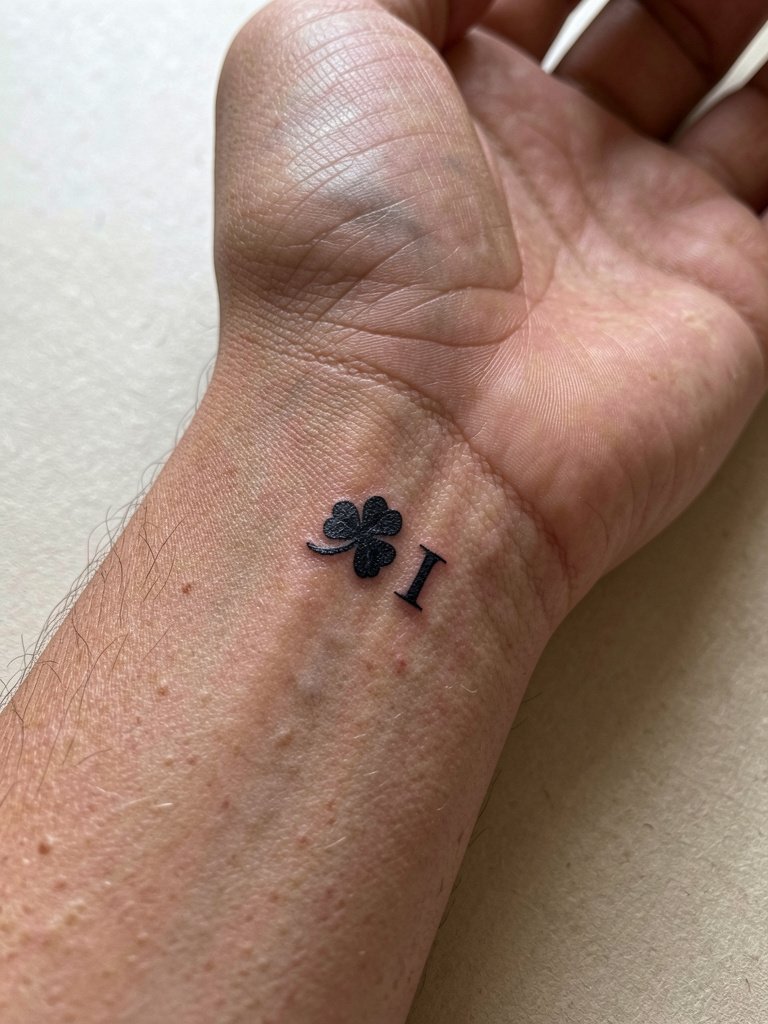
Combining date numerals and a small clover personalizes the piece, but wrists see heavy wear so line spacing matters. Expect a short session and mild discomfort. A mistake is adding tiny serifs or ornate numerals that cost definition over time. For a polished look, wear a slim watch or bracelet and try a minimal leather strap watch that complements the ink without covering it.
14. Gold-Accent Tiny Clover on the Finger
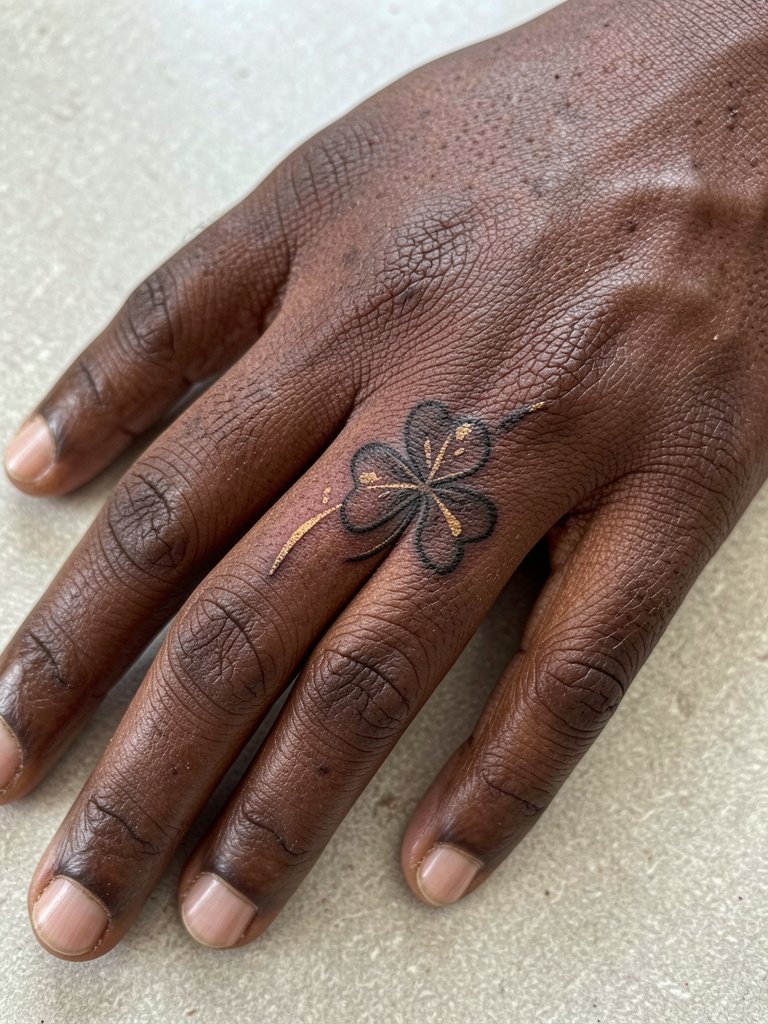
Gold ink accents on tiny clovers create a unique shimmer, but artists and clients split on longevity. One camp says metallic inks fade faster and can disappear on darker skin tones within months. The other camp reports careful placement and pigment choice can keep a warm tone visible for longer. For fingers, expect touch-ups and accept a maintenance plan. The physical motion of fingers accelerates fading, so plan for a light refresh at the one-year mark if you want the gold to persist. Pair with thin stacking rings rather than a single heavy band.
15. Linear Celtic Band Around the Upper Arm
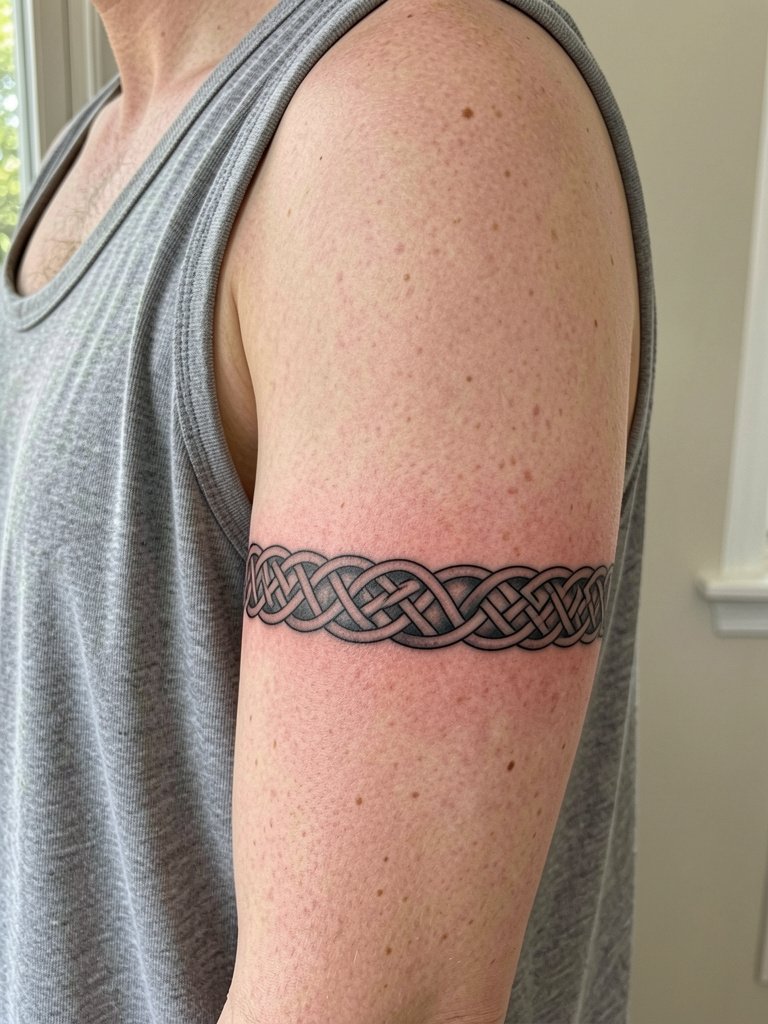
A fine Celtic band reads like cuff jewelry and ages predictably because the upper arm has thicker skin. Ask for slightly more spacing between knot elements to prevent merging as the piece settles. Sessions run 60 to 90 minutes and pain is moderate. The common mistake is compressing too much detail into a narrow band. For outfits, sleeveless tops and strap dresses frame upper-arm bands nicely, pair with a sleeveless linen dress.
16. Micro Shamrock on the Ankle Bone
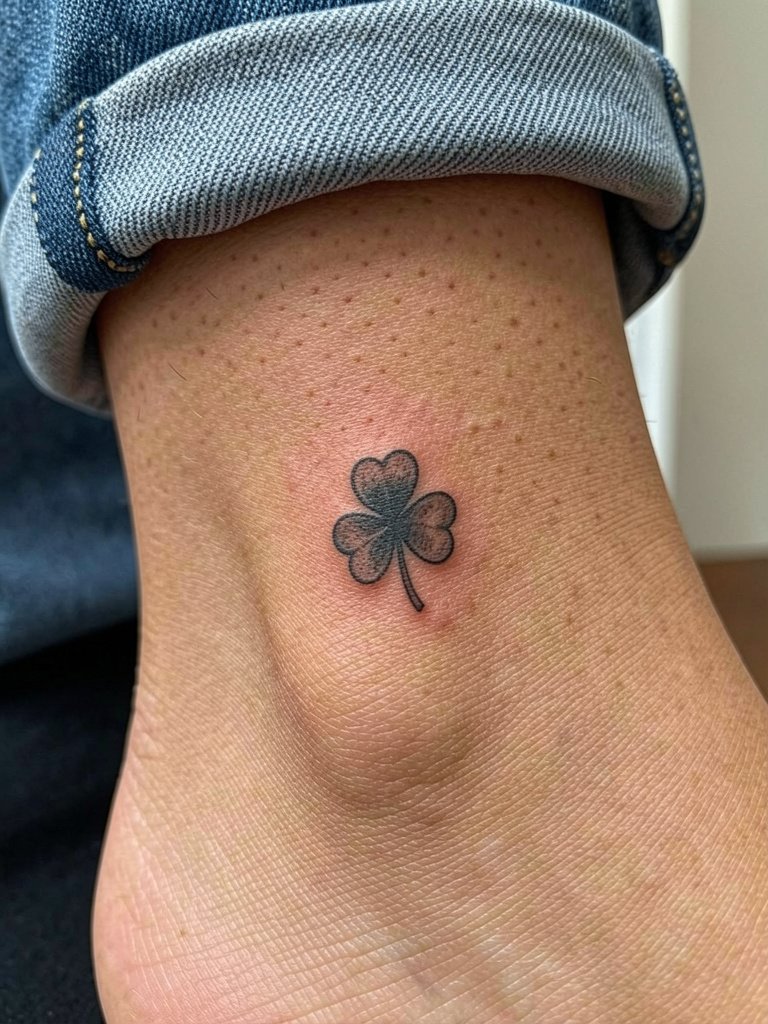
Ankle bone placements require careful planning because shoes and socks rub the area. Give the design room and consider a slightly heavier contour to avoid early fading. Sessions are short and sensitivity is low to moderate. A mistake is asking for micro interior veins or filigree, which blurs. Style with cropped trousers, and a pair of loafer flats to show the ankle without constant exposure to sand or salt.
17. Small Shamrock on the Inner Bicep
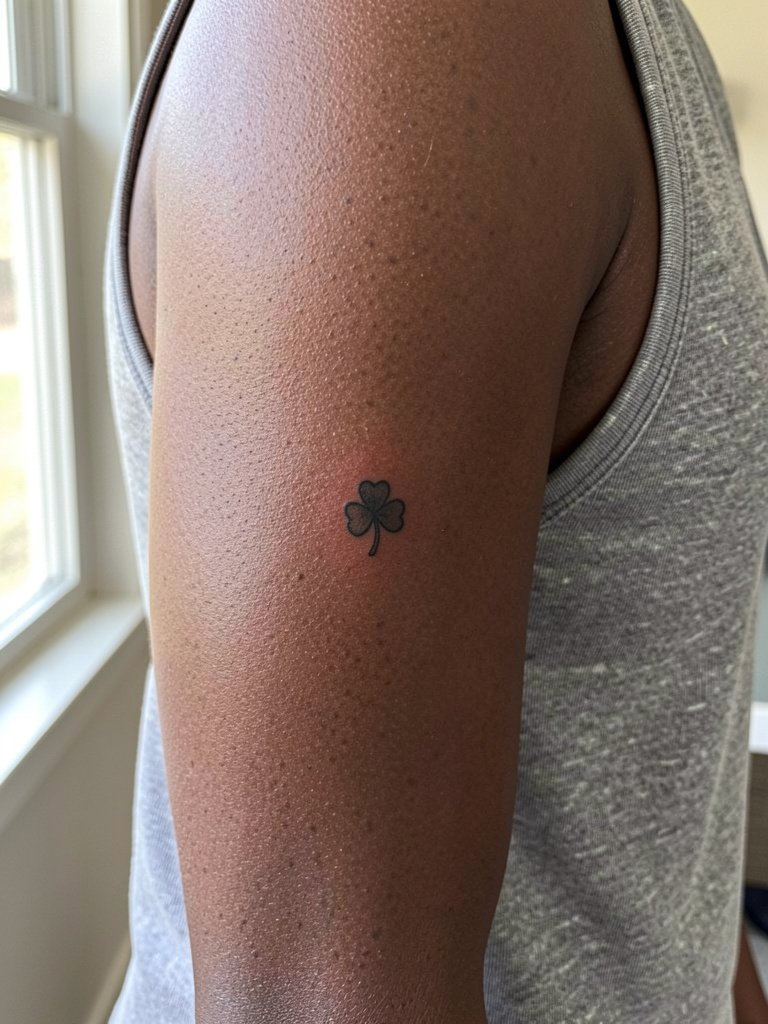
Inner bicep tattoos read intimate and can keep fine detail if sized properly because the skin is less exposed. Expect moderate pain and a session that allows for movements. A common mistake is going too fine; the inner bicep benefits from slightly stronger linework to resist early softening. For session day, wear a loose tee that allows the artist access without tugging at the hem. For outfits, short-sleeve tops that expose the inner arm pair well, consider a sleeveless blazer for a modern balance.
18. Clover and Tiny Star Cluster on the Shoulder Cap
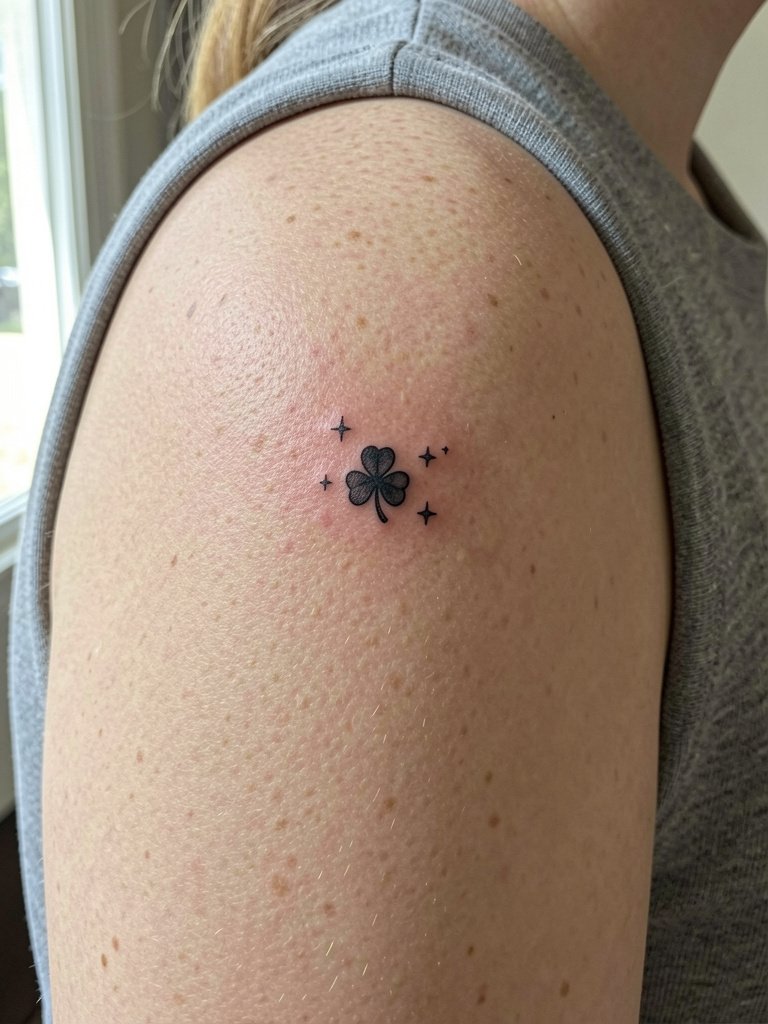
Shoulder cap placements are forgiving and allow tiny motifs to keep spacing, which helps fine-line stars and clovers age naturally. Sessions are short and pain is low to moderate. A mistake is clustering too many micro elements in a small area. For styling, sleeveless tops and sundresses show the shoulder cap, try a linen tank top that keeps the skin visible without harsh straps.
19. Tiny Shamrock Above the Anklet
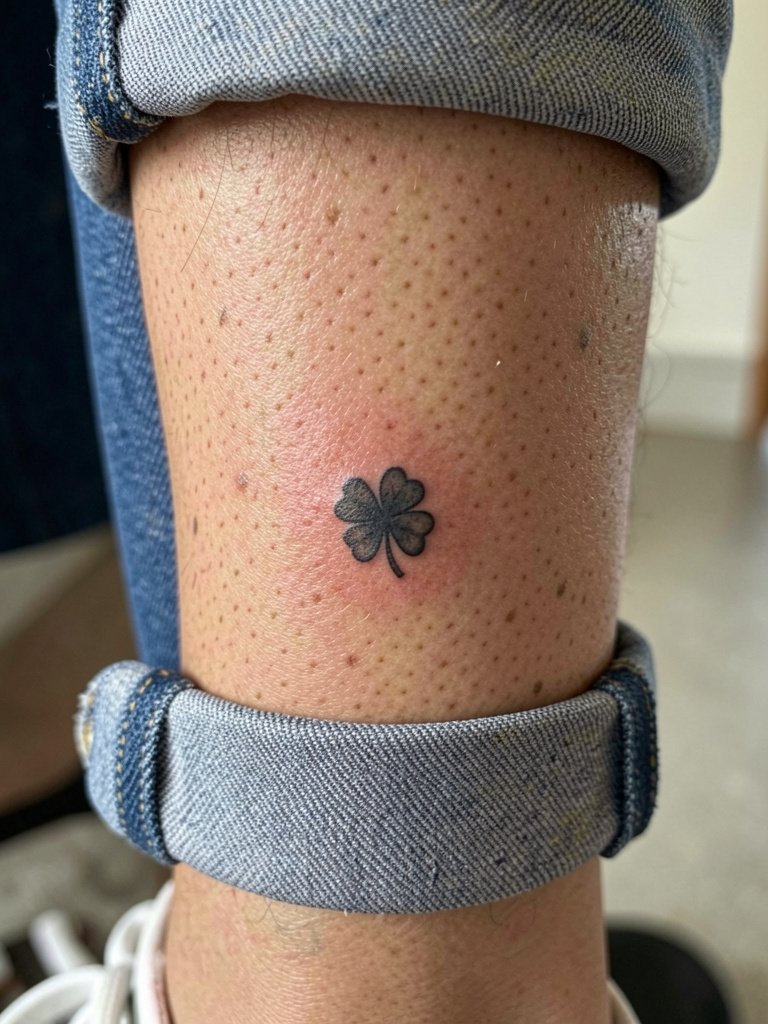
A placement above the anklet gives a delicate, wearable accent. The skin here is exposed to footwear friction so expect a small touch-up in the first year. Keep the design simple and avoid internal crosshatching that can smudge. For outfits, sandals and cropped trousers draw attention to this spot, pair with a cute pair of espadrilles.
20. Single-Needle Shamrock on the Side Hip
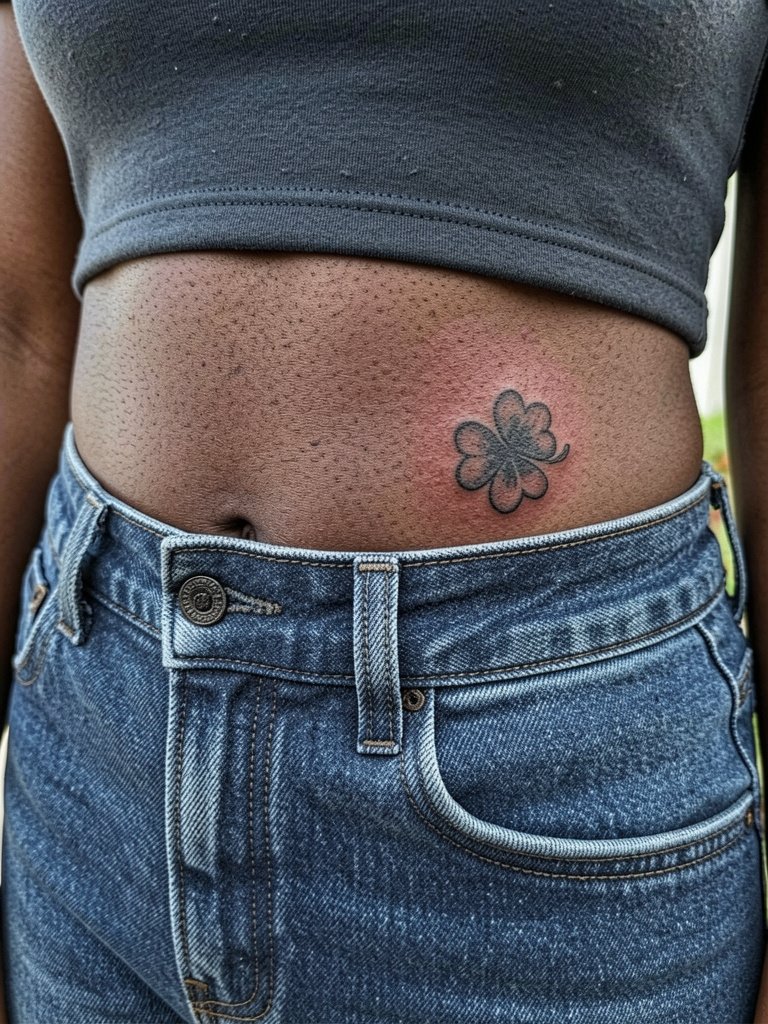
Hip placements let you keep the piece private or show it off seasonally. The lateral hip holds detail well since the skin is thicker, but be aware of waistband friction if clothing rides up. Session time is short and pain is low to moderate. A mistake is planning for constant exposure; the area does best with occasional reveal. Try low-rise jeans or a cropped top for beach days, and a cropped linen tee works well.
21. Minimal Shamrock Beside the Clavicle
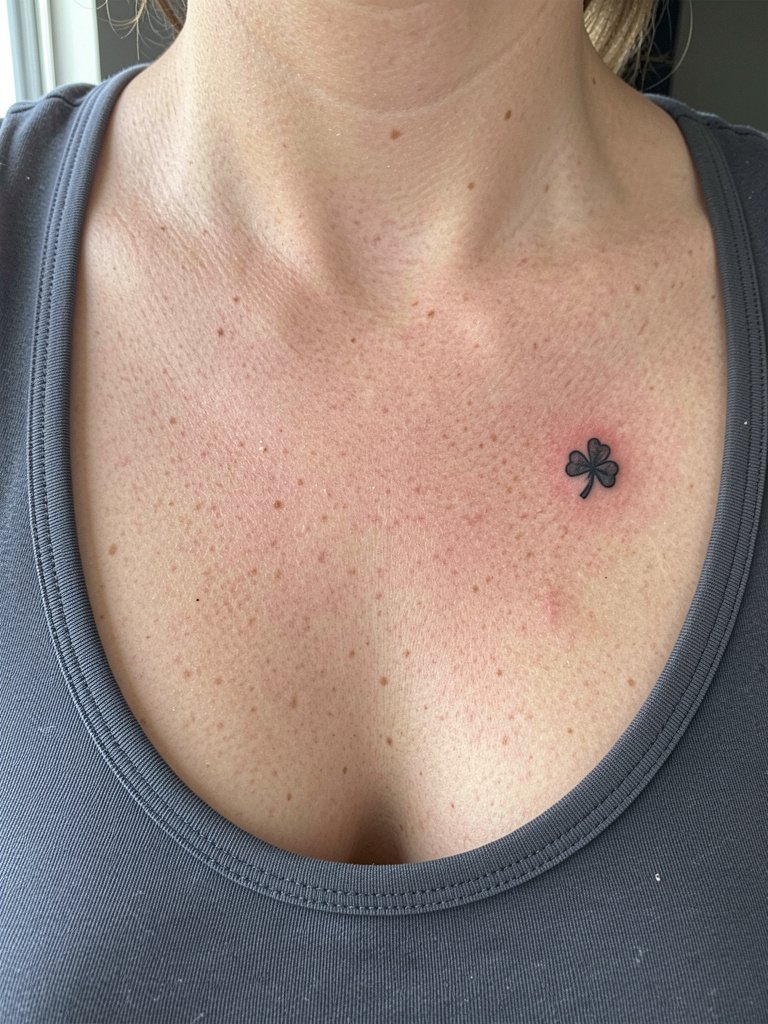
Clavicle-adjacent clovers give a subtle statement that frames jewelry well. The area is visible and ages similarly to the collarbone knot, so choose slight bolding of stems for durability. Sessions are brief and pain is moderate. A common error is placing the motif too close to the bone, which can feel sharp during the session. For outfits, V-neck and scoop-neck tops reveal the placement and a thin pendant necklace complements the space.
22. Tiny Clover in the Inner Wrist Crease
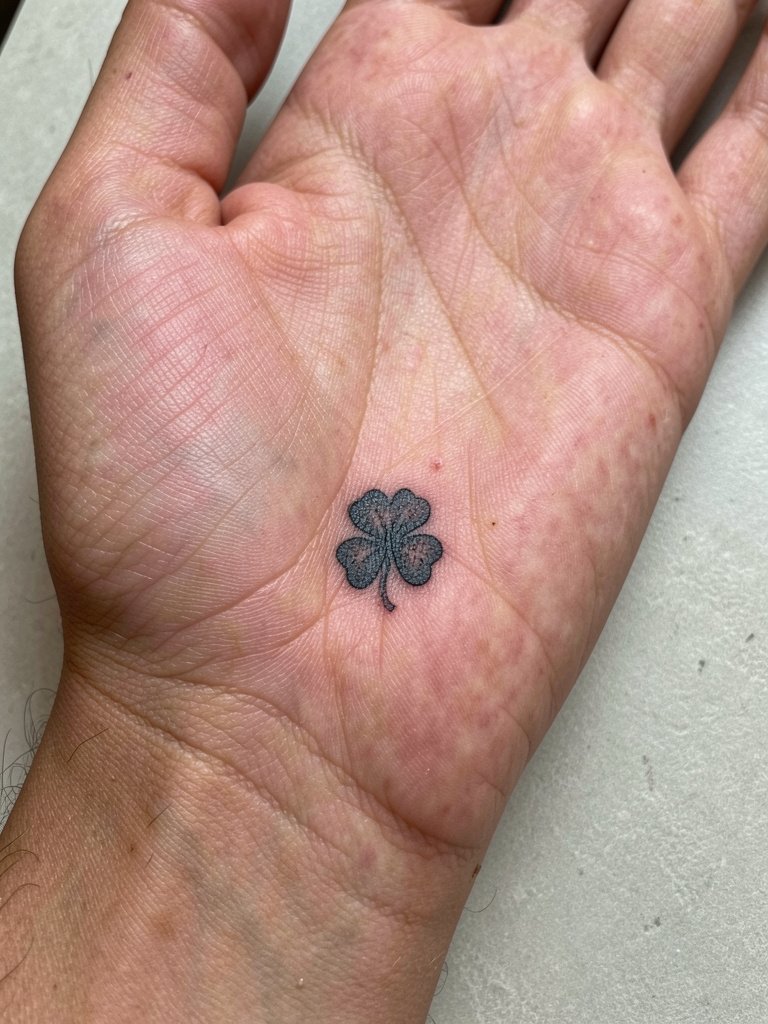
Inner wrist creases are visible and take a lot of movement and washing, which leads to fading for the finest lines. Make the clover slightly larger than expected and accept that touch-ups may be needed at one year. The session is short and sensitivity is mild. A mistake is placing delicate script too near the clover in the crease. For accessories, thin chain bracelets that sit below the line work avoid rubbing, try a simple chain bracelet.
23. Petite Shamrock Near the Hip Bone
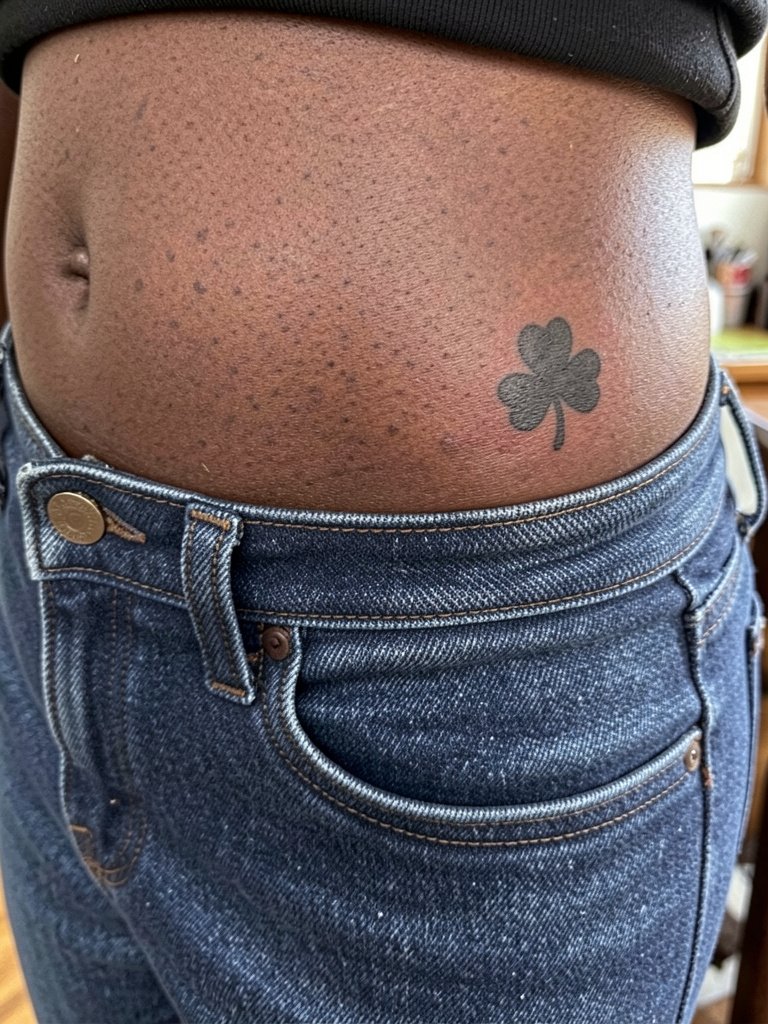
Hip-bone clovers are playful and private. The area tolerates fine detail but watch for friction from waistbands. Sessions are brief and pain is low to moderate. A mistake is expecting constant visibility; this placement rewards occasional reveal. Style with crop tops and low-rise denim and consider a cropped tank to show it off.
24. Tiny Shamrock at the Base of the Thumb
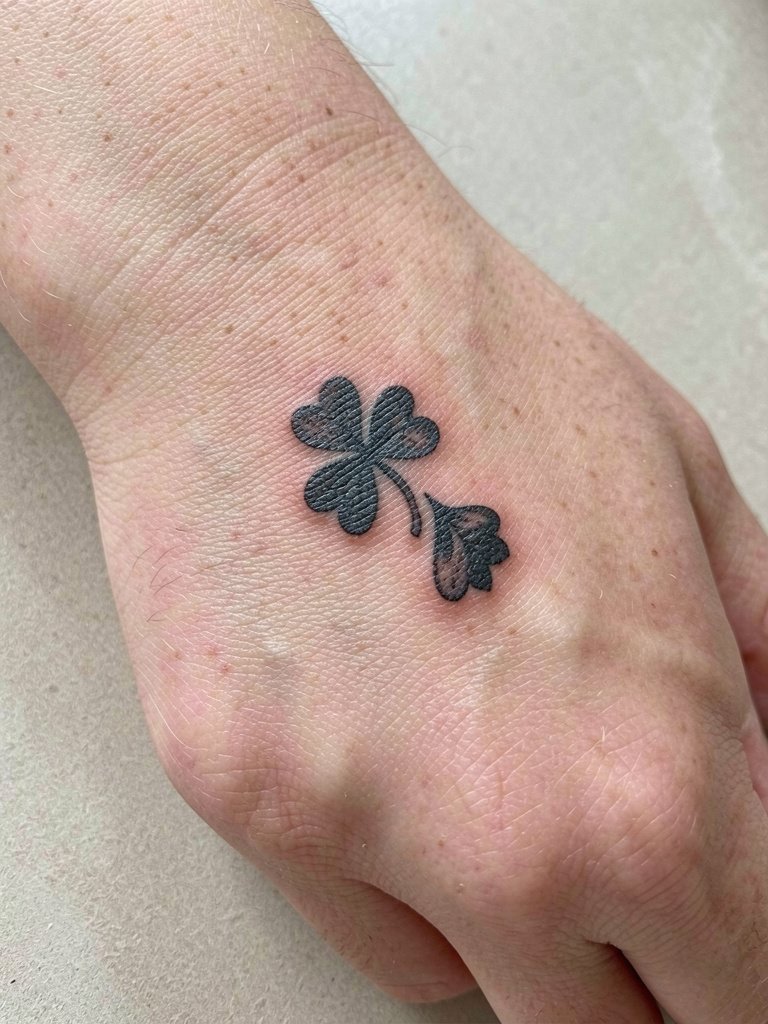
The base of the thumb is a high-motion zone and will need acceptance of a maintenance refresh. Linework here should be bolder than a hairline to keep shape. Sessions are short but the skin is sensitive. Avoid intricate interior details. For everyday styling, bracelets and watches that sit above the wrist keep the area visible, try a minimal cuff bracelet.
25. Tiny Clover on the Nape of the Neck
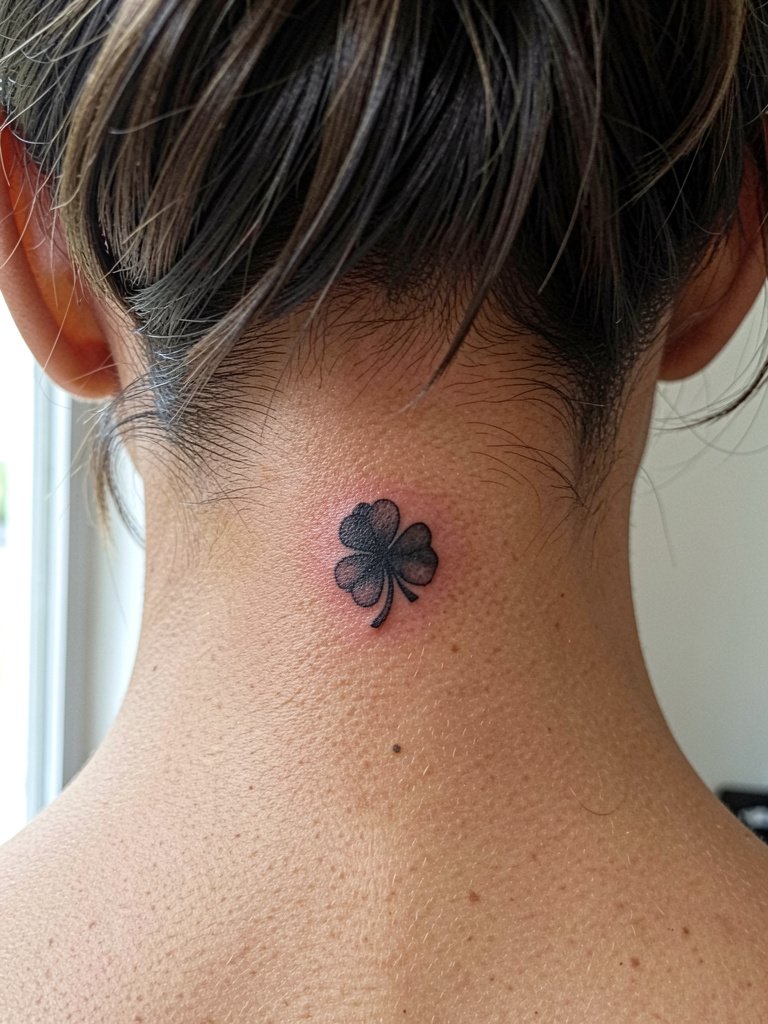
Nape placements are an easy way to tuck a holiday motif into your regular rotation. The skin is stable and small details can last if not overloaded. Sessions are quick and sensitivity is low to moderate. A common mistake is trying to fit script too close to the clover. For hair-up days, this spot pairs well with a simple barrette or choker, try a slim velvet choker to complement the area.
Frequently Asked Questions
Q: Which placements from this list need the most touch-ups over time?
A: Fingers, hands, and inner wrist creases usually require the most refreshes because of constant washing and friction. Ankles and hips can need touch-ups too, but upper arms, shoulder blades, and the nape typically hold fine-line work longer.
Q: Is gold ink worth it for tiny clovers on darker skin tones?
A: Gold ink can add warmth, but it tends to fade faster than black. One group of tattooers treats it as a short-term accent and plans a refresh at the six to twelve month mark. Another group prefers using warm-toned black or soft brown for longer visibility and avoids metallic inks on darker tones.
Q: How should I find artists and healed examples near me?
A: Use hashtags like #finelinetattoo, #stpatricksdaytattoo, and #cutelinetattoo on Instagram and TikTok then filter by location to see nearby portfolios. Tattoodo and local booking platforms let you search keywords like "fine line shamrock" for healed photos. Reddit threads in r/tattoos and r/tattooadvice often show real healed examples across skin tones.
Q: What should I wear to a session for a rib, sternum, or hip tattoo?
A: Choose clothing that gives the artist easy access without being pulled or moved. For ribs or sternum, a loose button-down or a fitted sports bra worn normally works well. For hips, wear low-rise jeans that are fully zipped and buttoned so the waistband sits naturally below the tattoo area.
Q: How do fine-line clovers age at 6 months, 2 years, and 5 years?
A: At six months fine-line clovers look crisp and settled. At two years very fine single-needle stems may soften and need a touch-up to restore crisp edges. At five years thicker, well-spaced linework usually reads best, while ultra-fine details often need refreshing to maintain definition.
Q: Any wardrobe pieces that consistently help show off small wrist and forearm clovers?
A: Yes. Rolled sleeves, sleeveless tops, and slim bracelets keep attention on forearm and wrist tattoos. A rolled linen shirt or a thin leather strap watch both frame delicate linework without rubbing it.