Someone I know spent months staring at portfolios before booking. The problem was not finding designs. It was knowing which simple linework tattoos actually age and where they sit on the body without blurring. I have talked with artists at five shops across Brooklyn and seen healed pieces on a range of skin tones. Below are 12 dark, simple linework ideas that are trending now, with what to say at your consult and how each one holds up over time.
1. Single-Line Fox Silhouette on the Wrist
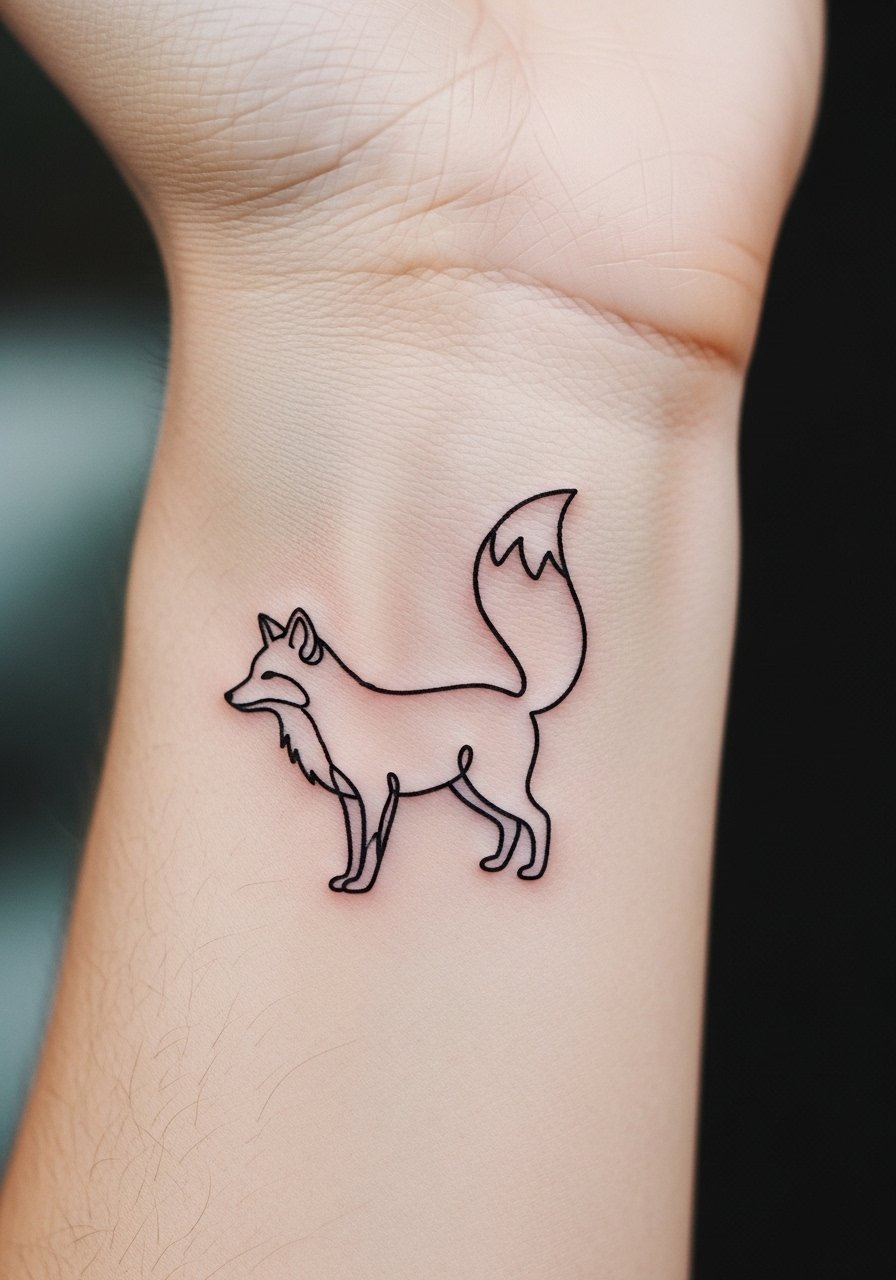
Someone I know first saw this on a friend’s wrist and booked the same day. Recommend the single continuous stroke to your artist and ask for a slightly thicker line weight than a hairline. That gives the shape room to age without becoming patchy. Wrist skin is thin and moves a lot, so expect a light sting for under five minutes and a one-session appointment. Common mistakes are asking for ultra-micro scale or insisting on an impossibly tiny tail tip. At six months the silhouette should still read sharply. By year three a small touch-up may be needed to restore saturation if you have a lot of sun exposure.
2. Dashed Band Across Fingers

Fair warning: finger skin is unforgiving and fades faster than forearms. I usually advise people who want a dashed band to keep dash length proportional to finger width and to accept that frequent touch-ups are likely. During consultation say you want negative space between dashes rather than tightly packed dots. The session is short but the healing phase requires careful aftercare because hands get wet and scrubbed often. A common error is asking for a hairline band at the knuckle; that often blurs into a gray smudge within two years. Plan on a refresh around year two if you want crisp separation.
3. Thin Triangle or Circle on the Collarbone
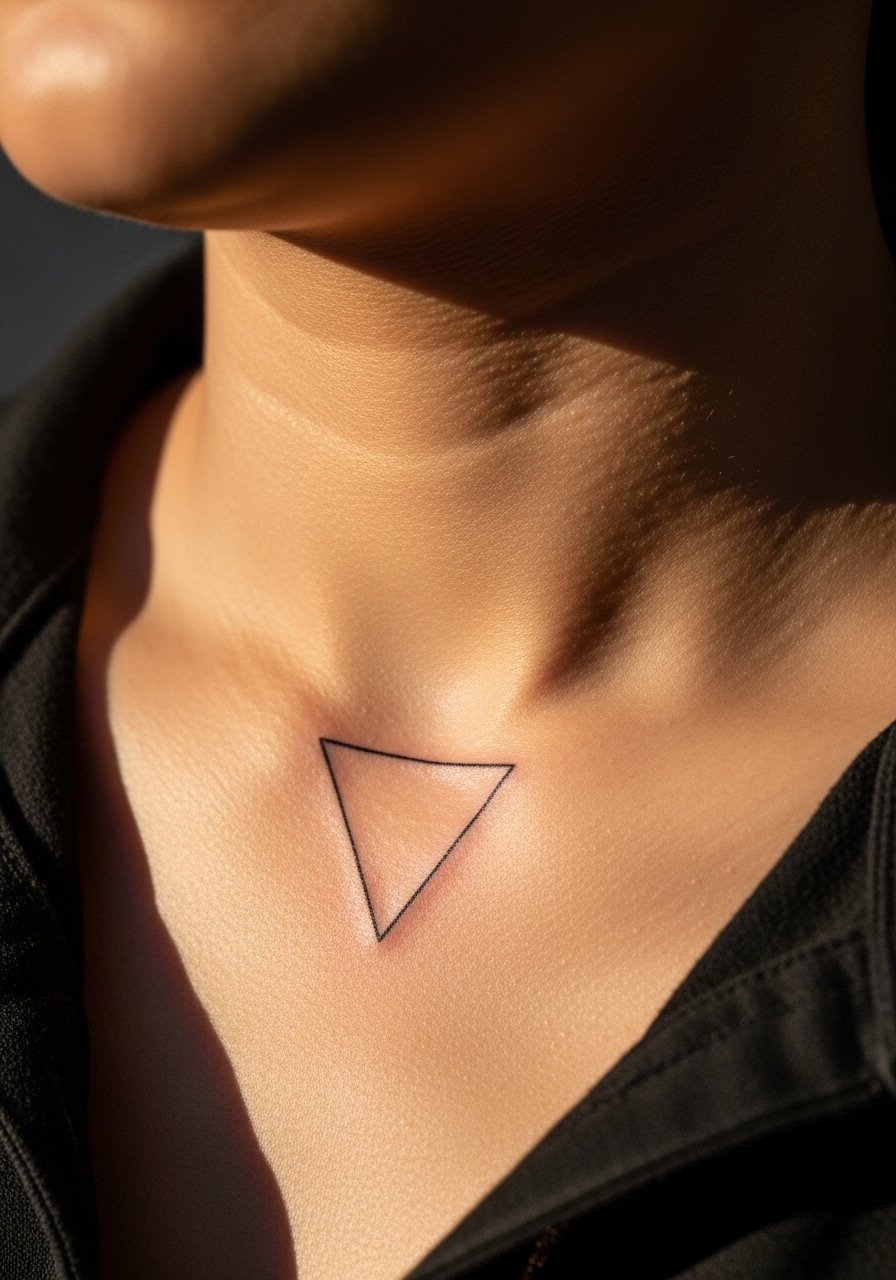
Most people choose geometric shapes for symbolic clarity, not complexity. When you sit down with your artist, bring images that show the exact line weight and final size. The collarbone gives a graceful canvas but the skin can be bumpy, so avoid ultra-micro scale. Pain is moderate and session time is short. A frequent mistake is requesting overlapping lines that are too close together, which causes them to merge as the ink settles. At two years the outline should stay crisp if the line weight was set slightly heavier up front. A touch-up at year three is common for people who spend a lot of time outdoors.
4. Cursive Signature "Ava" on Inner Wrist

When someone wants a name or word, I tell them to bring the exact handwriting they want. For this design say you want the name "Ava" in continuous cursive and ask the artist to test the scale on tracing paper first. Inner wrist work is sensitive but quick. The main mistake is asking for extremely thin script that loses character as it heals. Expect the strokes to soften by six months, especially on oily skin types. If the meaning is personal, consider placing it slightly higher on the forearm for longer longevity. A one-time touch-up often restores faded tails and cross strokes.
5. Single Wave Outline on the Ankle or Rib

Most people associate waves with travel or coastlines, and ankle placement reads like a small signature. Artists are split on ribs for fine wave outlines. One camp says ribs stretch and the lines blur within two years. The other camp says with the right needle depth and spacing the lines can remain clean. Ask your artist where they stand and request a slightly bolder contour if you plan ribs. Ankle placement is lower risk for blowout but higher for abrasion from socks. Expect a brief session and a touch-up window at year two for ankle pieces, and possibly sooner if you hike or swim often.
6. Finger Ring Line Wrap for Couples
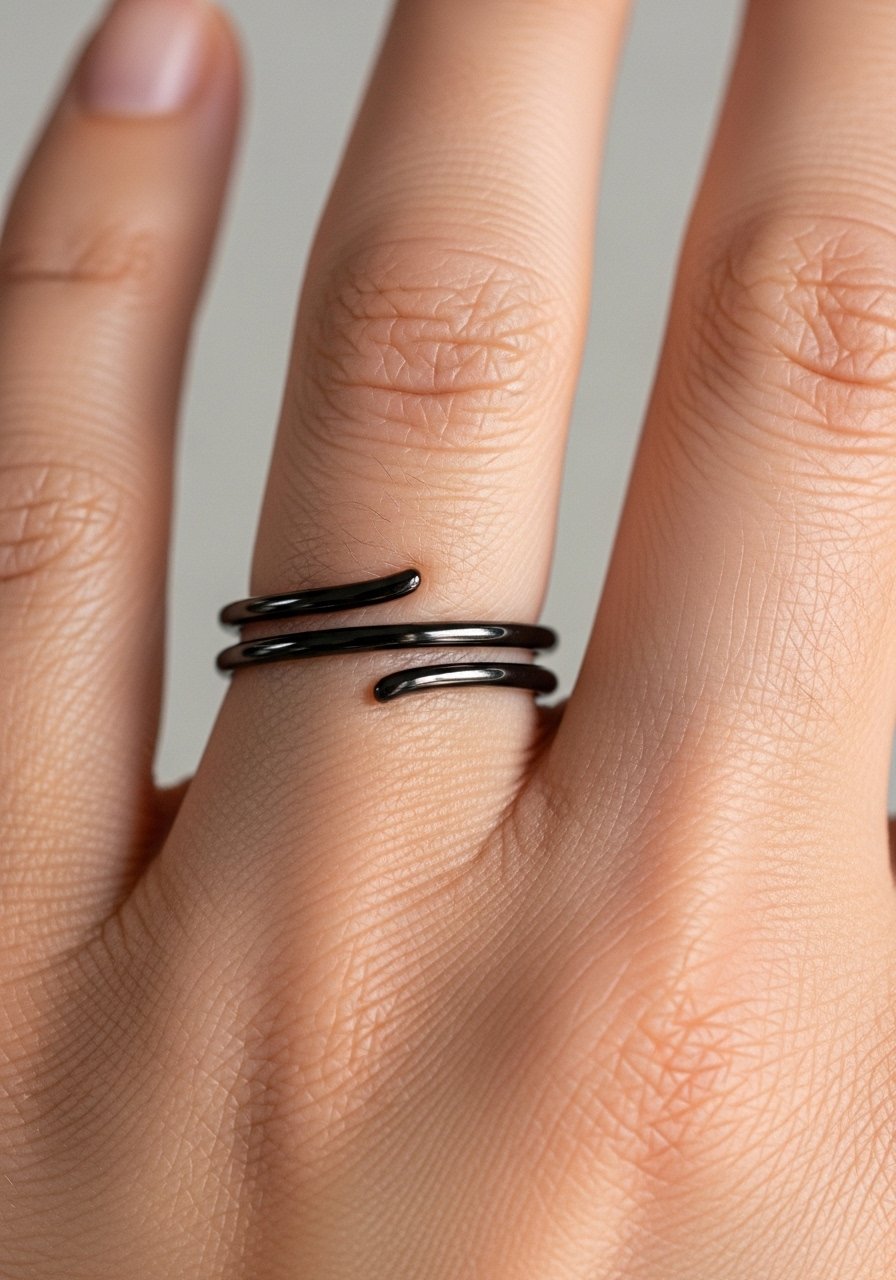
The biggest mistake with ring wraps is trying to match wedding band thickness exactly. Skin on fingers moves and swells, so you want a tiny margin of extra width for the band. During consultation say whether you want exact symmetry with a partner or complementary bands that echo each other. Sessions are micro and quick, but healing needs careful management because finger skin peels fast. Expect touch-ups every 1.5 to 3 years. If you work hands-on, consider a placement slightly below the joint for less wear.
7. Numbered Tally Marks Behind the Ear

When a piece is this small, placement matters more than design. Behind the ear is discreet and cool for a tally or small number like "7". Tell your artist the exact count and the spacing you want. A common error is cramming too many marks into a tiny patch, which reads as a blob after healing. Behind-ear ink fades faster because the skin sheds and the area sees friction from hair. Expect the session to be over quickly and plan for a touch-up within two years if you want the marks to stay dark.
8. One-Continuous Human Silhouette on Shoulder
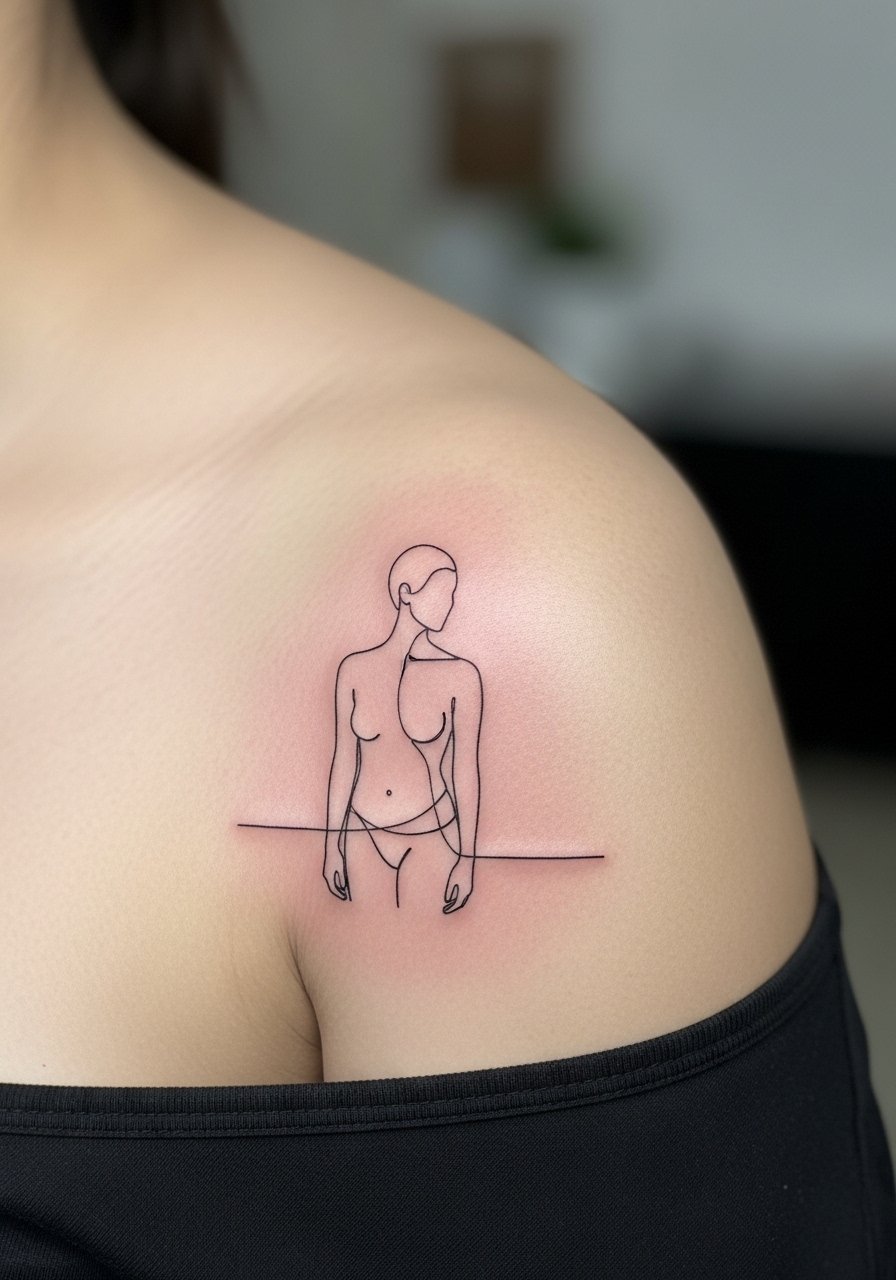
When you describe this, say you want a single unbroken contour that reads as a figure rather than a sketch. Shoulder placement gives the design space to breathe and reduces blowout risk compared with ribs. The session feels like a steady, attention-focused ten to twenty minutes. A mistake I see is too much interior detail added to a silhouette, which ruins the single-line concept and speeds up fading. Over three to five years the silhouette maintains form if the artist sets a confident line weight and avoids hairline tails that feather.
9. Colored Dashed Gradient on Forearm

There is growing interest in adding hue to classic dashes for a discreet pop. Tell your artist the exact colors and where you want the gradient to begin, and specify that you prefer color saturation leaning dark rather than pastel. Forearm skin is forgiving so the color will hold better than on fingers. Common mistakes include tiny color dots with no saturation, which look washed out at six months. Expect a single session but possibly two for perfect color packing. UV protection matters more for colored ink, so plan sunscreen into your long-term care.
10. Micro-Realism Eye or Portrait Element on Inner Arm
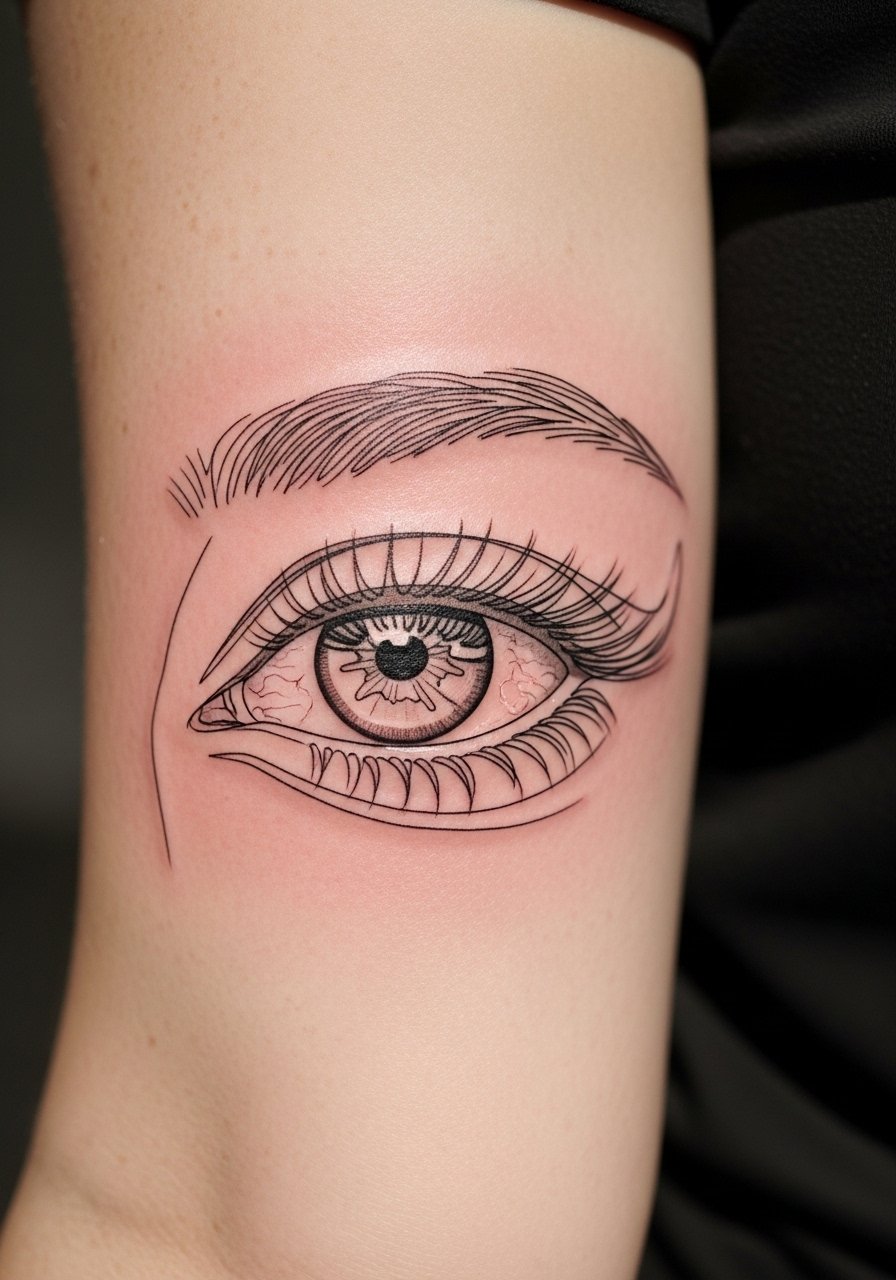
When you want micro-realism at a tiny scale, ask the artist to show healed examples of similarly sized pieces. Inner arm skin takes detail well but can bruise more during fresh work. One frequent problem is asking for hyper-detailed features at too-small a scale. The session might take longer because the artist works slowly for crisp micro strokes. At one year the piece should retain its defining shapes, but fine eyelashes and micro shading may need a touch-up at year three. If you have darker skin tones, ask to see healed work on similar skin so you get accurate expectations.
11. Single-Line Floral Stem on Ankle
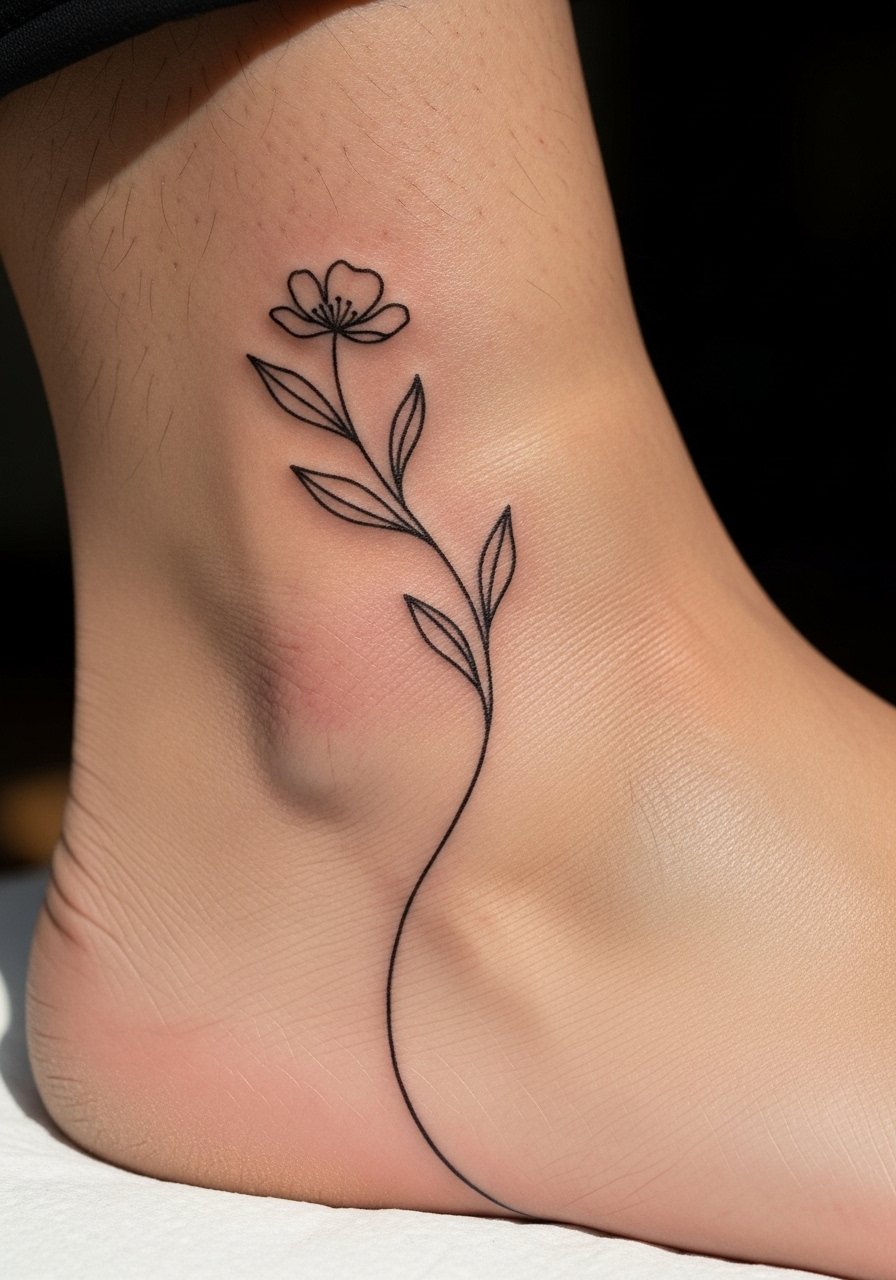
A visual impact lead works here because stems read like a quiet emblem of growth. For an ankle stem ask for a single sweeping curve and avoid tiny petal detail that becomes a gray patch over time. The session is brief and pain is mild, though the inner ankle is more sensitive. Common mistakes include adding stipple shading too close to the stem, which clogs tiny negative space. At six months the stem will soften slightly. A touch-up at year two keeps the contour crisp against skin friction from footwear.
12. Fine Line Artsy Face Outline on Forearm
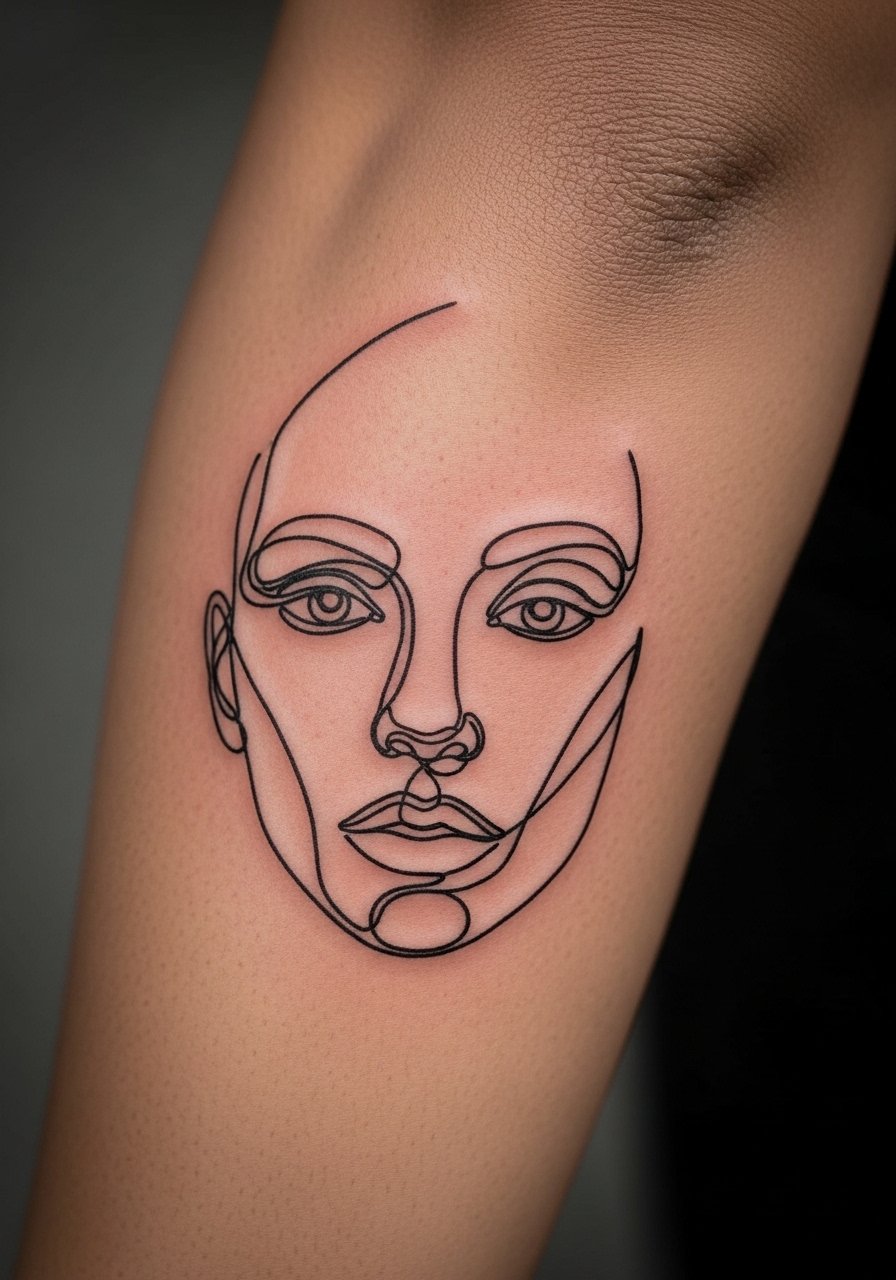
Artists split on face outlines for neck or chest placement. One group worries small contours on the neck lose definition as skin shifts. The other group says the forearm is ideal and holds linework well with proper depth. For a forearm face outline tell your artist exactly which features you want emphasized, like the eye or mouth, and request a slightly thicker anchor line at key points. Sessions are short and the forearm is low risk for blowout. Over three to five years anchor points remain readable while very thin connecting strokes will likely need a touch-up.
Tattoo Prep and Aftercare Essentials
Fragrance-free gentle foaming cleanser. Use for initial washing during the first week. A pH-balanced cleanser helps remove excess plasma without stripping new ink, especially on hands and wrists.
Medical-grade second skin bandage, single-use sheets. Useful for the first 24 to 72 hours when you want an occlusive barrier that breathes. Apply as your artist directs and trim to fit small placements like fingers.
Lightweight fragrance-free balm. For days three to fourteen use a thin layer to keep the area moisturized without suffocating the skin. Helps reduce peeling and itch.
Breathable non-stick dressing pads. Keep one in your kit for travel or if a fresh piece rubs against clothing. Good for collarbone and ankle placements that catch fabric.
Silicone scar sheets, small pack. For long-term maintenance on larger linework, silicone can help smooth raised scarring from overworked areas. Start only after full healing and with artist approval.
CeraVe Moisturizing Cream. A gentle daily moisturizer for after the initial healing phase. I mention CeraVe once because it is a widely trusted option that many people use for long-term skin health.
Broad spectrum mineral sunscreen SPF 50. Sunscreen is essential to prevent fading on forearms, hands, and neck. Apply after healing is complete.
Medical adhesive remover wipes. Useful when you need to remove dressings without irritating the skin. Use sparingly and follow product directions.
Every tattoo is different. Always follow your artist's specific aftercare instructions. Consult a dermatologist if you have skin concerns or unusual healing issues.
Frequently Asked Questions
Q: How long do fine line tattoos like the single-line face or human silhouette stay crisp before they need a touch-up?
A: It depends on placement and skin type. Forearm and shoulder pieces often stay readable for three to five years before people request refresh work. Fingers, hands, and sites with a lot of friction usually need touch-ups sooner. From what I've seen, sunscreen and minimal abrasion extend the time between touch-ups.
Q: Will a wave outline on the rib blur faster than the same design on the ankle?
A: Yes, ribs are prone to skin movement and stretching that can soften ultra-fine strokes. The ankle sees more abrasion but less stretch. Ask your artist whether they prefer a slightly heavier line for ribs or a smaller placement like the ankle to preserve detail.
Q: For micro-realism portrait elements, what should I ask to verify the artist's skill?
A: Request healed photos of similarly sized micro pieces and ask about touch-up timelines. Say you want examples on skin tones like yours. A good sign is multiple healed photos of the same detail level rather than only fresh work.
Q: Are colored dashed gradients safe for darker skin tones and will the hue show up?
A: Color visibility depends on contrast and pigment choice. Darker, saturated pigments show up more reliably than pastel washes. Ask to see healed color examples on similar skin and request a slightly darker palette if you want the gradient to remain visible over time.
Q: How should couples plan matching ring wraps to avoid them looking cheesy or mismatched later?
A: Decide whether you want identical bands or complementary designs that echo one another. Ask your artist to leave a small margin for finger swelling and to avoid hairline bands that will blur. Matching by shared line weight rather than exact diameter usually looks more intentional long-term.
Q: Where can I find artists who specialize in simple linework without naming anyone directly?
A: Use style-specific hashtags like #finelinetattoo or #singlelinetattoo and check Instagram location tags for local studios. Pinterest boards and directories that filter by style help too. Reddit communities often have recent photos and shop recs for your city.