
Ocean skin holds details differently than inland skin, and that matters for small nautical work. Delicate wave lines and tiny shells can blur faster than expected when placed on areas that see salt, sun, and motion. Choosing simplified shapes, deliberate spacing, and slightly heavier linework creates that calm, breathable look you want for years. Below the first design is a close example to help you picture spacing and placement.
1. Fine Line Minimal Wave on Inner Wrist
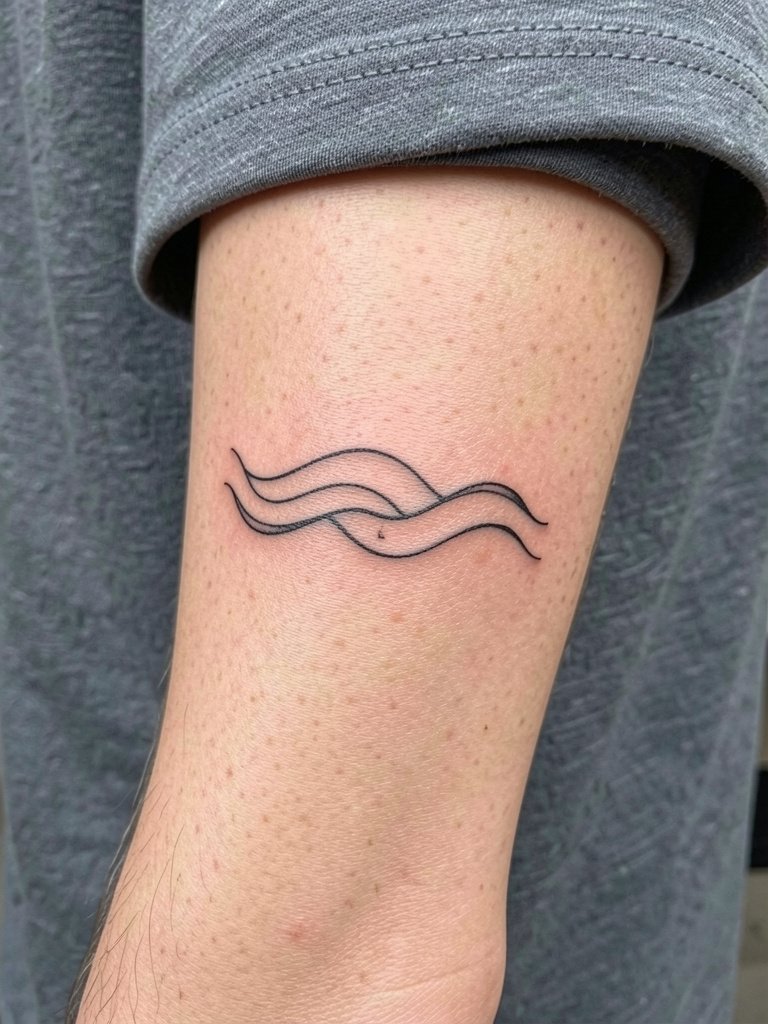
The inner wrist is a high-motion, high-wash area, so I recommend slightly heavier single-needle work rather than the paper-thin filigree that looks fragile. This design reads calm because of spacing between the curves and the negative-space rhythm. The session usually runs under an hour and feels like steady buzzing against thin skin, with more sensitivity near the radial bone. Expect the lines to look crisp at six months and to soften by two years, with a likely touch-up around year two. For showing it off, pair it with a rolled sleeve linen shirt that keeps the wrist visible while staying casual.
2. Watercolor Kelp Band on Upper Arm
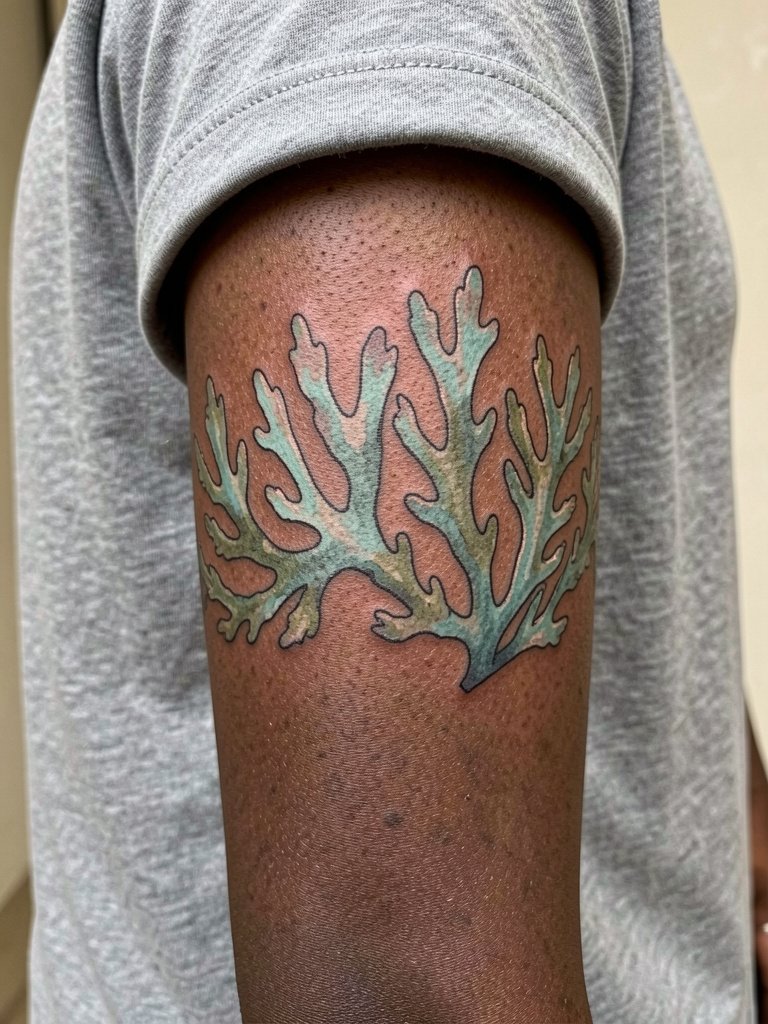
A kelp band works when you want motion without heavy contrast. I suggest stipple shading within fronds rather than big saturated fills because the upper arm sees stretching and movement. The session for a band this size is often 90 to 120 minutes and the outer arm handles color saturation well. Common mistakes include too many tiny leaf details that blur into a single blob after a couple of years. For evenings when you want to show the band, a rolled-sleeve linen blazer frames the area without overwhelming the soft color palette.
3. Tiny Nautical Star Behind the Ear
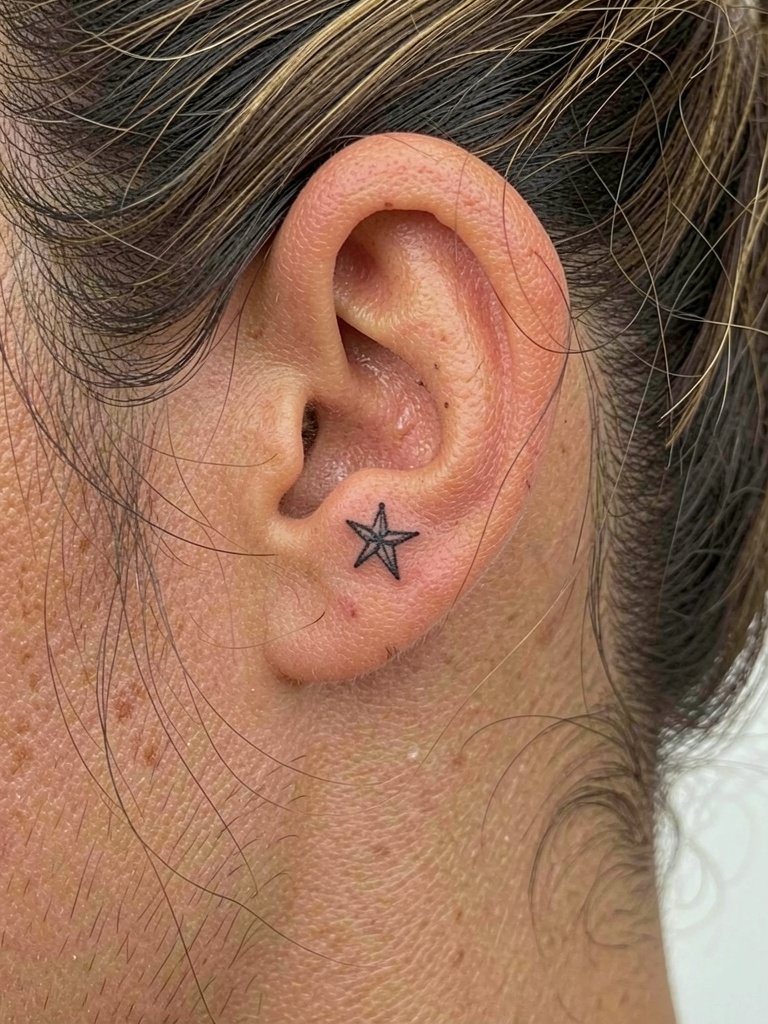
Behind-the-ear work reads intimate and discreet, but the skin there is thin and experiences rubbing from collars and hair. A one-needle star should be sized with breathing room so it does not bleed into a smudge. The session is typically under 30 minutes and the pain is sharp and brief. A rookie move is to insist on ultra-fine detail that will vanish. For styling, a simple silk scrunchie keeps hair off the area while letting the small star peek through when you want it to.
4. Blackwork Crescent Moon on Ribcage
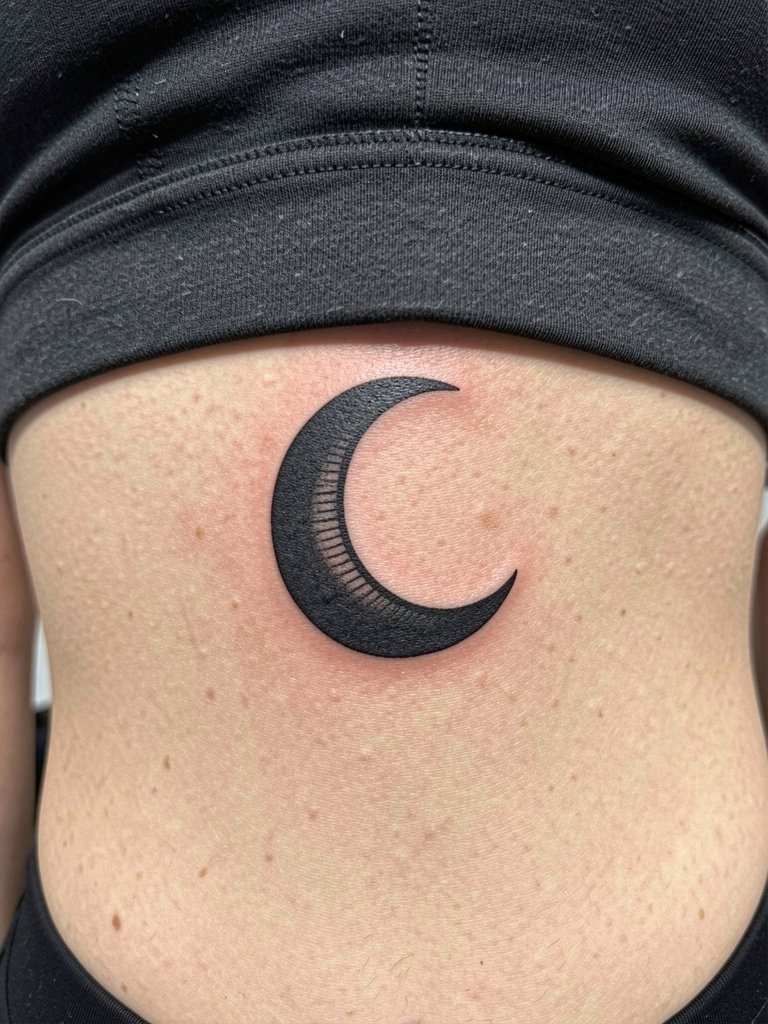
Ribcage pieces can be high on the pain scale because the skin sits over bone and moves with breathing. Blackwork crescents age well when scaled properly because saturated fills retain contrast longer than faint grey washes. The common error is making the moon too small, which reduces staying power as the fill softens. Expect a longer single session with several short breaks. If you plan to reveal the area occasionally, a fitted bandeau or a cropped top during warmer months shows the curve without adjusting clothing during the session.
5. Linework Wave Band Around the Ankle
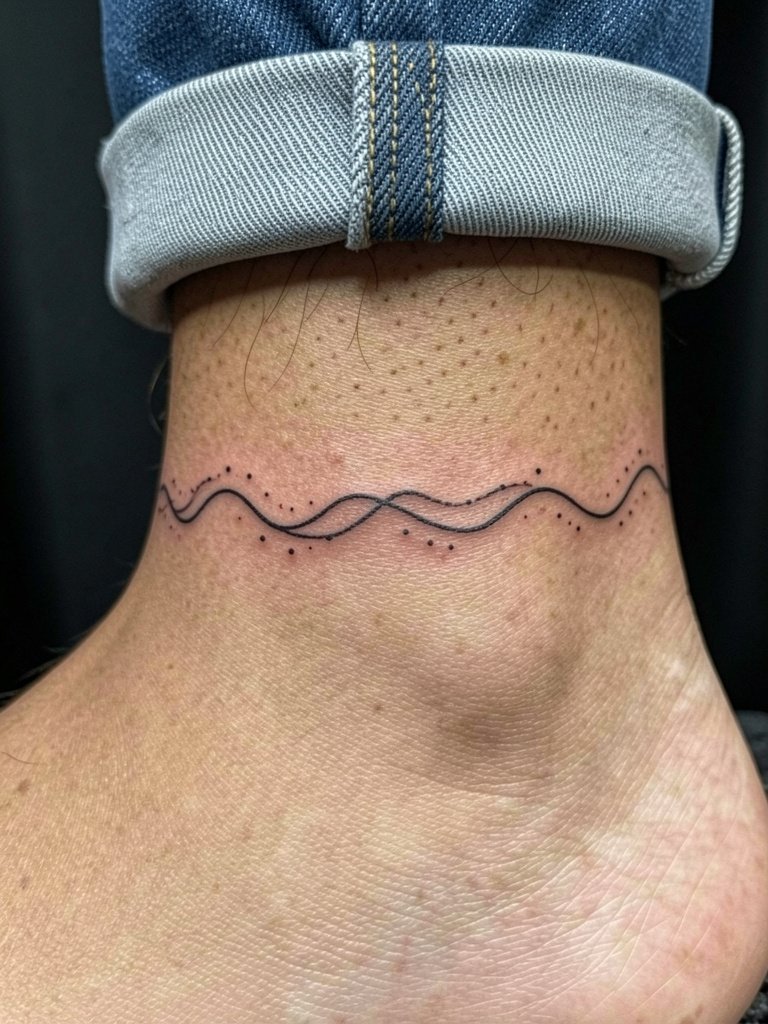
Ankle tattoos see friction from socks and shoes, so crisp single-line bands need extra spacing and slightly denser ink to stay calm-looking. One camp argues that thin single-needle lines on ankles blur within a few years because of constant rubbing. The other camp insists that with slightly increased spacing and firm saturation the lines can remain distinct for many years. The session time is short but the area is sensitive near bone. Wear cuffed jeans or low socks to and from the appointment to keep the area clean and visible during healing, and bring a pair of cushioned no-show socks for comfort post-session.
6. Micro-Realism Seashell on Inner Thigh
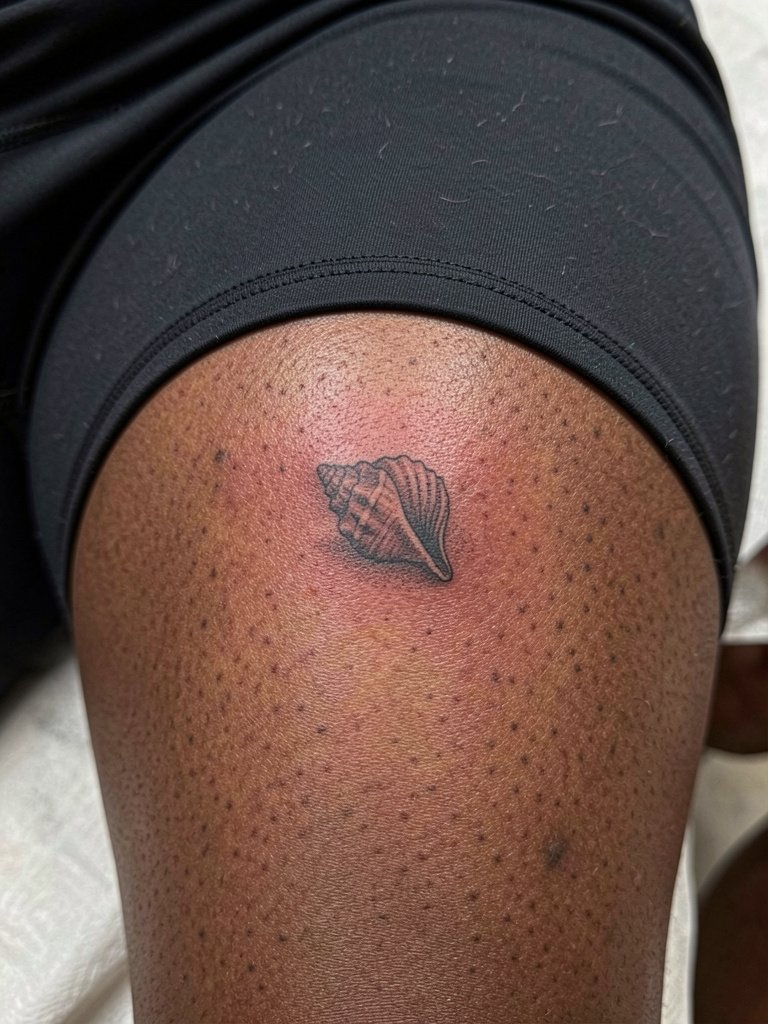
Inner-thigh pieces hide easily but they heal against skin and see more friction than people expect. For a micro-realistic shell, I recommend soft stipple shading and slightly more contrast than the reference photo so details remain readable after healing. The session can be tender and longer depending on size. A common mistake is choosing a full photoreal shell at micro scale without room for the shading to breathe. For the session, wear fitted bike shorts so the artist can expose the area without you being uncomfortable. Sensitive placement note.
Session Day Picks
Those first six sea pieces include wrists, ankles, ribs, and inner thigh, all of which benefit from a couple of practical items that reduce friction and speed the first-week routine.
-
Stencil transfer pen kit. Helps you test placement and spacing on the skin before the needle work, which is valuable for small wave and shell designs.
-
Cooling gel sheet patches. Useful for ankle and wrist redness without smothering the area in thick ointment.
-
Breathable fabric tape roll. Keeps small pieces on hands or feet protected from rubbing while allowing airflow.
-
Lightweight compress wrap. Secures bandaging without tightness for thigh or rib work during transit after a session.
-
Aquaphor healing ointment. Thin layer as recommended by many artists keeps small linework supple during the initial days and lowers scabbing.
7. Minimal Sailboat Silhouette on Collarbone
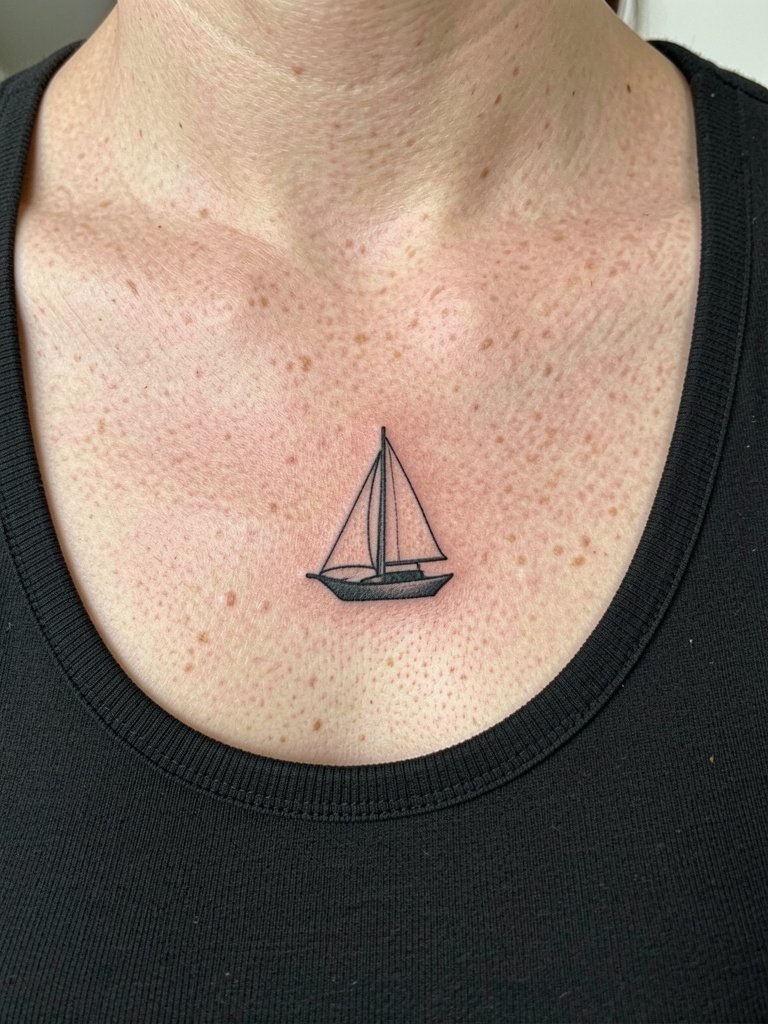
The collarbone is a visible placement that catches sunlight and clothing edges. A small sailboat silhouette benefits from slightly bolder contour lines so the shape reads from a distance. The area can sting because of thin skin over bone. Expect around 45 minutes depending on size. Avoid placing tiny interior details that will smear against the collarbone motion. For showing it off, pair with a wide V-neck linen top that naturally frames the collarbone.
8. Stippled Coral Cluster on Shoulder Blade
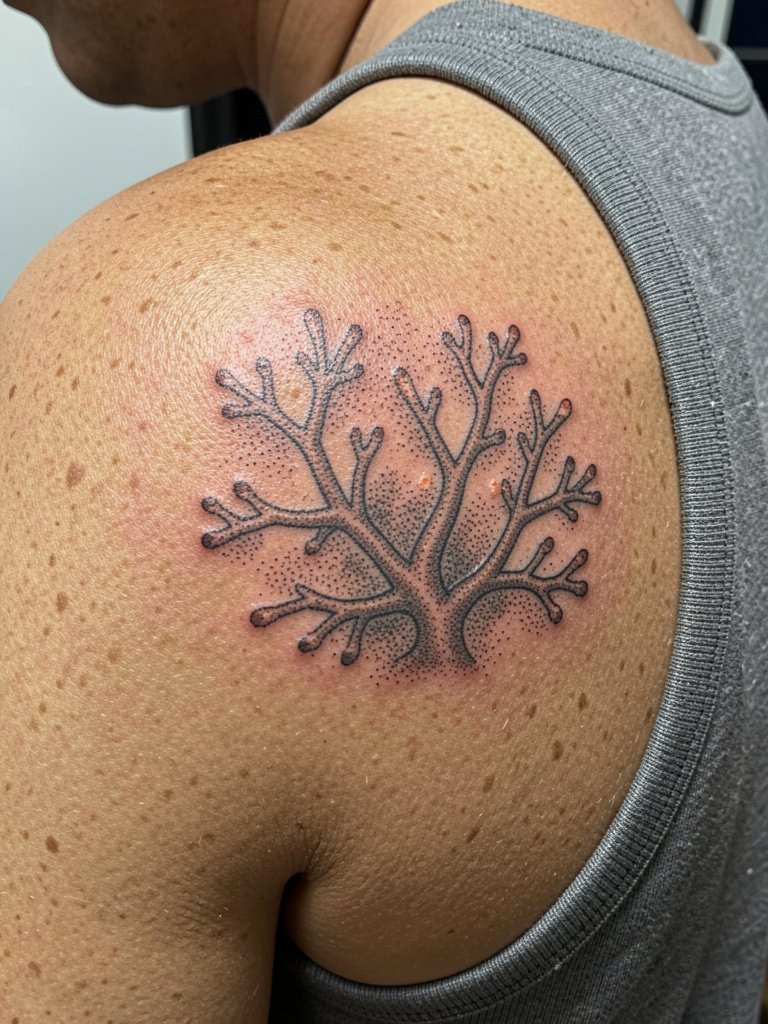
Stipple shading is ideal for coral because it gives texture without heavy saturation that can look muddy over time. The shoulder blade tolerates dot work well and the area heals predictably. A common error is crowding too many branches into a small patch. Session time ranges from 60 to 150 minutes depending on complexity. During the session wear a loose tank so the artist has unobstructed access. The piece pairs well with off-shoulder tops and a linen cami for relaxed styling.
9. Geometric Shell on Inner Forearm
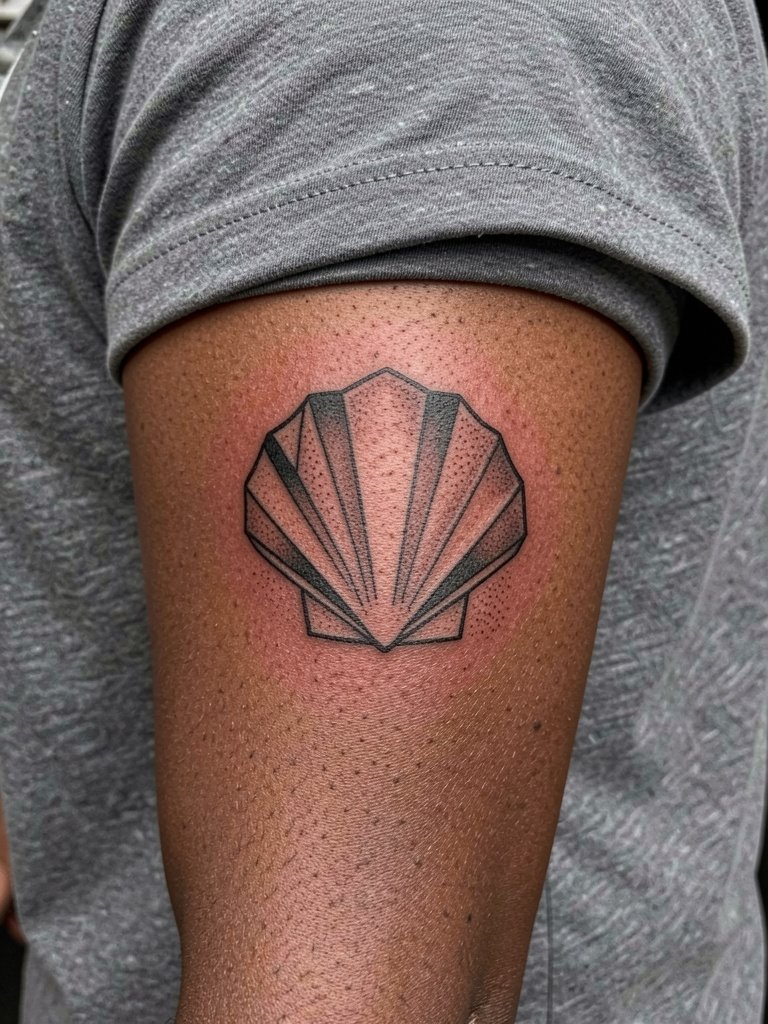
Inner forearm allows for elongated shapes and geometric reinterpretations of sea motifs. For a shell, aim for clean linework and deliberate spacing so the geometry stays readable as the skin ages. The area is moderate in pain and heals evenly. A frequent mistake is packing too many tiny facets into the shell. Bring two scale references to the consultation so you compare three-inch versus five-inch reads. For outfit pairings try a rolled-sleeve chambray shirt that complements the linear geometry.
10. Tiny Anchor on the Side of Finger
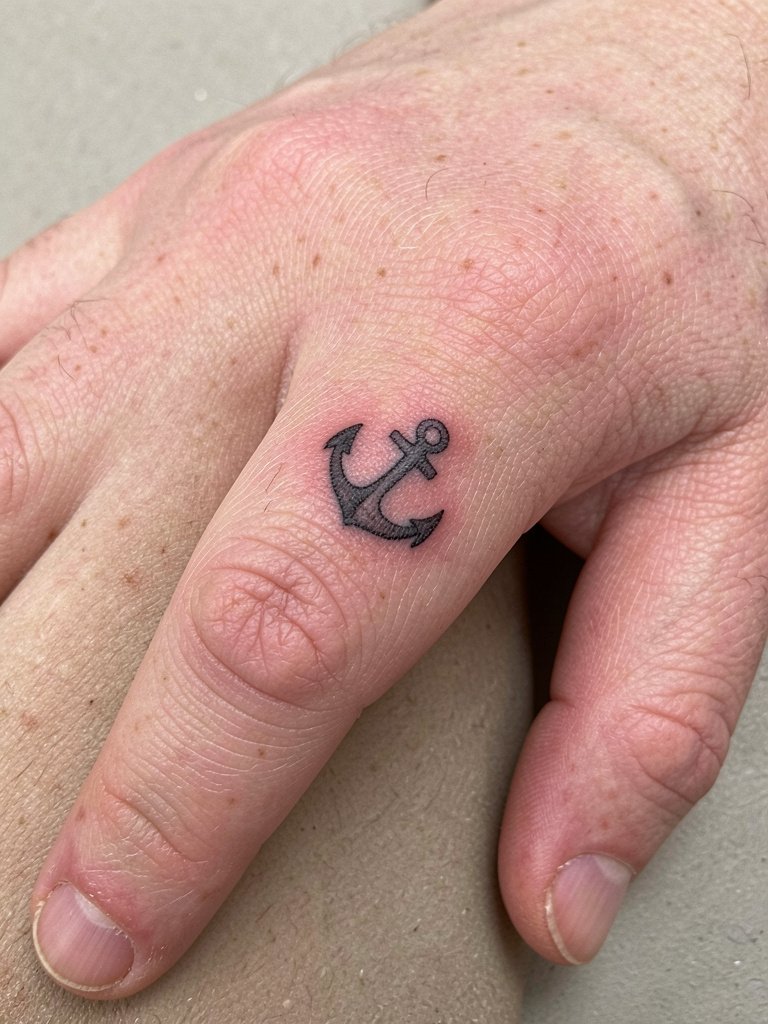
Finger tattoos are notorious for softening because the skin there is exposed to frequent washing and movement. Many artists caution against intricate finger designs because of fast fading. If you want an anchor there, keep the shape bold and accept touch-ups will be needed within a year or two. The session is quick but the aftercare is more hands-on. Wear a comfortable ring or fingerless glove when you want a subtler reveal and avoid tight rings during the first month.
11. Nautical Chart Lines Across the Back of Shoulder
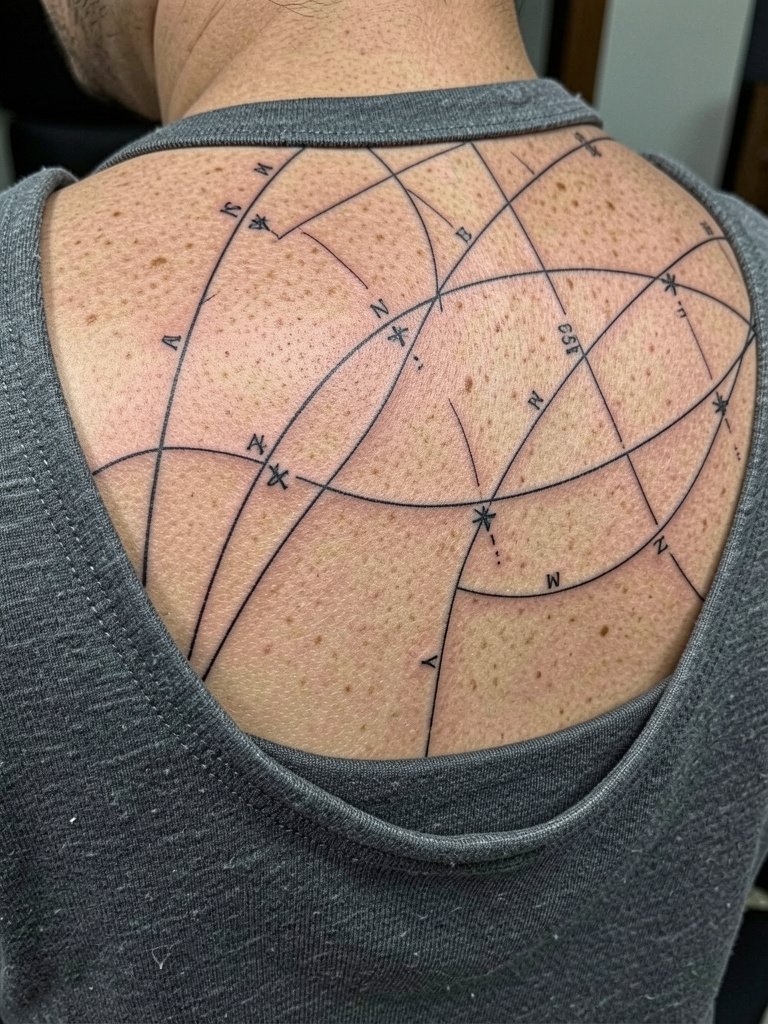
The back of the shoulder is a forgiving area for linear work because it sees less direct friction. For chart-style lines, maintain even spacing and avoid overly narrow intersections. Sessions for this placement can be medium length depending on coverage. One mistake is translating a full nautical map into tiny cramped lines. For wardrobe, a wide-neck sweater or boat-neck tee keeps the upper back visible in cooler months.
12. Subtle Compass Rose on Sternum
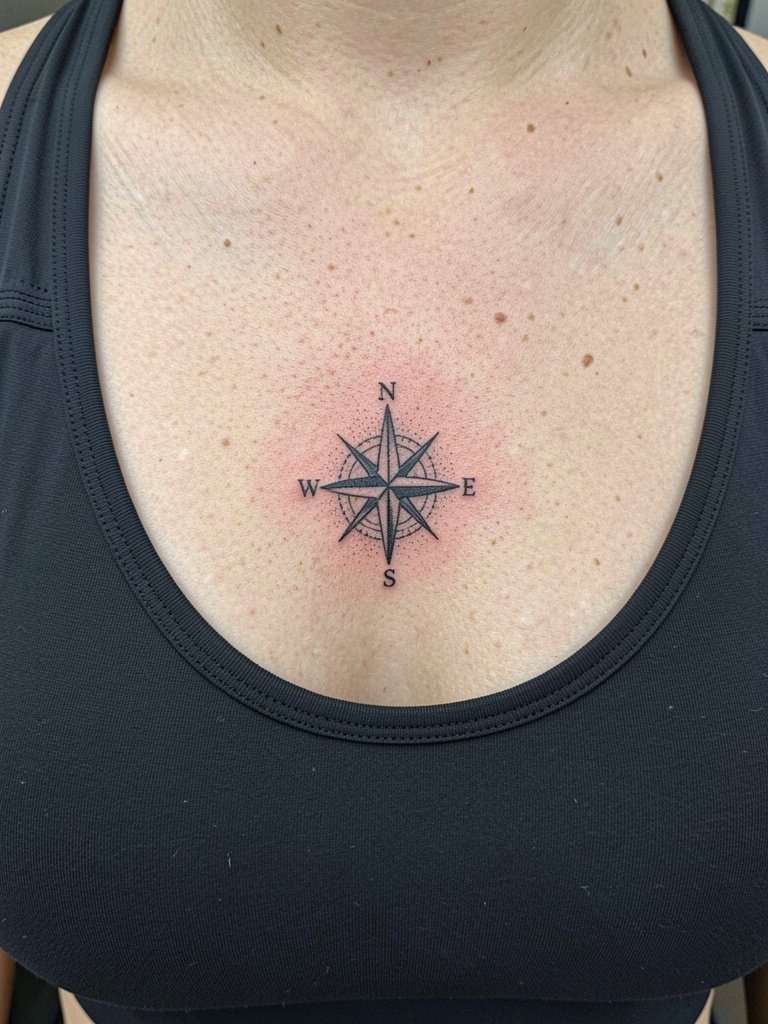
Sternum pieces require a sensitive approach because the skin moves with breathing and sits near delicate tissue. A compact compass rose benefits from balanced negative space so the cardinal points do not merge. Pain runs high for many people here. A common error is overcomplicating the center with tiny letters or flourishes. Wear a supportive fitted top to the appointment to minimize fabric movement and for post-session comfort. Sensitive placement note.
13. Single-Line Wave Across Collarbone Edge
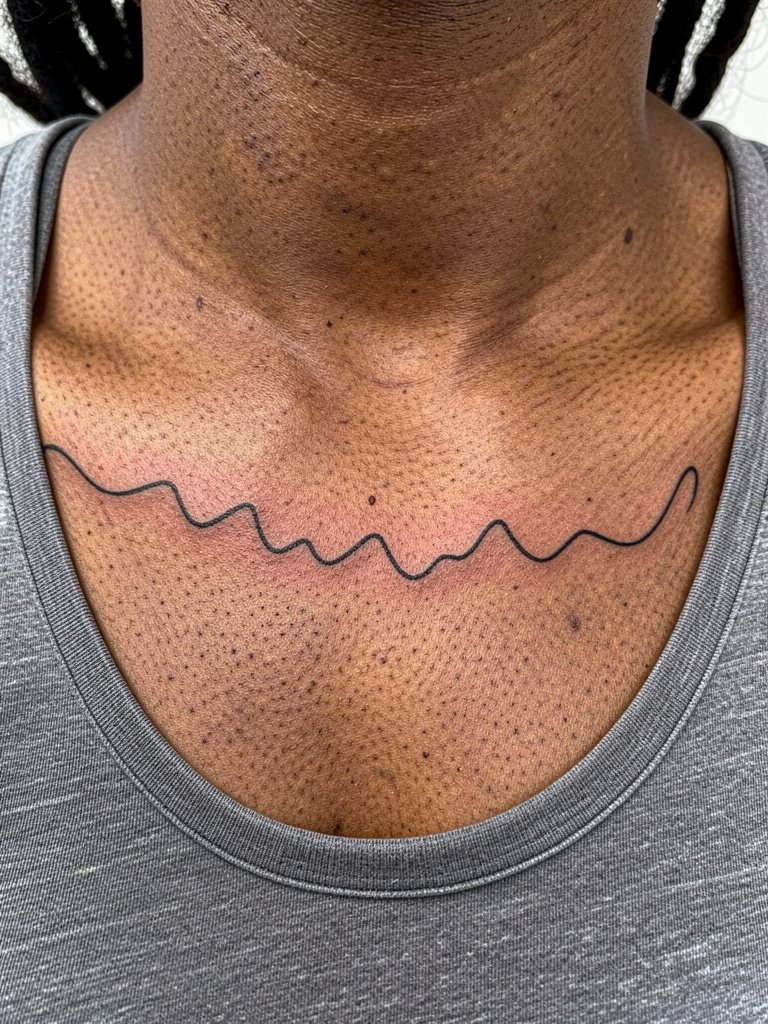
A single-line wave along the collarbone reads elegant when the spacing gives the line room to breathe. Because the collarbone sees sun exposure, opt for a slightly denser line so contrast survives. The session is brief and feels like steady vibration over bone. A mistake is having the line too close to the edge of clothing, which can speed fading. A wide scoop-neck linen tee frames the area without friction.
14. Tiny Sail Icon on the Thumb Web
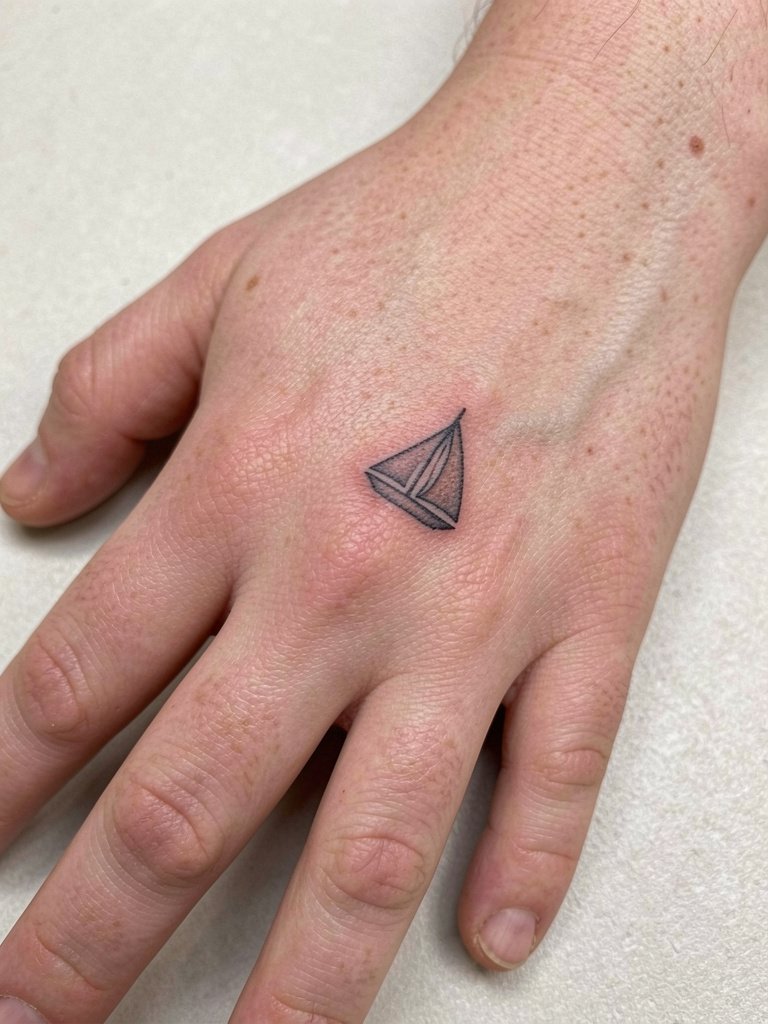
Thumb web placements are delicate because of constant flexing and frequent hand washing. Tiny icons here are charming but expect faster fading and earlier touch-ups. An experienced artist will recommend slightly thicker linework to compensate. The session is short and the pain is moderate. For comfort after the appointment, consider a light bandage and avoid gripping heavy objects for two days.
15. Black Line School of Fish Along Rib Side
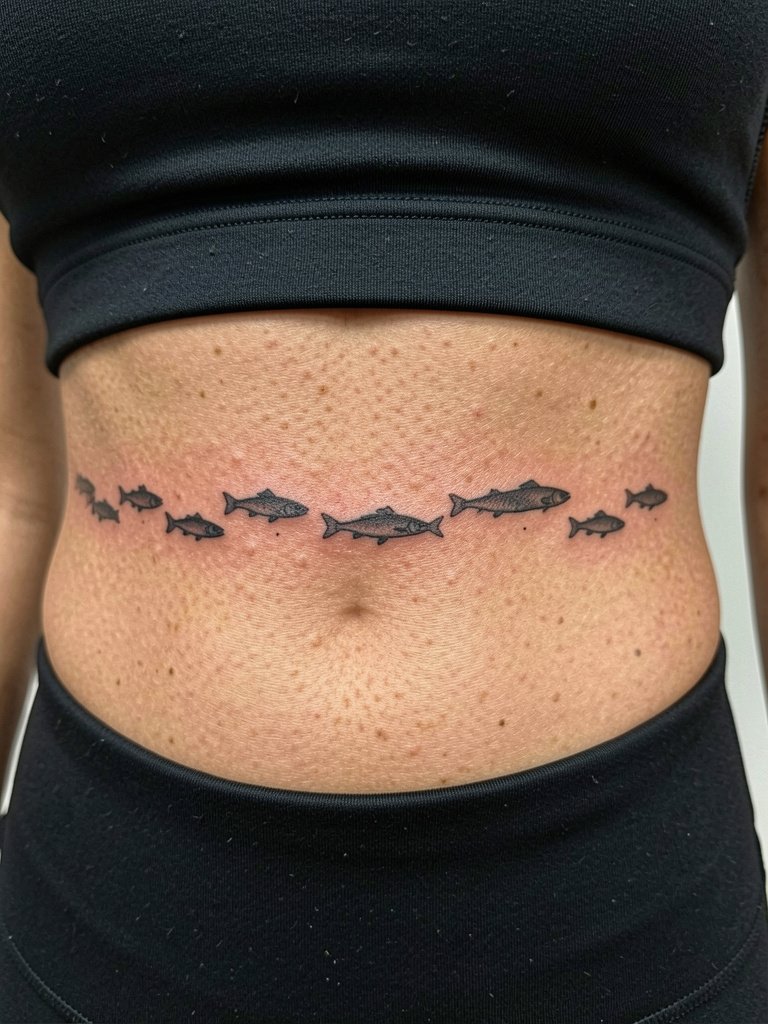
A school of fish on the rib side reads dynamic because the shapes can follow the body curve. Ribs are a higher pain zone and the skin stretches with breath. One mistake is biting off too many tiny fish in a small area. Give the silhouettes room to breathe, which helps longevity. Expect a longer session with breathing breaks. For the session wear a fitted cropped top to allow access without fabric moving.
16. Subtle Wave Tattooed as Anklet
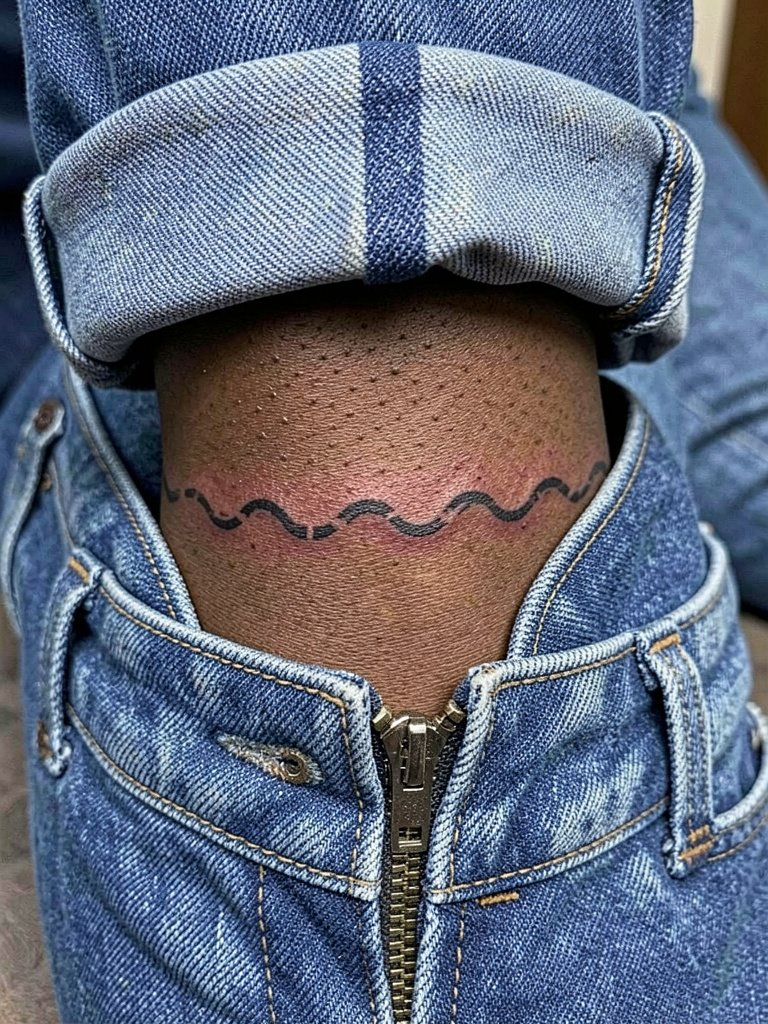
Anklet-style waves can be graphical and calm if the line weight is balanced for ongoing friction from shoes. The session is short but post-healing care is important. Avoid ultra-fine detail that will dissolve into blur. For showing it off or covering it easily, a pair of cuffed jeans or low socks works well. I like a lightweight ankle bracelet replacement if you want subtle jewelry that complements the ink.
17. Sail Rigging Fine Lines Across Forearm
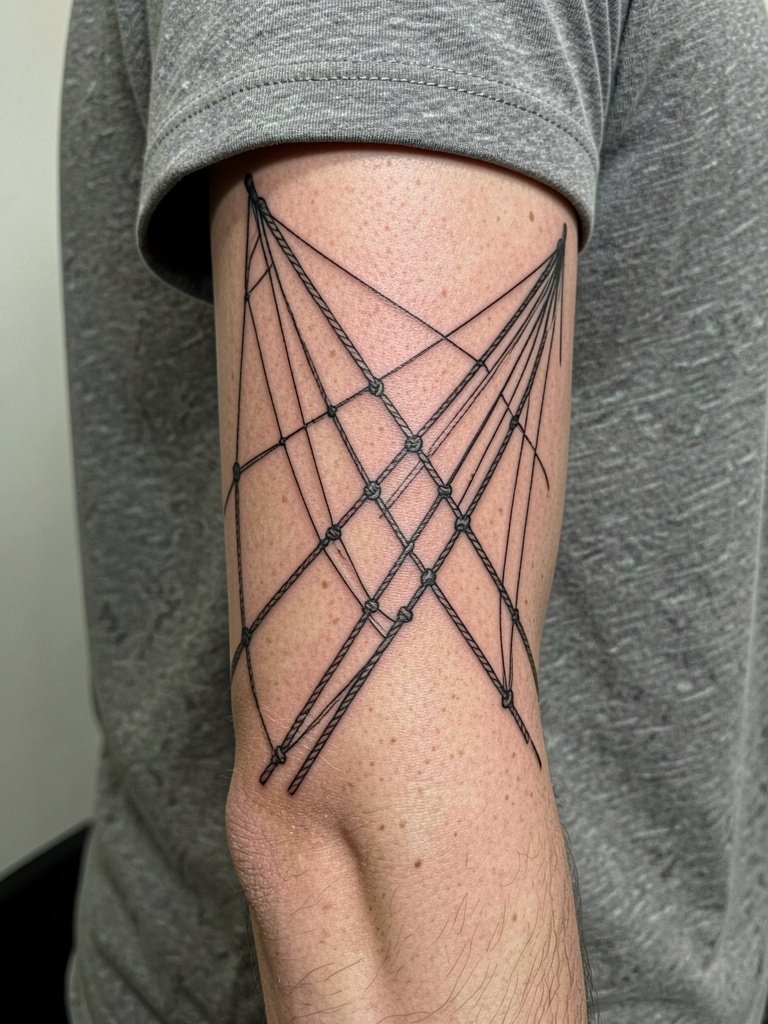
Intricate rigging looks technical and calm when spacing is generous and the knots read as shapes rather than clusters. Fine lines across the forearm heal predictably but need room so intersections do not blur. The session can be a couple hours depending on coverage. Avoid cramming micro knots into narrow bands. For daily wear, a lightweight cuff bracelet can frame the rigging without covering it.
18. Inked Horizon Line on Side Waist
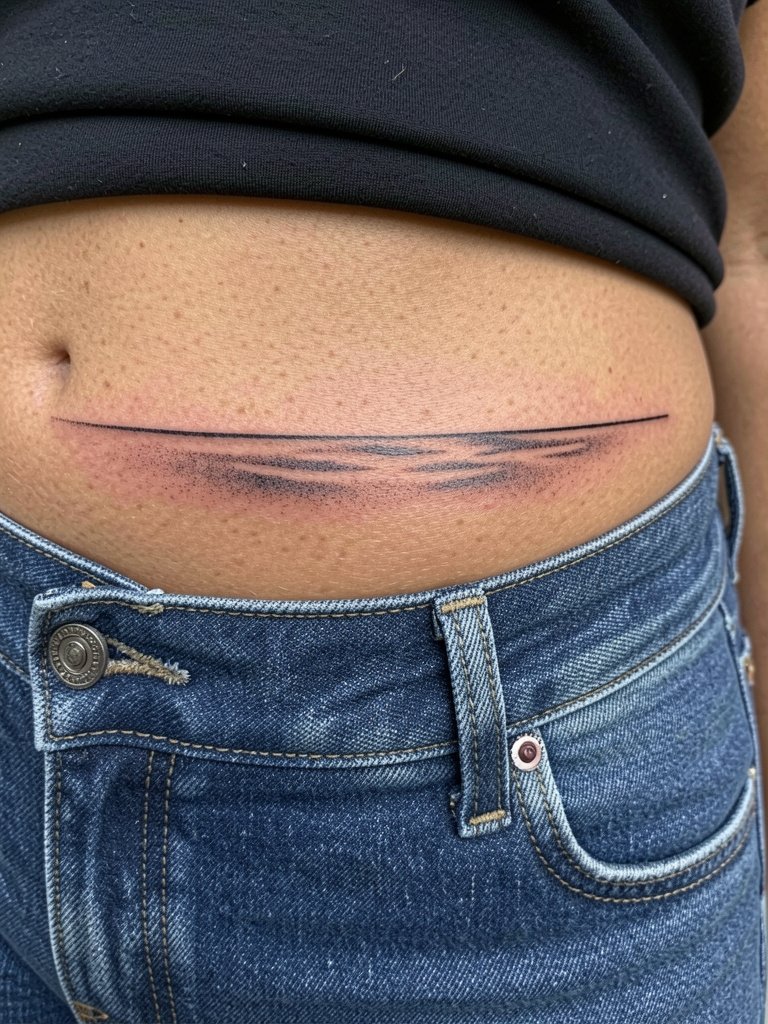
Waistline horizons are discreet and age well when kept minimal. The skin in that area is stable so thin line horizons can last. One common misstep is adding too much detail that will be lost under clothing friction. Keep shading delicate and controlled. For sessions wear low-rise jeans and a cropped top to expose the area comfortably without needing to move fabric.
19. Tiny Puffin or Sea Bird Silhouette on Calf
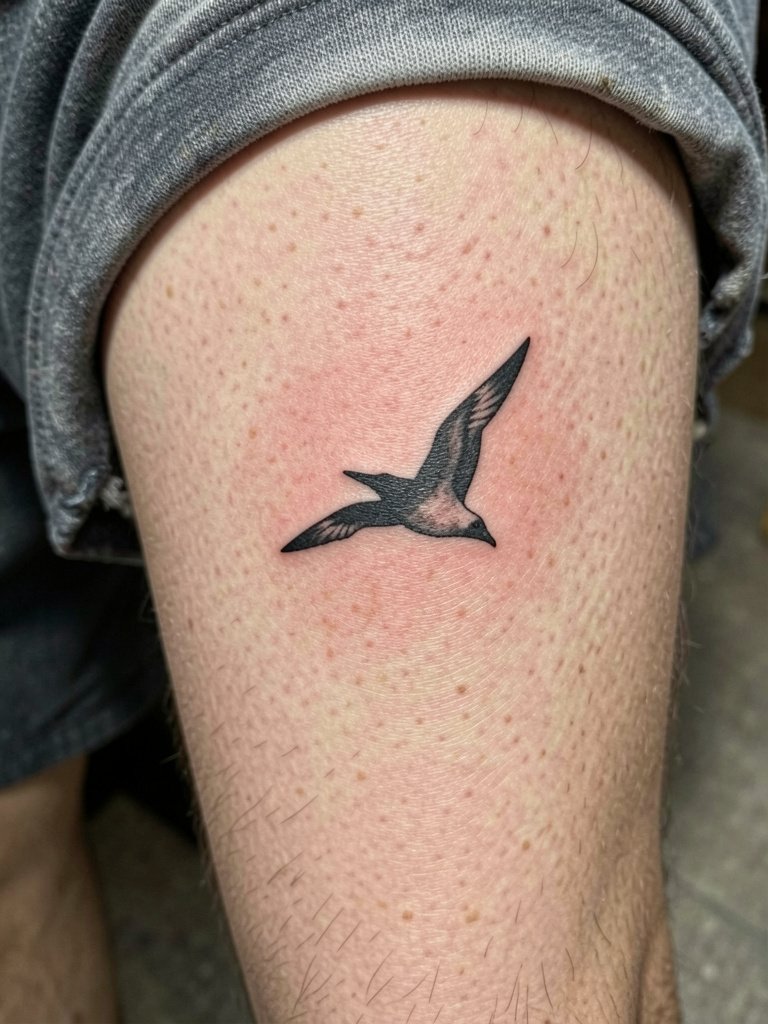
Calf placements take color and line well because of thicker skin and less constant friction. A small bird silhouette ages gracefully when executed with clean edges. The session is straightforward and usually low on pain. Avoid cramming tiny feather details that will blend. For visible days try pairing with a mid-length skirt or shorts that let the calf breathe.
20. Negative Space Wave Mandala on Upper Back
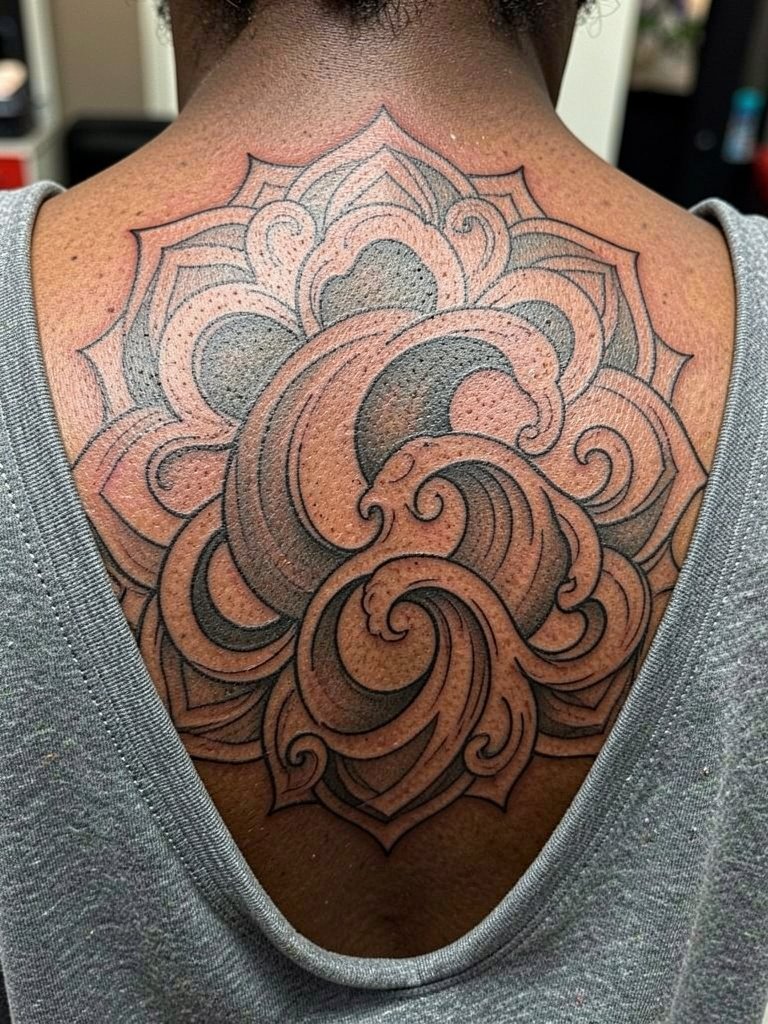
Mandala forms rooted in ocean themes can be beautiful but be mindful of cultural origins. If drawing from specific cultural patterns consult resources and give credit where appropriate. Negative-space mandalas rely on precise line spacing so the design remains readable as the skin ages. The upper back handles larger work well. Sessions will be longer and may require multiple sittings. For styling, a scoop-back dress showcases the pattern without rubbing.
21. Tiny Starfish on the Side of Foot
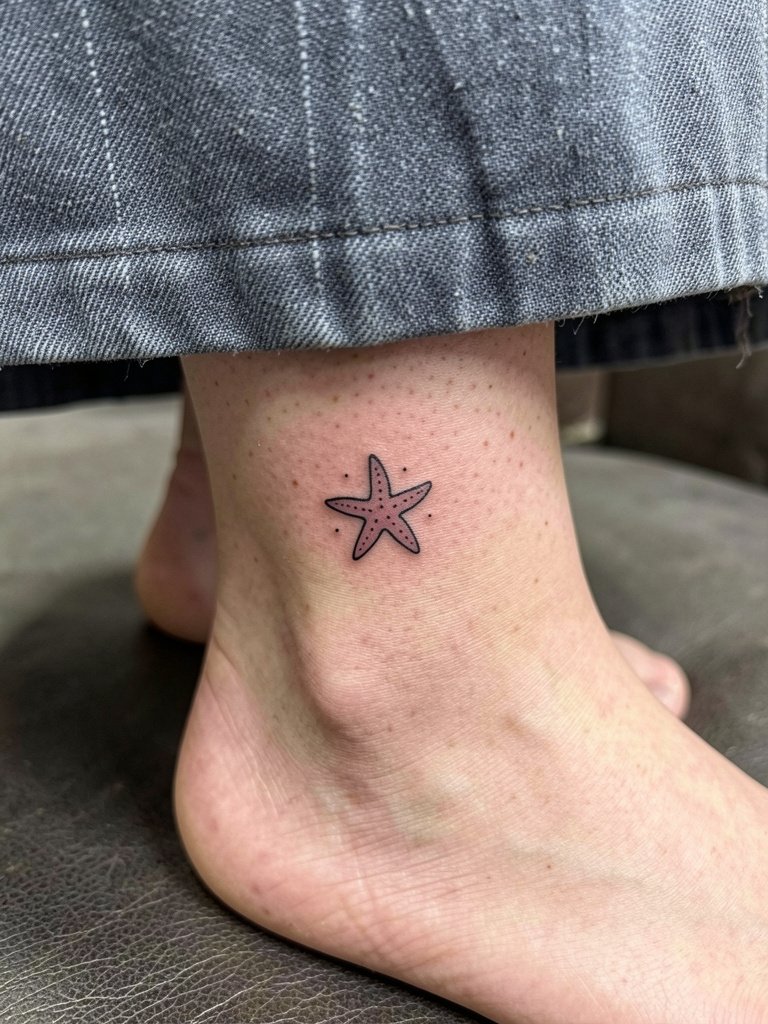
Top-of-foot and side-of-foot tattoos face a lot of rubbing from shoes and socks. Small bold silhouettes like a starfish can maintain shape if the lines are not hair-thin. Expect a quicker session but prepare for frequent touch-ups in the first couple of years. Wear sandals or open footwear for the two-week healing window and consider a breathable foot cream sock when indoors to minimize friction.
22. Simplified Whale Tail on Lower Back
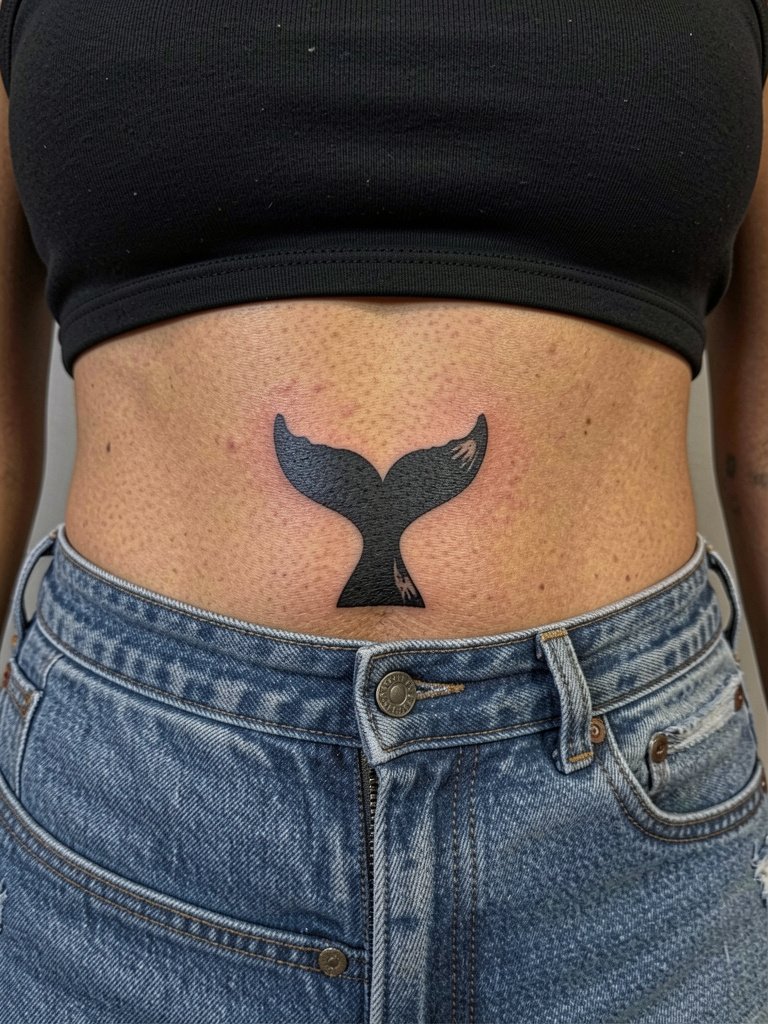
Lower-back tattoos benefit from being bold and simple because the area experiences fewer abrasion issues. A whale tail reads clearly if the flukes are wide enough. Expect moderate pain and a single medium-length session. Avoid tiny interior linework that disappears under clothing. For outfits a low-rise denim back cutout or a fitted crop top pairs well without rubbing the ink.
23. Minimal Line Map Coordinates on Inner Wrist
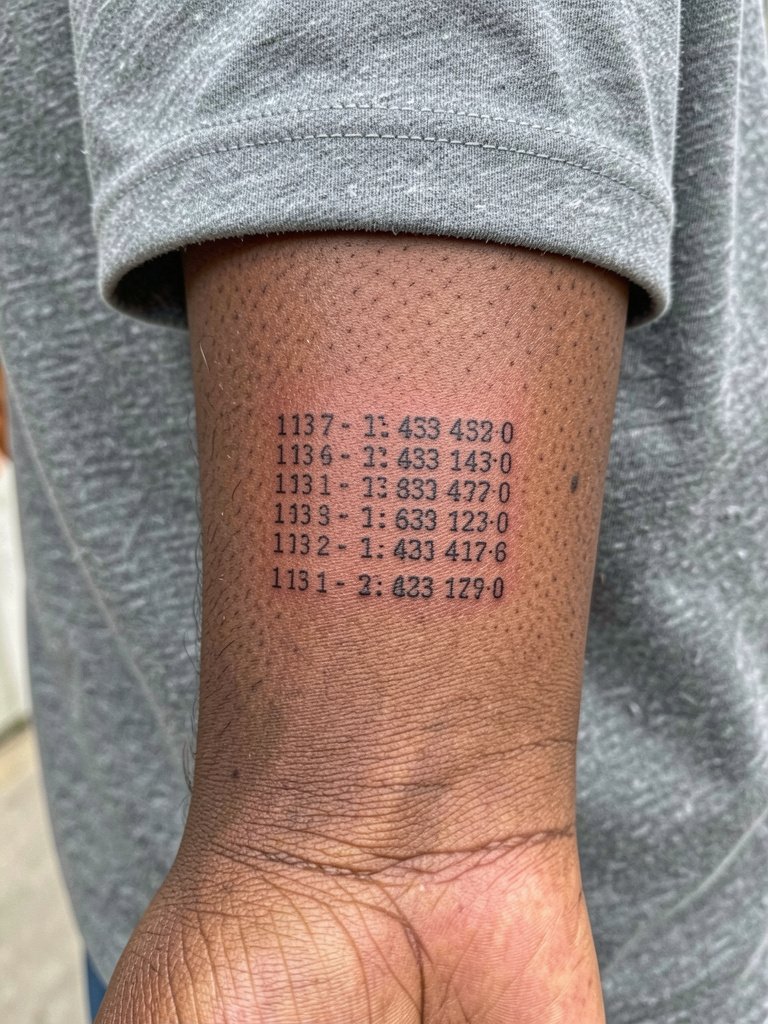
Coordinate tattoos are personal and graphic. On the inner wrist pick a small typeface but avoid micro text under two to three millimeters tall. The wrist surface is high-wash so letters may soften. A common mistake is cramming long coordinates in a tiny font. The session is brief and sensitive. For aesthetics pair with a minimal watch or bracelet that does not rub the letters, like a thin leather strap watch.
24. Nautical Knot on the Back of the Neck
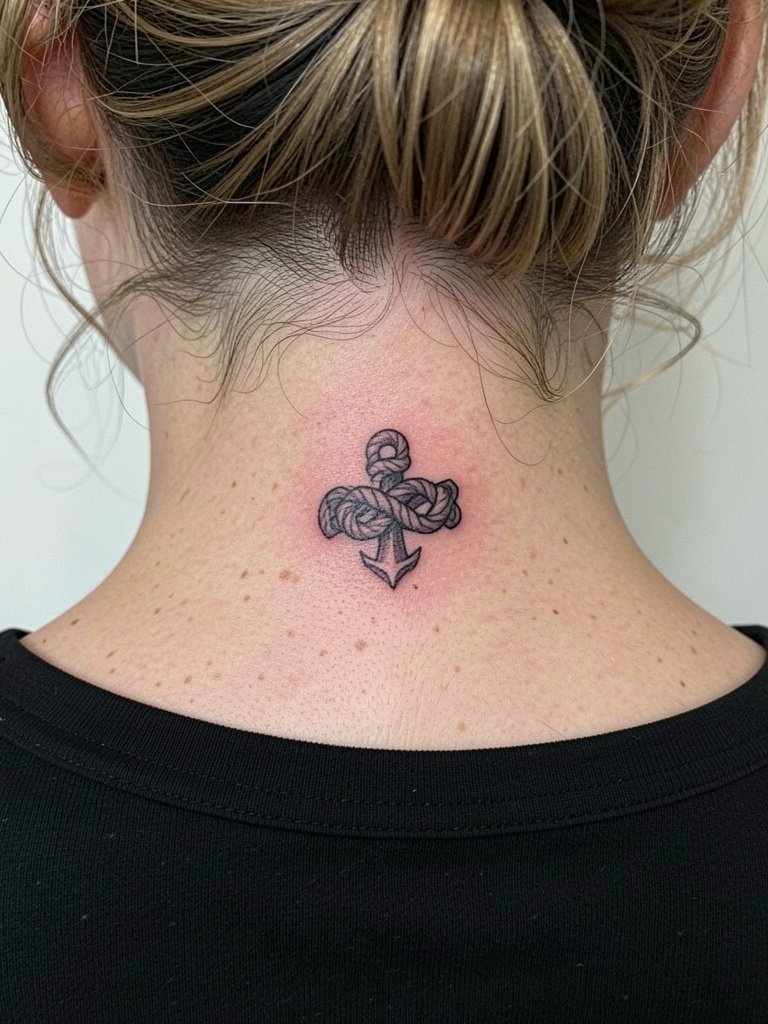
Back-of-neck pieces can be hidden by hair or shown with an updo. The skin there is delicate so knots should be slightly bolder than a line-drawn reference. Pain is moderate and quick for such a small spot. A professional consideration is basing the size on how much hair you intend to wear up. Sensitive placement note.
25. Sailboat Horizon Tattoo on Thigh
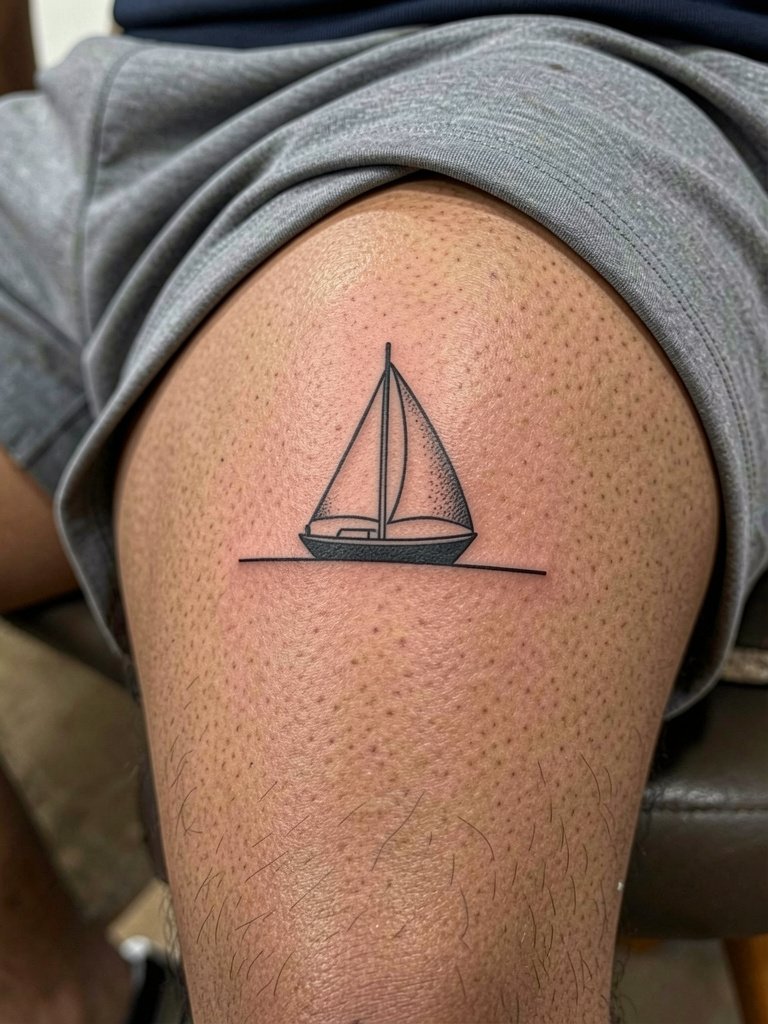
Thigh placements are forgiving and great for pieces that age slowly because of less sun exposure. A small sailboat on the thigh holds detail longer. Sessions vary in time depending on size and shading. Avoid overloading the design with tiny interior lines that can blur. For post-session comfort wear loose shorts and bring a pair of breathable lounge shorts to minimize contact during the first day.
26. Ocean Grid Dot Work on Upper Arm
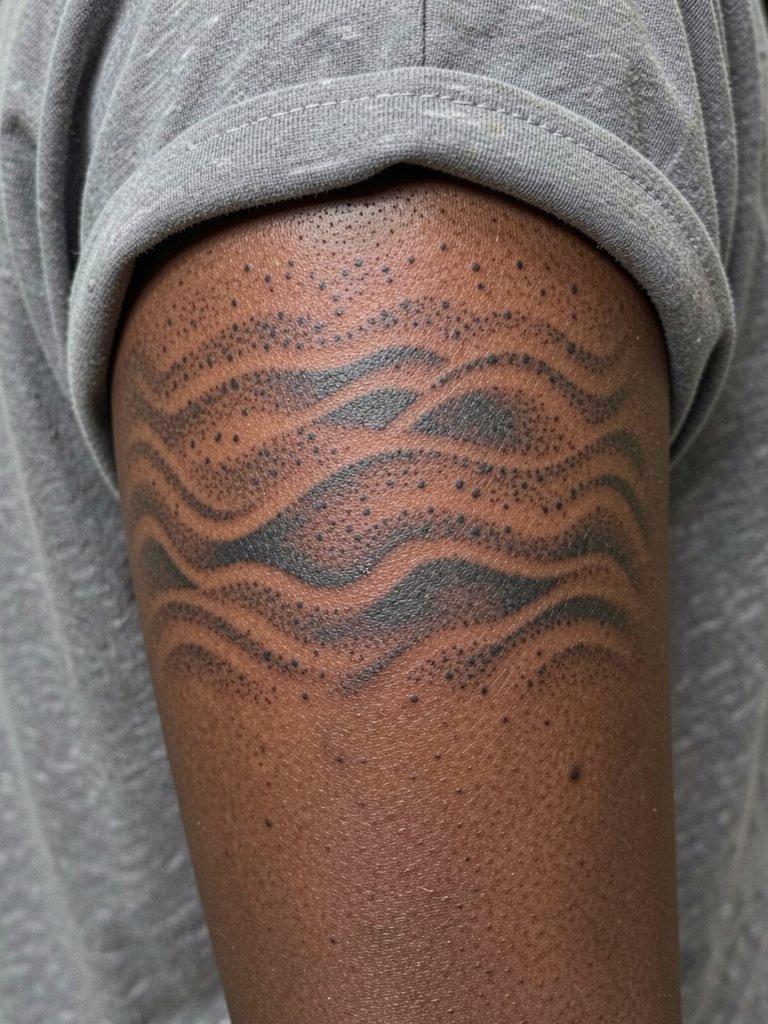
Dot work reads textural and calm when spaced correctly, and the upper arm is tolerant of stipple shading. The main mistake is over-saturating the dots so the pattern becomes a muddy patch. Sessions can be longer depending on density. For relaxed styling try a short-sleeve linen shirt that sits above the pattern.
27. Tiny Moon Over Waves on the Rib Side
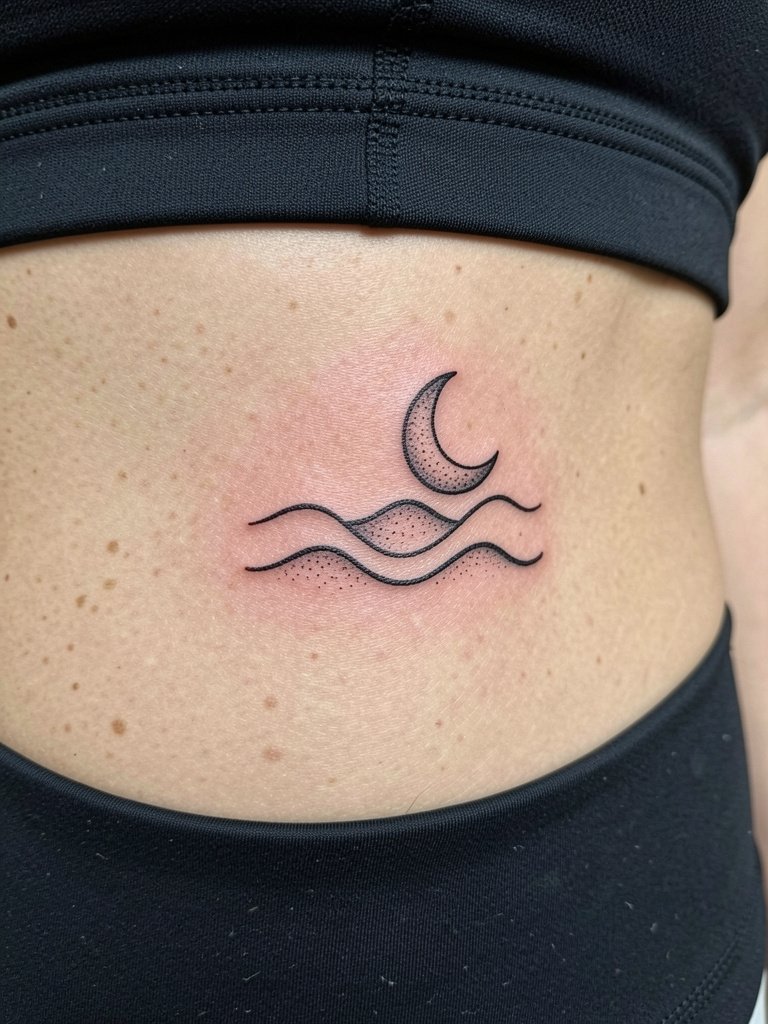
A moon-and-wave motif in the ribs can be quietly striking. Because ribs move with breath the composition needs space and a simplified silhouette. Choose slightly thicker linework than you might for a collarbone piece so the crescent keeps its edge. Expect a sensitive session and plan for short breaks. For the appointment wear a fitted top that exposes the ribs without you needing to adjust fabric.
Frequently Asked Questions
Q: How do sea-inspired fine-line tattoos age compared with bold blackwork?
A: From what I have seen, fine-line sea motifs can look delicate and calm in the first year but are more likely to soften in high-motion or high-wash spots. Bold blackwork holds contrast longer and keeps a calm visual weight, while fine line asks for slightly larger scale and more spacing to age smoothly.
Q: Where can I find healed examples and discovery pathways without naming specific artists?
A: Search platform tags and portfolio keywords like #SeaInkHealed, #NauticalLinework, and "healed wave tattoo" on social platforms with location filters for local shops. Tattoo-focused communities and portfolio sites often have tagged galleries you can browse to compare skin tones and placement healing.
Q: I want a delicate shell but worry it will blur. What should I discuss at the consultation?
A: Bring two references at different scales so the artist can show how much negative space the design needs. Ask about spacing, line weight, and planned saturation. Specify you want slightly heavier contour lines around the shell and stipple shading inside rather than micro-hatches, which helps preserve detail over time.
Q: Are there styling choices that help sea tattoos look calmer in everyday wear?
A: Yes. Lightweight linens, scoop-neck tops, and cuffed jeans keep seaside motifs visible without rubbing. For wrists and ankles consider subtle accessories like thin leather bracelets or anklets that complement but do not press on the ink. A recommended piece is a rolled-sleeve linen shirt for showing forearm and collarbone work.
Q: Do cultural origin considerations matter for ocean motifs like mandalas or tribal waves?
A: They do. If a design borrows from identifiable cultural patterns, acknowledge that origin and seek an informed adaptation that respects symbols and meanings. Many artists will recommend stylistic adjustments that honor the source while creating a personal, non-appropriative piece.