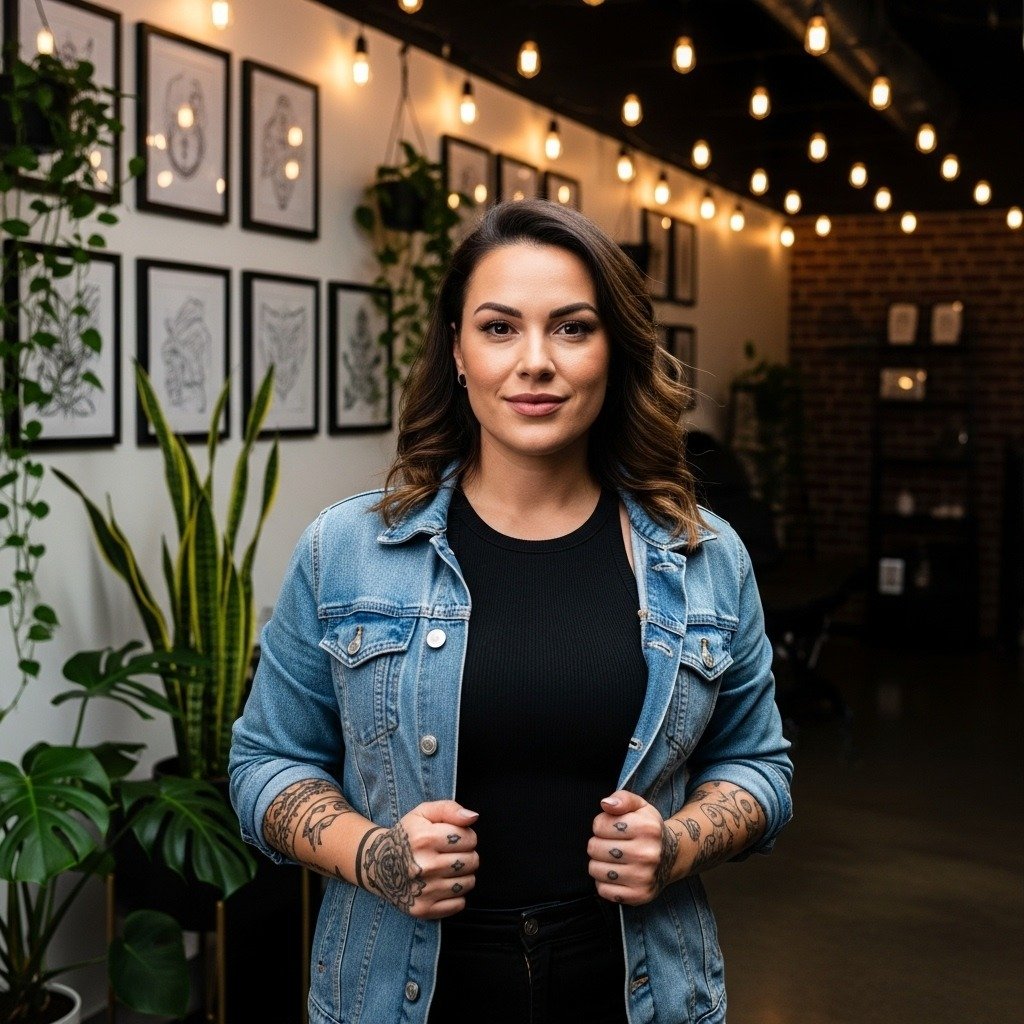
The forearm is one of the smartest places to wear a short Sanskrit phrase. It sits where you can glance at it, the skin is flat enough for clean linework, and the muscles give lettering a gentle curve that can enhance Devanagari forms. Read on for focused forearm Sanskrit options with practical notes on aging, session wear, and how to protect the script so it still reads clearly after a few years.
1. Single-Character "Om" on the Inner Forearm
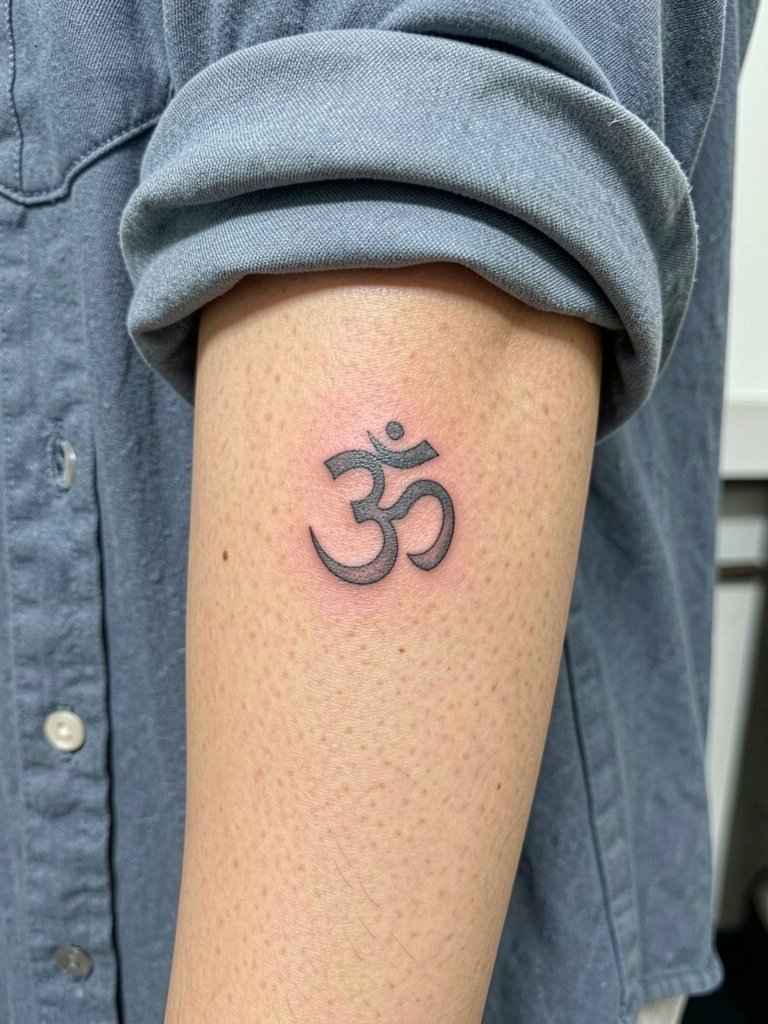
This is the minimalist pick for someone who wants a clear Devanagari symbol with minimal fuss. I recommend 1–2cm height so the curves keep enough spacing to avoid blurring over time. On the inner forearm you will feel mild to moderate discomfort for a short session, often 15 to 30 minutes. A common mistake is making the character too tiny; that invites mushy linework at year two. During the consult bring a Devanagari reference and ask for slightly increased lineweight compared with a micro-script, so the stroke junctions stay legible as the ink settles.
2. "Satya" in Modern Calligraphy, Horizontal Wrap
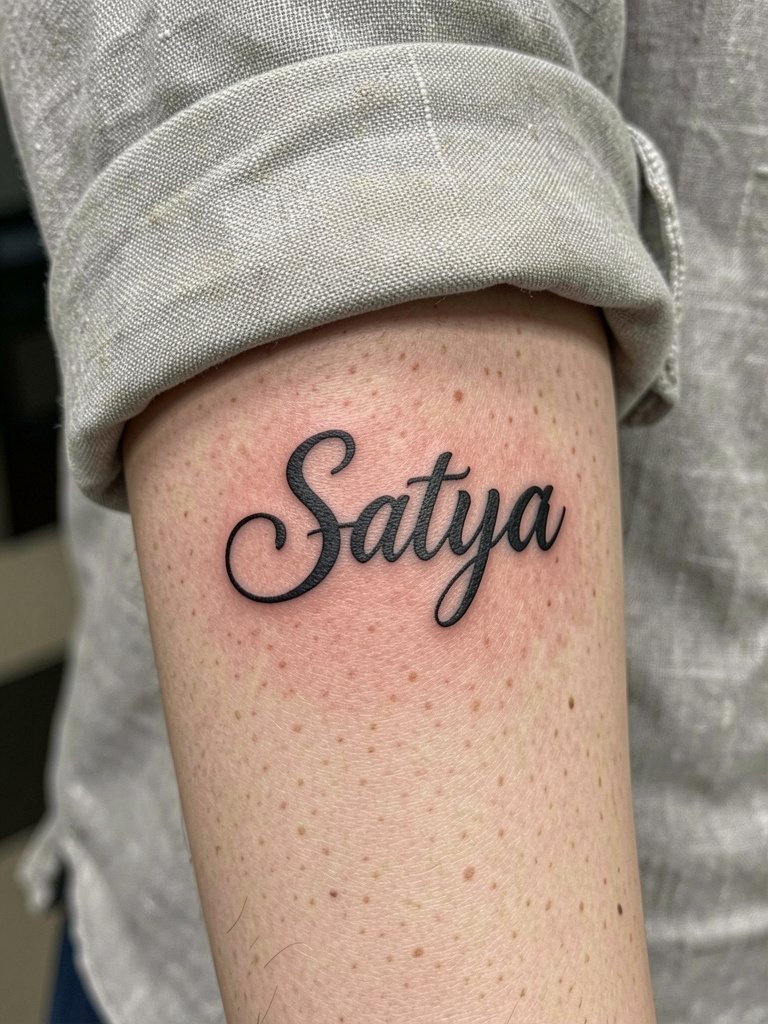
If you like a slightly decorative hand without veering into fake fonts, this layout gives a contemporary look while preserving readability. Expect 20 to 40 minutes depending on spacing. I prefer modestly thicker strokes here so the letters do not lose their counters when the skin moves. For showing it off, pair the piece with a linen button down shirt and stacked bracelets on the opposite wrist. For the appointment, wear a loose button-down so the artist can access the full palm-up surface without tight cuffs.
3. "Ahimsa" with Small Lotus Accent, Inner or Outer Forearm
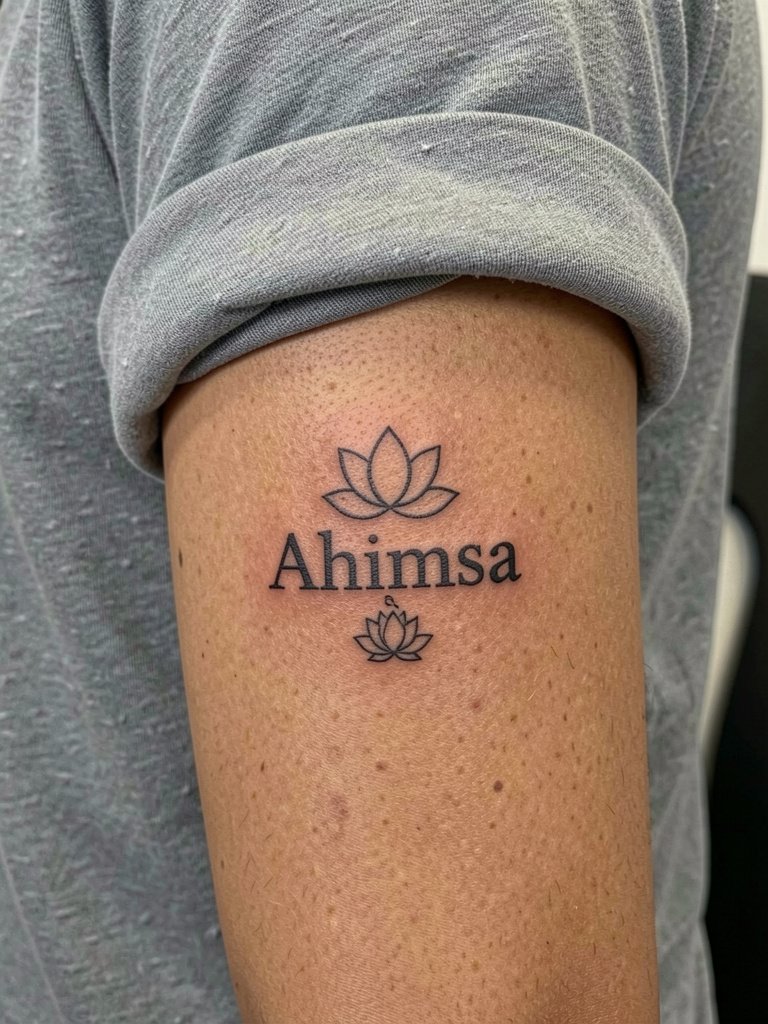
Combining a single-word mantra with a tiny lotus yields contrast between script and soft geometry. This style ages well if the lotus is kept minimal and the script uses slightly bolder single strokes, so shadow and dotwork do not crowd the letterforms. The outer forearm tolerates a bolder silhouette, so blowout risk is lower than wrists. During your consult request spacing that follows the forearm's natural curve rather than a perfectly straight line so the piece reads around the muscle. Visually pair it with a dainty gold stacked bracelet set for evenings out.
4. Full "Om Namah Shivaya" Mantra as a Horizontal Strap
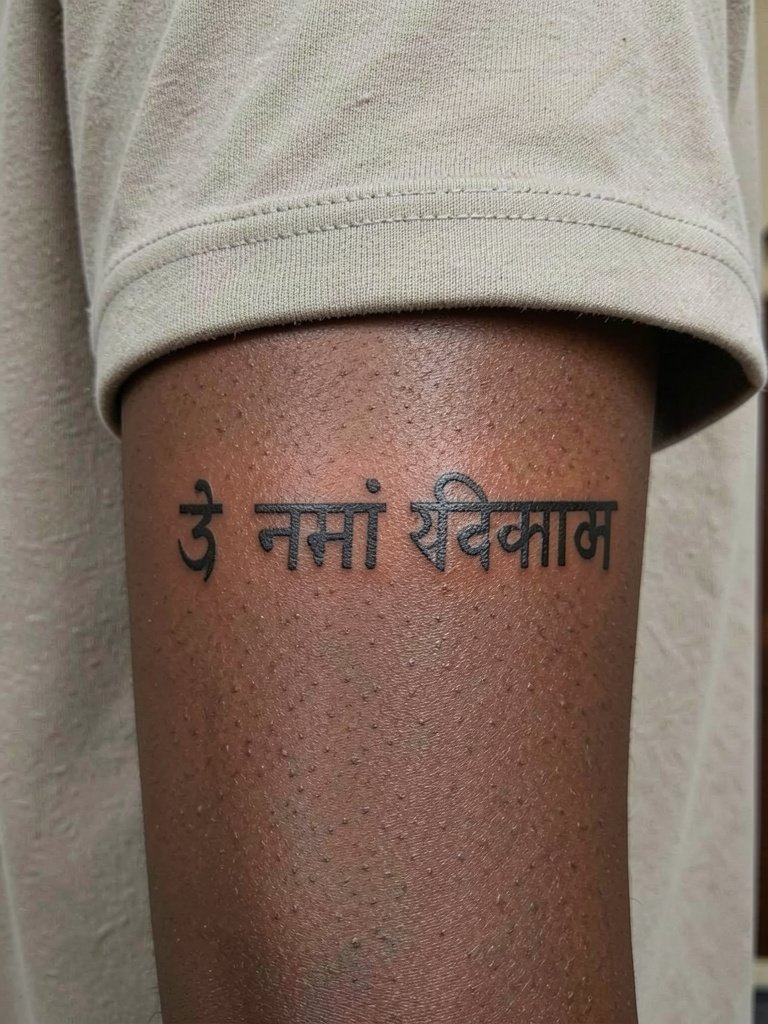
A full mantra makes a visible forearm strap that reads from wrist to elbow. One camp argues that longer Devanagari phrases do not need a linguist for common mantras; the other camp says every phrase should be verified by a native speaker. The debate is real. One position trusts common mantras as safe and cost-effective. The other insists on linguist verification to avoid grammatical or diacritic mistakes that become permanent. If you plan a full phrase, allow 30 to 45 minutes and insist on clear spacing between words so the eye and the ink have room to breathe over years.
5. "Ananda" in Dotwork Surround
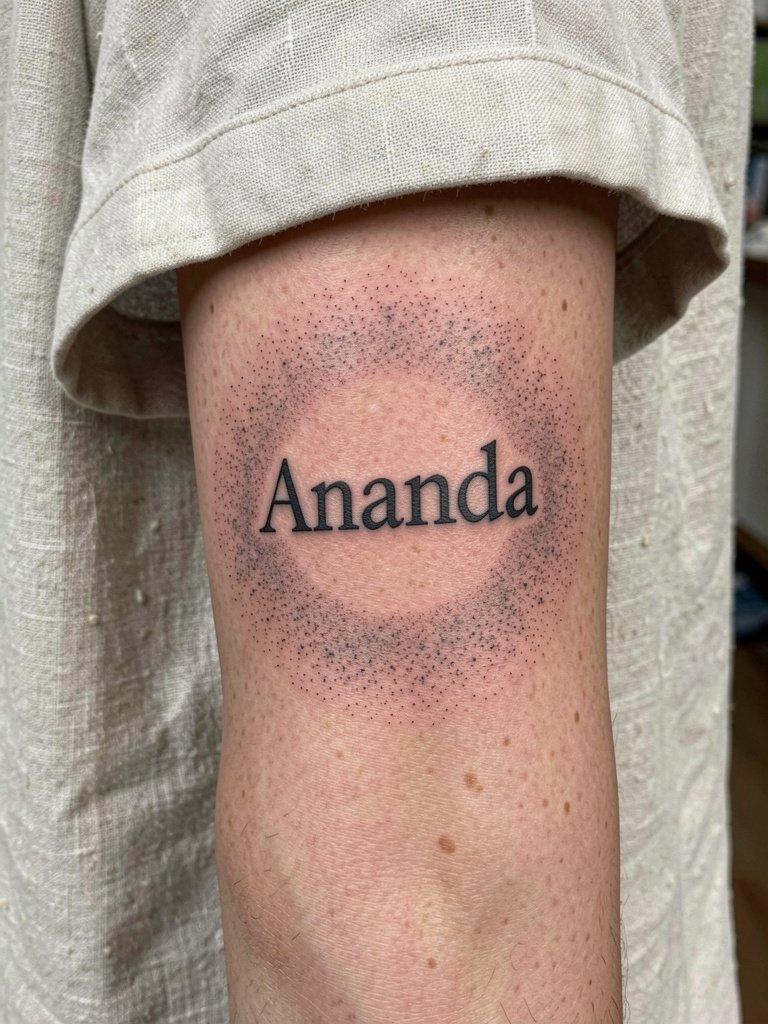
Dotwork adds texture so the word becomes part of a small vignette rather than floating text. Stipple age can be forgiving if the dots are not jammed too tightly against the letters. Expect 45 to 60 minutes because stippling takes time. Common mistakes include using single-needle micro letters right next to dense dot fields. Ask for a modest buffer zone between the text and the stipple so the word remains legible at two and five year marks. For showing it off, a rolled cuff linen shirt keeps attention on the inner forearm linework.
6. "Bala" in Bold Blackwork for Outer Forearm
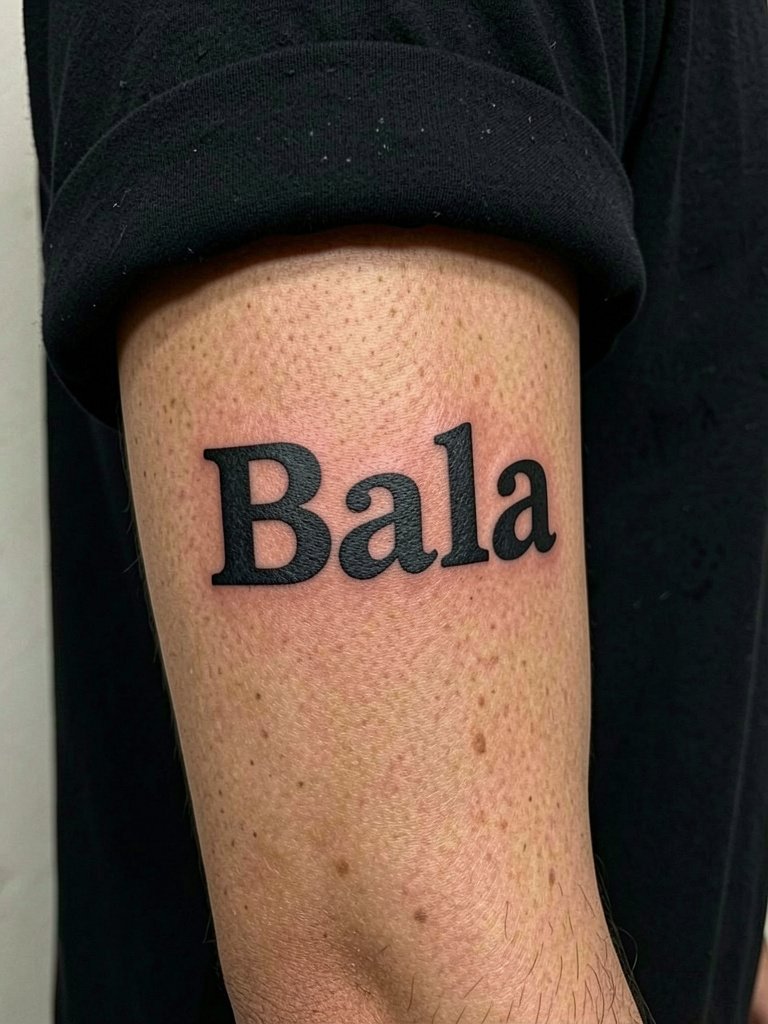
Blackwork single words age well on forearms because saturation helps letters resist the "mush" that thin scripts can develop. For darker skin tones a heavier stroke preserves the counters and curves. Session time is usually 20 to 45 minutes depending on size. A real mistake is asking for the same thin stroke used in a wrist script and expecting identical longevity. If you want high contrast, plan for thicker strokes and expect a touch-up at two to three years if you want factory-fresh edges. This design pairs naturally with solid dark tees and a silver cuff bracelet for an edged look.
For The Healing Window
The wrist and forearm pieces above sit on skin that moves a lot, so a few small items smooth the session and first week.
-
Mad Rabbit Tattoo Balm. A lightweight balm artists recommend for fine line work during the sub-acute healing stage because it keeps surface moisture without thick smothering.
-
Aquaphor Original Healing Ointment. Good for the first 48 hours when a thin layer helps protect a fresh script, especially where scabbing is minimal.
-
Dr. Bronner's Unscented Castile Soap. Gentle cleanser for daily rinses that avoids fragrance irritation on delicate letterwork.
-
Hustle Butter Deluxe. Artists sometimes prefer this over heavy ointments for fine details because it absorbs cleanly and does not clog micro-channels.
-
ReSanskrit Translator subscription. Use this or a verified native speaker before your appointment so the phrase you bring is linguistically correct and the Devanagari is authentic.
7. "Jnana" Overlaying a Small Mandala
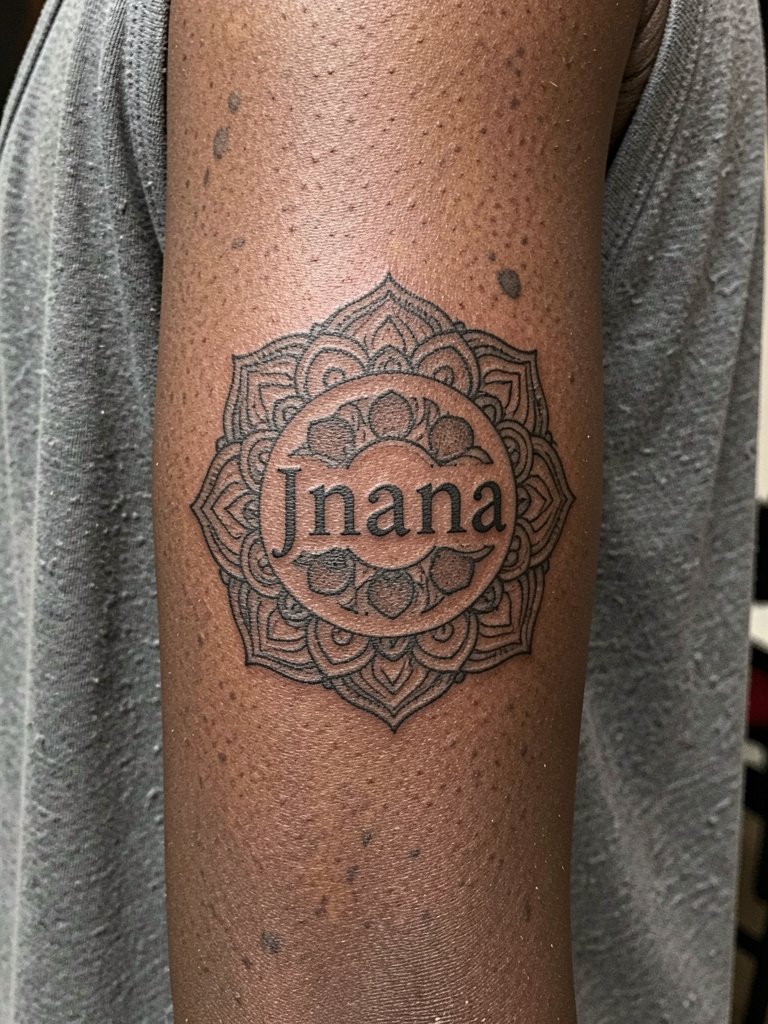
Combining script with ornament adds visual depth but raises legibility risk if the mandala encroaches on the script. The safe version uses an open mandala with wider inner negative space so the letters sit over the center and do not get swallowed by detail. This is best for someone willing to sit for two sessions if the background needs more work. I advise asking for the mandala to be lightly stippled and the script to be slightly bolder. This placement looks great when paired with a loose tank top that reveals the inner forearm.
8. Vertical "Pratyahara" Wrist-to-Elbow Column
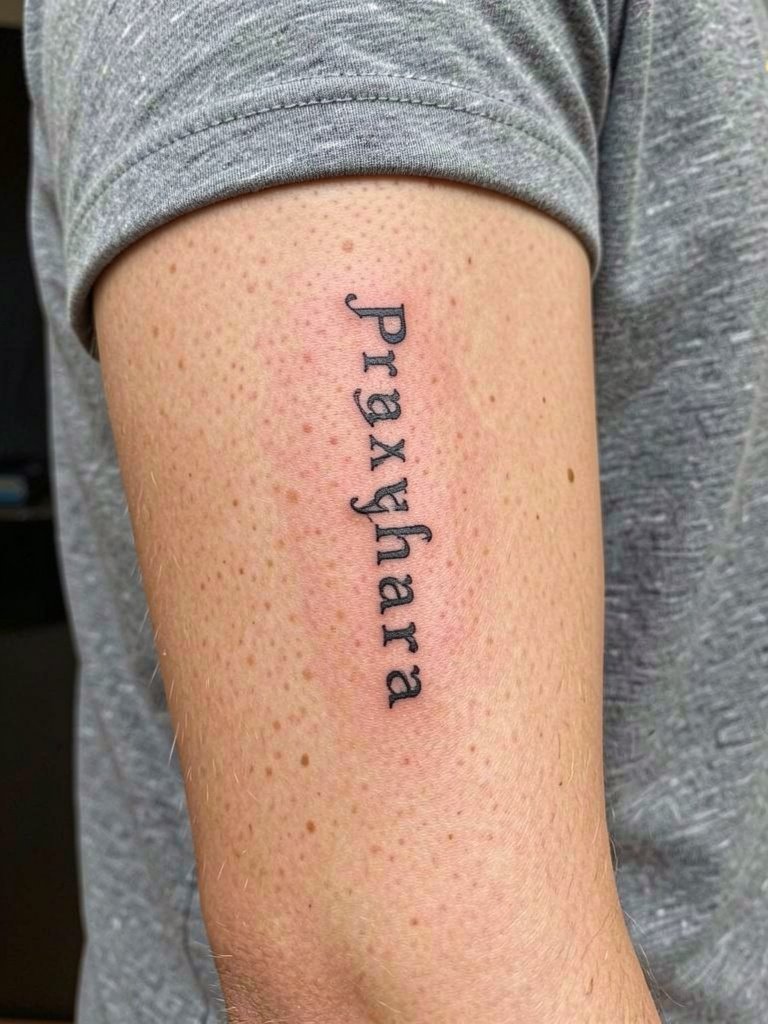
Vertical scripts are a modern alternative to horizontal wrap and can emphasize forearm length. The trade-off is you need taller character proportions and space so the letterforms do not compress. Expect 25 to 40 minutes for a neat application. A common regret is too-tight stacking that looks cramped after a year. On the appointment day wear a shirt with sleeves that can be moved without rubbing the fresh ink. This style reads well with cuffed sleeves and pairs with a solid black t-shirt when you want to contrast the vertical flow.
9. "Agni" with Subtle Flame Accent, Outer Forearm
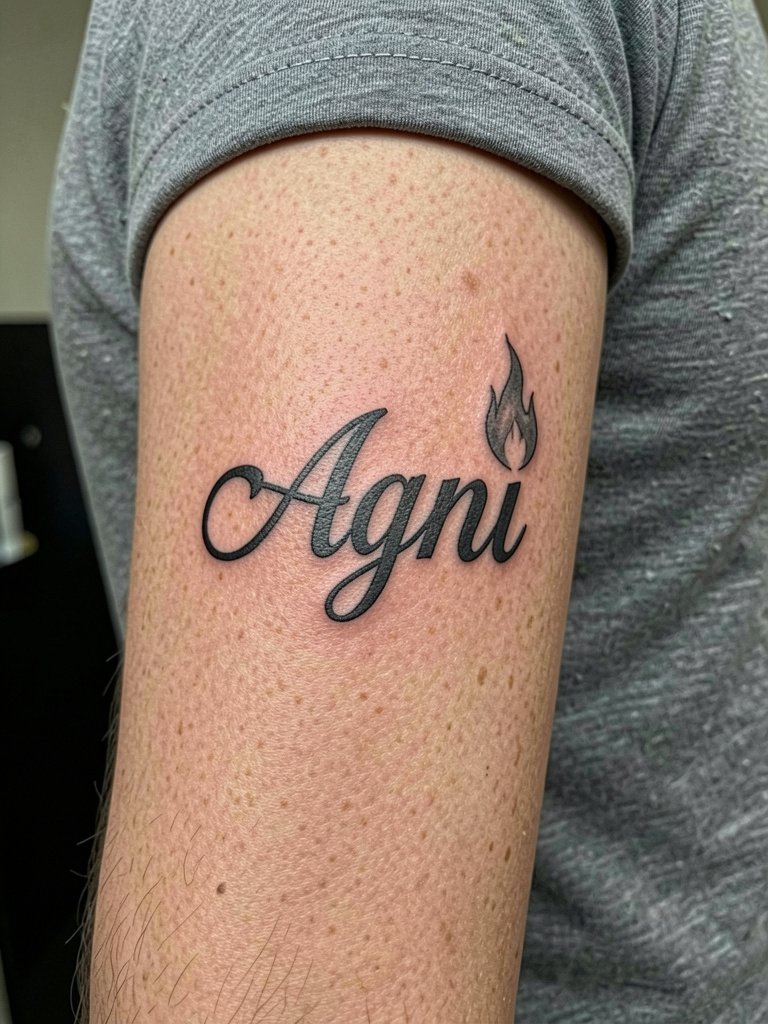
Color or grey accents demand careful planning because extra pigments behave differently over time. One camp argues color accents on forearms add character and age with grace. Another camp warns that red and yellow pigments can fade faster without regular touch-ups. Both views have merit. If you want a flame hint, keep the color minimal and prefer grey wash accents instead of saturated red. Session time is typically 30 to 60 minutes for a small accent. For outfit pairings, this piece pops with rolled sleeves and a silver cuff bracelet.
10. "Raksha" Hidden on the Inner Upper Arm
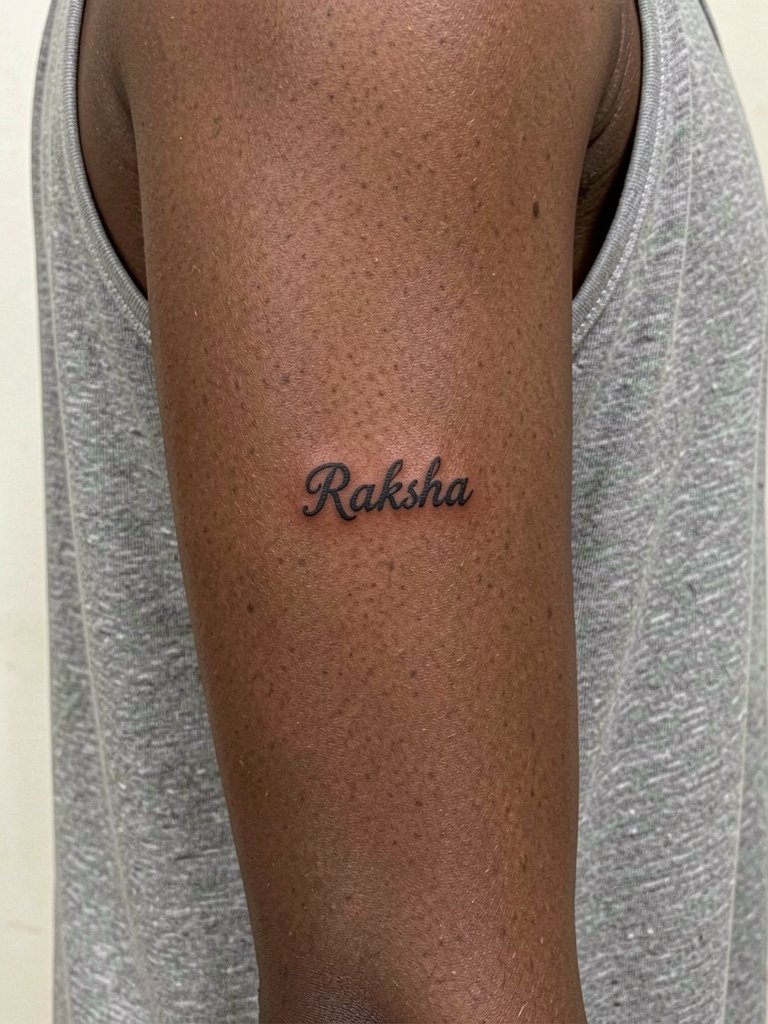
The inner bicep offers privacy and a softer reveal when wanted. Expect low to moderate pain and a very short session. The common error is choosing ultra-thin single-needle letters that vanish after a couple of years. Better to increase lineweight slightly for hidden placements so the text survives movement and occasional friction from clothing. For the session wear a sleeveless top that can be slipped on and off without brushing the fresh ink. This pick suits someone wanting a private reminder rather than a public strap.
11. "Samanjasya" Framed by Dual Lotuses
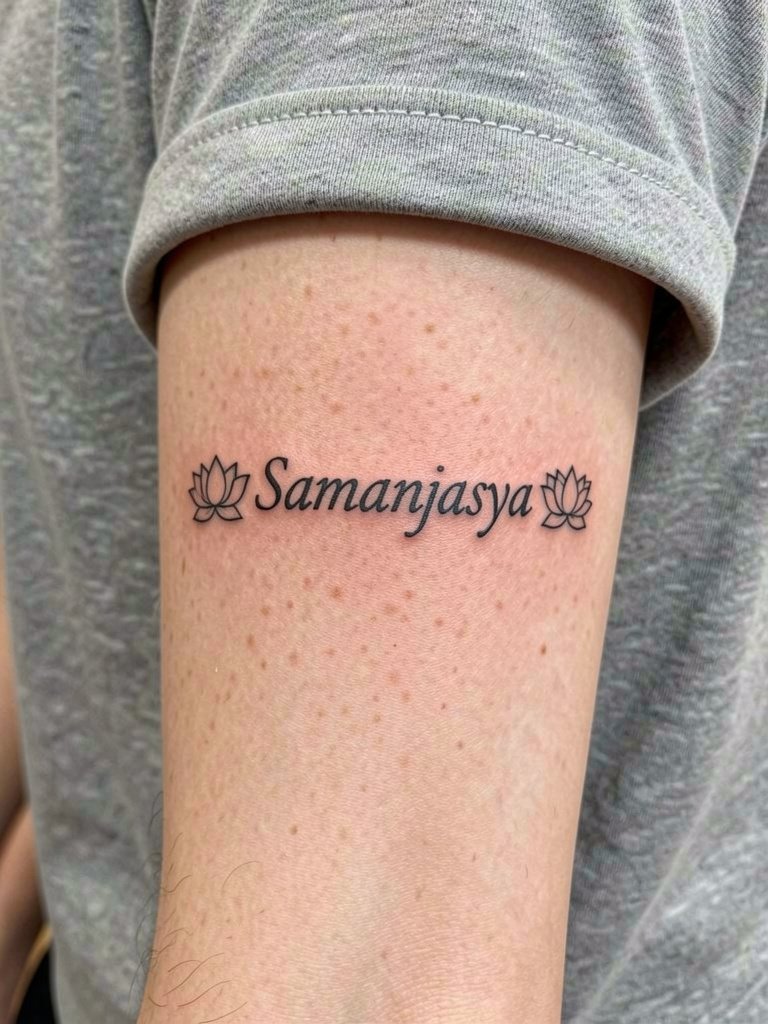
Symmetry gives this composition a gentle balance that works for someone marking partnership or dual roles. Keep both lotuses minimal so the script remains the focal point. Expect a single-session piece of 30 to 60 minutes. A typical mistake is letting the floral details crowd the letters; request margin space equal to at least the height of a letter around the word. For showing it off, pair with a dainty gold stacked bracelet set and short sleeves.
Frequently Asked Questions
Q: How do I verify my Sanskrit phrase is correct before booking?
A: There are two camps on translation. One camp treats common mantras as low risk and relies on popular transliterations. The other camp insists every phrase be vetted by a native speaker or specialized translator to avoid grammar or diacritic mistakes. I recommend getting at least one verification from a reliable source before your appointment, either a verified linguist service or a community expert who can confirm the exact Devanagari rendering.
Q: Will fine line Devanagari on the forearm blur quickly?
A: Artists disagree strongly here. One position says single-needle fine line on moving skin like the forearm will blur within two to three years. The opposite position says correct needle depth and slightly wider spacing can make fine line hold for years, and they point to healed examples. In practical terms, increase stroke width slightly for forearm scripts and expect a possible touch-up at two to five years depending on your skin and sun exposure.
Q: Where can I find artists who specialize in Devanagari and healed examples?
A: Search hashtags such as #sanskrittattoo, #devanagari, and #mantratattoo on Instagram and TikTok and filter by location to see local portfolios. Tattoodo and similar directories let you search by keywords like "fine line Sanskrit" for healed photos. Reddit forums also surface peer recommendations and healed shots across skin tones.
Q: What should I wear to my forearm tattoo session?
A: For inner forearm pieces wear a loose button-down or sleeveless top so the artist can roll or slide the sleeve without compressing fresh ink. For outer forearm work a short-sleeve tee that stays put works best. Bring a lightweight long-sleeve to keep the area shaded after the session if you plan to be outdoors.
Q: How often do Sanskrit script tattoos need touch-ups?
A: It depends on lineweight, placement, sun exposure, and your skin. For modest lineweights expect a touch-up between two and five years for crispness. Heavier blackwork words may hold longer. Keep the area protected from sun and moisturized during healing to extend clarity.