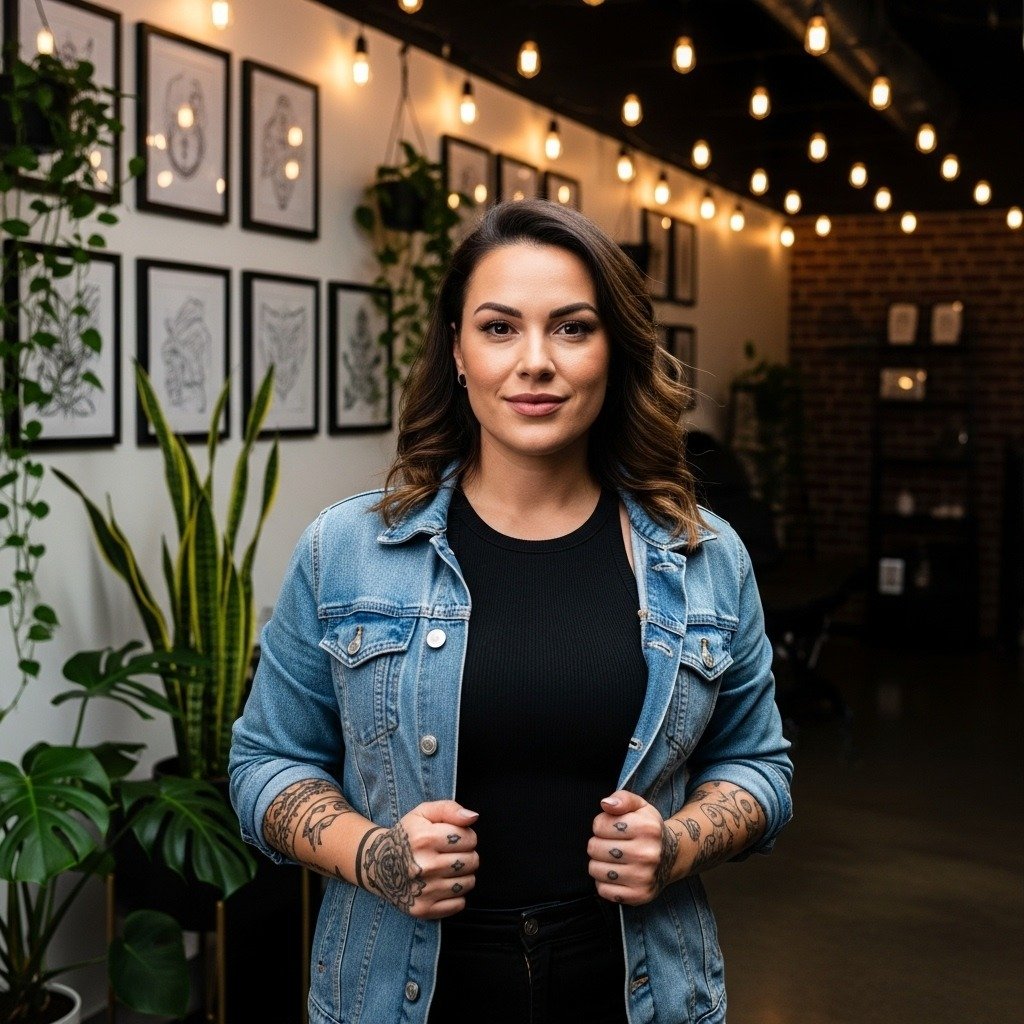
Social feeds keep pushing tiny Roman numerals as secret codes, and a lot of those whisper-thin dates look great in a saved photo. The reality is that needle choice and placement determine whether a date still reads at year three or becomes a smudge. Start with line weight, spacing, and a frame if you want the date to age clearly. The first idea is a simple forearm date that prioritizes legibility without shouting it.
1. Minimalist Single-Date on Inner Forearm
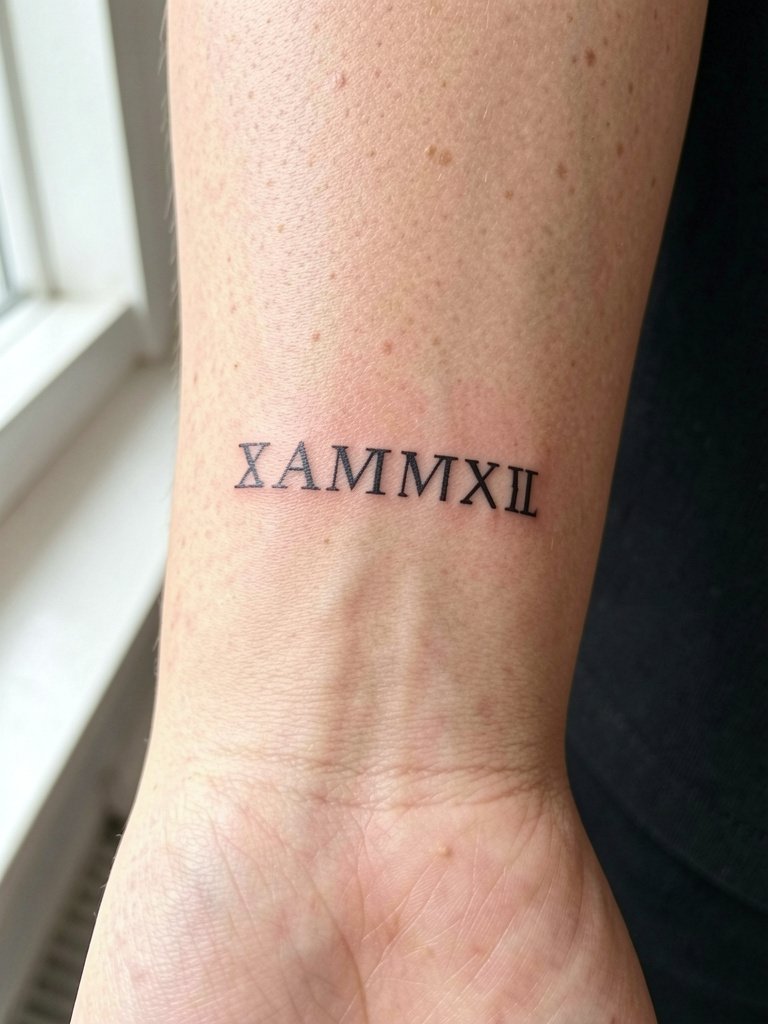
This is the go-to for first-timers who want a date that reads without being loud. Recommend a slightly heavier fine line so the numerals keep crisp edges at the two-year mark. For consultation, bring a reference showing exact numeral spacing so the artist can mock the negative space. Expect low to moderate pain on the inner forearm and a session under an hour. Common mistake is asking for the finest possible single-needle line, which often needs a touch-up in 6–12 months. For showing it off, try a rolled-cuff linen shirt and a dainty bracelet, like dainty gold stacked bracelet set.
2. Fine Line with Dot Accent, Wrist
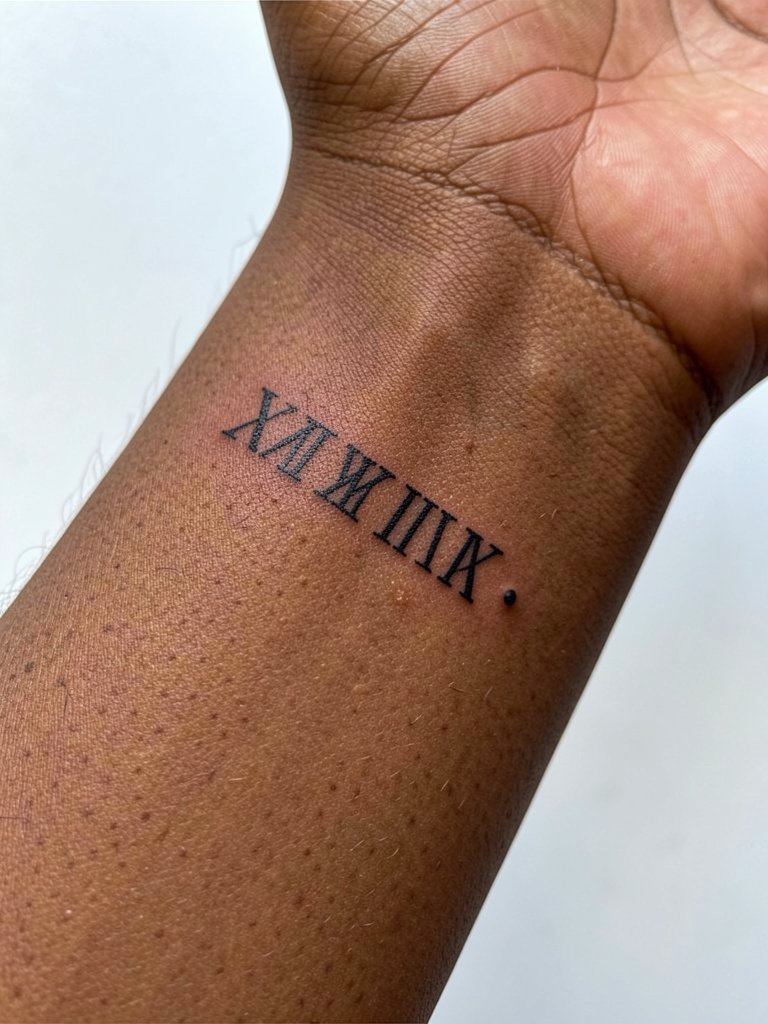
A tiny accent breaks up monotony and gives a whisper of style while keeping the date readable. The wrist eats the thinnest lines over time, so ask for modestly heavier linework than the reference. The session is short but the area is more sensitive than the forearm. Avoid placing numerals too close to the wrist crease, where movement accelerates blur. For appointments wear short sleeves and skip watches. To frame the piece, pair with a minimalist watch on the opposite wrist.
3. Encased in a Geometric Circle, Upper Chest
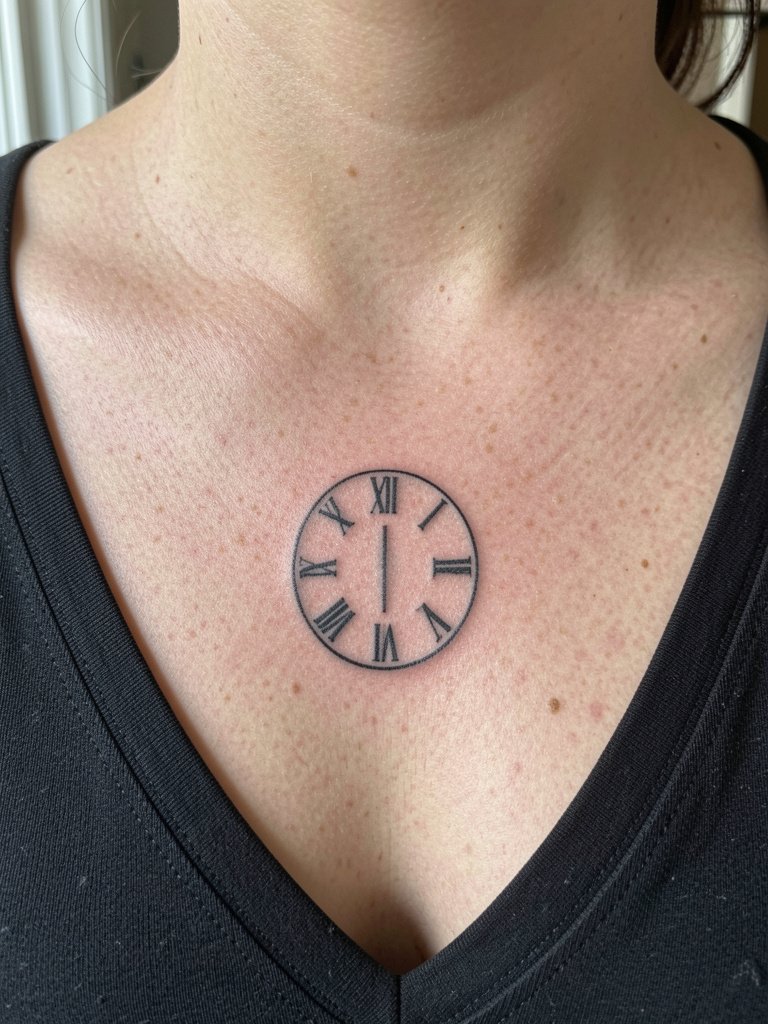
A thin circle turns a date into a badge without adding text. The collarbone sits near clothing edges, so plan placement with a fitted V-neck to show the piece. This spot can bruise on fresh sessions and feels like a 4 out of 10 on many pain charts. The circular frame helps maintain legibility because the numerals get breathing room. Common aging issue is a circle that sits too close to the numerals, which makes the whole motif merge into one blob with time. For nights out pair the chest piece with a delicate pendant necklace like delicate pendant necklace gold.
4. Feather-Paired Numerals, Inner Thigh
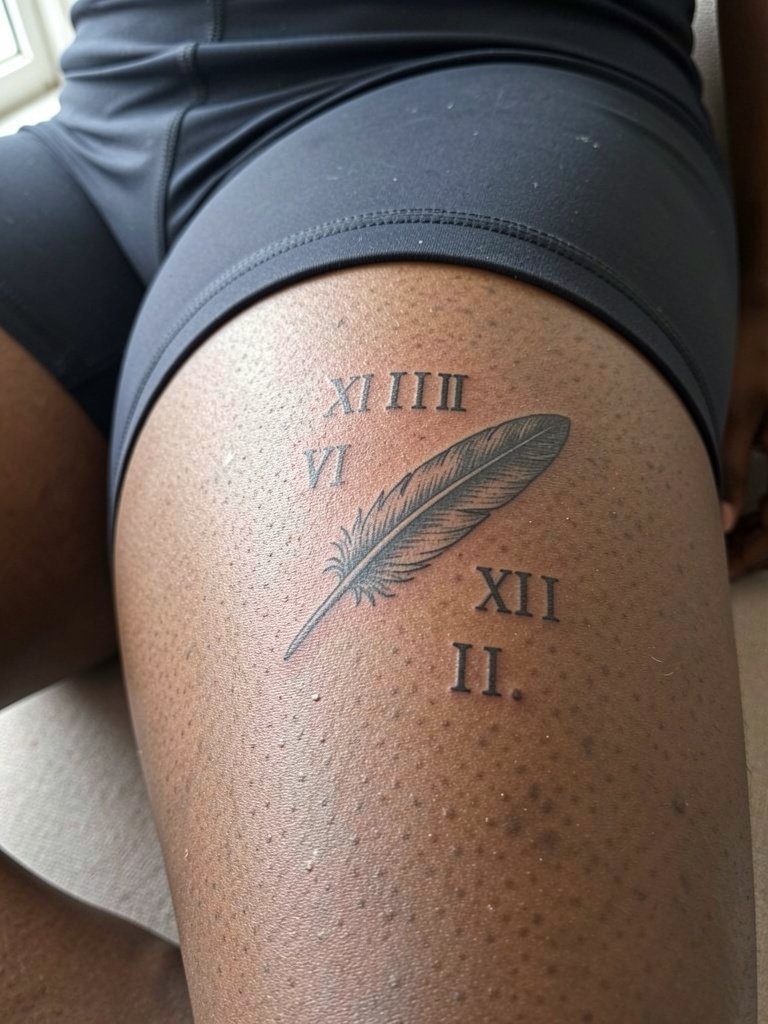
The inner thigh gives space for a 2–3 inch combo that reads like an intimate emblem. Plan for a single session and expect moderate pain due to soft tissue. Fine line here can blur faster because the skin stretches, so a slightly heavier line weight at the edges helps longevity. For the session, wear loose drawstring linen pants so you can roll the leg up without pressure on the area. Showing the piece in warm months works with high-waisted shorts or a layered chain belt, try high waisted shorts women.
5. Bold Traditional Numerals, Inner Upper Arm
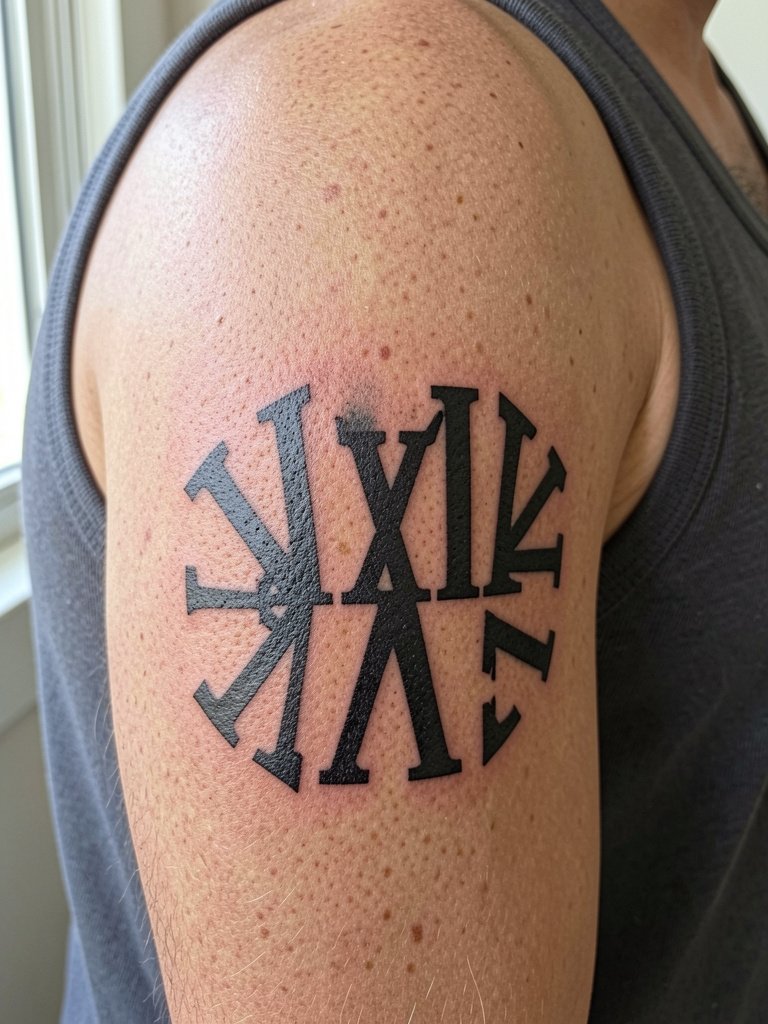
Choose bold lines here for longevity because thick strokes resist blowout better on this moving surface. The inner bicep is lower-pain than ribs and sessions are usually under an hour. A common mistake is asking for ultra-fine numerals, which soften with arm movement. If you want durability, request solid black saturation and slightly wider spacing. Show it off with sleeveless tops in solid colors and a simple cuff on the other arm, like sleeveless tank top women.
6. Tiny Heart or Star Accent, Lateral Hip Bone
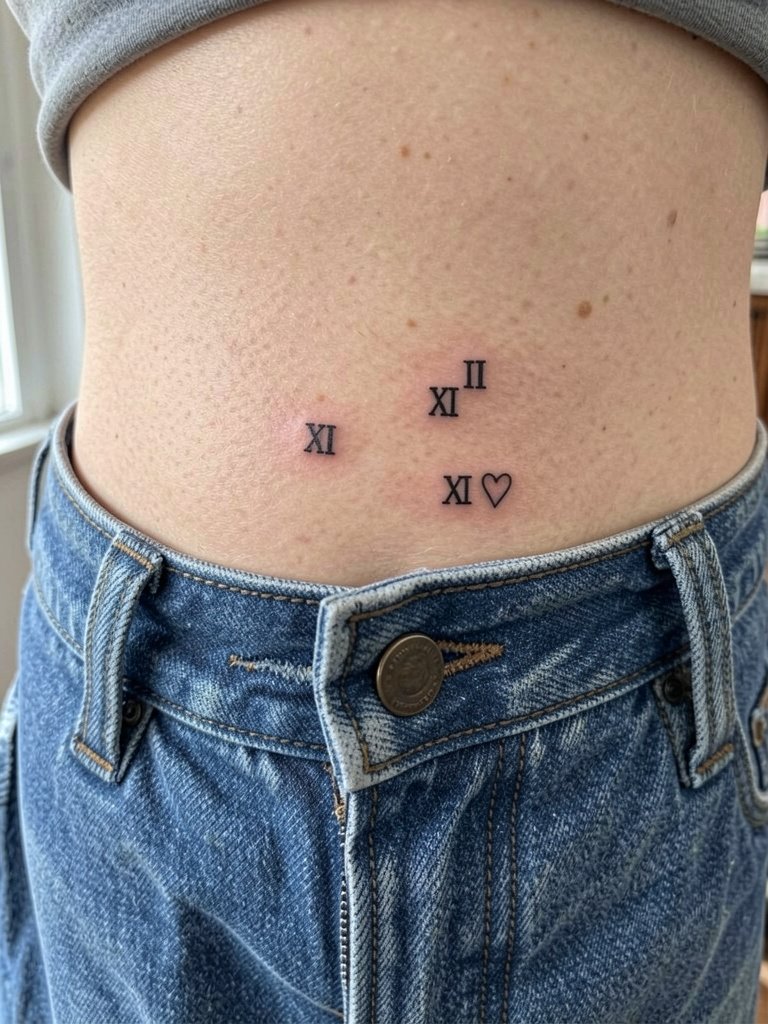
A tiny accent adds an emotional shorthand without words. The lateral hip is low visibility during daily routines so it heals with less friction if you wear low-rise bottoms that avoid rubbing the area. Session wear should be loose drawstring pants or a long skirt for easy access. Avoid placing the accent directly inside a pant seam. Pairing works with low-rise jeans and layered necklaces to balance the look. A practical shopping search is low rise jeans women.
Pre-Session Essentials
The forearm, wrist, and hip pieces above have different healing quirks, so a short kit keeps the first week simple.
-
Shiseido Tattoo Gel search. A thinner gel alternative discussed for fine line healing that avoids pore-clogging on delicate numerals.
-
Healix Balm search. Recommended in some forums for preventing "muddy" black on darker tones during the first few weeks.
-
Tattoo + Body lotion search. A mild, non-irritating long-term lotion option for maintaining linework after initial healing.
-
Hustle Butter Deluxe search. Lighter-feel balm many people use once the first 24 hours are past to keep fine lines supple.
-
Saniderm second skin search. Useful for the immediate 24-hour window to protect fresh ink, remove after the first day to avoid over-moisture on tiny linework.
7. Vertical Stacked Numerals, Ribcage
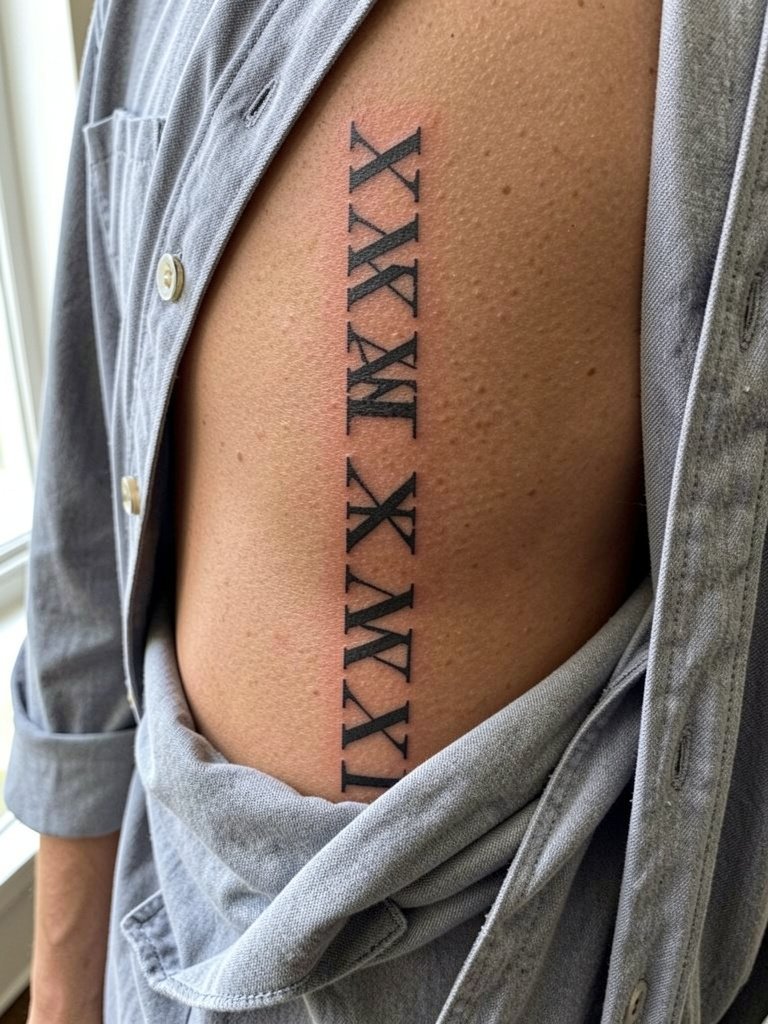
Ribs split artists into two camps. One camp says fine line on ribs blurs within one to two years because of skin stretch and breathing motion. The other camp argues that with slightly wider spacing and proper depth a fine-line stack can remain legible for years. If you prefer the slim vertical look, ask the artist to show healed three-year examples of stacked numerals on ribs so you can compare outcomes. Expect this to be a higher-pain session and budget for a possible touch-up at the one-year mark. For wardrobe, side-tie tops reveal the rib area without putting pressure on fresh ink, such as side tie crop top women.
8. Calendar Grid with Numerals, Lower Back
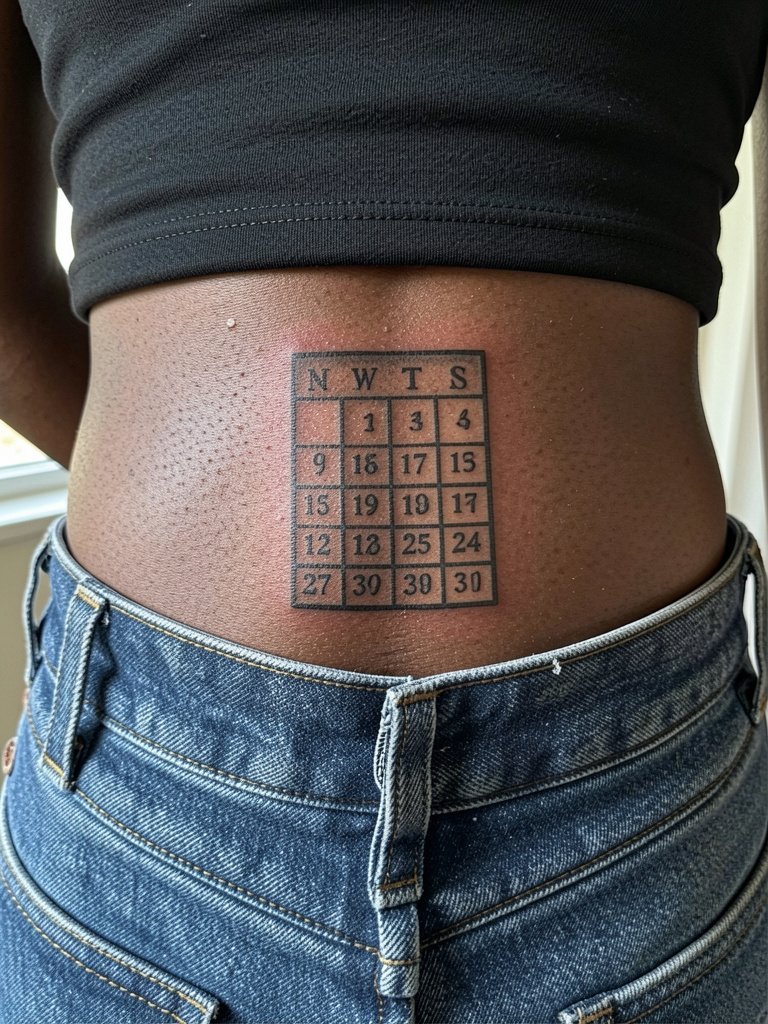
A calendar grid visually anchors a date inside a larger memory map. This placement can be a larger session and often costs more. Common mistake is over-detailing tiny squares which soften over time. Size the grid so each cell has room to stay crisp at the two-year check. For showing it off pick low-rise bottoms that reveal the small of the back. Session wear that keeps the area accessible without constricting is essential, like loose drawstring pants.
9. Hand-Written Script Style, Inner Forearm
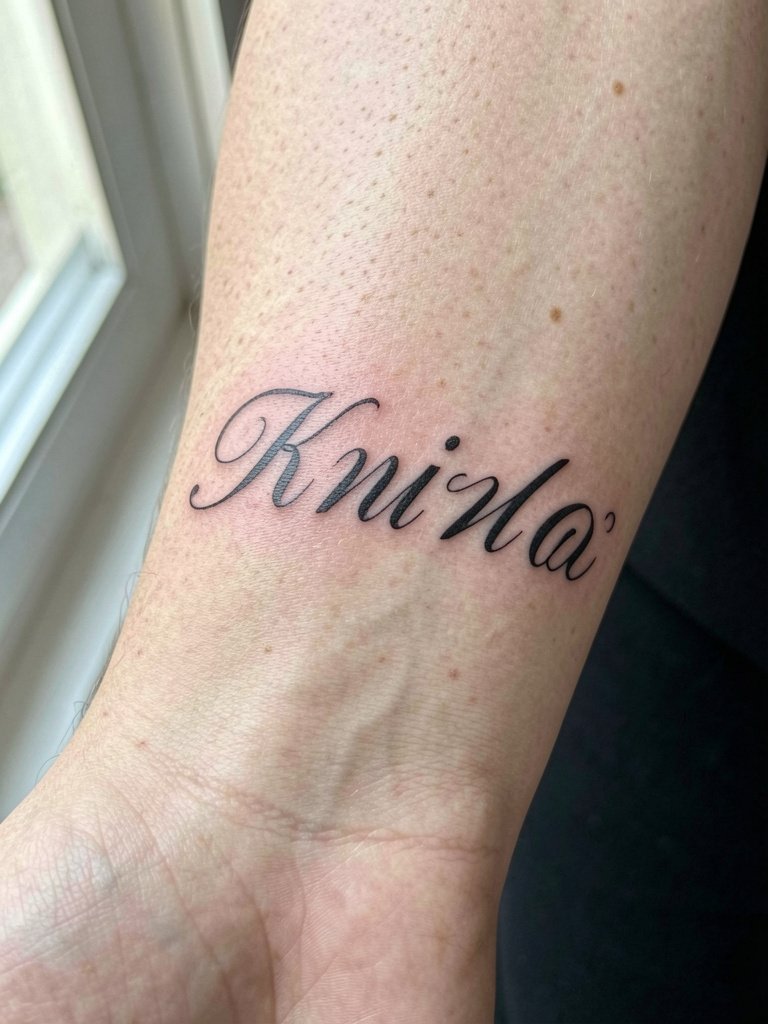
Script-style numerals soften a numeric code into something that looks handwritten. The inner forearm is forgiving but fine cursive needs deliberate spacing to remain readable. Bring two scale references so the artist can show how the script reads at one inch versus two inches. The healed look at six months will be close to the fresh shot if you avoid over-scrubbing during showers. For session wear, a loose button-down that rolls up cleanly keeps the artist’s access easy. Complement the script with stacked linen shirts for an editorial daytime look, such as linen button down shirt women.
10. Celestial Cluster Accent, Nape
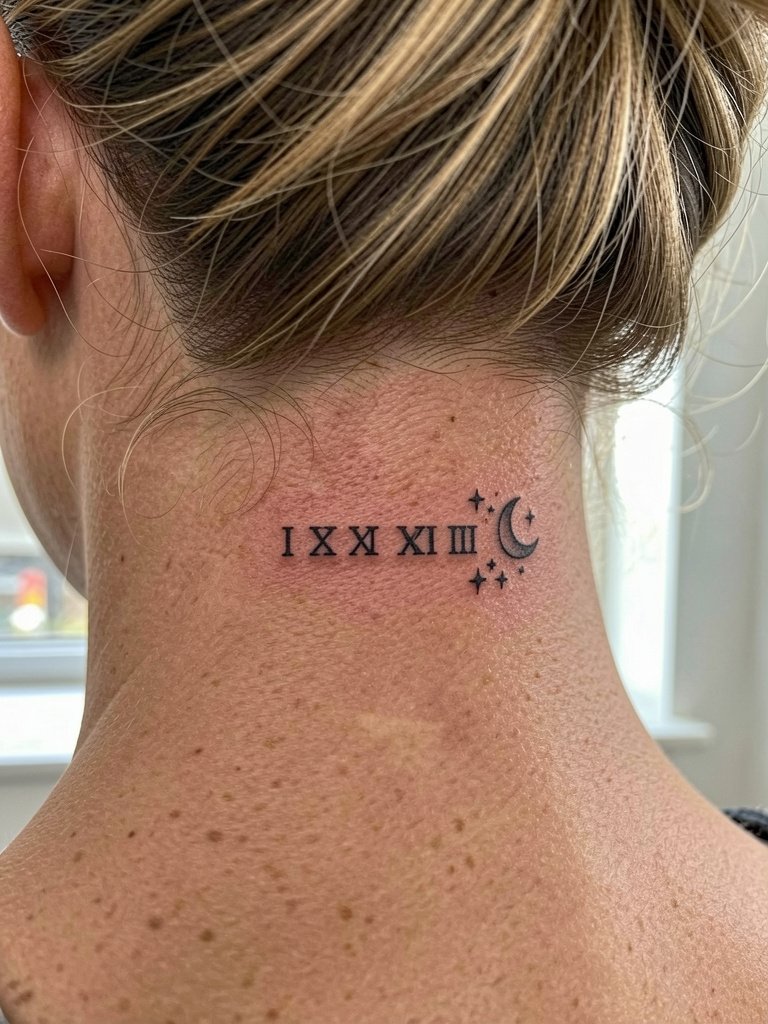
The nape is discreet until you tie your hair up, which makes it ideal for a small celestial accent tied to a date. Pain is low to moderate and sessions are quick. A common mistake is placing the numerals too low, where shirt collars rub. For appointments have hair up and wear a top that exposes the neck, like a high-neck or scoop-neck in its normal position. A delicate hair clip frames the area nicely when showing it off, such as delicate hair clip gold.
11. Jersey-Style Bold Number, Outer Thigh
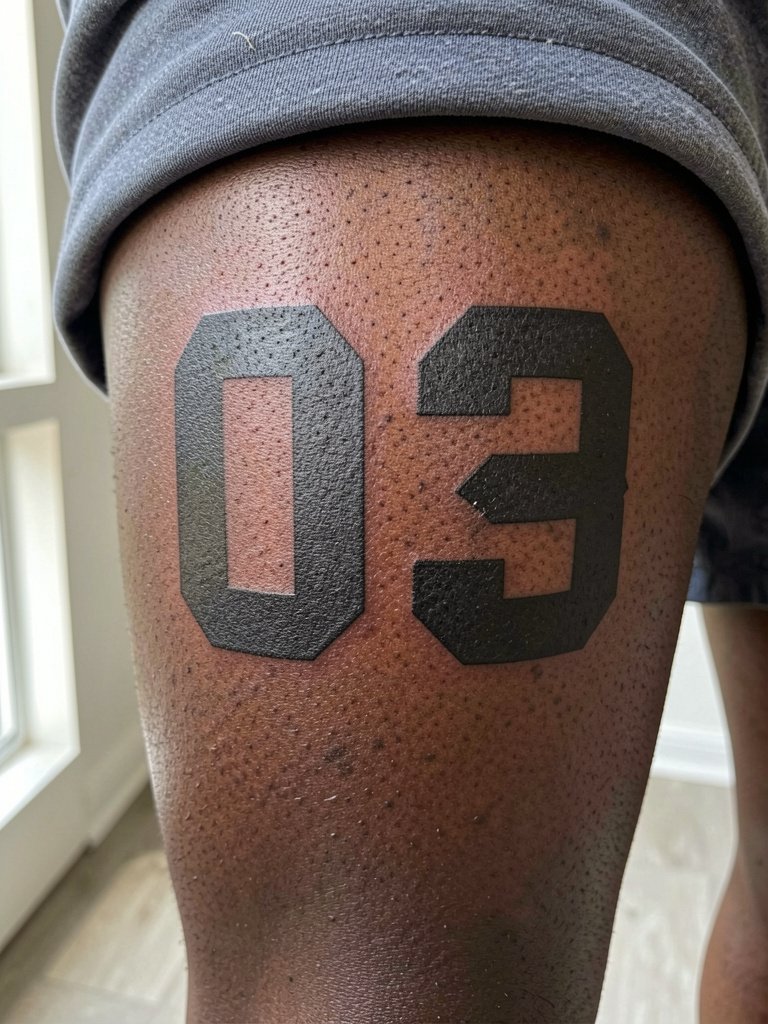
Athletes and fans often like bold, athletic numerals that age well. The outer thigh tolerates thick blackwork and has low day-to-day friction. Sessions are comfortable and allow larger lettering without risking blowout. The common mistake is making the number too narrow; keep width proportional to thigh surface for lasting presence. Pair the piece with shorts or skirts to highlight the location. For a casual balance try shorts women.
12. Broken or Shattered Line Effect, Inner Forearm
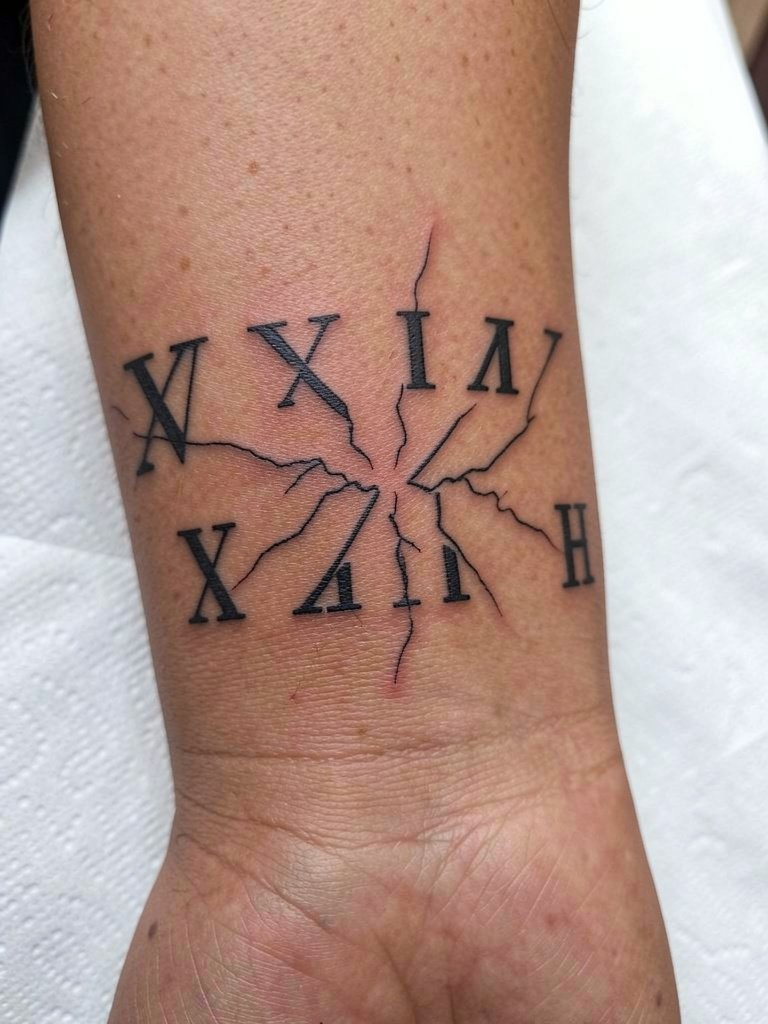
A broken-line look adds emotional texture but needs careful spacing so the gaps do not accelerate misreading as healing progresses. Ask the artist to map deliberate gaps on paper at your chosen scale to judge legibility at six months and two years. This style ages with character if the breaks are intentional and not the result of under-saturation. For session clothing choose a short-sleeve top and avoid bracelets on the tattoo wrist until healed.
13. Stained-Glass Blackwork, Upper Chest
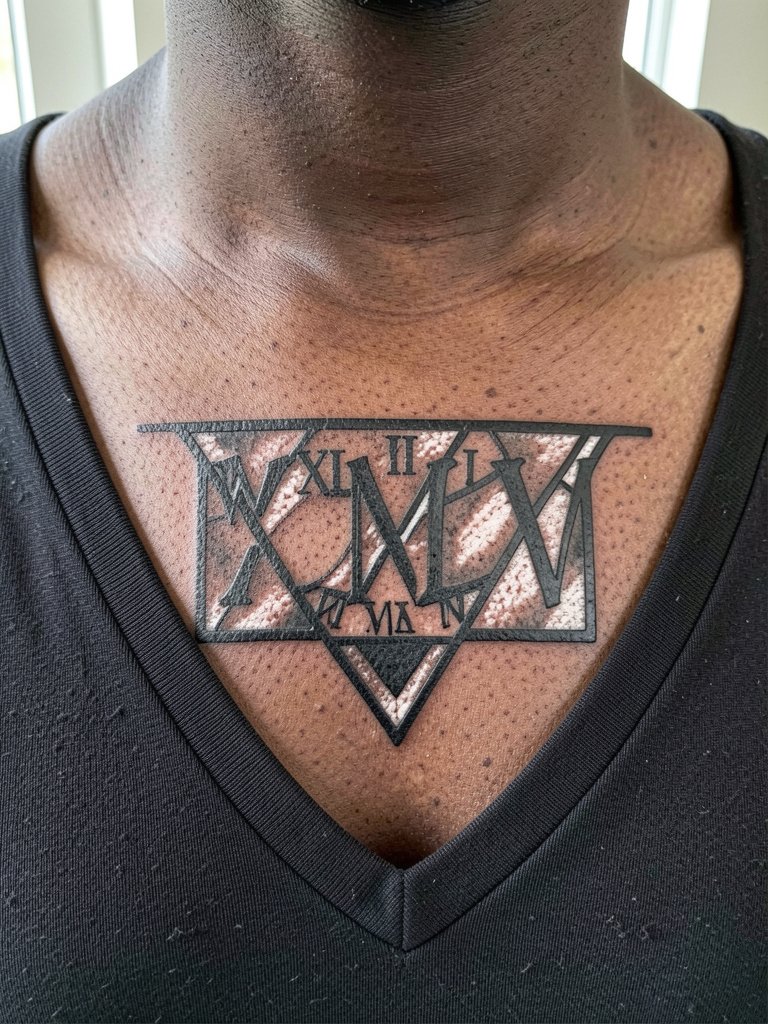
On darker skin tones white highlights can create contrast but artists and dermatologists disagree. One camp argues black-only work is safest because white ink can yellow or fade, which harms contrast. The other camp says a tiny white outline or highlight is necessary to keep numerals distinct on dark skin, and skilled artists use it sparingly. If you consider white highlights, request healed examples on similar skin tones and plan for touch-ups. The upper chest reads well with open-knit tops and a delicate pendant, like open knit crop top women.
14. Anatomical Accent, Medial Inner Thigh
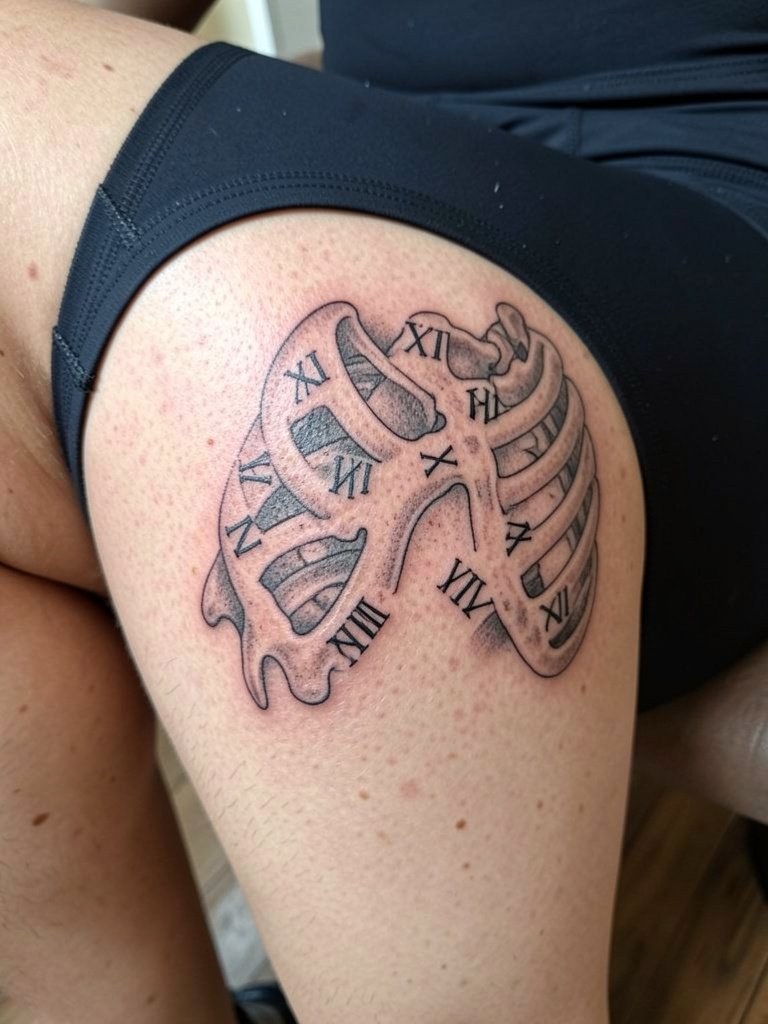
Integrating numerals into anatomical accents creates an edgy memorial without explicit text. This placement can be intimate and needs a discreet post-session routine. Artists with illustrative experience can sketch how the numerals sit along the bone motif so the composition stays readable as it heals. For appointments wear comfortable, non-restrictive bottoms and avoid friction during the first two weeks.
15. Circular Clock Face, Wrist
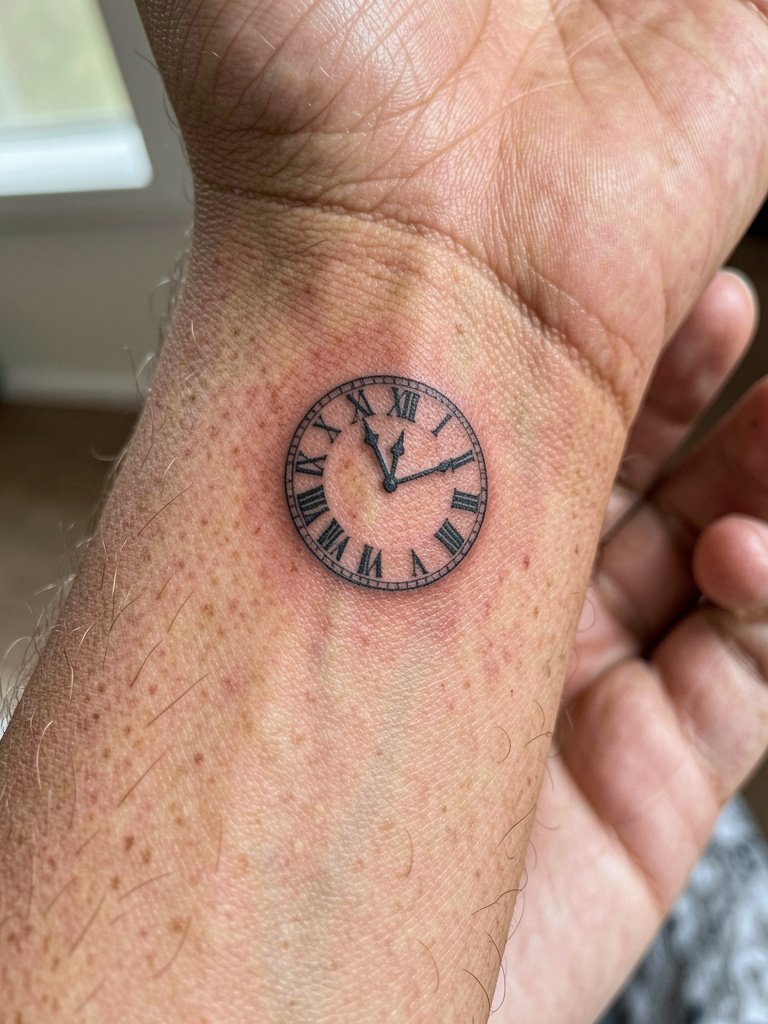
A clock design lets you honor a time of day rather than just a date. The wrist is a sensitive spot so plan for a short session and expect moderate discomfort. Avoid over-detailing the clock face; keep numerals and hands bold enough to stay legible at one year. For showing it off avoid bulky watches on the tattoo wrist and try a thin chain bracelet on the other wrist, like thin chain bracelet set.
16. Micro-Script Date with Negative Space, Collarbone
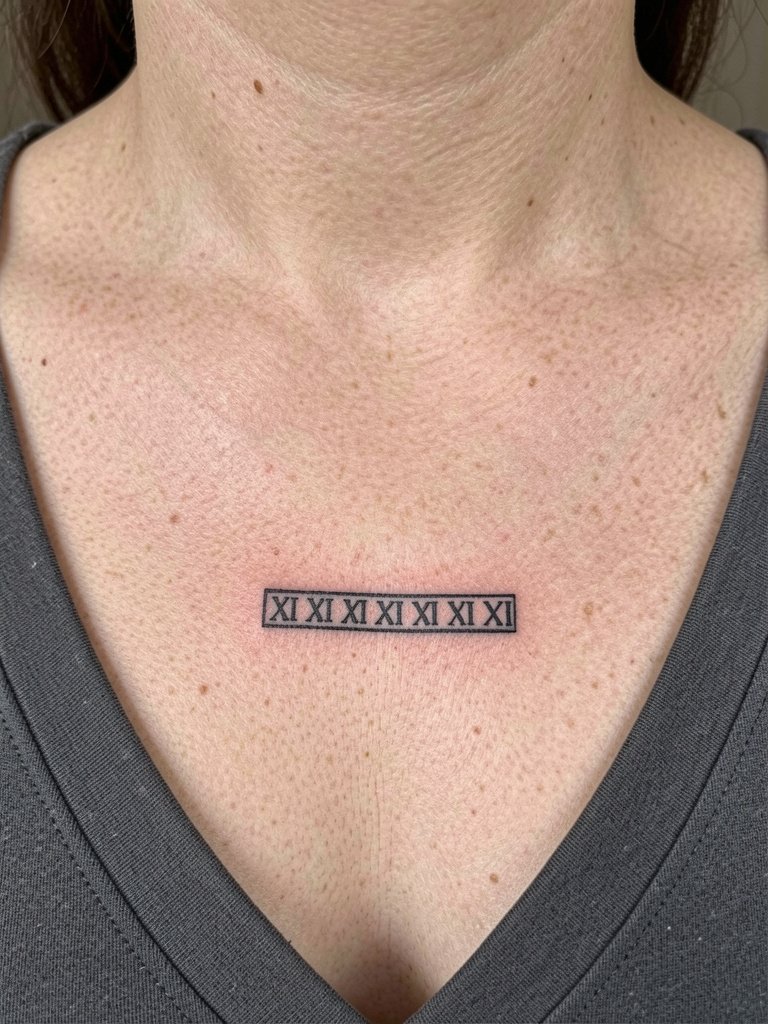
Micro-script on the collarbone reads like jewelry but needs slightly more spacing than the reference to age well. The sternum and collarbone area move with breathing so avoid ultra-fine single-needle strokes here. Bring a sample at the exact intended size so the artist can show how the negative space will read at one and three years. For nights out a delicate pendant that sits above the collarbone makes a complementary frame, search delicate pendant necklace gold.
17. Numerals as Part of a Larger Sleeve Accent, Outer Forearm
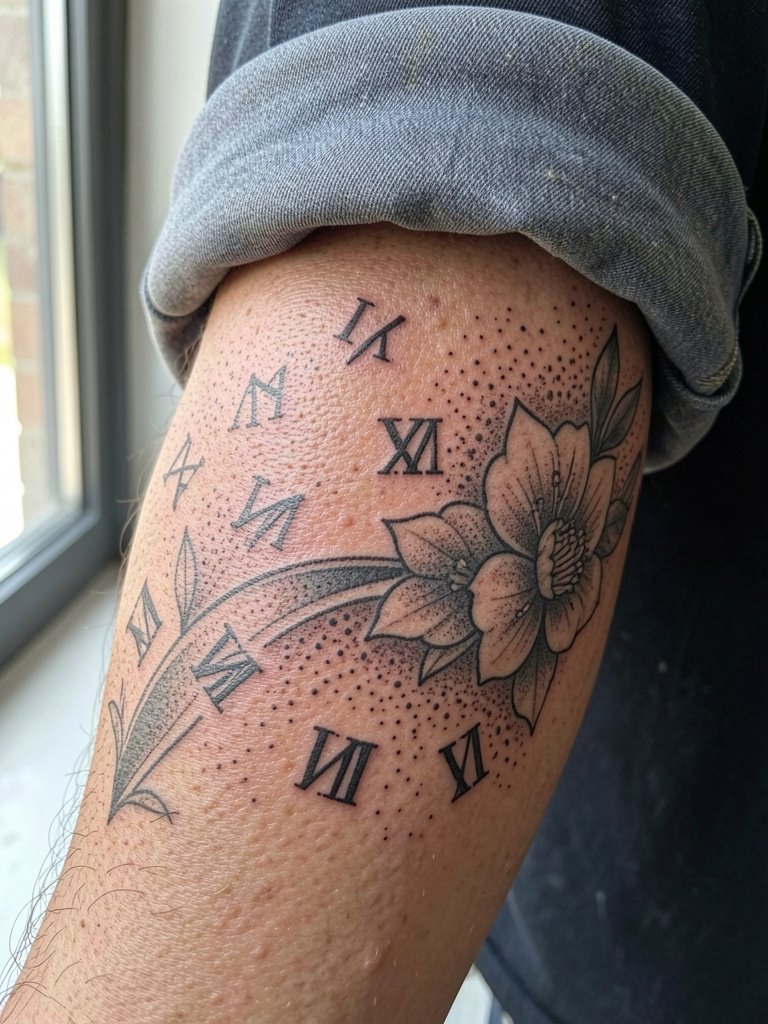
Embedding numerals into a sleeve gives context and protects the date from feeling isolated. Sleeve work often reads better when numerals are slightly larger than they would be on a standalone piece. Plan the negative space and stipple shading so the numerals remain a visual anchor. Sessions will be longer and staged across visits. For showing the outer forearm piece wear rolled cuffs on neutral shirts like rolled cuff linen shirt.
18. Minimalist Time-Only Roman Numerals, Ankle
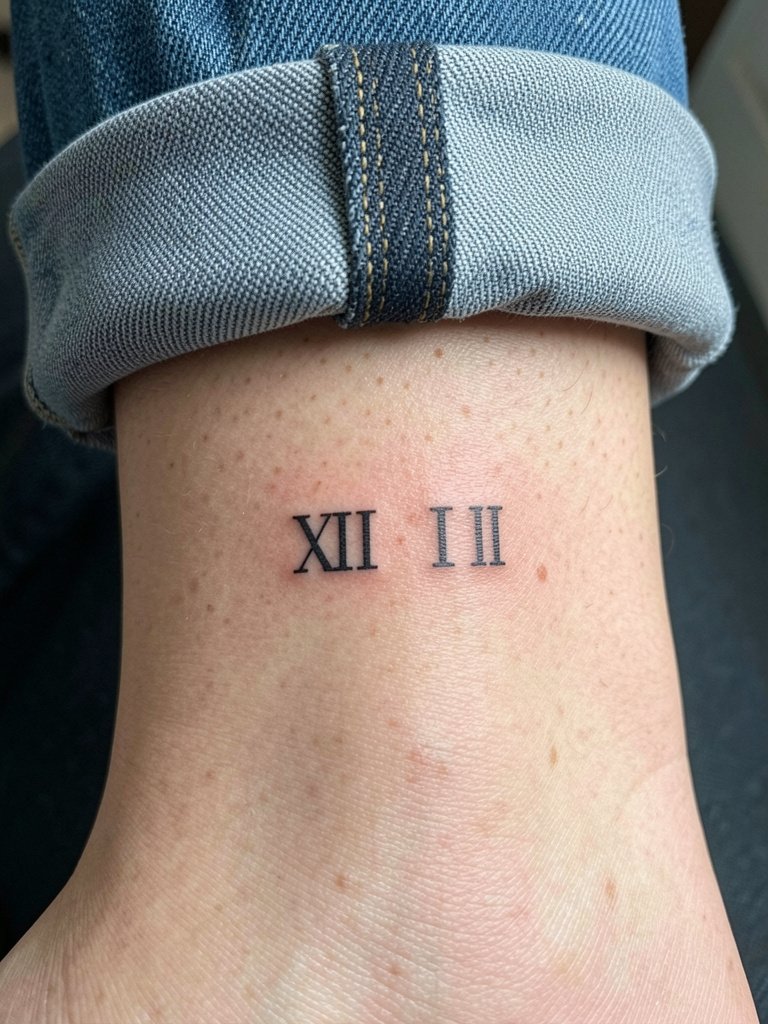
An ankle date reads subtly when you wear cropped pants or skirts. The ankle area is vulnerable to friction from socks and shoes, so expect initial tenderness and keep footwear light during the first two weeks. Thin numerals should be sized up slightly to avoid early blurring. Try pairing the tattoo with ankle bracelets once healed, like ankle bracelet set.
19. Roman Numerals with Dot Work Background, Upper Arm
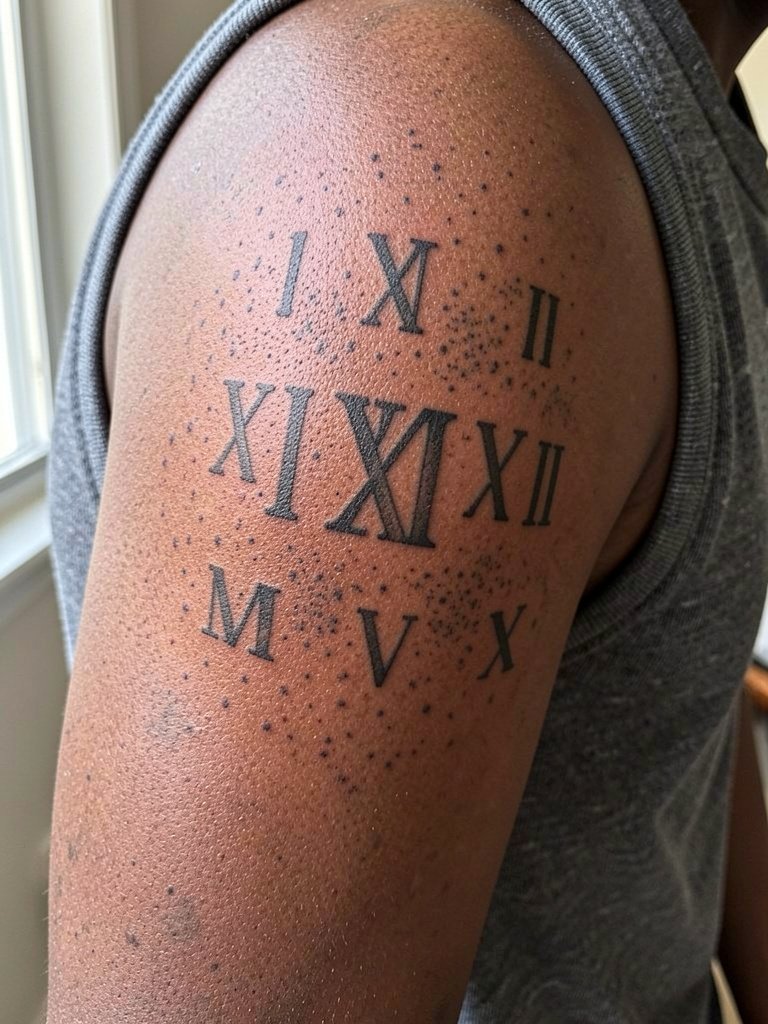
A dot-work backdrop gives depth while keeping numerals readable when done with wide spacing. Outer arm is a forgiving surface and dot work helps maintain contrast across skin tones. Ask for healed photos of similar skin type to see how stippling ages. Sessions are moderate in length and feel like steady rhythmic passes. For display choose sleeveless tank tops or solid color tees to keep focus on the composition. Consider solid color tank top.
20. Roman Numerals with Tiny Moon Accent, Behind the Ear
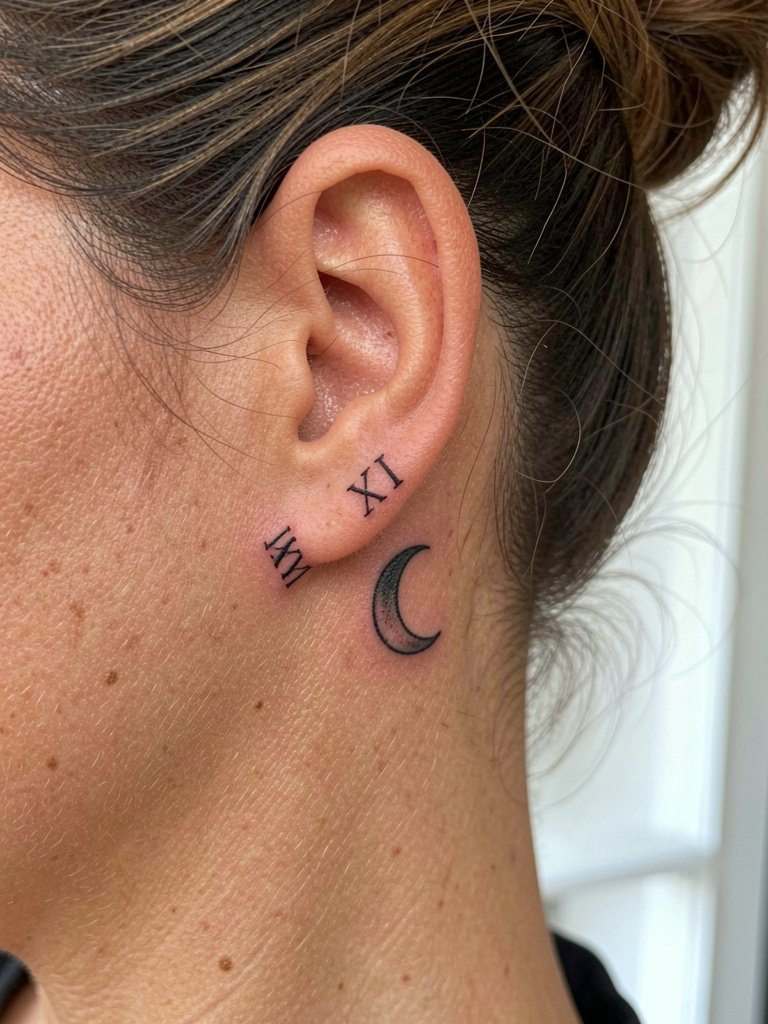
Behind-the-ear pieces are discreet and ideal for tiny numerals. The area heals quickly but requires an experienced hand because of the small canvas. Keep numerals simple and avoid extra flourishes. For sessions plan a hairstyle that stays up for a day, and use a soft pillowcase for the first week to reduce irritation. Small hair accessories can draw attention when you want to reveal the piece.
21. Roman Numerals as Minimal Bar, Sternum
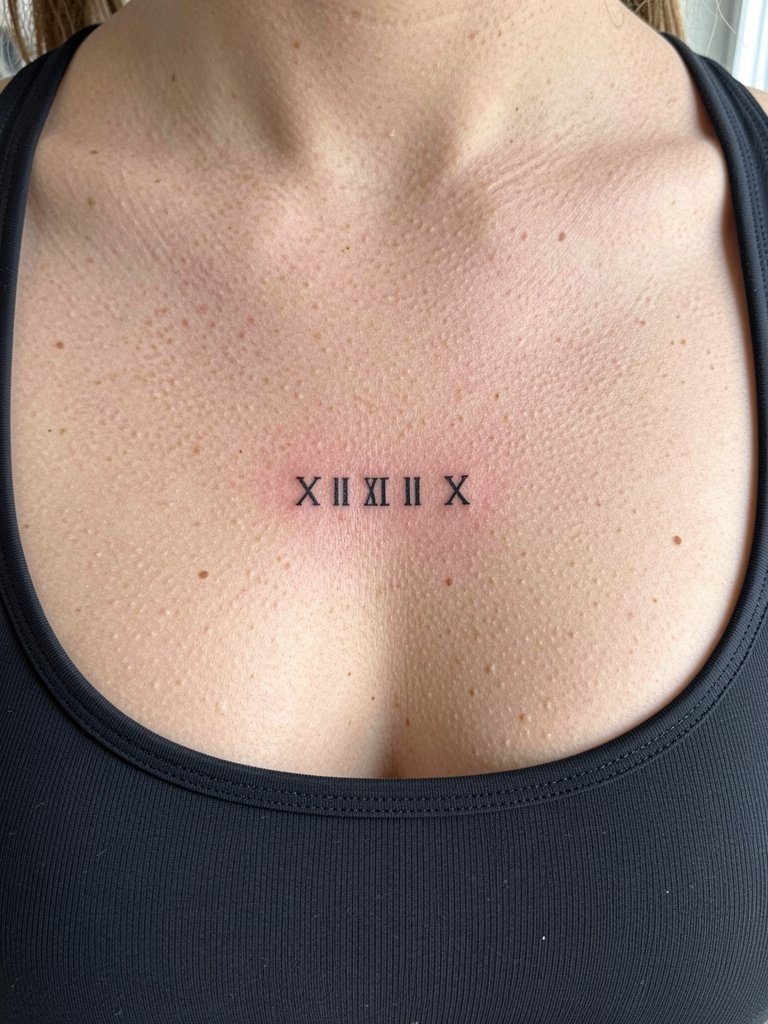
Sternum pieces need careful mapping to avoid rubbing from clothing. The area can be sensitive and requires steady sessions. Pick slightly larger numerals than you would on a wrist, because the sternum moves with breathing. A frequent mistake is starting too small and needing an early touch-up. Session wear should be a fitted sports bra that can be removed or put back on easily without stretching the fresh ink.
22. Roman Numerals with Subtle Outline, Dark Skin Considerations
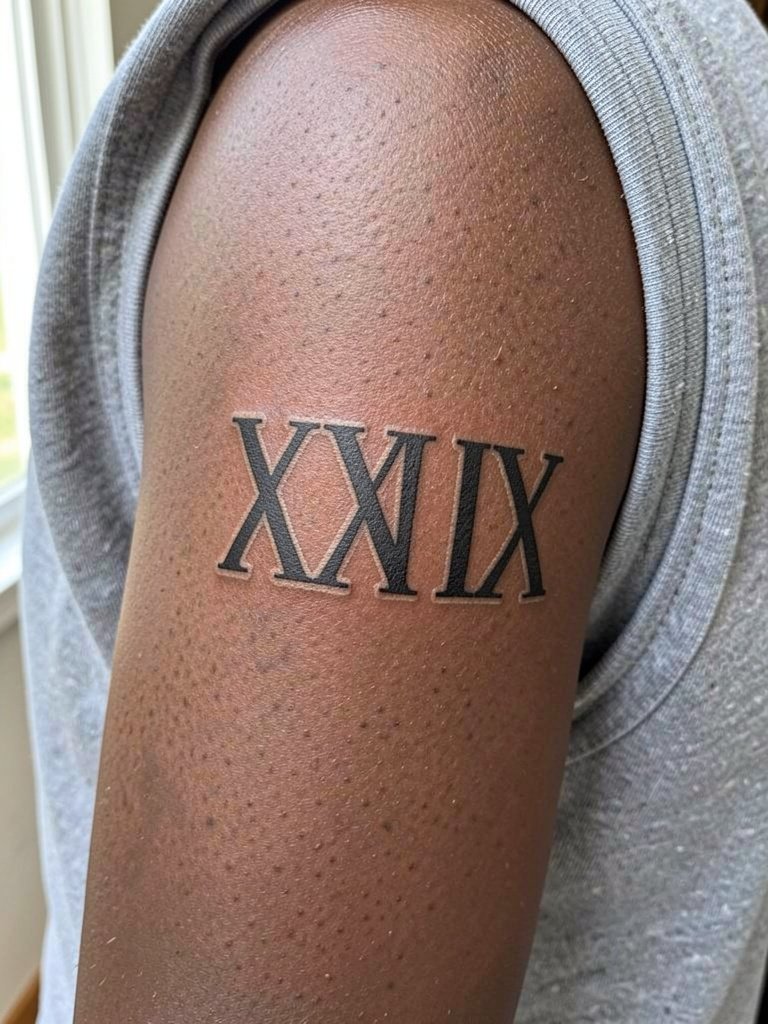
On darker tones, artists disagree about adding white or pale outlines. One group cautions that white ink can change color and fade, harming the effect. The other group maintains a tiny contrast outline preserves legibility and can be maintained with touch-ups. If you are considering an outline, request healed examples on similar skin tones and plan slightly thicker line weight in the main numerals. A low-maintenance wardrobe choice to show the piece is sleeveless tanks and simple silver cuffs like silver cuff bracelet.
23. Roman Numerals as Negative-Space Band, Calf
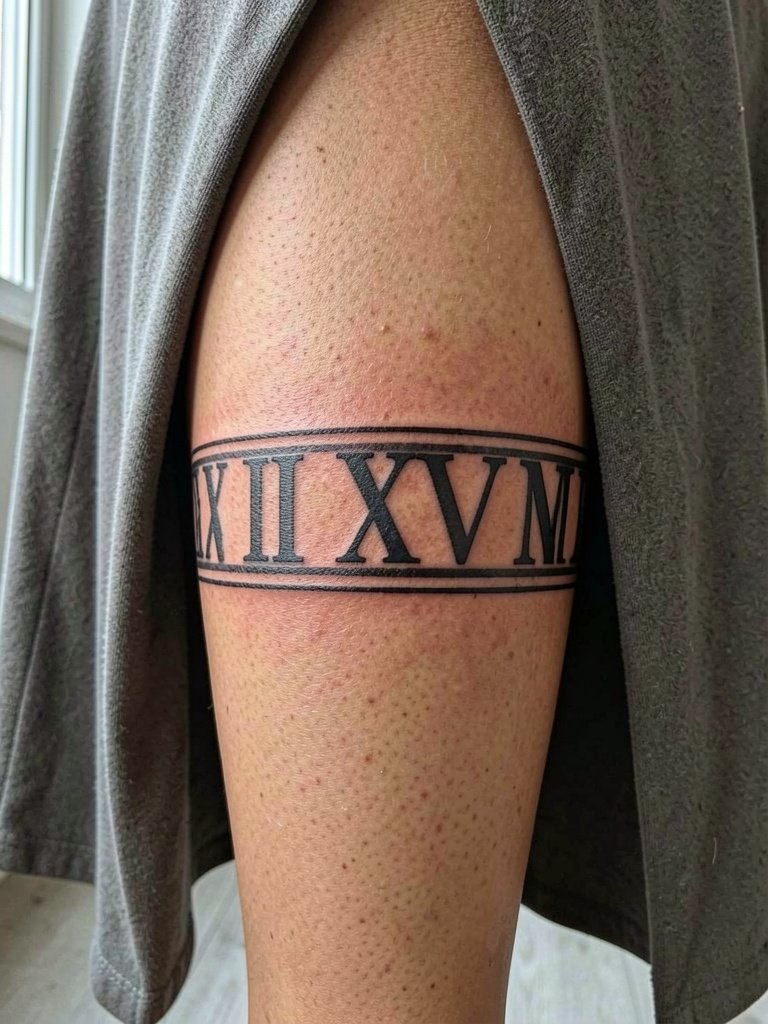
Negative-space numerals inside a black cuff are bold and age well because blackwork holds. Calf pieces tolerate heavy saturation and make an immediate graphic statement. The session may feel like steady pressure but is usually low to moderate pain. Common mistake is too-narrow numerals that disappear against the saturated cuff. For showing off pick skirts or cropped pants that reveal the lower leg. Try skirt women.
24. Tiny Single Numeral Accent, Finger
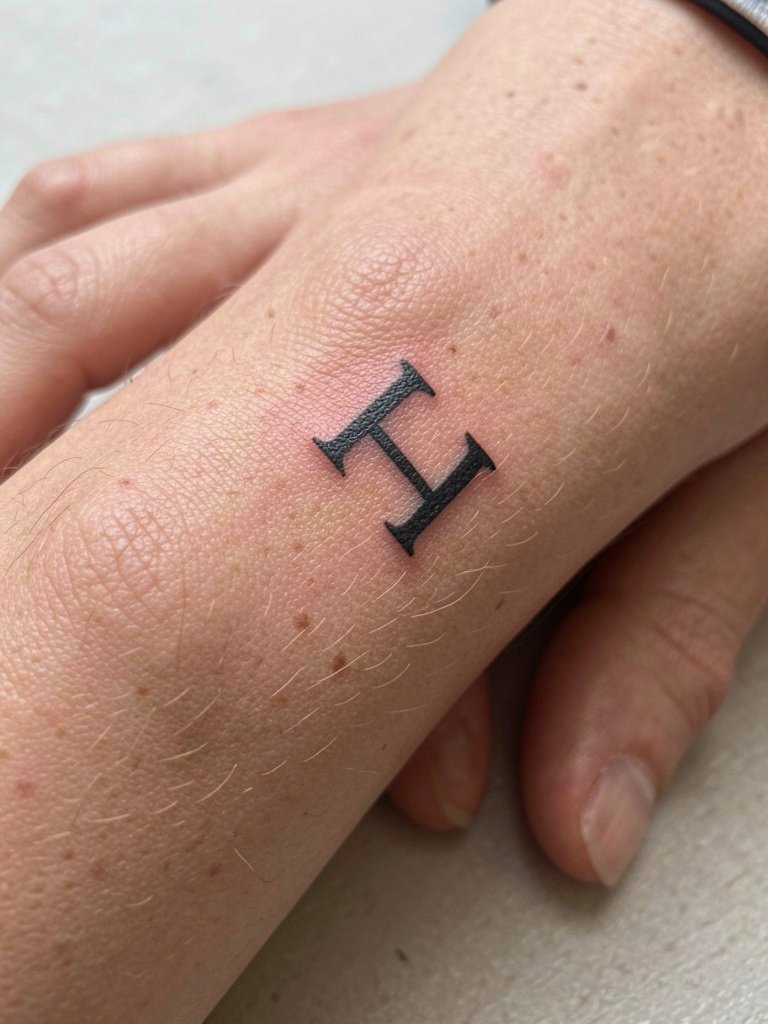
Finger numerals are highly visible and convenient for tiny memorials, but they fade faster due to constant washing and friction. Expect touch-ups sooner than for forearm or chest work. If you want longevity, discuss slightly thicker characters and accept a yearly touch-up rhythm. For the session, avoid rings on that finger for several weeks and keep jewellery minimal. A simple pairing is a slim ring on the opposite hand.
25. Time-of-Day Numerals in a Minimal Badge, Sternum or Collarbone
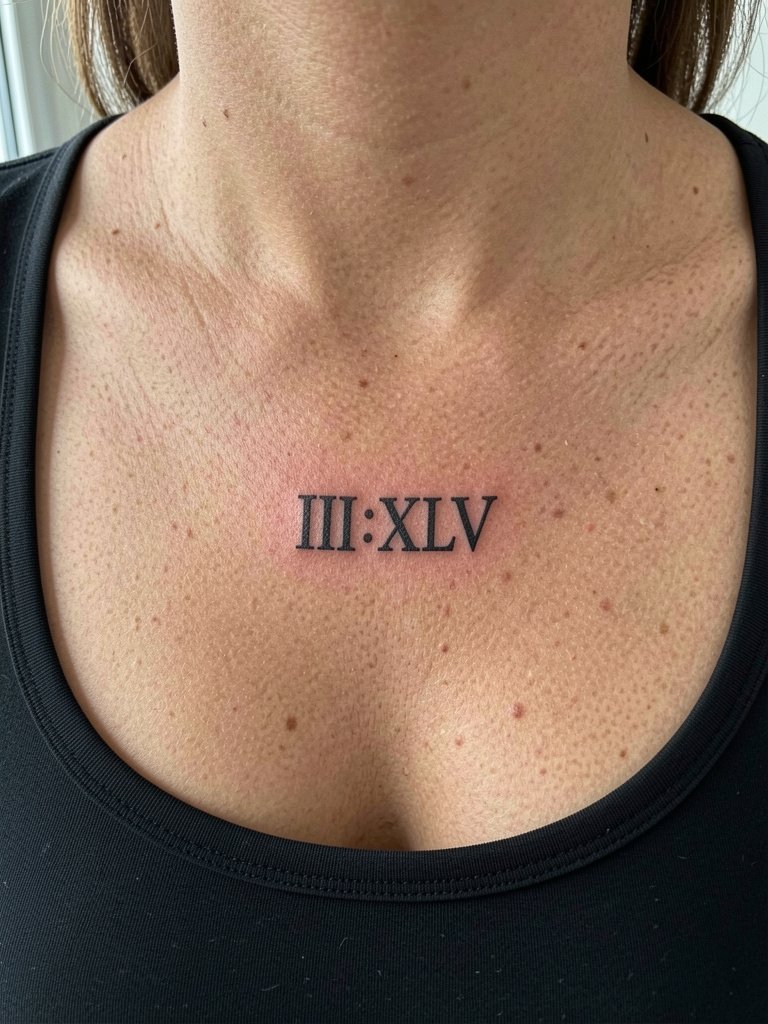
Using Roman numerals to mark an exact time is under-covered and deeply personal. Decide whether the emphasis is the date or the minute; if it is a time, keep the numerals slightly larger and include a subtle frame so the clock reads as intentional. Sternum and collarbone placements need careful mapping to avoid clothing friction. Bring a clear reference and ask for a scale mock-up so you can see legibility at arm’s length.
Frequently Asked Questions
Q: How do I pick a line weight that will still read at two or five years?
A: For most placements choose a slightly heavier fine line than the slimmest option. Inner forearm and upper arm tolerate finer work, but ribs, inner thigh, and fingers benefit from thicker strokes. Request healed examples from the artist at the size you want so you see how the numerals settle over time.
Q: Should I add plain numbers under my Roman numerals so family can read them?
A: People split on this. One camp recommends adding tiny plain numbers for clarity so relatives do not need a converter. Another camp prefers to keep the design cryptic as a private code. If you want both, a small, discreet plain number under the numerals gives clarity without changing the aesthetic.
Q: Where can I find healed portfolio examples and local artists without relying on names?
A: Search hashtags like #romannumeraltattoo, #crypticdate, and #minimalistdate on Instagram and TikTok and filter by location. Use directories like Tattoodo, Inked App, and Booksy for keyword searches such as "fine line roman numeral" or "bold traditional roman numeral." Reddit communities like r/tattoos and r/tattooadvice often share healed shots from different skin tones.
Q: What should I wear to the session for an upper chest or collarbone piece?
A: Wear a strapless, wide V-neck, or fitted sports bra that exposes the area without being pulled. For upper chest designs consider v neck neutral top for the appointment so the artist can check placement and you can slip it back on afterward.
Q: How often will fine-line Roman numerals need touch-ups?
A: Fine-line numerals commonly need a touch-up within one to three years depending on placement, skin type, and aftercare. Fingers and ribs usually require the most frequent touch-ups. Plan a budget for a touch-up rather than assuming the first session is forever.
Q: Are there artist red flags I should watch for when booking fine-line numeral work?
A: Avoid artists whose portfolio lacks healed photos at the intended size, or who only show fresh work. Ask for same-placement healed examples and for recommendations on line weight and spacing. If they promise unbelievably fine single-needle detail with no visual proof, consider another option.
Q: Can I get recommendations for post-session clothing to protect a new tattoo?
A: For ribs and inner thigh choose loose, breathable fabrics like linen drawstring pants so seams do not rub the fresh work. For wrist and hand pieces avoid tight bracelets and rings until fully healed.