
Tiny, single-needle Roman numerals that read delicate on day one often blur first. Slightly heavier line weight, deliberate spacing between numerals, and choosing skin-stable placements keep a date legible at year five and beyond. The picks below favor readability without losing femininity, with notes on what to request in the stencil, how they age, and how to style them so the numerals feel intentional rather than incidental.
1. Fine-Line Roman Numerals on the Inner Wrist
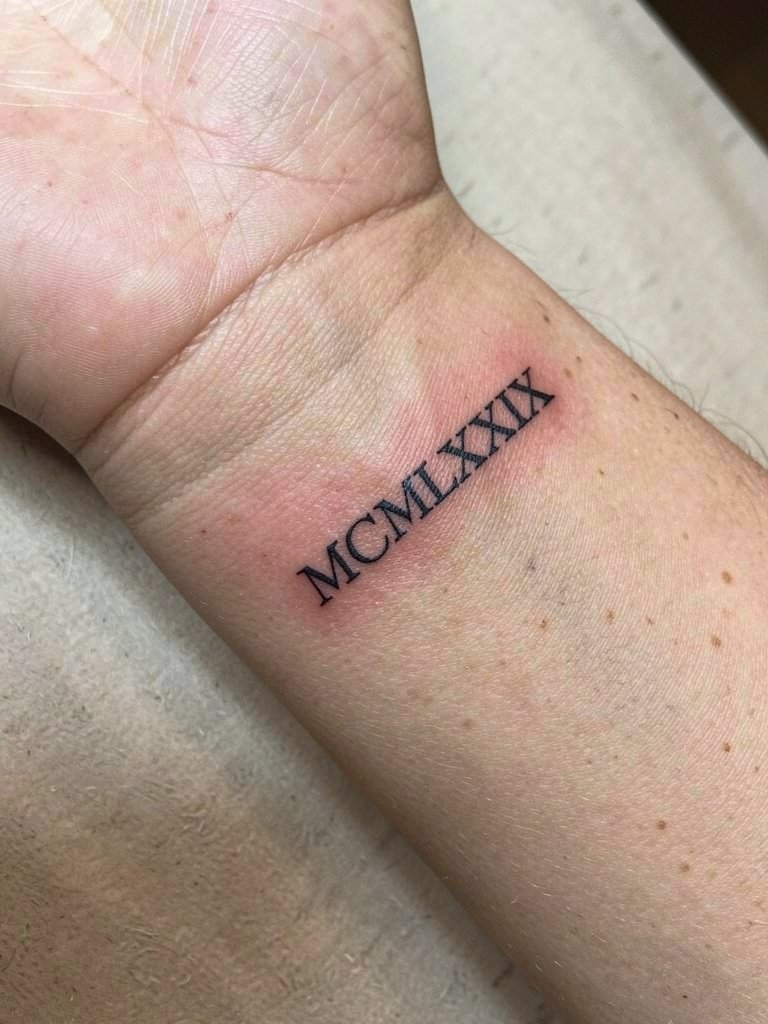
This is the classic start point for roman numeral dates. Inner-wrist numerals read intimate and are visible in daily gestures. Fair warning, the wrist experiences constant washing and friction, so request a slightly heavier line weight in your stencil and ask the artist to space numerals with open counters. At six months the lines will look crisp if saturation is good. Expect some softening by year two, and plan a touch-up around year three to restore crisp edges. Session time is short, often 20 to 45 minutes, and pain sits at a manageable 3 to 5 out of 10. For showing off, a narrow cuff or dainty chain bracelet frames the numerals without covering them.
2. Vertical Spine Numerals, Small and Centered
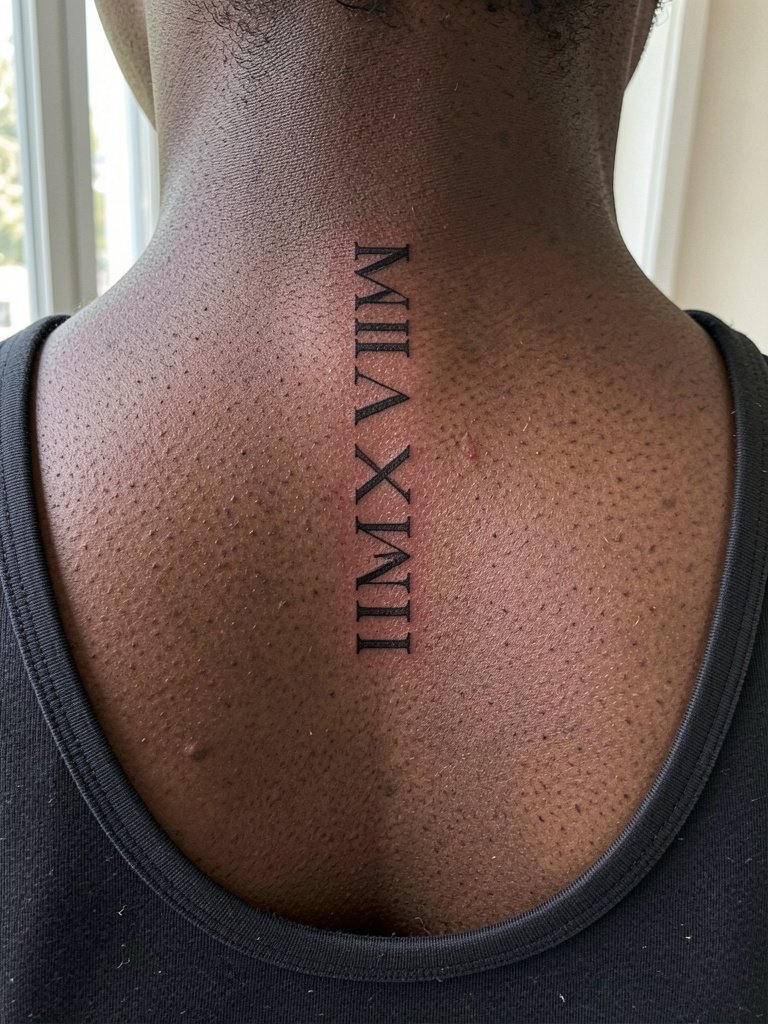
A vertical spine row of numerals reads like a personal timeline. Opt for slightly larger numerals than you think because the spine skin is thin and movement can blur ultra-fine work. The session can run 45 to 90 minutes depending on length and pain tracks at 5 to 7 during the lower-neck passes. Discuss spacing in the stencil meeting and provide a photo of the exact column length you want so the artist can map vertebral landmarks. Healed at six months the numerals should remain legible if the artist avoids scraping the skin. Pair this placement with back-baring tops for evenings. A low-back slip dress or a strappy open-back dress shows the vertical line without competing with other jewelry.
3. Anklet-Style Roman Numerals around the Ankle
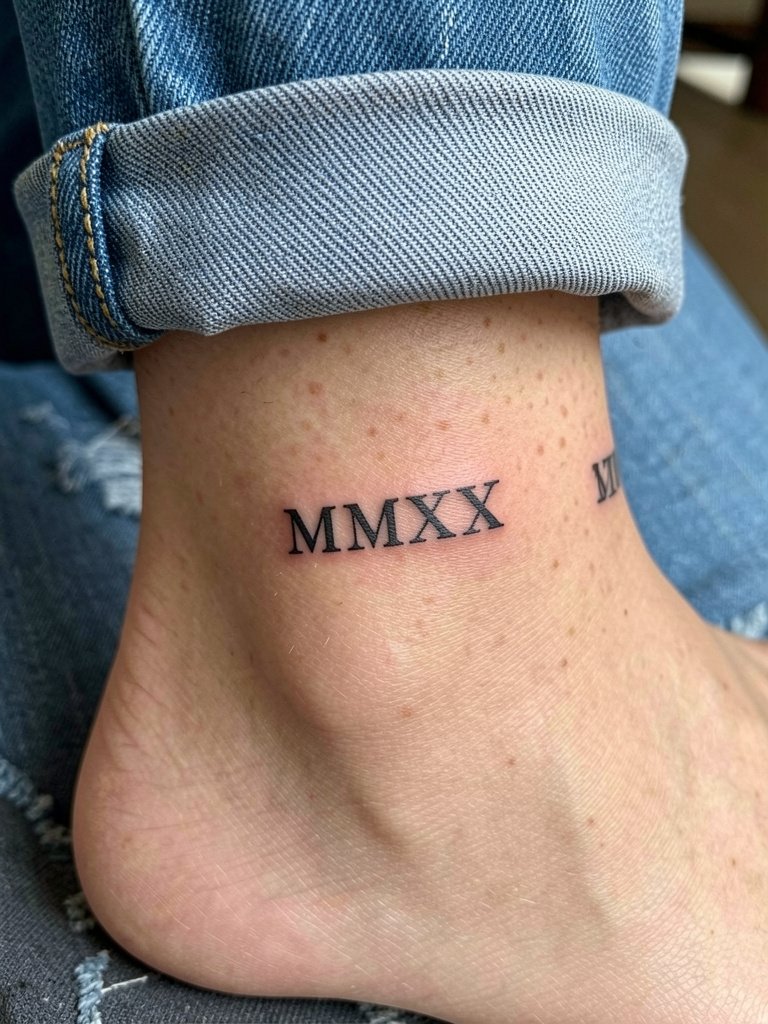
Ankle numerals are elegant but they face rubbing from socks and shoes. Choose slightly bolder stroke and a compact serif so the numerals keep shape. The session is brief, usually 20 to 40 minutes, and discomfort is moderate when the needle reaches around the ankle bone. Common mistake is making numerals too thin and spacing too tight, which leads to merging within two years. Ask the artist to test a single character at your natural ankle curve before committing to the full line. For showing off, ankle numerals look refined with low-cut sandals or cropped trousers. Try pairing them with minimal leather sandals so the numerals peek when you walk.
4. Inner Bicep Date in Serif Type
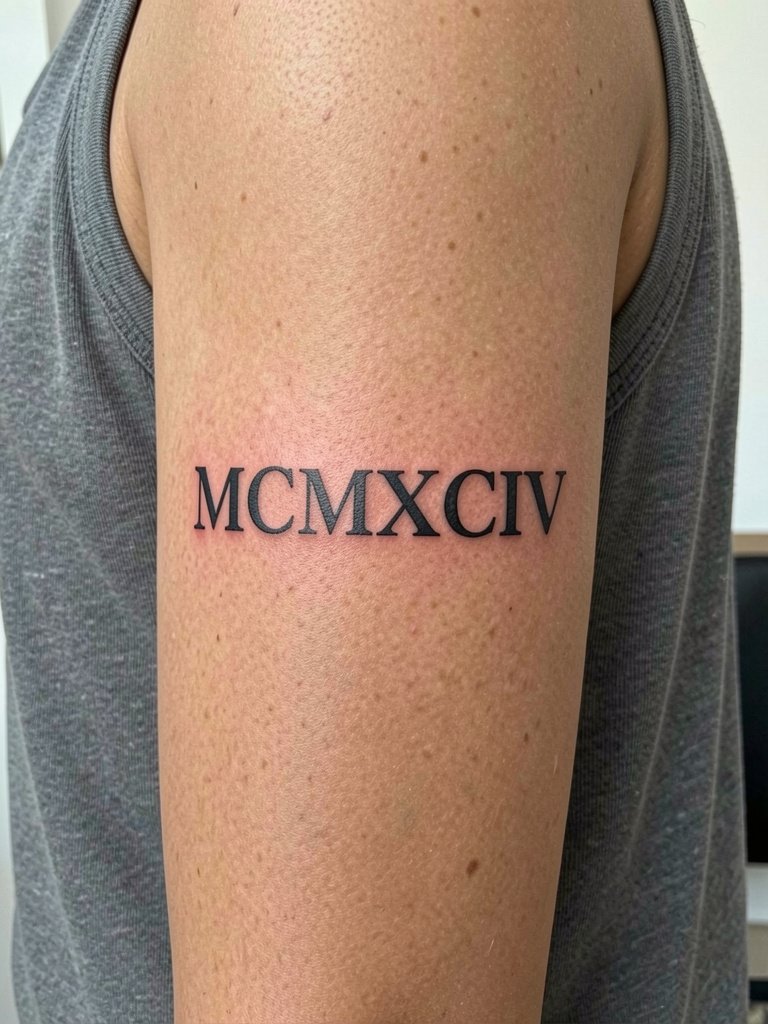
Inner-bicep numerals read private until you lift your arm. That privacy comes with thinner skin and more movement. Ask for closed-but-not-cramped spacing in the stencil and a line weight that survives the stretch when the arm moves. Pain is moderate at 4 to 6 and session time for a two-line date is 30 to 60 minutes. The biggest error is requesting an ultra-fine single-needle script here. It looks delicate initially and then softens into faint lines. For appointment comfort, wear a loose tank so the artist can access the inner arm without you holding clothing. If you plan to show it off, short-sleeve button-ups or a rolled sleeve look intentional, and a lightweight linen shirt complements the placement.
5. Collarbone Cluster with Roman Numeral Accent
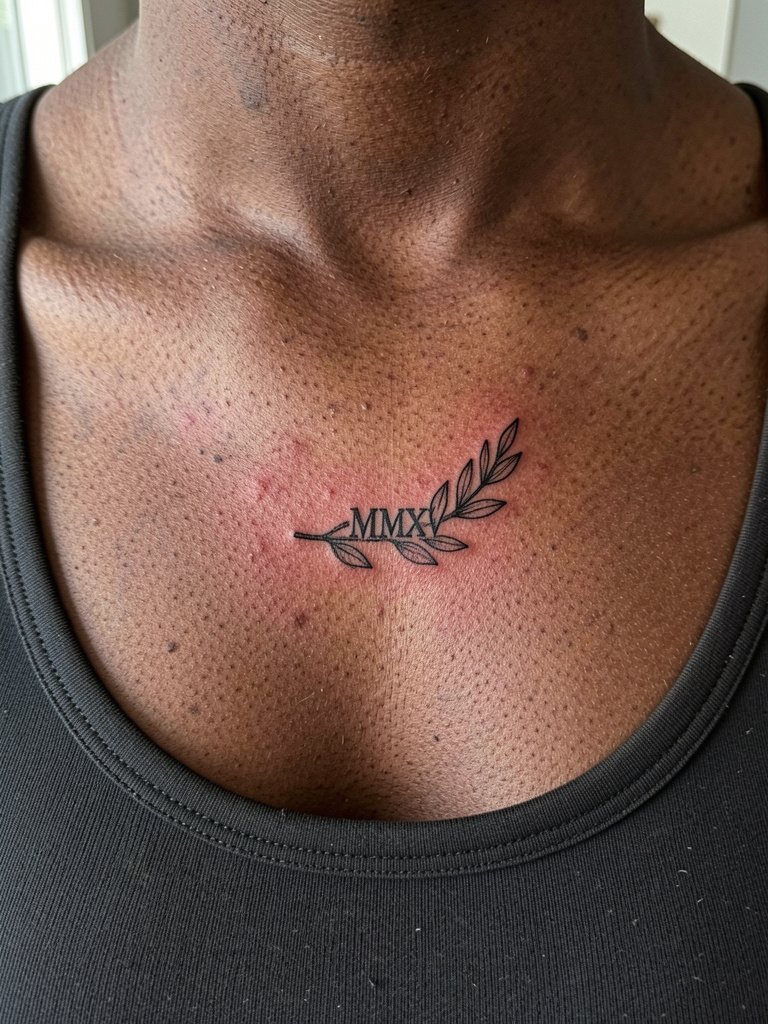
Combining numerals with a small botanical motif hides the date in plain sight. Choose numerals with a touch more saturation than the foliage to preserve legibility as ink fades differently across textures. Discuss exact placement relative to the collarbone at the consultation and bring photos of how necklaces sit so the artist can avoid awkward overlaps. This area heals well if you avoid tight straps for the first week. The session is typically 30 to 60 minutes and pain is around 3 to 5. For styling, open-neck blouses and delicate pendant necklaces make the cluster feel curated.
6. Ring Finger Roman Numeral Band
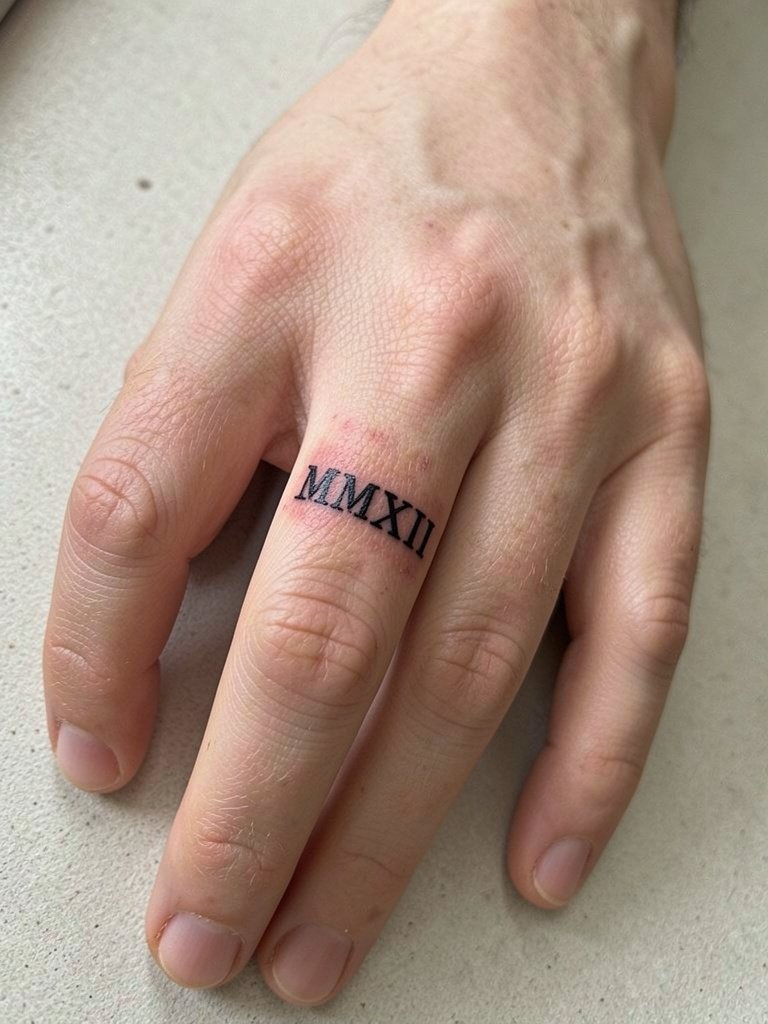
Finger numerals are visually delicate but notoriously high-maintenance. One camp of artists refuses fingers because the skin and constant hand use fade ink quickly. The other camp specializes in ring numerals and uses tighter saturation and layered sessions to prolong legibility. If you choose fingers, plan for repeat touch-ups every 12 to 18 months and ask for medium saturation rather than ultra-fine strokes. Sessions are short but painful, usually 10 to 25 minutes per finger, and blowout risk is high if the needle goes too deep. For jewelry pairing, thin stacking rings complement the line without obscuring it. A set of minimalist stacking rings keeps the look cohesive.
Session Day Essentials
The pieces above include placements that range from wrists to ribs, so a few session-day items smooth the process for all of them.
- Stencil transfer paper kit. Lets you preview line weight on skin ahead of lengthy placements like the spine column or inner bicep.
- Topical numbing cream. Applied according to package timing it can ease longer sessions such as sternum or rib numerals without compromising linework.
- Thin protective film roll. Useful for ankle and finger pieces where friction from shoes or typing is a daily factor in the first week.
- Fragrance-free body wash. Gentle cleansing during showers keeps linework clean while healing.
- Aquaphor healing ointment. A thin first-day layer helps lock in moisture for thin numerals without suffocating the skin.
7. Small Sternum Numerals Under the Breasts
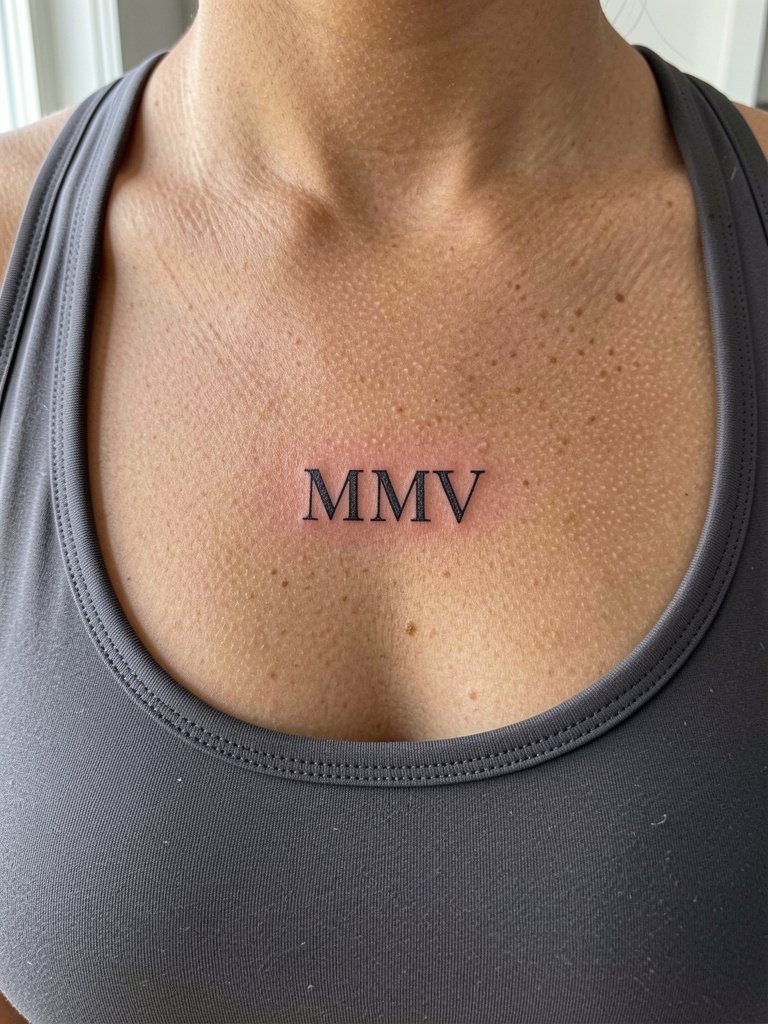
Sternum placements read sensual and private. Pain is higher here at 7 to 9 for many people, and sessions often include breaks. Ask the artist to set numerals slightly larger than you expect so the chest skin's micro-movements do not collapse fine counters. Expect touch-up windows at year one for the central numerals. Professional considerations are important for sternum work because the area sometimes requires artists who routinely tattoo torsos and manage suction, stretch, and contour. For showing off, open-front or low-cut tops work well with a neutral pendant. A wide V-neck bodysuit frames the area for evenings out.
8. Outer Forearm Bar of Roman Numerals
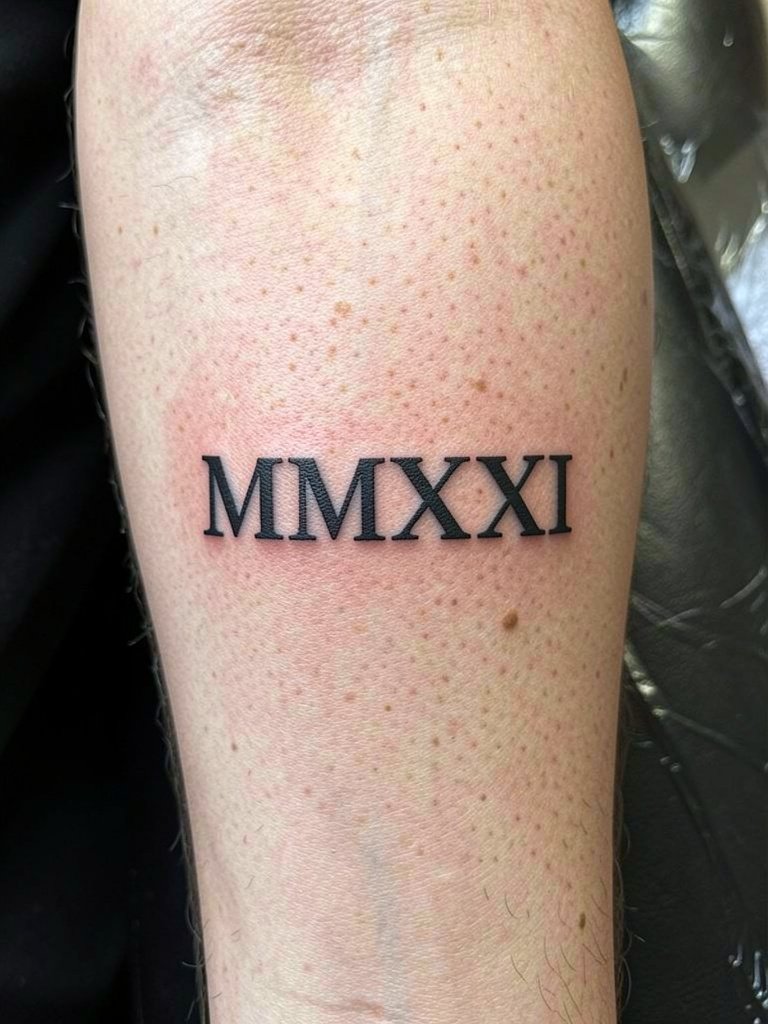
Outer forearm numerals have great visibility and age predictably when executed with solid linework. Choose medium saturation and ask the artist to orient numerals to the arm curve so they read when your hand rests at your side. Session length for a mid-length bar is usually 45 to 90 minutes depending on detail. A common mistake is opting for extremely tight kerning that looks cramped as the skin loosens. This placement pairs well with rolled sleeves and relaxed blouses. To make numerals feel part of your everyday wardrobe, wear them with rolled-up linen shirts that expose the forearm naturally.
9. Small Foot Top Roman Numeral Accent
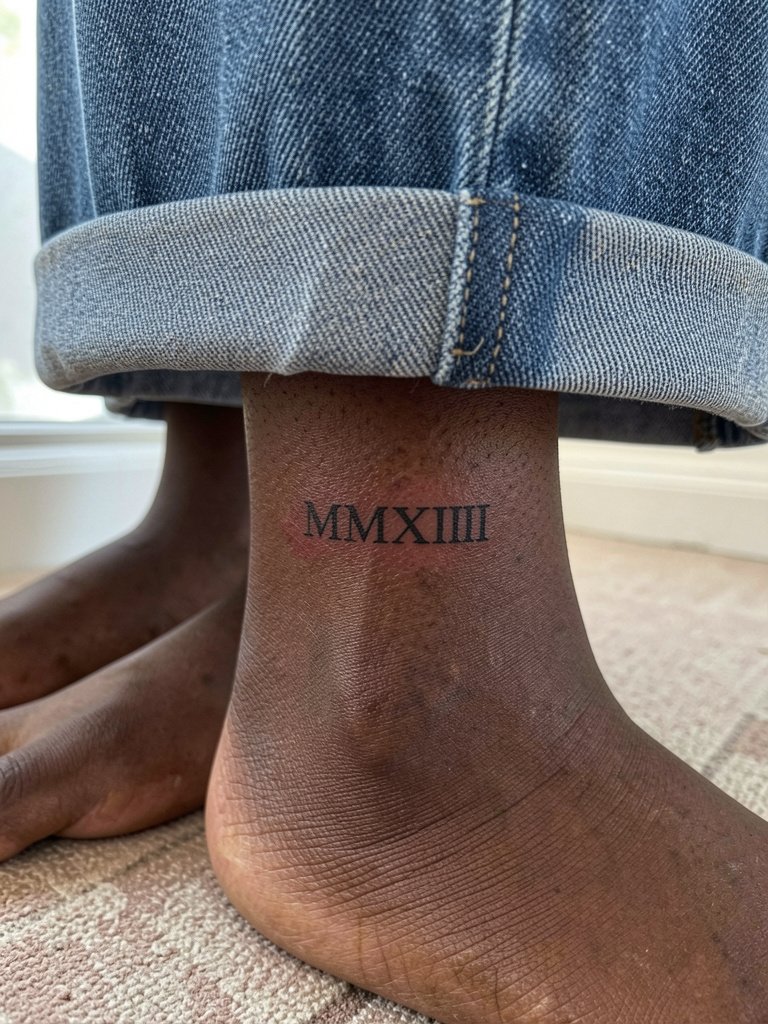
Top-of-foot numerals are flirtatious but face shoe friction and summer-only visibility. Choose numerals with medium saturation and ask for slightly thicker stems in the serif to resist early fading. Sessions are short but painful for many at 4 to 7 on the scale because of the thin skin. Avoid ultra-fine single-needle work here unless you accept annual touch-ups. For footwear styling, low sandals or slip-on espadrilles let the numerals show while protecting the area from straps that rub.
10. Thigh Band with Roman Numeral Sequence
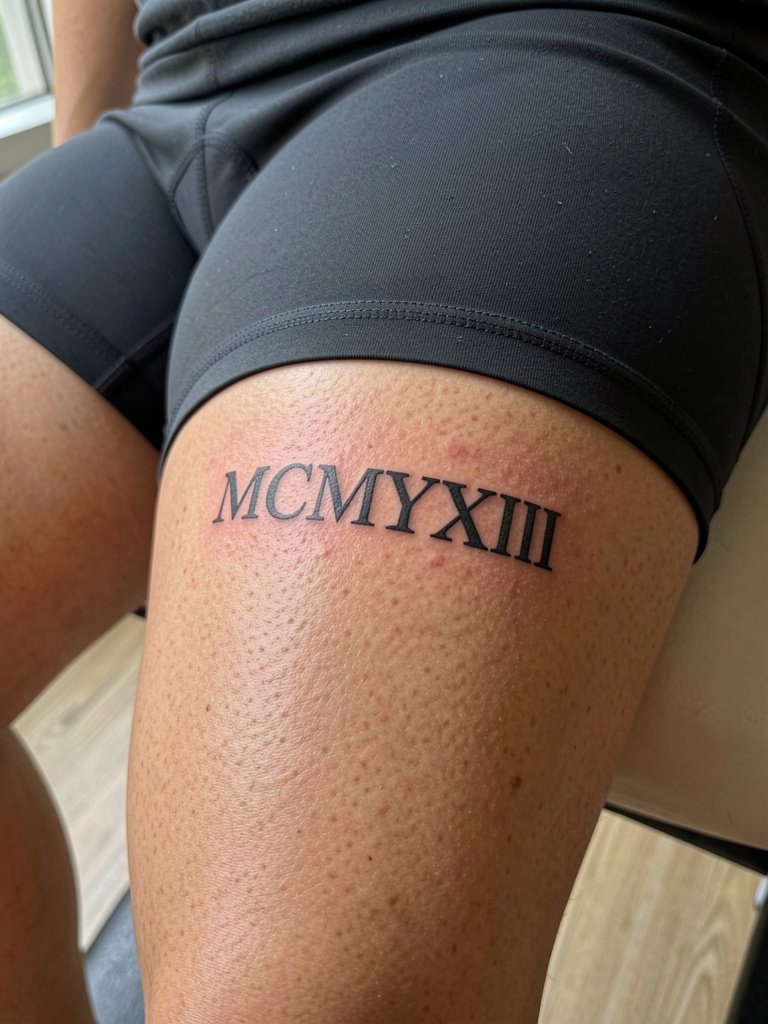
Thigh bands allow larger numerals and strong spacing. The area tolerates bolder work and ages well when the numerals have room to breathe. Sessions vary from 45 minutes to two hours, and pain tends to be low to moderate at 3 to 5. One mistake is compressing numerals into a thin band that the thigh movement distorts. At consultation, have the artist map the exact band width on your body so the numbers read straight when standing. For showing off, thigh bands pair with high-cut swimwear or slip skirts. A flowy midi skirt with a side slit lets the numerals peek naturally.
11. Shoulder Cap Roman Numeral Accent
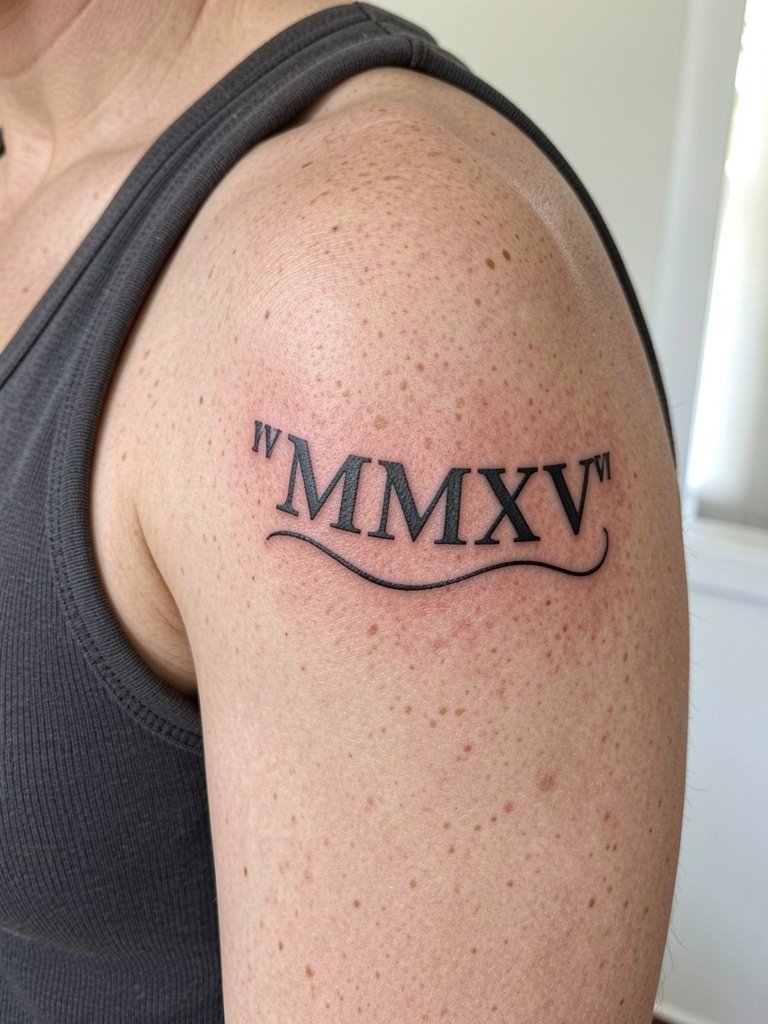
The shoulder cap is forgiving and lets you play with slight curvature in the numeral line. Ask the artist to mock the curve on your shoulder while standing so the text reads naturally in movement. Session time for a small shoulder accent is 20 to 45 minutes and pain tends to be lower, around 2 to 4. A common mistake is laying numerals too close to the sleeve seam where shirts can rub. For wardrobe pairing, off-the-shoulder tops or tank dresses frame the numerals. Try a strappy cami dress to keep the area visible without fuss.
12. Arcing Ribcage Roman Numerals
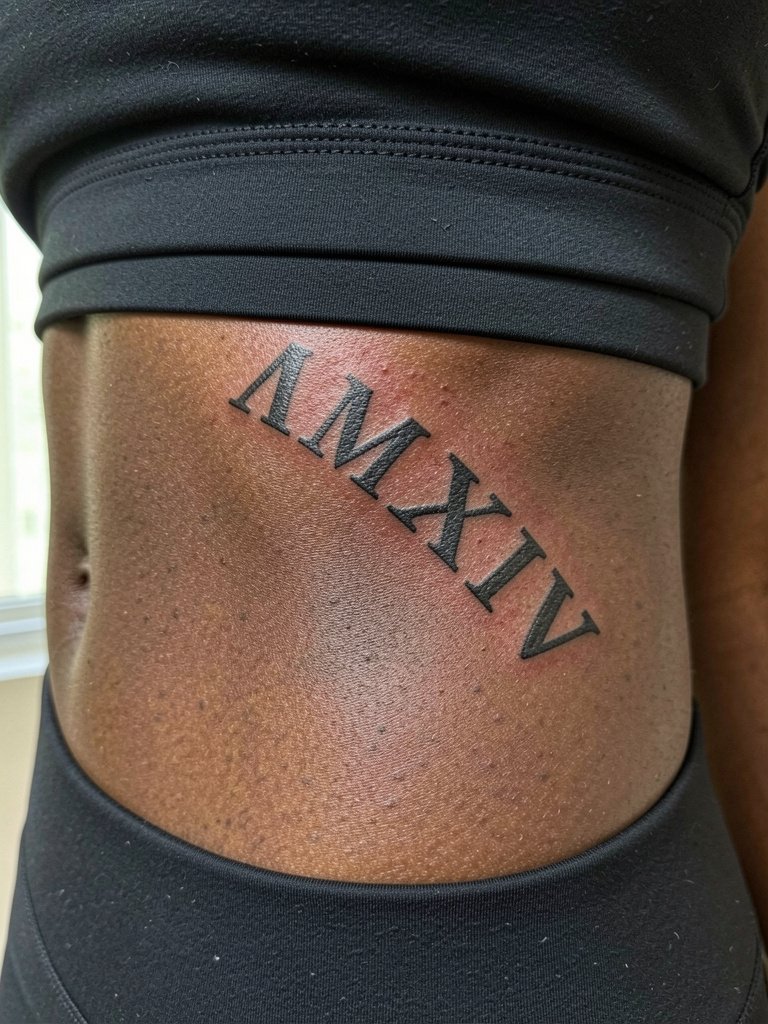
Ribcage numerals can be dramatic and personal. Artists are split into two camps on fine-line ribs. One group argues that ribs stretch and thin lines blur within two years, especially under the breast crease. The other group says that with slightly heavier line weight and wider spacing, numerals settle fine and hold clarity for years. If you opt for ribs, request a mapping session where the artist positions the arc on your breath out and breath in so the numerals sit on the relaxed skin. Pain is high for many, often 7 to 9, and sessions need breaks. For outfits, crop tops and bikinis reveal the arcing line. A high-waisted bikini bottom shows off the placement without pulling at the skin.
13. Minimalist Sternum Single-Year Numeral
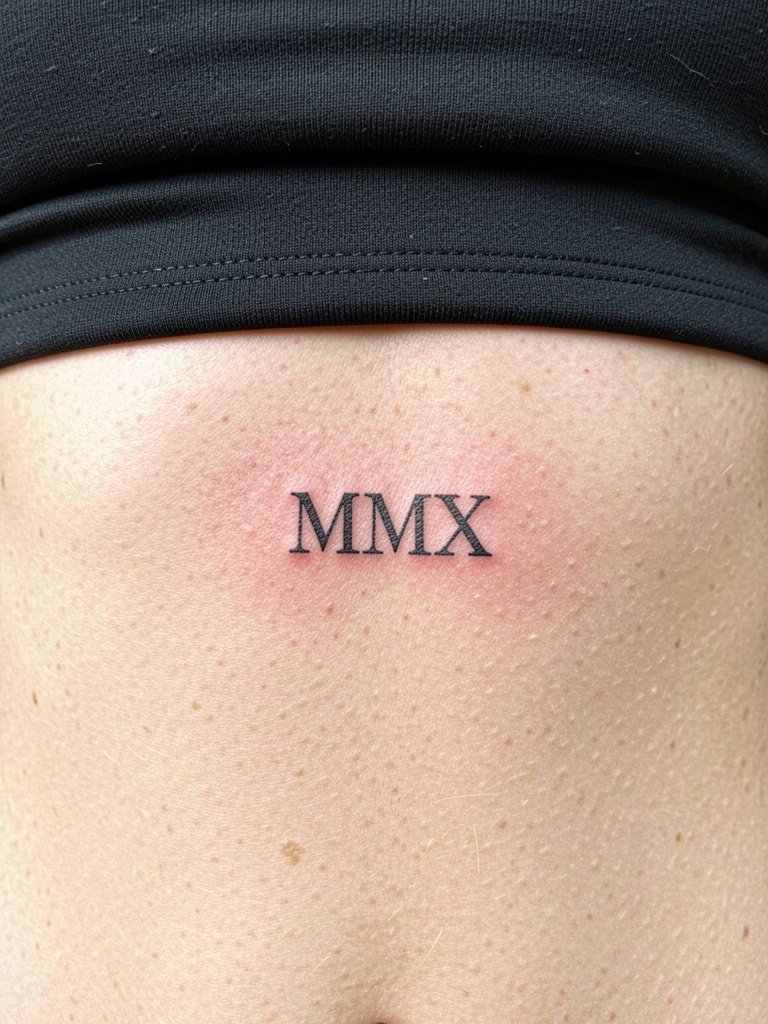
A single-year numeral perched on the sternum can feel like a centerpiece. Because the area has movement from breathing, choose a slightly wider serif and ask for the numeral to be scaled to the sternum width, not the font sample on your phone. Sessions are short but intense and pain is typically 6 to 8. A surgeon-style approach of mapping the exact midline in multiple poses helps ensure the numeral sits level when you stand. For evening wear, wide V-necks and delicate chokers accent the placement without crowding. Consider a thin pendant or a simple velvet choker that keeps attention centered.
14. Rib-to-Sternum Diagonal Numeral Pair
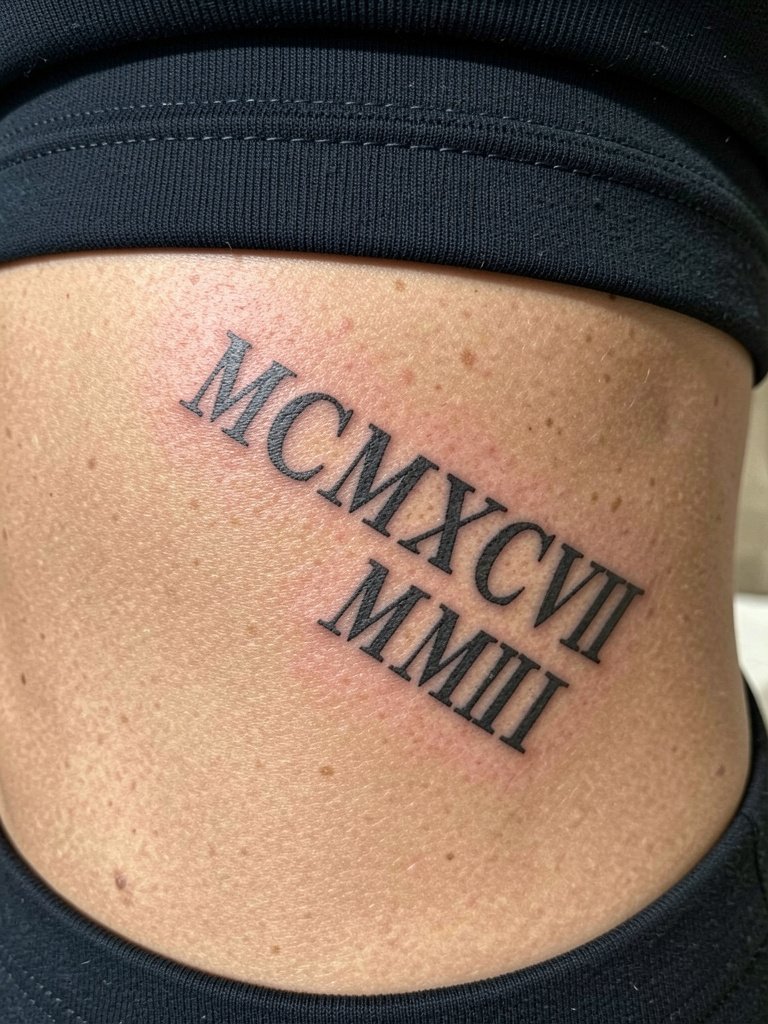
Diagonal pairs create a sense of motion and narrative. Because two distinct anchor points are involved, bring reference photos that show movement so the artist can pitch line weight for both areas. Expect a longer session, possibly split across two appointments, and plan for a touch-up in the first year once swelling settles. The common error is matching line weight exactly across different contours without accounting for scar tissue or stretch. For styling, diagonal numerals look great with wrap tops or asymmetrical dresses. A one-shoulder knit top keeps the diagonal visible.
15. Low Back Roman Numerals Centered Above Waistband
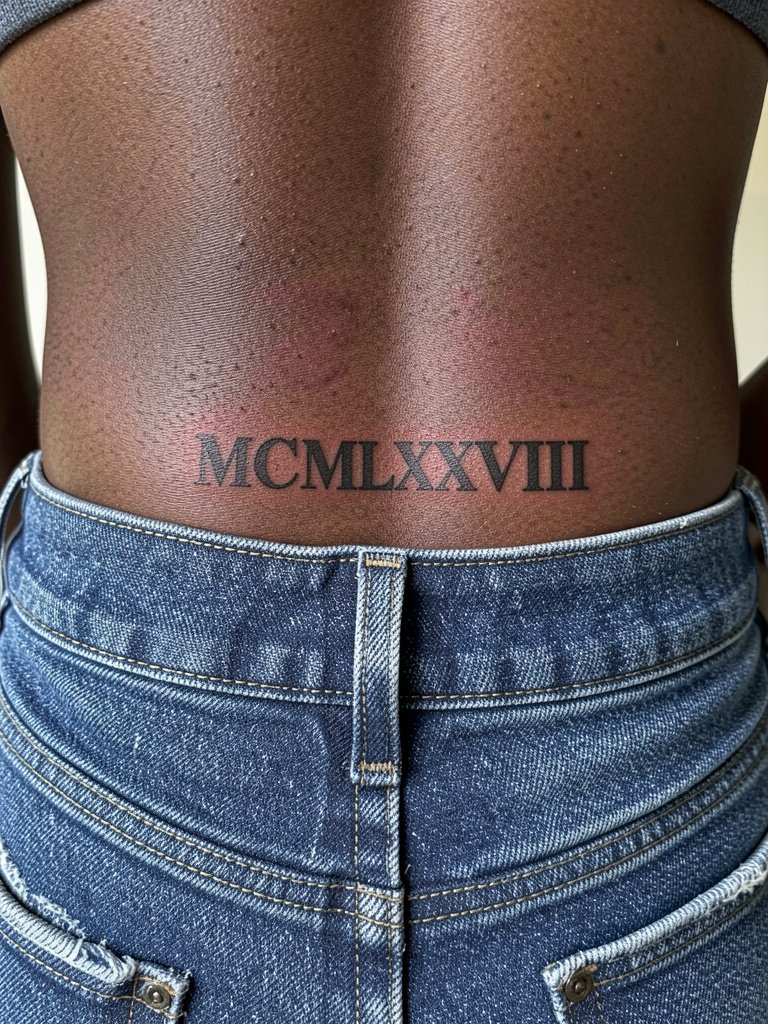
Lower-back numerals enjoy concealability and age well in many cases since the skin there is stable. Discuss exact vertical positioning relative to your waistband during consultation so everyday clothing does not rub directly on the numerals. Sessions for low-back work run from 30 to 90 minutes, and pain is usually moderate at 4 to 6. A frequent mistake is placing the numerals too low where belts and waistbands cause irritation while healing. For showing off at the beach, choose low-rise swimwear or high-waisted skirts that sit below the numerals. A high-waisted sarong or skirt reveals the small-of-back placement neatly.
16. Small Behind-Ear Roman Numeral Accent
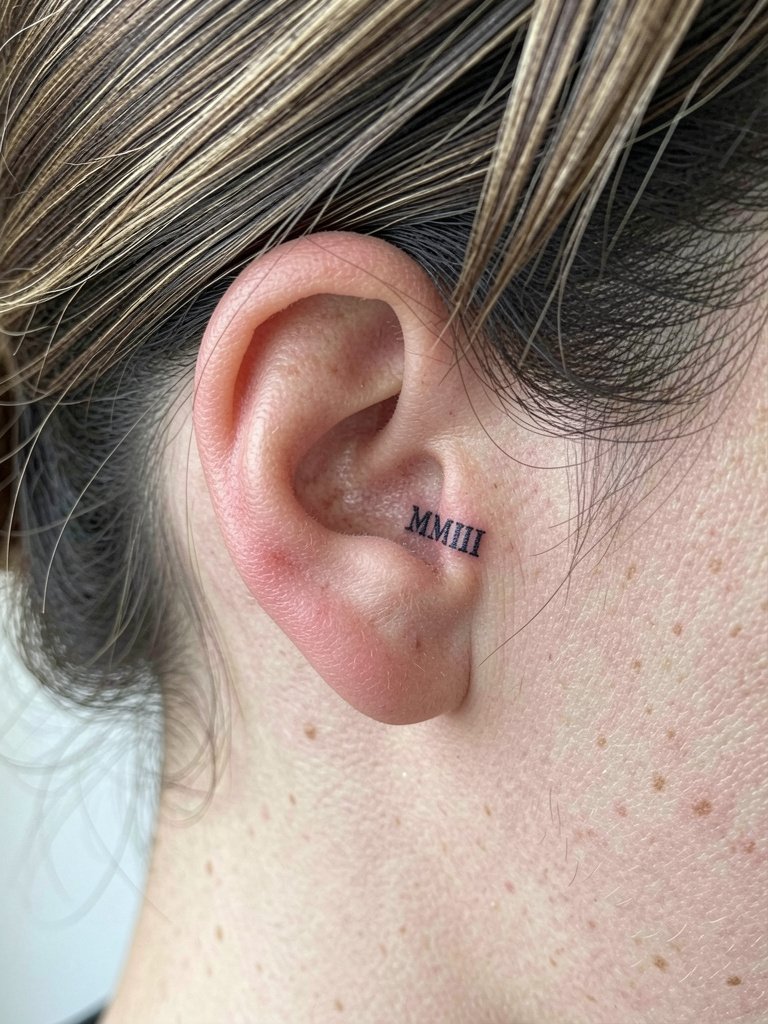
Behind-the-ear numerals are discreet and chic. Choose slightly bolder stems than you might pick for the wrist because the area sees sun exposure and hair movement that can soften fine strokes. Appointments are quick, often under 20 minutes, and pain is lower in most cases around 2 to 4. One professionalism note is that behind-ear work benefits from someone with experience tattooing small curves near the mastoid. For styling, short haircuts or a casual updo keep the numeral visible when you want it. Consider an easy hair clip or a textured claw clip to pull hair away naturally.
17. Inner Forearm Slim Block Numerals
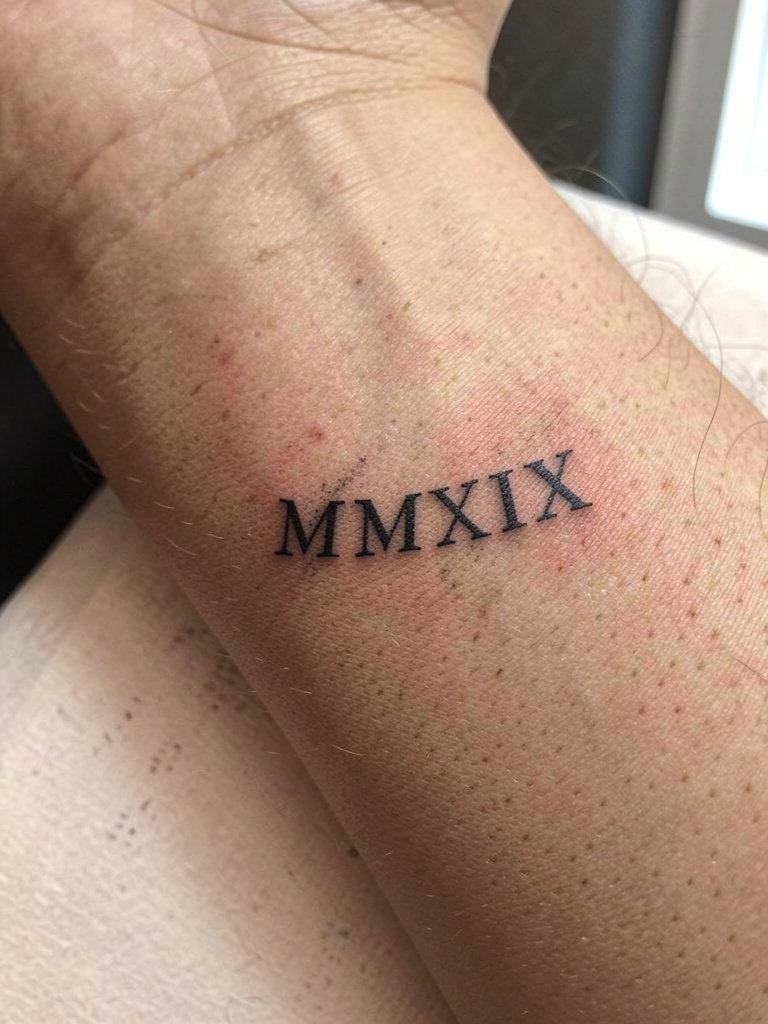
Inner forearm allows slightly longer numeral strings with good aging if you opt for even spacing and solid saturation. At the consultation, show the artist how you naturally hold your arm so they can center the numerals where they read best. Sessions for a longer inner-forearm piece can be 60 to 120 minutes, and pain is usually mild to moderate at 3 to 5. Common mistakes include cramming a long date into a narrow vertical space. This placement pairs well with rolled-up sleeves and three-quarter tops. A lightweight button-down shirt worn rolled up showcases the numerals without covering them.
18. Calf Vertical Numerals with Script Accent
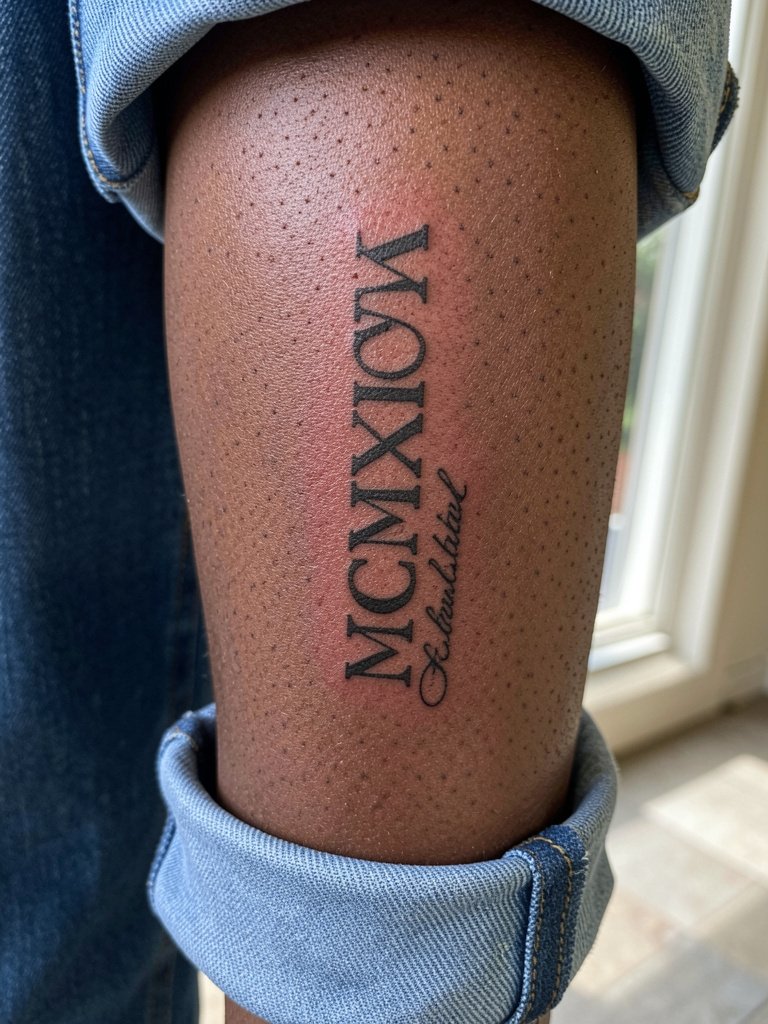
Calf numerals let you go larger and retain readability. Because calves see less daily abrasion than hands, numerals often stay sharp long term. Discuss how the numerals will read while standing and walking so the vertical axis remains straight to the eye. Session time can be 60 to 120 minutes for combined numerals and script. For showing off, cropped pants and midi skirts work best. Pair with platform sandals or ankle boots depending on season.
19. Chest-Centered Small Block Numeral
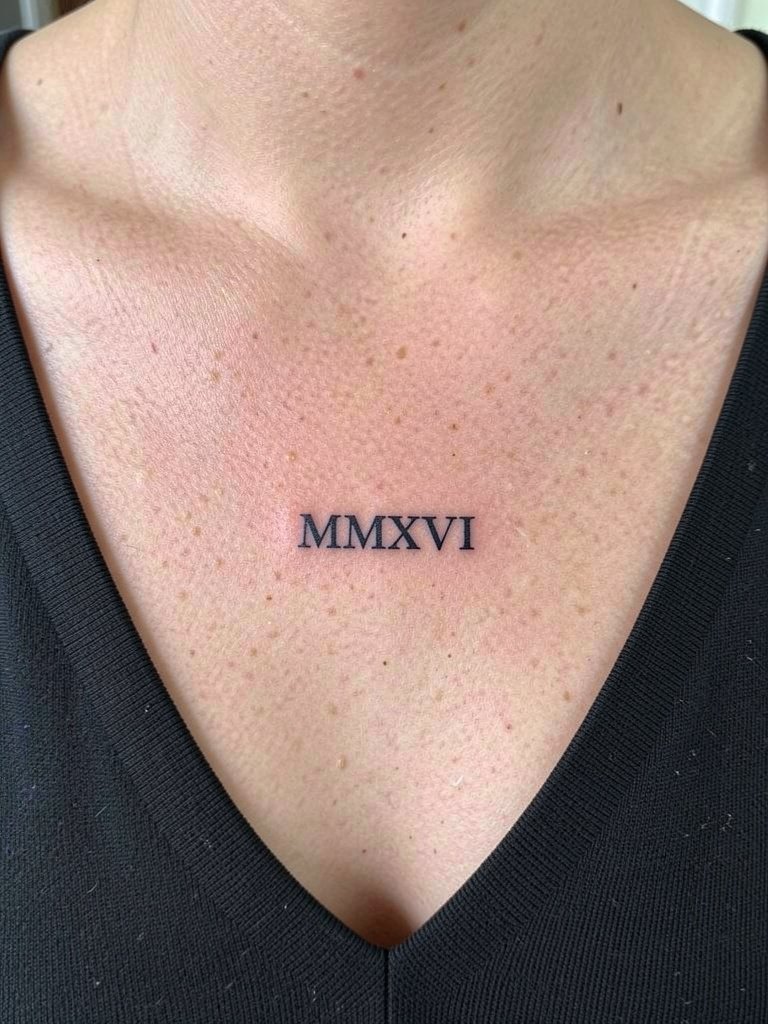
Centered chest numerals make a modest statement that reads well with necklaces. Because the area can be sensitive, ask the artist to mark the exact midpoint in multiple poses so it sits symmetric to the collarbones. Sessions are short and pain is usually 4 to 6. The main mistake is relying on tiny numerals that disappear under sun exposure. For styling, low-cut sweaters and open-neck blouses place the numerals front and center. A lightweight cashmere sweater with a deep V keeps the numeral visible without crowding.
20. Ankle Inner Side Tiny Numeral
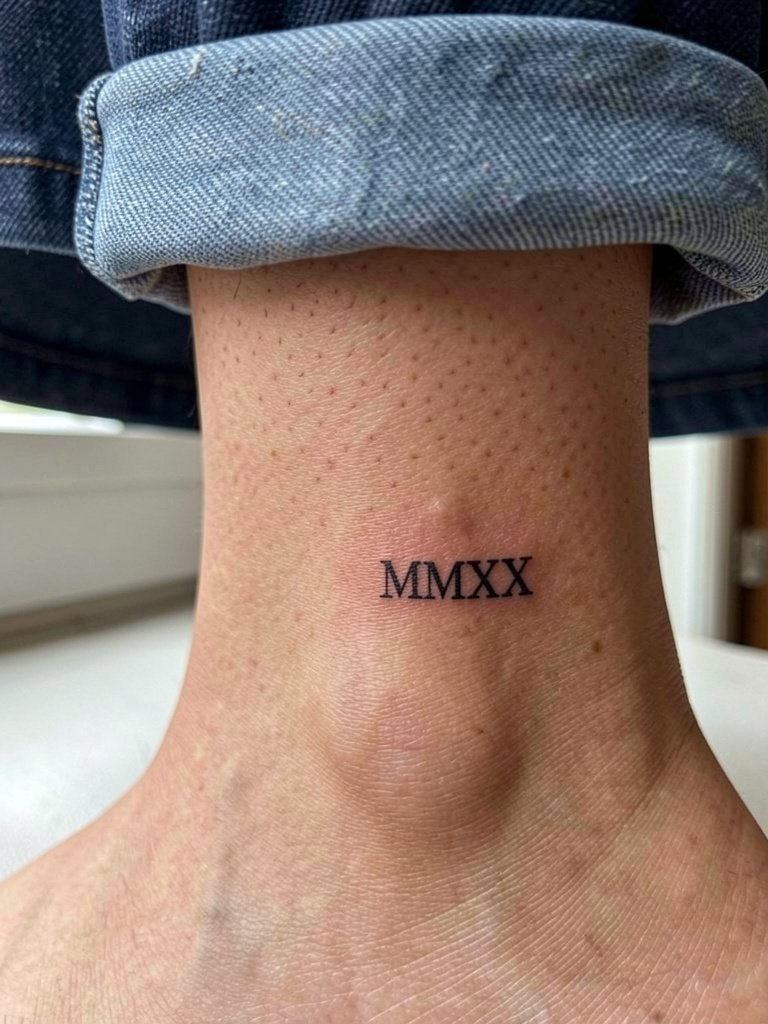
Inner-ankle numerals are increasingly popular for discrete dates. The area tolerates medium strokes well but is prone to rubbing from footwear if shoes sit low on the ankle. Request the artist place the numerals slightly higher than you think so the waistband of shoes or socks does not sit directly on top. Sessions are brief, under 30 minutes, and pain sits around 4. For styling, ankle-baring shoes and cropped trousers work well. Try pairing with low-profile ankle sneakers that show the numeral without straps.
21. Outer Thigh Roman Numeral with Negative Space
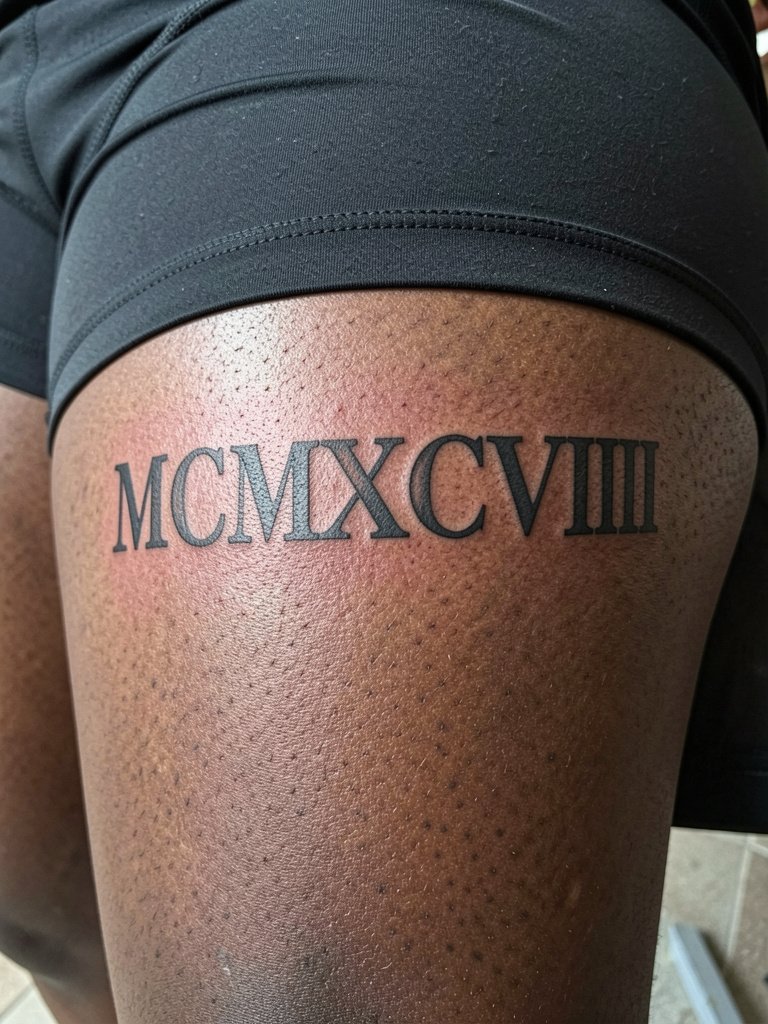
Outer-thigh numerals allow bold experimentation like purposeful gaps in strokes that age with character. Because the thigh tolerates heavier saturation, you can safely choose a design element such as negative space to keep the band modern. Discuss how the negative-space will look healed and ask for a healed-piece reference from the artist. Sessions vary by size and often last 60 to 150 minutes. For summer styling, pair the numerals with high-cut swimwear or festival shorts. A high-rise denim short presents the numeral without crowding the design.
22. Clavicle-Curved Roman Numeral Line
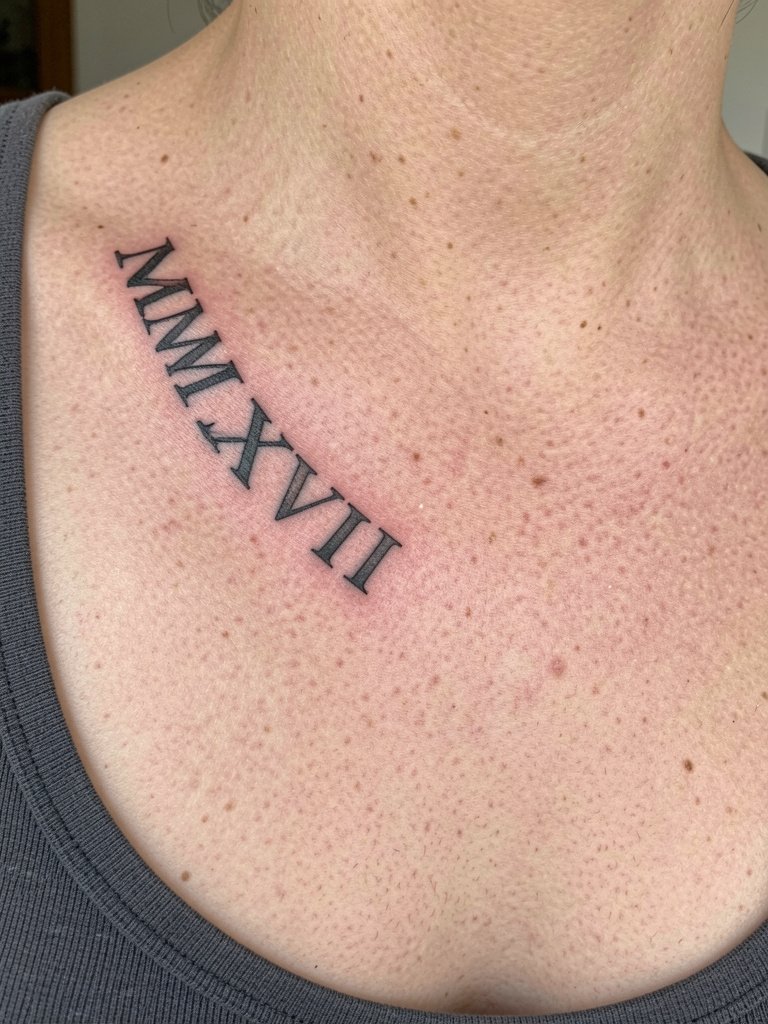
A curved clavicle numeral line hugs bone structure and photographs well. Ask the artist to place a flexible stencil and photograph it in several poses so curvature reads balanced when you move. Sessions are usually 30 to 60 minutes and pain is low to moderate at 3 to 5. One mistake is mirroring a stencil on a flat surface without trying it on the contoured body. To show it off casually, open-shoulder tops and camis pair well. Choose a scoop-neck tank in neutral tones that keeps the clavicle visible without heavy jewelry.
23. Tiny Inner Wrist Single Numeral with Dot Work Frame
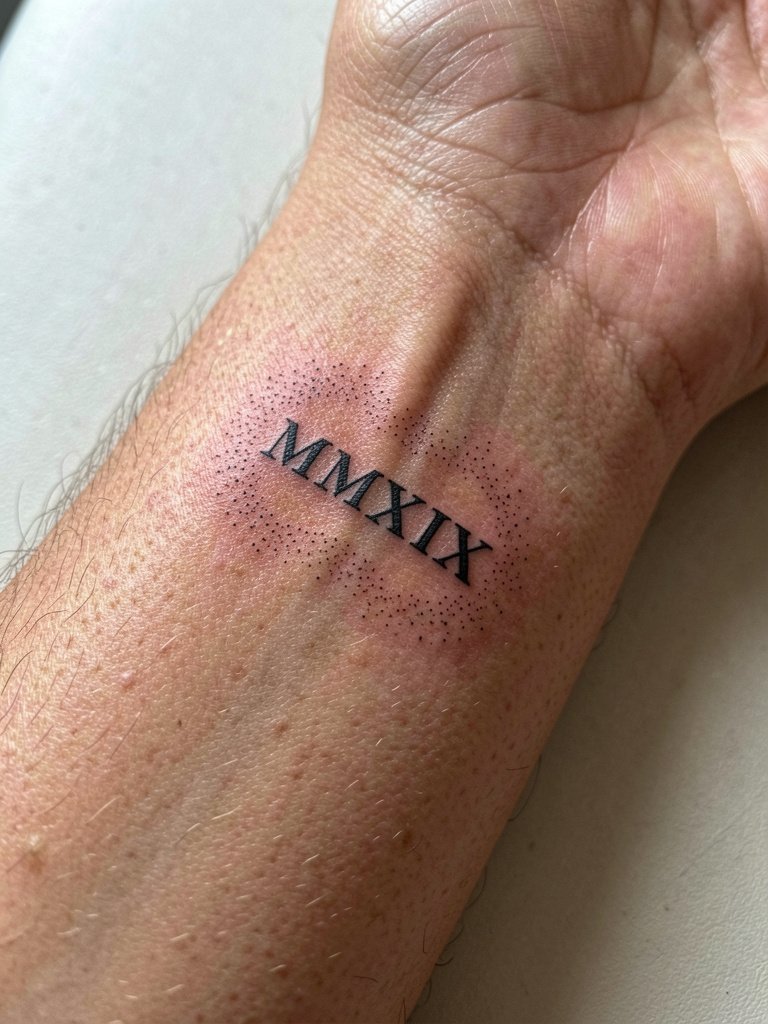
A tiny numeral with a dot-work frame adds presence while keeping scale small. Dot shading ages differently from lines, so ask the artist to place dots with even spacing and to test how dot density looks after healing. This wrist placement will need a touch-up sooner than bolder numerals because dotwork can soften into a gray wash. Sessions are short and pain is moderate. For session wear, choose a loose sleeve or a sleeveless top so the artist has clear access. For showing off, a thin watch or layered bracelets can complement the halo. Try a minimal leather watch strap that does not press on the fresh ink.
Frequently Asked Questions
Q: How do Roman numerals age differently from small script dates on the same placement?
A: In my experience, roman numerals with clear stroke contrast and open counters age more predictably than tiny cursive script. Script often loses thin connectors and becomes illegible sooner, while numerals with medium saturation and serif structure retain recognizable shapes longer. Plan for a touch-up timeline around year two to four depending on placement and sun exposure.
Q: I want a ribcage roman numeral but I worry about longevity. What should I specifically request?
A: Ask the artist to use slightly heavier stems and wider spacing than your reference image so the numerals have breathing room as the skin stretches. Request a mockup while breathing in and out so the arc sits on relaxed skin. If you are concerned about pain, plan the session with breaks and a numbing cream applied per package directions.
Q: Where can I find portfolios of healed roman numeral work without naming specific artists?
A: Search social platforms with tags like #romanumeraltattoo, #healedtattoos, and #dateink for real-life healed examples in different skin tones. Use location filters on short-video platforms to see in-studio healed timelines and search tattoo community threads for before-and-after photos. Reddit and image galleries often host long-term healed pictures that show natural aging.
Q: Are there placements I should avoid if I want minimal maintenance?
A: Hands, fingers, and top of the foot typically require the most maintenance because of constant friction and sun exposure. If you want low upkeep, prefer chest, outer forearm, upper thigh, or shoulder, which tend to hold saturation longer with minimal touch-ups.
Q: What should I wear to a session for a sternum or rib numeral appointment?
A: Wear a fitted crop or sports bra for sternum work and a cropped tank or loose top for rib sessions so the artist can access the area without you adjusting clothing. Choose breathable fabrics and avoid tight waistbands that sit over the planned design. A fitted sports bra keeps the area covered yet accessible during the appointment.
Q: How often should I plan for touch-ups on small wrist or finger roman numerals?
A: Expect touch-ups on fingers and wrists roughly every 12 to 36 months depending on activity, sun exposure, and individual skin response. Fingers often need annual refreshes, while wrists can sometimes go two to three years before a minor touch-up is required. Keep realistic expectations and budget time for maintenance if you choose high-friction placements.