
Neck skin is thin and fidgety, so tiny tattoos that read crisp in the chair often soften into smudges by year two if they start too fine. I look for designs that give linework room to breathe and placements that hide movement. Below are small neck ideas chosen for how they age, what they feel like in the chair, and how to wear them so they still look good after a few seasons.
1. Fine-Line Botanical Sprig, Side Neck
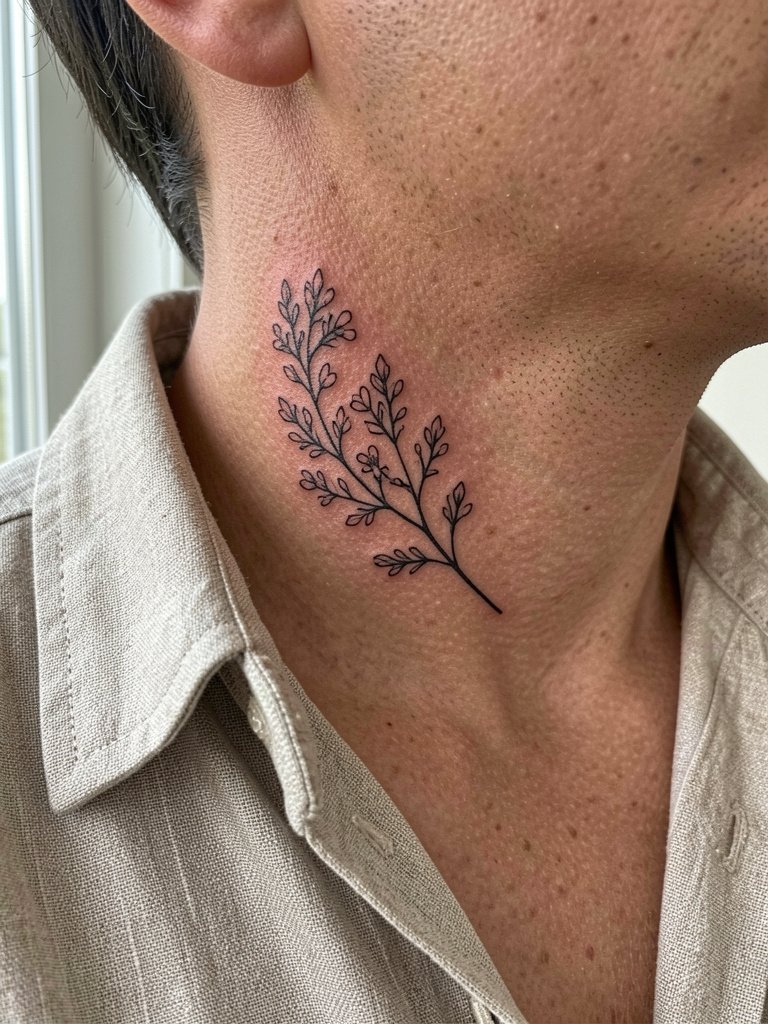
A tiny sprig sits with the stem following the neck curve so the design reads like a natural accent, not a sticker. For this placement choose slightly heavier single-needle work or a tight 0.25mm grouping for better retention on mobile skin. One camp warns that ultra-fine single-needle lines blur into a blob within 12–24 months on side neck skin. Another camp says fine work will last when given a hair more spacing and slightly deeper, consistent needle depth, and healed examples exist to prove it. Expect a sharp, needle-like sting while the artist inks along the lateral neck. For the session wear an open-collar linen shirt so the artist has access and the fabric does not rub the fresh ink.
2. Micro Constellation Cluster, Nape
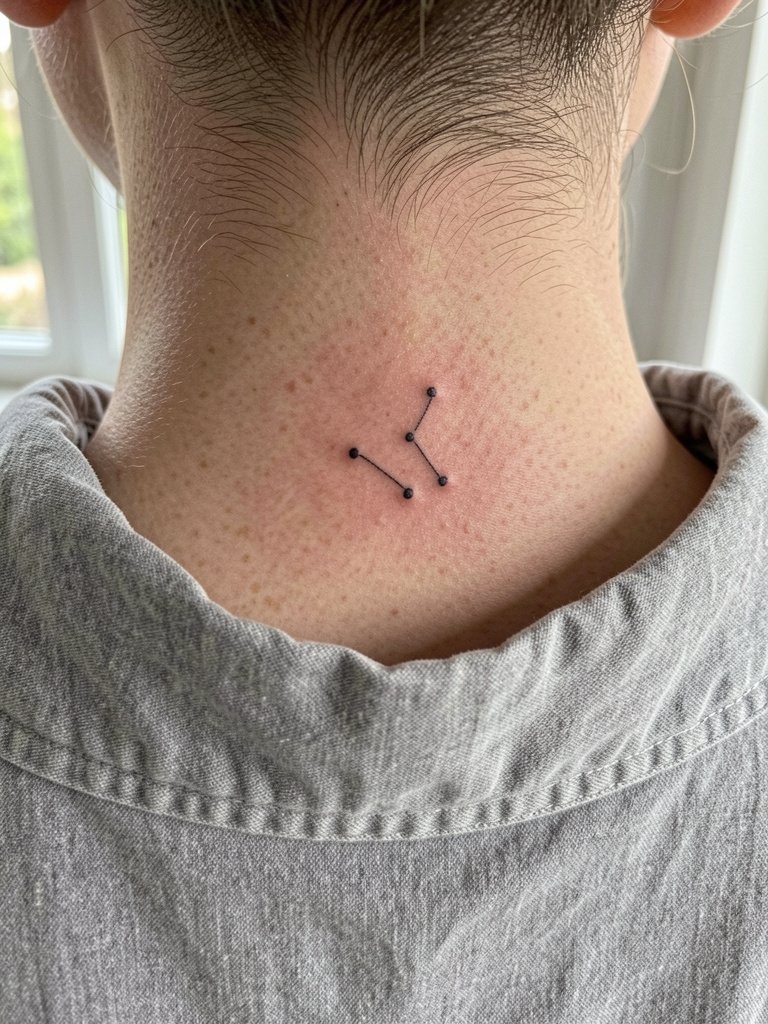
The nape is forgiving because hairlines can hide a bit of softening over time. A small constellation reads like a private map when hair is down and a subtle accent when hair is up. Common mistakes include packing too many micro dots into a tiny area, which makes the whole cluster merge with movement. This design usually takes under 30 minutes and settles into a soft pinprick look at six months, still readable at two years if the dots were spaced properly at the tattooing stage. For evenings out pair it with a low-back dress that frames the nape.
3. Minimalist Geometric Triangle, Side Neck
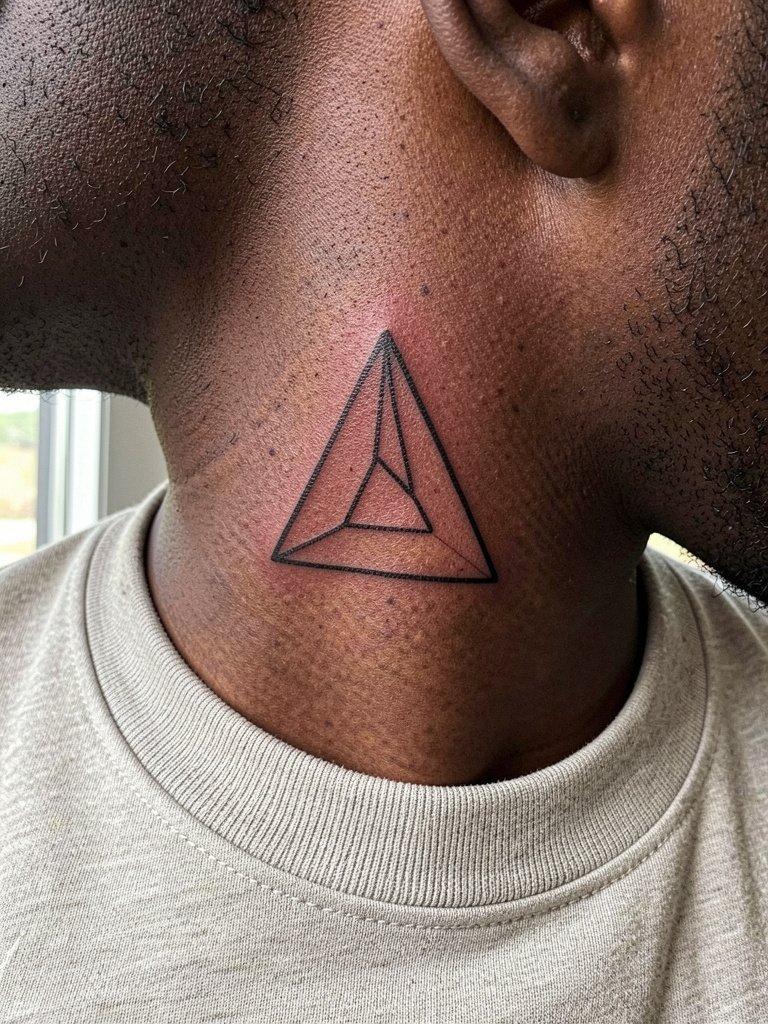
Sharp geometry needs room to avoid the "crowded lines" blur that appears when intersecting strokes sit too close. Ask for slightly wider spacing between intersecting lines and a consistent lineweight rather than ultra-thin single-needle strokes. This placement feels like a brief sharp sting and then dulls, so it is friendly for quick sessions. The triangle still reads at two years if the lines start at the recommended spacing. Style it with neutral crewnecks in olive or cream and a thin chain bracelet on the opposite wrist for balanced layering.
4. Single-Word Thin Script, Nape or Side Neck
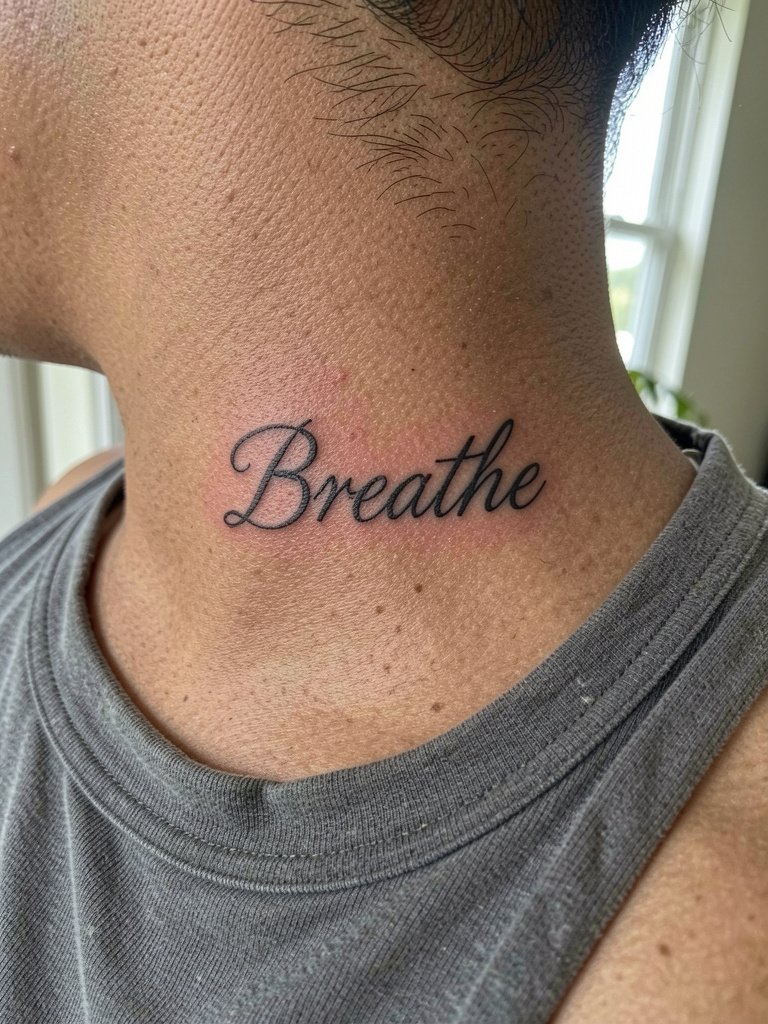
A single, short word works best when the letters are fat enough to survive the skin's movement. The common error is copying a delicate script from a photo and insisting on identical ultra-thin loops. Instead, choose a slightly bolder hand-lettering sample and bring two references at different scales so the artist can show how the word reads in reality. Expect a quick session under an hour for most fonts. For low-visibility work that still looks curated, pair this with a thin gold pendant necklace that sits on the opposite side of the collarbone.
5. Micro Bird Silhouette, Nape Wrapping Toward Side
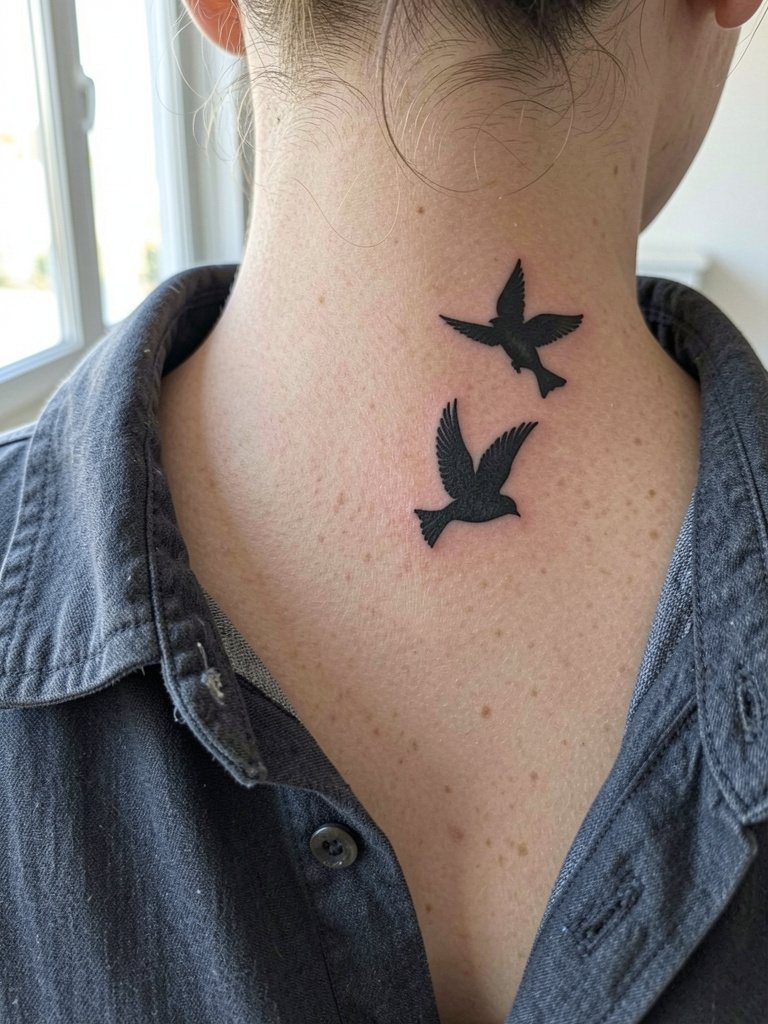
A solid silhouette avoids the fine-line pitfalls of tiny detail on the neck. Bold, compact shapes hold better on mobile skin than tiny feathers drawn in. The session is short and the sensation along the nape is sharp at first then eases. If you want the bird to peek from under hair, check how it looks with a ponytail and a bob so the placement reads both hidden and visible. For show-off outfits try a low-back blouse that balances front jewelry with the nape accent.
6. Tiny Hand-Drawn Heart, Behind the Ear or Side Neck
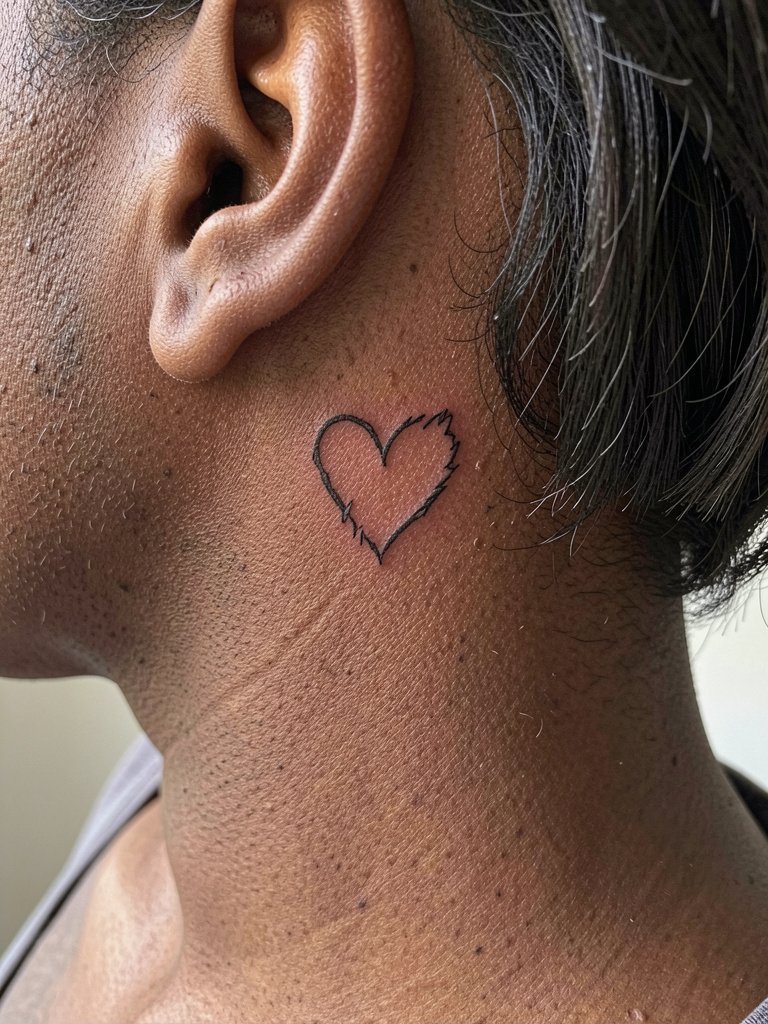
A shaky, hand-drawn heart reads as spontaneous rather than manufactured when the line weight is slightly confident. Small, delicate shaky lines on the mastoid tend to lose definition if the artist goes too thin. The pain behind the ear spikes because the skin is thin, so plan for short sessions or a brief break. This placement pairs well with short haircuts and a small ear cuff; for an outfit accent try an ear cuff set that complements the tiny mark.
Before You Book
The first six ideas above cover both side neck and nape placements, which need slightly different session prep and aftercare.
- Hustle Butter Deluxe (non-vet variant). A thinner, less greasy balm many people switch to from heavier ointments; helpful for the first week when the neck sweats.
- Japanese water-based tattoo balm. Lightweight and non-greasy, useful if you reacted to thicker ointments on the neck in the past.
- Australian Tattoo Life aloe-based balm. Aloe-forward formula that handles summer sweat better than heavy petroleum products.
- 0.30mm tattoo needle group set. Slightly larger grouping options are often recommended for darker skin tones and neck visibility.
- Saniderm second-skin dressings. A protective film that some people use on the nape to reduce friction and prevent scabbing during the first five days.
7. Micro Crescent Moon, Side Neck or Nape
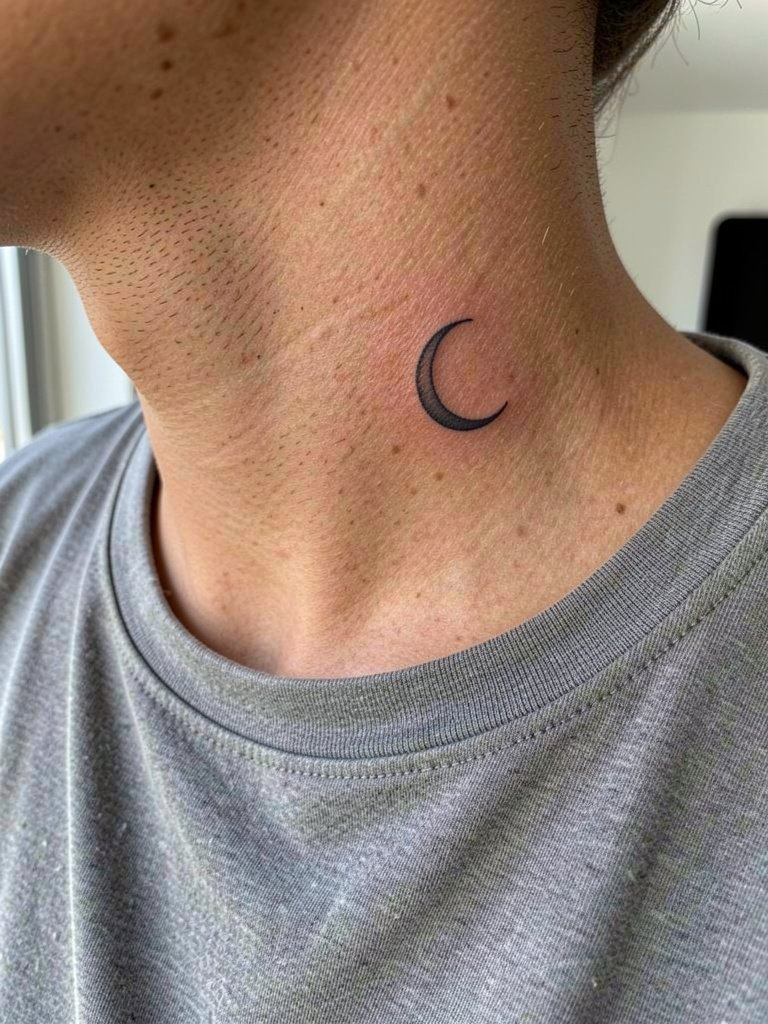
The moon's curve can follow the neck's natural contour so it looks intentional and comfortable. A common mistake is choosing a crescent drawn too thin; instead opt for a tidy single line with a touch of weight so it remains crisp. Nape placement benefits from Saniderm for many people, though users split on dry healing versus film. One group argues that dry healing reduces scabbing on high-friction neck areas. The other group says a sealed second-skin keeps sweat and rubbing off the area, producing smoother outcomes. Expect short, sharp stings during the session. Pair this with a button-down shirt that can be unzipped at the back for easy access.
8. Ornamental Mandala Dot Cluster, Nape
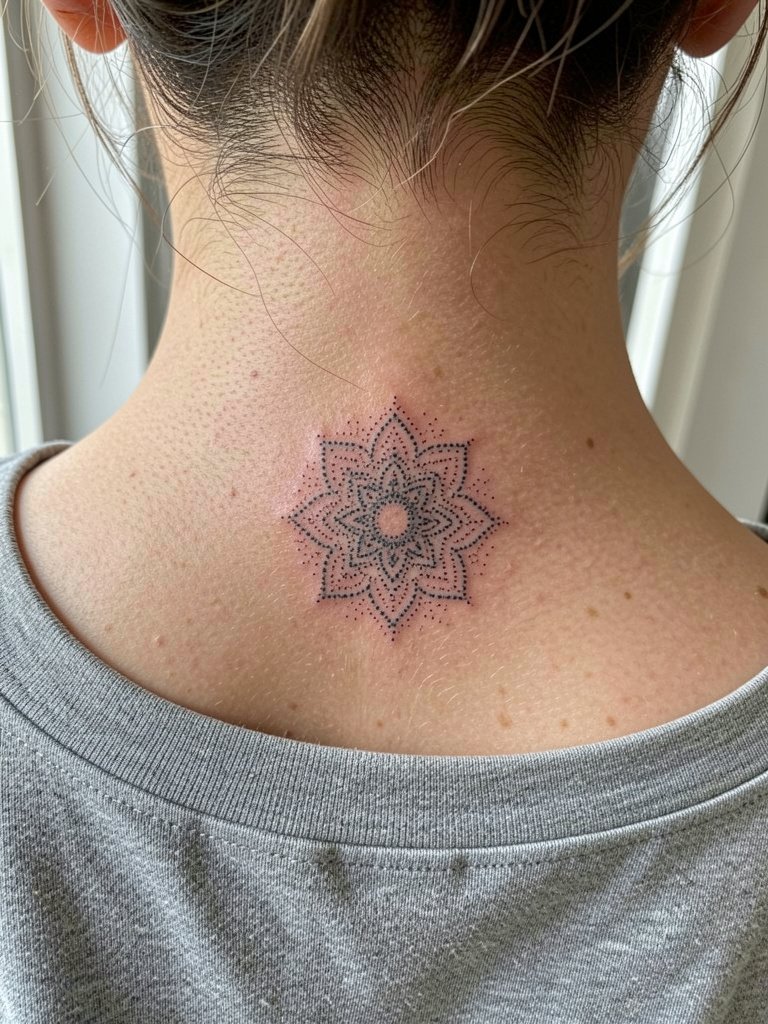
Dotwork is stunning up close and reads as a textured jewel on the nape, but it demands precision. The mistake is compressing dozens of micro dots into a tiny two-centimeter circle without negative space. That causes the pattern to gray out over time. Dot clusters often need longer sessions and a steady hand, so expect the artist to slow down. Because this area sees friction from collars, plan clothing accordingly during healing and consider a protective film on the first few days to reduce scabbing.
9. Simple Arrow, Side Neck Pointing Down
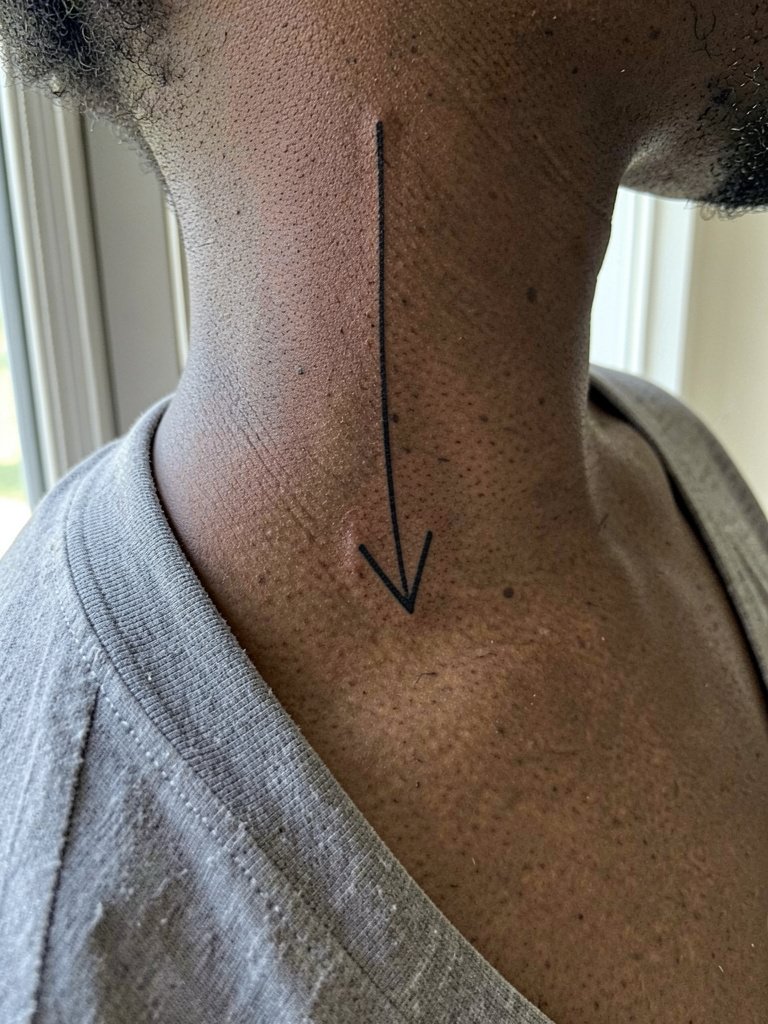
A straightforward arrow is gender-neutral and quick to ink. The most common error is making the shaft too thin for the neck's movement, which causes loss of presence. Go for a clean single-line with a modest width so it stays legible as the skin moves. This placement has a steady pain profile but spikes when the needle hits near the jawline. For session day wear a loose short-sleeve top so nothing presses the fresh work.
10. Micro Swallow, Nape Traditional Style
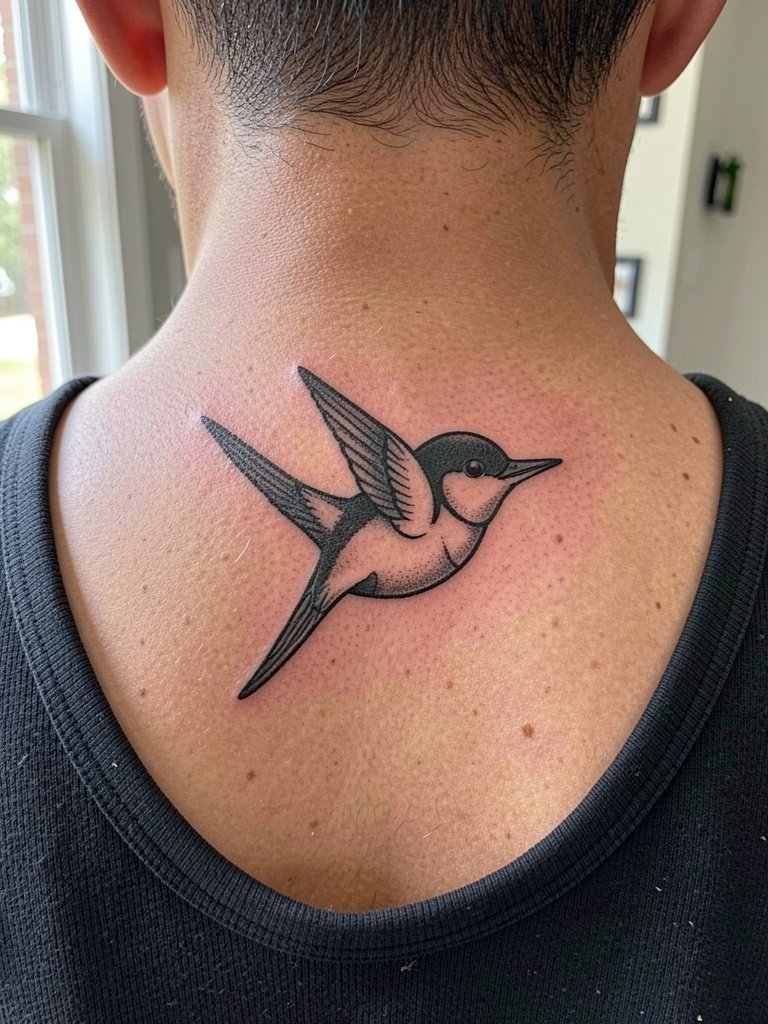
Traditional motifs scaled down hold up because thick outlines and solid fills resist blurring better than filigree. The trade-off is that you lose tiny feather detail, but you gain longevity. Healed photos at one year usually show the bird holding its silhouette. Expect a bolder sensation during the session due to denser saturation. Show it off in summer with a low-back tank.
11. Tiny Leaf, Side Neck Wrapping Slightly Behind
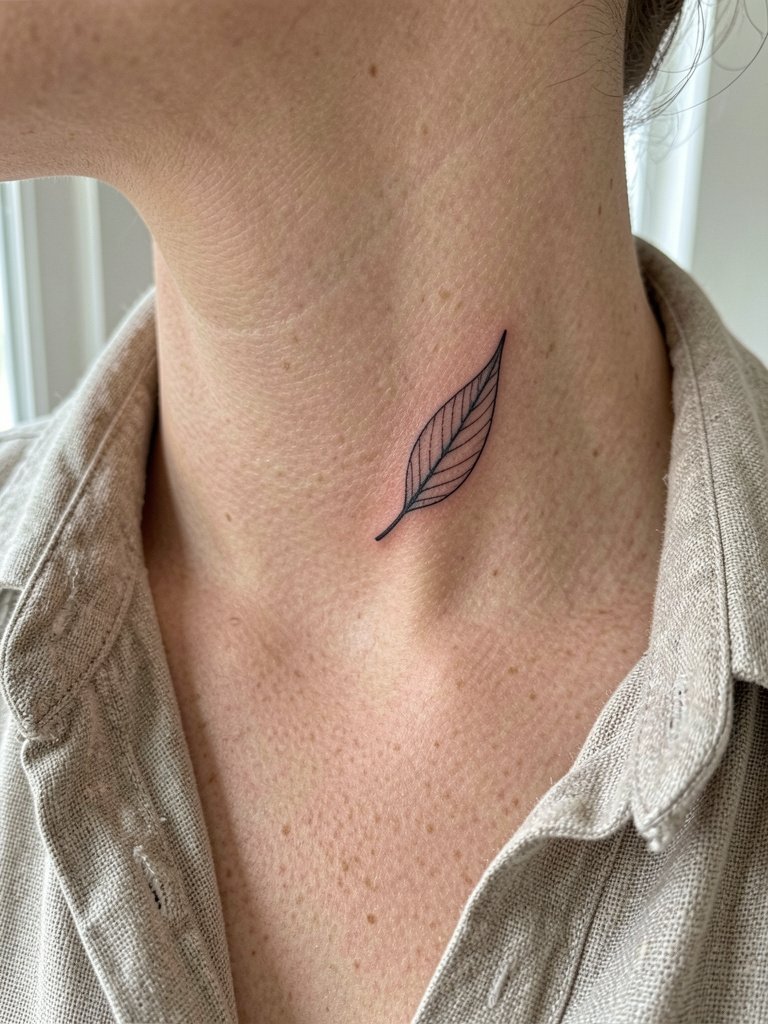
A single leaf is a subtle nod to botanical motifs that often works for a first neck piece. The mistake is adding tiny veins and shading that vanish over time. Keep shading minimal and the outline a touch heavier than you might for a wrist piece. Side-neck leaf tattoos can be hidden under scarves when needed but still look elegant with open collars. For session comfort choose a short-sleeve linen top that gives the artist free access without fabric rubbing the area later.
12. Micro Anchor, Nape
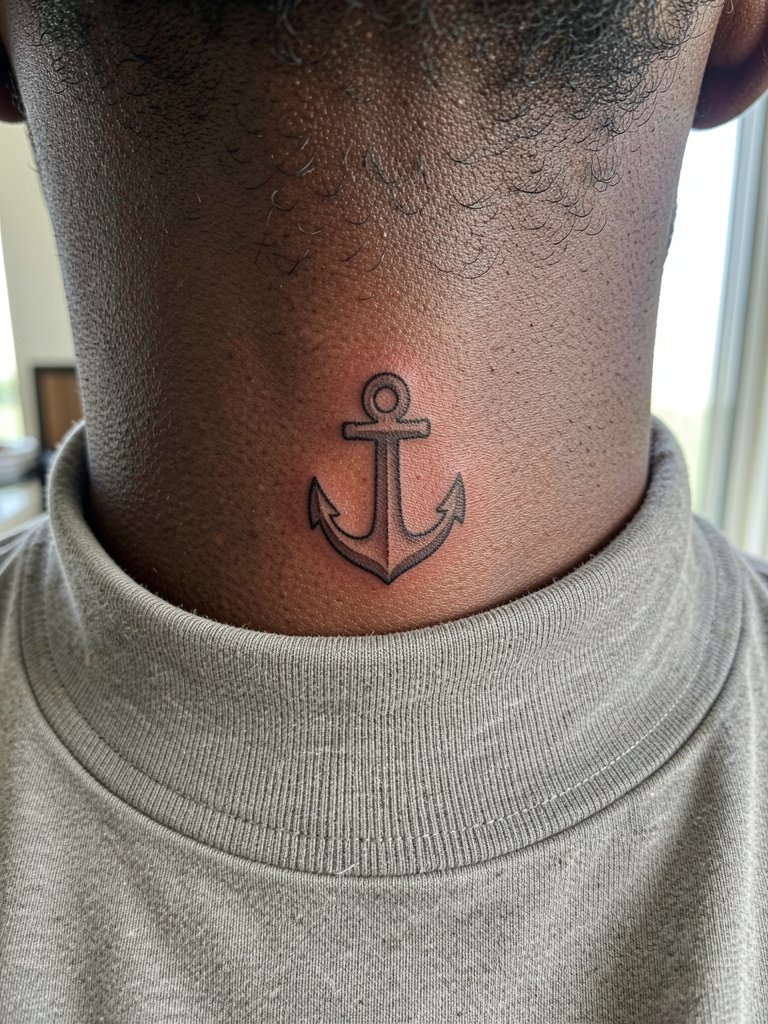
Anchors scaled down rely on strong outlines rather than micro detail to read well. A tiny traditional anchor holds better when the artist uses bold edge lines but keeps internal areas minimal. Because the nape faces daily friction from collars, plan clothing that does not press into the tattoo during the first two weeks. A fitted button-down or loose top with a back opening helps during the session.
13. Single Star, Side Neck or Behind the Ear
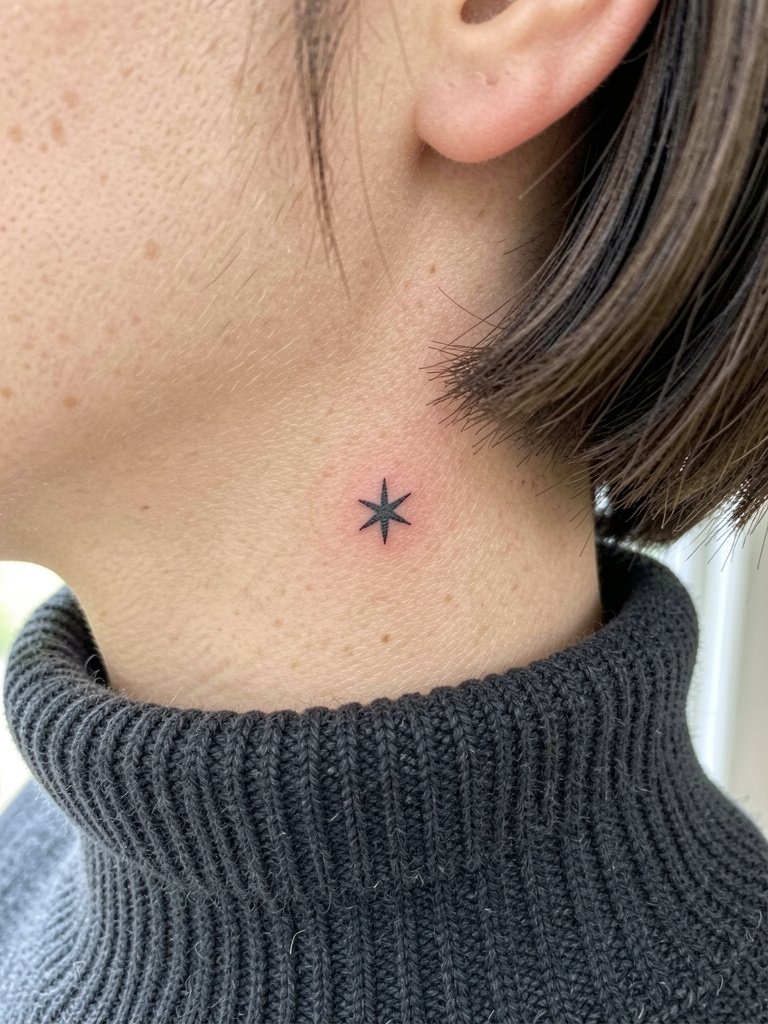
A solitary star is an archetypal tiny tattoo that fits behind the ear or on the side neck. A dot star will disappear faster than a five-point star with a modest lineweight. The behind-the-ear spot is sharper in pain but easy to hide with hair. For styling, a short bob or a small ear cuff balances the tiny mark nicely, so consider an ear cuff if you plan to reveal the tattoo with short hair.
14. Tiny Geometric Hexagon, Side Neck
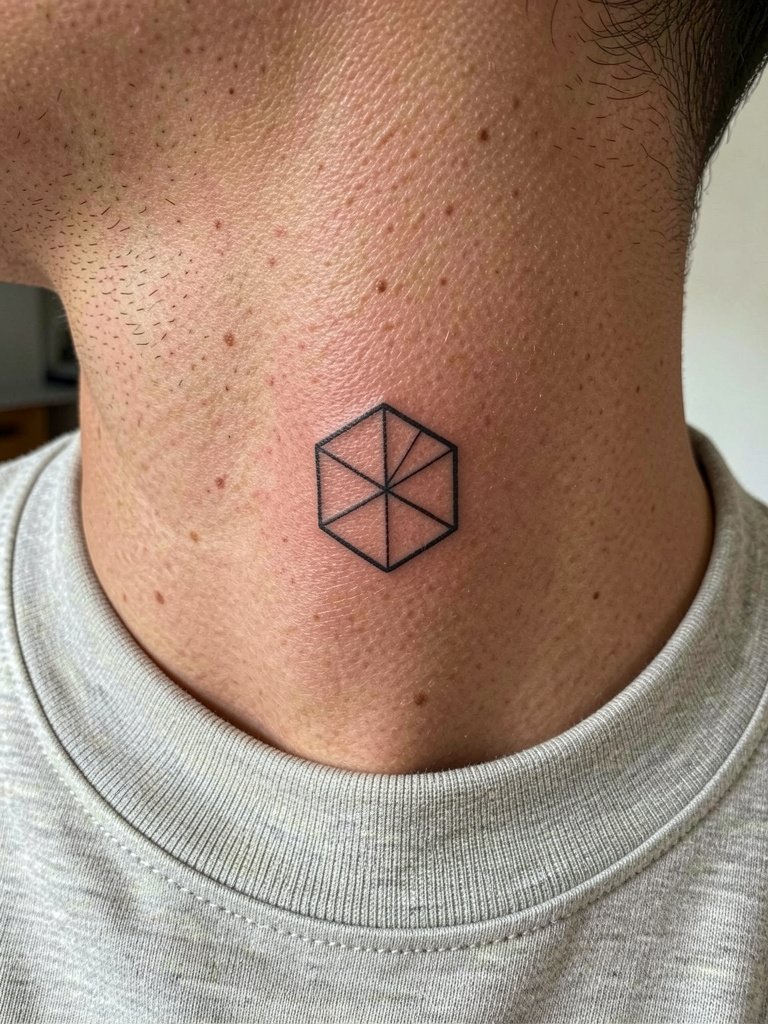
Geometric forms must be sized so the angles have breathing room. Tiny, overly tight polygons soften as edges merge over time. If you like crisp geometry, start slightly larger than your moodboard so the shape keeps its corners at the one- and two-year marks. Pain at this placement is moderate and tolerable for quick sessions. Pair with a crewneck olive shirt for a laid-back look that frames the hexagon.
15. Micro Rose, Side Neck or Nape
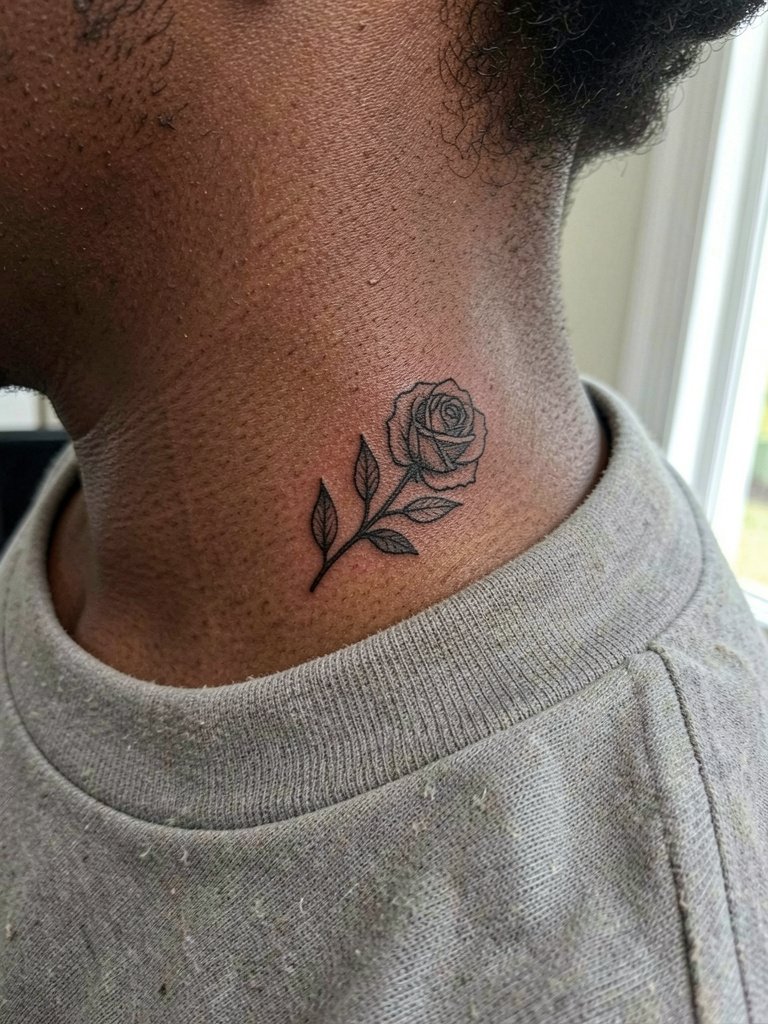
A scaled-down rose reads as a hint rather than a full bloom when kept to minimal lines. The common mistake is asking for a photoreal rose at micro size; instead choose a simplified petal suggestion. This design usually requires a patient artist who understands how negative space preserves form over time. If you plan a layered necklace aesthetic, a thin gold pendant on the front collarbone offsets the nape or side-neck rose nicely.
16. Tiny Key, Side Neck
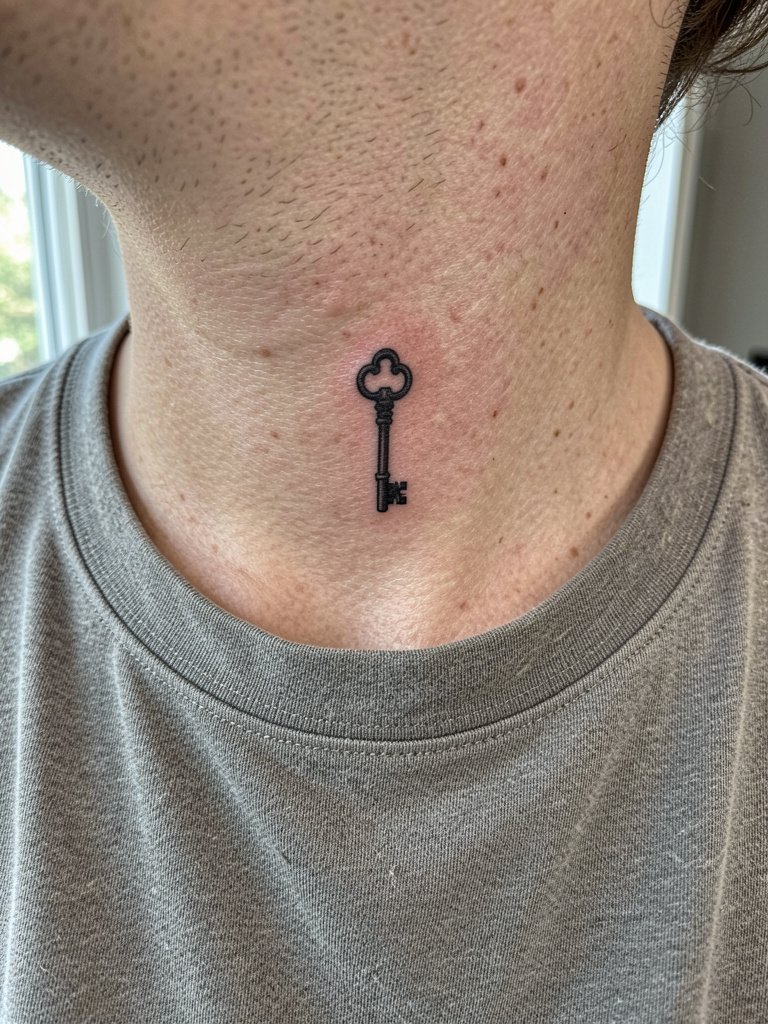
A small key reads as an intimate symbol and fits neatly on the lateral neck. Avoid tiny internal filigree or hollow areas that the body will blur. For longevity, ask for a slightly bolder silhouette and minimal internal shading. Expect the session to be quick. Pair with an open-back midi dress if you plan to show it off occasionally.
17. Minimalist Wave, Side Neck Near Collarbone
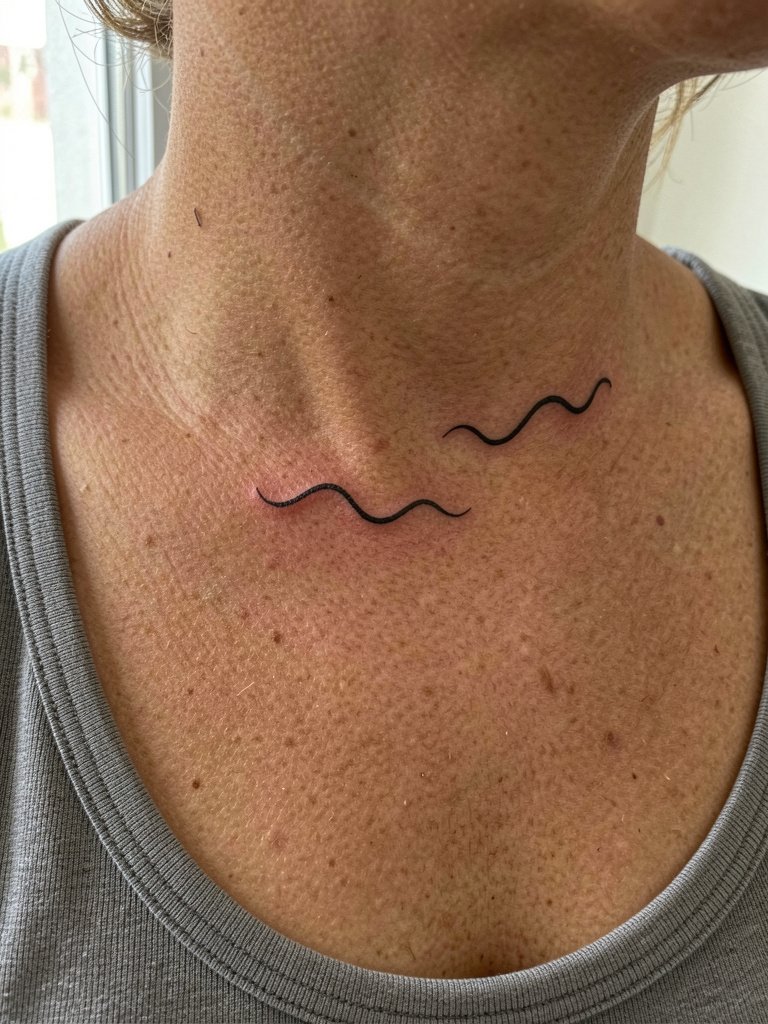
A single-line wave follows the collarbone contour and reads like jewelry when paired with thin chains. The trap is placing it too close to the collarbone crease so movement merges the line. Slight spacing from the bone and a modest lineweight preserves the shape. The session feels sharp when the needle crosses over bony areas. For show-off outfits choose a scoop-neck top that reveals the collarbone.
18. Small Semicolon, Behind the Ear or Side Neck
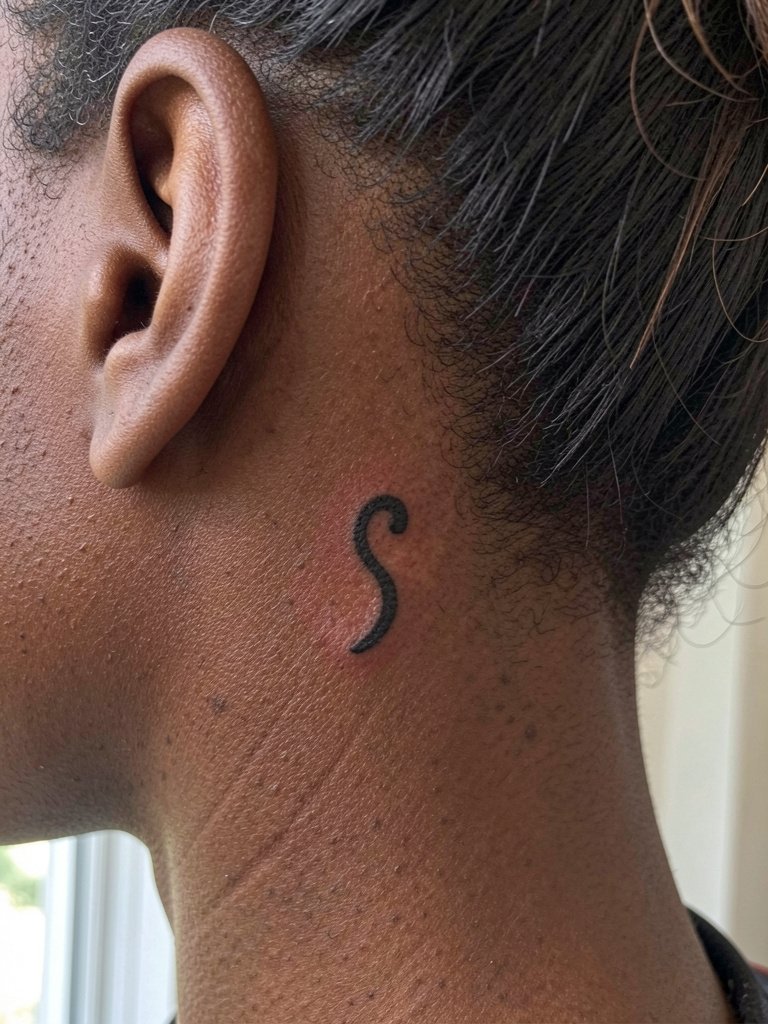
Punctuation tattoos are quiet and personal, and the semicolon fits perfectly behind the ear. The main risk is sizing it too small so it becomes a dot. Give the mark a little room and the punctuation will read clearly after healing. Pain is brief at this spot. A small ear stud or cuff can balance the area for photos.
19. Tiny Music Note, Side Neck
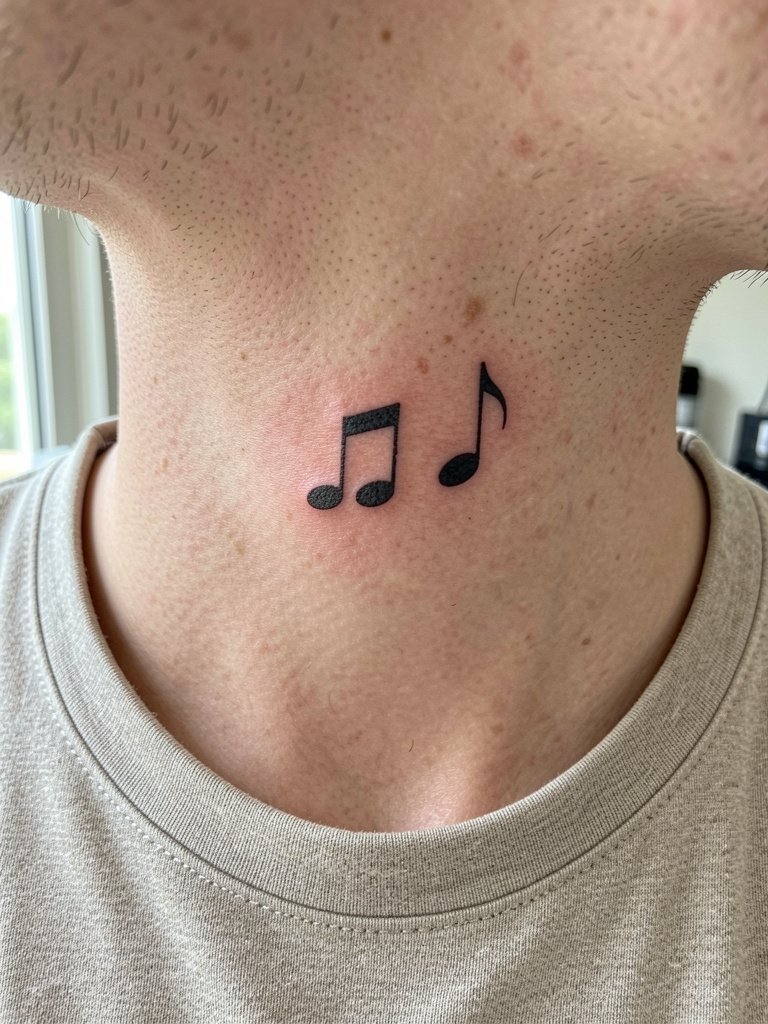
A music note works as a discreet symbol for players and listeners. Tiny hollow stems and flags can disappear, so choose a note with a compact head and a short stem. The session is quick and low-risk for blowout if the linework is kept consistent. For an understated display, wear a thin gold pendant necklace that sits opposite the tattoo.
20. Micro Compass, Nape or Side Neck
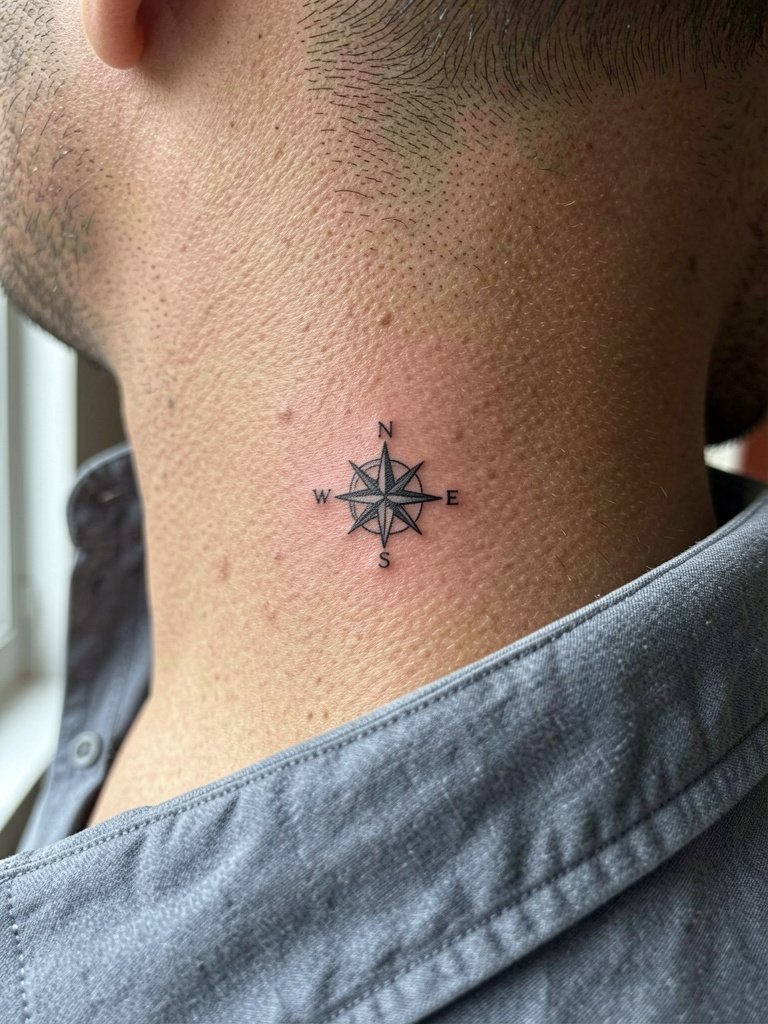
A simple compass reads well at micro scale if you avoid tiny internal detail and keep cardinal points minimal. The nape option hides the compass when hair is down and reveals it in low-back outfits. Expect a focused session because symmetry matters. For evenings opt for a layered chain necklace in front to balance the back accent.
21. Tiny Paw Print, Side Neck or Behind the Ear
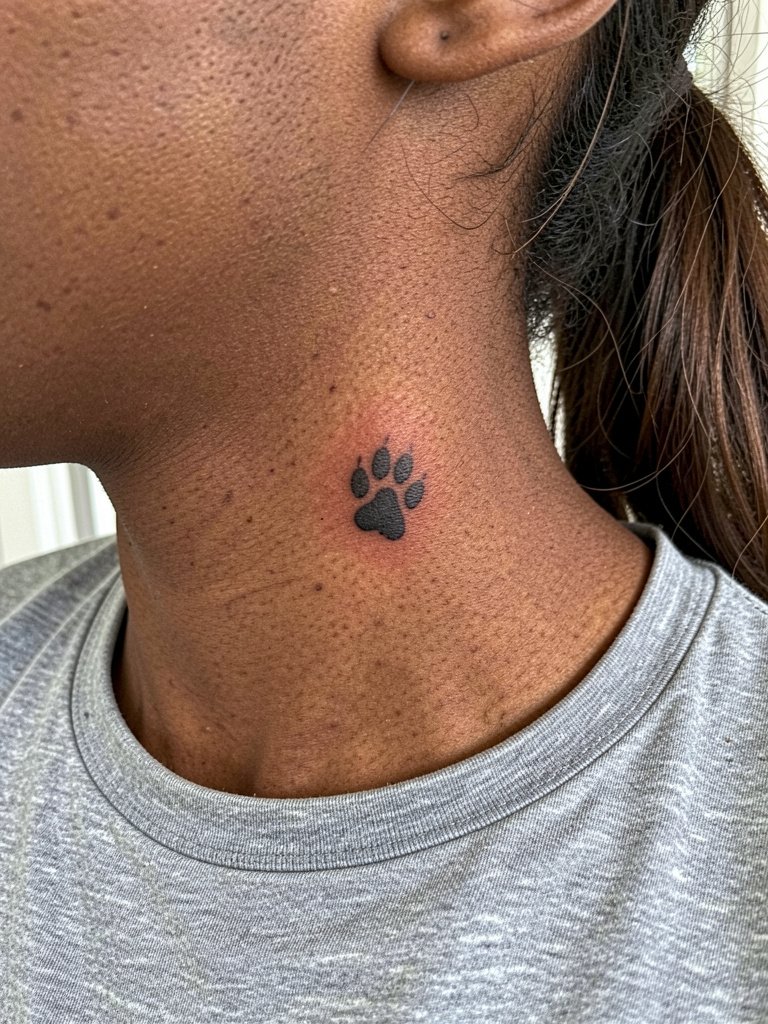
A small paw is inherently graphic and holds up if you keep the pads bold rather than fill them with tiny fur detail. Behind-the-ear placement requires brief tolerance for sharp pain but is easy to hide. For session wear pull hair into a natural updo and avoid tight collars that could rub the area while healing. A tiny stud earring on the opposite ear can create symmetry.
22. Roman Numeral Date, Side Neck
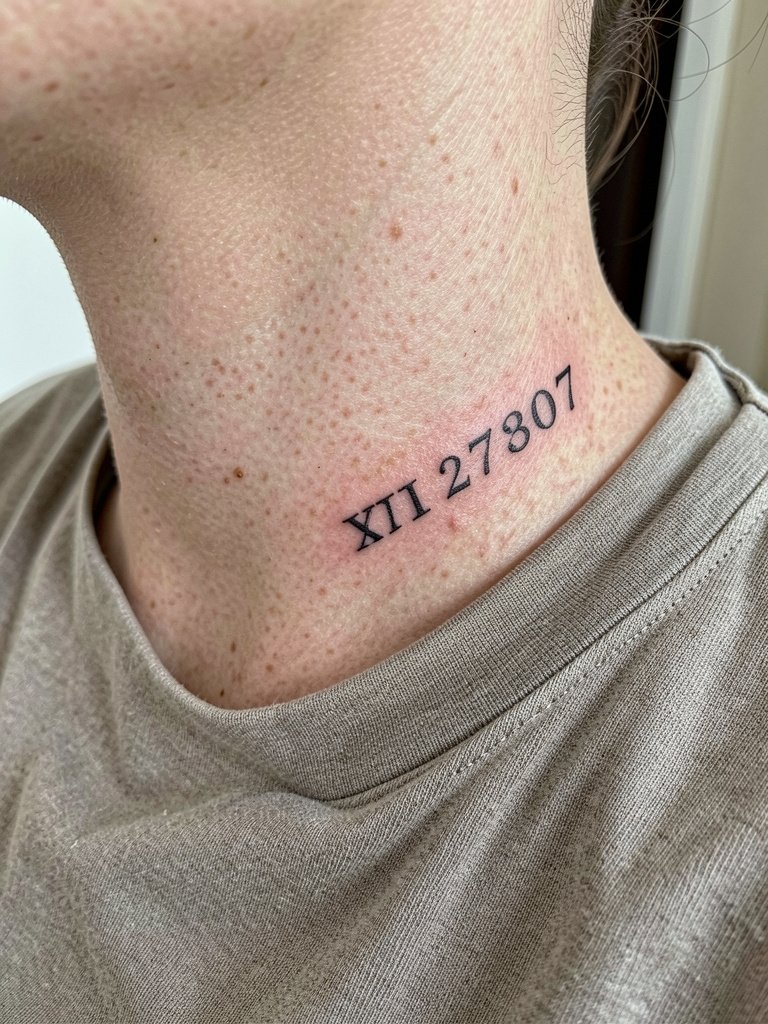
Numerals must be sized so each character keeps its counters and serifs. Too-small numerals can melt into a line. Choose a typeface with open counters and request the artist show a stencil at real scale before committing. The session is straightforward and brief. For a balanced look try a thin chain necklace in front.
23. Micro Compass Rose Variant, Lower Nape
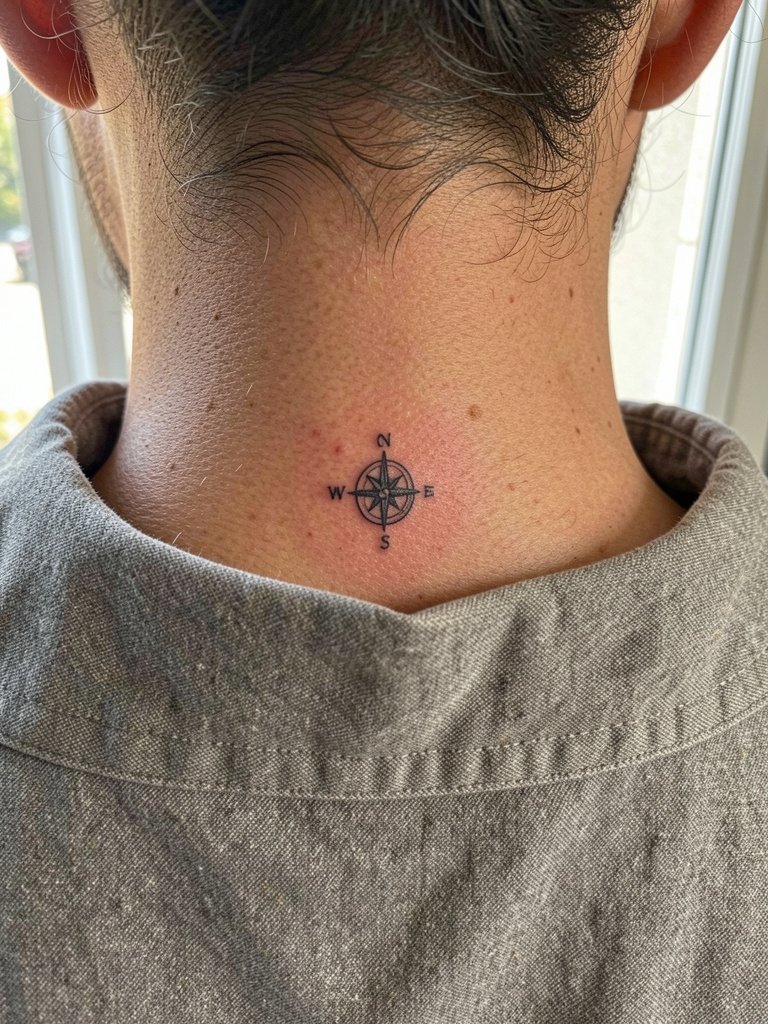
A lower-nape compass works as a tiny anchor for the back of the head and hides under most hairstyles. The lower nape sees a little more friction from collars, so keep the design simple and bold. Expect a quick session and mild soreness for a few days. For outfits that reveal the lower nape, a low-back dress or ponytail will showcase the piece.
Frequently Asked Questions
Q: Will a fine-line neck tattoo blur quickly, and what are the viewpoints?
A: Artists split into clear camps. One group argues that the neck's mobile skin and daily movement make ultra-fine single-needle work prone to blur within one to two years. The other group says fine-line styles can hold up when the artist uses slightly wider spacing and small grouped needles instead of a single-needle approach. If longevity matters, choose a design with modest lineweight and ask to preview the stencil at real size.
Q: How much should I budget and tip for a small neck tattoo session?
A: Expect shops to have a set minimum that often lands in the mid-hundreds, so plan for the minimum plus a 15–25 percent tip if the shop's policy and your budget allow. Tipping falls into two camps: some people tip higher because setup time is the same regardless of size, and others tip lower for short sessions. Consider the artist's time and the care they invest.
Q: Where can I search for healed small neck tattoo portfolios without naming artists directly?
A: Use hashtags like #smallnecktattoo, #finelinencktattoo, and #micronecktattoo on Instagram and TikTok and filter by location. Tattoodo lets you search keywords such as "fine line back of neck" while showing portfolios. Reddit threads on r/tattoos and r/tattooadvice often surface healed examples across skin tones and can point you to conventions and guest spots in your area.
Q: What should I wear to the appointment for side-neck or nape work?
A: Wear clothing that gives the artist comfortable access without rubbing the fresh tattoo afterward. For side-neck pieces pick an open-collar linen shirt or a loose tank. For nape work choose a button-down or a top with back access so nothing is pulled over the head and pressed into fresh ink.
Q: Does Saniderm or dry healing work better for neck tattoos?
A: People report two opposing experiences. Some say dry healing reduces pore-clogging and scabbing on the exposed neck and favors minimal products. Others find that a properly applied second-skin film protects the neck from sweat and friction and results in smoother healing. Your choice can depend on how much you sweat, clothing choices, and how active your neck is, so plan with that context in mind.