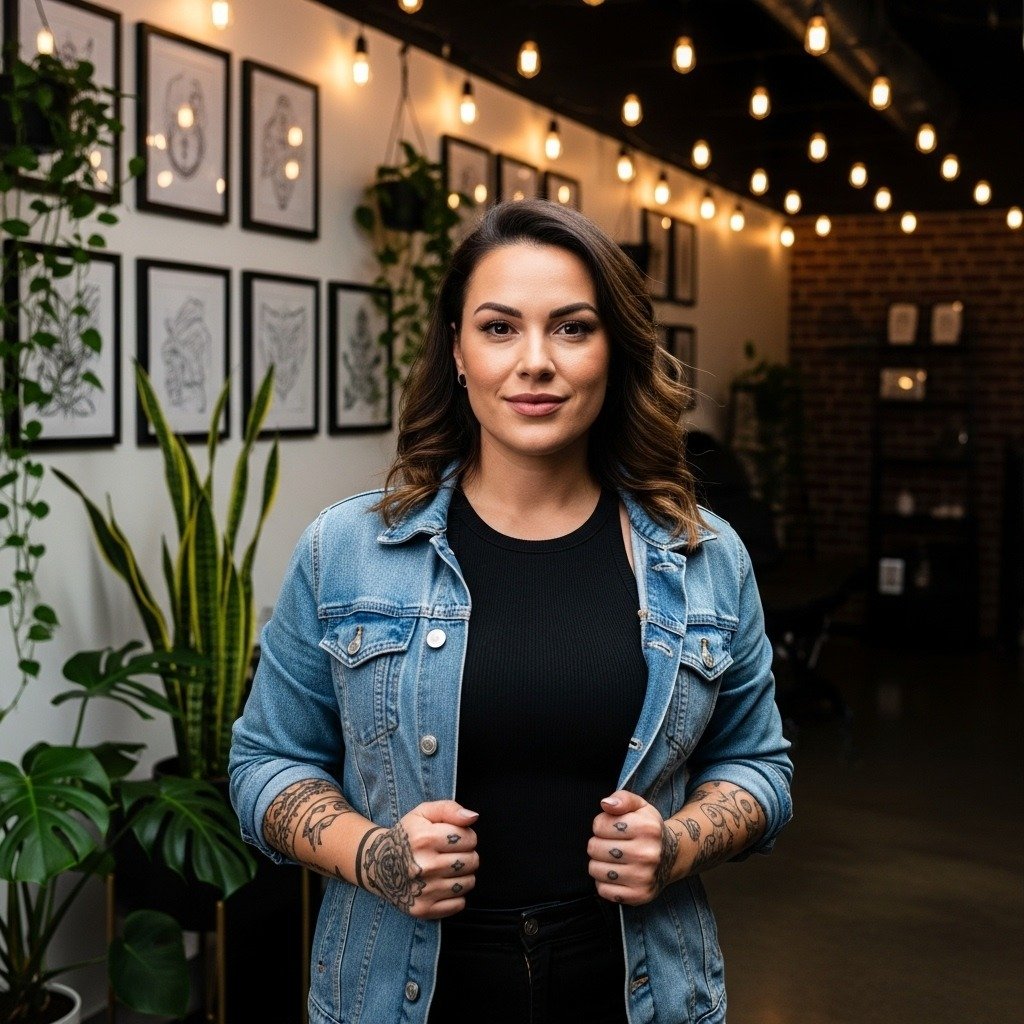
A small name on the wrist ages like a story read every day. Fine line cursive can look fragile after constant friction from watches and bracelets, and some artists warn that the inner wrist eats thin strokes within a year. Other artists argue that slightly heavier line weight and careful spacing let a name stay legible for three years or more. Below starts the first idea with practical tweaks that help a name last.
1. Fine Line Cursive on the Inner Wrist
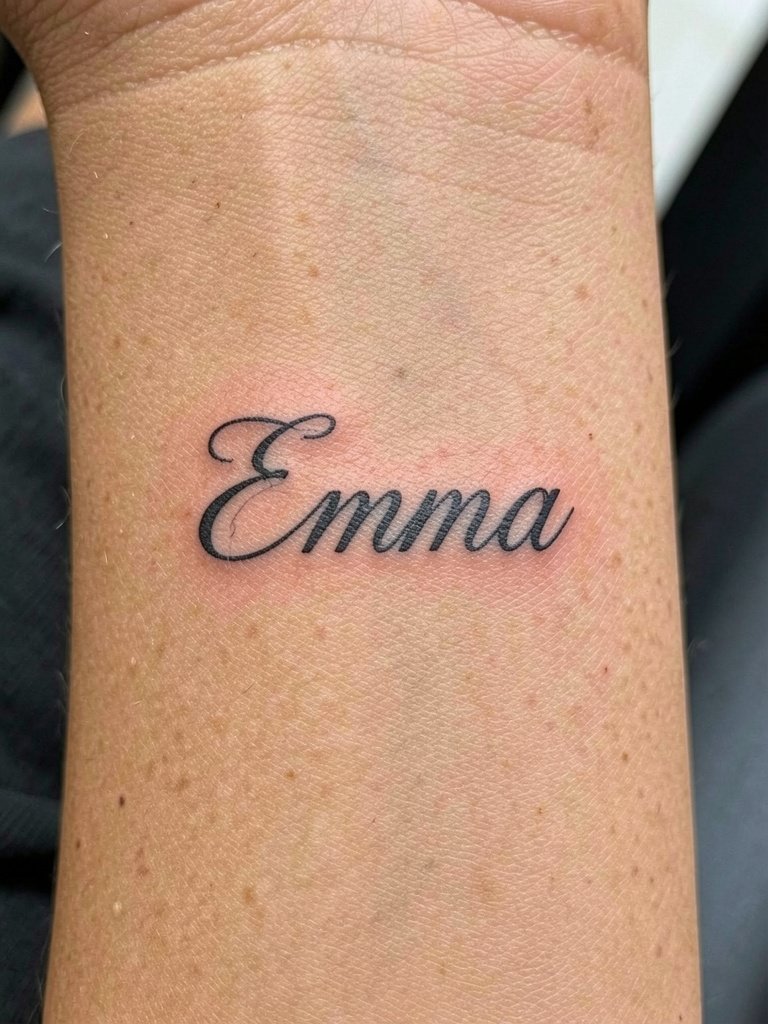
Choose this when you want a discreet, readable personal name that peeks out when the palm faces up. Recommend the artist space letters at least 2 millimeters wider than your reference so the strokes do not merge as the skin settles. A common mistake is requesting hairline strokes that vanish at the edges after a year. Expect a 20 to 40 minute session and moderate wrist sensitivity. Plan a touch-up around 12 to 18 months if you wear watches daily. For outfits that highlight the inner wrist, try a thin chain bracelet set in gold or silver to frame the script.
2. Vertical Script Along the Radial Wrist
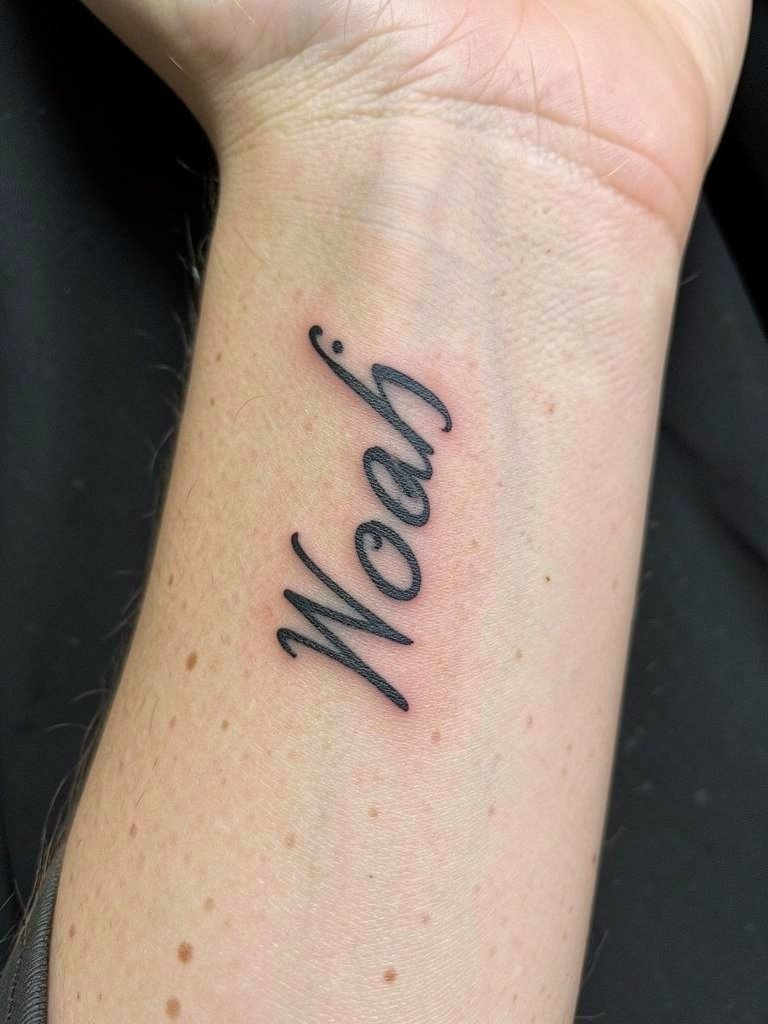
This layout works when you want a name that reads with the hand in motion. Ask for slightly taller letterforms rather than compressed cursive so the letters maintain identity across the wrist's curvature. The radial wrist moves with gripping motions, so expect sharper needle feedback near the tendon. A common aging issue is letter compression at the thumb base where skin and movement meet. Plan on 30 to 45 minutes in the chair. Wear a minimalist watch on the opposite wrist to keep the tattoo unobstructed while showing off the design.
3. Bold Script Near the Watch Line
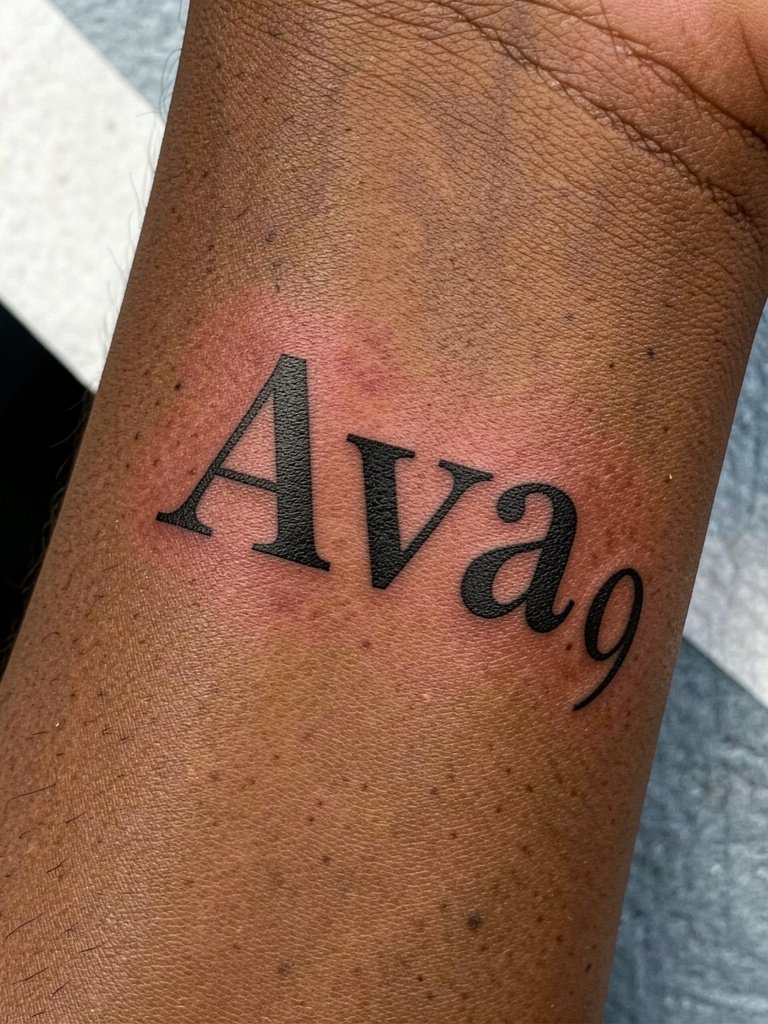
If you want longevity over delicacy, this is the choice. Heavier letterforms sacrifice some daintiness and gain clearer long-term legibility. Tell the artist to avoid ultra-thin terminals and instead use steady bold strokes that read at arm's length. The mistake is copying a tiny script reference and expecting the same presence in bold-friendly placement. Healing feels more intense during the first 48 hours because of saturation, but blowout risk is lower with confident lines. For showing off, pair it with a dainty cuff bracelet on the opposite hand so the script has space to breathe.
4. Micro Block Letters on the Inner Wrist
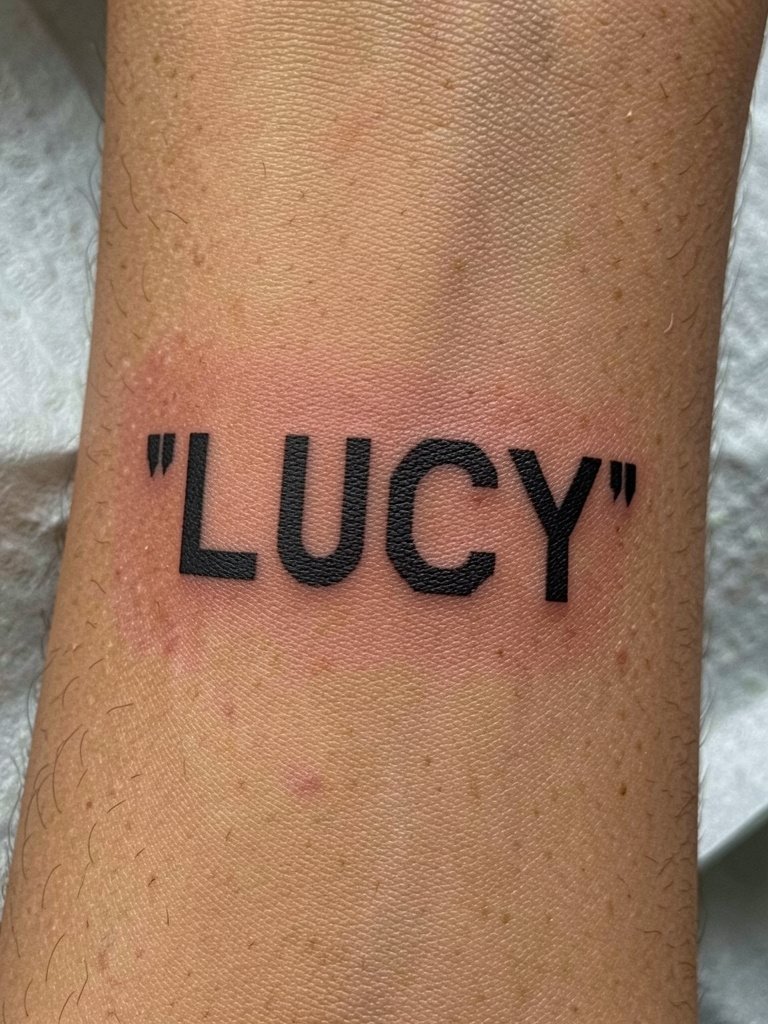
Micro block letters give a modern, graphic look but need careful sizing. Recommend letters be at least 4 millimeters high and separated by clear spacing so the negative space survives daily friction. A typical error is asking for two-millimeter letters that blur into one token stroke after healing. The session is short, often under 30 minutes, and the inner wrist can feel sharp during needle work. Expect a touch-up window around 9 to 14 months for thin edges. For styling, combine the piece with a minimalist leather strap watch on the other wrist to balance utilitarian and refined looks.
5. Signature-Style Name That Wraps Slightly
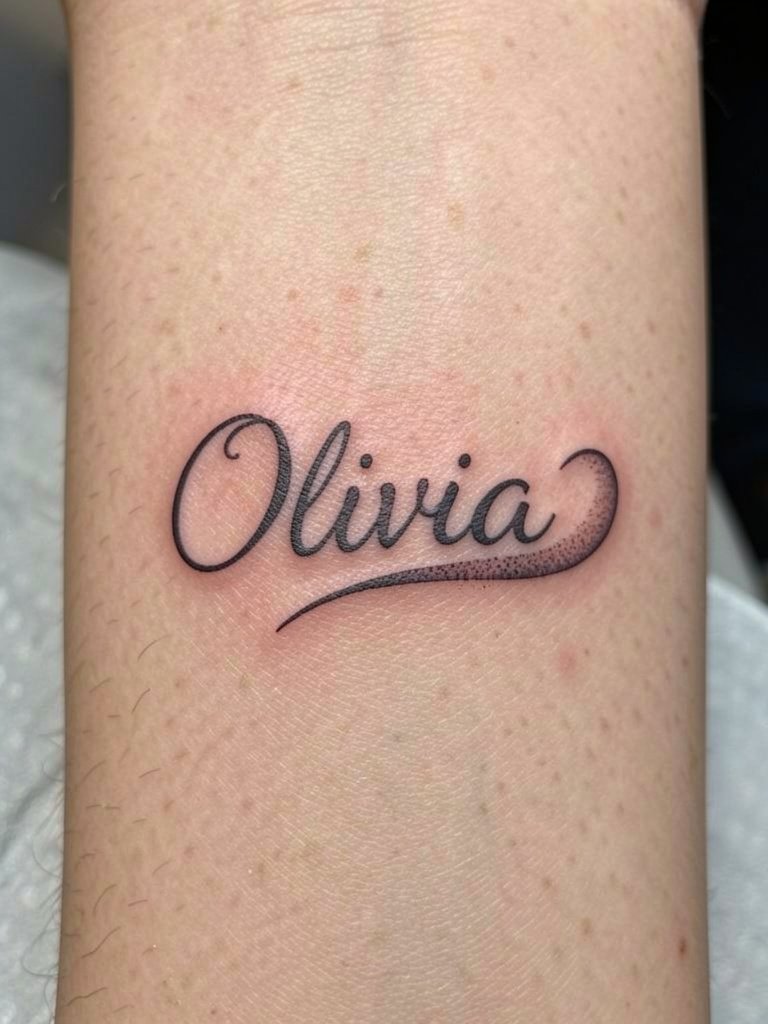
A signature approach reads personal and unique because it mimics actual handwriting. Bring two photographs of your preferred signatures at different scales so the artist can advise on line weight that survives wrist wear. The main mistake is insisting on an identical miniature of a long, flowing signature that loses its personality when scaled down. Expect 30 to 50 minutes and higher sensitivity where curves sit over tendons. This design pairs well with a slim open-back midi dress if you want evening looks that reveal the wrist.
6. Name with Tiny Symbol Accent
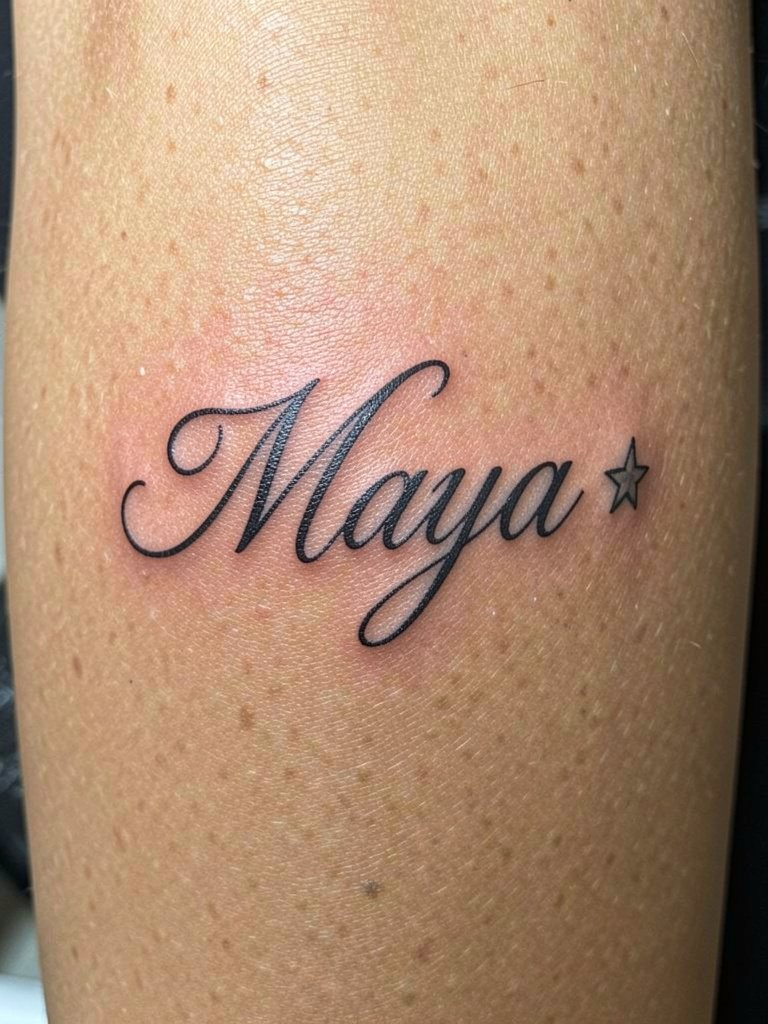
Adding a small icon helps personalize the name and creates a focal point that keeps attention off thin serif ends. Specify the symbol size in millimeters so the star or heart does not migrate into a blotch. A typical error is an overly detailed icon that becomes an indistinct smudge after healing. The session is brief and the wrist may glaze slightly during saturation around the symbol. For day-of comfort, wear a loose short-sleeve top so the artist can access the area without fabric pressure.
Session Day Picks
The first six ideas show how small changes in scale and placement change longevity and look. These tools smooth the session and the first week of healing for wrist name work.
-
Bepanthen Art & Derm style thin balm. A lightweight healing balm alternative that many people find less greasy than thick ointments while still locking moisture in during the first days.
-
UV-protection wrist sleeve. Blocks sun exposure during summer healing and reduces pigment fade where bracelets would normally rest.
-
Silicone watch band replacement. Swap a metal band for silicone on the tattooed wrist while healing to cut friction and pulled edges.
-
Thin protective film roll for small wounds. Keeps the wrist clean during early showers and light activities without trapping too much heat.
-
Hustle Butter Shine travel pack. A widely used finishing balm that many people reach for after the first few days to soothe tightness and keep fine line work looking crisp.
7. Name in a Circular Band Around the Wrist
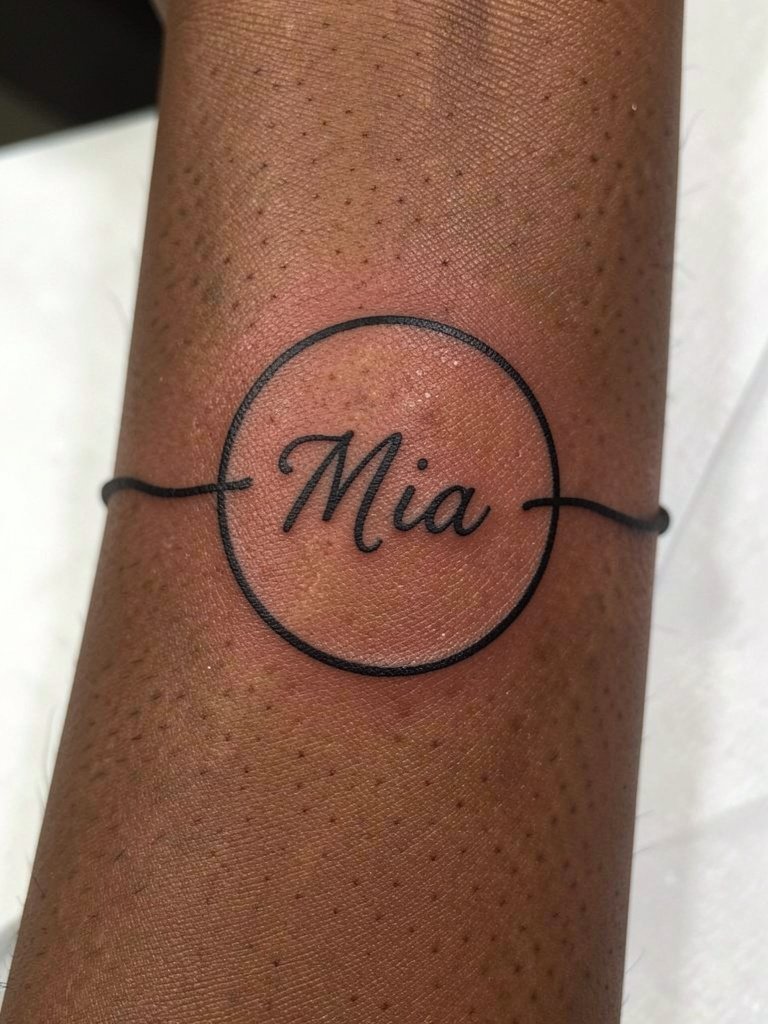
A wrap-around name mimics jewelry and reads as a true wrist piece. Ask the artist to leave a small gap at the seam so the script does not compress into a blob where ends meet. A common mistake is requesting a full closure that blurs at the overlap. The session can run longer because of continuous placement, expect 45 to 70 minutes. This format ages differently depending on arm rotation, so heavier strokes generally hold better. For styling, treat it like a bracelet and match with a thin chain bracelet set on the opposite wrist for balance.
8. Tiny Initials On the Inner Wrist Edge
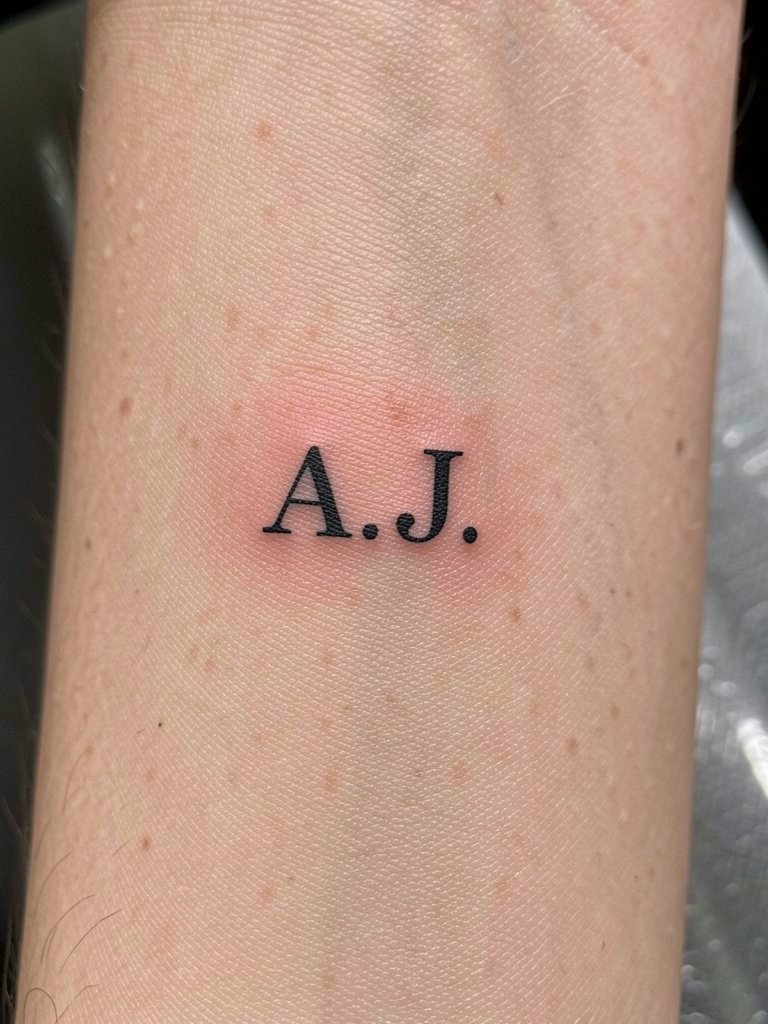
Initials are stealthy and fast. Make sure initials are not so small that the periods fill in. Discuss spacing and dot size with the artist, and request a stencil test to see read at real scale. A frequent error is omitting a printed sample on skin first. Sessions take 15 to 25 minutes. Initials on this edge receive more abrasion from daily tasks, so touch-ups at year one are common. Keep the hand protected during chores for the first two weeks.
9. Name with Underline or Baseline Weighting
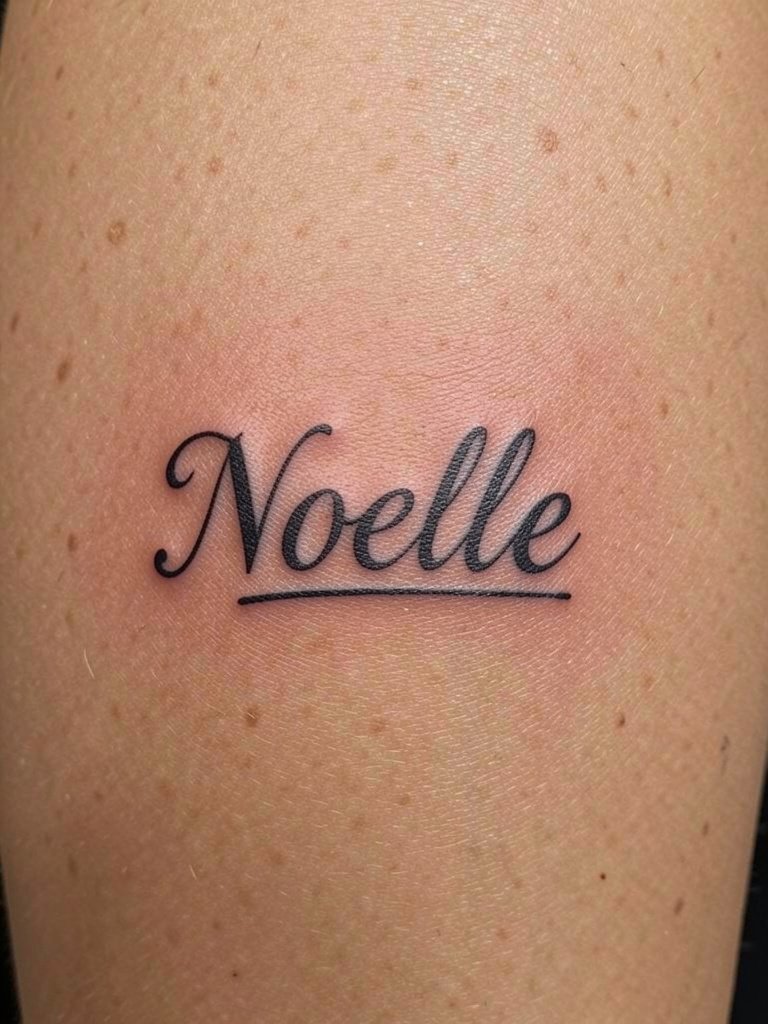
An underline helps the name sit visually against skin texture. Ask for a slightly thicker baseline than the main strokes so the underline remains visible without overpowering the script. The wrong approach is a barely-there underline that disappears after swelling and healing. Sessions are moderate and the underline can show scab contrast if applied too dark. Pair this with a cropped sleeve or rolled linen shirt so the wrist remains visible in casual outfits. Try a dainty wrist bracelet stack for evenings out.
10. Name in Stipple or Dot Work Fill
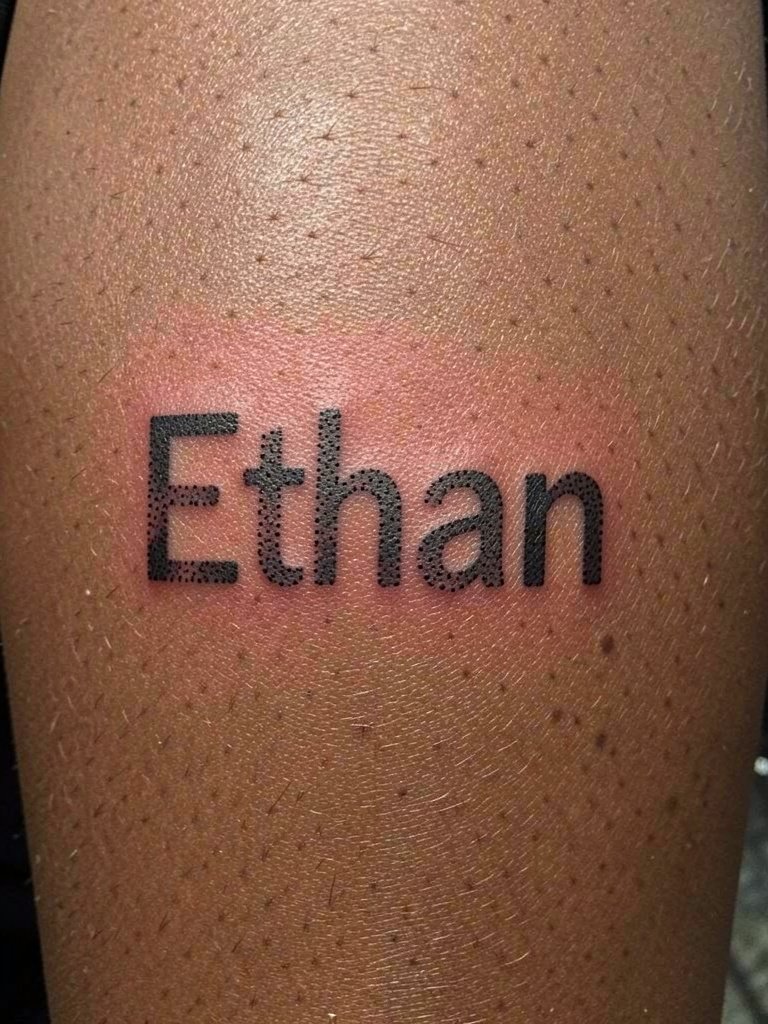
Dot work adds texture and keeps edges softer, which can be forgiving on wrists. Specify the dot density so the letters do not fill in during healing. Artists often recommend slightly more space between dots than shown in small references. Dot work sessions take longer because of repeated passes, so expect 60 to 90 minutes depending on scale. Touch-ups are usually needed within the first two years to refresh dot density. This style pairs with casual shirts that expose the inner wrist, like a rolled sleeve tee.
11. Name with Tiny Heart or Paw as Replacement for the Dot
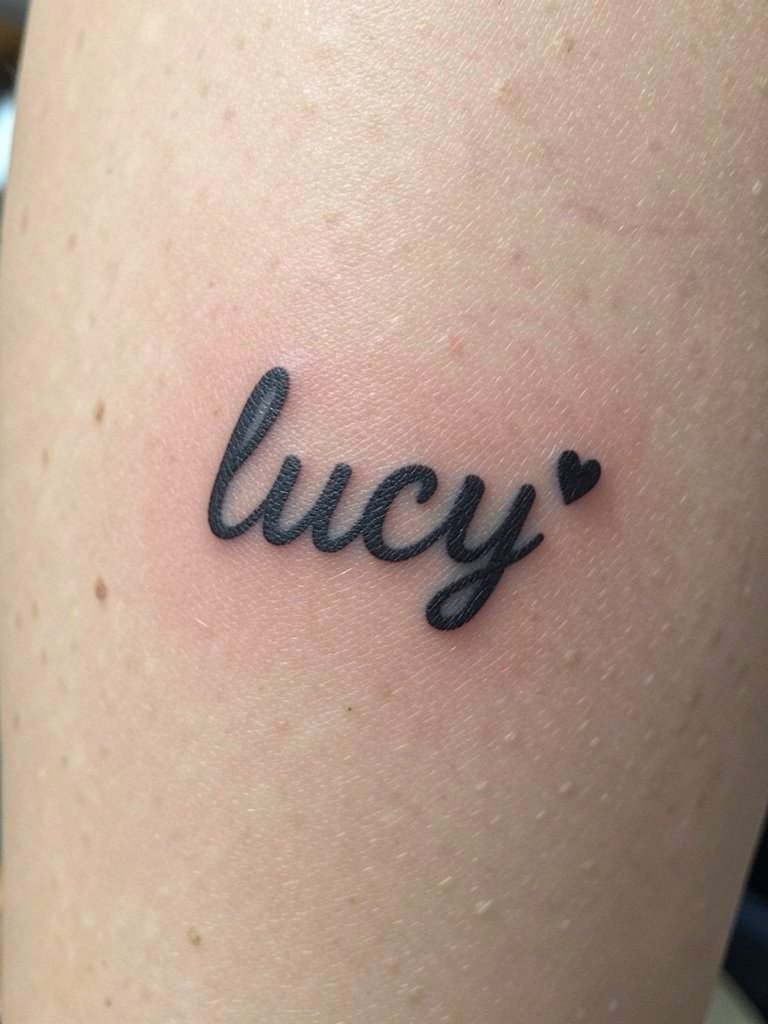
Using a symbol in place of a dot personalizes a name in one compact move. Set the symbol size to 1.5 to 3 millimeters so it keeps its shape through swelling and scabbing. The common error is a decorative symbol that starts detailed and ends up as a formless patch. This session is short and comfortable for most people. For a polished look, wear a minimalist watch on the non-tattooed wrist when dressing up.
12. Name in Typewriter/Monospace Font
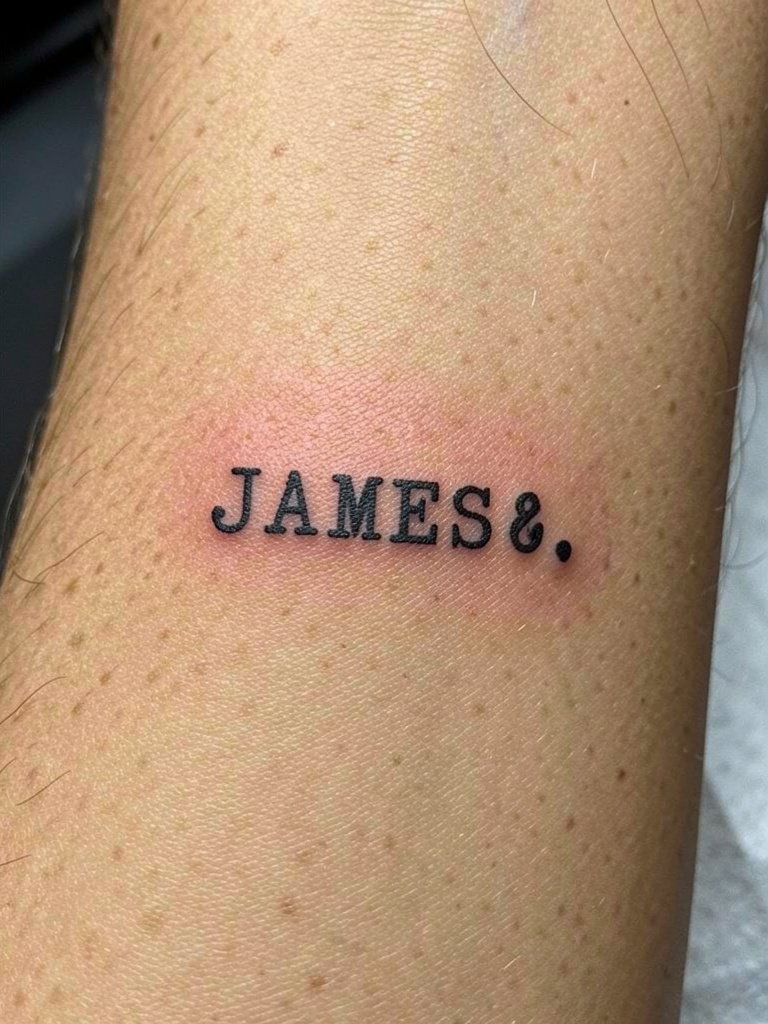
Monospace letters give a timeless mechanical look and resist blending because each character has consistent weight. Ask the artist to stencil the spacing precisely and to ink characters slightly thicker than a true print sample to account for settling. A mistake is copying a screen-resolution font that prints too small for skin. Sessions are efficient and local sensitivity is mild. This one suits a work wardrobe and pairs neatly with rolled sleeves and a minimalist leather strap watch.
13. Name with Small Heartbeat Line Accent
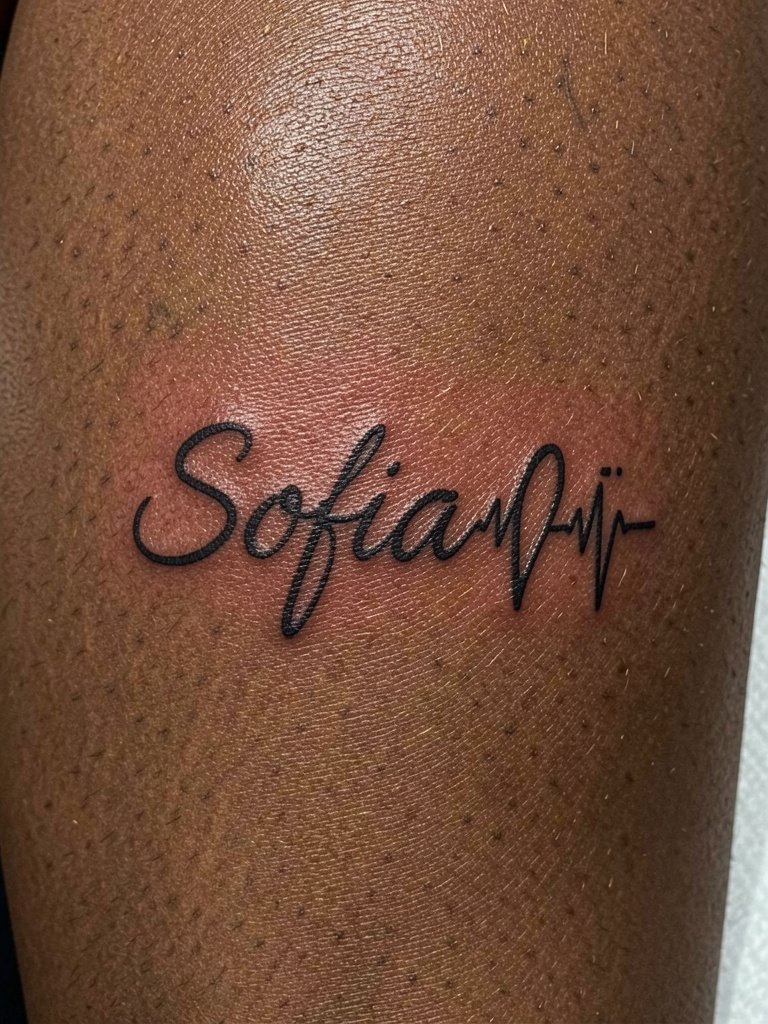
Heartbeat lines create movement and emotional weight. Ask the artist to keep the ECG peaks simple and not overly intricate so the pattern reads after healing. A common mistake is adding too many mini details that turn into noise. Expect moderate session time and the wrist may feel tender where peaks cross tendons. For showing off, pair the tattoo with short-sleeve knit tops or a thin chain bracelet set to echo the rhythm.
14. Name in Negative Space Against a Small Wash
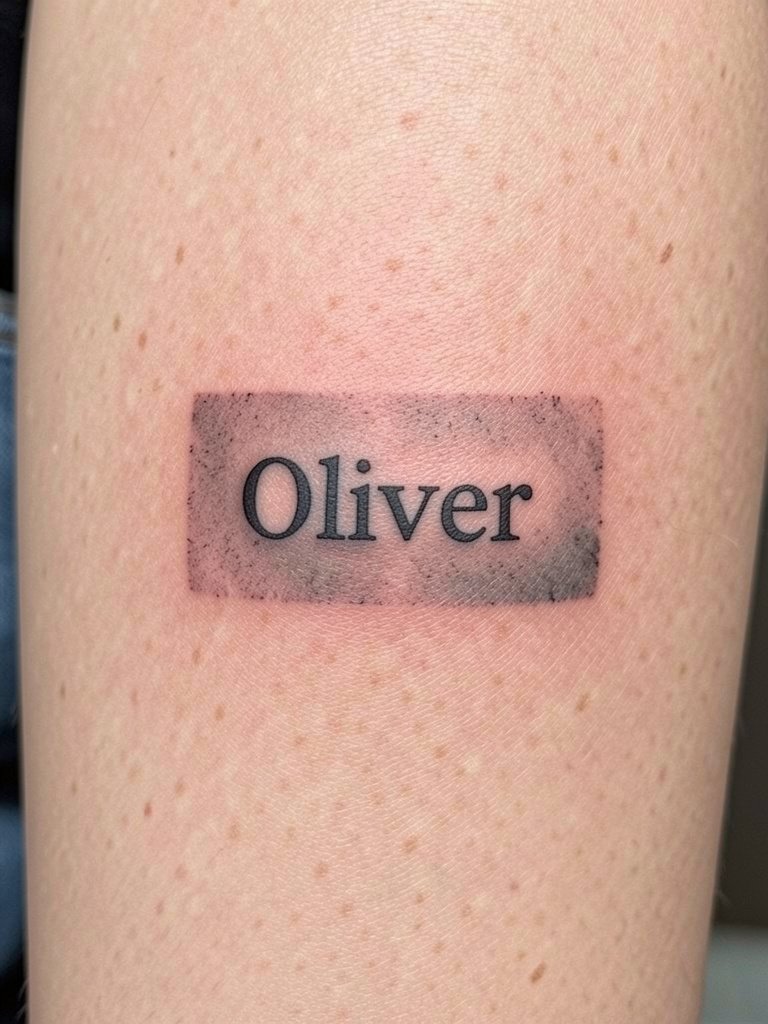
Negative space names look modern but require cautious sizing so the uninked letters remain visible. Tell the artist you want the name to remain as the skin tone inside a soft wash rather than thin outlines. The wrong call is a tiny wash that closes in and fills the name. Sessions take a bit longer because of shading passes. This style can soften with exposure, so wear sunscreen over the wrist after healing. It pairs well with neutral linen shirts that leave the wrist visible.
15. Matching Partner or Sibling Name Pairs
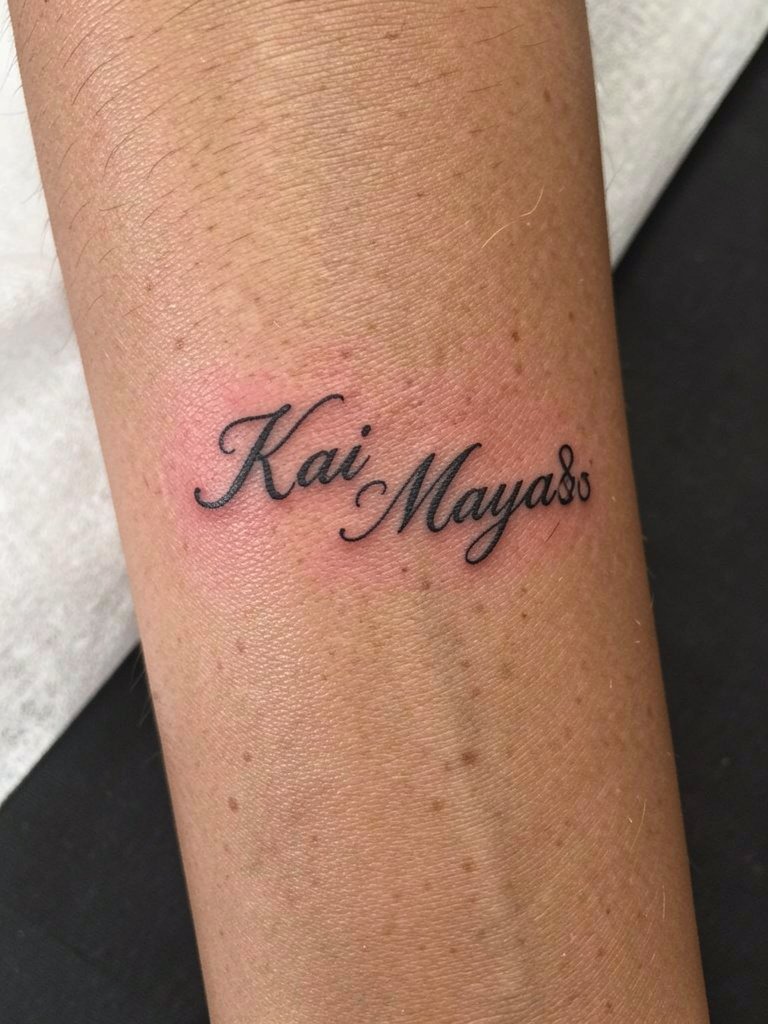
Pairs work when you want two names in one compact composition. Be explicit about relative scale and vertical spacing so the names do not blur into a single band later on. A frequent mistake is mirroring references that differ slightly in size, which shows after healing. Sessions are slightly longer because of two stencils and matching demands. For wardrobe, avoid tight bracelets that would compress both names during early healing. Consider a dainty cuff bracelet on the non-tattooed wrist.
16. Name in Morse Code Dots and Dashes Along the Wrist Edge
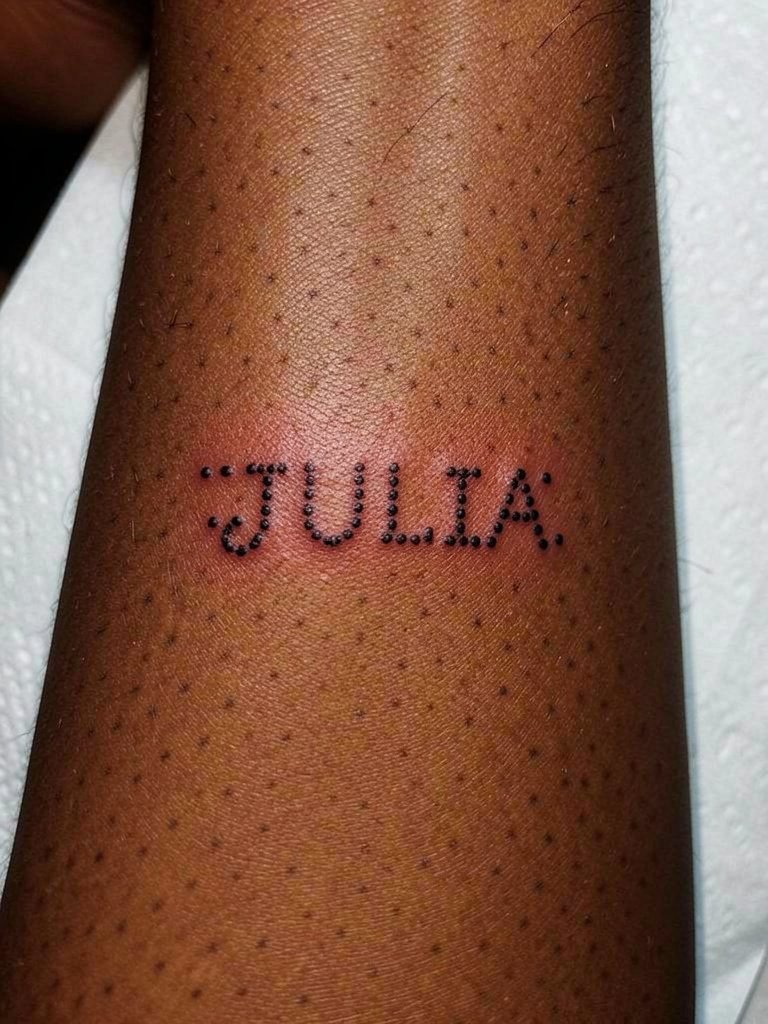
Morse code is a discreet approach that reads like texture until someone knows the pattern. Ask the artist for consistent dot diameter and dash length, and to preview the spacing on skin so rhythm reads as intended. The mistake is uneven dots that merge during scabbing. Sessions are quick and low on pain for most people because the marks are small. This style looks sharp under cuffed shirts and pairs with a slim minimalist watch when you want to show the edge.
17. Name Designed as a Tiny Signature with Flourish
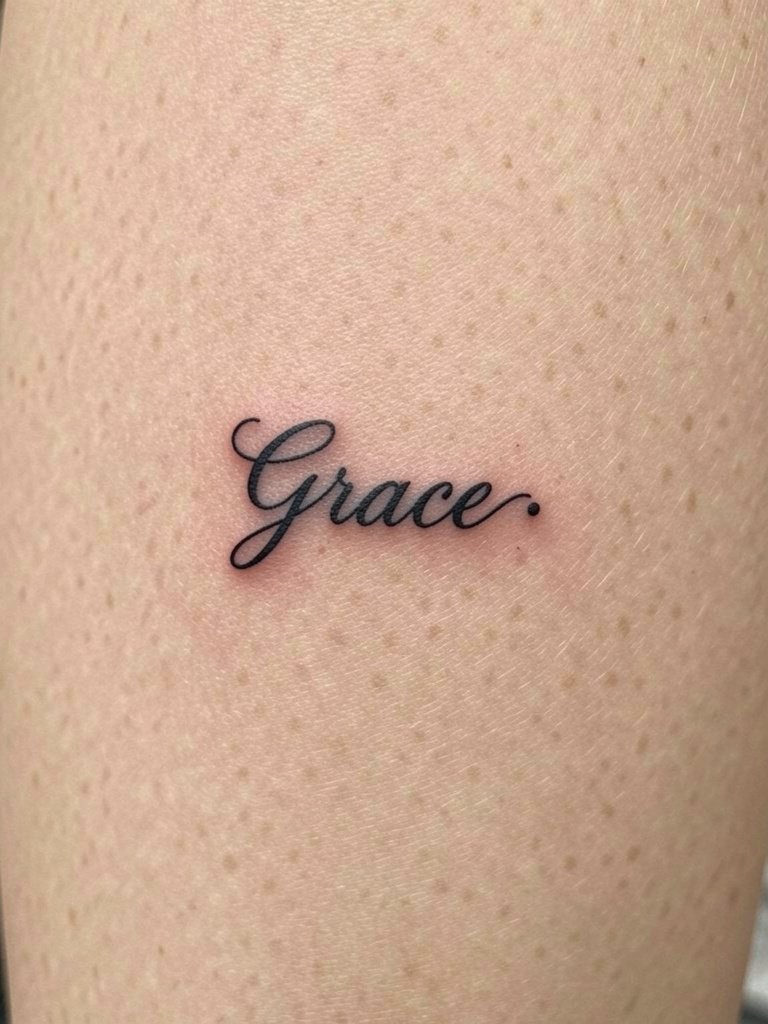
A final option is a compact signature with a controlled flourish for personality. Bring the exact handwriting sample and ask the artist to scale it to wrist-appropriate line weight. A common error is insisting on an identical micro replica that becomes illegible when scaled. Sessions are short and the wrist is sensitive at the flourish where strokes overlap. For an elegant reveal, pair this with a fitted blouse or a thin chain bracelet set when dressing up.
Frequently Asked Questions
Q: How long do wrist name tattoos usually stay clear before needing a touch-up?
A: It depends on placement, line weight, and daily friction. Fine single-needle scripts often need a touch-up within 12 to 18 months if you wear watches or bracelets every day. Heavier scripts can go longer before a refresh, often two to three years, because they start with more pigment and stronger edges.
Q: Are there wrist placements that age better for names?
A: Yes. The outer wrist and slightly above the watch line typically experience less constant skin-on-skin rubbing than the exact inner wrist crease. Lines that cross tendons or the thumb base tend to blur faster. When booking, show the artist where you move your wrist during common tasks so they can advise on the durable spot.
Q: How should I test a name design before committing?
A: Try a temporary transfer at the actual scale and live with it for a week to see how it reads and how it sits with your daily accessories. Search hashtags like #nametattoo and #finelinescriptwrist on Instagram or TikTok and filter by location to find healed portfolio examples. Reddit threads for r/tattoos and r/tattooadvice can surface real-life pics and experiences from a range of skin tones.
Q: What should I wear to the appointment for a wrist name tattoo?
A: Wear a loose short-sleeve top or a sleeveless tank that gives the artist full access to the wrist without fabric pressure. If your design sits near the waistband or cuff, choose clothing that exposes the area naturally in its normal worn state. A spare sleeve or jacket can help protect the fresh tattoo afterward.
Q: Do skin tone differences affect which name style I should pick?
A: Yes. Lighter, higher-contrast strokes tend to read well on lighter complexions, while slightly bolder line weight helps names stay legible on darker skin tones. Ask for healed photos from the artist that match your skin tone and request a friend or shop portfolio with similar examples before you commit.