
Tiny single-needle zodiac glyphs dominate saved boards, but they do not always stay sharp. One camp argues that single-needle fine line, scaled up slightly and spaced, can settle gracefully and keep a sign legible for years. The other camp warns that high-friction spots and curved anatomy will blur single-needle work and recommends slightly bolder contours instead. These picks favor minimalist results that still hold up.
1. Ram Horn Outline on Inner Wrist
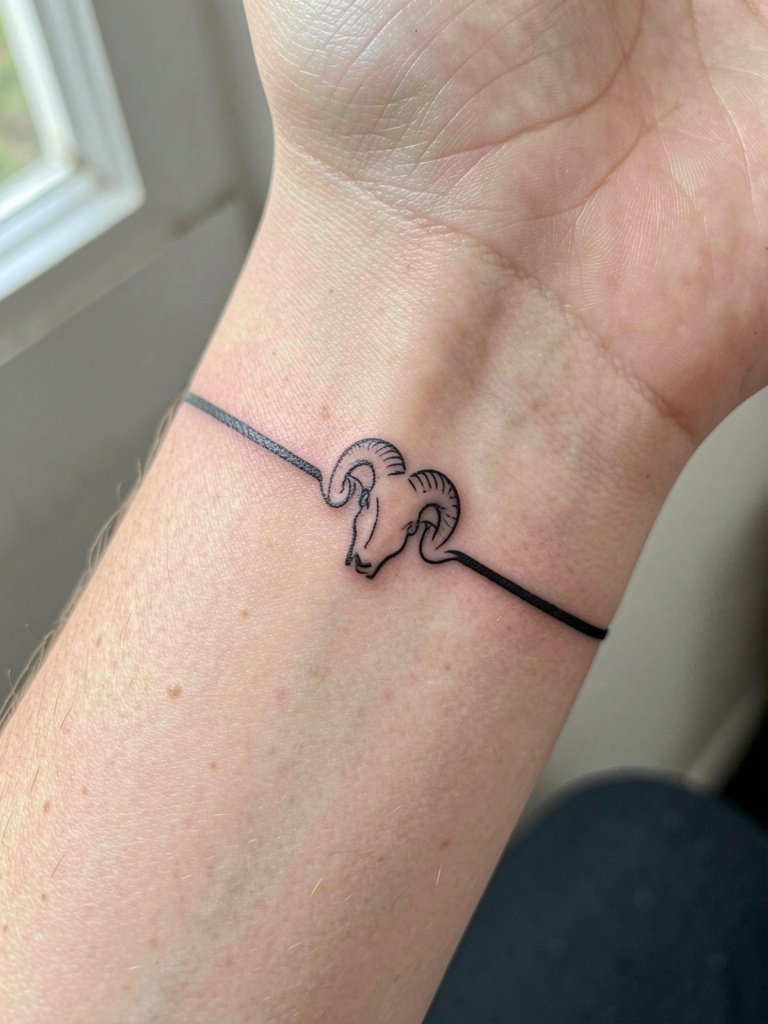
A terse ram horn cuff works when you need a sign that reads at a glance. I recommend this over a tiny filled ram because the open curve holds crispness longer on the wrist. For this placement the lineweight should be a hair heavier than mirror images on screen, because the wrist flex and constant washing thin single-needle work. Expect a short session under 45 minutes and mild tenderness while the wrist rests. Common mistakes include requesting the horn at three millimeters wide, which risks blur. Discuss spacing between the curl and the cuff edge so the shape keeps its identity at two years. This placement pairs well with a rolled-sleeve tee and a slim bracelet [https://www.amazon.com/s?k=slim+beaded+bracelet&tag=inkalerts-20].
2. Bull Silhouette Behind the Ear
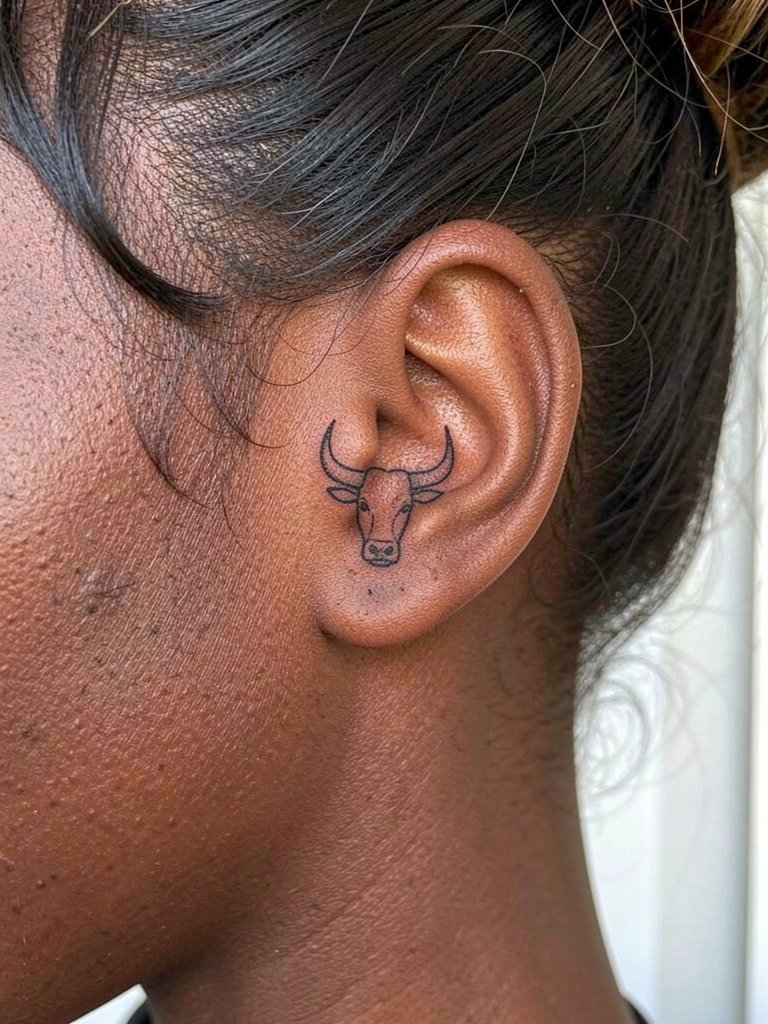
The behind-ear spot gives a whisper of Taurus without shouting. I suggest a compact silhouette rather than delicate filigree because the skin there moves with hair and sleeping positions. Session time is brief, but expect sharp vibration pain and tenderness for a day. A typical error is asking for micro dots to create texture because they tend to merge on this thin skin. Tell the artist you want a slightly bolder outer contour and a tiny negative-space eye so the silhouette stays readable. For after-shadow styling, a low bun or short hair reveals the piece, so consider a small stud earring to frame it like a jewelry accent [https://www.amazon.com/s?k=minimal+stud+earrings&tag=inkalerts-20]. Professional consideration: behind-ear work requires steady hands and experience with small-area shading.
3. Paired Line Twins on the Collarbone
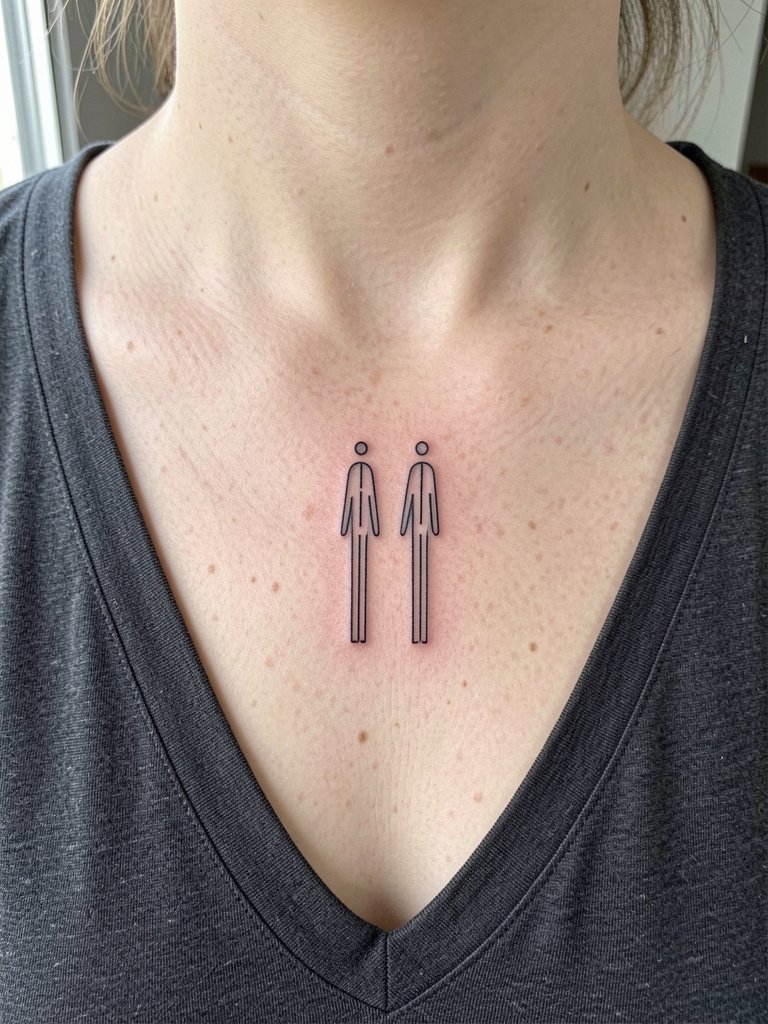
A mirrored twin motif across the collarbone reads like jewelry while staying minimalist. I favor vertical mirrored strokes instead of micro-portraits because the clavicle's flat surface keeps linework legible longer. Plan for a 30 to 60 minute session and expect sensitivity when the stencil sits over bone. A common mistake is centering the design too close to the sternum where movement distorts the symmetry. During consultation bring photos at the exact collarbone angle you want so the artist can size the gap and dot placement. For showing off, scoop-neck tops and delicate chain necklaces frame the lines. Consider pairing with a thin pendant necklace for evenings out.
4. Tiny Crab Claw on Inner Forearm
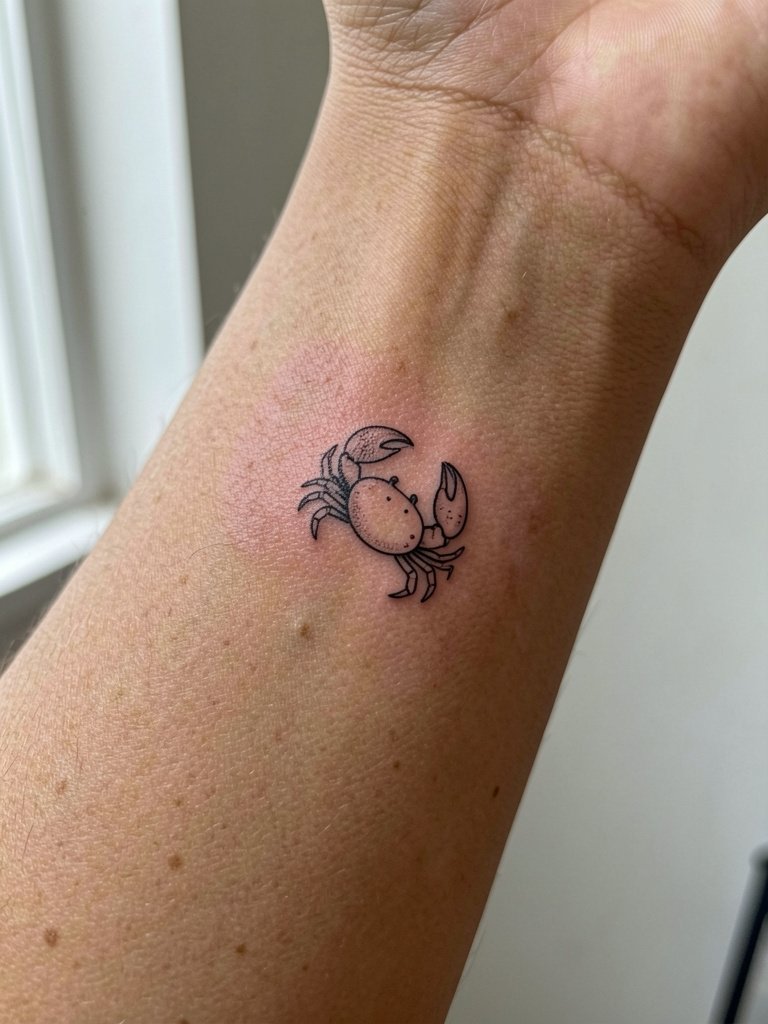
The crab claw works as a compact graphic that still tells your Cancer story. Choose this over an intricate crustacean because curved details can blur on the inner forearm where the skin stretches when you bend your arm. Expect a 40 minute session and mild rubbing soreness for a few days. People often ask for tiny detached pinch points that later fade into a smudge. Instead request slightly longer, continuous lines and a small resting dot for contrast. At six months the claw should remain crisp if the artist used steady depth and spacing. For everyday style, short-sleeve linen shirts or a cuffed blouse highlight the inner forearm. Pair with a linen cuff shirt when you want the tattoo visible during summer.
5. Sunburst With Lion Hint on the Shoulder Cap
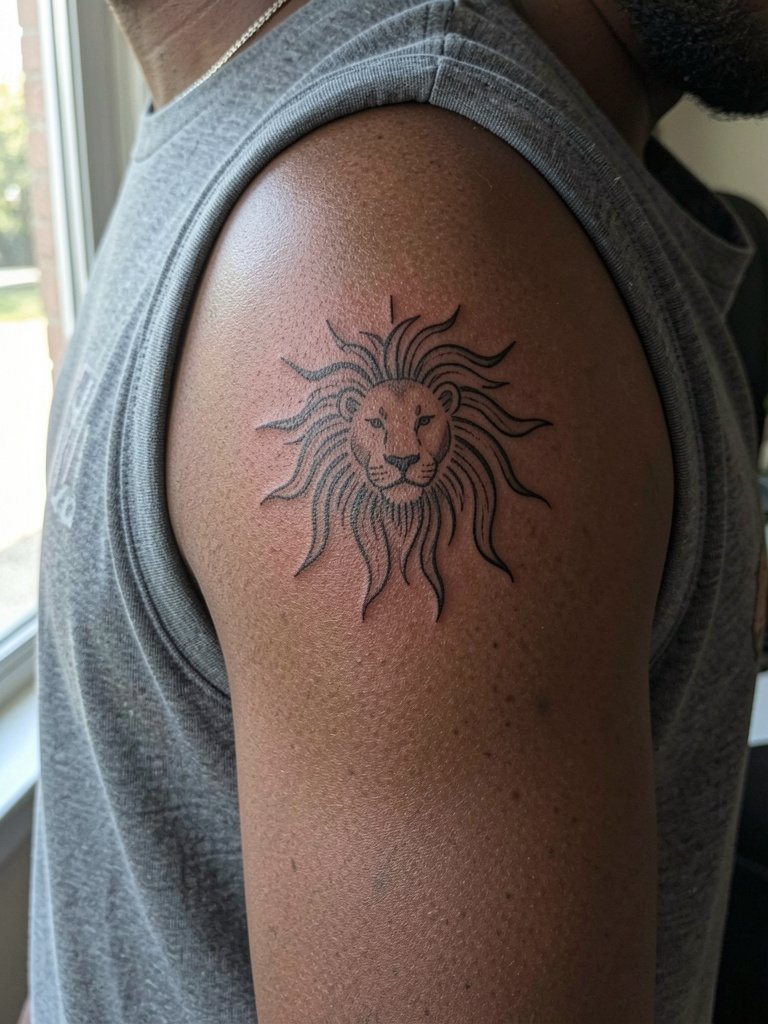
A sunburst with a hint of lion mane reads Leo without literal animal detail. I recommend this instead of a tiny lion face because the muscular shoulder keeps radiating lines crisp. Sessions run 30 to 75 minutes depending on diameter and any stipple shading. A frequent mistake is cramming too many rays into a small circle, which later looks muddy. Ask for slightly longer negative-space gaps between rays so the burst stays airy after a year of sun and movement. This spot pairs well with tank tops and off-shoulder blouses. Add a woven strap tank when you want to show it off.
6. Wheat Sprig Along the Rib Side
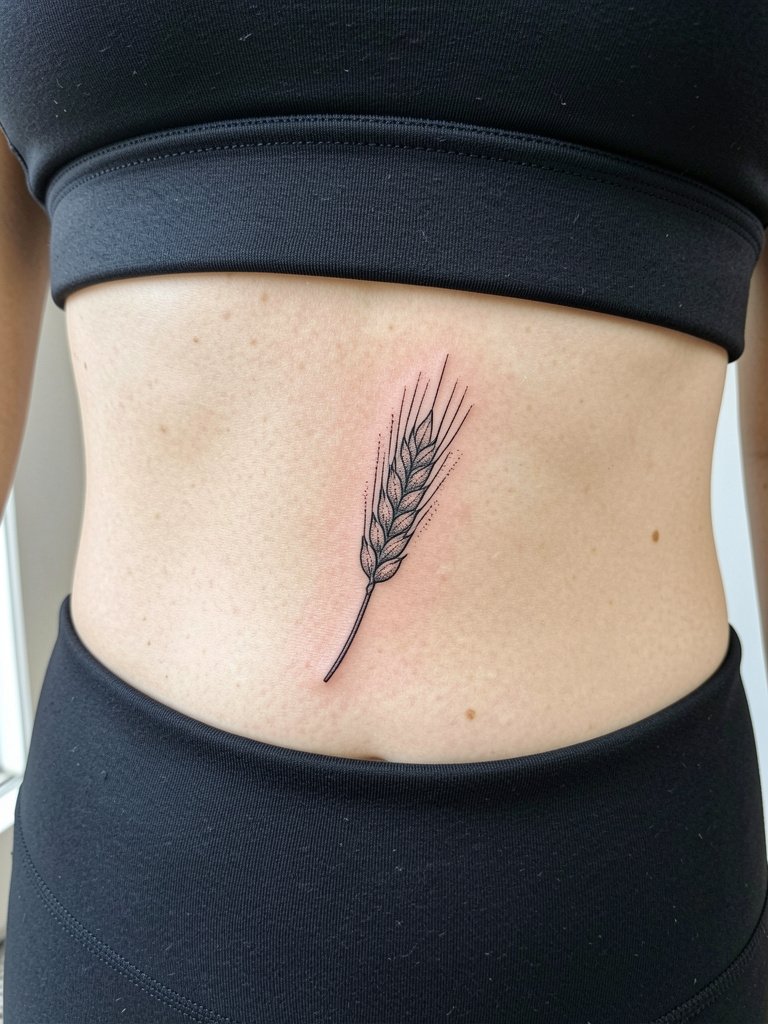
Side-rib sprigs can be delicate and feminine, but this placement is where fine-line controversy really shows up. One camp says fine-line ribs blur fast because the skin stretches with breathing and sleeping. The other camp argues that with slightly wider spacing and correct needle depth, fine-line on ribs can hold well. If you choose the sprig, request the artist increase spacing between grains and plan for a potential touch-up at year one. Pain is higher here so expect a two-part session and topical numbing if you tolerate it. For the appointment wear a fitted sports bra or bandeau so the artist has clear access without fabric shifting. For a subtle cover-up at the beach consider a high-waisted sarong that keeps the area private.
Pre-Session Essentials
These small pieces on wrists, collars, and ribs sit near bone or clothing edges, so a few session items smooth the experience and the first week.
-
Stencil transfer paper kit. Lets you preview how the wheat sprig and ram cuff read on skin before needle touches the area.
-
Topical numbing cream. Applied the recommended time before your session reduces rib and behind-ear discomfort for those longer pieces.
-
Thin protective film roll. Useful for keeping wrist and hand placements clean during the first few days of heavy washing.
-
Fragrance-free gentle body wash. A mild cleanser that does not irritate fresh linework on the inner forearm or collarbone.
-
Aquaphor healing ointment. A mainstream balm to lock in moisture for small lines during the first 48 to 72 hours without excessive clogging.
7. Scorpion Tail Minimalist Ankle Mark
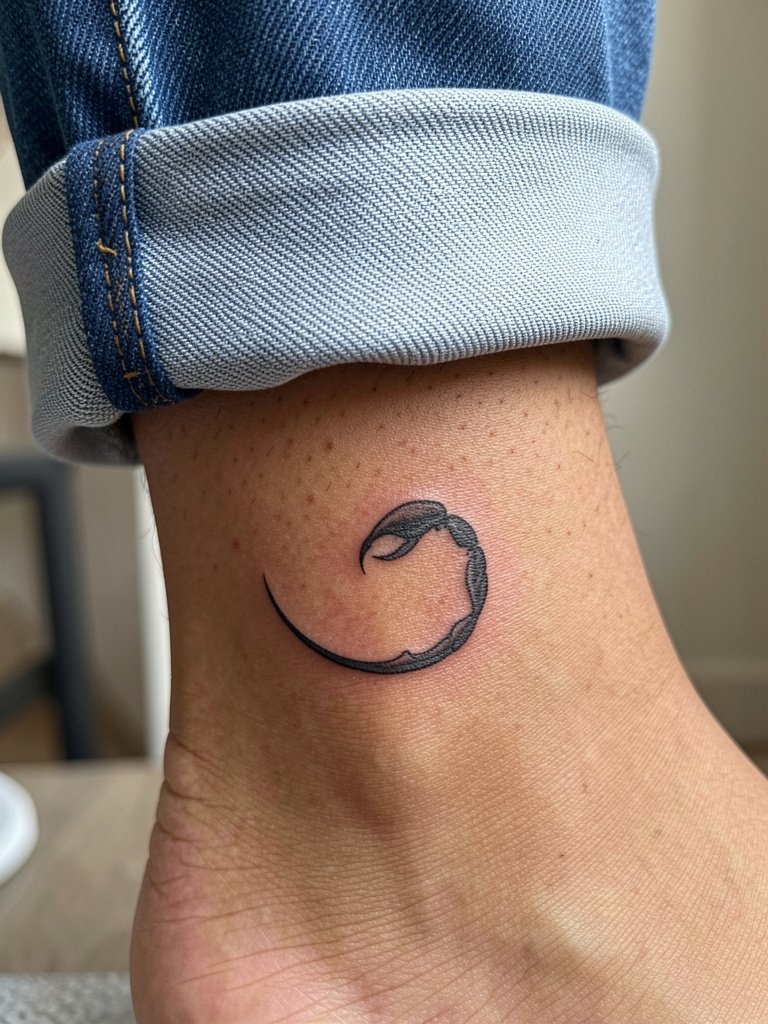
An ankle scorpion tail is an elegant nod to Scorpio that holds up because the ankle's flatter area avoids constant rubbing. I prefer a tapered single line rather than a filled scorpion to avoid bulk and to keep session time short. Watch for blowout risk if the line is placed too thin on the top of the foot; the lateral anklebone tolerates slightly thinner strokes. The session is brief and moderately painful when the needle crosses bone. A mistake is positioning too close to the shoe rub line. For showing off, cuffed jeans or sandals reveal the piece nicely. Try pairing with a delicate anklet that sits above the tattoo.
8. Arrow Through a Small Circle on the Wrist
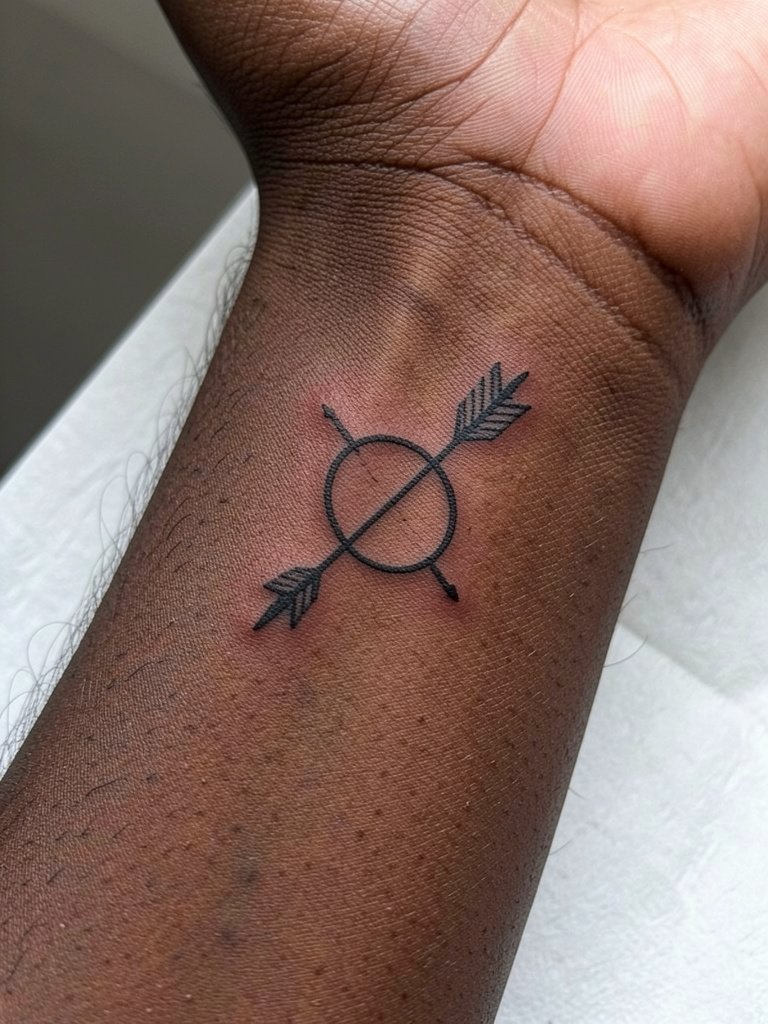
A compact arrow through a circle reads like a directional badge for Sagittarius energy. This works best when the arrow shaft is slightly thicker than imagery on social media because wrists lose fine detail over washing and typing. Expect a 30 to 45 minute session and mild soreness where the needle crosses tendons. A frequent error is asking for micro-arrow fletching that becomes indistinct after months. In the consult, specify that the arrowhead should carry slightly more saturation than the shaft to anchor the silhouette. For styling, short sleeve tees and a slim watch help highlight the design. Wear a loose tank to the appointment so the artist can access the wrist easily [https://www.amazon.com/s?k=women+loose+tank+top&tag=inkalerts-20].
9. Mountain-Goat Silhouette on the Calf
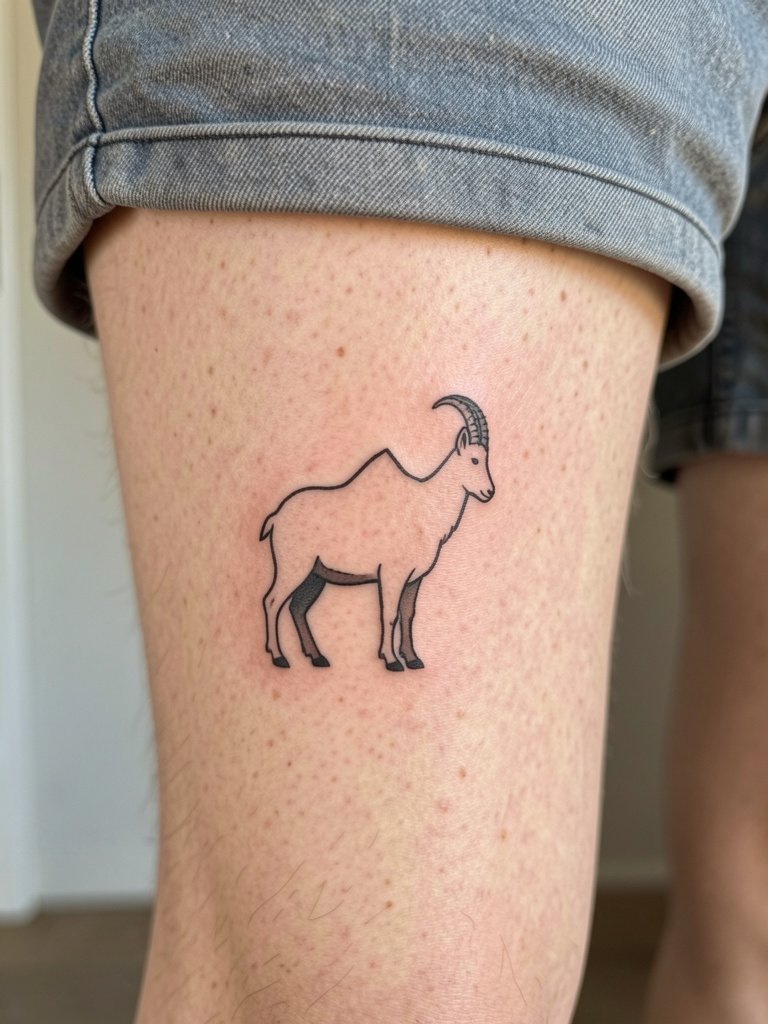
A Capricorn mountain-goat silhouette suits the calf where taller canvases read distance and nuance. I favor a single, confident ridge line rather than interior fill to reduce long-term maintenance. Calf sessions vary but most of these take under an hour and are moderate in pain. A common mistake is crowding the design too close to the back of knee where movement distorts the shape. Discuss exact placement along the muscle so the curve of the calf complements the ridge line. For footwear and clothing pairings, cropped trousers and ankle boots show off the silhouette. Try an athletic short for casual outings.
10. Wave Bar on the Outer Forearm
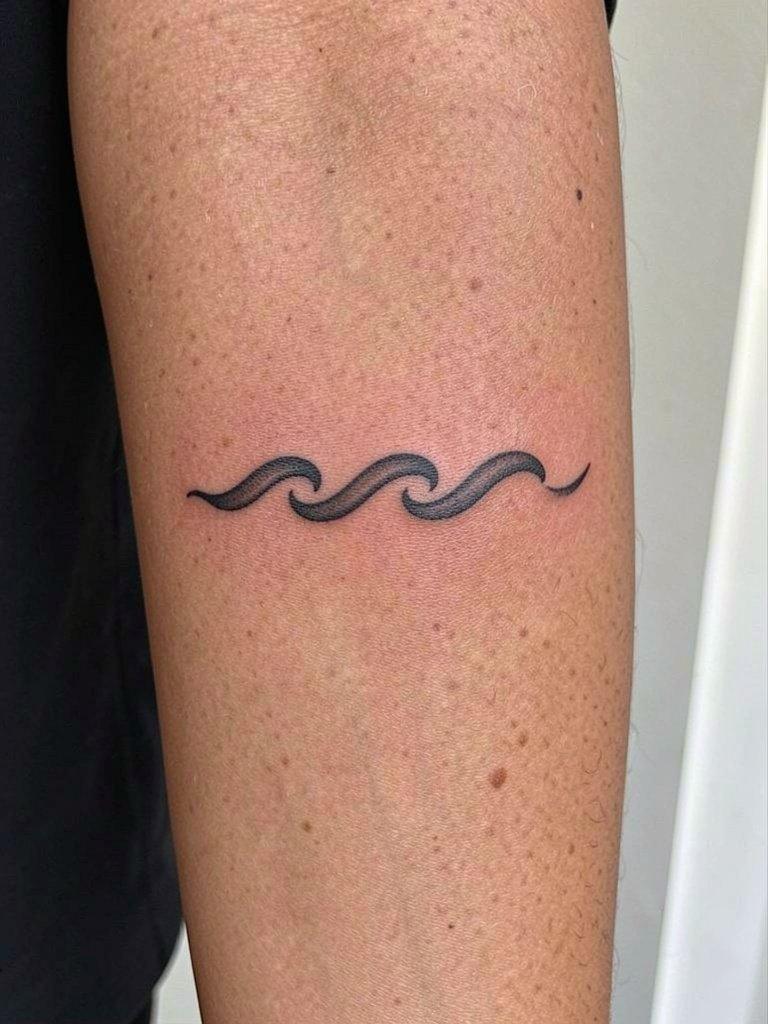
An Aquarius wave bar reads clean on the outer forearm where the skin is flatter and abrasion is lower than the wrist. I recommend a slight bolding of the crest lines over micro-fine curves to prevent flattening at year two. Expect a 30 to 50 minute session and mild soreness along the muscle. New people sometimes ask for a single ultra-fine wave that disappears with time. Instead ask for subtle negative-space gaps between crests so the pattern breathes after a touch-up if needed. For outfits, rolled sleeves and a cuffed watch draw attention to the band. Try a rolled-sleeve chambray shirt to wear the design deliberately.
11. Circular Fish Pair on the Sternum
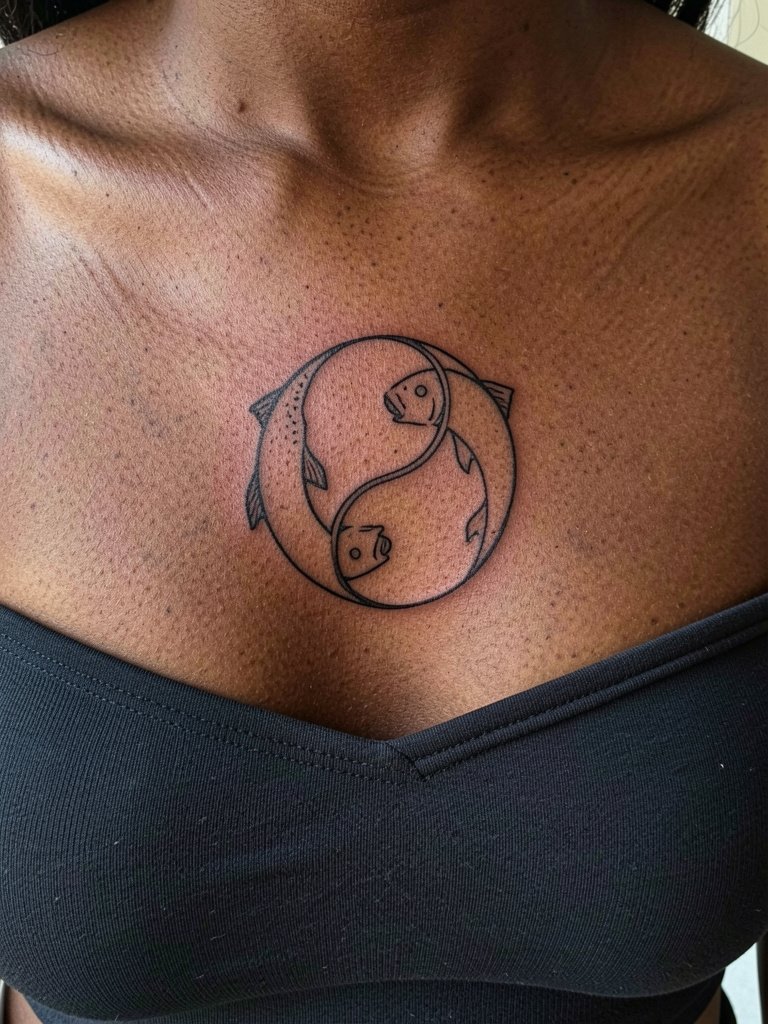
A Pisces circular pair on the sternum reads intimate and symbolic. Sternum skin and curvature demand a steady hand and meaningful placement. Expect higher pain and the possibility of two short sessions for larger circles. One mistake is shrinking the circle too small where the curves become indistinguishable. During the consult, ask the artist to size the circle at a diameter that keeps separation between tails and heads when the chest expands. Professional note: sternum work benefits from an artist experienced with chest anatomy and careful stencil alignment. For revealing outfits, deep V or bandeau pieces frame the motif, and a strapless dress or bandeau top works well for events.
12. Constellation Cluster Along the Rib Arch
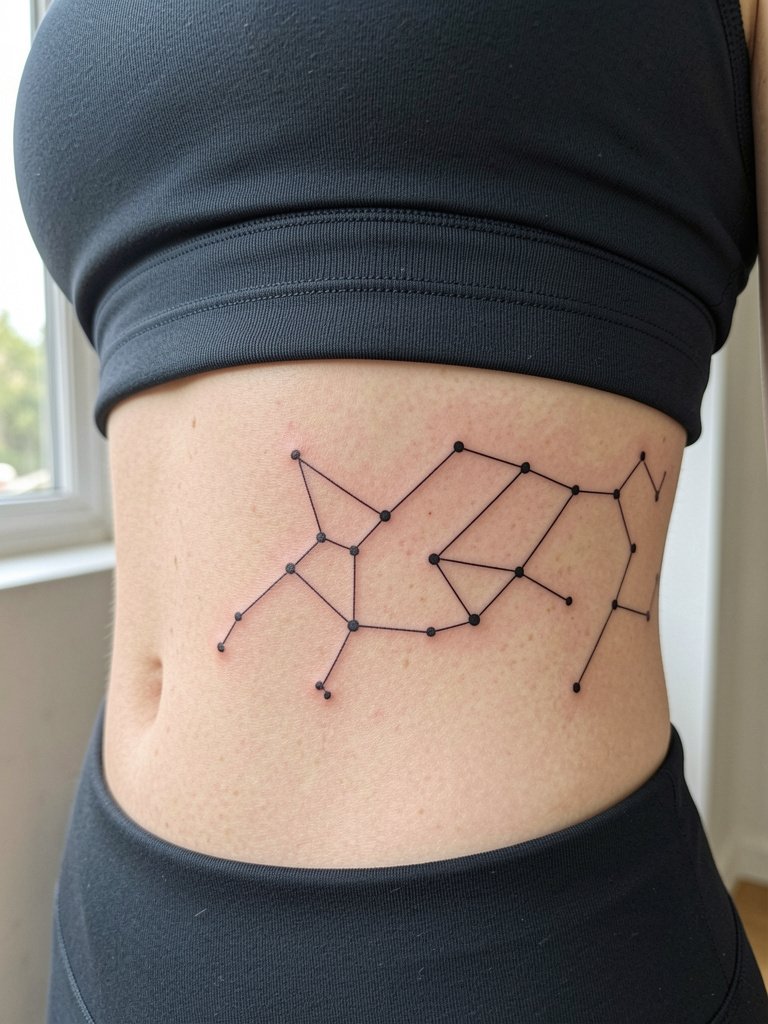
Rib arch constellations look striking but reopen the fine-line debate. Some artists insist ribline single-needle clusters blur quickly because breathing and torso movement compromise micro-lines. Other artists say that with deliberate negative space and slightly larger dot spacing a constellation can remain readable at three years. If you favor the cluster, ask for dot spacing plans and expect a touch-up at year one as realistic maintenance. Pain and session length will be higher than forearm work. Wear a cropped top or sports bra to the appointment for easy access and privacy. For shows, a fitted crop top or off-shoulder sweater reveals the arc.
13. Zodiac Glyph Bracelet Around the Wrist
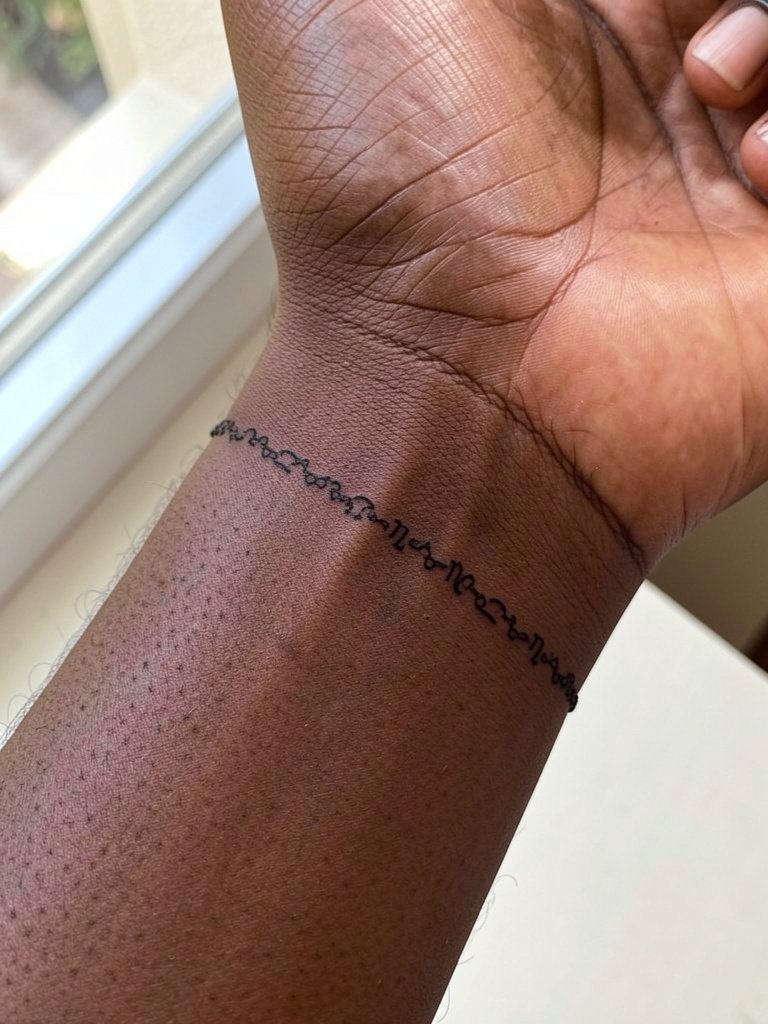
A glyph bracelet is a literal sign you can wear daily. I recommend slightly open gaps between characters so the sequence does not run together as the wrist ages. Expect 45 to 75 minutes depending on the number of glyphs and mild soreness afterward. A common mistake is insisting on micro-letter spacing that yields merger after heavy hand use. During consultation have the artist lay the stencil with your wrist in both relaxed and flexed positions so spacing is tested. For jewelry pairing, slim metal bangles sit above the ink without rubbing directly on it. Consider a thin metal bangle set for coordinated wear.
14. Wheel Segment on the Outer Forearm
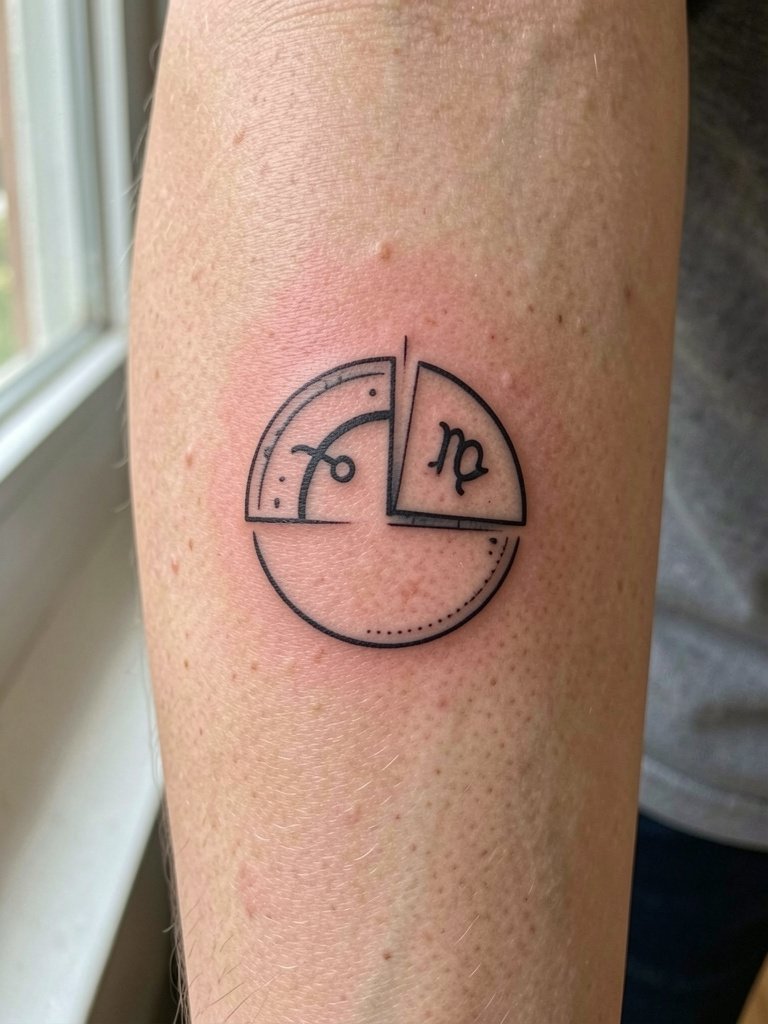
A single wheel segment gives you zodiac context without committing to a full circle. On the outer forearm the segment reads from a distance and sustains over time. I advise choosing a wedge size that balances detail and negative space. Sessions are usually under an hour and medium in discomfort. The typical error is fitting too many internal flourishes that later merge. For consult specifics, show the artist the exact wedge angle and ask for simplified interior marks rather than ornate filigree. This spot pairs well with three-quarter sleeves and casual blazers. A lightweight blazer frames the forearm when you want it visible in cooler weather.
15. Birthstone Dot with Roman Numeral on a Finger
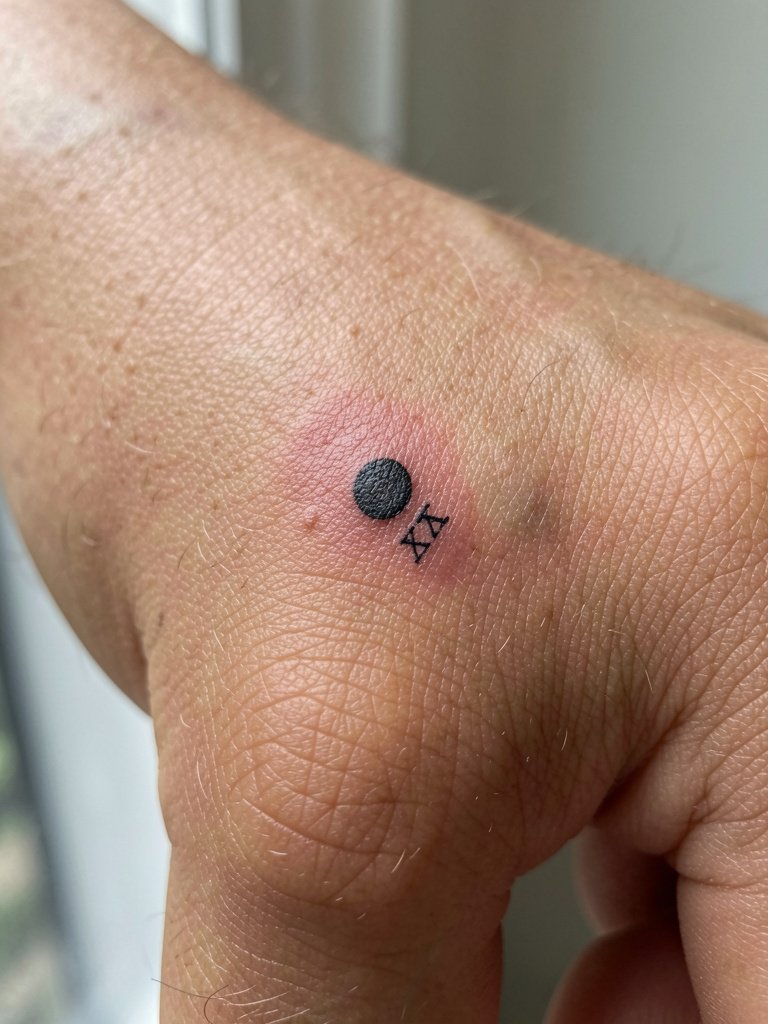
Finger marks are iconic but high-maintenance. I prefer a single birthstone dot with a tiny Roman numeral rather than a filled gem because dots can be retouched with minimal disruption. Fingers experience heavy washing and friction so expect periodic touch-ups and faster fading. A common mistake is asking for color saturation on a finger with the expectation it will last untouched. For this design, ask your artist to plan a touch-up window at three to six months. Session time is short and pain is sharp. For show-off styling, rings that sit above the first knuckle keep the ink visible without direct rubbing. Try a stackable ring set that complements the dot without covering it.
16. Tiny Planet Symbol on the Shoulder Blade
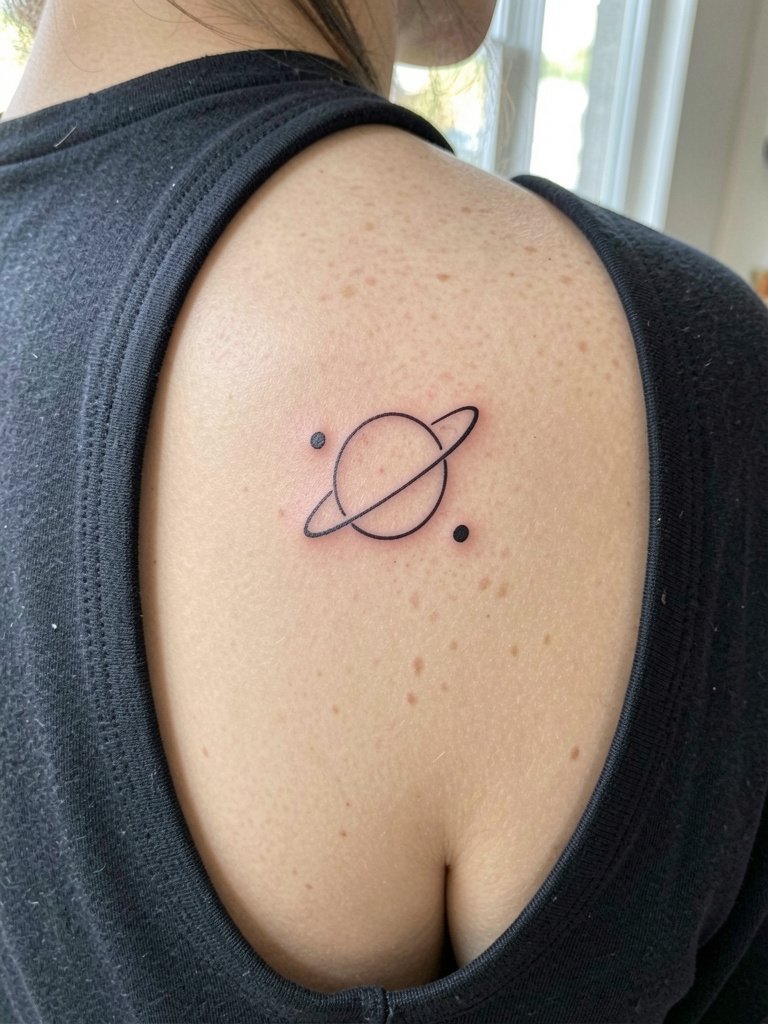
A small planet symbol on the shoulder blade gives an Aquarius or general cosmic nod that stays discreet. I suggest a slightly thicker outer circle so the orbit reads on photos years later. Sessions are short and pain is low on the shoulder blade compared with rib or sternum. People sometimes ask for micro-orbits that are too close to the circle, which then blur into a single smudge. In the consult, specify the orbit distance in millimeters and request a healed-reference stencil on your back to check placement. For clothing, open-back tops or scoop-neck styles reveal the symbol at social events. Try an open-back top when you want to show it off.
17. Twelve-Dot Ankle Band
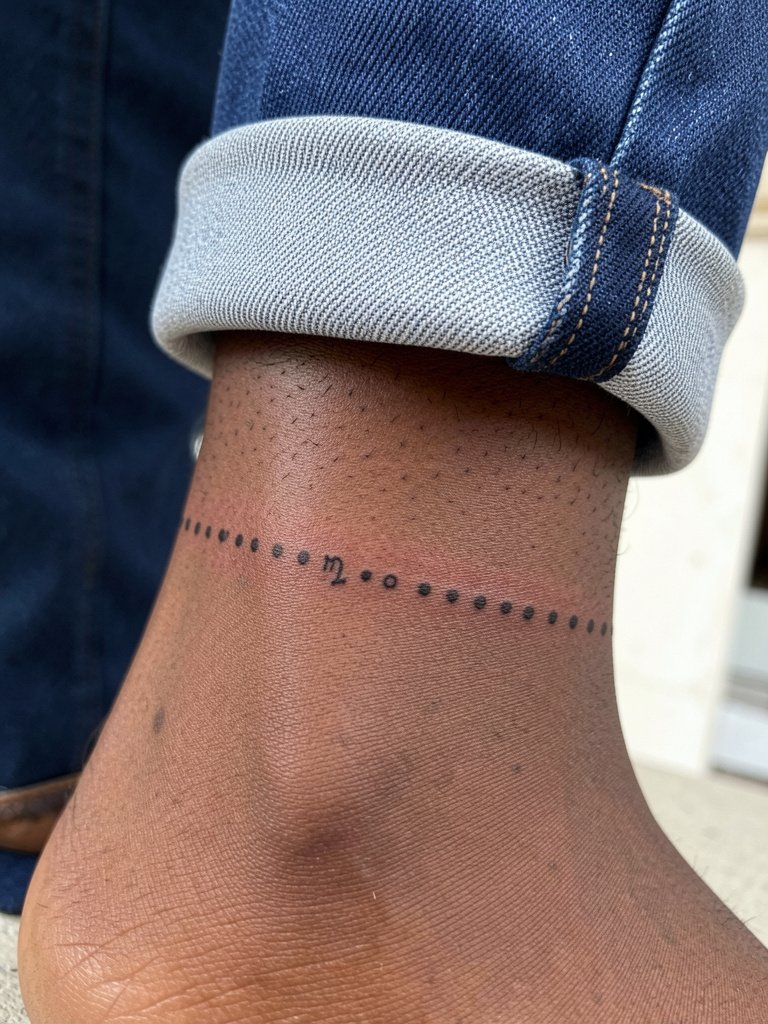
A dot band acts like a personal talisman. On the ankle choose slightly larger dots than micro specks so the ring reads after months of shoe friction. Expect a 40 minute session and some sensitivity where the bone is close. Common mistakes include making dots too small or placing the band too low where shoes rub. Ask the artist to scribe the stencil and wear the exact shoes you plan to use for work to test rubbing areas before final placement. For style, cropped jeans or sandals show the band best. Consider a pair of minimalist sandals that sit below the anklebone.
18. Moon Phase Row with Sign Accent on the Forearm
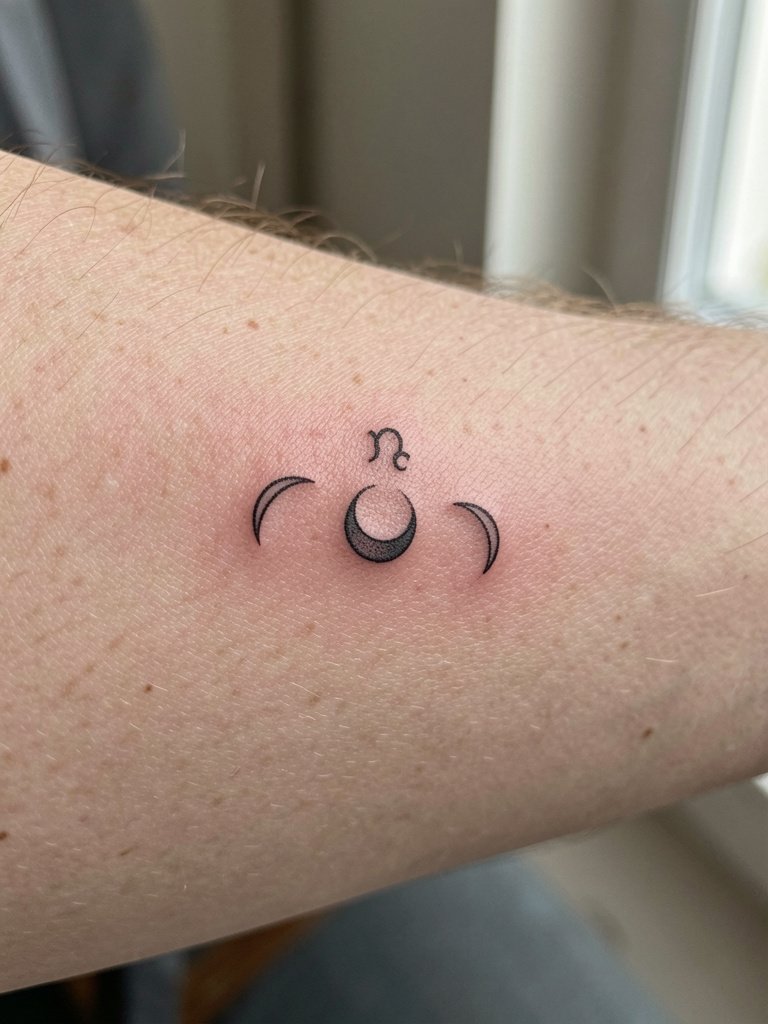
A moon phase row with a small sign accent combines celestial storytelling with durability. Outer forearm placement tolerates thin connectors better than inner wrist work. I suggest spacing the phases widely enough to allow each crescent to age separately, which reduces the chance of them bleeding into one another. Expect a session under an hour and moderate soreness along muscle. A mistake is compressing the phases into a short line that becomes a blur in photos. For daily styling, roll-up sleeves and layered bracelets can accent the row. Try an adjustable leather bracelet to frame the sequence.
19. Minimal Star Chart Near the Nape
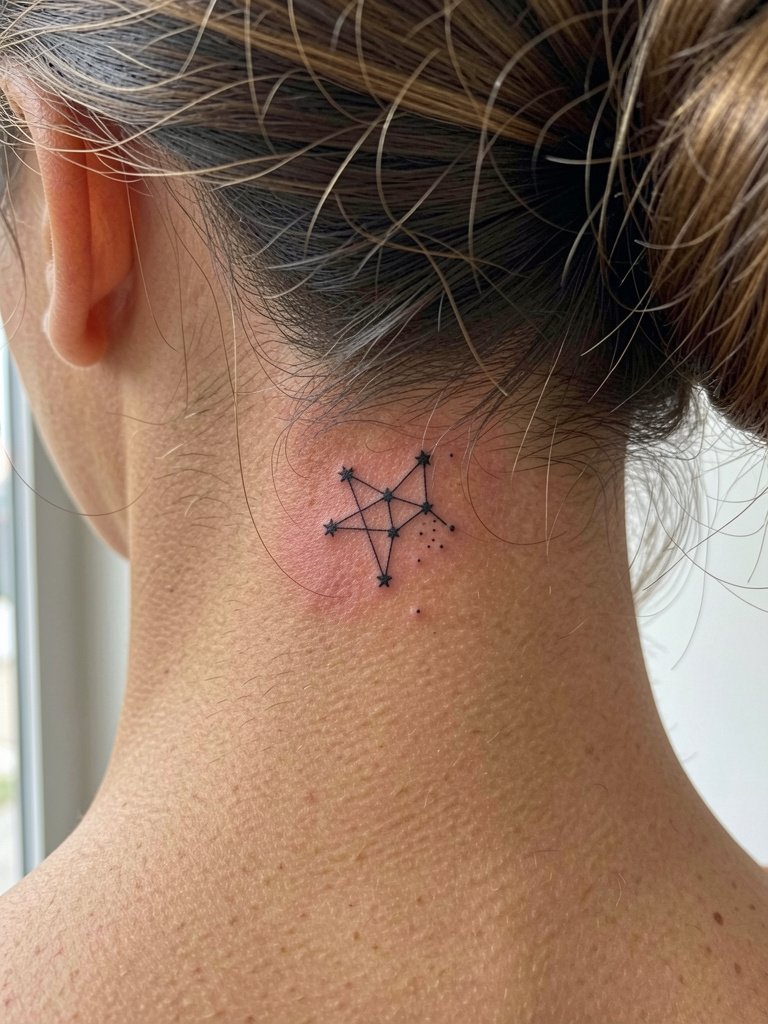
A nape star cluster offers a private zodiac cue that reveals with hair up. This spot tolerates small dots well if the artist plans for slightly larger spacing than a face micro-dot. Sessions are quick and pain is low to moderate. People often request extremely fine dot clusters that look great fresh but soften into a single smudge after sleeping. To avoid this, ask for a modest increase in dot separation and a tiny anchor dot for composition reference. For outfits, a scooped-back sweater or tied hair highlights the piece. Keep a hair tie set handy for styles that reveal it.
20. Coordinate Line on the Upper Back
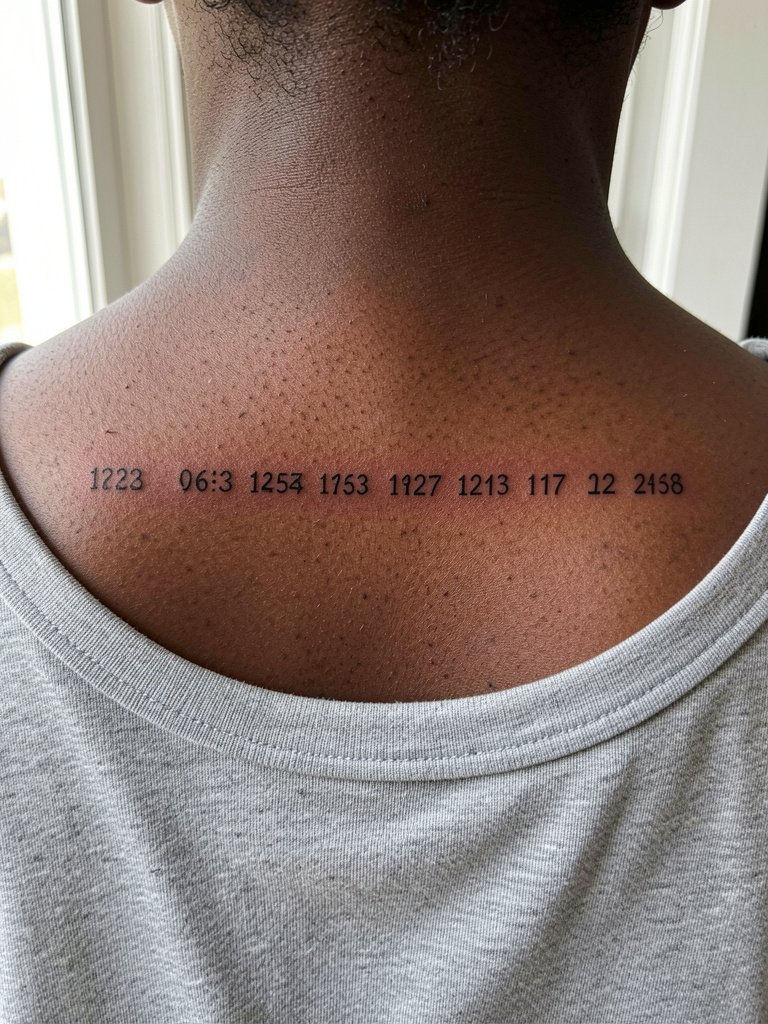
Coordinates are a quiet way to anchor a zodiac story to a place. Use monospace numerals for legibility and ask the artist to stencil the exact characters to ensure the digits read correctly. The upper back handles horizontal lines well and ages slowly compared with forearms. Sessions vary with length but most are under an hour. A common error is using thin serif numerals that blur; prefer clean sans numerals. For showing off, low-back or scoop-back tops let the line peek out elegantly. A scoop-back dress is a straightforward pairing.
21. Small Script Sign Name Under the Collarbone
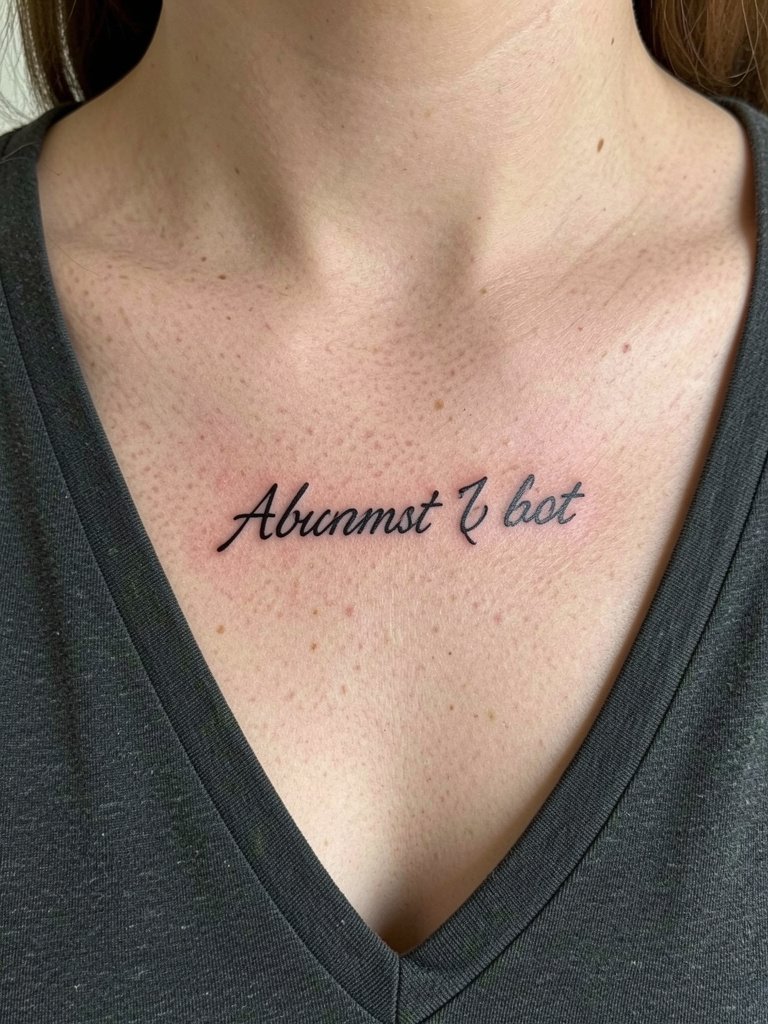
A small script of your sign under the collarbone reads intimate and refined when sized correctly. I advise slightly increasing letter spacing and lineweight over what looks delicate on phone screens. This reduces the risk of letters merging after a few years. Expect a 30 to 45 minute session and tenderness when the needle approaches bone. A typical mistake is choosing ultra-tiny cursive without testing the font at different scales. During the consult, have the artist show the script at three sizes on your collarbone so you can judge readability. For clothes, V-necks and open collars show this area best. Consider a delicate chain necklace as a subtle frame.
22. Tiny Glyph Bar Behind the Finger Knuckle
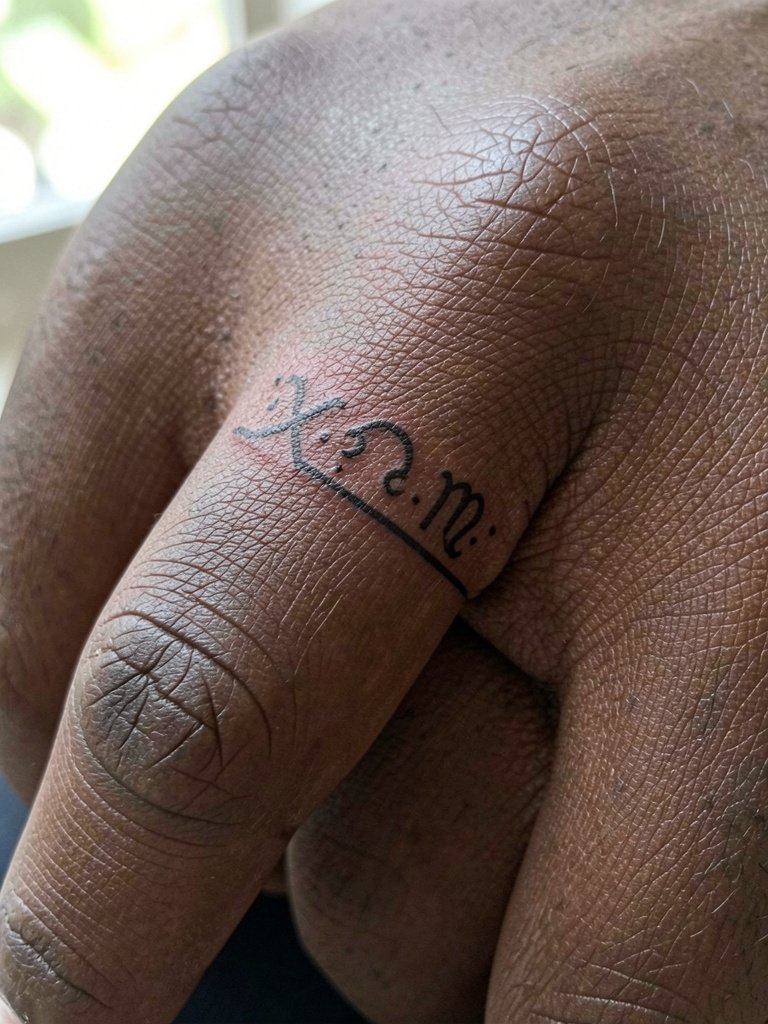
Knuckle and finger placements are visible but carry faster fade and blowout risk. I recommend a tiny glyph bar rather than dense iconography, and ask the artist to make the glyph outlines slightly thicker for the knuckle's mobile skin. Expect short sessions and a sharper sensation. A common error is placing the design on the crease itself rather than just above it, which forces excessive movement over the ink. In the consult specify knuckle-adjacent placement and request a retouch plan at three to six months. For accessorizing, thin stackable rings that sit above the glyph keep it visible without rubbing. Try a stackable ring set that complements the bar.
23. Pair-Linked Ankle Marks for Twin Signs
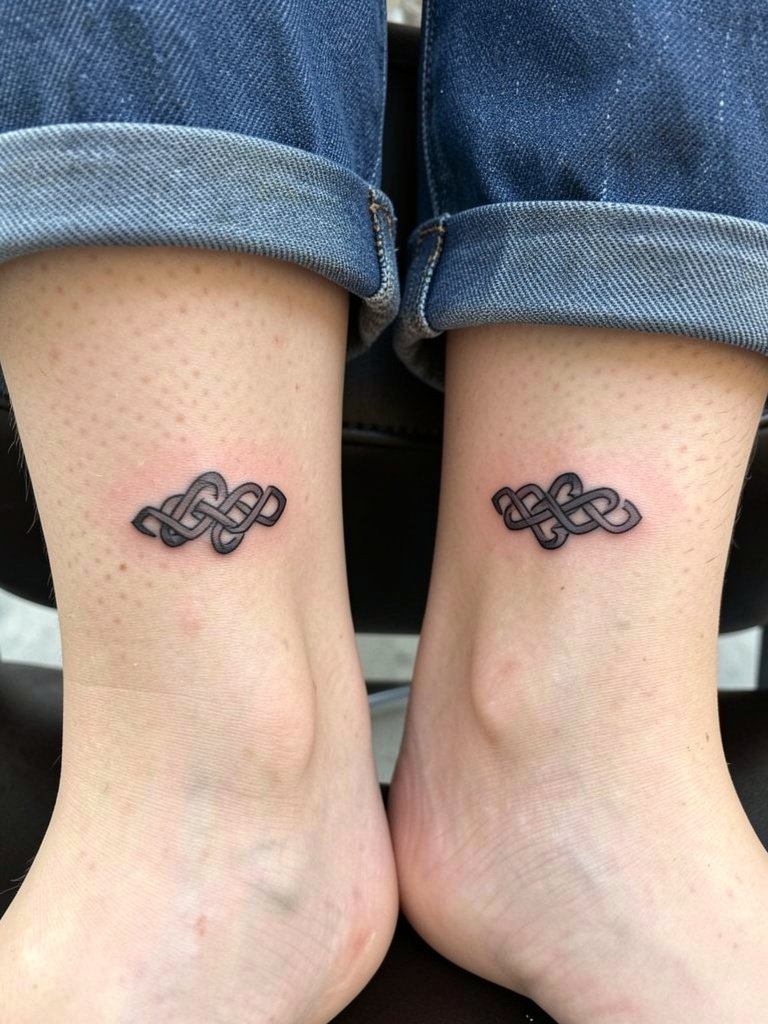
Matching ankle marks are a smart choice for pairs or couples who want subtle sign alignment. I favor mirrored linked glyphs instead of dense portraits because mirrored minimalism ages predictably on ankles. Sessions are short and pain is low to moderate. People sometimes choose different glyph sizes that then look mismatched; have the artist size both stencils on both ankles simultaneously. For footwear and style, sandals and rolled pants display the links without friction. Consider an ankle ring or cuff to complement the placement.
24. Radial Dot Work on the Shoulder Cap
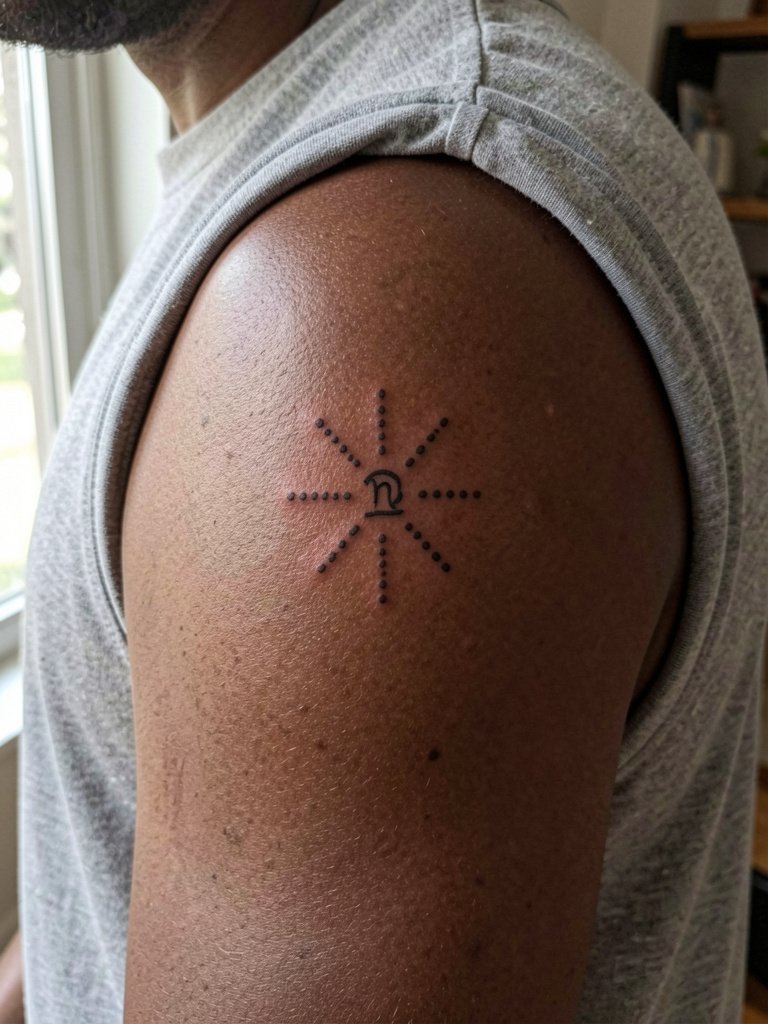
Radial dot work reads like a badge when placed on the shoulder cap. For long-term clarity I prefer fewer, larger dots in a geometric spread rather than micro-dot clusters that run together. Sessions may take longer if you want stipple shading, and the area is moderately sensitive. A typical mistake is insisting on ultra-dense stippling that loses contrast. In the consult, show reference for dot spacing and ask the artist to test a healed-sized dot to ensure readability. Shoulder caps pair well with sleeveless dresses and relaxed tank tops. Try a sleeveless midi dress when you want to wear it out.
25. Monospace Birth Time on the Inner Forearm
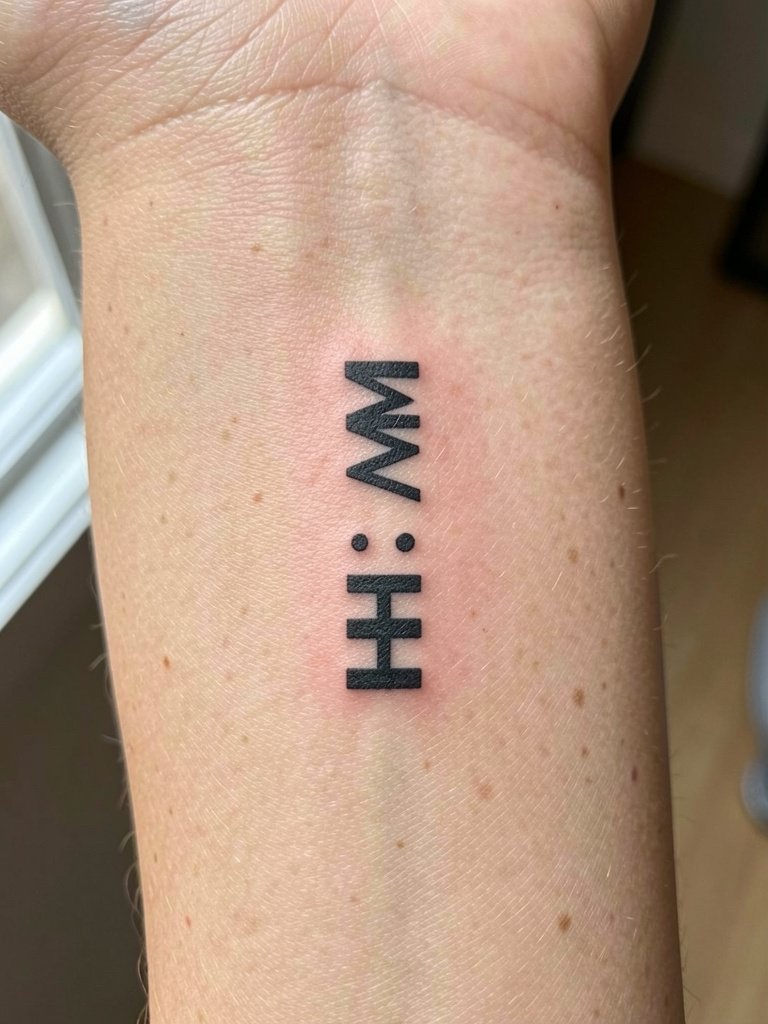
A birth-time mark in monospace reads like a quiet code. Inner forearm placement ensures visibility and slower fading than fingers. I recommend slightly larger numerals than typical digital mockups so the colon and digits do not blur. Sessions for a few numerals are brief and the area is mildly sensitive. The common error is choosing decorative numerals that lose definition on the forearm. Ask for monospace numerals in the consult and have the artist space characters evenly. For daily wear, rolled sleeves and a leather cuff watch make the numerals part of an arm stack. A minimal leather watch strap pairs well.
26. Single-Line Animal Silhouette on Upper Thigh
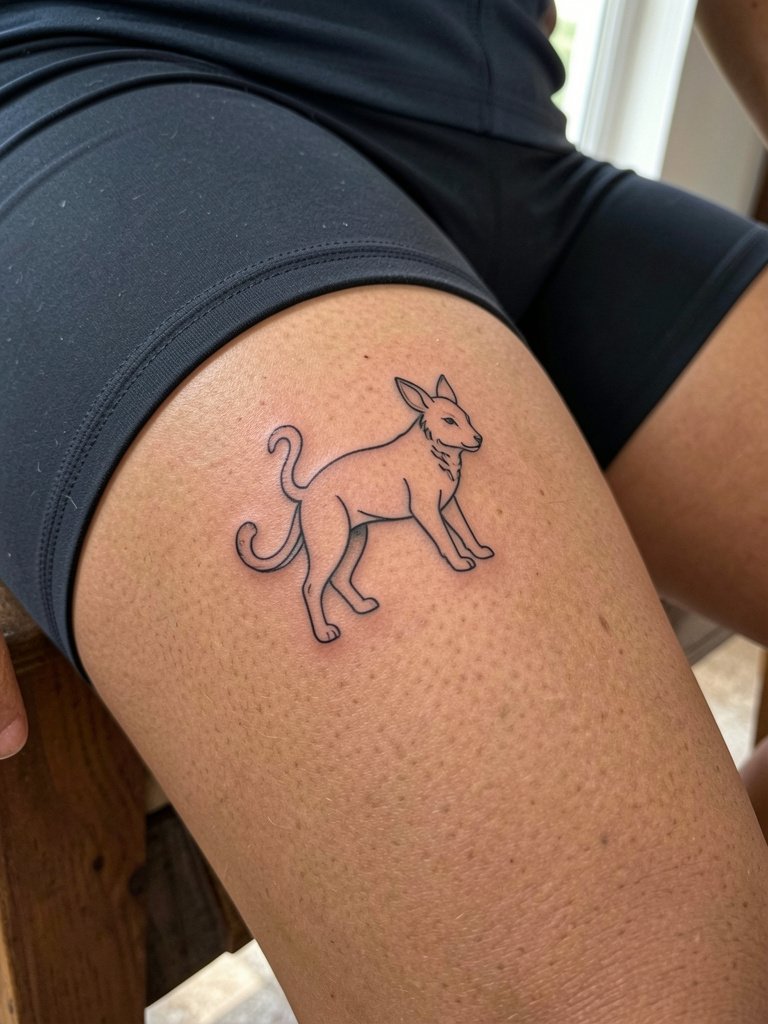
Upper-thigh silhouettes are a good choice for larger signage that can stay private. Inner-thigh skin is more delicate so this counts as an intimate placement requiring an experienced artist. Expect a longer session and an appointment where you may prefer privacy. A frequent mistake is asking for heavy interior shading on inner thigh which impedes healing and comfort. For sessions, wear fitted shorts so the artist can access the area without fabric shifting. This placement benefits from a thoughtful touch-up plan because friction from thighs can fade edges over time.
27. Geometric Glyph on the Back of the Arm
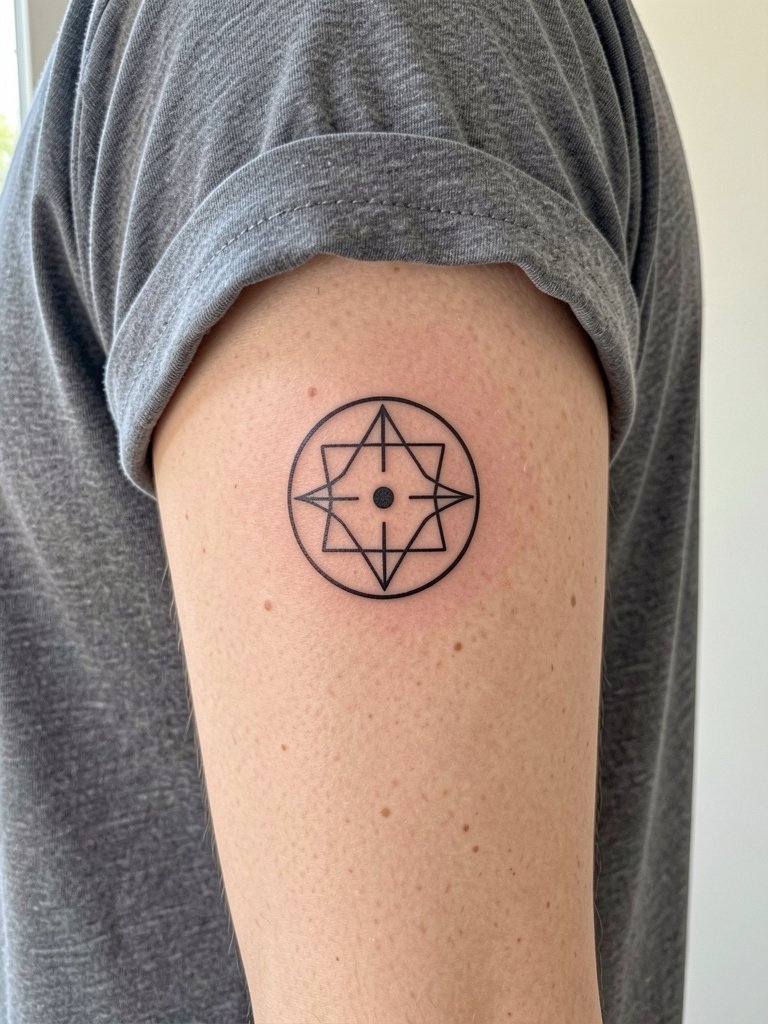
A small geometric glyph on the back of the arm balances visibility and longevity. The posterior upper arm tolerates thin geometry so long as details have room to breathe. Plan for a 45 to 75 minute session and moderate sensitivity if the artist works near the tricep. A common error is shrinking fine geometry to the point it loses definition on photographs. For placement clarity have the artist stencil the piece with your arm both relaxed and slightly flexed so the circle sits true. For wardrobe the back-of-arm piece pairs with short sleeves and layered outerwear. A relaxed short-sleeve tee helps reveal it casually.
Frequently Asked Questions
Q: How do I pick which minimalist zodiac design will age best for my skin type and lifestyle?
A: Think about where you wear clothing, how often the area moves, and how much sun exposure it gets. For high-friction areas choose slightly bolder contours and ask the artist to test lineweight on your skin. I have seen forearm and shoulder work hold longer than wrist and finger pieces for most people.
Q: Where can I find portfolios and healed examples without naming individual artists?
A: Search platform tags that combine the zodiac and healed keywords like #zodiachealed or #minimalhealed and filter by region on photo apps. Niche portfolio sites and community threads on image boards often show healed shots across skin tones. Look for "healed" plus the placement name to compare seasons of wear.
Q: Should I be worried about single-needle fine line on ribs and sternum?
A: Expect more sensitivity and movement in those spots, and plan for a possible touch-up at year one. Some artists recommend slightly wider spacing for ribs because breathing stretches the skin, while others feel precise depth and spacing make fine line viable. Decide based on your tolerance for pain, maintenance willingness, and the artist's healed examples on similar anatomy.
Q: Are there styling rules for showing off small zodiac tattoos at work or formal events?
A: Yes. Choose clothing that frames the placement without rubbing it. For collarbone pieces opt for open necklines, and for forearm work wear rolled sleeves or lightweight blazers. A couple of accessory options like delicate chains or thin bracelets can make minimalist designs feel intentional [https://www.amazon.com/s?k=delicate+necklace+set&tag=inkalerts-20].
Q: How often will I need touch-ups for these minimalist glyphs and dots?
A: Touch-up frequency varies with placement, sun exposure, and skin type. Fingers and knuckles often need touch-ups every six to twelve months. Most wrist and forearm minimal work holds well for one to three years before a minor refresh is typical. Plan a realistic maintenance window and budget a single follow-up session in your first year.
Q: What should I wear to the appointment for tricky placements like inner thigh, sternum, or shoulder blade?
A: Wear fitted but easy-to-move garments that expose the target area without shifting. For sternum or rib work a fitted sports bra or bandeau is best. For inner thigh wear fitted shorts or bike shorts. For shoulder blade bring an open-back top or a shirt you can remove easily while preserving privacy.