
A thin set of numerals on the wrist looks crisp in the mirror the day after it heals. Over the next few years the same digits can blur if they were planned too small or drawn with a single-needle line that the skin ultimately absorbs. These ideas focus on ways to render a birth year so it reads at six months, two years, and five years, with clear notes on placement, what to ask in consultation, and outfit pairings that show the work off.
1. Thin Roman Numerals on the Inner Forearm
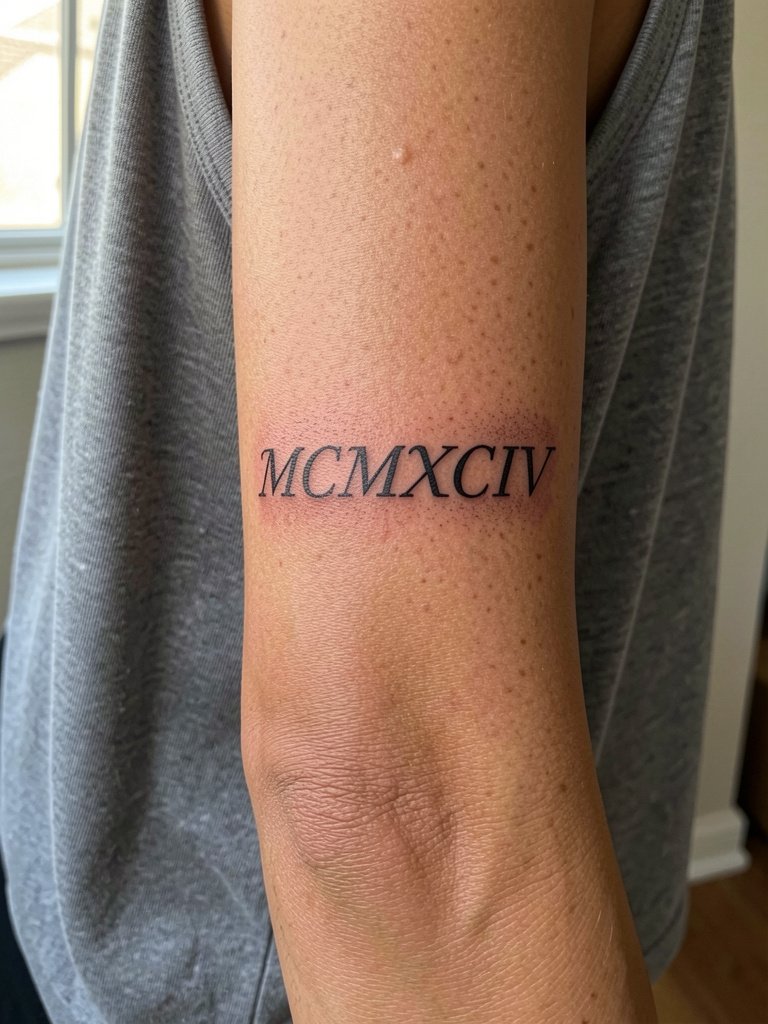
The inner forearm is forgiving for year numerals because the skin stays relatively stable. I recommend slightly heavier linework than the thinnest single-needle reference so the numerals do not soften into smudge by year three. During the consultation bring two scale references so the artist can show how the numerals read at three inches versus five. Expect a one-hour session for a single-line year. The usual mistake is asking for ultra-fine numerals with no spacing. For showing off, pair with a rolled-sleeve linen shirt that keeps the forearm visible.
2. Negative-Space Year Behind the Ear
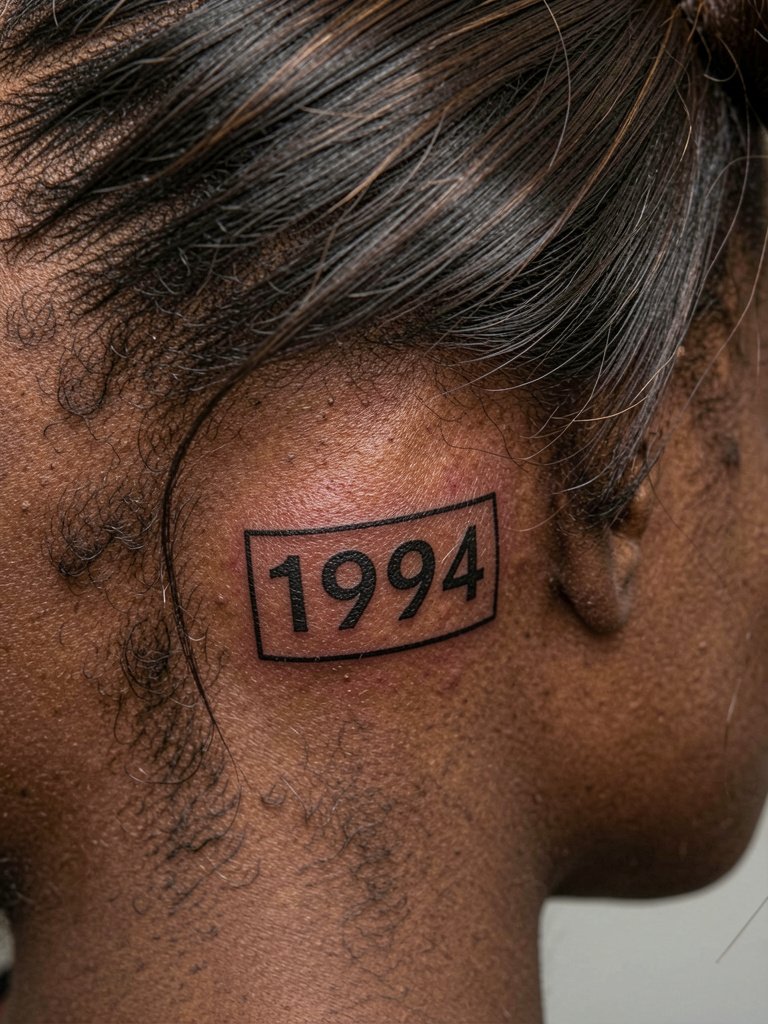
Behind-the-ear placements heal differently because of movement and thin skin. Expect slight sting during the session and a short touch-up window at six to nine months if any gaps appear. Tell the artist you want crisp negative space and ask them to space the outline at least two millimeters from each numeral to preserve legibility. This placement needs an artist comfortable with tiny scale work on thin skin. For nights out, an updo or a silk scrunchie frames the area and keeps the design visible without fuss.
3. Micro-Block Numerals on the Side of the Finger
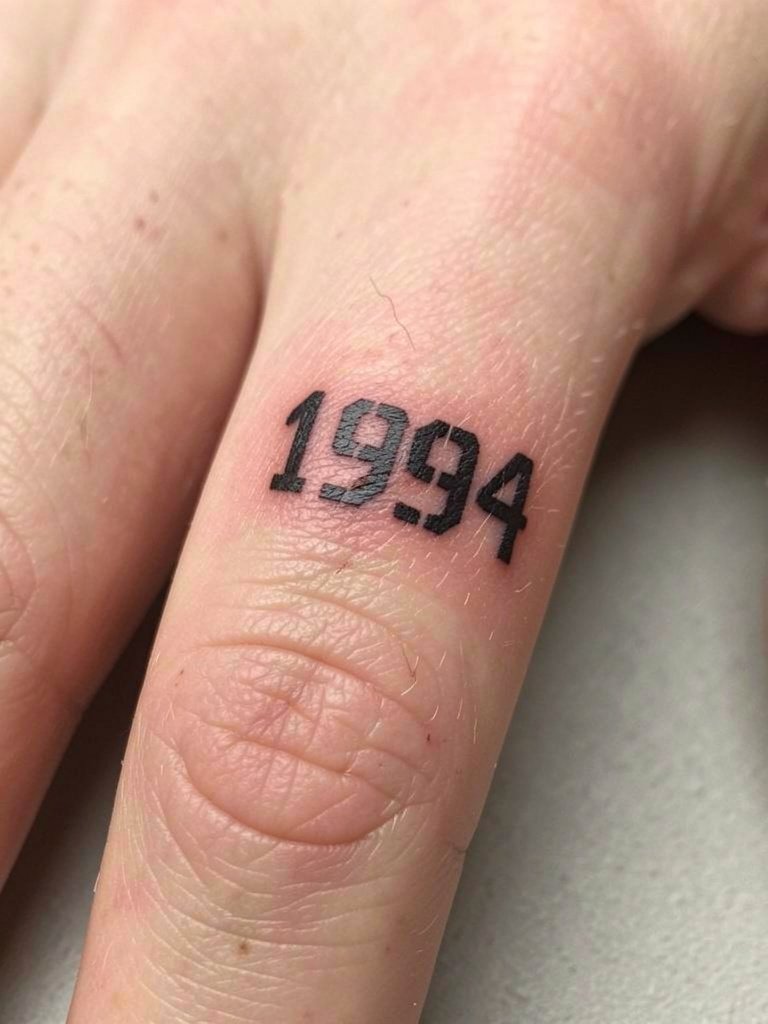
Finger tattoos face constant friction and frequent washing so plan for faster fading than forearm pieces. I prefer blocky numerals here because they keep more saturation in a small area and resist blowout better than filigree scripts. During the consult, mark the exact orientation on your finger and ask for slightly bolder stroke weight. Expect a three-month follow-up touch-up as standard. If you want to show this off, thin stacked rings and a delicate midi ring style put attention on the area without hiding the numerals.
4. Single-Line Script Across the Collarbone
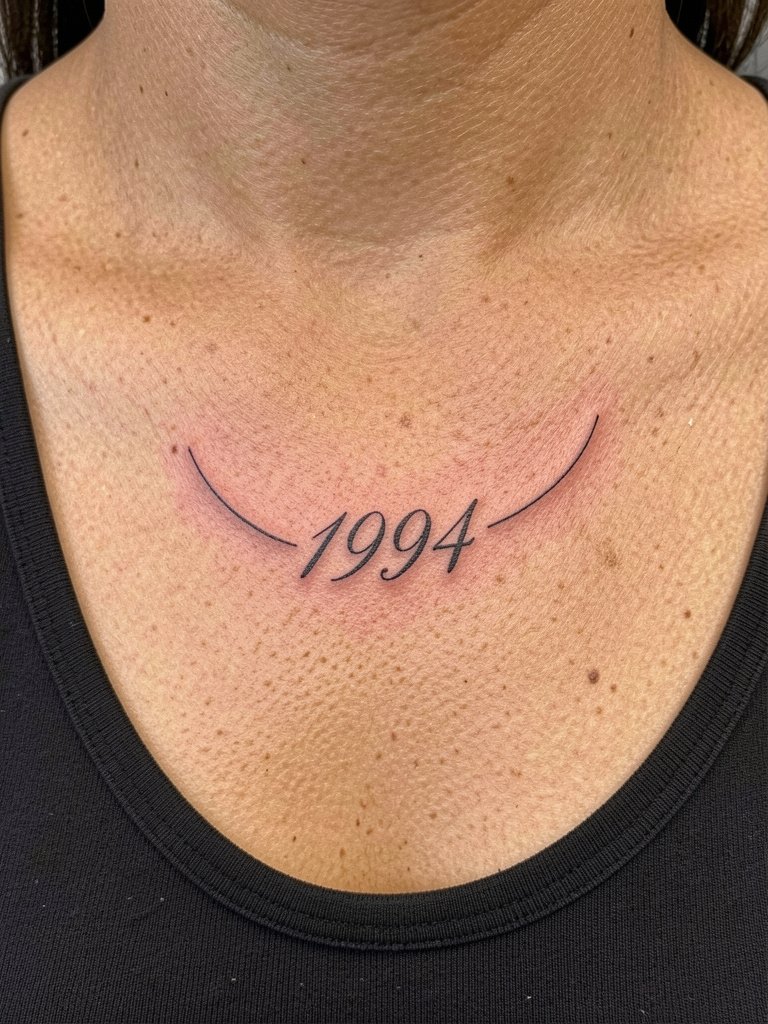
The collarbone can make a year feel like jewelry because the bone creates contrast and the skin does not stretch as much as the belly. Fine script reads elegantly there if the letters are spaced and slightly thicker than a hairline. Mention during your consult that you want the curve to follow the collarbone and ask for a stencil check in both sitting and standing positions. Pain is moderate, and session time is usually under an hour. Pair it with a wide V-neck blouse that naturally frames the collarbone.
5. Stacked Roman Numerals on the Side Rib
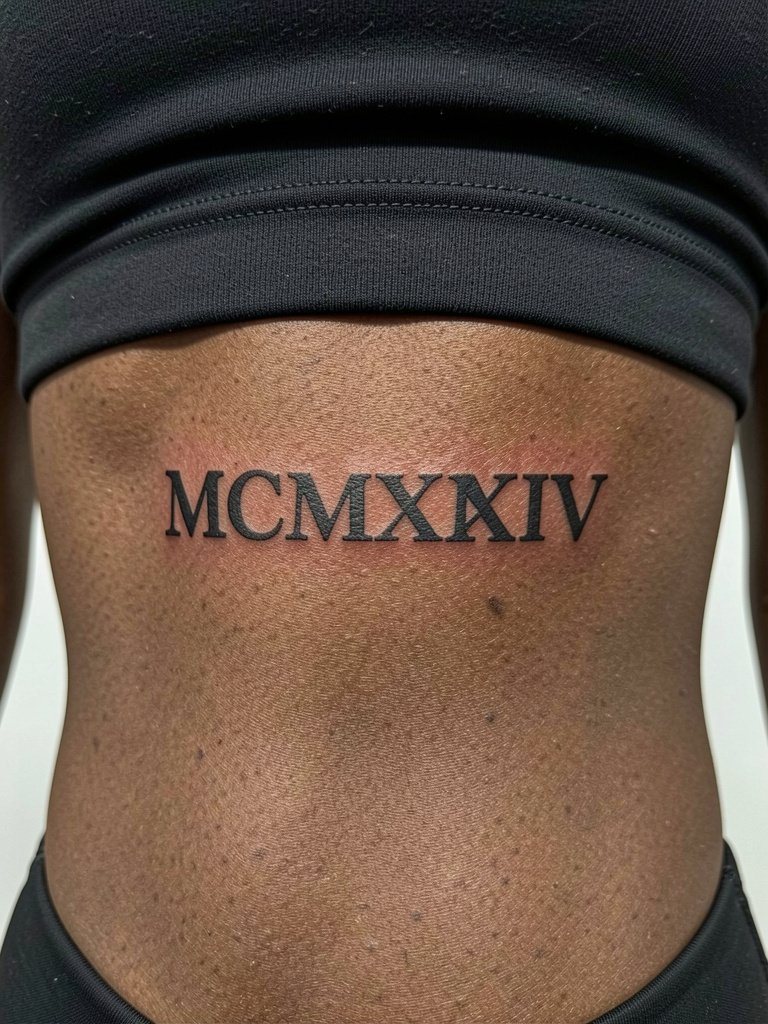
Rib placements are high on the pain scale and also where fine line aging sparks debate. One group of artists says ribs blur quickly because the skin stretches with breathing and body movement. Another group argues that slightly wider spacing and proper needle depth keeps clean contour for years. Say specifically that you want slightly wider spacing and ask to see healed rib examples at two years to judge. Sessions are longer and you should plan break points. For the appointment wear breathable high-waist bottoms that make access simple, such as drawstring linen pants.
6. Minimalist Barcode Year on the Upper Arm
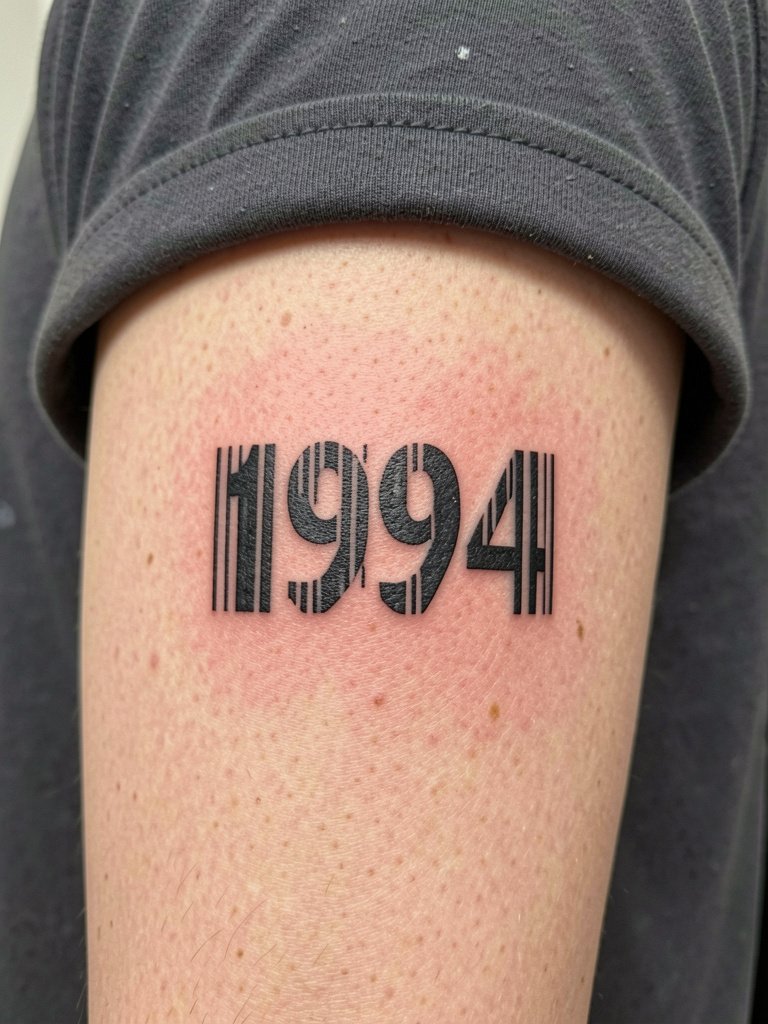
The outer upper arm is one of the most durable spots for barcode-style numerals because the skin there receives less constant abrasion. Barber-style parallel lines keep saturation consistent and avoid blowout when spaced properly. Ask for photo-scaled tests to see how the barcode reads at six months and two years. Pain is low and sessions are quick. For showing it off, a short-sleeve tee rolled deliberately above the mark highlights the geometry.
Studio Day Picks
The ankle, wrist, and finger ideas above need simple tools to make the session and first week easier. These items are useful on chair day and in the healing window.
-
Stencil transfer paper kit. Lets you preview placement and line weight on skin before the needle ever touches, which matters for tiny numeral work on fingers and behind the ear.
-
Topical numbing balm. A mild numbing application 30 to 45 minutes before can make rib and sternum sessions far more manageable without interfering with linework.
-
Thin protective film roll. Keeps ankle and finger pieces sheltered from friction during the first days when swelling and wash routines are active.
-
Fragrance-free gentle body wash. A neutral cleanser helps the healing skin avoid irritation after showers without stripping pigment.
-
Aquaphor healing ointment. A thin layer for the initial 48 to 72 hours locks moisture for fine line work and helps reduce scabbing on delicate placements.
7. Tiny Monoline Numbers on the Wrist
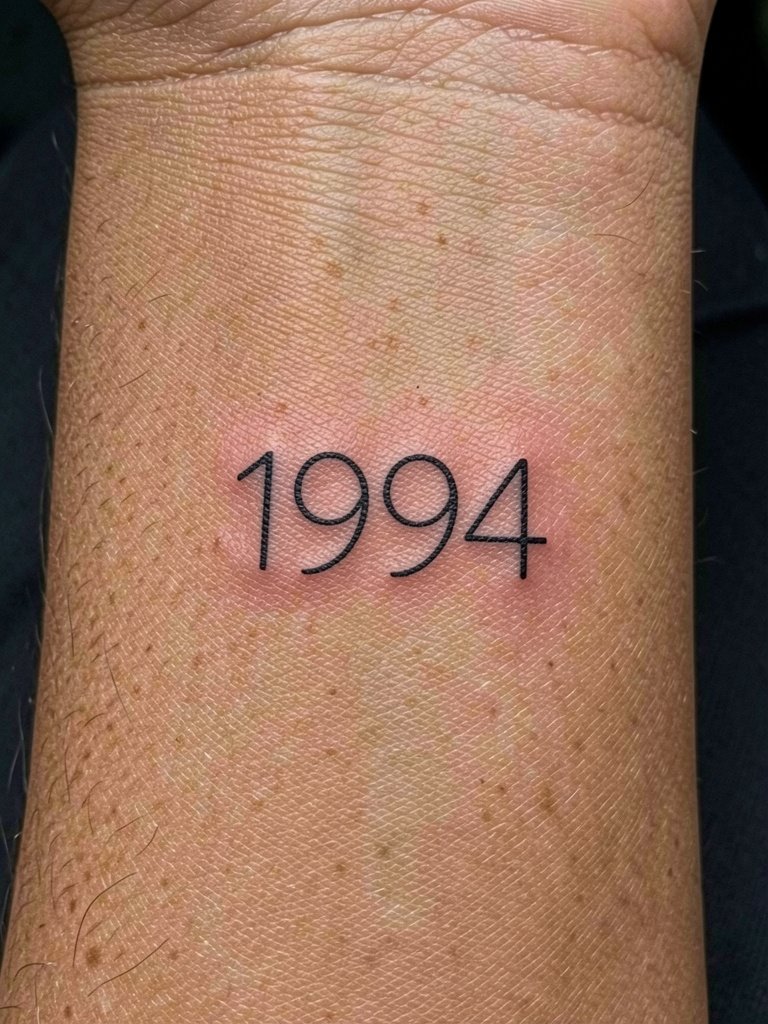
The inner wrist eats the finest detail because of constant motion and thin skin. I advise bumping up the stroke weight marginally and leaving micro negative-space around numerals. During the consult request a stencil placement in both wrist flexed and wrist neutral positions so you can see how the digits bend. Expect a short but sensitive session and a likely touch-up at six months. For styling, a slim bracelet and a minimal leather cuff frame the wrist without covering the tattoo.
8. Barbed Wire Year Around the Ankle
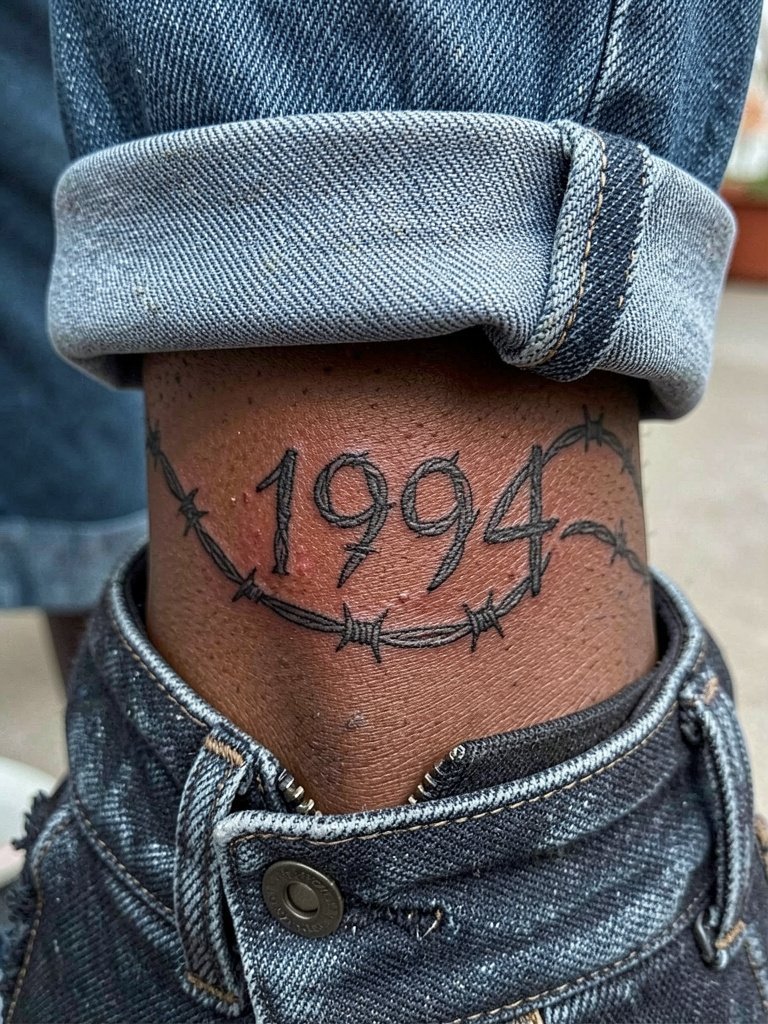
Ankle wraps need to account for constant abrasion from socks and shoes. Patterns that keep consistent saturation, such as a continuous line with deliberate breaks for numerals, tend to last longer than isolated dots. Ask for the wrap to be placed slightly higher than the shoe line and for the artist to avoid placing thin detail on bony protrusions. Sessions are usually under an hour. To display the piece, cuffed jeans and an ankle bracelet draw attention while keeping it visible.
9. Tiny Dot-Work Year on the Side Rib
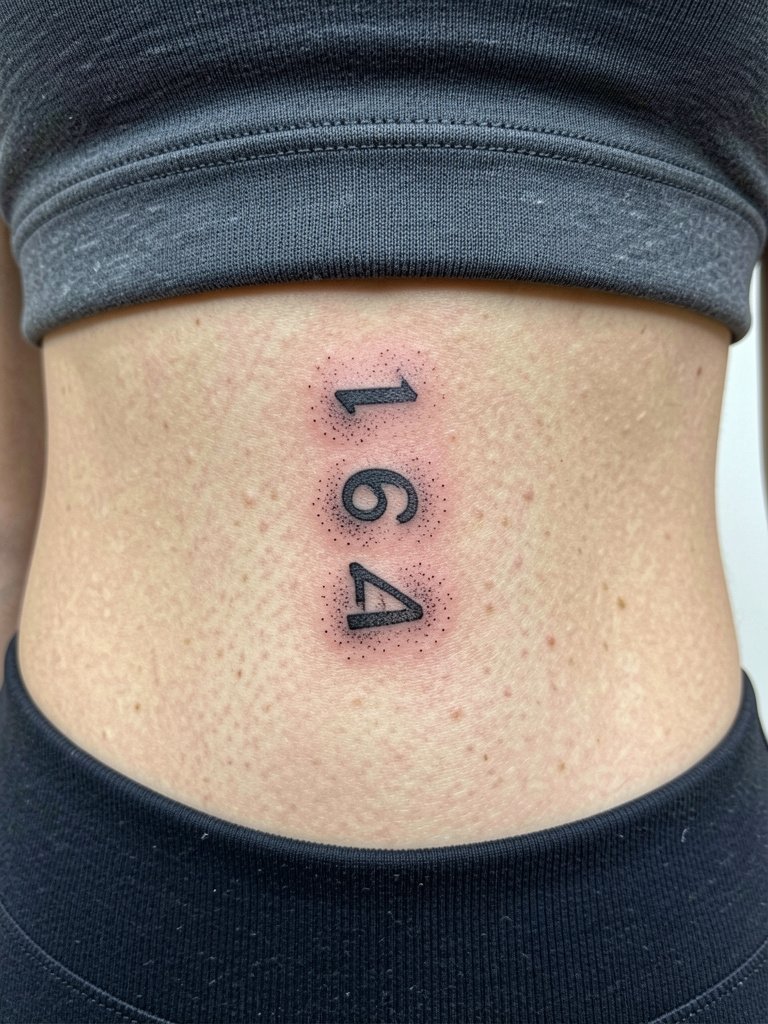
Dot-work on ribs can look delicate and airy but can also spread if the dots are packed too tightly. Request a sample patch or a slightly larger dot spacing to keep the numerals readable over time. Because this placement sits on a high-motion area, plan for a touch-up at the one-year mark. Pain is high and breathing affects the session, so schedule with breaks. This piece pairs well with cropped tops and high-waist bottoms, and a fitted cropped tee keeps the area visible without fuss.
10. Minimalist Coordinates With Year on the Calf
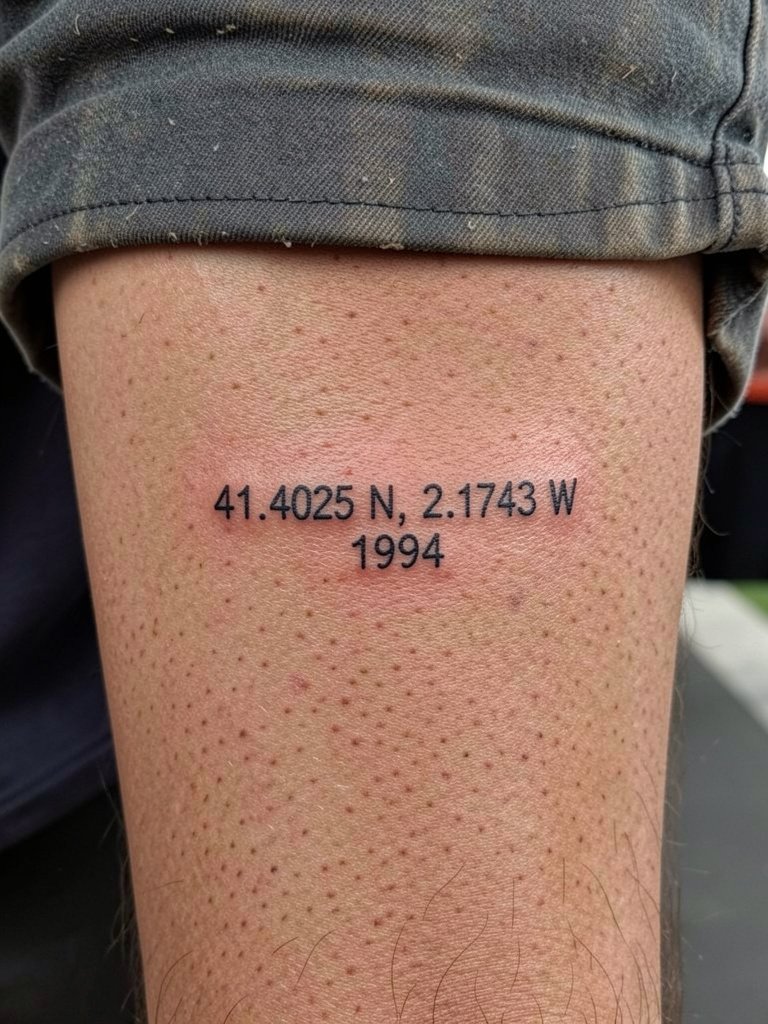
The calf gives you space to add context to a year, such as coordinates or a short place name. Monospace numerals read cleanly and resist distortion because calf skin is relatively stable. During the consultation bring the exact text and request the artist verify the spacing at the scale you want. Expect a low to moderate pain session and a one- to two-hour appointment depending on length. For evenings out, a mid-length skirt shows the calf naturally.
11. Tiny Serif Year Above the Ankle
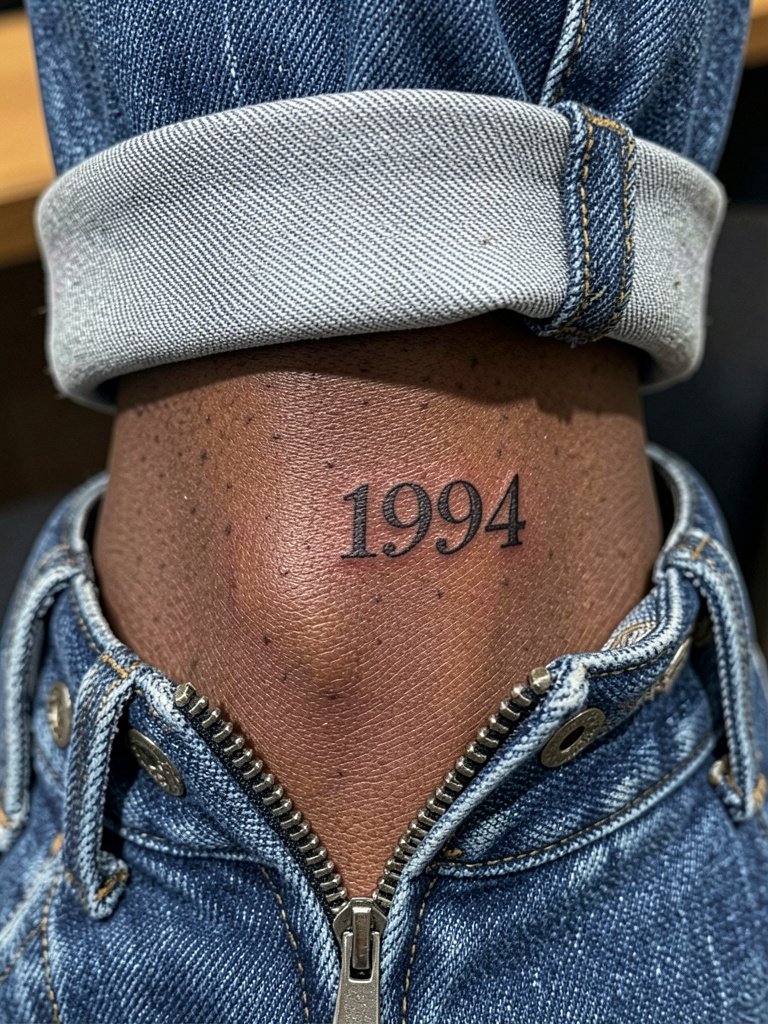
Ankle bone locations are visible and respond well to small serif numerals because the bone creates crisp contrast for linework. The key is avoiding hairline strokes that diffuse over the bony surface. Request slightly thicker terminals and ask the artist to check stencil placement while standing. Expect some soreness for a few days. A simple low-rise ankle bracelet or cuff shows the area without covering the tattoo.
12. Tiny Boxed Year on the Back of the Neck
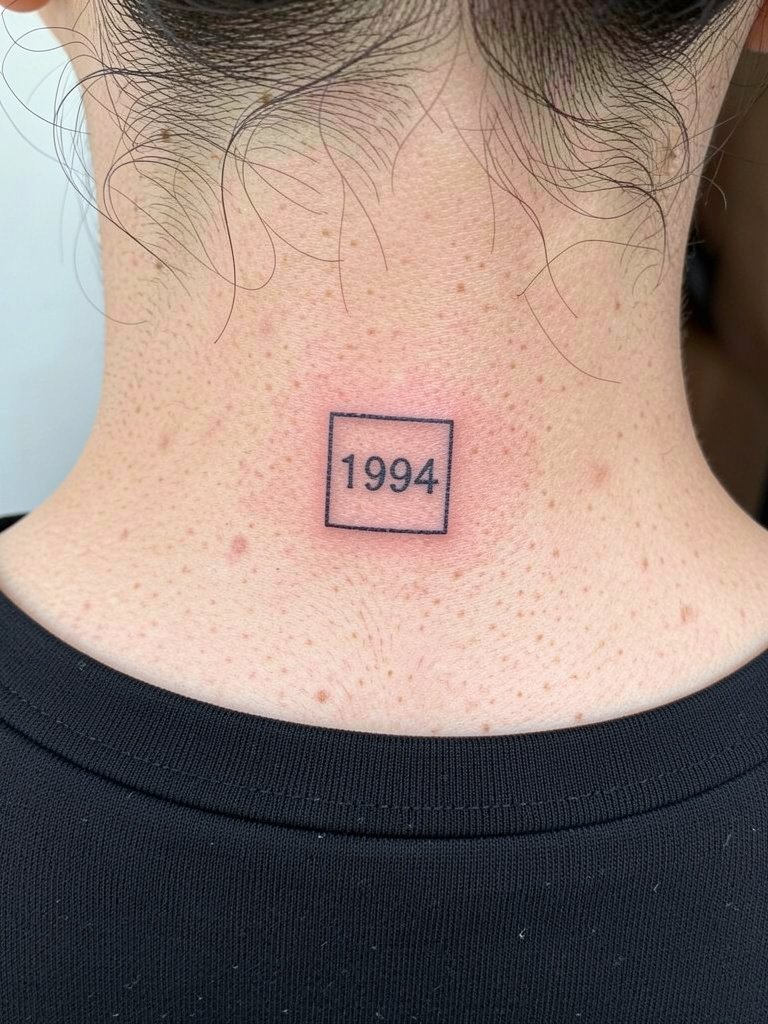
The nape is subtle and often covered by hair, so consider how frequently you want it visible. Boxed numerals keep edges that age predictably, and the square outline protects the tiny digits from softening into a blob. Ask for the outline to be slightly heavier than the internal numerals to maintain legibility. Sessions are short and pain is low to moderate. A simple updo or the right neckline such as a wide-neck tee showcases the piece when you want to show it.
13. Minimalist Wave-Line Year on the Outer Wrist
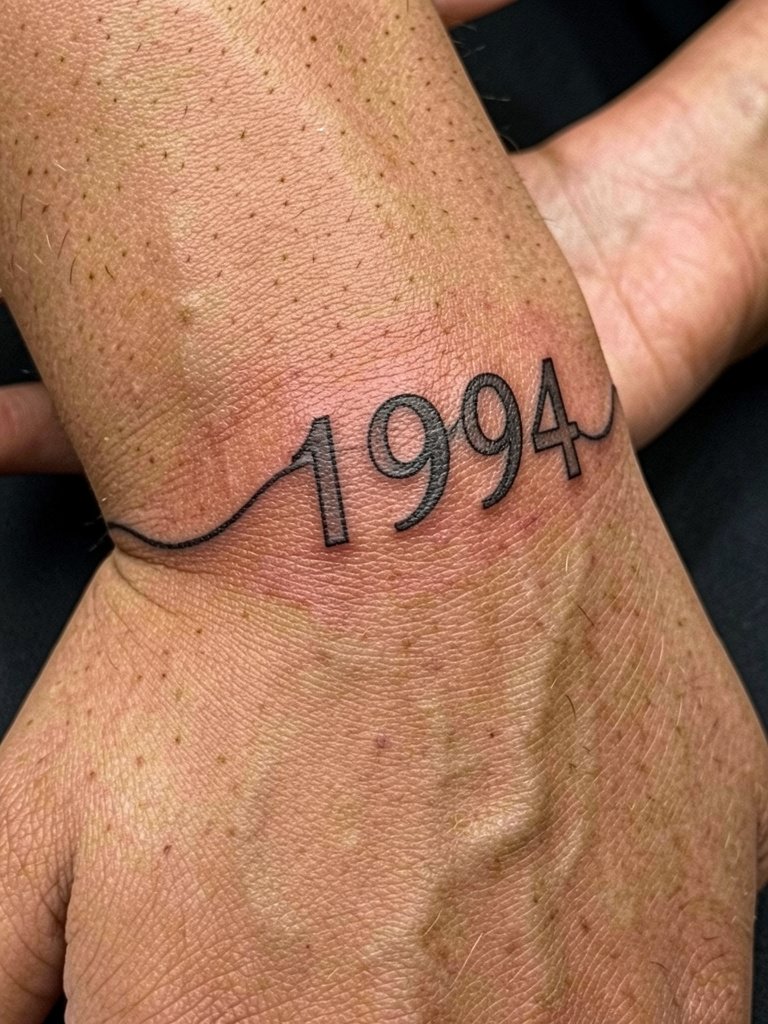
Designs that hide numerals inside a small motif can protect them visually while keeping scale tiny. The outer wrist tolerates this approach if the linework is slightly bolder than a micro-hairline. Before tattooing, confirm the line continuity and negative-space numerals on the stencil so nothing merges during healing. Expect a quick session and a possible light touch-up. To show the piece, wear a thin bracelet cuff that sits below the tattoo.
14. Micro-Engraved Year on the Hip
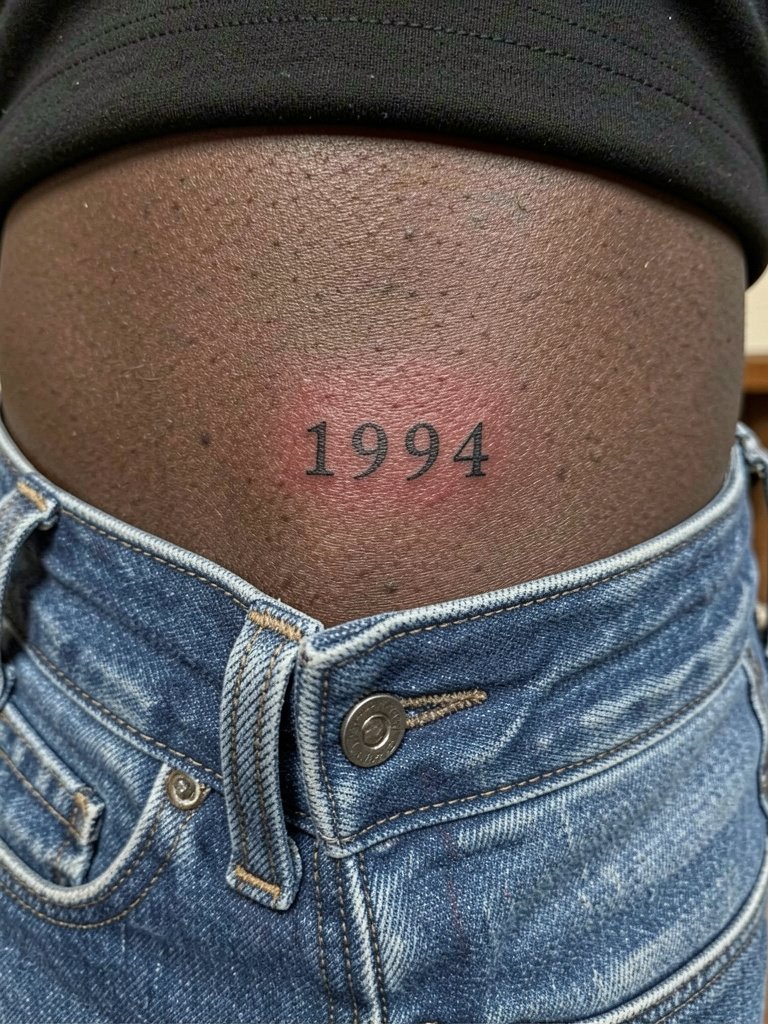
Hip placements are private and versatile. Micro-engraved numerals here need slightly more spacing to prevent softening from skin movement and clothing friction. Ask for the artist to place the stencil while you stand and while you lie down to ensure comfort and correct curve. Sessions can be short but sensitivity varies. For showing off at the beach choose a low-rise swimsuit or a bikini bottom with mid-coverage that keeps the line visible.
15. Minimalist Arch Year on the Collarbone With Accent Dot
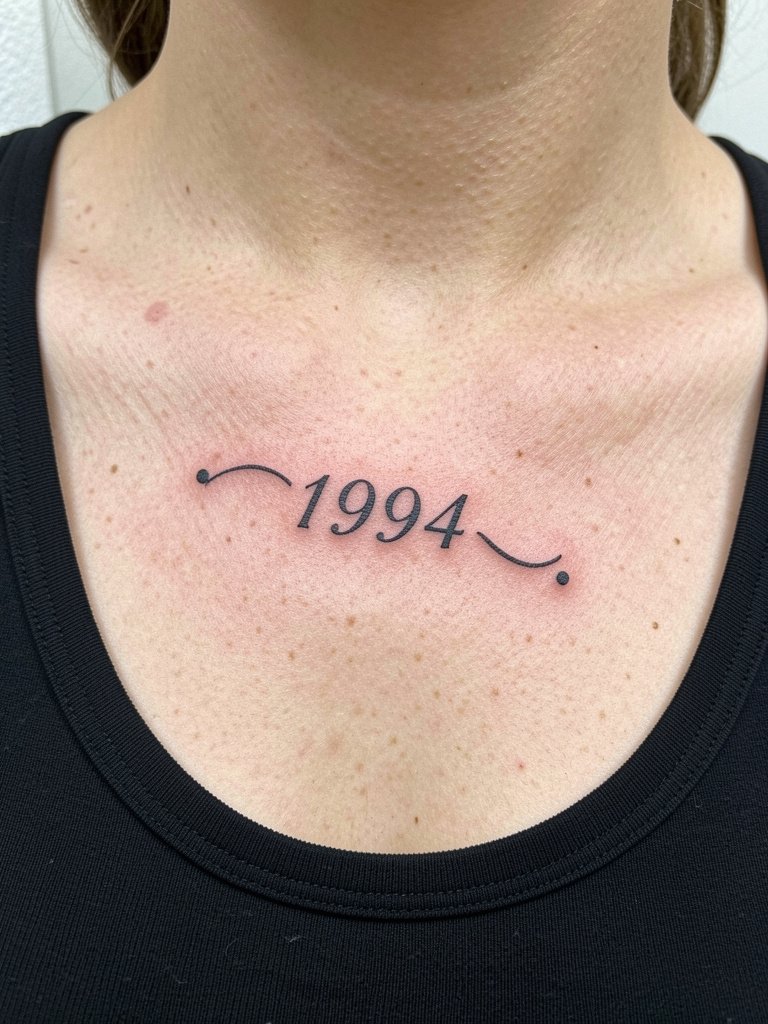
A slight accent, such as a dot, helps anchor minimal numerals on the collarbone and prevents the design from reading like a faint smudge. Request a slightly thicker terminal on the dot and ask the artist to use a soft stencil curve that follows your clavicle. The session is brief and tolerable. Pair with a scoop-neck tank to keep the area visible and elegant.
16. Tiny Block Year on the Shoulder Blade
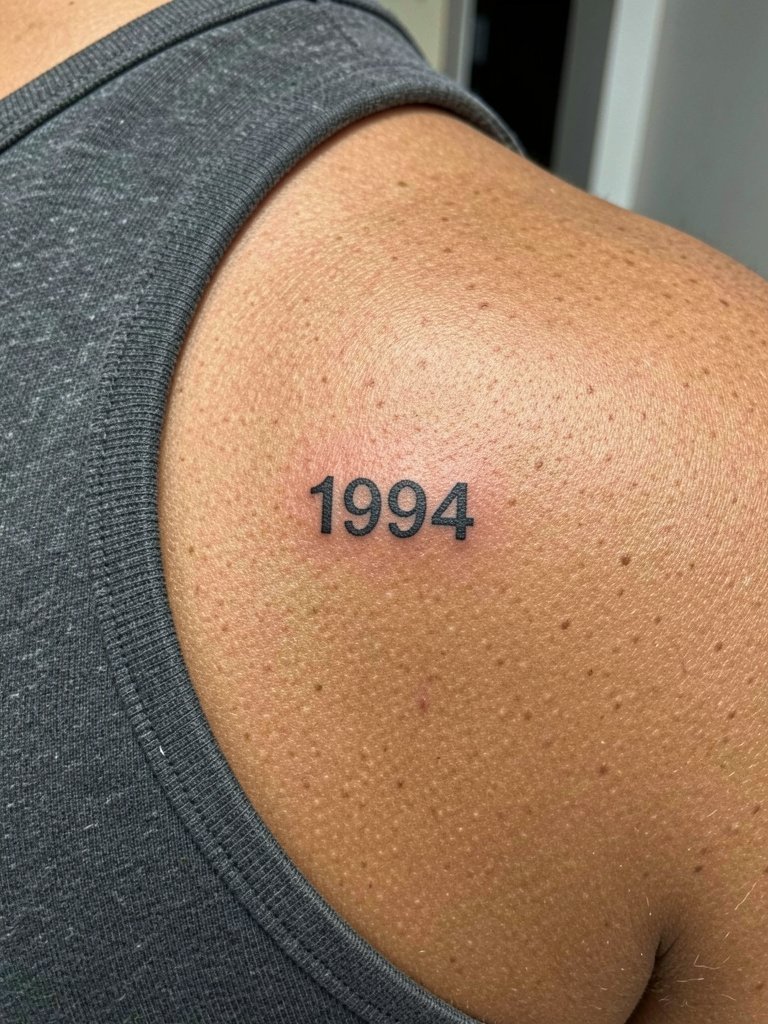
The shoulder blade is a stable canvas for a small block year because the skin there does not see constant flexing. Block numerals keep saturation even, which helps long-term clarity. Ask to see healed upper back examples so you can estimate how the numerals will read under clothing. Sessions are low to moderate in pain and usually quick. If you plan to show it, a racerback tank keeps the area exposed without fuss.
17. Micro-Outline Numerals on the Side Thigh
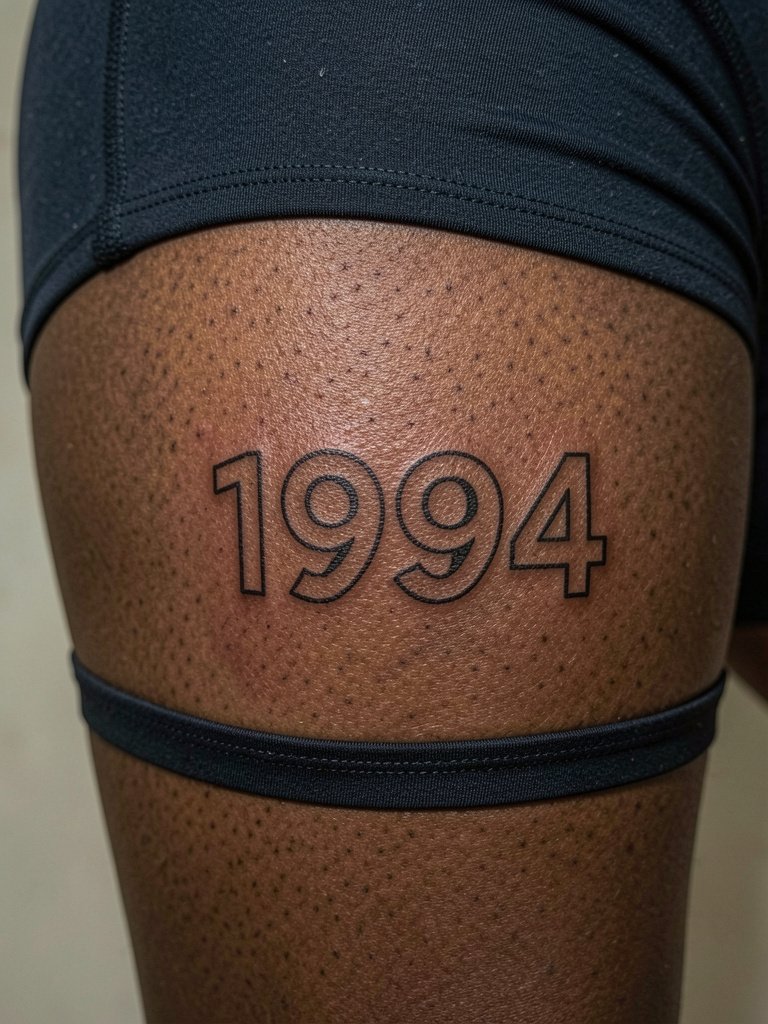
Thigh skin handles outline numerals well if the lines are not too thin. The risk is that pure outline on soft tissue can look faint over time. Request slightly firmer outline weight and ask the artist about a one-year touch-up. Sessions are comfortable and allow for longer runs of linework. For summer looks, a flowy mid-thigh skirt reveals the piece when you want to show it.
18. Tiny Sans Numerals on the Inner Bicep
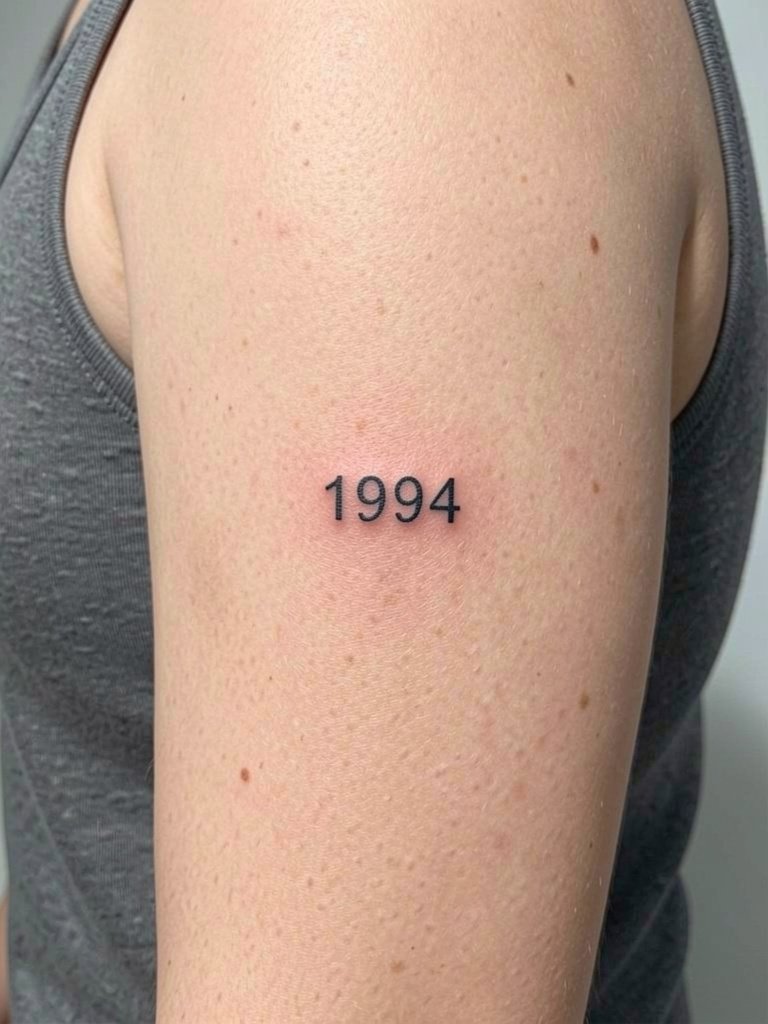
Inner bicep placements require careful size planning because the skin there can be sensitive and slightly textured. I tell people to increase the type size a bit and request wider spacing to avoid early blurring. Expect a moderate pain session and a half-hour to hour appointment for a small year. This placement looks great when you roll sleeves up, and a loose linen button-up keeps the arm framed attractively.
19. Micro-Geometric Year on the Sternum
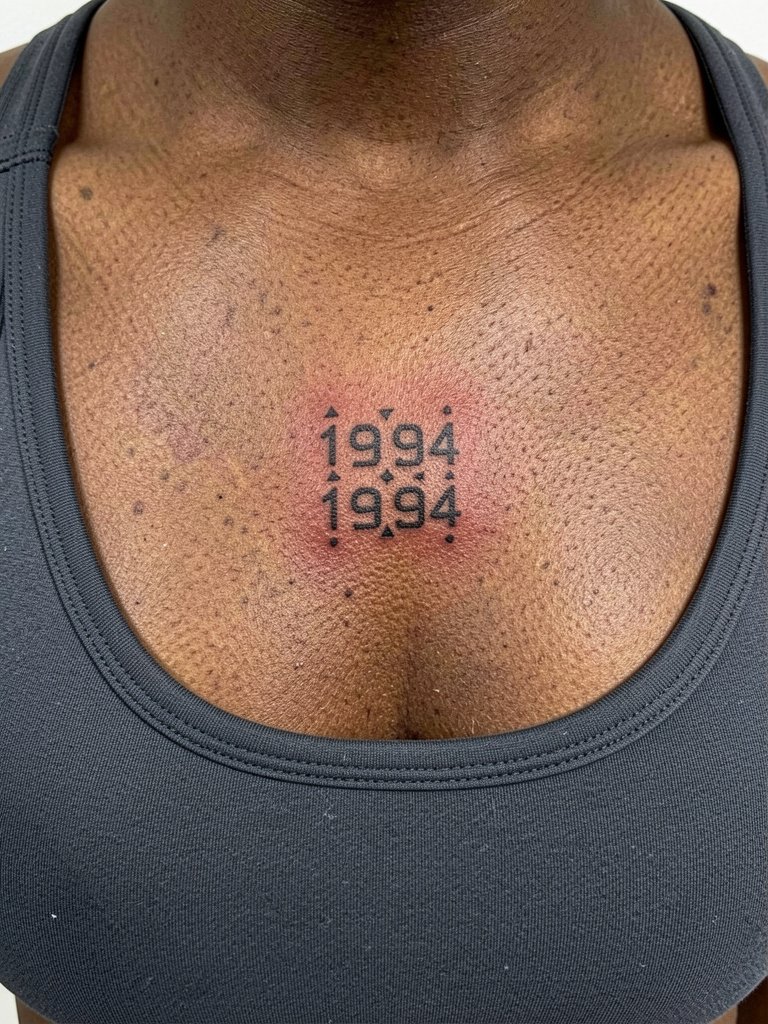
Sternum work needs an artist experienced with chest anatomy because the skin flexes with breathing and movement. For tiny numerals, ask the artist to plan for spacing and to show healed sternum examples. Pain is higher here and sessions are usually split into shorter passes. Because this is a more intimate area, plan wardrobe for the appointment with a fitted bandeau or sports bra so the artist has clear access and you stay comfortable.
20. Micro-Realism Year With Shadow on the Wrist
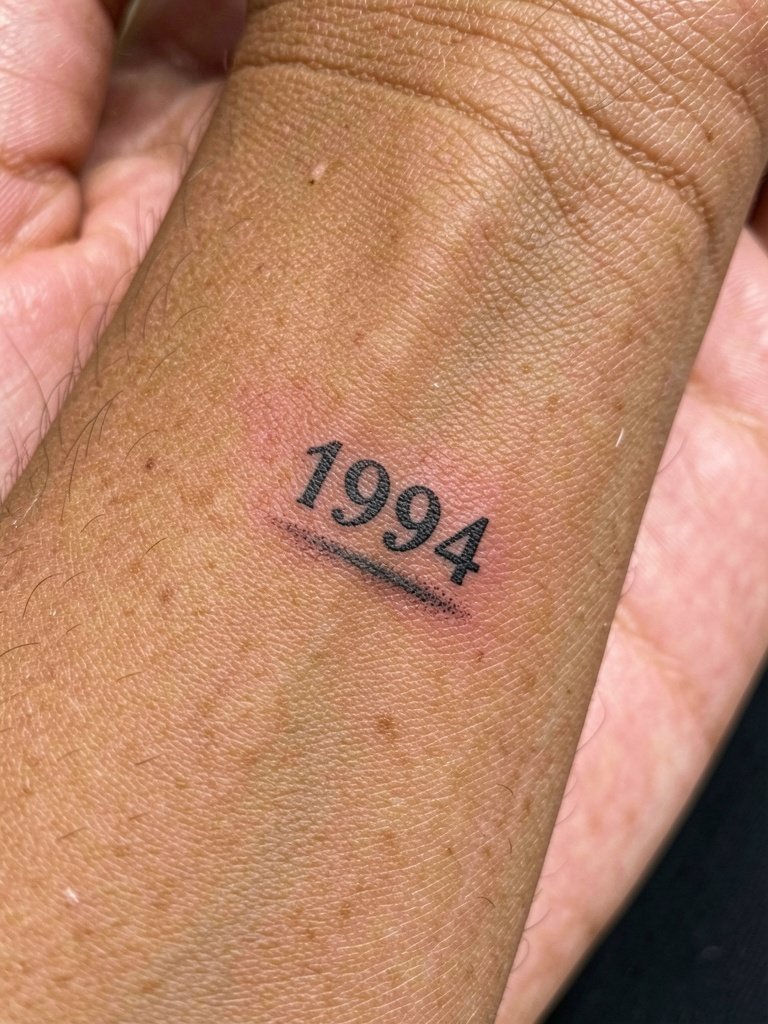
Adding minimal shadow beneath tiny numerals gives a subtle three-dimensional read and helps retention because the shading increases local saturation. Ask the artist to keep the shading stippled and soft so the shadow ages into subtle depth rather than a blurred band. Expect a slightly longer sitting than plain line numerals and a follow-up touch-up at six to nine months. Style it with thin bracelets and a delicate chain bracelet to echo the shadow line.
21. Tiny Script Year on the Side of the Foot
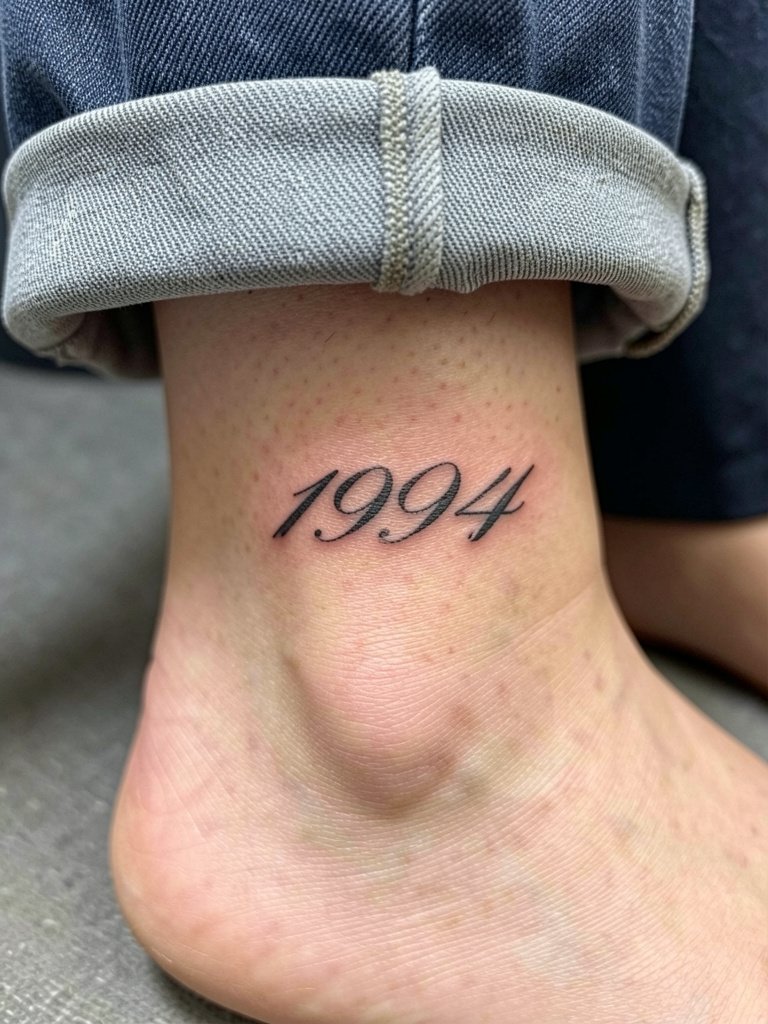
Topical friction and sun exposure make foot numerals fade faster than many locations. I suggest a slightly stronger line weight and planning a touch-up after the first year. During the consult decide whether to place the numerals where shoes will not rub directly. The session is moderate in pain and can involve awkward positioning, so wear easy shoes. To show the piece, a flowy skirt or rolled cuff shorts keeps attention on the side foot area.
22. Tiny Outline Year on the Back of the Hand
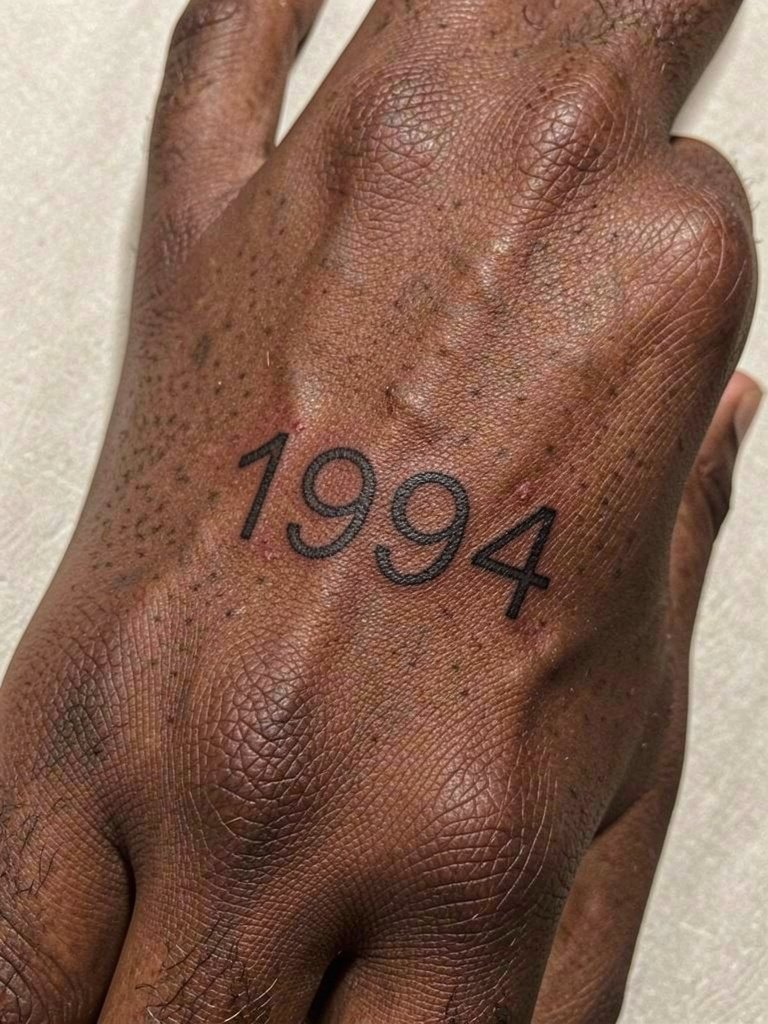
Hand and knuckle locations are high-risk for early fading and social considerations. One camp argues hand numerals are a statement worth the maintenance because touch-ups are straightforward. The other camp cautions that hands see the most washing and abrasion and will require frequent touch-ups. Name which approach you prefer and ask the artist about touch-up expectations before booking. If you proceed, expect touch-ups every one to three years. For a discreet show-off pair with finger rings rather than full hand coverings.
23. Small Vintage Clock Face With Year on the Rib
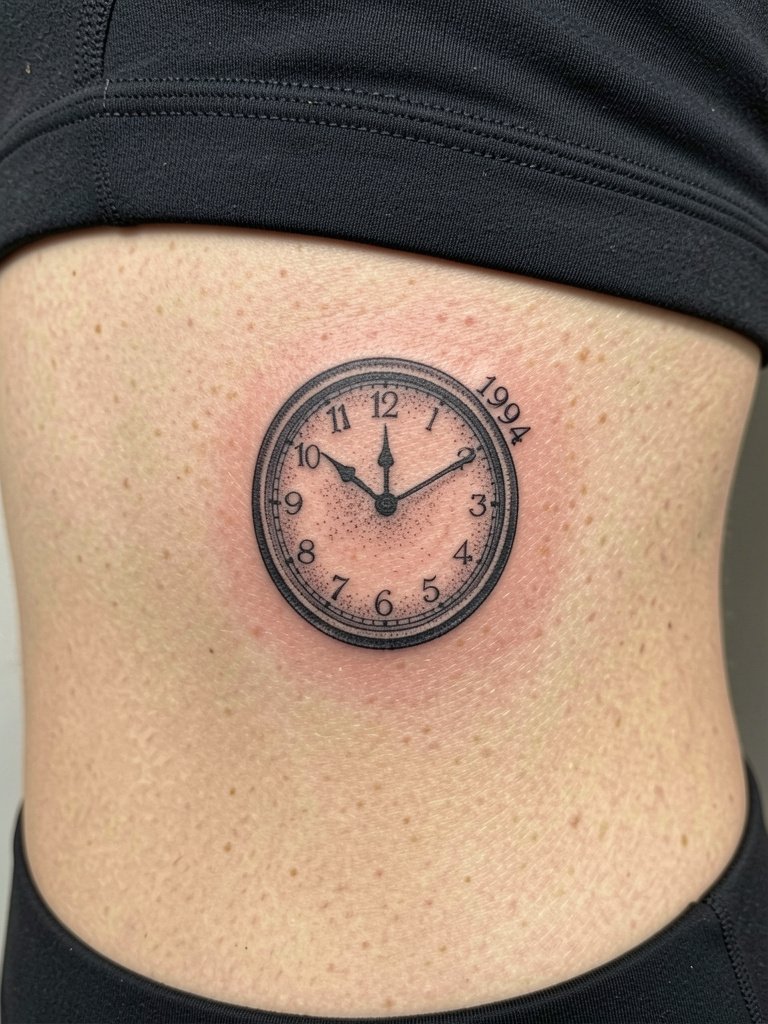
Combining a small motif with a year gives visual interest and more pigment per square centimeter, which helps longevity on the ribs. Because ribs move with breathing, ask the artist to space internal numerals inside the clock rim clearly and to show healed examples at two years. Sessions are sensitive and may be split. For showing it, cropped athletic tops or a fitted bandeau keep the design visible without overexposure.
24. Single-Needle Vertical Year Behind the Ear With Tiny Star
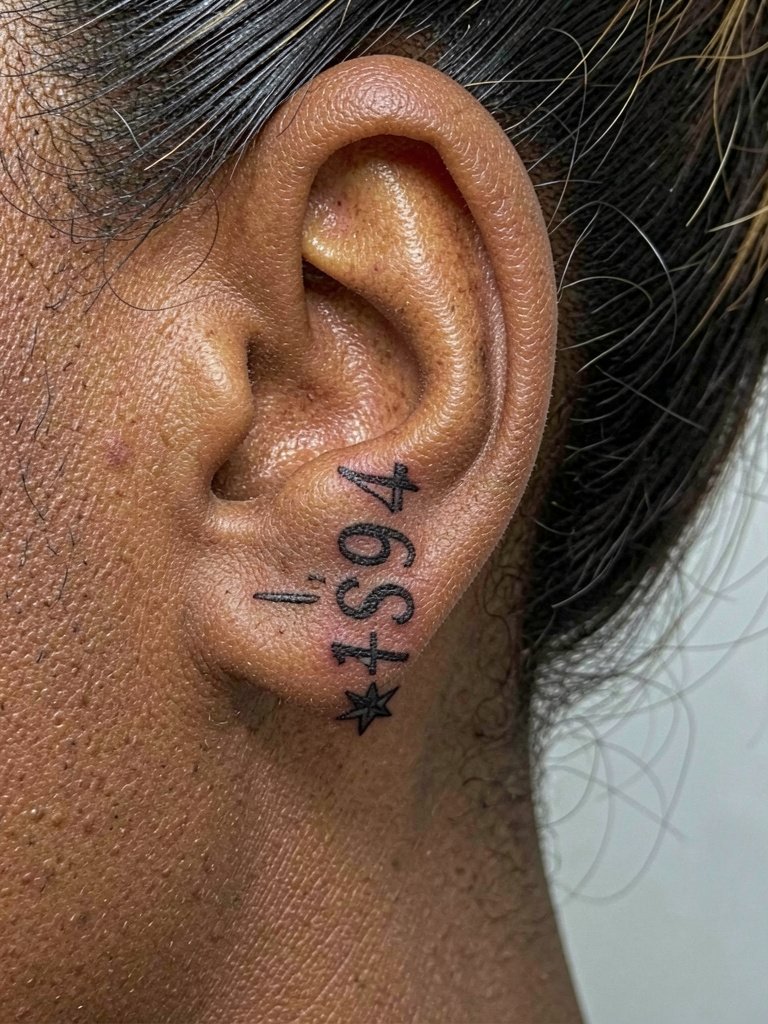
Vertical numerals behind the ear are discrete and work well with a tiny accent for balance. Single-needle work here is fine if the artist leaves slight spacing between digits and accents. Tell the artist you want the star to be a dot-sized point so it does not smear into the numerals. Sessions are short and tolerable. For a little lift in daily looks try a silk headscarf when you want to show the area without wearing an updo.
25. Tiny Block Year on the Sternum With Negative Space
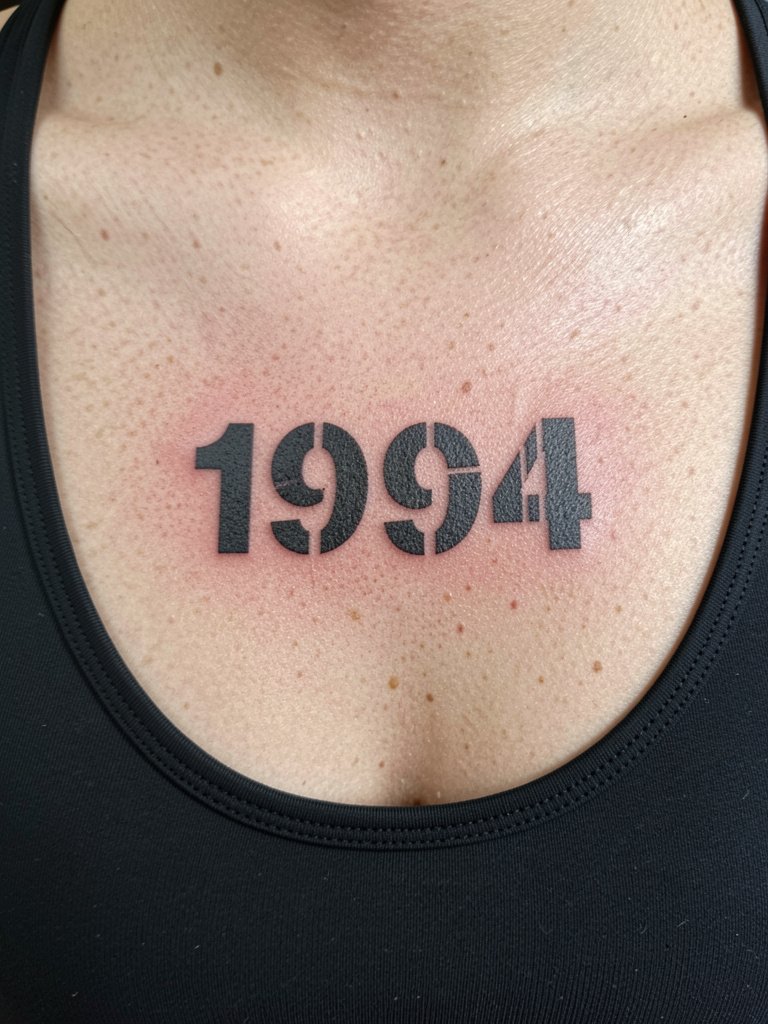
High-contrast block numerals on the sternum use negative space to keep lines readable even after some fading. Because the sternum skin moves with breathing, request the negative cutouts to be slightly larger than the minimum to avoid early loss of interior detail. Pain is moderate and you should plan breaks. For appointments wear a fitted sports bra so the artist has clean access. For nights out choose tops with a deep V or bandeau to reveal the piece.
26. Minimalist Constellation With Year on the Outer Forearm
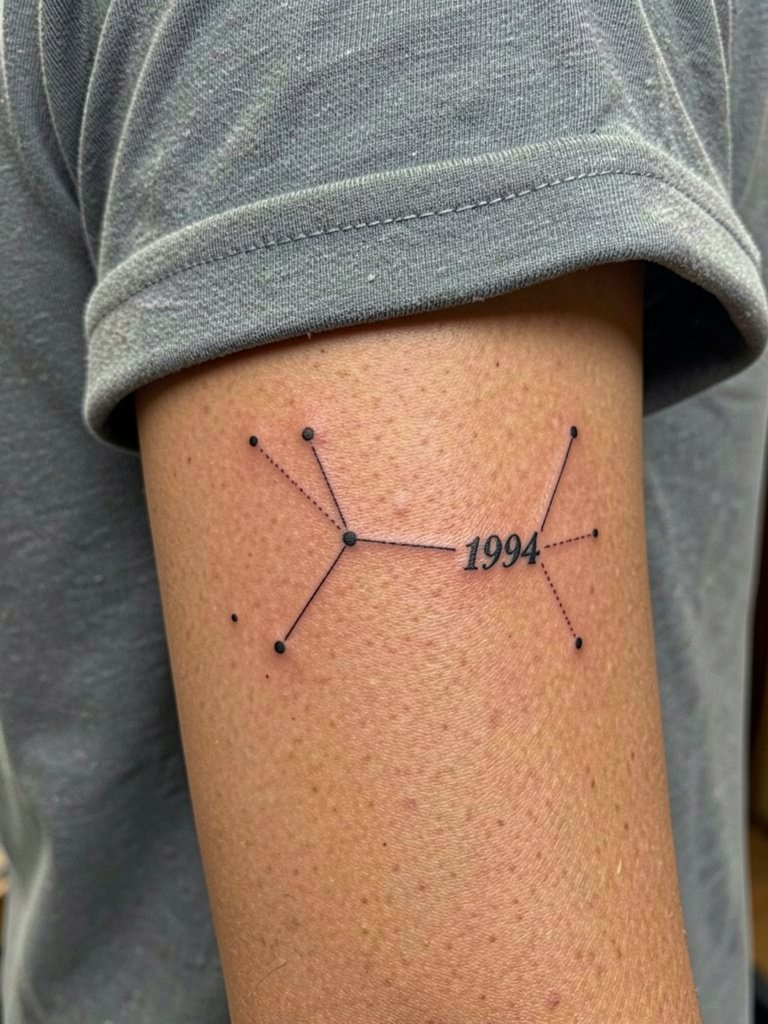
Outer forearm placements give ample space to integrate a year into a small motif such as a constellation. Dot work and thin connecting lines help disguise the numerals until viewers look closely. Ask for the dot sizes to be slightly larger than microdots to ensure retention. Sessions are low in pain and allow for a relaxed pace. For a casual reveal pair with a rolled-sleeve button-up so the forearm is visible.
27. Micro-Outline Numerals Along the Spine
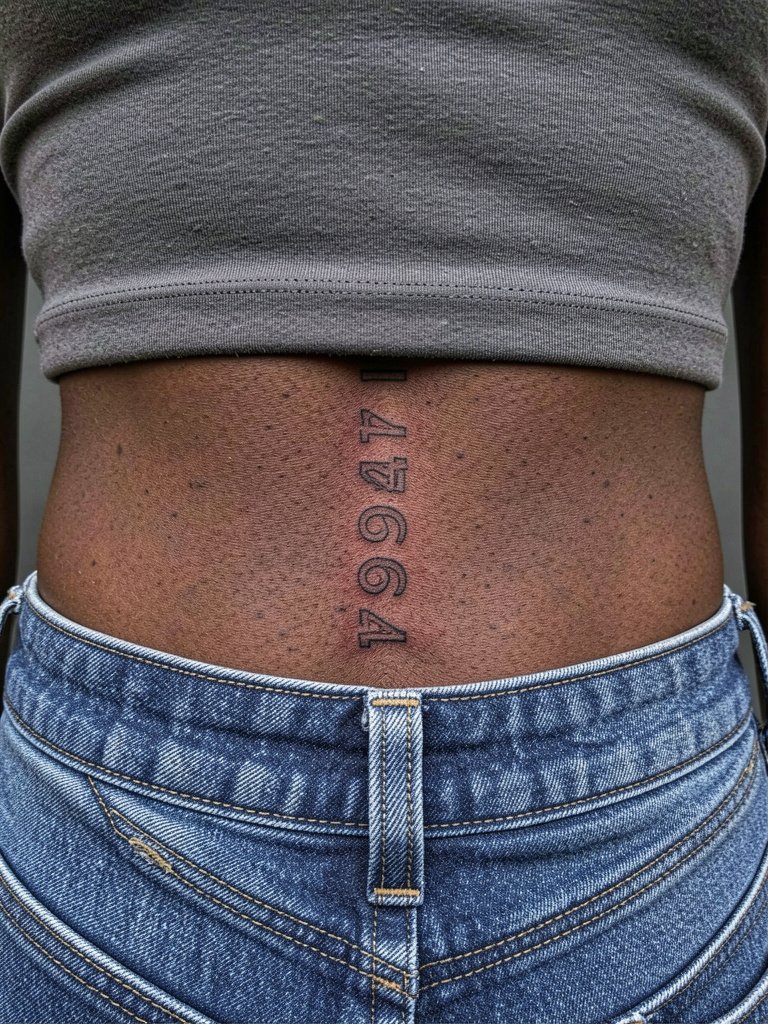
Spine placements create a centered, symmetrical read for a vertical year. Micro-outline numerals need slightly heavier outlines to prevent blurring along the column. Ask the artist to test the vertical spacing with a temporary stencil while you move to ensure comfort. Pain ranges from moderate to high depending on proximity to bone. For showing the piece, choose a cropped top or low-rise bottom, such as low-rise jeans with a cropped tee that reveals the lower back in a tasteful way.
Frequently Asked Questions
Q: How will a minimalist birth year look after five years on different placements?
A: It depends on placement and stroke weight. Fingers and hands tend to soften fastest and often need touch-ups every one to three years. Forearms, outer shoulders, and calves usually keep form longer with less frequent touch-ups. I have seen inner forearm numerals hold well at five years when the line weight was drawn a touch bolder than a micro-hairline.
Q: What should I bring to a consultation for a tiny year tattoo?
A: Bring scale references and two size variations so the artist can show how the numerals read at three inches and five inches. Also bring photos of the exact placement on your body if possible so the artist can check curvature and stencil fit. Be specific about spacing and whether you want negative space or filled numerals.
Q: Where can I find healed examples and portfolios without naming specific artists?
A: Search platform tags and keywords that match the style and placement you want. Try hashtags and location filters on Instagram or TikTok and look for healed photos with keywords like "healed fine line wrist" or "healed rib numerals." Reddit threads and portfolio pages that include the word "healed" plus the placement often surface reliable before-and-after images. This approach helps you compare results on different skin tones and scales.
Q: Do I need to plan for touch-ups and how often for tiny numeral work?
A: Yes. Tiny numerals on high-friction spots such as fingers, hands, and ankles often need a touch-up within the first year. Tolerant locations like the outer arm and calf usually stretch the interval to several years. Ask your artist for a realistic touch-up timeline based on the exact placement and stroke weight they plan to use.
Q: What should I wear to my session for placements like ribs, hip, or sternum?
A: Choose fitted but comfortable items that expose the area without being adjusted during the session. For ribs and side torso a cropped athletic top works well. For hip and sternum a fitted bandeau or sports bra gives the artist clear access while keeping you comfortable. Pack loose layers for after the session to avoid friction on the fresh ink.