Someone I know spent months saving screenshots before realizing the real problem was not finding pretty pictures. It was knowing which Korean inspired tattoos actually age well and match a life that moves around a city, a desk, and sometimes a pool. After talking with artists at five shops across Brooklyn and spending time at two local conventions, I pulled together ten dark Korean motifs that hold up, plus practical prep and aftercare you can use when booking.
1. Fine Line Hanbok Silhouette on Forearm
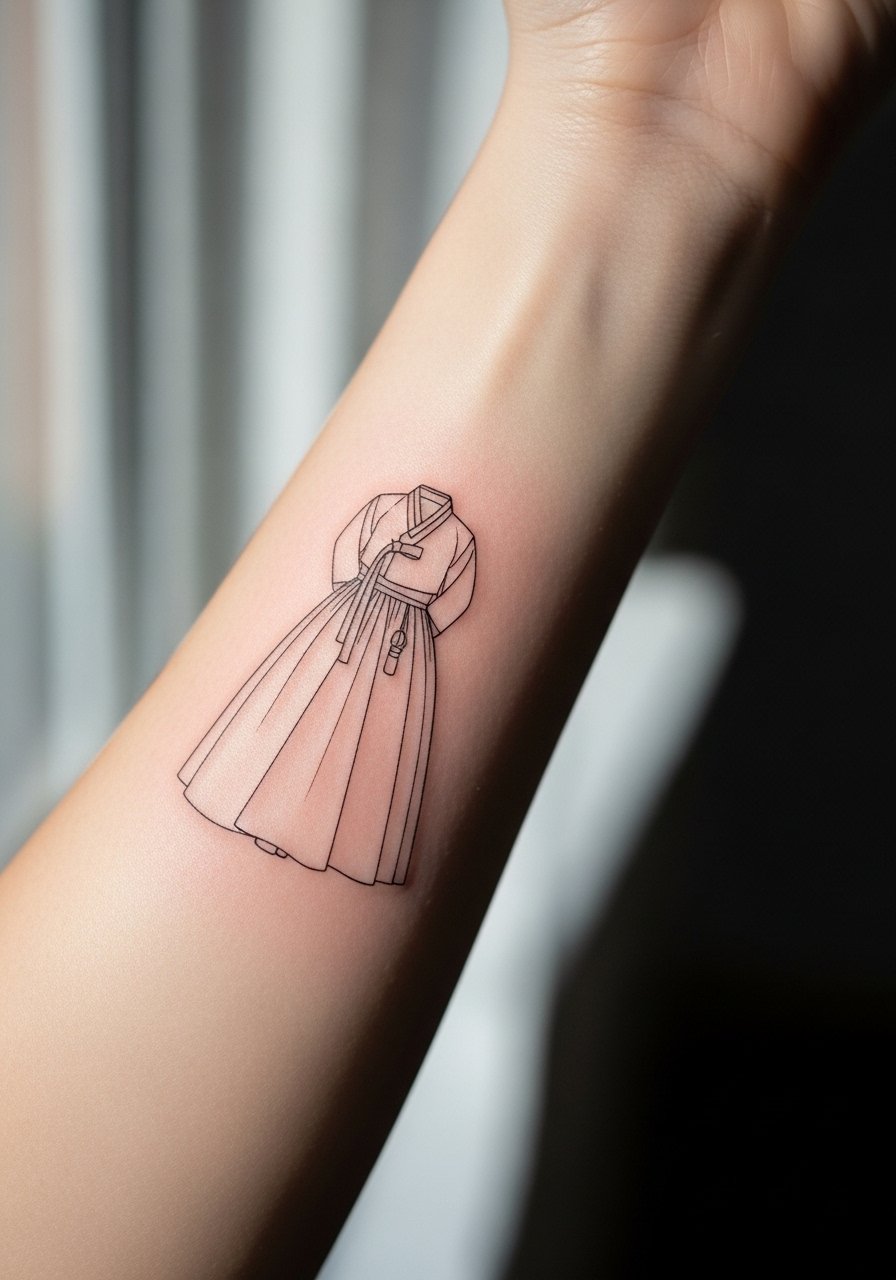
Someone I know first saw this on a forearm and said it read like a wearable sketch. Ask your artist for slightly heavier linework than a traditional ultra-fine approach so the profile keeps shape after a couple of years. A common mistake is going too tiny with the folds, which collapses into an indistinct smudge as the ink settles. Forearm placement feels like a 3 out of 10 on pain, and sessions are short. Expect touch-up at year two for ultra-slim details. Tell the artist you want 0.5 millimeter more line weight and clear negative-space folds for longer legibility.
2. Minimalist Korean Finger Heart on Inner Wrist
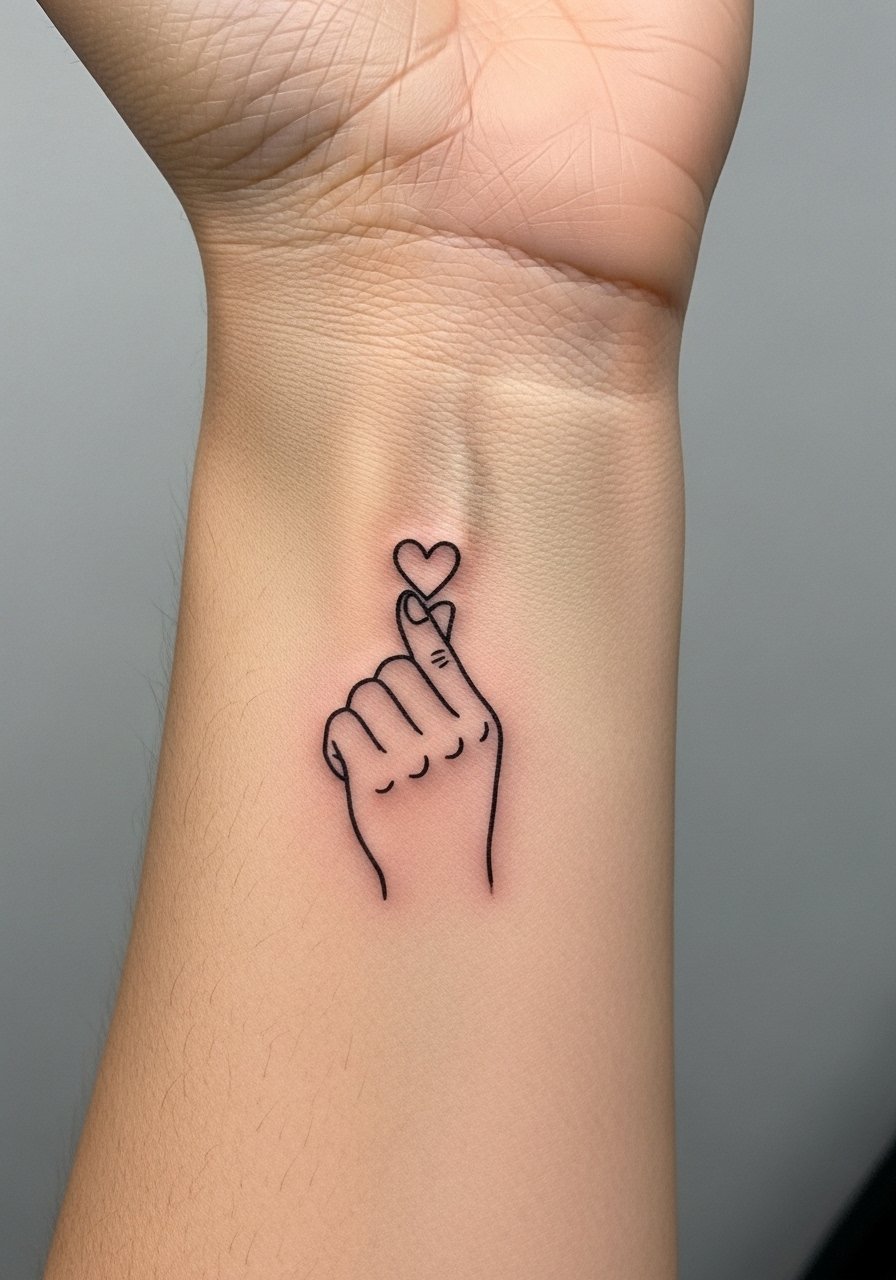
Fair warning: the wrist and finger area is unforgiving on scale. The wrist version reads cleaner than the finger version over time. For a wrist or finger heart, ask for bold single-line contour rather than micro-hatch fills. The session is quick but the finger can need touch-ups earlier because constant hand movement and washing speed fading. A real mistake is asking for color inside that tiny heart; color loses saturation faster there. Best for people who want a low-commitment nod to K-pop culture and a compact symbol that still reads after a year.
3. Ornamental Lotus Mandala with Hangeul Script on Shoulder Blade
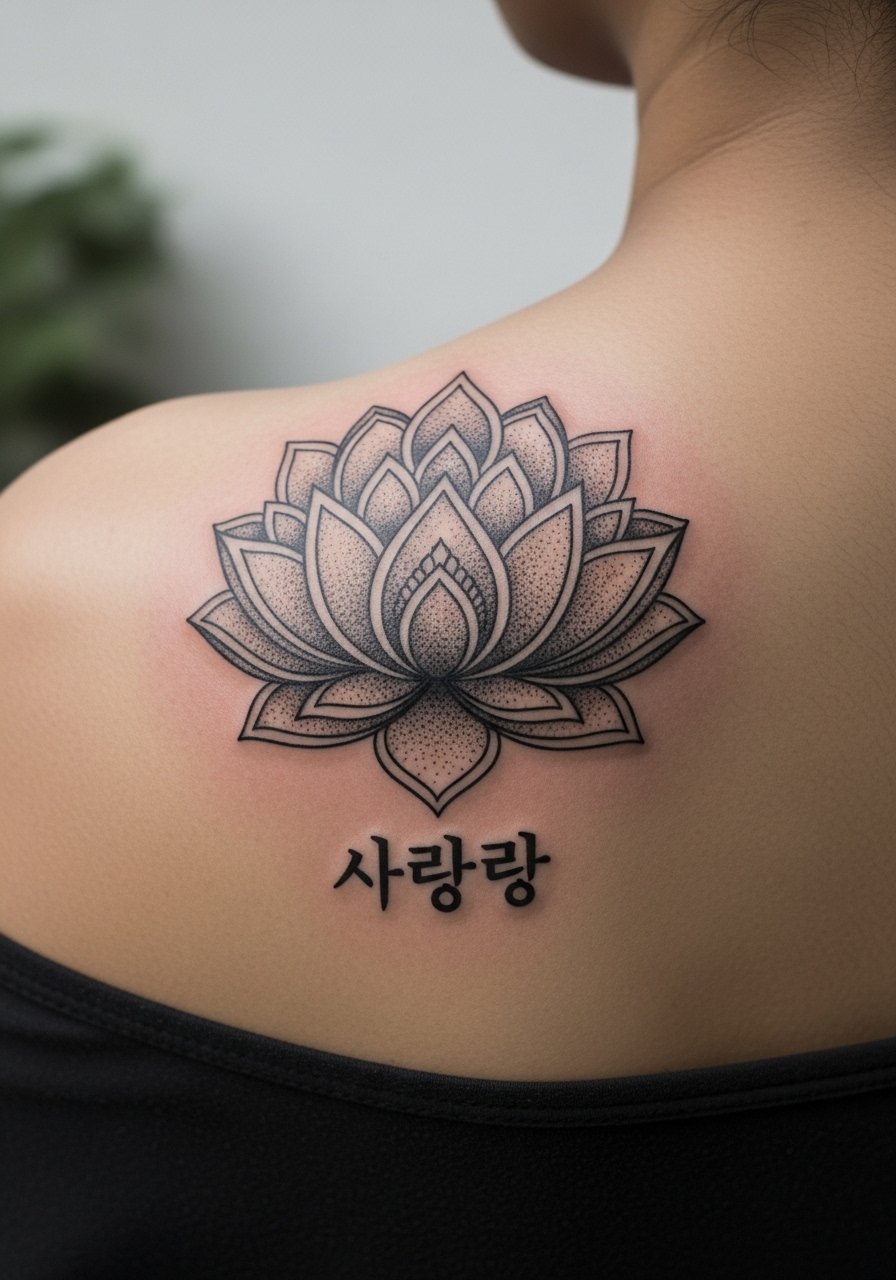
When you sit down for this one, bring photos that show both mandala symmetry and the script style you want. This design mixes stipple shading with dot work around a central lotus and a short Hangeul line under it. Shoulder blade is a forgiving canvas so lines hold well. A common version that ages poorly squeezes too many tiny dots into a small radius. Ask for balanced negative space and slightly larger script than you think you need. Expect mid-weight sessions and a touch-up in year three for any delicate script.
4. Blackwork Tiger and Dragon Motif on Calf
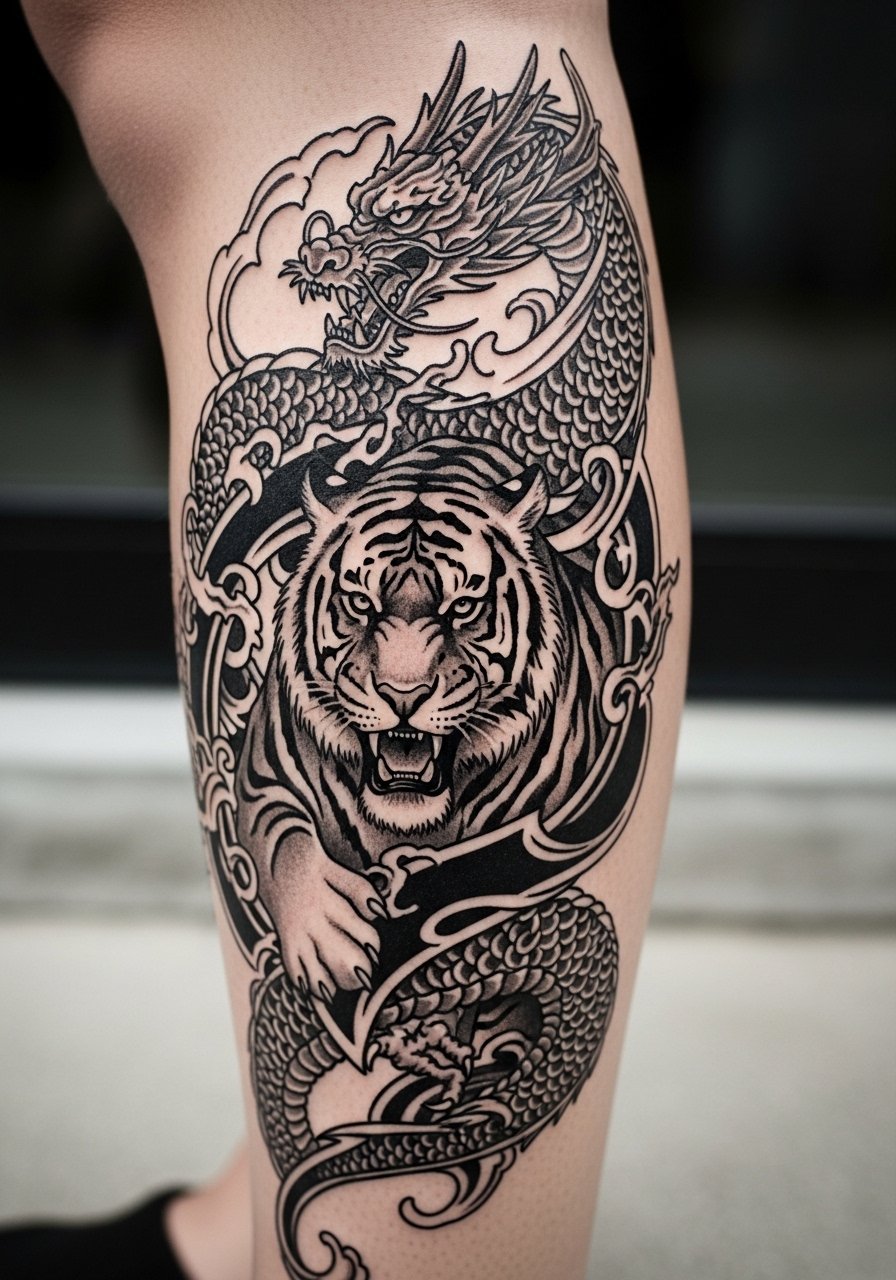
There is a visual impact to bold black silhouettes that reads across a room. Choose the calf if you want a piece that can act like a portable panel. The session feels like a steady, medium-intensity block of work. The big mistake is requesting too many fine internal details inside solid black fields. Those details disappear when the black saturates the skin. Tell your artist you want high contrast between filled black and linework margins so the motif keeps its drama as it heals. For collectors, this is an anchor piece that layers well into a leg sleeve later.
5. Neo-Traditional Hangeul Calligraphy Building Into a Sleeve
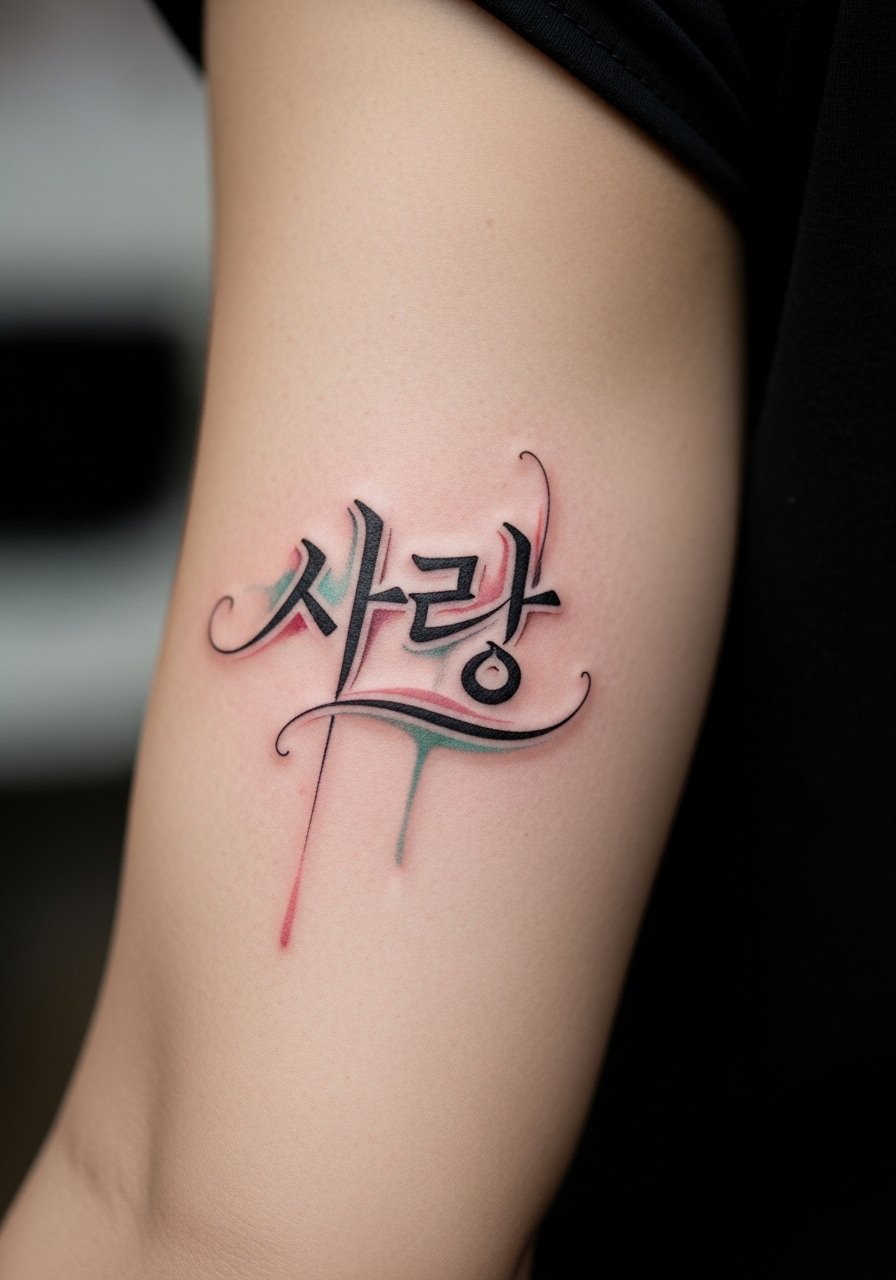
When you bring Hangeul into neo-traditional work, be explicit about letter spacing and translation. The biggest mistake is handing over a generic font and expecting it to read as a personal script. In consultation, show the exact phrase and a sample of the letterform weight you prefer. Inner bicep placement can be sensitive and feels like a 6 out of 10 on pain scales, but it holds calligraphy better because skin movement is more predictable than ribs. Artists split on whether tiny ornate flourishes in Hangeul last long. Ask where they stand and plan for a touch-up after a year or two.
6. Micro-Realism Cherry Blossom Branch on Collarbone
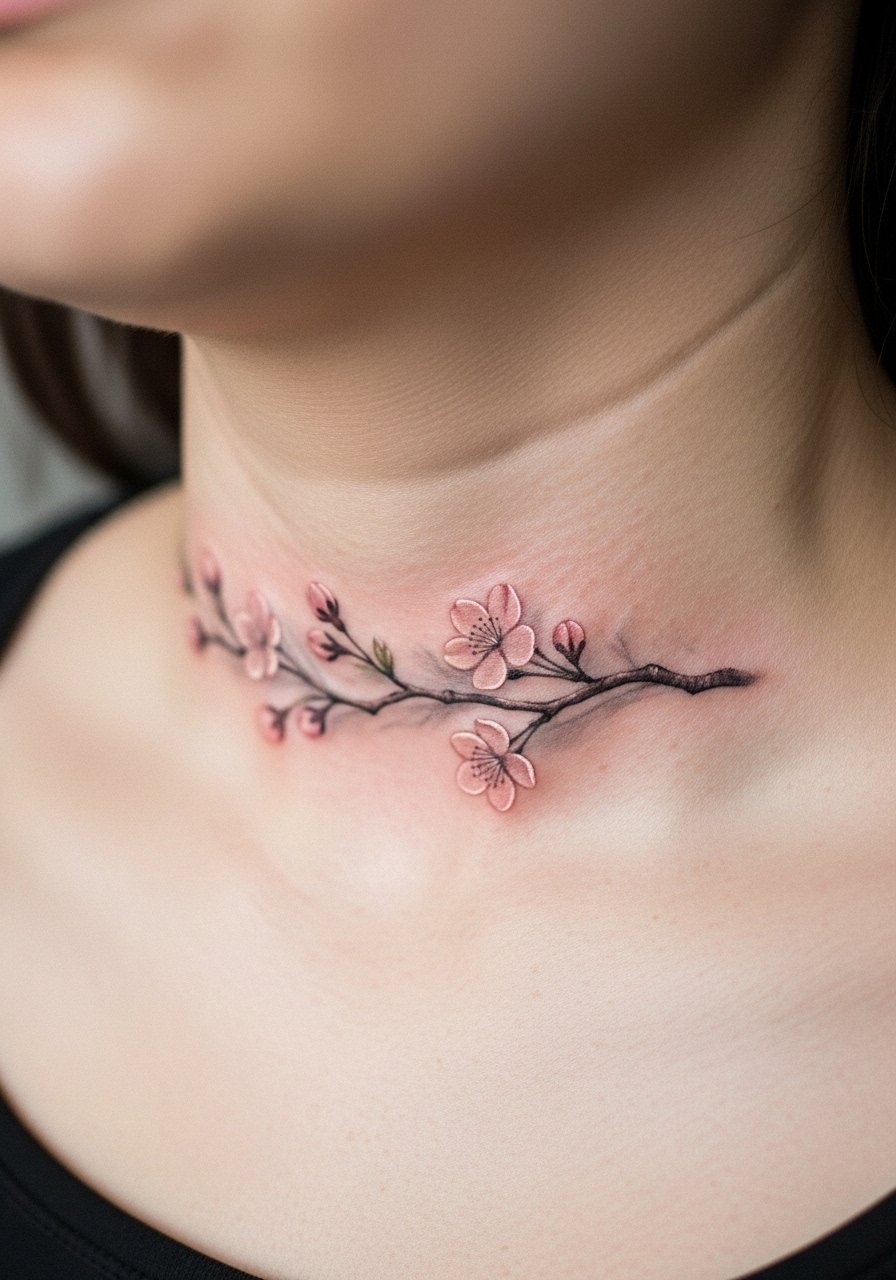
Most watercolor-style florals from years ago taught artists a hard lesson about saturation. This micro-realism approach keeps color in tiny washes and pairs them with anchored black linework so the petals do not simply fade into a bruise. Collarbone sits close to bone and feels like a 5 out of 10 on pain. A common error is over-softening the color gradients. Ask for defined petal edges with light color fills and expect color touch-ups sooner than black ink. This version reads feminine without becoming dated because the line anchors the wash.
7. Watercolor Korean Flag Waves on Thigh
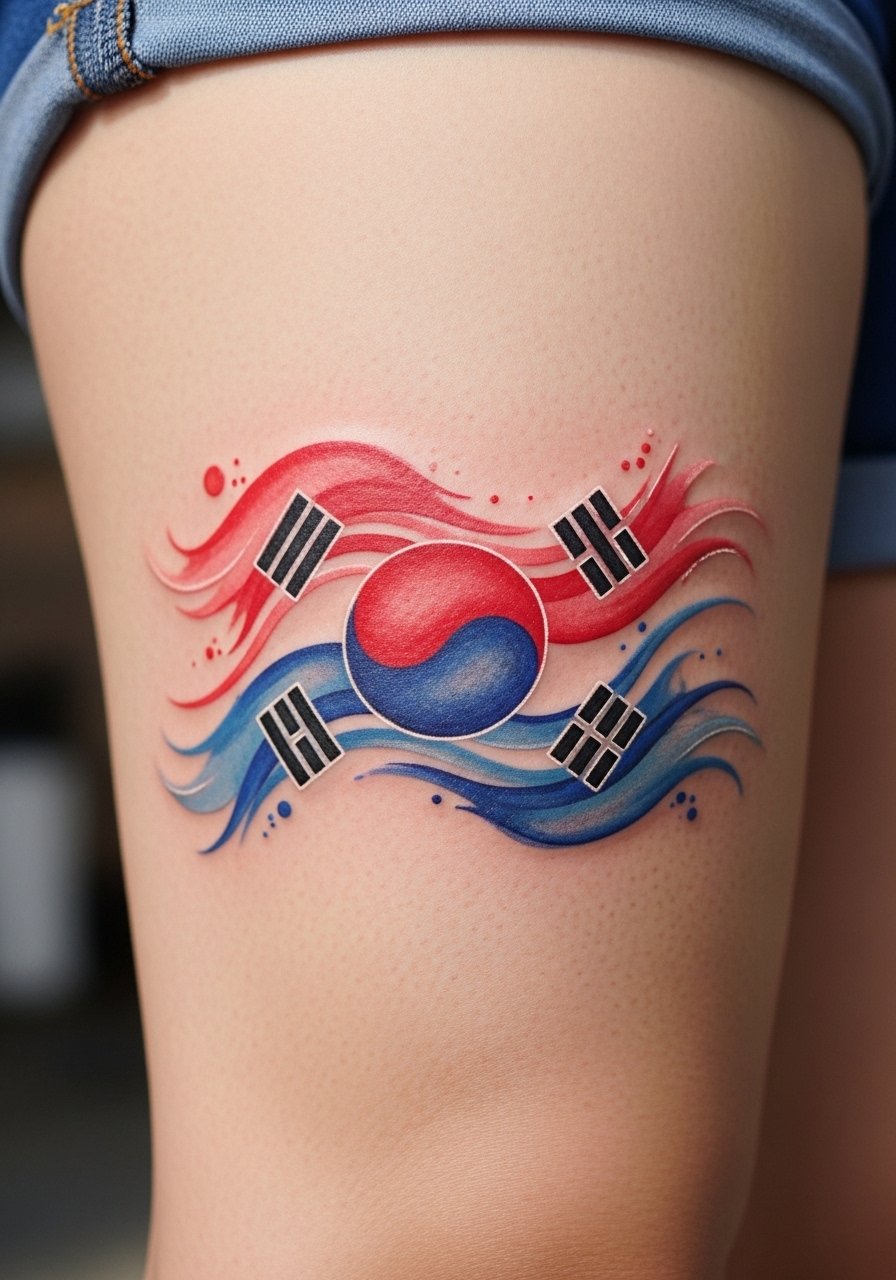
There is a delicate balance between patriotism and bold statement with a flag motif. The thigh gives space for fluid washes and is low on blowout risk. Tell your artist you want the Taeguk element to read as three-dimensional wave shapes, not as flat paint. Sessions are comfortable and can be done in a single sitting. A mistake I see is layering too many thin washes without saturation, which vanishes after sun exposure. Plan for UV protection in long-term maintenance and expect color refresh if you spend a lot of time outdoors.
8. Ignorant Style Turtle Ship on Shoulder Cap
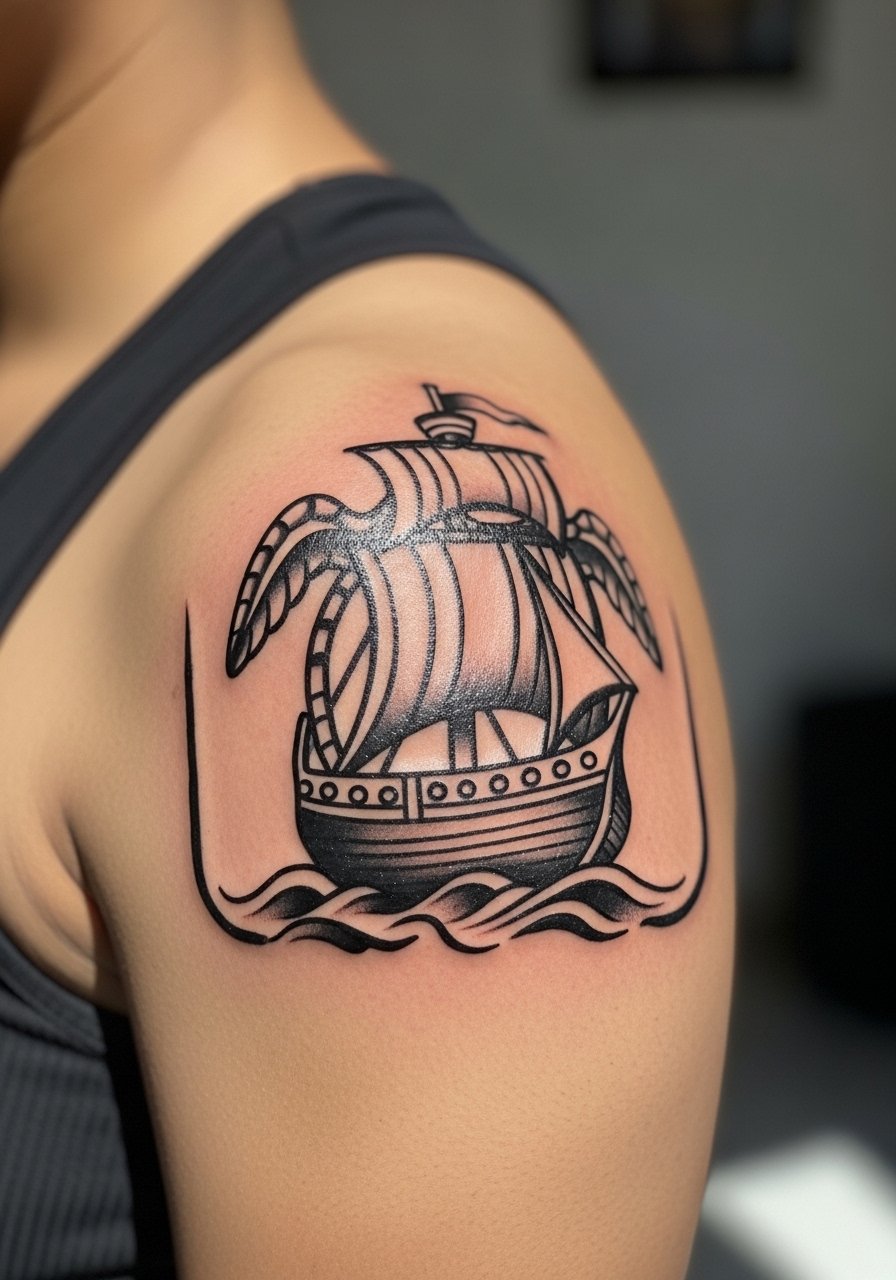
The visual language of ignorant style is chunky and playful. Shoulder cap is a classic spot for historical motifs because the curve lets the ship read in motion. Many people try to miniaturize this style and lose the charm. Ask for oversized outlines and minimal internal texture so the design keeps character over time. Session length is moderate and pain is often a 4 out of 10. If your industry requires discretion, remember shoulder pieces can be covered with most shirts. For historical sensitivity, note the reference to Joseon naval history rather than copying a museum piece.
9. Fine Line Four Symbols (Turtle-Snake) on Ankle
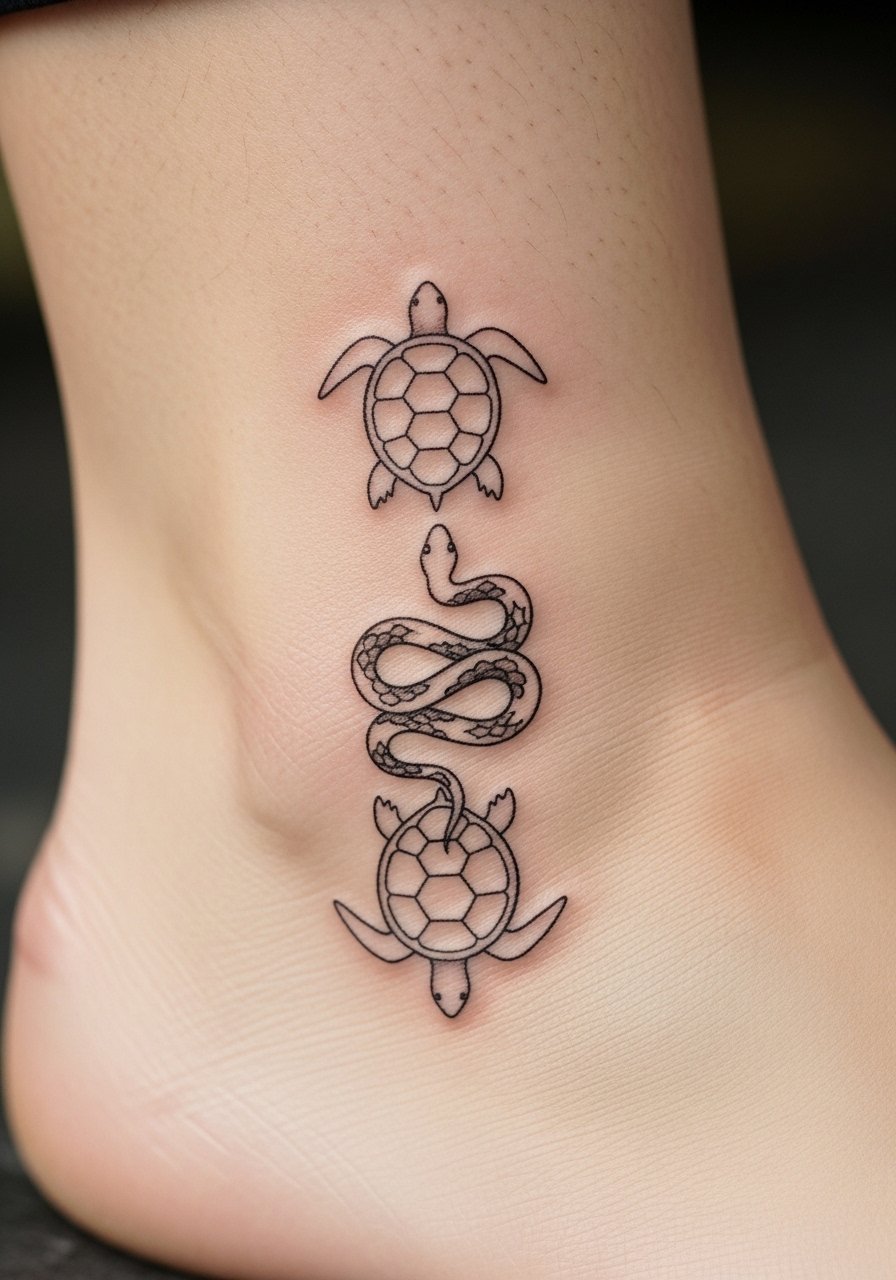
Most geometric and mythic micro-pieces fail when made too small for their detail. The ankle is high movement and low fat, so fine line here risks early blowout. One camp of artists says fine line in this area will blur within two years. The other camp argues that with slightly deeper placement and deliberate spacing it will hold. That debate is worth naming. If you like this balance motif, ask your artist to increase spacing and avoid hairline details. Expect a touch-up window sooner than a forearm piece.
10. Traditional Peony with Hanji Paper Texture on Upper Back
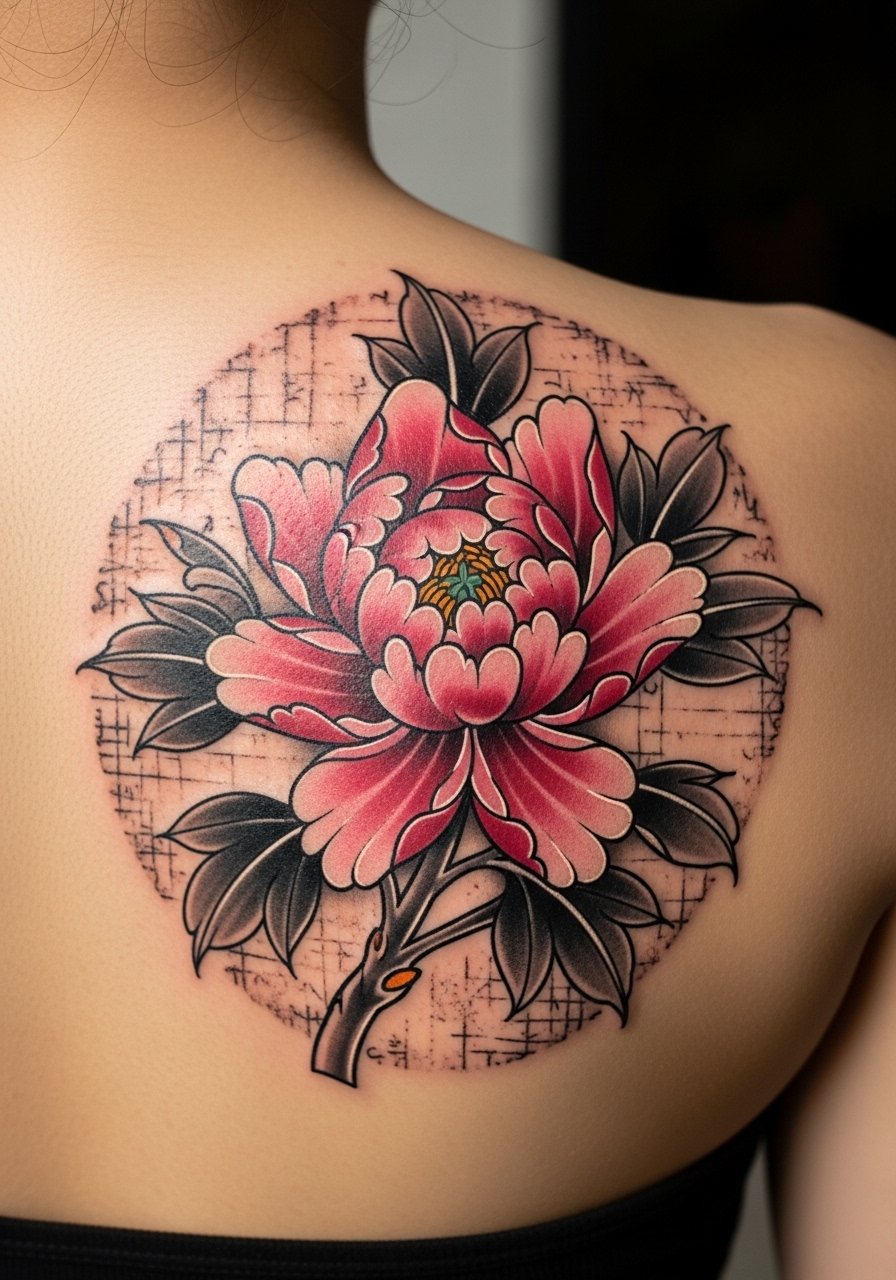
When you want texture that reads like hanji paper, bring reference images of the fiber grain and explain you want the texture implied, not copied. The upper back offers a broad canvas for simulated aged paper effects and larger petals. A common mistake is trying to force the texture into a small 3-inch piece. Sessions are longer and can be split into multiple sittings. For cultural respect, note that hanji has a craft history tied to Korean artisans, and subtle adaptation often reads more thoughtful than a direct replicate. Ask about layering and negative-space control for longevity.
Tattoo Prep and Aftercare Essentials
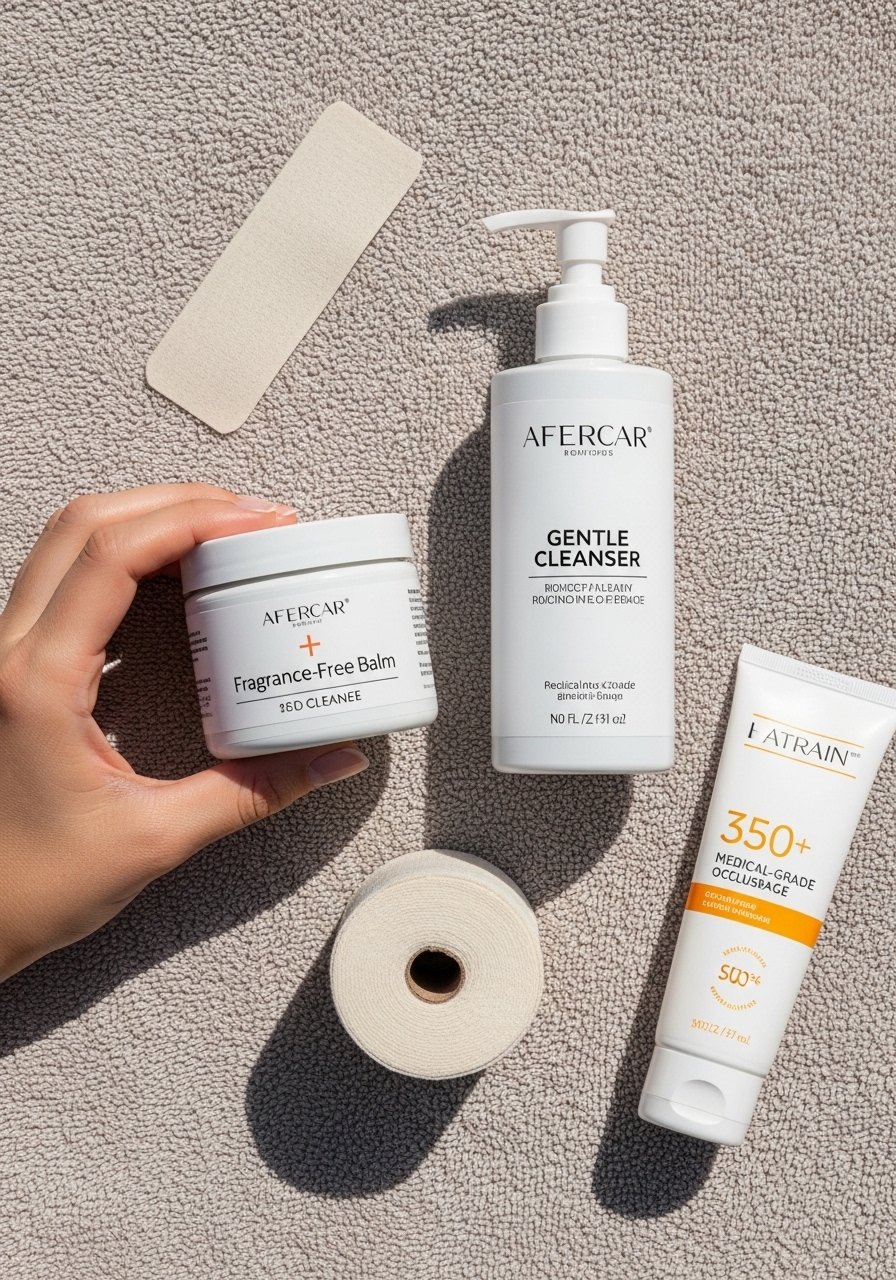
Fragrance-free gentle foaming cleanser for tattooed skin. Use this the first two weeks for daily cleansing to remove excess lymph and prevent scabbing buildup. Gentle foam keeps soap from leaving residue that attracts dirt.
Lightweight fragrance-free moisturizing balm. Apply thin layers during the moist phase. A balm with quick absorption keeps clothing from sticking and lowers irritation.
Medical-grade second skin bandage, 4×6 inches. Useful for the first 24 to 48 hours on high-friction spots like ribs or shoulder caps. It reduces crusting and lets you shower sooner.
Antibacterial gentle soap, pump bottle. Use sparingly for the first 3 to 5 days when dirt exposure is likely, rinse thoroughly.
Silicone-based long-term scar and color maintenance sheet. Good for smoothing raised lines and helping pigment sit evenly after full healing.
Broad-spectrum mineral sunscreen SPF 50, face and body stick. Daily UV protection is the single most effective way to keep dark and color work from fading.
Aquaphor Healing Ointment, small jar. Use this sparingly in the very early phases if your artist recommends an occlusive. It is the one mainstream product in this list and absorbs slower than some modern balms.
Soft breathable compression sleeve for leg pieces. Wear during the first week if your piece sits in clothing that rubs. It reduces friction and lowers scab loss.
Every tattoo is different. Always follow your artist's specific aftercare instructions. Consult a dermatologist if you have skin concerns or unusual healing issues.
Frequently Asked Questions
Q: Will fine line designs like the Hanbok silhouette blur faster than blackwork?
A: From what I've seen, fine line tends to need touch-ups earlier because tiny lines spread over time. If you prefer fine line, ask for slightly bolder linework and more spacing so the silhouette stays readable. Plan for a possible touch-up in the first two to three years depending on placement and sun exposure.
Q: Are hanji texture effects appropriate for a small back piece or do they need a larger canvas?
A: Hanji paper texture reads best on medium to large surfaces where the fiber suggestion has room to breathe. On small pieces it becomes grainy and can look like noise. For a small area, ask your artist to simplify the texture into a few implied strokes rather than full grain detail.
Q: How does placement affect touch-up timelines for watercolor flag work versus blackwork motifs?
A: Watercolor and color washes on high-friction or sun-exposed areas tend to fade faster than blackwork. Thighs and upper back hold color better than forearms and hands. For the flag-style watercolor, plan annual sunscreen use and expect a color refresh sooner than a dense black piece.
Q: If I want Hangeul script, what should I bring to my consultation?
A: Bring the exact phrase typed in Hangul and several letterform samples that show the weight and spacing you want. Tell your artist where the script will sit in relation to other motifs. Clear references avoid misinterpretation and reduce the need for later corrections.
Q: Are ankle fine line mythic symbols more prone to blowout than forearm pieces?
A: Yes, ankles sit over thinner tissue and near joints so the risk of ink migration is higher. If you want a four-symbol motif there, ask for increased spacing and slightly heavier outer lines. Expect a touch-up window earlier than a forearm placement.
Q: Where should I look to find artists who specialize in Korean inspired tattoos without naming names?
A: Use style-specific hashtags like #hangeultattoo and #hanbaktattoo, search location tags for "Korean tattoo [city]" and check directories such as Tattoodo. Booking a portfolio review or a short consultation is a good way to judge how comfortable an artist is with the motifs you want.
Q: Do I need different aftercare for shoulder cap blackwork compared with collarbone micro-realism?
A: The core steps are the same but priorities shift. For collarbone micro-realism, focus on gentle cleansing and thin layers of balm to protect delicate color washes. For shoulder blackwork, prioritize friction control and hydration to maintain saturation. In both cases use sun protection once healed.