Someone I know spent six months bookmarking hand tattoos and still could not commit. The real hangup was not the idea but understanding which placements and line weights actually last on skin that bends, washes often, and takes sunlight. I looked through portfolios in five shops across Brooklyn and sat in on conversations about touch-ups, and these ten hand pieces kept coming up for their meaning and staying power. Read the notes before you book and bring the right references to your consultation.
1. Minimalist Arrow Along the Index Finger

Someone I know got this after a breakup because the arrow signified moving forward. Fingers are notorious for fading and needing touch-ups, so ask your artist for slightly thicker linework than a paper-thin sketch. The session feels sharp and quick, usually under 30 minutes, and pain is higher than on the forearm. A common mistake is making the arrow too small and tight to the joint. At six months you will likely see lighter saturation, and by year two expect softening that needs a touch-up if you want crispness. Hand tattoos still affect hiring in some fields, so consider that before committing.
2. Tiny Script on the Side of the Thumb

A small word on the thumb reads like a secret reminder when you clench your fist. Tell your artist exactly how tall and spaced you want the letters so they avoid overly tight script that will blur. The skin near the thumb shifts with every movement, so plan for a touch-up around year one or two. The session is short but can feel sharp because of bone proximity. One mistake is requesting ultra-fine lettering and expecting it to stay needle-fine. If you want longevity, request slightly bolder hairlines and ask about spacing between letters.
3. Geometric Palm Accent in Blackwork

A geometric accent on the palm is bold and private at first, then meaningful when you use it as a grounding touch. Palm skin presents the highest blowout and fading risk, and many artists avoid deep detail there. Artists split into two camps on palms. One camp says palm work never keeps fine detail and will blur fast. The other camp says heavy blackwork and simple geometry can stay readable for years. Ask which approach the artist recommends and why. Sessions on the palm are brief but intense. Expect heavier saturation initially and possible early fading.
4. Floral Stipple on the Back of the Hand
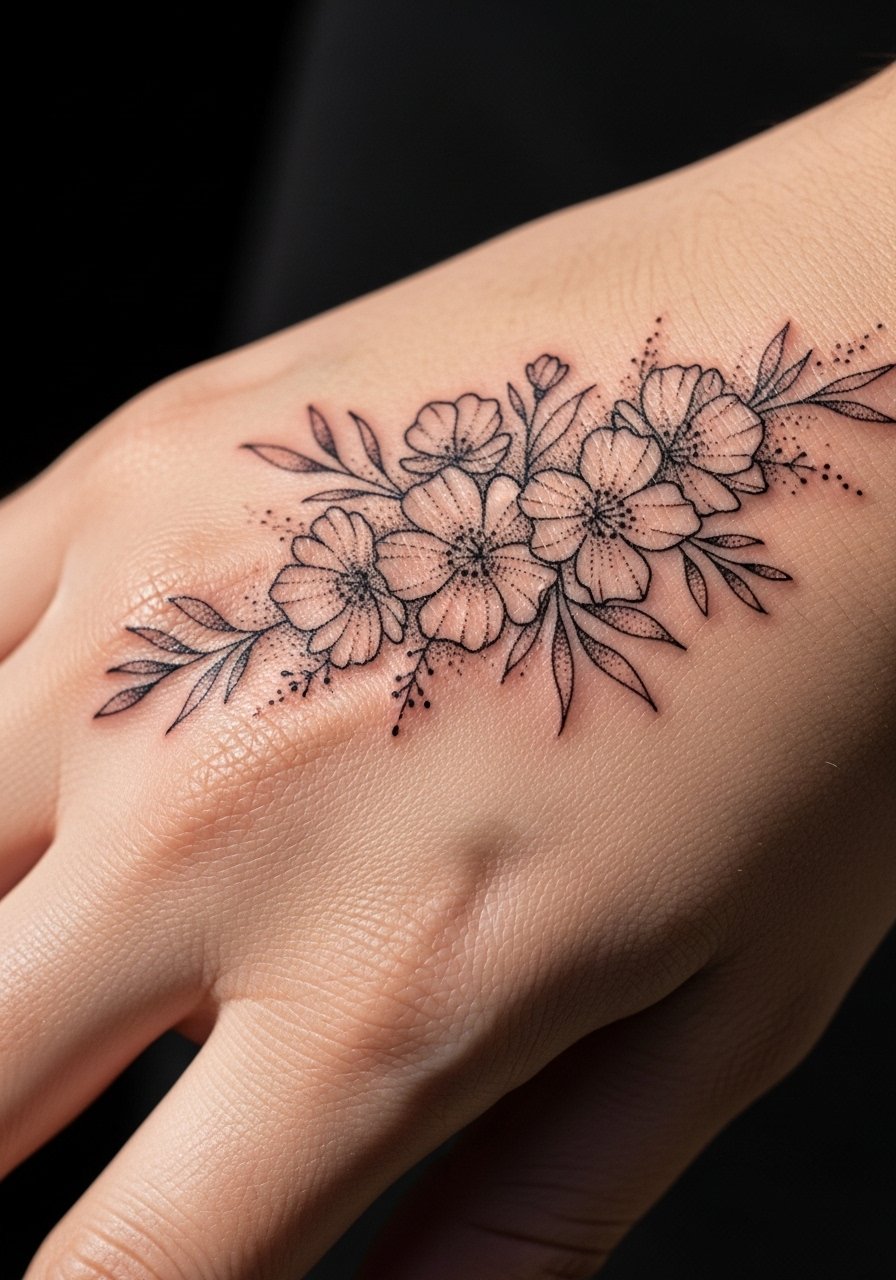
There is real elegance in dot work that reads gently across knuckles and the back of the hand. Tell your artist you want stipple shading rather than solid gray wash so the piece keeps texture as it ages. A frequent error is overpacking the shading close to joints. At six months stippling softens into a subtle texture, and by two to five years the contrast reduces more than on thicker fills. The session can run 45 to 90 minutes depending on coverage. If the design draws from specific cultural motifs, acknowledge the origin and consider a stylized adaptation out of respect.
5. Single-Point Micro-Realism Eye on the Hand Bone

An eye on the hand is a protective symbol and reads clearly when done slightly larger than a thumbnail. Micro-realism needs consistent saturation to hold detail, and artists debate whether tiny realism ages better than simplified iconography. One camp favors micro-detail and precise shading for emotional impact. The other camp says simplified black shapes last longer on moving skin. If you favor realism, tell the artist you accept touch-ups for the first two years. The session can be fussy and may require breaks. Expect some softening of fine tones by year two.
6. Bold Linework Mandala Radiating From the Wrist
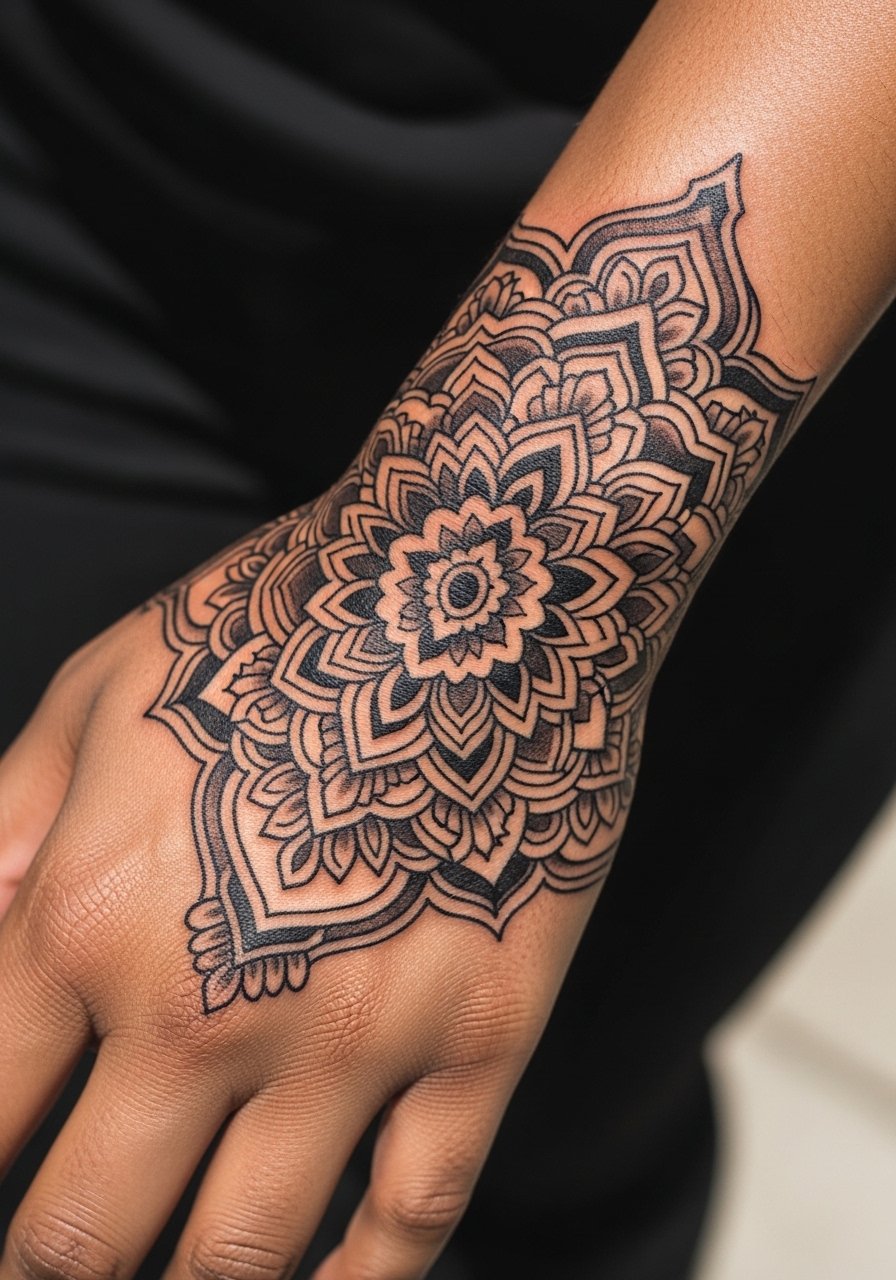
A mandala that begins on the wrist and moves onto the hand reads as both jewelry and a symbol of balance. Because mandalas reference spiritual traditions, consider subtle original tweaks rather than a direct cultural copy. The main mistake I see is cramming tiny petals into knuckle areas. Ask for slightly larger spacing between motifs so each element keeps shape over time. Bold linework here preserves contrast longer than ultra-thin patterns. Session time varies from one to two hours. Knuckle proximity increases pain and the need for earlier touch-ups.
7. Coordinate Numbers Along the Side of the Hand

Coordinates read like a private map. When a tattoo includes numbers or text, specify the exact characters to avoid generator gibberish in visual mocks. Fine monospace holds up better than delicate cursive on that side of the hand. People often ask for very small type and then need a touch-up within a year. The session is quick but sharp. Also think about placement relative to wrinkles and where you naturally fold your hand, because that determines how the numbers will age visually.
8. Crescent Moon and Stars Cluster Over the Knuckles

A small celestial cluster over the knuckles reads bold when you make a fist. Knuckles change with movement and can cause early softening, so ask for thicker outlines and negative space around each symbol. A mistake is requesting clustered tiny stars without spacing. Pain on knuckles is sharp and sometimes requires a short break. Expect touch-ups earlier than back-of-hand work. If your design references cultural star patterns, acknowledge the origin. The visual payoff is immediate and symbolic for many wearers.
9. Tiny Anchor on the Side of the Little Finger
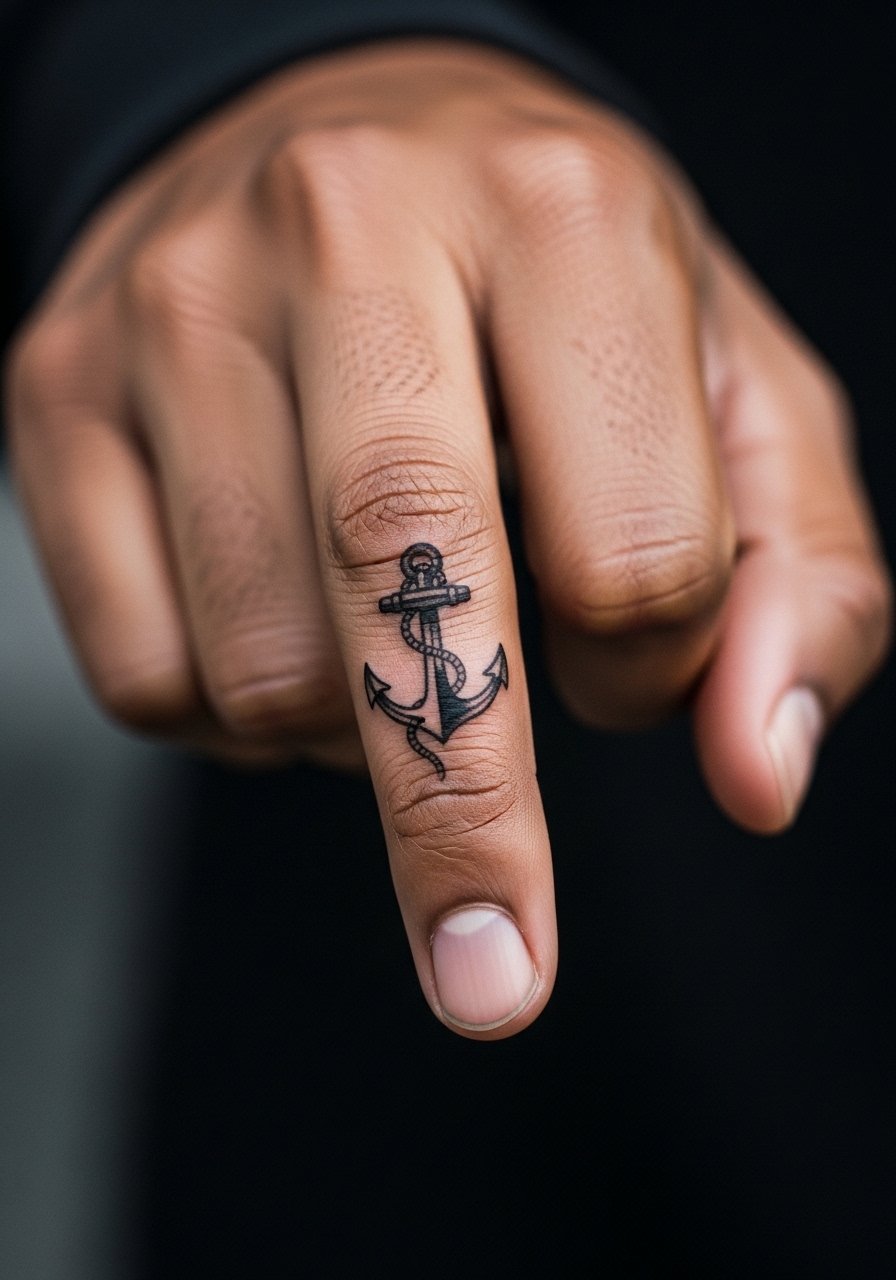
An anchor on the pinky can symbolize steadiness or memory of someone who loved the sea. Side-finger placements rub against rings and daily activities, so durability is the core issue. Ask your artist about recommended spacing and depth to improve retention. Sessions are short but uncomfortable. People often underestimate how often fingers encounter soap and water. Plan for a touch-up at year one. If you work in a job that involves frequent hand washing, discuss that before booking.
10. Tiny Geometric Palm-Edge Sigil Near the Thumb Base
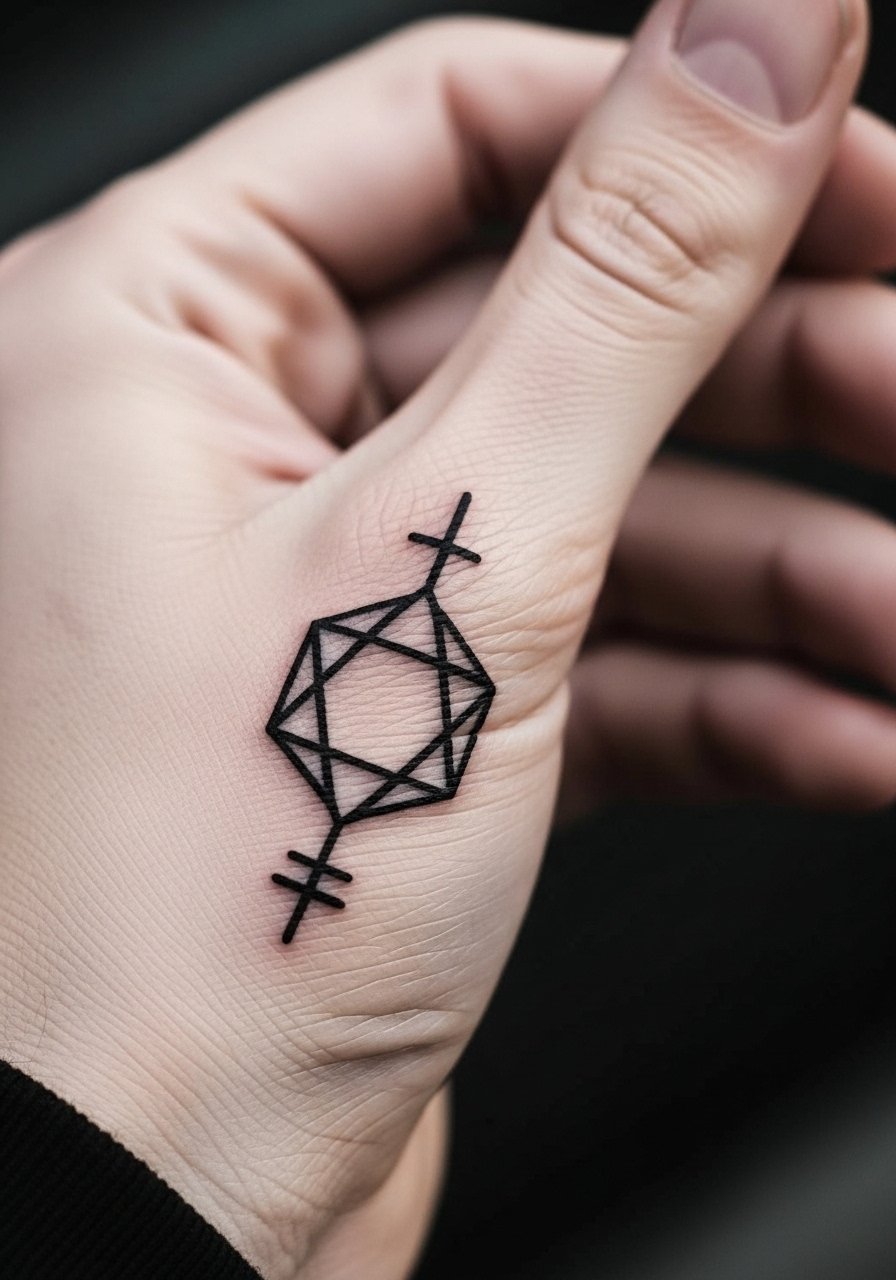
A compact sigil by the thumb base reads as a private talisman when you move your hand. The palm edge sees high abrasion, so a simple, bold geometry holds up noticeably better than intricate filigree. One common mistake is trying to mimic fine flash designs on this surface. The session feels acute and brief. Expect heavier initial saturation and a potential early fade. Discuss a realistic touch-up timeline. If the sigil draws from an esoteric or cultural symbol, mention the origin to your artist and consider respectful variation.
Tattoo Prep and Aftercare Essentials
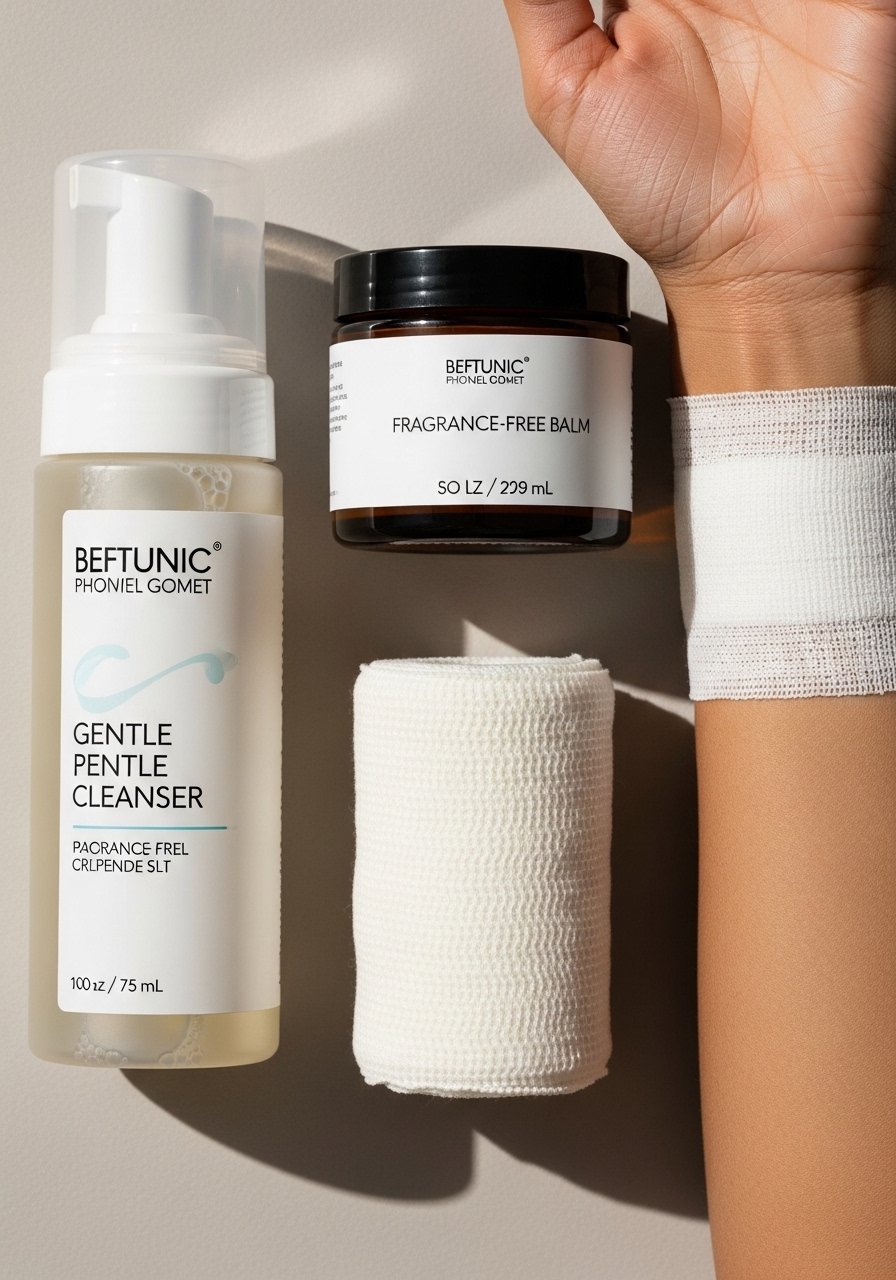
Pre-appointment: keep the area moisturized for a week before the session and avoid heavy sun exposure. The day of, wear clothing that allows easy access to the hand and that you do not mind getting ink on. For the first two weeks after a hand tattoo, frequent hand washing is unavoidable. Use a gentle cleanser and pat dry, then apply a thin layer of a recommended balm. Hands take more wear than other spots, so a realistic plan for touch-ups helps you keep the design crisp.
Shopping list
After Inked Tattoo Moisturizer and Aftercare Lotion. A lightweight, non-greasy moisturizer that people report using during the scab-free phase. Use it after cleansing to keep the skin supple without clogging pores.
Tattoo Goo Original Aftercare Ointment. An old-school balm some prefer for the initial healing days. Apply a thin layer in the first 48 to 72 hours as directed.
H2Ocean Tattoo Aftercare Spray. A saline-based spray that helps rinse away debris without harsh rubbing. Useful for hands that need frequent cleansing between activities.
Bepanthen Tattoo Care Ointment Tube. A soothing ointment popular in some regions for early healing. Use sparingly and follow your artist's timing on switching to lotion.
Fragrance-free gentle foaming cleanser. Generic descriptor. Use for daily gentle washing that will not strip the skin or the ink.
Lightweight fragrance-free balm. Generic descriptor. Good for daytime hydration without excessive sheen.
Medical-grade second skin bandage, 6-inch roll. Generic descriptor. Useful for initial protection if your artist recommends occlusive healing for a day or two.
Broad-spectrum SPF 50 mineral sunscreen. Generic descriptor. Use on healed hand tattoos whenever they see sunlight to slow fading.
Every tattoo is different. Always follow your artist's specific aftercare instructions. Consult a dermatologist if you have skin concerns or unusual healing issues.
Frequently Asked Questions
Q: Will finger and knuckle tattoos blur into a shaded mess within a year?
A: It depends on size, line weight, and daily wear. Fingers and knuckles get lots of water, soap, and friction so very fine details fade faster. Choosing slightly bolder lines and planning for a touch-up around year one makes these pieces practical.
Q: How often do hand tattoos need touch-ups compared with forearm work?
A: From what I've seen, hands typically need touch-ups sooner because of exposure and skin type. Expect a touch-up within one to three years for many hand placements, while forearm pieces often wait longer. The exact interval depends on your lifestyle.
Q: Are there hand tattoo styles that age better than others?
A: Bold blackwork and simple geometry usually hold up better than ultra-fine script or tiny micro-realism. Stipple shading keeps texture but can soften, while solid shapes maintain contrast longer. Tell your artist which part of longevity matters most so they can advise on line weight.
Q: Should I use an occlusive bandage like second skin on hand tattoos?
A: Some artists recommend a medical-grade second skin for the first 24 to 48 hours, especially on high-movement spots. If your artist suggests it, follow their timing precisely. The product in the shopping list links to common options.
Q: Do palm-side tattoos require special artist experience?
A: Yes, not every artist does palm work, and many decline it. Ask about healed examples of palm tattoos in their portfolio and about touch-up policies. One quick question to ask is how they adjust depth and spacing for glabrous skin.