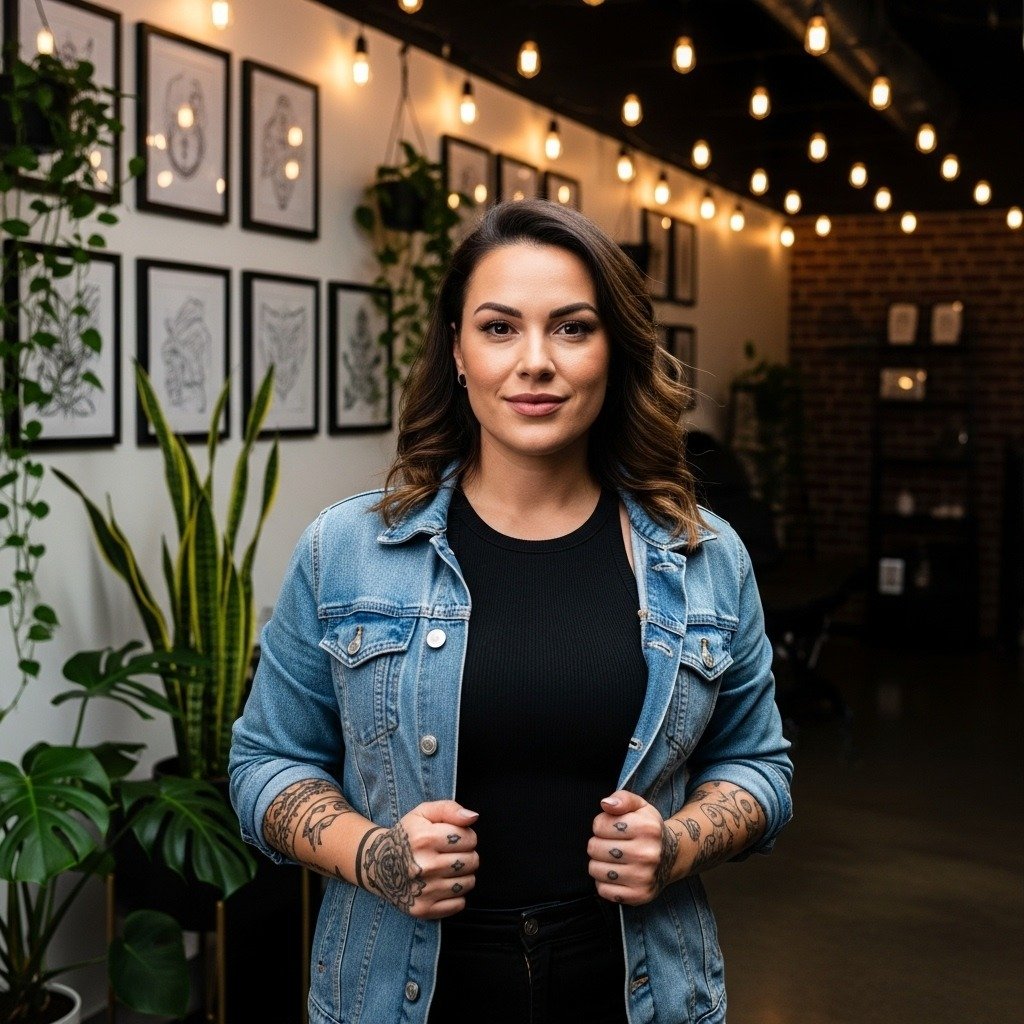
Someone I know spent months scrolling portfolios and still booked the wrong hand piece. The problem was not the design options. It was knowing which blackwork styles actually hold up on hands that get washed, bumped, and stretched. Below I picked ten hand tattoos that keep returning in conversations with five shops across Brooklyn and in forum threads, and I explain what to ask for, how they heal, and the realistic touch-up timeline so your next hand piece ages the way you want.
1. Bold geometric mandala on the back of the hand
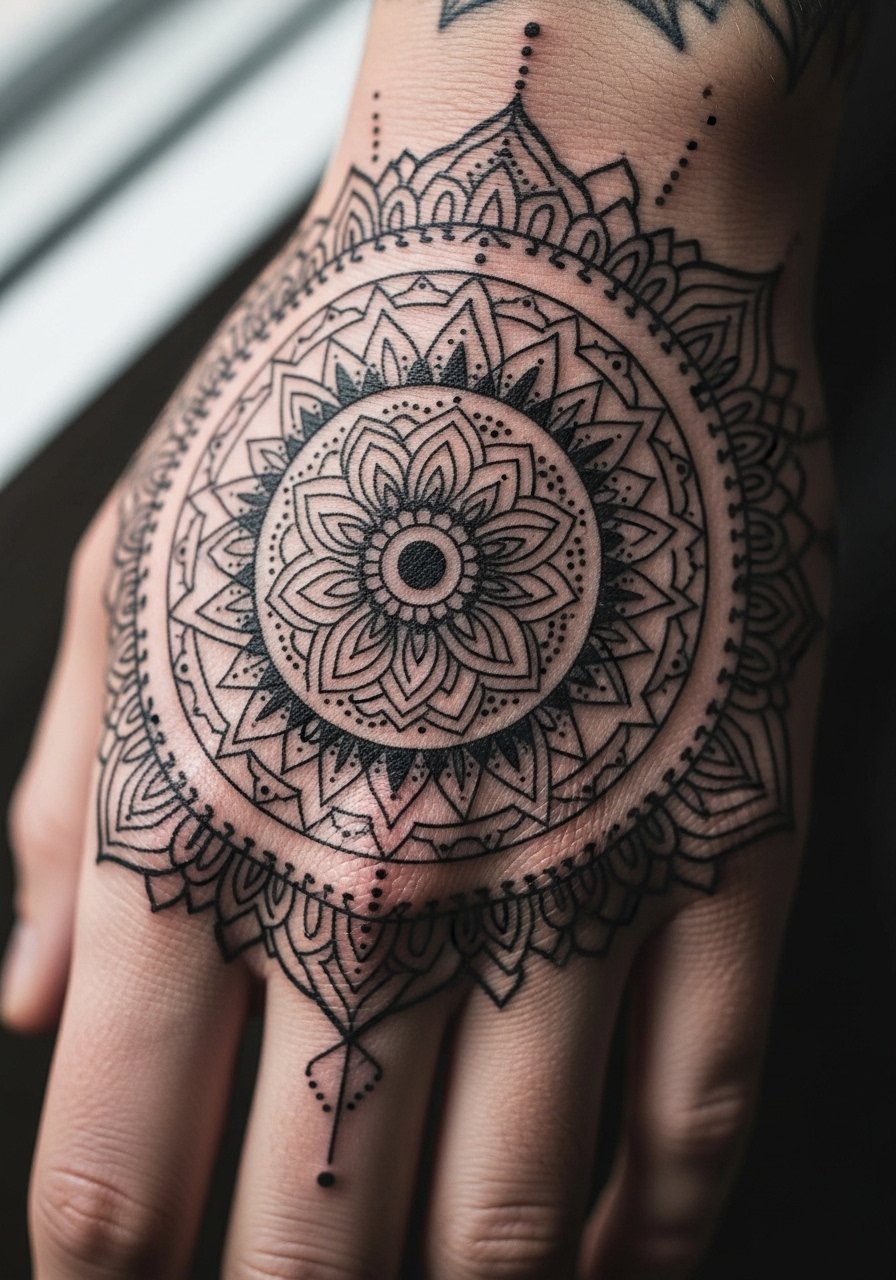
Most people I know choose a mandala because it reads from a distance and still looks coherent after months of hand use. Tell your artist you want wider linework and more negative space than the reference, so the ringed layers do not merge as the skin loses elasticity. Pain is moderate for the back of the hand and a typical session runs 90 to 150 minutes. Healed at six months the pattern keeps contrast if saturation is solid, at two years small gaps will soften, and by year five expect a gentle blur unless you schedule touch-ups every 12 to 24 months. Common mistake is asking for ultra-fine spokes; those vanish quickly on hands.
2. Solid black raven silhouette across the top of the hand
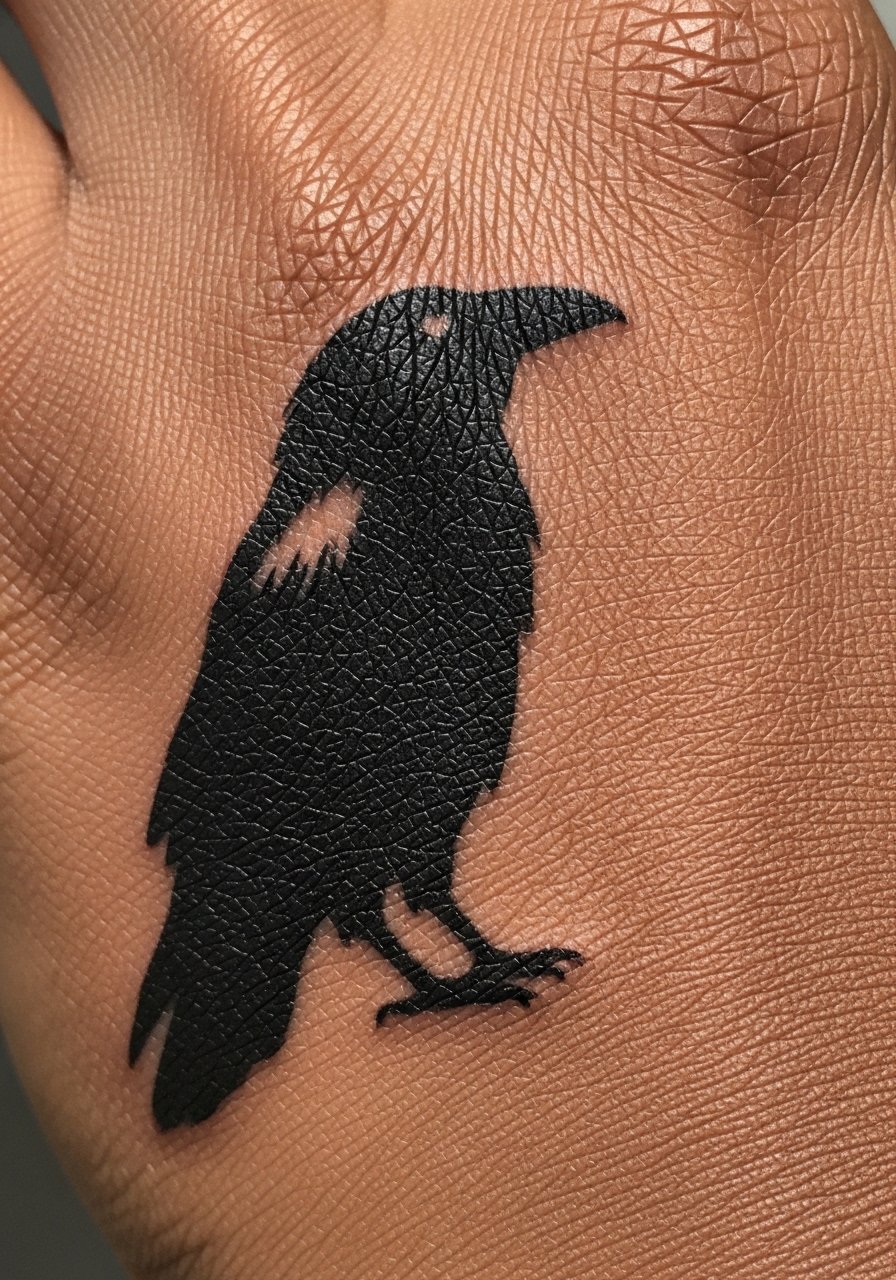
If you want a single-image statement that handles friction, a solid silhouette beats delicate shading. Tell the artist to pack saturation evenly and to avoid tiny beak details that can fuzz. Session time is often under two hours, pain is on the lower end for the hand surface, and touch-up needs are usually annual for high-contact hand work. A common mistake is asking for feather detail that reads like texture at first but becomes muddled after weeks. This style is great if you plan future patchwork because the silhouette acts as an anchor.
3. Intricate gothic cross on the palm side
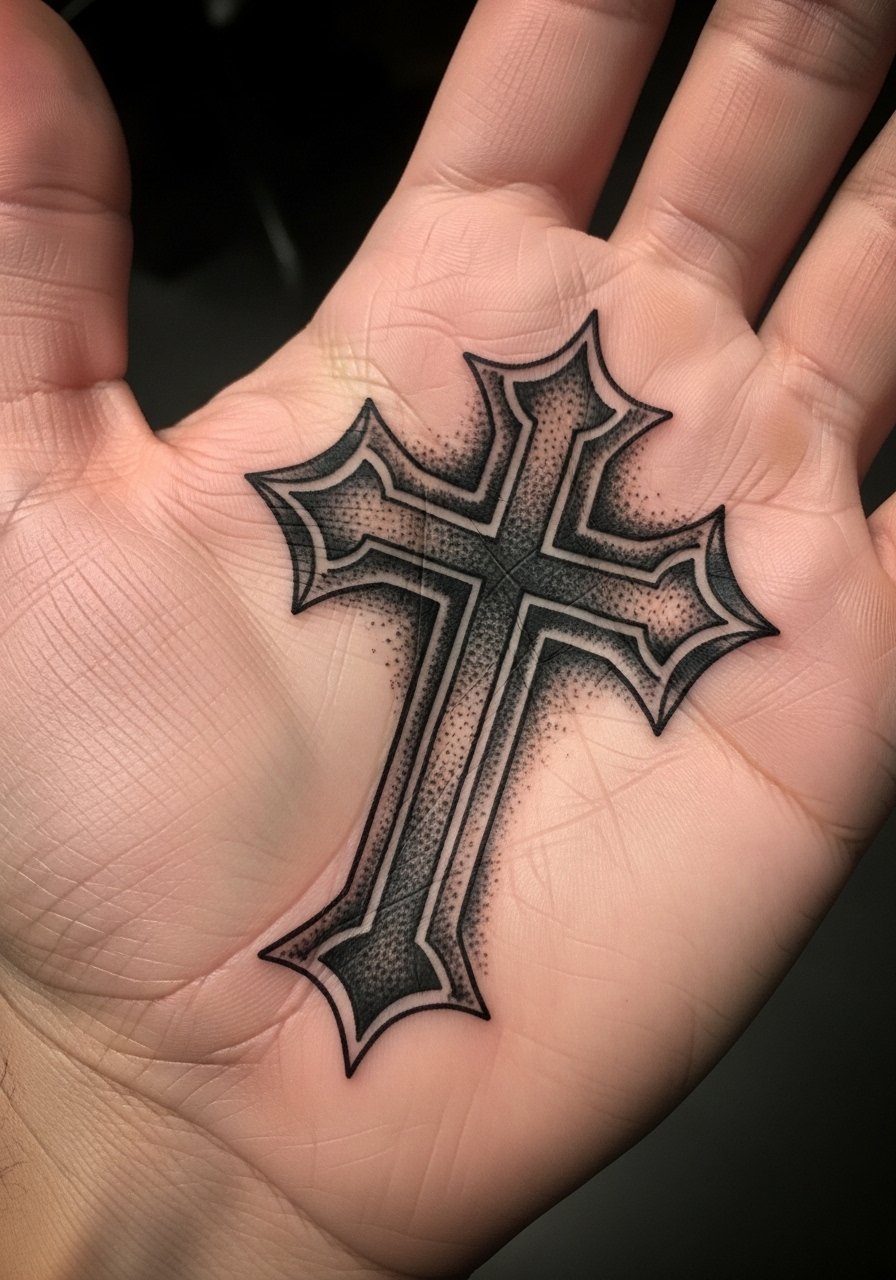
Fair warning, palm tattoos have unique healing quirks and the palm-side cross divides opinion in forums. One camp says palms heal poorly under sealants because of constant sweat, the other camp prefers sealed healing for darker designs. If you pick this placement, ask the artist about their palm-healing protocol and expect shorter session windows to avoid long stints of rubbing. Pain is higher on the palm, session time is usually split into two sittings, and many people see significant fade by year two without touch-ups. Avoid ultra-fine filigree that will disappear into palm creases.
4. Dense floral blackout with thorn accents on the knuckles
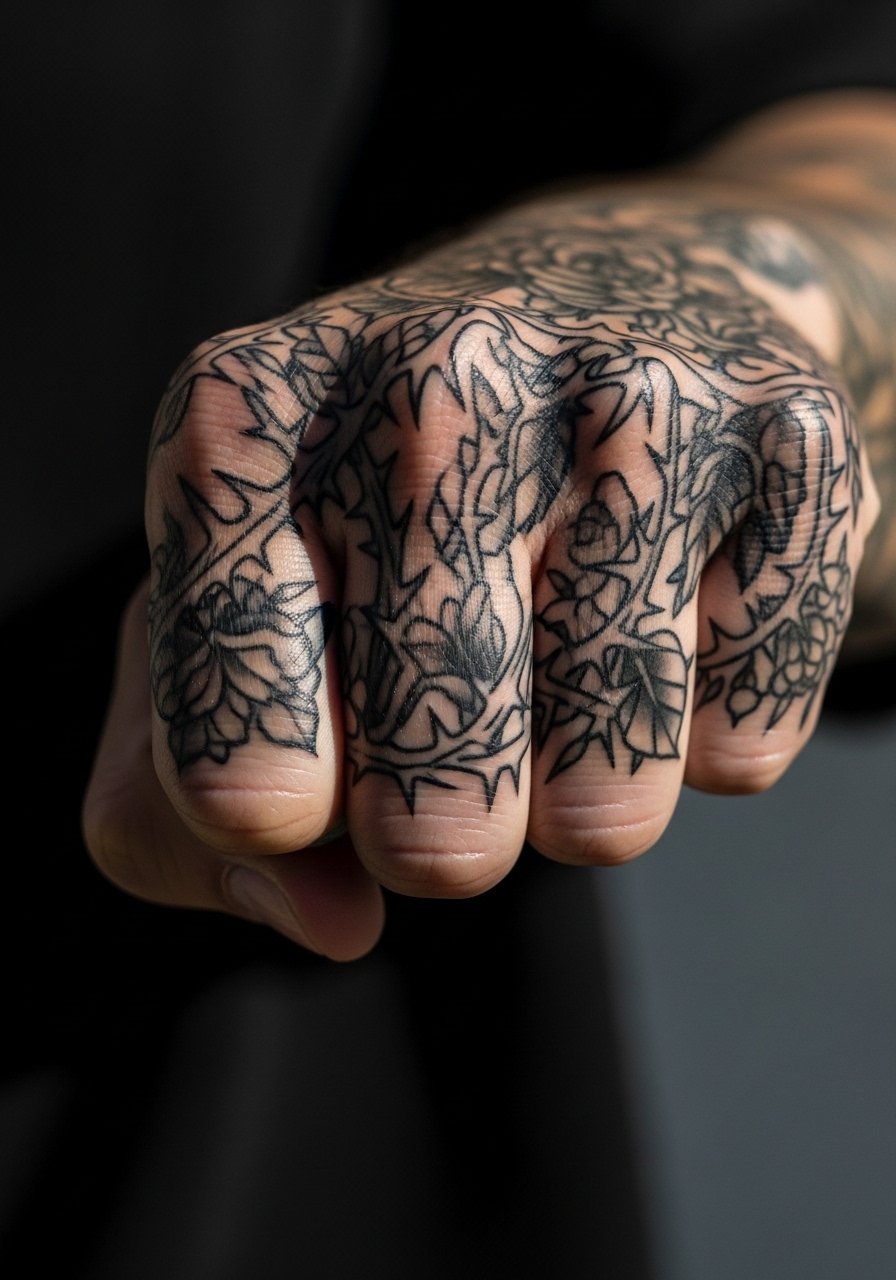
Someone I spoke with used a floral blackout to mask older color and it worked because the solid fills provide opacity. Tell the artist you want the thorns and small negative veins to be spaced so knuckle folding does not break the pattern into blobs. Knuckle placement is high pain and often needs three sessions to get both crisp edges and deep saturation. Expect annual touch-ups where the creases wear first. A big mistake is asking for too many tiny petals over the knuckle itself, which tend to blur into the fold lines as you age.
5. Abstract wave patterns wrapping fingers
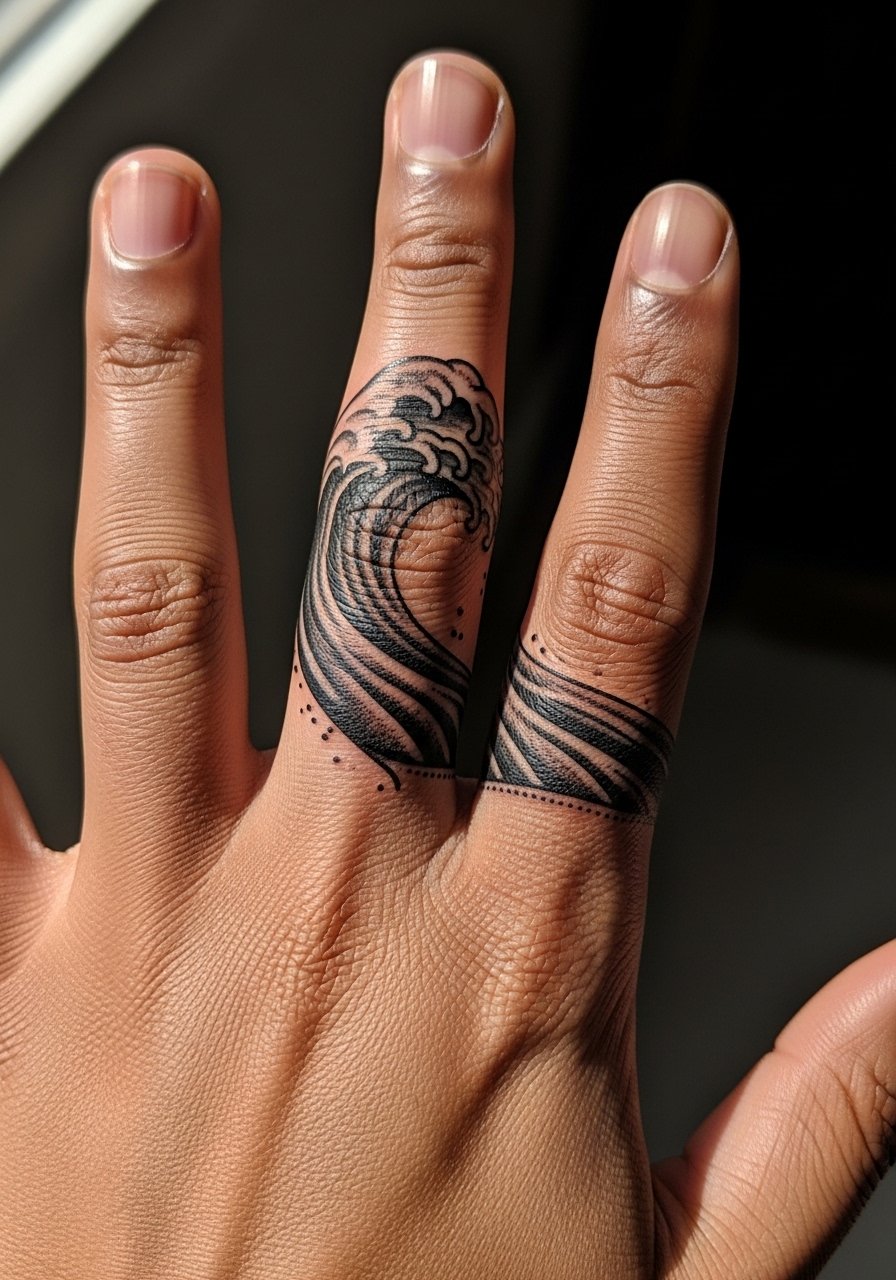
When your job or lifestyle needs discreet pieces, finger wraps read as movement rather than static art. For surfers and folks who gesture a lot, waves show motion and resist obvious fading when designed with thicker bands and rhythm. Tell the artist to avoid micro tapering on the tips and to stagger line breaks so the wrap breathes with knuckles. Sessions are short for small wraps, pain is sharp but quick, and touch-ups can be needed at 6 to 18 months depending on hand washing habits. A common error is asking for uninterrupted fine lines around the tip, which blow out easily.
6. Skull and rose fusion full hand cover-up
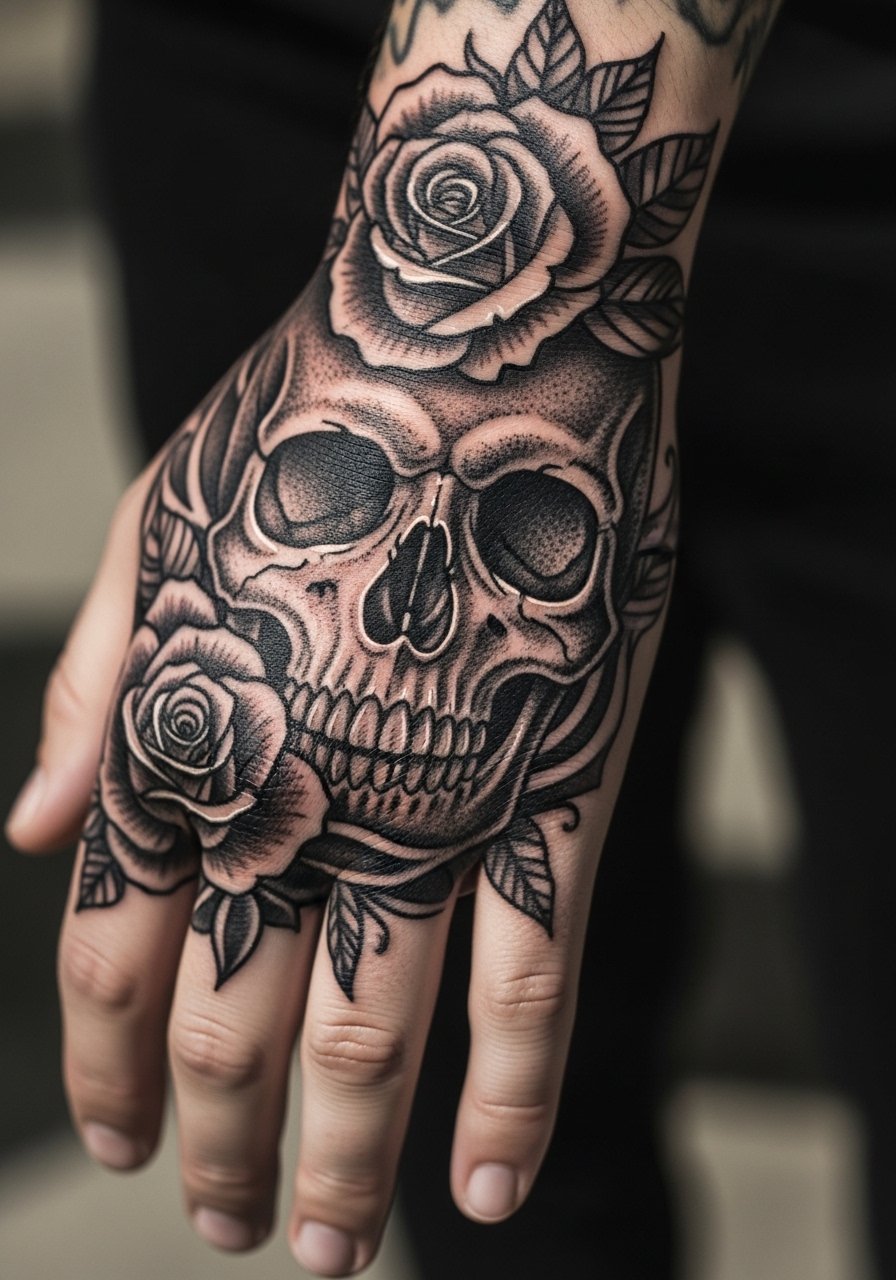
If you are covering faded color or regret, a neo-traditional blackwork cover-up gives opacity that lasts. In the consult, bring photos of the existing tattoo and ask the artist to map where heavy black should sit to obscure old pigment. This is high commitment work, often four or more sessions, and hands will be sore longer than a small piece. Expect touch-ups after the dense fills settle, commonly within the first year. The main mistake is trying to cram too much detail into the cover-up region rather than letting mass and negative space do the concealment.
7. Medieval rune script wrapping wrist to hand
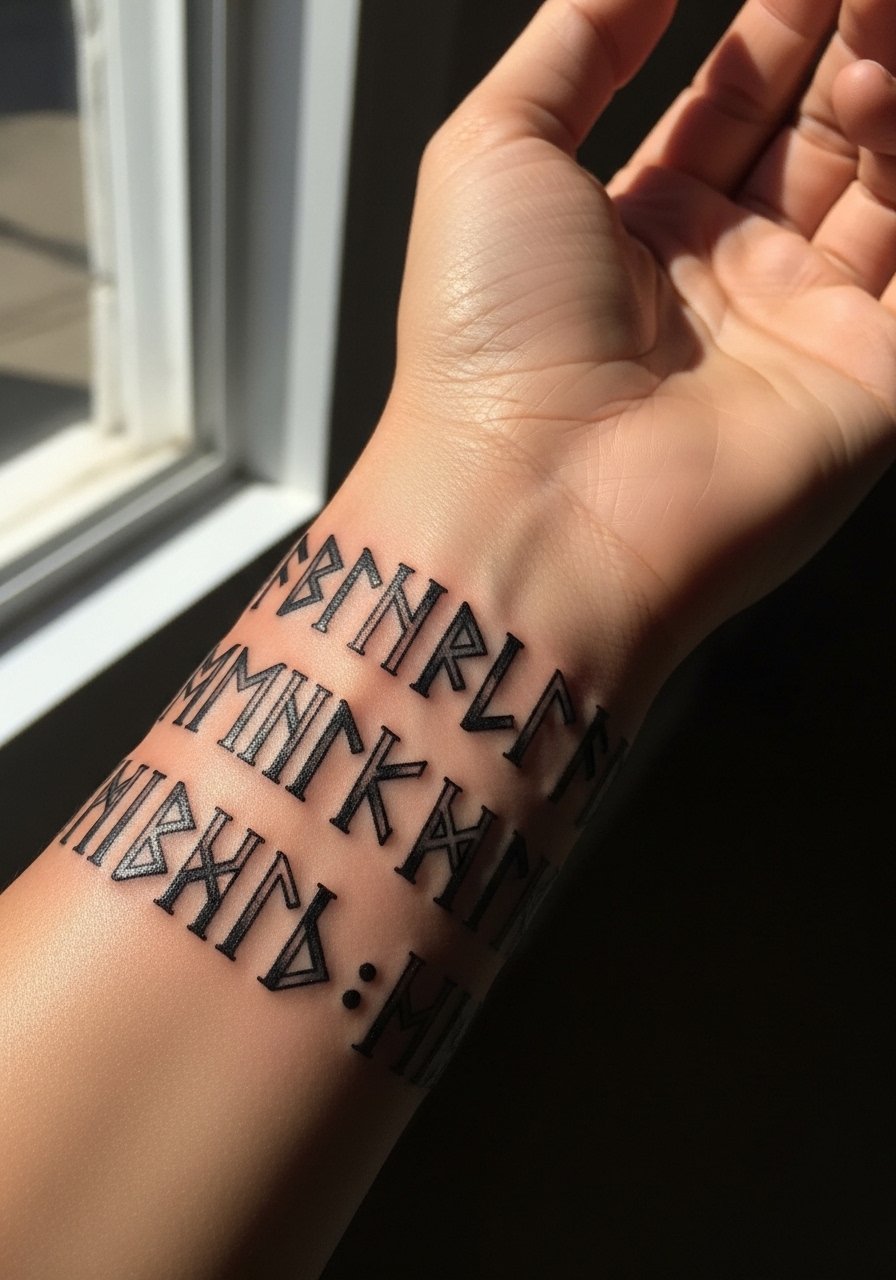
When you want words that read dynamically while you move, a rune script across the wrist and hand looks intentional and ornamental. During the consult, show how you want the letters to align when your hand is relaxed. Linework clarity is essential, so request slightly thicker strokes than you'd use on forearm script. Sessions usually take two sittings to get spacing right, pain is moderate on the wrist transition, and letters can blur unevenly if spacing is too tight. Avoid tiny letters that become unreadable after a year.
8. Solid black dotwork galaxy on the thumb web
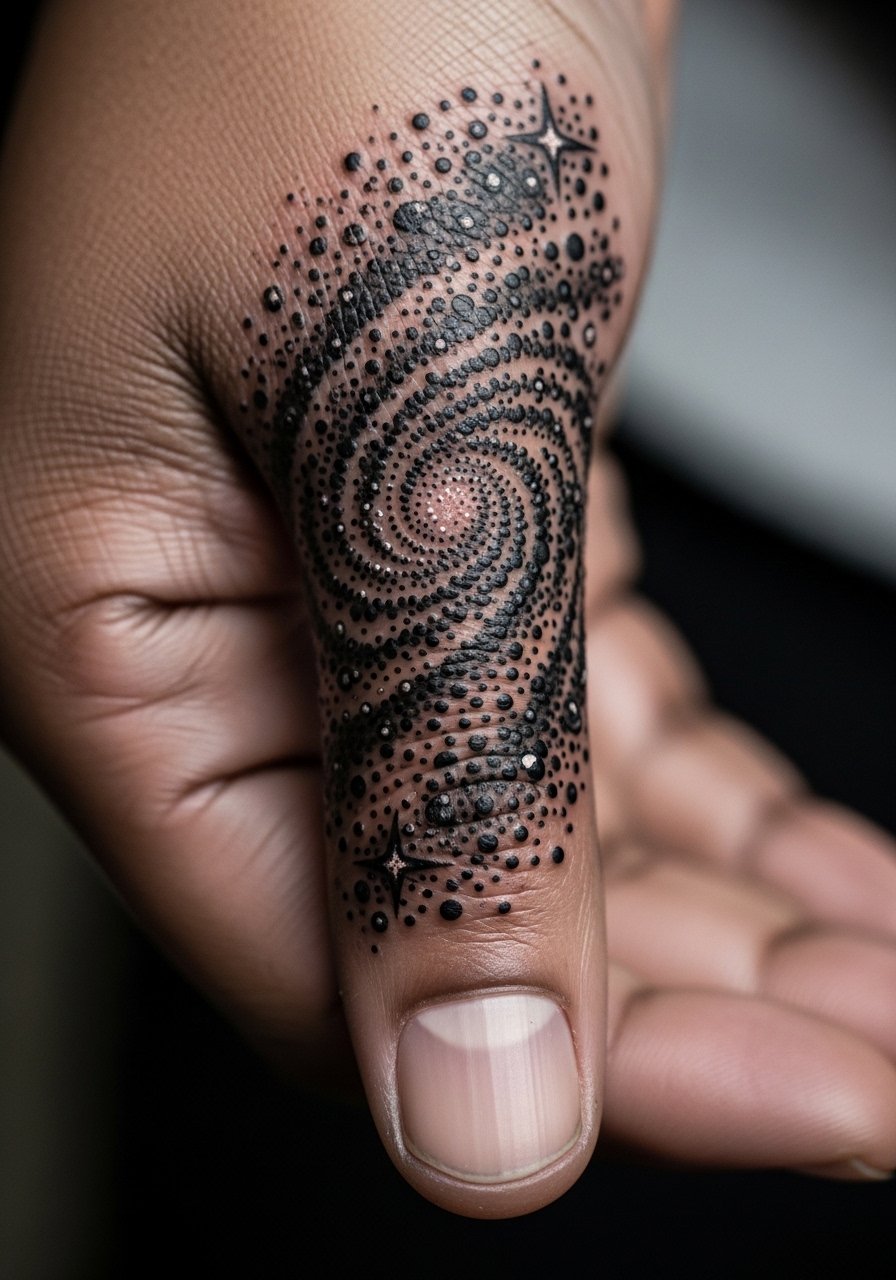
A thumb web micro piece is subtle but bold when done with dot work. The stipple shading gives a soft edge that can age gracefully if dots are spaced for skin movement. Because fine-dot work sometimes gets compared with fine line, artists and clients debate whether dot density or heavier lines win on hands. One group favors dense dot saturation to maintain contrast, the other group points out that too many tiny dots can wash out on palms and webs. For this placement, expect a quick session, sharp pain for a short time, and touch-ups at one to two years. The common mistake is choosing ultra-fine dot shading that lacks anchor points.
9. Tribal-inspired blackout band on the wrist
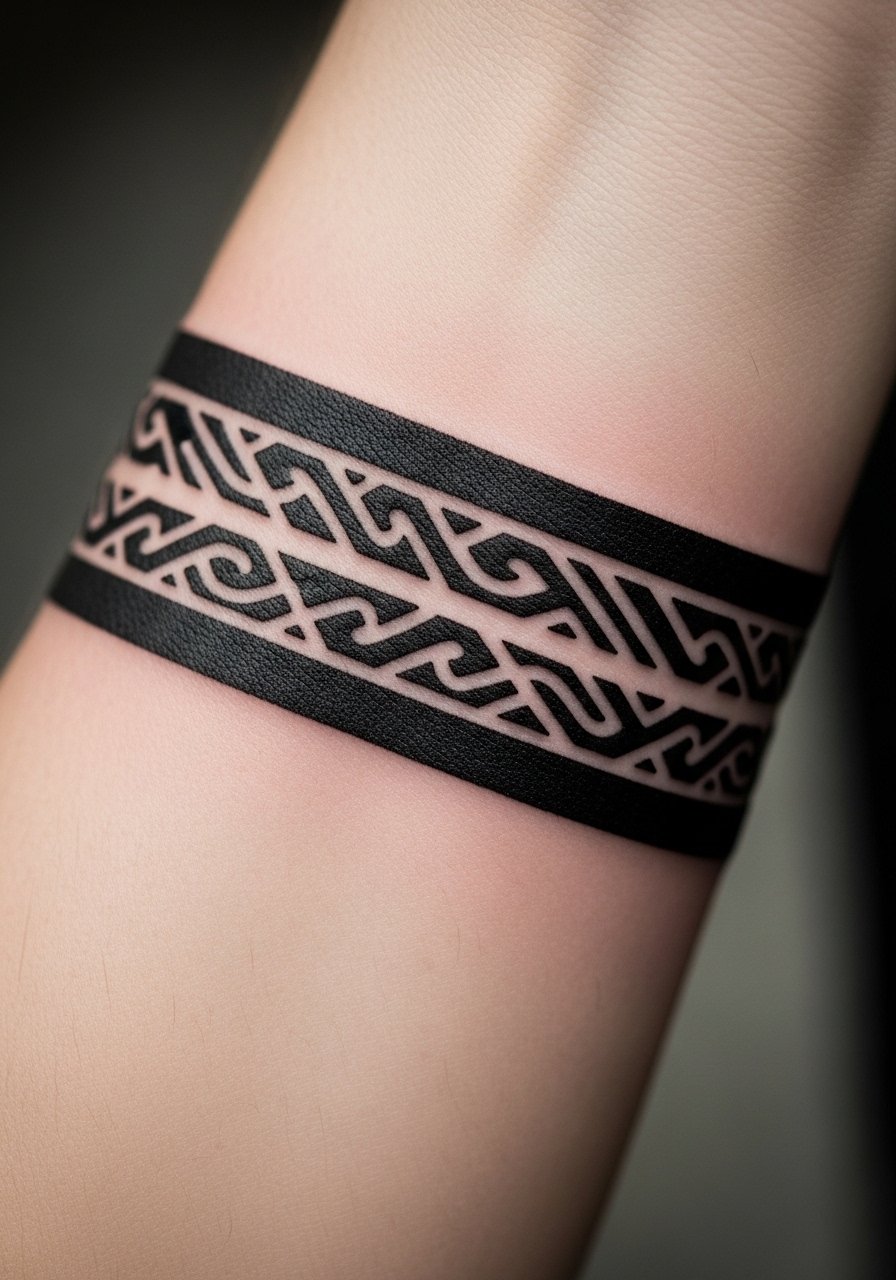
A wrist blackout band gives a tidy foundation for later patchwork and it handles abrasion well when executed with clean edges. Ask your artist for a mockup that accounts for wrist movement so the edges do not warp when you flex. Sessions are brief and pain is moderate, but precise saturation matters or the band will look patchy within months. Expect lower maintenance than knuckles but plan for an edge touch-up at year two if your job rubs wrists against surfaces a lot. The mistake is picking an overly thin band that becomes uneven with hand movement.
10. Dark vine tendrils climbing fingers
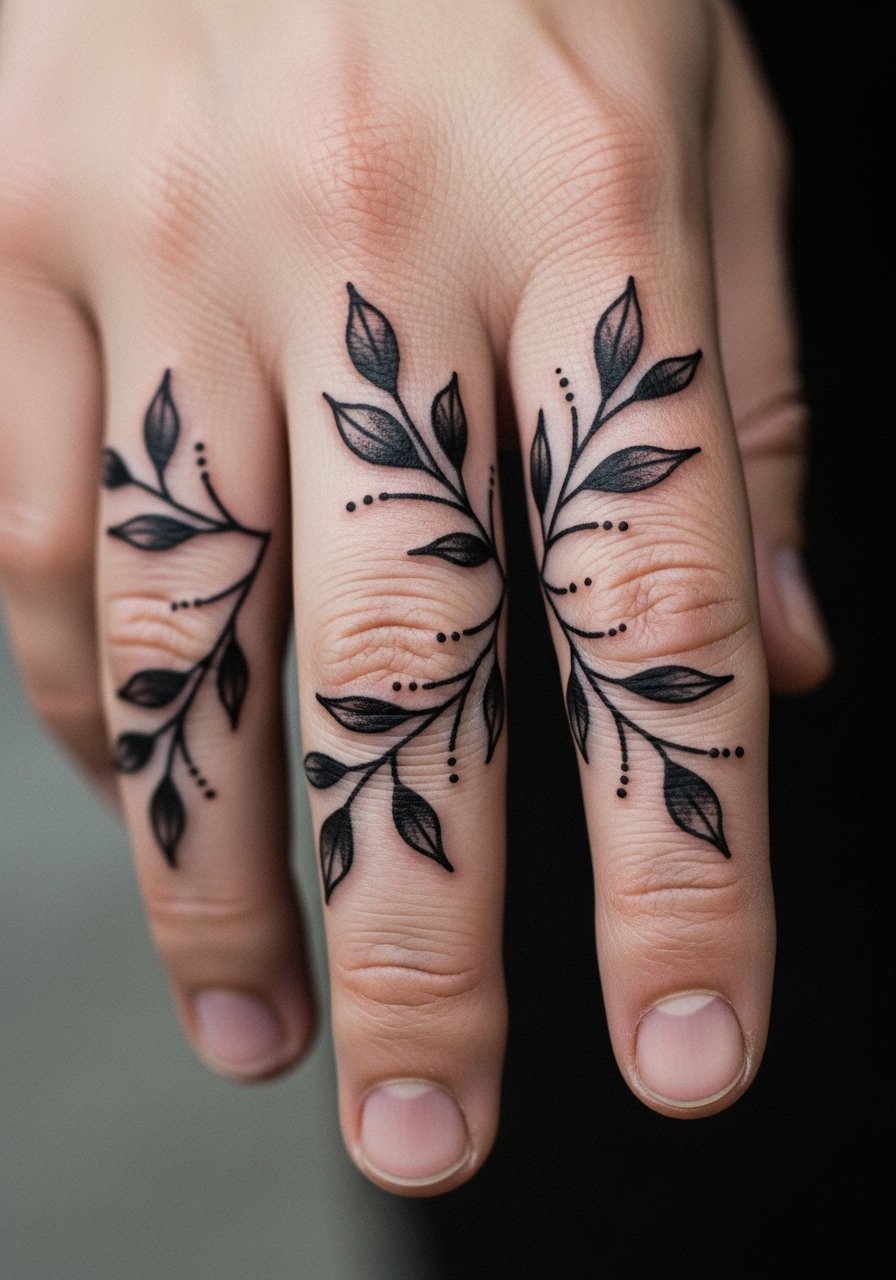
When you want organic flow that follows knuckle motion, vine tendrils use fine lines with intermittent fills to read as growth. During consultation, ask for slightly bolder leaf edges and ask the artist where they would expect the fills to thin out as you age. Finger climbs involve sharp, intermittent pain and usually two sessions for linework and fills. Healed at six months the vines read delicate, at two years some branch tips will feather unless the linework had room to breathe. A classic mistake is too many miniature leaves across joints which blur and merge as skin shifts.
Tattoo Prep and Aftercare Essentials
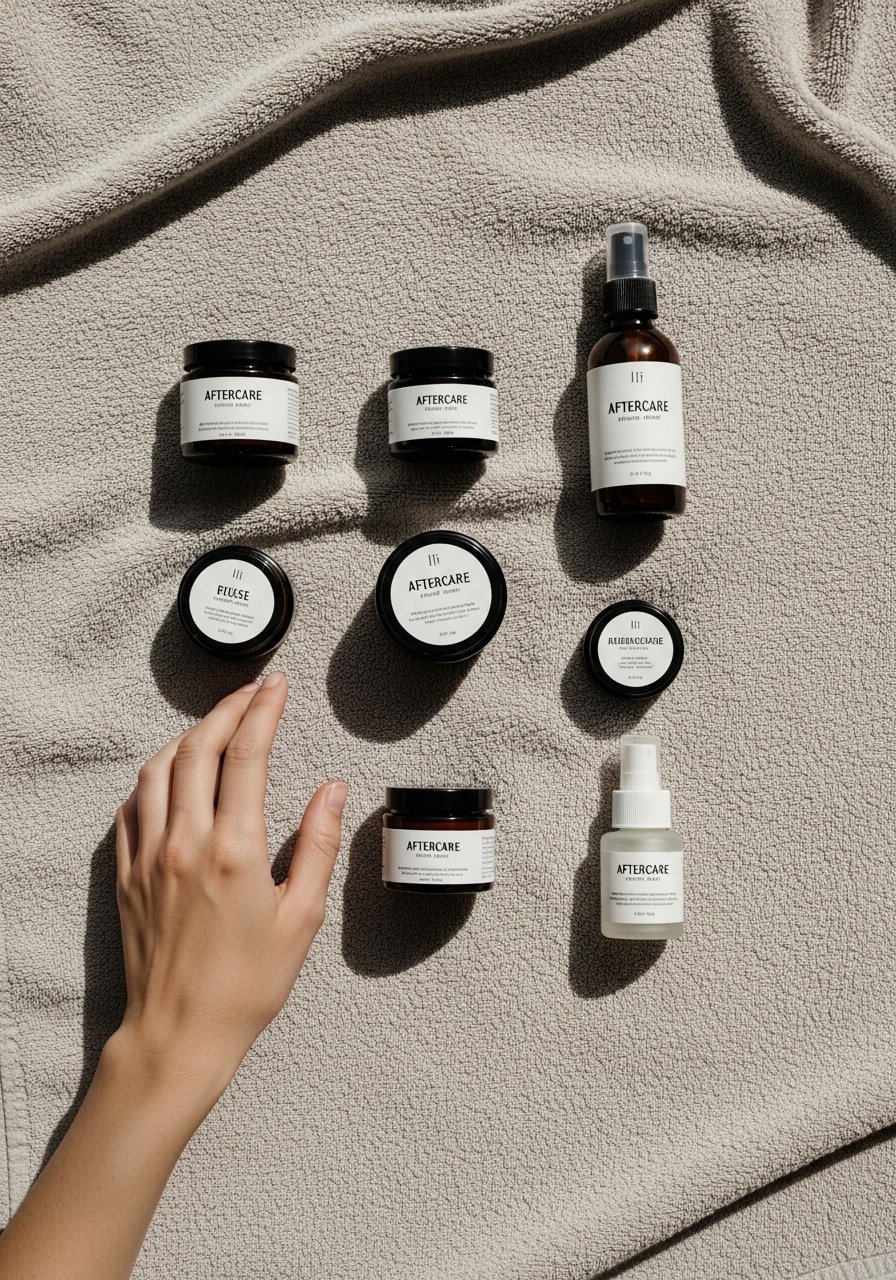
From what I have seen in conversations with artists and forum threads, hand tattoos need stricter aftercare than arm pieces. If you live in a humid place or sweat a lot, an occlusive approach can help saturation early on but some people report trapped moisture. Name both camps when you ask your artist about sealing. I recommend airing hands between applications, keeping moisture levels controlled, and planning a short no-gym window for palm and finger pieces.
Shopping list
- Tatt2Away thinner formula balm search. A lighter balm praised for not clogging pores in sweaty climates. Use during the scab-softening phase to maintain shine without heavy residue.
- InkFix Salve search. A non-greasy salve recommended for blackwork to prevent tight scabbing that flakes off with pigment loss.
- Shoku aftercare spray search. A spray that users report helps palm and thumb-web healing when lotions feel too heavy.
- BlackHeal Butter search. An indie butter formulated for dense ink retention. Apply sparingly to saturated fills in the first weeks.
- Lightweight fragrance-free balm search. A generic balm option that mimics thinner indie formulas when a named product is not available.
- Medical-grade second skin bandage roll search. Useful for short-term sealing on palms and thumb webs. Change as your artist recommends.
- Gentle fragrance-free foaming cleanser search. For mild daily rinsing that removes surface grime without stripping moisture.
- Saniderm tattoo bandage search. A single mainstream sealing option that some artists prefer for hand pieces. Use as your artist instructs and remove within recommended windows.
Every tattoo is different. Always follow your artist's specific aftercare instructions. Consult a dermatologist if you have skin concerns or unusual healing issues.
Frequently Asked Questions
Q: How much more often do hand blackwork tattoos need touch-ups than arm pieces?
A: From what I have gathered, hand pieces commonly need touch-ups sooner because of constant washing and abrasion. Plan for a realistic annual check in for knuckles and high-contact spots, and expect longer intervals for wrist bands and back-of-hand pieces depending on your routine.
Q: Will blackwork on dark skin just look like a blob in photos?
A: Not if you ask for higher saturation and play with negative space. Request healed examples on similar tones during consultation and ask the artist where they test saturation. Proper spacing and bold anchors prevent blotchy photos while keeping depth on darker skin.
Q: Should I use a seal like Saniderm on a palm or thumb web piece?
A: Artists and clients are split on both sides of this debate. One camp favors brief sealed healing because it keeps the area clean, the other camp worries seals trap sweat and cause maceration. Ask your artist about their palm protocol and follow their timing. If you try a seal, remove it within the early days and monitor for excess moisture.
Q: I want a fine-line mandala but heard fine line fades on hands. What is a safe approach?
A: Fine line fans and bold blackwork supporters disagree. One group thinks delicate spokes blur too quickly, the other says with proper depth and spacing fine line will last. A practical path is to scale up the line weight slightly and include negative rings so the design has room to soften without losing legibility.
Q: Can I use indie aftercare products from forums safely?
A: Many indie creams and sprays work well, especially those formulated for blackwork. If you try a lesser-known balm, run a brief patch check before applying widely and compare how your skin reacts against one of the gentler mainstream cleansers.