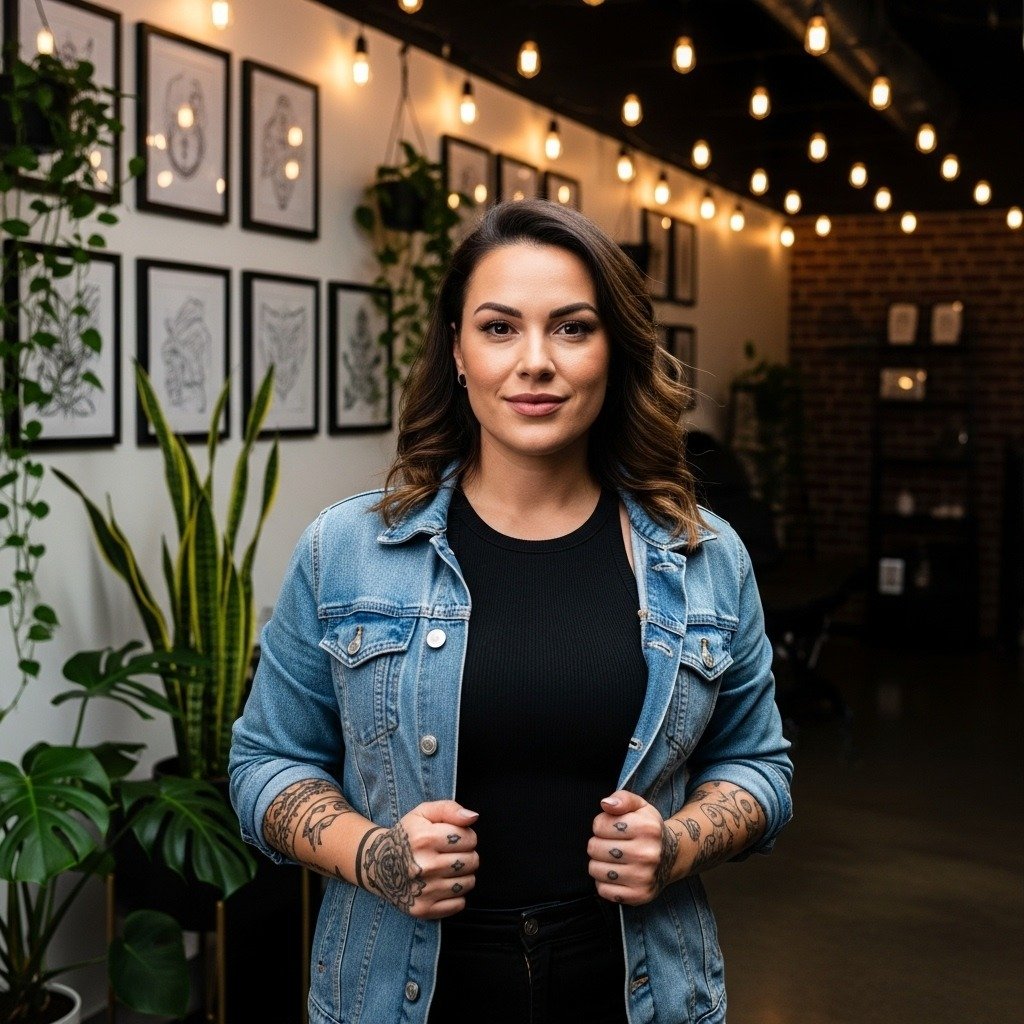
Someone I know spent eight months saving reference photos before booking a half sleeve. The real problem was not the images. It was knowing which style would survive years of sun, gym time, and family photos. These 20 bold half sleeve tattoos for men focus on meaning, real-life aging, and what to tell your artist so the design still reads at year three.
1. Fine Line Botanical Flow on Inner Forearm
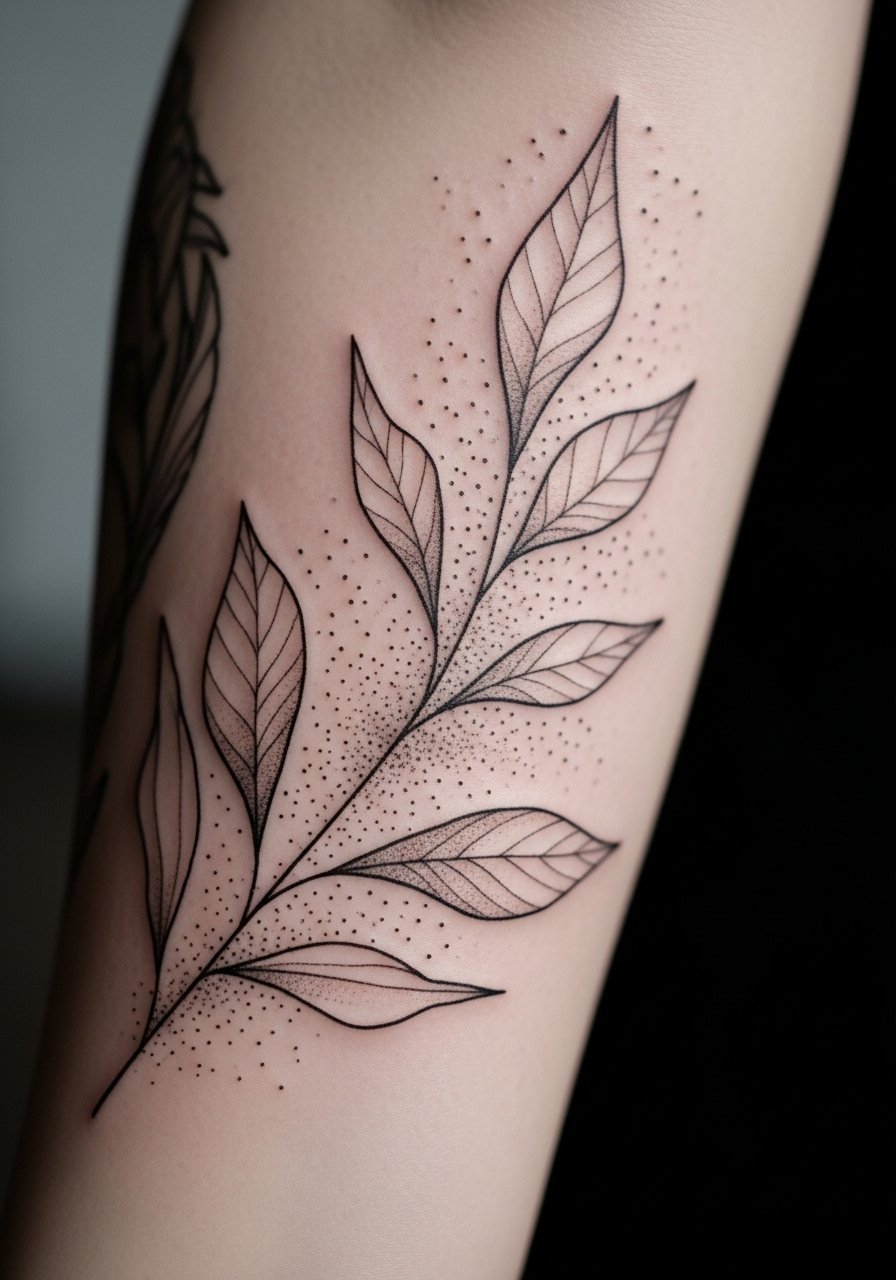
Someone I know first saw this on a friend and loved how the vines wrapped the inner forearm. Fine line botanical work reads as personal and quiet. Tell your artist you want slightly heavier lineweight for stems and stipple shading for shadow so the design keeps contrast after a year. Fair warning, the inner forearm is low on blowout risk but moves a lot during sleep and workouts, so expect one touch-up around year two. The session usually runs two to three hours. A common mistake is asking for too many tiny leaves. Give the design breathing room so the linework can age.
2. Neo-Traditional Lion on Outer Bicep

There is immediate impact when a lion occupies the upper arm. Neo-traditional lets you keep bold outlines for long term and use saturated color for mood. Say to your artist you want strong linework first, then layered color so saturation sits without overworking the skin. Outer bicep sessions are comfortable for most people and often done in one three-hour block. Expect color to need a touch-up by year three in high UV zones. A mistake I see is asking for tiny facial details inside the mane. Those details blur; keep facial features bold and let color create depth.
3. Blackwork Geometric Wrap from Shoulder to Elbow

Blackwork geometry reads bold at a distance and sharp up close. It is a good choice if you want something that stays legible as skin ages. Ask for slightly larger modules and consistent spacing so dot work and stipple shading do not merge later. Sessions vary but plan multiple two-hour blocks for coverage. One controversy here is about symmetry. One camp favors dense, repeating modules to mask minor shifts in skin. The other camp prefers larger, asymmetrical panels for flow. Decide which you prefer before booking. Avoid asking for micro-patterns that will look muddy after a decade.
4. Water and Wave Scene Down the Forearm

An ocean scene can symbolize change or freedom and works best when it follows the natural lines of the arm. During consultation, point to the arm movement and ask the artist to let waves flow with muscle contours so the piece breathes when you bend. Forearm placements feel like a four out of ten on most pain scales. Water scenes with lots of light detail may fade faster on oily skin. A common mistake is overloading with tiny foam highlights. Keep contrast high and expect a minor touch-up after two years if you swim outdoors a lot.
5. Black and Gray Portrait with Story Elements

Portrait work anchors a half sleeve when you want a specific person or memory represented. Tell your artist which facial photo to use and ask them to scale features slightly larger than in the source. That preserves likeness as the piece settles. Portraits demand realistic saturation and careful depth control so shadows do not pool. Sessions are long and may need three to five hours divided across appointments. Avoid cramming too many secondary symbols around the face. Leave negative space so the portrait remains the focal point and schedules for touch-up can be planned ahead.
6. Celtic Knotwork Band Across the Upper Arm
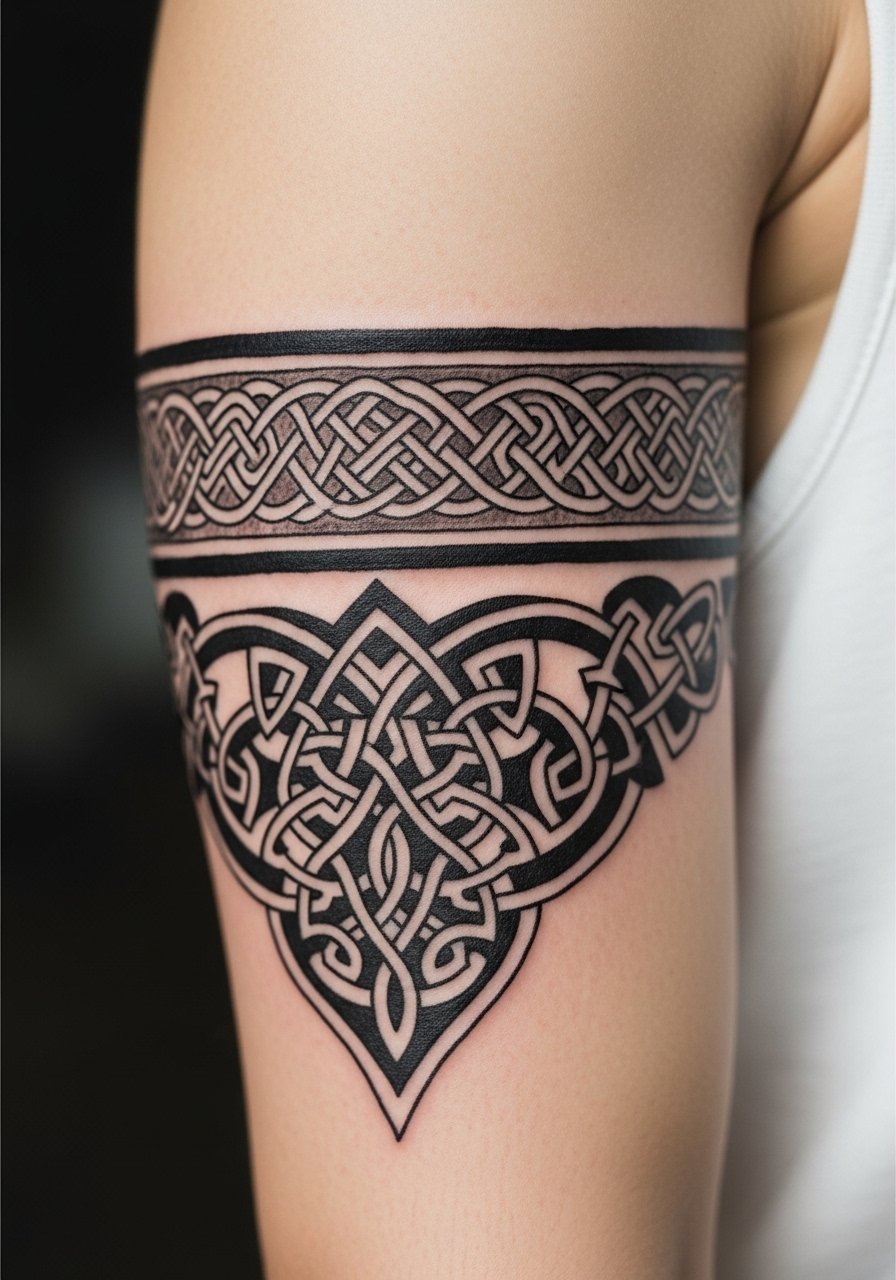
Celtic knotwork honors heritage and benefits from even spacing and strong linework. Ask the artist to map the knots on your arm before inking so the interlace follows muscle curves. This placement is low on blowout risk but high on visibility. Sessions often run two hours and may be split for complex wraps. There is a cultural sensitivity note. These patterns trace to historical traditions so some people prefer slight modern variations rather than exact replicas. Avoid overly fine interlace that will blur into one another over time.
7. Stipple-Shaded Skull with Floral Contrast
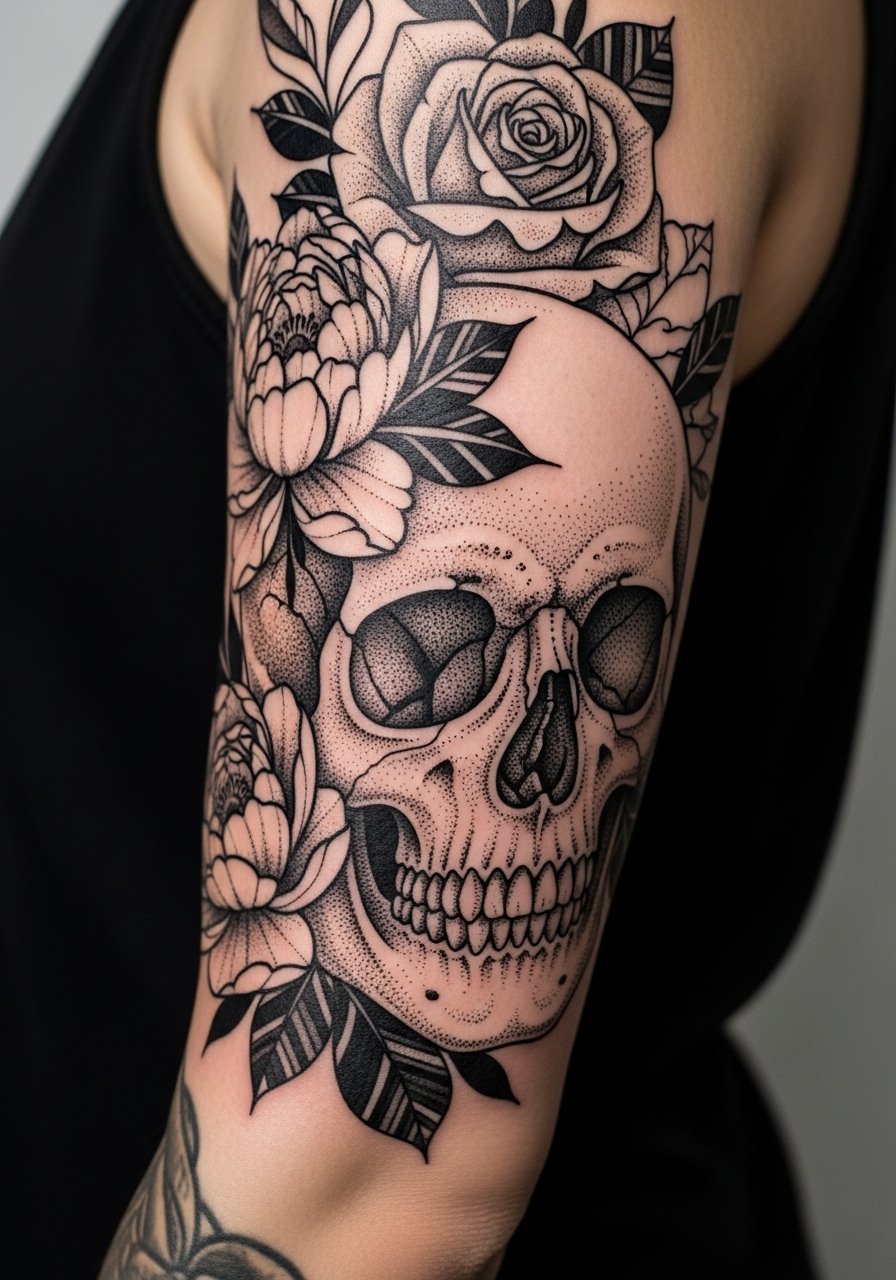
I have seen this pairing more than once in portfolios. Using stipple shading for the skull and bold florals around it gives a layered texture that ages well. Tell your artist you want the stippling density to gradually reduce toward the edges so the skull breathes on the skin. Outer arm pain is moderate and sessions are often two to three hours. A mistake is packing too many small floral petals next to detailed stippling. Keep petals larger and use negative space so stipple does not compete with floral lines.
8. Mandala and Dot Work Flow Over Triceps

Mandala work demands patience from both client and artist. The triceps area gives a flat surface for radial geometry, which helps symmetry hold. Ask for dot work spacing that increases outward so the center stays crisp as the skin ages. Expect multiple sessions of two hours each. A controversy among artists is whether extreme micro-dot work lasts on active skin. One camp warns that dense dots merge over years. The other camp says skilled spacing prevents that. Get your artist to show healed photos from year two before committing to ultra-fine dots.
9. Realistic Wolf Head with Forest Background

A wolf motif signals loyalty and instinct. For realism, ask your artist to focus on contrast between the wolf's eyes and surrounding saturation. That contrast keeps the gaze readable after a few years. Sessions can be long and may require two sittings. A common mistake is asking for too many small bark textures in the background. Those textures can blur into noise. Keep background simple and let the wolf occupy the sharpest linework and highest saturation.
10. Japanese-Inspired Koi and Waves Half Sleeve

Traditional Japanese elements age well when linework is decisive and color blocks are bold. Tell your artist you want the koi scales larger than usual and the waves to follow muscle flow. Sessions are typically split into two or more appointments because of coverage. There is a cultural origin note. These motifs have deep history so discuss respectful interpretation rather than exact worship. A mistake is blending too many small symbols that steal momentum from the koi. Keep main elements large and add minimal secondary flourishes.
11. Geometric Compass and Map Coordinates
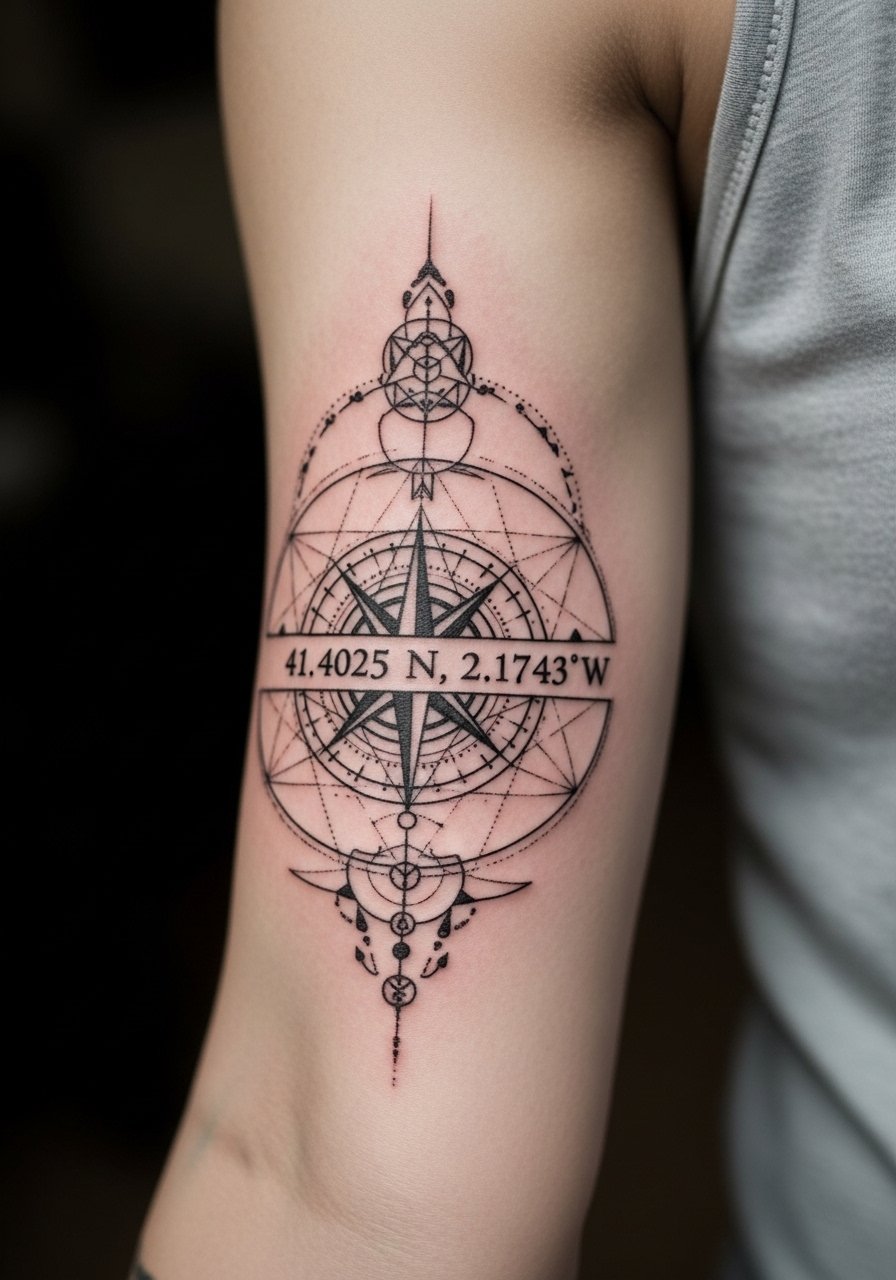
If the sleeve marks a place or journey, coordinates plus a compass make the meaning literal and clean. Specify exact text for coordinates when you bring references so the artist inks real numbers and not placeholder gibberish. Geometric elements need spacing to avoid future merge. Forearm placements are visible and often two to three hour sessions. People often pick too-small numbers that blur. Ask for slightly larger, well-spaced numerals and consider a touch-up at year two if you spend time in sunlight.
12. Bold Traditional Rose Cluster on Outer Arm
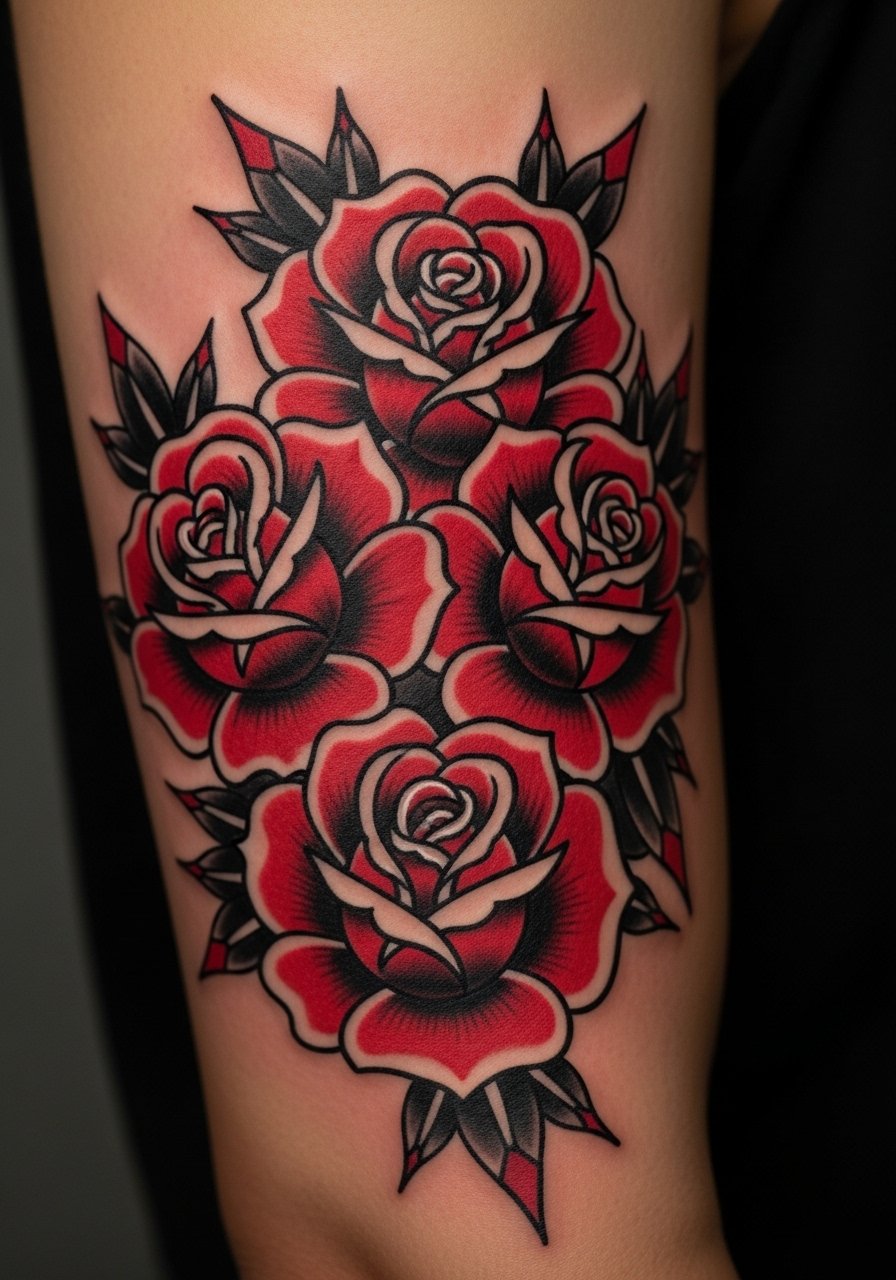
Traditional roses keep their identity because of thick outlines and solid color saturation. Tell your artist you want strong black outlines and a color fill that sits in a single session. The outer arm tolerates traditional work well and often finishes in one appointment. A mistake I see is asking for ultra-fine petal veins. Those soften with time. Keep petals blocky and let linework define the shape so the roses remain readable even as saturation fades.
13. Minimalist Mountain Range with Negative Space
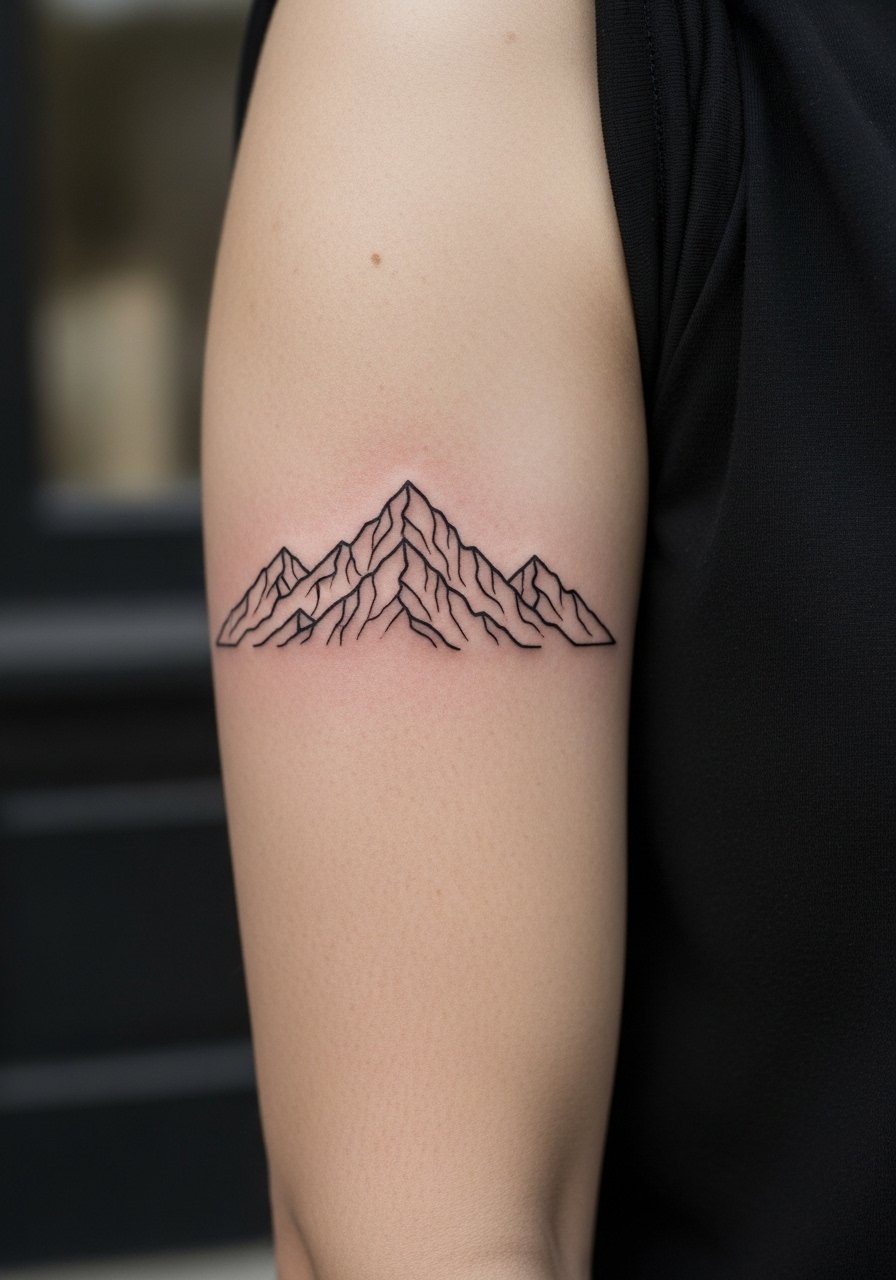
Minimalist mountain ranges feel timeless when scaled properly. Inner arm placement needs slightly heavier lines to avoid early blur. Tell the artist during consultation that you prefer simplified shapes and fewer tiny ridgelines. Sessions are shorter and can often be completed in a single two-hour block. A common mistake is compressing too many peaks into a small area. Let the negative space define horizons so the silhouette keeps crisp edges for years.
14. Mechanical Blackwork with Gear Motifs
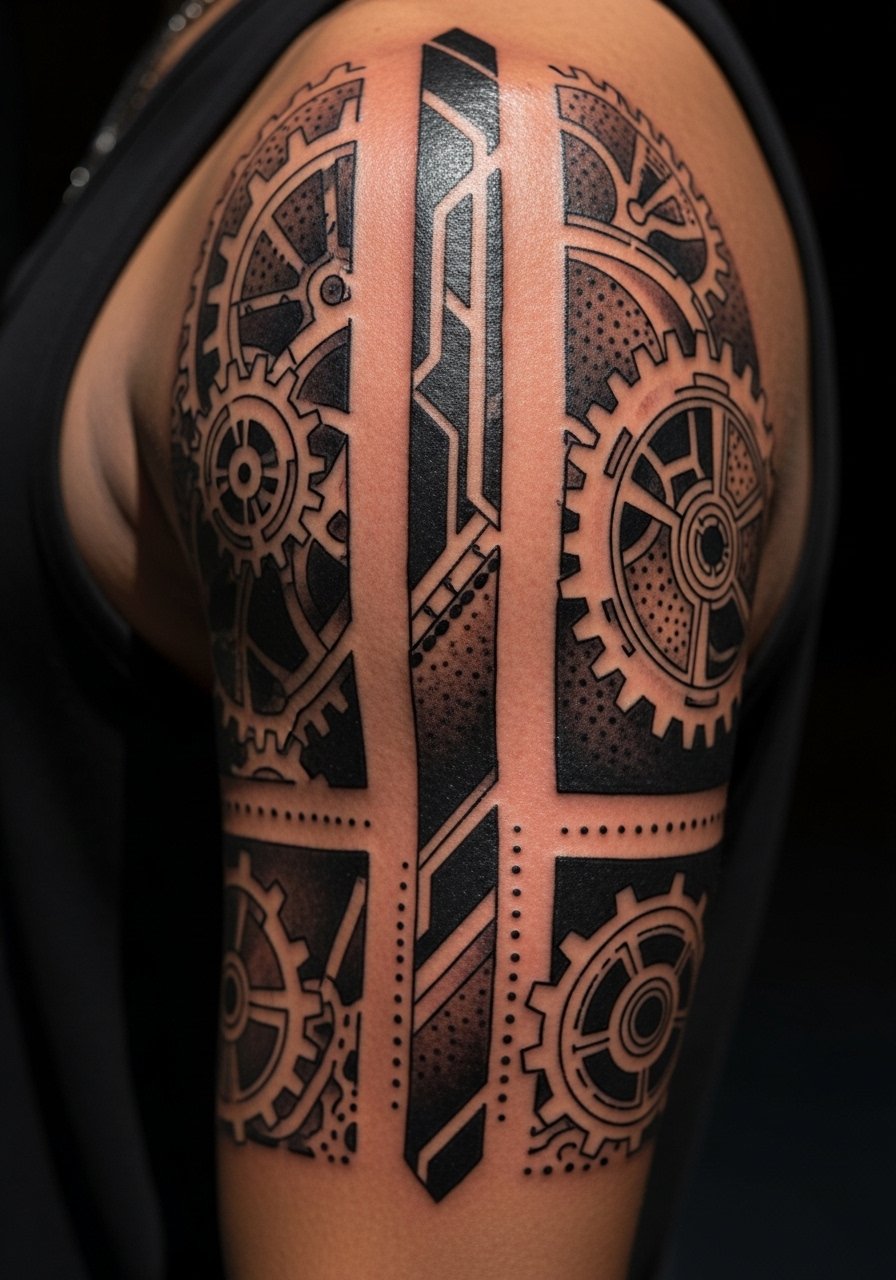
Mechanical motifs look striking when artists use bold linework and controlled saturation to separate components. Ask for thicker outlines on gears and lighter stipple in recesses so parts remain distinct. Upper arm placement is ideal and sessions usually run in two parts. A mistake is requesting extreme micro-detail inside small gears. Those details can merge. Keep component sizes readable and plan for a touch-up if you show a lot of sweat or friction in that area.
15. Compass Rose with Nautical Script

A compass with script gives a directional theme and a short motto anchors the meaning. If you include text, specify the exact phrase and font so the artist inks it precisely. Forearm text sits clearly when letters are spaced and slightly larger than you think. Sessions are moderate length. Avoid tiny serif fonts that will close up over time. Consider blackletter or simple sans serif if you want the words to remain legible at year three and beyond.
16. Phoenix Rising in Color on Outer Bicep

Phoenix pieces symbolize reinvention and pay off when color saturation is used with restraint. Tell your artist you want feather blocks that read from across a room and blended transitions that age without patchiness. Sessions for color work are longer and may be split. One debate is about color versus blackwork longevity. One camp says saturated color requires more touch-ups. The other camp points to modern pigments that last. Expect some color softening by year three and plan a touch-up if you want fresh vibrancy.
17. Blackwork Mandala with Floral Accents

A mandala combined with florals gives symmetry and softness. Request the artist map negative space so petals do not fall into one another as the piece settles. Upper-arm wrap is forgiving and often completed in two sessions. A mistake is too many concentric rings that crowd the design. Keep fewer, stronger rings and let floral accents frame the mandala. That keeps the focal geometry readable at year five.
18. Armor Plate Blackwork Across the Bicep

Armor plate designs play with the muscle's shape and give a protective aesthetic. During consultation, ask how the panels will move with flex so seams do not break awkwardly. Bicep armor feels rugged and sessions range from two to four hours depending on coverage. A common mistake is expecting flat symmetry on a rounded canvas. Let the artist adjust panels to your anatomy and plan for a minor touch-up after heavy workouts cause stretching.
19. Minimal Script with Symbolic Numbering

Numbers and short script make for a private narrative that reads plainly. Specify exact text and numerals in your reference and choose a font that is wider rather than condensed. Inner placements like the forearm require slightly heavier strokes so the script keeps its shape. Sessions are usually shorter. A mistake I see is choosing an ornate script too small for the canvas. Bigger letters age better and keep personal meaning visible in photos and at family gatherings.
20. Neo-Realism Clockwork with Roman Numerals

A clockwork piece ties time and memory with visual depth. When you include Roman numerals, specify the exact format so the piece reads correctly. Ask for bold numerals and layered gear shading to preserve clarity as the skin ages. Sessions are medium to long and may be split. A common mistake is crowding tiny numerals into tight gear teeth. Keep numerals larger and avoid micro engraving inside small parts so the time motif stays legible.
Tattoo Prep and Aftercare Essentials
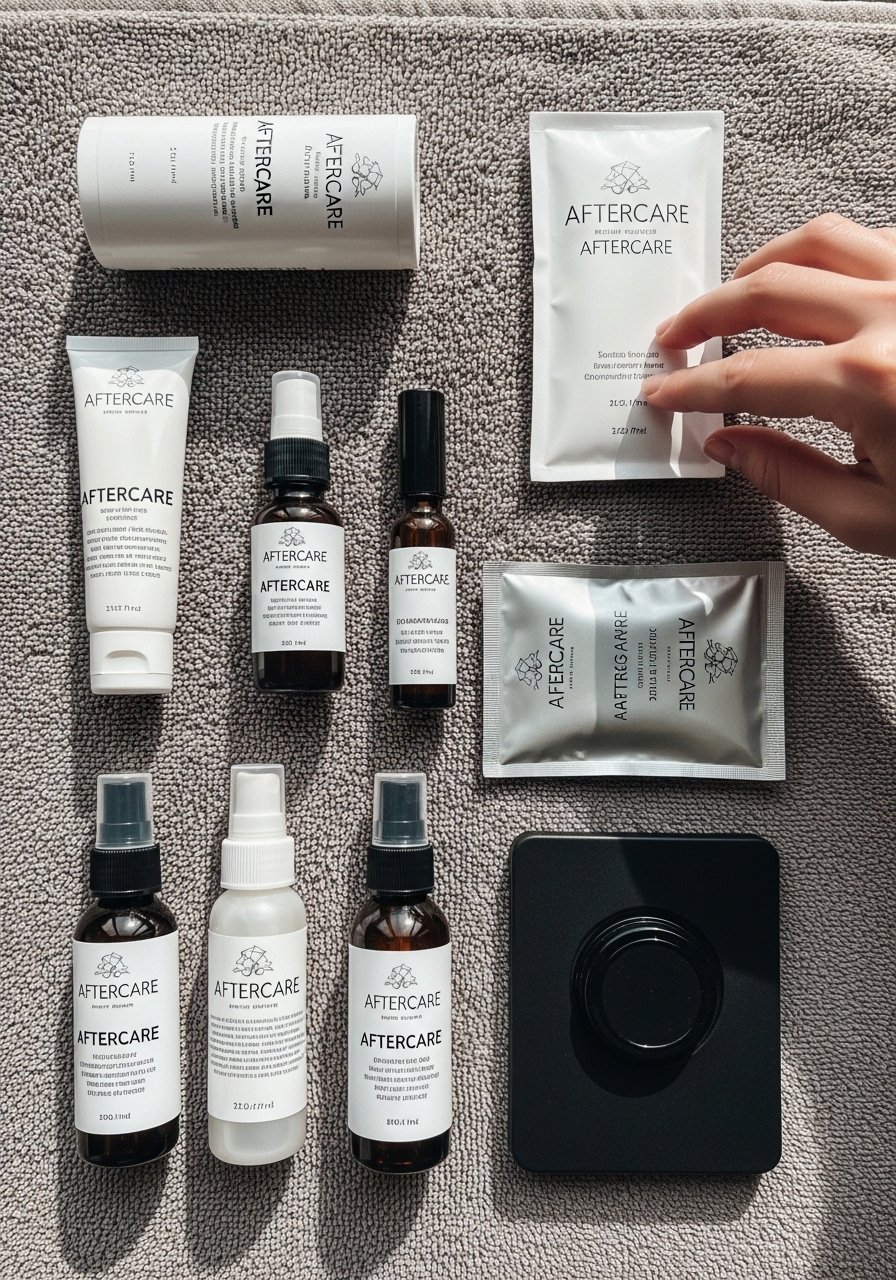
After Inked Tattoo Moisturizer. A lightweight, non-greasy lotion many people use during the healing phase. Use it sparingly after the initial scab stage to keep skin supple and reduce itch.
Tattoo Goo Original Aftercare Salve. A balm option that soothes new tattoos and can help protect color while the skin repairs.
H2Ocean Blue Green Foam Soap. Gentle cleansing foam for the first week. Keeps skin clean without stripping ink.
Fragrance-free gentle foaming cleanser. Generic descriptor that works if branded options are not available. Use for gentle washing in the first few days.
Medical-grade second skin bandage, 6-inch roll. Useful for larger sleeves when recommended by your artist to protect during initial healing.
Aquaphor Healing Ointment. One mainstream option that many shops mention for short-term use. Use sparingly and only if your artist approves.
Fragrance-free moisturizing balm for long-term maintenance. Generic descriptor for a daily moisturizer that protects healed ink from drying and minor sun damage.
Every tattoo is different. Always follow your artist's specific aftercare instructions. Consult a dermatologist if you have skin concerns or unusual healing issues.
Frequently Asked Questions
Q: Will fine line botanical work blur if I get a full half sleeve with dense detail?
A: It depends on scale and placement. Fine line needs breathing room, so avoid packing many tiny leaves into a small area. Ask for slightly heavier stem lines and stipple shading to preserve contrast. Plan for a touch-up around year two if you spend a lot of time in direct sunlight.
Q: Do color neo-traditional pieces need different maintenance than blackwork?
A: Yes, color often softens faster. Expect to protect color with daily SPF once healed and consider a touch-up at year two to three for bright saturation. Blackwork holds shape longer because of strong outlines, but both benefit from long-term moisturizing and sun protection.
Q: Is it safe to put fine dot work on the triceps given the debate about micro-dots?
A: Artists are split. One camp warns dense micro-dots will merge on active skin. The other says careful spacing avoids that. Ask to see healed photos from year two and pick spacing that balances detail with longevity.
Q: How should I describe a portrait I want so the likeness survives years of wear?
A: Bring a high-resolution photo and tell the artist to scale facial features slightly larger than in the reference. Request clear contrast between eyes and surrounding shading. That preserves the focal points as the piece settles and reduces the need for early touch-ups.
Q: Where should I look to find an artist who handles the specific style on this list?
A: Use local studio directories, convention rosters, and style-specific portfolio tags on social platforms. Spend time viewing healed photos rather than only fresh work. If you visit conventions, speak to multiple artists about healed pieces and ask for timeframes on touch-ups.