
Minimal geometric tattoos look simple in a saved photo but they rarely behave that way in real life. Lines that read crisp on day one can blur by year two, shop minimums for small pieces surprise first-timers, and dark skin often photographs ink as gray even when it reads strong in person. Read the design ideas below to pick shapes, placements, and wardrobe pairings that help your lines last and your photos look like the real thing.
1. Single-Line Triangle with Floating Dot
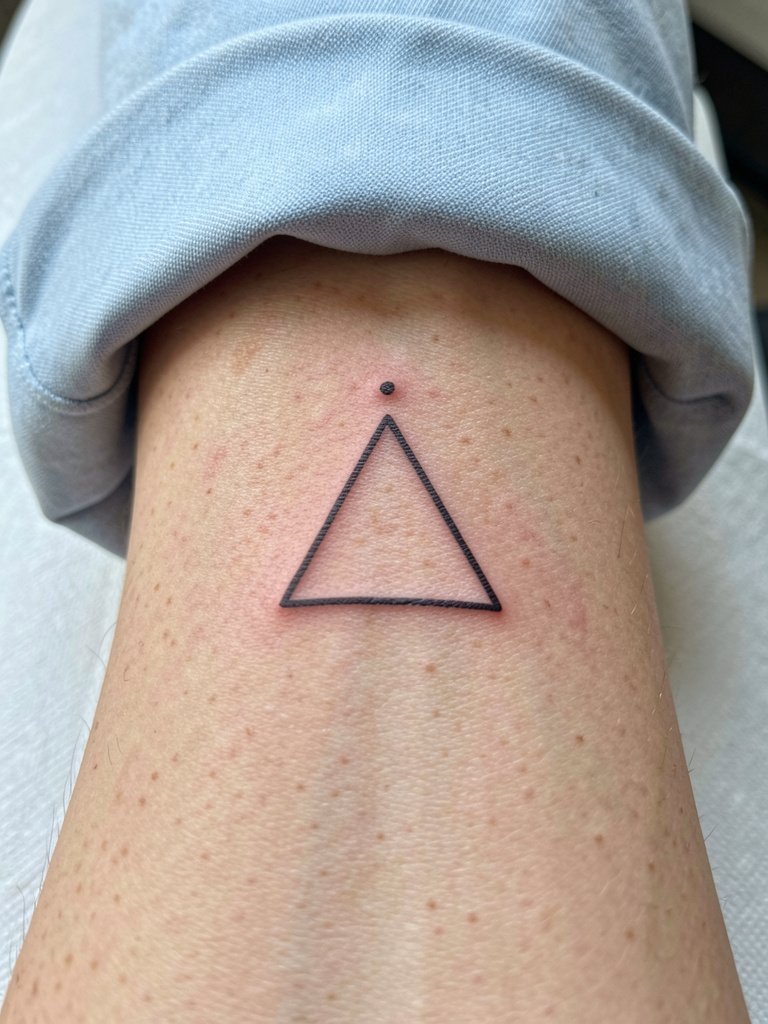
A single continuous triangle with a floating dot reads like a tiny emblem and suits people who want a low-profile wrist mark. One common mistake is picking true single-needle width for that placement. One camp argues single-needle purity looks its best at first. The other camp says a modestly heavier fine line, around 0.35mm, preserves shape after two to five years. For longevity, ask for slightly more spacing between corners and a hairier line weight than your reference image. The session is quick, usually under 30 minutes, and the wrist will feel twingy around bone. For showing it off, roll a linen sleeve and add a dainty gold stacked bracelet set on the opposite wrist.
2. Broken Circle with Radial Lines
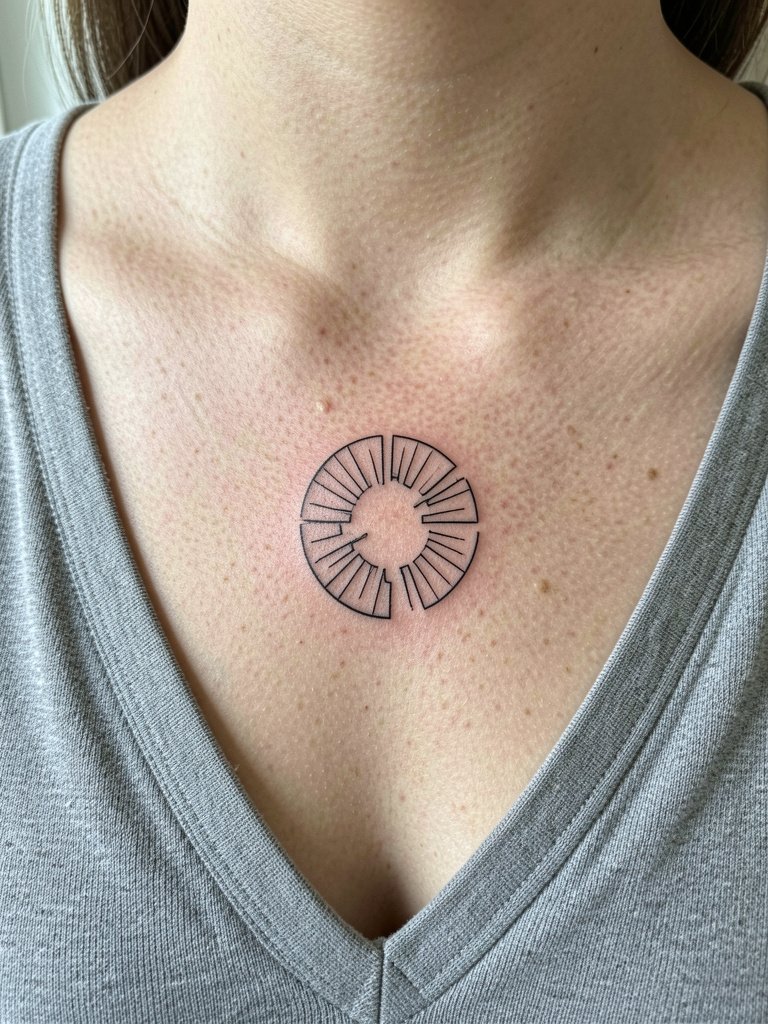
A broken circle with short radial lines feels like geometric breath on the collarbone. Many people pick a tiny diameter and then wish they left more white space between the rays. A common aging issue is crowding the radial marks so they merge over time. For a clean long-term read, specify that the rays remain short and the gap sizable so each line has room to hold. Collarbone work can be sharp to tattoo and a little stingy on pain, but the session is brief. This placement looks great with layered thin chains that frame the gap and a strapless top for evenings out.
3. Interlocking Hexagons, Patchwork Style
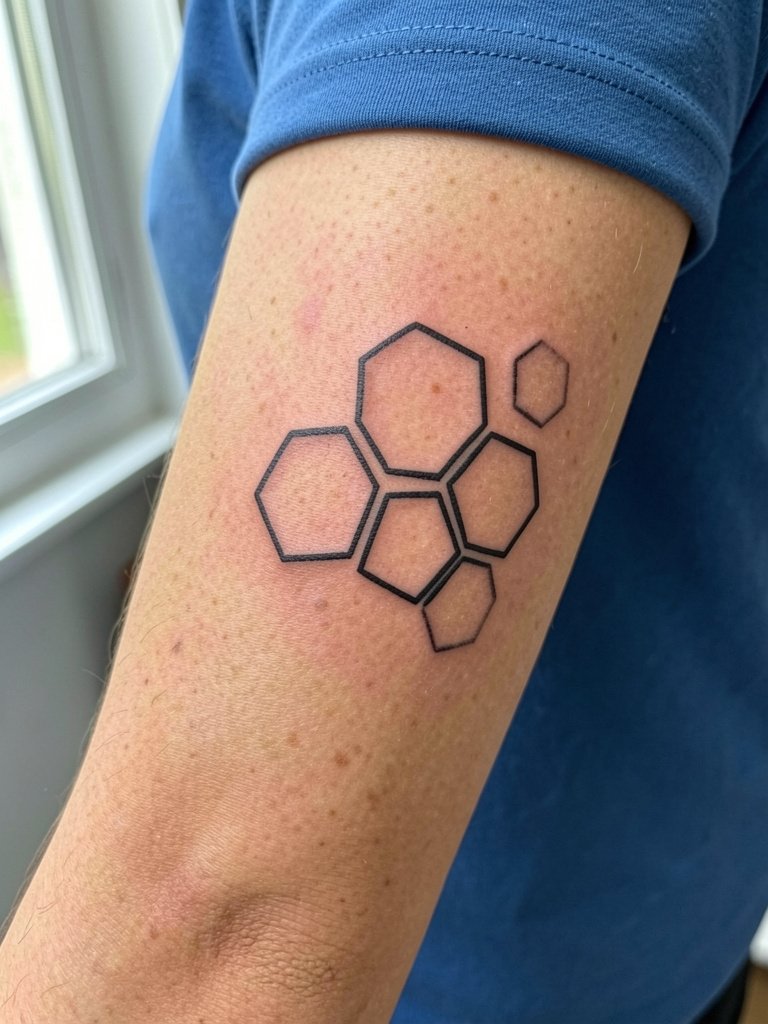
Patchwork hexagons are forgiving when placed on the outer forearm because the flat surface takes linework well. A mistake is asking for irregular spacing that creates optical crowding after healing. Bring a reference that shows exact negative space and say you want uniform edge sharing rather than random overlays. Forearm skin ages gently so the cluster can still read clearly at two years if the line spacing is maintained. For show-off looks, pair this with short sleeves in navy or olive and keep patterns away from the arm. Try a solid color short sleeve top for crisp contrast during reveals.
4. Minimalist Sacred Geometry, Flower Variant
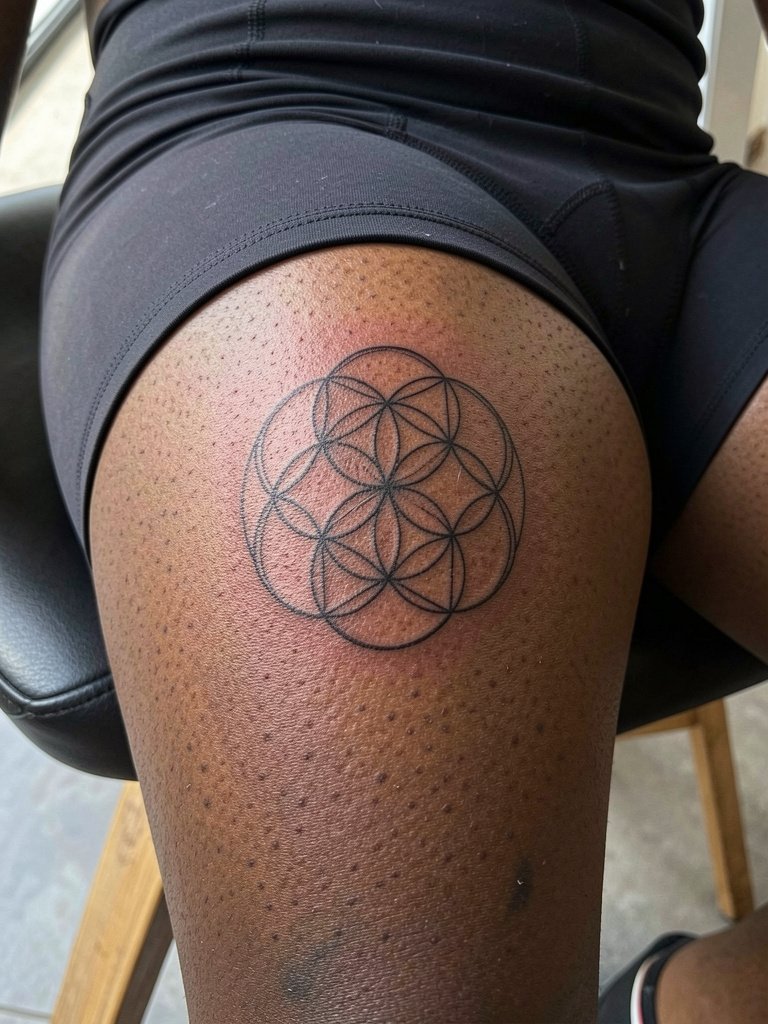
A pared-back Flower of Life variant suits the inner thigh because abstract repetition hides small, inevitable shifts in flesh. This area stretches with weight changes so avoid designs that demand perfect radial symmetry at tiny scales. For a durable result, prioritize spacing and a slightly bolder line over micro-detail. Session comfort matters here so wear loose drawstring linen shorts on appointment day. Note that this placement is more private, so plan touch-ups around how the piece lies against clothing over months.
5. Angular Arrow with Split Tail
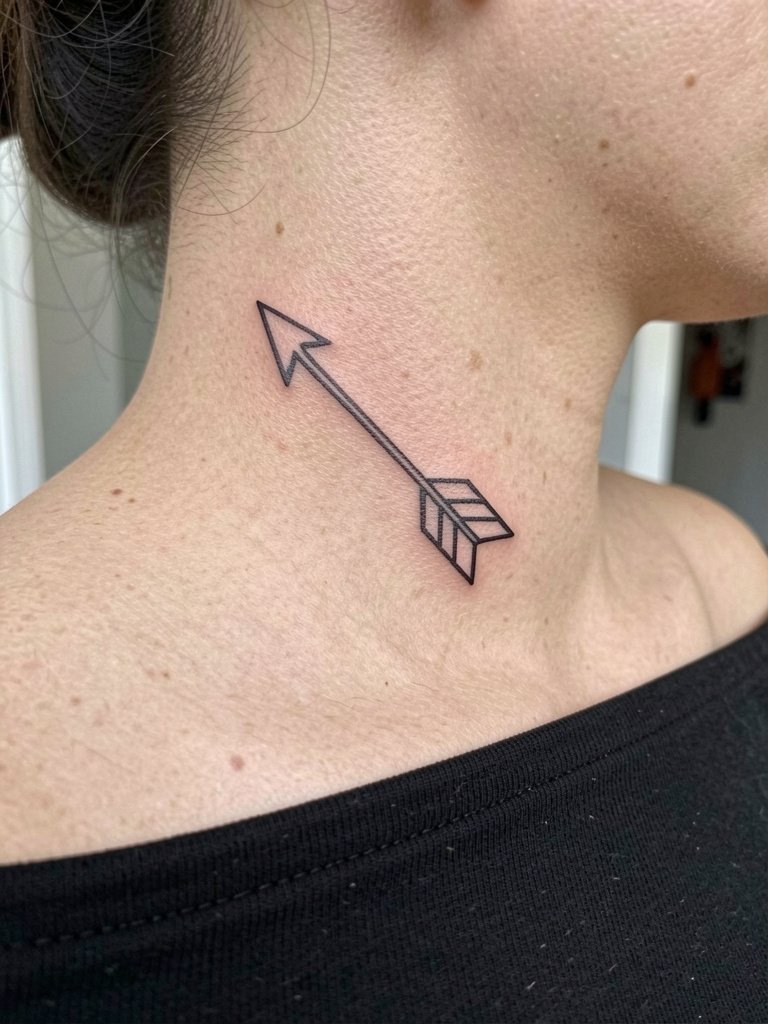
An angular arrow on the side neck reads like a deliberate accent and works best when the shaft is a little bolder than a micro-trace. One common slip is shrinking the design to avoid attention and making the tail lines too fine. The skin there is mobile so pick spacing that keeps the split tail visible as it heals. Pain is higher than outer-arm work, more like a steady rasp. If you want to frame the area for social wear, off-the-shoulder tops and a minimalist pendant necklace provide balance during reveals.
6. Three Parallel Lines, Varied Length
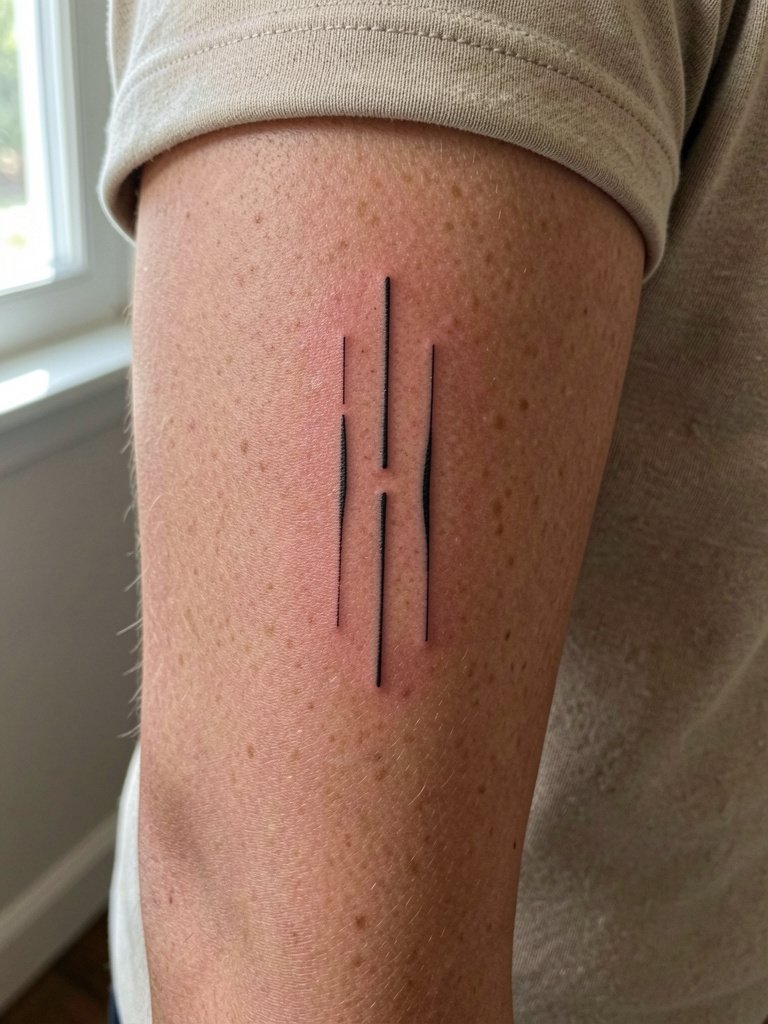
Three parallel bars are a minimalist study in rhythm and scale. The biggest mistake is scaling them too small so they look like one blob after a year. For this placement pick a line weight that reads at arm distance and ask for even spacing between bars so each one ages separately. Inner forearm holds detail well and the session is usually comfortable, twenty to forty minutes. For daily wardrobe, neutral short sleeves let the pattern sit cleanly. Try a neutral short sleeve top for a simple frame during the first month of healing.
Pre-Session Essentials
The wrist, neck, and forearm pieces above have different sensitivities and swelling patterns, so a few targeted items smooth the session and the first week.
- Tattoo Healing Balm by Tattoo Care. A thinner balm noted by users for not clogging pores, useful for fine-line work on wrists and forearms where clogging blurs the edges.
- Japanese Tattoo Lotion by Biore. Lightweight lotion that reviewers say sits well on darker skin tones and reduces surface shine for photos.
- Ink Remedy Tattoo Aftercare. Non-sticky balm that helps with early peeling on areas that flex, like the neck and collarbone.
- Heal Ink Balm. Unscented, good for sensitive skin during the first week on inner thigh and sternum work.
- Aquaphor Healing Ointment. A classic thin layer for day one to two that many artists still recommend before switching to lighter balms.
7. Diamond with Hollow Center Behind the Ear
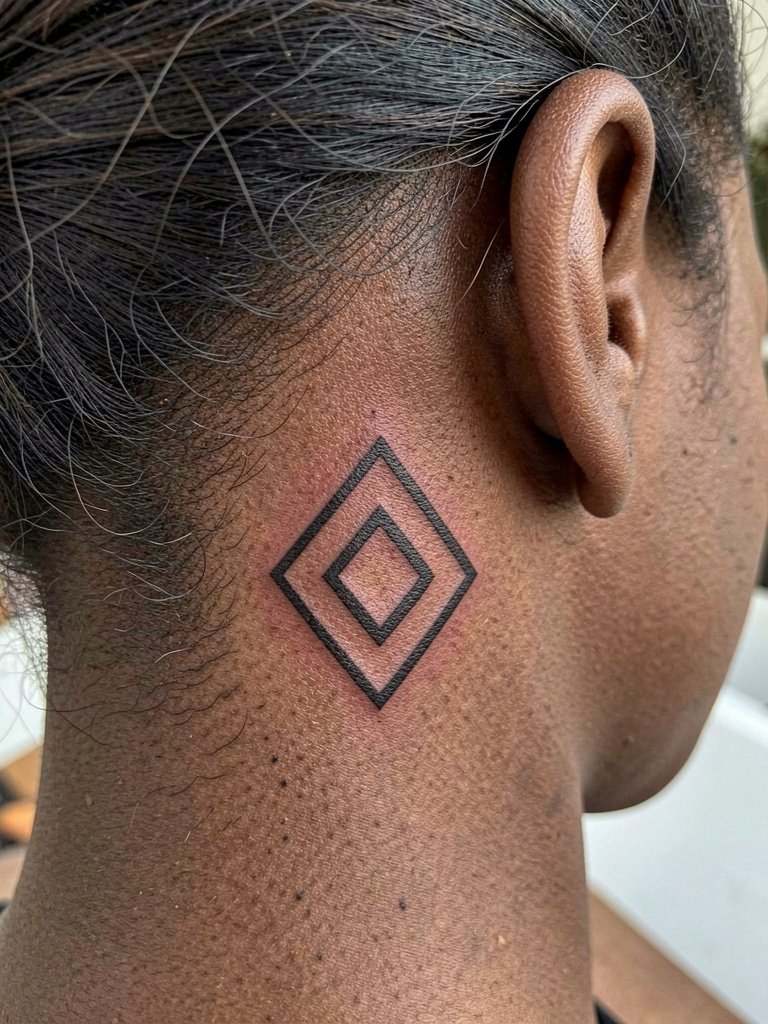
A hollow diamond behind the ear reads as a tiny signature when hair is up. Mistakes here include crowding inner details too close to the hairline, which can blur with hair friction. This is a small, fast session and artists often advise clean, slightly thicker single lines so the negative center keeps shape. Because this area is close to hair and oils, request healed examples of similar placements from the portfolio rather than fresh photos. Wear hair up on appointment day and consider delicate ear cuffs when you want to frame the spot.
8. Minimalist Mandala, Reduced Symmetry
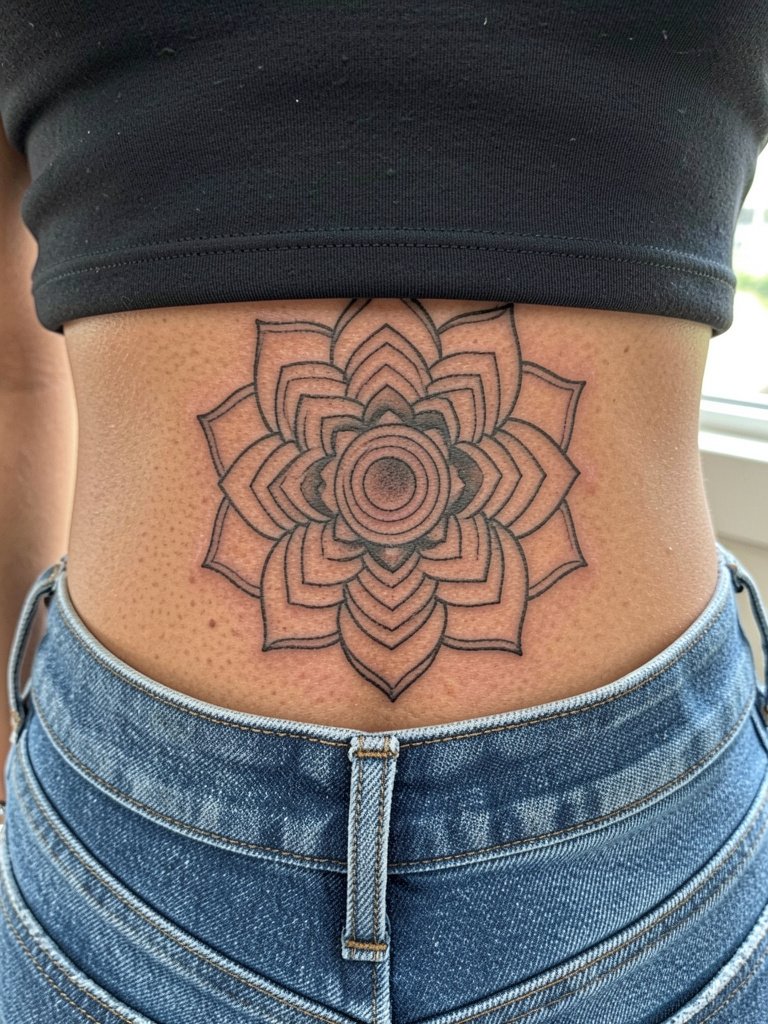
A reduced mandala on the lower back gives ornamental presence without tiny filigree that blurs with time. The critical decision is avoiding too many concentric rings at small diameters. For a mandala that holds, choose larger repeating elements and ask for a simplified center. Lumbar skin tolerates detail reasonably, but tension from clothing can affect early scab adherence so wear low-rise, non-rigid waistbands to session and during the first week. Plan touch-ups for the 12 to 18 month window if any small points soften.
9. Infinity Loop with a Geometric Break
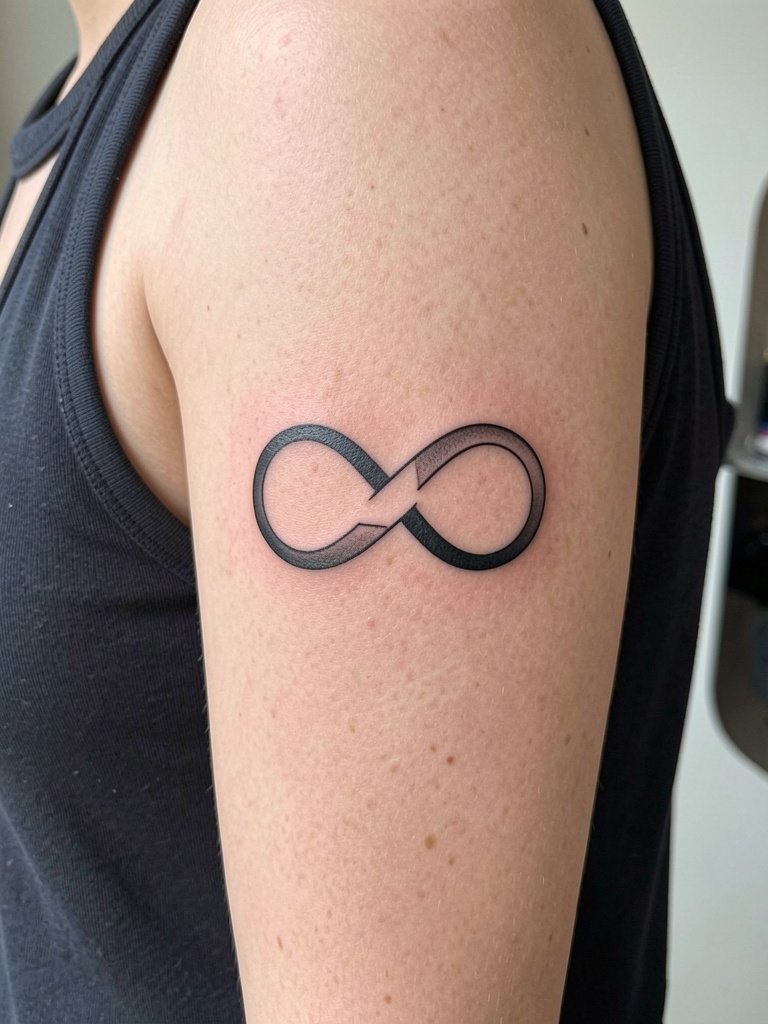
A geometric-twist infinity reads neat on the inner upper arm because the smooth skin keeps linework intact. The inner bicep can be sensitive when the arm is down, so expect steady pressure rather than sharp pain. The main error is making the angle too tight which creates a pinch point that softens with time. For longevity, the angle should be slightly open and the curved loop a hair fuller. For summer reveals wear a sleeveless crop top that keeps the arm exposed without rubbing during healing.
10. Geometric Star, Five-Point Thin Lines
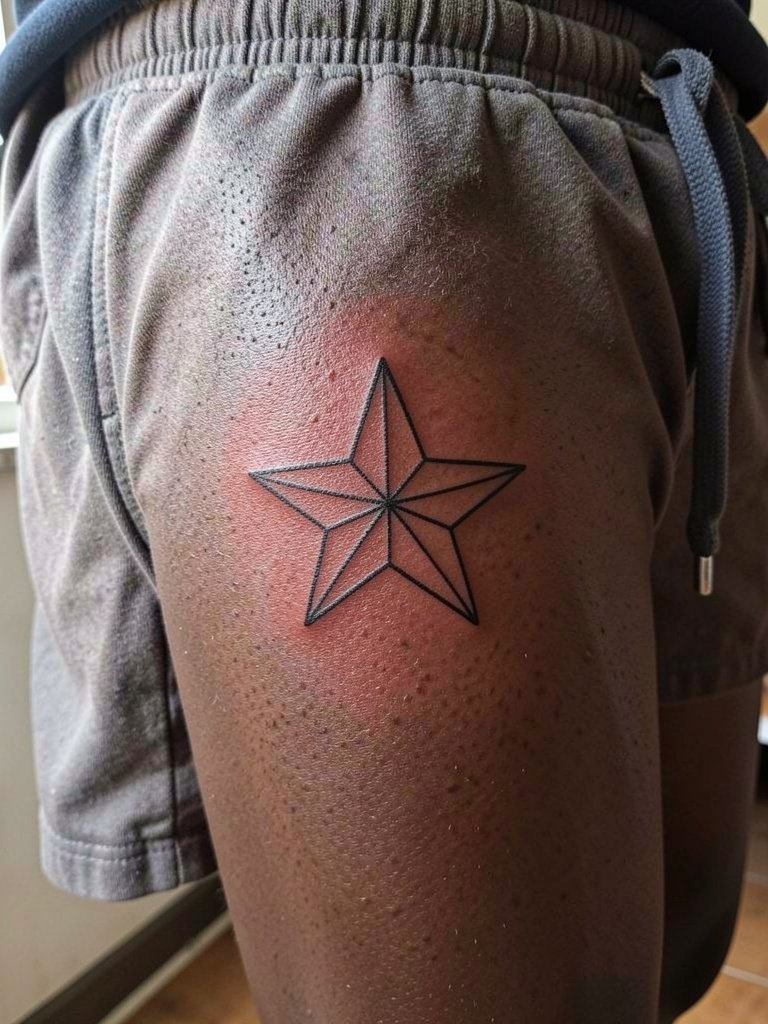
A thin-line five-point star works well on the upper thigh where flat planes give a clean read. Shrinking the star too small or packing multiple intersecting points is the usual aging error. Thicker intersection nodes or slightly bolder strokes at the center prevent early loss of form. Thigh sessions are low on pain compared with ribs, but if you plan to flash it often, choose high-waisted shorts that skirt the area. For casual show-off styling, high-waisted shorts or skirts frame the placement without friction.
11. Minimalist Crescent with Dot Cluster at the Ankle
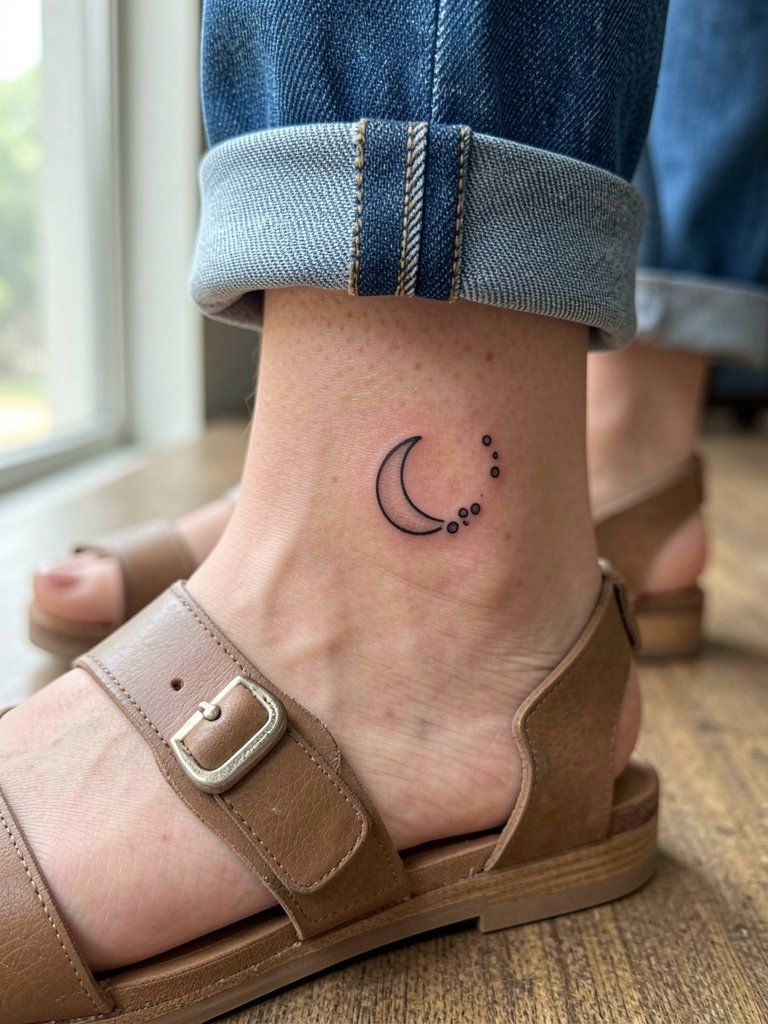
An ankle crescent plus simple dot cluster reads as a quiet accent and is low maintenance when the artist leaves breathing room between dots. The ankle faces daily friction from shoes and socks, so avoid crowding the dots close to the bone. Expect a short session and moderate soreness for a day or two. For summer styling, open-toe sandals and no-sock wear let the piece shine. A careful touch-up window at 12 to 18 months is common for ankle work because of repeated abrasion.
12. Layered Triangles, Transparent Effect
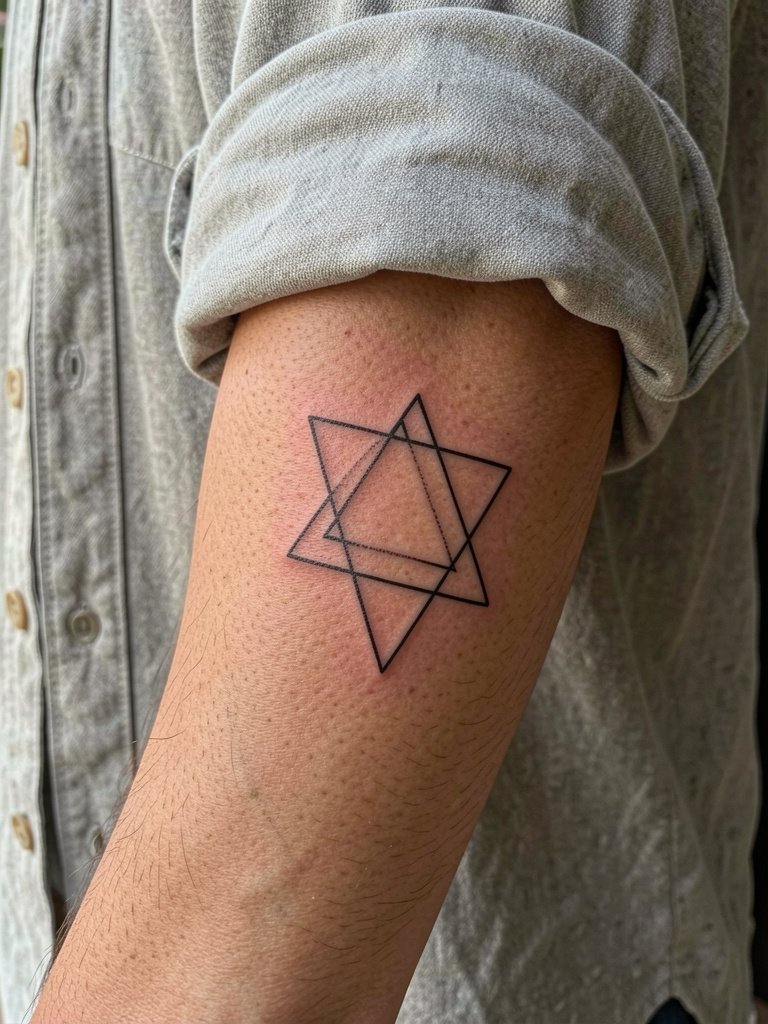
Layered triangles create a transparent geometry that reads differently with scale and placement. The common misstep is stacking too many overlaps where tiny crossing points become muddy after healing. For a lasting transparent look, pick two or three triangles with deliberate spacing and specify that intersections remain open rather than filled. Inner forearm skin handles fine detail well but still benefits from slightly bolder line weight than ultra-micro threads. For casual frames, pair with a linen button down shirt and roll the cuff to show the composition.
13. Minimalist Evil Eye with Geometric Outline on the Hip
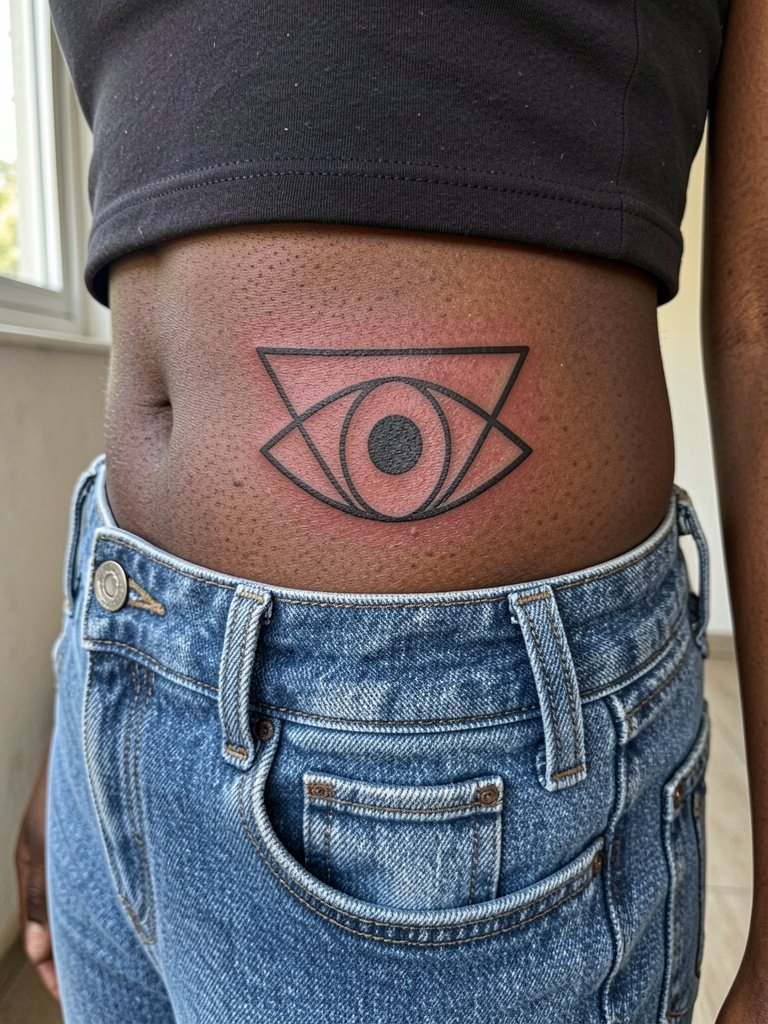
A geometric evil eye on the lateral hip is a private-but-visible piece for warm seasons and swimwear. Since hips can shift with weight changes, avoid putting tiny repeating details near the waistband where stretching is most obvious. A clean outline with negative space keeps the symbol readable across body changes. Appointment wear should be drawstring pants or shorts for easy access. Thin hip chains paired with crop tops let you show the work without compressing it against rigid waistbands.
Frequently Asked Questions
Q: How do I keep fine-line geometric tattoos from blurring too fast?
A: Line weight and spacing are the most important choices. Pick a modestly heavier fine line rather than true single-needle micro lines, and insist on deliberate gaps at intersections so ink has room to settle. Expect a touch-up at around 12 to 18 months for high-friction placements.
Q: Why does black ink look gray on camera for darker skin tones, and how can I avoid that?
A: On darker skin, glossy highlights and flash can wash out contrast. Ask the artist to use a slightly stronger line weight and photograph the healed piece in matte light. For photos, matte sunscreen or indirect window light reduces shine so black reads truer in pictures.
Q: Small tattoos are pricier than they used to be. How should I budget and what should the deposit cover?
A: Shop minimums rose because artists bundle setup and shop costs into short sessions. Budget for current minimums and ask if the deposit covers touch-ups or only time. If a shop keeps deposits for cancellations, consider booking where deposit policy is clear or using payment protections.
Q: Where can I find healed geometric portfolios and artists without following handles or names?
A: Search hashtags like #minimalistgeometric and #finelinegeometric on Instagram and TikTok then filter by location. Tattoodo and the Inked App let you search by keywords such as "0.35mm geometric" and show healed portfolio examples. Reddit threads on r/tattoos and r/tattooadvice also surface user-shared healed photos across skin tones.
Q: What should I wear to my session for a collarbone or sternum piece?
A: For collarbone work wear a strapless or wide V-neck top in its normal position so the artist has clear access. For sternum or underbust pieces bring a fitted bralette that the artist can lift without moving fabric aggressively. If you want to frame the chest during outings, layered thin chains create a balanced look.
