
Bold black fills and careful spacing often keep geometric mandalas readable far longer than the ultra-fine single-needle pieces people pin most. Bigger negative space, measured dot work, and slightly heavier linework make a mandala age into a clear graphic instead of a blurry gray patch. Below are detailed design ideas, placement notes, styling pairings, and exactly what to tell your artist to help the pattern hold for years.
1. Fine-Line Micro Mandala on Inner Forearm
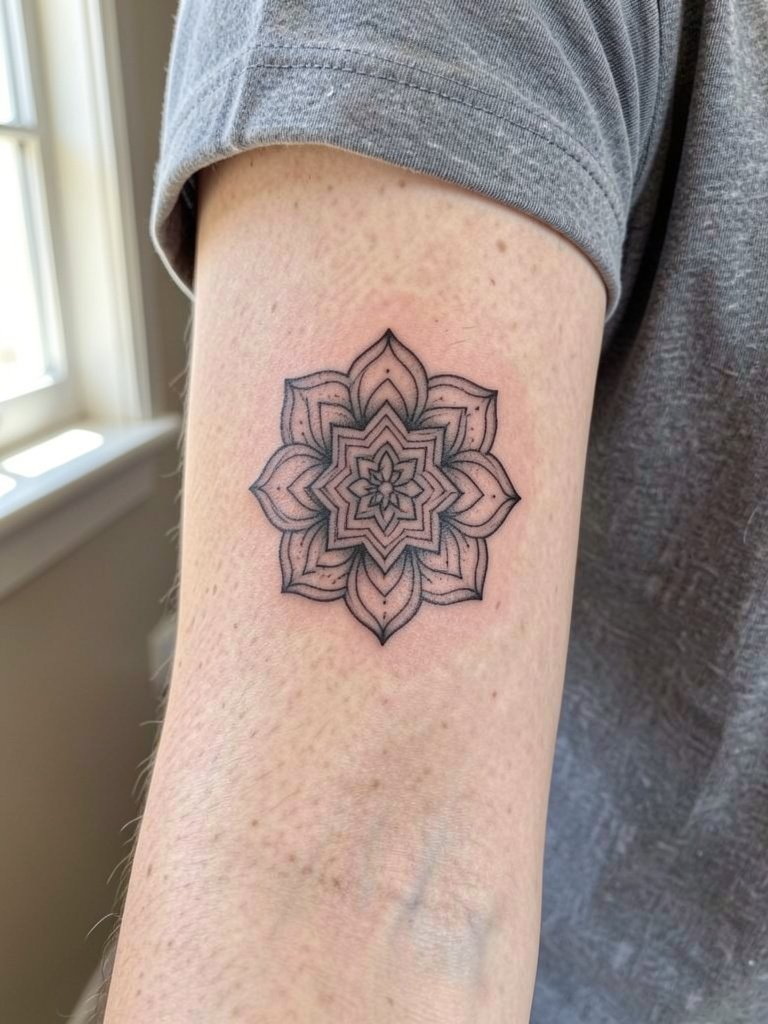
This small inner-forearm mandala works best when scaled to at least three inches across. The inner forearm eats the thinnest single-needle work over time, so increase linework slightly above your reference. For consultation bring two scaled references showing the design at three inches and five inches so the artist can point out spacing changes. Expect a one to two hour session and a low pain level. Light stipple shading and modest negative space keep the pattern readable at six months and two years. Pair with a linen short-sleeve tee for everyday show-off looks.
2. Dot-Work Half Mandala on Calf
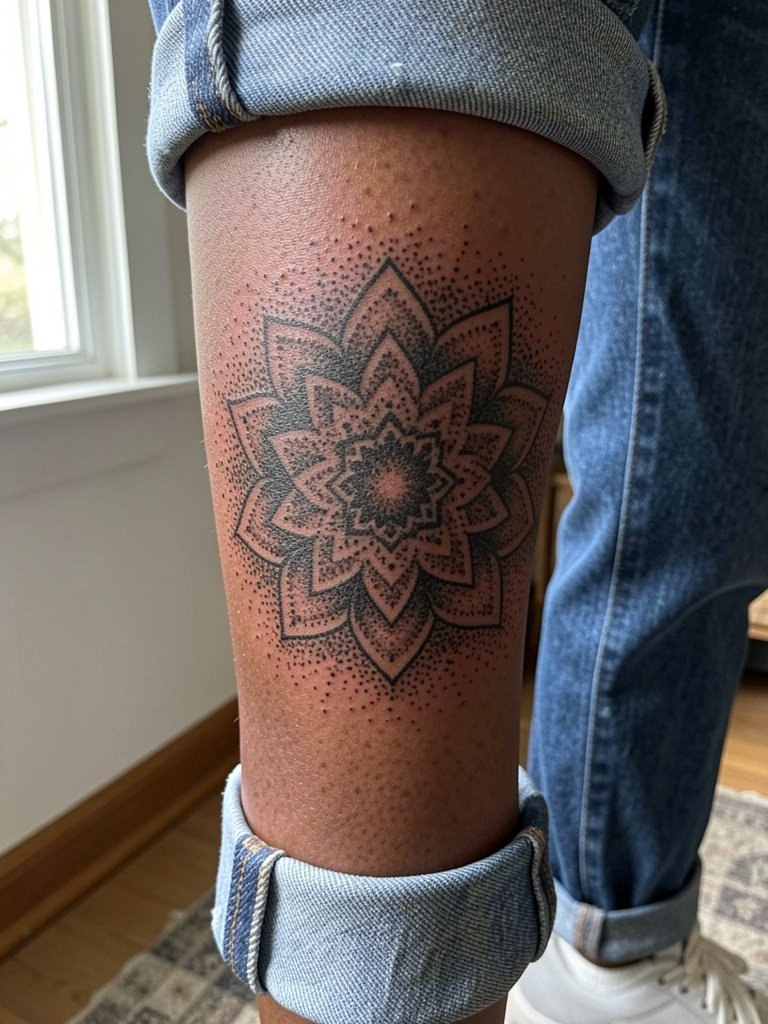
A calf half-mandala reads well from across a room because the radial dots create contrast. Dot work requires patience, so expect a two to three hour sitting. The biggest mistake is asking for uniform tiny dots across a large surface, which can look muddy at year three. Instead ask for graduated stipple shading with denser central saturation and airy outer rings. Calf skin tolerates saturation well, so touch-up after six to twelve months is uncommon. Wear rolled hem denim to show it off in warm months.
3. Small Mandala Behind the Ear
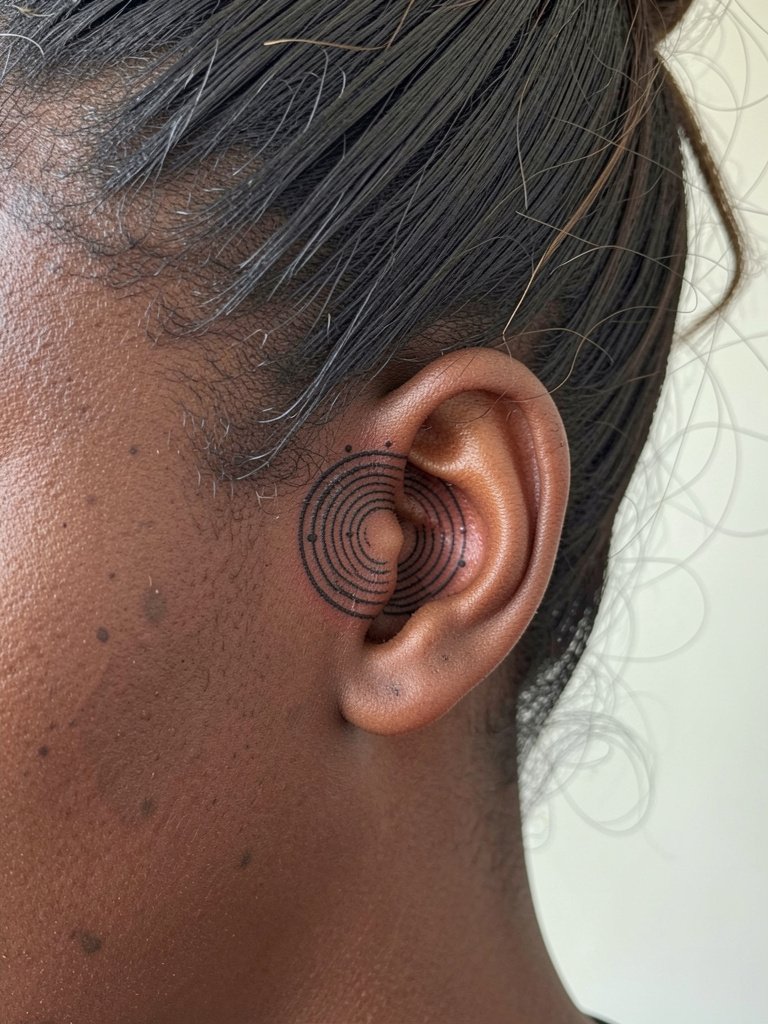
Behind-ear mandalas are discreet and work best as small, bold motifs rather than ultra-delicate script. The area heals quickly but needs a precise stencil and steady linework to avoid blowout near cartilage. Sessions are short and pain is moderate. A common error is requesting too many tiny interior details in a coin-sized piece. Instead opt for simplified geometry and slightly stronger outer rings. This design pairs well with simple stud earrings and a light silk scrunchie when you wear your hair up.
4. Sternum Lotus-Mandala Mix
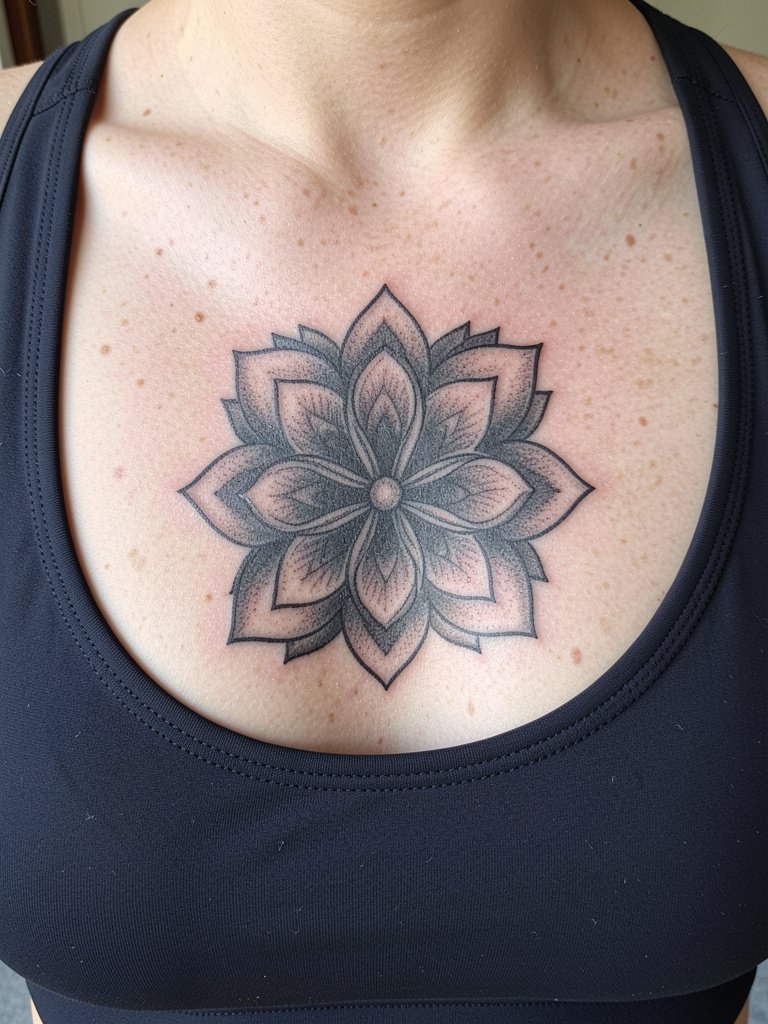
Sternum mandalas sit on skin that flexes with breathing, so spacing is crucial. Artists divide on whether ultra-fine details survive here. One camp argues the constant motion and softer skin around the sternum blur fine lines within two years. The other camp believes carefully adjusted needle depth and slightly wider spacing let fine line settle decently, and they will point to healed photos as proof. If you want a fuller look, schedule a longer session in a comfortable chair and expect moderate pain. For the appointment wear a fitted sports bra or bandeau that gives the artist clear access. Also note the mandala motif draws from South Asian design traditions, so plan respectful imagery and ask about cultural context.
5. Geometric Mandala Wrist Band
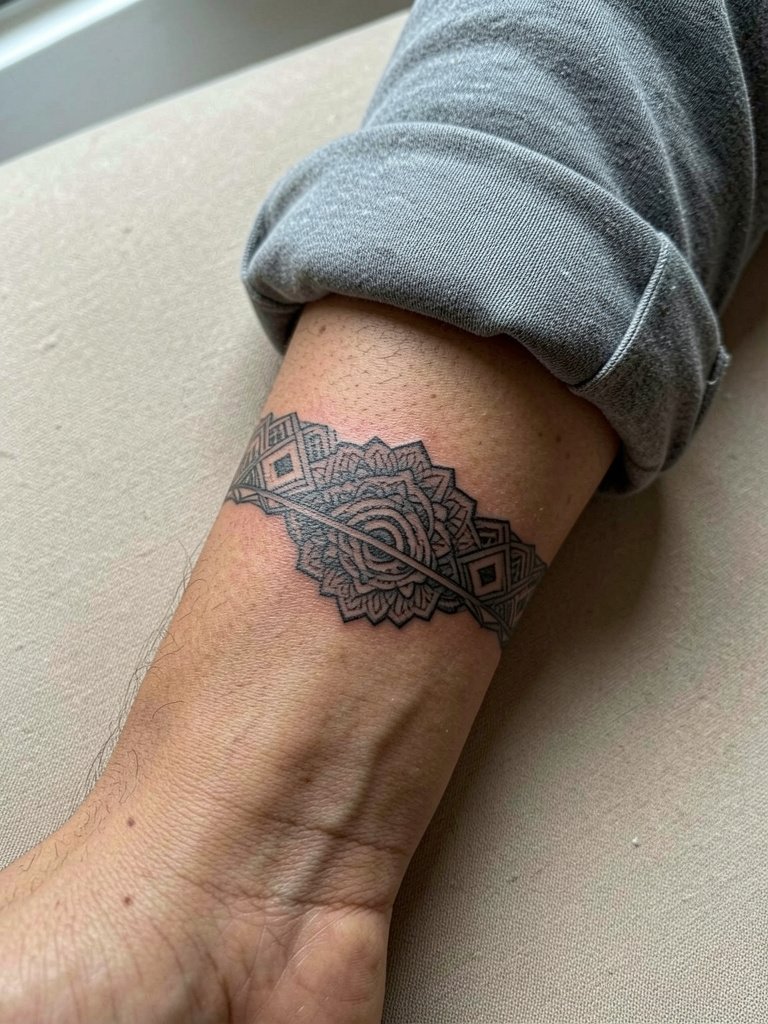
Wrist bands are visible and face lots of friction from watches and bracelets. Make the outer lines a touch bolder than your reference to resist softening. The common mistake is requesting micro-detail that the skin will spread under daily wear. A two-hour session usually suffices for a narrow band. Expect touch-up within a year for dense black areas. For showing off, pair with a slim leather cuff or a minimalist watch strap that keeps the skin visible.
6. Full Shoulder Cap Mandala
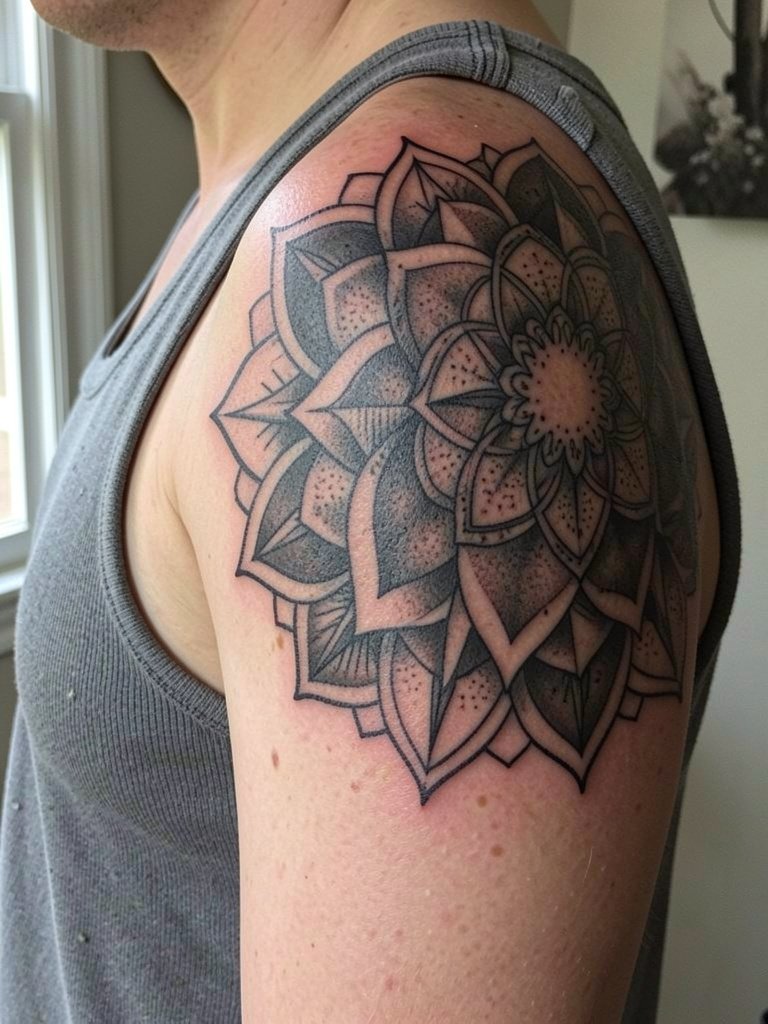
Shoulder caps are forgiving placements for geometry because the skin moves less than the ribs. This design benefits from bold outer rings and subtle whip shading internally. Sessions vary from two to five hours depending on saturation. A common error is cramming too many tiny inner elements when the shoulder shape will distort them. Bring front and back reference shots so the artist can orient the central axis. Wear a tank top to the appointment so the artist has full access. For outfits, open-shoulder tops and linen cami dresses frame the cap well.
Studio Day Picks
These items help smooth sessions and early healing for the smaller forearm, wrist, and sternum mandalas described above.
-
Stencil transfer paper kit. Lets you preview linework placement on skin ahead of the needle, especially useful for inner forearm and behind-ear pieces.
-
45-minute topical numbing cream. Applied per instructions reduces chair-time discomfort for sensitive sternum or rib sessions without interfering with linework.
-
Thin protective film roll. Useful for wrist and finger pieces to shield against friction during the first few days of healing.
-
Fragrance-free gentle body wash. Cleanses sensitive areas like the sternum and inner thigh without stripping fresh ink.
-
Aquaphor Healing Ointment. A widely used option for the very first nights when light occlusion supports the initial healing window.
7. Mandala Thigh Panel with Floral Fill
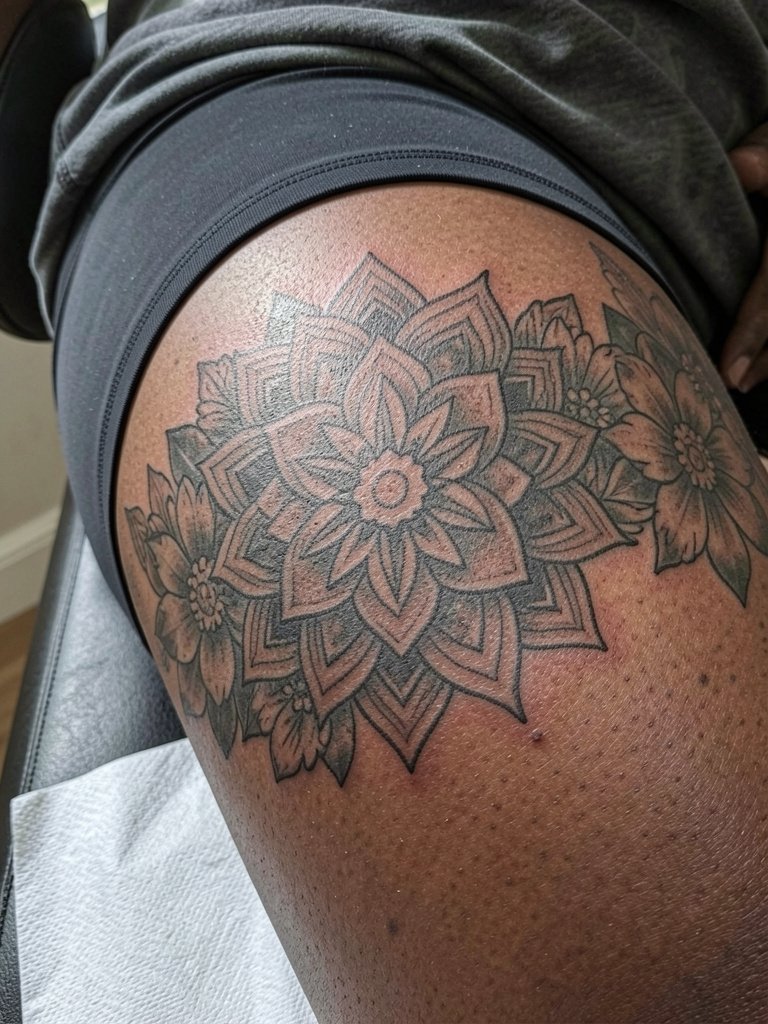
Outer thigh panels give you space for a large mandala that combines floral silhouettes. The skin here tolerates both dot work and saturated black, so consider heavier central saturation and airy outer petals. Thigh sessions can be lengthy, so plan a comfortable chair and breaks. A mistake is asking for tiny internal filigree that gets lost when seated or during sleep. For the session wear easy pull-on shorts or loose linen drawstring pants so the artist can access the area without pressure.
8. Minimal Geometric Mandala Finger Tip
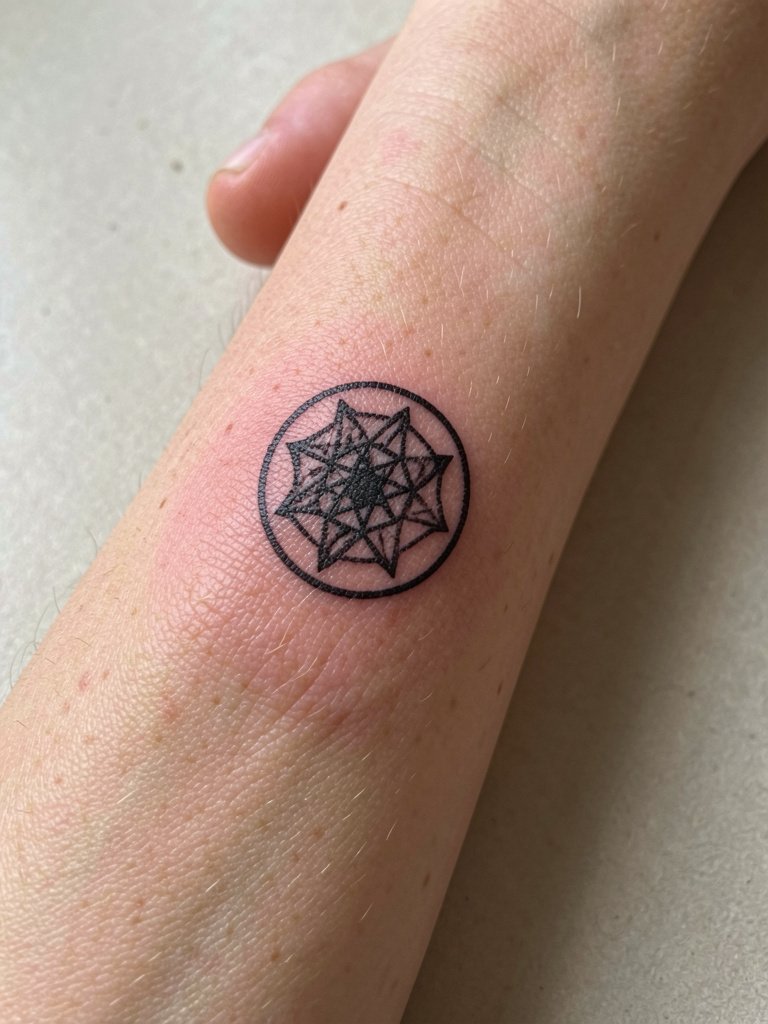
Finger tips and side-of-finger placements face fast fading because of constant washing and skin renewal. If you want a fingertip mandala ask for bold outer lines and accept annual touch-ups. The session is short and sharp in pain. The common error is expecting single-needle detail to survive on the fingertip. For the appointment avoid jewelry and wear a short-sleeve top. If you show it off, minimalist rings and a thin stacking band complement the design.
9. Full Back Mandala with Radiating Lines
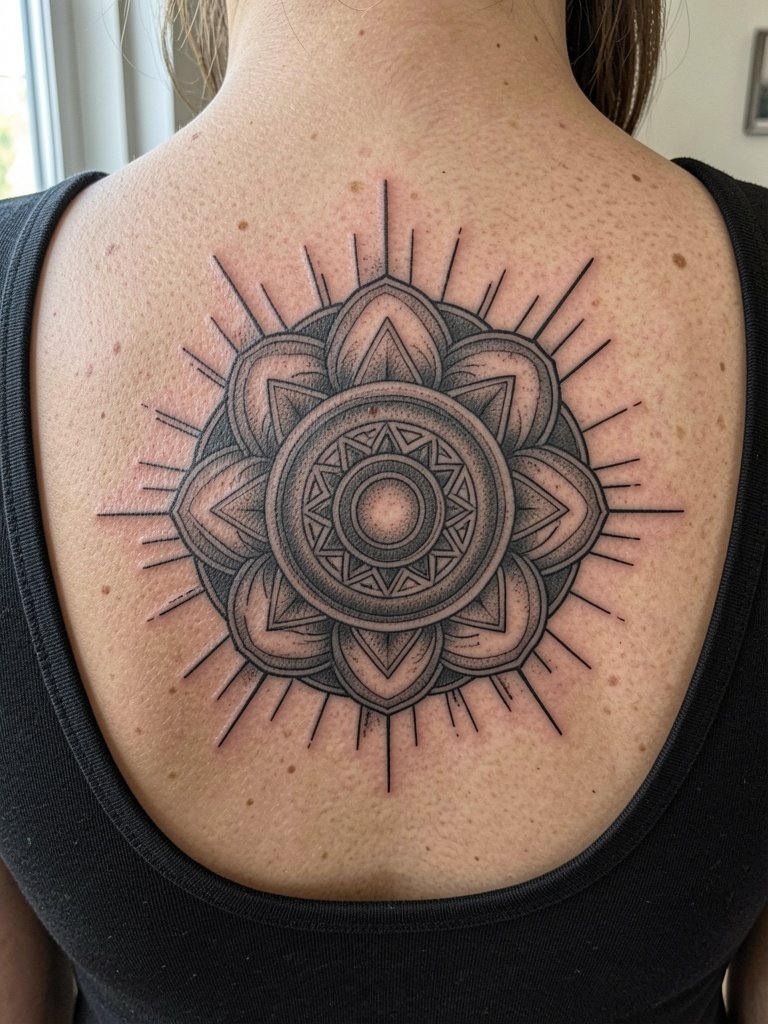
Full-back mandalas are ambitious and need clear central anchoring so the symmetry reads from different angles. Sessions are multiple sittings and require larger needle groups for consistent saturation. One mistake is trying to force ultra-fine inner filigree across a wide surface. Instead request stronger main rings and lighter internal dot work. Mid-back skin ages well, though stretch and posture changes can alter how the rays travel. For show-off outfits consider low-back dresses and a backless slip dress.
10. Geometric Collarbone Petal
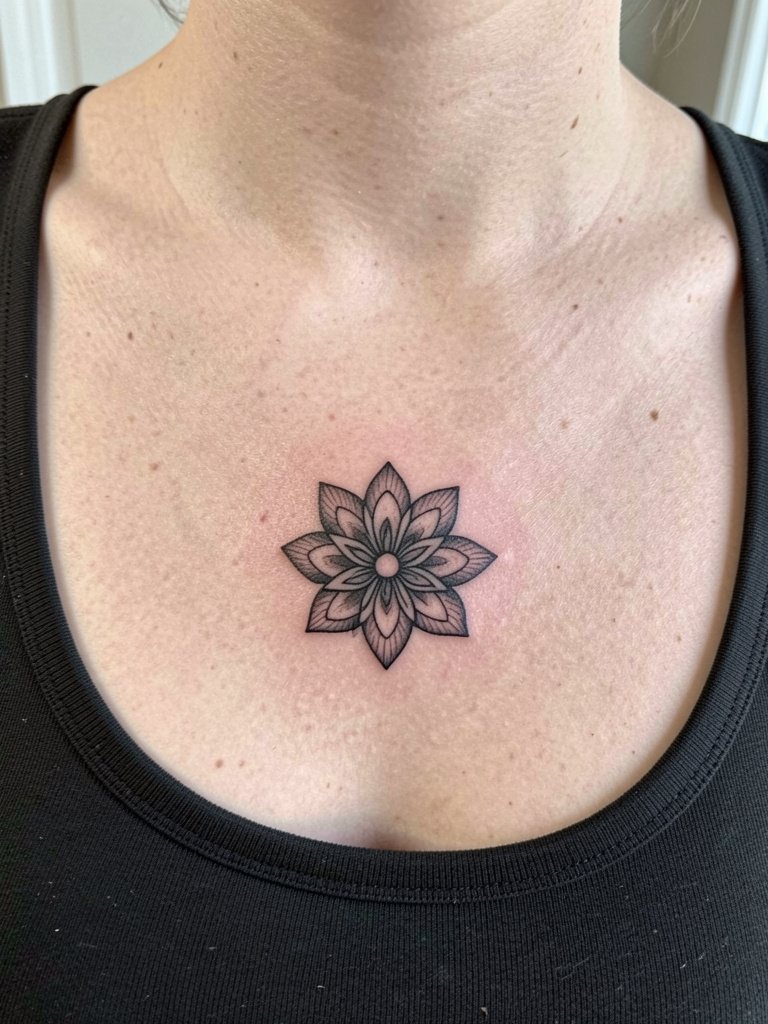
Collarbone mandalas have a bold silhouette against the collarbone line. The skin there can be bony, so expect a sharper sensation during the session. A frequent error is insisting on extremely thin interior lines that the collarbone does not hold. Ask for modest outer rings and soft stipple shading to suggest depth. Sessions are typically one to two hours. Wear a wide-neck top to the appointment and consider pairing the finished piece with a delicate pendant necklace that sits just above the design.
11. Mandala with Negative-Space Starburst on Chest
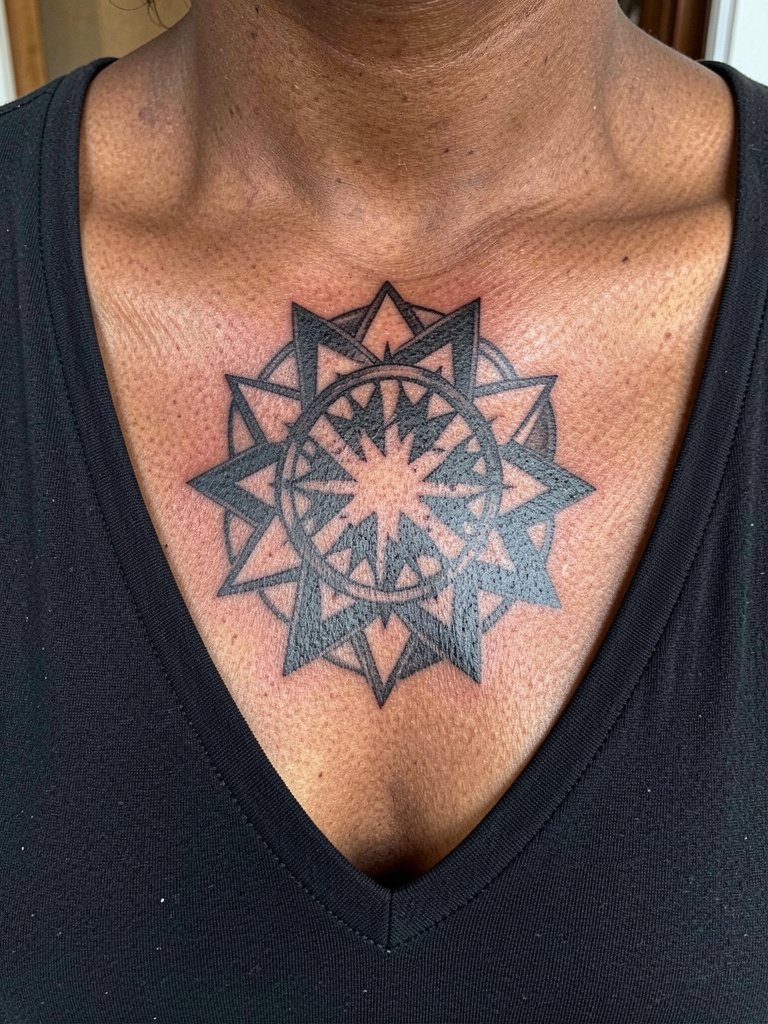
Using negative space gives a mandala punch without extra saturation. The trick is planning the gaps so they do not fill in over time. Discuss line spacing and how much bare skin you want visible at year two. This placement is visible and ages predictably if you avoid hairline filigree. Sessions range from one to three hours. Pair the piece with open-neck shirts or a button-front blouse to show the geometry.
12. Ribcage Crescent Mandala
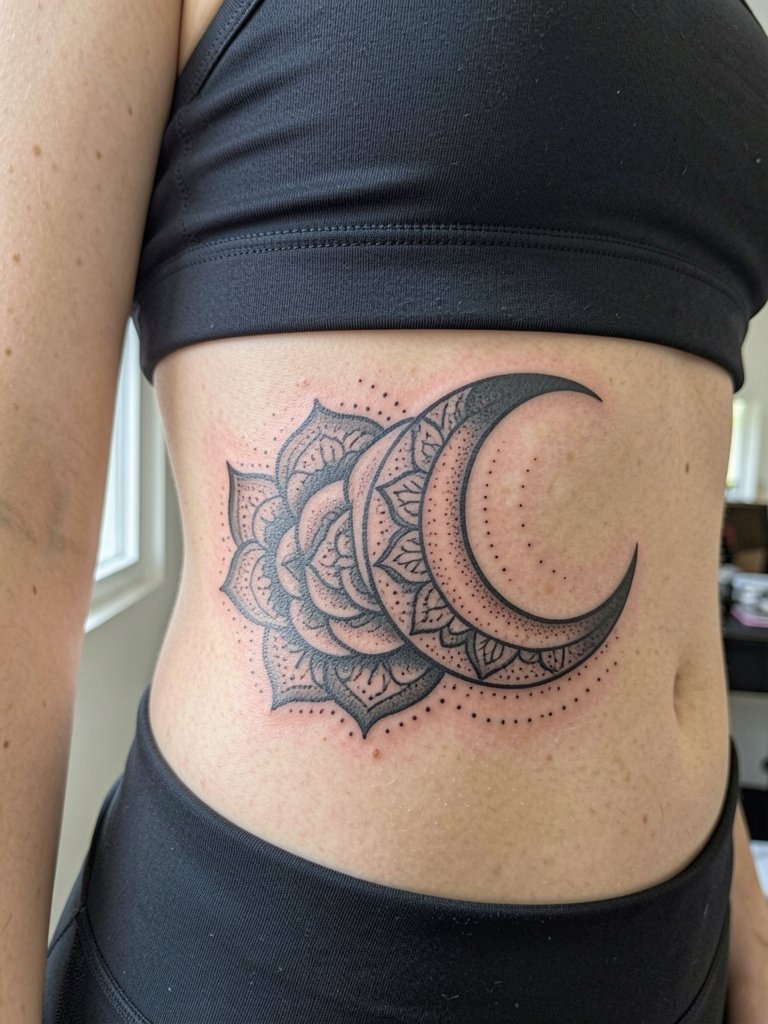
Ribs are among the most debated placements for fine-line mandalas. One camp says the skin stretch and movement cause lines to blur inside two years, especially if the work is single-needle. The other camp argues that with slightly thicker primary lines and careful spacing, the geometry can remain crisp for years. If you favor fine detail, plan for a careful session and accept a likely touch-up at one to two years. Expect higher pain and longer healing. For the appointment wear a fitted cropped top that gives clean access without shifting during the session.
13. Mandala Ankle Ring
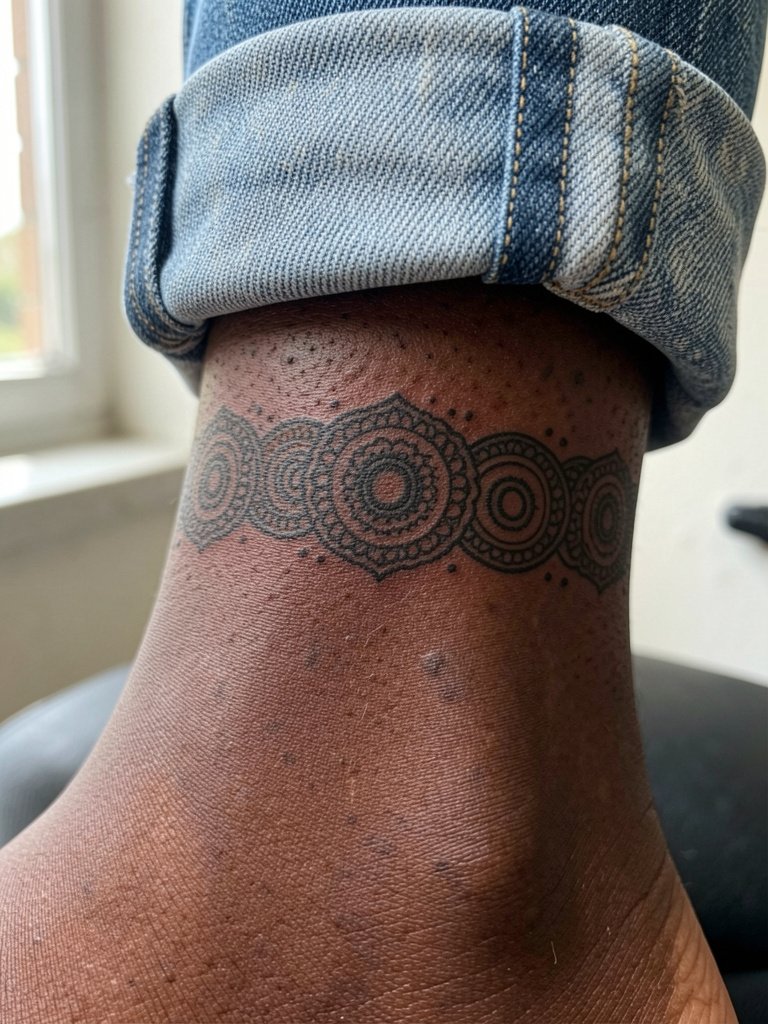
Ankle rings face abrasion from shoes and socks, so plan for bolder outer lines to resist wear. The biggest mistake is asking for ultra-microscopic interior filigree. Sessions are short and pain is moderate. Expect light fading from footwear friction and plan a touch-up after a year if you want solid black. Style with low-top sneakers or sandals and a delicate anklet to frame the ring.
14. Geometric Mandala Palm-Side Wrist
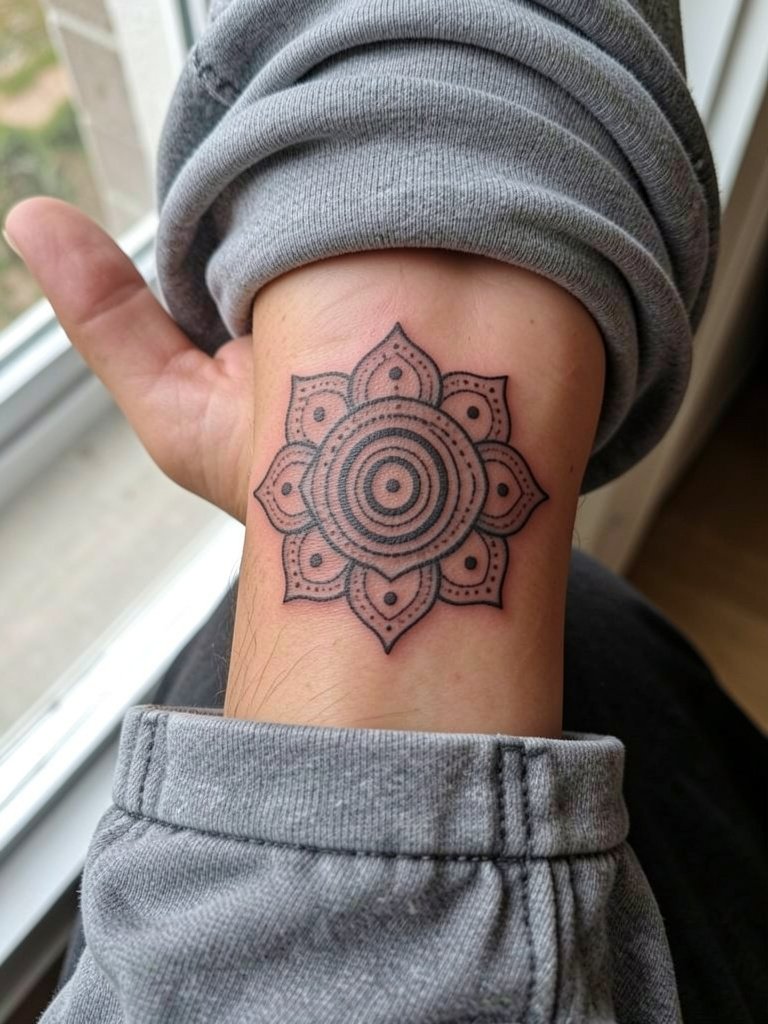
The palm-side wrist sees frequent washing, so fine ink can fade faster. Choose slightly heavier linework and accept a livelier touch-up schedule. A common user error is neglecting to plan for friction from watches. The session is relatively quick and patience for accurate linework pays off. For the appointment remove bracelets and wear a short-sleeve top. Pair with cuff bracelets that leave the central design visible, and consider a thin cuff bracelet.
15. Mandala Calf Sleeve with Geometry Bands
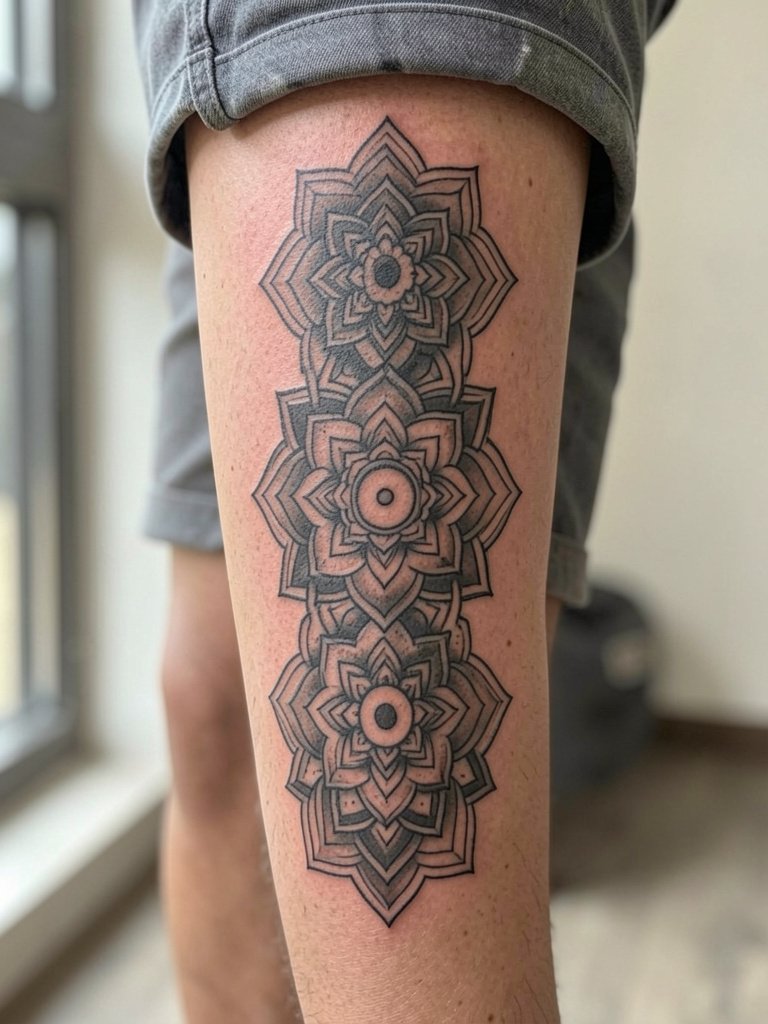
A calf sleeve built from mandala bands gives visual rhythm and reads well at distance. Keep main bands bold and use lighter dot work to connect them. The mistake is overcomplicating the connectors so the eye gets lost. Sessions are multiple visits. Calf skin tolerates saturation, so touch-ups are rare. For showing off wear mid-length shorts or a cotton summer skirt.
16. Mandala Nape of Neck
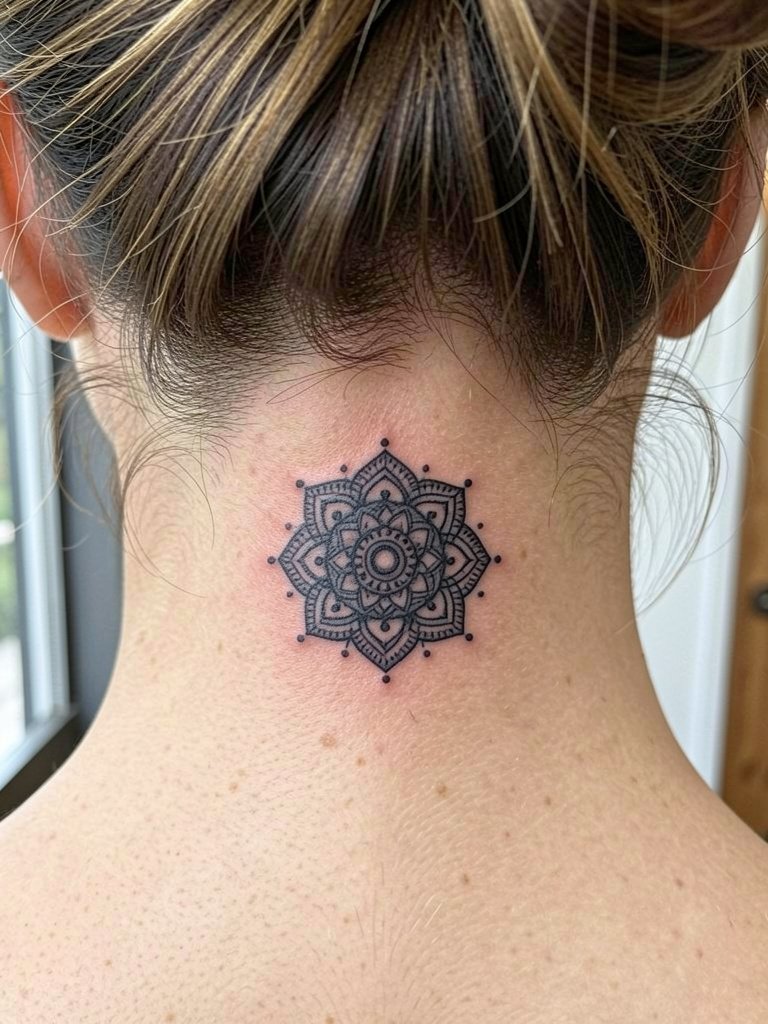
Nape mandalas can be subtly visible with short hair or updos. The area needs crisp stencil placement because hairlines and collars can interfere with stencil transfer. A common mistake is requesting over-detailed inner elements that disappear under hair growth. Sessions are short with mild to moderate pain. For the appointment wear hair up naturally and bring a soft hair tie. A low-key aesthetic pairs well with a silk headband.
17. Geometric Mandala on Outer Bicep
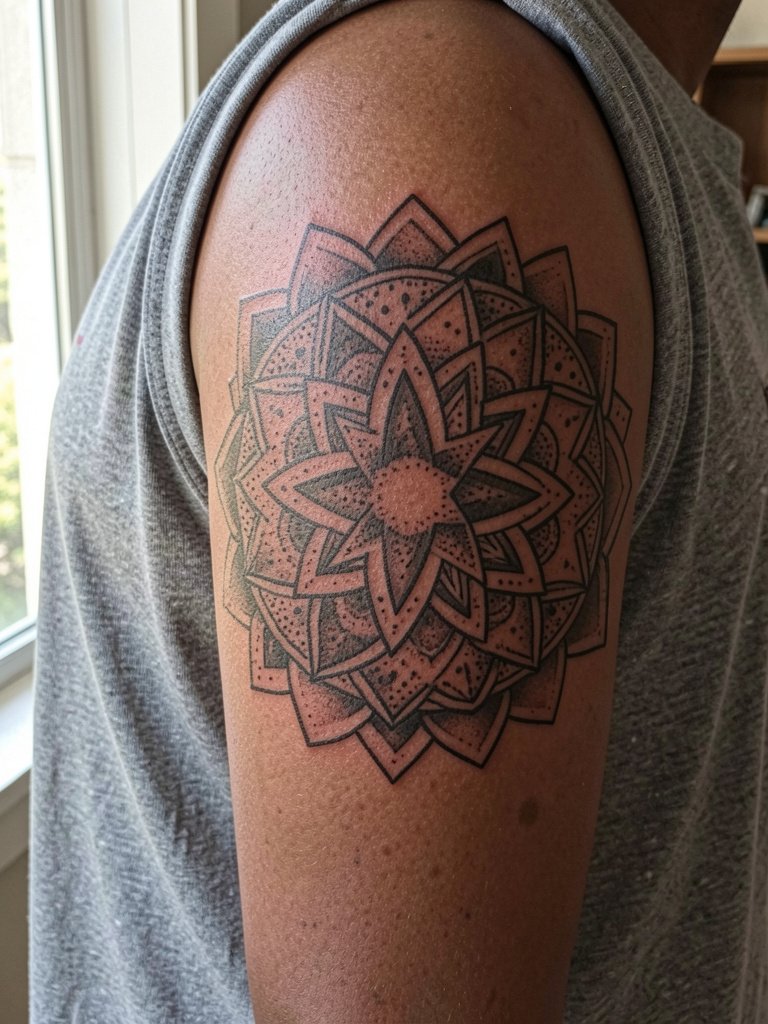
Outer bicep mandalas sit on a forgiving surface that ages well. You can push for more interior detail here than on inner arm locations. The most frequent mistake is neglecting how sleeves will frame the piece. Session time is usually one to three hours. For showing off, sleeveless shirts and muscle tees work, and a cotton tank top keeps the area visible and comfortable.
18. Small Mandala on the Hip Bone
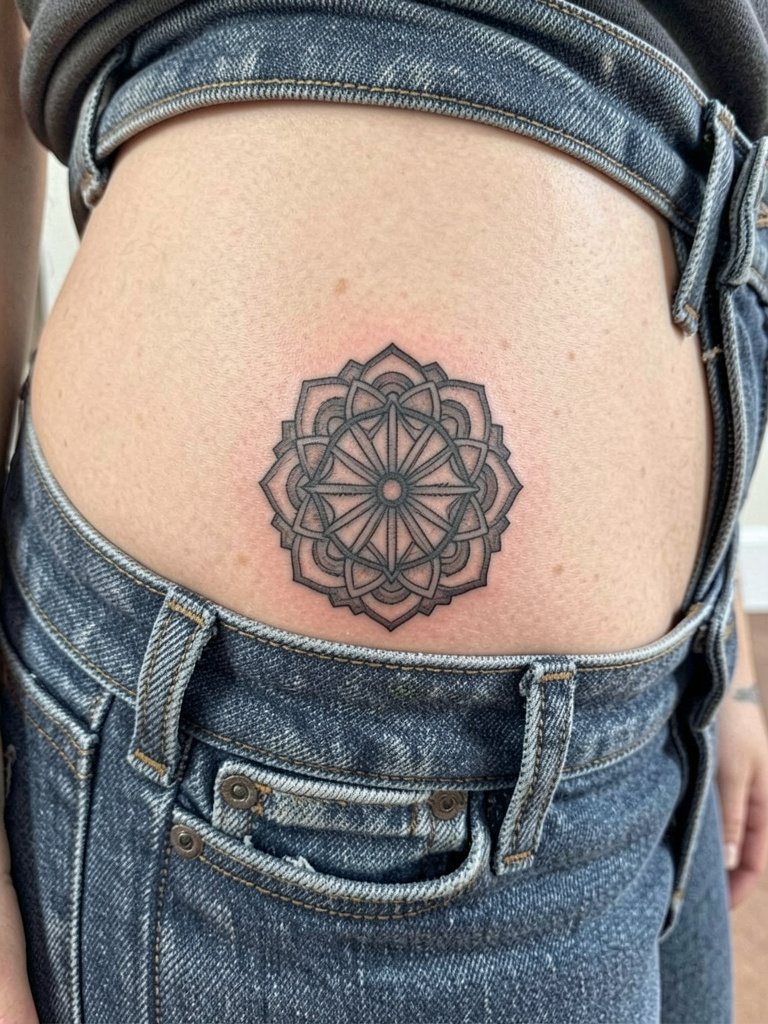
Hip mandalas look great peeking above waistlines but face friction from waistbands. Avoid dense interior dots that will fade from rubbing. Plan for one to two hour sessions and expect occasional touch-ups. For the appointment wear low-rise jeans that are zipped and buttoned so the artist can access the area without fabric being moved. When showing off, pair with low-rise skirts or a cropped knit top.
19. Mandala Over the Knee Cap
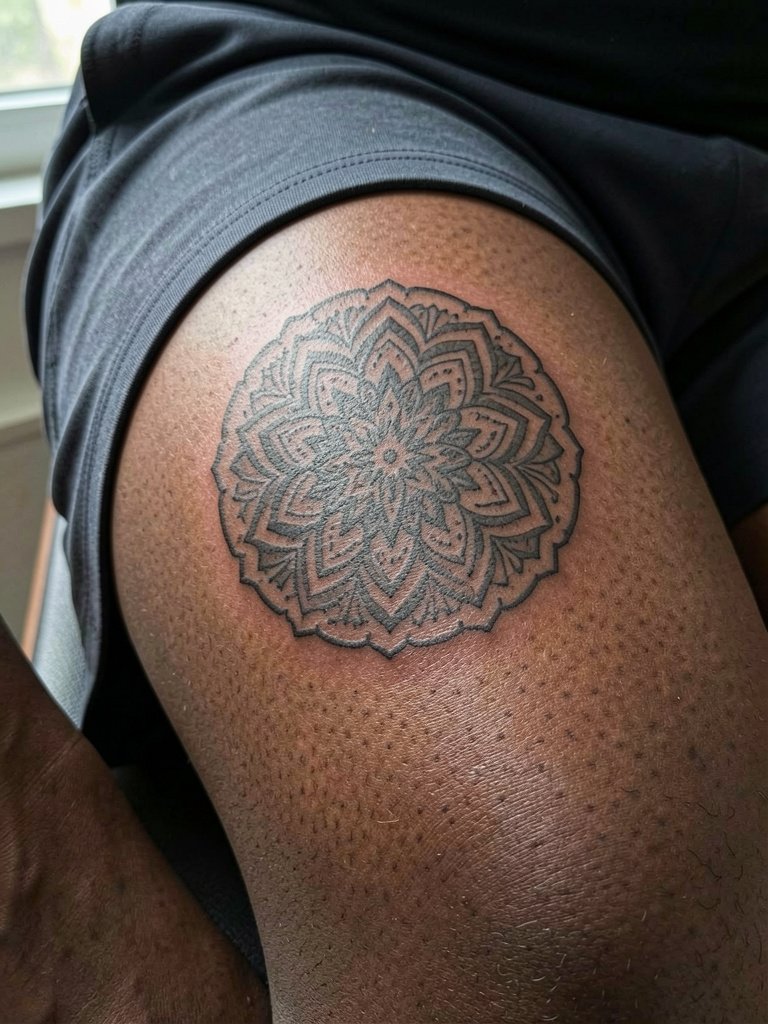
Knee cap placements require reinforced outer lines because skin here stretches and flexes. The main mistake is expecting tiny internal details to behave when you bend. Plan for a technical sitting with the knee in slightly bent position so the design reads while moving. Pain can be higher and sessions are usually short but intense. Wear shorts for access and consider pairing with mid-thigh boots or a sleek knee sock when you want to show it off.
20. Mandala Throat-Side Accent
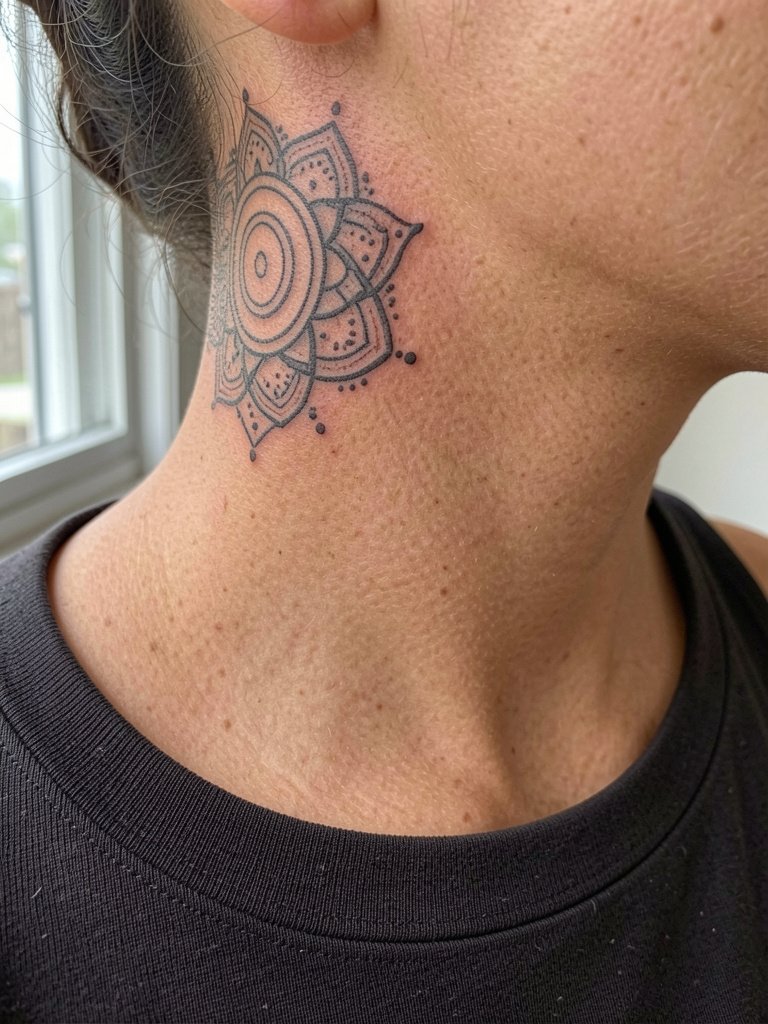
Side-of-neck mandalas are visible and often job-sensitive, so consider placement carefully. The area takes linework well if the stencil is precise. A common error is asking for extensive interior filigree that the neck cannot keep crisp. Expect mild to moderate pain and a short session. For the appointment wear a top with a wide neckline and consider styling with a light scarf to frame or hide the area as needed.
21. Mandala Palm-Side Finger Band
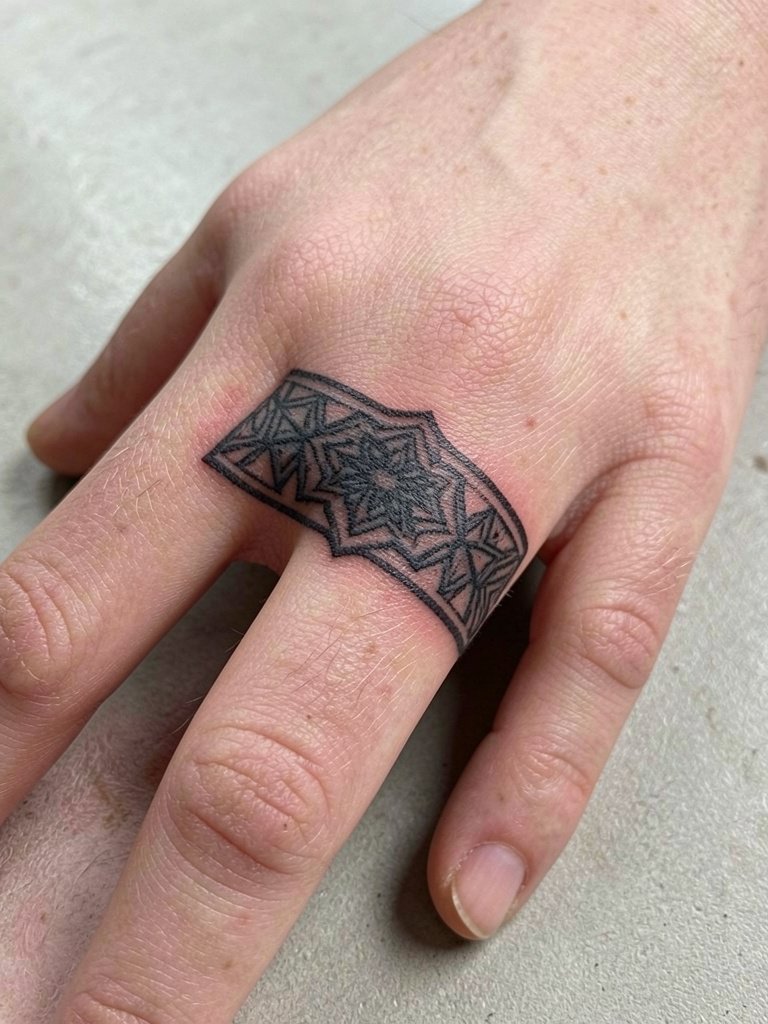
Finger base bands are intimate and fade faster with hand washing. Ask for slightly bolder outlines and expect touch-ups yearly. A user mistake is insisting on micro-dot interiors on a moving surface. Sessions are brief but can sting. For showing off, thin stacking rings help and a minimalist ring set complements the band.
22. Mandala with Geometric Compass on Sternum
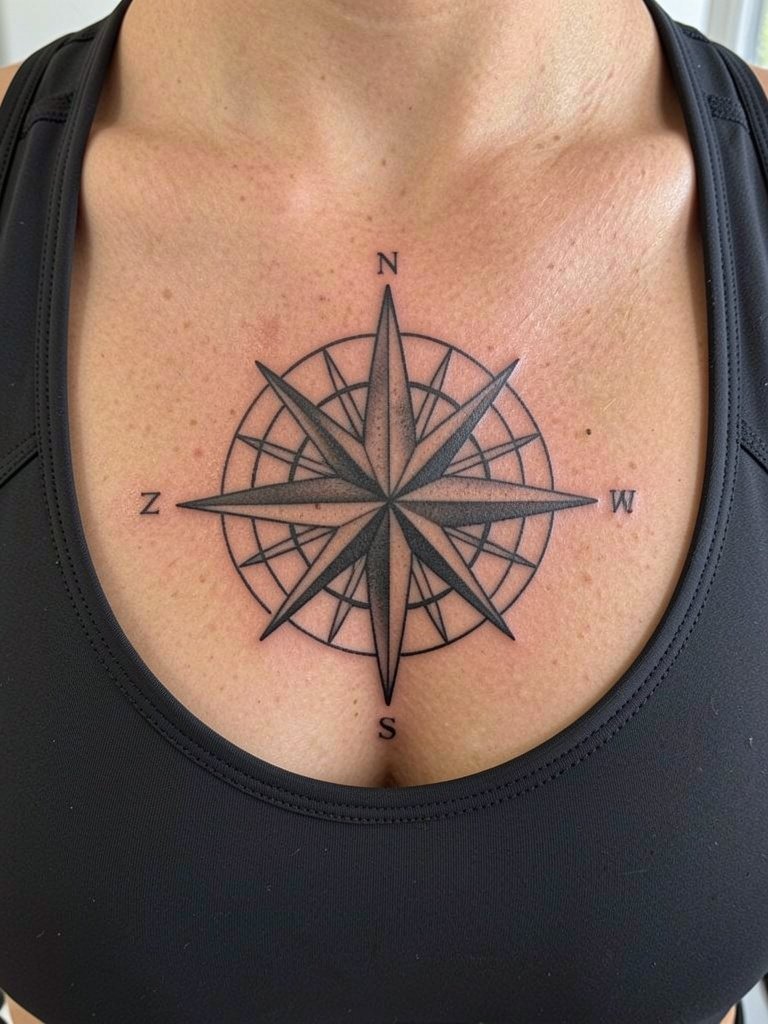
Combining compass geometry with a sternum mandala gives directional emphasis, but the sternum moves. The frequent mistake is over-detail that will distort with breathing. Ask the artist to map out spacing while you breathe so the central axis stays visually stable. Sessions are moderate in discomfort and may take a few hours. Respect cultural origin if you borrow sacred geometry motifs.
23. Blackwork Geometric Mandala Thigh Band
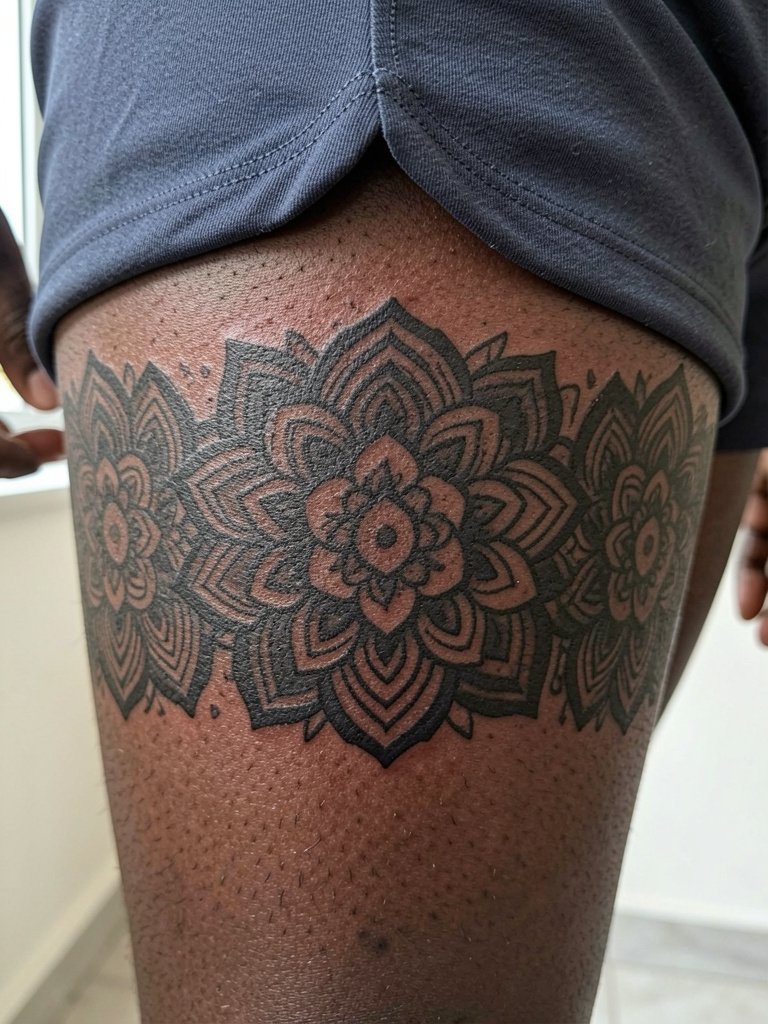
Blackwork bands age well when the saturation is even. The main error is uneven saturation that shows as patchy at twelve months. Expect multi-hour sessions and discuss how dense you want the fill. The thigh holds saturation, but plan for one touch-up six to twelve months after completion. For outfits, pair this with high-slit skirts or a flowy wrap skirt to let the band show.
24. Small Mandala on the Side Rib
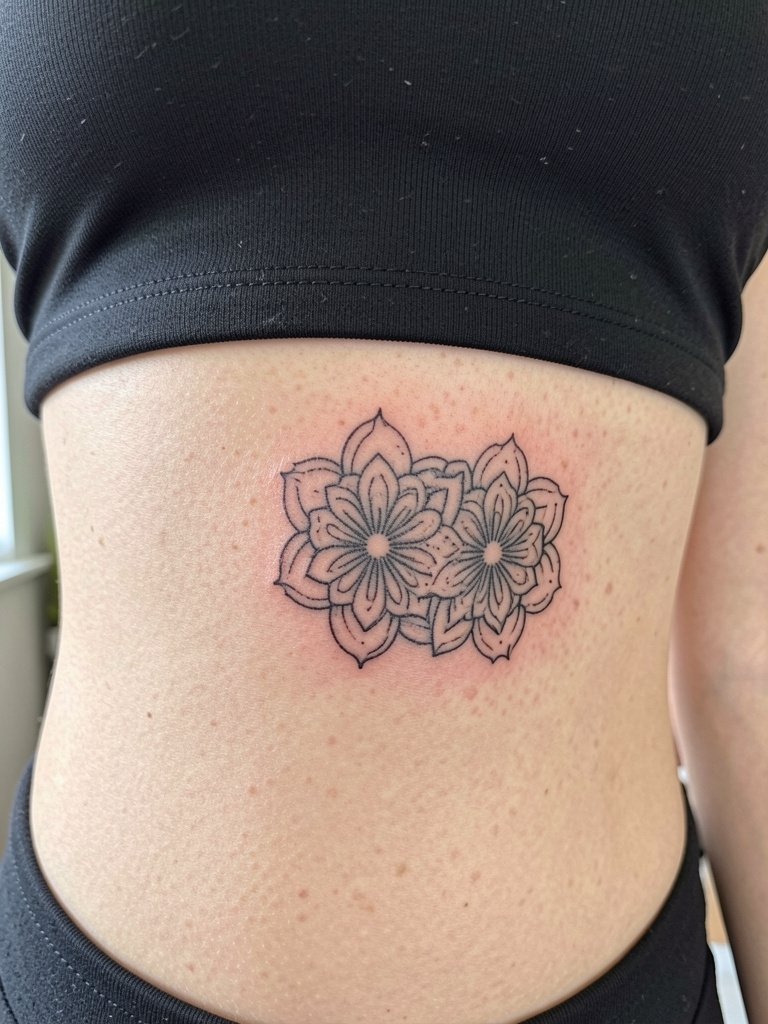
Side-rib mandalas sit on flexible skin and tend to blur if lines are too tight. A common mistake is choosing single-needle detail in a high-motion area. Instead opt for slightly thicker primary lines and diffused dot work. Pain is higher and sessions shorter per pass. For the appointment wear a fitted cropped top and expect a relaxed recovery. Consider breath-friendly clothing such as a soft lounge crop.
25. Tiny Geometric Mandala on the Back of the Hand
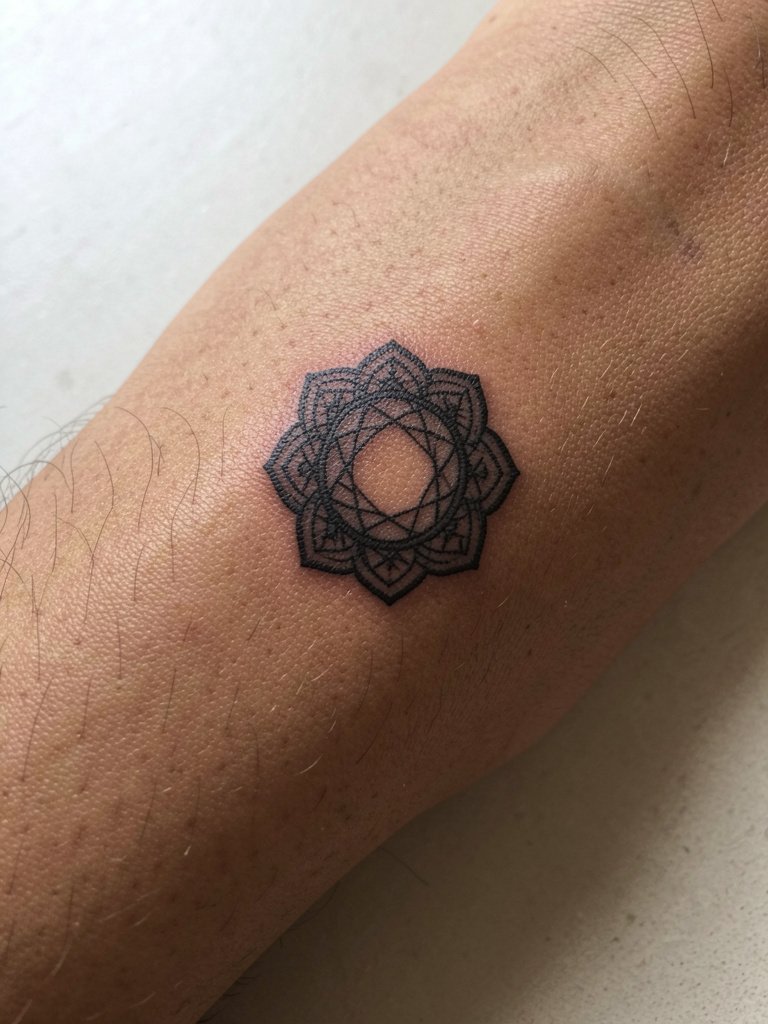
Hand placements blur faster due to frequent use and sun exposure. Ask the artist for strong outer boundaries and plan on periodic touch-ups. A common mistake is demanding tiny center work that disappears within months. Sessions are short and can be painful. For after sessions, avoid heavy handwork and style with rings and a simple bracelet that complements the motif.
26. Mandala Sleeve Accent on Upper Arm
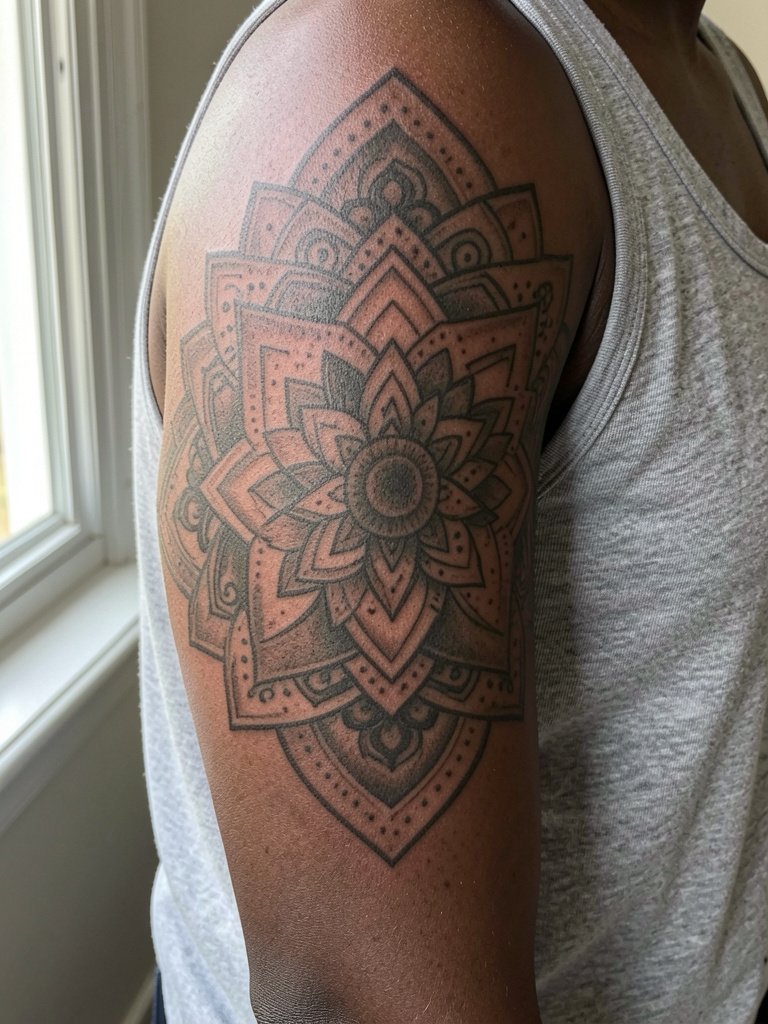
Upper-arm sleeve accents let you mix mandala geometry with illustrative panels. Balance is key. The error is overcrowding the sleeve with too many competing focal points. Discuss flow and where negative space should live. Sessions run several hours and may be split over days. For showing off, sleeveless tops and a structured blazer can frame or reveal the sleeve as you like.
27. Tiny Mandala on the Spine Base
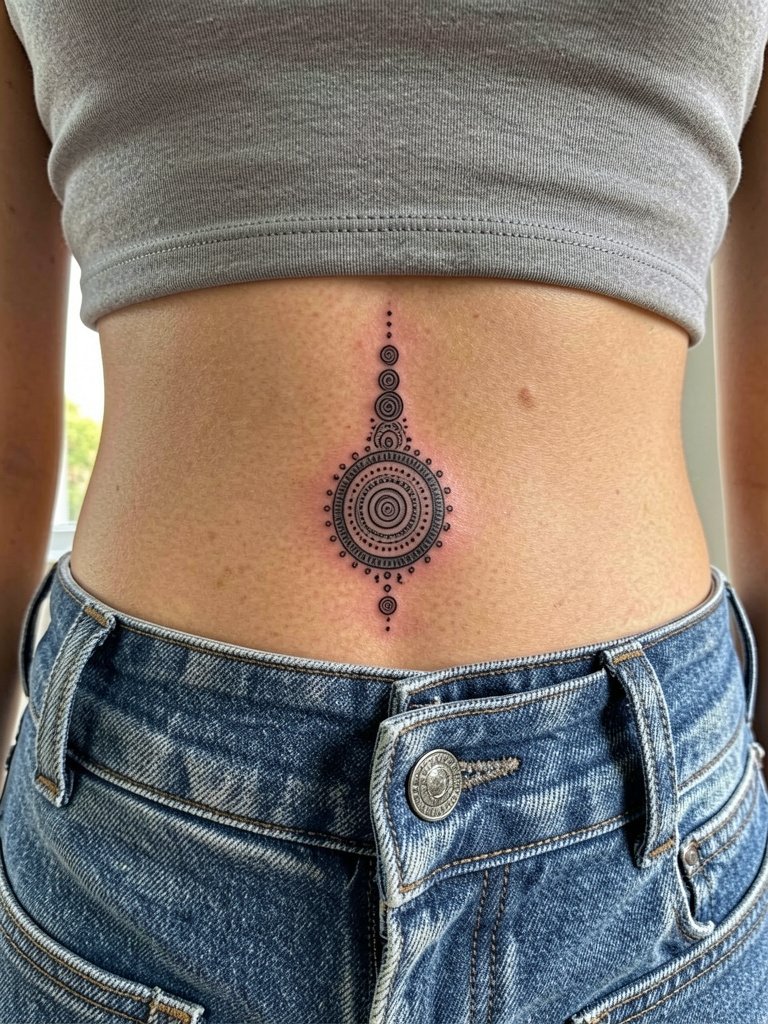
Lower-spine mandalas can peek above waistbands and remain private when you want. The common mistake is asking for extremely fine inner detail that blurs with sitting and bending. Keep the central motif bold and allow airy rings. Sessions are short and pain is moderate. For the appointment wear low-rise jeans zipped and buttoned so the area is accessible without moving fabric.
Frequently Asked Questions
Q: How do geometric mandalas age across different placements?
A: Most mandalas age best when the primary rings are slightly bolder than the reference. Forearms, shoulders, calves, and thighs hold linework well. Fingertips, hands, and ribs are higher risk for softening and usually need touch-ups at one to two years. I have seen the same design look crisp at year five when the artist increased spacing and saturation at the start.
Q: Where can I find healed examples and portfolios without naming individual artists?
A: Search platform tags and terms like #GeometricMandalaTattoo, #HealedMandala, and location filters on Instagram and TikTok to find recent healed shots. Browse community threads on Reddit for diverse skin tone examples. Use keyword searches on portfolio sites that let you filter by healed photos and placement.
Q: What should I wear to a session for a sternum, rib, or hip mandala?
A: For sternum and ribs wear a fitted sports bra or bandeau so the artist has clear access and you stay comfortable. For hip and thigh pieces plan for loose drawstring pants or shorts you can pull down without tugging at the waistband. A suggested session wear item is a loose linen drawstring pant that keeps pressure off the area.
Q: How often do mandalas need touch-ups and what affects that timeline?
A: Touch-up frequency depends on placement, sun exposure, and how heavy the artist saturated the ink. Visible high-friction spots like hands and ankles often need yearly touch-ups. Protected areas like the back or thighs may not need one for three to five years. Lifestyle and aftercare routines change this a lot.
Q: Are there cultural concerns I should consider with mandala imagery?
A: Mandalas have deep roots in several spiritual and cultural traditions. Use motifs respectfully and avoid direct appropriation of sacred iconography. Ask the artist how the chosen geometry relates to its origins and consider adaptations that honor the source.
Q: Can fine-line mandalas be done on the ribs if I want delicate detail?
A: Fine-line ribs split artists into two camps. One group says ribs blur within two years because the skin stretches a lot and moves with breathing. The other group says careful depth control and slightly wider spacing allow fine-line ribs to settle well, and they will show healed photos to back that up. If you proceed, plan for a conservative initial scale and a likely touch-up window.
