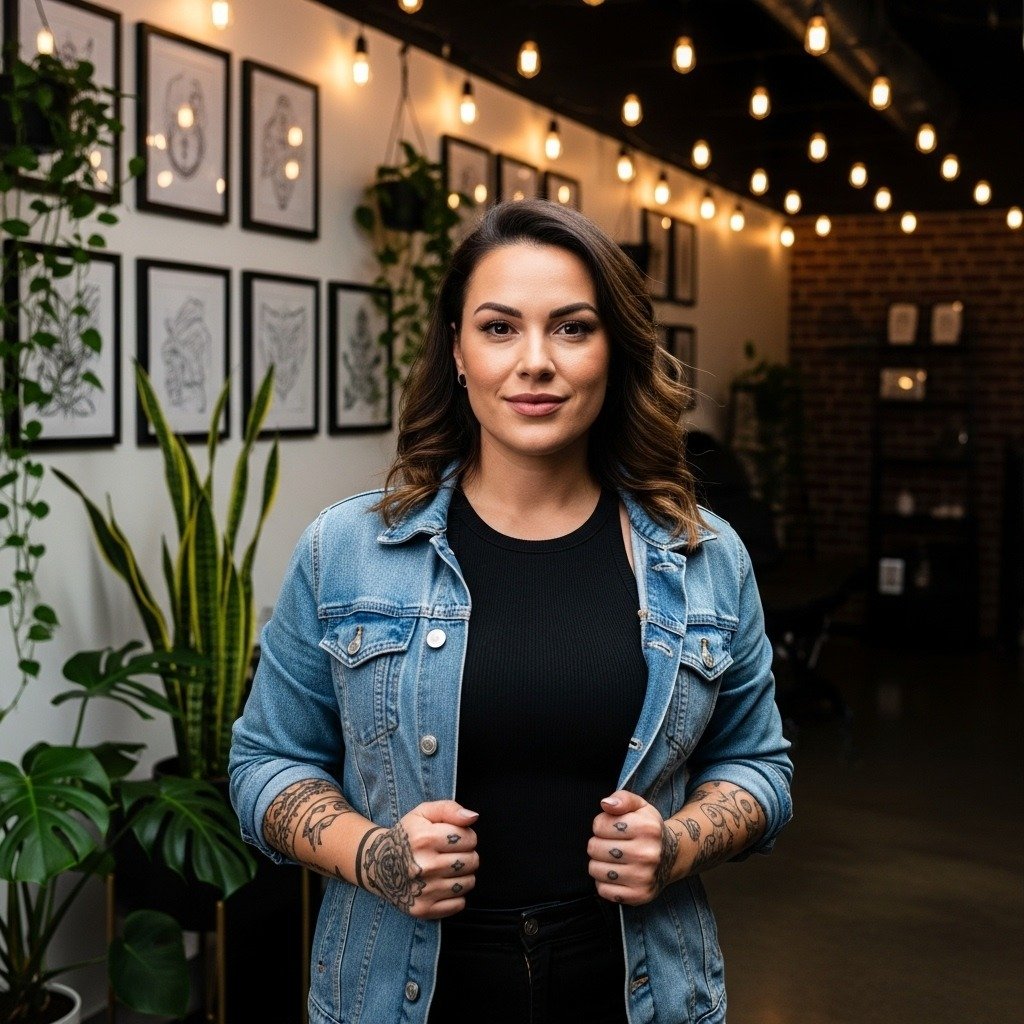
Someone I know spent months scrolling for the right small tattoo only to realize the real question was how the design would age and where it would sit on their body. Fine line tattoos for women keep coming up as a go-to when people want something low-profile that can still carry meaning, but the choices you make now shape how the piece looks at year two and year five.
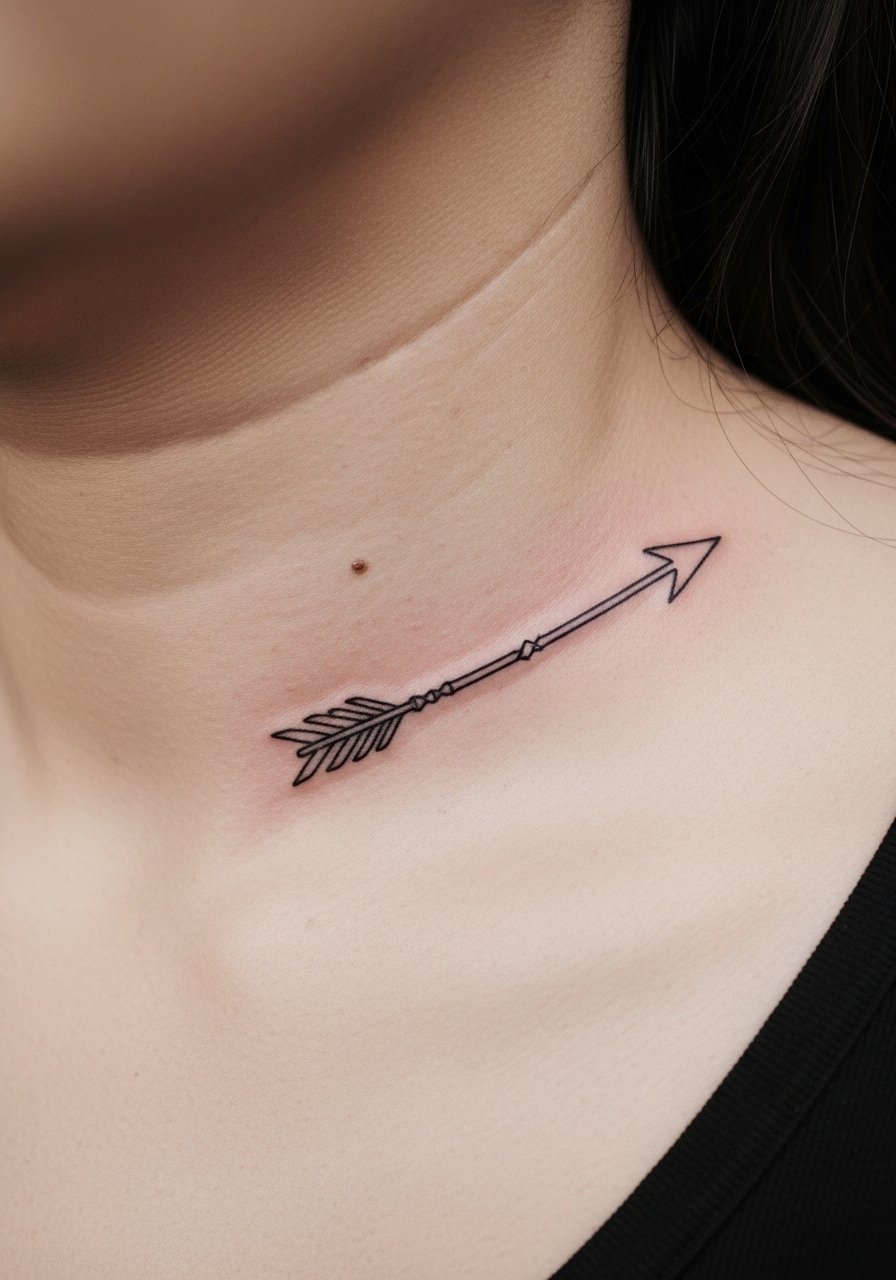
1. Fine Line Arrow on the Collarbone
When you want a directional symbol that moves with your posture, the collarbone reads well. Fair warning the collarbone ranks around a 5 out of 10 for pain, but the elongated linework is forgiving for single-needle work. Tell your artist you want slightly thicker primary lines with faint negative-space breaks so the arrow keeps its silhouette as it heals. A common mistake is asking for a hairline shaft that becomes hard to read after a year. Expect a one-session piece that might need a touch-up at year two, especially if you wear necklaces that rub the area. For placement changes, a collarbone arrow looks cleaner when centered under the clavicle rather than tucked into the shoulder crease.
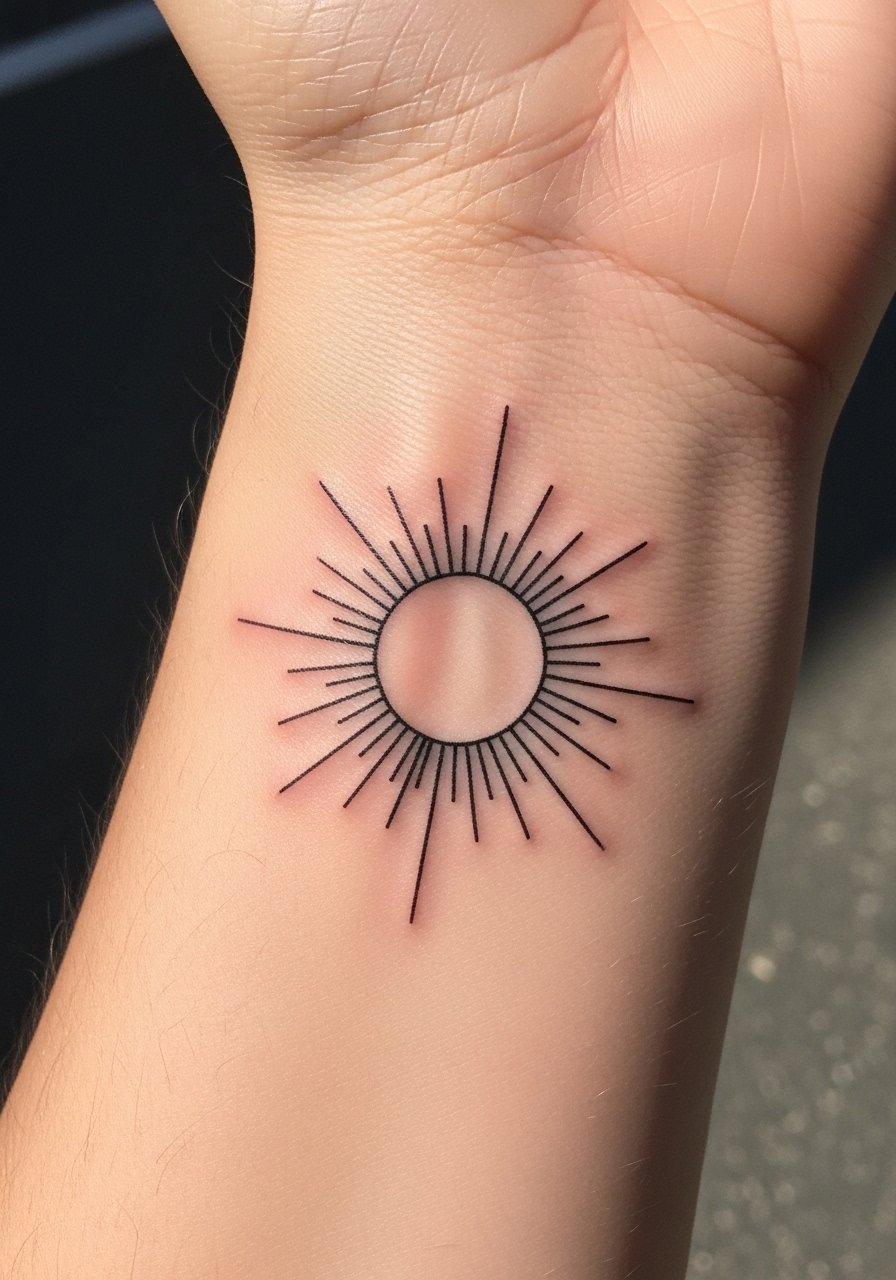
2. Sun Geometric Wrist Token
Someone I know first saw a tiny geometric sun on a wrist and thought it read like an everyday charm. The inner wrist is a high-motion area so the linework should have small gaps and slightly more ink saturation to avoid fast fading. Ask for crisp radial linework and space between rays so lines do not run together as the skin ages. If the common tiny-dot sun is applied too small the center fills in after a year. Pain is low and a single session usually covers this. At six months the rays will look sharp, but expect softening at year two unless you plan a touch-up.
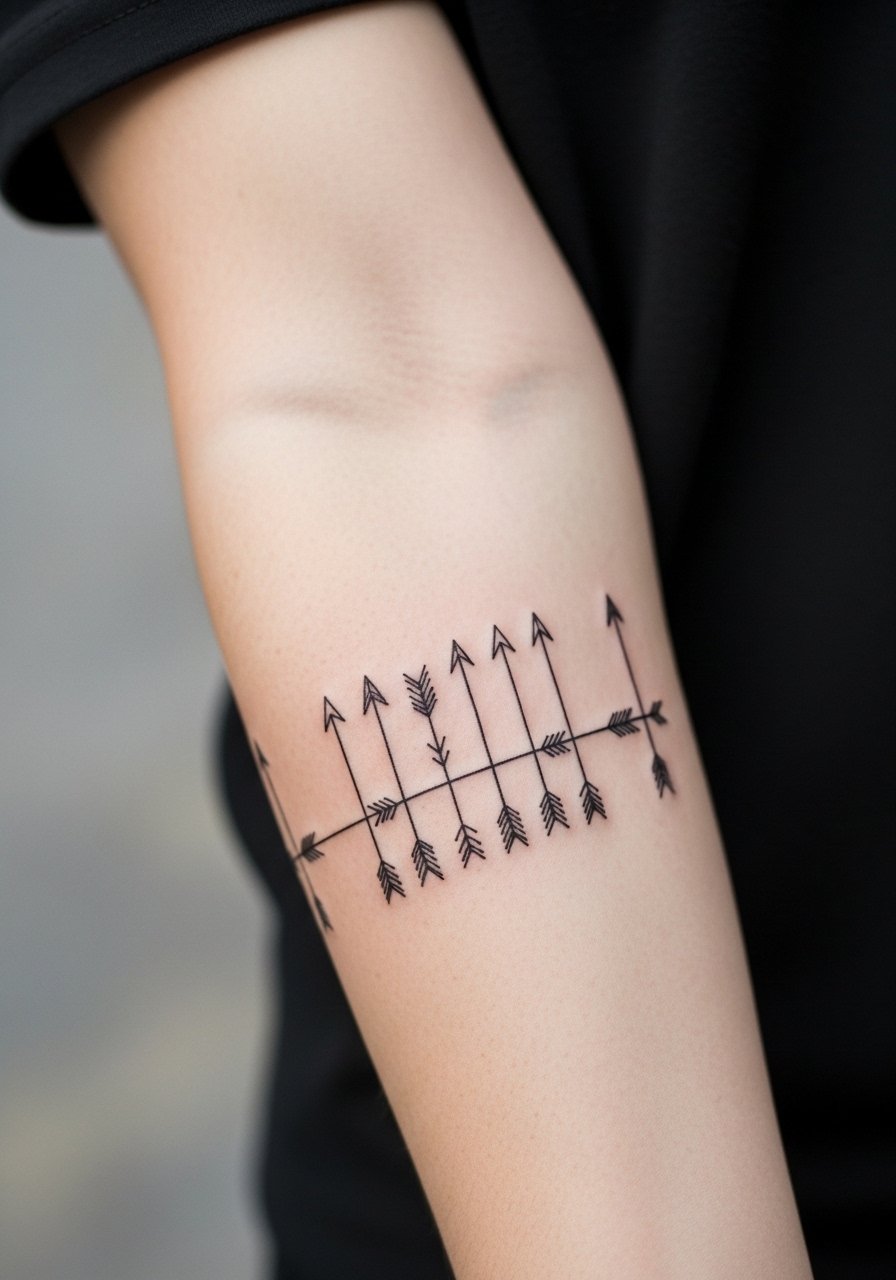
3. Arrow Pattern Along the Forearm
Most people underestimate how forearm linework shows from afar. I’ve noticed a repeat request for multiple small arrows running down the outer forearm because it reads like movement without heavy saturation. During consultation bring images that show exact line weight and spacing. The big mistake is cramming too many arrows into a short length which causes blur later. Forearm pain is low and a session normally lasts under an hour for a 2-3 inch layout. Healed at two years the arrows keep their silhouette if spaced intentionally, and touch-ups are less frequent than on softer skin like the ribcage.
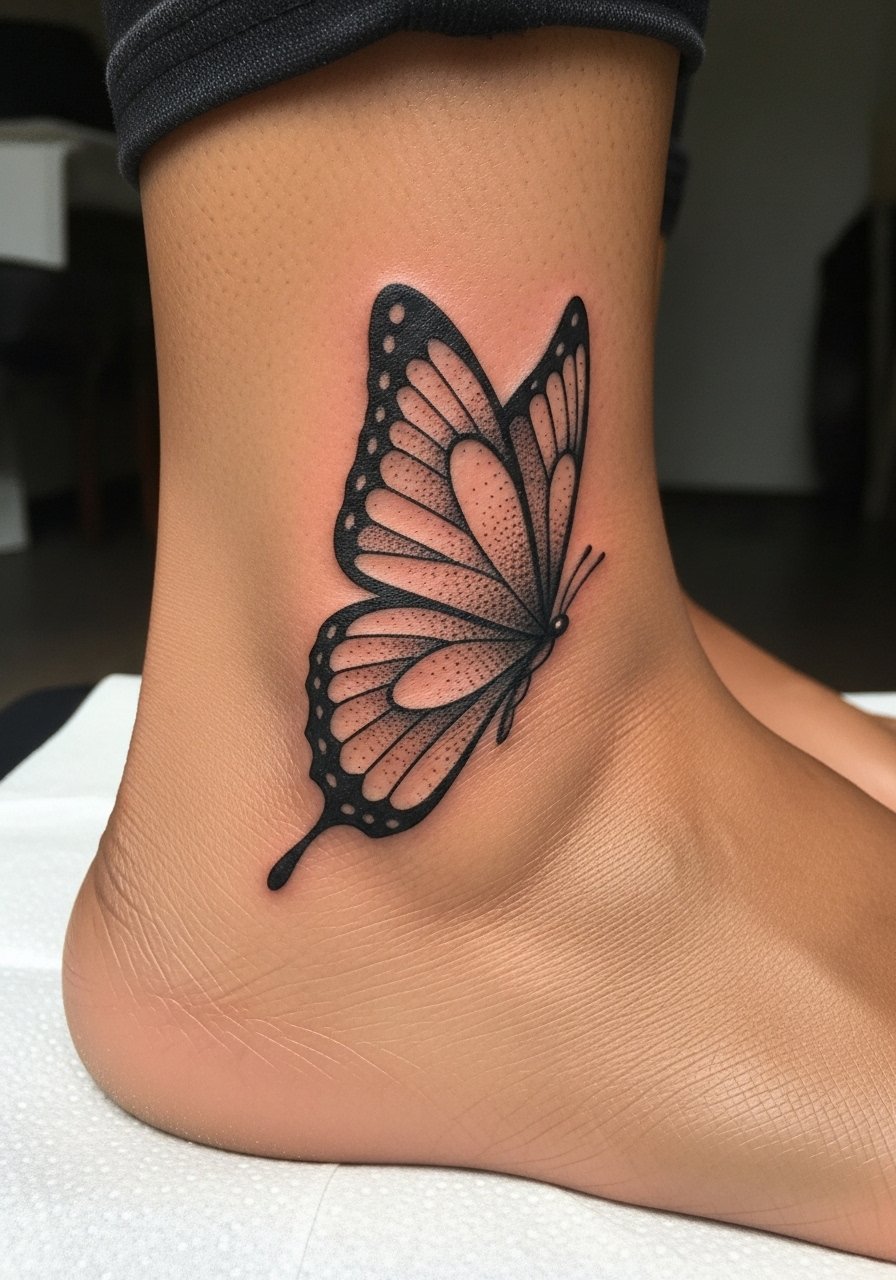
4. Tiny Butterfly on the Ankle
Fair warning the ankle scuffs a lot which affects healing. The ankle is ideal for a small butterfly because the curved bone helps the wings sit naturally. When you sit with the artist ask for slightly thicker leading outlines and light stipple shading in the wings so the pattern keeps contrast as it heals. A common version that ages poorly is one with ultra-hairline wing veins that disappear into skin texture. Expect moderate pain near bone and a single short session. Over two years the wings soften but remain readable if ink placement avoids areas that rub against socks.
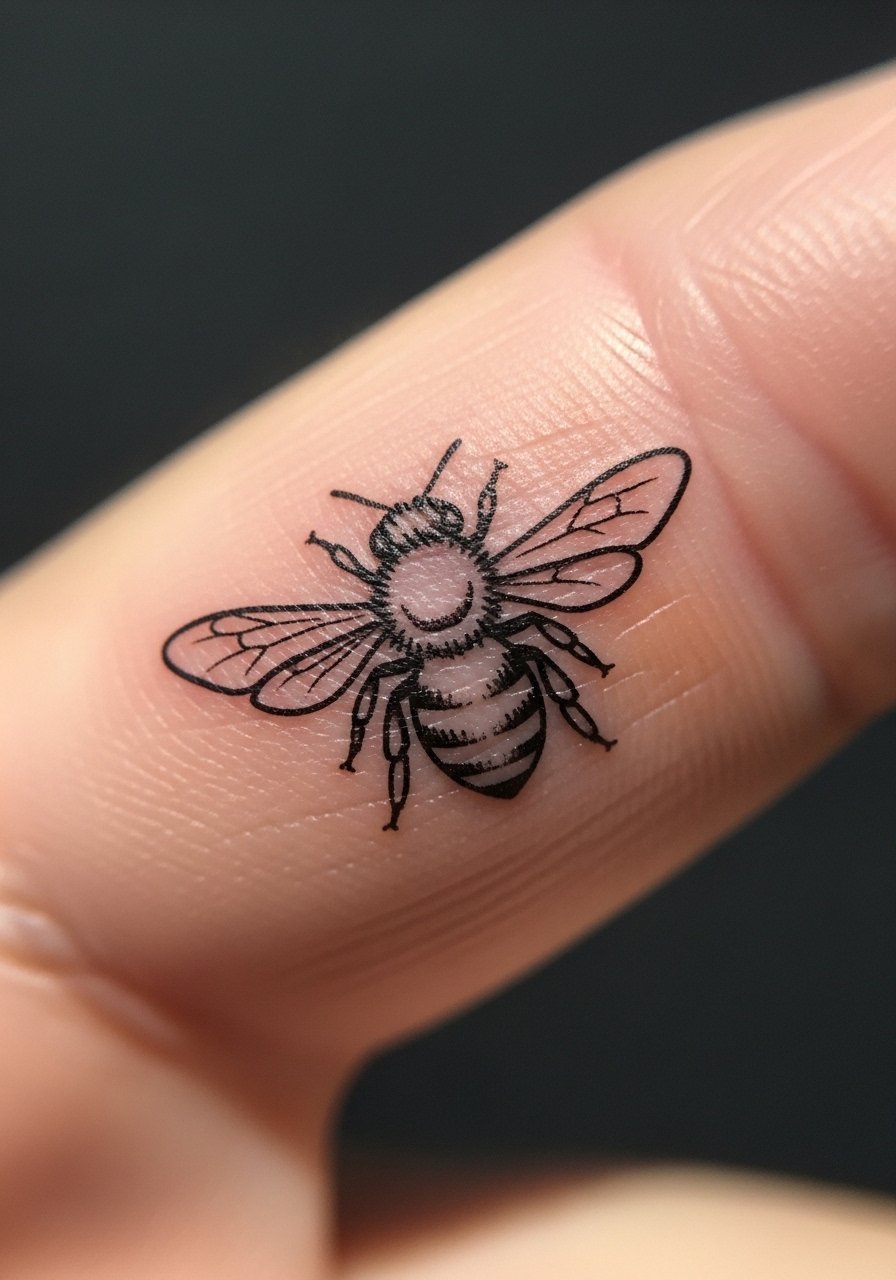
5. Micro Bee on the Finger
The finger is a tiny real estate with high blowout risk. The biggest mistake is asking for too much micro detail in a one-inch canvas. If you want a bee here, ask for bold-enough contour lines and minimal interior fuss so the silhouette survives daily use. Hand and finger work can still affect hiring in some industries so think about career implications before committing. Expect higher touch-up rates; many people plan a small refresh at year one. Session time is short, but healing can be fussy because hands wash a lot and bump into surfaces constantly.
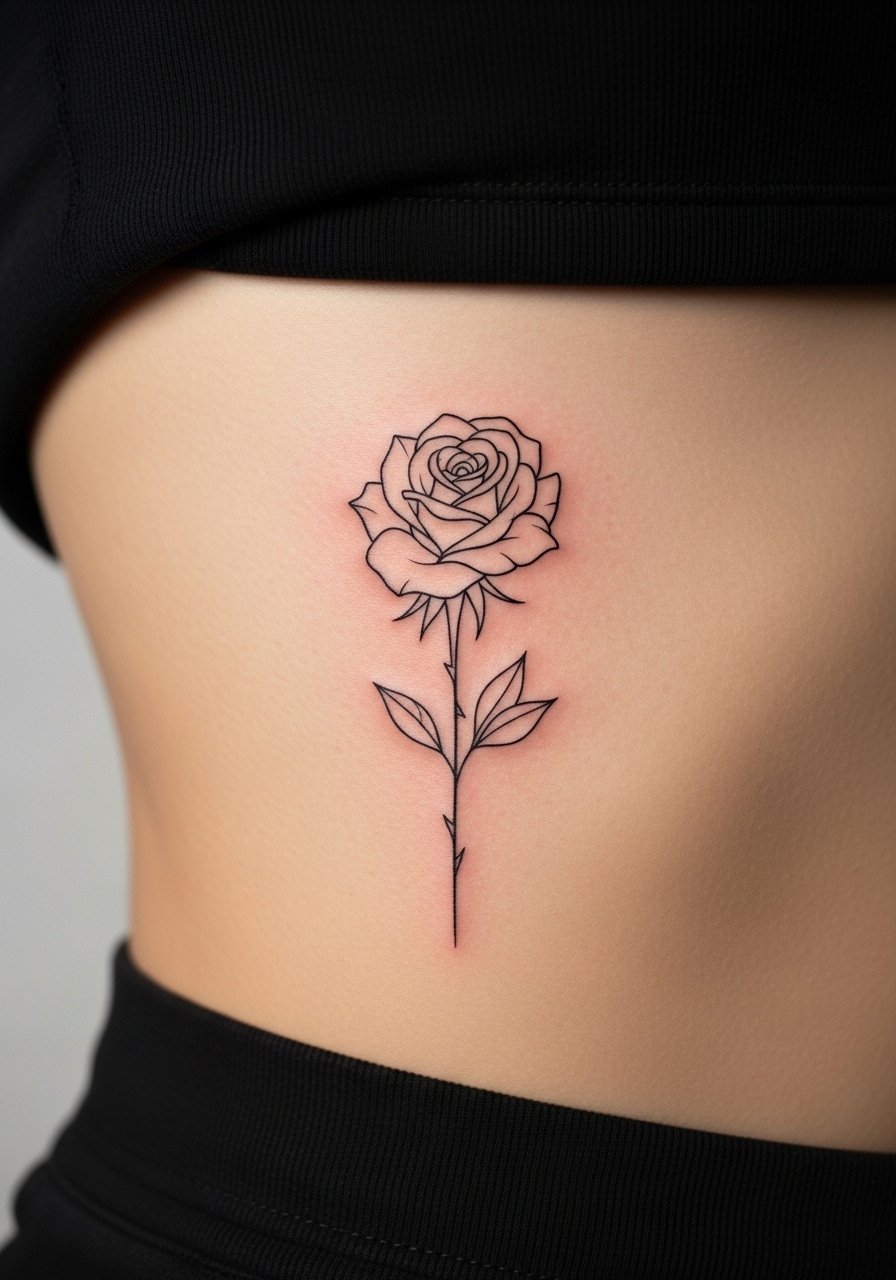
6. Rose Outline on the Ribcage
Fair warning the ribcage is a 7 out of 10 on pain scales. Artists split on fine line here. One group says the skin stretch and movement blur thin lines within two years. The other group says with intentional line spacing and slightly deeper but clean depth a ribcage rose can hold up. When you consult be explicit about line spacing and ask how they handle depth for curving areas. The mistake is requesting ultra-hairline petals that fuse during healing. Expect one to two sessions depending on size. Healed at six months the petals look crisp, but plan for a touch-up at year two if you want long-term clarity.
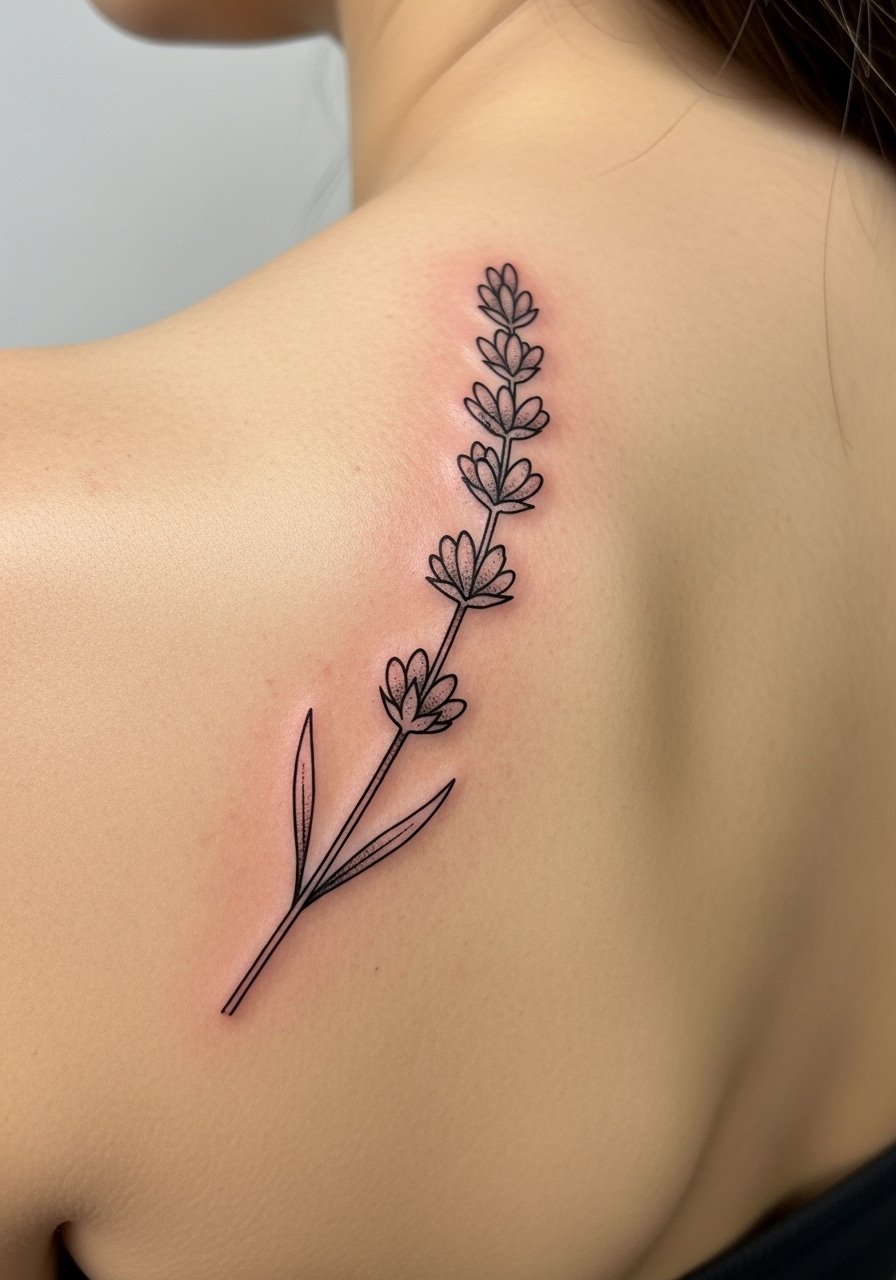
7. Lavender Stem on the Shoulder Blade
When you want an elongating botanical that moves with clothing, the shoulder blade is forgiving. Someone I know used this placement to balance a bra strap line and it read like natural extension rather than decoration. Ask for slightly thicker main stem linework and light stipple shading on the buds so the silhouette survives skin movement. A common aging problem is too-fine leaves that vanish after a year. Pain is mild and a single session usually covers a 3-5 inch stem. For longer-term maintenance expect a touch-up at two to three years if you want original contrast.
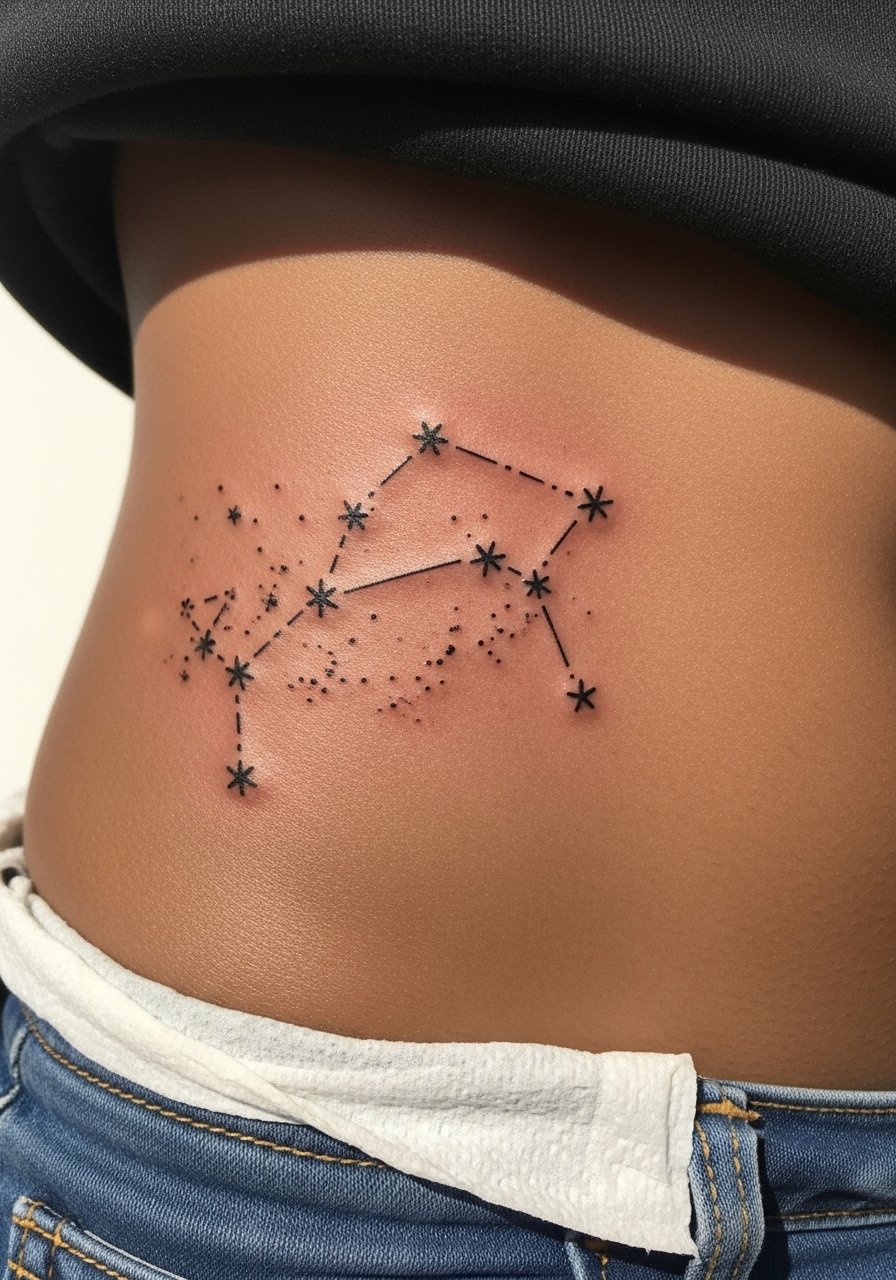
8. Constellation Map on the Hip
There is something calming about a small constellation mapped to a personal date on the hip. Pain on the hip bone can spike but the area hides the tattoo well under clothes. When you talk to the artist specify exact star placement and whether you want connecting lines or just dots. The wrong choice is tiny, dense stars that blur into a smudge after a couple of years. Expect two short sessions for a four-inch layout that needs precise spacing. Sensitive note: hip tattoos can shift appearance with weight changes so consider that if you plan major body changes.
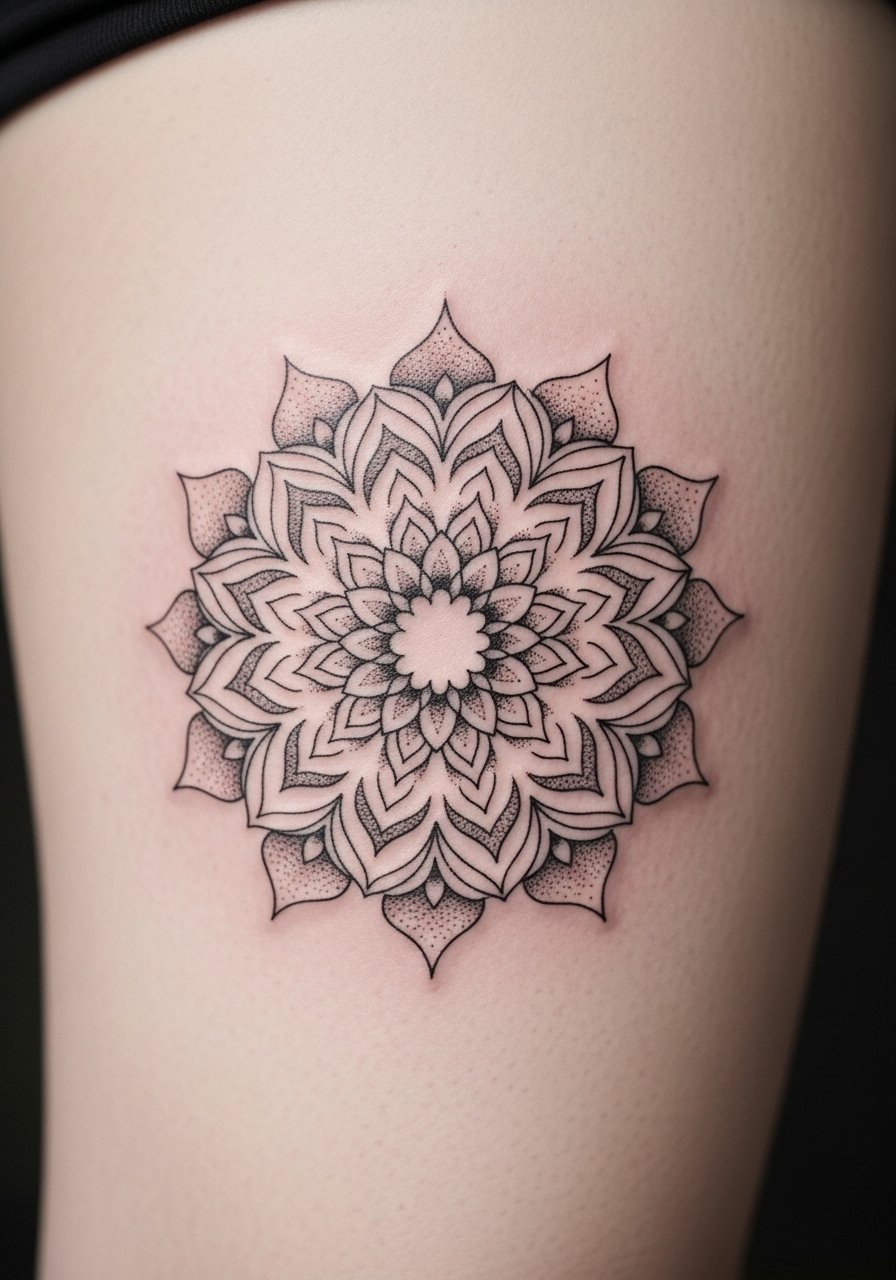
9. Mandala Accent on the Thigh
There is a lot to think about with mandalas because they reference spiritual and cultural motifs. Some people opt for subtle variations rather than direct replicas out of respect. When you consult say whether you want traditional geometry or a modern simplification. The mistake is cramming too many tiny spokes; on curved thigh tissue those spokes can blur and lose radial clarity. Expect two to three sessions for a 5-inch piece with stipple shading and fine dot work. Thigh placement is mid-range on pain and tends to age predictably if the linework is given breathing room.
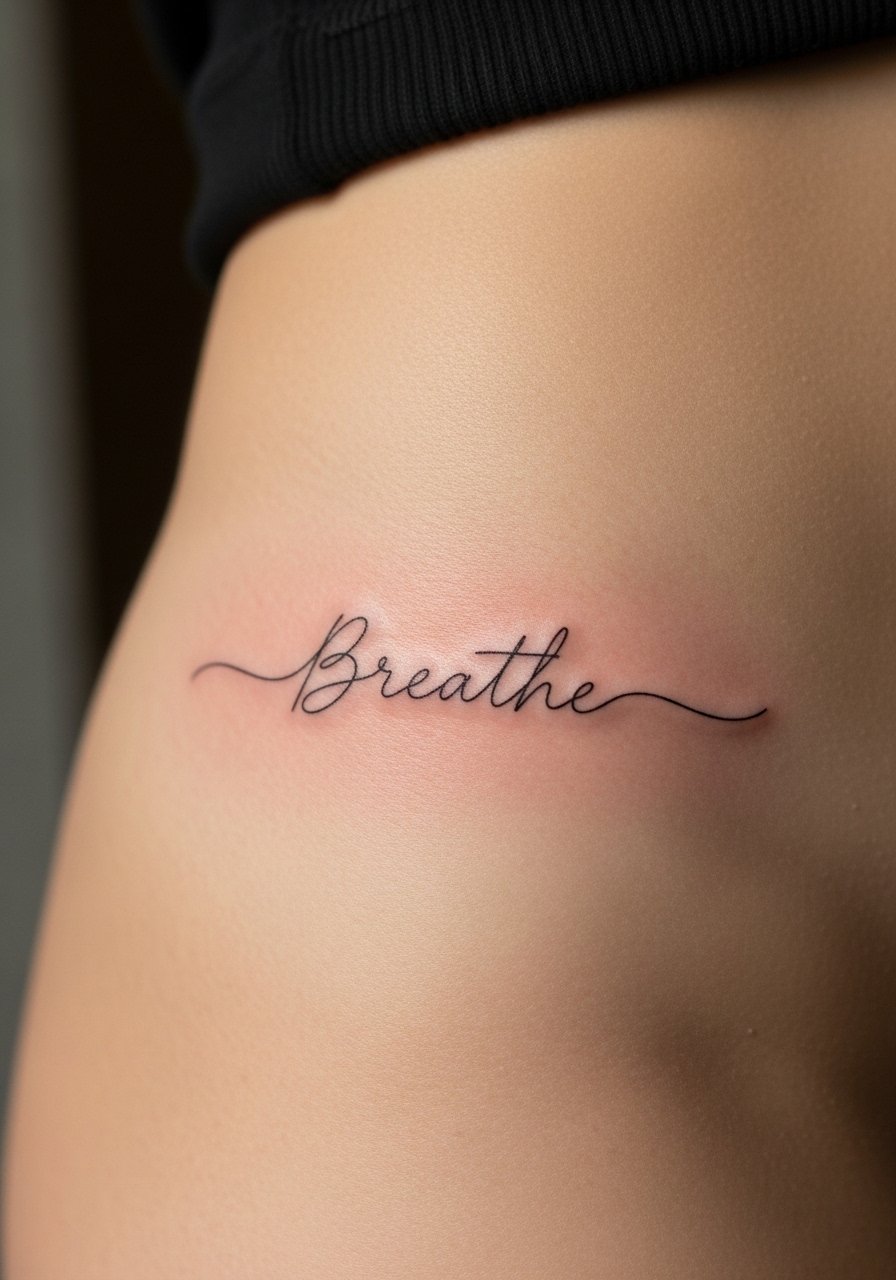
10. Cursive Script Quote on the Hip Bone
When words carry meaning for you, the hip bone gives a private canvas. A mistake I see often is choosing an ultra-thin script that becomes illegible after movement and time. Bring the exact phrase in the font you want and confirm spacing, letter height, and baseline consistency. The session is usually short for a three-inch quote and pain is moderate near the hip. Healed at six months the lines should remain legible, and many people plan touch-ups at year three if they want sharpness preserved.
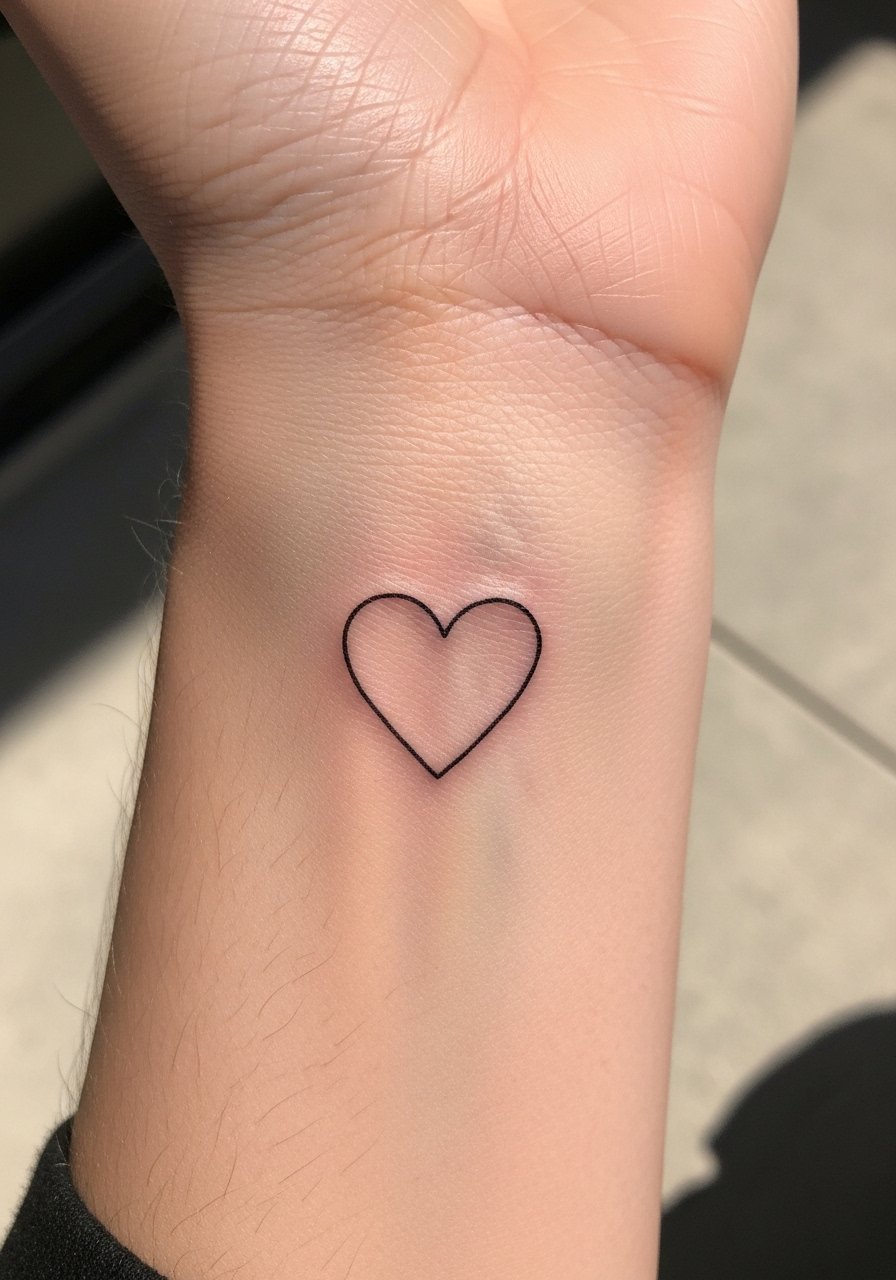
11. Minimalist Heart on the Inner Wrist
Most requests for wrist hearts aim to be unobtrusive. The inner wrist can fade quickly from sun and friction, so ask for a slightly bolder outline and a hint of spacing at corners to keep the shape from filling. A real mistake is asking for a near-hairline heart that disappears by year two. Pain is low and a single session covers it. Long-term, UV protection matters for maintaining saturation so include sun care in your routine. At five years a modest touch-up keeps the heart looking crisp.
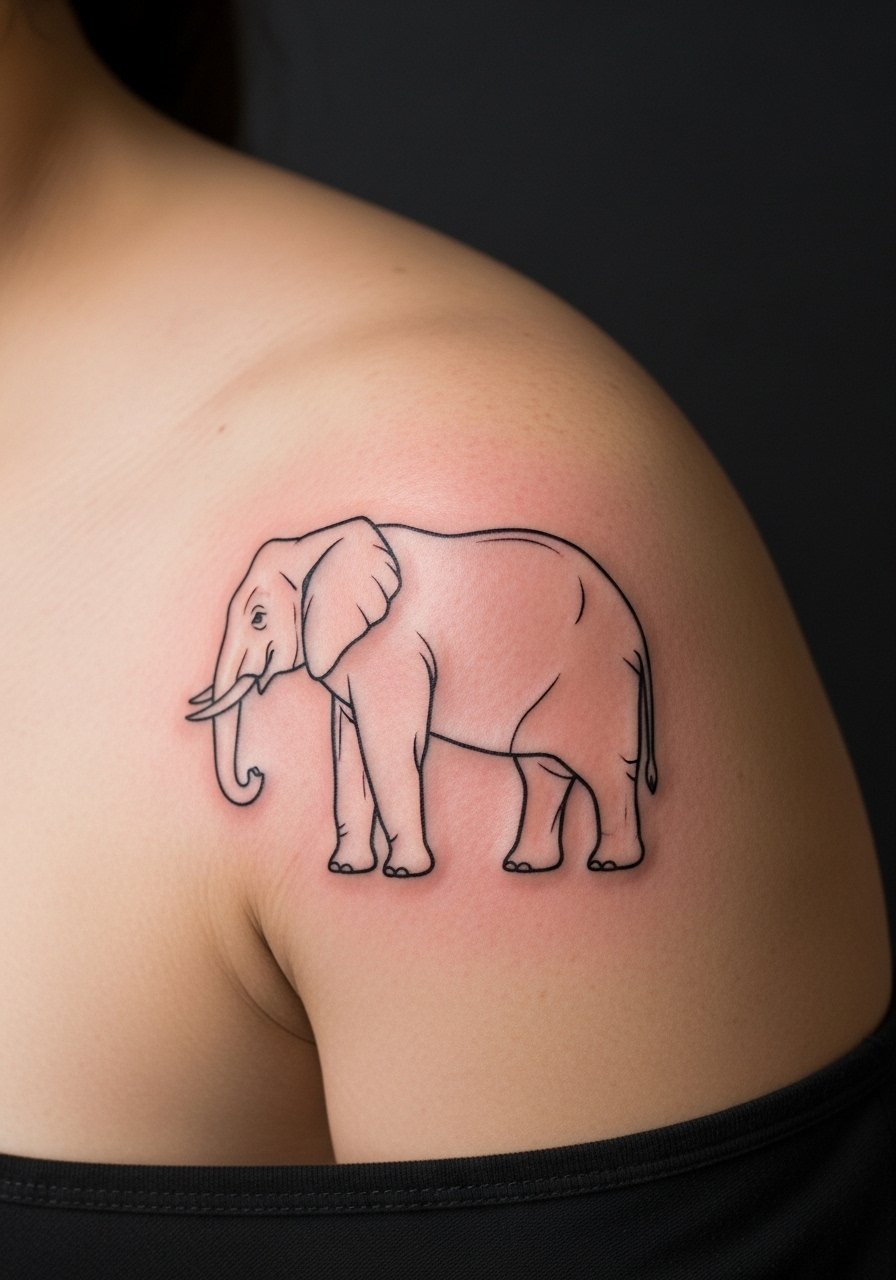
12. Elephant Silhouette on the Upper Shoulder
There is an appealing sweep to an animal silhouette on the shoulder because the area moves with the arm. When you prepare, show the artist the exact silhouette size so the trunk and ear relationships read from a distance. The common error is over-detailing the silhouette which turns into a blob on curved tissue. Expect a single session for a three-inch piece and mild to moderate pain near the deltoid. Shoulders usually age well and need fewer touch-ups than hands or ribs.
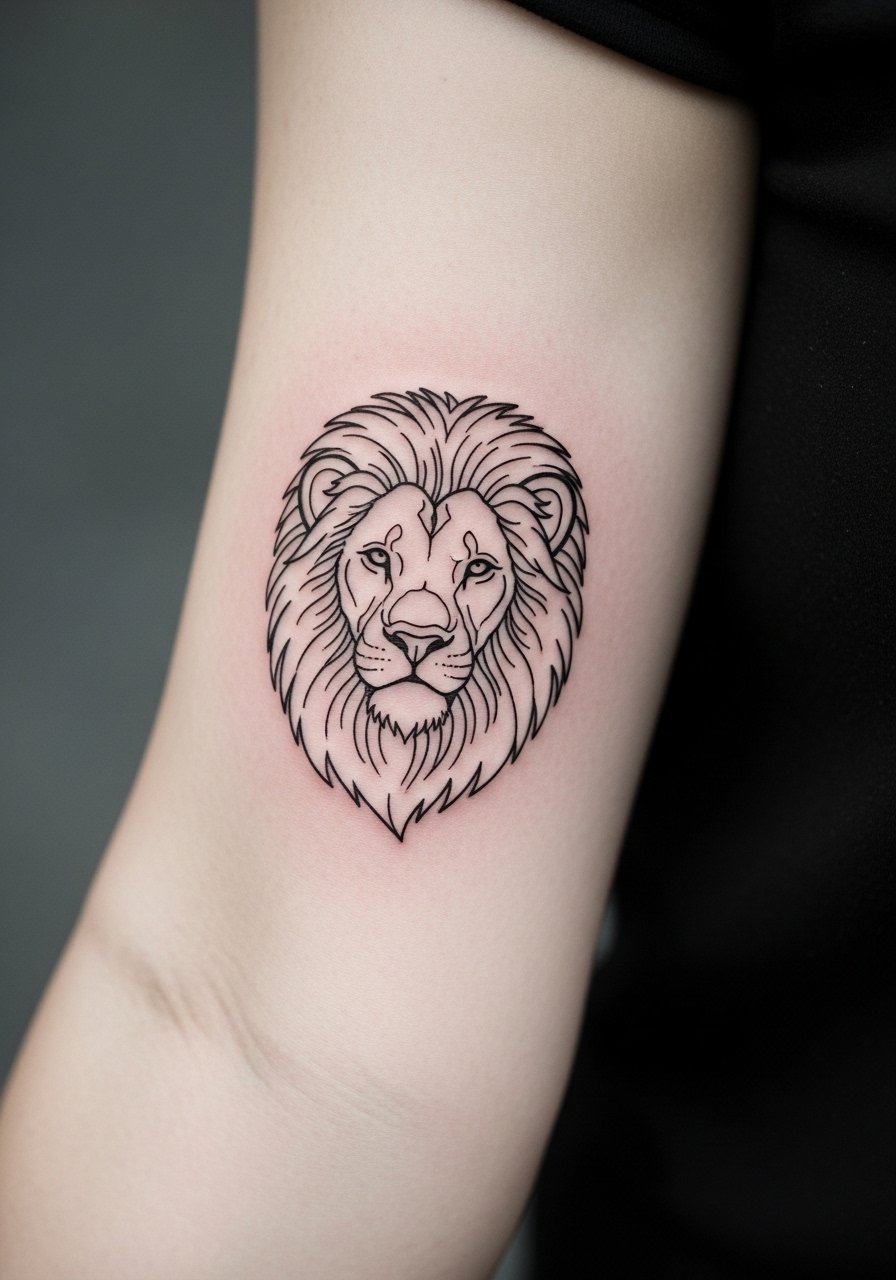
13. Single-Needle Lion Outline on the Forearm
Someone I know chose a forearm lion outline for a strength reminder that stayed low-profile. Forearm linework shows well across skin types but needs consistent lineweight so the mane reads as texture not noise. During the consult ask for single-needle contour work with slightly heavier anchor lines on facial features to avoid blending. A mistake is requesting ultra-fine mane strokes that fill in over time. Expect a single session for a 2-3 inch outline and a touch-up window at year two if you want the contrast maintained.
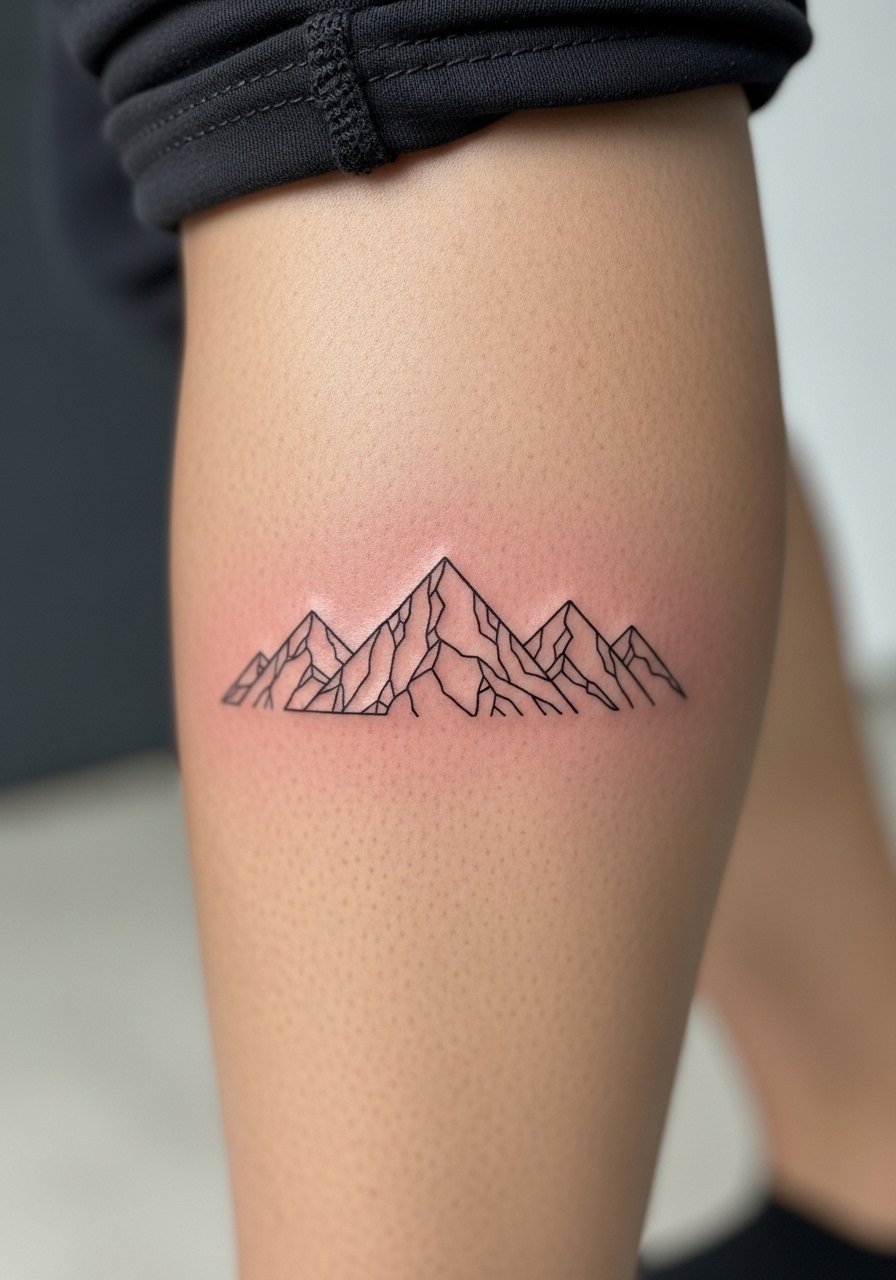
14. Geometric Mountain Range on the Calf
When you want a small landscape that reads from the street, the calf gives vertical room and low friction. The visual impact lead is useful here because clean geometric peaks stand out without heavy saturation. Tell your artist how much negative space you want between peaks and whether you prefer solid outlines or thin double lines. The mistake is compressing too many peaks into a short length which invites blurring. Calf pain is lower than ribs and the session is usually brief. Healed, the shapes stay recognizable and touch-ups are uncommon unless you want perfect crispness.
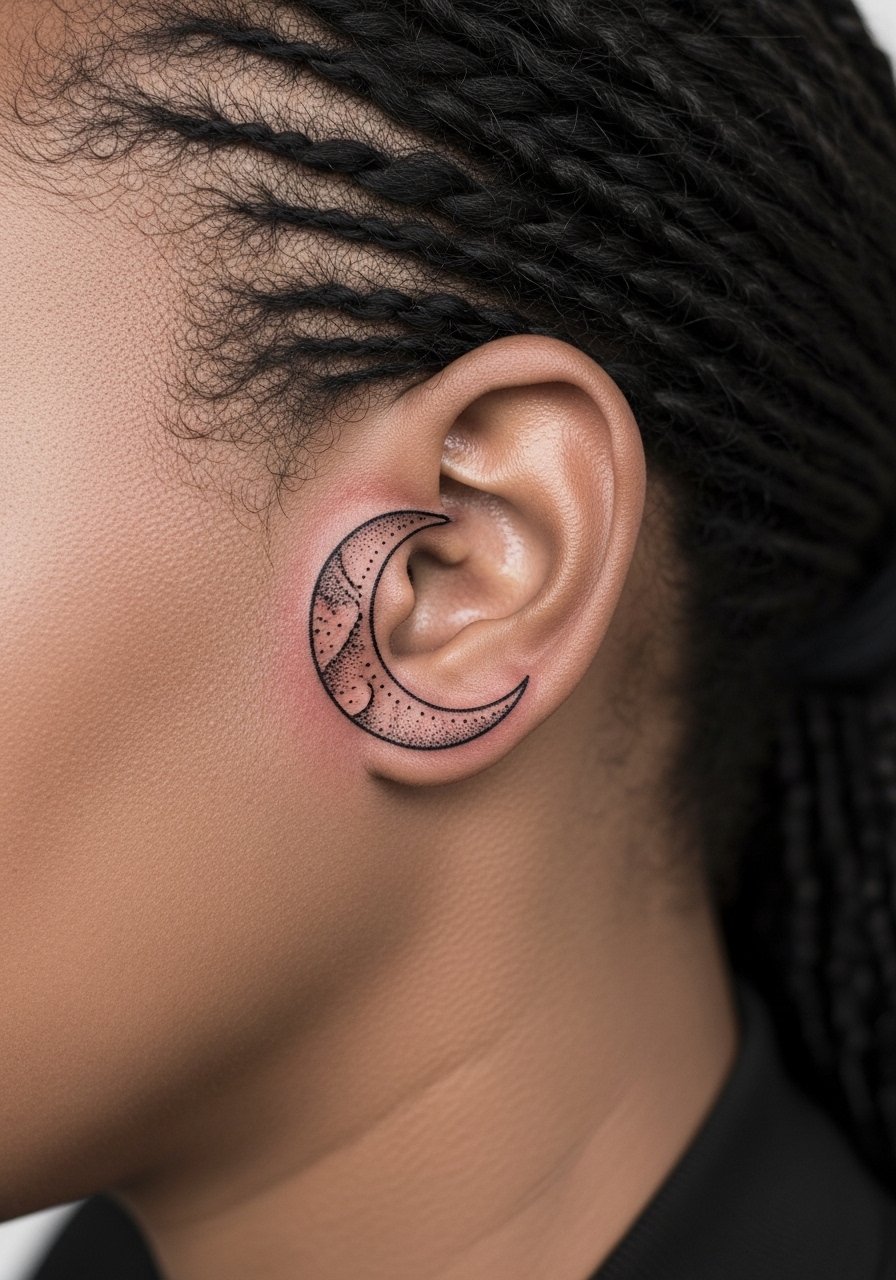
15. Small Stippled Moon Behind the Ear
Fair warning behind-the-ear pieces are tiny and exposed to sun and hair oils. When placed here a small crescent with stipple shading gives depth without heavy linework. Ask for defined outer contour and controlled dot work in the crescent so the texture holds as it heals. Common mistakes include overfilling the crescent with dense dots that merge into a gray patch. Pain is mild and sessions are very short. This spot is great for a subtle accent but expect more fading if you frequently sleep with pressure on that area.
Tattoo Prep and Aftercare Essentials
For first timers and returners, a short kit makes healing predictable. Before the appointment hydrate well and avoid heavy sunburns in the two weeks prior. On the day bring loose clothing that won’t rub the placement. Aftercare products matter and not all widely advertised brands suit every skin type. Below are practical items to keep on hand during the first two weeks and beyond.
Healing and aftercare essentials
Lightweight fragrance-free balm for tattoo healing. Use thinly after the initial wash to prevent crusting and to keep linework from pulling. Apply sparingly for the first five days.
Medical-grade second skin bandage, small sheets. Useful for high-friction areas like the wrist or ankle in the first 24-48 hours when clothing rub is unavoidable.
Gentle antiseptic foaming cleanser, fragrance-free. Clean twice daily with lukewarm water to reduce scabbing risk without stripping ink.
Pre-appointment prep
Breathable silicone scar sheet, small pack. Use later in healing if you notice raised texture and your artist approves.
Soft lint-free gauze pads, 4×4 inches. Handy for blotting excess fluid after sessions and during the first two days.
Long-term maintenance
Ultra-fine mineral sunscreen SPF 50 that won’t whitecast. UV protection is the single most important long-term care step for linework clarity.
Fragrance-free moisturizing lotion, lightweight. Apply over healed tattoos to maintain skin health and reduce contrast loss.
Mainstream option (one allowed)
Aquaphor Healing Ointment search results. Some people use this in the first 48 hours. If you try it use a very thin layer so the tattoo can breathe.
Every tattoo is different. Always follow your artist's specific aftercare instructions. Consult a dermatologist if you have skin concerns or unusual healing issues.
Frequently Asked Questions
Q: Will tiny fine line tattoos like finger bees need touch-ups more often than forearm pieces?
A: Yes, tiny hand and finger tattoos face constant washing, sun exposure, and friction which speeds fading. From what I’ve gathered expect a touch-up at year one to keep crisp outlines. A protective routine and minimal rubbing help, but plan on higher maintenance for hands compared with forearms.
Q: Are fine line mandalas on the thigh culturally sensitive to replicate exactly?
A: Many people treat mandala geometry as inspired by broader traditions. If you want a direct cultural replica consider a variation or ask the artist about the pattern’s origin. That approach honors the source while still getting a design that fits your anatomy.
Q: How do I tell my artist I want a fine line piece that will age better than a standard tiny tattoo?
A: Use specific language during consultation like asking for slightly heavier anchor lines, intentional spacing between parallel strokes, and controlled stipple instead of hairline fill. Show three photos that illustrate lineweight and spacing you like. Saying these concrete requests helps more than generic phrases.
Q: Do single-needle fine lines last longer than multiple-needle approaches?
A: Artists split into two camps here. One camp prefers single-needle for the aesthetic and light touch. The other camp favors slightly more saturation with multiple needles for durability. The right choice depends on placement and the artist’s technique. Ask the artist which approach they use for the specific body area.
Q: Will a ribcage rose blur faster than a forearm rose?
A: The ribcage moves and stretches more than the forearm which can accelerate softening of thin lines. With deliberate line spacing and a touch-up plan a ribcage piece holds up well. If you want lower maintenance pick a firmer placement or accept a refresh at year two.
Q: How should I find an artist who specializes in fine line work if local portfolios are sparse?
A: Search location plus style tags on Instagram, browse filters on tattoo directories, and look through Pinterest boards focused on fine line tattoo ideas. Spending time in specific hashtag communities and checking portfolios for healed photos will reveal who consistently nails linework.