Tiny elephant tattoos look effortless in photos, but the reality in the chair and at year three is different. I recommend planning line weight and placement with longevity in mind, and budgeting for a shop minimum of 150–250 USD rather than the outdated $70 figure. These 25 small elephant ideas balance how designs read fresh with how they actually age, plus practical styling and session notes to get the result you want.
1. Fine Line Elephant Outline on Inner Wrist
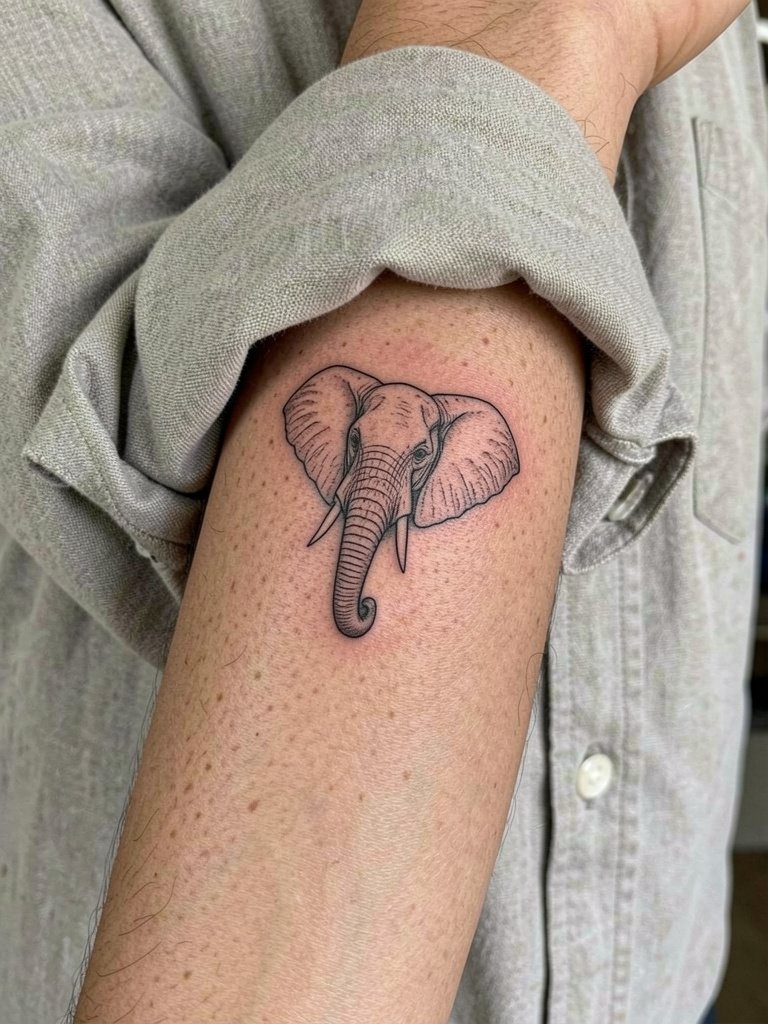
A single-needle elephant outline reads as a whisper at first. I recommend this when you want a subtle motif that sits near jewelry without stealing focus. The common mistake is going ultra-thin and tiny on the wrist. The inner wrist moves and rubs constantly, so ask your artist to bump line weight by one step and add slight spacing around tight curves. Expect a quick 15–30 minute session and plan for a touch-up at 12–18 months if the lines soften. For showing it off, pair with a linen button down shirt and dainty bracelets for contrast.
2. Geometric Elephant Head on Inner Forearm
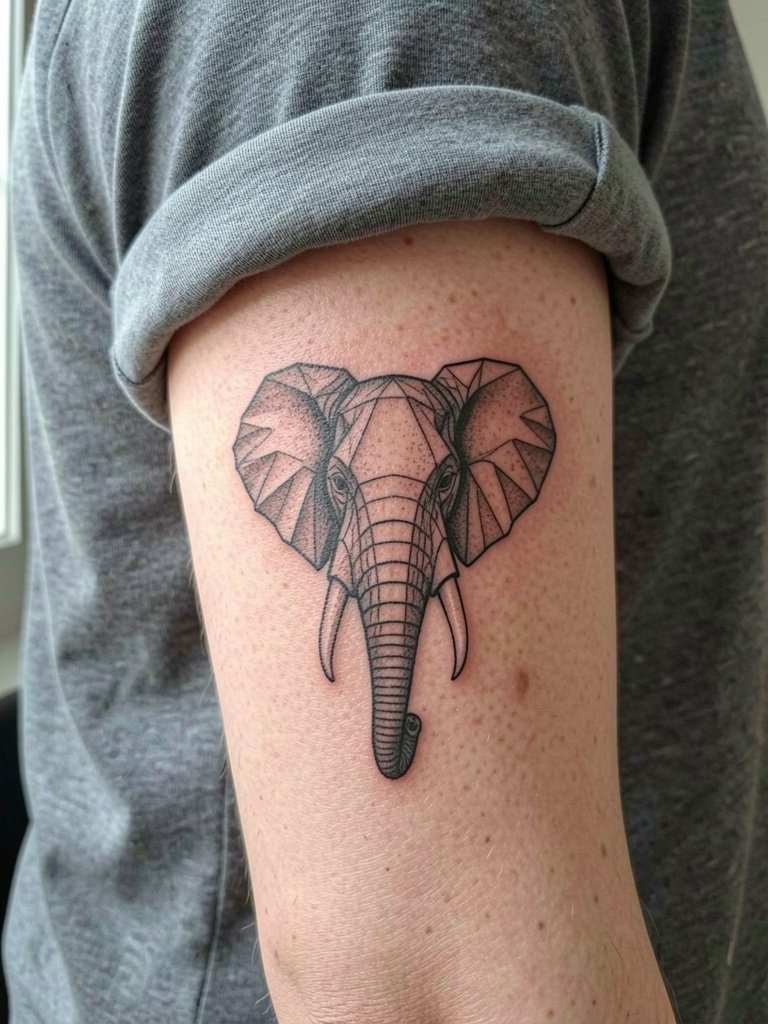
Low-poly and geometric shapes need breathing room to stay crisp. I recommend this design for collectors who want modern architecture in a small package. A common error is packing too many tiny triangles into a coin-size area; that causes early blurring. Discuss line density and minimum triangle size with your artist, and bring a reference scaled to the exact width you plan to tattoo. Session time is usually 30–60 minutes depending on detail. To frame the look, wear a white crew neck tee with rolled sleeves.
3. Tiny Elephant Silhouette Behind the Ear
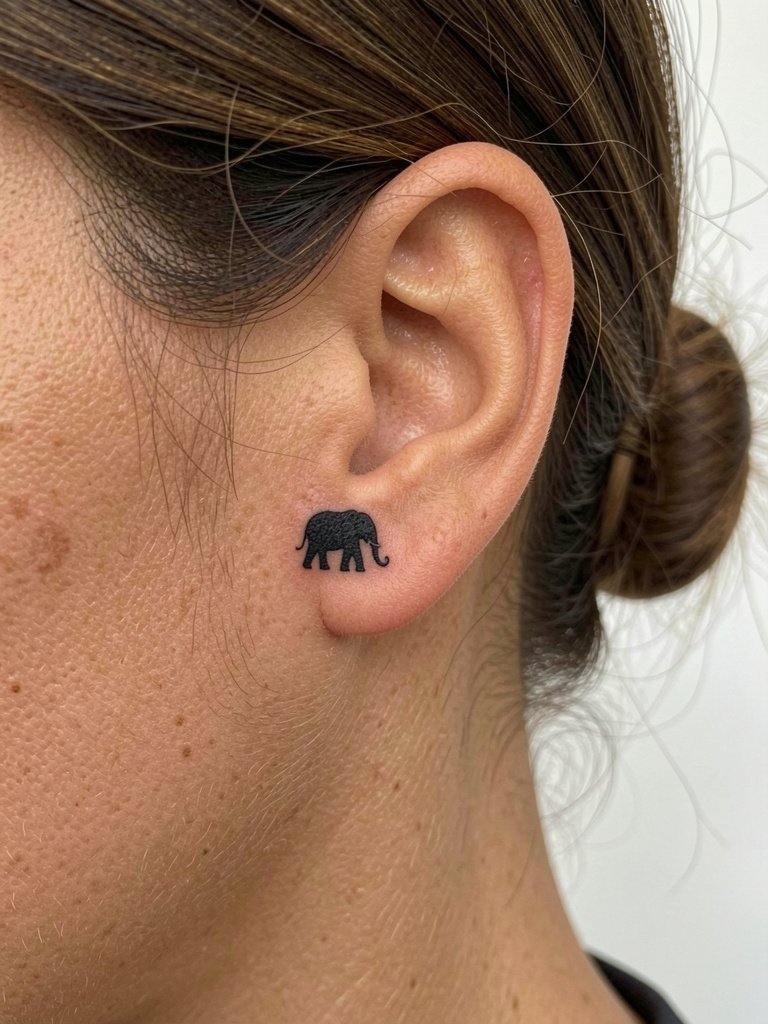
A filled silhouette behind the ear reads as a secret detail that stays sharp. The biggest mistake is trying to force micro detail in this tiny spot. Request a clean solid fill with a crisp contour rather than internal detail. The session is short and tolerable, but the area is thin and close to bone, so expect higher sensitivity. Heals fast if you avoid hairline friction. Show it by pulling hair into a low bun and wearing a simple gold ear cuff set.
4. Mandala Elephant Hybrid on Lateral Hip
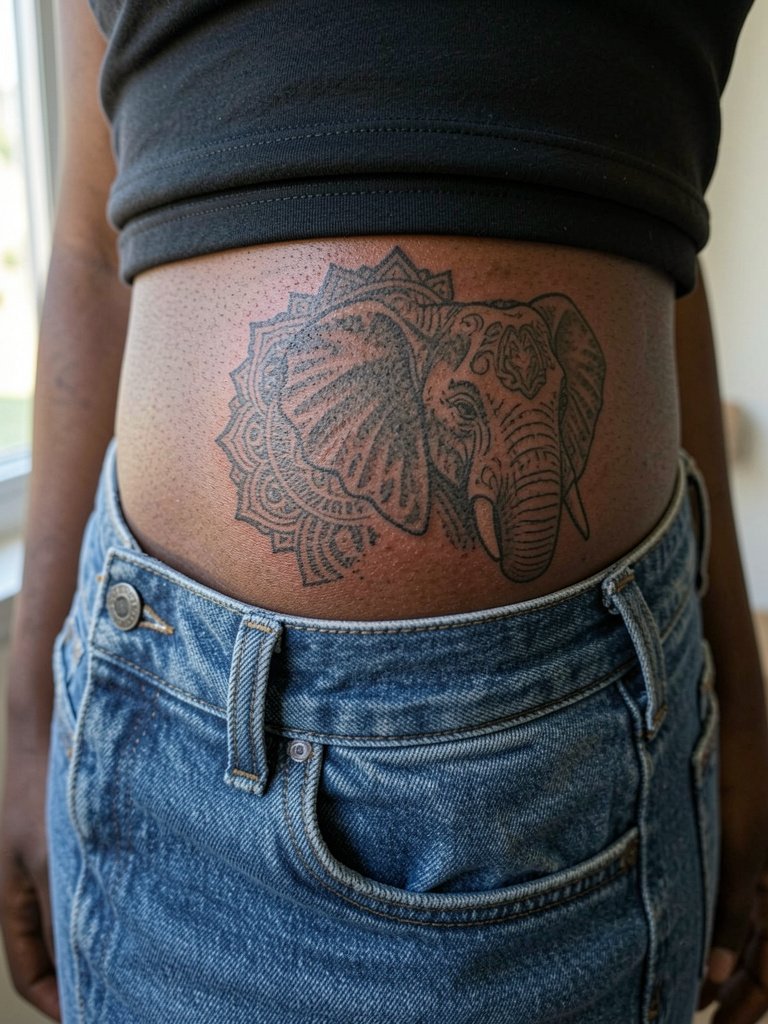
Mandala hybrids look intricate but can lose clarity if scaled too small. I recommend this for people who want spiritual ornamentation in a discreet place. A pitfall is packing tiny mandala loops into a 2 cm area. Tell your artist the final size you want and ask for a simplified repeat pattern at the outer rim to protect against blurring. Rib and hip skin can shift with weight changes so plan for a 1–2 session schedule and a possible touch-up after a year. For evenings out, pair with low rise linen pants.
5. Watercolor Elephant Splash on Outer Forearm
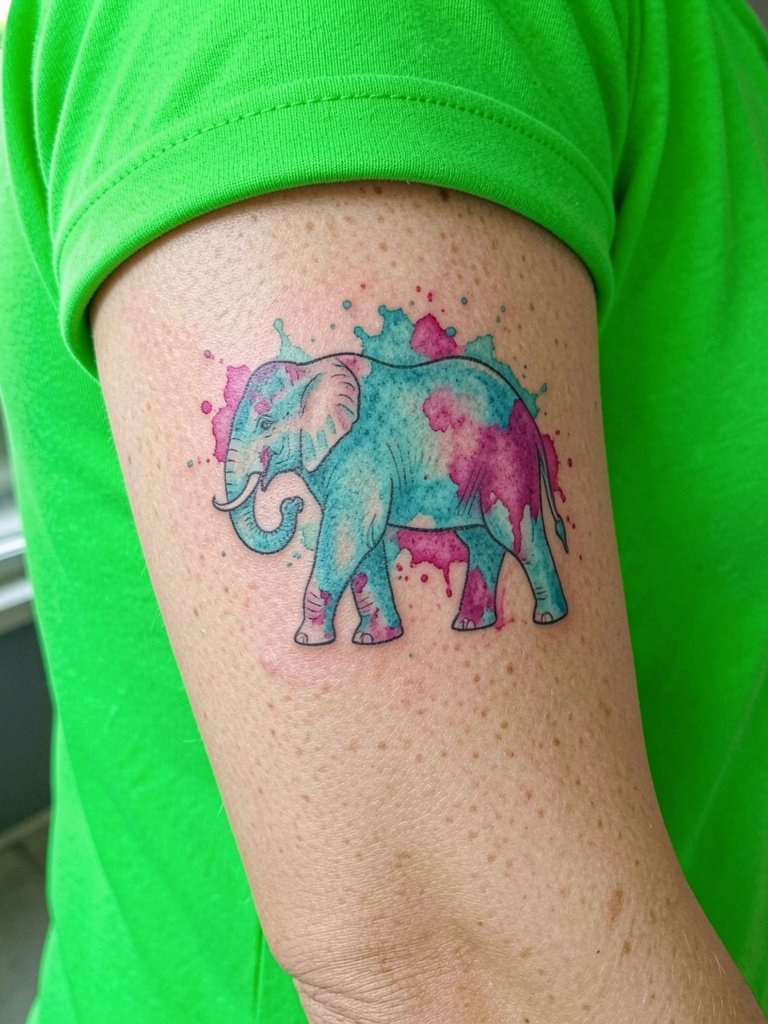
Watercolor is visually striking at small scale but the debate is real. One camp argues watercolor fades faster in micro pieces and loses its edge within a year. The other camp says bold, saturated layering can keep color vivid if executed by a color specialist. If you want this look, ask for saturated color blocks rather than feathered micro strokes so the pigments have room. Session time varies. Show the color with a turquoise solid top that complements the hues.
6. Realistic Micro-Elephant Head on Collarbone
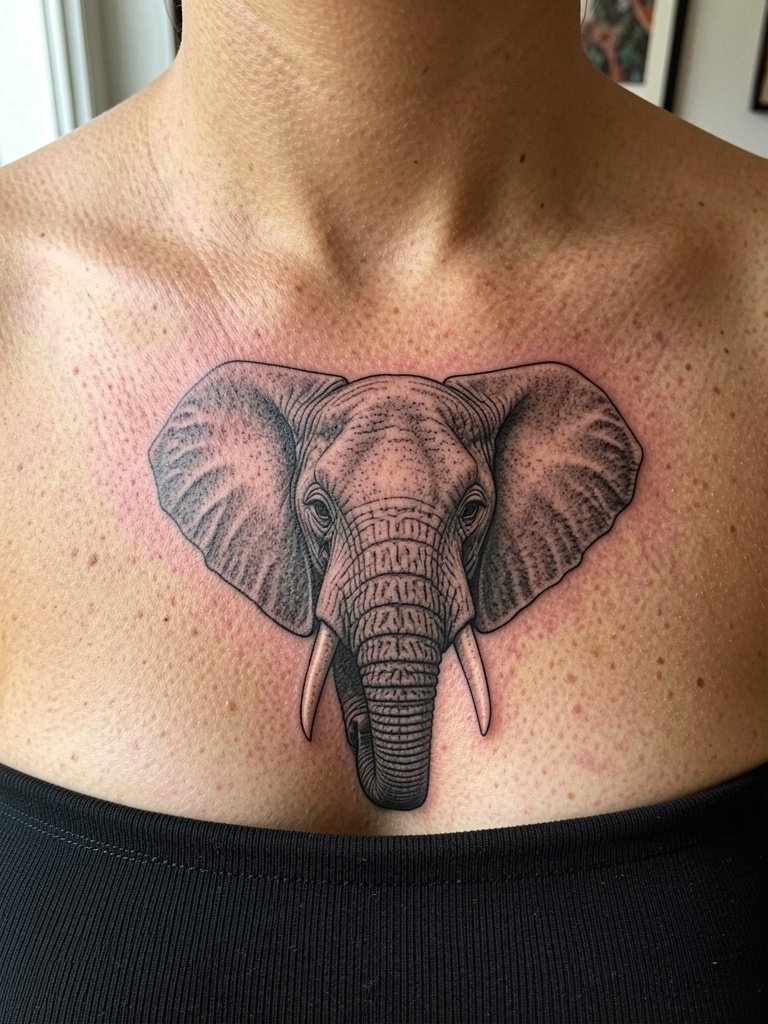
Micro-realism needs an artist who shows healed work. A frequent mistake is selecting someone who only posts fresh photos. When you book, request healed shots at multiple years and bring a close-up of the exact eye detail you want. Expect a longer session for texture and a higher price because of time. Collarbone skin is thin so the session feels sharp around the bone. Pair this piece with a strapless top to let the placement read.
Studio Day Picks
The wrist, forearm, and collarbone pieces above heal differently, so a few small things smooth the session and the first week.
-
Indie Dot-Work Balm. Favored for stipple shading, this thinner balm avoids heavy oils that can blur dot-work on micro pieces.
-
Japanese Aloe Spray. Sprays are handy for finger and wrist spots where creams feel too thick.
-
UK Style Healing Oil. Higher viscosity that works well for bold blackwork and tribal fills.
-
Tattoo Healing Balm Indie Brand. A light, non-silicone option that artists recommend for fine-line pieces.
-
Hustle Butter Deluxe. A mainstream go-to for the initial healing window, thin enough to avoid pore-clogging on tight micro work.
7. Elephant with Raised Trunk on Inner Upper Arm
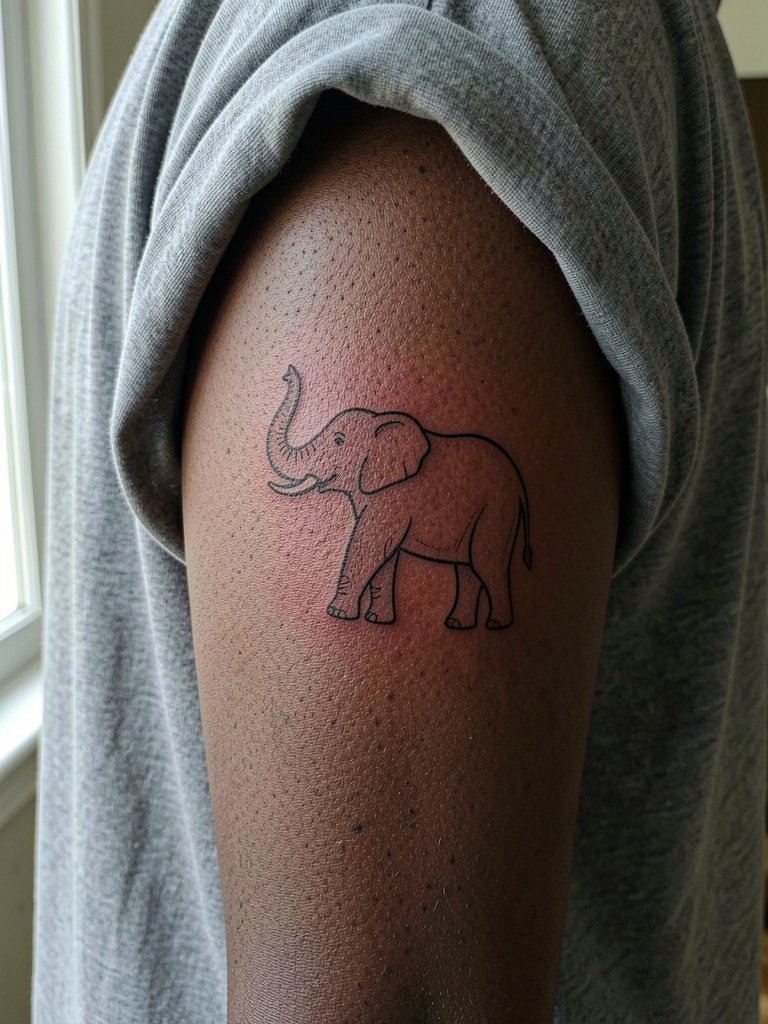
A raised trunk signals luck for many, and the inner arm gives privacy. The common error is placing a tiny raised trunk too close to the crease where movement softens the silhouette. Ask for slightly bolder contours and a tail of negative space under the trunk so the pose keeps reading as it settles. Expect a calm session with moderate pain when the artist works on muscle. For a casual reveal, pair with a rolled sleeve shirt.
8. Cartoon Whimsy Elephant on Ankle
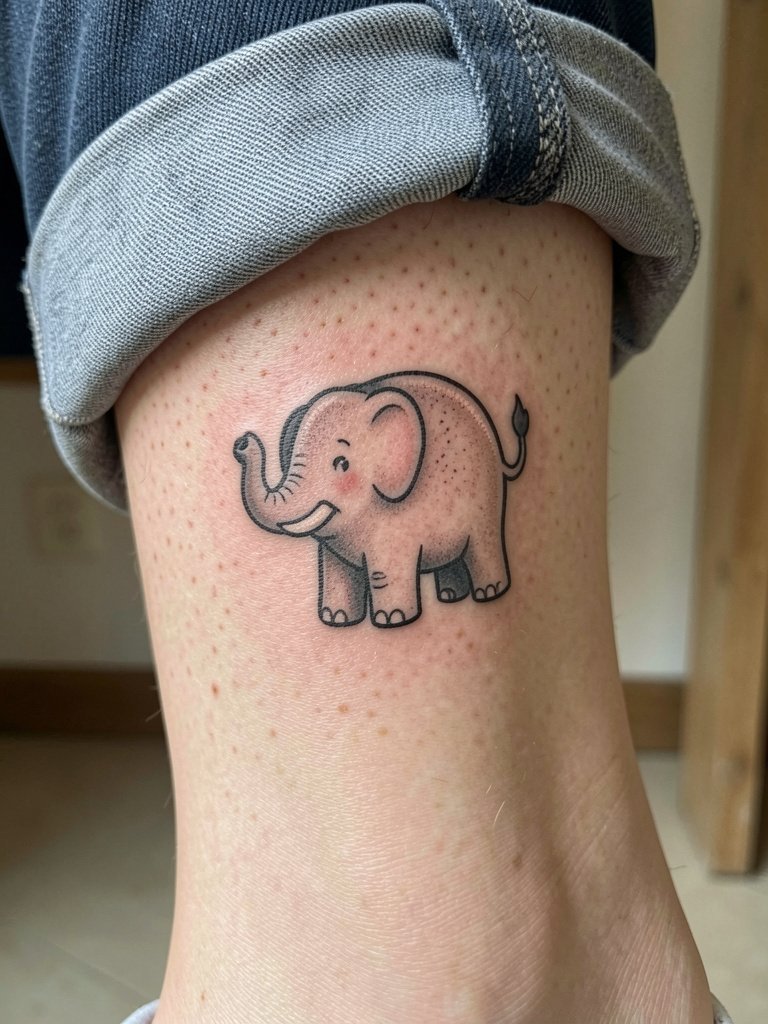
Cartoon designs read as playful and age predictably if the shapes are bold. The error is getting tiny interior details that become mush from shoe friction. Tell the artist you want simplified faces and solid fills. Ankle skin takes knocks from socks and sandals so healing needs care. Session time is short. Show it off with cropped pants or summer sandals like casual sandals.
9. Tribal Pattern Elephant on Nape
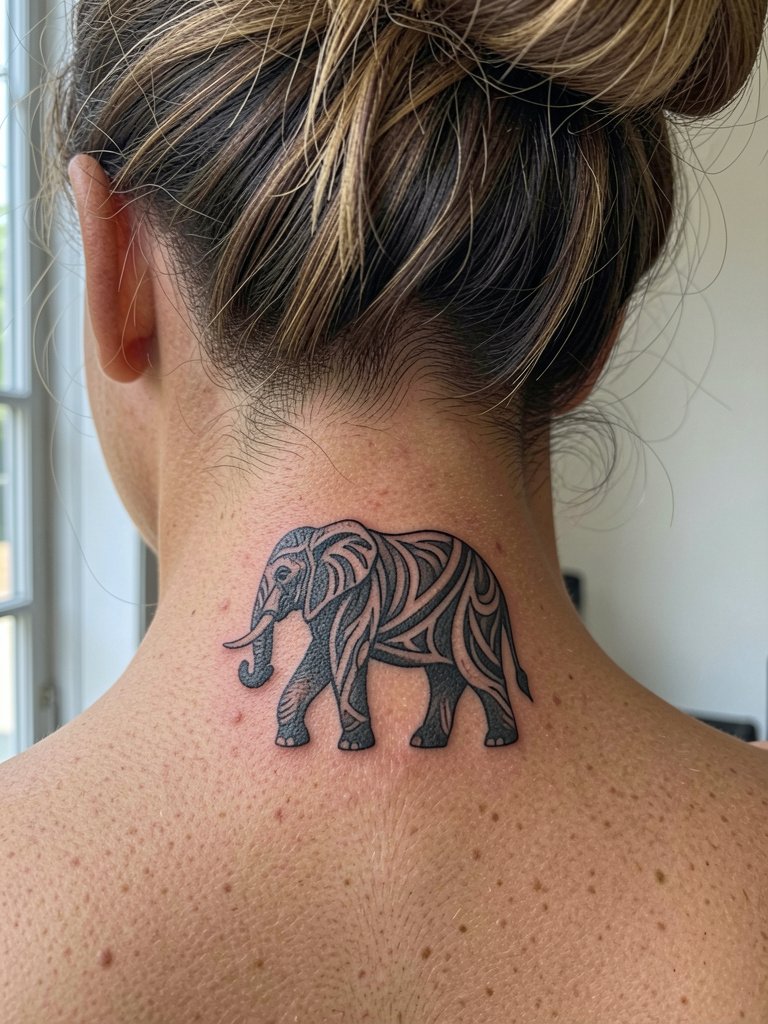
Tribal fills work well on the nape where the bold curves can read from behind. A major mistake is copying tribal motifs without understanding cultural context. If you want heritage-inspired marks, discuss origin and respectful adaptation. The nape holds up well because it sees less abrasion, but hair rubbing can affect edges, so plan minor touch-ups at two years. For the session wear, keep hair up and bring a clip and wear a low bun hair clip.
10. Single-Line Elephant Walking on Side Neck
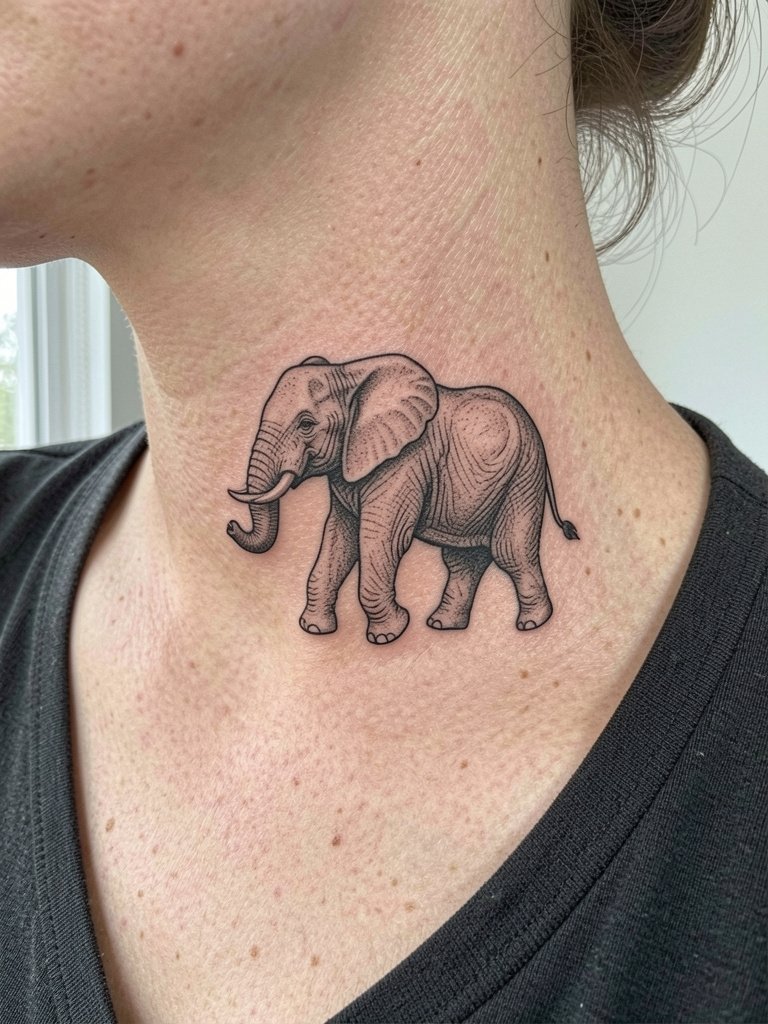
Single-line pieces look modern but demand confident execution. The main mistake is trying this on very textured or crepey neck skin when simple shapes will blur. Tell the artist to test a continuous line at scale on a skin-friendly spot first. Neck placement is visible and sensitive, so expect a quick but sharp session. A minimal gold chain and an open-collar top, such as a v-neck top, frame it well.
11. Elephant Eye Micro-Detail on Finger Side
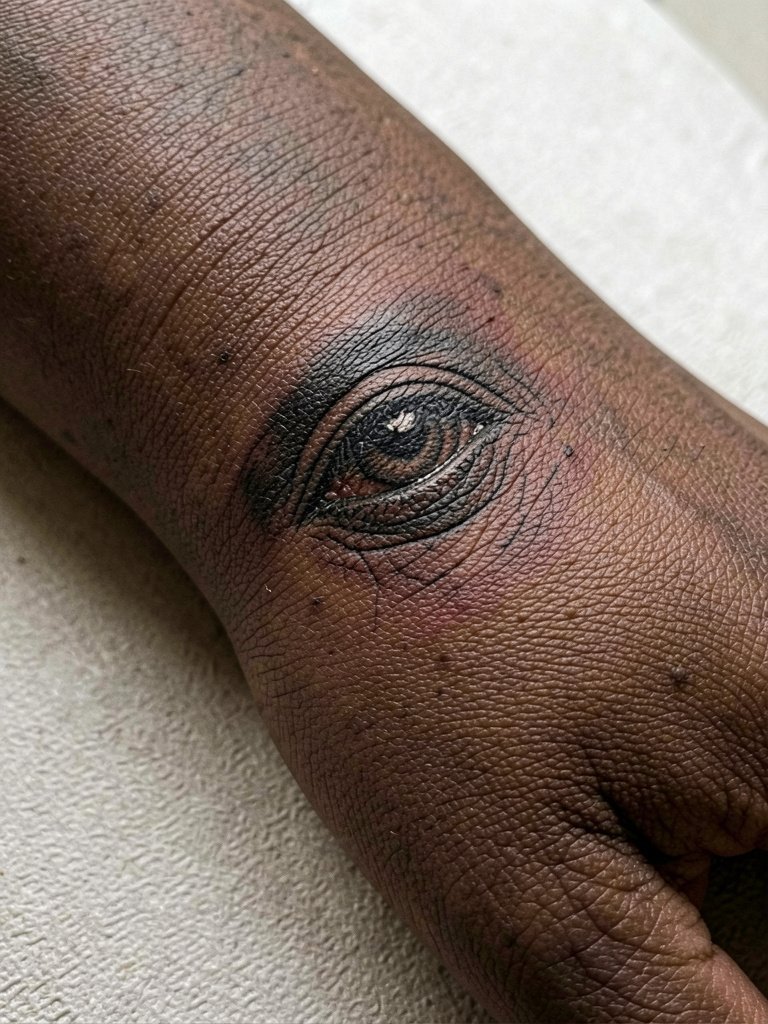
Finger micro detail is high risk and high reward. The typical error is expecting micro-realism to last without touch-ups. One camp of artists warns that fingers blur fast because of constant washing and friction. Another camp uses denser stippling and thicker dots to make the detail last longer. If you choose this, request stipple shading rather than fine single lines and plan on a touch-up within 6–12 months. For the session, remove all rings and wear minimalist ring set on other fingers afterward.
12. Ornamental Elephant with Decorative Tusks on Ribcage
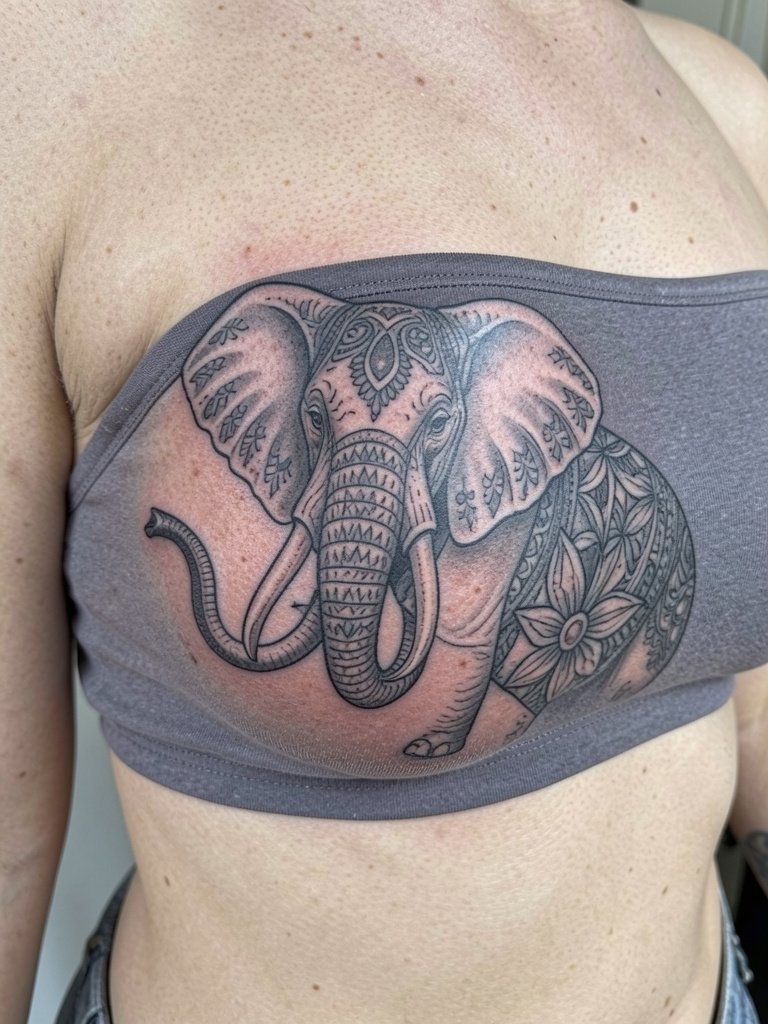
Ribcage work is intimate and painful, but the space allows ornament to breathe. The usual mistake is scaling ornate tusk filigree too small. Tell the artist to keep primary tusk shapes bold and simplify inner filigree. Pain is higher near the ribs, expect breaks during a longer session. Because ribs stretch with weight changes, touch-ups may be needed after weight fluctuation. Consider a side-tie dress or low-rise top for showing the area.
13. Minimalist Elephant Family on Upper Thigh
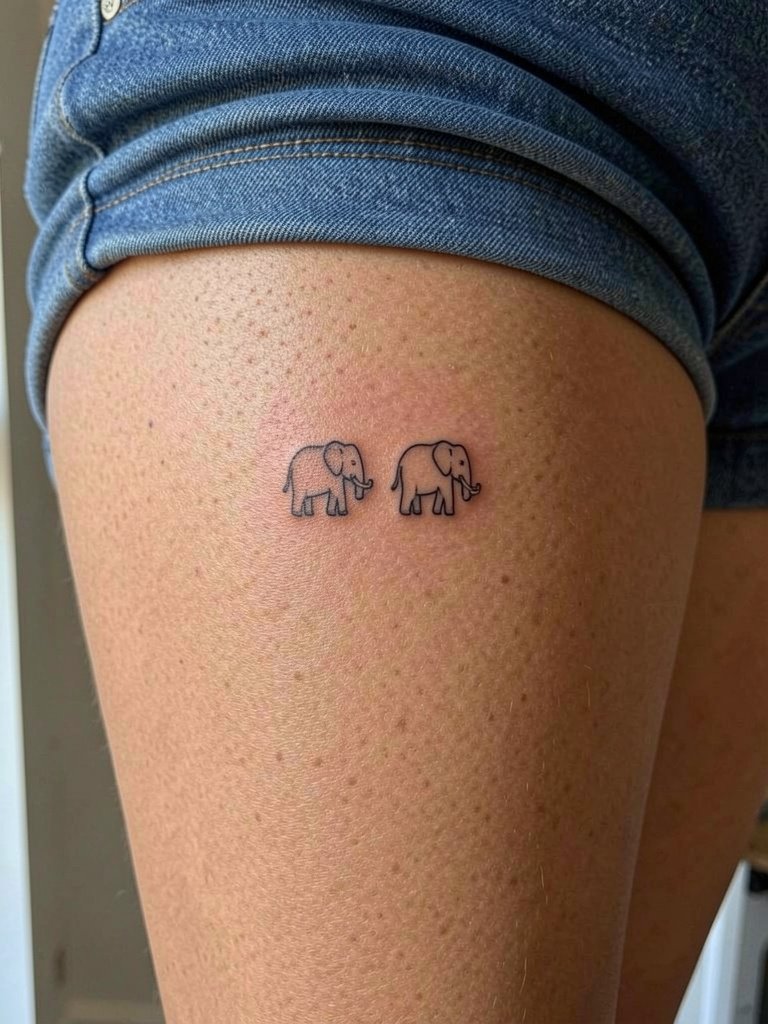
A small family grouping conveys relationship without fuss. The common error is crowding multiple figures into too small an area. Ask for scale mockups at the exact thigh width you want so each elephant reads apart. Thigh skin handles fine detail better than wrists, and sessions are usually low pain with easy access. For a casual reveal, pair with high waist shorts.
14. Dot-Work Elephant Head on Shoulder
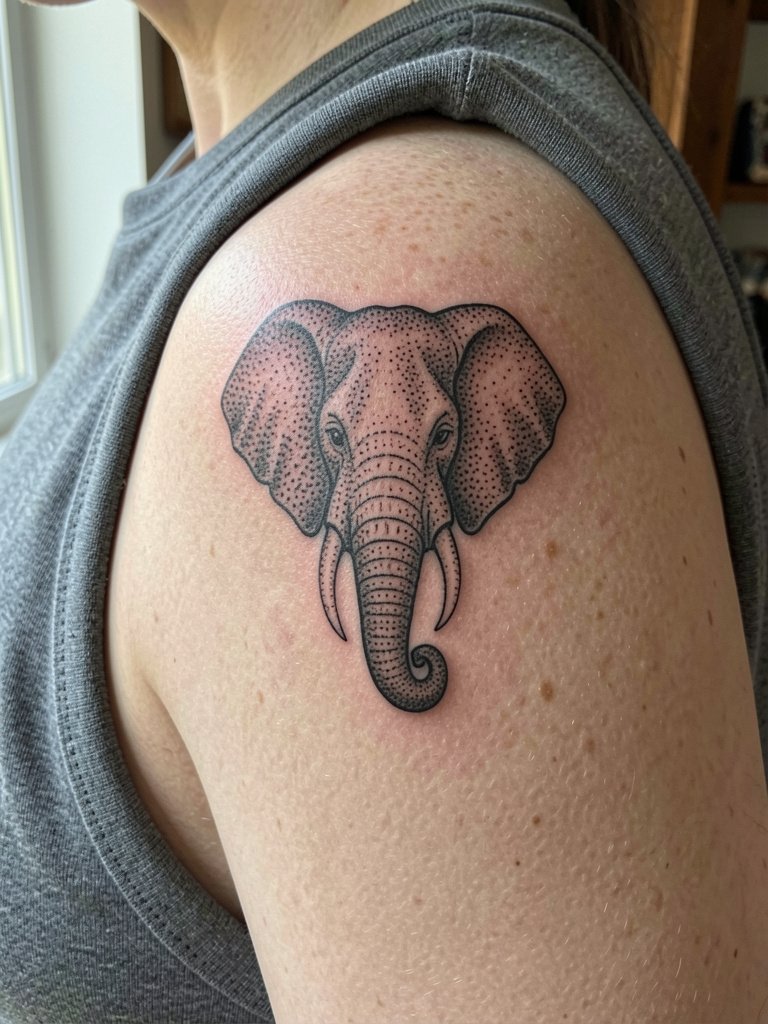
Stipple shading creates texture that ages differently than linework. A mistake is asking for ultra-tight dot clusters at micro scale. Request varied dot density and a solid outer contour so the shape stays readable. Shoulder skin is friendly to dot-work and often holds contrast for years. Sessions are comfortable with short breaks. Style it with an off shoulder top.
15. Ornamental Mini-Tusk on Lower Back
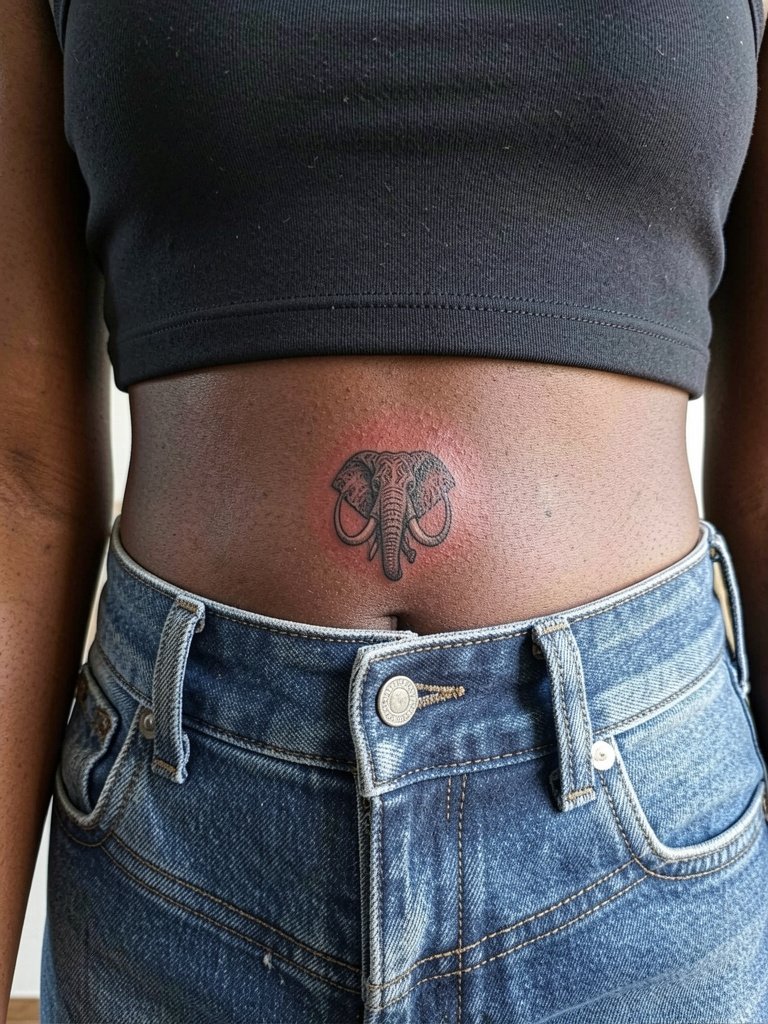
Lower back allows a tiny ornamental accent that reads as an editorial detail. The error is placing this too close to the waistband where rubbing can cause faster fading. Ask for the tattoo to sit at least an inch above typical waistbands and avoid tight belts during the first month. Sessions are low to moderate pain. This placement pairs with low-rise jeans and a cropped tank for shows, so bring low rise jeans for the session day.
16. Micro-Realism Forehead-of-Elephant Eye on Calf
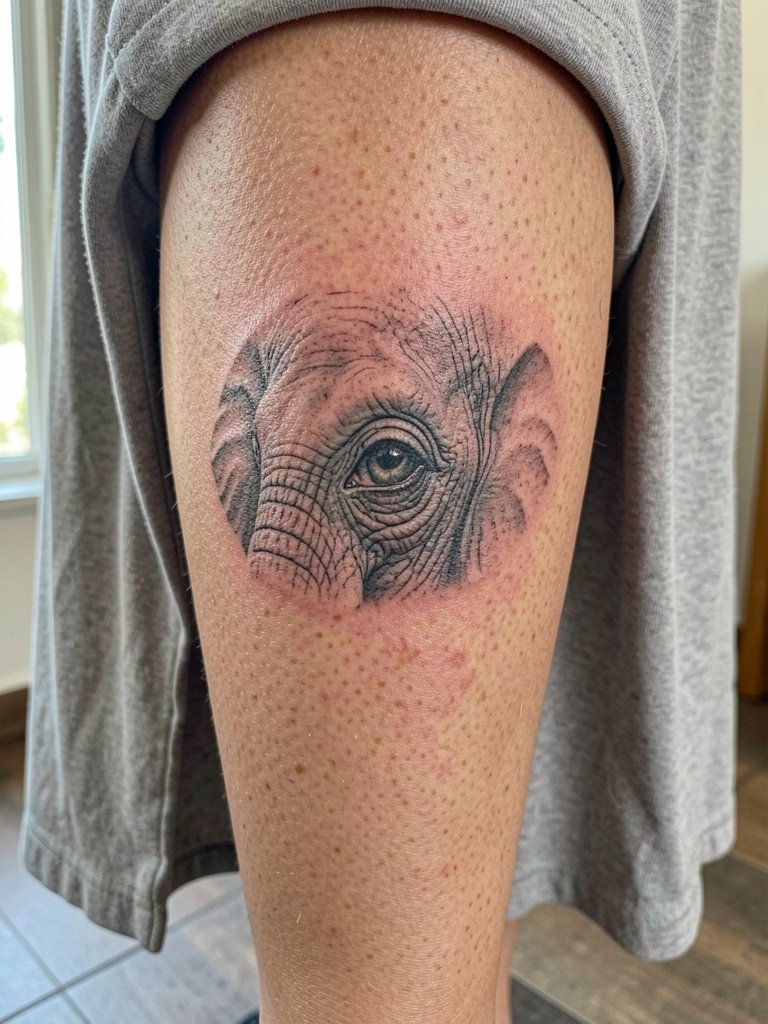
Calf skin tolerates micro-realism well. The mistake is scaling contrast too low, which flattens the eye after healing. Ask for higher contrast in the pupil and selective highlight to keep depth long term. Calf sessions are moderate and you can stand up as needed. Healed photos from your artist should be part of the booking conversation. For showing off, wear a skirt or cropped pants.
17. Geometric Mandala Trunk on Sternum
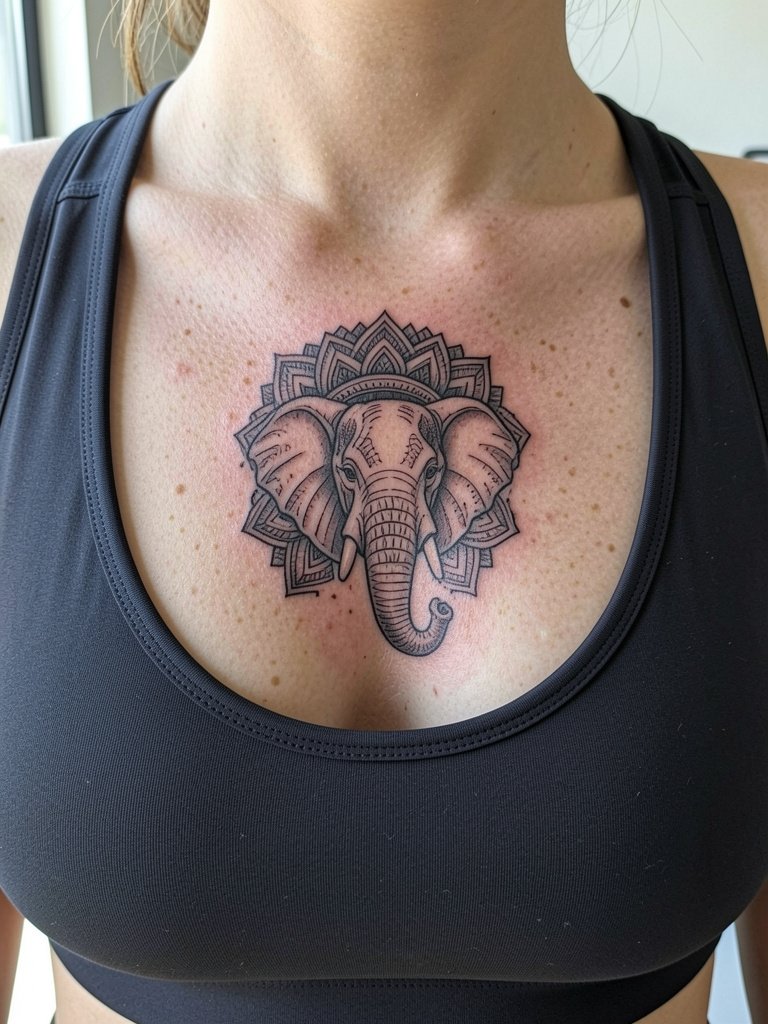
Sternum placements are high on sensitivity. Artists differ on fine line here. One group says fine line absorbs into sternum movement and blurs within two years. The other group argues that with slightly wider spacing and careful depth it can keep detail. If you go fine-line, request spacing adjustments and expect a tender session with breaks. A fitted sports bra keeps the area accessible during booking.
18. Tiny Blackwork Silhouette on Back of Arm
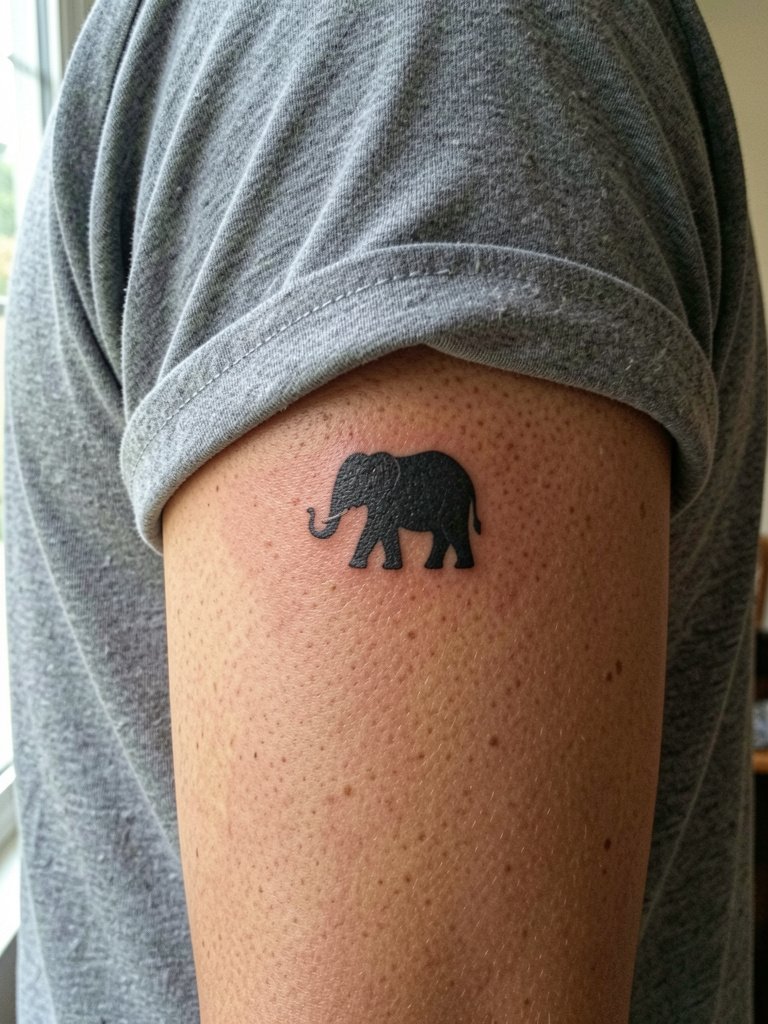
Black silhouettes are forgiving for small placements that see friction. A common mistake is adding interior detail that disappears. For the back of the arm pick solid fill and bold contour, and expect easy healing. Session time is short. Wear a loose tee so your artist can access the tricep without tight cuffs.
19. Whip-Shaded Miniature on Upper Chest
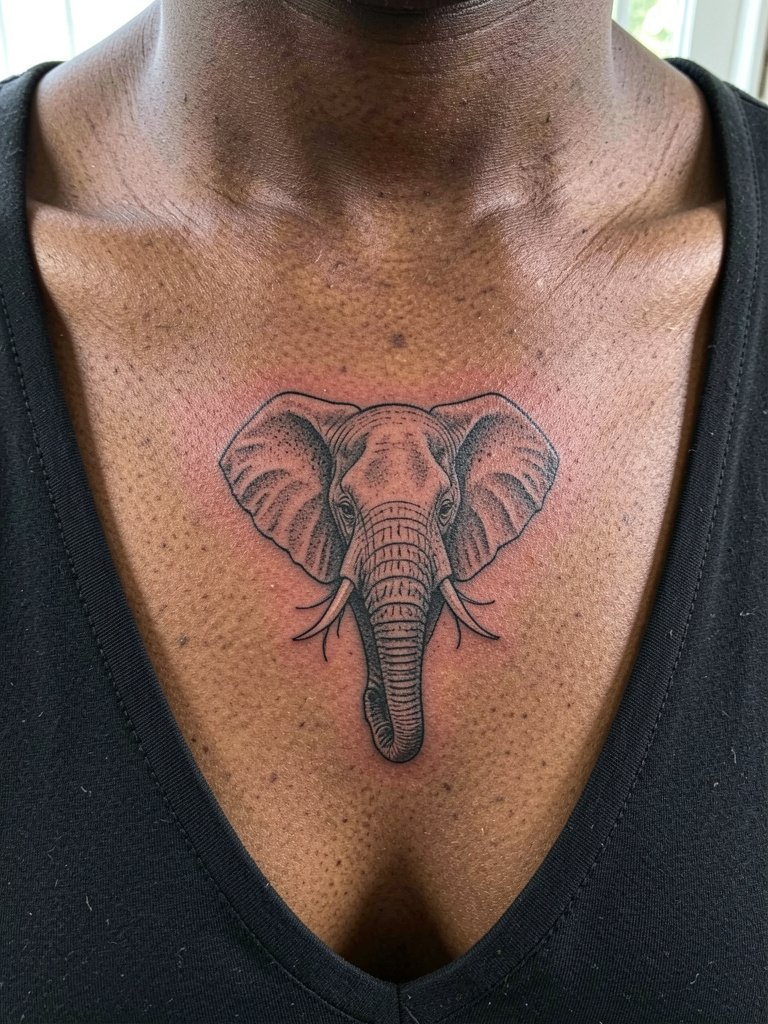
Whip shading can give motion and texture in a small area when used sparingly. The error is overdoing micro-gradients that flatten in months. Specify limited whip passes and a clear edge so the shape stays defined. Clavicle sessions can be sharp near bone. For styling, try an open-collar shirt to frame the area.
20. Low-Poly Tusk Accent on Outer Thigh
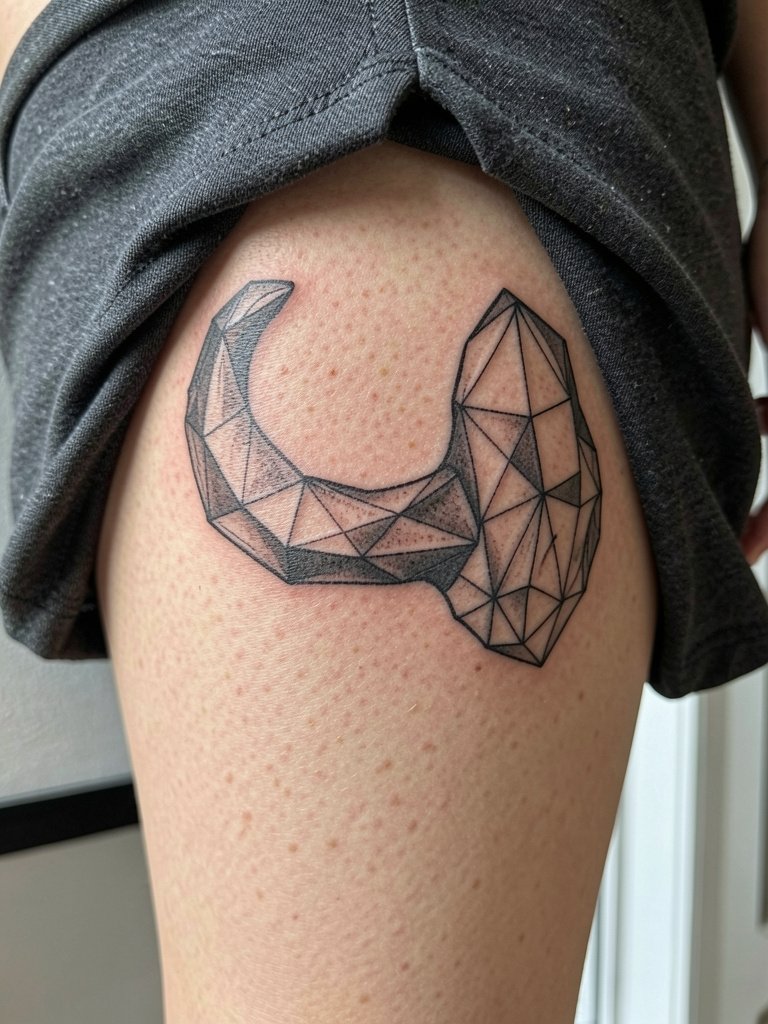
Outer thigh accepts geometry and stays stable through movement. Avoid packing micro angles too tight. Ask for a low-poly composition that reads at arm's-length. Sessions are comfortable with easy access. Pair it with high-waisted skirts or shorts like earth tone skirts.
21. Tiny Line-Work Garland on Ankle Side
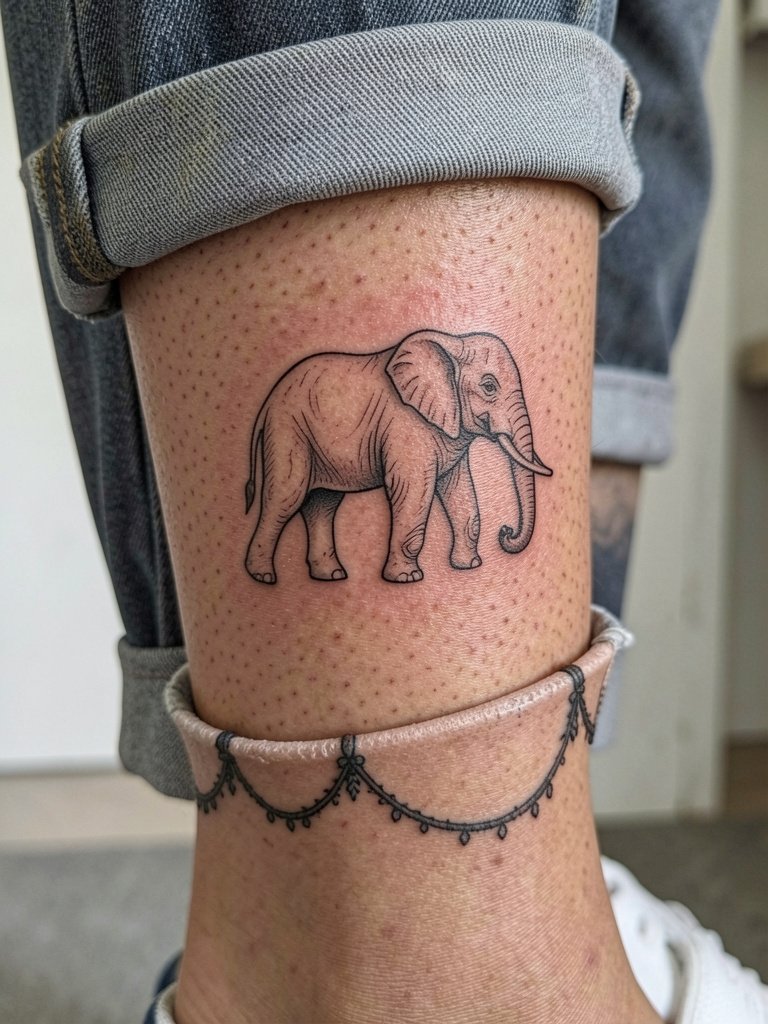
Ankle garlands are decorative but suffer from sock and shoe abrasion. The common mistake is relying on ultra-thin vines that disappear. Ask the artist to thicken the primary line slightly and use negative space for the garland. Heals faster with light footwear changes. For sessions, wear cropped pants for access and sandals like casual sandals.
22. Tiny Tribal Dot-Pattern on Back of Hand
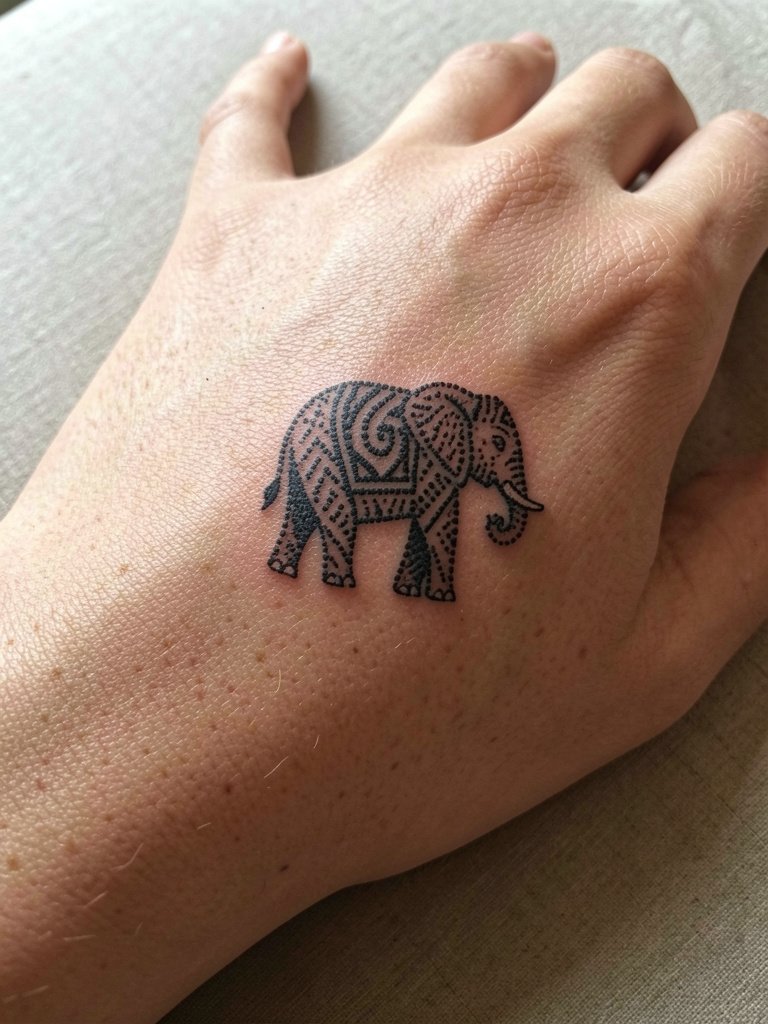
Hands age differently because of constant use and washing. Artists split on longevity here. One camp says hand and finger tattoos blur and fade fastest and should be avoided for micro detail. The other camp adapts technique with denser linework and more pigment to extend life. If you choose the hand, accept a likely touch-up cycle and avoid tiny stippled interiors. Session pain is moderate and healing needs extra hydration. Pair with minimal rings and a gold thin ring on adjacent fingers.
23. Tiny Elephant Back-of-Neck Crescent
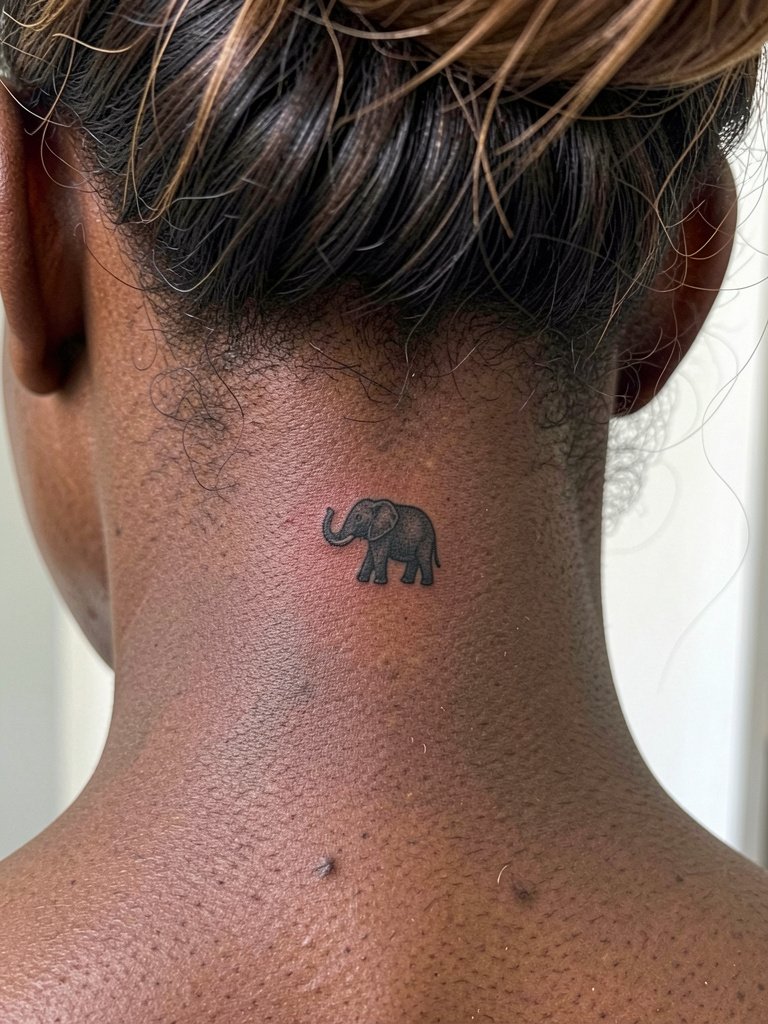
The back of the neck is great for secret visibility. The mistake is using hairline-hugging placement without considering future hair growth or styles. Position the mark a touch lower and request a small safety margin from the hairline. Sessions are tolerable and the area heals quickly. For session prep, wear a shirt that can be removed without disturbing the hair.
24. Tiny Geometric Elephant on Palm-Side Thumb
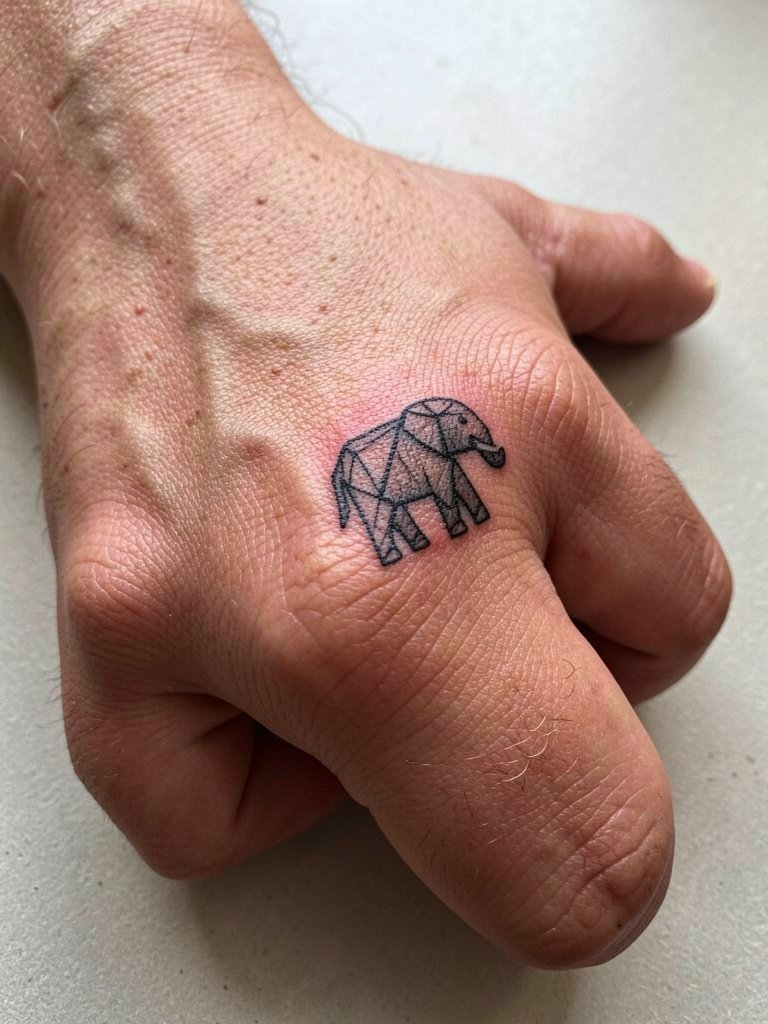
Palm-side placements bear heavy wear and fade quicker than dorsal spots. The common mistake is expecting long-term crisp geometry there. For longevity, make the icon slightly larger and avoid fine inner grids. Healing requires high hygiene and avoiding heavy gripping tasks for two weeks. Session feels buzzy but short. Keep gloves off the area while healing.
25. Accent Dot-Work Elephant on Tricep Near Elbow
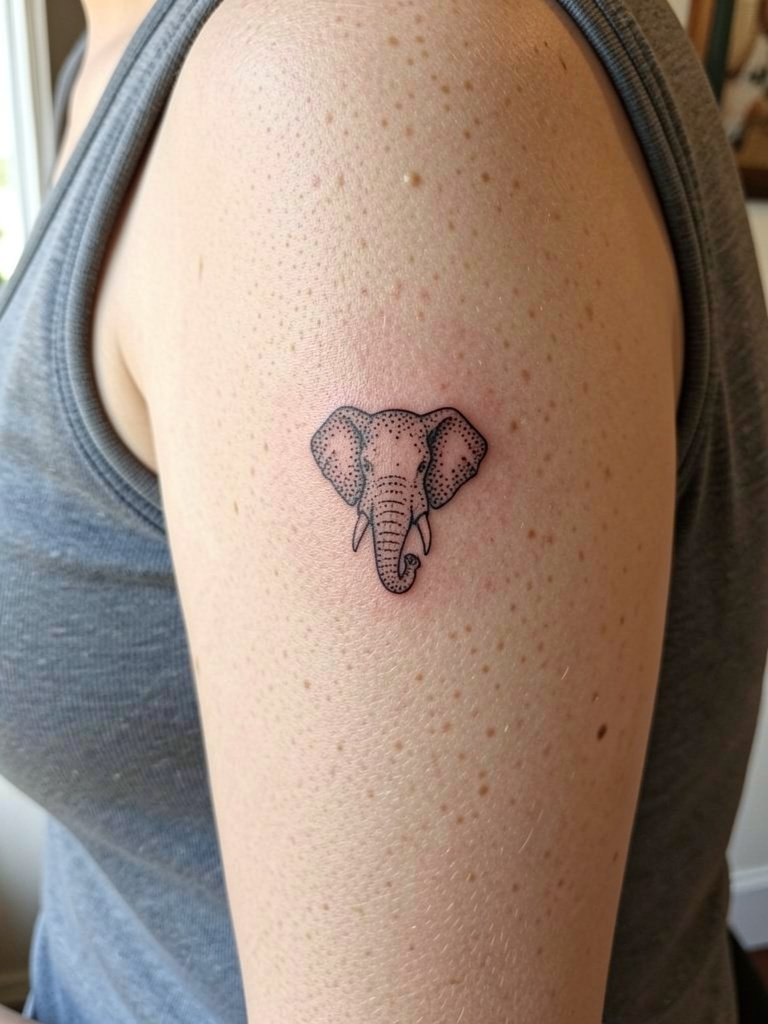
The tricep near the elbow sees bending but generally holds stippling well. The error is placing stipple too close to the joint crease where motion blurs detail. Ask for a half-inch buffer from the elbow crease and for dot size variety instead of uniform micro dots. Sessions are straightforward with short recovery. Wear a sleeveless top the day of your appointment.
Frequently Asked Questions
Q: How long will a small elephant tattoo last before it needs a touch-up?
A: It depends on placement and style. Fine-line work on wrists and fingers commonly needs a touch-up within 12–24 months, while blackwork silhouettes and dot-work on shoulders or thighs often go longer between touch-ups. Skin type and sun exposure matter, so plan for a modest touch-up window rather than assuming permanence.
Q: Should I pick watercolor or black-and-grey for a tiny elephant?
A: Artists and clients split on this. One camp says watercolor in small sizes tends to disperse and lose saturation faster, making black-and-grey a safer longevity pick. The other camp shows fresh, vibrant tiny watercolor pieces and argues that bold color layering can hold if done by a specialist. If you choose watercolor, ask for saturated blocks and expect a higher probability of future refresh work.
Q: Where can I find artists who show healed micro-realism and dot-work without naming names?
A: Search style-specific hashtags like #finelineelephant, #microrealismelephant, and #dotworkelephant on Instagram and TikTok and use location filters. Explore directories and booking platforms that let you filter by specialty and view healed portfolios. Reddit tattoo communities also surface peer recommendations and healed examples across skin tones.
Q: Does skin tone change how an elephant tattoo should be designed?
A: Yes. On darker skin, high-contrast black fills and slightly larger shapes read better than tiny filigree. Artists adapt density and negative space for visibility. Show your artist photos of healed work on similar skin tones so they can adjust saturation and scale for a durable result.
Q: What should I wear to my appointment for a wrist, hip, or collarbone elephant?
A: Pick clothing that gives clear access without compressing fresh ink. For the wrist wear a loose-sleeved button shirt, for the hip bring low-rise bottoms, and for the collarbone choose a strapless or wide V-neck top. For the session itself avoid tight cuffs and bring a clip if you need to secure hair.
Q: Why do small tattoos sometimes cost as much as larger ones?
A: Many shops have set minimums to cover setup, sterilization, and chair time. Expect a realistic small-tattoo minimum range around 150–250 USD in many US studios. Budget for the minimum rather than only the needle time so you avoid surprises when booking.
Q: Can I prevent fine-line blurring on wrists and fingers?
A: You can reduce risk but not eliminate it. Prefer slightly heavier line weight or stipple shading and accept a likely touch-up timeline. Ask for line spacing and a marginally bolder main contour during your consultation so the design has room to age without losing identity.