
A lot of forearm clock tattoos you see online look crisp the day they are done and then soften into a grey wash a year or two later. That happens because the forearm moves, stretches, and gets friction from shirts and watches. These ideas focus on designs and placements that read well at six months, and still look intentional at two years and beyond.
1. Hyper-Realistic Pocket Watch, Inner Forearm (Palm-Up Surface)
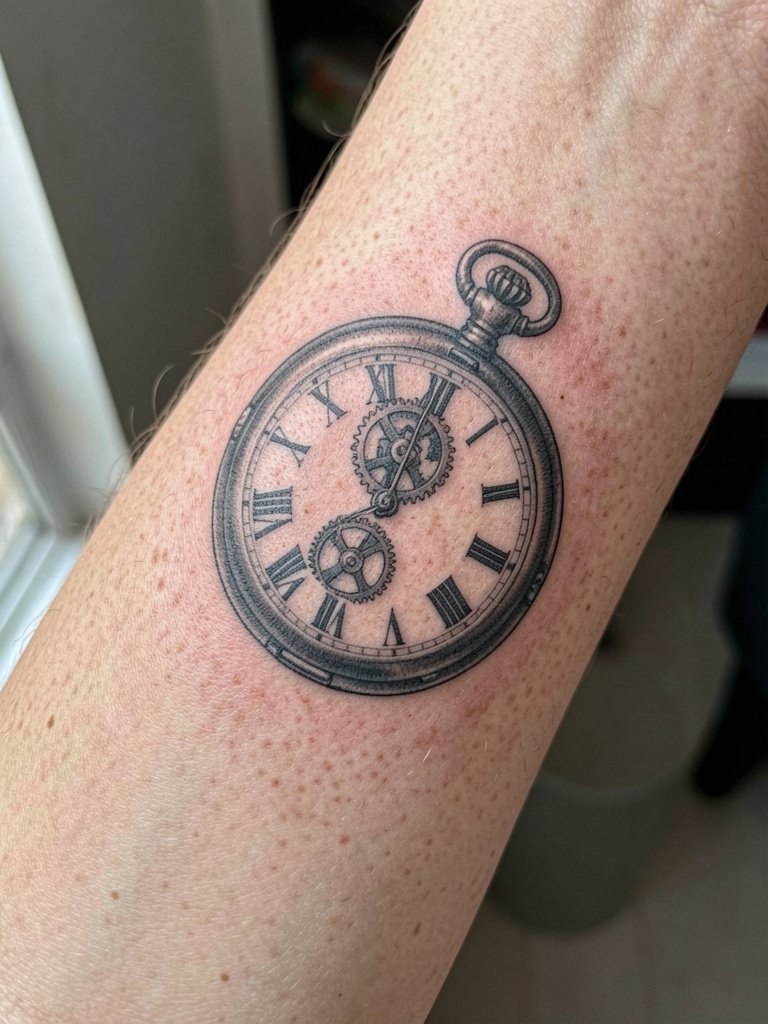
A hyper-real pocket watch sells the illusion of machinery under skin. Recommend a larger scale on the inner forearm so the gear work and Roman numerals have room to breathe. During the consultation bring a crisp photo that shows the exact numeral style you want and ask for slightly heavier linework around the numerals so they do not blur into the shaded metal areas. Expect one to two long sessions, moderate pain around a three to five out of ten, and a likely touch-up after a year if you want razor-sharp gear edges. For showing it off, roll up a linen button-down in cream or olive and wear a dainty gold stack on the opposite wrist, which frames the metallic tones without competing with them. linen button down shirt women
2. Black and Grey Antique Pocket Watch, Inner Forearm
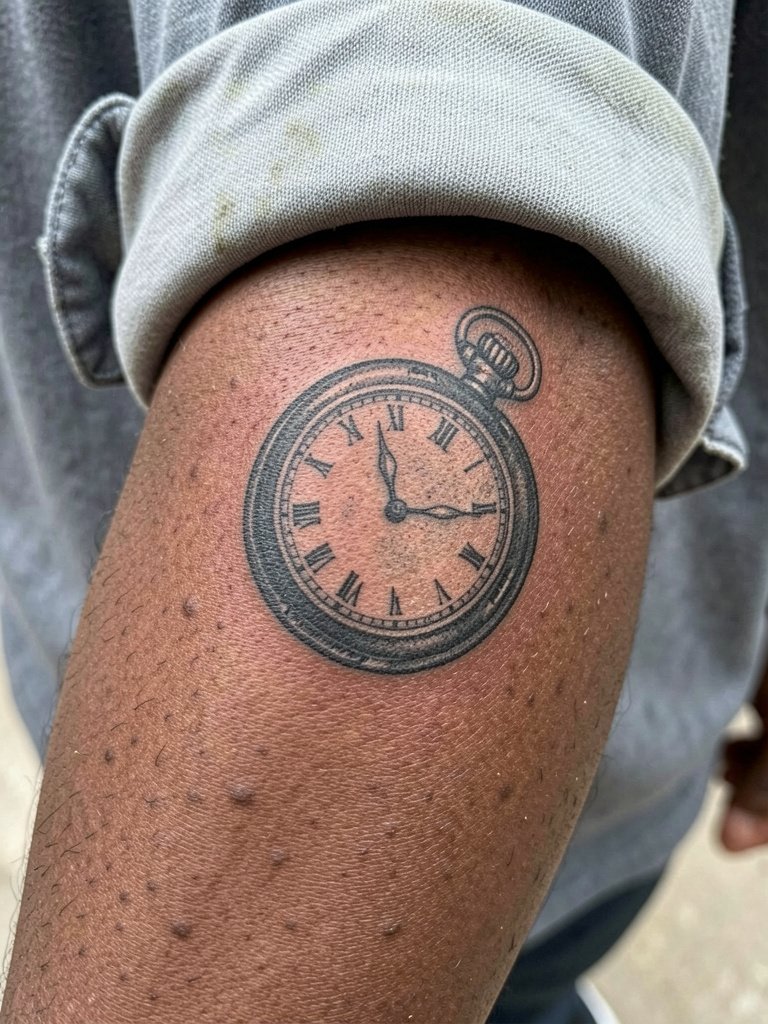
This reads like an heirloom watch worn on skin rather than bright jewelry. Choose high-quality grey wash pigment and request stipple shading for the metal texture so saturation holds neutral instead of turning muddy. A common mistake is packing too much small detail into a narrow band near the wrist, which blurs over time. Session length is usually a single long appointment for medium-scale pieces. Pair it with a vintage-style button-down in earth tones to echo the aged-metal vibe. vintage button down shirt men
3. Pocket Watch Plus Compass, Outer Forearm (Thumb-Side Surface)
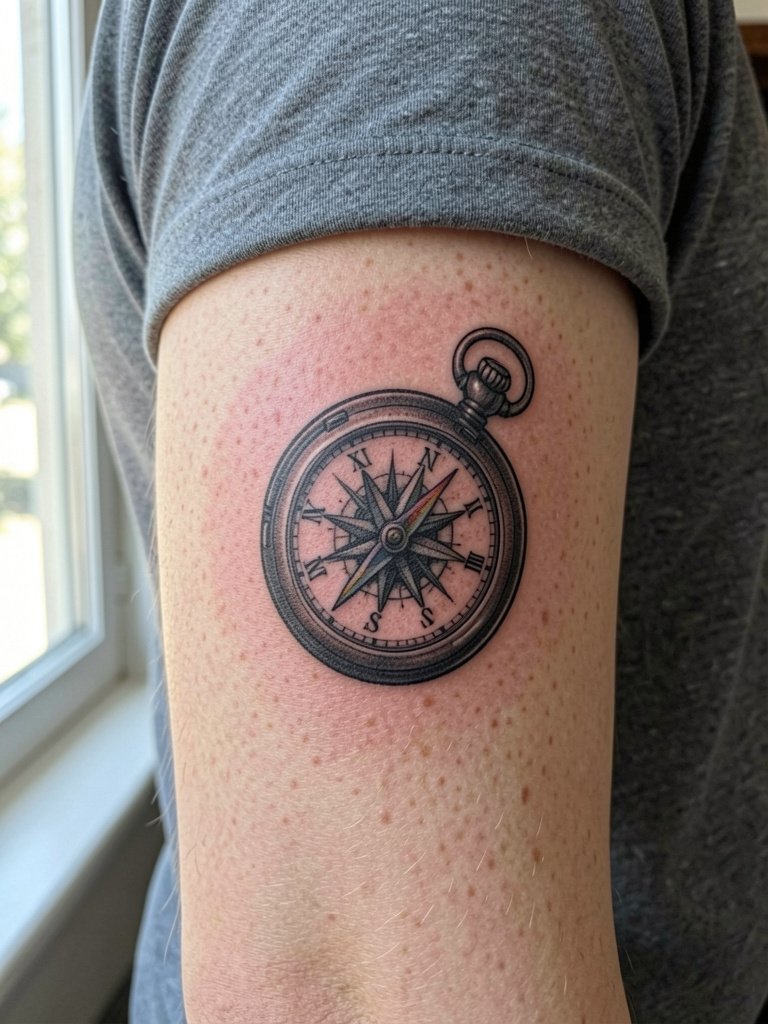
Combining a pocket watch and compass expands the symbolism to time plus direction. Ask your artist to balance the two motifs so neither reads as an afterthought, and bring reference shots that show how large you want the compass rose compared with the watch face. Outer forearm placement gives a broader canvas for wearers who want a sleeve later. A typical mistake is tucking tiny compass points into dense shading that disappears by year two. For wardrobe, pair this with bold solid-color tees and a leather cuff on the tattoo wrist to emphasize the neo-traditional boldness. solid color men t shirt black
4. Colored Pocket Watch with Red Roses or Blue Flames, Inner Forearm
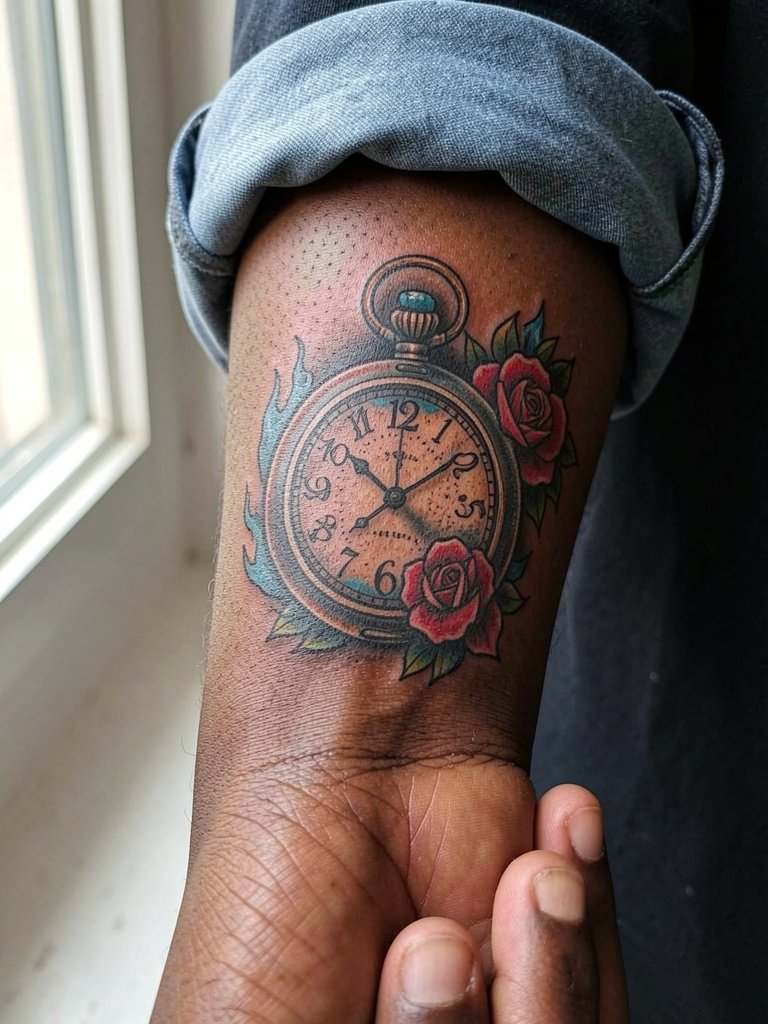
Color can add personality without losing the vintage feel when kept as accents rather than full color fills. If you want red roses or blue flames, specify saturation levels and ask the artist which pigments they use to avoid early fading. One camp prefers black and grey for an authentic antique look. Another camp argues that a pop of color creates contrast and modernity. Tell your artist which camp you lean toward by showing two examples, one pure black and grey and one with the accent color, so they can match saturation and layering. Session time is usually one to two sittings depending on color layering. For evening wear, a dainty silver chain or a simple cuff keeps focus on the color pop. minimalist silver chain necklace
5. Minimalist Line Art Clock with Roman Numerals, Inner Forearm or Wrist
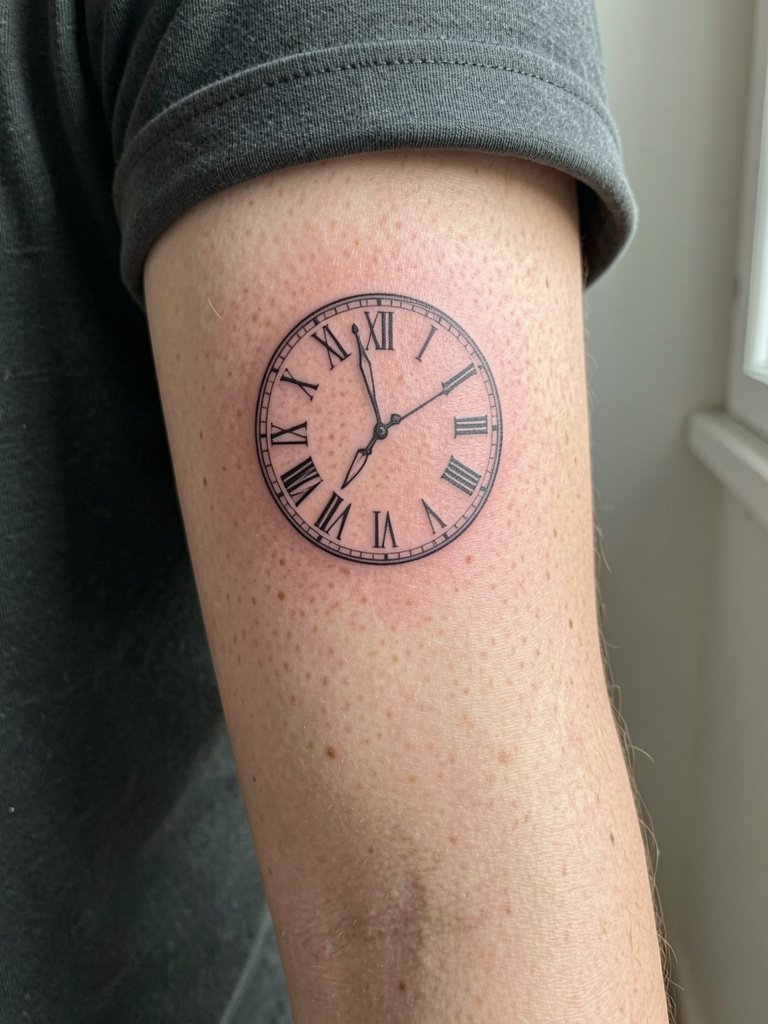
Minimalist clocks look delicate at first but tend to blur when placed on high-motion areas. One camp argues single-needle fine line clocks blur into a grey smudge on the forearm within two years. Another camp says fine line holds if the artist increases spacing and depth slightly, and they show healed three-year examples to back that up. If you like the minimalist look, choose slightly larger numerals and ask for single-needle line weight paired with light stipple shading behind the face so the design keeps its read. Pain is low for the wrist area, often a two to four out of ten. Wear a minimalist watch on the opposite wrist or stack thin chain bracelets to balance the small scale. thin chain bracelet set
6. Abstract or Geometric Clock Face, Outer Forearm
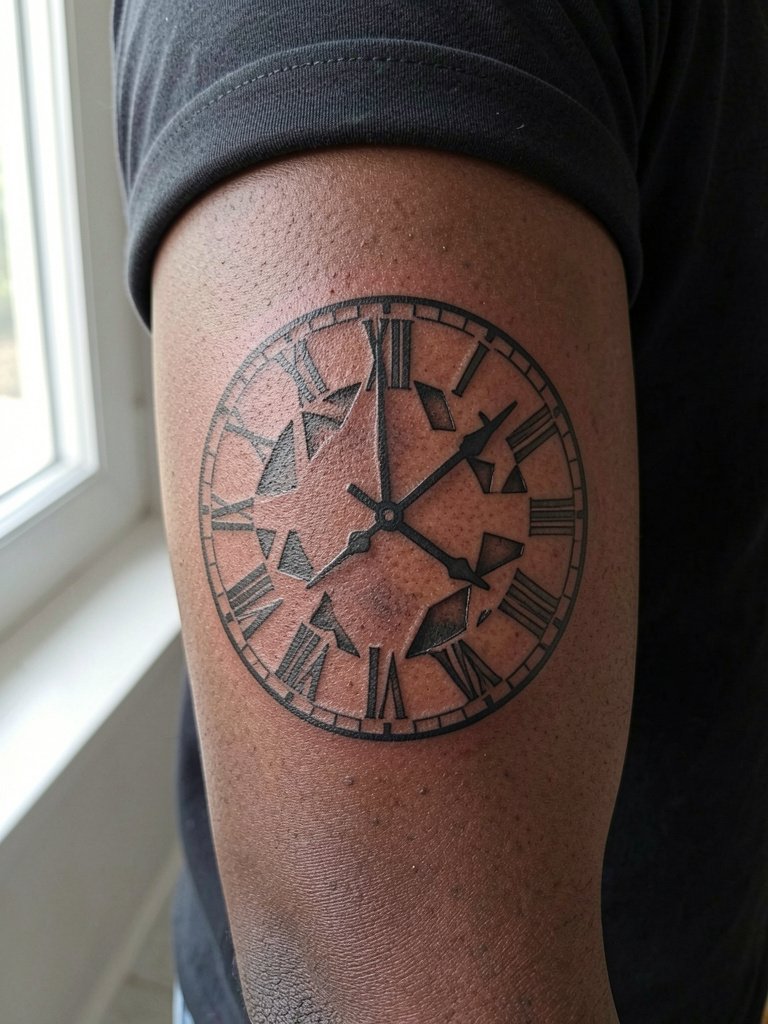
This modern take breaks the circle into facets for a sculptural effect that reads from a distance. Bring reference images that map the exact angles you want, and ask the artist to test the design at full scale on tracing paper so you can check how negative space will age. Geometric work needs breathing room, so avoid cramming tiny triangles near the wrist. Session time tends toward a single appointment if the piece is mid-size. For a rugged look, pair it with a leather cuff bracelet on the tattoo wrist. leather cuff bracelet men
Before You Book
Those first six ideas cover a range from tiny line work to color realism, and a few practical items smooth the session and the first week.
-
Mad Rabbit Tattoo Balm (Unsweetened). A lot of people with sensitive skin report this balm is less irritating than heavily scented options, which helps early healing on forearm pieces that rub against sleeves.
-
Dr. Jart Tattoo Seal. A thin sealing product can protect delicate fine-line work overnight and reduce scabbing that smudges tiny numerals.
-
Australian Tattoo Cream InkCare. Good for those who reacted poorly to greasier ointments, it absorbs quickly so you can still wear a sleeve without excess transfer.
-
Saniderm Second Skin. For forearm tattoos the protective film cuts down on friction and speeds the surface healing window, which is handy when you get right back to wearing long sleeves.
-
Intenze Grey Wash. If you plan black and grey metal tones request a grey wash brand the artist trusts so the patina stays neutral instead of turning greenish as it fades.
7. Clock with Rose or Lotus Integration, Inner Forearm
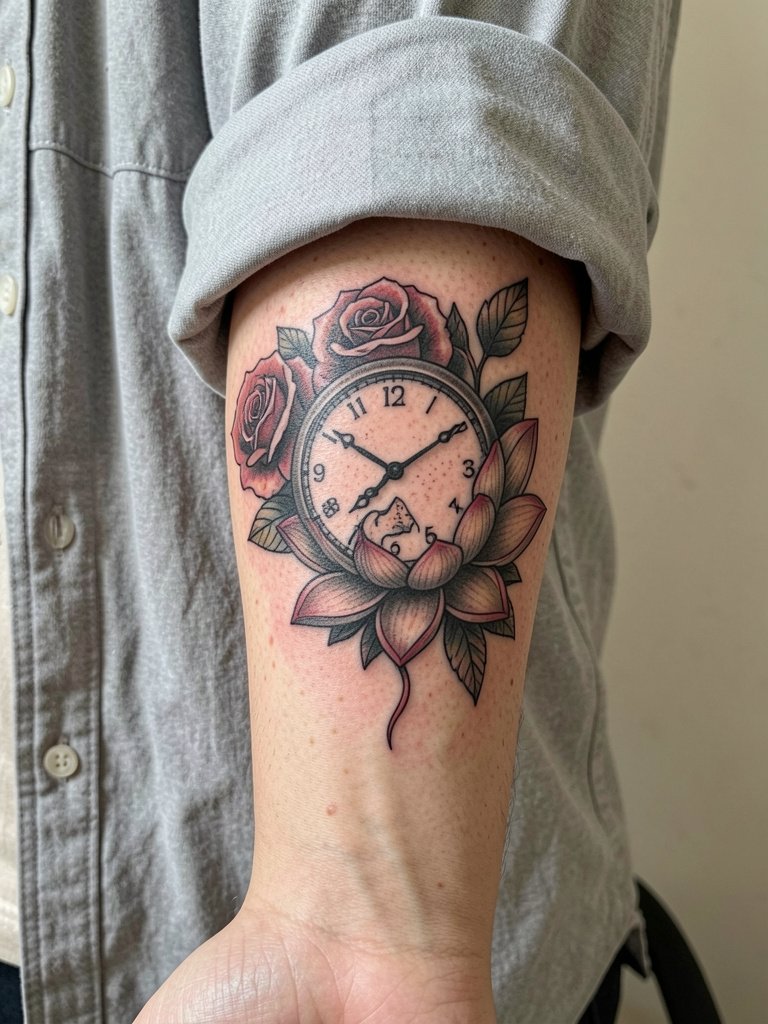
Floral elements soften a mechanical clock and increase the visual breadth on the inner forearm. Ask the artist to plan petal overlap so the floral shapes age as distinct forms rather than a single shaded mass. A common mistake is adding too many thin petal veins that disappear. Sessions usually split into outline and shading passes for larger floral clocks. For a soft editorial look, wear rolled-up linen shirts in cream or sand that echo the floral tones. rolled cuff linen shirt
8. Sun and Moon Clock Hybrid, Inner Forearm
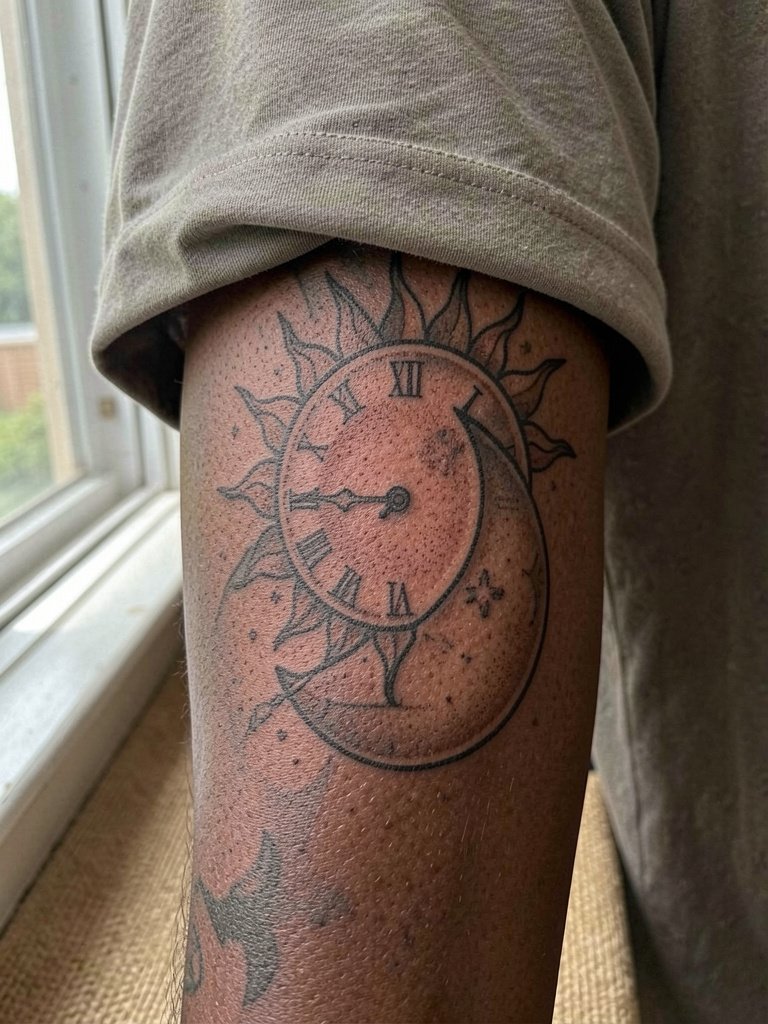
Merging cosmology and time creates a balanced composition that sits naturally on the inner forearm. Specify whether you want the sun and moon to share a face or sit opposite each other so the artist can scale the celestial elements. Expect one to two sessions depending on color. Watch for blowout risk where the design approaches the wrist line. For session wear, pick a loose button-down so the artist can roll your sleeves without pressure on fresh ink.
9. Skull and Clock Combination (Memento Mori), Outer Forearm
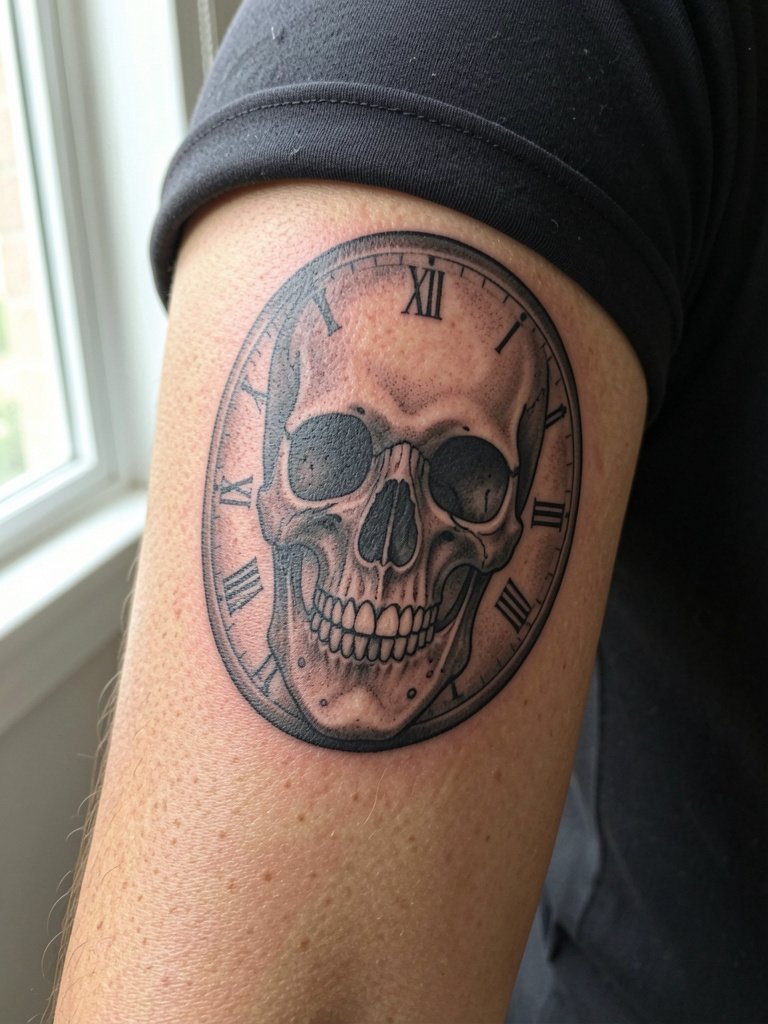
If you want a memento mori piece, the outer forearm gives the visual weight needed for skull and clock combos. Tell the artist how bold you want the outlines so the skull retains contrast as shading softens with age. A common mistake is putting too many tiny teeth and gear details into a small area, which turn into a muddy patch by year three. Expect moderate pain on the outer forearm and plan for a touch-up at one to two years if you want the high-contrast look to persist. Style it with a dark graphic tee and a heavy silver ring for an edgy pairing. dark graphic tee men
10. Compass and Clock Guidance Tattoo, Inner Forearm
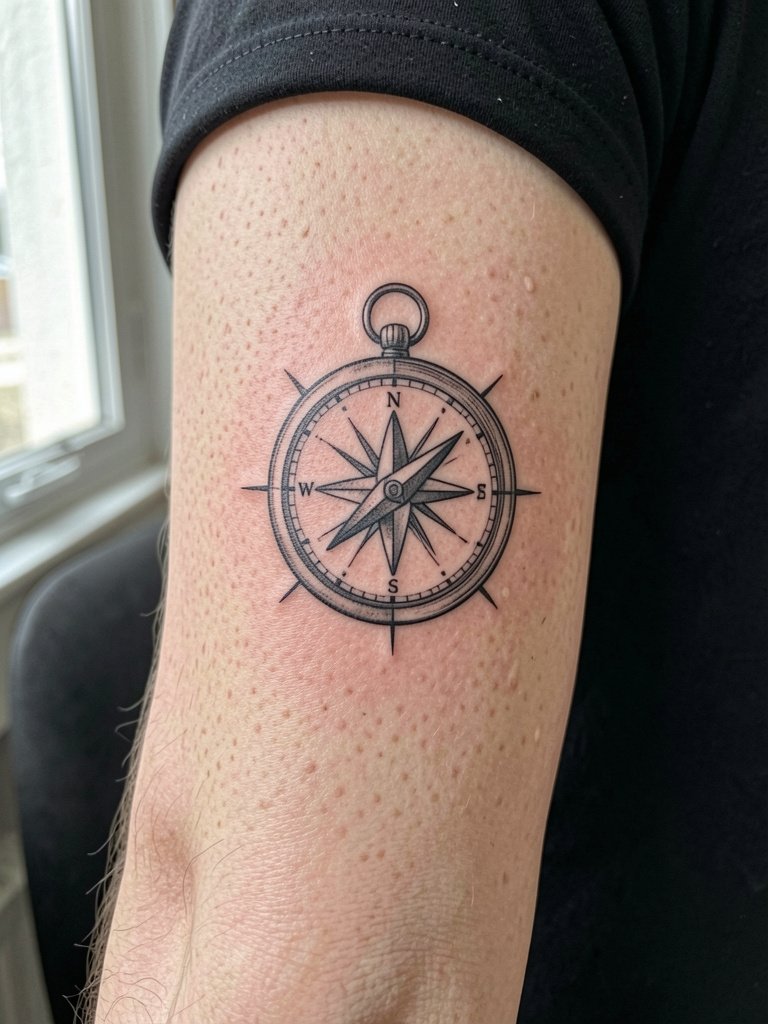
This one leans symbolic toward navigation and time together. During consultation bring a map or mountain silhouette if you want a specific landmark included so the artist can integrate it subtly in the background. Missteps happen when the compass points are too thin, making the directional detail a blur later. Session length is often a single appointment for mid-sized pieces. For a casual look, pair it with a minimalist watch on the opposite wrist so the two functional motifs echo each other.
11. Birth Date or Custom Quote Integrated into the Clock Face, Inner Forearm
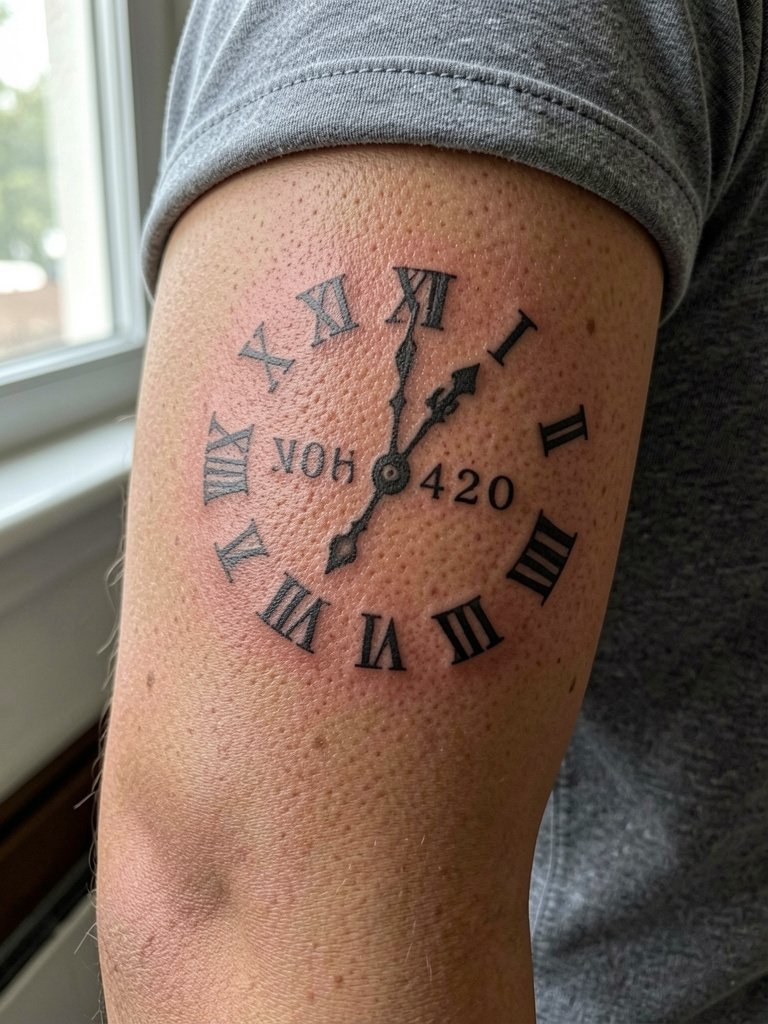
Embedding a birth date or short quote makes the design personal but carries legibility risk. One camp says integrating custom script crowds the clock face and looks cluttered as lines soften. The other camp says careful placement and a bold, readable font preserve the personalization. If you want text inside the numerals, bring the exact wording in the font you prefer and ask the artist to show the quote at the actual intended size. Aim for studio minimum line weights for script so the date remains legible at two to three years. A small, custom serif works best. For nights out, a minimalist watch or a thin bracelet stack on the opposite wrist complements the family-focused theme. minimalist watch women
12. Broken or Shattered Clock Face, Outer Forearm
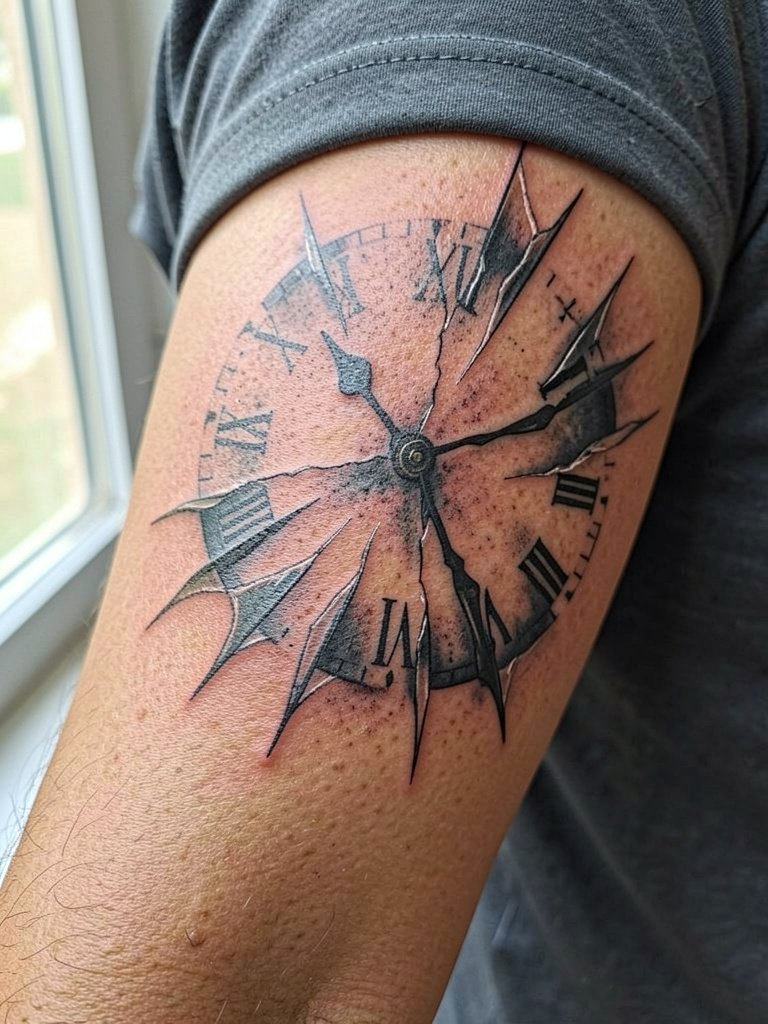
Shattered clock designs read as a dramatic memorial when you want to mark a stopped moment. Request clear negative-space shards and avoid tiny crack lines that blur. An aging note: the jagged edges should be bold enough that they keep their silhouette even as softening occurs. Sessions usually split for detail and texture. If this is a memorial piece, consider placing it on the outer forearm so the bold outline stays visible with less distortion from wrist motion.
13. Vintage Hourglass with Clock Elements, Inner Forearm
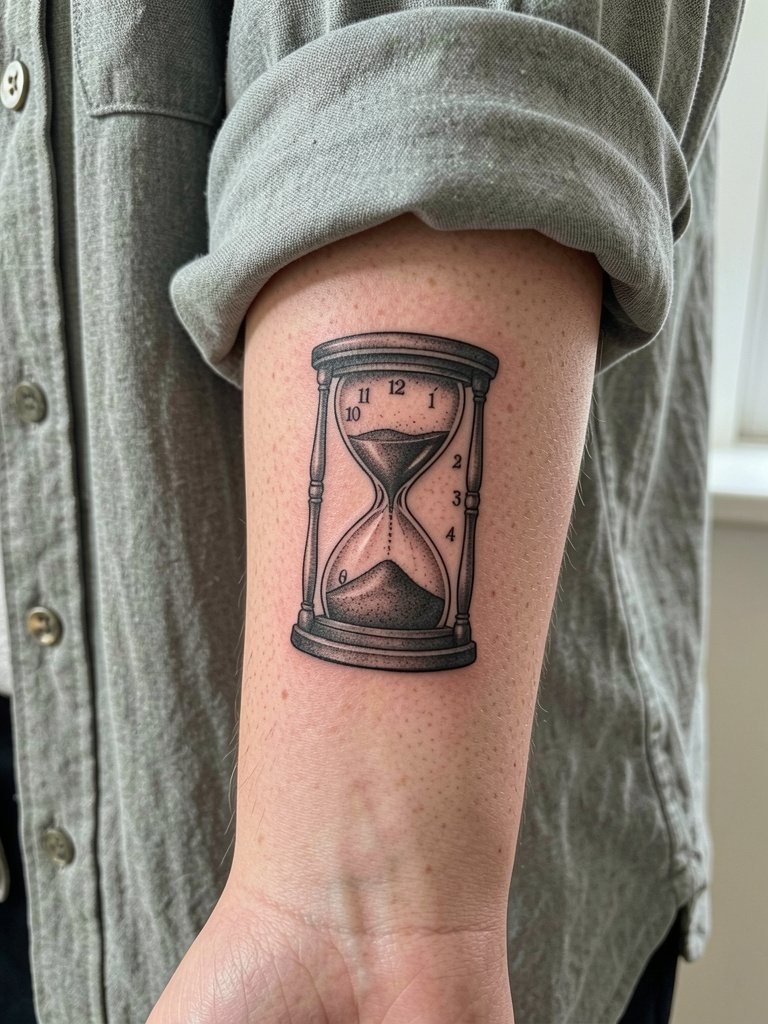
Hourglass-clock hybrids are an uncommon way to show time passing without a circular face. Ask the artist how the sand flow will look at smaller scales so the grains do not merge. A mistake is compressing the hourglass too much for wrist placement. Typical pain is moderate on the inner forearm and the piece often heals clean with proper aftercare. For session day wear choose a loose button-down that the artist can roll without pressing the fresh ink. loose rolled cuff shirt
14. Small Micro-Realism Clock Near the Wrist
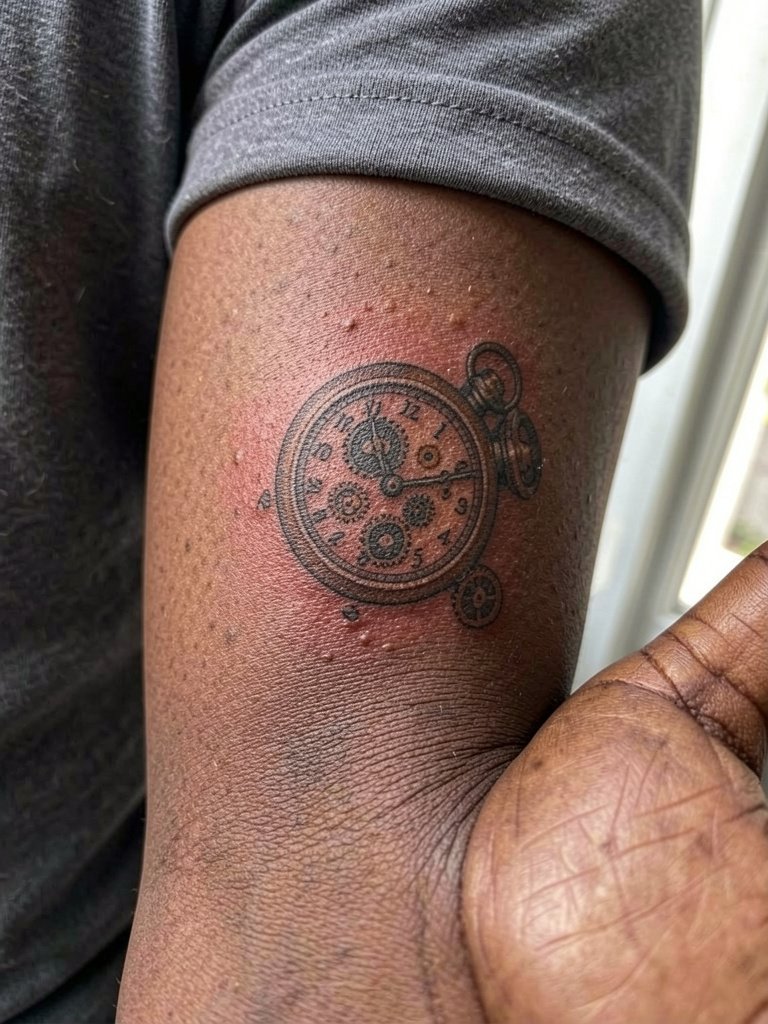
Micro-realism packs fine detail into a tiny footprint, which is great for first-timers who want subtlety. The inner wrist eats detail, so specify single elements rather than an entire gear train at this scale. Expect a short session but also a high risk of lines fading or blurring, so plan on a touch-up at one to two years. An early healing tip is to avoid tight watches on that wrist for the first month. For everyday wear the tiny piece pairs with thin chain bracelets or a minimalist watch on the opposite wrist. dainty wrist bracelet stack
15. Clock with Family Theme Elements, Inner Forearm
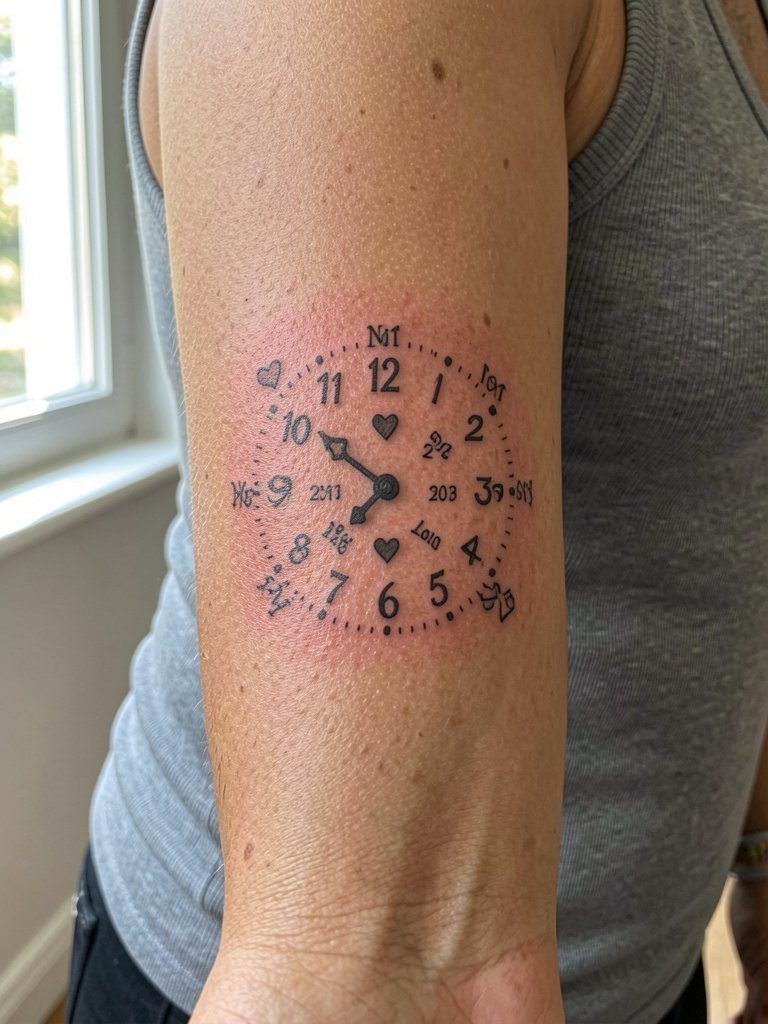
Family-themed clocks are popular but require planning so the added symbols age legibly. Place names or dates along the outer rim rather than inside tiny gears, and use thicker line weights for initials so they do not become unreadable. A usual misstep is cramming multiple small icons into the clock center. One to two sessions will often suffice depending on how many elements you include. For show-off styling, a dainty gold bracelet on the opposite wrist balances the sentimental theme.
16. Geometric/Abstract Clock for a Modern Forearm
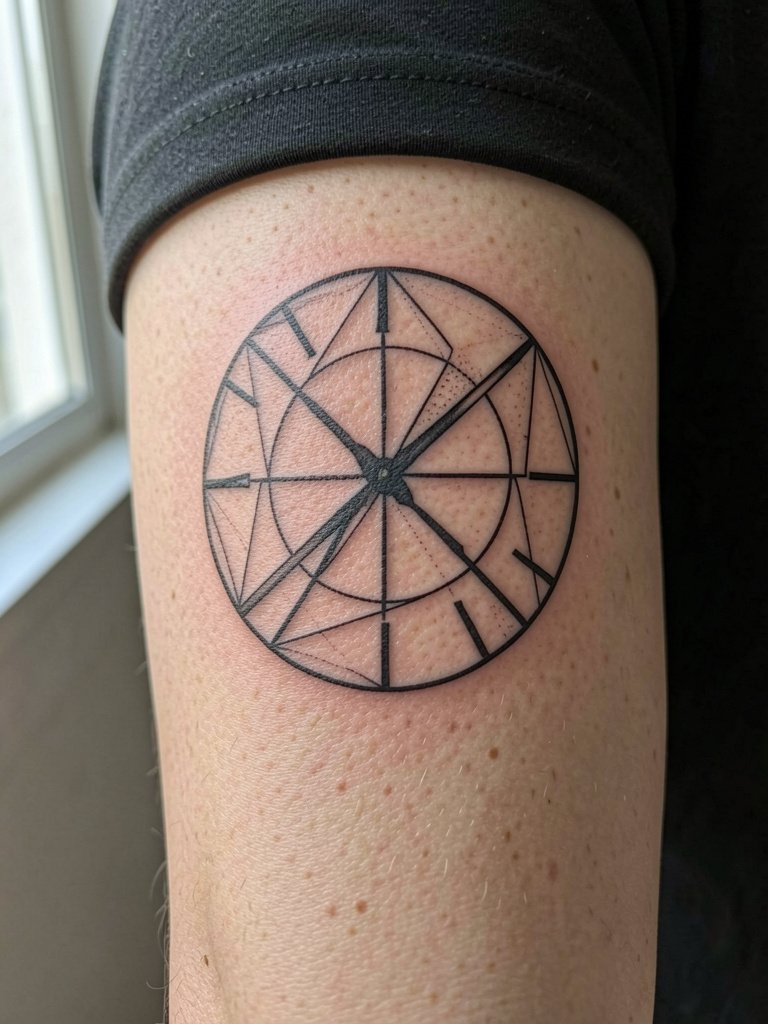
Abstract clocks read like modern jewelry and hold up when the composition respects negative space. Tell the artist the minimum negative gap you want between lines so they do not crowd the shapes. A mistake is shrinking the pattern to wrist scale where lines run together. Sessions are typically efficient for linear geometric work. Pair this with bold solid tees to let the graphic layout stand out. solid color men t shirt black
17. Skull, Compass, and Clock Sleeve Start, Outer Forearm Extending to Elbow
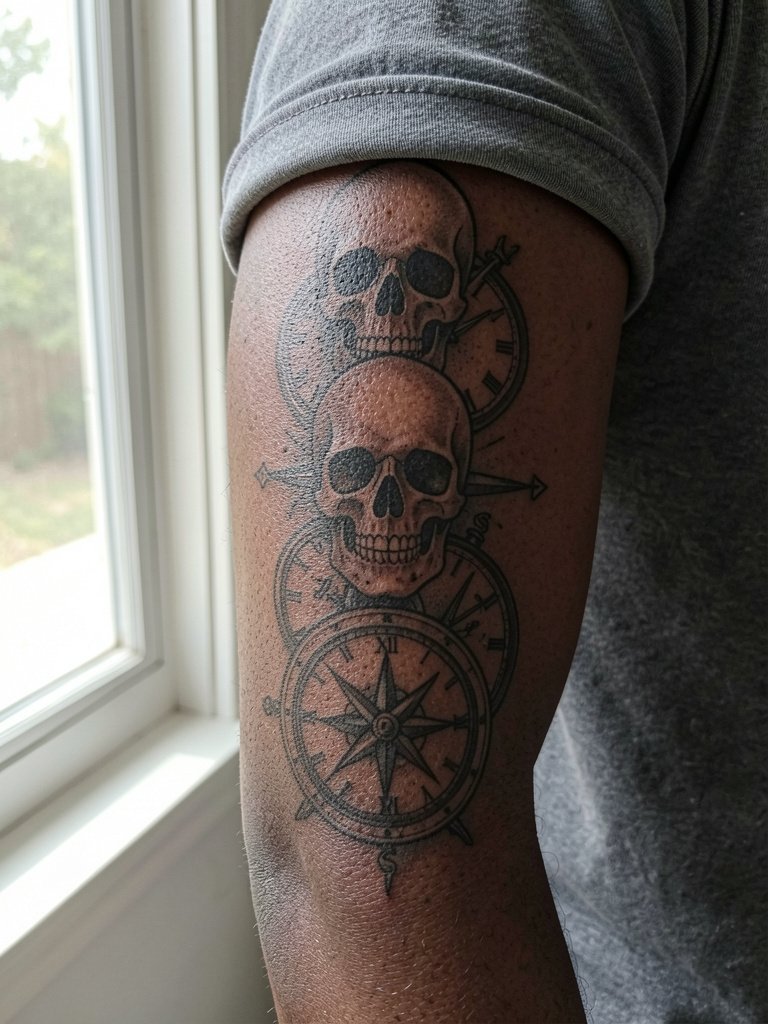
If you plan to expand into a sleeve later, design the forearm piece as a strong standalone composition with open flow toward the elbow. Discuss planned negative zones and future color or shading so the first session does not box you in. A typical error is finishing a dense patch under the elbow that makes later flow awkward. Pain is moderate to high as you approach the inner elbow, so plan breaks. For session comfort wear a loose short-sleeve shirt that the artist can move without dragging across the fresh ink.
Frequently Asked Questions
Q: How much should I budget for a forearm clock tattoo?
A: Budget ranges vary by style. Small minimalist clocks often align with shop minimums, which many people set around two to three hundred. Hyper-realism and full forearm work commonly run several hundred to over a thousand for multiple sessions. Think in broad ranges and plan for a touch-up in year one-to-two if you choose fine detail.
Q: Will a fine-line clock blur on my forearm?
A: Fine line carries higher risk, especially on the forearm where skin stretches. One approach is to slightly increase line weight and spacing so numerals read at three years. Another approach is to place the most delicate lines away from high-friction zones like the wrist. Neither option guarantees perfection, but both reduce the chance of a grey smudge.
Q: What should I wear to my session for an inner forearm or outer forearm piece?
A: Wear clothing that gives the artist full access without tugging on fresh ink. For inner forearm pieces a short sleeve or loose button-down works well so the artist can roll the cuff. For outer forearm pieces a loose short-sleeve tee is easiest. Comfortable layers help if you plan a long session.
Q: Where can I find healed portfolio examples and local artists without naming names?
A: Search hashtags like #clocktattoo, #pocketwatchtattoo, and #forearmclocktattoo on Instagram and TikTok and filter by location. Tattoodo and similar directory sites let you search keywords such as "hyper-realism pocket watch" and often show healed photos. Reddit threads on r/tattoos and r/TattooDesigns surface peer recommendations and healed examples across skin tones.
Q: How often do forearm clock tattoos need touch-ups?
A: It depends on line weight and placement. Fine-line pieces often benefit from a touch-up around year one to two. Bolder neo-trad or black and grey realism can go longer before touch-ups. If you want the numerals to stay readable, plan on checking in with your artist at the one-year mark.