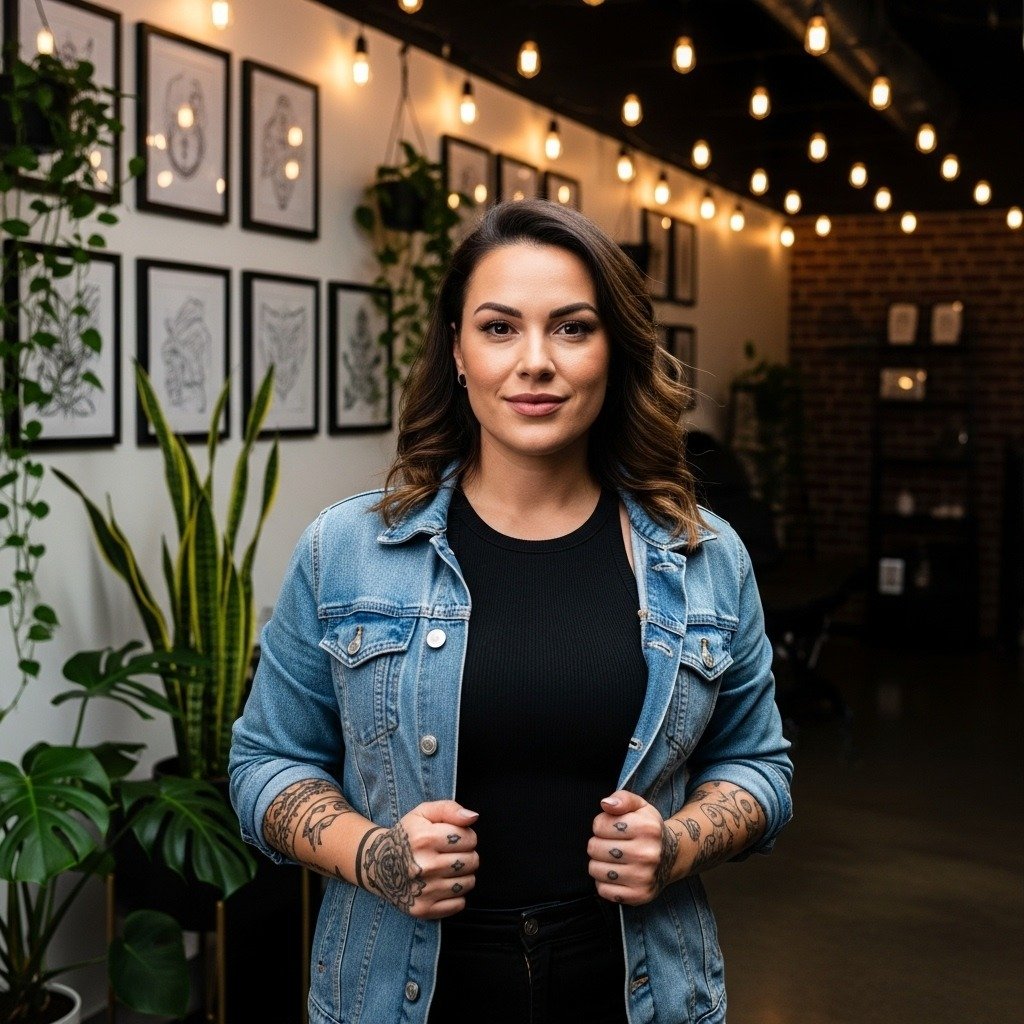
A lot of Pinterest dragons and single-character scripts look gorgeous in photos but fall apart in real life when the line weight, placement, or cultural detail is wrong. Expect practical trade-offs here: which pieces keep crisp lines for years, which need touch-ups, and where a brush-painting approach really earns its keep. Read on for designs you can actually show your artist with clear notes and wardrobe tips for the appointment.
1. Chinese Brush Painting Dragon, Outer Upper Arm
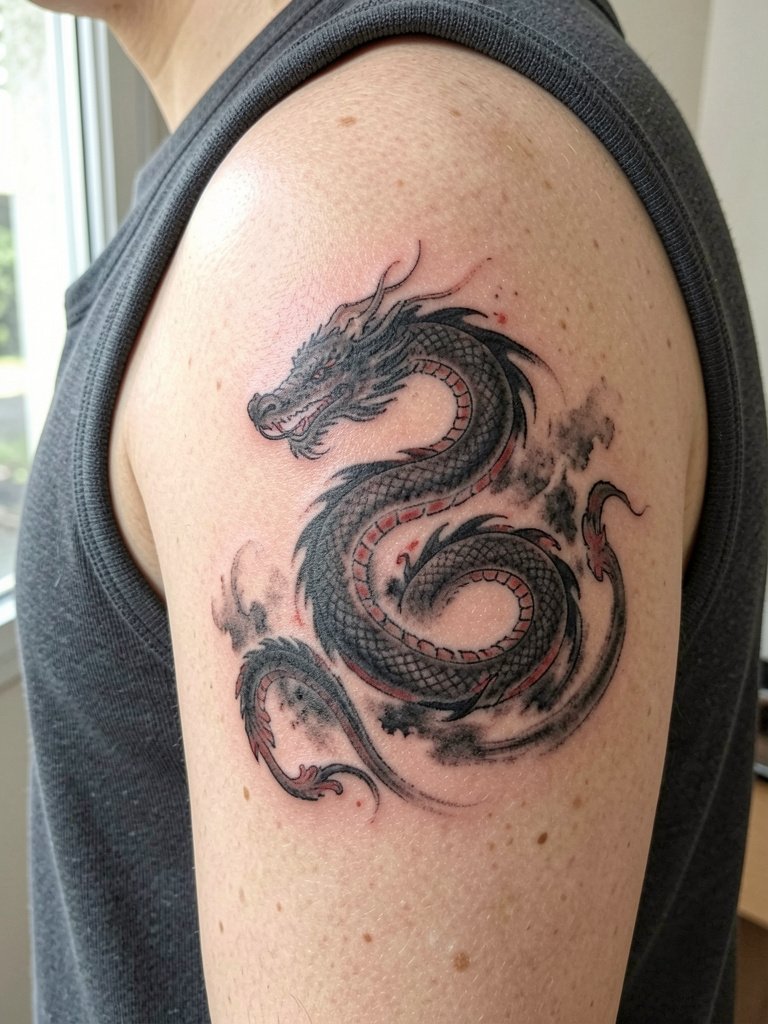
A Chinese brush dragon reads like a painting when the artist uses ink-wash gradients and soft strokes rather than heavy outlines. One camp insists the dragon stays true to tradition by keeping the body long, graceful, and almost calligraphic. Another camp prefers the high-impact, muscular look borrowed from Japanese irezumi with spikes, scales, and darker saturation for visual punch. Specify the first approach if you want fluid motion and longevity in ink-wash, and specify the second if you want maximum visual density from across a room. For consultation bring two brush-painting references and a quick sketch that shows the dragon's vertical flow. Expect one to three sessions depending on size. For the session wear a loose sleeveless linen top so the lateral arm is free.
2. Watercolor Lotus Flower, Inner Forearm
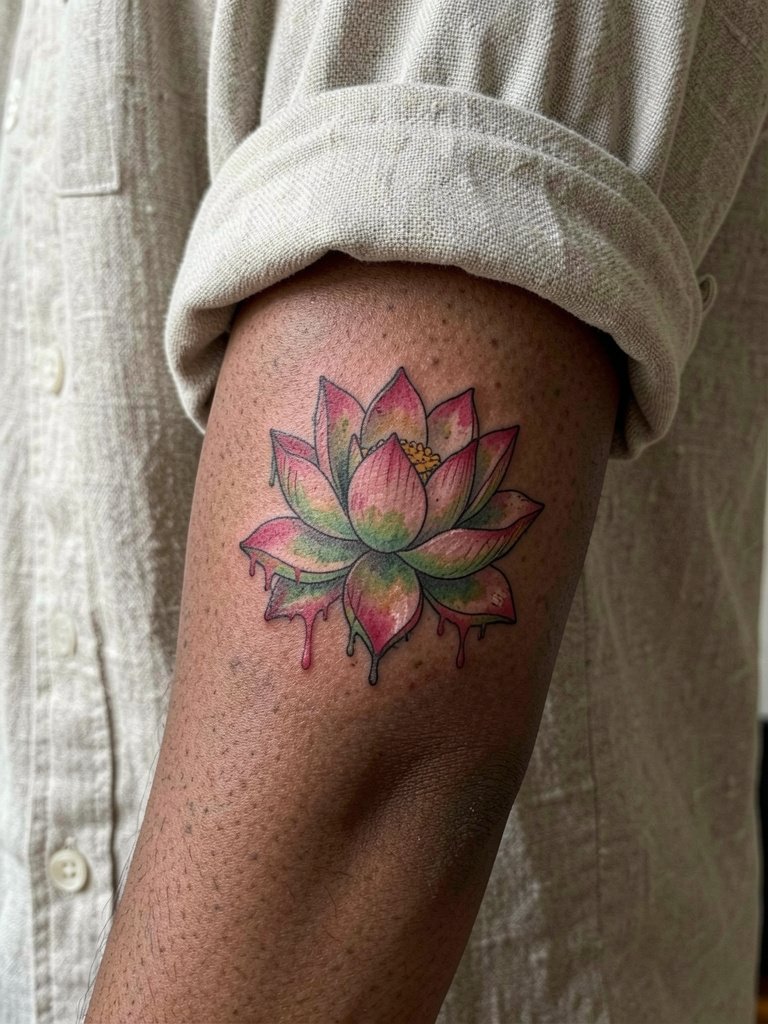
A watercolor lotus is a good fit when you want soft color transitions and a meditative vibe on the forearm. The common mistake is asking for floating splashes without structure, which often blurs into an indistinct patch after a year. Instead ask for defined petal anchors with graded bleeding edges so the form remains readable as the color fades. Expect a single session for a small to medium piece and a likely touch-up at 9–18 months if exposed to sun. Styling tip for showing it off: rolled-up linen shirts in cream or slate pair well, try a linen button-down on session day for easy access.
3. Calligraphy "Strength" (力), Inner Forearm
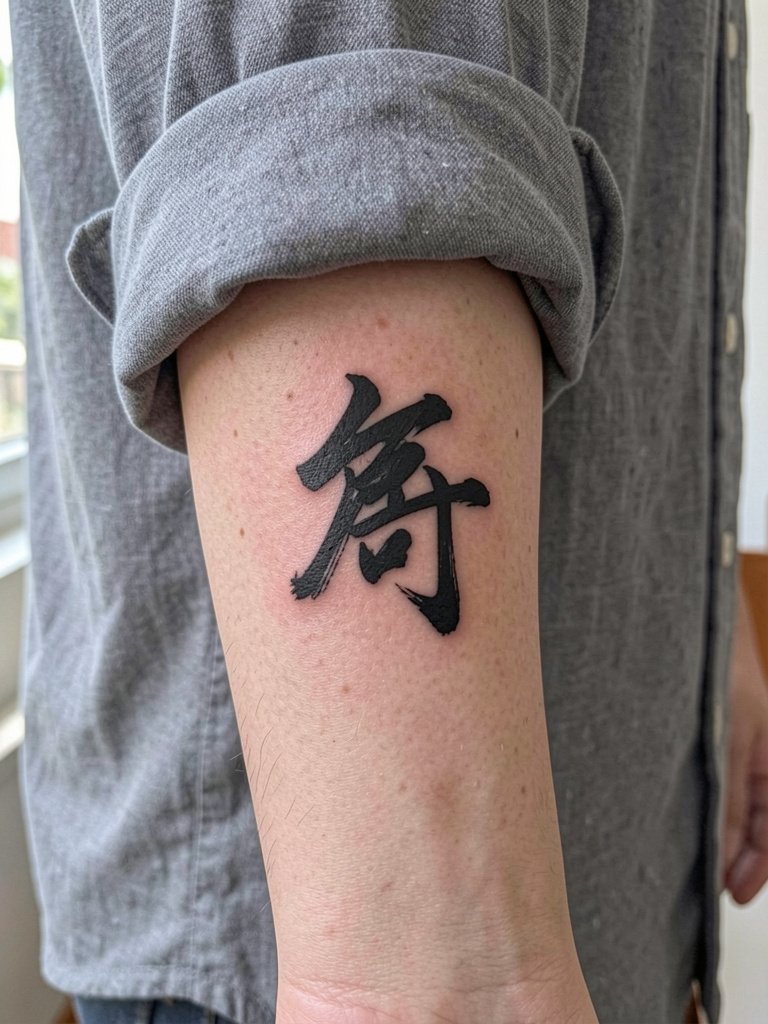
Calligraphy sparks strong debate. One camp favors fine-line single-needle work for its elegance and modern look. The other camp argues that bold traditional strokes are the only reliable option for legibility decades down the road. If longevity matters, pick bold brush strokes and a slightly larger scale so the character resists blowout. Specific consultation items: bring the exact character in a reference photo, show the size in inches, and ask the artist to demo a temporary thicker stroke on tracing paper to preview scale. Expect single session work and a touch-up window of one to two years depending on aftercare. Pair with a dainty gold bracelet on the opposite wrist for contrast.
4. Koi Fish with Water Waves, Inner Forearm
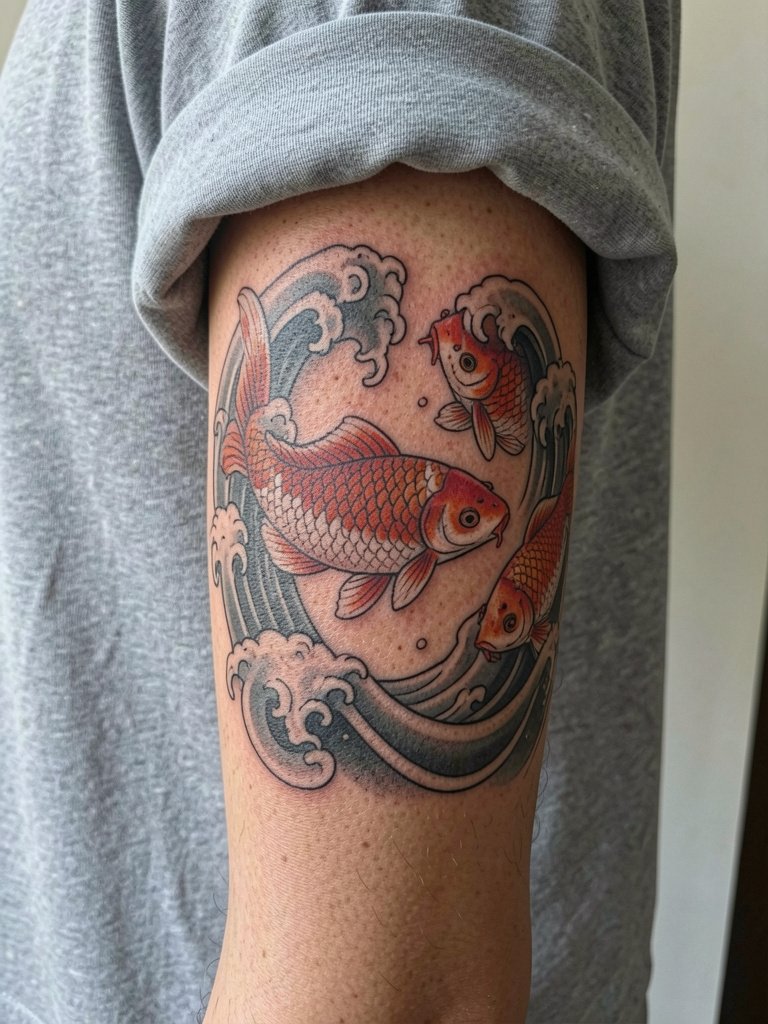
Koi tell a clear story when the composition shows motion through water. A common aging issue is desaturated orange and red that go gray if the piece sits in sun. Request an artist who layers color saturation and plans a scheduled touch-up at the one-year mark for the red/orange areas. Discuss how scale size interacts with forearm movement, and ask for heavier outlines on the fins to keep definition. Expect two sessions for a medium piece. For session comfort and easy access wear a rolled cuff linen shirt so the artist can work from wrist to elbow without tugging.
5. Phoenix (Feng Huang) Crest, Nape or Lumbar
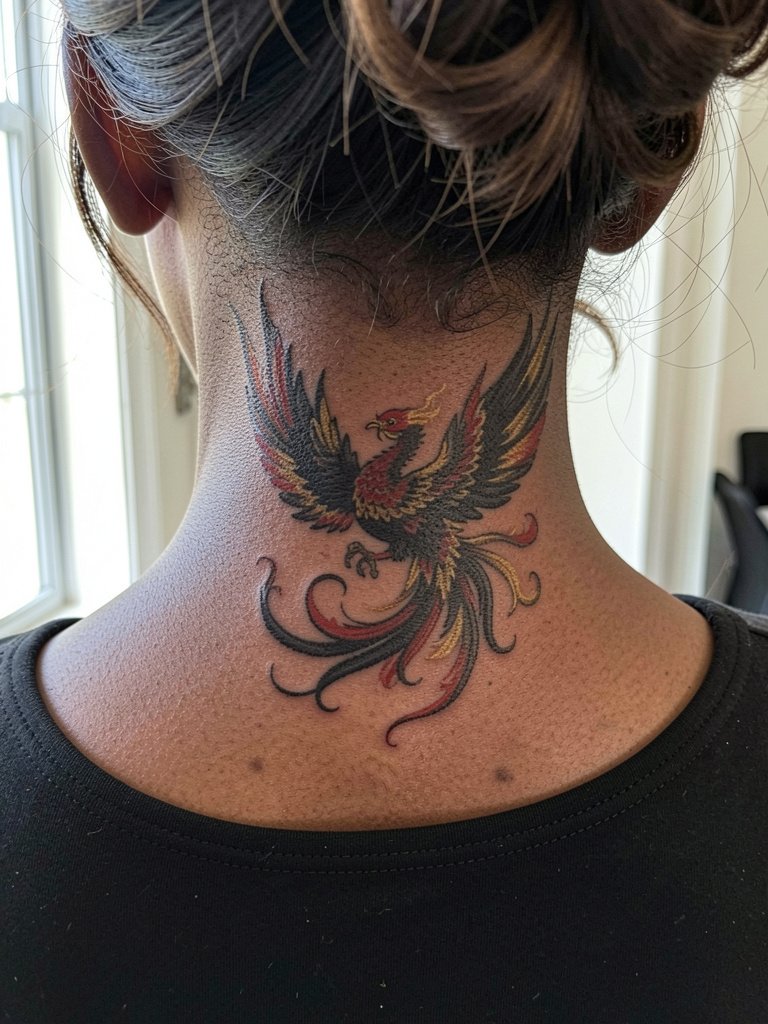
A small phoenix crest on the nape reads like a badge of rebirth. For a full rising phoenix across the lower back plan for two sessions and expect higher pain on the sternum-adjacent lumbar. A common mistake is cramming too much tail detail into a small crest which softens within a couple of years. During consult, pin down the level of gold accent and ask about how metallic ink will age, as metallics often require touch-ups. Note that nape work benefits from an artist comfortable with nearby hairlines. For nights out pair the nape crest with a high-neck top or an open-back dress to show or hide easily.
6. Tiger Guardian, Shoulder Cap
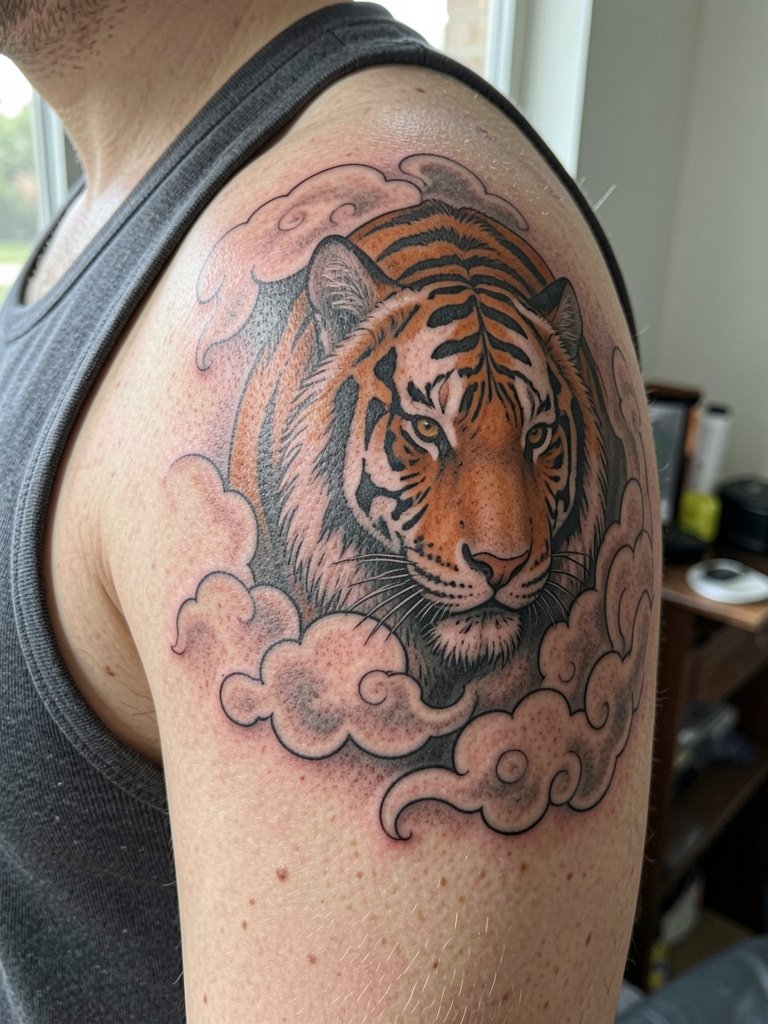
A shoulder cap tiger reads well as a guardian motif because the curve of the shoulder complements the chest-and-shoulder flow. The mistake is pushing the design onto the arm without respecting shoulder topology, which causes the face to distort as the arm moves. Specify how the eyes align when the arm hangs naturally and request mockups at three angles. Expect two sessions for detailed fur and eye saturation. For the tattoo day wear a loose tank top that provides full shoulder access and does not rub the fresh ink afterward.
Before You Book
The first six ideas include placements that range from exposed forearms to intimate sternum pieces, so pick a small kit that eases both session comfort and the first healing window.
-
Bepanthen Tattoo. A gentler European ointment many people use after delicate ink-wash pieces, it breathes better than thick petroleum gels during the early healing days.
-
Ink Customer Balm. Chamomile-infused balm that reduces redness on larger brush-painting work and helps soothe the first 48 hours for big sessions.
-
Japanese Still Water Spray. A light mist preferred by some artists for the first three days to avoid rubbing while keeping the tattoo clean.
-
Gold Ink Sealer. Useful if you plan metallic accents, it helps slow early oxidation for gold tones between touch-ups.
-
Hustle Butter Deluxe. A mainstream option many clients find helps with color retention on full-color Koi and lotus pieces when used in the recommended healing window.
7. "The Way" (Dào) Character, Behind the Ear
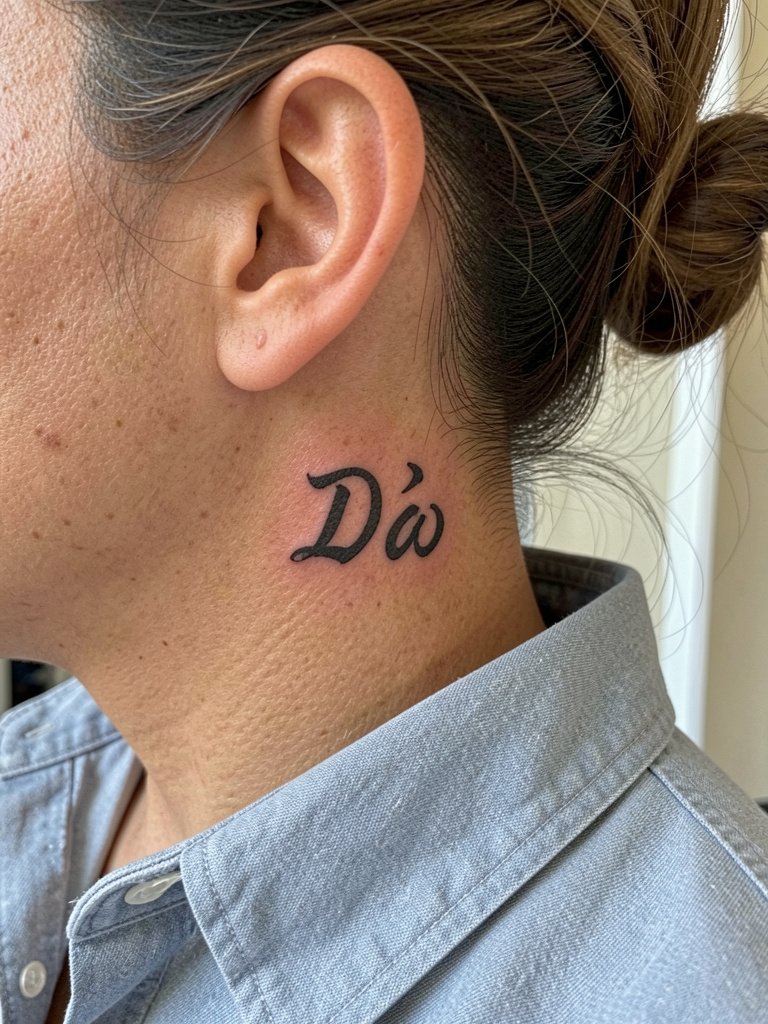
A single character tucked behind the ear can be a private philosophical marker. The mastoid area receives a lot of movement from hair and collars so ask for slightly heavier stroke weight than a display chest script. A common misstep is requesting ultra-fine single-needle calligraphy there, which often loses definition in a year. For sizing, request mock stencils on the skin while seated to check how hair will frame it. Session wear advice: pull hair back or arrive with a ponytail so the artist has clear access. For a subtle reveal style try framing with a short bob or hair clip look.
8. Peony Bloom, Sternum
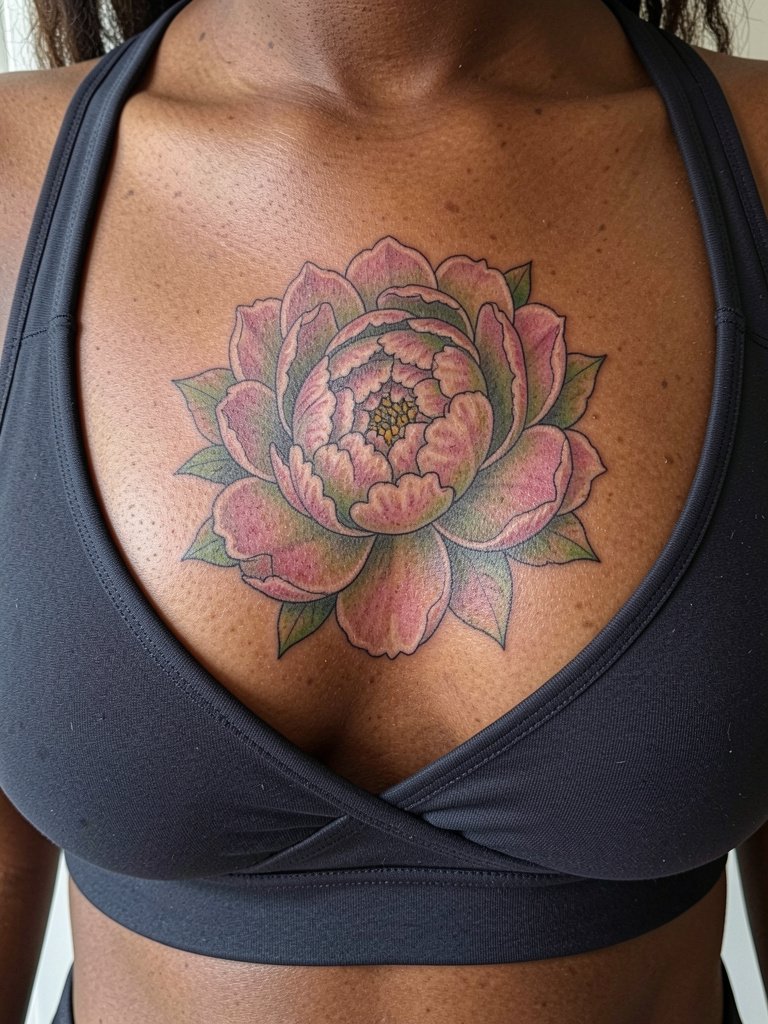
Sternum pieces are intimate and age differently from forearm work because of chest movement and weight change. The usual mistake is pushing too many tiny petal details into a compact area. Instead plan for broader petal shapes with subtle gradients that retain form as skin stretches. Expect one session for modest sizes and two for complex, symmetrical blooms. Mention healing-wise that underbust friction from clothing changes can irritate fresh ink, so plan wardrobe accordingly. For revealing looks pair the peony with strapless tops for evenings out and bring a loose robe to the studio.
9. Yin Yang Balance Circle, Inner Wrist
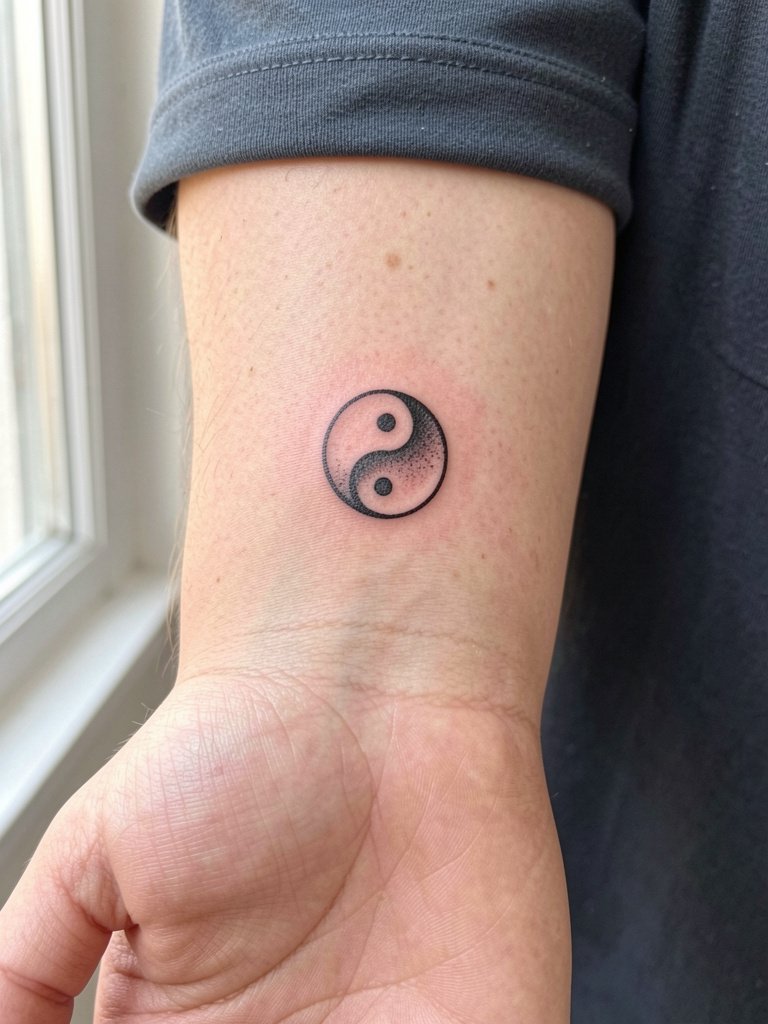
A wrist Yin Yang works as a minimalist symbol, but the wrist eats tiny details over time. Ask for slightly more spacing between the black and white halves than you think you need so the division remains crisp after healing. Wrist work often needs a quick touch-up at nine to twelve months if you wear a lot of jewelry. Keep the wrist bare on session day and for the first week to avoid rubbing. For styling, avoid chunky bracelets that crowd the design and instead wear a minimalist watch on the opposite wrist to balance attention.
10. Snake Coiled, Side Torso Ribcage
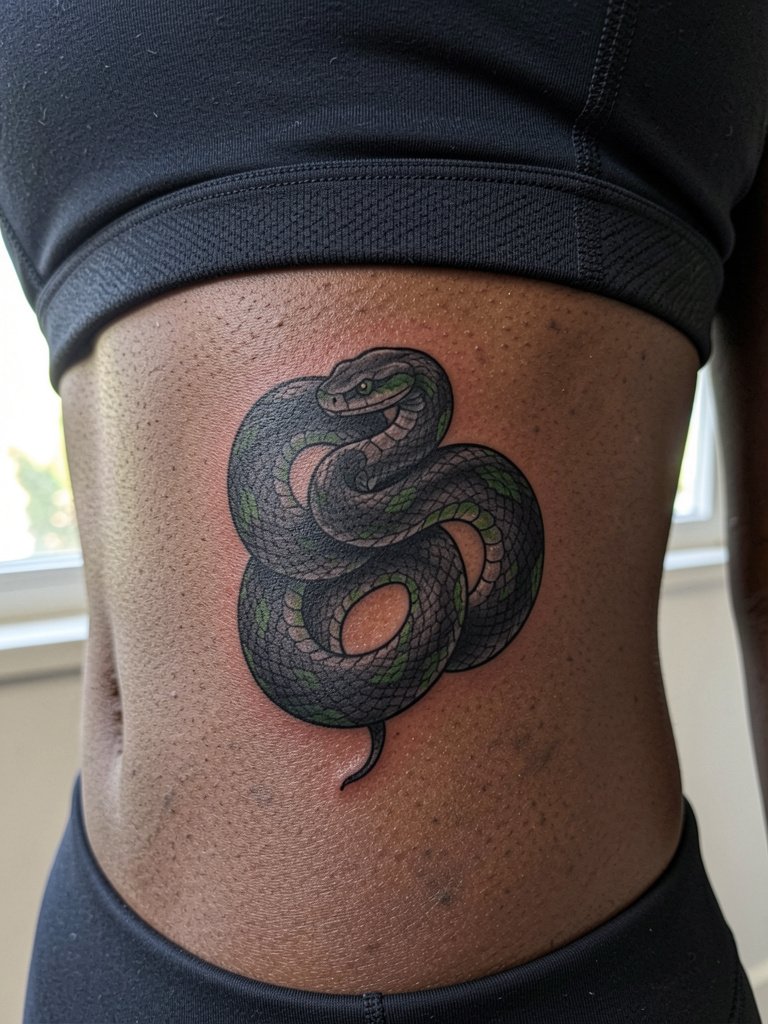
Ribcage pieces suffer from contour and stretch. A common error is requesting extremely fine detail that the skin cannot hold in that area. If you want a coiled snake to remain legible, ask for a slightly bolder outline and plan a touch-up at the one-year mark. Pain is higher here than the forearm, and breathing control helps during long passes. For the consultation bring photos of the torso in neutral posture and in a slight bend so the artist can map movement. For session comfort choose loose flowy tops that can be lifted without tugging the rib area.
11. Laughing Buddha, Sternum or Thigh
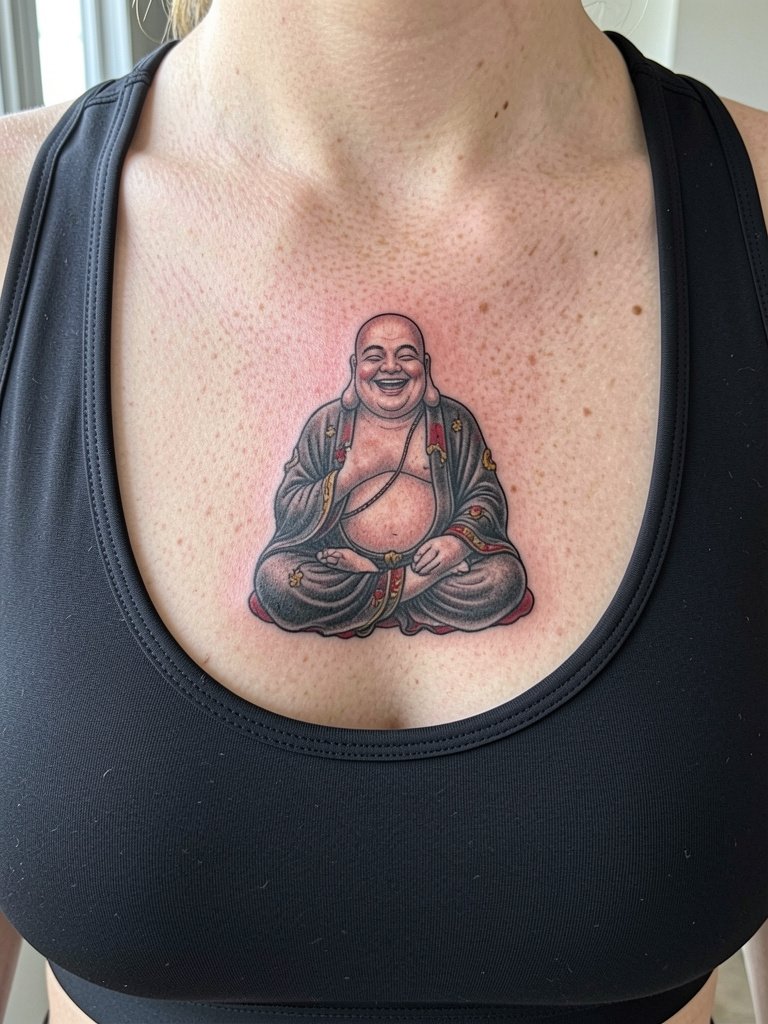
Religious and cultural icons like the Laughing Buddha require sensitivity. A respectful approach is to learn the symbol's cultural origin and choose a rendition that honors the figure's traditional attributes. The mistake is treating religious iconography as mere decoration without considering context. For sizing, decide whether you want a hidden, personal piece on the sternum or a more visible thigh placement for larger detail. If placed on the sternum, expect higher pain and schedule shorter session blocks. For showing it off try strapless or low-cut tops, and bring a layered chain necklace that frames but does not cover the art.
12. Chinese Brush Mountain and Bird Landscape, Lumbar Lower Back
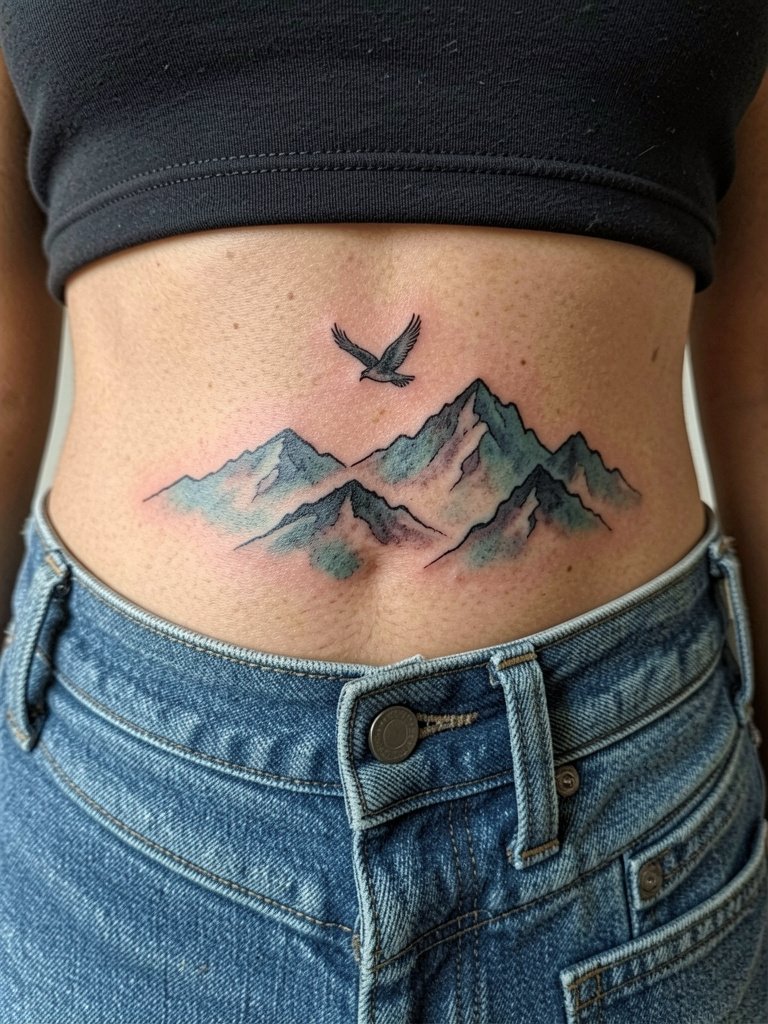
Landscape scroll tattoos read beautifully on the lower back when the composition is horizontal. The main aging risk is pigment pooling along the spine crease if too much detail is squeezed in. Ask the artist to plan negative space and to map the horizon with the waistband in both standing and seated positions. Expect one to two sessions and discuss touch-up timing for the subtle blue-green washes. For session wear choose low-rise pants that sit naturally below the tattoo line and bring a wide-leg linen trouser for comfort after the session.
13. "Love" (Ài) Character, Collarbone
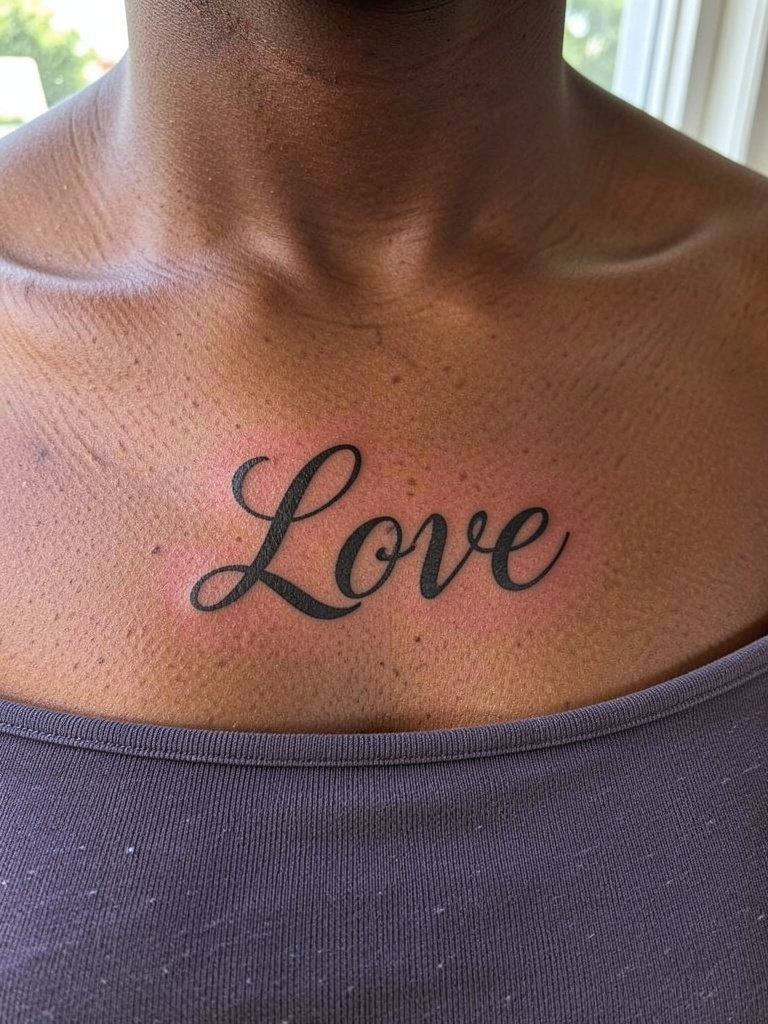
Collarbone scripts must read against the natural dip of the clavicle. A frequent issue is picking a scale too small for the natural shadow there. Have the artist place a temporary stencil and photograph it under the same clothes you plan to wear so you can test visibility. Bold brush strokes age better in this spot than ultra-fine lines. Sternum or collarbone pieces can be sensitive, so plan for short breaks during the session. For styling, choose off-the-shoulder tops that highlight the collarbone without pressing on fresh ink.
14. Zodiac Animal with Element Pairing, Inner Wrist or Upper Arm
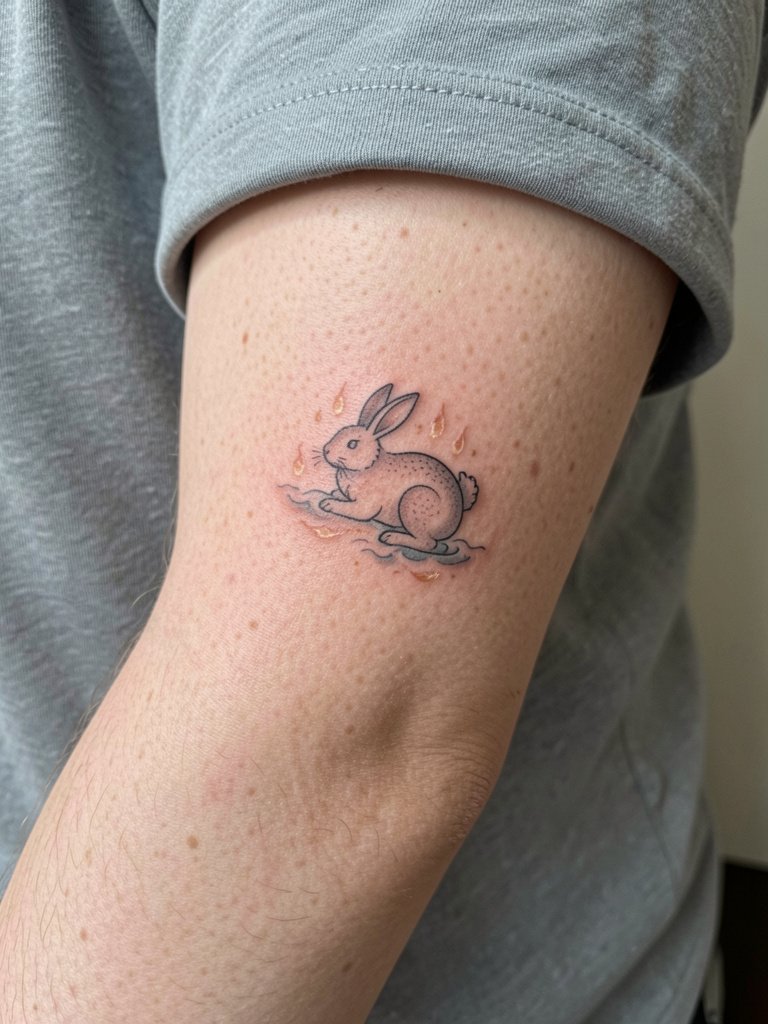
Personalized zodiac animals gain depth when paired with their elemental attributes, for example a Water Rabbit or a Fire Dragon. Many guides list the animal but skip elements, which limits symbolic nuance. Ask the artist to include a small, readable visual cue for the element and to test scale on the wrist and the inner upper arm to compare visibility. Small wrist animals need slightly bolder internal details to stay legible beyond two years. For session day, leave the wrist free and style with a thin chain bracelet set on the opposite wrist.
15. Ink Splash Mandala, Sternum or Inner Thigh
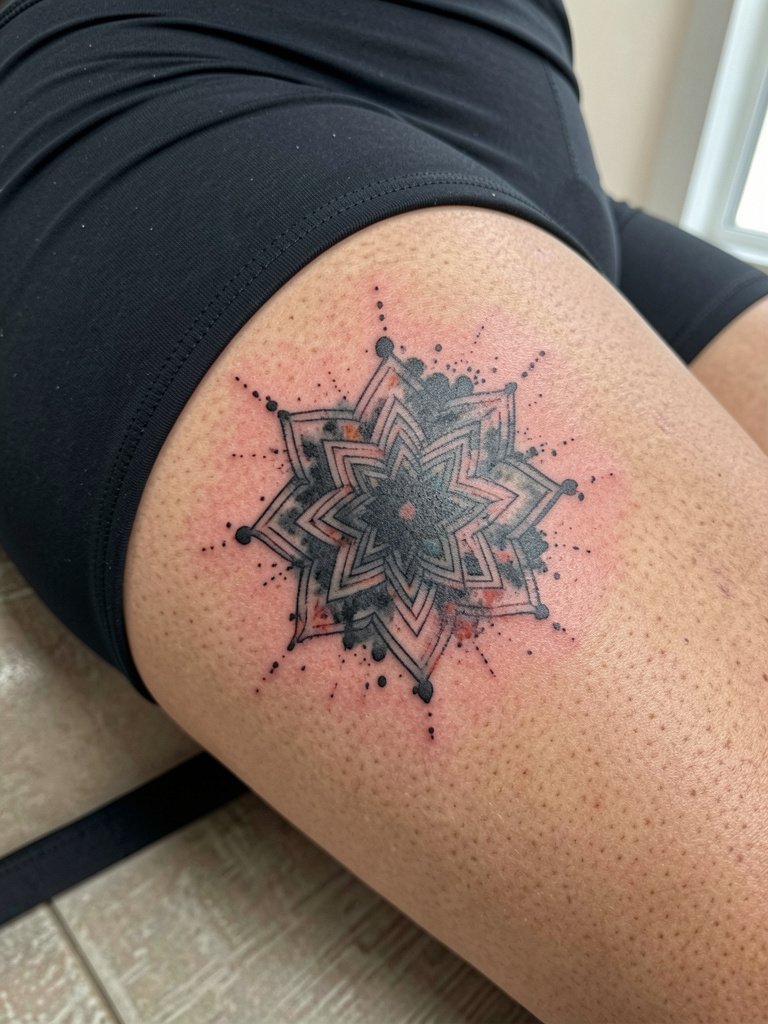
A mandala with ink splashes benefits from anchoring geometry so the wash areas do not become amorphous as they fade. The inner thigh is high-stretch which can soften radial lines, so ask for slightly wider spacing between spokes. If you want the sternum placement be mindful of compression from bras during healing. Session wear for thigh placements should be loose drawstring shorts that can be pulled up without rubbing the skin. For show-off pairing try a maxi skirt with a slit that reveals the piece subtly when you move.
16. Seal-Style Name Stamp, Inner Wrist or Upper Arm
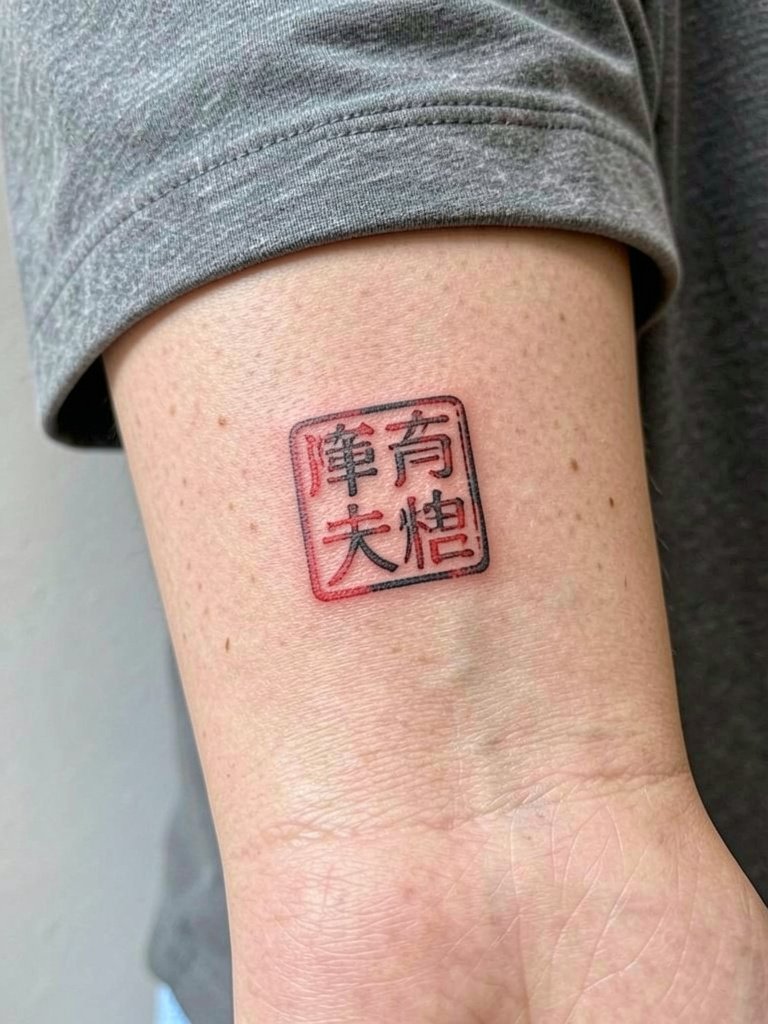
Seal stamps in red are visually striking but require crisp negative space to read well over time. A typical mistake is skimping on the stamp border thickness and then seeing the interior characters blur into the outline. For accuracy, bring the exact characters in seal script and ask the artist for a mirrored stencil to ensure the carving effect reads correctly when healed. Red pigment can fade faster on sun-exposed wrists so budget a touch-up at 12–18 months. For a studio-friendly outfit, wear short sleeves and avoid watches on the tattooed wrist.
17. Peony and Bamboo Pairing, Medial Inner Thigh
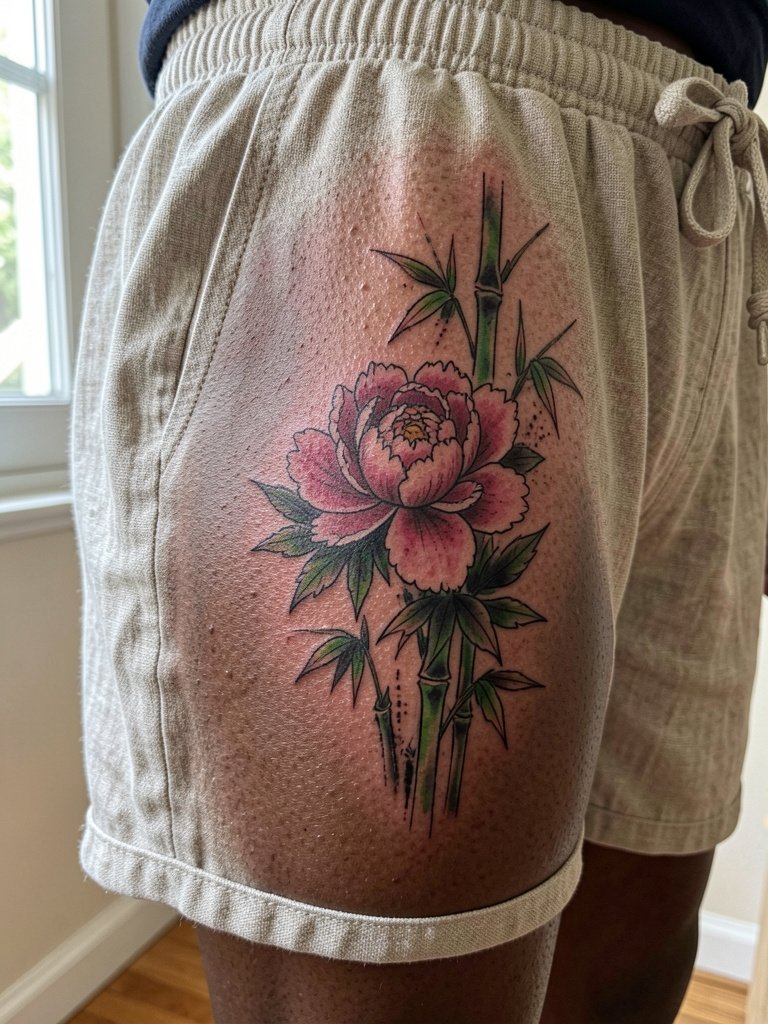
Combining peony and bamboo pairs prosperity with resilience in a single composition. Inner thigh placement will stretch and compress with weight changes so avoid dense stipple shading in small areas. Discuss scaling with the artist and ask for mockups at two sizes so you can choose one that reads at five years. Session wear should be loose drawstring linen shorts the artist can move aside without pressure. For summer styling consider high-waisted shorts and a delicate anklet on the opposite leg for balance.
18. Small Family Name in Seal Script, Inner Forearm
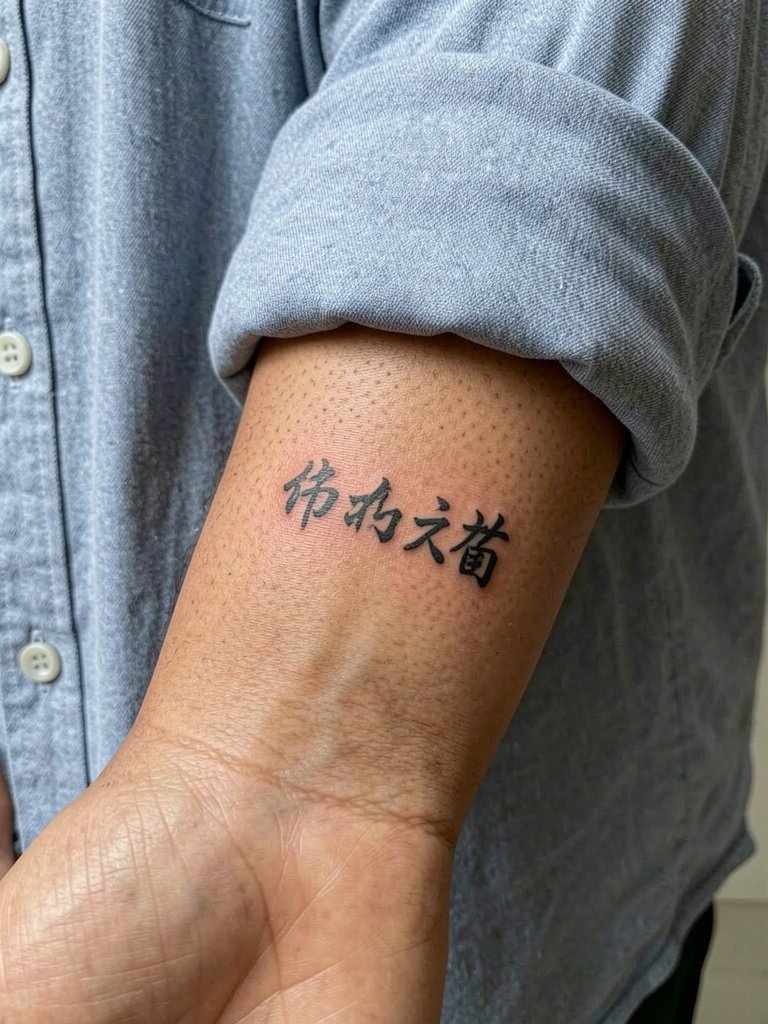
A seal-script family name reads best when carved-like negative space is preserved. The biggest mistake is assuming transliteration is straightforward, which can lead to incorrect characters. Verify the exact script with a native reader and supply the correct character image to the artist. Inner forearm placement has low pain and good longevity for bold script. For session wear bring a loose shirt that rolls easily and styling-wise choose neutral rolled sleeves to display the work with a dainty bracelet on the opposite wrist.
19. Guardian Lion (Foo Dog), Outer Thigh
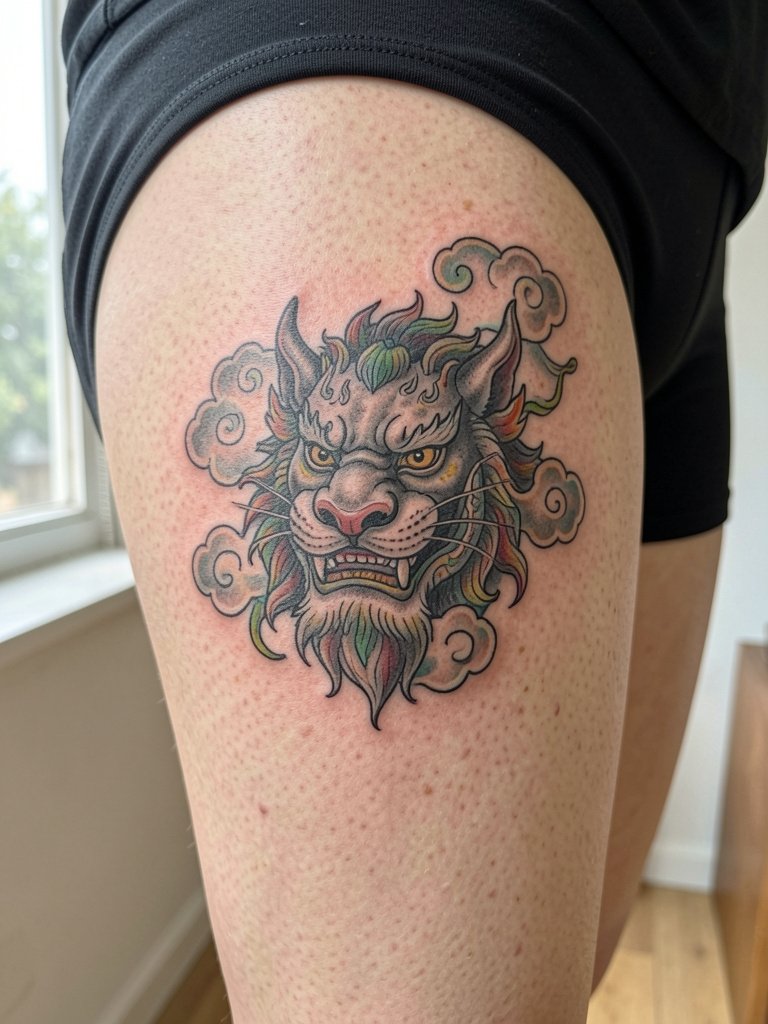
Guardian lions have ornate manes and facial detail that can become muddy at small scales. Ask for a focal plane on the face with slightly larger features to retain contrast as the piece ages. Outer thigh is forgiving for size and holds color well, but plan for touch-ups on color highlights. If you want a traditional look request clouds and negative space to frame the head. On session day wear low-rise shorts that reveal the outer thigh and a top you can step out of easily. Pair the finished piece with high-waisted shorts or a crop top and shorts combo for summer.
20. Plum Blossom Sprig, Ankle
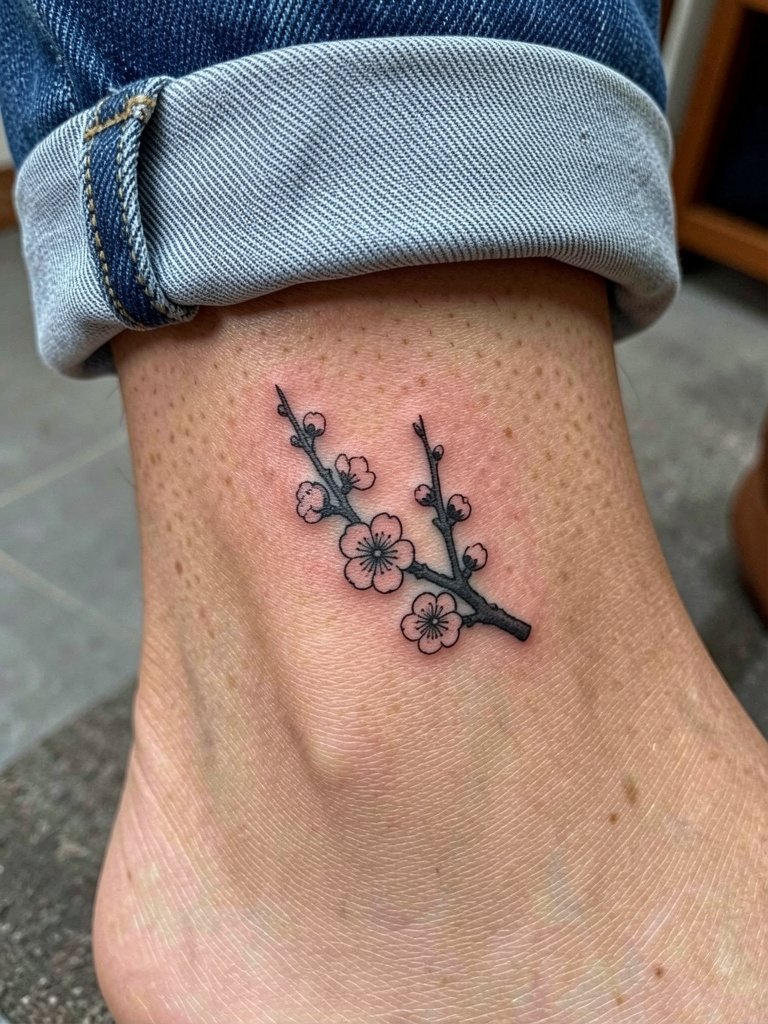
Ankle florals require simple silhouettes because the skin there endures friction from socks and shoes. A common error is adding ultra-fine twigs that blur after months. Choose slightly bolder flower centers and keep branchwork minimal. Plan a small touch-up at the one-year mark if you favor color accents. For session styling roll your jeans or wear a skirt that naturally exposes the ankle. For everyday wear try cuffed jeans or sandals and accent with a minimal ankle bracelet.
21. Lunar Gate Moon and Crane, Upper Back Center
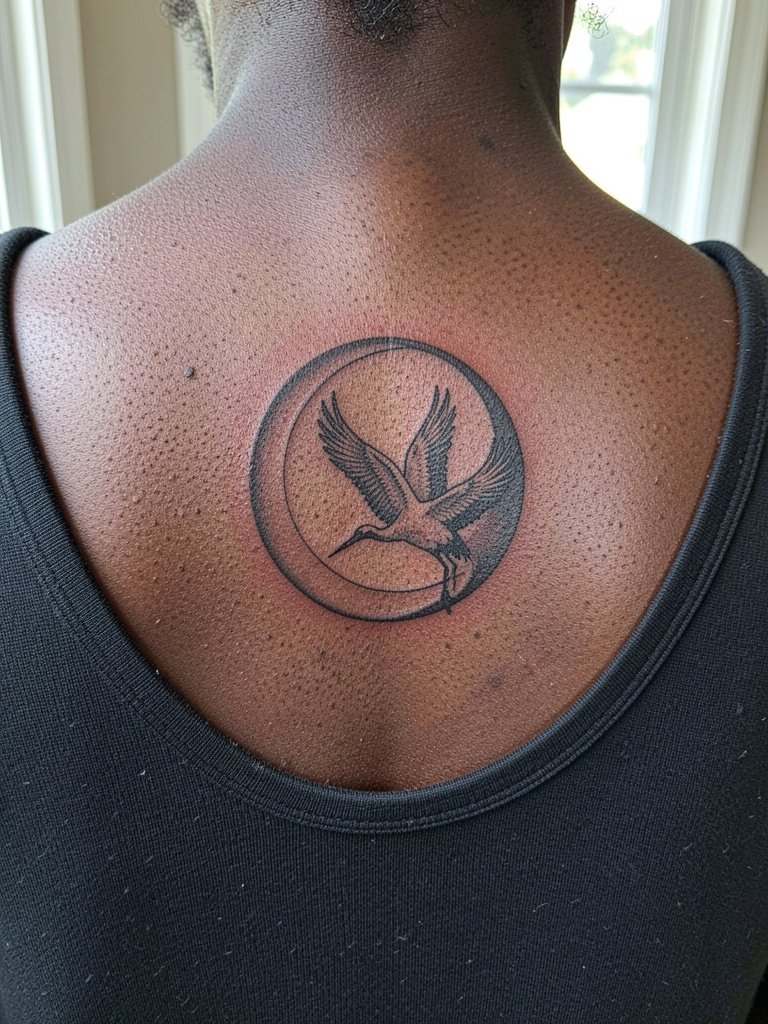
A moon gate and crane composition reads as a quiet emblem on the upper back when the circle is clear and the crane silhouette has strong negative space. Common mistakes include making the circle too thin, which dissolves after a few years. Ask the artist to thicken the outer ring just enough to survive mild blowout and to preview the placement on a stretched and relaxed back. Upper back placement is low pain and photographs well at a short distance. For showing it off pick open-back tops or an open-back dress that frames the piece without covering it.
Frequently Asked Questions
Q: How do I verify a Chinese character so it is not mistranslated or wrong?
A: Bring a screenshot of the exact character in the script you want and have a native reader confirm it before the session. Also ask the artist to show you a stencil on your skin and get a second opinion from someone fluent in the language if you can.
Q: Which placements fade fastest and which hold detail longest?
A: High-friction areas like the ankle and ribcage tend to lose fine detail faster, while upper back and outer thigh keep saturation and linework longer. Fine-line calligraphy often needs touch-ups every 2–3 years where thicker strokes can stay readable for a decade.
Q: I want a Chinese brush dragon but not a Japanese-style dragon. How do I make that clear?
A: Specify "Chinese brush painting style" and show two references: one with the long serpentine body and ink-wash strokes and one showing what you do not want. Artists will adjust anatomy and shading when you give clear negatives and scale guidelines.
Q: Where can I find artists and healed examples without naming specific studios?
A: Search platform hashtags like #chinesetattoo, #brushpaintingtattoo, and #calligraphytattoo and filter by location. Tattoodo lets you search by keywords and view portfolios. Reddit threads often surface healed shots across skin tones, which helps judge long-term results.
Q: Do metallic gold accents need special maintenance?
A: Yes. Gold and metallic inks oxidize faster than black and will likely require touch-ups sooner. Ask your artist about sealer options and plan a 12–18 month check for metallic highlights.