
The tiny single-needle songbirds flooding feeds look incredible fresh, but I keep seeing the same pattern in healed photos: feather detail that was never roomy turns into a gray smudge. If you want a small bird that still reads at year three, plan line weight, scale, and placement together before the needle hits skin. Below starts with a fine-line flight that shows that trade-off in practice.
1. Fine Line Single-Needle Songbird in Flight
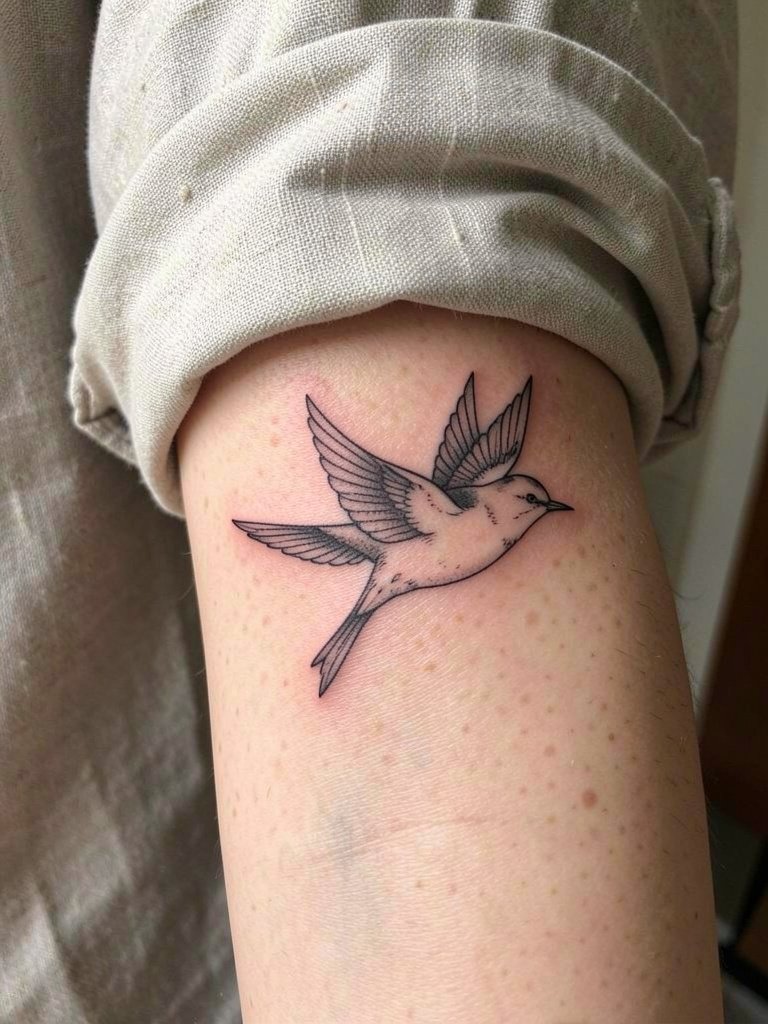
A single-needle bird reads as light and airy when scaled to two inches or more on the inner forearm. I recommend this style for first-timers who want minimal saturation but still need the design to age. Ask for slightly heavier line weight than the reference photo so the feather tips survive the first two years, and bring healed photos that show how similar linework looks at six months and two years. Common mistake is cramming micro-feather detail into a one-inch motif. Expect one session that feels low on pain, and plan a touch-up around six to twelve months if you want the wing tips crisp. For showing it off, pair the forearm with a linen button down shirt women and dainty bracelets on the opposite wrist.
2. Neo-Traditional Owl with Floral Accents, Lateral Hip
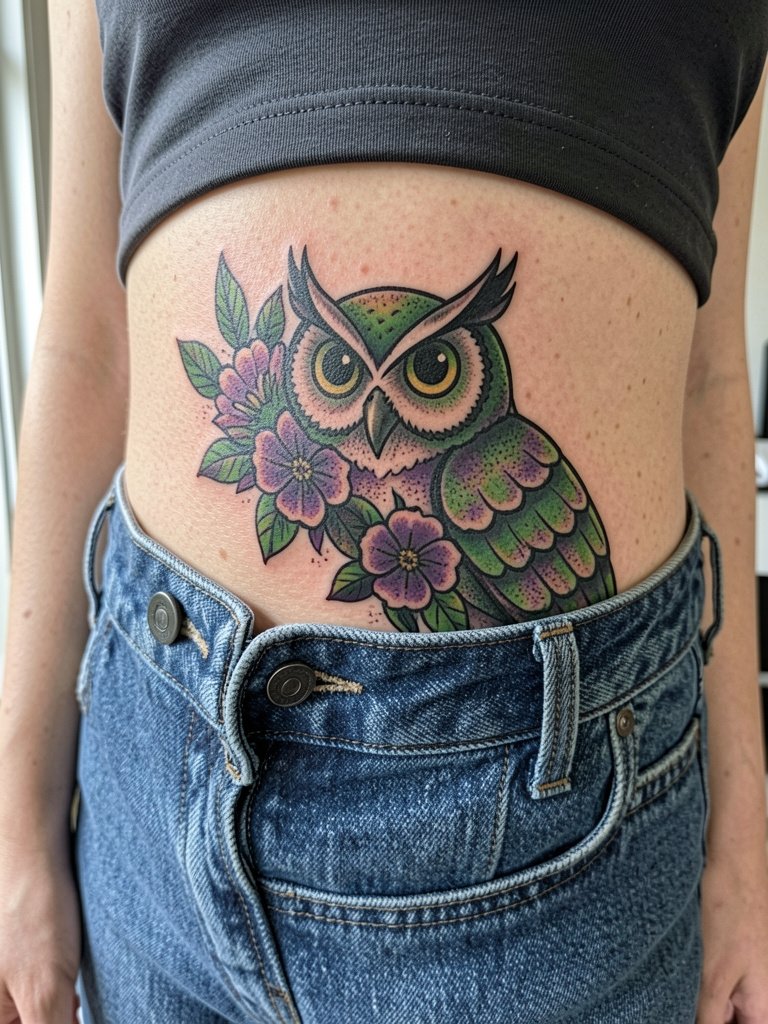
Neo-traditional owls hold color and silhouette well on the hip because the skin moves less than on the ribs. This placement suits collectors who want a three- to five-inch composition with readable florals. Be specific in your consultation about the line thickness you prefer around the owl's eyes so the details do not collapse over time. If you like the look of soft stipple shading, request layered stipple rather than tiny cross-hatching, because stipple ages more predictably on that skin. Session wear matters: go in with high waist cropped top women and loose drawstring pants so the artist can access the side hip without pressure from waistbands. Plan for one to two sessions and a touch-up at the one-year mark for color saturation.
3. Watercolor Hummingbird with Splashed Background, Outer Shoulder
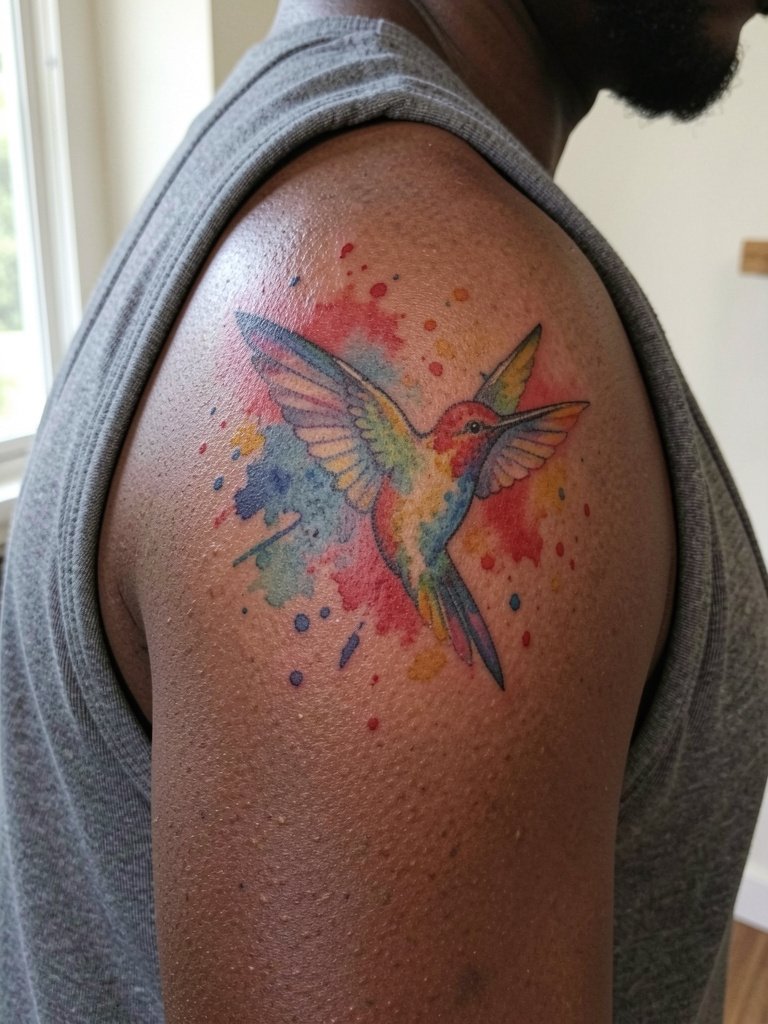
Watercolor hummingbirds can look painterly for the first year but they spark debate on longevity. One camp argues watercolor fades into muddy patches within three years because the lack of black outlines lets color spread and blur. Another camp counters that high-saturation pigments and careful layering produce watercolor pieces that still read at five years, if the artist shows healed examples. If you choose watercolor, ask to see one-year healed photos from the exact pigment set the artist uses and plan a seasonal session away from peak UV months. For session comfort, wear a tank top women solid color so the shoulder is fully exposed and no sleeve rubs the fresh ink.
4. Minimalist Blackwork Dove Outline, Behind the Ear
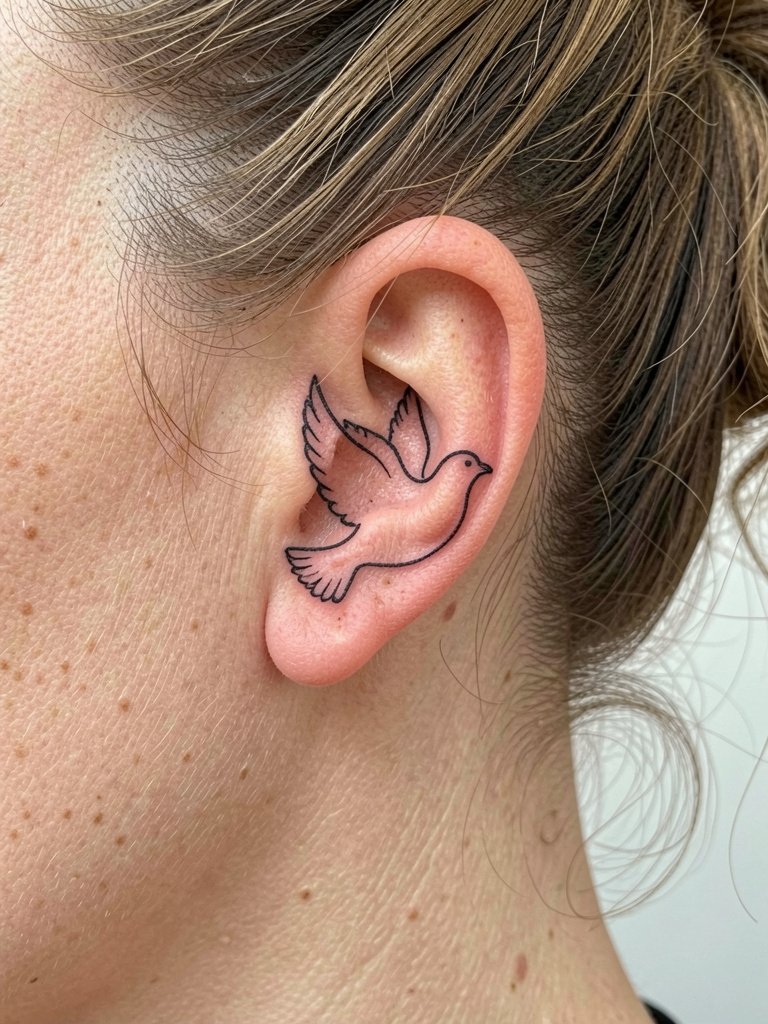
Behind-the-ear blackwork is a good micro option when you want a compact silhouette that still reads after healing. Tell the artist you want one continuous stroke that reads clean at one inch, and avoid tiny inner detailing that often smudges. The biggest mistake is asking for feather detail under one millimeter thick. The area is low on swelling but high on friction if you sleep on it the first week, so keep hair up while healing. For showing it off, style hair in a ponytail and add a small gold ear cuff women to balance the exposed spot. Touch-up needs are usually minimal but expect to revisit color in six to twelve months if you sleep with your head on that side.
5. Ornamental Mandala Crane, Upper Back
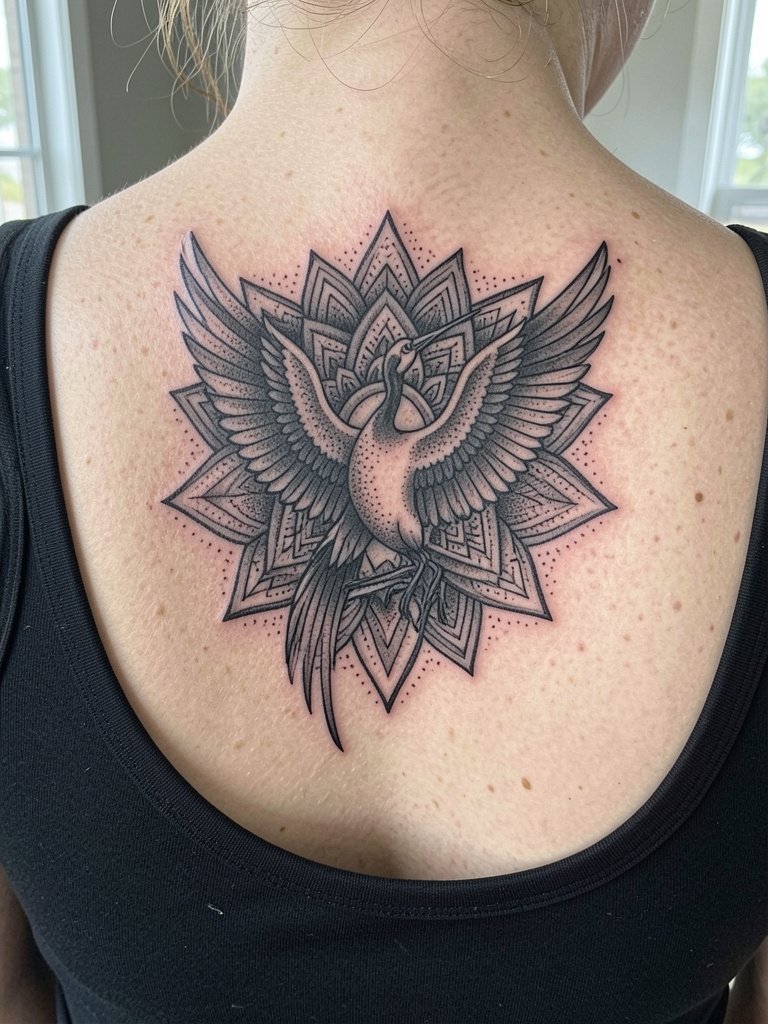
An ornamental crane with mandala geometry needs room to breathe. I advise at least a six-inch canvas for the mandala to keep the dots and spokes from merging. During the consult, ask the artist to scale the geometry up slightly from your reference so the negative space holds at year two. A common error is compressing too many mandala tiers into a small area, which makes the whole piece look muddy after healing. Upper-back work typically takes two sessions and can tolerate denser dot work, but plan for a touch-up at one year to keep outer ring contrast. For the appointment, bring a top that exposes the area easily so the artist can work without shifting fabric.
6. Fine Line Bird Cage with Bird Exiting, Collarbone
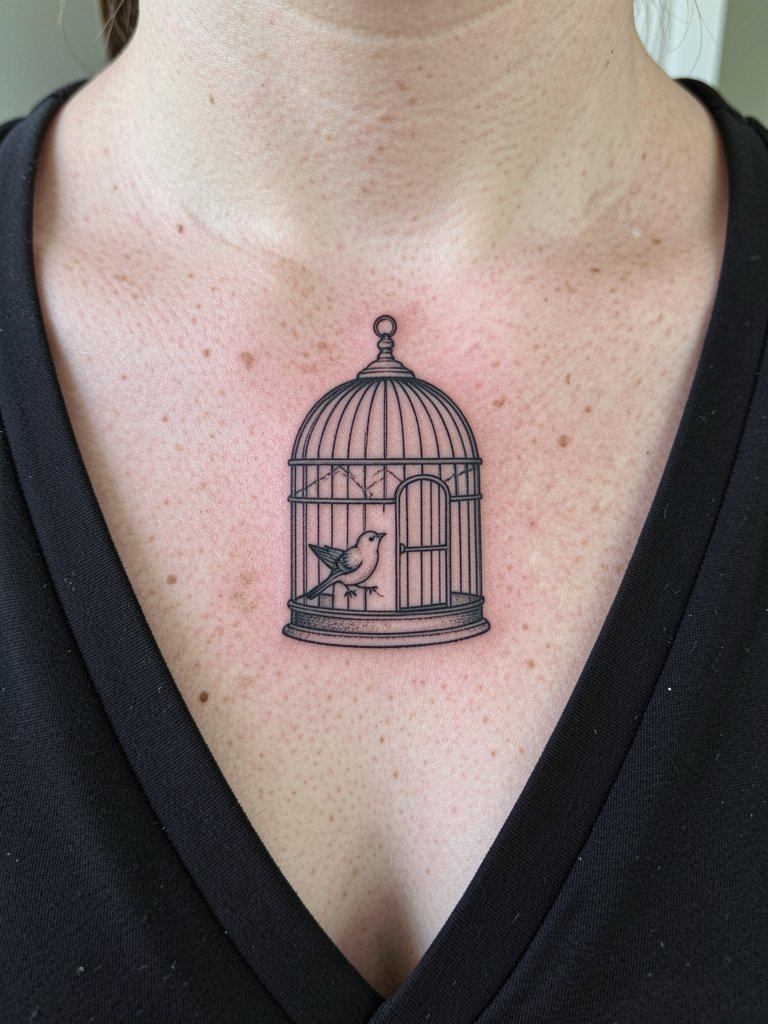
A collarbone birdcage reads best when the cage bars are not hairline thin. When you book, ask for one reference showing the cage at the same physical scale so the artist can translate spacing for the clavicle curve. Collarbone tattoos are visible and age differently if placed over bone. The usual mistake is putting too much filigree in a 2-inch piece. Expect the session to be quick but slightly sharp on the bone, and plan a touch-up in six to nine months if some slender bars soften. For the session, wear a v neck top women or strapless layer so the artist has unobstructed access.
Session Day Picks
These first six ideas cover a range from inner forearm fine line to lateral hip neo-traditional, so a few targeted items make the chair day smoother.
-
Made in Japan tattoo lotion (Kirei-style search). Thinner lotions like this are often recommended for oily skin types and help collarbone and hip pieces avoid clogged pores during healing.
-
Australian style balm (Hush-style search). A lighter balm can be more comfortable on high-motion zones such as the shoulder and collarbone while still providing moisture.
-
UK-brand protective film (tattoo guard film search). A flexible protective film helps keep a fresh upper-back mandala clean during the first few days when shirts rub the area.
-
Green soap replacement (green+soap+tattoo search). A gentle cleanser for the early wash phase is useful across the small fine-line pieces and larger color sessions above.
-
Saniderm tattoo bandage. Many people use a second-skin film on areas prone to scabbing or movement, such as the hip or collarbone, to reduce friction in the first week.
7. Vintage Traditional Phoenix, Front or Outer Upper Thigh
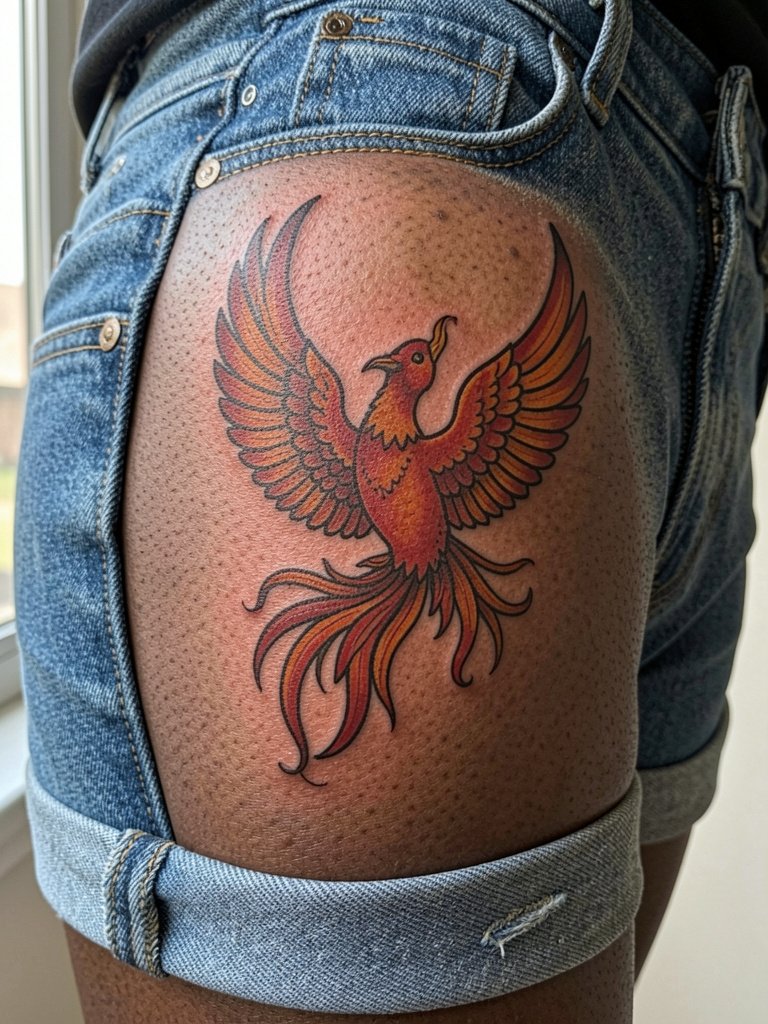
Traditional phoenix pieces read brilliantly on the upper thigh because the area tolerates saturated fills and bold outlines. If you want longevity, insist on bold outlines around the color blocks so the reds and oranges stay contained. The typical mistake is asking for painterly gradients in a small thigh patch; traditional flat fills will hold better. Thigh sessions can be breezy or more sensitive depending on your personal pain tolerance, but they tend to be easier than ribs. Plan for one to two sessions and a touch-up after a year if you want the color to stay vibrant. For showing it off, high-waisted shorts or skirts keep the area visible without waistband pressure.
8. Micro-Realism Bluejay with Feather Detail, Inner Wrist
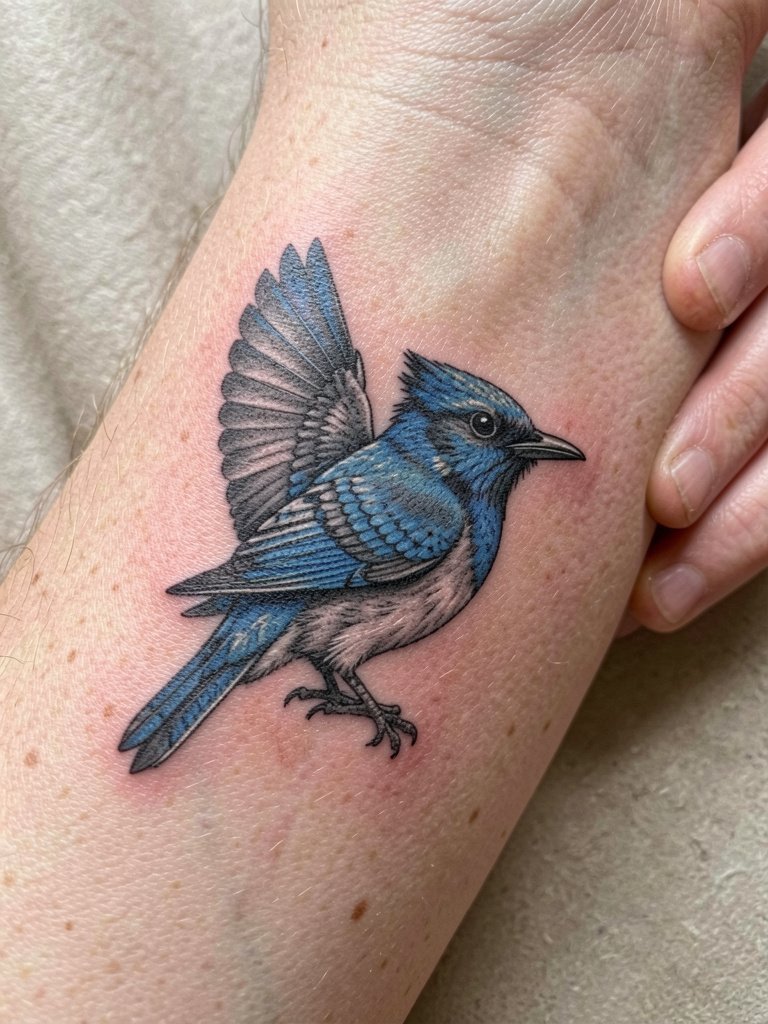
Micro-realism on the inner wrist looks incredible when scaled appropriately, but tiny photoreal detail is vulnerable to blowout and motion. If you want a realistic feather texture, ask the artist for reference photos at the exact wrist scale so they can advise whether to simplify. A common error is ordering full photorealism under two inches on the wrist. The wrist sees a lot of washing and movement, which can soften the smallest hairlike strokes, so expect a retouch at six to twelve months. Session sensation is mild to moderate, and shorter sessions reduce swelling that blurs fine shading. Keep the area out of direct sun during healing for best tone retention.
9. Blackwork Geometric Raven, Side Torso Ribcage
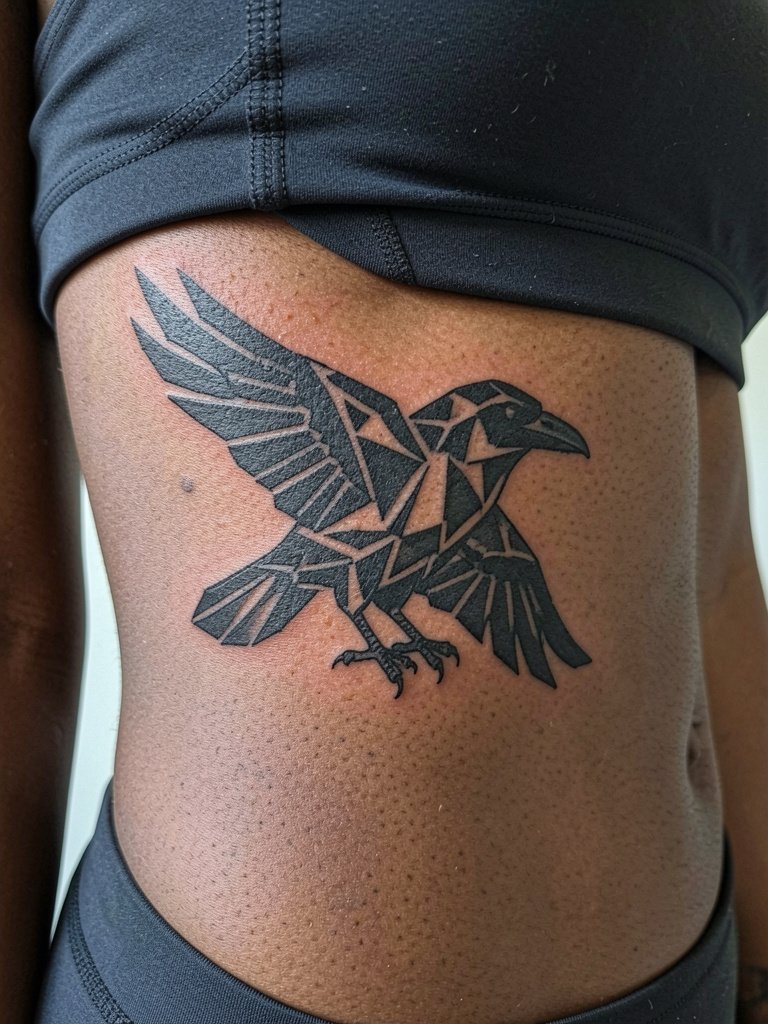
Ribcage work provokes strong opinions about fine lines and aging. One camp says fine line tattoos on ribs blur within two years because the skin stretches and shifts constantly, especially under the breast crease and with frequent movement. The opposing camp says fine line settles fine on ribs if the artist uses correct depth and slightly wider spacing, and they point to multiple healed examples at three years. For a blackwork geometric raven, pick bold angles and solid fills rather than hairline filigree, because geometry needs crisp negative space to stay readable. Rib sessions are higher on the pain scale, so consider a short session plan and request pacing that allows breaks. Expect one to two sessions and an early touch-up for edge crispness.
10. Dainty Golden Finch on Vine, Medial Inner Thigh
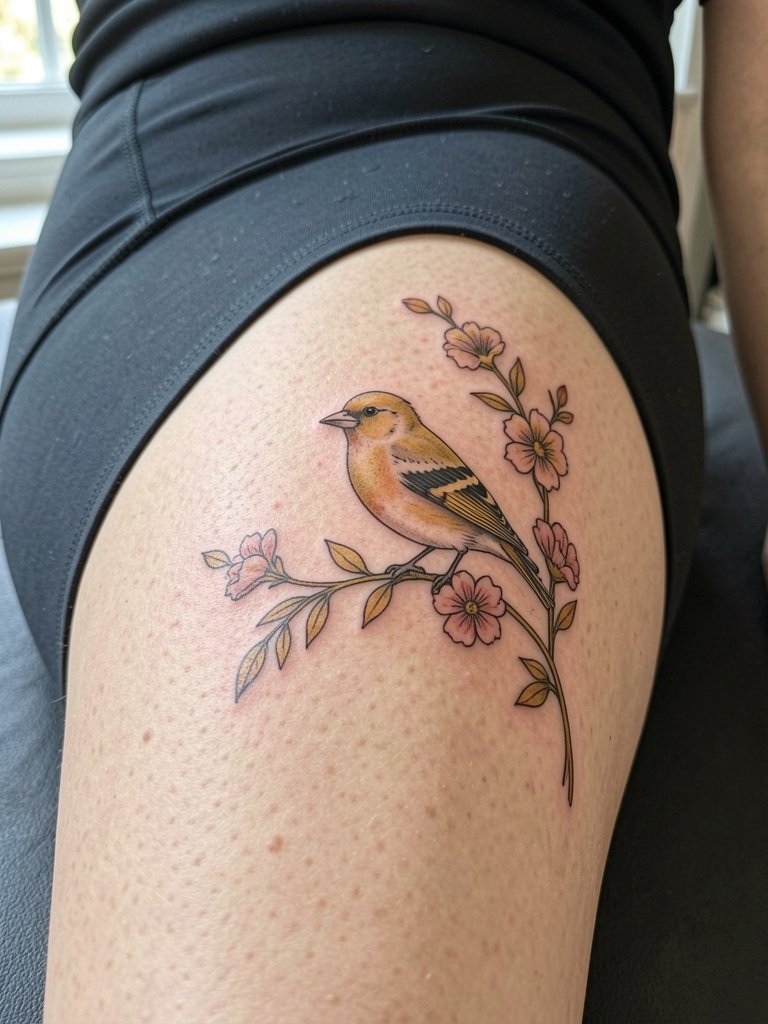
Inner-thigh placements are intimate and generally kinder on pain than people expect, but the skin type matters. For a delicate finch, request slightly more saturation in the gold than the reference because pale metallic tones can wash out on darker skin tones. A common mistake is asking for tiny vine filigree under an inch, which blurs with thigh movement. Session wear should be loose shorts to allow easy access and to keep fabric from rubbing during the first week. This placement heals well if you avoid tight waistbands and schedule a light touch-up at six to twelve months if color softens.
11. Neo-Traditional Rooster with Floral Frame, Inner Upper Arm
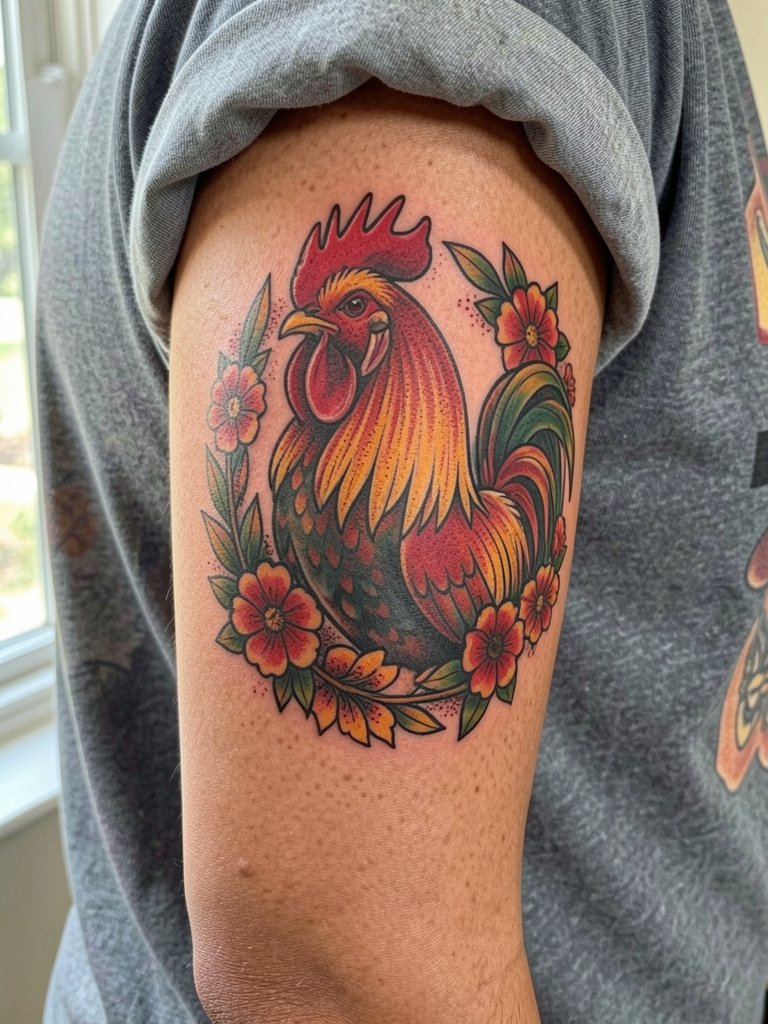
Neo-traditional roosters are great on the inner upper arm because the skin is relatively flat and the area tolerates color saturation. Tell the artist you want bold outlines that frame the floral details so the composition reads from a distance and keeps saturation in place. Watch out for overly detailed comb textures under four inches; those often soften unevenly. Inner-arm sessions are moderate in pain and usually one session for medium work. For wardrobe, short sleeves or tank tops work best, and a short sleeve top women is a practical choice for the appointment.
Frequently Asked Questions
Q: How much does a bird tattoo cost in the US for small to medium pieces?
A: Expect small bird tattoos to range from about $150–$400, medium pieces to fall in the $500–$1,000 band, and larger custom work to start above $1,000. Your city, the artist's experience, and session count change that range. Budget for a 15–25 percent tip on top of the quoted amount.
Q: Are watercolor bird tattoos worth it if I want color to last?
A: Watercolor offers a soft painterly look but tends to require more careful pigment choices and sun protection to keep the edges clean. One camp of artists warns watercolor can fade into muddy patches within a few years without outlines. Another camp maintains that using highly saturated pigments and layering prevents that issue and produces pieces that still read at five years. If you pick watercolor, ask to see one-year healed photos from the exact pigments the artist uses and plan UV protection afterward.
Q: How do I photograph a bird tattoo on darker skin so the colors show?
A: Use higher saturation in the original design and shoot in natural or ring-lit lighting to capture color contrast. Try a warm window light or a soft ring light for consistent results and slightly adjust white balance so blues and reds retain saturation. A simple tripod or steady surface helps avoid motion blur when photographing darker skin tones. For quick studio-style shots, a neutral solid background keeps focus on the ink.
Q: Where's the best place to search for artists who do bird work without naming specific accounts?
A: Search hashtags like #birdtattoo, #finelinetattoo, and #neotraditionaltattoo on Instagram and TikTok and filter by location to find nearby portfolios. Tattoodo and booking platforms let you search by keywords like "watercolor hummingbird" or "micro-realism bluejay" and surface healed examples. Reddit threads in r/tattoos and r/tattooadvice also point to healed photos and studio recommendations, which is helpful if you want to compare how pieces age across skin tones.
Q: When should I plan a touch-up for fine line versus neo-traditional bird tattoos?
A: Fine-line pieces commonly benefit from a touch-up around six to twelve months, because the smallest hairline strokes tend to soften early. Neo-traditional color work often holds longer and typically needs a touch-up at the one-year mark if any saturation has dulled. Keep in mind sun exposure and placement influence these timelines.
Q: What should I wear to a collarbone or inner-thigh appointment?
A: For collarbone work wear a V-neck or strapless top so the artist has clear access without tugging fabric. For inner-thigh sessions choose loose drawstring pants or loose shorts so you can roll a leg without waistbands pressing on fresh ink. If you want a simple option for both, a lightweight button-down and a pair of loose shorts cover many placements and make the session easier.