The single-needle sketches everyone pins for wrist inspiration are gorgeous at first, then soft and fuzzy in a year for many people. Pick the right style and placement now and you get the subtle look without surprise touch-ups later. Below are 19 concise animal concepts that balance clean minimalism with realistic aging advice, session wear, and outfit pair-ins so you leave the chair happy and your tattoo readable over time.
1. Single-Needle Wolf Silhouette on Inner Wrist
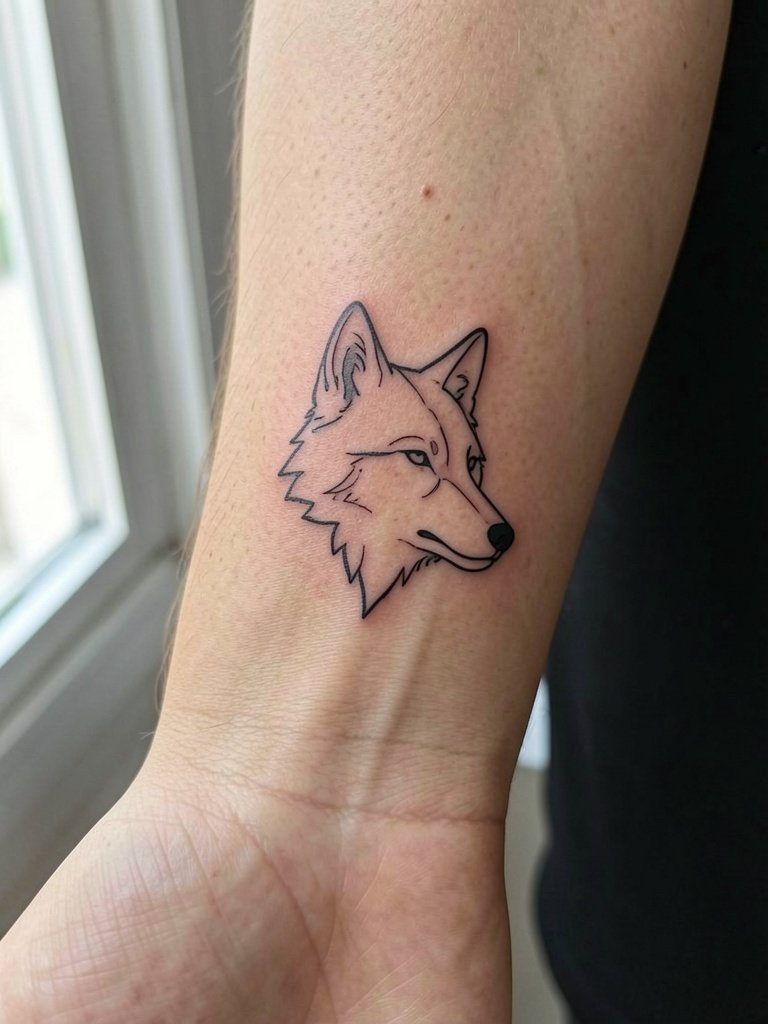
The single-needle wolf reads elegant the day you get it but the inner wrist is high-friction and moves constantly. One camp argues fine line on wrists blurs within two years because the skin there is thin and exposed to friction every day. The other camp says slightly wider needle groupings and careful depth let fine line settle fine, and they point to multi-year healed examples as proof. For a first-timer who still wants a sleek wolf, ask for a line weight that is a hair heavier than your reference so the silhouette keeps its shape. Wear a loose short-sleeve or tank on session day for easy access. Typical session time is short and pain is mild to moderate.
2. Fine Line Butterfly with Negative Wings on Inner Forearm

This airy butterfly works best on the inner forearm where there is room for the negative space to breathe. A common mistake is shrinking the wings too small which collapses the negative area into a blotchy look after a year. Bring a photo that shows the exact wing span you want and a second close-up so the artist can mock up how the negative areas scale on your forearm. Pair it with light, airy fabrics and a gold chain necklace when you want the tattoo to sit in an editorial frame. Expect a single short session and low to moderate discomfort.
3. Micro-Realism Fox Portrait at the Ankle

Micro-realism gives a surprising amount of fur detail at 1–2 centimeters, but the ankle is a friction zone from shoes and socks. If you want longevity, specify crisp contrast in the sketch so the artist knows which tiny highlights will read after healing. Avoid single-needle hair strokes that rely entirely on negative space at this placement. For show-off outfits, open-toe sandals work well and a thin ankle chain on the opposite foot balances the composition. Expect mild pain and a short session. Plan for a touch-up window at 12–24 months if you notice softening.
4. Abstract Line Bird in Flight on Collarbone
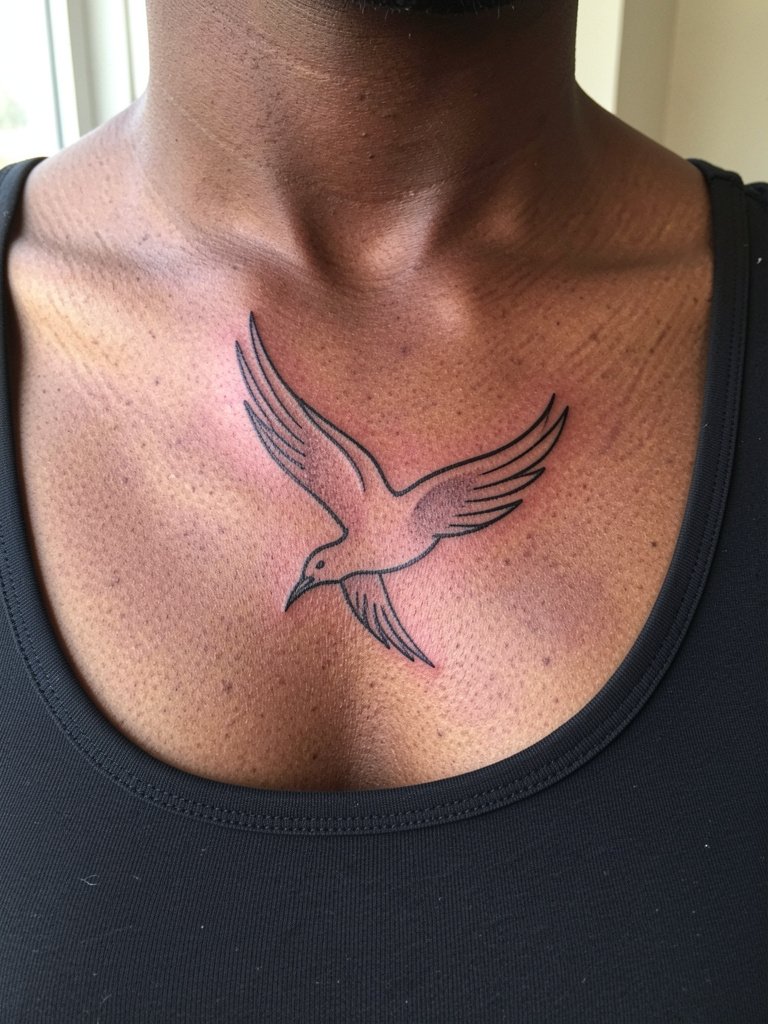
An abstract line bird reads like movement and avoids literal anatomy, which makes it age more gracefully on chest bone area. The collarbone can create small contour-related distortions, so bring a chest-facing reference photo and have the artist map the line over your bone. For outfit pairing, strappy tops and camisoles let the line sit visually above the neckline and a delicate pendant necklace can sit above the bird without covering it. Pain is usually low to moderate and session time short.
5. Geometric Cat Head with Sigil Overlay on Hip
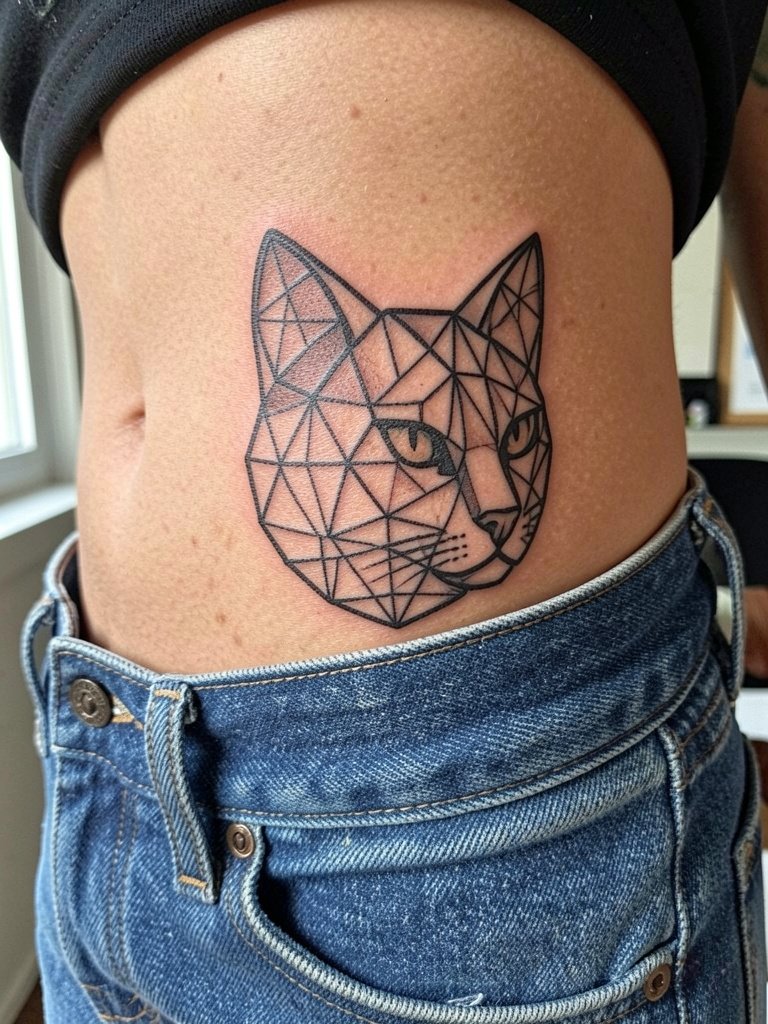
Cybersigilism combines organic animal shapes with geometric overlays for a modern spirit-animal vibe that plays well on the hip. Because the hip moves with clothing and sitting, request a bit more size so the grid lines have breathing room. A common mistake is compressing the sigil into too-tight geometry which blurs under tension at the waistband. Show-off pieces pair with low-rise jeans and a simple chain belt. Wear low-rise pants on session day so the artist has full access and there is no pressure on the fresh skin. Expect mild pain and a single session.
6. Minimalist Owl Outline with Dot Eyes Behind the Ear

A tiny owl behind the ear reads mysterious and holds symbolic weight without being showy. Because the area is small, ask for clean dot placement and a slightly thicker outline than your smallest sample so the eyes do not merge over time. For the session, plan an updo that keeps hair away and wear a loose turtleneck or button-down that the artist can pull aside without tugging hair. The area is low on pain but demands a steady hand from the artist. Touch-ups are common for small behind-ear work because the skin is thin.
Session Day Picks
The inner wrist, ankle, and behind-the-ear placements above all benefit from small practical items that shorten session time and make the first week smoother.
-
B. Complex Tattoo Balm. A thinner balm many people prefer over heavy ointments for fine-line healing without the "sweating" effect that clogs tiny channels.
-
Tattoo Goo Original. A non-greasy option that users report works well on darker skin tones without leaving a gray cast in photos.
-
Dr. Jart+ Tattoo Care. Silicone-free formulation favored by some artists to reduce ink migration during the first week.
-
Saniderm Tattoo Film. Useful for the first 24 hours to protect small wrist and ankle pieces from friction while you get home.
-
Hustle Butter Deluxe. A popular balm for ongoing moisturization that many switch to after the initial protective film or ointment period.
7. Blackwork Bear Paw Print on Inner Wrist
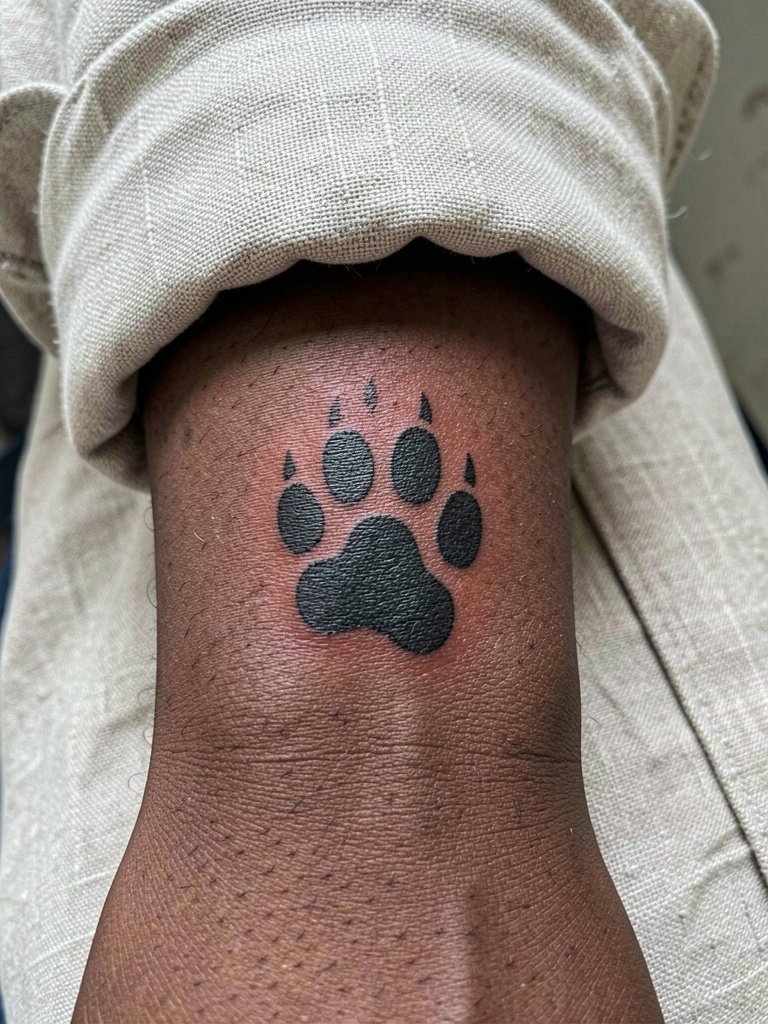
A solid black paw reads clearly on wrists that would soften if done with ultra-fine hairlines. The main advantage here is saturation and strong linework that resists blur. Avoid tiny interior details that the skin will eat. For styling, rolled-up linen shirts in cream, olive, or sand keep attention on the silhouette and a dainty gold stacked bracelet on the opposite wrist provides balance when you want contrast. The wrist is moderate on pain and most blackwork paws finish in one short session.
8. Single-Stroke Deer Head on Sternum
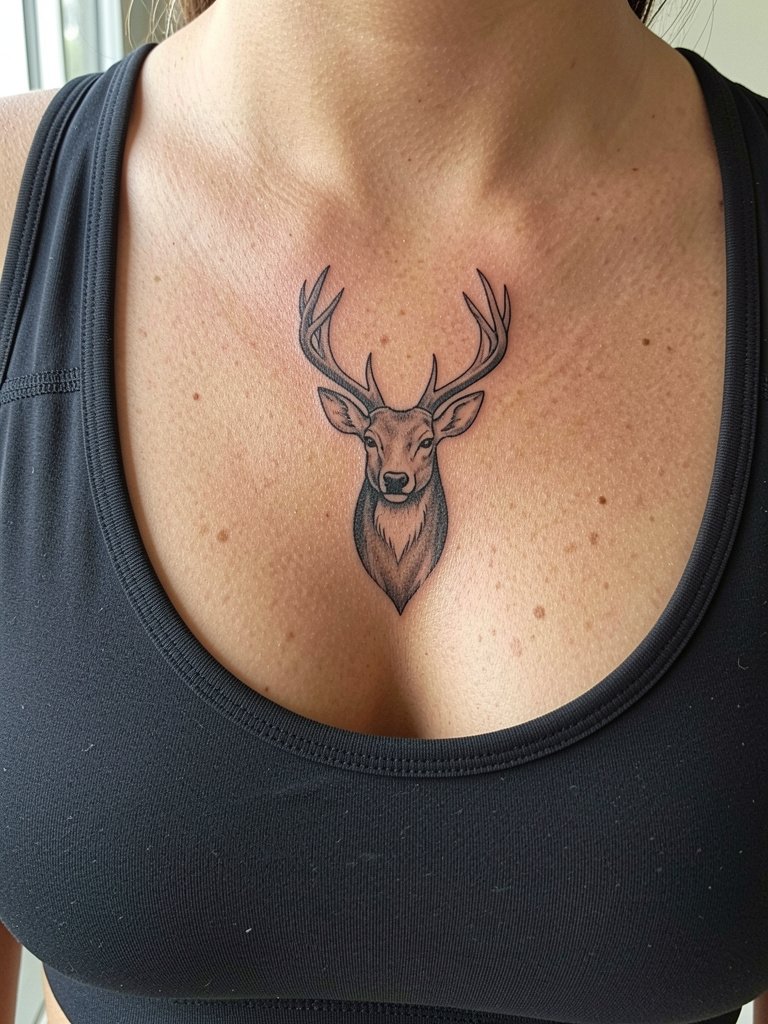
Sternum pieces show off single-stroke elegance but the chest skin stretches and moves with breathing. Artists are split on fine line here. One camp argues the stretch and thin skin cause lines to blur within two years, especially under the breast crease. The other camp says careful depth and slightly wider spacing allow fine line to hold on the sternum, and they will point to healed photos spanning multiple years. For session wear, choose a button-down or open-front top so the artist can access the area without tugging. Expect moderate discomfort and plan for a possible touch-up after the first year.
9. Watercolor-Accent Minimalist Frog on Inner Thigh
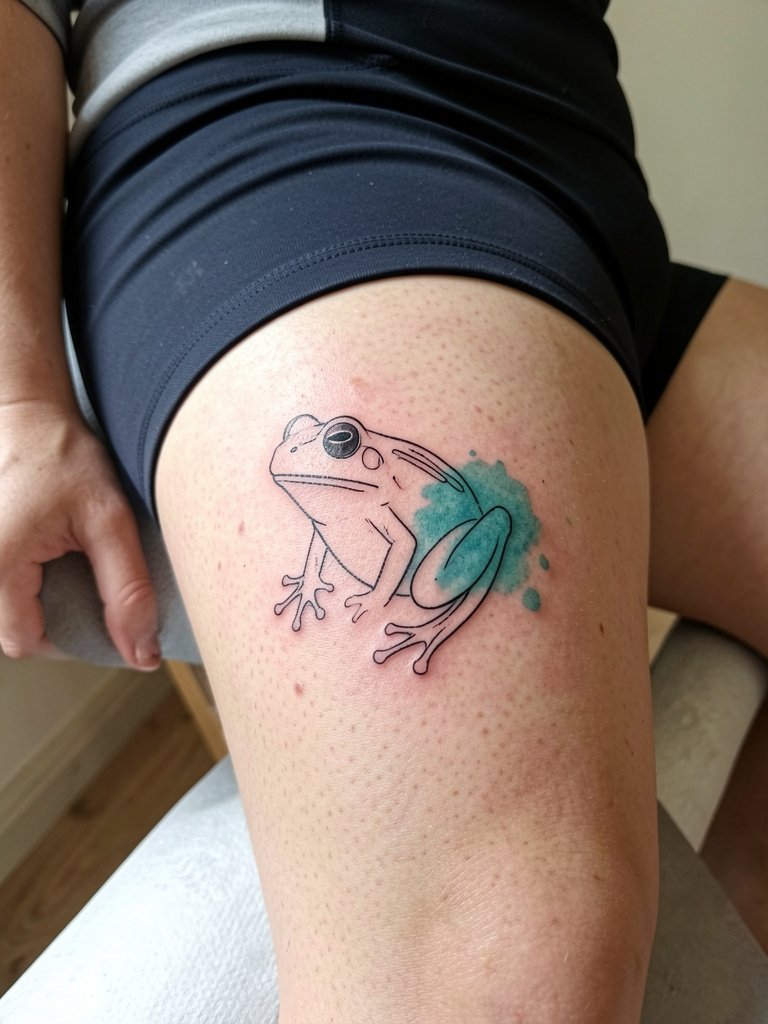
A small color pop on the inner thigh reads intimate and playful when sized properly. Because inner-thigh skin can be softer and prone to friction, keep the color spot subtle so fading looks intentional, not patchy. Ask the artist to show a healed-color mockup so you have realistic expectations. This placement is more private, so session wear like loose pants or a skirt that can be pulled down is best. Pain ranges moderate to high depending on proximity to the crease. Expect one session and potential color refresh depending on lifestyle.
10. Neo-Traditional Lion Mane Reduced on Outer Upper Thigh
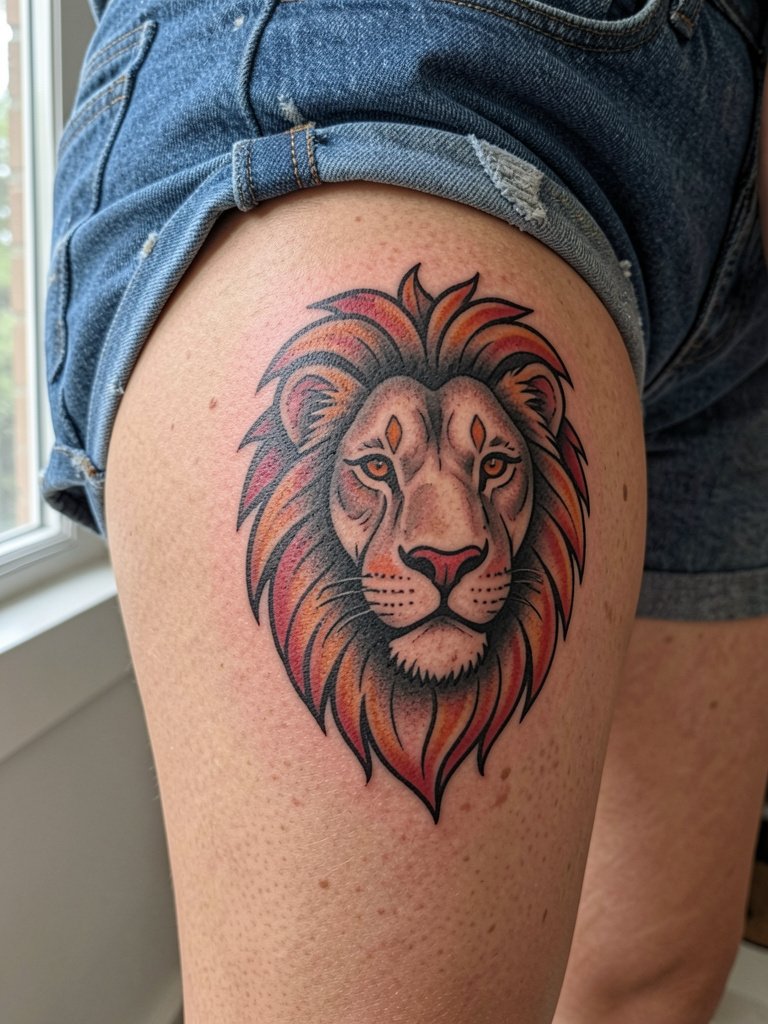
The neo-traditional lion keeps the power of the symbol while using strong outlines that age well on thigh flesh. The outer thigh tolerates saturation and bold fills, which is why this style is a good fit if you want presence without a huge piece. For show-off outfits, high-waisted shorts or skirts frame the area and a thin belt sitting below the tattoo adds contrast. Session pain is low to moderate and most of these finish in a single appointment. Ask for minimal shading in the first pass if you want less maintenance down the line.
11. Minimalist Snake with Geometric Scales on Ribcage
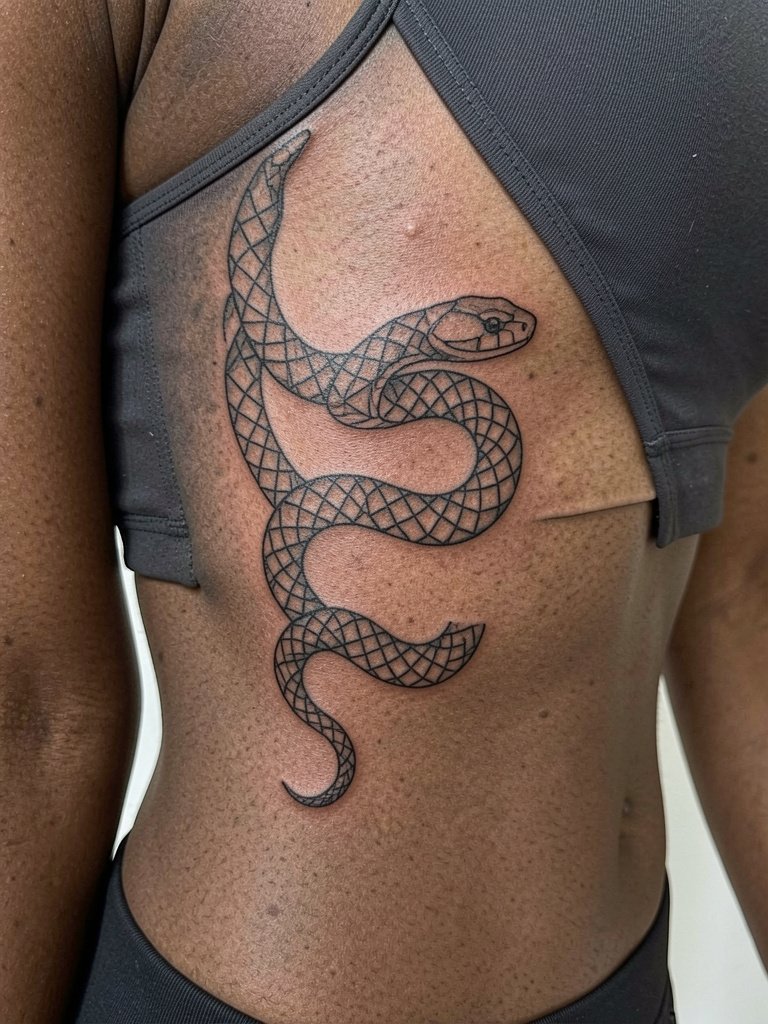
Ribcage work reads sleek with geometric scale patterns but it touches two frequent debates. One camp argues ribs are too stretchy and fine line blurs quickly. The other camp says with proper spacing and moderate depth, lines can hold and will point to healed examples. Numbing cream also divides people. Some clients report numbing cream is essential for ribs to avoid bailing mid-session. Others say it alters skin texture and may affect ink settling. If you consider numbing, discuss timing and product type specifically so the artist can advise on technique adjustments. Session pain is high for most people. Wear a side-opening top or a crop that the artist can move without tugging.
12. Fine Line Hummingbird with Flower on Inner Upper Arm
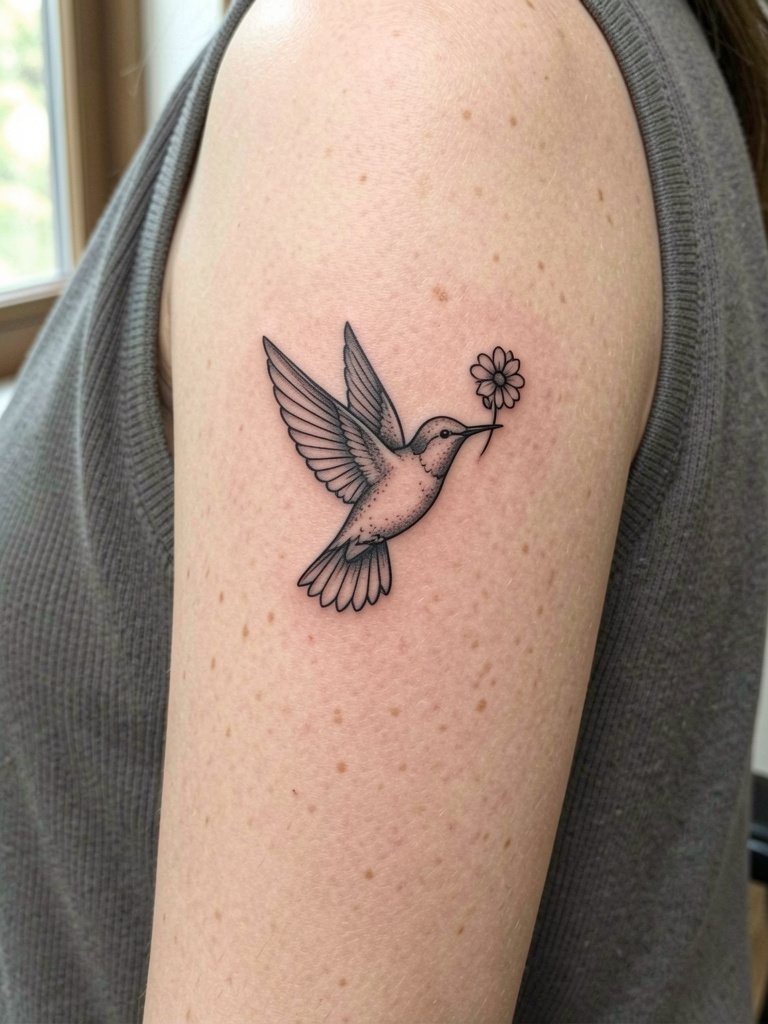
The inner upper arm lends itself to dainty flight motifs that stay protected under short sleeves. One regular mistake is placing ultra-fine detail too close to the armpit crease where friction and sweat can soften linework. For the session, wear a sleeveless or short-sleeve top so the artist has full access. To style, sleeveless tops and thin bracelets complement the bird without overcrowding the arm. Healing is straightforward if you avoid tight sleeves for the first week.
13. Minimalist Eagle Head Profile at Nape
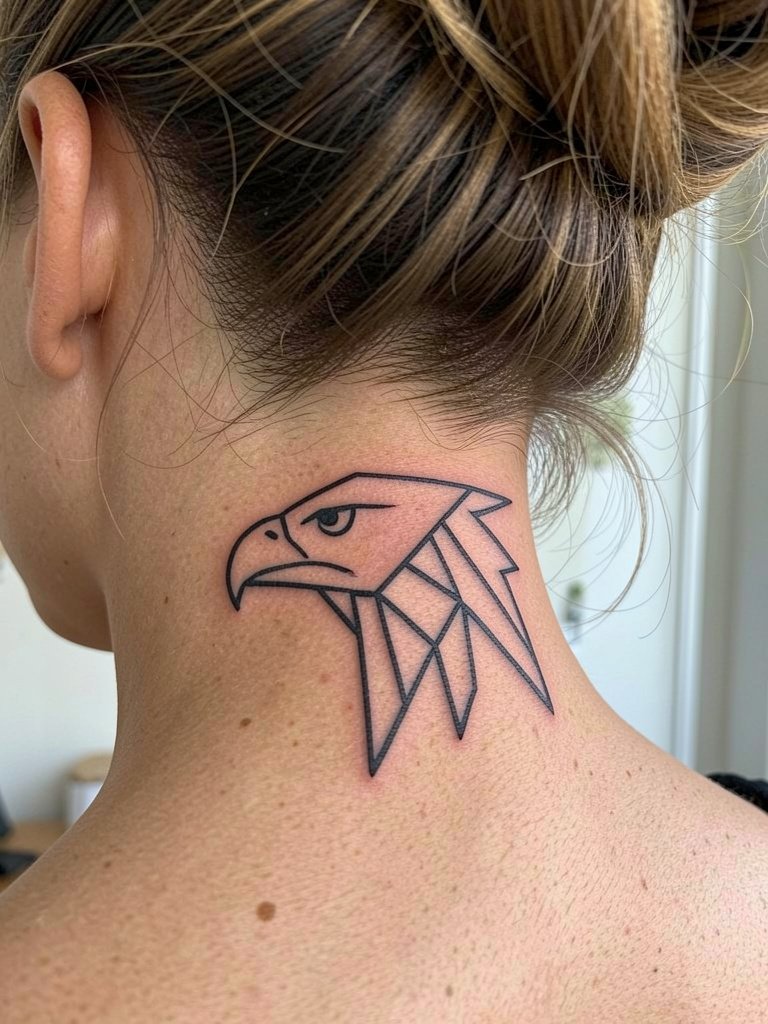
A geometric eagle plays strongly at the nape where short hair or updos reveal it occasionally. The nape moves with neck motion and hair growth, so ask the artist to show how the angles sit under different hair styles. Updos and half-up looks make this placement pop and an ear cuff on the opposite ear balances the neck composition. Pain is low to moderate. This design ages well if you avoid overcrowded interior geometry that can blur together over time.
14. Micro-Realism Pet Dog Portrait on Finger Side
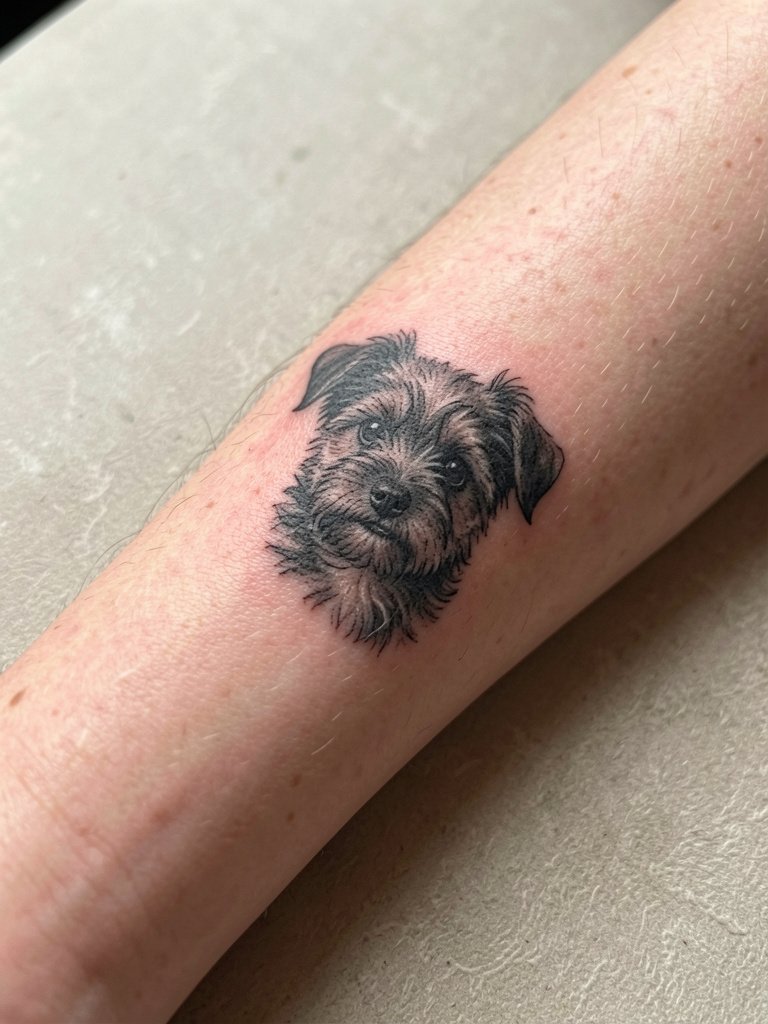
Finger portraits are intimate memorial pieces but the finger experiences heavy wash friction and frequent movement. Ask the artist for a simplified contrast map of the portrait so the darkest bits anchor the image as the fine strokes soften over months. A common outcome is needing touch-ups after a year for optimal clarity. Session time is short but expect mild to moderate discomfort. Avoid rings during the first week and keep the area dry as much as possible.
15. Abstract Rabbit with Broken Lines on Lower Back
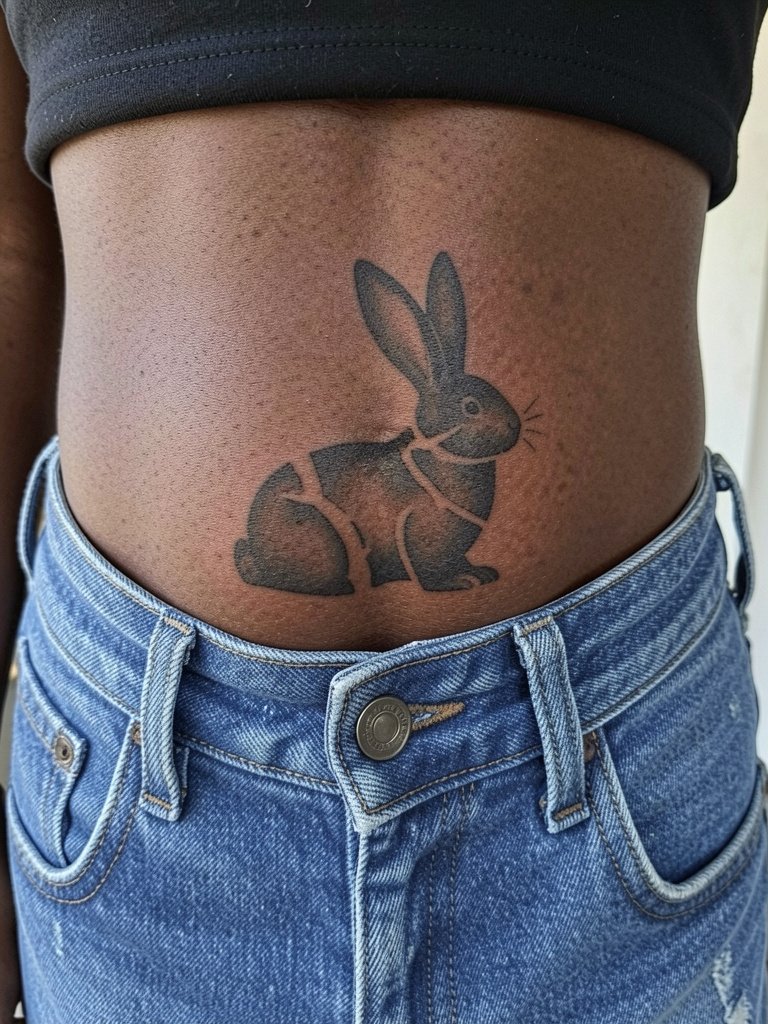
Broken-line silhouettes create an imperfect, modern look that flatters the lower back where clothing often frames the area. The biggest mistake is compressing the gaps too close together so they merge with normal skin texture. Ask the artist to space the breaks so they remain visible when you sit or bend. For show-off outfits, low-rise pants and crop tops work well. Session wear should avoid high-waisted pants so the artist can access the small of your back easily. Pain is moderate and healing usually goes smoothly if you avoid tight waistbands for the first week.
16. Minimalist Seahorse Tail Curve on Ankle
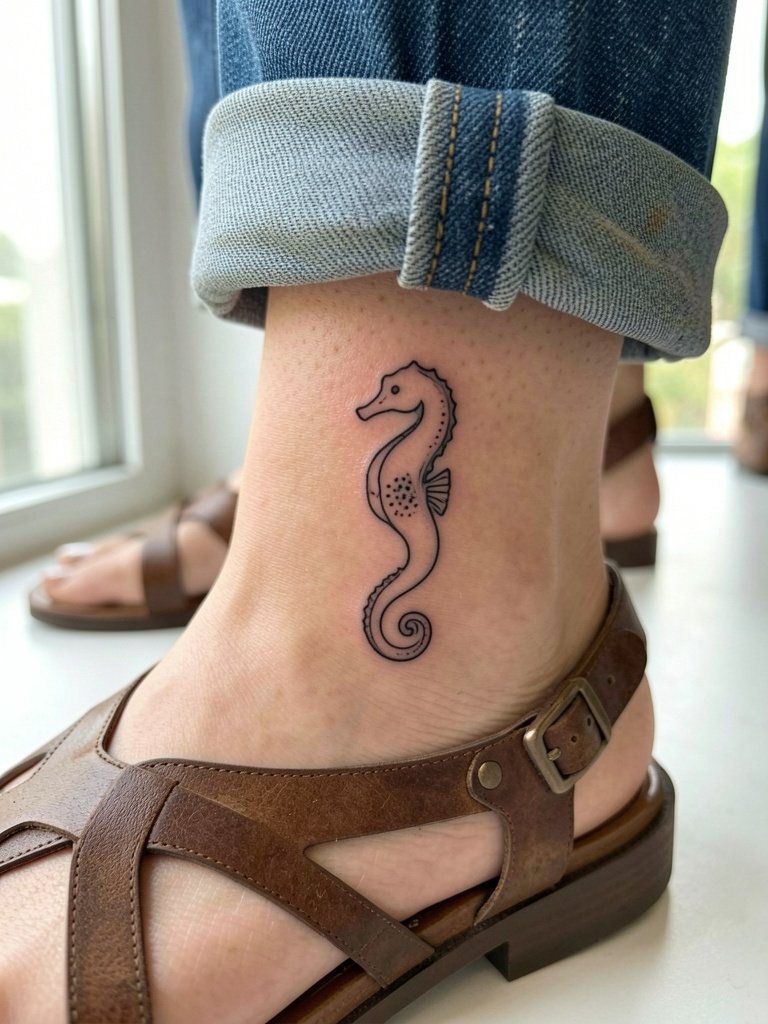
A seahorse curve works beautifully on the ankle as a vertical accent that complements sandals and cropped trousers. Because ankles face repeated abrasion from socks and shoes, request slightly bolder contour lines so the curled tail keeps its shape. For the session, roll pants up high or wear a skirt to avoid pressure on fresh ink. Pain is mild to moderate at this placement. Expect a short session and a possible light touch-up within a year if you notice line softening.
17. Tiny Geometric Bee on Outer Forearm
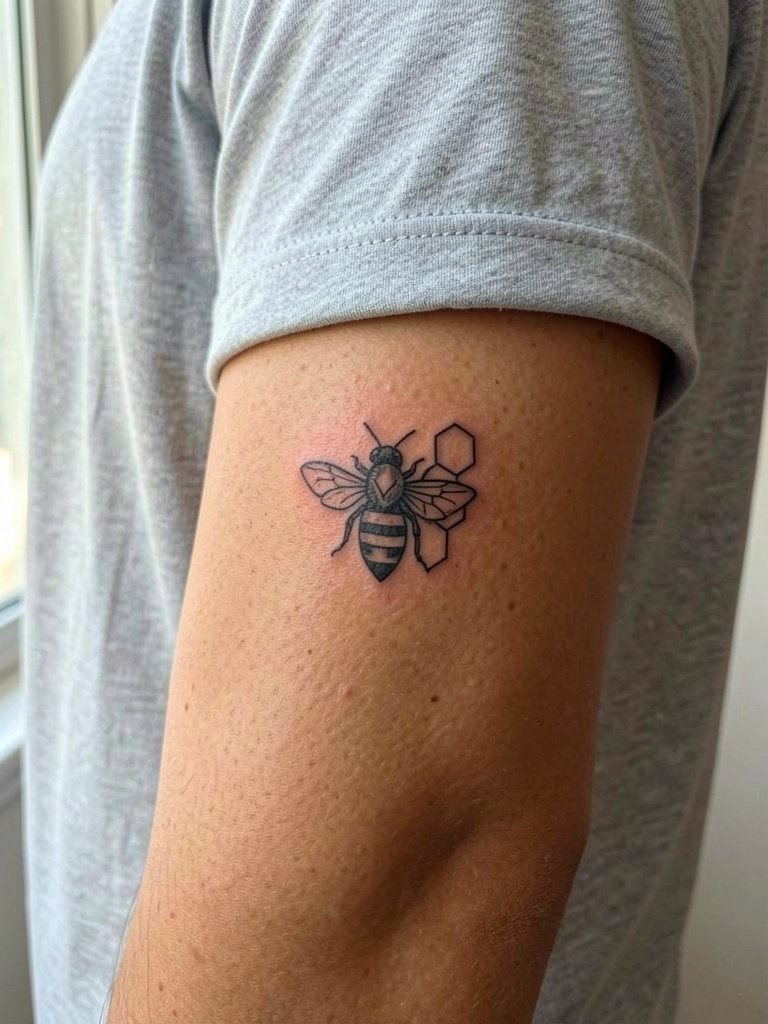
A geometric bee sits well on the outer forearm where the skin is less friction-prone and you can show it easily. The outer forearm tolerates small geometric fills which makes this a better pick than the inner wrist for lasting clarity. Bring a reference that shows the honeycomb scale so the artist can transfer the geometry correctly. For styling, short sleeves and a thin bracelet on the opposite wrist give it space to breathe. Session discomfort is low and most of these finish quickly.
18. Minimalist Whale Tail at Centered Lower Abdomen
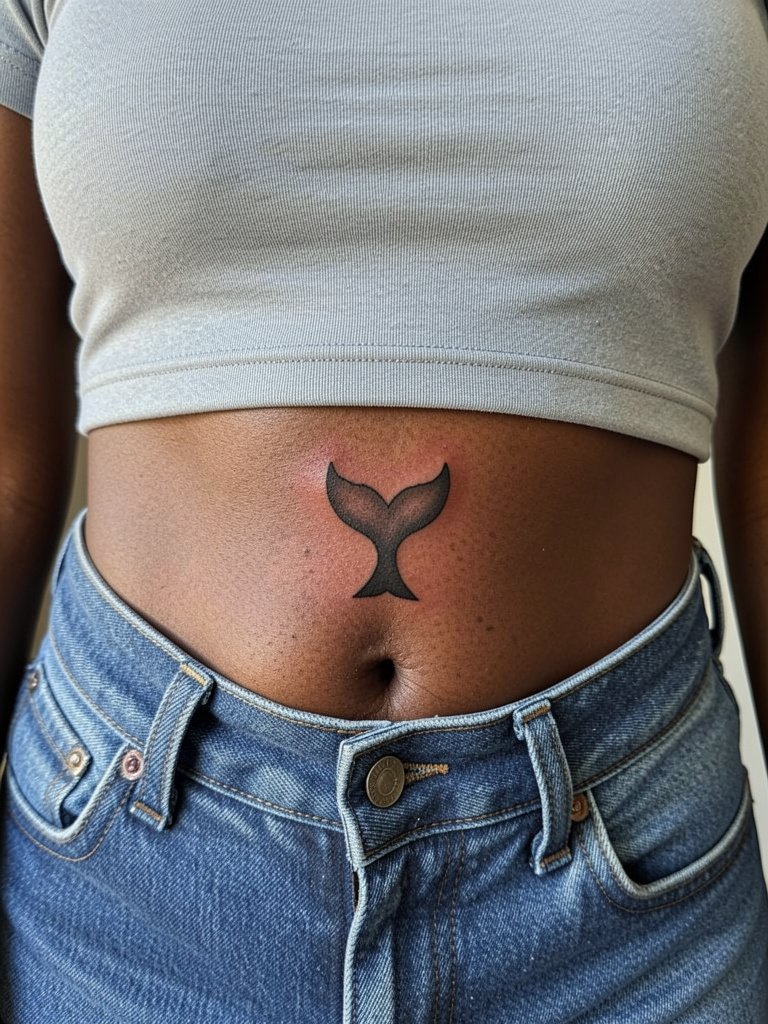
A centered whale tail gives a balanced, oceanic accent that reads well with midriff-baring tops. Because abdominal skin can move with weight changes, ask for a slightly larger silhouette so the tail reads even if minor shifts occur. For session wear, a fitted cropped tee and high-waisted jeans let the artist work without fabric tugging. Pain is moderate and touch-up needs depend on sun exposure and weight fluctuation. Pair with open-back dresses or crop tops to frame the piece.
19. Tiny Platypus Line Portrait on Behind-Knee Area
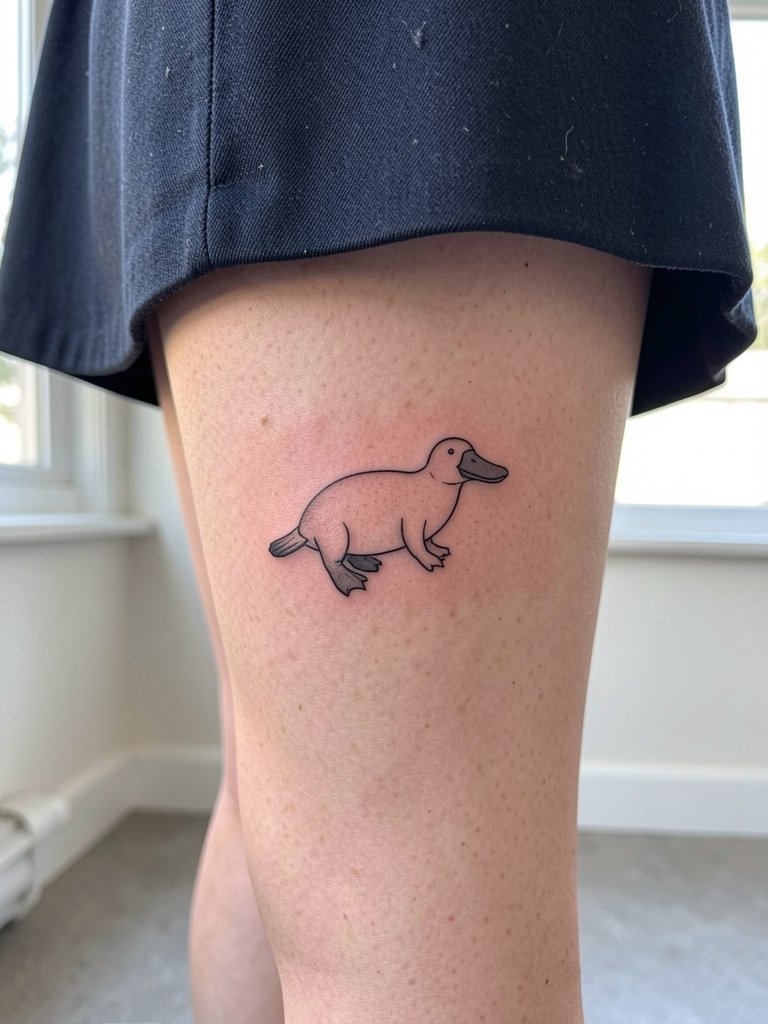
Behind-knee placements are playful but tricky because the skin flexes and creases a lot. Keep the design compact and avoid long thin strokes that cross the crease or they will separate when you bend. For session wear, a skirt or shorts that give full access is best. The area is higher on the pain scale for many people due to sensitivity behind the knee. Expect a short appointment and a likely check-in touch-up if crease lines soften.
Frequently Asked Questions
Q: How do I find an artist who actually specializes in minimalist animal tattoos and shows healed work?
A: Search hashtags like #minimalistanimal, #finelinetattoo, and #microrealismtattoo on Instagram and TikTok, then filter by location. Use Tattoodo and Booksy to search by specialty terms such as "single-needle wolf" or "micro-realism pet" and look specifically for healed photos in portfolios. Reddit threads in r/tattoos and r/finelinetattoos often contain peer recommendations and healed examples across skin tones.
Q: Will a fine line piece on my wrist or ankle hold up, or should I go bolder?
A: It depends on your daily habits and desired longevity. If you wear watches or bracelets, or you work with hands a lot, a slightly heavier line weight will outlast the thinnest single-needle strokes. If you prefer the delicate look, ask for a mockup with increased line weight so the artist can show how the design reads at scale and after simulated wear.
Q: What should I wear to my session for placements like the hip, sternum, and ribcage?
A: For hip pieces, low-rise jeans or a skirt that can be pulled down slightly is best. For sternum work, choose a button-down or open-front top so the artist can access the area without tugging. For ribcage tattoos, wear a loose, side-opening top or a fitted cropped athletic top that stays in place without needing adjustments. These garment choices let the artist work cleanly and keep fresh ink from being irritated by fabric.
Q: I have dark skin. How do minimalist black tattoos show up in photos and long term?
A: On darker tones, crisp black outlines with intentional contrast and occasional small white or gold highlights help a design pop in photos. Single-needle hairlines can appear gray or faint over time on deeper skin tones, so consider slightly bolder contours or micro-realism shading for depth. Bring a healed-photo reference that shows a similar skin tone so both you and the artist can set realistic expectations.
Q: Are there aftercare products I should buy before my appointment?
A: For the first protective stage, many people use brand-specific films or thin balms recommended by their studio. If you want a gentle option for ongoing moisturization, look for fragrance-free formulations and silicone-free balms mentioned in peer threads. Avoid buying heavy ointments in bulk until you confirm the artist's preferred aftercare protocol for fine-line or micro-realism work.