
Bold silhouettes and simple black shapes often outlive tiny, micro-realism animal tattoos when skin texture and movement enter the picture. I have seen bold blackwork wolves and stylized foxes still read clearly years after a delicate single-needle sparrow blurred into a gray smudge. Below you will find animal tattoo ideas that balance visual punch, realistic aging, and wardrobe-friendly ways to show them off.
1. Fine-Line Hummingbird on the Inner Wrist
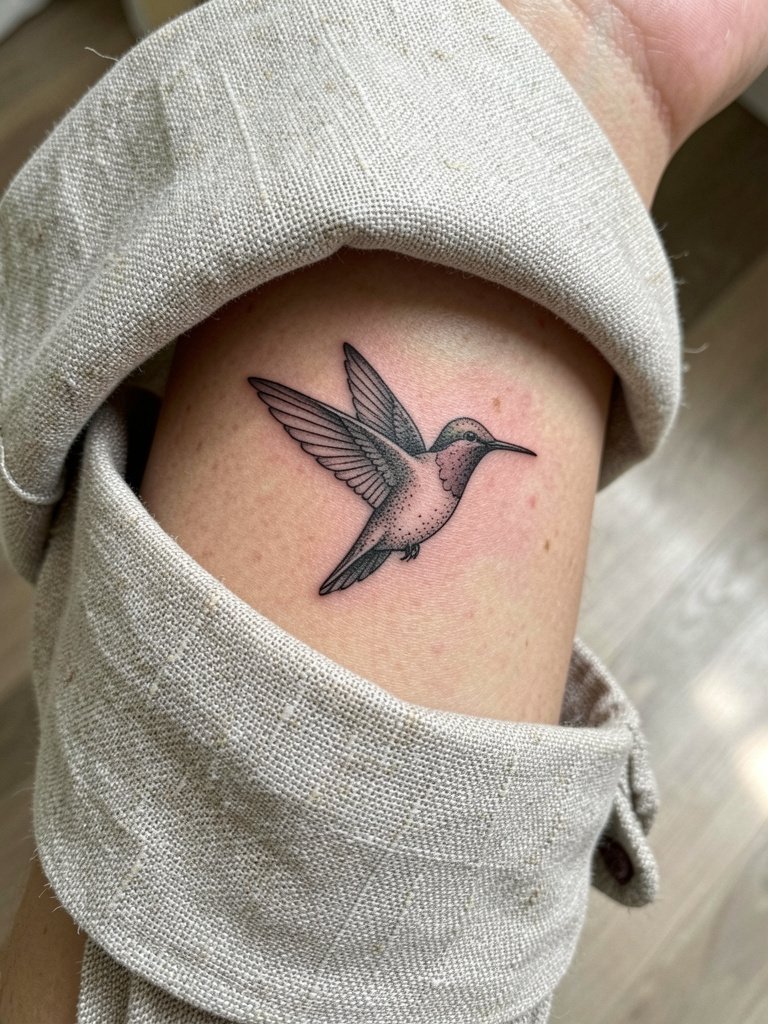
A fine-line hummingbird reads intimate and airy on the inner wrist, though the area eats thin detail over time. For longevity, ask for the wing outlines to be a hair heavier than your reference so the feathers keep definition at year two and beyond. Expect a short session under an hour and mild pinching rather than sharp pain. A common mistake is requesting ultra-tiny detail that becomes blotchy after healed. For showing this off, try a rolled-cuff linen shirt so the bird peeks when you move your hands.
2. Mini Realism Fox Portrait on the Outer Forearm
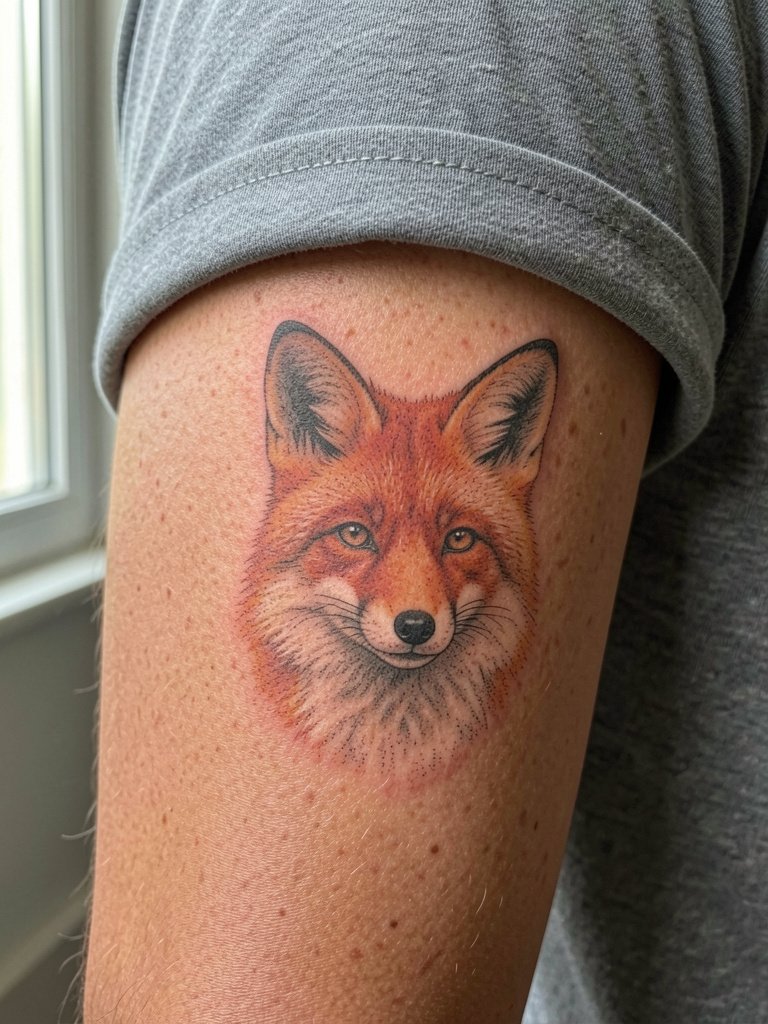
Micro-realism packs an emotional punch on the outer forearm and photographs beautifully for a few years. The trade-off is that tiny shading loses crispness faster than bold linework. During the consultation bring a crop of close-up references showing how the fur texture should read at three inches. The session feels like a steady hum as the artist layers stippling and soft color. Touch-ups are common at the two to three year mark to restore subtle highlights. Pair this placement with a rolled sleeve denim jacket for evenings out.
3. Geometric Stag on the Sternum
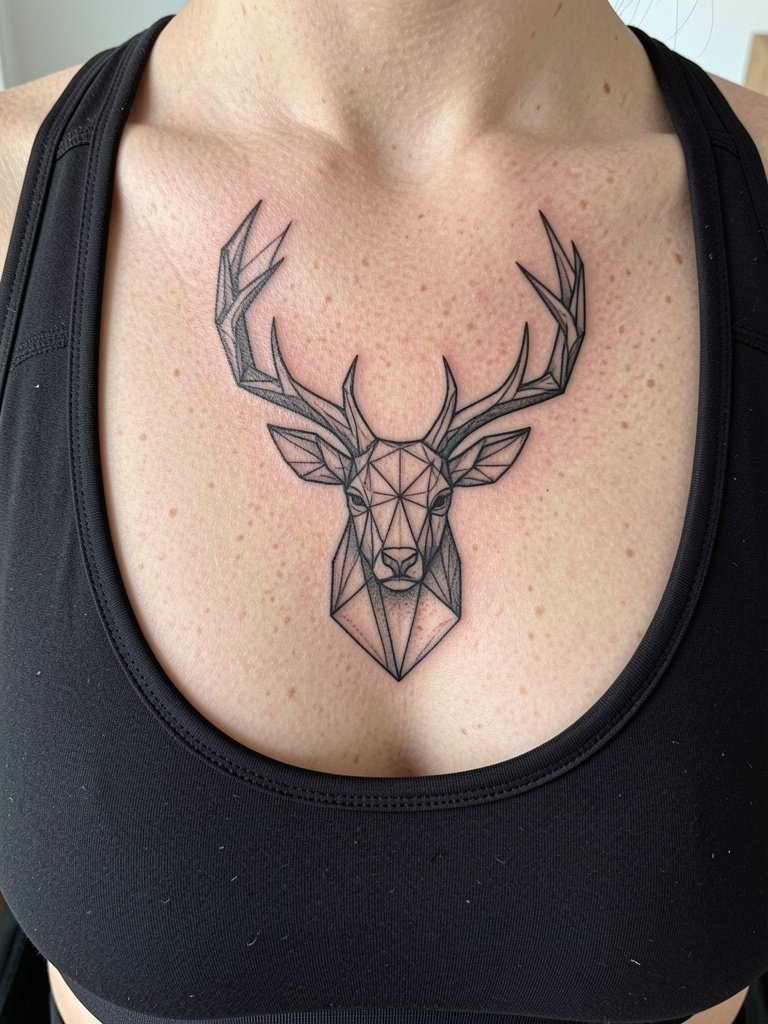
Sternum pieces read like centerpieces and can be scaled to suit comfort and visibility. Pain on the sternum tends to be higher than on fleshy areas. If you want the geometric lines to remain crisp, instruct the artist to space point intersections slightly wider so the negative space survives skin movement. Sessions usually run longer and might require small breaks. For a session wear a fitted sports bra that gives clear access while keeping you covered. For nights out, this design pairs well with wide V-neck tops that expose the collarbone and sternum.
4. Neo-Traditional Swan on the Shoulder Blade
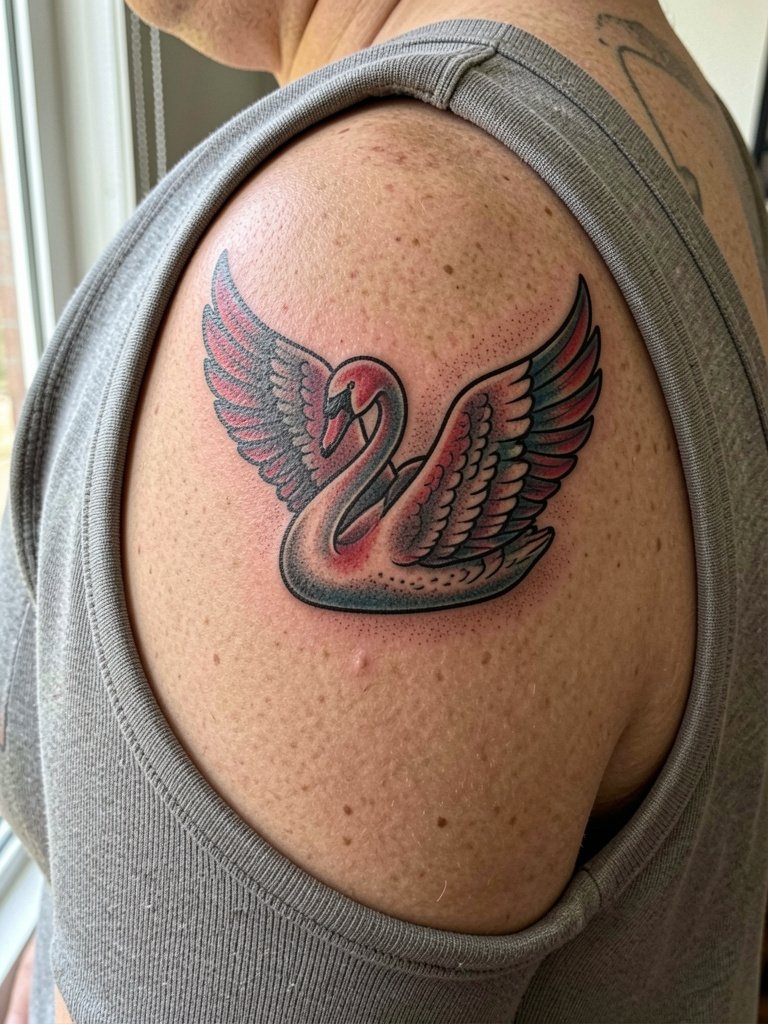
Shoulder blade tattoos have enough flat surface for bold neo-traditional compositions and they age well when scaled properly. Ask for slightly stronger outlines in the wing tips so the silhouette keeps shape with time. This area is one of the least painful for most people, though reaching across during the session may feel awkward for a short while. A common mistake is cramming too much fine detail into feathers. Show-off pairing works best with open-back midi dresses, which let the artwork peek without revealing too much.
5. Tiny Leopard Spots Along the Collarbone
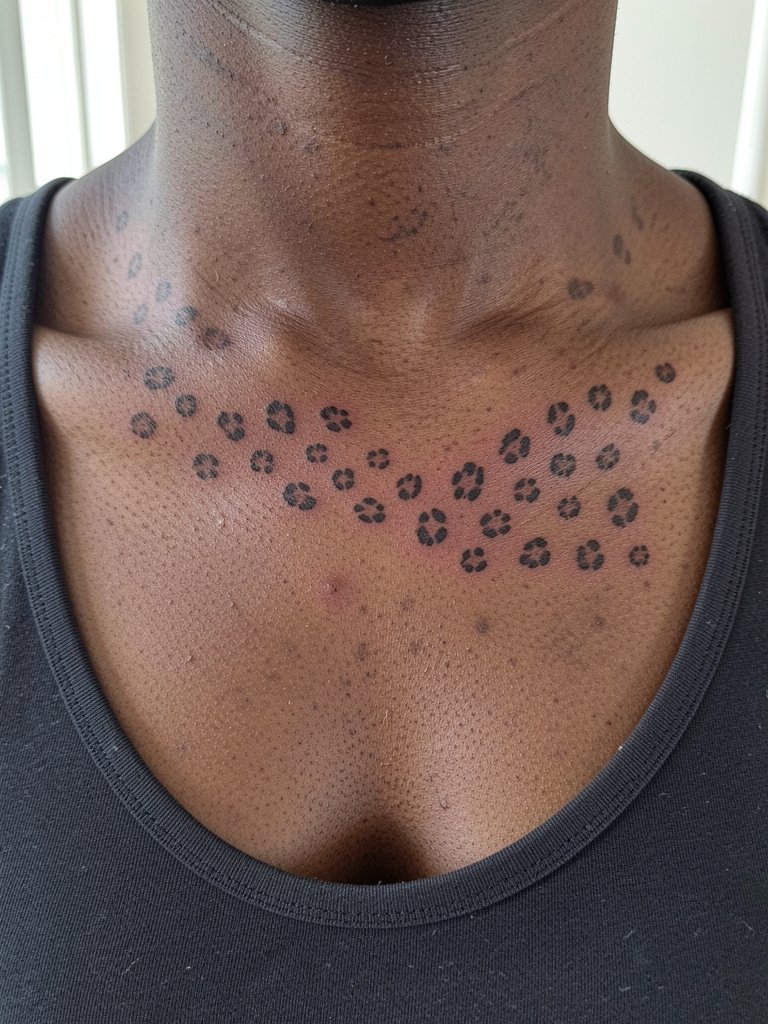
Small patterns across the collarbone look modern and feminine when spaced to follow the bone shape. The key is spacing and curvature so the spots read as an intentional cascade rather than random dots. Session time is short and pain is usually mild to moderate because of thin skin over bone. A common mistake is overscaling the spots which can look heavy against the delicate collarbone ridge. For evening styling, these tiny spots work especially well with slip dresses with thin straps that frame the area.
6. Blackwork Whale Tail on the Calf
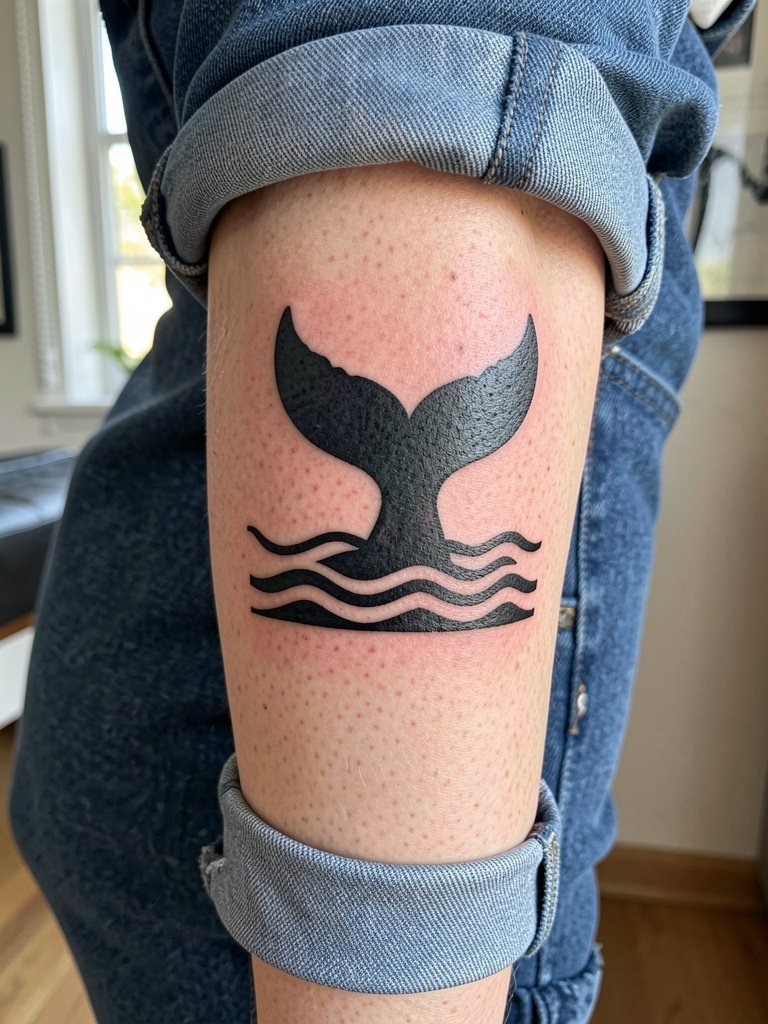
Calf pieces are resilient and display well when walking or seated. The blackwork whale tail survives years because saturation reduces the visible softening of edges. Expect a session of moderate length with steady machine work and localized soreness afterward. A common mistake is asking for too much fine detail in the tail flukes that will blur when the muscle moves. For footwear and outfit pairing, ankle boots or cropped trousers let this piece show off. Try classic ankle boots for a casual reveal.
Session Day Picks
Small design areas like the wrist, collarbone, and calf heal differently from larger panels, so a few specific items make the session and first week easier.
-
Stencil transfer paper kit. Lets you preview linework placement on skin before committing, useful for the collarbone and wrist layouts above.
-
Topical numbing cream. Applied 45 minutes before can ease sensitivity on the sternum and ribs without affecting shading.
-
Thin protective film roll. Keeps ankle and calf pieces clean during the first week of friction from socks and shoes.
-
Fragrance-free gentle body wash. Cleanses healing skin around collarbone and shoulder blade without irritating ink.
-
Aquaphor healing ointment. A thin layer during the first few days helps retain moisture for fine-line and stipple-shaded tattoos.
7. Single-Needle Sparrow Behind the Ear
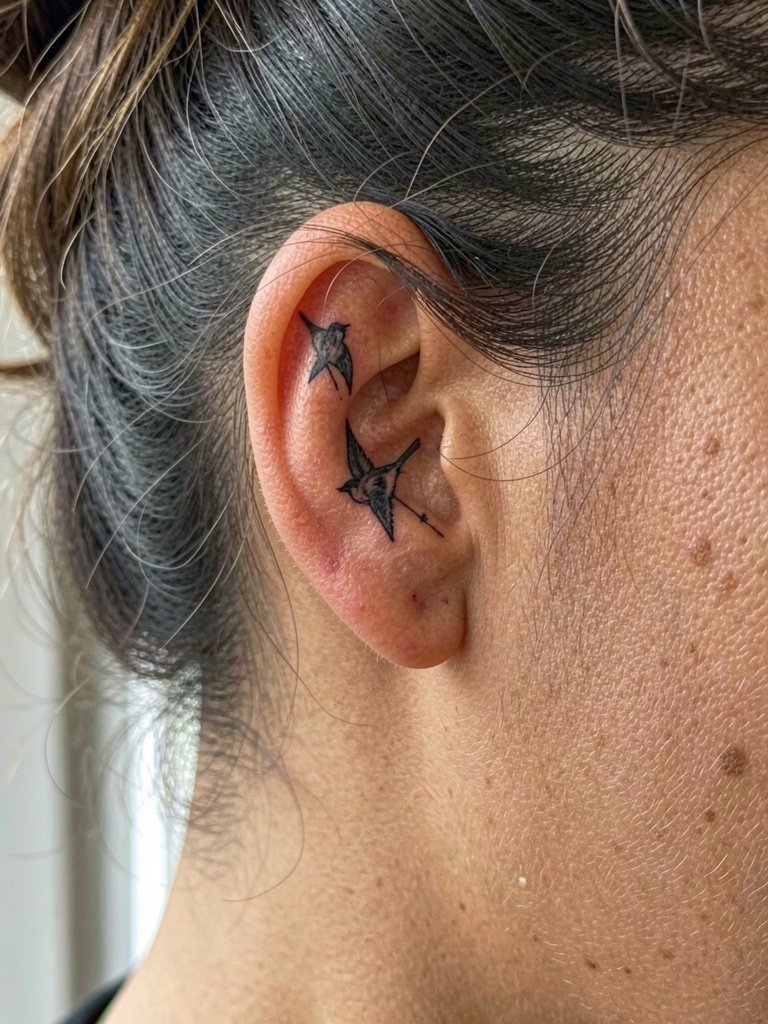
Behind-the-ear pieces fit discreet statements and last well if lines are not ultra-fine. The area requires an artist experienced with small single-needle work because skin flattens differently near the skull. Sessions are very quick and pain is often sharp but brief. A mistake is asking for micro-detail like tiny feathers that merge after healing. For the session, wear hair up to give clear access. This placement benefits from subtle jewelry such as small studs rather than long earrings.
8. Dot-Work Mandrill on the Upper Thigh
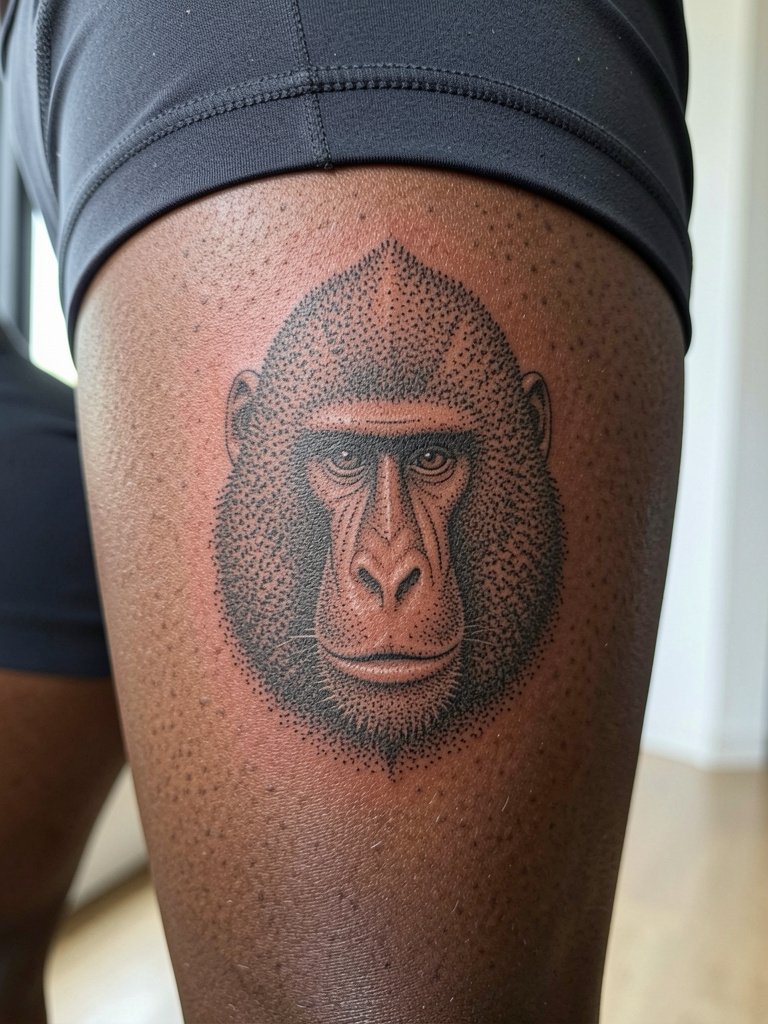
Dot-work portraits sing on the upper thigh because the canvas is large and fleshier so stipple shading reads well. For durability, ensure the artist spaces dots to form stable tonal transitions rather than relying on micro-dots that fade. Session time is longer and can be uncomfortable when lying on your back for extended periods. A common mistake is requesting overly tiny dot densities that look muddy after a year. For showing this area, high-waisted shorts or a wrap skirt frames the thigh art without full exposure.
9. Watercolor Koi on the Side Ribcage
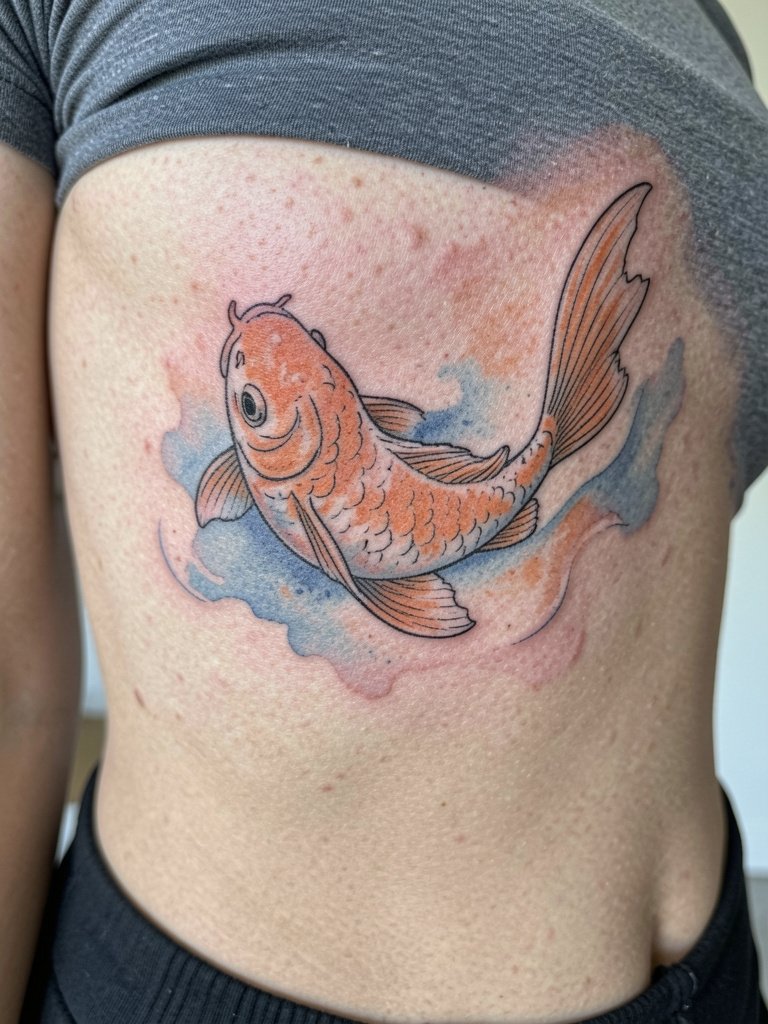
Watercolor effects on ribs can be gorgeous but require buy-in on touch-up expectations. Artists split on fine color wash here into two camps. One camp argues that the rib skin stretches and moves too much, so watercolor blurs into indistinct patches within a couple of years. The other camp says careful spacing and subtle black anchors let watercolor age gracefully, and they will show healed photos to support that. If you choose watercolor, build in a touch-up at year one to refresh soft color edges. For the appointment wear a cropped tee that stays still and gives full access.
10. Minimalist Cat Silhouette on the Ankle
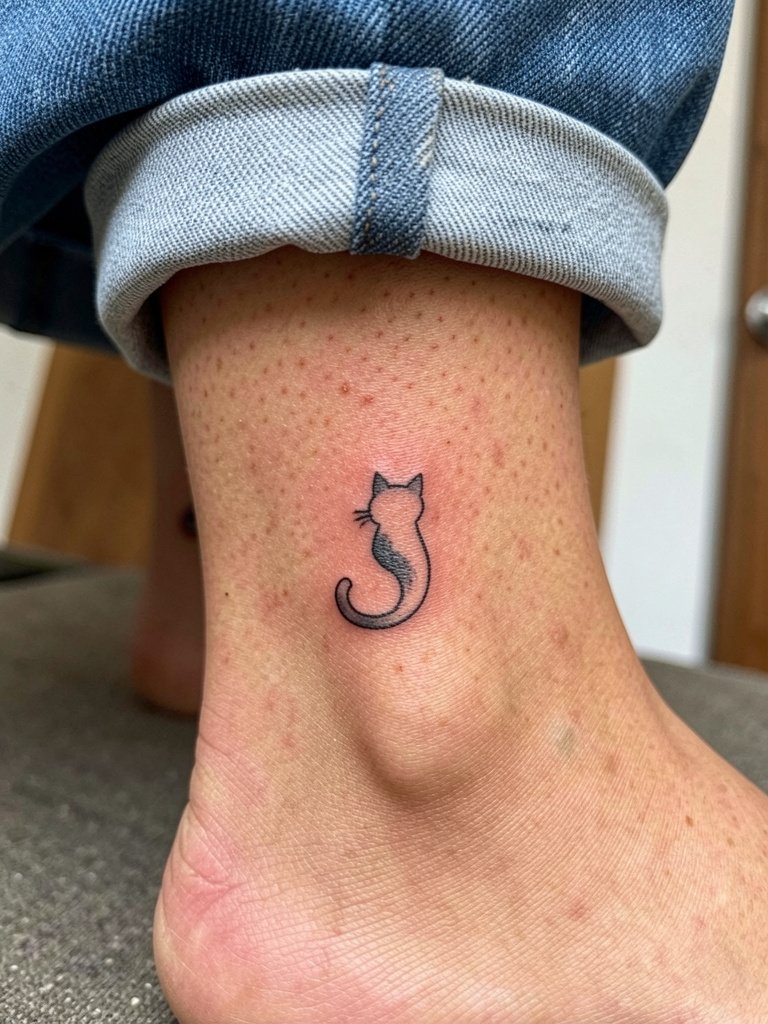
Ankle silhouettes are low-commitment and photograph nicely in sandals. The ankle does receive friction from socks and shoes, so select a solid silhouette rather than super-thin outlines. Sessions are short but expect tender skin and a week of careful foot care. A common mistake is requesting a tiny open-lined cat that breaks into specks after daily wear. For everyday styling, ankle tattoos pair with delicate stacking rings and open sandals to draw attention to the area.
11. Geometric Owl on the Upper Back
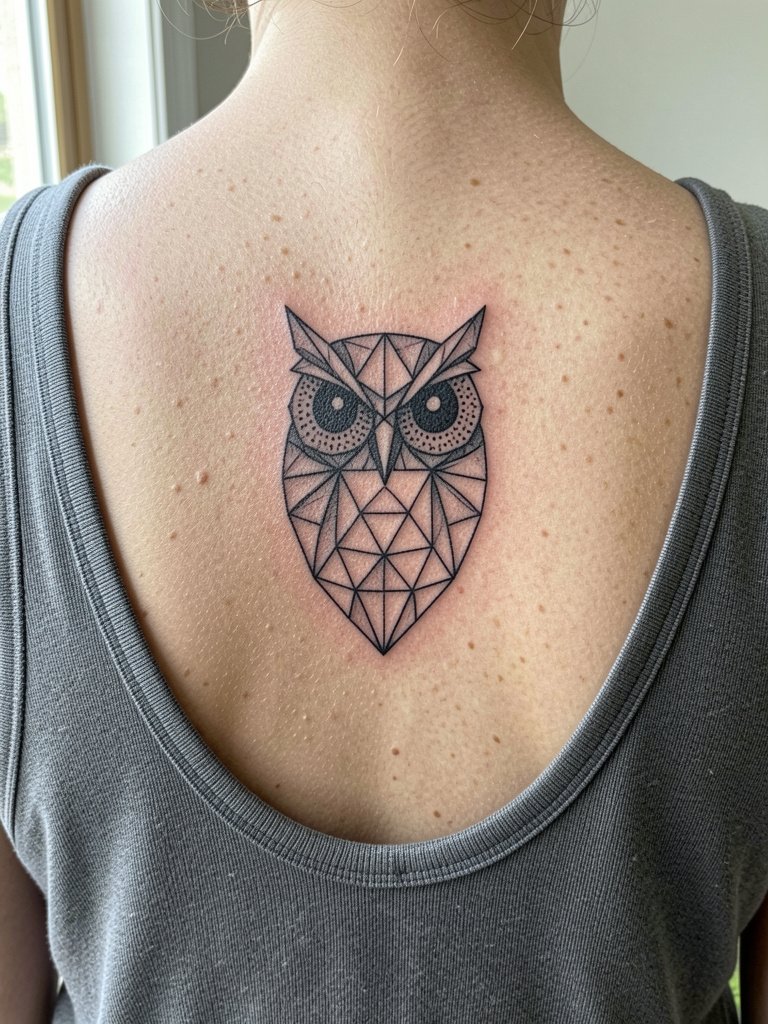
Upper-back pieces allow for symmetry and room to breathe so geometric rules work well. Ask the artist to map the centerline to your spine so the composition stays balanced as your body moves. Sessions are moderate in length and muscle soreness afterward is typical when reaching during tattooing. A mistake is insisting on tiny intersecting lines that later blur into a muddle. For outfit pairing try an oversized blazer with the back slightly open when you want to show shape without full exposure.
12. Micro-Realism Owl Eye on the Finger
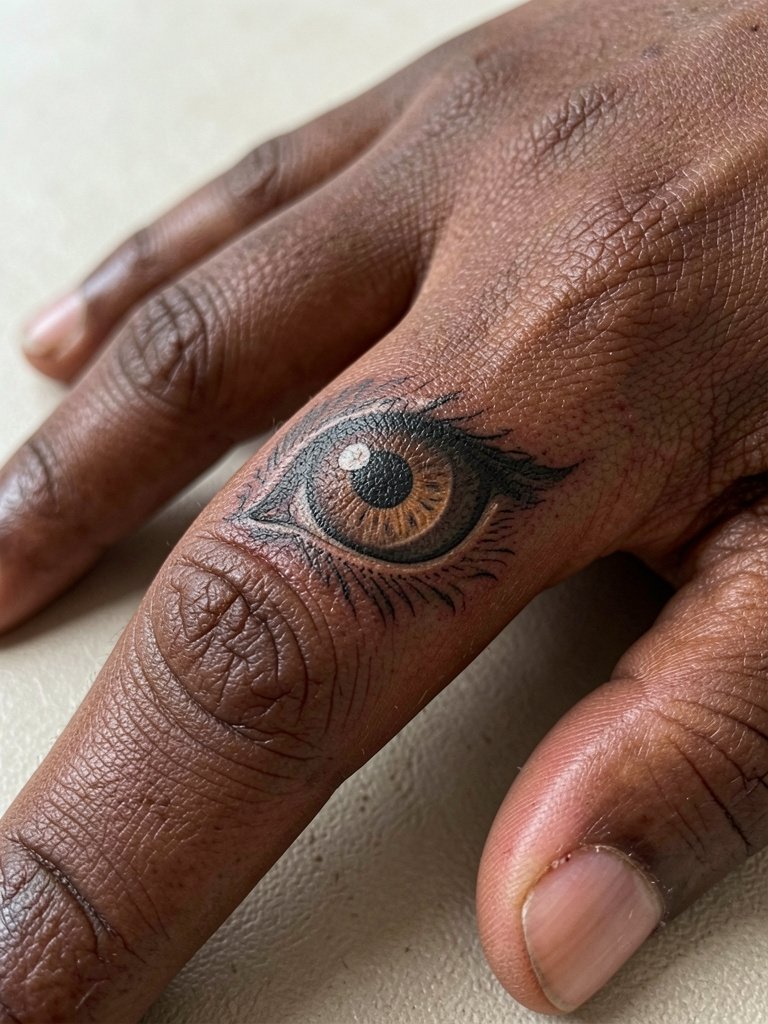
Finger tattoos show quickly but also show wear from washing and friction, especially micro-realism. Artists divide into two camps on finger realism. One camp says the constant abrasion and thin skin make photoreal detail fade into smudges within a year. The other camp says with bolder line anchors and periodic touch-ups, small realism can stay readable. If you choose a finger micro piece, plan for touch-ups and accept faster fade. Session time is brief but aftercare is critical. For ring-day styling, minimalist bands work best.
13. Linework Seahorse on the Side Rib (Session Wear Tip)
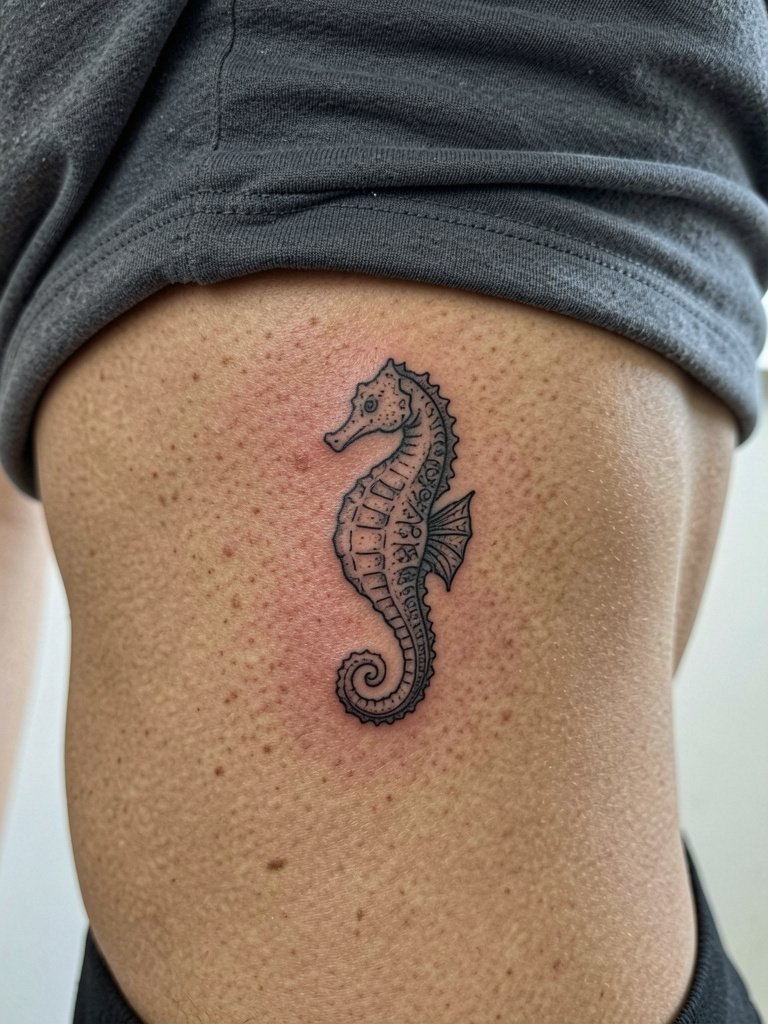
The ribcage is a high-sensitivity placement and linework needs breathing room to age well. When consulting, specify slightly wider spacing between curls so the seahorse maintains its silhouette. Sessions on ribs are often broken into shorter passes to manage pain. A mistake is squeezing complex open filigree into a tiny area that the skin cannot hold. For the appointment wear a cropped tee that stays put so the artist has clear access. For showing the healed piece, off-shoulder tops help frame the ribs.
14. Stylized Elephant on the Thigh
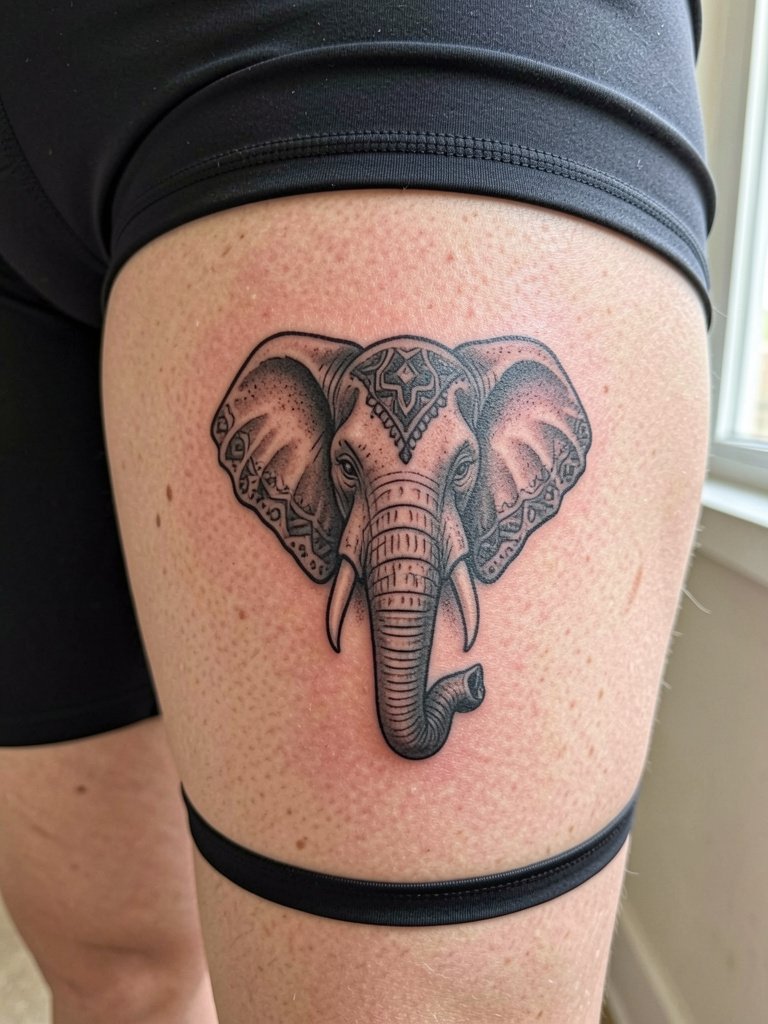
Thighs are forgiving canvases for decorative animal pieces with larger shapes and ornamental fills. They tend to age gracefully because the skin is thicker and less exposed to sun. For the patterned ear details, request slightly more contrast between black and grey so motifs remain legible over time. Sessions can be lengthy but usually tolerable. A mistake is choosing too-small decorative elements that disappear into the skin grain. For evenings, a wrap skirt or high-waisted short frames the thigh art without full exposure.
15. Linework Hare on the Inner Forearm
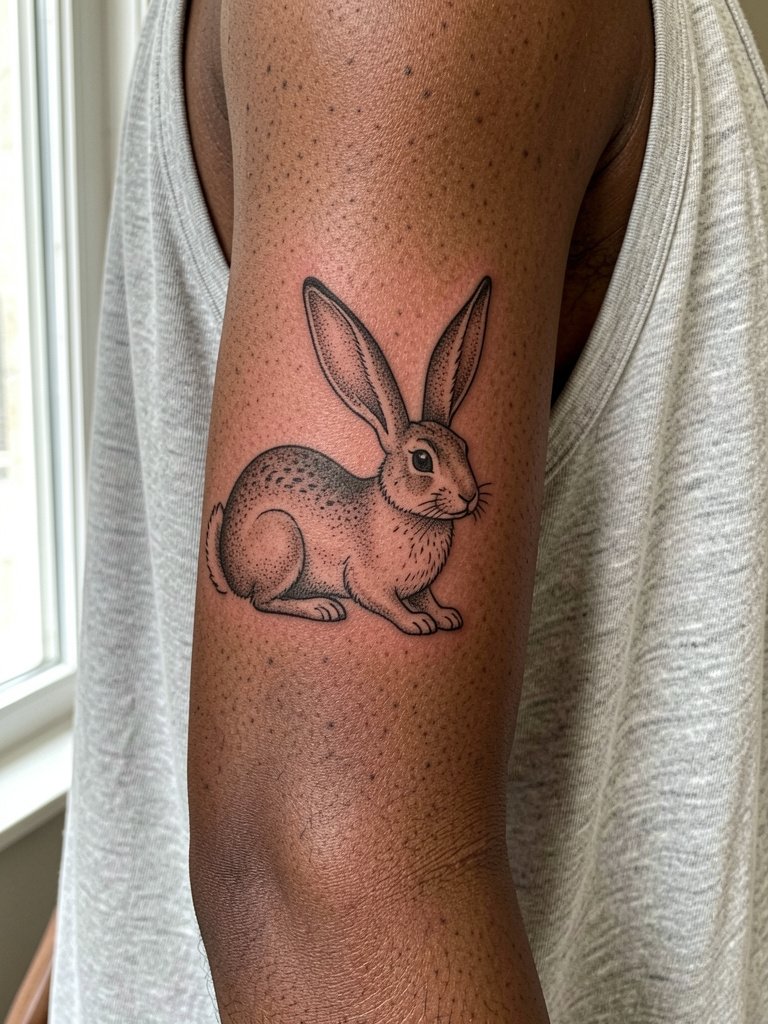
Inner forearm pieces are among the most versatile and photograph-friendly placements and hold linework well when scaled properly. Specify that the ear lines be drawn with slight weight so the silhouette remains crisp after a couple of years. Expect a one to two hour session with steady vibration and low soreness. A common mistake is compressing too many tiny elements into the strip of arm. For day-to-day show-off looks, pair with rolled-up linen shirts so the hare is visible when you move.
16. Traditional-Style Tiger on the Shoulder Cap
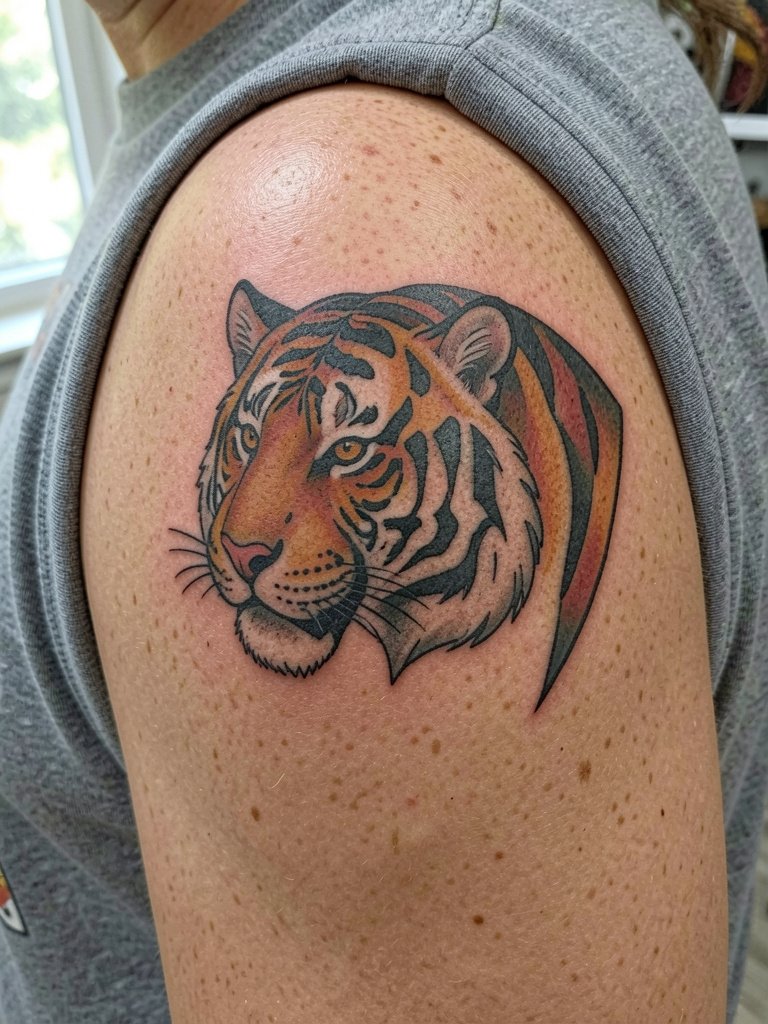
Shoulder-cap placements suit bold traditional pieces because they take flat color and age into a classic look. The strong outlines keep form as skin softens. Sessions vary based on color saturation but are generally comfortable. A mistake is adding micro-detail that contradicts the traditional aesthetic. For outfits, tank tops and sleeveless blouses showcase the shoulder piece best. Consider a strappy bralette or camisole when you want a casual reveal.
17. Elegant Crane on the Collarbone
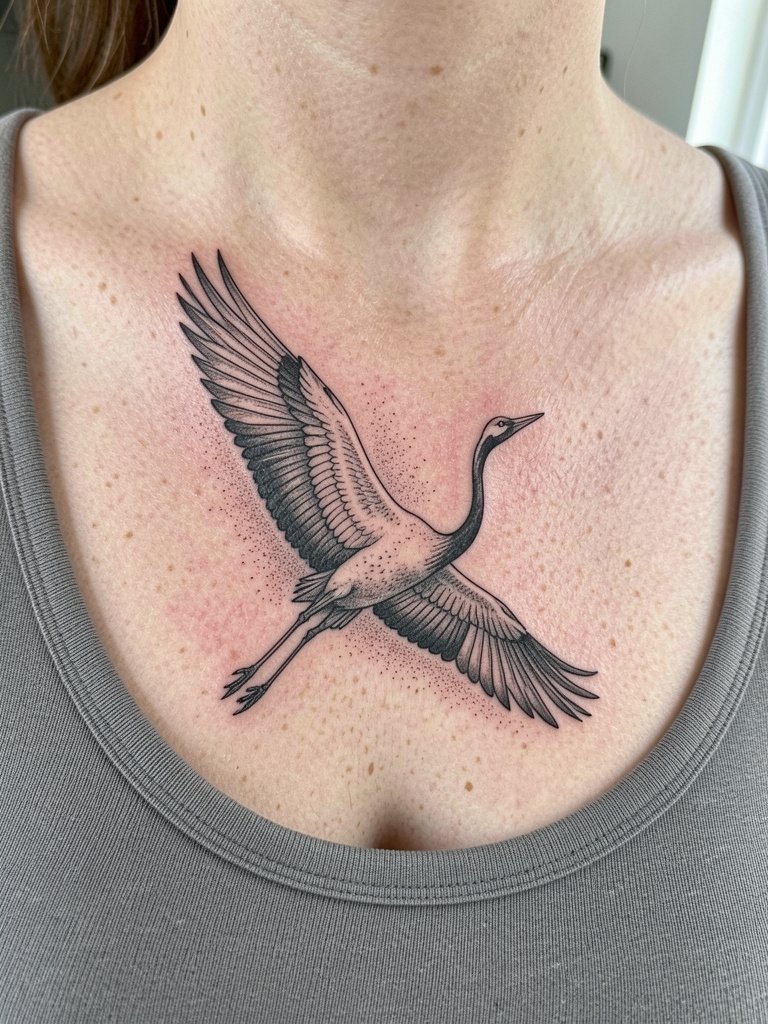
Collarbone cranes look graceful when the wing tips follow the bone line, but thin placements need slightly bolder anchors at tips to prevent feather blur. Discuss spacing of wing feathers so the piece reads even if some detail softens. Session time is modest and pain is variable because the area sits on bone. A mistake is asking for ultra-fine cross-hatching that the collarbone cannot hold. For evenings, pair with a delicate pendant necklace and low V-neck blouse that frames the crane.
18. Micro-Realism Leopard on the Upper Arm
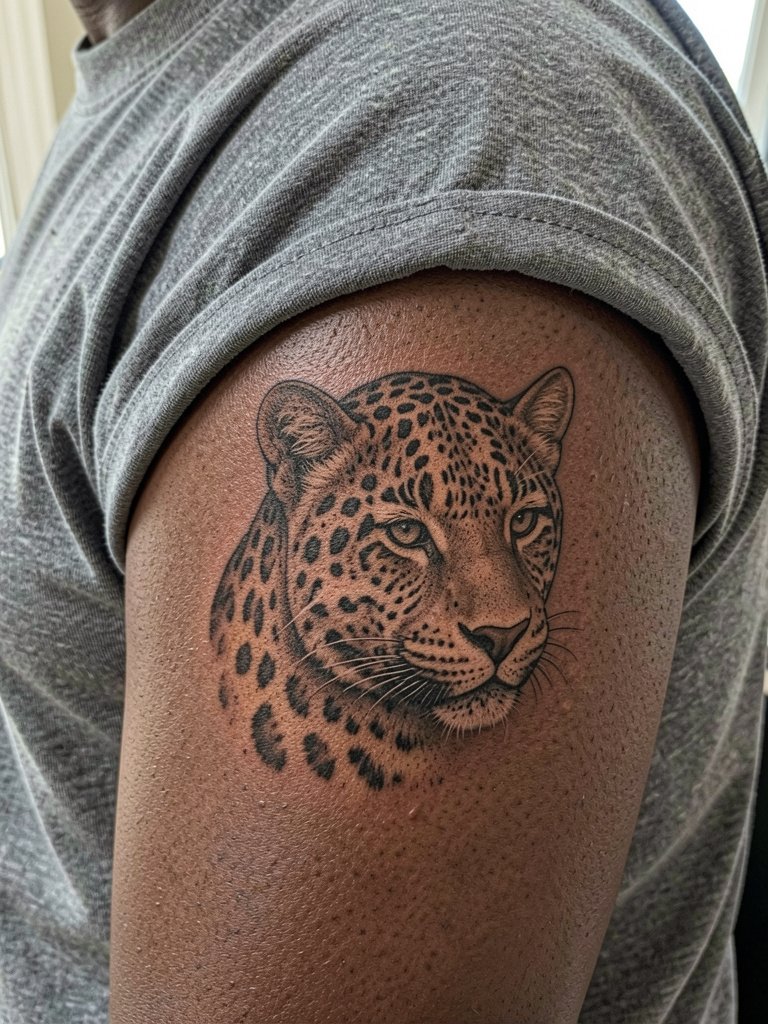
The outer upper arm is forgiving for realism because it offers fleshy surface and less constant abrasion than hands or feet. For this level of detail ask for slightly increased contrast between spots and background shading to help the pattern stay legible. Sessions can be moderately long with focused stipple passes. A common mistake is compressing too many tiny spots into a small area. For casual shows, roll a sleeve or wear a short-sleeve tee that leaves the upper arm bare.
19. Whimsical Narwhal Near the Hip
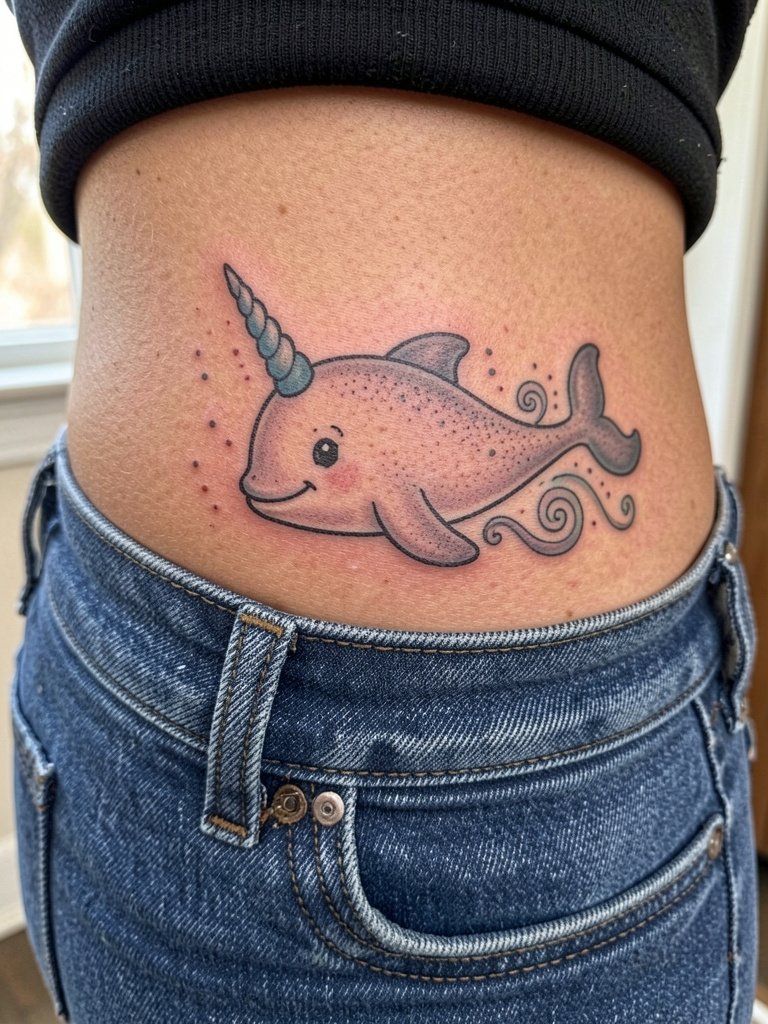
Hip pieces are sensual and private while also easily shown when desired. The lateral hip tolerates medium detail, but remember the area shifts with weight and clothing. During consultation request slightly bolder tusk lines so it reads against skin texture. Sessions vary and often require you to shift positions for artist access. A common mistake is placing a piece too close to the waistband where constant rubbing will wear it. For revealing looks choose a low-rise silhouette like low-rise jeans with a cropped top.
20. Dot-Work Jellyfish on the Lower Back
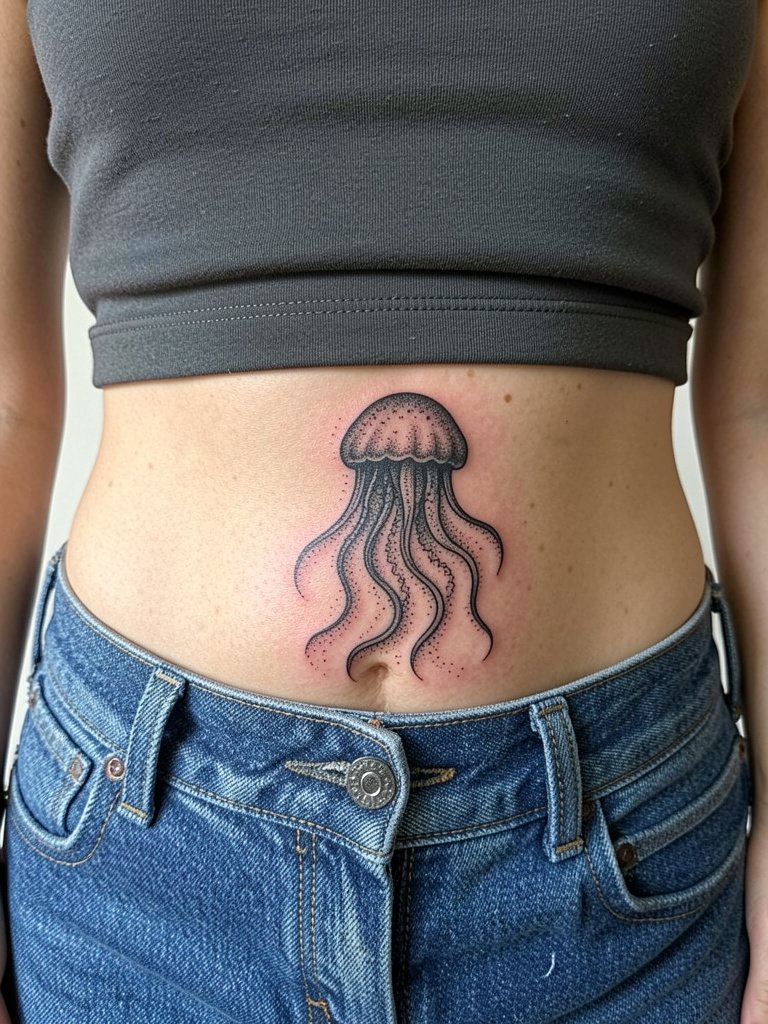
Lower-back dot-work reads beautifully when the artist uses negative space for tentacles so the motion survives minor fading. The area is usually low-pain and lies flat for the artist. A mistake is overcomplicating the tentacles with ultra-fine crosshatch. Plan for a single long session or two medium sessions. For showing the piece in summer, cropped tanks or low-rise swimwear work best.
21. Tiny Paw Prints Along the Foot Arch
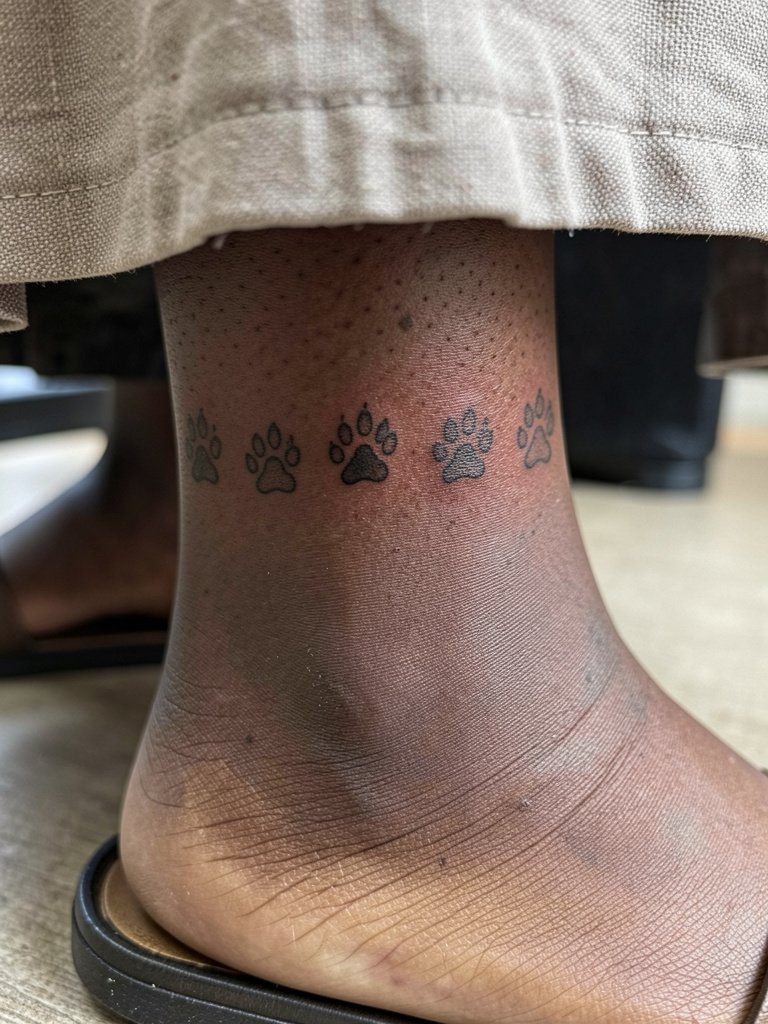
Top-of-foot tattoos are delicate and see a lot of wear from shoes. Paw prints work because small solid shapes handle abrasion better than filigree. Plan for a brief but stinging session and keep footwear minimal for the first week. A common mistake is placing prints where shoe straps rub the design. For visible moments choose sandals or barefoot settings to show the trail.
22. Whip-Shaded Cheetah on the Rib Flank
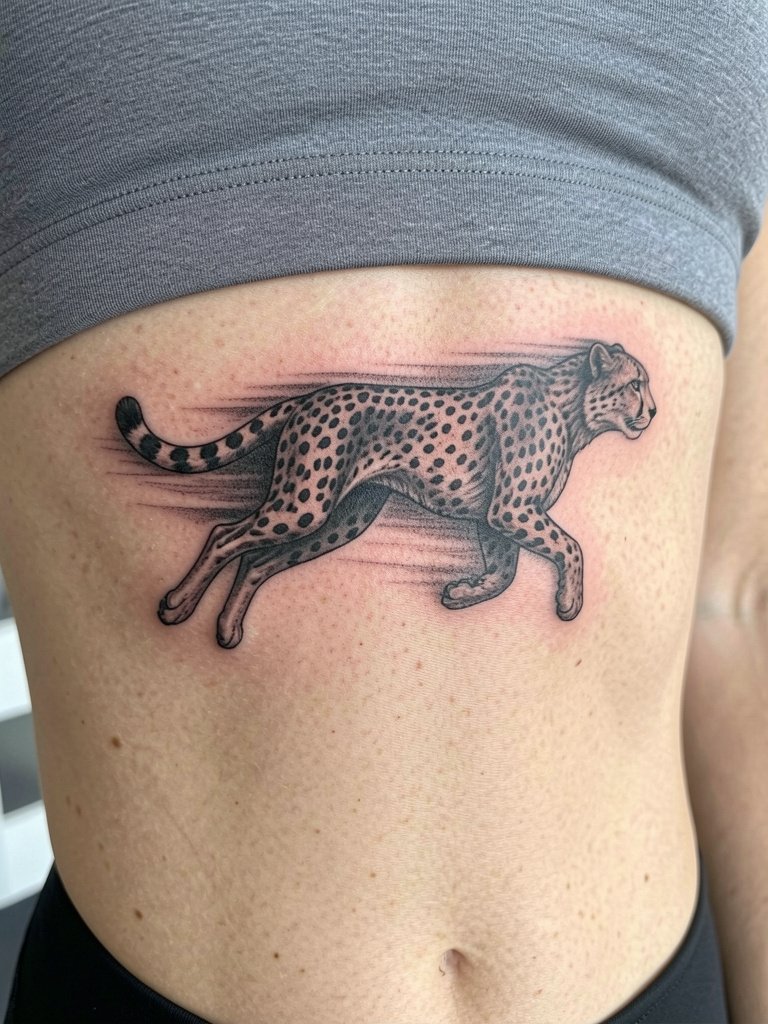
Whip shading creates kinetic motion that flat fills do not, and the rib flank gives enough canvas for stretch without losing composition. When booking specify that motion lines be slightly bolder where skin flexes. Sessions can be intense because of the rib location. A mistake is expecting densely packed small spots to maintain shape across moving skin. For show-off outfits, cropped athletic tops or swimwear highlight the flank silhouette.
23. Tiny Seal Pup on the Chest Near the Sternum
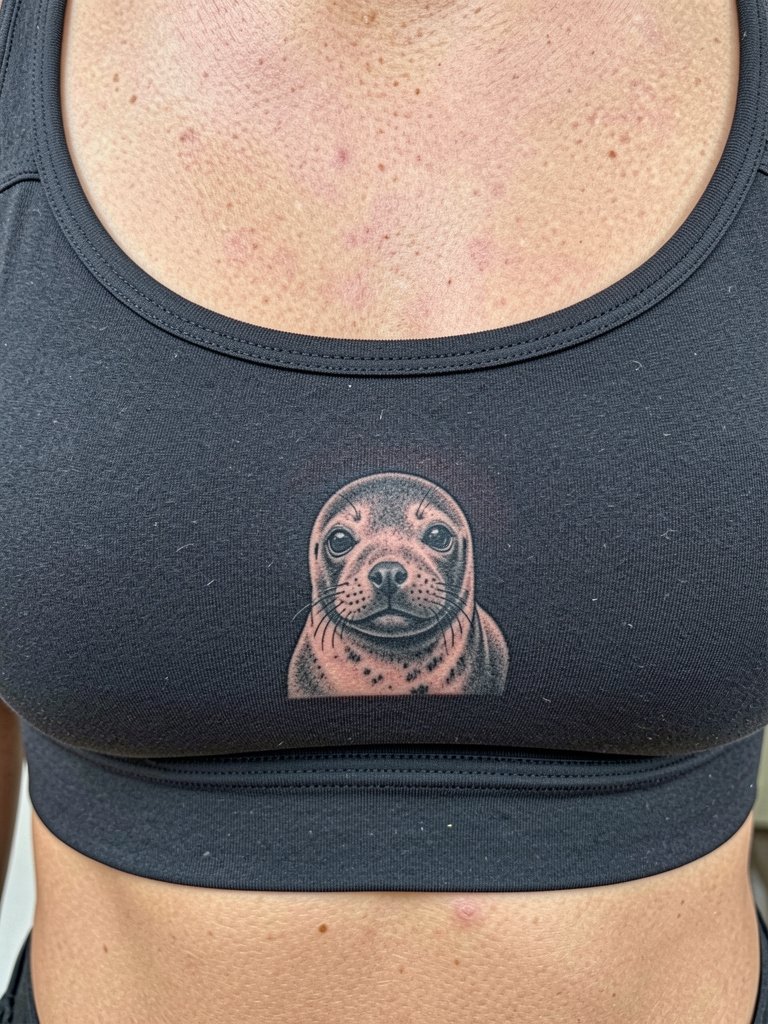
Small chest pieces near the sternum are intimate and read beautifully when given soft stipple contrast. Expect higher pain and a session that benefits from short breaks. A common mistake is asking for extreme micro-real detail right on the sternum where skin sits on bone. For wardrobe pair this with a wide V-neck top or fitted bandeau so the pup is framed without full exposure.
Frequently Asked Questions
Q: How do animal tattoos age differently across placements like wrist, ribs, and thigh?
A: From my observation, wrists and fingers fade fastest because of constant washing and friction, ribs shift with breathing and sometimes need touch-ups, and thighs hold detail longest due to thicker skin and less abrasion. Choose designs and line weight with those trade-offs in mind.
Q: Where can I find healed examples and portfolios without naming specific artists?
A: Search platform tags that focus on healed work and variations in skin tone, such as #HealedAnimalInk, #SmallAnimalTattoo, and #BoldBlackwork on Instagram or TikTok. Use location filters and browse portfolio sites with keyword filters for "healed" or "year-old" photos to compare how styles settle.
Q: Are hand and finger animal tattoos worth it if I want detail?
A: Hand and finger placements are high-wear zones and small detail rarely holds more than a year without touch-ups. One camp advises avoiding fine realism there entirely. The other camp will accept faster fade and plan scheduled touch-ups to keep the detail crisp. Decide based on how willing you are to commit to maintenance.
Q: What should I wear to my tattoo session for a sternum or shoulder blade piece?
A: For sternum sessions wear a fitted sports bra or bandeau so the artist has clean access while you stay covered. For shoulder blade work bring a wide-strap tank that you can wear normally without shifting. Comfortable, steady clothing beats loose layers that need constant adjusting.
Q: How often do animal tattoos need touch-ups, realistically?
A: Expect small, detailed pieces on wrists or fingers to need touch-ups at year one to two. Larger, saturated blackwork pieces often hold longer and commonly see touch-ups at two to five years depending on sun exposure and skin type. Planning touch-ups upfront gives you a better long-term result.