
A lot of St. Patrick’s Day pins lean tiny, green, and perfectly tidy. The reality is that micro green fills and ultra-fine knots often lose their color or blur faster than people expect. Treat green as an accent point and plan line spacing from the start. Start with a single-line shamrock that shows how a holiday nod can stay crisp for years with the right placement and spacing.
1. Single-Line Green Shamrock Outline
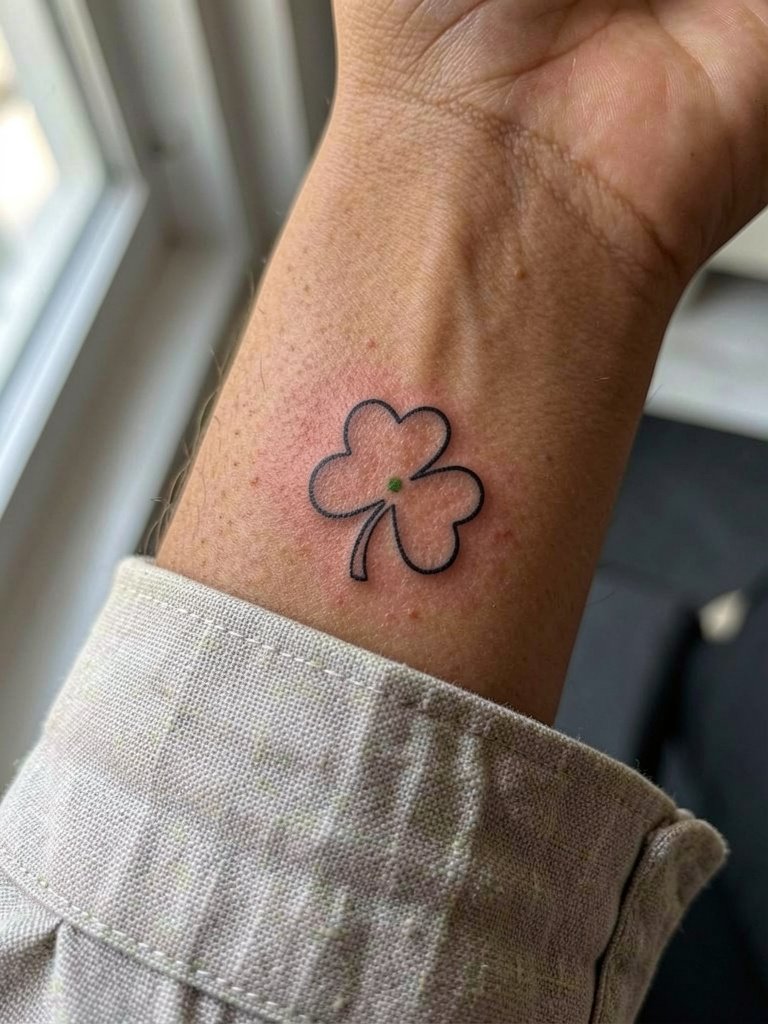
A single continuous line shamrock reads clean and tiny without the bulk of a filled leaf. Recommend this over a heavily shaded mini shamrock when you want low fuss and better longevity. Specify that the outline keeps 2–3mm of skin between leaf lines so the negative space survives tug and time. At six months it looks crisp. Around two years the green accent may soften if exposed to sun. Expect touch-ups on the wrist sooner than on the forearm, and plan for a light touch-up around year two if the dot starts to brown. For showing off, wear a linen button down shirt with the sleeve rolled to frame the wrist, and remove bracelets on session day so the artist has clear access.
2. Tiny Three-Leaf Clover Cluster Behind the Ear
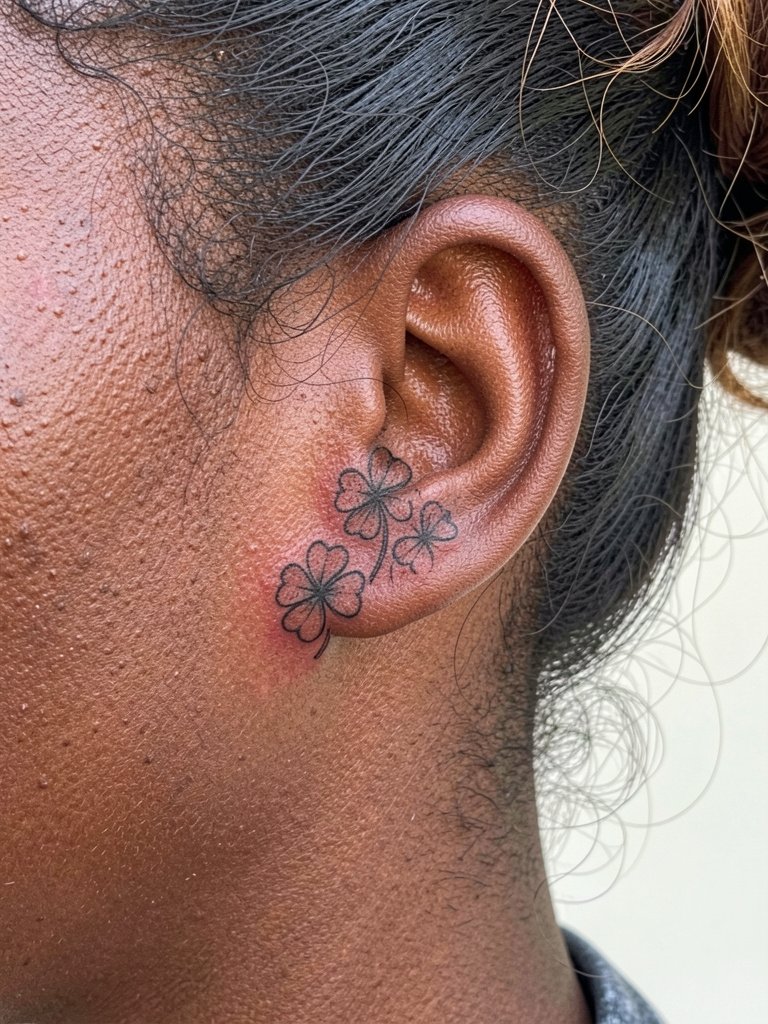
Behind-the-ear placements hide well and age conservatively because they avoid daily friction. Choose three separated leaves rather than a tight cluster for less risk of lines merging. Tell the artist to keep at least 2mm between leaf contours. Expect the piece to look nearly identical at six months and two years as long as you avoid prolonged sun exposure and aggressive shampooing during healing. For session wear, pick a top with an open back or removable neckline. To frame the area when you want it seen, pair the tattoo with a thin gold chain necklace that sits just below the mastoid area.
3. Abstract Green Line Wave on the Inner Forearm
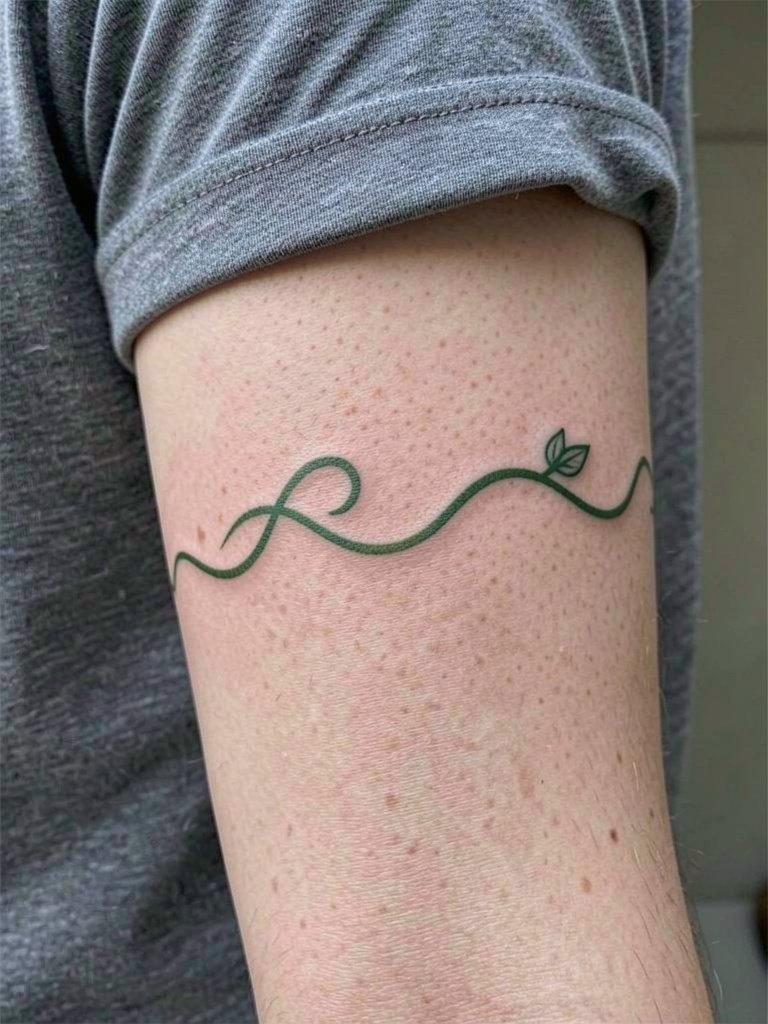
An abstract green wave turns holiday color into a modern piece that reads like a vine rather than a holiday sticker. Recommend this when you want seasonally tinted color without a literal shamrock. Specify a 1.5mm line weight so the line survives daily washing. Compared to a filled green leaf, this ages more consistently because there is less saturated surface to oxidize. At six months it will retain shape. At two to three years the hue may dull on sun-exposed skin without sunscreen. For showing off, wear cropped knits in neutral tones and a simple silver cuff bracelet on the opposite wrist.
4. Micro Shamrock with Negative Space on the Collarbone
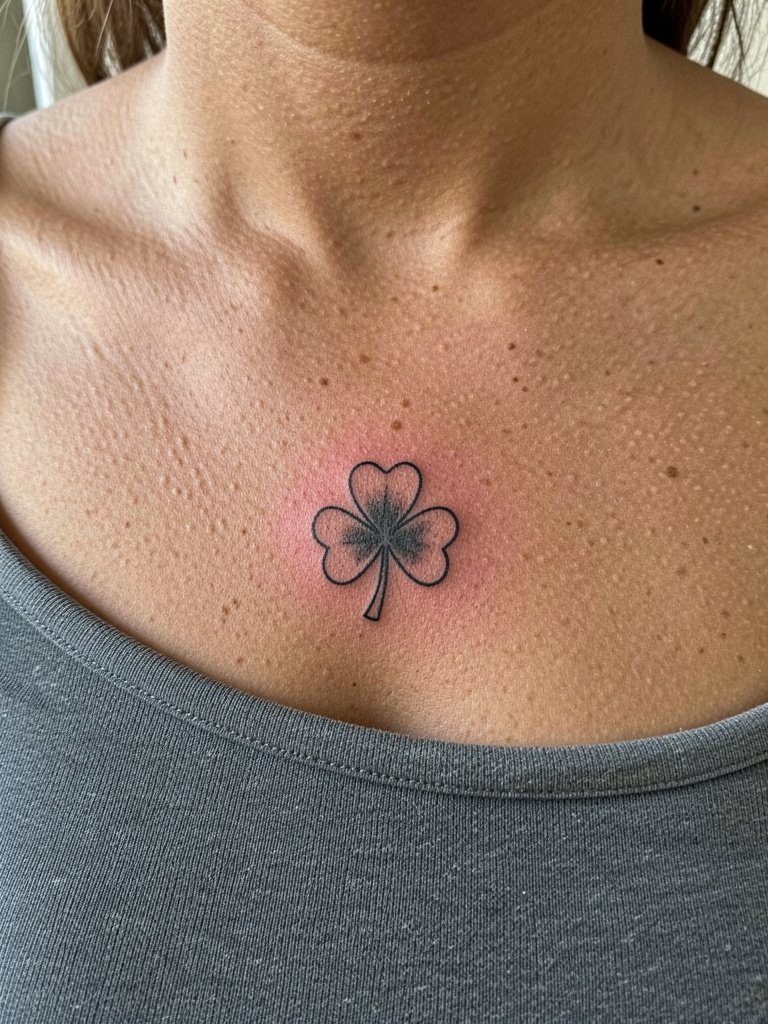
Leaving the center of a tiny shamrock as negative space makes the piece look intricate while reducing the green area that can oxidize. Recommend this variant when you want a delicate collarbone placement that wears jewelry. Ask the artist to route the outline so the negative center is at least 2mm across. Common mistakes include requesting ultra-thin outline lines that blur into a gray smudge. Expect a clean look at six months and a slightly softer edge at two years. Style it with off-the-shoulder tops and a thin gold pendant necklace that rests above the tattoo.
5. Minimalist Celtic Knot with a Green Accent on the Outer Forearm
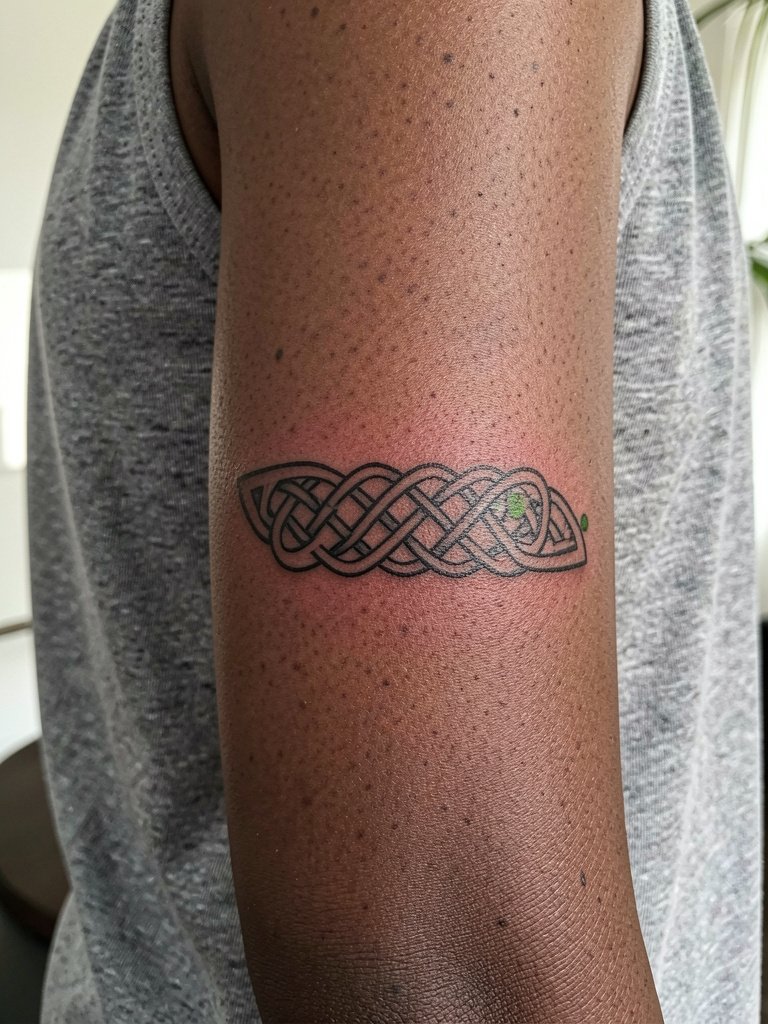
A simplified knot gives cultural nods without the visual density of a full Celtic panel. I recommend this over tiny filled knots when you want the motif to age gracefully. Specify the green accent as a single 2mm dot placed where lines cross so the color is a highlight not a field. One camp argues that small knots blur on forearms. Another camp says correct spacing and slightly heavier line weight keep detail sharp for years. Name that you want a hairier line weight than the reference and the artist will show the line at scale before inking. Pair with a cropped knit or a simple silver cuff bracelet to balance the forearm visually.
6. Tiny "Luck" Script in Green on the Inner Wrist
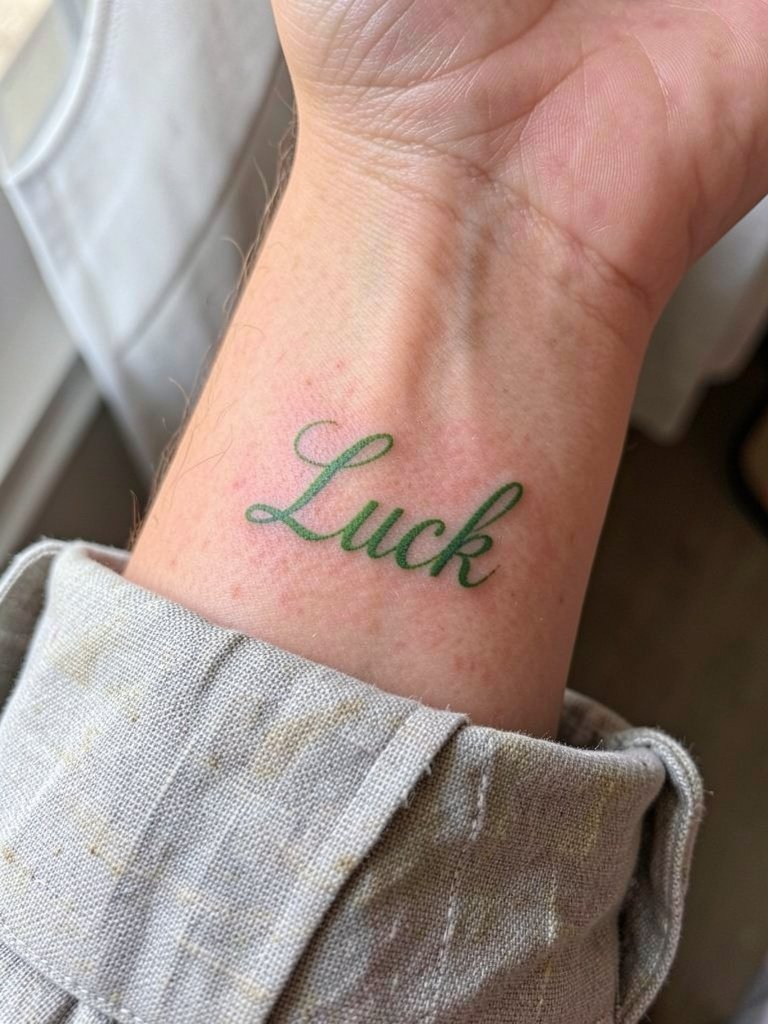
Script on the inner wrist reads intimate and legible when the letters stay sized properly. For beginners avoid cursive under 12pt. Be specific with the artist about letter spacing and insist the "k" tail is slightly thicker than surrounding strokes. One group of artists says inner-wrist fine line blurs within one to two years because of constant movement and bracelet friction. The other group says with slightly wider spacing and correct depth it can hold for three years or more. To hedge, pick a slightly bolder single-needle execution and plan for a light touch-up at year two. For session wear, a loose button-down makes exposing the wrist easy, and for showing off try dainty stacked bracelets on the opposite wrist or a dainty gold stacked bracelet set.
Before You Book
The small wrist and ankle pieces above have different healing quirks than larger work, so a few specific products smooth the session and the first week.
- Hush balm tattoo aftercare. A thinner balm that locks in moisture without clogging fine-needle channels, helpful for linework that needs to breathe while it heals.
- Bandida green tattoo ink. Higher saturation greens are more resistant to early oxidation when used as small accents.
- UV protective tattoo sleeve. Useful for the wrist pieces that face daily sun and watch friction during summer months.
- Forest green artist-grade pigment. A darker green option reduces the chance of early browning on healed skin.
- SPF 50+ broad spectrum sunscreen. Consistent sunscreen on healed tattoos is the single most effective step to slow color fade and preserve line contrast.
7. Single-Line Green Heart on the Ankle
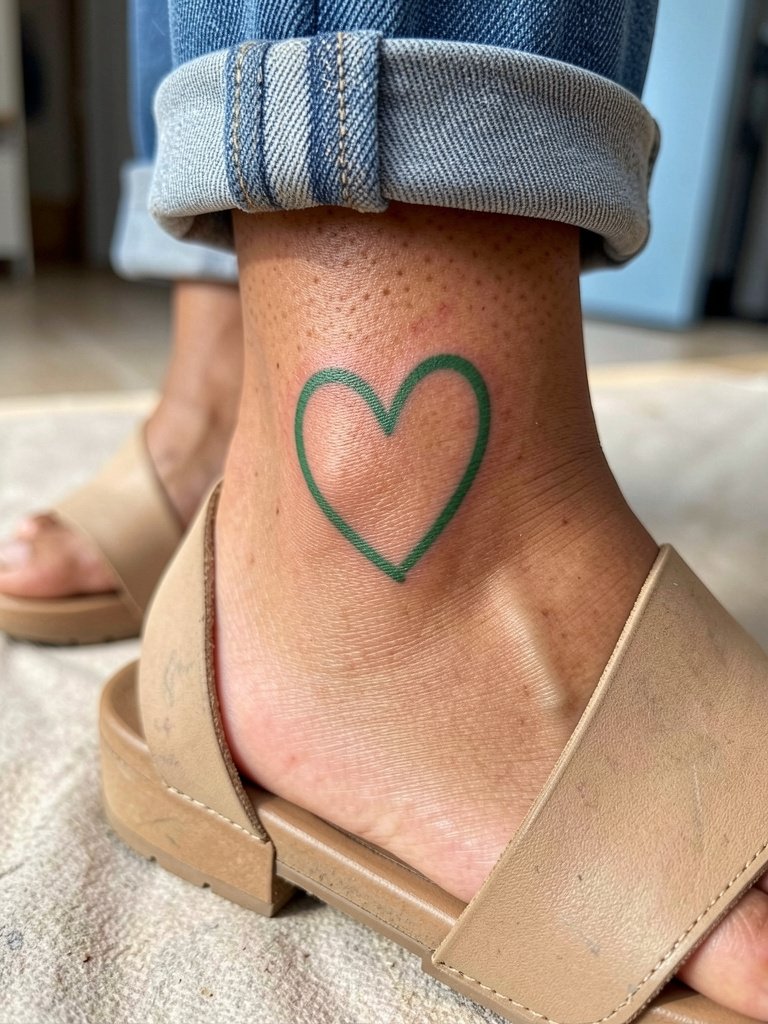
An ankle heart in green reads like a subtle seasonal nod that also looks like personal iconography. Recommend a 1mm line so the shape keeps its seam. Avoid tiny closed hearts filled with color on the ankle because friction against socks and shoes speeds fading. At six months it should look intact. Expect gradual softening by year two if you wear tight shoes often. For the session wear, pull-on pants or shorts that expose the ankle without tight waistbands work best. To show it off, choose open-toe sandals and a thin ankle bracelet set on the opposite foot.
8. Minimalist Potato Outline on the Hip
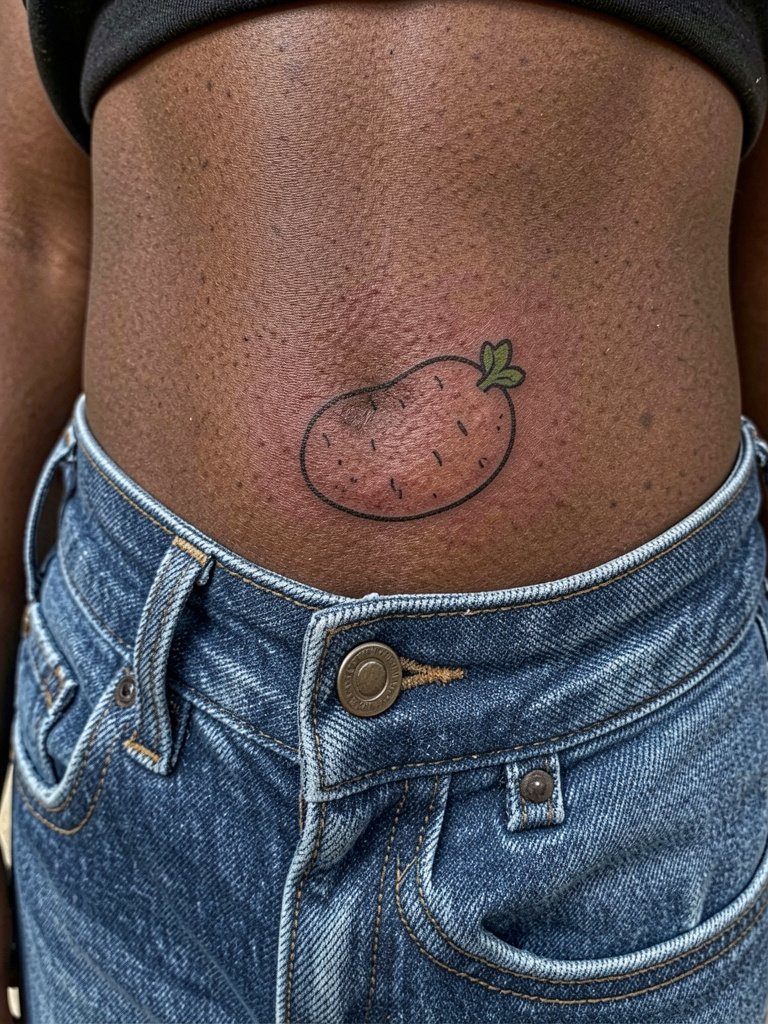
The potato outline is a playful Irish nod you can wear quietly. Recommend this design for hip placement because the area avoids constant rubbing and lets small humorous motifs survive. Ask the artist to keep the sprout as a tiny single-dot accent rather than a filled green patch. A common mistake is requesting too much micro detail in a 1.5cm potato. On the hip this piece will look virtually unchanged at two years unless you consistently wear tight waistbands. For session wear choose pull-on pants so the artist can roll fabric without pressure. Low-rise jeans and a thin gold belly chain make a subtle reveal.
9. Tiny Green Moon Crescent on the Nape
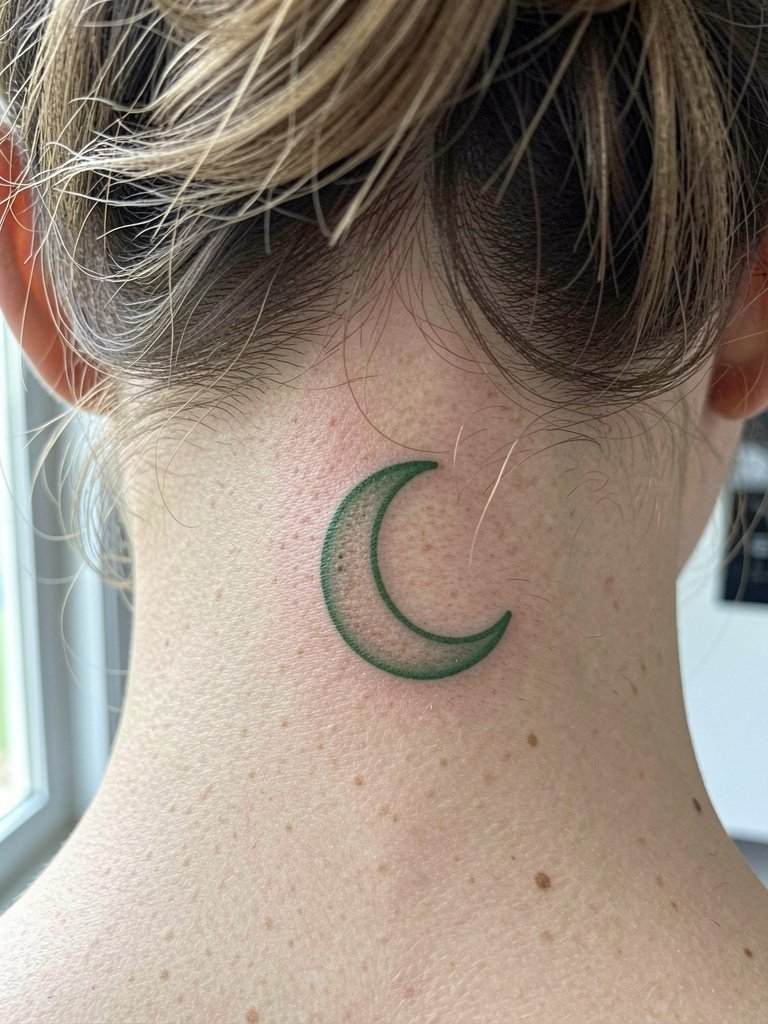
A tiny crescent in green is a celestial choice that still reads as seasonal when placed at the nape. Choose a single-line approach for longevity and ask for a slightly denser pigment deposit since green can lose vibrancy. Compared to a full green filled moon that can oxidize, the single-line crescent maintains shape longer. Nape tattoos are rarely rubbed, so expect stable preservation at two years. For showing off, high-neck knit tops in black or olive create contrast. Consider a high neck knit top for evenings when you want the small crescent to peek through.
10. Three-Leaf "Doodle" Shamrock on the Shoulder Blade
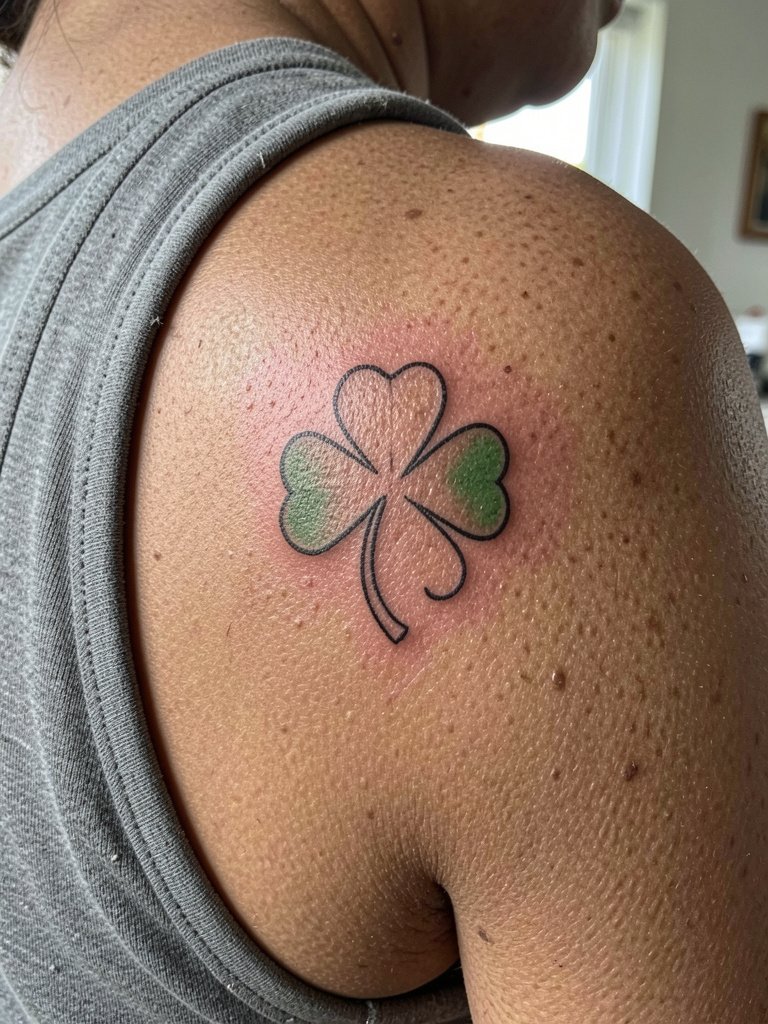
The ignorant-style doodle shamrock embraces imperfection and tends to age more gracefully than overworked tiny detail. Recommend a loose hand-sketched reference and ask the artist to intentionally break one line so it reads like a doodle. A common error is asking for perfect symmetry. At six months the doodle keeps its charm. At two to five years the organic line continues to read as intentional irregularity rather than a faded mistake. For session wear try an open-back top so the artist has full access. When you want to show it, pair the area with an open-back cream top.
11. Minimalist Green Star on the Inner Upper Arm
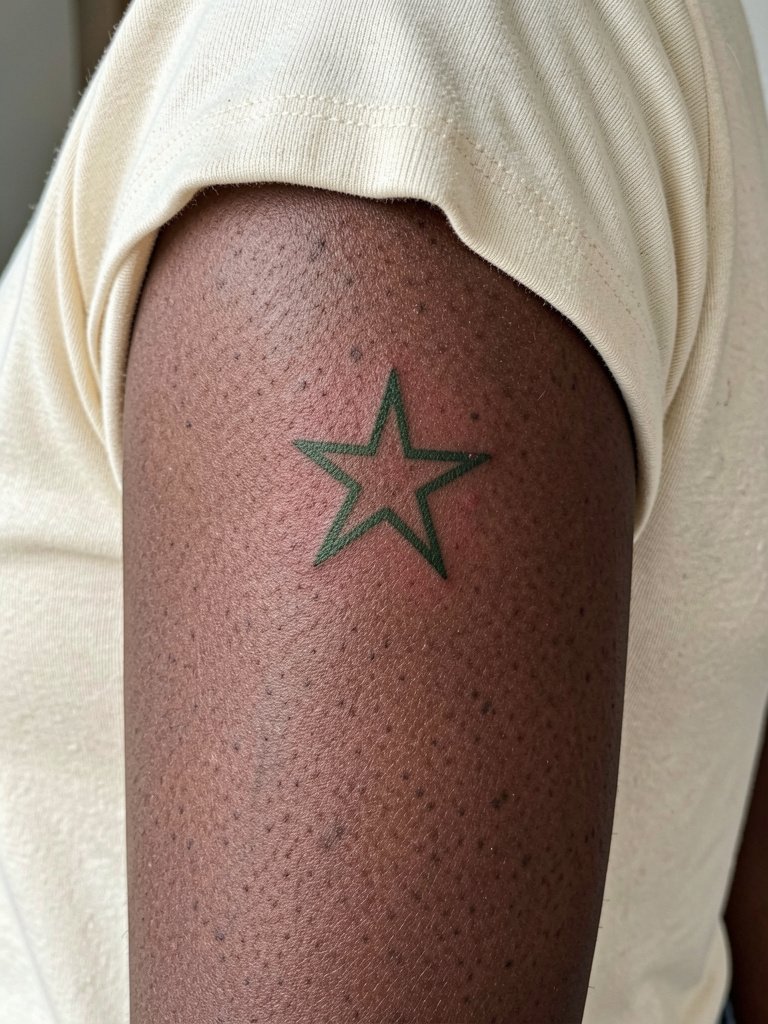
A tiny green star reads like a lucky symbol without leaning on shamrocks. Recommend it for inner arm placement because it hides during work and stays protected. Ask for a 1mm line weight and slightly rounded points so the geometry ages softer. Stars with ultra-thin acute points are at risk of line loss. Expect the piece to remain legible at two years, though the green will benefit from occasional sun protection. Show it with short sleeve tops and a thin gold arm cuff resting below the tattoo.
12. Tiny Green Vine with Single Leaf on the Ribcage
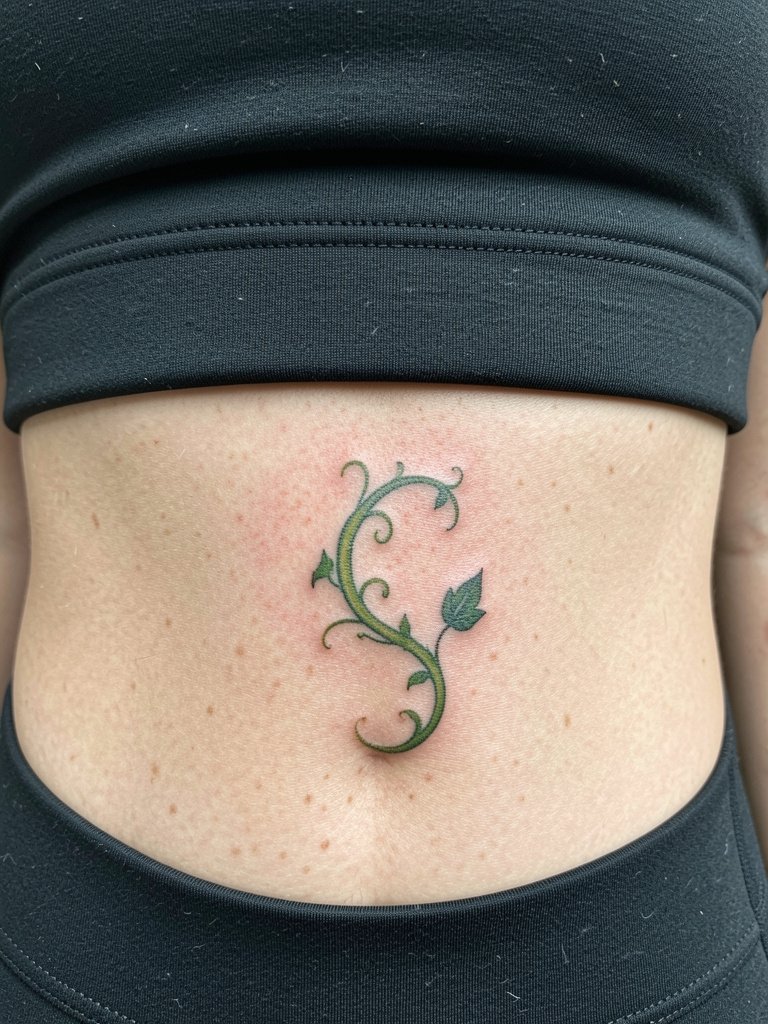
Ribcage placements can be dramatic but they also move with breath and weight change. If you want a botanical accent here, ask for a single flowing line with a 1.5mm weight to tolerate stretch. One controversy around fine line ribs splits artists into camps. One camp says the constant flex and thin skin make fine line blur within two years. The other camp argues that with correct depth and slightly wider spacing fine line holds fine and points to healed portfolios to back it up. If you choose this spot, plan for a slightly bolder line than the reference and expect a session that rates higher on the pain chart. For show-off pairing pick side-tie or open-side tops and a side tie cream top.
13. Minimalist "Irish" Script on the Inner Forearm
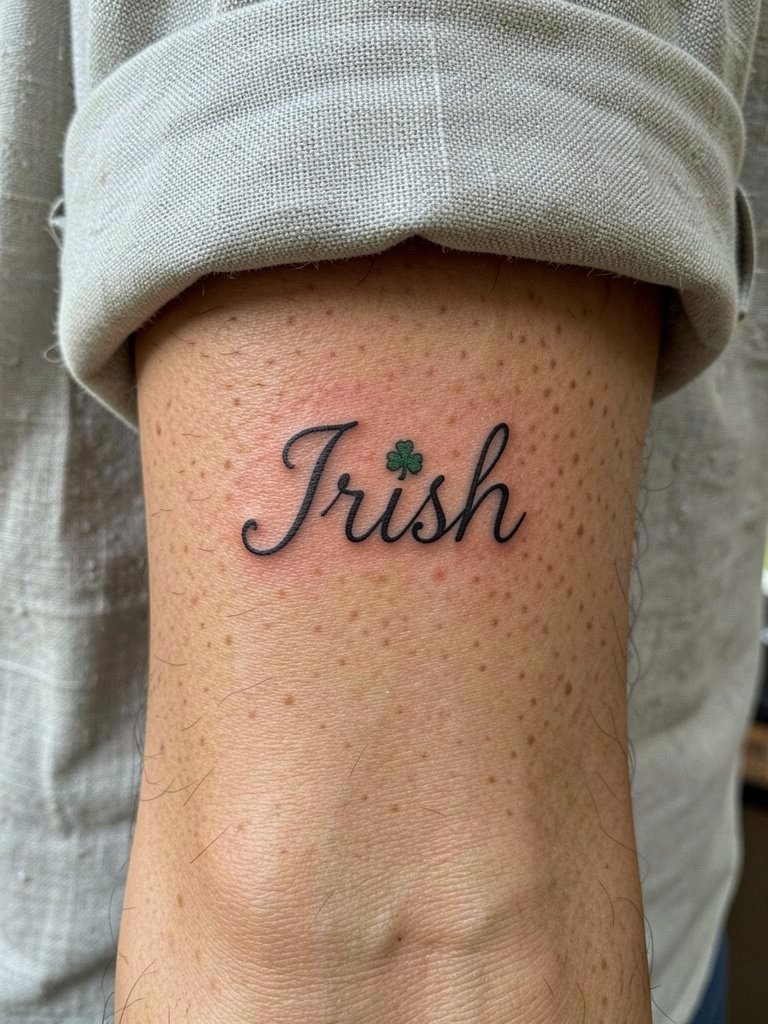
Text with a tiny icon is clever if the script is readable. Avoid cursive smaller than 12pt and insist the dot replaced by a 1mm green shamrock rather than full color fill. A common mistake is tiny letterforms that blur into a watermark. Expect the inner forearm to keep shape longer than the inner wrist, but still plan for sunscreen on the area. For session wear, a loose button-down is easiest. To style, roll sleeves and wear dainty stacked bracelets on the opposite arm and consider a rolled cuff linen shirt that complements the linework.
14. Tiny Green Triangle on the Lateral Wrist
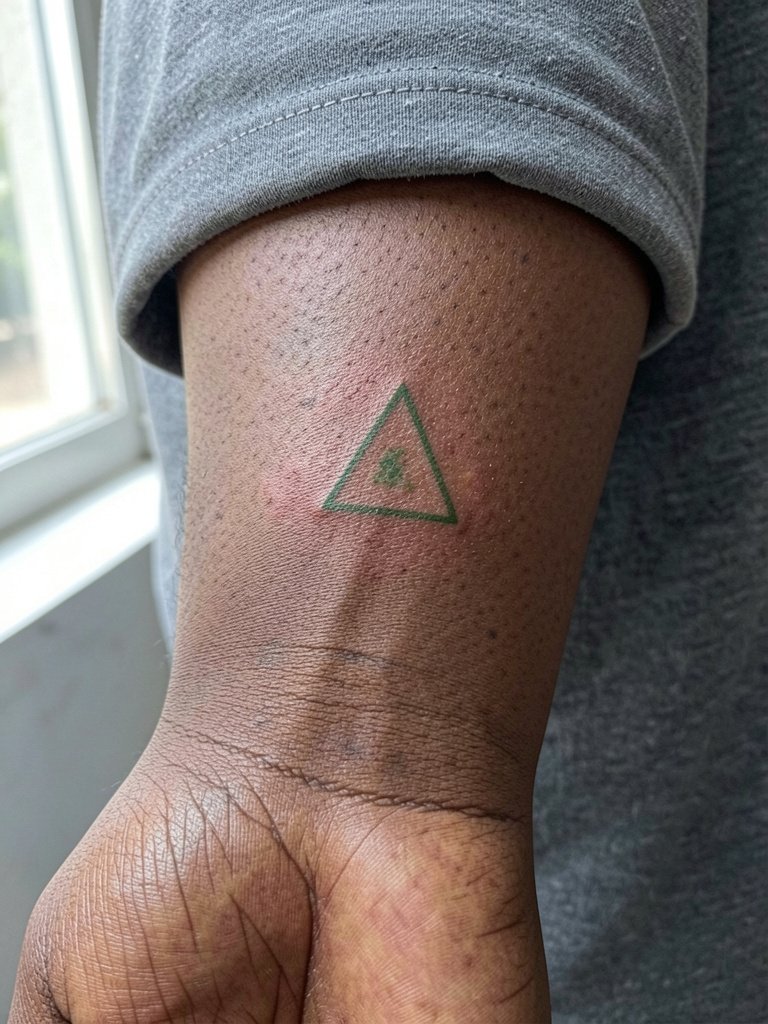
A geometric triangle is an abstract shamrock proxy that reads modern and very small. Ask for crisp angle joins and 1mm line weight so the shape reads as geometry rather than a smudge. The main aging challenge at this placement is bracelet and watch friction. If you wear a watch daily, expect the triangle to need a touch-up sooner than a forearm piece. For showing off, choose a minimalist watch on the opposite wrist or a stacked thin chain bracelet. Avoid chunky wristwear on the tattoo side during the first week.
15. Single-Line Green Snail on the Ankle
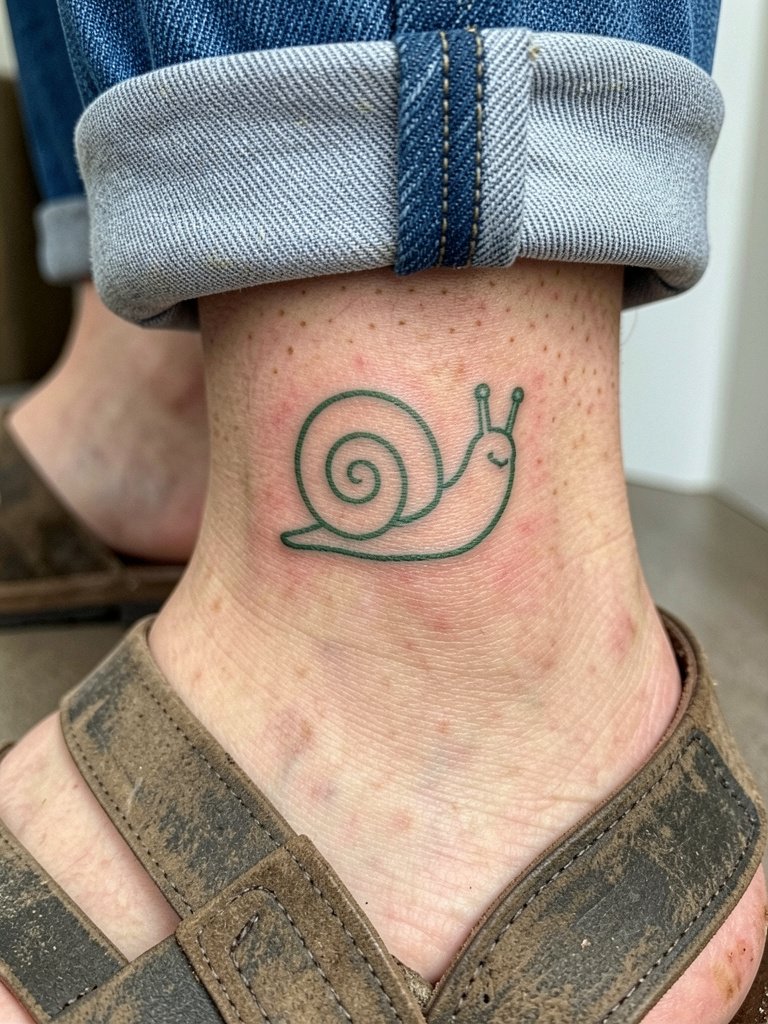
A tiny snail is an offbeat nod to the "no snakes in Ireland" legend and it ages like any small ankle piece. Ask for a continuous line that keeps the shell spiral slightly open so it does not collapse into a filled blob. The ankle is moderate pain but high friction from shoes. Plan for touch-up within the first two years if you favor closed shoes. Show it with open-toe sandals, nude tones, and a thin ankle bracelet for contrast and consider wearing pull-on pants for the session.
16. Micro Celtic Dot Work Accent on the Outer Forearm
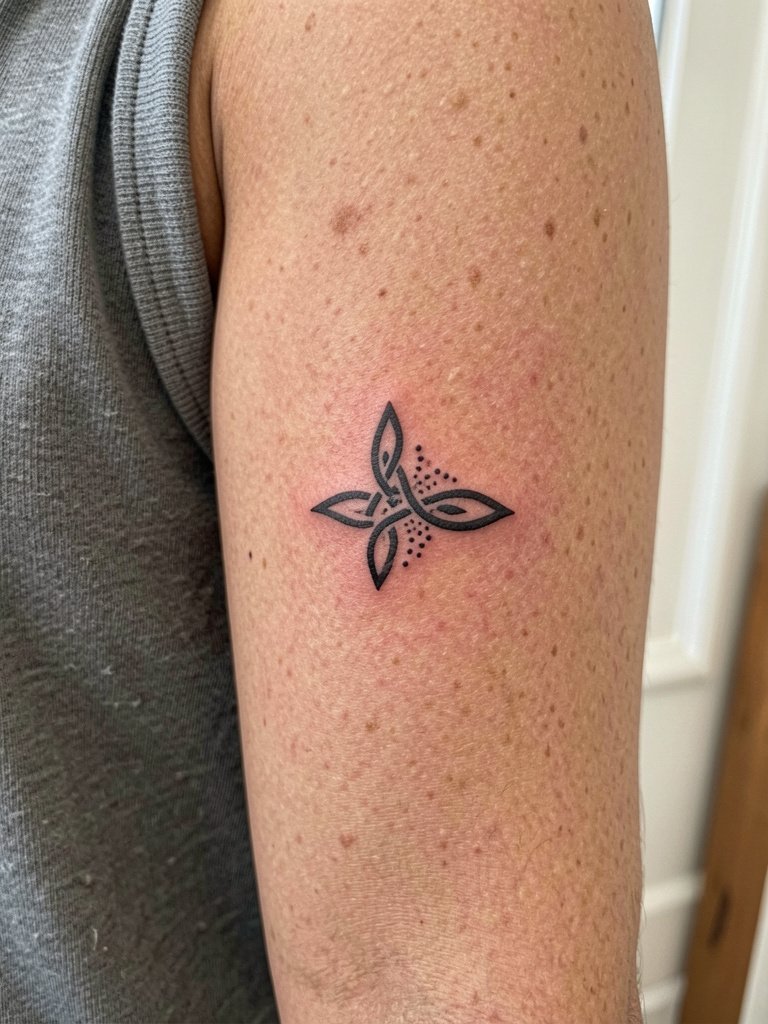
Dot work gives detail without large fields of pigment, which helps avoid green oxidation issues when you keep color minimal. Recommend stippling over solid fills so there is less surface saturation to shift. A common mistake is asking for dense fill at tiny scale. At six months the dots settle. Around year two they may soften but remain legible if spacing was respected. For session comfort wear short sleeves and consider cuff bracelets on the opposite wrist to balance the forearm visually. A cropped knit in cream or sand pairs well with stipple texture.
17. Minimalist Pint Glass Outline on the Side Wrist
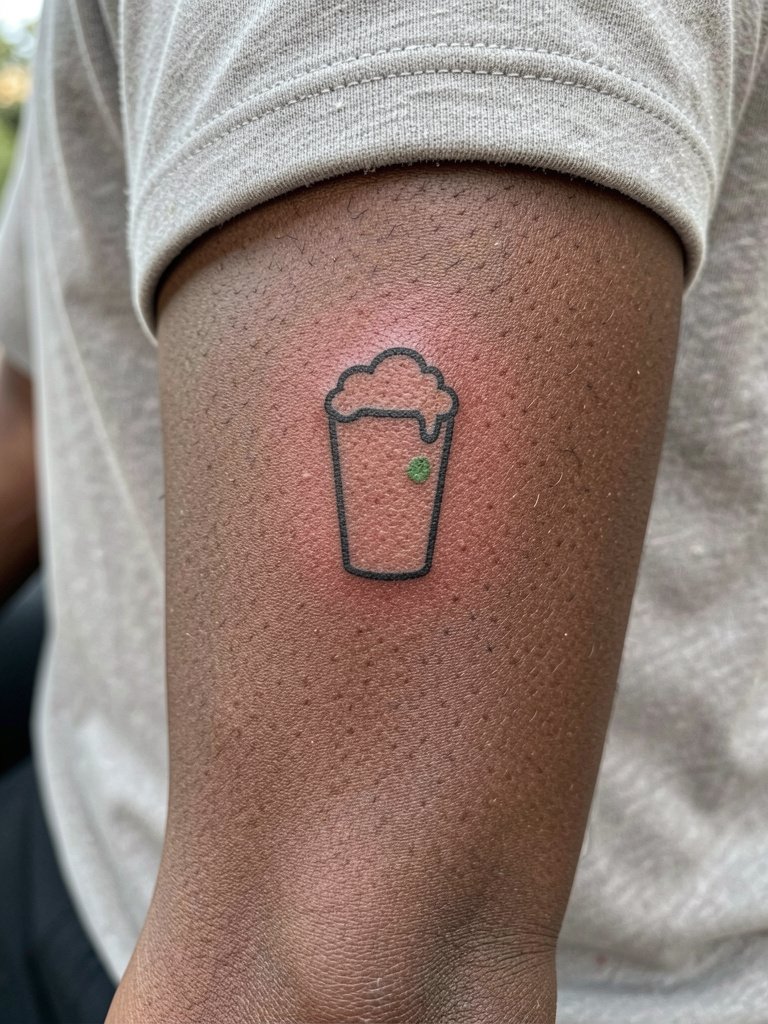
A pint glass outline is a tongue-in-cheek celebration piece that reads casual rather than holiday tack. Place it on the lateral wrist where watch friction is less aggressive if you are a frequent watch wearer. Tell the artist to keep the green foam accent to a single small dot. Tiny filled patches on the wrist risk early oxidation. Expect a clean look at six months and a need for touch-up around two years if you continually expose the area to sun. Session wear is a loose tee and avoid wrist jewelry the day of your appointment.
18. Micro Geometric Ireland Outline on the Rib Edge
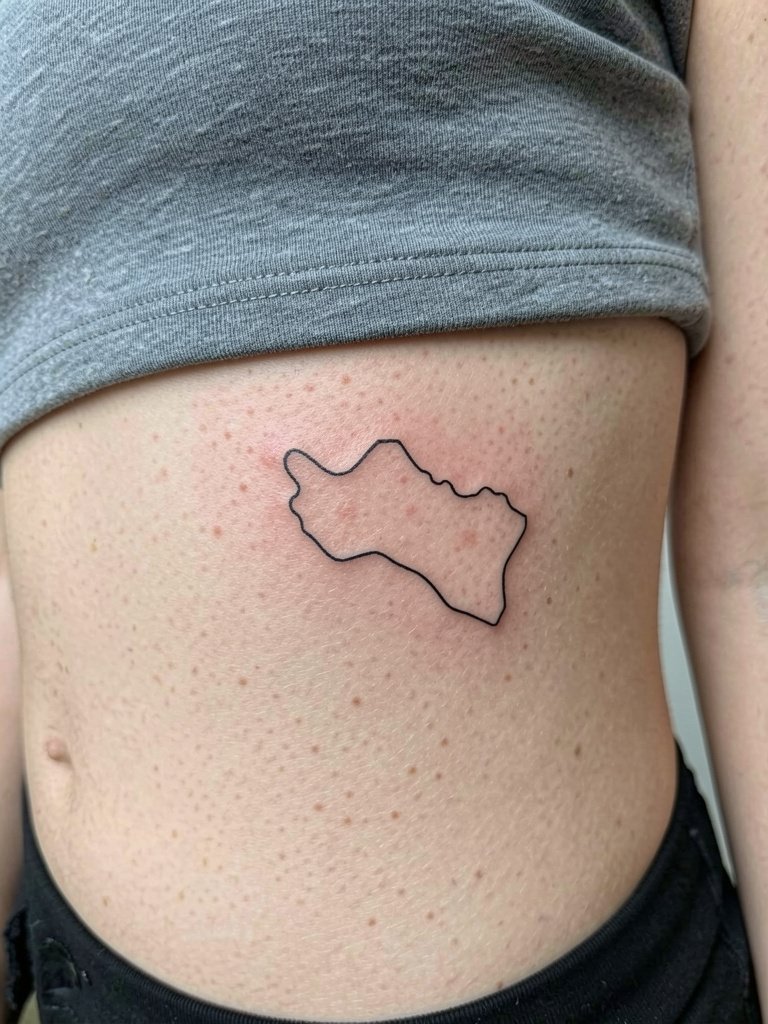
An abstract, geometric island outline reads like heritage shorthand without being literal. Recommend a simplified contour so the form can be recognized without tiny coastline detail that blurs. On the rib edge, thicker single-needle lines improve longevity over thin micro-detail. If you want a very small geographic nod, ask the artist to show the shape at the exact final scale first. Pain is higher on ribs but the result is discreet. To reveal it, pair with side-tie tops or cropped styles that sit above the rib and avoid tight waistbands during healing.
19. Tiny Horseshoe with Green Accent on the Inner Ankle
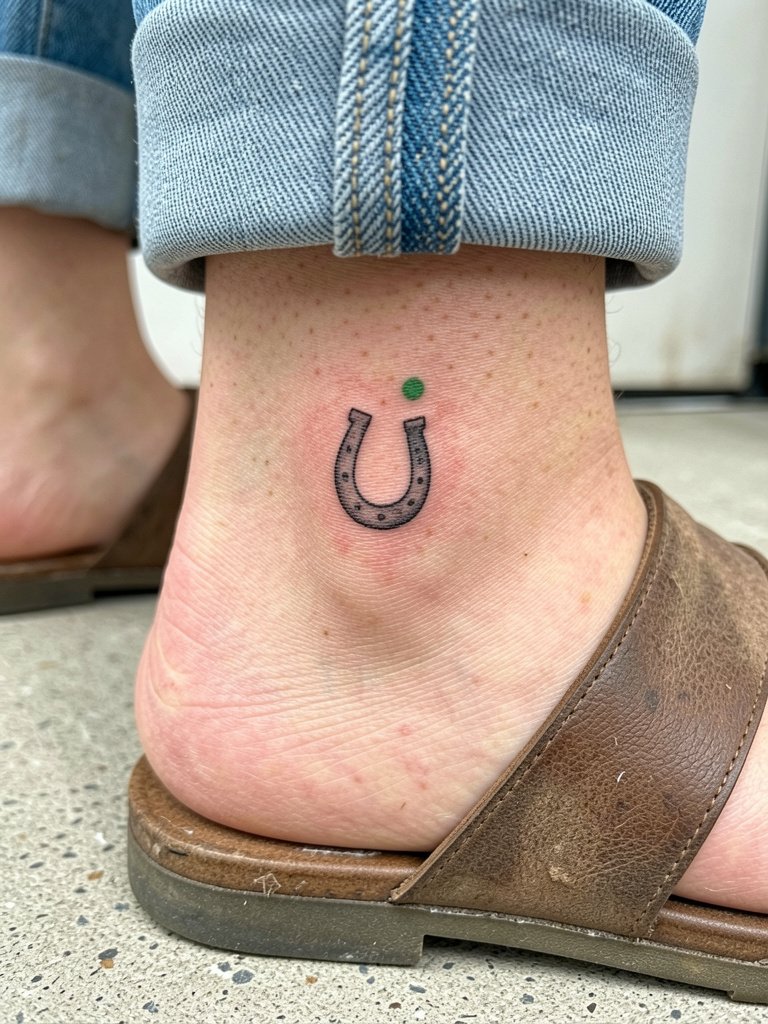
A horseshoe is a classic luck symbol smartly minimalized with a green offset. Place it on the inner ankle where it sees less abrasion than the top of the foot. Specify that the green accent be a dot rather than a full fill so the color stays a highlight. Mistakes include requesting tiny nail-head dots inside the horseshoe that blur. At two years it will still read if you avoid constant rubbing and apply sunscreen once healed. For showing off, open-toe sandals and neutral tones work, and during the session wear pull-on pants so the artist can roll fabric without pressure.
Frequently Asked Questions
Q: Will green ink turn brown or black after healing?
A: There is disagreement. One camp argues green oxidizes quickly and that large green fills tend to brown within months, so they recommend green only as a tiny accent. The other camp says darker, high-saturation greens applied at proper depth can hold color for years. My practical takeaway is to use green sparingly for small accents, or request a darker forest or emerald green and expect to evaluate color at the 6- to 12-month mark.
Q: Which tiny placements need touch-ups sooner?
A: High-friction spots like the inner wrist, fingers, and top of the foot typically need touch-ups more often than forearms or the shoulder blade. Plan for a potential light touch-up at around year two on wrists and ankles. For the inner wrist consider slightly heavier line weight from the start so you can extend the time between touch-ups.
Q: How do I find artists who specialize in fine line green accents without naming names?
A: Search hashtags like #minimalisttattoo, #finelinetattoo, and #greenaccenttattoo and filter by location on Instagram and TikTok. Tattoodo and Booksy both let you search by keyword combinations such as "fine line shamrock" and show portfolios. Reddit communities like r/tattoos and r/tattooadvice surface healed examples and peer recommendations. Use these platforms to find healed shots across skin tones before booking.
Q: What should I wear to my appointment for a collarbone or ribcage piece?
A: For collarbone tattoos wear a wide V-neck or off-the-shoulder top that naturally exposes the area without being pulled. For ribcage sessions choose a fitted cropped tee so the hem sits above the ribs in its normal worn state, allowing the artist unobstructed access. A cropped knit sweater or fitted tank works well.
Q: How can I make a St. Patrick’s Day nod look less seasonal and more wearable year round?
A: Use green as a single accent dot rather than a filled leaf, or pick abstract motifs such as a wave, triangle, or geometric island outline. Minimal single-line approaches age better than tiny full-color fills. Also choose placements that avoid constant sun exposure and friction, and plan routine sunscreen on healed work to retain contrast.