
Fine-line astrology pieces look effortless on saved pins, but what often gets left out is how placement and needle choice change what actually lasts. Skinny glyphs on the inner wrist can blur fast if friction and sun exposure add up. Read these carefully chosen minimalist astrology designs, the placements that suit them, and the wardrobe and session tips that keep tiny ink crisp for years.
1. Single-Needle Zodiac Glyph Trio, Inner Wrist
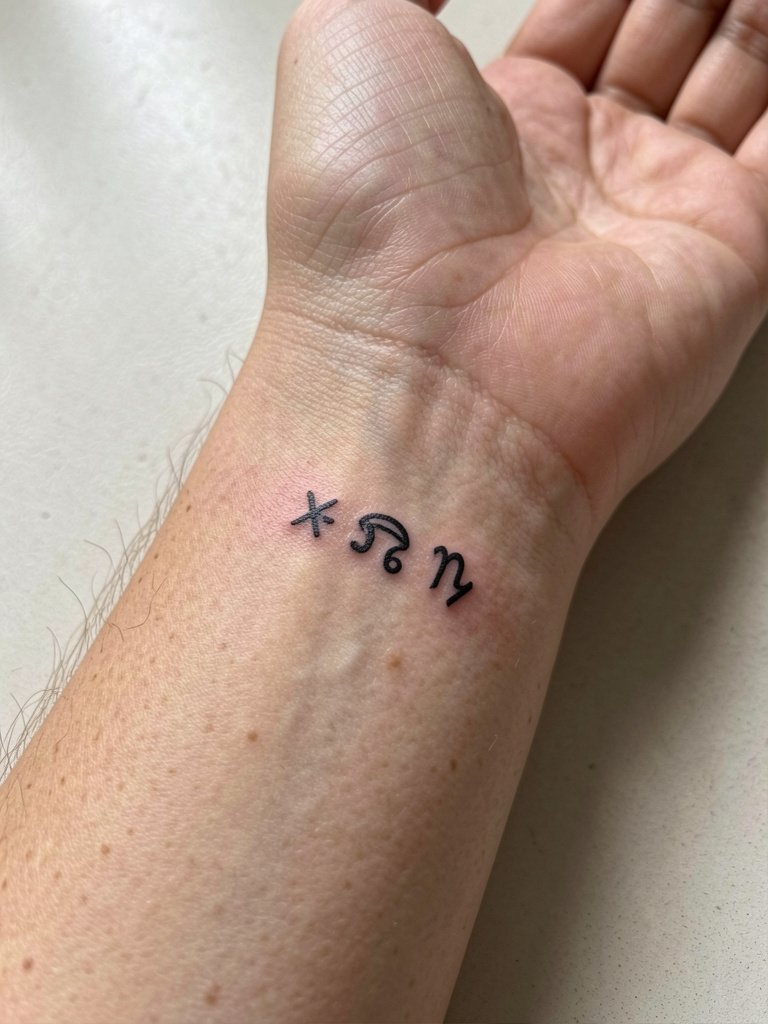
Tiny glyph trios are great for chart shorthand, and they read best at 1–2 cm total length. The inner wrist is high friction, so expect a touch-up window earlier than for arm pieces. Fine-line longevity on wrists divides artists into two camps. One camp says wrists blur within two years because watches, bracelets, and daily movement abrasively soften single-needle lines. The other camp argues that slightly heavier line weight and correct placement let glyphs hold for three to five years, and they point to healed photos as proof. For showing the piece, roll up a linen sleeve and pair with a thin gold bracelet on the opposite wrist, like dainty gold stacked bracelets. For the appointment, wear a short-sleeve or button-down so the artist can work with your forearm flat.
2. Minimalist Constellation Outline, Inner Forearm
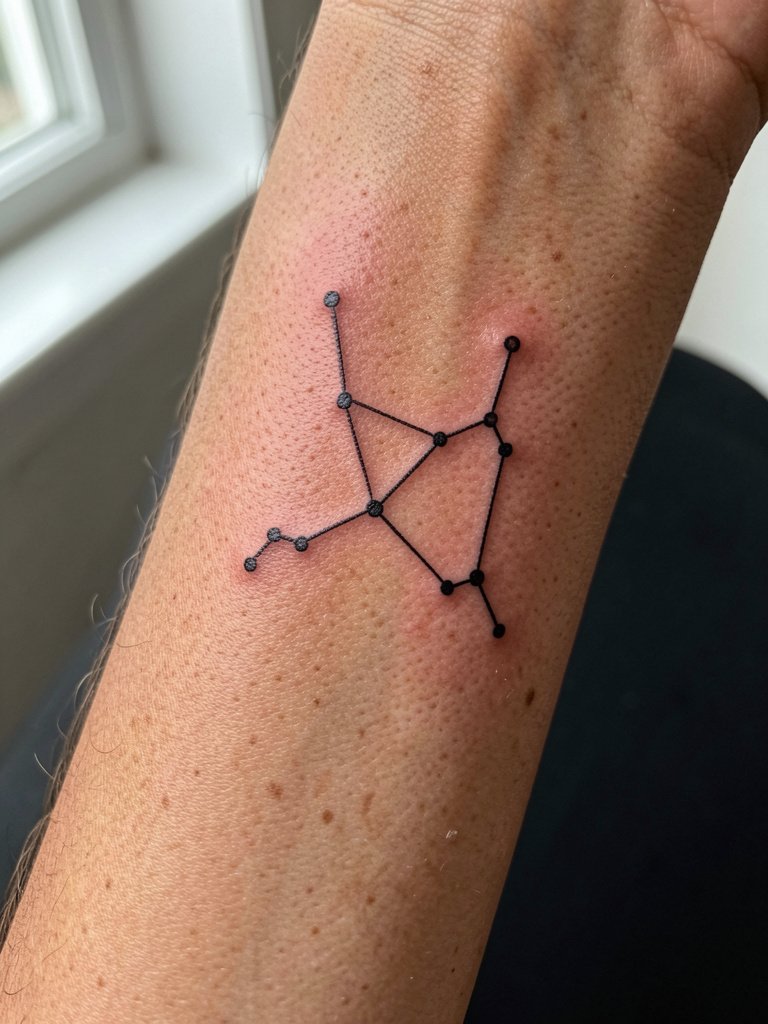
A single continuous line constellation gives a clean, graphic read while staying small. Recommend 3–5 cm so star spacing breathes and the design avoids merging over time. A common mistake is scaling it too small to fit on a skinny forearm, which makes dot nodes blend at the six-month mark. During consultation bring a scaled mockup so the artist can show line spacing at actual size. For photos and everyday wear, roll up a chambray shirt sleeve and pair this with a thin chain bracelet on the opposite wrist. Session time is typically one short pass under an hour, and pain sits around a 3 to 4 out of 10 for most people.
3. Tiny Crescent Moon Plus Star, Behind the Ear
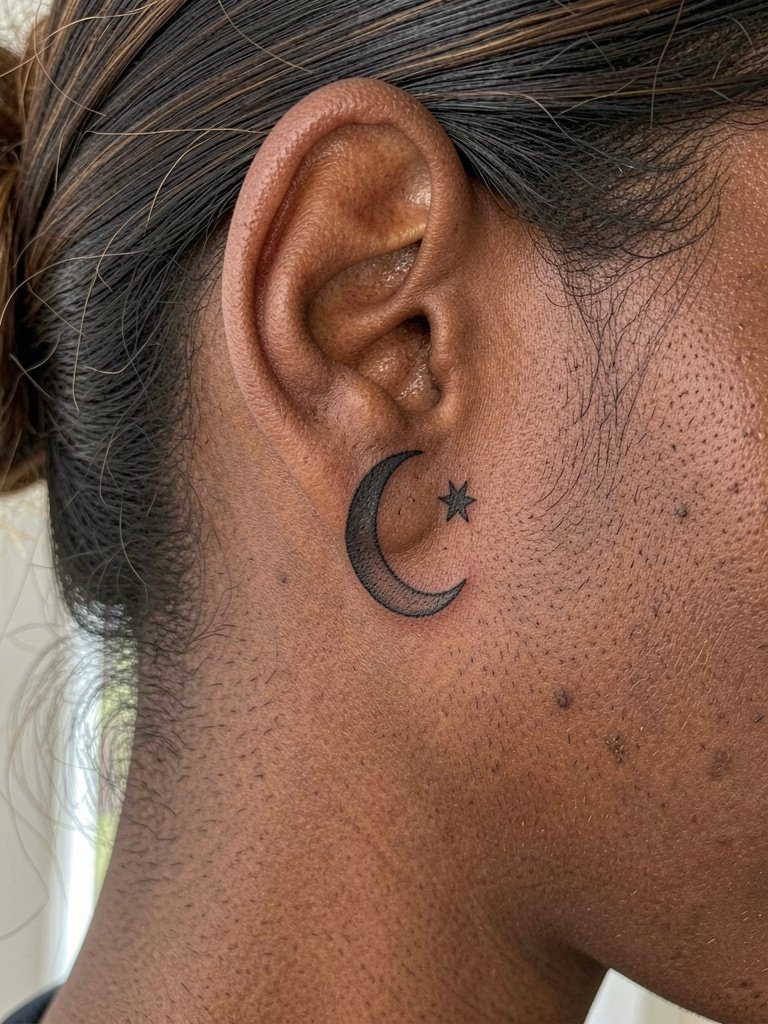
Behind-the-ear placements are tiny and discreet, which suits a 1 cm moon plus star. Expect lower friction from clothing, but take care with hair products during healing. The most common regret is asking for an overly thin crescent that loses contrast once healed. Ask for a slight boldening around the crescent's outer edge so the negative space star remains visible at 6 months. Show-up with hair tied in a simple ponytail and bring a delicate pendant for after photos. Pain is low, typically a 2 to 4, and the session takes less than an hour.
4. Ascendant Sign Glyph, Collarbone
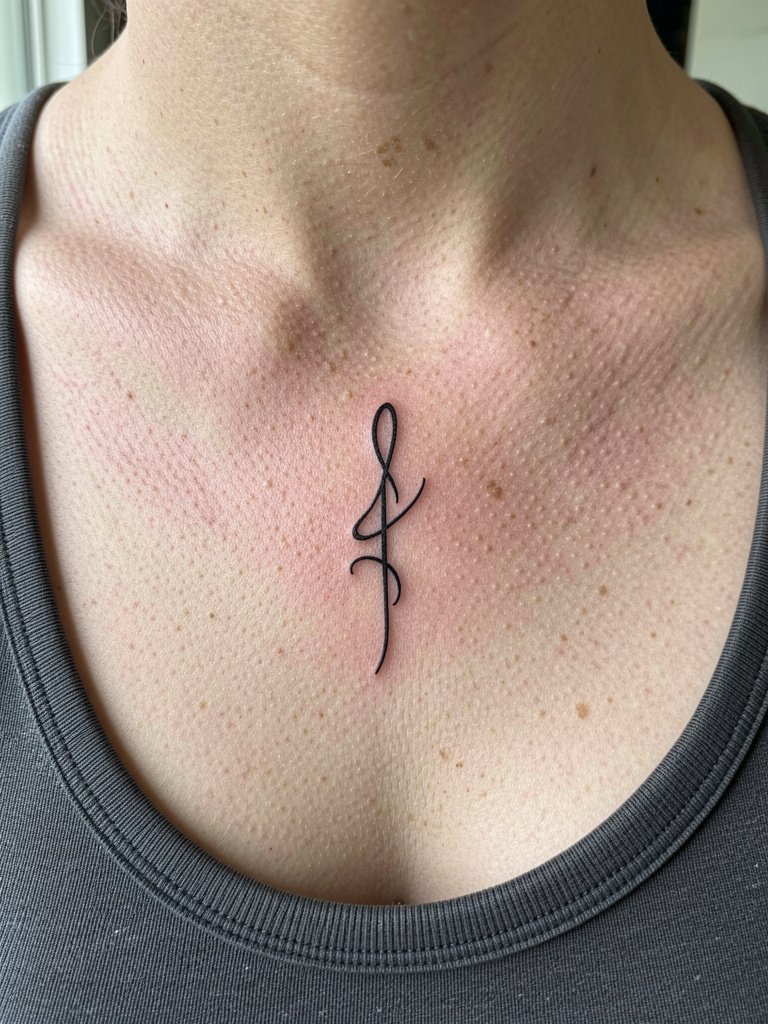
Collarbone glyphs look refined when scaled to 1.5 cm and centered along the clavicle. Because the collarbone is exposed, the sunscreen debate matters here. One camp recommends daily SPF 50 or higher on healed fine-line pieces to protect contrast and slow fading. Another camp thinks seasonal or occasional sunscreen in peak sun months is enough, arguing that daily SPF can feel oily and that over-moisturizing risks slight line migration on very thin work. For wearing after healing, scoop-neck tops and layered delicate chains keep the glyph visible. On appointment day wear a strapless or low-cut top for easy access and fast packing.
5. Orbital Ring System, Outer Shoulder
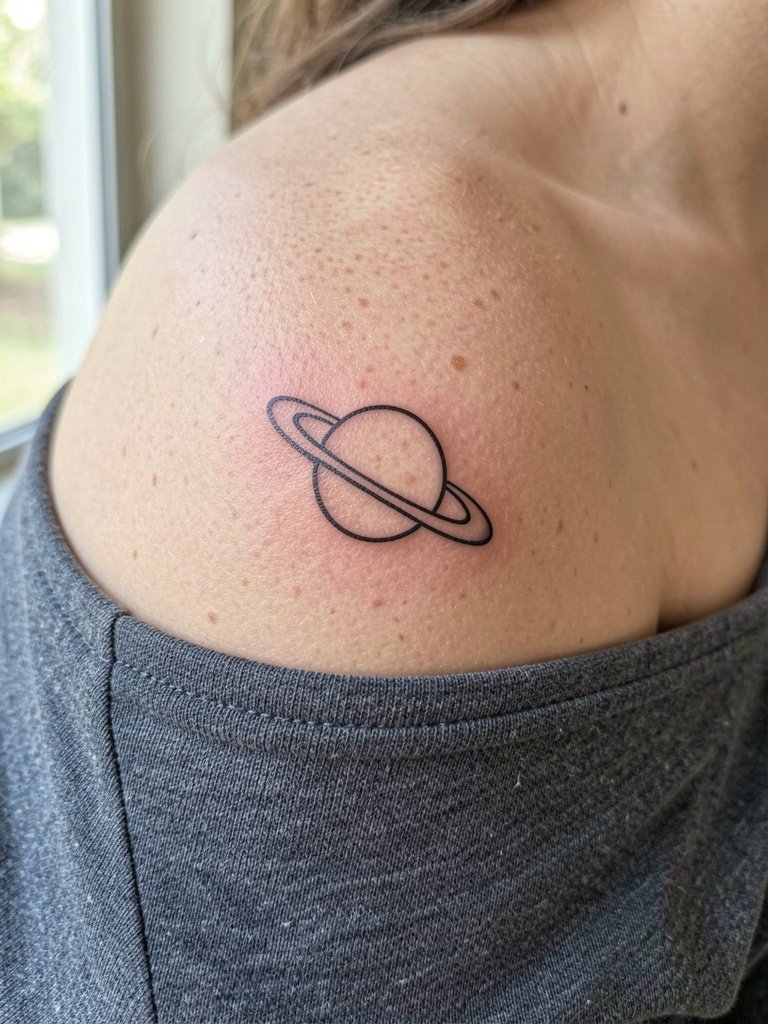
Outer-shoulder planets read well at 2–3 cm and hold shape because the skin there is stable. If you plan a future patchwork shoulder, mention where you want adjacent pieces so spacing stays intentional. The session usually runs 30 to 60 minutes with mild soreness during placement. Style-wise, this piece pairs with off-shoulder tops and a thin shoulder chain to frame the design. During the appointment wear an off-shoulder or sleeveless top so the artist can work without fabric getting in the way.
6. Zodiac Animal Silhouette in Negative Space, Upper Back
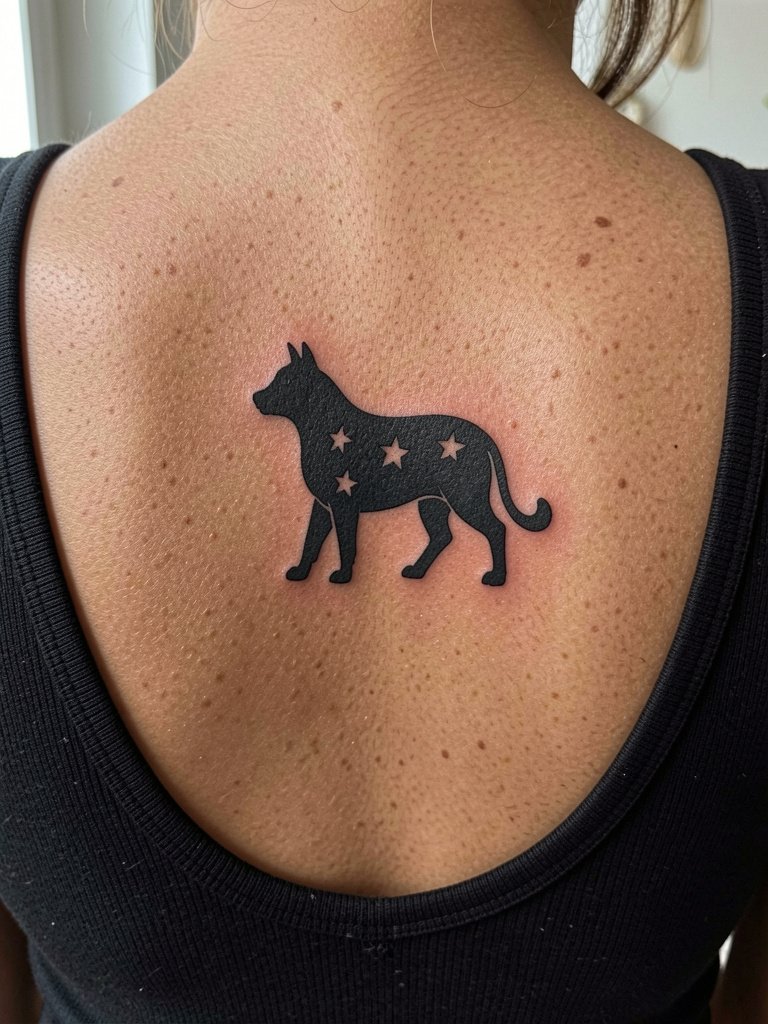
Negative-space silhouettes work at 4–5 cm where solid black gives the white-star cutouts room to register. A common mistake is shrinking the animal too small, which turns the negative stars into a muddled gray mass after a couple of years. For a healed look that photographs well, ask for crisp edges and test the negative stars on a printed mockup before sitting. Show the piece with a backless dress or top and accent with a delicate back chain for evening wear. Expect a single session under 90 minutes and moderate pain when the needle passes over the upper back musculature.
7. Sun and Moon Glyph Pair, Ankle
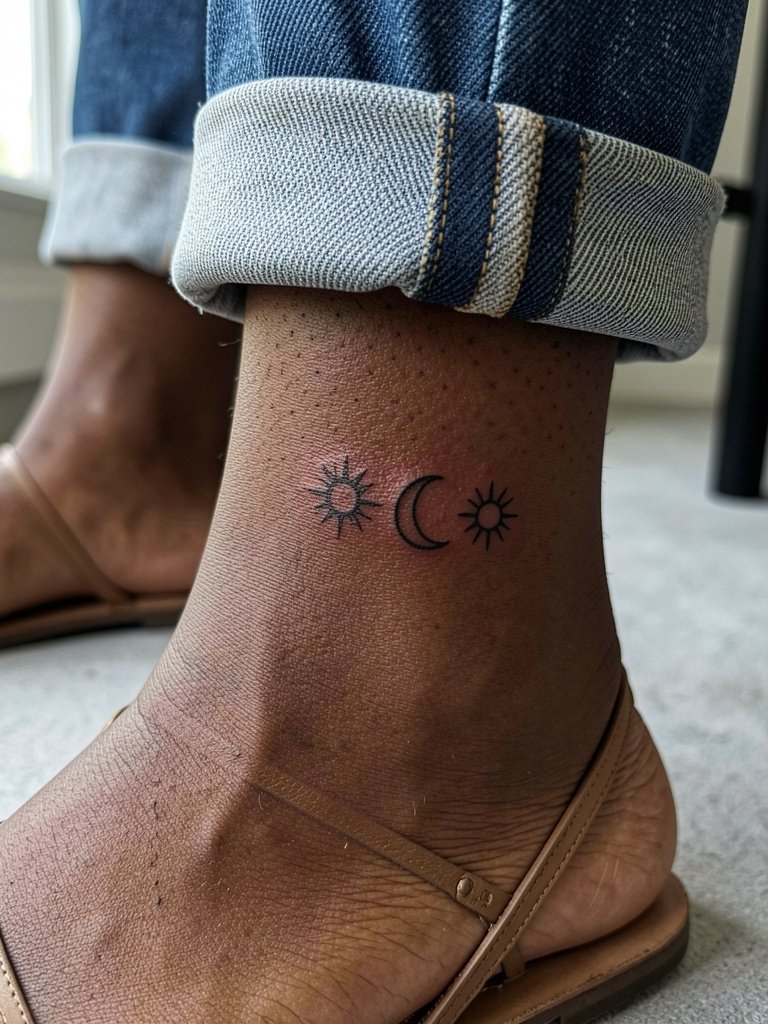
Ankle glyph pairs are compact at 1.5 cm and look balanced when spaced to fit around the lateral malleolus. Fine-line durability on ankles sits in the same debate as wrists. One camp says ankles blur within two years because shoes and socks rub constant friction into lines. The opposing camp says with proper needle depth and a slightly heavier single pass ankles can keep crispness for three to five years. For showing the tattoo, choose thin-strap sandals and avoid ankle chains that sit directly over the ink. Wear open-toe sandals on the appointment day so the artist can work without compression.
8. Constellation Line Art with Heart Dot, Inner Thigh
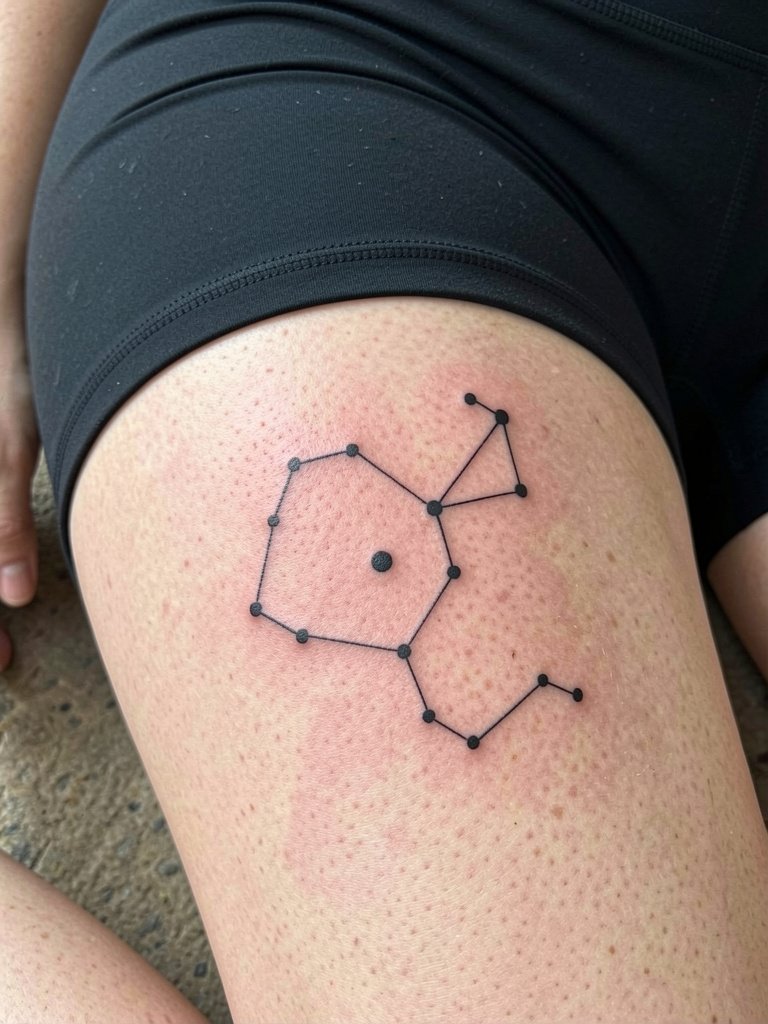
Inner-thigh constellations let you go larger, around 3–4 cm, so star spacing keeps crisp. The common mistake is placing a very fine dot cluster near the groin line where sweat, friction, and fabric contact dull the work quickly. For session comfort wear loose shorts that the artist can slide down slightly without pulling fabric. The healed appearance is usually strong at one year if the piece had room to breathe and you avoided tight underwear during healing.
9. Astrology Wheel Segment, Lateral Hip
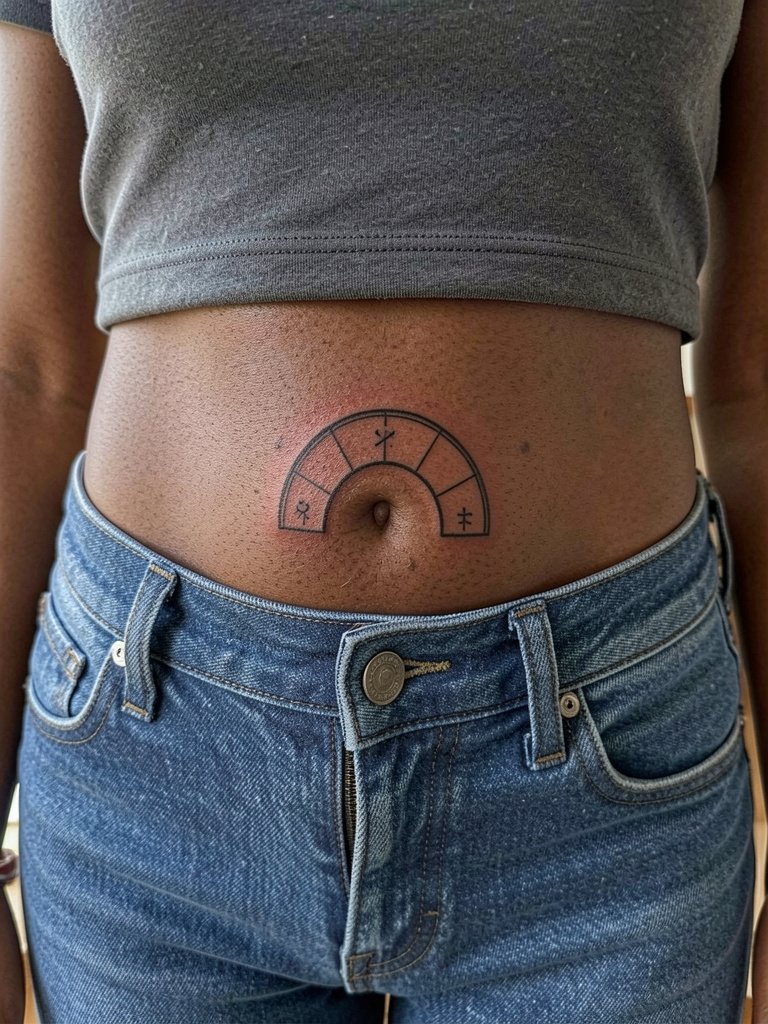
Partial wheel arcs solve the "too busy full wheel" problem while still referencing the chart. Placement on the hip reads best at roughly 3 cm to keep glyph markers legible. A mistake is compressing the arc into a tiny footprint that loses its radial spacing after healing. For wardrobe, low-rise pants or skirts let the arc peek under a cropped top, and a subtle hip chain complements the curve. Wear low-rise bottoms to the session so the artist can access the lateral hip without you having to pull anything down.
10. Tiny Saturn Ring Dot, Side Neck
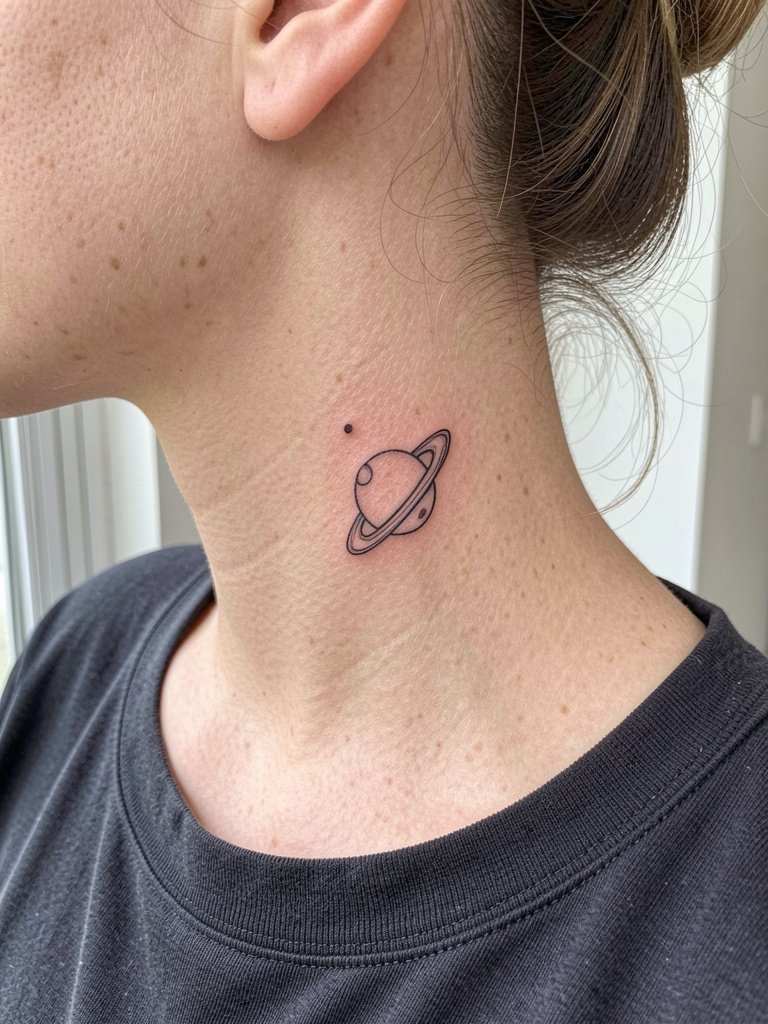
Neck dots sit small at 0.8 cm and read as tiny punctuation on the side of the neck. Pain is higher than outer shoulder but still manageable, often a 5 to 6. A real mistake is asking for a ring that is too thin; the neck moves and the outer edge can blur into the dot over time. For showing it off, wear hair up and a delicate collar that does not overlap the ink. On appointment day keep necklaces off so the artist can position the piece without obstruction.
11. Birth Chart Date Script, Sternum
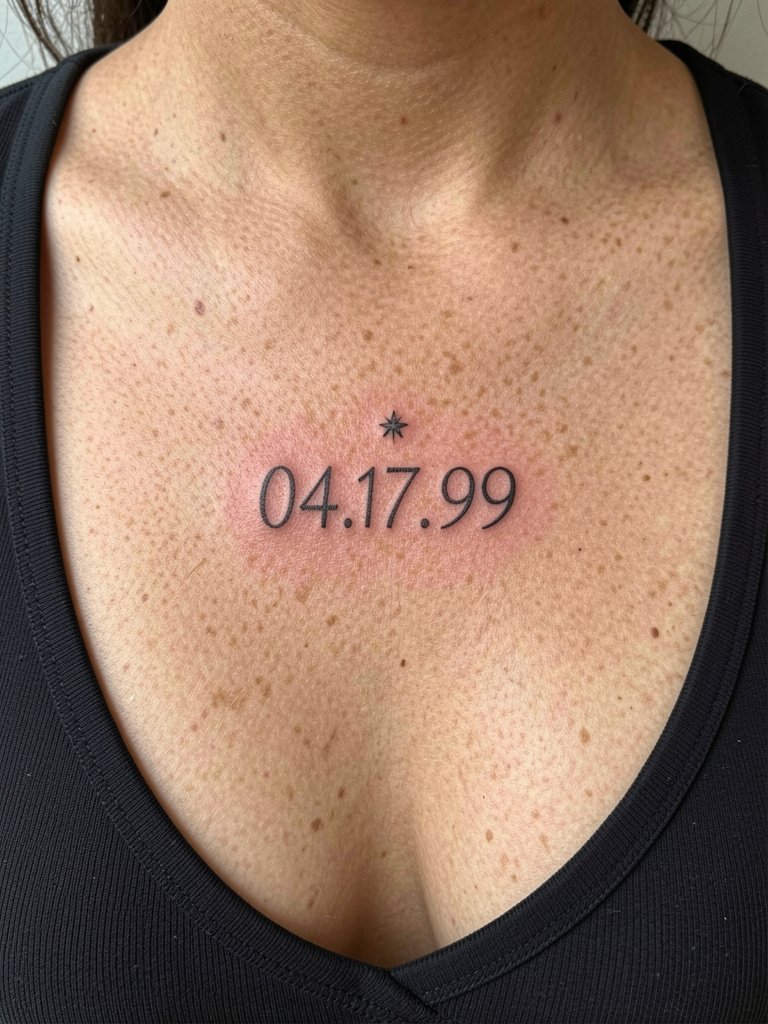
Sternum script looks crisp when spaced to 2–3 cm and aligned along the chest midline. The sternum can be moderately sensitive and sessions here often run longer than small wrist pieces because of careful stencil placement. A frequent mistake is pushing for an ultra-thin script that loses definition after swelling and healing. For showing the date, low-cut tops and layered chest chains highlight the script. On the day of the session wear a low-cut top so the area is easy to access without fabric shifts.
12. Single-Line Moon Phase Arc, Inner Upper Arm
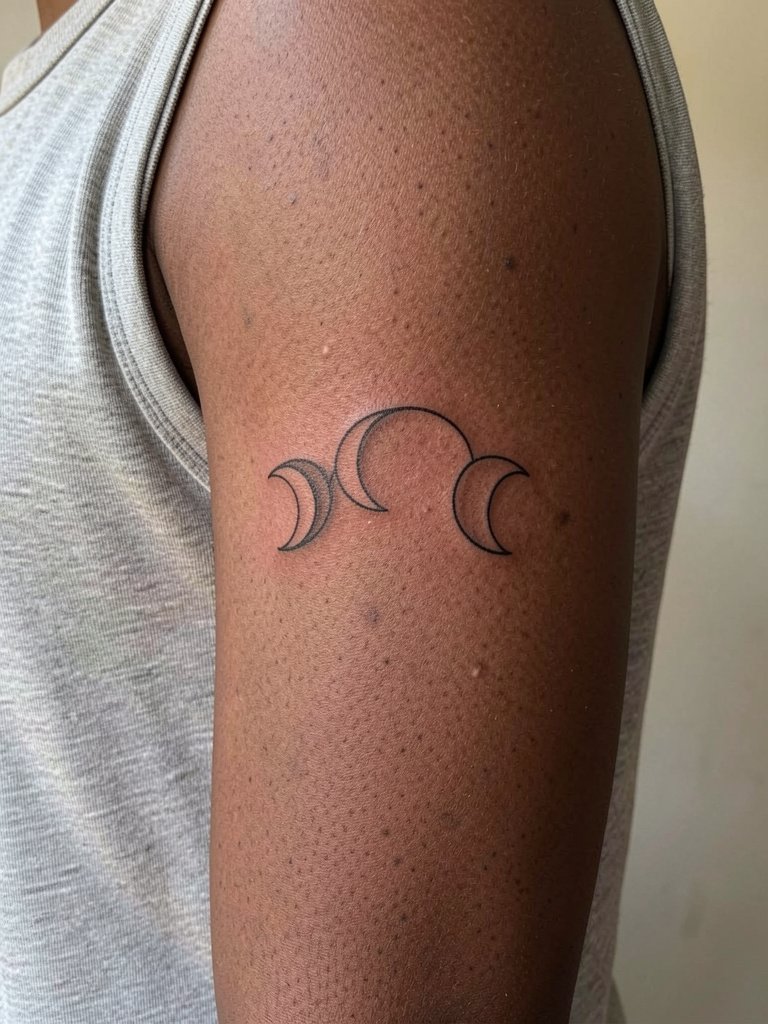
Moon phase arcs bring subtle narrative without being heavy, and they work well at about 2.5 cm on the inner arm. For darker skin tones, the single-needle versus slightly thicker needle debate comes up. One camp says single-needle lines are too delicate for darker skin and risk gray fading, recommending 0.30 to 0.35 mm instead. The other camp says a careful single-needle pass with dense saturation can still produce crisp long-term results, citing healed examples. If you have medium to dark skin ask the artist to show healed work in comparable tones and discuss a hair thicker line weight if needed.
13. Minimalist Astrology Symbol Cluster, Wrist
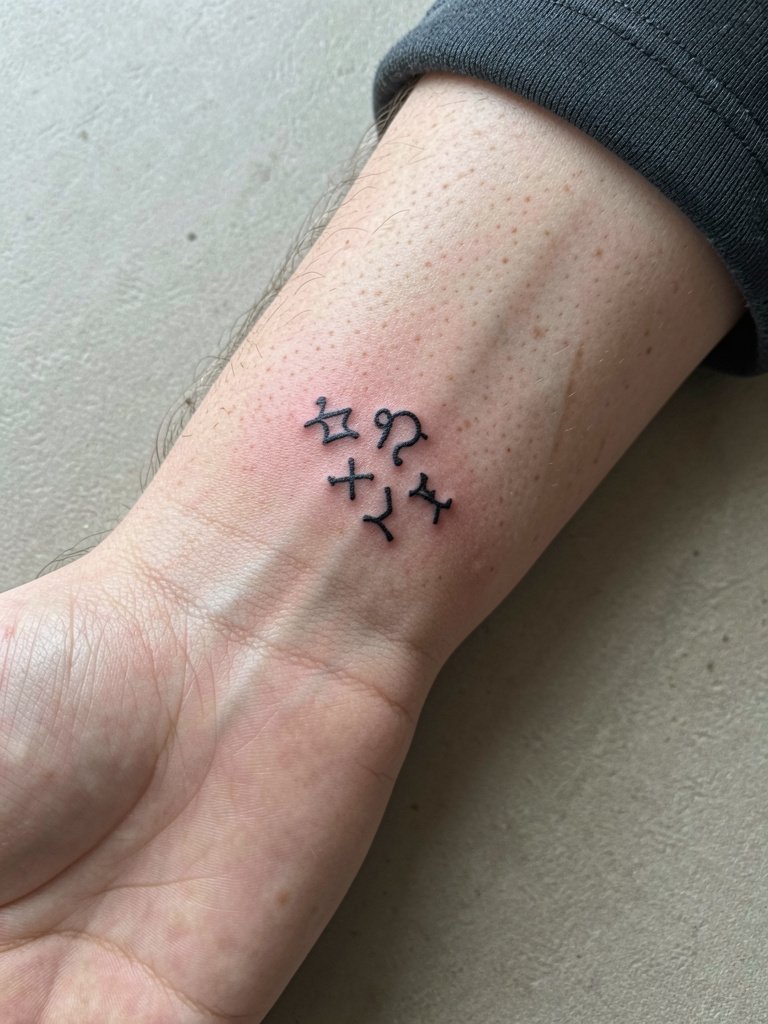
Wrist clusters are great for multiple chart elements but watch the scale. Tight 2 cm clusters can merge without breathing room, especially on thin wrists. Fine-line longevity on wrists draws two strong opinions. One camp maintains that single-needle clusters on wrists blur fast because of constant friction from watches and bracelets. The other camp argues that slightly increased spacing and deliberate line weight make clusters hold for years, and they point to healed wrist portfolios to support that. For styling, pair with a minimalist watch on the opposite wrist and stacked thin chains to balance the visual weight.
14. Tiny Eclipse Silhouette, Foot
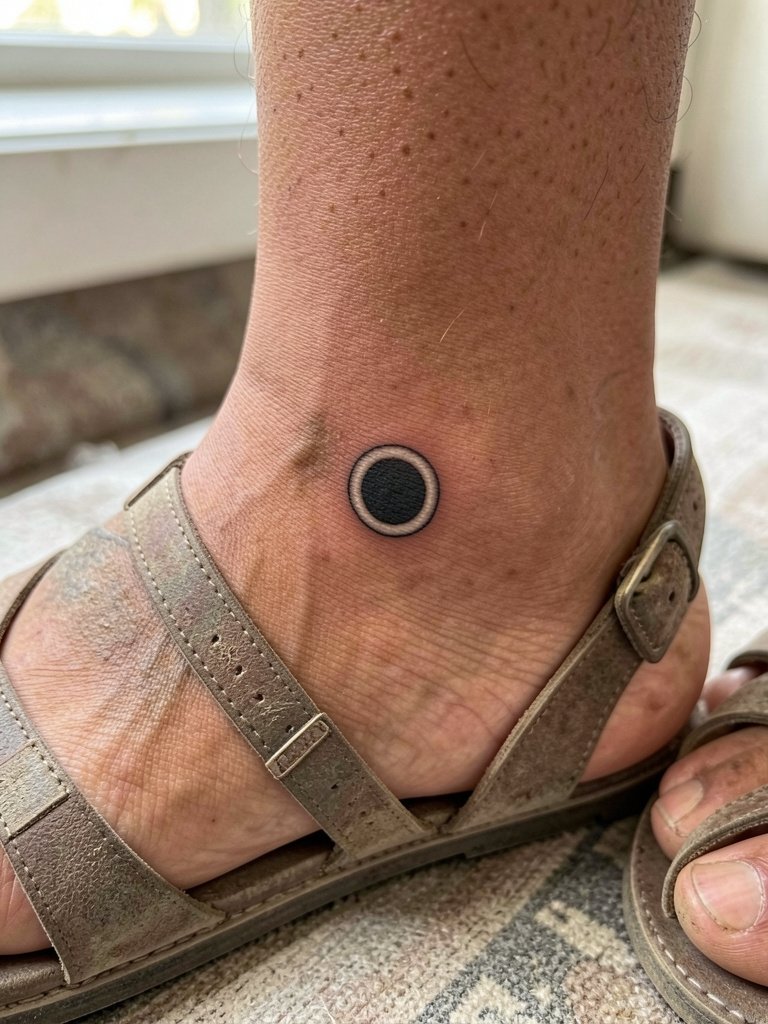
Foot silhouettes read best at about 1.2 cm in diameter. Feet heal under higher friction and washing frequency, so expect touch-ups sooner than for arm pieces. A common mistake is placing negative-space details too tightly, which then blur with walking and shoe wear. Show the finished look with strappy sandals and avoid anklets that land directly on the tattoo. For the session wear open-toe sandals so the artist can work without pressure from socks.
15. Minimalist Star Cluster, Lower Back
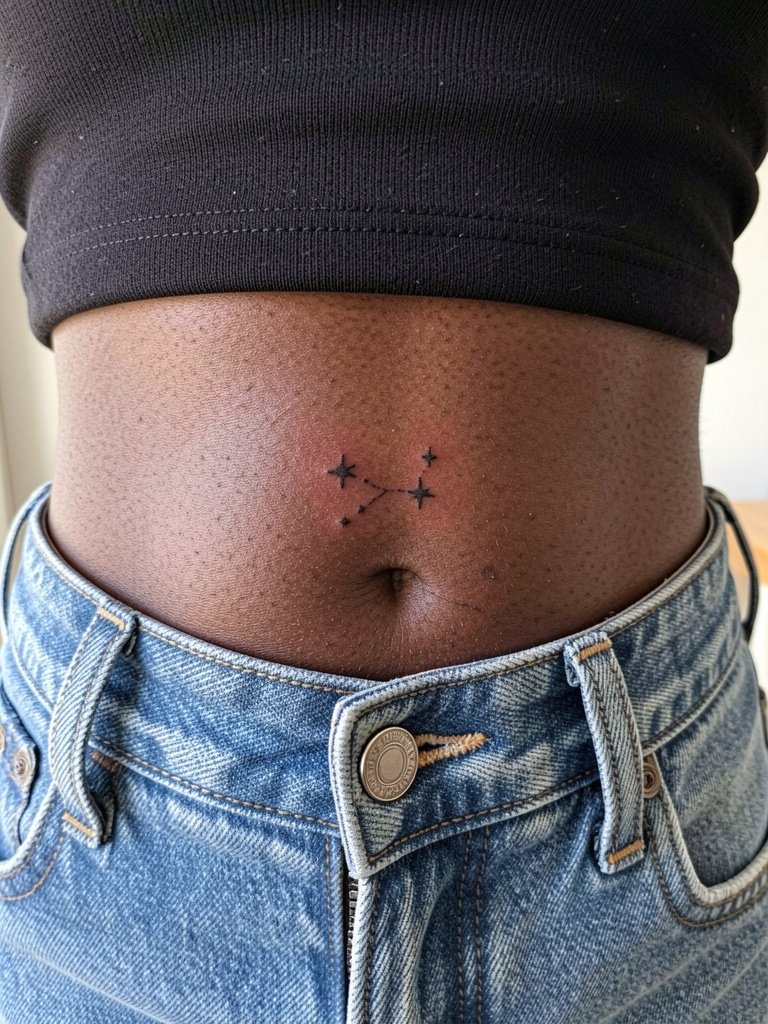
Lower-back star clusters make subtle, flirty accents when kept around 1.5 cm. Because this area is sometimes hidden, clients forget to protect it from sun during pool and beach months, which accelerates fading. A typical error is asking for ultra-fine dots that do not have room to hold saturation once the skin moves. Wear low-rise crop tops to show the piece, and choose lightweight fabrics that do not compress the tattoo while it heals. Sessions are short and pain levels are usually low to moderate.
16. Micro Natal Node Mark, Behind the Ear Lobe Area
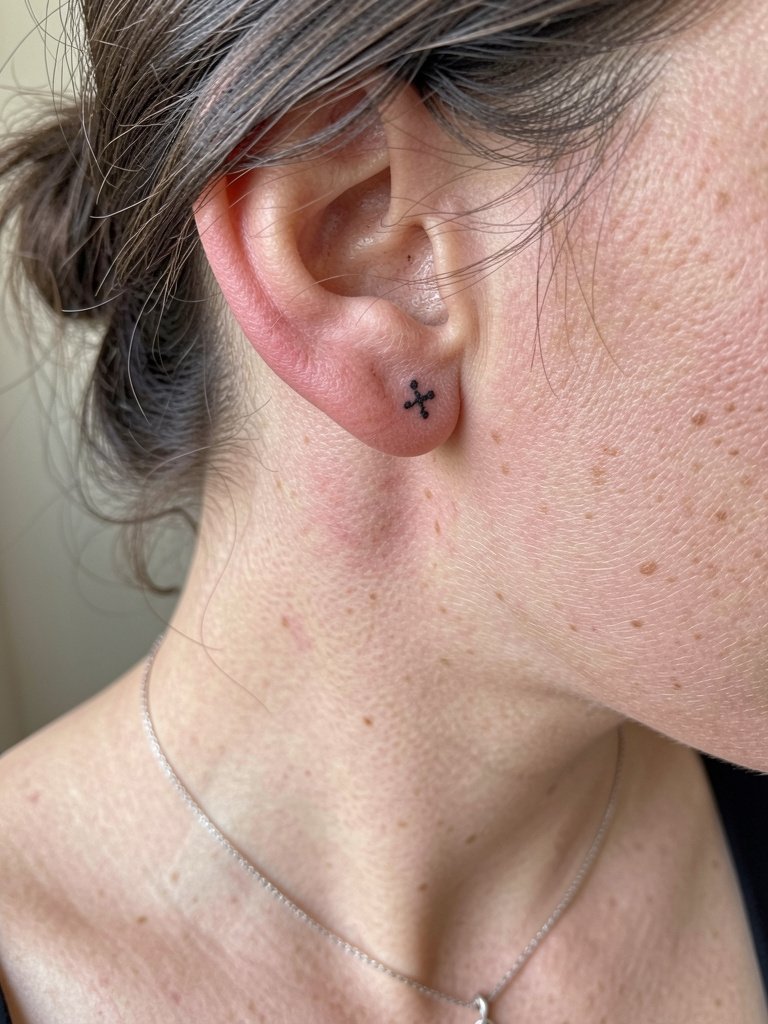
Micro natal node dots are subtle markers for chart points and are almost entirely low-visibility. Size matters as even a 0.5 cm shift can change how it photographs. A common mistake is choosing a dot that is too faint and then re-inking aggressively in a rushed touch-up. For showing it off style with hair tied up and a delicate pendant necklace that does not overlap the area. The session is brief and pain is usually minimal.
17. Minimalist Mercury Glyph, Outer Wrist
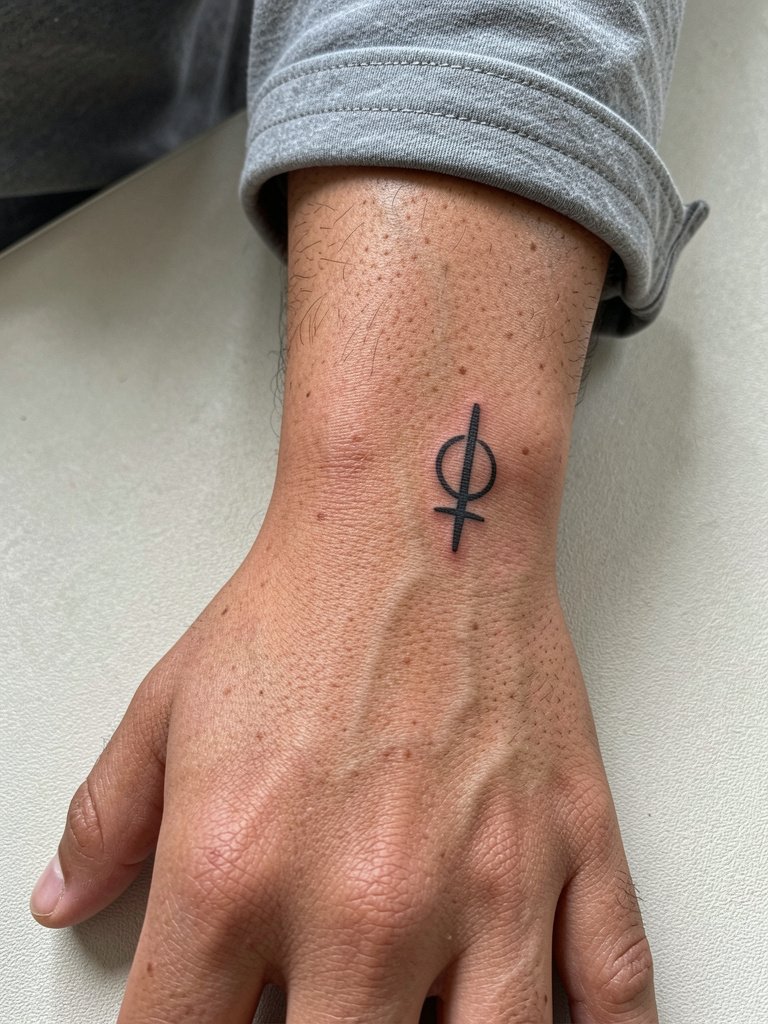
Outer-wrist glyphs balance visibility and longevity better than inner-wrist placements because the skin is slightly thicker. Keep the glyph at 1–1.5 cm with a hair of extra spacing around curved strokes to avoid softening. A real mistake is copying a stylized online glyph that is too ornate for micro scale. For accessorizing, wear a minimalist watch on the opposite wrist and avoid bracelets on the tattoo side until it is fully healed.
18. Minimal Stipple Comet, Upper Arm Outer
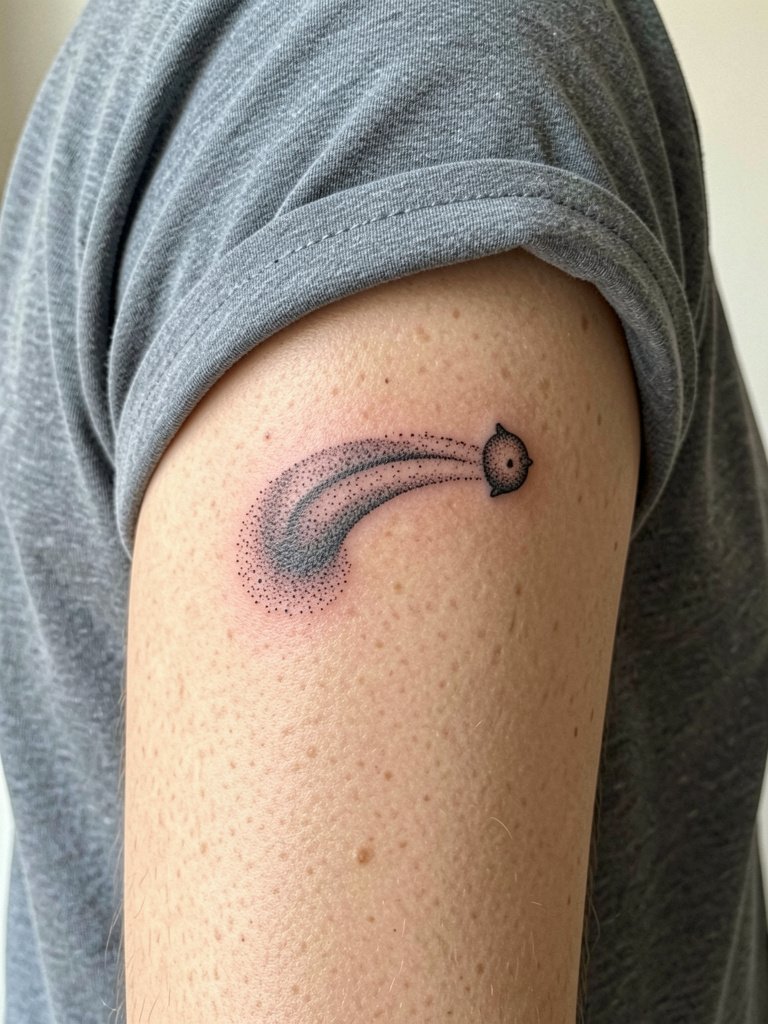
Dot-work comets use stippling to create motion without solid fills and scale well at 2–3 cm. The outer arm provides a forgiving canvas that ages predictably. A common misstep is asking for an ultra-fine tail that fades into an indistinct blur across years. For session comfort wear a short-sleeve shirt so the artist can rotate the arm without fabric interference. This placement is forgiving for future additions if you plan a patchwork sleeve down the road.
19. Minimal Geometric Moon, Side Rib
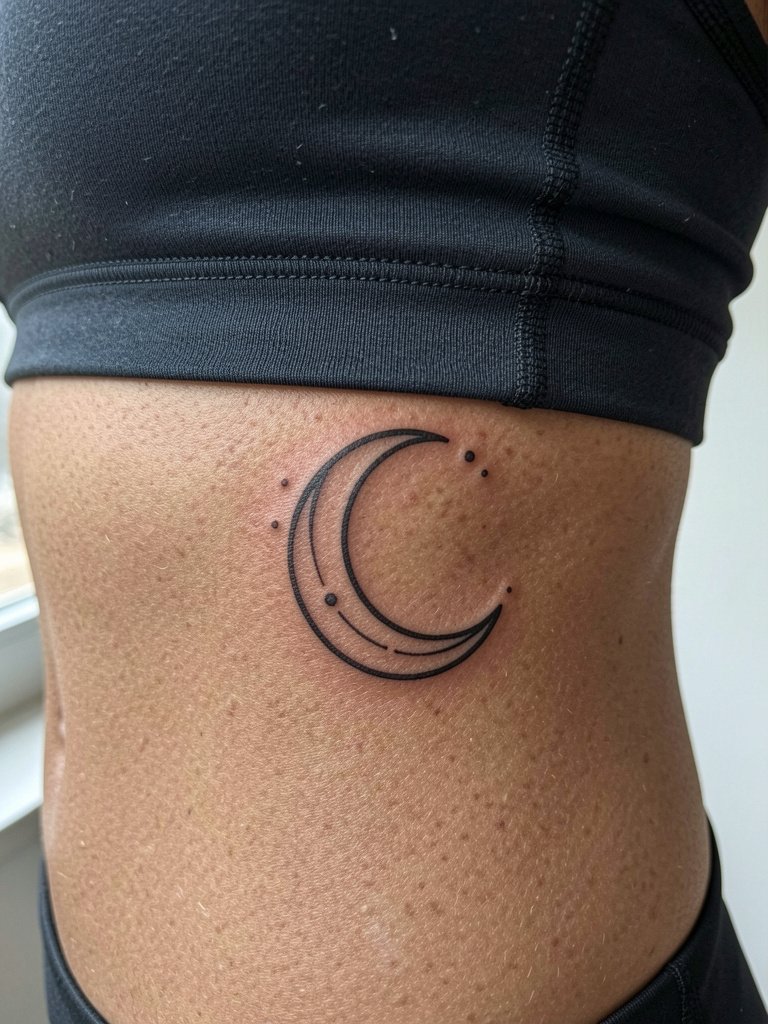
Rib placements are high on the pain chart, but they can make bold minimal statements when designed with spacing in mind. A common mistake is cramming intricate geometry into a small rib piece, which loses clarity when skin shifts. Discuss exact arc spacing and show healed photos of similar placements during consultation to avoid surprises. Session time can be longer because of breaks, so plan accordingly and consider numbing if that helps you stay comfortable.
20. Tiny Planet Line, Calf
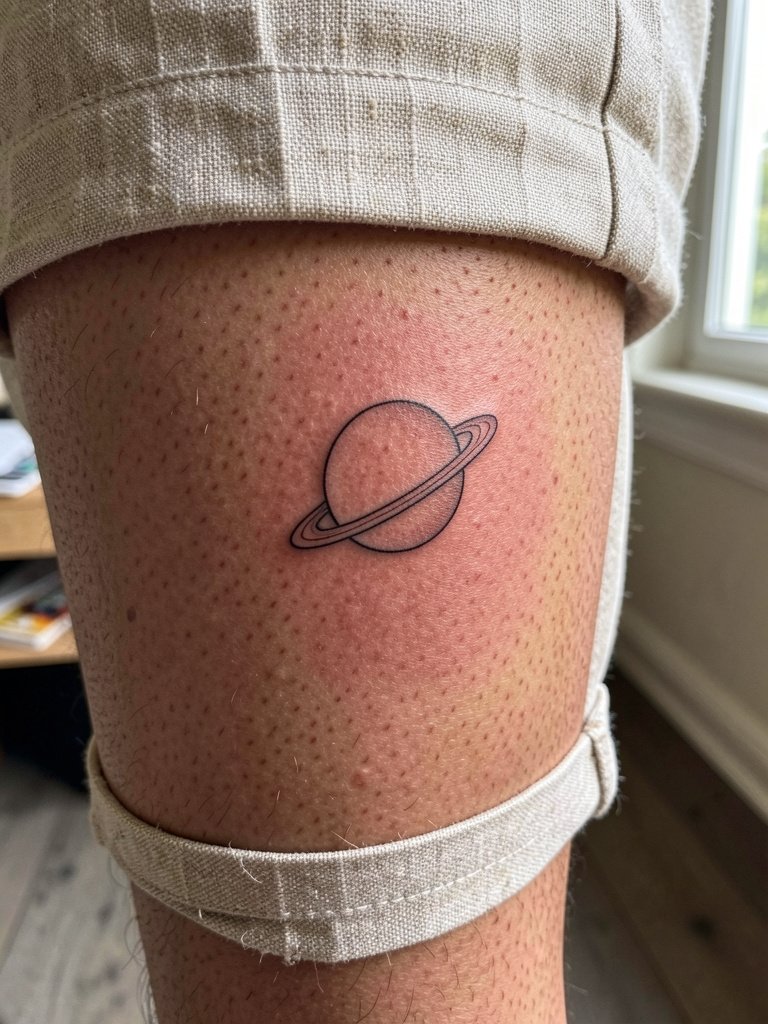
Calf placements allow a touch larger scale at 2–3 cm and are lower-friction than ankles and wrists. A mistake is choosing extremely thin rings that fade when the calf rubs against pants. For showing the planet choose cropped pants or linen shorts and pair with slim sandals or sneakers with low collars so the ink is visible. Sessions are short and pain is usually mild to moderate.
21. Tiny Venus Sigil, Behind the Collar
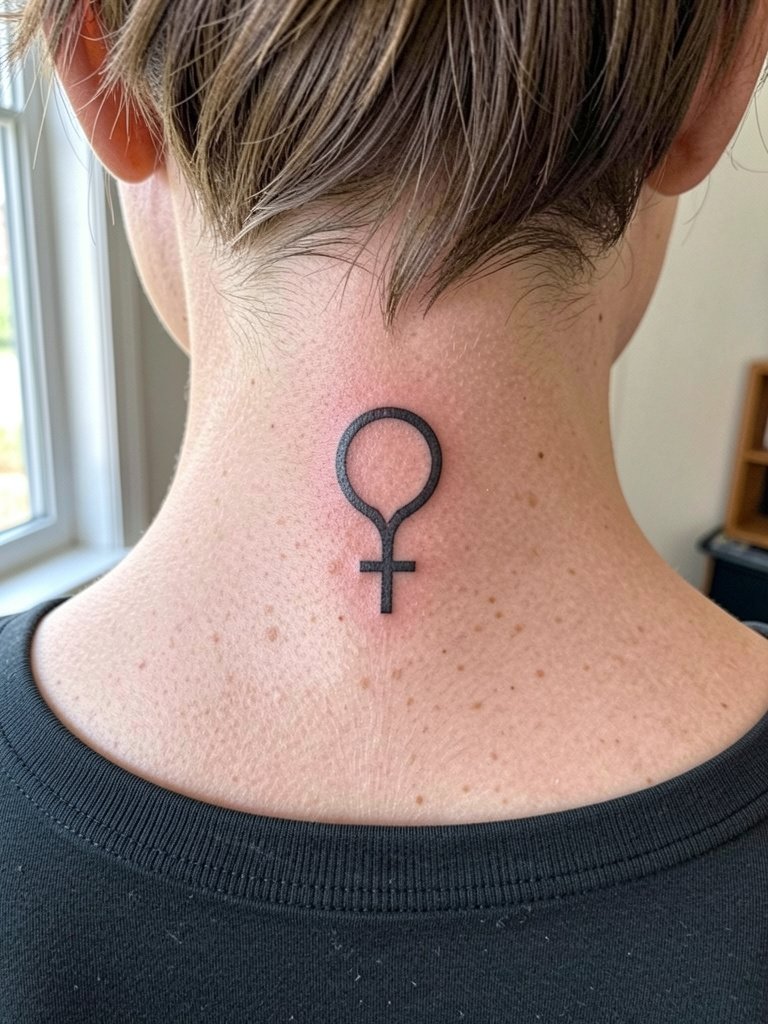
A nape sigil is discreet and photographs well when hair is up. Common mistakes include placing the sigil too low where clothing rubs it constantly. For sessions, wear a wide-neck shirt so the artist can access the area without you having to move. For showing the piece, hair up or a soft chignon will keep the tiny sigil visible.
22. Minimalist Comet Tail, Outer Thigh
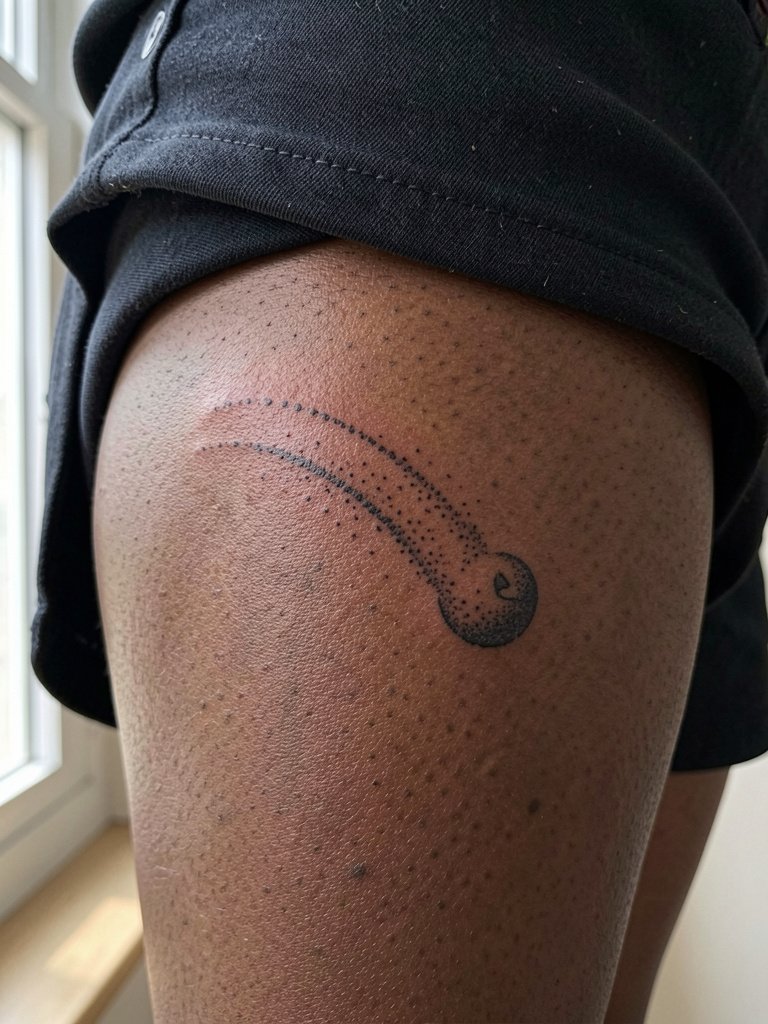
Outer-thigh comet tails let you go longer with dotted motion at 4–6 cm while staying comfortably hidden. A mistake is placing the tail too close to the waistband where rubbing from pants causes premature fading. For styling pair with high-waisted shorts or skirts in neutral tones to show the piece when desired. The session is comfortable for most people and healing tends to be reliable because of low constant friction.
23. Micro Zodiac Glyph, Top of Foot
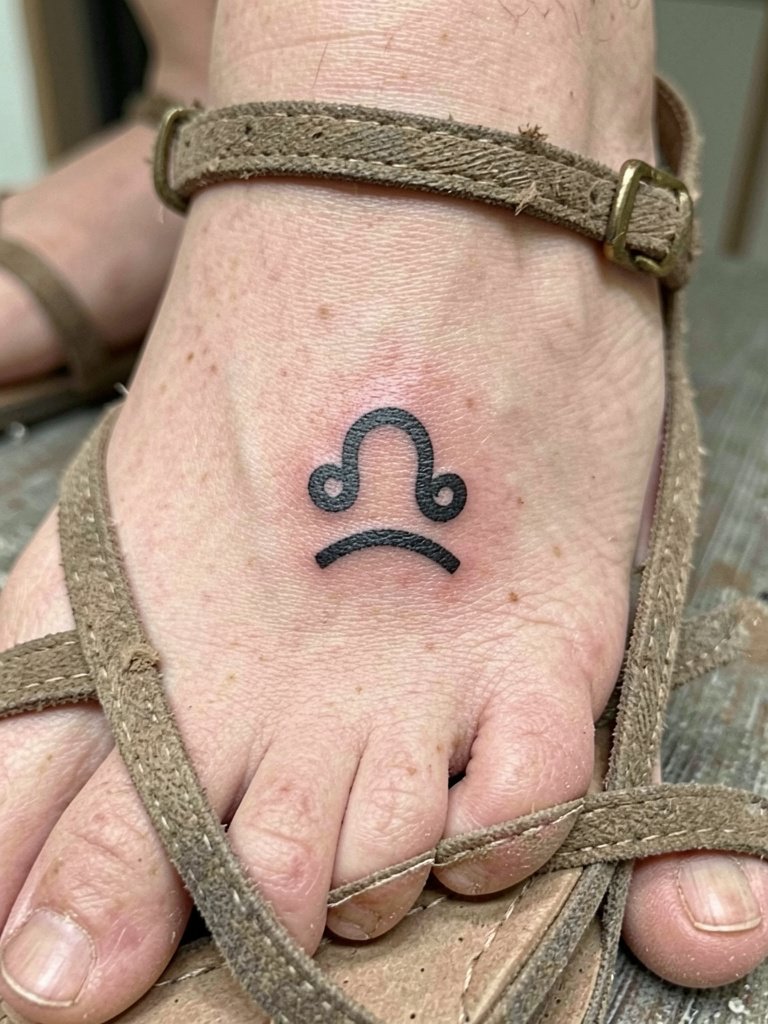
Top-of-foot glyphs are very visible but they suffer from shoe friction and frequent washing. Keep these micro glyphs at least 0.8 to 1 cm to maintain reading. For photos, wear strappy sandals and avoid anklets that press on the design. Expect a touch-up more likely than with arm pieces because of wear and exposure.
24. Tiny Solar Orbit, Inner Elbow Pit Edge
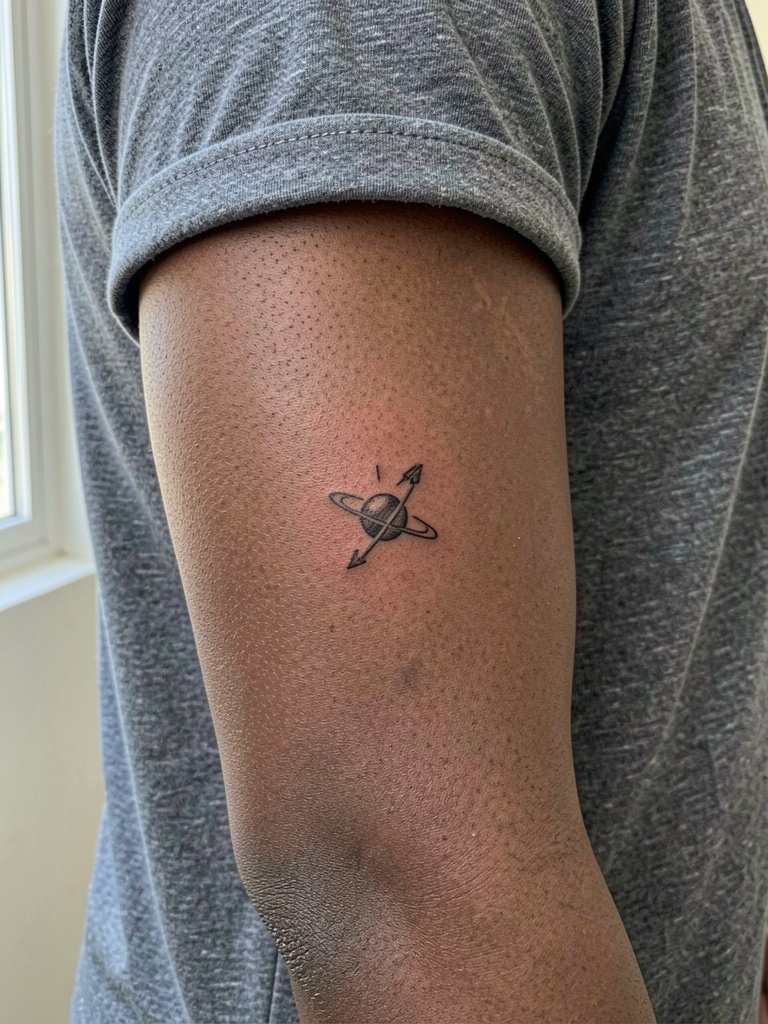
Inner-elbow-edge placements require care with sizing because the crease moves frequently. Keep the orbit small and slightly offset from the deepest crease to minimize stretching. A typical mistake is centering right in the bend, which leads to line distortion during healing and with arm motion. For showing it, roll sleeves to mid-bicep and choose neutral rolled-cuff shirts. Appointment wear should be loose-sleeved so the artist can manipulate the arm without pinching the fabric.
25. Minimal Negative-Space Star Field, Shoulder Blade
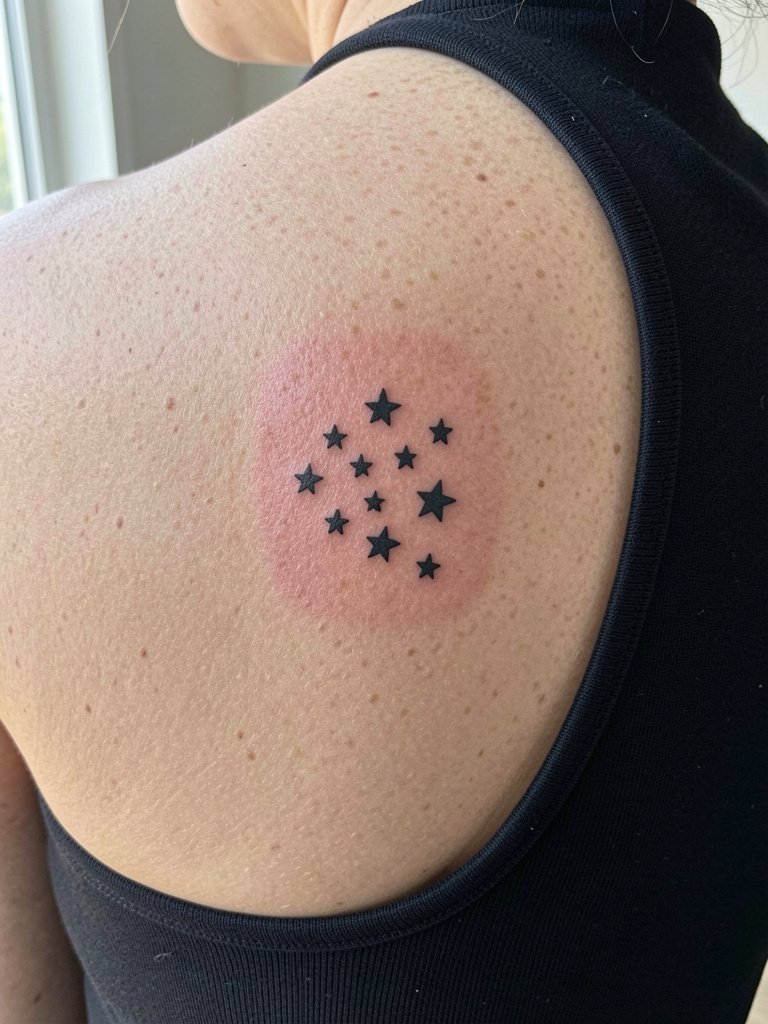
Negative-space star fields on the shoulder blade benefit from 4–5 cm compositions so the white stars contrast against a solid field. A mistake is requesting a patch that is too small where the stars vanish into a gray smudge. For styling, backless tops or dresses let the negative-space design shine, and a delicate back chain adds a finishing touch. The session is moderate and you will need to avoid rubbing from backpacks during early healing.
26. Three-Glyph Vertical Line, Inner Forearm Near Wrist
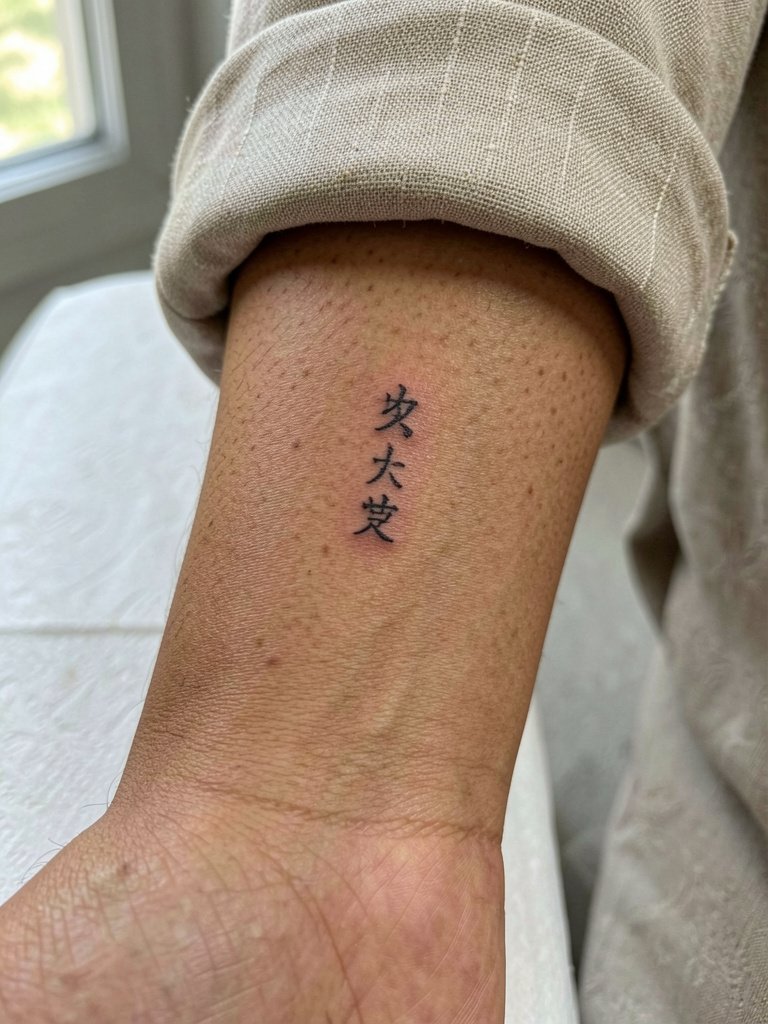
Vertical stacks make efficient use of forearm real estate and can represent planets or house rulerships in a slim column. The main error is stacking glyphs that are too close together, which lose separation when the arm bends. For display wear rolled-up linen shirts in cream or olive, and let the forearm be the focus without chunky bracelets. Session time is short, and touch-ups are more likely if you keep tight cuffs or bracelets over the area during healing.
27. Minimal Chart Node Pair, Side Rib Lower
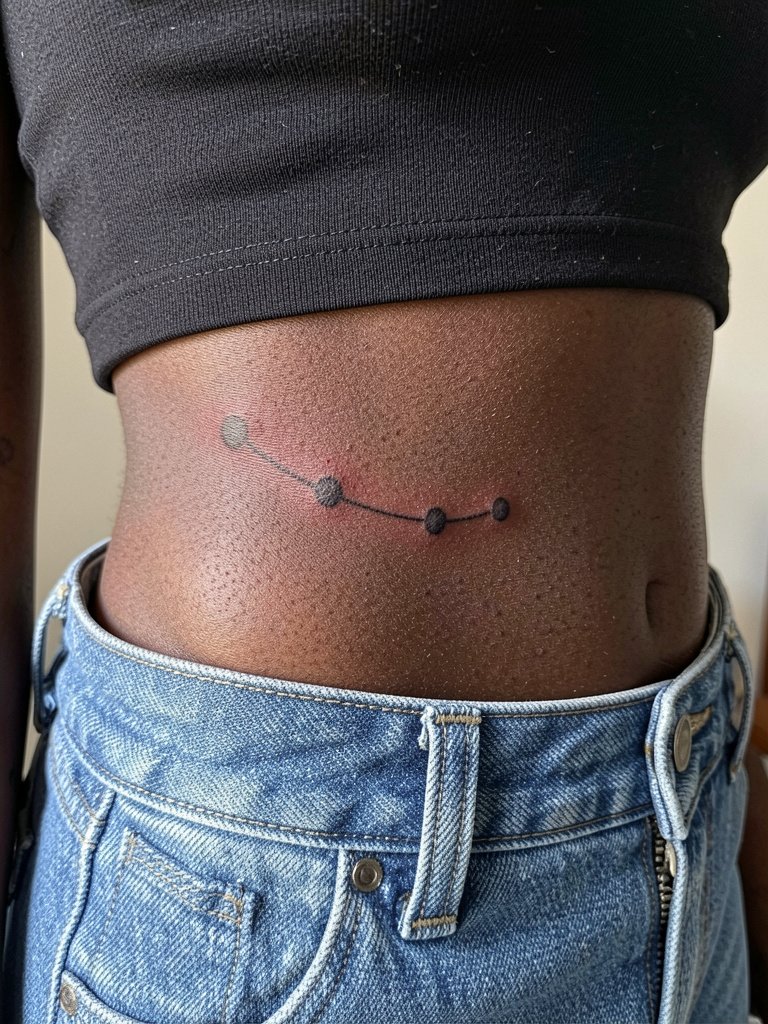
Lower-rib node pairs are intimate and read best when given 2.5–3 cm spacing so the arc remains legible. Because the area moves with bending and waistlines, avoid compressive clothing during the first two weeks of healing. For session wear a cropped top so the artist can work without the need to pull fabric or expose underwear. Pain is higher than the arm and sessions may include short breaks.
Heal Smart
These small pieces on wrists, ankles, and rib areas behave differently than larger work, so a few targeted items help keep fine line crisp.
- Botanical tattoo balm. A thinner balm can hydrate without the heavy residue that sometimes softens ultra-fine lines during early healing.
- After Inked spray. A lighter spray option for the first week if you prefer a non-greasy application for micro linework.
- Tattoo nourish oil. Unscented oils can help with saturation retention on medium to dark skin tones without clogging pores.
- Matte flash adhesive. Handy for photos of wrist and ankle pieces if you want to avoid glare on darker skin tones.
- SPF 50+ mineral sunscreen. Protecting healed fine-line ink from UV keeps contrast longer, especially for exposed collarbone and wrist pieces.
Frequently Asked Questions
Q: How do I find an artist who specializes in custom birth chart glyphs without naming people?
A: Search hashtags like #minimalastrologytattoo and #zodiacglyph on Instagram and TikTok, then filter by city or location. Use Tattoodo and Booksy to search keywords such as "fine line constellation" or "custom glyph" and review healed photos in portfolios. Reddit threads in r/tattoos and r/tattooadvice also surface peer recommendations and healed examples across skin tones.
Q: Will a fine-line constellation on my inner wrist need a touch-up sooner than a larger forearm piece?
A: Yes, inner-wrist constellations sit in a high-friction zone and often need a touch-up at 12 to 18 months if you wear watches or bracelets daily. Keep the design slightly larger and spaced so the nodes have room, and protect the healed piece from constant abrasion to extend the intervals between touch-ups.
Q: I have darker skin. Should the artist use a single-needle or a heavier needle for minimalist astrology work?
A: On darker skin a slightly heavier line weight around 0.30 to 0.35 mm can improve saturation and photograph better, especially for micro glyphs. Ask the artist to show healed work on comparable skin tones and discuss marginally increased spacing rather than ultra-skinny lines so the piece maintains contrast at 6 to 12 months.
Q: How often should I use sunscreen on healed collarbone and wrist tattoos?
A: One school of thought recommends daily SPF 50 on exposed fine-line tattoos because UV is a primary driver of fading. Another perspective suggests focusing sunscreen use in peak sun months and protecting the piece with clothing otherwise, to avoid product buildup. Either approach helps; prioritize consistent protection during long sun exposure periods.
Q: What should I wear to my appointment for a minimal ankle or foot tattoo?
A: For ankle or foot pieces wear open-toe sandals or pants with cuffs you can easily roll, so the artist can work without fabric rubbing the area. Avoid tight socks or footwear for the first two weeks of healing to reduce friction and premature fading.